A 60-year-old male presents with haematuria at the onset of micturition. What is the most likely cause?
What is the normal albumin to globulin (A/G) ratio in blood?
Which of the following cell types are NOT found in the stomach?
Toluidine blue staining is used for the identification of which cell?
The auricular cartilage is characterized by all of the following features except?
What type of epithelium covers the Bowman's capsule?
Which of the following are features of iron deficiency anemia?
Which of the following is associated with ependymal cells rather than microglial cells?
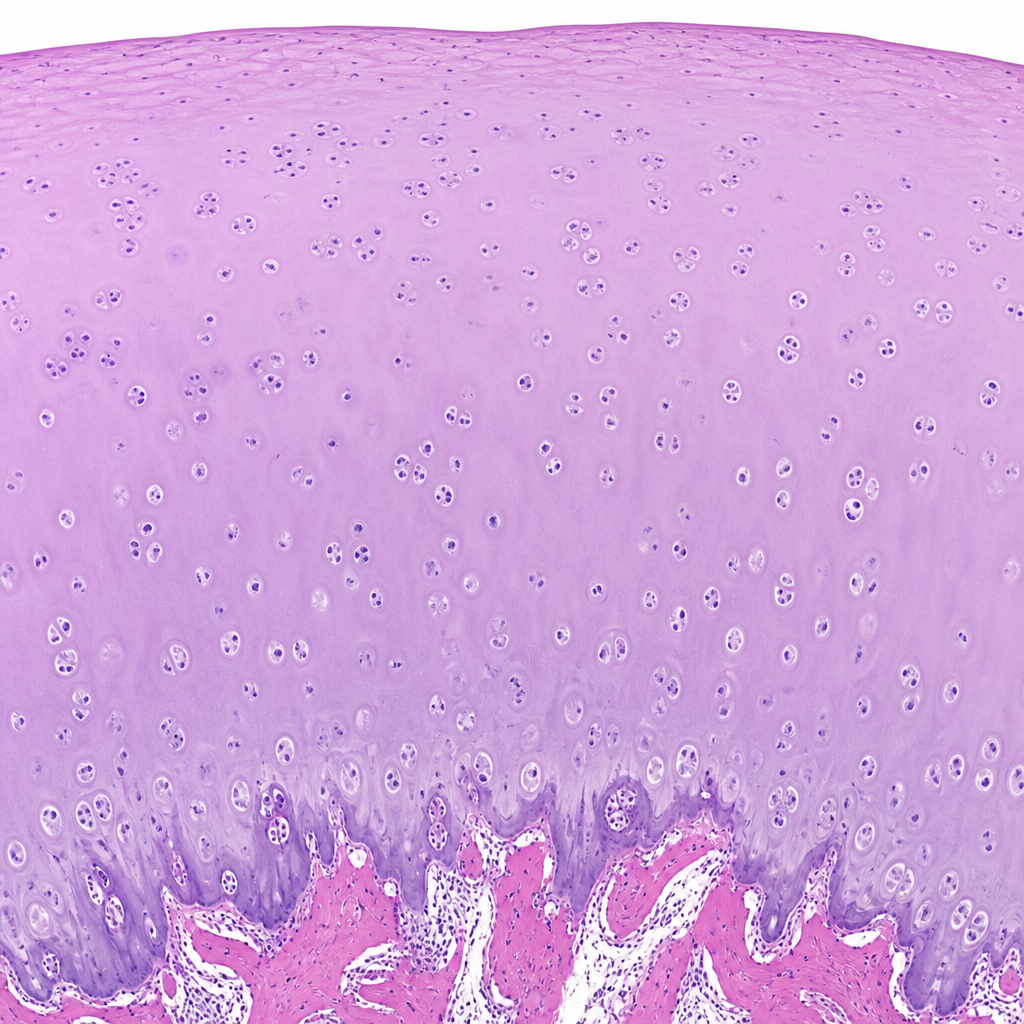
The type of cartilage shown in the color plate is:

What is true about carcinoma of the penis?
Explanation: **Explanation:** The timing of haematuria during the act of micturition is a high-yield clinical indicator for localizing the source of bleeding in the urinary tract. **1. Why Urethral Stone is Correct:** Haematuria at the **onset (initial)** of micturition suggests a lesion distal to the bladder neck, typically in the **urethra**. When micturition begins, the initial flow of urine flushes out blood or inflammatory debris present in the urethral lumen. A urethral stone causes local mucosal trauma, leading to this presentation. **2. Analysis of Incorrect Options:** * **Bladder Tumor:** Typically presents with **total haematuria** (blood throughout the stream) or **terminal haematuria** (at the end) if the tumor is near the bladder neck/trigone. It is classically painless. * **Ureteric Stone:** Causes **total haematuria**. Since the blood originates in the ureter, it mixes thoroughly with the urine stored in the bladder before voiding. * **Prostatitis:** Usually presents with **terminal haematuria**. As the bladder finishes contracting, the prostatic urethra is squeezed, expressing blood or inflammatory cells into the final drops of urine. **3. NEET-PG High-Yield Pearls:** * **Initial Haematuria:** Source is the Urethra (e.g., urethritis, urethral stricture, or stone). * **Terminal Haematuria:** Source is the Bladder Neck, Trigone, or Prostate (e.g., cystitis, prostatitis, or bladder neck polyps). * **Total Haematuria:** Source is the Kidney or Ureter (e.g., RCC, Ureteric calculi, Glomerulonephritis). * **Painless Profuse Haematuria:** In an elderly patient, this is **Bladder Cancer** until proven otherwise.
Explanation: **Explanation:** The **Albumin to Globulin (A/G) ratio** is a vital clinical parameter used to evaluate liver and kidney function, as well as nutritional status. **Why 2:1 is correct:** In a healthy adult, the normal range for total serum protein is approximately 6.0 to 8.3 g/dL [1]. **Albumin**, the most abundant plasma protein (synthesized exclusively by the liver), typically ranges from **3.5 to 5.0 g/dL** [1]. **Globulins** (including alpha, beta, and gamma fractions) range from **2.0 to 3.5 g/dL**. When you divide the average albumin level by the average globulin level, the resulting ratio is approximately **1.5:1 to 2:1**. Therefore, **2:1** is the standard physiological benchmark used in medical examinations. **Analysis of Incorrect Options:** * **A (5:2):** This ratio (2.5:1) overestimates the amount of albumin relative to globulin found in normal physiology. * **C (1:2):** This represents a **reversed A/G ratio**. This is a pathological finding seen in conditions like multiple myeloma (increased globulins) or cirrhosis (decreased albumin). * **D (1:1):** This indicates a relative decrease in albumin or an increase in globulins, often seen in chronic inflammatory states, but it is not the "normal" baseline. **High-Yield Clinical Pearls for NEET-PG:** * **Reversed A/G Ratio (<1.0):** A classic exam favorite. It occurs in **Chronic Liver Disease/Cirrhosis** (decreased synthesis), **Nephrotic Syndrome** (increased loss), and **Multiple Myeloma** (monoclonal gammopathy). * **Albumin Half-life:** Approximately **20 days** [1], making it a marker of chronic rather than acute liver injury. * **Functions:** Albumin is primarily responsible for maintaining **plasma oncotic pressure** (70-80%) and transporting bilirubin, hormones, and drugs [1].
Explanation: ### Explanation The stomach mucosa is characterized by gastric pits and glands lined by specific secretory cells. The correct answer is **Goblet cells**, as these are characteristic of the **intestinal mucosa** (small and large intestine), not the stomach. **1. Why Goblet Cells are the correct answer:** Goblet cells are unicellular mucous glands found interspersed among the enterocytes of the intestines. In the stomach, surface protection is provided by **surface mucous cells** and **mucous neck cells**, which form a continuous epithelial sheet [3]. The presence of Goblet cells in the stomach is a pathological finding known as **Intestinal Metaplasia**, often a precursor to gastric adenocarcinoma, usually resulting from chronic irritation (e.g., H. pylori infection). **2. Why the other options are incorrect:** * **Chief (Zymogenic) Cells:** Located in the base of gastric glands, they secrete pepsinogen and gastric lipase [3], [1]. * **Parietal (Oxyntic) Cells:** Located in the neck/body of gastric glands, they secrete Hydrochloric acid (HCl) and Intrinsic Factor (essential for Vitamin B12 absorption) [3], [1]. * **Argentaffin (Enteroendocrine) Cells:** These are part of the APUD system found throughout the GI tract, including the stomach (e.g., G-cells secreting Gastrin, ECL cells secreting Histamine) [1]. **High-Yield Clinical Pearls for NEET-PG:** * **Parietal Cells:** Characterized by an abundance of mitochondria and intracellular canaliculi [2]. They are targeted by Proton Pump Inhibitors (PPIs) [2]. * **Vitamin B12:** Deficiency of Intrinsic Factor (due to parietal cell atrophy in Pernicious Anemia) leads to Megaloblastic Anemia. * **Histology Marker:** The presence of "PAS-positive" Goblet cells in a gastric biopsy is the diagnostic hallmark of intestinal metaplasia.
Explanation: The correct answer is **Mast cell**. **1. Why Mast Cells?** Mast cells contain numerous cytoplasmic granules rich in acidic substances, specifically **heparin** (a highly sulfated glycosaminoglycan) and histamine [1]. Toluidine blue is a basic thiazine dye that has a high affinity for these acidic components. When the dye binds to the heparin in mast cell granules, it undergoes a phenomenon called **metachromasia**. This means the dye changes color from blue to purple/reddish-pink upon binding to the tissue component. Therefore, Toluidine blue is the gold standard for identifying mast cells in histological sections. **2. Why other options are incorrect:** * **Fibroblasts:** These are the most common cells in connective tissue responsible for secreting collagen. They do not contain large amounts of acidic granules and are typically identified using H&E (showing spindle-shaped nuclei) or Trichrome stains for the collagen they produce. * **Melanocytes:** These cells produce melanin pigment. They are best identified using **Masson-Fontana stain** (which stains melanin black) or immunohistochemistry markers like S-100 or HMB-45. * **Macrophages:** These are phagocytic cells. While they can be seen on H&E, they are specifically identified using **Prussian Blue** (if they contain hemosiderin) or markers like CD68. **Clinical Pearls for NEET-PG:** * **Metachromasia:** A characteristic property of Mast cells and Basophils due to heparin. * **Mast Cell Secretions:** Histamine (vasodilator), Heparin (anticoagulant), and ECF-A (Eosinophil Chemotactic Factor of Anaphylaxis) [1]. * **Clinical Correlation:** Mast cell hyperplasia is seen in **Mastocytosis** [2] and plays a central role in Type I Hypersensitivity reactions (IgE mediated) [1]. * **Other stains for Mast cells:** Alcian blue and Astra blue.
Explanation: **Explanation:** The auricular cartilage is a type of **elastic cartilage**. To answer this question correctly, one must understand the general properties of cartilage and the specific characteristics of the elastic variety. **Why Option B is the correct answer (The "Except"): **Cartilage, by definition, is **aneural** (lacks a nerve supply). The sensation perceived from the ear comes from the overlying skin and the **perichondrium**, not the cartilage matrix itself. Therefore, stating that the cartilage has a "rich nerve supply" is histologically incorrect. **Analysis of Incorrect Options:** * **Option A (Devoid of perichondrium):** This is a tricky distractor. While elastic cartilage *does* have a perichondrium, the question asks for the "Except." However, in many standard anatomical texts, the focus is on the fact that cartilage is generally **avascular** and **aneural**. (Note: In some contexts, this option is considered technically true as it possesses a perichondrium; however, Option B is the "most" incorrect statement). * **Option C (It is avascular):** This is a true statement. All hyaline and elastic cartilages are avascular. They receive nutrients via diffusion from the capillaries in the surrounding perichondrium. * **Option D (Lacks capacity to regenerate):** This is true. Cartilage has a very limited regenerative capacity because it lacks a direct blood supply and the chondrocytes are trapped in lacunae, unable to migrate to sites of injury. Repair usually occurs through fibrous scarring. **NEET-PG High-Yield Pearls:** * **Locations of Elastic Cartilage:** Remember the **"3 Es"**: **E**xternal ear (Auricle), **E**ustachian tube, and **E**piglottis. * **Staining:** Elastic cartilage requires special stains like **Orcein** or **Verhoeff’s Van Gieson (VVG)** to visualize the dense network of elastic fibers. * **Calcification:** Unlike hyaline cartilage, elastic cartilage **does not calcify** with age.
Explanation: **Explanation:** The renal corpuscle (Bowman’s capsule) is the site of blood filtration in the nephron. It consists of two layers: the **visceral layer**, which contains specialized cells called podocytes that wrap around the glomerular capillaries [2], and the **parietal layer**, which forms the outer boundary of the capsule. The parietal layer is composed of **Simple Squamous Epithelium**. This thin, flat cell layer is ideal for forming a structural container that maintains the urinary space without requiring metabolic or absorptive functions [1]. **Analysis of Options:** * **Simple Cuboidal Epithelium (Incorrect):** This is found in the **Proximal Convoluted Tubule (PCT)** and **Distal Convoluted Tubule (DCT)** [1]. These cells are thicker because they are packed with mitochondria and organelles necessary for active transport and reabsorption. * **Simple Columnar Epithelium (Incorrect):** This type is typically found in the gastrointestinal tract or the gallbladder, where high secretory or absorptive capacity is required. * **Stratified Squamous Epithelium (Incorrect):** This is a multi-layered protective epithelium found in areas subject to mechanical stress, such as the esophagus or skin. It would be too thick to facilitate the delicate pressure dynamics of the renal corpuscle. **High-Yield Clinical Pearls for NEET-PG:** * **Transition Zone:** At the urinary pole, the simple squamous epithelium of the Bowman’s capsule abruptly changes into the **simple cuboidal epithelium** of the PCT [1]. * **Podocytes:** Remember that the visceral layer (podocytes) forms the filtration slits, which are part of the glomerular filtration barrier [2]. * **Mesangial Cells:** These provide structural support and have phagocytic properties within the renal corpuscle [2].
Explanation: **Explanation:** Iron Deficiency Anemia (IDA) is a microcytic hypochromic anemia characterized by a depletion of body iron stores [1]. The question asks to identify a feature that is **NOT** typically seen in IDA (or specifically, which of the listed options is incorrect regarding the pathophysiology of IDA). **Understanding the Correct Answer (C):** In IDA, **Total Iron Binding Capacity (TIBC)** is **increased**, not decreased [1]. TIBC is a functional measurement of Transferrin. When iron stores are low, the liver compensates by increasing the synthesis of Transferrin to maximize the transport of any available iron. Therefore, an elevated TIBC is a hallmark diagnostic feature of IDA [1]. **Analysis of Incorrect Options:** * **A. Increased RDW:** Red Cell Distribution Width (RDW) measures the variation in RBC size (anisocytosis). IDA is one of the first anemias to show an increased RDW as the body begins producing smaller cells alongside normal ones. * **B. Decreased Serum Iron:** This is a direct consequence of depleted iron levels and a primary finding in IDA [1]. * **D. Decreased Serum Ferritin:** Ferritin reflects total body iron stores. A low serum ferritin is the **most specific** initial laboratory finding for IDA [1]. **NEET-PG High-Yield Pearls:** * **Gold Standard Diagnosis:** Bone marrow aspiration (Prussian blue staining) showing absent haemosiderin in macrophages. * **Earliest Sign:** Decreased serum ferritin [1]. * **Differential Diagnosis:** In **Anemia of Chronic Disease (ACD)**, TIBC is decreased and Ferritin is increased (as it acts as an acute-phase reactant), which helps distinguish it from IDA. * **Mentzer Index:** (MCV/RBC count) > 13 suggests IDA, while < 13 suggests Thalassemia trait.
Explanation: **Explanation:** **1. Why Blepharoplasts are the correct answer:** Ependymal cells are simple cuboidal-to-columnar epithelial cells that line the ventricles of the brain and the central canal of the spinal cord. Many ependymal cells possess **cilia** to facilitate the movement of cerebrospinal fluid (CSF). **Blepharoplasts** (also known as basal bodies) are the specialized centriole-derived structures located at the base of these cilia that anchor them to the cytoskeleton. Their presence is a characteristic histological feature of ependymal cells, especially in the choroid plexus [3]. **2. Why the other options are incorrect:** * **B. Rod cells:** These are elongated, activated forms of **microglia** seen in pathological states like neurosyphilis or viral encephalitis [1]. * **C. Gitter cells:** These are "compound granular corpuscles" or lipid-laden macrophages derived from **microglia** after they have phagocytosed necrotic neural tissue (seen in liquefactive necrosis/infarcts) [2]. * **D. Reservoir for HIV:** In the Central Nervous System, **microglia** (and macrophages) are the primary targets and reservoirs for HIV, as they possess CD4 receptors and CCR5/CXCR4 co-receptors [2]. **Clinical Pearls & High-Yield Facts for NEET-PG:** * **Origin:** Ependymal cells are derived from the **neuroectoderm**, whereas microglia are the only glial cells derived from the **mesoderm** (monocyte-macrophage lineage) [2]. * **Tanycytes:** Specialized ependymal cells found in the floor of the 3rd ventricle that transport hormones from CSF to the hypophyseal portal system. * **Ependymoma:** A common pediatric CNS tumor; histologically characterized by **perivascular pseudorosettes** and blepharoplasts (visible on electron microscopy) [3].
Explanation: ***Hyaline cartilage*** - Characterized by a **homogeneous, glassy matrix** with evenly distributed **chondrocytes** in lacunae, appearing translucent under microscopy. - Most common type found in **articular surfaces**, **tracheal rings**, **costal cartilages**, and **nasal septum**. *Elastic cartilage* - Contains abundant **elastic fibers** in the matrix, giving it a yellowish appearance and greater flexibility. - Primarily found in the **external ear (auricle)**, **epiglottis**, and **auditory tube**, not matching typical hyaline cartilage locations. *Fibrocartilage* - Distinguished by dense bundles of **collagen fibers** arranged in parallel rows between chondrocytes. - Found in **intervertebral discs**, **menisci**, and **pubic symphysis** where tensile strength is required. *Mixed cartilage* - This is not a recognized histological classification of cartilage tissue. - Cartilage is categorized into only **three main types**: hyaline, elastic, and fibrocartilage based on matrix composition.
Explanation: **Explanation:** **1. Why the correct answer is right:** Carcinoma of the penis is most commonly a **Squamous Cell Carcinoma (SCC)**. Anatomically, the most frequent site of origin is the **glans penis**, specifically near the **corona** and the inner surface of the prepuce (foreskin). This is because these areas are subject to chronic irritation and the accumulation of smegma, which acts as a local carcinogen. **2. Analysis of incorrect options:** * **Option A (Pain is frequent):** Incorrect. Early-stage penile carcinoma is typically **painless**. Pain only occurs in advanced stages due to secondary infection or deep tissue invasion, which often leads to a delay in diagnosis as patients ignore the lesion. * **Option C (Occurs more commonly in uncircumcised males):** While this statement is clinically true (circumcision is protective), the question asks for the most definitive anatomical or pathological fact provided. In many standardized exams, if multiple options seem "true," the most specific anatomical origin (Option B) is prioritized as the "best" answer. *Note: If this were a "Multiple Select" context, C would also be correct.* * **Option D (Metastasis is common):** Incorrect. While it can metastasize to the **inguinal lymph nodes**, distant metastasis at the time of presentation is relatively **uncommon** (occurring in less than 10% of cases). The disease remains localized for a significant period. **3. High-Yield Clinical Pearls for NEET-PG:** * **Risk Factors:** Phimosis, poor hygiene (smegma), and **HPV types 16 and 18**. * **Protective Factor:** Neonatal circumcision significantly reduces the risk. * **Lymphatic Drainage:** The glans drains primarily to the **Deep Inguinal Lymph Nodes** (Cloquet’s node), while the skin of the penis drains to the **Superficial Inguinal Lymph Nodes**. * **Precancerous Lesions:** Bowen’s disease (leukoplakia on the shaft) and Erythroplasia of Queyrat (velvety red patch on the glans).
Basic Tissue Types
Practice Questions
Cell Biology and Organelles
Practice Questions
Epithelial Tissue
Practice Questions
Connective Tissue
Practice Questions
Muscular Tissue
Practice Questions
Nervous Tissue
Practice Questions
Cardiovascular System Histology
Practice Questions
Lymphoid Organs and Immune System
Practice Questions
Endocrine System Histology
Practice Questions
Respiratory System Histology
Practice Questions
Digestive System Histology
Practice Questions
Urinary and Reproductive System Histology
Practice Questions
Get full access to all questions, explanations, and performance tracking.
Start For Free