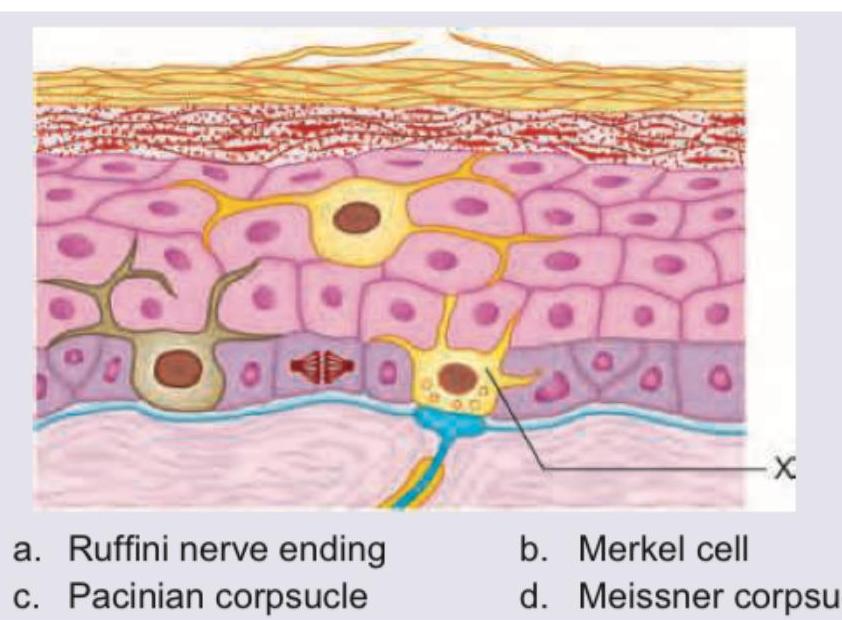
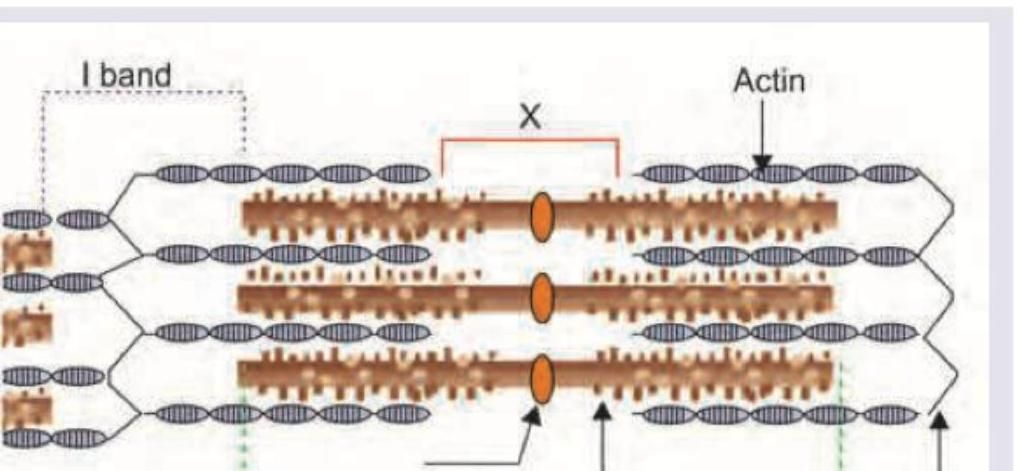
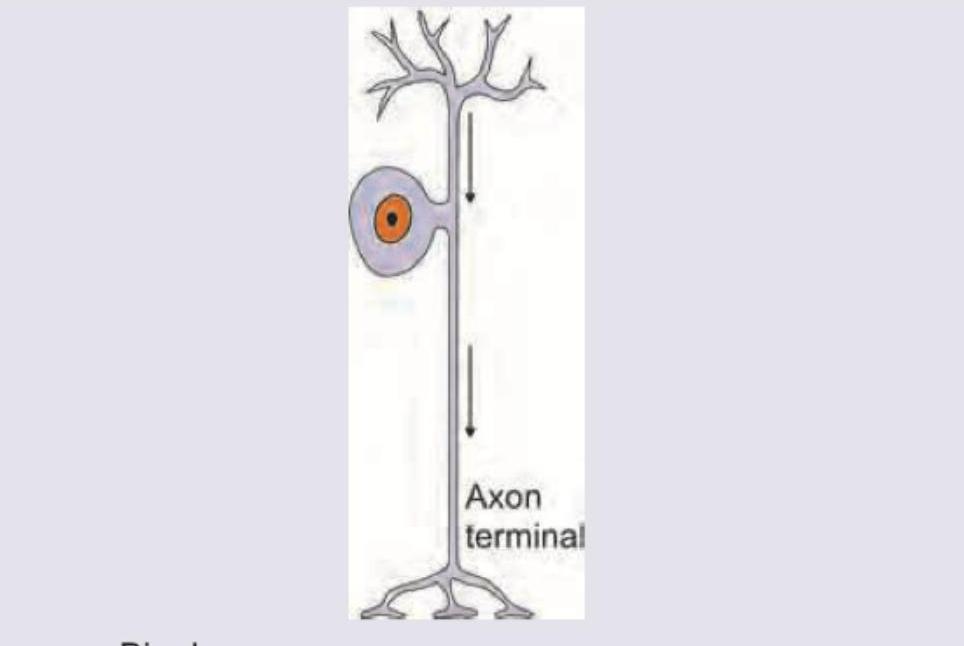
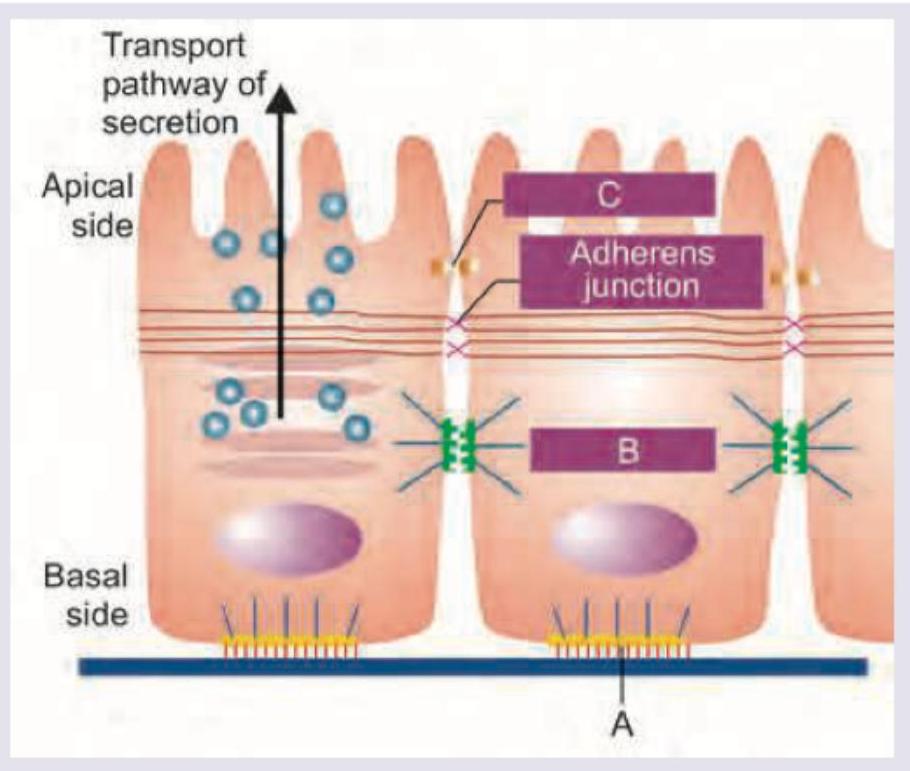
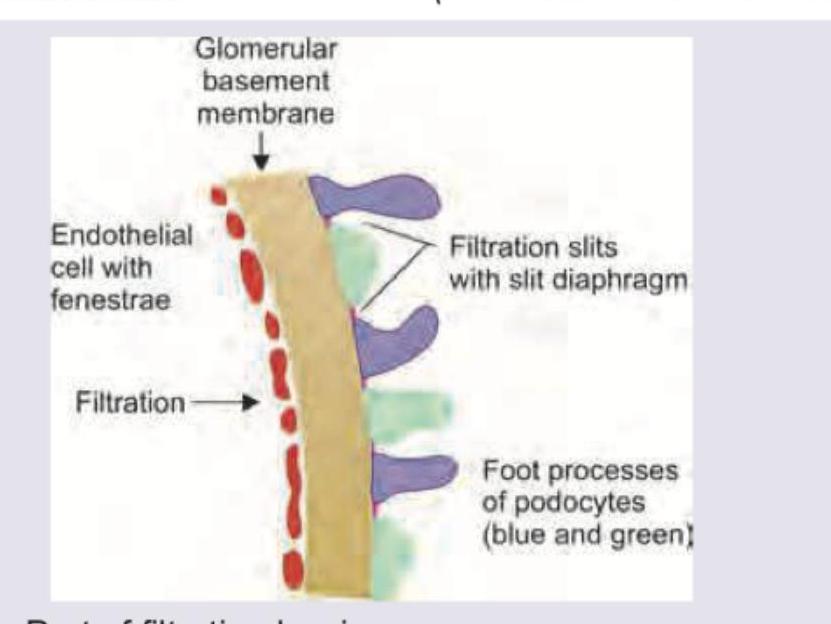
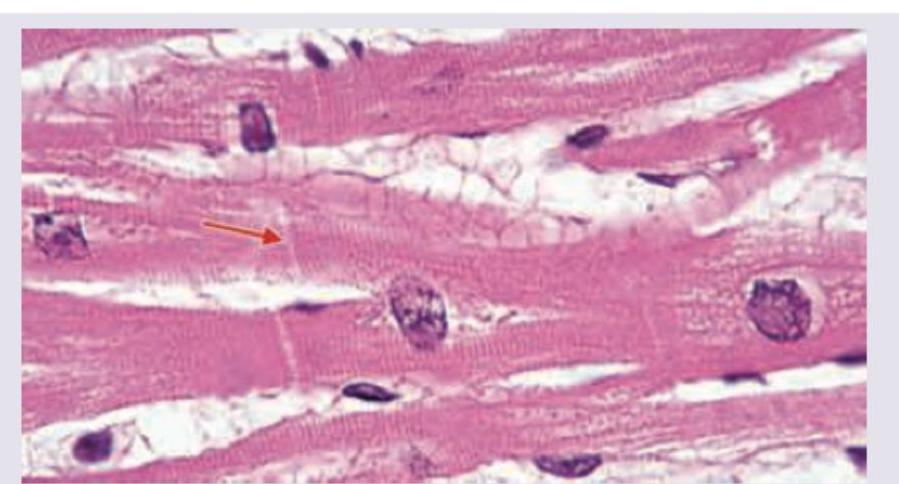
Identify the type of cartilage shown in the figure:

Identify the marked layer in the given histological section.

All are correct about the **X** mark in antibody structure except: (Recent NEET Pattern 2016-17)

Identify the type of agar.

In which of the following phase of bacterial growth curve does sporulation start?

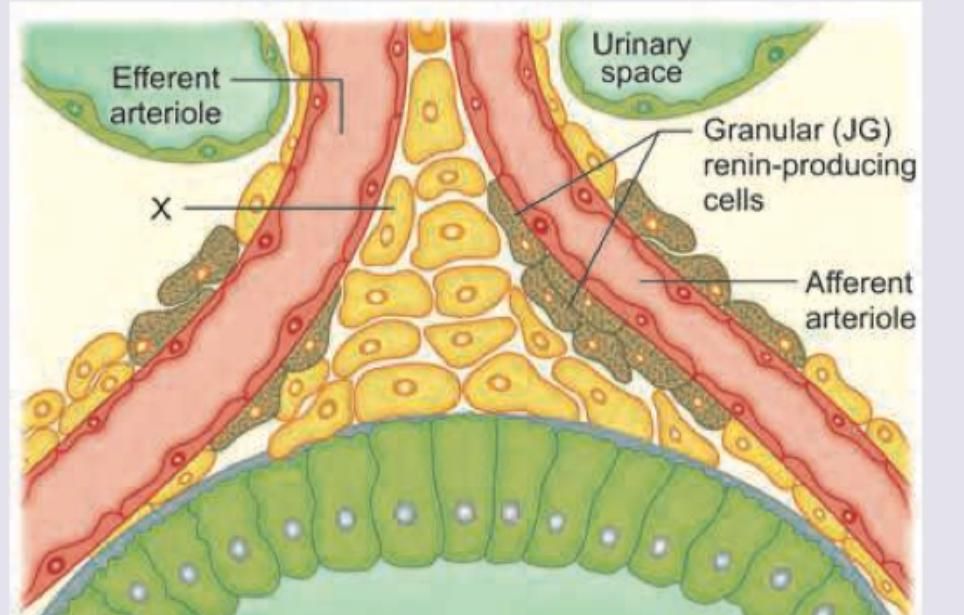
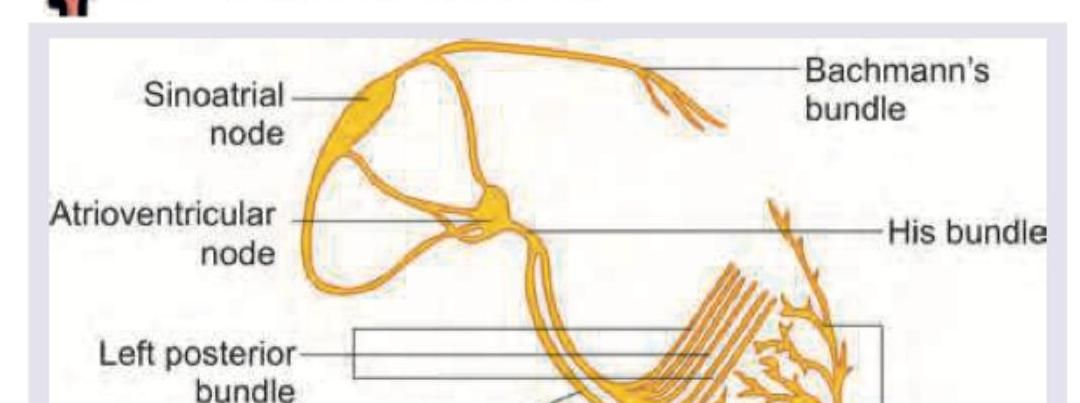
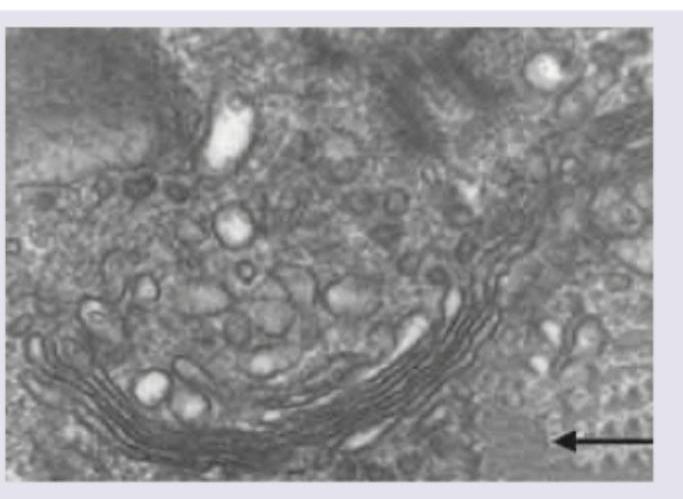
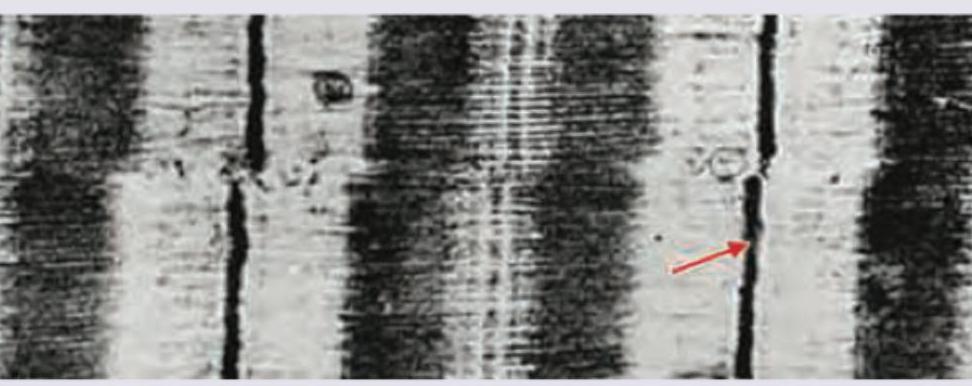
Identify the structure marked as $X$ :

All are true about the terminal area marked 'X' in this bacteria except:

The following line diagram is of a gram positive organism. Name the cell wall component marked as $X$.

The cells marked as $X$ are called:

The area marked as $X$ is called:

Explanation: ***Hyaline cartilage*** - This image displays a relatively **homogenous, glassy matrix** with numerous chondrocytes housed in lacunae, which is characteristic of hyaline cartilage. - The absence of prominent fibers (like elastic fibers or thick collagen bundles) further supports the identification as hyaline cartilage, which is rich in fine **Type II collagen fibers**. *Elastic cartilage* - Elastic cartilage contains abundant **elastic fibers** in its matrix, which would appear as distinct, dark-staining fibers under appropriate staining (e.g., orcein or resorcin-fuchsin). - Its presence allows for more flexibility and elasticity, found in locations such as the **external ear** and **epiglottis**. *Fibrocartilage* - Fibrocartilage is characterized by a dense arrangement of **Type I collagen fibers** organized in thick bundles, often appearing as wavy or swirling patterns within the matrix. - It also contains fewer, more widely spaced chondrocytes than hyaline cartilage, and is typically found in structures needing high tensile strength, like **intervertebral discs** and **menisci**. *White fibrocartilage* - While "white fibrocartilage" is an older historical term sometimes used to describe fibrocartilage (due to its whitish appearance from dense collagen), it is **not a separate histological classification**. - Modern histology recognizes only three types of cartilage: hyaline, elastic, and fibrocartilage. The image shows the typical features of hyaline cartilage, not the dense collagen bundles characteristic of fibrocartilage.
Explanation: ***Inner plexiform layer*** - The arrow points to a **synaptic layer** characterized by a dense network of **axons, dendrites**, and synapses between bipolar cells, amacrine cells, and ganglion cells. - This layer is distinguished by its **reticular appearance** and its position between the inner nuclear layer (nuclei of bipolar, amacrine, and horizontal cells) and the ganglion cell layer. *Outer plexiform layer* - This layer is located more externally in the retina, between the **outer nuclear layer** and the **inner nuclear layer**. - It is where photoreceptors (rods and cones) synapse with bipolar and horizontal cells. *Inner limiting layer* - The **innermost layer** of the retina, adjacent to the vitreous humor. - It is a thin, acellular membrane formed by the basal laminae of the Müller cells. *Outer limiting layer* - This layer is situated internally to the **photoreceptor layer** (rods and cones). - It is not a true membrane but rather a series of intercellular junctions (adherens junctions) between photoreceptor cells and Müller cells.
Explanation: ***Each of these chains has three domains in constant region*** - This statement is incorrect. The "X" mark in the image points to a **light chain** of an antibody. Light chains are composed of **one variable domain** and **one constant domain**, not three constant domains. *Composed up of kappa and lambda chains* - This statement is correct. Light chains (**marked X**) can be either **kappa (κ)** or **lambda (λ)**, determining the isotype of the light chain. - While an individual antibody molecule will only have one type of light chain (either two kappa or two lambda), the overall antibody pool in a human body contains both types. *Has molecular weight of 25,000* - This statement is correct. The **light chain** (marked X) has an approximate **molecular weight of 25 kDa**. - This molecular weight is characteristic for both kappa and lambda light chains. *Kappa:lambda occur in ratio of 2:1* - This statement is correct. In humans, **kappa light chains** are generally found in about **twice the abundance as lambda light chains** in serum antibodies. - This ratio is important for assessing clonality in lymphoproliferative disorders.
Explanation: ***Chocolate agar*** - This agar is distinctly **brown** due to the lysis of red blood cells by heating, which releases hemoglobin and gives it a chocolate-like appearance, despite containing no actual chocolate. - It is an enriched medium used for the isolation of fastidious bacteria such as *Haemophilus influenzae* and pathogenic *Neisseria* species. *Blood agar* - Blood agar is typically **red** because it contains intact red blood cells. - It is a general-purpose enriched medium used to detect **hemolytic activity** of bacteria. *MacConkey agar* - MacConkey agar is usually **pink or reddish-purple** in color. - It is a selective and differential medium used for the isolation of gram-negative enteric bacteria, differentiating them based on **lactose fermentation**. *Nutrient agar* - Nutrient agar is a general-purpose medium that is typically **pale yellowish** or straw-colored. - It supports the growth of a wide range of non-fastidious organisms and is not specifically designed for fastidious bacteria.
Explanation: ***Correct Option C*** - Phase C is the **stationary phase**, where the rate of cell growth equals the rate of cell death due to **nutrient depletion** or waste accumulation. - **Sporulation** typically begins in the **late stationary phase** as bacteria sense unfavorable conditions and initiate endospore formation as a survival mechanism. - This is the most characteristic phase for sporulation to start, triggered by nutrient limitation and environmental stress. *Incorrect Option A* - Phase A represents the **lag phase**, where bacteria are adapting to a new environment and preparing for growth. - During this phase, cells synthesize enzymes and other molecules needed for reproduction, but conditions are favorable and sporulation is not initiated. *Incorrect Option B* - Phase B is the **exponential or log phase**, characterized by rapid and synchronous cell division with optimal growth conditions. - Nutrients are abundant and there is no physiological trigger for bacteria to initiate sporulation during this phase. *Incorrect Option D* - Phase D is the **death phase**, where the population rapidly declines due to lack of resources and toxic waste accumulation. - While some sporulation may continue into this phase, sporulation is **initiated** earlier in the late stationary phase (C), not in the death phase.
Explanation: ***Fimbriae*** - The image shows numerous short, hair-like appendages covering the surface of the bacteria, which are characteristic features of **fimbriae**. - Fimbriae are primarily involved in **adhesion to surfaces**, including host cells, and are crucial for bacterial colonization and pathogenicity. - They are typically **numerous (hundreds per cell)** and **short (0.5-10 μm)**, which matches the structures visible in the image. - Fimbriae enable bacteria to attach to epithelial surfaces, making them important virulence factors in pathogenic bacteria. *Pili* - **Pili** (specifically sex pili or conjugative pili) are longer, tubular structures (usually 1-4 per cell) used for **bacterial conjugation** and DNA transfer. - While the terms "pili" and "fimbriae" were historically used interchangeably, modern microbiology distinguishes them: **pili are for conjugation**, while **fimbriae are for adhesion**. - The structures shown are too numerous and short to be pili, which are typically sparse and longer. *Villi* - **Villi** are finger-like projections found in the small intestine of eukaryotes, designed to increase surface area for absorption. - They are a feature of **eukaryotic cells** and tissues, not prokaryotic bacteria, making this completely incorrect for bacterial structures. *Flagella* - **Flagella** are longer, whip-like appendages (10-20 μm or more) primarily used for bacterial **motility**. - The structures shown are short and numerous, not long and sparse like flagella, which would typically be fewer in number (1-10) and distinctively longer than what's visible in the image.
Explanation: ***Strongly eosinophilic*** - The terminal areas marked 'X' represent **metachromatic granules** (also called volutin granules) which stain reddish-purple with methylene blue, a basic dye, indicating they are **basophilic**, not eosinophilic. - Eosinophilic structures stain well with acidic dyes like eosin, resulting in a pink or red color. *Volutin granules* - The terminal areas marked 'X' are characteristic **volutin granules**, also known as **metachromatic granules**, which are inclusions seen in certain bacteria. - These granules are prominent in *Corynebacterium diphtheriae*, which typically exhibits a **club-shaped** or **cuneiform** morphology. *Function as storage reservoir for phosphate* - Volutin granules primarily serve as a **storage reservoir for inorganic polyphosphate**, which is crucial for the bacterium's energy metabolism and various cellular processes. - This stored phosphate can be utilized when environmental phosphate levels are low. *Also found in Yersinia pestis* - **Bipolar staining**, which resembles prominent granules at the ends of the bacteria (similar to the appearance of volutin granules), is a characteristic feature of *Yersinia pestis*. - This gives *Yersinia pestis* a distinctive "safety pin" appearance on Wright-Giemsa or Wayson stain.
Explanation: ***Teichoic acid*** - The image shows a **gram-positive cell wall**, characterized by a thick layer of **peptidoglycan** (the reddish-brown horizontal layers) situated above the **cytoplasmic membrane**. - Structure X represents **teichoic acids**, which are polymers embedded within and extending through the peptidoglycan layer of gram-positive bacteria, sometimes covalently linked to the cytoplasmic membrane (then called lipoteichoic acids). *Porin* - **Porins** are found in the **outer membrane** of **gram-negative bacteria** and in the membranes of some organelles like mitochondria, not in the thick peptidoglycan layer of gram-positive bacteria. - They form channels for the passage of small hydrophilic molecules. *Aromatic amino acid* - **Aromatic amino acids** (e.g., phenylalanine, tyrosine, tryptophan) are building blocks of proteins and are present in various cellular structures but are not a distinctive macromolecular component of the bacterial cell wall itself that would be depicted in this manner. - This option refers to a monomer unit rather than a structural polymer of the cell wall. *Peptidoglycan* - **Peptidoglycan** is the main structural component of both gram-positive and gram-negative bacterial cell walls, forming a thick, rigid layer in gram-positive bacteria. - In the provided diagram, the reddish-brown hatched layers represent the **peptidoglycan**, while X specifically points to the thread-like structures extending from it, which are **teichoic acids**.
Explanation: ***Supporting cells*** - The cells marked as 'X' in the image are the **supporting cells**, also known as **sustentacular cells**, which are essential components of the **olfactory epithelium**. - These cells provide **structural support**, **nourishment**, and **electrical insulation** to the olfactory receptor neurons. - They are **columnar cells** with apical microvilli and contain **lipid droplets** and **pigment granules**. *Olfactory receptor neurons* - These are the **bipolar sensory neurons** that detect odors, located between the supporting cells. - They have a **dendritic knob** with cilia extending into the mucus layer and an **axon** that projects through the cribriform plate. - Not the cells marked as 'X' in this image. *Basal cells* - These are **small, round stem cells** located at the base of the olfactory epithelium. - They serve as **progenitor cells** for regeneration of olfactory receptor neurons. - Located at a different position than the cells marked 'X'. *Bowman's glands* - These are **serous glands** located in the lamina propria beneath the olfactory epithelium. - They secrete **mucus** that dissolves odorants and facilitates olfaction. - These are glandular structures, not the epithelial cells marked in the image.
Explanation: ***Spiral canal of modiolus*** - The image shows a cross-section of the **organ of Corti** within the cochlea. Modiolus is the central bony pillar of the cochlea, and the **spiral canal of modiolus** contains the **spiral ganglion**, which consists of the cell bodies of the auditory nerve. The arrow points to a collection of neurons, clearly indicating this structure. - The spiral ganglion neurons receive input from the hair cells and transmit auditory information to the brain. *Endolymphatic sac* - The **endolymphatic sac** is located within the dura mater of the posterior cranial fossa and is involved in the absorption and regulation of **endolymph** fluid. - It is not depicted in this image, which focuses on the sensory structures of the **cochlea**. *Tunnel of Corti* - The **tunnel of Corti** is a triangular-shaped space within the organ of Corti, formed by the inner and outer pillar cells. It is filled with **cortilymph**. - While present in the organ of Corti, the area marked 'X' is clearly positioned to indicate the collection of **neuronal cell bodies** (ganglion) rather than this specific extracellular space. *Scala tympani* - The **scala tympani** is one of the three fluid-filled chambers of the cochlea, located below the basilar membrane. It contains **perilymph** and transmits sound vibrations. - The marked area 'X' indicates a cellular structure (spiral ganglion) within the modiolus, not a fluid-filled chamber of the cochlea.
Basic Tissue Types
Practice Questions
Cell Biology and Organelles
Practice Questions
Epithelial Tissue
Practice Questions
Connective Tissue
Practice Questions
Muscular Tissue
Practice Questions
Nervous Tissue
Practice Questions
Cardiovascular System Histology
Practice Questions
Lymphoid Organs and Immune System
Practice Questions
Endocrine System Histology
Practice Questions
Respiratory System Histology
Practice Questions
Digestive System Histology
Practice Questions
Urinary and Reproductive System Histology
Practice Questions
Get full access to all questions, explanations, and performance tracking.
Start For Free