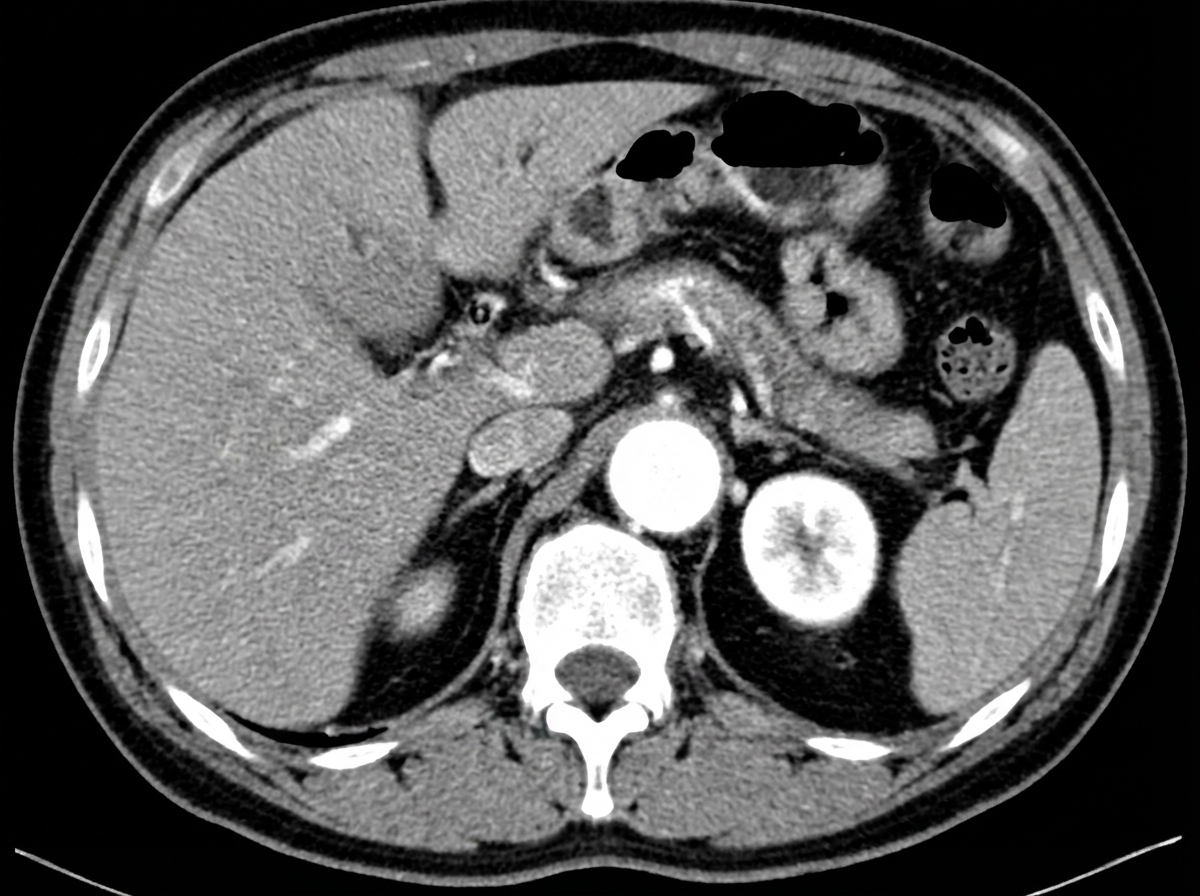
Lungs develop from which embryological structure?
Which of the following structures develops from the second pharyngeal (hyoid) arch?
Chromosomal analysis of all of the following genotypes shows Barr bodies, EXCEPT:
The collecting tubules of the kidney develop from which embryonic structure?
The pituitary gland develops from which embryological structure?
In which week of gestation does the heart begin to beat?
The ovary consists of all the following structures except:
The ductus arteriosus is derived from which aortic arch?
Which of the following pharyngeal arches develops into the epiglottis?
Patent foramen ovale is due to which of the following failures?
Explanation: **Explanation:** The respiratory system begins its development during the 4th week of gestation [1]. The correct answer is **Foregut** because the lungs originate from the **respiratory diverticulum (lung bud)**, which appears as an outgrowth from the ventral wall of the **primitive foregut** [1]. * **Why Foregut is correct:** The epithelium of the internal lining of the larynx, trachea, bronchi, and lungs is entirely of **endodermal origin**, specifically derived from the foregut [1]. The cartilaginous, muscular, and connective tissue components are derived from the surrounding splanchnic mesoderm. * **Why Midgut is incorrect:** The midgut gives rise to the distal duodenum, jejunum, ileum, cecum, appendix, ascending colon, and the proximal two-thirds of the transverse colon. It is not involved in respiratory development. * **Why Hindgut is incorrect:** The hindgut develops into the distal third of the transverse colon, descending colon, sigmoid colon, rectum, and the upper part of the anal canal. **High-Yield Clinical Pearls for NEET-PG:** 1. **Tracheoesophageal Fistula (TEF):** This is the most common anomaly of this region, resulting from the incomplete separation of the respiratory diverticulum from the foregut by the tracheoesophageal septum. 2. **Surfactant Production:** Type II pneumocytes begin producing surfactant around week 20, but it reaches clinically significant levels only after **34 weeks** of gestation [1], [2]. 3. **Stages of Lung Development:** Remember the sequence: **P**seudoglandular → **C**analicular → **S**accular → **A**lveolar (Mnemonic: **P**lease **C**an **S**omeone **A**ssist) [1]. 4. **Lung Maturation:** The canalicular phase (16–26 weeks) is critical because it marks the formation of primitive alveoli and vascularization, making survival possible for premature infants [1].
Explanation: The pharyngeal arches are a high-yield topic for NEET-PG, as they form the blueprint for the head and neck. The **second pharyngeal arch (Hyoid arch)** is associated with the facial nerve (CN VII) and specific skeletal derivatives. **Explanation of the Correct Answer:** The skeletal derivatives of the second arch (Reichert’s cartilage) include the **Stapes**, **Styloid process**, **Stylohyoid ligament**, and the **Lesser cornu and upper part of the body of the Hyoid bone**. *Note on the Question:* There appears to be a discrepancy in the provided key. In standard embryology (Langman’s/BD Chaurasia), the **Incus** and **Malleus** develop from the **first pharyngeal arch (Meckel’s cartilage)**. The **Stapes** is the classic derivative of the **second arch**. If the goal is to identify a second arch derivative, **Options A, C, and D** are all technically correct, while **Option B (Incus)** is a first-arch derivative. **Analysis of Options:** * **A. Stapes:** Correct derivative of the 2nd arch. * **B. Incus:** Incorrect (Derivative of the **1st arch**). * **C. Styloid process:** Correct derivative of the 2nd arch. * **D. Hyoid bone:** The **Lesser cornu** and **upper body** are 2nd arch; the **Greater cornu** and **lower body** are 3rd arch. **NEET-PG High-Yield Pearls:** 1. **Mnemonic for Ossicles:** **M**alleus & **I**ncus = **1**st Arch; **S**tapes = **2**nd Arch. 2. **Muscles of 2nd Arch:** Muscles of facial expression, Stapedius, Stylohyoid, and Posterior belly of digastric (all supplied by CN VII). 3. **Treacher Collins Syndrome:** Failure of 1st arch neural crest cell migration, affecting the mandible and ossicles. 4. **Eagle’s Syndrome:** Elongation of the Styloid process (2nd arch derivative) causing dysphagia and facial pain.
Explanation: **Explanation:** The presence of a **Barr body** (sex chromatin) represents an inactivated X chromosome. According to the **Lyon Hypothesis**, in individuals with more than one X chromosome, all X chromosomes except one are randomly inactivated during early embryonic development to ensure dosage compensation [1]. The formula to determine the number of Barr bodies is: **Number of Barr bodies = (Total number of X chromosomes – 1).** * **Option A (XO - Turner Syndrome):** This genotype has only one X chromosome. Applying the formula (1 – 1 = 0), there are **no Barr bodies**. Therefore, this is the correct answer. This condition is often associated with abnormalities such as short stature, webbed neck, and renal anomalies [2]. * **Option B (XXY - Klinefelter Syndrome):** These individuals have two X chromosomes. One undergoes inactivation (2 – 1 = 1), resulting in **one Barr body**. * **Option C (XX - Normal Female):** A normal female has two X chromosomes. One is inactivated (2 – 1 = 1), showing **one Barr body**. * **Option D (XXX - Triple X Syndrome):** These individuals have three X chromosomes. Two undergo inactivation (3 – 1 = 2), resulting in **two Barr bodies** [1]. **High-Yield Clinical Pearls for NEET-PG:** 1. **Lyonization:** The process of X-inactivation is random, fixed, and incomplete (some genes on the short arm of the X chromosome escape inactivation). 2. **Appearance:** On light microscopy, a Barr body appears as a dense, heterochromatic mass attached to the inner nuclear membrane (e.g., in buccal smears) or as a **"Drumstick"** appearance in the nucleus of polymorphonuclear neutrophils (PMNs). 3. **Clinical Correlation:** Barr body testing was historically used for sex determination, but definitive diagnosis now relies on Karyotyping. [1] PRE-FORMATTED CITATION: "Kim Barrett. Ganong's Review of Medical Physiology. 25E ed. Reproductive Development & Function of the Female Reproductive System, pp. 404-406." [2] PRE-FORMATTED CITATION: "Gary Cunningham. Williams Obstetrics. 24E ed. (p. 285), both are associated with maternal serum alpha-fetoprotein elevation., pp. 283-284.".
Explanation: The kidney develops from two distinct sources within the intermediate mesoderm: the **Ureteric Bud** and the **Metanephric Blastema**. [1] ### 1. Why the Ureteric Bud is Correct The **Ureteric Bud** is an outgrowth from the caudal end of the mesonephric duct. It undergoes repeated branching to form the **collecting (excretory) system** of the kidney. This includes: * Ureter * Renal Pelvis * Major and Minor Calyces * **Collecting Tubules** (approx. 1–3 million) [1] ### 2. Why the Other Options are Incorrect * **Mesonephric Duct (Wolffian Duct):** While the ureteric bud originates from it, the duct itself primarily gives rise to male reproductive structures (Epididymis, Vas deferens, Seminal vesicles, and Ejaculatory duct). * **Paramesonephric Duct (Müllerian Duct):** This gives rise to the female reproductive tract (Fallopian tubes, Uterus, and upper 1/3rd of the Vagina). It does not contribute to the renal system. * **Wolffian Duct:** This is simply another name for the Mesonephric duct. ### 3. High-Yield Clinical Pearls for NEET-PG * **Metanephric Blastema:** Forms the **secretory part** (nephron), including Bowman’s capsule, Proximal Convoluted Tubule (PCT), Loop of Henle, and Distal Convoluted Tubule (DCT). * **Reciprocal Induction:** Development requires interaction between the ureteric bud and metanephric blastema. Failure of this interaction leads to **Renal Agenesis**. * **Polycystic Kidney Disease (Potter’s Sequence):** Often results from the failure of the collecting tubules to join with the nephrons. * **Ascent of Kidney:** Kidneys develop in the pelvis and "ascend" to the lumbar region; a "Horseshoe Kidney" occurs when the lower poles fuse and get trapped under the **Inferior Mesenteric Artery (IMA)**.
Explanation: The pituitary gland (hypophysis) has a dual embryological origin, arising from two different ectodermal sources. [1] **1. Why Rathke’s Pouch is Correct:** The **Adenohypophysis** (Anterior pituitary, Pars intermedia, and Pars tuberalis) develops from **Rathke’s pouch**, which is an upward ectodermal outpocketing of the **stomodeum** (primitive oral cavity). [2] In contrast, the **Neurohypophysis** (Posterior pituitary) develops from the **Infundibulum**, a downward extension of the neuroectoderm from the floor of the diencephalon (prosencephalon). [1] **2. Analysis of Incorrect Options:** * **Posterior neural ridge:** This is not a standard embryological term associated with pituitary development. * **Neural crest:** While neural crest cells contribute to many head and neck structures (and the adrenal medulla), they do not form the parenchyma of the pituitary gland. * **Neural plate:** This gives rise to the central nervous system. While the posterior pituitary is neuroectodermal, it specifically arises from the floor of the diencephalon, not the undifferentiated neural plate. **3. High-Yield Clinical Pearls for NEET-PG:** * **Craniopharyngioma:** A tumor arising from the remnants of Rathke’s pouch. It is the most common suprasellar tumor in children and often shows "machine oil" fluid and calcification on imaging. * **Pharyngeal Pituitary:** Occasionally, a remnant of Rathke’s pouch persists in the roof of the pharynx. * **Empty Sella Syndrome:** A condition where the subarachnoid space extends into the sella turcica, flattening the pituitary. * **Mnemonic:** **A**nterior = **A**limentary (Oral ectoderm); **P**osterior = **P**art of brain (Neuroectoderm).
Explanation: The cardiovascular system is the first major organ system to become functional in the human embryo. This is a high-yield topic for NEET-PG, as the timing of cardiac development is precise. **1. Why Week 4 is Correct:** The heart begins as a pair of endocardial tubes that fuse to form a single primitive heart tube. Spontaneous rhythmic contractions (the heartbeat) begin on **day 21 to 22** of gestation. Since this occurs at the very beginning of the **4th week**, Option A is the standard anatomical answer. By the end of the 4th week, coordinated blood flow begins. **2. Why the Other Options are Incorrect:** * **Week 5:** By this week, the heart is already beating and undergoing complex looping (D-looping) to establish the spatial relationship between atria and ventricles. * **Week 6:** At this stage, septation of the atria and ventricles is well underway. While a heartbeat is easily visible on transvaginal ultrasound (TVS) by week 6, the physiological beating starts much earlier [1]. * **Week 7:** By week 7, the four-chambered structure is largely complete, and the conotruncal ridges are fusing to divide the aorta and pulmonary trunk. **3. Clinical Pearls for NEET-PG:** * **First System:** The cardiovascular system is the first to function because the growing embryo can no longer satisfy its nutritional and oxygen requirements by simple diffusion alone. * **Progenitor Cells:** The heart derives from the **splanchnic mesoderm** (cardiogenic area). * **Ultrasound Correlation:** Although the heart beats in week 4, it is typically first detectable via TVS at **5.5 to 6 weeks** (when the CRL is ~5mm) [1]. * **Dextrocardia:** Occurs if the heart tube loops to the left instead of the right during the 4th week.
Explanation: ### Explanation The correct answer is **C. Sertoli cells**. **Why Sertoli cells are the correct answer:** Sertoli cells are the "nurse cells" of the **male reproductive system**. They are located within the seminiferous tubules of the testes. Their primary functions include supporting spermatogenesis, forming the blood-testis barrier, and secreting Inhibin B and Anti-Müllerian Hormone (AMH). In female development, the absence of the SRY gene prevents the differentiation of primitive gonadal cords into Sertoli cells; instead, these cells differentiate into **Granulosa cells** in the ovary [1]. Therefore, Sertoli cells are never found in a normal ovary. **Analysis of incorrect options:** * **A. Primary follicle:** These are the basic units of the female reproductive biology, consisting of a primary oocyte surrounded by a single layer of cuboidal granulosa cells. They are found in the ovarian cortex [3]. * **B. Graafian follicle:** This is the mature, liquid-filled follicle that is ready for ovulation [3]. It is a hallmark structure of the functioning ovary during the reproductive years. * **D. Corpus luteum:** This is a temporary endocrine structure formed from the remains of the ovarian follicle after ovulation [2]. It secretes progesterone to maintain the uterine lining. **High-Yield NEET-PG Pearls:** * **Homologues:** Sertoli cells in males are embryologically homologous to **Granulosa cells** in females. Both are derived from the surface epithelium (coelomic epithelium) of the genital ridge [1]. * **Leydig cells** in males are homologous to **Theca cells** in females (both derived from mesenchyme). * **Tumor Marker:** Sertoli cells can be a component of "Sertoli-Leydig cell tumors," which are rare ovarian tumors that often cause virilization due to androgen production [4].
Explanation: **Explanation:** The **ductus arteriosus** is a vital fetal vascular structure that connects the pulmonary artery to the proximal descending aorta, allowing blood to bypass the non-functional fetal lungs [1]. It is embryologically derived from the **distal part of the left 6th aortic arch**. **Why Option D is Correct:** The 6th aortic arch (Pulmonary arch) gives rise to the pulmonary arteries. On the **left side**, the proximal part forms the left pulmonary artery, while the distal part persists as the **ductus arteriosus**. On the right side, the distal portion degenerates, and the proximal part forms the right pulmonary artery. **Why Other Options are Incorrect:** * **Option A (II):** The 2nd aortic arch mostly disappears, but its remnants form the **stapedial** and hyoid arteries. * **Option B (IV):** The 4th arch has different fates on each side: the left forms the **arch of the aorta** [2] (between the left common carotid and left subclavian), and the right forms the proximal part of the **right subclavian artery**. * **Option C (V):** The 5th aortic arch is rudimentary; it either never forms or regresses completely soon after formation. **High-Yield Clinical Pearls for NEET-PG:** * **Ligamentum Arteriosum:** After birth, the functional closure of the ductus occurs within hours (mediated by oxygen and decreased prostaglandins), forming the fibrous ligamentum arteriosum [2]. * **Recurrent Laryngeal Nerve:** The left recurrent laryngeal nerve hooks around the ductus arteriosus (or ligamentum arteriosum), explaining why it is prone to injury during ductal ligation surgeries. * **Patent Ductus Arteriosus (PDA):** Failure of closure leads to a "machinery-like" murmur [1]. It is kept open by **Prostaglandin E2** and closed medically using NSAIDs like **Indomethacin** or Ibuprofen.
Explanation: ### Explanation The development of the tongue and associated laryngeal structures occurs from the floor of the primordial pharynx. The **epiglottis** develops specifically from the **hypobranchial eminence** (also known as the copula). While the anterior part of this eminence (formed by the 3rd arch) contributes to the posterior third of the tongue, the **posterior part of the hypobranchial eminence**, derived from the **4th pharyngeal arch**, gives rise to the epiglottis. #### Analysis of Options: * **1st Pharyngeal Arch (Mandibular):** Forms the anterior two-thirds of the tongue (via lingual swellings and tuberculum impar). It is associated with the trigeminal nerve (V3). * **2nd Pharyngeal Arch (Hyoid):** Its contribution to the tongue surface is largely overgrown by the 3rd arch, though it contributes to the gustatory sensation (Chorda tympani). * **3rd Pharyngeal Arch:** Forms the posterior one-third of the tongue (excluding the epiglottis). It is associated with the glossopharyngeal nerve (IX). * **4th Pharyngeal Arch (Correct):** Forms the epiglottis and the soft palate. The superior laryngeal nerve (a branch of the Vagus, CN X) provides sensory innervation to the epiglottis, reflecting its 4th arch origin. #### NEET-PG High-Yield Pearls: * **Nerve Supply:** The sensory innervation of the epiglottis is by the **Internal Laryngeal Nerve** (branch of CN X), which confirms its 4th arch embryological origin. * **Laryngeal Cartilages:** The 4th and 6th arches together form the laryngeal cartilages (thyroid, cricoid, arytenoid, corniculate, and cuneiform). * **Muscles:** All intrinsic muscles of the larynx are derived from the 6th arch, **except the cricothyroid**, which is derived from the 4th arch.
Explanation: **Explanation:** The development of the interatrial septum involves the coordinated growth of two membranes: the **septum primum** and the **septum secundum**. 1. **Why Option D is correct:** During fetal life, the **foramen ovale** is a physiological gap in the septum secundum. The septum primum acts as a flap-like valve against this opening. At birth, the increase in left atrial pressure pushes the septum primum against the septum secundum. In approximately 75% of individuals, these two septa fuse to form a solid wall (fossa ovalis). **Patent Foramen Ovale (PFO)** occurs when there is a **failure of functional/anatomical fusion** between the septum primum and septum secundum after birth. 2. **Why other options are incorrect:** * **Option A:** The sinoatrial orifice relates to the opening of the sinus venosus into the primitive atrium; its failure does not cause PFO. * **Option B & C:** Failure of the septum primum to fuse with the **endocardial cushions** (also known as the septum intermedium) results in an **Ostium Primum** type Atrial Segments Defect (ASD), not a PFO [1]. **High-Yield Clinical Pearls for NEET-PG:** * **PFO vs. ASD:** PFO is a failure of *fusion* (a potential space), whereas ASD is a true *deficiency* of septal tissue [1]. * **Paradoxical Embolism:** PFO is a major risk factor for paradoxical embolism, where a venous thrombus bypasses the lungs to cause a stroke (Cryptogenic Stroke). * **Probe Patency:** A "probe patent" foramen ovale is found in about 25% of the healthy population and is usually asymptomatic. * **Most common ASD:** Ostium secundum type (due to excessive resorption of septum primum or inadequate growth of septum secundum).
Gametogenesis and Fertilization
Practice Questions
Early Embryonic Development
Practice Questions
Placentation
Practice Questions
Development of Nervous System
Practice Questions
Development of Cardiovascular System
Practice Questions
Development of Gastrointestinal System
Practice Questions
Development of Urogenital System
Practice Questions
Development of Musculoskeletal System
Practice Questions
Development of Head and Neck
Practice Questions
Congenital Anomalies
Practice Questions
Teratology
Practice Questions
Molecular Mechanisms in Development
Practice Questions
Get full access to all questions, explanations, and performance tracking.
Start For Free