
Anatomical Basis of Physical Examination — MCQs

The labia majora develop from which embryological structure?
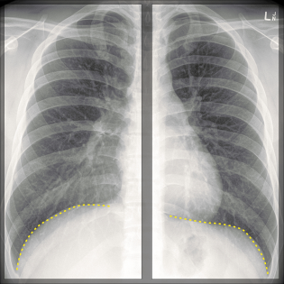
The ring is denoting the location of?
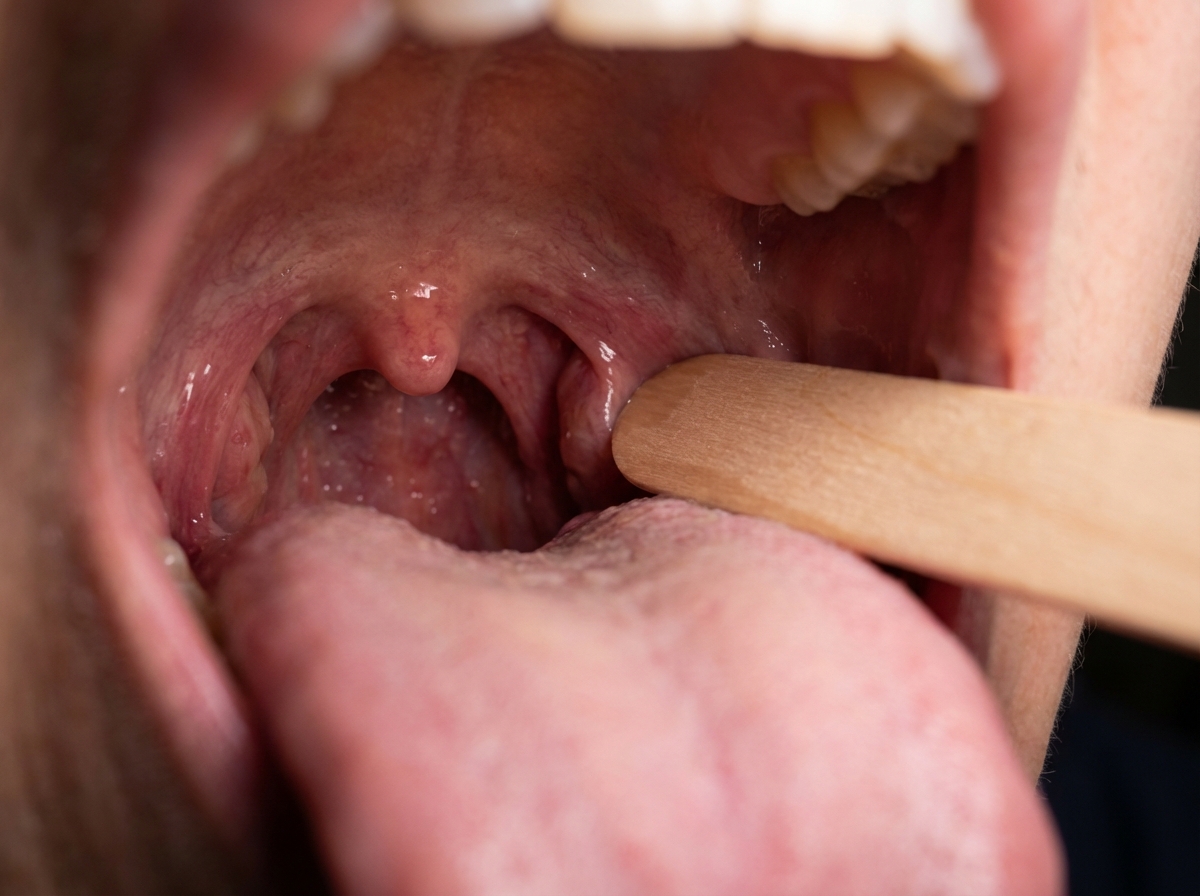
A patient was admitted with skull base trauma. The doctor was testing the marked structure in the pharyngeal region. Which of the following nerves was being tested?
Match the following: A) Glossopharyngeal nerve B) Spinal accessory nerve C) Facial nerve D) Mandibular nerve 1) Shrugging of shoulder 2) Touch sensation from the posterior one-third of the tongue 3) Chewing 4) Taste from the anterior two-thirds of the tongue
During your preoperative assessment, a 28-year-old woman complains of dyspnea on exertion. Upon auscultation of her heart, you notice a mid-diastolic rumbling murmur. This murmur is most characteristic of which valvular lesion?
A patient has dyspareunia, and dysmenorrhea with adnexal tenderness. What is the first step of investigation?
A child is being assessed for possible intussusception; which of the following would be LEAST likely to provide valuable information?
A patient came with complaints of lower limb weakness. Examiner places one hand under the patient's heel and patient is asked to raise his other leg against downward resistance. What is the name of this test?
A 15-year-old unmarried girl presents with complaints of dysmenorrhoea for about one year. She achieved menarche at 12 years of age. On abdominal and rectal examination, she has no abnormality. What will be the most appropriate management?
Lesion of facial nerve at level of stylomastoid foramen leads to:
Want unlimited practice?
Get full access to all questions, explanations, and performance tracking.
Scan to download app