Calculate the maternal mortality ratio (MMR) for the year 2023, given the following data: - Total live births: 4,000 - Women who died: 6 (1 due to a road traffic accident (RTA), 1 due to sepsis, 1 due to obstructed labor, 1 due to eclampsia, 1 due to ectopic pregnancy, and 1 due to a snake bite)
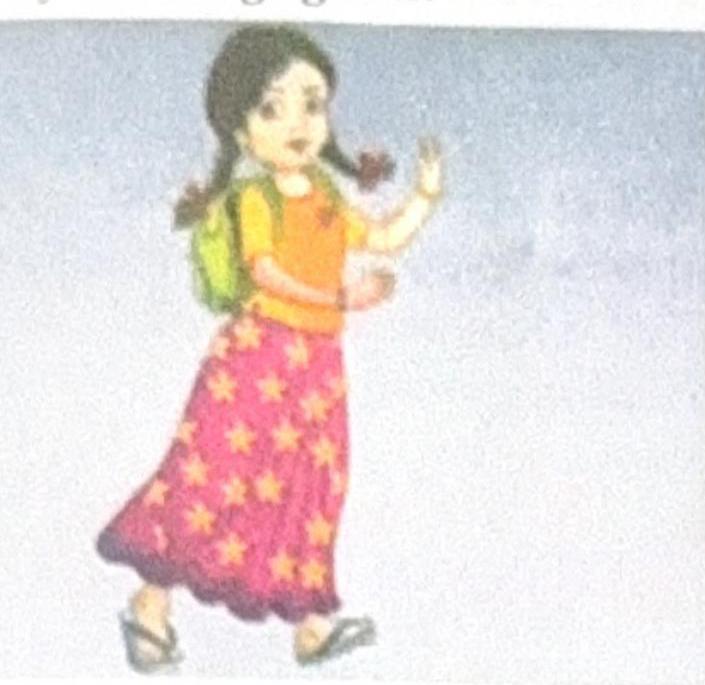
Identify the character shown in the image:
Which of the following vaccines should be stored at the lowest level in an Ice-Lined Refrigerator (ILR)?
What is the correct chronological order in the disaster management cycle?
In a basic Health Education model, the first step is Awareness, and the second step is Motivation. What is the third step?
In Ayushman Bharat under School Health Services, which of the following is not included?
The incubation period of a disease is 5-14 days. What should be the quarantine period?
What is the period called between the entry of an organism into the host and the point of maximum infectivity?
In demographic transition analysis, what does the difference between birth rates and death rates represent when plotting demographic changes over time?
NEET-PG 2024 - Community Medicine NEET-PG Practice Questions and MCQs
Question 11: Calculate the maternal mortality ratio (MMR) for the year 2023, given the following data: - Total live births: 4,000 - Women who died: 6 (1 due to a road traffic accident (RTA), 1 due to sepsis, 1 due to obstructed labor, 1 due to eclampsia, 1 due to ectopic pregnancy, and 1 due to a snake bite)
- A. 75 per 100,000 live births
- B. 150 per 100,000 live births
- C. 100 per 100,000 live births (Correct Answer)
- D. 125 per 100,000 live births
Explanation: ***Correct: 100 per 100,000 live births*** - The **maternal mortality ratio (MMR)** includes deaths directly or indirectly due to pregnancy, childbirth, or within 42 days of termination of pregnancy, **excluding accidental or incidental causes**. - In this scenario, **4 maternal deaths** are identified: sepsis (direct), obstructed labor (direct), eclampsia (direct), and ectopic pregnancy (direct). - **Excluded deaths**: RTA and snake bite are **incidental/accidental deaths** not related to pregnancy complications. - **Calculation**: MMR = (4 / 4,000) × 100,000 = **100 per 100,000 live births** *Incorrect: 75 per 100,000 live births* - This would incorrectly count only **3 maternal deaths** instead of 4, suggesting underestimation or exclusion of a valid maternal death (e.g., ectopic pregnancy). - Represents a **miscalculation** that underestimates maternal mortality burden. *Incorrect: 150 per 100,000 live births* - This would incorrectly include **6 deaths** (all deaths including RTA and snake bite), failing to exclude incidental causes. - Including **non-maternal accidental deaths** inflates MMR and misrepresents actual maternal health outcomes. *Incorrect: 125 per 100,000 live births* - This would incorrectly count **5 deaths**, suggesting inclusion of one incidental death (either RTA or snake bite). - Fails to properly identify and exclude **both incidental deaths**, leading to an overestimated ratio.
Question 12: Identify the character shown in the image:
- A. Arohi from HIV
- B. Meena from UNICEF
- C. None of the options
- D. Sapna from Leprosy campaign (Correct Answer)
Explanation: ***Sapna from Leprosy campaign*** - The image depicts Sapna, a character created for the **National Leprosy Eradication Programme (NLEP)** in India. - This character was developed as part of public health campaigns to spread awareness about leprosy and reduce stigma associated with the disease. - Sapna has been widely used in educational materials and community outreach programs for leprosy awareness. *Arohi from HIV* - Arohi is a different character associated with awareness campaigns for **HIV/AIDS**, not leprosy. - She is part of distinct public health initiatives focusing on HIV prevention, treatment, and stigma reduction under the National AIDS Control Programme. *Meena from UNICEF* - Meena is a prominent animated character created by **UNICEF** to advocate for children's rights, particularly girls' education, gender equality, health, and child protection. - While UNICEF works on a wide range of health issues including communicable diseases, Meena is not specifically associated with the leprosy awareness campaign. *None of the options* - The image clearly depicts the character **Sapna**, who is specifically associated with leprosy awareness campaigns in India. - Therefore, the first option accurately identifies the character and her associated health program.
Question 13: Which of the following vaccines should be stored at the lowest level in an Ice-Lined Refrigerator (ILR)?
- A. OPV (Correct Answer)
- B. DPT
- C. Hep B
- D. Rota
Explanation: ***OPV (Oral Polio Vaccine)*** - **OPV** is a **heat-sensitive** vaccine that requires storage at the **coldest temperature** to maintain its potency. - In the traditional ILR storage protocol, OPV is stored at the **lowest level** (bottom shelf) where the temperature is coldest (0-2°C). - This positioning helps prevent heat degradation of the live attenuated virus. - **Note:** OPV has been largely replaced by IPV in India's routine immunization, but this remains a standard exam concept. *DPT (Diphtheria, Pertussis, Tetanus)* - DPT is a **freeze-sensitive vaccine** that should NOT be stored at the coldest parts of the refrigerator. - Freezing can cause **flocculation** and loss of potency, particularly affecting the pertussis component. - Stored in the **middle shelves** to avoid both freezing and excessive heat. *Hepatitis B* - Hepatitis B vaccine is **highly freeze-sensitive** and can lose efficacy permanently if frozen. - The aluminum adjuvant aggregates when frozen, reducing immunogenicity. - Stored in the **middle or upper shelves**, away from the coldest zone. *Rotavirus Vaccine* - Rotavirus vaccine is **freeze-sensitive** and must be protected from sub-zero temperatures. - Freezing can damage the viral particles and reduce vaccine effectiveness. - Stored in the **middle or upper shelves** of the ILR. **Key Principle:** In ILR storage, heat-sensitive vaccines (OPV, measles) go at the bottom (coldest), while freeze-sensitive vaccines (DPT, Hep B, IPV, Rota) go in the middle/upper shelves to prevent freezing damage.
Question 14: What is the correct chronological order in the disaster management cycle?
- A. Impact → Response → Rehabilitation → Mitigation
- B. Response → Rehabilitation → Mitigation → Impact
- C. Rehabilitation → Mitigation → Response → Impact
- D. Mitigation → Impact → Response → Rehabilitation (Correct Answer)
Explanation: ***Mitigation → Impact → Response → Rehabilitation*** - Among the given options, this represents the most **logical chronological sequence** in disaster management - **Mitigation** (risk reduction) occurs before a disaster as preventive measures - **Impact** represents the disaster event occurrence (though technically not a "management phase" but the event itself) - **Response** involves immediate emergency actions during and after the disaster - **Rehabilitation** encompasses recovery and long-term rebuilding efforts - **Note:** The standard disaster management cycle typically includes Mitigation → Preparedness → Response → Recovery, but this option best represents the temporal flow among the choices provided *Impact → Response → Rehabilitation → Mitigation* - Incorrectly places **Impact** first, ignoring that **mitigation** activities occur before disasters as preventive measures - Places **Mitigation** at the end rather than as an ongoing proactive process *Response → Rehabilitation → Mitigation → Impact* - Illogical sequence starting with **Response** before any disaster has occurred - Places **Impact** at the end, which contradicts the temporal nature of disaster occurrence - Fails to recognize mitigation as a preventive stage *Rehabilitation → Mitigation → Response → Impact* - Completely inverted sequence starting with **Rehabilitation** before a disaster has occurred - Does not follow the natural chronological progression of disaster events and management activities - Positions response and impact in an illogical order
Question 15: In a basic Health Education model, the first step is Awareness, and the second step is Motivation. What is the third step?
- A. Reflection
- B. Dedication
- C. Contemplation
- D. Action (Correct Answer)
Explanation: ***Action*** - Following **awareness** and **motivation**, **action** is the crucial third step where individuals actively engage in the new behaviors or lifestyle changes. - This step involves the practical implementation of learned health information and the commitment to maintaining these changes over time. *Reflection* - **Reflection** typically occurs after an action has been taken, allowing individuals to review their experiences and learn from them. - It is not the immediate next step after motivation in the sequence of most health education models. *Dedication* - **Dedication** is a quality or characteristic often developed over time as an individual commits to a new behavior, rather than a distinct sequential step in health education models. - While important for sustaining change, it doesn't represent the primary third step in the progression from awareness to behavior change. *Contemplation* - **Contemplation** often precedes motivation, representing the stage where an individual is considering making a change but has not yet committed to it. - In models like the **Transtheoretical Model**, contemplation is an earlier stage than the actual "action" of behavior change.
Question 16: In Ayushman Bharat under School Health Services, which of the following is not included?
- A. Health check-up/screening
- B. Albendazole provision
- C. Monthly Iron Folic Acid Supplementation
- D. Providing free spectacles (Correct Answer)
Explanation: ***Providing free spectacles*** - Under Ayushman Bharat School Health Services and RBSK (Rashtriya Bal Swasthya Karyakram), while **vision screening** is universally implemented, the provision of **free spectacles** is not uniformly guaranteed across all states and depends on fund availability and state-level implementation. - The primary focus remains on **screening and referral**, with spectacle provision being supplementary rather than a core mandated service compared to the other interventions listed. - Unlike the other three services which are universally delivered, free spectacles provision shows **geographic and implementation variability**. *Health check-up/screening* - **Comprehensive health check-ups** and screenings are a mandatory core component of the Ayushman Bharat School Health Program implemented uniformly across all states. - This includes screening for common conditions like **vision problems**, **hearing impairments**, **dental issues**, and growth monitoring. *Albendazole provision* - The administration of **Albendazole** for biannual deworming is a standard, universally implemented practice under the National Deworming Day initiative integrated with School Health Programs. - This is part of a broader strategy to improve the **nutritional status** and overall health of school-going children. *Monthly Iron Folic Acid Supplementation* - **Iron Folic Acid (IFA) supplementation** through the Weekly Iron Folic Acid Supplementation (WIFS) program is a key mandated intervention to combat **anemia** among adolescents (10-19 years). - This is universally implemented through School Health Services and directly contributes to improving **cognitive function** and physical health of students.
Question 17: The incubation period of a disease is 5-14 days. What should be the quarantine period?
- A. 5 days
- B. 10 days
- C. 14 days (Correct Answer)
- D. 20 days
Explanation: ***14 days*** - The **quarantine period** should be equal to or slightly longer than the **maximum incubation period** of the disease. - In this case, 14 days covers the entire potential incubation range of 5-14 days, ensuring any exposed individual would develop symptoms within this period if infected. *5 days* - A 5-day quarantine period is too short as it is equal to the **minimum incubation period** and would not capture individuals with longer incubation times. - An individual could become symptomatic and transmit the disease after the 5-day quarantine if their incubation period was longer. *10 days* - A 10-day quarantine period is insufficient as it falls short of the **maximum incubation period** of 14 days. - An individual could still develop symptoms and become infectious up to 4 days after completing a 10-day quarantine. *20 days* - A 20-day quarantine period is unnecessarily long as it exceeds the **maximum incubation period**. - While it ensures coverage of the incubation period, it imposes excessive burden and resource utilization without added public health benefit.
Question 18: What is the period called between the entry of an organism into the host and the point of maximum infectivity?
- A. Generation Time
- B. Incubation Period
- C. Latent Period (Correct Answer)
- D. Prodromal Period
Explanation: ***Latent Period*** - The **latent period** is the time from entry of an organism into the host until the host becomes **infectious** (able to transmit the disease to others). - During this phase, the organism replicates within the host, but the host is not yet shedding sufficient pathogen to transmit infection. - This period ends when the host begins to shed the pathogen and can transmit it to susceptible individuals, which often coincides with peak infectivity in many diseases. - The latent period is crucial in epidemiology for understanding disease transmission dynamics and implementing control measures. *Generation Time* - **Generation time** (or serial interval) in epidemiology refers to the time interval between the onset of infection in a primary case and the onset of infection in a secondary case. - It reflects the average time between successive generations in a chain of transmission. - This is distinct from the latent period and does not specifically address the period until infectivity begins. *Incubation Period* - The **incubation period** is the time between exposure to an infectious agent and the **onset of clinical symptoms**. - It may overlap with or differ from the latent period; some diseases are infectious before symptoms appear (e.g., measles, chickenpox), while others become infectious only after symptoms develop. - The incubation period does not directly correlate with the timing of infectivity. *Prodromal Period* - The **prodromal period** occurs after the incubation period and is characterized by the appearance of **early, nonspecific symptoms** (e.g., malaise, fever, fatigue). - These symptoms precede the characteristic manifestations of the disease. - During the prodromal period, the person may already be infectious, but this period is defined by symptom characteristics, not infectivity timing.
Question 19: In demographic transition analysis, what does the difference between birth rates and death rates represent when plotting demographic changes over time?
- A. Birth rate
- B. Death rate
- C. Natural increase (Correct Answer)
- D. Growth Rate
Explanation: ***Natural increase*** - **Natural increase** is specifically defined as the difference between the **birth rate** and the **death rate** in a population. - When plotted over time in demographic transition models, this difference visually represents the **population growth** or decline due to births and deaths alone, excluding migration. *Birth rate* - The **birth rate** is the number of live births per 1,000 people in a given year. - It is only one component of the calculation for natural increase, not the difference itself. *Death rate* - The **death rate** is the number of deaths per 1,000 people in a given year. - It is another component used to calculate natural increase but does not represent the difference between the two rates. *Growth Rate* - The **growth rate** of a population usually includes the effects of both **natural increase** (births minus deaths) and **net migration** (immigration minus emigration). - While natural increase contributes to the overall growth rate, it specifically refers to the growth stemming only from births and deaths, without considering migration.