Biochemistry
2 questionsA patient with hemolytic anemia has a defect in the enzyme glucose-6-phosphate dehydrogenase. Which of the following pathways is directly affected by this defect?
A patient is diagnosed with scurvy. This condition is due to a deficiency in which vitamin?
NEET-PG 2022 - Biochemistry NEET-PG Practice Questions and MCQs
Question 111: A patient with hemolytic anemia has a defect in the enzyme glucose-6-phosphate dehydrogenase. Which of the following pathways is directly affected by this defect?
- A. Glycolysis
- B. Pentose phosphate pathway (Correct Answer)
- C. TCA cycle
- D. Urea cycle
Explanation: ***Pentose phosphate pathway*** - **Glucose-6-phosphate dehydrogenase (G6PD)** is the **rate-limiting enzyme** in the **pentose phosphate pathway (PPP)**, initiating the oxidative phase. - Deficiency in G6PD impairs the production of **NADPH**, which is crucial for reducing **oxidative stress** in red blood cells. *Glycolysis* - This pathway metabolizes glucose to pyruvate for **ATP production** and does not directly involve G6PD. - While G6P is an intermediate in both pathways, its conversion in glycolysis is catalyzed by phosphoglucose isomerase, not G6PD. *TCA cycle* - The **tricarboxylic acid (TCA) cycle** is a central metabolic pathway for energy production occurring in the **mitochondria**. - It involves the oxidation of acetyl-CoA and does not directly utilize G6PD. *Urea cycle* - The **urea cycle** is responsible for detoxifying ammonia by converting it into urea, primarily occurring in the **liver**. - This pathway is unrelated to glucose metabolism or G6PD activity.
Question 112: A patient is diagnosed with scurvy. This condition is due to a deficiency in which vitamin?
- A. Vitamin A
- B. Vitamin C (Correct Answer)
- C. Vitamin D
- D. Vitamin E
Explanation: ***Vitamin C*** - **Scurvy** is directly caused by a prolonged and severe deficiency of **Vitamin C (ascorbic acid)**. - Vitamin C is essential for **collagen synthesis**, and its deficiency leads to impaired wound healing, fragile blood vessels, and gum disease, which are hallmarks of scurvy. *Vitamin A* - Deficiency in Vitamin A primarily causes **vision problems**, such as night blindness, and can lead to xerophthalmia, but not scurvy. - It plays a crucial role in **immune function** and cell growth, distinguishing its role from collagen synthesis. *Vitamin D* - A deficiency in Vitamin D is associated with **rickets** in children and **osteomalacia** in adults, conditions primarily affecting bone mineralization. - It is vital for **calcium and phosphate absorption**, which is unrelated to the collagen defects seen in scurvy. *Vitamin E* - Deficiency in Vitamin E is rare and can lead to **neurological symptoms** like ataxia and peripheral neuropathy. - It acts as a **powerful antioxidant**, protecting cells from oxidative damage, which is a different metabolic pathway than Vitamin C's role in collagen.
Internal Medicine
2 questionsWhat is the initial treatment for most patients with growth hormone-secreting pituitary adenoma?
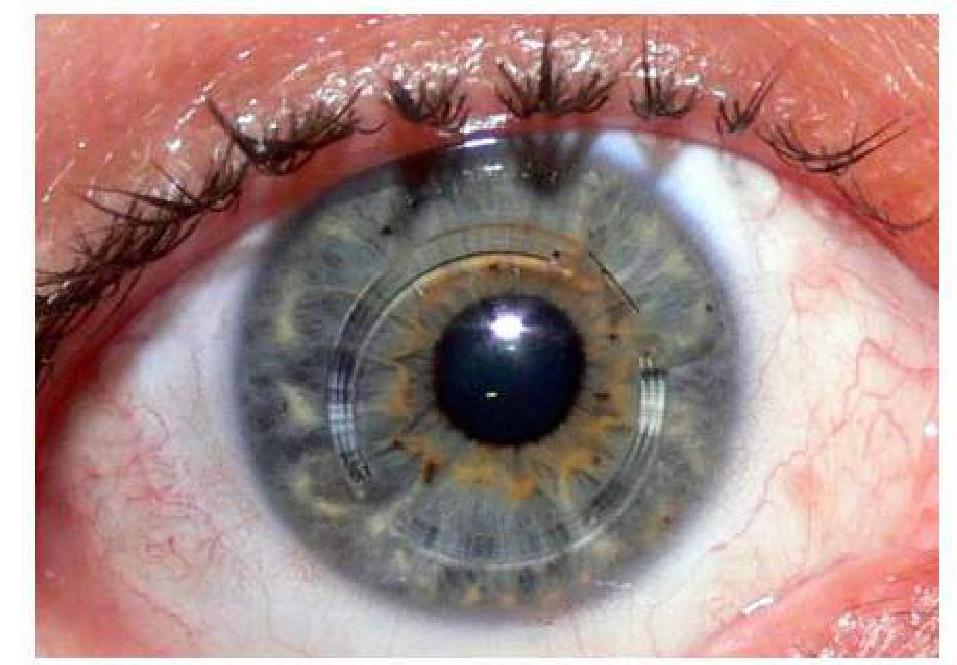
A 40-year-old woman with rheumatoid arthritis presents with eye pain and redness. Examination reveals scleritis. What is the most likely associated systemic complication?
NEET-PG 2022 - Internal Medicine NEET-PG Practice Questions and MCQs
Question 111: What is the initial treatment for most patients with growth hormone-secreting pituitary adenoma?
- A. Transphenoidal surgical resection (Correct Answer)
- B. Somatostatin analogs
- C. Dopamine agonists
- D. GH receptor antagonists
Explanation: ***Transphenoidal surgical resection*** - This is the **preferred initial treatment** for most growth hormone (GH)-secreting pituitary adenomas, as it offers the best chance for **cure** and rapid reduction in GH levels [1]. - Success rates are high, especially for **smaller tumors** (microadenomas), and it can quickly relieve mass effect symptoms [1]. *Somatostatin analogs* - These are typically used as **second-line therapy** if surgery is unsuccessful or contraindicated, or in patients not surgical candidates. - They work by **inhibiting GH secretion** but do not usually achieve a complete cure like surgery. *GH receptor antagonists* - These medications, such as pegvisomant, **block the action of GH** at its receptor, normalizing IGF-1 levels. - They are primarily used when other treatments, including surgery and somatostatin analogs, have failed to control GH excess. *Dopamine agonists* - While dopamine agonists (e.g., cabergoline) can **sometimes reduce GH secretion** in a minority of patients, they are significantly less effective for GH-secreting tumors compared to prolactinomas [1]. - They are occasionally used as **adjunctive therapy** or in specific cases where the GH-secreting tumor also co-secretes prolactin [1].
Question 112: A 40-year-old woman with rheumatoid arthritis presents with eye pain and redness. Examination reveals scleritis. What is the most likely associated systemic complication?
- A. Interstitial lung disease (Correct Answer)
- B. Cardiomyopathy
- C. Renal failure
- D. Peripheral neuropathy
Explanation: ***Interstitial lung disease*** - **Scleritis** in a patient with **rheumatoid arthritis** often indicates a more severe, systemic form of the disease. - **Interstitial lung disease (ILD)** is a common and serious **extra-articular manifestation** of rheumatoid arthritis, associated with higher disease activity and worse prognosis. *Cardiomyopathy* - While cardiac involvement can occur in RA (e.g., pericarditis, myocarditis), **cardiomyopathy** is less directly correlated with scleritis as a linked severe systemic complication. - **Rheumatoid arthritis** can increase the risk of cardiovascular disease due to accelerated atherosclerosis and systemic inflammation, but cardiomyopathy itself is not typically the direct systemic complication associated with scleritis. *Renal failure* - **Renal involvement** in rheumatoid arthritis is uncommon, usually related to complications from treatment (e.g., NSAID-induced nephropathy) or secondary amyloidosis, not directly with scleritis. - Scleritis itself does not directly predispose to **renal failure** as a primary systemic complication of RA. *Peripheral neuropathy* - **Peripheral neuropathy** can be a complication of rheumatoid arthritis, particularly in severe cases or vasculitis. - However, it is not as strongly or directly linked to the presence of **scleritis** as **interstitial lung disease** is, in terms of signifying systemic disease severity.
Microbiology
2 questionsA 45-year-old patient with a history of poorly controlled diabetes presents with sinus pain, nasal discharge, and facial swelling. A biopsy reveals broad, nonseptate hyphae branching at wide angles. What is the most likely causative agent?
A patient with HIV presents with extensive anogenital warts. Which HPV types are most commonly associated with malignant transformation in this setting?
NEET-PG 2022 - Microbiology NEET-PG Practice Questions and MCQs
Question 111: A 45-year-old patient with a history of poorly controlled diabetes presents with sinus pain, nasal discharge, and facial swelling. A biopsy reveals broad, nonseptate hyphae branching at wide angles. What is the most likely causative agent?
- A. Aspergillus fumigatus
- B. Rhizopus spp. (Correct Answer)
- C. Candida albicans
- D. Cryptococcus neoformans
Explanation: ***Rhizopus spp.*** - The patient's presentation with **sinus pain**, **nasal discharge**, **facial swelling**, and a history of **poorly controlled diabetes** is classic for **mucormycosis** (also known as zygomycosis). - **Biopsy findings** of **broad, nonseptate hyphae branching at wide/irregular angles** are pathognomonic for mucormycosis, most commonly caused by *Rhizopus* species. - Diabetes mellitus, particularly when poorly controlled with **ketoacidosis**, is a major risk factor for rhinocerebral mucormycosis. *Aspergillus fumigatus* - This fungus typically causes infections with **septate hyphae** that **branch at acute angles** (45 degrees), which is morphologically distinct from mucormycosis. - While *Aspergillus* can cause invasive sinusitis in immunocompromised patients, the specific hyphal morphology (nonseptate, wide-angle branching) points away from it. *Candida albicans* - *Candida albicans* is a yeast that typically appears as **oval budding cells** and **pseudohyphae** on microscopy, not broad, nonseptate hyphae. - While it can cause opportunistic infections in diabetic and immunocompromised patients, its microscopic appearance is entirely inconsistent with the biopsy findings. *Cryptococcus neoformans* - *Cryptococcus neoformans* is an **encapsulated yeast** that is typically identified by its **spherical or oval budding cells** with a characteristic **polysaccharide capsule** visible with India ink stain. - It primarily causes **meningitis** and pulmonary infections in immunocompromised hosts, and its morphology (yeast, not hyphae) is entirely different from the described findings.
Question 112: A patient with HIV presents with extensive anogenital warts. Which HPV types are most commonly associated with malignant transformation in this setting?
- A. Types 42 and 43
- B. Types 31 and 33
- C. Types 16 and 18 (Correct Answer)
- D. Types 6 and 11
Explanation: ***Types 16 and 18*** - **HPV types 16 and 18** are considered **high-risk** and are responsible for the majority of HPV-related cancers, including cervical, anal, and oropharyngeal cancers. - In HIV-positive individuals, the risk of malignant transformation from HPV infection is significantly increased due to **immunocompromise**. *Types 42 and 43* - **HPV types 42 and 43** are classified as **low-risk** HPV types. - They are primarily associated with **benign anogenital warts** and rarely cause malignant transformation. *Types 31 and 33* - **HPV types 31 and 33** are also considered **high-risk** types and can cause malignant transformation. - However, **types 16 and 18** are more frequently associated with HPV-related cancers than types 31 and 33. *Types 6 and 11* - **HPV types 6 and 11** are **low-risk** types and are the primary cause of **genital warts (condyloma acuminata)**. - While they can cause extensive warts, they have a very low potential for malignant transformation.
Pediatrics
1 questionsA 24 month child, with a weight of 11 kg, has RR of 38 / min, chest indrawing, cough and fever. Management according to IMNCI?
NEET-PG 2022 - Pediatrics NEET-PG Practice Questions and MCQs
Question 111: A 24 month child, with a weight of 11 kg, has RR of 38 / min, chest indrawing, cough and fever. Management according to IMNCI?
- A. Refer to a higher-level health facility for further management.
- B. Monitor at home without medical treatment.
- C. Give antibiotics (Correct Answer)
- D. Provide symptomatic treatment with antipyretics only.
Explanation: ***Give antibiotics*** - The child presents with **chest indrawing** along with cough and fever, which according to **IMNCI guidelines** classifies as **pneumonia**. - Note: RR of 38/min is **within normal limits** for a 24-month-old child (fast breathing threshold is ≥40/min for 12-59 months age group). - The diagnosis of pneumonia is based on the presence of **chest indrawing**, not fast breathing in this case. - According to **IMNCI**, pneumonia (without danger signs) should be treated with **oral antibiotics** (amoxicillin 250 mg twice daily for 5 days) at the primary care level. - The child should be followed up in 2 days and the mother advised on when to return immediately. *Refer to a higher-level health facility for further management.* - Referral is indicated for **severe pneumonia**, which requires presence of any **general danger sign** (inability to drink/breastfeed, persistent vomiting, convulsions, lethargy/unconsciousness, or stridor in calm child). - This child has **pneumonia** (not severe), so outpatient treatment with oral antibiotics is appropriate. *Monitor at home without medical treatment.* - This would be inappropriate as the child has **pneumonia** requiring antibiotic treatment. - Untreated pneumonia can rapidly progress to severe disease and is a **leading cause of child mortality** in developing countries. *Provide symptomatic treatment with antipyretics only.* - While antipyretics (paracetamol) can be given for fever, they do not treat the underlying **bacterial infection**. - Antibiotics are essential to treat pneumonia and prevent complications and mortality.
Pharmacology
1 questionsA 55-year-old woman is undergoing chemotherapy for breast cancer and experiences severe nausea and vomiting. Which antiemetic, recognized for its minimal extrapyramidal side effects, would be appropriate for her condition?
NEET-PG 2022 - Pharmacology NEET-PG Practice Questions and MCQs
Question 111: A 55-year-old woman is undergoing chemotherapy for breast cancer and experiences severe nausea and vomiting. Which antiemetic, recognized for its minimal extrapyramidal side effects, would be appropriate for her condition?
- A. Metoclopramide
- B. Ondansetron (Correct Answer)
- C. Promethazine
- D. Prochlorperazine
Explanation: ***Ondansetron*** - **Ondansetron** is a 5-HT3 receptor antagonist, highly effective against chemotherapy-induced nausea and vomiting (CINV) due to its action on serotonin receptors in the **chemoreceptor trigger zone** and **gastrointestinal tract**. - It is known for its favorable side effect profile, with **minimal to no extrapyramidal symptoms**, making it a preferred choice in patients where such effects are a concern. *Metoclopramide* - While effective against nausea and vomiting, **metoclopramide** (a D2 receptor antagonist) can cause **extrapyramidal symptoms** such as **dystonia** and **tardive dyskinesia**, especially with prolonged use or higher doses. - Its mechanism of action includes both prokinetic effects and central antiemetic action, but its side effect profile makes it less ideal when avoiding extrapyramidal symptoms is a priority. *Promethazine* - **Promethazine** is a first-generation antihistamine with antiemetic properties, but it can cause significant **sedation** and has some **anticholinergic side effects**. - Although its extrapyramidal risk is lower than some other drugs, it's not the primary choice for chemotherapy-induced nausea due to its sedative effects and generally less potent antiemetic action for CINV compared to 5-HT3 antagonists. *Prochlorperazine* - **Prochlorperazine** is a phenothiazine antipsychotic with strong antiemetic effects, acting primarily as a **dopamine receptor antagonist**. - It carries a significant risk of **extrapyramidal side effects**, including **acute dystonia** and **parkinsonism**, making it less suitable when such side effects must be strictly avoided.
Physiology
1 questionsWhich of the following statements about the O2-Hb dissociation curve is correct?
NEET-PG 2022 - Physiology NEET-PG Practice Questions and MCQs
Question 111: Which of the following statements about the O2-Hb dissociation curve is correct?
- A. It demonstrates cooperative binding. (Correct Answer)
- B. The curve is a straight line.
- C. It is 100% saturated at a PO2 of 100 mmHg.
- D. A hemoglobin molecule can carry 4 molecules of O2.
Explanation: ***It demonstrates cooperative binding.*** - **Cooperative binding** describes how the binding of one oxygen molecule to hemoglobin increases the affinity of the remaining binding sites for oxygen. - This property gives the O2-Hb dissociation curve its characteristic **sigmoid (S-shaped)** appearance, allowing for efficient oxygen loading in the lungs and unloading in the tissues. *The curve is a straight line.* - The O2-Hb dissociation curve is **sigmoid or S-shaped**, not a straight line, due to the phenomenon of cooperative binding. - A straight line would imply a constant affinity of hemoglobin for oxygen, which is not the case. *It is 100% saturated at a PO2 of 100 mmHg.* - Hemoglobin is typically around **97-98% saturated** at a PO2 of 100 mmHg (arterial blood). - Complete 100% saturation is rarely achieved under physiological conditions. *A hemoglobin molecule can carry 4 molecules of O2.* - While this statement is factually true (one hemoglobin molecule has **four heme groups** and can bind up to **four molecules of oxygen**), it describes the structure and oxygen-carrying capacity of hemoglobin rather than a characteristic of the dissociation **curve itself**. - The question asks about features of the O2-Hb dissociation curve, and cooperative binding is the key property that defines the curve's behavior and sigmoid shape.
Radiology
1 questionsA 60-year-old male with a history of smoking presents with severe abdominal pain and a pulsatile abdominal mass. What is the most appropriate next step in managing this patient?
NEET-PG 2022 - Radiology NEET-PG Practice Questions and MCQs
Question 111: A 60-year-old male with a history of smoking presents with severe abdominal pain and a pulsatile abdominal mass. What is the most appropriate next step in managing this patient?
- A. Immediate surgery
- B. CT angiography (Correct Answer)
- C. Ultrasound of the abdomen
- D. Observation
Explanation: ***CT angiography*** - **CT angiography** is the most appropriate next step for a **hemodynamically stable** patient with suspected **abdominal aortic aneurysm (AAA)**, as suggested by severe abdominal pain and a pulsatile abdominal mass in a smoker. - **CT angiography** is the gold standard for delineating the size, extent, anatomical relationships, and most importantly, the **rupture status** of an AAA, providing critical information for surgical planning. - This imaging is essential for determining the appropriate surgical approach (open repair vs. endovascular repair/EVAR) and identifying contained ruptures that may not be immediately life-threatening but require urgent intervention. - The patient presentation suggests a **symptomatic or contained rupture**, and assuming hemodynamic stability, imaging should precede surgery. *Immediate surgery* - Immediate surgery **without imaging** is indicated only when the patient is **hemodynamically unstable** (hypotension, shock) or in frank rupture with peritoneal signs, where delays for imaging would be fatal. - In a **stable** patient, proceeding directly to surgery without CT angiography increases operative risks due to lack of precise anatomical information about aneurysm size, location, proximal/distal extent, and involvement of renal or iliac arteries. - The question scenario, while concerning, does not explicitly indicate hemodynamic instability, making imaging the preferred next step. *Ultrasound of the abdomen* - **Ultrasound** is excellent for screening and confirming the presence of AAA, measuring aortic diameter, but it has significant limitations in acute settings. - **Ultrasound cannot reliably detect rupture** or provide the detailed anatomical information necessary for surgical planning (proximal/distal extent, branch vessel involvement). - In this acute presentation with suspected rupture, ultrasound would be insufficient and would delay definitive diagnosis, making **CT angiography** superior. *Observation* - **Observation** is absolutely contraindicated in a patient with severe abdominal pain and a pulsatile abdominal mass, as this presentation strongly suggests **symptomatic or ruptured AAA**. - AAA rupture carries mortality rates of 50-80% even with treatment, and any delay in diagnosis and intervention significantly increases mortality. - The combination of symptoms (severe pain) with a pulsatile mass in a high-risk patient (elderly male smoker) mandates immediate diagnostic workup, not observation.