Impaired function of Aquaporin results in
Where does meiosis occur in human females?
Cerebral blood flow is regulated by all of the following except:
A patient with pH of 7, pCO2 of 30 mmHg and Bicarbonate levels of 10 meq. What is the acid base abnormality?
The lab reports of a patient given below: pH = 7.2, HCO3 = 10 mEq/L, PCO2 = 30 mmHg. This exemplifies which of the following disorders?
Serum prolactin levels are highest
Prolactin levels are highest in which of the following?
In a fetus highest oxygen concentration is found in?
What does aquaporin deficiency cause?
In which of the following conditions would the cortisol level be highest?
NEET-PG 2020 - Physiology NEET-PG Practice Questions and MCQs
Question 11: Impaired function of Aquaporin results in
- A. Nephrogenic DI (Correct Answer)
- B. Liddle syndrome
- C. Cystic fibrosis
- D. Bartter syndrome
Explanation: ***Nephrogenic DI*** - **Nephrogenic Diabetes Insipidus (DI)** results from the kidneys' inability to respond to **vasopressin (ADH)** due to defects in **V2 receptors** or, more commonly, mutations in **Aquaporin-2** (AQP2) water channels. - This leads to the excretion of large volumes of dilute urine, as water cannot be reabsorbed by the collecting ducts even when ADH levels are adequate. *Liddle syndrome* - This is an **autosomal dominant** disorder characterized by unregulated activation of the **epithelial sodium channel (ENaC)** in the collecting tubules. - It leads to increased sodium reabsorption, hypertension, hypokalemia, and metabolic alkalosis, not directly related to aquaporin function. *Cystic fibrosis* - This is an **autosomal recessive** genetic disorder that affects cells that produce mucus, sweat, and digestive juices, primarily due to mutations in the **CFTR (cystic fibrosis transmembrane conductance regulator) gene**. - Impaired CFTR protein function leads to thick, sticky secretions that can block ducts and passages, primarily in the lungs and pancreas, and is unrelated to aquaporin function. *Bartter syndrome* - This is a group of **autosomal recessive** disorders characterized by impaired reabsorption of sodium and chloride in the **thick ascending limb of the loop of Henle**. - It leads to significant urine loss of sodium, potassium, and chloride, resulting in hypokalemia, metabolic alkalosis, hypercalciuria, and often normal to low blood pressure, not directly related to aquaporin.
Question 12: Where does meiosis occur in human females?
- A. In the adult ovary (Correct Answer)
- B. At birth in the ovary
- C. In the adult testis
- D. In the prepubertal testis
Explanation: ***In the adult ovary*** - **Meiosis I** in oocytes starts during fetal development but arrests in prophase I. It resumes and completes in the **adult ovary** just before ovulation in response to hormonal signals. - **Meiosis II** begins after the completion of Meiosis I and arrests in metaphase II. It is only completed upon **fertilization** by a sperm, also occurring within the adult reproductive tract. *At birth in the ovary* - At birth, female ovaries contain primary oocytes that have entered **meiosis I** but are arrested in prophase I; actual meiotic divisions promoting maturation do not occur at this stage. - The completion of meiosis I and the initiation of meiosis II are processes that are **post-puberty** and occur in response to hormonal changes leading to ovulation. *In the adult testis* - The testis is the male gonad, and it is the site of **spermatogenesis**, the process of sperm production involving meiosis in males. - **Oogenesis**, the formation of female gametes, occurs exclusively in the **ovaries** of females. *In the prepubertal testis* - In the prepubertal testis, spermatogenesis has not yet begun, and thus **meiosis does not occur** at this stage in males. - Meiosis in males usually begins during **puberty** under the influence of hormones like testosterone.
Question 13: Cerebral blood flow is regulated by all of the following except:
- A. Calcium ions (Correct Answer)
- B. Blood pressure
- C. Arterial PCO2
- D. Potassium ions
Explanation: ***Calcium ions*** - While **calcium ions (Ca²⁺)** are mechanistically essential for vascular smooth muscle contraction and relaxation, they are **not considered a primary regulatory signal** for cerebral blood flow (CBF) in the same way as the other factors listed. - Ca²⁺ acts as an **intracellular second messenger** that mediates the effects of other regulatory factors (like PCO2, K⁺, and vasoactive substances), rather than being a direct extracellular regulatory signal itself. - The question refers to primary regulatory factors that directly modulate CBF, not the intracellular mechanisms by which vascular smooth muscle responds. *Blood pressure* - **Cerebral autoregulation** maintains relatively constant CBF despite changes in **mean arterial pressure (MAP)** between approximately 60-150 mmHg. - Blood pressure is a **key regulatory factor** - when MAP falls below or exceeds this range, CBF becomes pressure-dependent. - This protective mechanism prevents cerebral ischemia or hyperemia with systemic blood pressure fluctuations. *Arterial PCO2* - **Arterial partial pressure of carbon dioxide (PaCO2)** is one of the **most potent direct regulators** of CBF. - **Hypercapnia** (increased PaCO2) causes cerebral vasodilation and increased CBF (approximately 1-2 mL/100g/min increase per 1 mmHg rise in PaCO2). - **Hypocapnia** (decreased PaCO2) causes vasoconstriction and reduced CBF, utilized therapeutically in managing elevated intracranial pressure. *Potassium ions* - **Increased extracellular K⁺** in the perivascular space causes **direct vasodilation** of cerebral arterioles. - This mechanism is crucial for **neurovascular coupling** (functional hyperemia) - when neurons are active, they release K⁺, which dilates nearby vessels to increase local blood flow. - K⁺-mediated vasodilation helps match cerebral perfusion to metabolic demand during neuronal activity.
Question 14: A patient with pH of 7, pCO2 of 30 mmHg and Bicarbonate levels of 10 meq. What is the acid base abnormality?
- A. Respiratory alkalosis
- B. Metabolic alkalosis
- C. Respiratory Acidosis
- D. Metabolic Acidosis (Correct Answer)
Explanation: ***Metabolic Acidosis*** - The pH is 7, which is severely **acidotic** (normal range 7.35-7.45). This indicates an acid-base disorder where the body is too acidic. - The **bicarbonate level is 10 mEq/L** (normal range 22-26 mEq/L), which is significantly low, directly contributing to the acidosis and pointing towards a metabolic origin. *Respiratory alkalosis* - This condition involves an **elevated pH** (alkalosis) due to a primary decrease in pCO2. - In this case, the pH is acidic, not alkaline. *Metabolic alkalosis* - This condition involves an **elevated pH** (alkalosis) due to a primary increase in bicarbonate levels. - Here, the pH is acidic and bicarbonate is low, directly contradicting metabolic alkalosis. *Respiratory Acidosis* - This condition involves a **decreased pH** (acidosis) due to a primary increase in pCO2. - Although the pH is acidotic, the pCO2 is 30 mmHg (normal range 35-45 mmHg), which is low, indicating a respiratory compensation rather than the primary cause.
Question 15: The lab reports of a patient given below: pH = 7.2, HCO3 = 10 mEq/L, PCO2 = 30 mmHg. This exemplifies which of the following disorders?
- A. Metabolic alkalosis
- B. Respiratory acidosis
- C. Metabolic acidosis (Correct Answer)
- D. Respiratory alkalosis
Explanation: ***Metabolic acidosis*** - The pH of 7.2 is acidic, and the **bicarbonate (HCO3) of 10 mEq/L** is significantly low (normal: 22-28 mEq/L), indicating a primary metabolic disturbance causing acidosis. - The **PCO2 of 30 mmHg** is also low (normal: 35-45 mmHg), which represents **partial respiratory compensation** through hyperventilation to blow off CO2 and raise pH. - This is a classic example of **metabolic acidosis with respiratory compensation**. *Metabolic alkalosis* - This condition would be characterized by a **high pH** and a **high bicarbonate (HCO3)** level, which is the opposite of the given values. - The body would attempt to compensate by increasing PCO2 through hypoventilation. *Respiratory acidosis* - This would present with a **low pH** and a **high PCO2** (>45 mmHg), indicating a primary respiratory problem leading to CO2 retention and acid accumulation. - Metabolic compensation would show elevated HCO3, not the low HCO3 (10 mEq/L) seen here. *Respiratory alkalosis* - This condition is characterized by a **high pH** (>7.45) and a **low PCO2**, due to excessive ventilation causing CO2 elimination. - While PCO2 is low in the given scenario, the pH is acidic (7.2), not alkalotic, ruling out this diagnosis.
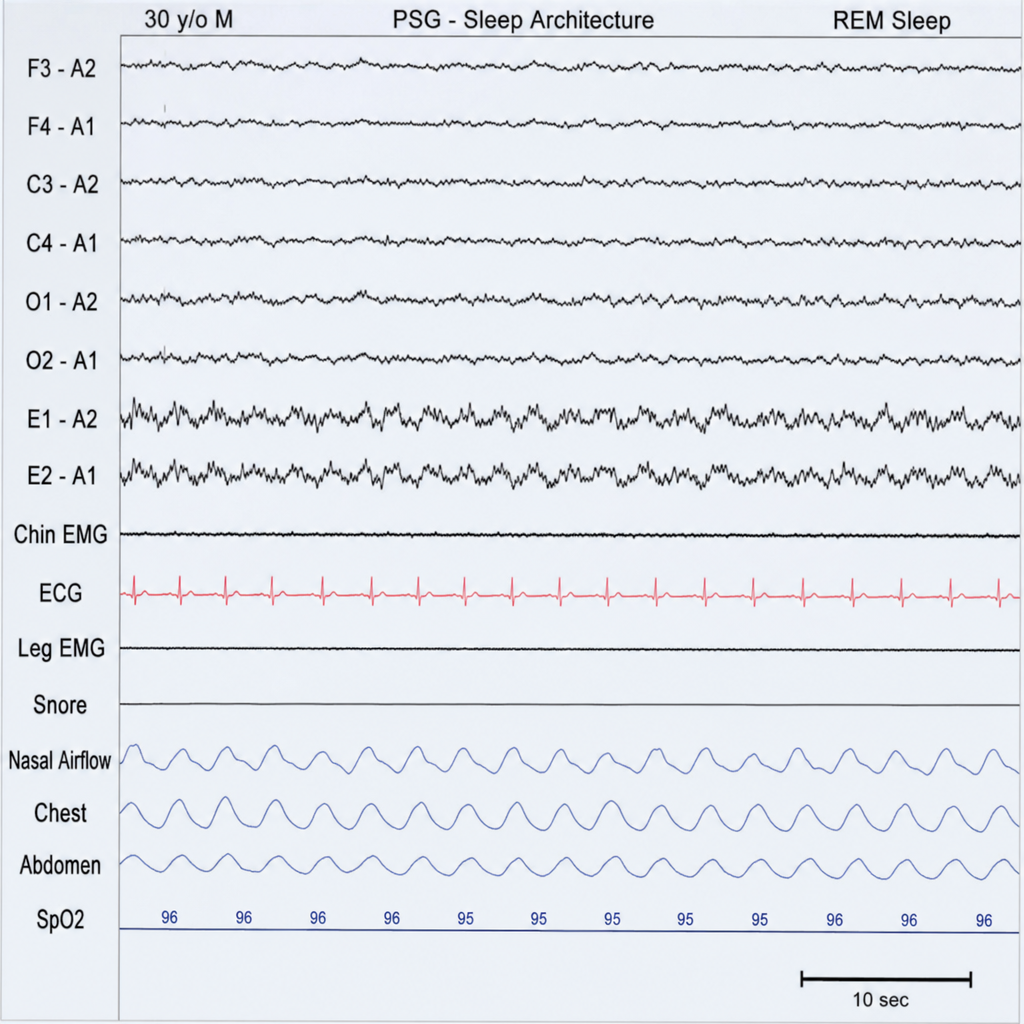
Question 16: Serum prolactin levels are highest
- A. 24 hrs after parturition
- B. REM sleep
- C. In actively lactating mothers
- D. During third trimester of pregnancy (Correct Answer)
Explanation: ***Correct: During third trimester of pregnancy*** - **Serum prolactin levels reach their absolute highest** during the **third trimester of pregnancy**, rising progressively from normal levels (5-25 ng/mL) to peak values of **200-400 ng/mL** near term. - This represents the **highest physiological prolactin levels** observed in humans. - Despite these high levels, **lactation does not occur** during pregnancy because **estrogen and progesterone** block prolactin's action on mammary tissue. - The high prolactin prepares the breast for lactation but milk secretion is inhibited until delivery. *Incorrect: 24 hrs after parturition* - After delivery, prolactin levels actually begin to **decline** from their pregnancy peak, though they remain elevated (around 200 ng/mL). - While **lactogenesis II** (copious milk production) begins 24-72 hours postpartum, this is due to the **removal of estrogen/progesterone inhibition**, not because prolactin levels peak at this time. - The confusion arises from conflating **functional milk production** with **peak hormone levels**. *Incorrect: REM sleep* - Prolactin exhibits **circadian variation** with nocturnal rise during sleep, peaking in early morning hours. - However, these sleep-related peaks (typically 25-40 ng/mL) are **much lower** than pregnancy levels. - This physiological variation is unrelated to reproductive function. *Incorrect: In actively lactating mothers* - During established lactation, basal prolactin levels gradually decline over weeks to months. - Each **suckling episode** causes transient prolactin surges (2-10 fold increase), but these peaks are still **lower than third trimester levels**. - By 6 months postpartum, basal prolactin may return near pre-pregnancy levels despite continued lactation.
Question 17: Prolactin levels are highest in which of the following?
- A. After 24 hrs of ovulation
- B. After nipple stimulation (Correct Answer)
- C. After 24 hours of parturition
- D. Just before parturition
Explanation: ***After nipple stimulation*** - Nipple stimulation is a powerful physiological stimulus for **prolactin release** from the anterior pituitary. - This reflex is essential for **lactation** and milk let-down, as suckling signals directly enhance prolactin secretion. *After 24 hrs of ovulation* - Prolactin levels do not peak significantly 24 hours after ovulation; while some fluctuation occurs during the menstrual cycle, the highest levels are not seen at this time. - **Luteinizing hormone (LH)** and **follicle-stimulating hormone (FSH)** are the primary hormones exhibiting surges related to ovulation. *After 24 hours of parturition* - While prolactin levels are elevated throughout the third trimester and immediately postpartum, they tend to **decline somewhat** if breastfeeding is not initiated within the first 24-48 hours. - Post-partum, prolactin levels are primarily sustained by **frequent nipple stimulation** from breastfeeding. *Just before parturition* - Prolactin levels are **chronically elevated** during the third trimester of pregnancy, but the **acute highest surge** or peak is typically in response to specific triggers like nipple stimulation, rather than just the state of being immediately pre-partum. - High prolactin during late pregnancy prepares the breasts for lactation but is not necessarily the **absolute peak** that nipple stimulation can elicit.
Question 18: In a fetus highest oxygen concentration is found in?
- A. Superior vena cava
- B. Umbilical vein (Correct Answer)
- C. Left ventricle
- D. Ascending aorta
Explanation: ***Umbilical vein*** - The **umbilical vein** carries oxygenated blood from the **placenta**, which serves as the site of gas exchange, making its oxygen concentration the highest in the fetal circulation. - This highly oxygenated blood bypasses the fetal lungs via shunts such as the **ductus venosus** and **foramen ovale** to supply vital organs. *Superior vena cava* - The **superior vena cava** carries deoxygenated blood from the upper body and head back to the heart, mixing with oxygenated blood in the right atrium. - Its blood has a relatively **low oxygen saturation** compared to the umbilical vein. *Left ventricle* - The **left ventricle** receives blood that has already mixed in the atria and passed through the foramen ovale, then the left atrium. - While relatively oxygen-rich for systemic circulation, its oxygen concentration is lower than that in the umbilical vein due to **mixing with deoxygenated blood**. *Ascending aorta* - The **ascending aorta** receives blood from the left ventricle, which has a moderate oxygen content. - The blood in the ascending aorta feeds the upper body, but its oxygen saturation is lower than that in the umbilical vein due to the **physiological shunts** and mixing of blood.
Question 19: What does aquaporin deficiency cause?
- A. Liddle syndrome
- B. Bartter syndrome
- C. Gitelman syndrome
- D. Nephrogenic diabetes insipidus (Correct Answer)
Explanation: ***Nephrogenic diabetes insipidus*** - Aquaporins, specifically **aquaporin-2**, are crucial for **water reabsorption** in the renal collecting ducts in response to ADH. - A deficiency or dysfunction of aquaporins leads to the kidneys being unable to concentrate urine, resulting in **excessive dilute urine production** and **polydipsia**, characteristic of nephrogenic diabetes insipidus. *Liddle syndrome* - This is an **autosomal dominant** disorder caused by a **gain-of-function mutation** in the **epithelial sodium channel (ENaC)**, leading to increased sodium reabsorption and hypertension. - It does not involve aquaporin deficiency but rather an overactive sodium channel. *Bartter syndrome* - Characterized by mutations in the **Na-K-2Cl cotransporter (NKCC2)** in the thick ascending limb of the loop of Henle, leading to impaired reabsorption of sodium, potassium, and chloride. - It results in **hypokalemia**, **metabolic alkalosis**, and **hypotension**, and is not directly caused by aquaporin deficiency. *Gitelman syndrome* - Caused by mutations in the **thiazide-sensitive Na–Cl cotransporter (NCC)** in the distal convoluted tubule, impairing sodium and chloride reabsorption. - It presents with symptoms similar to thiazide diuretic use, including **hypokalemia**, **hypomagnesemia**, and **metabolic alkalosis**, and is distinct from aquaporin-related disorders.
Question 20: In which of the following conditions would the cortisol level be highest?
- A. Normal person after receiving dexamethasone
- B. Normal person in the late evening
- C. Addison's disease
- D. Normal person in the early morning (Correct Answer)
Explanation: ***Normal person in the early morning*** - Cortisol secretion follows a **circadian rhythm**, with levels naturally peaking in the early morning (typically between 6-8 AM) to prepare the body for the day's activities. - This **diurnal variation** is a key physiological characteristic of cortisol, regulated by the **hypothalamic-pituitary-adrenal (HPA) axis**. *Normal person after receiving dexamethasone* - **Dexamethasone** is a potent synthetic glucocorticoid that **suppresses ACTH secretion** via negative feedback, leading to a significant **reduction in endogenous cortisol production**. - This is the principle behind the **dexamethasone suppression test**, used to diagnose Cushing's syndrome (failure of suppression). *Normal person in the late evening* - Cortisol levels are typically at their **lowest point** in the late evening (around midnight to early morning hours) as part of the normal **circadian rhythm**. - This nadir reflects the body's decreased need for metabolic and stress response hormones during rest. *Addison's disease* - **Addison's disease** is characterized by **primary adrenal insufficiency**, meaning the adrenal glands are unable to produce sufficient amounts of cortisol. - Patients with Addison's disease have **chronically low cortisol levels** due to glandular damage, often accompanied by high ACTH levels.