
Liver Trauma — Flashcards

_____ classification of bile duct injury takes into account both vascular as well as the location of the injury.
The most common cause of non-traumatic hemoperitoneum is _____
If compression of the hepatoduodenal ligament via a Pringle maneuver does not cease bleeding, the source of the RUQ bleed is most likely the _____ or the hepatic vein
The _____ maneuver involves compression of the hepatoduodenal ligament to control liver bleeding
In an on-table injury, if the injured bile duct is _____ in diameter or drains more than one segment of the liver, Hepaticojejunostomy is performed
In Pringle manoeuvre, structures of _____ are clamped at the edge of hepatoduodenal ligament.
_____ can be done to diagnose the extent of CBD injury
In Pringle manoeuvre, structures of _____ are clamped at the edge of hepatoduodenal ligament.
According to _____ classification, Caroli's disease is classified as a type _____ choledochal cyst.
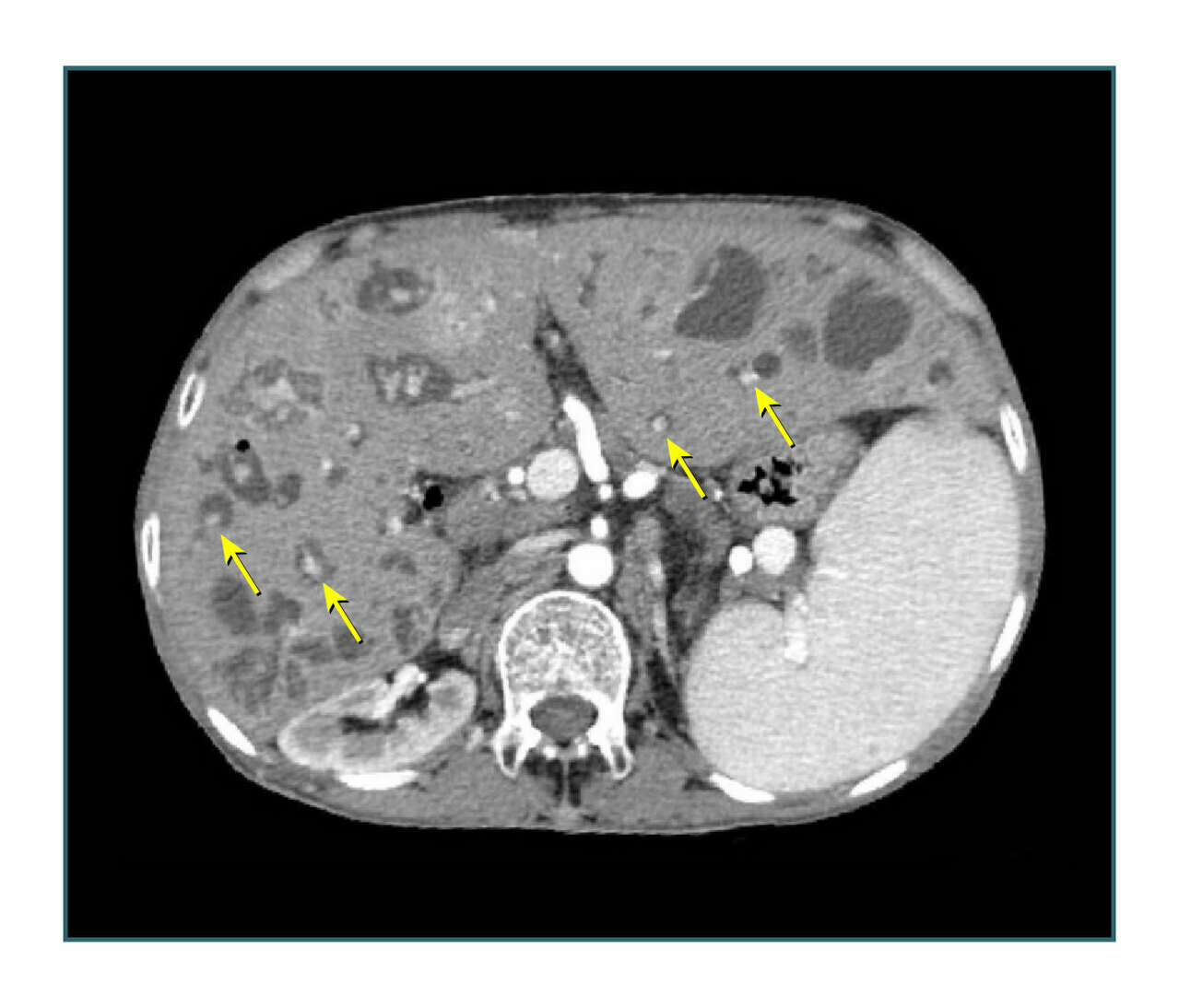
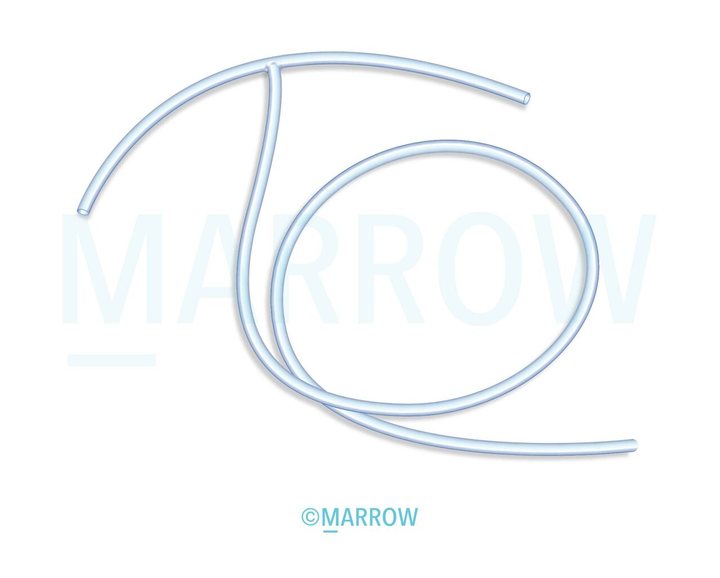
_____ is used after CBD exploration (post choledochotomy) to allow bile to drain while the sphincter of Oddi is in spasm postoperatively
Liver Trauma Flashcards for NEET-PG
Study 10 flashcards on Liver Trauma for NEET-PG Surgery. These active recall cards cover the key concepts, clinical associations, and high-yield facts from this chapter of Hepatobiliary Surgery. Each card is designed to test your understanding rather than just recognition, building stronger and more durable memories for exam day.
For personalised spaced repetition scheduling and unlimited flashcards, download the Oncourse app.
Frequently Asked Questions
Are Liver Trauma flashcards free?
How many flashcards does this chapter have?
How should I use these flashcards for NEET-PG?
Are there more flashcards for Hepatobiliary Surgery?
Want unlimited flashcards?
Get full access to all flashcards, spaced repetition, and progress tracking.
Scan to download app