Hepatobiliary Surgery Indian Medical PG Flashcards - Medical Study Cards
Master Hepatobiliary Surgery with OnCourse flashcards. These spaced repetition flashcards are designed for medical students preparing for NEET PG, USMLE Step 1, USMLE Step 2, MBBS exams, and other medical licensing examinations.
Hepatobiliary Surgery Flashcard Deck - 70 Cards
Flashcard 1: In Pringle manoeuvre, structures of _____ are clamped at the edge of hepatoduodenal ligament.
Answer: portal triad
Flashcard 2: According to _____ classification, Caroli's disease is classified as a type _____ choledochal cyst.
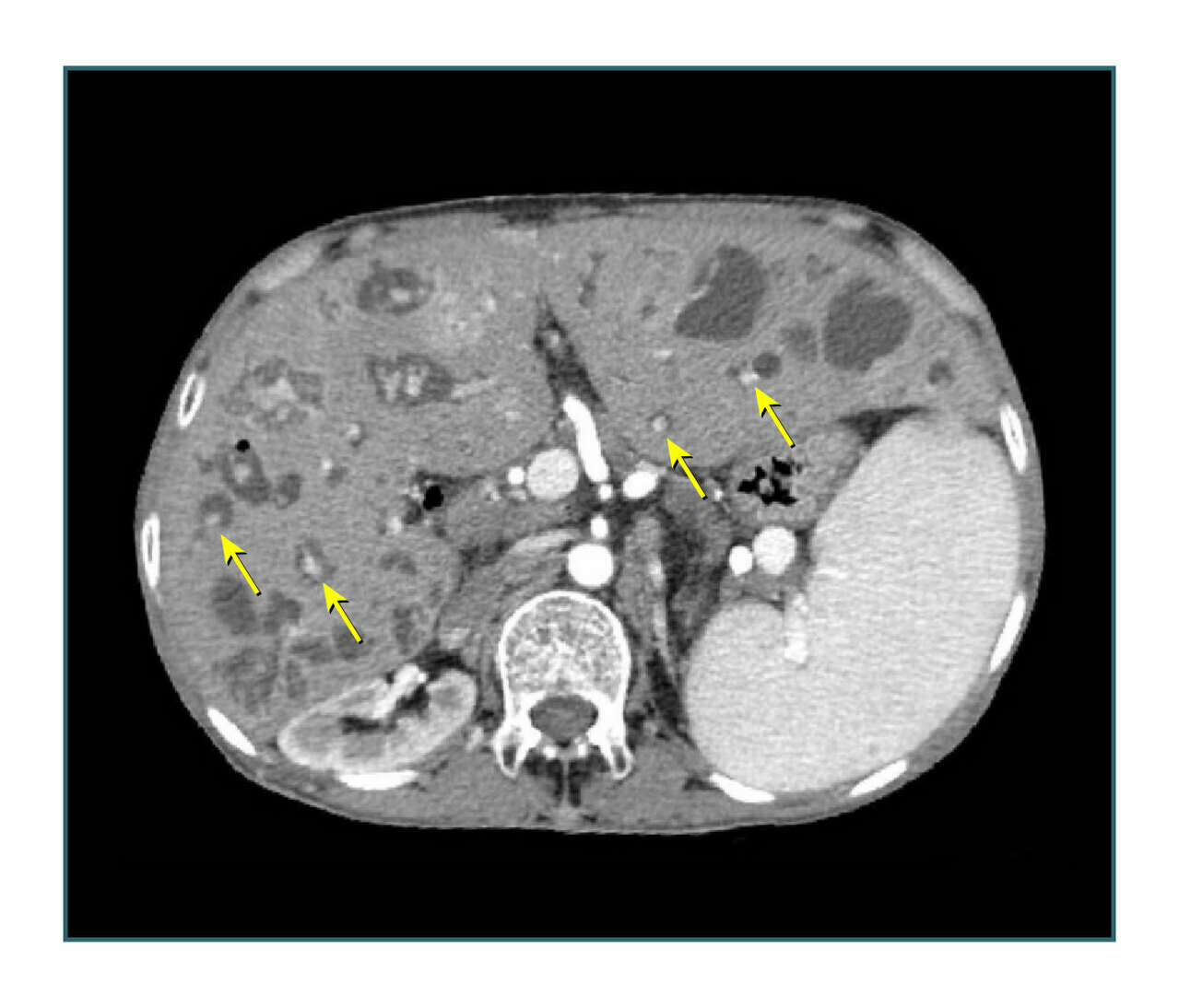
Answer: Todani
Flashcard 3: _____ is used after CBD exploration (post choledochotomy) to allow bile to drain while the sphincter of Oddi is in spasm postoperatively
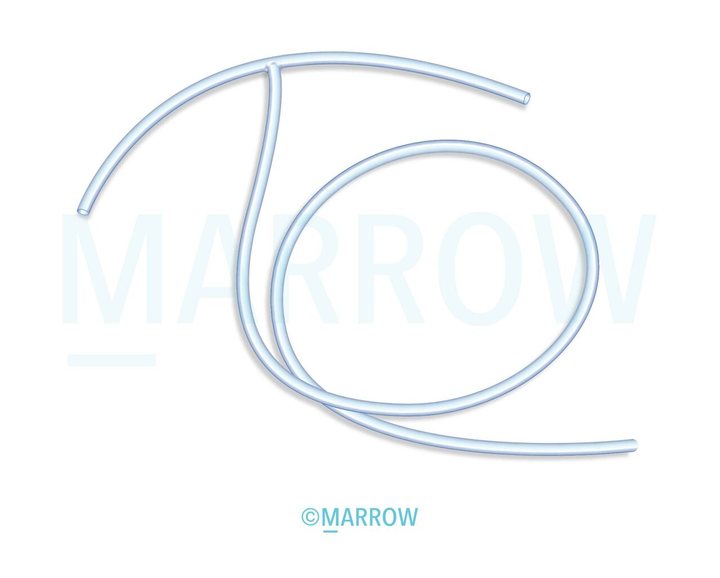
Answer: Kehr’s T tube
Flashcard 4: What is the following instrument?
_____
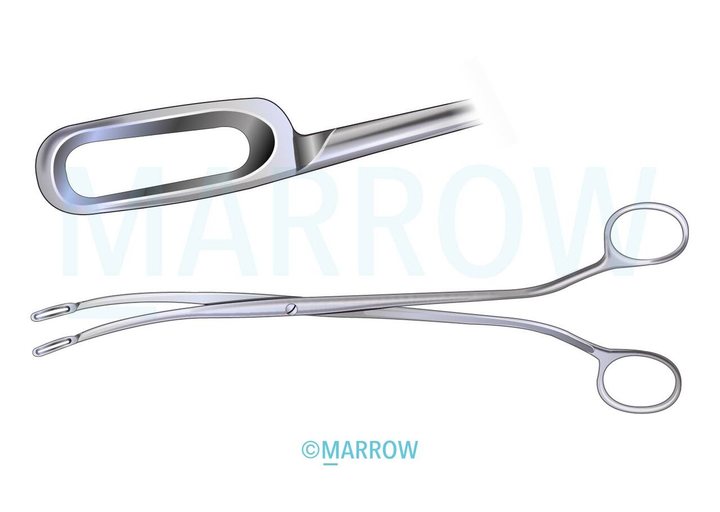
Answer: Desjardin’s Choledocholithotomy forceps
Flashcard 5: Classification of Choledochal Cysts:_____ also known as Caroli disease, involve the intrahepatic ducts only
Answer: Type V
Flashcard 6: Type _____ choledochal cysts are treated by excision of the cyst with its mucosa and reconstruction by Roux-en-Y hepaticojejunostomy
Answer: I
Flashcard 7: For Type _____ choledochal cysts, sphincterotomy is recommended.
Answer: III
Flashcard 8: If compression of the hepatoduodenal ligament via a Pringle maneuver does not cease bleeding, the source of the RUQ bleed is most likely the _____ or the hepatic vein
Answer: inferior vena cava
Flashcard 9: _____ syndrome is defined as a cystic duct stone that compresses or fistulizes into the common hepatic duct
Answer: Mirizzi
Flashcard 10: If the Type _____ choledochal cyst is adherent to the portal vein posteriorly it is treated by Lily's operation
Answer: IVB
Flashcard 11: Biliary _____ occurs due to gallbladder contraction against a stone lodged in the cystic duct
Answer: colic
Flashcard 12: The _____ maneuver involves compression of the hepatoduodenal ligament to control liver bleeding
Answer: Pringle
Flashcard 13: The classic clinical triad of symptoms in choledochal cyst include _____, jaundice, and a mass, with jaundice being a consistent finding
Answer: abdominal pain
Flashcard 14: All _____ patients of >50 years and all symptomatic patients with gallbladder polyps are treated with surgery (asymptomatic/symptomatic)
Answer: asymptomatic
Flashcard 15: _____ tumors are extrahepatic cholangiocarcinomas located in the peri-hilar region
Answer: Klatskin
Flashcard 16: If on table, the common bile duct injury is _____ mm or those draining more than single segment of the liver, T-tube insertion is performed
Answer: more than 4
Flashcard 17: The risk of rupture in hepatic adenoma is estimated to be seen in _____% to 50% of the cases
Answer: 30
Flashcard 18: If on table, the CBD injury is _____ mm or those draining less than single segment of the liver, ligation is performed
Answer: less than 3
Flashcard 19: _____ triad is seen in Hemobilia
Answer: Quinck's
Flashcard 20: What is the next step in the case of a cystic stump injury with a leak post-op followed by USG guided drainage (if leak still continues after 1-2 days)?_____
Answer: ERCP and stenting
Flashcard 21: According to Strasberg classification of bile duct injury, injury to main bile duct, and right aberrant hepatic duct is classified as Type _____
Answer: E5
Flashcard 22: According to Strasberg classification of bile duct injury, injury to main hepatic duct, less than 2cm from confluence is classified as Type _____
Answer: E2
Flashcard 23: What is the treatment of choice in epitheloid hemangioendotheliomas?_____
Answer: Total hepatectomy with liver transplantation.
Flashcard 24: According to Strasberg classification of bile duct injury, injury to main hepatic duct, with destruction of the confluence is classified as Type _____
Answer: E4
Flashcard 25: According to Strasberg classification of bile duct injury, Bile leak from main bile duct is classified as Type _____
Answer: D
Flashcard 26: _____ score was originally developed to evaluate the risk of portocaval shunt procedures performed for portal hypertension*what are the components?
Answer: ChildTurcottePugh (CTP)
Flashcard 27: HCCs receive their blood supply predominantly from the _____
Answer: hepatic artery
Flashcard 28: Incidence of cholangiocarcinoma in patients with biliary cysts ranges from _____%
Answer: 1030
Flashcard 29: Classification of Choledochal Cysts:Multiple Cysts involving the extrahepatic biliary tree are classified as _____
Answer: Type IVb
Flashcard 30: What is the line of mx in symptomatic cases of hepatic hemangioma?_____
Answer: Enucleation with inflow control
Flashcard 31: Cystic stump blow out is treated by _____ or re-clipping of cystic duct
Answer: stenting
Flashcard 32: Prophylactic cholecystectomy in asymptomatic cholelithiasis is indicated in case of gallbladder polyp of size more than _____
Answer: 1cm
Flashcard 33: In cases with biliary communication, only _____ is used as a scolicidal agent of hydatid cyst
Answer: hypertonic saline (1520%)
Flashcard 34: Prophylactic cholecystectomy in asymptomatic cholelithiasis is indicated in case of gallstones of size more than _____
Answer: 3cm
Flashcard 35: In type IVA choledochal cysts, in addition to excision and reconstruction (IVB), segmental resection of the liver may be required which can be removed by _____
Answer: hepatectomy
Flashcard 36: Type _____ choledochal cysts are treated by excision of the diverticulum and suturing of the CBD wall
Answer: II
Flashcard 37: Next best step for a petient with bile duct injury in post-op period would be to _____ and administer broad spectrum abx
Answer: drain the collection
Flashcard 38: Kehr s T tube should be left in place for _____ days to minimize the risk of biliary peritonitis after removal
Answer: 10
Flashcard 39: According to Strasberg classification of bile duct injury, Bile leak from right aberrant hepatic ducts or right posterior sectoral duct is classified as Type _____
Answer: C
Flashcard 40: According to Strasberg classification of bile duct injury, injury to main hepatic duct, more than 2cm from confluence is classified as Type _____
Answer: E1
Flashcard 41: Bismuth-Corlette classification is used for _____ tumors.
Answer: bile duct
Flashcard 42: Classification of Choledochal Cysts:A cystic dilation of the intramural common bile duct, within the wall of the duodenum, is classified as _____
Answer: Type III
Flashcard 43: _____ classification of bile duct injury takes into account both vascular as well as the location of the injury.
Answer: Hannover
Flashcard 44: What is the first step in a post-op detected bile duct injury following laparoscopic cholecystectomy?_____
Answer: Drainage of fluid collections (Pigtail insertion and drainage)
Flashcard 45: Biliary stricture/injury after open cholecystectomy usually occurs in the _____
Answer: common bile duct
Flashcard 46: According to Strasberg classification of bile duct injury, occlusion of biliary tree with no leak is classified as Type _____
Answer: B
Flashcard 47: What is the treatment of bilhemia?_____
Answer: stent placement or sphincterotomy
Flashcard 48: What is the most common site of injury in laparoscopic cholecystectomy?_____
Answer: Calot's triangle
Flashcard 49: According to Strasberg classification of bile duct injury, injury to main hepatic duct, at the confluence, with confluence intact is classified as Type _____
Answer: E3
Flashcard 50: What is the next step in the case of a CBD/common hepatic duct injury with a leak post-op followed by USG guided drainage (if leak still continues after 1-2 days)?_____
Answer: T-tube repair
Flashcard 51: What is the usual line of mx of hepatic adenomas?_____
Answer: Surgical resection
Flashcard 52: Post-sx follow up is important in distinguishing biliary type SOD from _____ syndrome
Answer: post-cholecystectomy
Flashcard 53: _____ is used after CBD exploration (post choledochotomy) to allow bile to drain while the sphincter of Oddi is in spasm postoperatively
Answer: Kehr s T tube
Flashcard 54: Classification of Choledochal Cysts:Saccular diverticulum off the common bile duct is classified as _____ choledochal cyst
Answer: Type II
Flashcard 55: Classification of Choledochal Cysts:The most common choledochal cyst type is _____
Answer: Type I
Flashcard 56: Classification of Choledochal Cysts:Cysts involving the intrahepatic and extrahepatic biliary tree are classified as _____
Answer: Type IVa
Flashcard 57: According to Strasberg classification of bile duct injury, Bile leak from the cystic duct or from minor hepatic ducts is classified as Type _____
Answer: A
Flashcard 58: Most common tumor rupture spontaneously causing hemoperitoneum: _____
Answer: Hepatic adenoma
Flashcard 59: What is the following instrument?_____
Answer: Desjardin s Choledocholithotomy forceps
Flashcard 60: What is the rx of choice for emphysematous cholecystitis?_____
Answer: Emergency cholecystectomy
Flashcard 61: What is the managment of mucocele of gallbladder?_____
Answer: Early cholecystectomy
Flashcard 62: _____ forceps are used to hold the fundus and Hartmann pouch of gall bladder during cholecystectomy
Answer: Sponge holding
Flashcard 63: What is the gold standard investigation for diagnosing biliary atresia?
Answer: Intraop. cholangiogram
Flashcard 64: If cystic duct stump leak is suspected, the next best investigation to do would be an _____
Answer: ERCP
Flashcard 65: Ransohoff sign is yellow discoloration of umbilical region seen in _____
Answer: Ruptured CBD
Flashcard 66: In Pringle manoeuvre, structures of _____ are clamped at the edge of hepatoduodenal ligament.
Answer: portal triad
Flashcard 67: Capitonnage is used in the treatment of _____ disease.
Answer: hydatid cyst
Flashcard 68: PAIR procedure is _____indicated in infected cysts.
Answer:
Flashcard 69: According to _____ classification, Caroli's disease is classified as a type _____ choledochal cyst.
Answer: Todani; V
Flashcard 70: Segments _____ and _____ of the liver are removed during radical cholecystectomy.
Answer: IVb; V
Keywords: Hepatobiliary Surgery flashcards, medical flashcards, NEET PG preparation, USMLE Step 1 flashcards, Anki alternative, spaced repetition medical, OnCourse flashcards