
Fluid Shifts Between Compartments — Flashcards

On average, _____ fluid is 20% of body weight
Which fluid compartment has a higher **percentage** of body weight in infants than in adults, but a smaller **absolute volume**?
Extracellular fluid is divided into _____ (75% of ECF) and plasma (25% of ECF)
Interstitial fluid pressure is positive in encapsulated organs- _____
On average, _____ fluid is 40% of body weight
The total number of osmotically active particles is expressed in units called _____.
_____ and inulin are the indicators used for the measurement of intracellular fluid volume.
Osmoreceptors that control osmolality of body fluids are located in _____ hypothalamus.
What is the following equation also called? _____
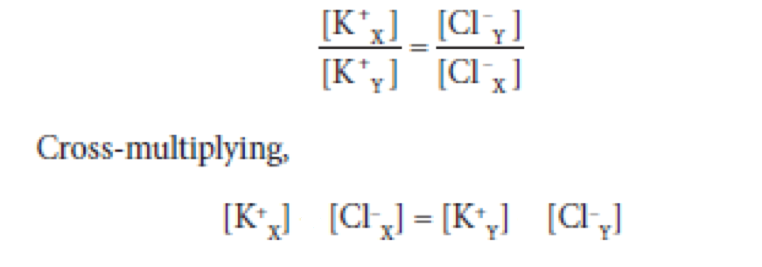
Diarrhea is a cause of _____-osmotic volume contraction
Fluid Shifts Between Compartments Flashcards for NEET-PG
Study 10 flashcards on Fluid Shifts Between Compartments for NEET-PG Physiology. These active recall cards cover the key concepts, clinical associations, and high-yield facts from this chapter of Electrolytes and Body Fluids. Each card is designed to test your understanding rather than just recognition, building stronger and more durable memories for exam day.
For personalised spaced repetition scheduling and unlimited flashcards, download the Oncourse app.
Frequently Asked Questions
Are Fluid Shifts Between Compartments flashcards free?
How many flashcards does this chapter have?
How should I use these flashcards for NEET-PG?
Are there more flashcards for Electrolytes and Body Fluids?
Want unlimited flashcards?
Get full access to all flashcards, spaced repetition, and progress tracking.
Scan to download app