Neonatology Indian Medical PG Flashcards - Medical Study Cards
Master Neonatology with OnCourse flashcards. These spaced repetition flashcards are designed for medical students preparing for NEET PG, USMLE Step 1, USMLE Step 2, MBBS exams, and other medical licensing examinations.
Neonatology Flashcard Deck - 207 Cards
Flashcard 1: Umbilical vessel cannulation can be performed in the first _____ of life before umbilical stump gets detatched
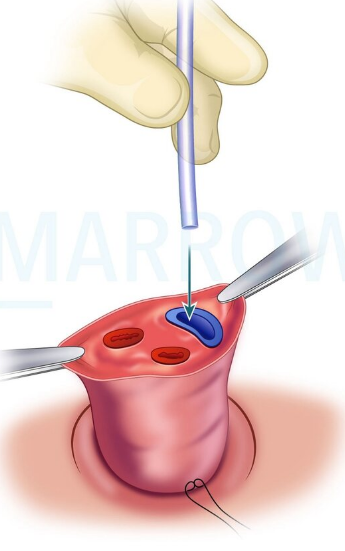
Answer: 7-10 days
Flashcard 2: Area shaded _____ is preferred site for heel prick testing in newborns
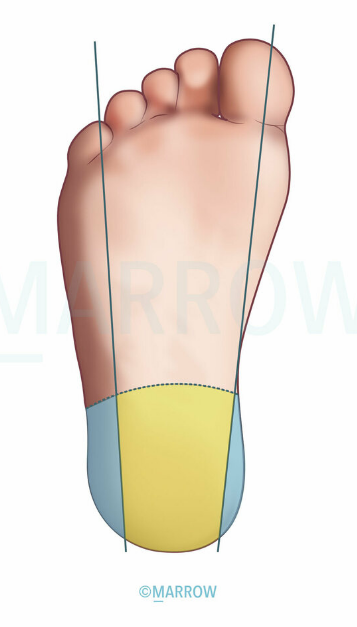
Answer: blue
Flashcard 3: Which pediatric disorder will present with hyperinflation, patchy infiltrates and coarse streaking on chest x-ray?
_____
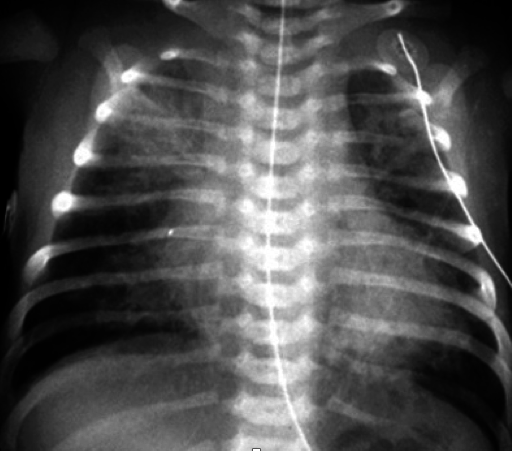
Answer: Meiconium aspiration syndrome
Flashcard 4: SILVERMAN ANDERSON SCORE: No answer _____
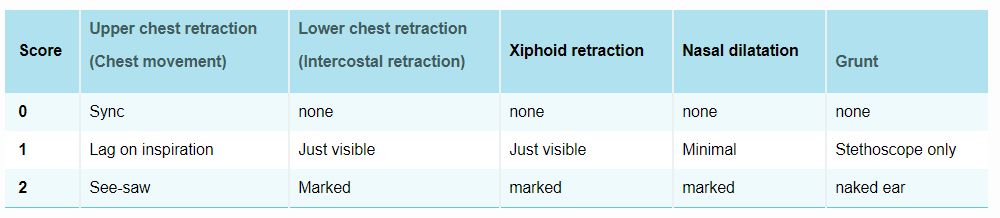
Answer: :)
Flashcard 5: Exclusion criteria for therapeutic hypothermia in neonates: No answer _____
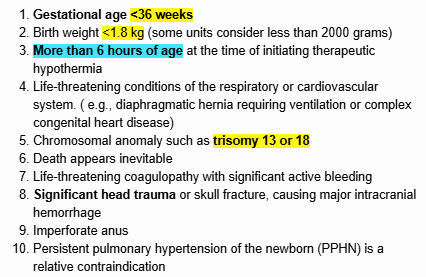
Answer: :)
Flashcard 6: Which pediatric disorder will present with overaeration, prominent pulmonary vascular markings and fluid in interlobar fissure on chest x-ray?
_____
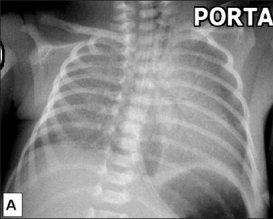
Answer: Transient tachypnea of newborn
Flashcard 7: _____ is aka 8 th day disease
Answer: neonatal tetanus
Extra:
Flashcard 8: MC cause of neonatal death is _____
Answer: prematurity
Extra:
Flashcard 9: birth weight should be <_____ to be upgraded to (SNCU)special new born care unit
Answer: 1800 gm
Extra:
Flashcard 10: neonatal time is from _____
Answer: birth to 28 days
Extra:
Flashcard 11: _____ is the mc cause of infant mortality in india
Answer: LBW
Extra:
Flashcard 12: perineonatal period is from _____
Answer: 22th week of gestation to 7th day after birth
Extra:
Flashcard 13: late neonatal time is from _____
Answer: 8 to 28 days of birth
Extra:
Flashcard 14: head circumference of baby should be measured within _____ time of birth
Answer: 3 days
Extra:
Flashcard 15: weight of the baby should be measured within _____ of birth
Answer: 1 hour
Extra:
Flashcard 16: Kangaroo mother care includes
Answer: SANS
MCQ INICET 21-includes ?
Extra:
Flashcard 17: early neonatal time is from _____
Answer: birth to 7 days
Extra:
Flashcard 18: cord drops off after _____ days
Answer: 5-7
Extra:
Flashcard 19: _____ triad is seen in congenital rubella syndrome and consists of:Cataract, SNHL and patent ductus arteriosus
Answer: Gregg's
Flashcard 20: According to the expanded New Ballard score, 5 points (maximum score) can be assigned to only _____ and skin
Answer: popliteal angle
Flashcard 21: According to the expanded New Ballard score, -2 points (minimum score) can be assigned to only _____ and eye/ear
Answer: plantar surface
Flashcard 22: Neonatal respiratory distress syndrome is associated with _____ due to decreased stress-induced release of fetal glucocorticoids
Answer: C-section delivery
Flashcard 23: The preferred dose of epinephrine to be given during neonatal resuscitation is _____ ml/kg/dose of a 0.1 mg/mL(1:10,000) solution IV
Answer: 0.01
Flashcard 24: Apnea of prematurity is seen in preterm infants and is defined as the cessation of breathing for >_____ seconds or for any duration if accompanied by cyanosis or bradycardia.
Answer: 20
Flashcard 25: In addition to group B streptococci, neonatal meningitis is also commonly caused by _____ and Listeria monocytogenes infection
Answer: E. coli
Flashcard 26: In Potter sequence, compression of the developing fetus results in a _____ face with low-set ears
Answer: flat
Flashcard 27: The expanded new Ballard score is used to assess _____ and neuromuscular maturity of the newborn
Answer: physical
Flashcard 28: What pulse is associated with the following scores using the Apgar score?0: _____1: pulse 100 bpm
Answer: no pulse
Flashcard 29: What grimace is associated with the following scores using the Apgar score? 0: _____1: grimaces or weak cry2: cries and pulls away
Answer: no response to stimulation
Flashcard 30: Neonatal respiratory distress syndrome is associated with _____ due to increased levels of fetal insulin
Answer: maternal diabetes
Flashcard 31: The lowest score on expanded New Ballard Score is _____, which corresponds to 20 weeks gestational age
Answer: -10
Flashcard 32: If an Rh- mother with anti-D IgG antibodies has a subsequent pregnancy with an Rh+ fetus and the baby survives to delivery, the newborn can develop _____; which in serious cases can also manifest with Kernicterus
Answer: Jaundice
Flashcard 33: Streptococcus agalactiae (GBS) causes neonatal meningitis, _____, and pneumonia
Answer: sepsis
Flashcard 34: Jaundice seen in the regions of _____ or soles is suggestive of pathological jaundice
Answer: abdomen
Flashcard 35: In neonatal intraventricular hemorrhage, bleeding usually originates from the _____, highly vascularized layer of the subventricular zone that starts disappearing at 28 weeks gestation
Answer: germinal matrix
Flashcard 36: The most common tracheoesophageal anomaly (85%) is proximal _____ with distal tracheoesophageal fistula
Answer: esophageal atresia
Flashcard 37: _____ is an early (2-5 days) ocular infection seen in neonates due to Neisseria gonorrhoeae infection during childbirth.
Answer: Neonatal Conjunctivitis
Flashcard 38: Absent Moro reflex seen in _____ or stage III HIE
Answer: kernicterus
Flashcard 39: Classic _____ may lead to E. coli sepsis in neonates
Answer: galactosemia
Flashcard 40: Neuro/Psych_____ is a first line agent for treatment of seizures in neonates
Answer: Phenobarbital
Flashcard 41: Mature milk follows transitional milk and is _____ thin and more watery.
Answer: more
Flashcard 42: _____ is a complication of Listeria monocytogenes infection in neonates that involves the formation of pyogenic granulomas distributed over the whole body.
Answer: Granulomatosis Infantiseptica
Flashcard 43: _____ is a CNS complication associated with supplemental O2 therapy in NRDS patients
Answer: Intraventricular hemorrhage
Flashcard 44: Infants of diabetic mothers are at risk of hypoglycemia, _____calcemia and hypomagenesemia
Answer: hypo
Flashcard 45: In all neonates with seizures, hypo_____, CNS infection, and hypocalcemia should be ruled out before anti-epileptic drug treatment.
Answer: glycemia
Flashcard 46: The highest score on expanded New Ballard Score is _____, which corresponds to 44 weeks gestational age
Answer: 50
Flashcard 47: Erythromycin is used in neonates with _____ caused by Neisseria gonorrhoeae (early) or Chlamydia trachomatis D-K (late)
Answer: neonatal conjunctivitis
Flashcard 48: In patients with neonatal respiratory distress syndrome, _____ therapy increases the risk for free radical injury
Answer: supplemental O2
Flashcard 49: _____ is a late (1-2 weeks) ocular infection seen in neonates due to Chlamydia trachomatis serotypes D-K infection during childbirth.
Answer: Neonatal Conjunctivitis
Flashcard 50: _____ syndrome or Transient familial neonatal hyperbilirubinemia is a self limiting condition due to maternal antibody against fetal UGT1A1
Answer: Lucey Driscoll
Flashcard 51: Moro reflex in different stages of Hypoxic-ischemic encephalopathy (HIE):Stage I HIE (mild): _____Stage II HIE (moderate): Weak/incompleteStage III HIE (severe): Absent
Answer: Brisk
Flashcard 52: Newborns that are suffering from ABO hemolytic disease of the newborn can be treated with:_____Exchange transfusion
Answer: Phototherapy
Flashcard 53: Concomitant measurement of both _____ and T4 levels is the most sensitive method to detect neonatal hypothyroidism
Answer: TSH
Flashcard 54: What activity is associated with each of the following scores using the Apgar score? 0: _____1: arms, legs flexed2: active movement
Answer: no movement
Flashcard 55: CMV in newborns can present with blueberry muffin rash, _____ and jaundice
Answer: hepatosplenomegaly
Flashcard 56: During neonatal resuscitation, the _____ is suctioned first and then the nares, in order to decrease the risk of aspiration.
Answer: mouth
Flashcard 57: Severe respiratory failure is seen neonates with congenital deficiency of surfactant caused by mutations in the _____or SFTBC genes
Answer: SFTPB
Flashcard 58: _____ syndrome is respiratory distress due to inadequate surfactant levels
Answer: Neonatal respiratory distress
Flashcard 59: According to the expanded New Ballard score, 0 points (minimum score) can be assigned to only _____ and arm recoil
Answer: posture
Flashcard 60: What appearance is associated with the following scores using the Apgar score? 0: _____1: extremities blue2: pink
Answer: pale or blue
Flashcard 61: _____ is a GI pathology seen in premature, formula-fed infants with immature immune systems
Answer: Necrotizing enterocolitis
Flashcard 62: Neonatal hypothyroidism is screened using a _____ blood sample and using TSH levels first
Answer: dried
Flashcard 63: A brisk Moro reflex can be seen in neonates with _____ or stage I HIE
Answer: hypoglycemia
Flashcard 64: Exaggerated, stereotyped, non-habituating Moro reflex is a feature of severe bilateral intrauterine cerebral disturbance, in conditions such as _____ and severe micrencephaly vera
Answer: Hydranencephaly
Flashcard 65: _____ infected with HBV have a 90% chance of developing chronic infection
Answer: Newborns
Flashcard 66: NRDS increases risk for persistence of a _____ due to persistently low O2 tension (hypoxemia)
Answer: patent ductus arteriosus
Flashcard 67: What respiration is associated with the following scores using the Apgar score?0: _____1: slow, irregular2: strong cry
Answer: no breathing
Flashcard 68: Jaundice present before _____ hours of birth and after 3 weeks of birth is suggestive of pathological jaundice
Answer: 24
Flashcard 69: Asymmetric Moro reflex seen in _____, brachial plexus injury and hemiparesis
Answer: fractured clavicle
Flashcard 70: During neonatal resuscitation, the _____ is suctioned first and then the nares
Answer: mouth
Flashcard 71: _____ is a neural tube defect associated with maternal type I diabetes
Answer: Anencephaly
Flashcard 72: Pulmonary hypoplasia is associated with bilateral _____ and congenital diaphragmatic hernia
Answer: renal agenesis (Potter sequence)
Flashcard 73: In laryngomalacia, stridor subsides on placing the child in _____ position
Answer: prone
Flashcard 74: _____ Staging is used for hypoxic ischemic encephalopathy (HIE)
Answer: Sarnat
Flashcard 75: Bilateral cases of choanal atresia are life-threatening and present with _____
Answer: respiratory distress
Flashcard 76: Late-onset sepsis in neonates usually presents after _____ hours of age
Answer: 72
Flashcard 77: Apnoea of prematurity occurs in newborns born before _____ weeks of pregnancy
Answer: 34
Flashcard 78: Which is the most common cause of seizure in a term neonate?_____
Answer: Hypoxic-ischemic encephalopathy (HIE)
Flashcard 79: Problems of infants with IUGR and pathogenesis: _____: due to Fetal hypoxia with increased erythropoietin production
Answer: Polycythemia
Flashcard 80: Problems of infants with IUGR and pathogenesis: _____: due to decreased tissue glycogen stores, decreased gluconeogenesis, hyperinsulinemia, hypothermia, large brain
Answer: Hypoglycemia
Flashcard 81: Burst suppression to isoelectric EEG is seen in stage _____ HIE
Answer: 3
Flashcard 82: _____ is characterized by focal necrotic lesions in the periventricular white matter, seen commonly in premature infants
Answer: Periventricular leukomalacia (PVL)
Flashcard 83: Unilateral renal agenesis incidence is increased in newborns with a _____.
Answer: single umbilical artery
Flashcard 84: The chest compressions should be at the rate of _____ compressions/min during neonatal resuscitation
Answer: 90
Flashcard 85: _____ is the preferred initial gas for neonatal resuscitation in term infants.
Answer: Room air
Flashcard 86: The first ROP screening should be done at _____ weeks of postnatal age if gestational age is 28 34 weeks or birth weight is
Answer: 4
Flashcard 87: _____ is a congenital lesion, usually seen in low-birth-weight infants where half of the body in the dependent portion turns red in colour, while the other half of the body is pale
Answer: Harlequin color change
Flashcard 88: The neonatal period is defined as the first _____ days after birth.
Answer: 28
Flashcard 89: Moderate hypothermia in an infant is axillary temperature of _____ C
Answer: 32 to 35.9
Flashcard 90: Apnea of prematurity usually resolves by the _____th week of post conceptional age
Answer: 37
Flashcard 91: Surfactant is given prophylactically to all neonates
Answer: Surfactant is given prophylactically to all neonates
Flashcard 92: Is neonatal hemosiderosis inherited?_____
Answer: No
Flashcard 93: The lifespan of neonatal RBCs in preterm infants is _____ days.
Answer: 35-50
Flashcard 94: Is conjunctival hemorrhage a normal finding in a neonate?_____
Answer: Yes
Flashcard 95: An infant born post-term (43 weeks) in association with presumed placental insufficiency has _____ hair
Answer: abundant (scanty/abundant)
Flashcard 96: Through a central vascular line, a maximum of _____% dextrose can be infused in a neonate
Answer: 25
Flashcard 97: _____ technique for chest compression is used for neonatal resuscitation in children aged
Answer: Two thumb/Two finger
Flashcard 98: Acute osteomyelitis is most likely to cause limb shortening and deformity in which demographic?_____
Answer: Infants
Flashcard 99: _____ apnea in infants responds to stimulation by establishing normal breathing
Answer: Primary
Flashcard 100: Apnoea of prematurity is treated with _____ therapy
Answer: caffeine
Flashcard 101: _____ content of breast milk is low and may contribute to hemorrhagic disease of the newborn.
Answer: Vitamin K
Flashcard 102: Kramer zone 1 corresponds to face and neck and is suggestive of approximate TSB level of _____ mg/dL
Answer: 5-7
Flashcard 103: Lethargy appearing after the 2nd day in newborn infants, in particular, suggests _____.
Answer: infection
Flashcard 104: Breast_____ jaundice is seen after 1 week of birth
Answer: milk
Flashcard 105: Post-term infants are those born after _____ completed weeks of gestation
Answer: 42
Flashcard 106: What is the most common form of intestinal obstruction in the newborn?_____
Answer: Duodenal atresia
Flashcard 107: _____-onset sepsis in neonates is characterised by septicemia, pneumonia, or meningitis
Answer: Late
Flashcard 108: _____ disease is also known as infantile cortical hyperostosis.
Answer: Caffey s
Flashcard 109: The first ROP screening should be done at _____ weeks of postnatal age if gestational age is weeks or birth weight is
Answer: 2-3
Flashcard 110: The most effective wavelength of light for phototherapy in neonatal indirect hyperbilirubinemia ranges from _____ nm (Blue-green light).
Answer: 460 490
Flashcard 111: Hyperthermia in an infant is axillary temperature of _____ C
Answer: >37.5
Flashcard 112: If at 30s, after tactile stimulation, the newborn has a HR , the next step is to provide _____
Answer: PPV with SpO2 monitoring
Flashcard 113: Which pediatric disorder will present with overaeration, prominent pulmonary vascular markings and fluid in interlobar fissure on chest x-ray?_____
Answer: Transient tachypnea of newborn
Flashcard 114: Low birth weight (LBW) baby is one whose birth weight is
Answer: Low birth weight (LBW) baby is one whose birth weight is
Flashcard 115: _____ is the preferred initial gas for neonatal resuscitation in preterm infants.
Answer: 21-30% O2
Flashcard 116: Persistent pulmonary hypertension is usually associated with _____maturity
Answer: post-
Flashcard 117: Very Low birth weight (VLBW) baby is one whose birth weight is
Answer: Very Low birth weight (VLBW) baby is one whose birth weight is
Flashcard 118: Extremely Low birth weight (ELBW) baby is one whose birth weight is
Answer: Extremely Low birth weight (ELBW) baby is one whose birth weight is
Flashcard 119: Infants born post-term in association with presumed placental insufficiency are said to have _____ syndrome
Answer: postmaturity
Flashcard 120: Apnea developing in an infant who has initiated respiratory effort is called _____ apnea.
Answer: secondary
Flashcard 121: Seizures are common in stage _____ of hypoxic ischemic encephalopathy (HIE).
Answer: 2
Flashcard 122: If at 30s, after tactile stimulation, the newborn has laboured breathing or persistent cyanosis, the next step is to provide _____
Answer: CPAP with SpO2 monitoring
Flashcard 123: Which is the most common cause of seizure in a preterm neonate?_____
Answer: Intraventricular hemorrhage (IVH)
Flashcard 124: Which route is preferred for epinephrine administration for neonatal resuscitation?_____
Answer: IV>ETT
Flashcard 125: Should all neonates suspected to have sepsis undergo a septic screen?_____
Answer: Yes
Flashcard 126: Transient myeloproliferative disease, usually resolves spontaneously in the 1st _____ months of life
Answer: 3
Flashcard 127: According to modified Bell staging, absent bowel sounds with pneumatosis intestinalis is classified as stage _____
Answer: IIA
Flashcard 128: High dose vitamin E maybe used in the rx of _____ (CNS)
Answer: intraventricular hemorrhage
Flashcard 129: Collection of blood between periosteum of skull and skull bone is a _____
Answer: cephalhematoma
Flashcard 130: If the newborn is of term gestation, breathing/crying and has good muscle tone, the next step is to provide _____
Answer: routine newborn care
Flashcard 131: Kramer zone 3 corresponds to lower abdomen and thighs and is suggestive of approximate TSB level of _____ mg/dL
Answer: 9-11
Flashcard 132: Necrotizing enterocolitis can cause metabolic or respiratory _____
Answer: acidosis
Flashcard 133: Breast_____ jaundice is seen due to the presence of glucuronidase in breast milk (etiology not entirely clear).
Answer: milk
Flashcard 134: At a child health clinic, the criteria to identify at-risk infants include birth weight less than _____ kgs
Answer: 2.5
Flashcard 135: The U/L ratio is _____ at birth
Answer: 1.7
Flashcard 136: Bronze baby syndrome refers to dark, grayish brown skin discolouration in infants undergoing _____
Answer: phototherapy
Flashcard 137: Kramer zone 2 corresponds to chest and upper abdomen and is suggestive of approximate TSB level of _____ mg/dL
Answer: 7-9
Flashcard 138: Which pediatric disorder will present with hyperinflation, patchy infiltrates and coarse streaking on chest x-ray?_____
Answer: Meiconium aspiration syndrome
Flashcard 139: Which is the most common type of seizure in a neonate?_____
Answer: Subtle seizures
Flashcard 140: Failure to initiate respiratory effort at birth is called _____
Answer: primary apnea
Flashcard 141: Problems of infants with IUGR and pathogenesis: _____: due to decreased uteroplacental perfusion during labour+chronic fetal hypoxia, meconium aspiration syndrome
Answer: Perinatal asphyxia
Flashcard 142: Neutro_____ appears to be a better predictor of neonatal sepsis
Answer: penia
Flashcard 143: The ratio of compressions to ventilation in resuscitation of the newborn is _____, where compromise of gas exchange is nearly always the primary cause of cardiovascular collapse
Answer: 3:1
Flashcard 144: If pulmonary hypertension is suspected (meconium aspiration, diaphragmatic hernia), one may consider _____ as the initial gas for resuscitation
Answer: 100% oxygen
Flashcard 145: Best area to check the postductal saturation is the _____.
Answer: foot
Flashcard 146: According to modified Bell staging, presence of pneumoperitonium is classified as stage _____
Answer: IIIB
Flashcard 147: The most common finding in Neonatal Lupus Erythematosus is erythematous eruption around face and eyes, also called _____ sign
Answer: raccoon
Flashcard 148: Phototherapy maybe useful in the management of breast_____ jaundice
Answer: milk
Flashcard 149: Kramer zone 5 corresponds to palms and soles and is suggestive of approximate TSB level of _____ mg/dL
Answer: 13-15
Flashcard 150: If despite chest compressions/PPV, the newborn has HR , the next step is to provide _____
Answer: IV epinephrine
Flashcard 151: Breast_____ jaundice is seen due to decreased milk intake with dehydration and/or reduced caloric intake.
Answer: feeding
Flashcard 152: What is the next step in management of a preterm infant at risk for respiratory distress syndrome (RDS)?_____
Answer: CPAP at birth
Flashcard 153: Neonatal hepatitis is most commonly due to _____trahepatic cholestasis
Answer: in
Flashcard 154: If the newborn is NOT of term gestation, breathing/crying and has good muscle tone, the next step is to provide _____
Answer: tactile stimulation
Flashcard 155: Neonates born to a mother who had a chikungunya infection in the _____ trimester may present with classic central facial pigmentation
Answer: last
Flashcard 156: Hypothermia (axillary care or clothing the baby
Answer: Hypothermia (axillary care or clothing the baby
Flashcard 157: The cut-off for the treatment of neonatal hypoglycemia is a _____ glucose level of
Answer: Plasma
Flashcard 158: An increase in the expanded new Ballard score by 5 points corresponds to an increase of _____ weeks gestational age.
Answer: 2
Flashcard 159: The most important organ involved in congenital tuberculosis is the _____.
Answer: liver
Flashcard 160: What parameters are considered in resuscitation of non-vigorous newborns with meconium-stained amniotic fluid?_____
Answer: HR, RR and Tone
Flashcard 161: Which respiratory severity scoring system is more suited for preterms with HMD?_____
Answer: Silverman Anderson Retraction Score
Flashcard 162: Lethargy with _____ in newborn infants suggests increased intracranial pressure or an inborn error of metabolism
Answer: emesis
Flashcard 163: Cold stress in an infant is axillary temperature of _____ C
Answer: 36.0 to 36.4
Flashcard 164: If despite adequate ventilation/ET intubation, the newborn has HR , the next step is to provide _____
Answer: chest compressions coordinated with PPV
Flashcard 165: The most effective wavelength of light for phototherapy in neonatal indirect hyperbilirubinemia ranges from _____ nm
Answer: 460490
Flashcard 166: What is the primary feeding method for an infant born between 32-34 weeks?_____
Answer: Paladai
Flashcard 167: According to modified Bell staging, presence of definitive abdominal tenderness and pneumatosis intestinalis + portal venous gas is classified as stage _____
Answer: IIB
Flashcard 168: Neonatal hepatitis is most commonly seen in _____ or LBW baby
Answer: premature
Flashcard 169: At a child health clinic, the criteria to identify at-risk infants include _____
Answer: twins (number of babies at the same time)
Flashcard 170: Breast_____ jaundice is seen within 1 week of birth
Answer: feeding
Flashcard 171: _____ describes a transient condition in newborns where it is a covered by a parchment like membrane
Answer: Collodion baby
Flashcard 172: Head circumference is more than chest circumference by _____ cm at birth.
Answer: 2.5
Flashcard 173: If at 60s, the newborn has HR , the next step is to provide _____
Answer: adequate ventilation/ET intubation
Flashcard 174: Expanded new Ballard score is used to calculate gestational age from _____ weeks
Answer: 20 to 44
Flashcard 175: The immediate next step in managing a apneic baby who's mother has been administered narcotics (meperidine) shortly before delivery is to do _____
Answer: bag and mask ventilation
Flashcard 176: What technique is recommended for surfactant administration when babies showed signs of RDS and needed more than 30% inspired oxygen to maintain saturation in the normal range?_____
Answer: INSURE on CPAP technique
Flashcard 177: The lifespan of neonatal RBCs is _____ days.
Answer: 60-90
Flashcard 178: _____-onset sepsis in neonates is characterised by respiratory distress and pneumonia
Answer: Early
Flashcard 179: Neonatal tetanus typically manifests within _____ days of birth as progressive difficulty in feeding.
Answer: 3-12
Flashcard 180: Small left colon syndrome maybe seen in neonates with mothers having _____
Answer: diabetes
Flashcard 181: Kramer zone 4 corresponds to legs/arms and forearms and is suggestive of approximate TSB level of _____ mg/dL
Answer: 11-13
Flashcard 182: Which is the least common type of seizure in a neonate?_____
Answer: Myoclonic seizures
Flashcard 183: Formula feeds maybe useful in the management of breast_____ jaundice
Answer: feeding
Flashcard 184: _____ is a benign finding in newborn caused due to exaggerated physiologic vasomotor response on exposure to low environmental temperature.
Answer: Cutis Marmorata
Flashcard 185: _____ is a benign finding in neonates consisting of nests of epithelial cells, that appear as whitish/yellowish spots on hard palate
Answer: Epstein Pearls
Flashcard 186: The preferred imaging modality in preterm neonates with hypoxic ischemic encephalopathy (HIE) is _____
Answer: USG
Flashcard 187: Lethargy in a newborn with hypothermia, apnea, cyanosis, and seizures suggests _____.
Answer: hypoglycemia
Flashcard 188: The early phase of kernicterus (acute form) includes poor suck, stupor, _____tonia, and seizures.
Answer: hypo
Flashcard 189: What is the most common cause of neonatal hyperthyroidism?_____
Answer: Maternal Graves' disease
Flashcard 190: What is the primary feeding method for an infant born between 28-32 weeks?_____
Answer: NG tube
Flashcard 191: The most common manifestation of late-onset neonatal sepsis is _____.
Answer: meningitis
Flashcard 192: Infants with birthweight greater than the _____ percentile for gestational age are called large for gestational age (LGA)
Answer: 90th
Flashcard 193: Through a peripheral vascular line, a maximum of _____% dextrose can be infused in a neonate
Answer: 12.5
Flashcard 194: Is Hirschsprung disease common in preterm infants?_____
Answer: No
Flashcard 195: The most common cause of respiratory distress in a preterm infant is _____
Answer: neonatal RDS/hyaline membrane disease.
Flashcard 196: _____ is the gold standard for diagnosis and quantification of seizures in neonates
Answer: Video-EEG
Flashcard 197: Which is the investigation of choice for diagnosing seizures in a neonate?_____
Answer: EEG
Flashcard 198: What is the gold standard for diagnosing neonatal sepsis?
Answer: Blood culture
Flashcard 199: Sleeping on hard/ firm surfaces is _____ associated with sudden infant death syndrome (SIDS).
Answer: not
Flashcard 200: Neonates with IUGR present with _____
Answer: Polycythemia::Polycythemia/Anemia
Flashcard 201: Umbilical vessel cannulation can be performed in the first _____ of life before umbilical stump gets detatched
Answer: 7-10 days
Flashcard 202: KMC can be started in preterm babies with birthweight >_____ g immediately after birth
Answer: 1800
Flashcard 203: Irradiance in intensive phototherapy should be at least _____ �W/cm2/nm.
Answer: 30
Flashcard 204: Area shaded _____ is preferred site for heel prick testing in newborns
Answer: blue
Flashcard 205: Cephalhematoma can lead to the development of neonatal _____.
Answer: jaundice
Flashcard 206: Conventional _____ is the main strategy used to support respiratory failure in infants with CDH.
Answer: mechanical ventilation
Flashcard 207: A hemodynamically unstable newborn should be managed in a _____ unit.
Answer: special newborn care
Keywords: Neonatology flashcards, medical flashcards, NEET PG preparation, USMLE Step 1 flashcards, Anki alternative, spaced repetition medical, OnCourse flashcards