Neuro-Ophthalmology Indian Medical PG Flashcards - Medical Study Cards
Master Neuro-Ophthalmology with OnCourse flashcards. These spaced repetition flashcards are designed for medical students preparing for NEET PG, USMLE Step 1, USMLE Step 2, MBBS exams, and other medical licensing examinations.
Neuro-Ophthalmology Flashcard Deck - 86 Cards
Flashcard 1: _____ is a condition of abnormal myelination of the nerve fibers of the retina, where myelination continues beyond lamina cribrosa and spreads into the retina beyond the optic disc.
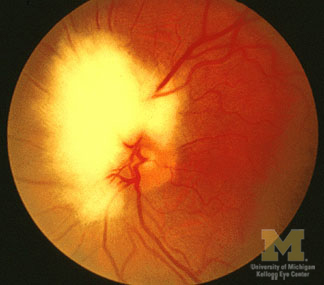
Answer: Medullated nerve fibers (optic disc medullation)
Flashcard 2: _____ sign is seen in optic nerve hypoplasia
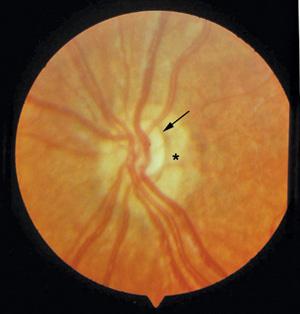
Answer: Double-ring
Flashcard 3: Hyperemic optic disc with telangiectatic (non-leaky on FFA) capillaries is suggestive of _____.
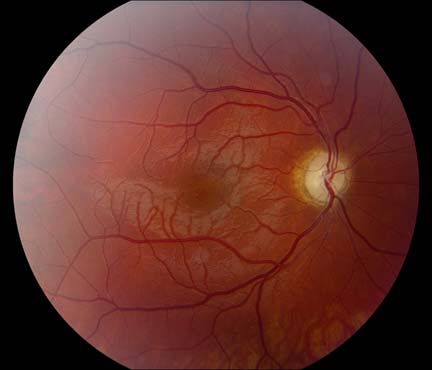
Answer: LHON
Flashcard 4: Established papilledema may lead to a _____ or dome-shaped disc, and appearance of a macular fan
Answer: mushroom
Flashcard 5: Early stage of papilledema is characterised by obscuration of disc margins (_____ margin first), and absence of spontaneous venous pulsations of the disc
Answer: nasal
Flashcard 6: _____ pupil is tested with the 'swinging flashlight' test
Answer: Marcus Gunn
Flashcard 7: Papilledema leads to blockage of _____, axonal swelling and collection of extracellular fluid
Answer: axoplasmic flow
Flashcard 8: Lesions to the optic nerve result in _____-ocular and ipsi-lateral deficits in vision
Answer: mon
Flashcard 9: Optic neuritis is of 3 types-_____-Neuroretinitis-Retrobulbar neuritis
Answer: Papillitis
Flashcard 10: What is the demographic affected by LHON?_____
Answer: males
Flashcard 11: Weakness of _____, mainly seen when the eye is adducted, is seen with superior oblique palsy
Answer: depression
Flashcard 12: Multiple sclerosis may cause _____, resulting in sudden loss of vision and Marcus Gunn pupils
Answer: optic neuritis
Flashcard 13: Normal extent of the visual field: Temporal: _____Inferiorly: 70Nasal: 60Superiorly: 50
Answer: 90/100
Flashcard 14: The most common field defect in optic neuritis is a relative _____ or centrocecal scotoma.
Answer: central
Flashcard 15: Lesions to CN _____ result in a medially-directed eye (at rest) that cannot abduct
Answer: VI (abducens)
Flashcard 16: The most common nerve involved in herpes zoster ophthalmicus (HZO) is the _____ nerve, which is a branch of the ophthalmic division of the trigeminal nerve.
Answer: frontal
Flashcard 17: _____ may result from an inherent inability to detoxify cyanide.
Answer: Tobacco amblyopia
Flashcard 18: Equal and simultaneous innervation flowing from the brain to the contralateral synergists and contralateral antagonists, is known as _____ law of equal innervation
Answer: Herring's
Flashcard 19: Anterior ischemic optic neuropathy (AION) can be due to two types, _____ and non-arteritic (more common)
Answer: Arteritic
Flashcard 20: Features of retrobulbar neuritis include _____ deterioration in vision, painful EOM and impairment of colour vision
Answer: sudden
Flashcard 21: _____ gaze is involved first in Chronic Progressive External Ophthalmoplegia followed by lateral gaze
Answer: Upward
Flashcard 22: Amaurosis fugax presents with a painless, transient, _____ vision loss that is caused by a small embolus to the ophthalamic artery
Answer: monocular
Flashcard 23: In _____ pupil, light reflex is absent and near reflex is slow and tonic
Answer: Adie's tonic
Flashcard 24: Leber s hereditary optic neuropathy (LHON) presents as _____acute painless loss of vision
Answer: sub
Flashcard 25: Conditions such as Adie Pupil, Third nerve palsy, Pharmacological mydriasis and Direct damage to iris sphincter will present as anisocoria that _____ in bright light
Answer: increases
Flashcard 26: Optic glioma is a pain_____ and slow-growing tumor that presents with proptosis
Answer: less
Flashcard 27: _____ is a sudden and transient monocular blindness, which is fully reversible.
Answer: Amaurosis fugax
Flashcard 28: Simple optic atrophy is due to causes such as _____, neurosyphilis, and traumatic optic neuropathy.
Answer: multiple sclerosis
Flashcard 29: In ophthalmoplegia interna, the dilated pupil _____ respond to light and does not respond to accomodation
Answer: does not
Flashcard 30: _____lateral pressure optic atrophy and contralateral papilledema are seen in Foster Kennedy syndrome.
Answer: Ipsi
Flashcard 31: _____ crossed diplopia is seen in divergent squint, as in medial rectus paralysis.
Answer: Uncrossed
Flashcard 32: Optic neuritis presents with _____ phosphenes and sound-induced phosphenes
Answer: movement
Flashcard 33: In chronic or long-standing (vintage) papilledema, small drusen-like deposits called _____ may appear on the disc
Answer: corpora amylacea
Flashcard 34: What is the most common causes of binocular diplopia?_____
Answer: Paralysis of EOM
Flashcard 35: In chronic or long standing papilledema, the optic disc gives the appearance of the dome of a _____
Answer: champagne cork
Flashcard 36: Impairment of colour vision _____ seen with optic neuritis
Answer: is (is/is not)
Flashcard 37: _____ is the most common congenital optic disc anomaly
Answer: Optic nerve hypoplasia
Flashcard 38: Marcus Gunn pupil is confirmed by the _____ test.
Answer: swinging-flashlight
Flashcard 39: The most reliable sign to differentiate between papillitis and papilledema is _____
Answer: pupillary reaction
Flashcard 40: NAAION is caused in population _____ than 70 years of age
Answer: less
Flashcard 41: Marcus Gunn pupil is the earliest sign of _____ disease
Answer: optic nerve
Flashcard 42: In _____ optic atrophy, the pathology lies in the portion of optic nerve behind lamina cribrosa.
Answer: simple
Flashcard 43: What pattern of visual loss is seen with LHON?_____
Answer: Centrocecal scotoma
Flashcard 44: Central scotoma, Paracentral scotoma and temporal field defects can be tested by _____ocular visual field testing.
Answer: mon
Flashcard 45: Exposure keratopathy is caused by paralysis of the _____ nerve.
Answer: facial
Flashcard 46: Anisocoria that increases in bright light and can be examined on slit lamp should point you to the diagnosis of _____
Answer: damage to iris sphincter
Flashcard 47: Illusion of depth perception is seen in optic neuritis and is known as _____ phenomenon
Answer: Pulfrich
Flashcard 48: What is the most common cause of altitudinal hemianopia?_____
Answer: Anterior ischemic optic neuropathy (AION)
Flashcard 49: Hyperemic optic disc with telangiectatic (non-leaky on FFA) capillaries is suggestive of _____.
Answer: LHON
Flashcard 50: _____ sign is seen in optic nerve hypoplasia
Answer: Double-ring
Flashcard 51: Hyperemic disc edema is seen in _____AAION
Answer: N
Flashcard 52: _____ lines are circumferential greyish white folds may develop due to the separation of nerve fibers, seen in established papilledema
Answer: Paton s
Flashcard 53: Stereopsis is _____ in direct ophthalmoscopy
Answer: absent (present/absent)
Flashcard 54: _____ is an abnormal exaggeration of the rhythmic contraction and dilatation of the pupil, independent of changes in illumination or in fixation of the eyes.
Answer: Hippus
Flashcard 55: Anisocoria that increases in bright light and responds to diluted pilocarpine should point you to the diagnosis of _____
Answer: Adie pupil
Flashcard 56: Are pupils involved in Chronic Progressive External Ophthalmoplegia?_____
Answer: No (spared)
Flashcard 57: In _____ optic atrophy, the disc margin is well defined and pale waxy in colour
Answer: Consecutive
Flashcard 58: Arteritic AION is caused by _____
Answer: Giant cell arteritis
Flashcard 59: In patients with _____, a reversal of the OKN response may occur.
Answer: congenital motor nystagmus
Flashcard 60: Marcus Gunn pupil refers to the paradoxical response of pupil to light in presence of a _____
Answer: relative afferent pupillary defect
Flashcard 61: In _____ optic atrophy, the disc margin is blurred and dirty white in colour
Answer: Post-neuritic
Flashcard 62: Visual loss is _____ marked in AAION
Answer: more
Flashcard 63: On addition of apraclonidine, a _____ pupil will dilate
Answer: horner's (normal/horner)
Flashcard 64: What variant of optic neuropathy (autosomal dominant) presents as visual loss in early childhood without any significant systemic features?_____
Answer: Kjer's optic neuropathy
Flashcard 65: _____ optic atrophy occurs after papillitis or papilledema
Answer: Post-neuritic
Flashcard 66: Pseudo-Argyll Robertson pupil is a feature of _____ syndrome
Answer: Parinaud's
Flashcard 67: Confrontation method is a type of _____ perimetry
Answer: manual
Flashcard 68: The differential diagnosis of _____ should be considered in any patient with bilateral optic neuropathy, irrespective of age.
Answer: LHON
Flashcard 69: Anisocoria that increases in bright light and responds to 1% pilocarpine should point you to the diagnosis of _____
Answer: third nerve palsy
Flashcard 70: In _____ optic atrophy, there will be a well defined disc margin and chalky white color.
Answer: simple
Flashcard 71: In Adie's tonic pupil, affected pupil is _____ than normal initially
Answer: larger
Flashcard 72: Pain on ocular movements is seen in _____
Answer: retrobulbar neuritis (type of optic neuritis)
Flashcard 73: Pale disc edema is seen in _____AAION
Answer:
Flashcard 74: Hutchinson's rule is seen due to involvement of _____ nerve
Answer: nasociliary
Flashcard 75: Neurotrophic keratopathy is caused by _____ palsy.
Answer: trigeminal nerve
Flashcard 76: _____ optic atrophy is because of diseases such as retinitis pigmentosa or any other cause of diffuse chorioretinitis
Answer: Consecutive
Flashcard 77: Diplopia is _____ is Chronic Progressive External Ophthalmoplegia
Answer: rare (common/rare)
Flashcard 78: Which visual field defect is most likely to occur with multiple sclerosis?_____
Answer: Central scotoma
Flashcard 79: Photostress test in normal persons and in patients with optic nerve disease, the recovery time is _____
Answer: not affected
Flashcard 80: What is the first sign of Chronic Progressive External Ophthalmoplegia?_____
Answer: bilateral ptosis
Flashcard 81: AION is due to the interference in the circulation of the _____ artery supplying the anterior part of the optic nerve.
Answer: posterior ciliary
Flashcard 82: Pupillary light reflex is sluggish in _____
Answer: papillitis (papillitis/papilledema)
Flashcard 83: Chronic effects of poor illumination is _____
Answer: Miner's nystagmus
Flashcard 84: What is the name of the following test used for testing colour vision?_____
Answer: Farnsworth Munsell 100 hue test
Flashcard 85: FFA will show disc delay and choroidal delay in _____AAION
Answer:
Flashcard 86: Giant cell arteritis (GCA) with polymyalgia rheumatica which is most commonly associated with _____ neuropathy (AION).
Answer: anterior ischemic optic::eye finding
Keywords: Neuro-Ophthalmology flashcards, medical flashcards, NEET PG preparation, USMLE Step 1 flashcards, Anki alternative, spaced repetition medical, OnCourse flashcards