Diseases of the Lens Indian Medical PG Flashcards - Medical Study Cards
Master Diseases of the Lens with OnCourse flashcards. These spaced repetition flashcards are designed for medical students preparing for NEET PG, USMLE Step 1, USMLE Step 2, MBBS exams, and other medical licensing examinations.
Diseases of the Lens Flashcard Deck - 67 Cards
Flashcard 1: Wilson's disease and penetrating trauma is associated with _____ cataract
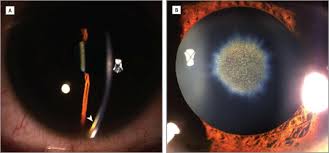
Answer: sunflower
Flashcard 2: Atopic dermatitis is associated with _____ cataract
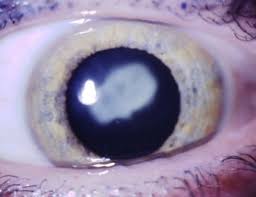
Answer: shield
Flashcard 3: Inflammatory membrane behind the lens seen in iridocyclitis is called _____.
Answer: cyclitic membrane
Flashcard 4: major cause of blindness in >50 years age is _____
Answer: cataract
Extra:
Flashcard 5: major cause of visual impairment in >50 years age is _____
Answer: cataract
Extra:
Flashcard 6: Marfan syndrome typically presents with subluxation of the lenses _____ and temporally (direction)
Answer: upward
Flashcard 7: In diabetes patients, _____ occur as a result of osmotic damage to the lens
Answer: cataracts
Flashcard 8: Weill Marchesani syndrome presents as _____, forward subluxation of the lens.
Answer: downward
Flashcard 9: Lens protein that enters into the _____ chamber may act as an antigen and induce antigen antibody reaction, leading to phacoanaphylactic uveitis.
Answer: anterior
Flashcard 10: Cortical cataract can be of _____ type (5% cases), where central saucer shaped opacity in the posterior cortex just below the capsule, lead to early visual loss
Answer: cupuliform
Flashcard 11: Cataracts often result in glare and _____ vision, especially at night
Answer: decreased
Flashcard 12: _____ sign is the hemorrhage caused by cataract surgery in Fuchs heterochromic iridocyclitis.
Answer: Amsler
Flashcard 13: Loss of ability to see objects in bright sunlight, blinded by the light of oncoming headlamps when driving at night is seen with _____ cataract or posterior subcapsular cataract
Answer: nuclear
Flashcard 14: A _____ and irregular anterior chamber is seen in anterior uveitis due to formation of posterior synechiae
Answer: deep
Flashcard 15: Iridocyclitis is associated with _____ cataract, breadcrumb appearance and polychromatic lusture
Answer: rainbow
Flashcard 16: Cortical cataract can be of _____ type (70% cases), where radial spoke-like pattern start in the periphery and extending centrally, and lead to late visual loss
Answer: cuneiform
Flashcard 17: _____ cataract may arise either due to delayed development of anterior chamber or due to corneal perforation
Answer: Anterior polar
Flashcard 18: Modifiable risk factors for cataracts include _____ and excessive alcohol use
Answer: smoking
Flashcard 19: Monocular diplopia or polyopia is seen with _____ cataract (incipient stage)
Answer: cortical
Flashcard 20: Are posterior synechiae seen in non-granulomatous uveitis?_____
Answer: No
Flashcard 21: Koeppe and Busacca nodules are seen in _____ signs of anterior uveitis
Answer: iris
Flashcard 22: In _____ cataract, the whole cortex liquifies and small, brownish nucleus settles at the bottom of the lens capsule
Answer: Morgagnian hypermature
Flashcard 23: Which Purkinje images are absent in mature cataract?_____
Answer: 4
Flashcard 24: Inflammatory membrane behind the lens seen in iridocyclitis is called _____.
Answer: cyclitic membrane
Flashcard 25: Chloroquine causes a white, flaky, _____ subcapsular cataract
Answer: posterior
Flashcard 26: Lowe's syndrome presents with _____ lenticonus
Answer: posterior
Flashcard 27: What is the most common type of congenital cataract?_____
Answer: Cataracta punctata caerulea
Flashcard 28: Heterochromia iridis may be caused by _____ deposition.
Answer: iron
Flashcard 29: Rigid IOLs are made up of _____
Answer: PMMA
Flashcard 30: Environmental form of lamellar/zonular cataract is associated with Vitamin _____ deficiency
Answer: D
Flashcard 31: _____ is a type of after cataract that occurs due to thick ring being formed behind the iris, between the two layers of capsule
Answer: Sommering's ring
Flashcard 32: The most common cause of cataract is _____
Answer: aging
Flashcard 33: Second sight of old age is seen in _____ cataract.
Answer: nuclear (cortical/nuclear)
Flashcard 34: Index hypermetropia is seen with _____ cataract
Answer: cortical
Flashcard 35: Cuneiform and cupuliform patterns can be made out at the _____ stage of senile cortical cataract
Answer: incipient
Flashcard 36: Colour shift is seen with _____ cataract
Answer: nuclear
Flashcard 37: Atopic dermatitis is associated with _____ cataract
Answer: shield
Flashcard 38: The most common cause for blindness worldwide is _____ (43%).
Answer: cataract
Flashcard 39: The crystalline lens derives its nutrition from the _____.
Answer: aqueous humor
Flashcard 40: Which cataract shows an onion whorl appearance?_____
Answer: Posterior polar cataract
Flashcard 41: _____ pupil results from the application of mydriatics in segmental posterior synechiae.
Answer: Festooned
Flashcard 42: What type of cataract is associated with anteroposterior spindle shaped appearance?_____
Answer: Fusiform/coralliform cataract
Flashcard 43: Wilson's disease and penetrating trauma is associated with _____ cataract
Answer: sunflower
Flashcard 44: What type of cataract appears as a corona of club shaped opacities near the periphery of lens?_____
Answer: Coronary cataract
Flashcard 45: Pigmented nuclear cataract can be due to deposition of _____ pigment
Answer: urochrome
Flashcard 46: Galactosemia is associated with _____ cataract
Answer: oil-drop
Flashcard 47: Glare (especially at night) in posterior subcapsular cataract occurs because of scattering of light which diminishes the _____ sensitivity much more and much earlier than the visual acuity.
Answer: contrast
Flashcard 48: Radiation may cause _____ cataract
Answer: posterior subcapsular
Flashcard 49: Corticosteroids causes a discoid, _____ subcapsular cataract
Answer: posterior
Flashcard 50: The most common complication of recurrent anterior uveitis is _____.
Answer: complicated cataract
Flashcard 51: _____ refers to an abnormally eccentrically placed pupil.
Answer: Corectopia
Flashcard 52: Alport's syndrome presents with _____ lenticonus
Answer: anterior>posterior
Flashcard 53: _____/posterior capsular opacification is the opacity which follows extracapsular extraction of the lens.
Answer: After cataract/secondary cataract
Flashcard 54: What type of cataract is associated with congenital rubella syndrome?_____
Answer: Nuclear cataract
Flashcard 55: What is the most common type of congenital cataract associated with diminished vision?_____*what appearance is seen?
Answer: Zonular/lamellar cataract
Flashcard 56: Subluxation or dislocation of the lens may occur due to degeneration of _____ in the hypermature stage of cataract.
Answer: zonules
Flashcard 57: _____ is used for measuring visual acuity in a dense cataract.
Answer: Potential acuity meter
Flashcard 58: What is the inheritence pattern of lamellar/zonular cataract?_____
Answer: Autosomal-dominant
Flashcard 59: Iris shadow _____ present in immature/intumescent senile cataract
Answer: is (is/is not)
Flashcard 60: _____ is a type of after cataract seen as vacuolated subcapsular epithelial cells clustered like soap bubbles along the posterior capsule.
Answer: Elschnig s pearls
Flashcard 61: Loss of normal patten, and neovascularization are seen in _____ signs of anterior uveitis
Answer: iris
Flashcard 62: Typical appearance of diabetic cataract is _____ cataract.*also seen with?
Answer: snowflake
Flashcard 63: The clinical hallmark of PEX syndrome is the deposition of whitish abnormal pseudoexfoliative debris on the _____
Answer: anterior lens capsule
Flashcard 64: _____ results when the pupil is completely occluded due to the organization of the exudates across the pupillary area in anterior uveitis
Answer: Occlusio pupillae
Flashcard 65: In hererochromia _____, color of one iris differs from the other, i.e different color of the two iris
Answer: iridum
Flashcard 66: When does the growth of lens stop?_____
Answer: Never
Flashcard 67: _____ IOL implantation is done for children above 1 year of age
Answer: In-the-bag
Keywords: Diseases of the Lens flashcards, medical flashcards, NEET PG preparation, USMLE Step 1 flashcards, Anki alternative, spaced repetition medical, OnCourse flashcards