Bacteriology Indian Medical PG Flashcards - Medical Study Cards
Master Bacteriology with OnCourse flashcards. These spaced repetition flashcards are designed for medical students preparing for NEET PG, USMLE Step 1, USMLE Step 2, MBBS exams, and other medical licensing examinations.
Bacteriology Flashcard Deck - 348 Cards
Flashcard 1: School of fish/railroad track appearance on Gram stain is suggestive of _____
Answer: Hemophilus ducreyi
Flashcard 2: Which subtype of diphtheria bacilli shows 'poached egg' colonies (flat with central elevation)?
_____
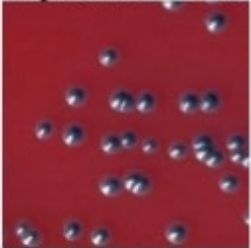
Answer: mitis
Flashcard 3: Which subtype of diphtheria bacilli shows 'frog egg' colonies (dark centre, light margins)?
_____
Answer: intermedius
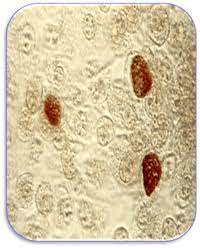
Flashcard 4: Miyagawa bodies are seen in _____
Answer: lymphogranuloma venerum
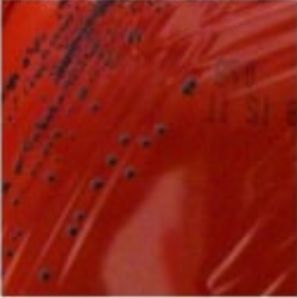
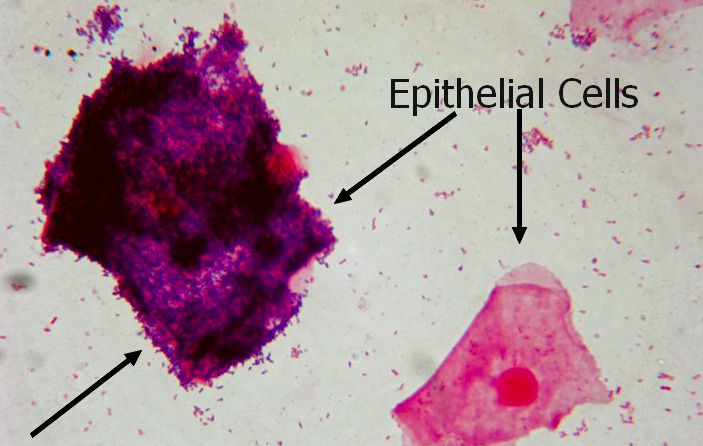
Flashcard 5: Which bacteria is seen cultured from the vagina below?
_____
Answer: Gardnerella vaginalis
epithelial cell covered with bacteria (clue cell)
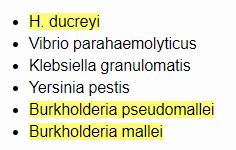
Flashcard 6: Bipolar staining (safety pin appearance) is shown by:
_____
Answer:
Flashcard 7: _____ causes yaws
Answer: T.pertenue
Extra:
Flashcard 8: typhoid bacilli reside primarily in _____ in chronic carriers
Answer: gall bladder
Extra:
Flashcard 9: toxins of tetanus are _____
Answer: tetanolysin and tetanospasmin
Extra:
Flashcard 10: 3cb9fc359f844467826027595fcd4e7b-ao-5
Answer: father of bacteriology
Extra:
Flashcard 11: f1a2c5c4886a4dfb832107b2ab3414d9-ao-8
Answer: rickettsial disease and vectors
Extra: typhus
Flashcard 12: Q fever is caused by _____
Answer: coxiella burnetti
Extra:
Flashcard 13: _____ causes chancroid
Answer: hemophilus ducreyi
Extra:
Flashcard 14: _____ causes LGV
Answer: chlamydia trachomatis
Extra:
Flashcard 15: T.carateum causes _____
Answer: pinta
Extra:
Flashcard 16: f1a2c5c4886a4dfb832107b2ab3414d9-ao-9
Answer: rickettsial disease and vectors
Extra: typhus
Flashcard 17: _____ is the only non vector borne ricketsial disease
Answer: Q fever
Extra:
Flashcard 18: _____ is the only ricketsial disease with no rash and no arthropod vector
Answer: Q fever
Extra:
Flashcard 19: _____ is the most innocuous pathogen causing trachoma
Answer: moraxella
Extra:
Flashcard 20: f1a2c5c4886a4dfb832107b2ab3414d9-ao-6
Answer: rickettsial disease and vectors
Extra: typhus
Flashcard 21: f0b03727399d4abea47521b6385151c1-ao-2
Answer: atypical mycobacteria
Extra: photo chromogen
non photo chromogen
Flashcard 22: _____ is the most widespread pathogen of trachoma
Answer: Koch's bacilus
Extra:
Flashcard 23: _____ antigen is responsible for virulence of typhoid
Answer: Vi
Extra:
Flashcard 24: _____ is a scoto cromogen type atypical mycobacterium
Answer: mycobacterium scrofulaceum
Extra:
Flashcard 25: Mycobacterium avium complex includes _____ and Mycobacterium intracellulare
Answer: Mycobacterium avium
Flashcard 26: _____ cleaves IgA and allows for colonization of mucosal surfaces
Answer: IgA protease
Flashcard 27: Rickettsia _____ causesrickettsial pox which is transmitted by the house mice mite
Answer: akari
Flashcard 28: Runyon classification of Non-tuberculous Mycobacteria:Group I includes _____ such as M. marinum and M. kansasii
Answer: photochromagens
Flashcard 29: Runyon classification of Non-tuberculous Mycobacteria:Group II includes _____ such as M. scrofulaceum
Answer: scotochromagens
Flashcard 30: Mycobacterium _____ thrives in cool temperatures, explaining its predilection for extremities of the body
Answer: leprae
Flashcard 31: _____ is a curved bacteria that can cause reactive arthritis, a spondyloarthropathy
Answer: Campylobacteri jejuni
Flashcard 32: Runyon classification of Non-tuberculous Mycobacteria:_____ and Non-photochromagens do not form pigments
Answer: Rapid growers
Flashcard 33: _____ of Mycobacterium tuberculosis inhibit phagolysosome fusion.
Answer: Sulfatides (surface glycolipids)
Flashcard 34: Leprosy is caused by _____ and is also known as Hansen's disease
Answer: Mycobacteria leprae
Flashcard 35: Gram Positive Algorithm:Gram Positive _____ are either anaerobic or faculatative anaerobes (O2)
Answer: Cocci
Flashcard 36: Shigella spp. is _____ intracellular within M cells
Answer: facultative
Flashcard 37: _____ is an exotoxin from Bacillus anthracis that cleaves MAPK, resulting in tissue necrosis and black eschar formation on the skin
Answer: Lethal factor
Flashcard 38: _____ is beta-hemolytic
Answer: Pseudomonas
Flashcard 39: _____ is the most common cause of osteomyelitis
Answer: Staphylococcus aureus
Flashcard 40: The _____ of E. coli allow the bug to cause urinary tract infections.
Answer: type 1 P pili and fimbriae
Flashcard 41: Gram _____ Algorithm:First split into Bacilli, Cocci and Branching, Filamentous
Answer: Positive
Flashcard 42: _____ synthesizes the superantigens Pyrogenic exotoxin A or C
Answer: Streptococcus pyogenes
Flashcard 43: Clostridium is a gram _____ rod
Answer: positive
Flashcard 44: _____ allows for clumping of Mycobacteria tuberculosis in a "serpentine-like" formation
Answer: Cord factor
Flashcard 45: _____ is a major structural component of bacterial cell walls, consisting of the two sugars N-acetylglucosamine (NAG) and N-acetylmuramic acid (NAM)
Answer: Peptidoglycan
Flashcard 46: _____ E. Coli (EHEC) produces a "Shiga-like" toxin
Answer: Enterohemorrhagic
Flashcard 47: Meningitis is only caused by _____ when the bacteria is in its type B capsular form
Answer: Haemophilus influenzae
Flashcard 48: _____ strain of Treponema is virulent and cannot be cultivated in artificial media but maintained for decades by serial testicular passage in rabbits.
Answer: Nichol's
Flashcard 49: Lung abscesses are commonly due to _____ bacteria such as Bacteroides, Fusobacterium, Peptostreptococcus, and Prevotella
Answer: anaerobic
Flashcard 50: Exotoxin A causes _____ of Elongation Factor-2
Answer: ADP-ribosylation (and therefore inhibition)
Flashcard 51: _____ E. coli is associated with the toxins heat labile toxin (LT) and heat stable toxin (ST)
Answer: Enterotoxigenic
Flashcard 52: _____, Escherichia coli, and Listeria monocytogenes are bacteria that all cause meningitis in neonates.
Answer: Streptococcus agalactiae
Flashcard 53: Mycobacteria tuberculosis grows _____ (fast or slow), requiring 2-6 wks to grow
Answer: slow
Flashcard 54: _____ is an obligate anaerobe that is typically found in the gums and causes dental abscesses
Answer: Actinomyces
Flashcard 55: _____ is a gram negative coccobacillus that causes septic arthritis in sickle cell (asplenic) patients
Answer: Haemophilus influenzae
Flashcard 56: _____ does not gram stain due to lack of a cell wall.Its cell membrane instead has sterols for stability.
Answer: Mycoplasma
Flashcard 57: _____ degrades phosphatidylcholine and sphingomyelin, resulting in myonecrosis (muscle breakdown)
Answer: Alpha toxin
Flashcard 58: Cystitis caused by _____ is characterized by alkaline urine (pH) with an ammonia scent
Answer: Proteus mirabilis
Flashcard 59: _____ is a virulence factor common in Streptococcus pneumonia, H. influenzae Type B, Neisseria spp.
Answer: IgA protease
Flashcard 60: _____ is an endotoxin found on non-enteric gram negative bacteria, ie: Neisseria meningitidis
Answer: Lipooligosaccharide (LOS)
Flashcard 61: _____ is a lancet-shaped diplo-cocci
Answer: Streptococcus pneumoniae
Flashcard 62: _____ is a bacteria that invades via M cells of the Peyer's patches
Answer: Shigella spp.
Flashcard 63: Bacillus cereus, like anthracis, is _____erobic and spore-forming
Answer: a
Flashcard 64: Listeria is a gram _____ rod
Answer: positive
Flashcard 65: _____ will grow on blood agar if Staph Aureus is present and causing beta-hemolysis
Answer: H. influenzae
Flashcard 66: _____ is a bacteria that cements together, forming 'yellow sulfur granules'
Answer: Actinomyces
Flashcard 67: Bordetella pertussis is a gram _____ coccobacillus
Answer: negative
Flashcard 68: Gram Negative Bacteria activate macrophages when _____ binds to CD14 and TLR4
Answer: Lipopolysaccharide (endotoxin)
Flashcard 69: Gram Negative Algorithm:Bacilli who are fast lactose fermenters include _____, E. coli, Enterobacter
Answer: Klebsiella
Flashcard 70: _____ is the bacterium that causes Q fever
Answer: Coxiella burnetti
Flashcard 71: _____ are oxidase positive
Answer: Neisseria
Flashcard 72: _____ is the only bacteria with cholesterol in its cell membrane
Answer: Mycoplasma pneumoniae
Flashcard 73: _____ and Listeria monocytogenes are CAMP test positive
Answer: Streptococcus agalactiae (GBS)
Flashcard 74: Chlamydia _____ has 3 common groups of serotypes: Types A, B, C; Types D-K, Types L1, L2, L3
Answer: trachomatis
Flashcard 75: _____ species is characteristically said to form molar tooth colonies
Answer: Actinomyces
Flashcard 76: Gram Negative Algorithm:Bacilli who _____ lactose fermenters are further split into whether they contain cytochrome oxidase
Answer: are not
Flashcard 77: Uropathogenic E. coli adheres via type _____ fimbriae and P pili and is a major cause of UTIs
Answer: I
Flashcard 78: Pyogenic infections caused by Streptococcus pyogenes include _____, non-bullous impetigo, erysipelas/cellulitis
Answer: pharyngitis (strep throat)
Flashcard 79: Spe_____ and C of Streptococcus pyogenes cause toxic shock like syndrome
Answer: A
Flashcard 80: Cellulitis is most often due to _____ or S. pyogenes infection
Answer: S. aureus
Flashcard 81: _____ and Listeria monocytogenes show differential motility
Answer: Yersinia enterocolitica
Flashcard 82: Salmonella spp. is _____ intracellular within macrophages
Answer: facultative
Flashcard 83: Group _____ Strep (Streptococcus pyogenes) causes pharyngitis, which may present with cervical lymphadenopathy
Answer: A
Flashcard 84: _____ toxin of enterotoxigenic E. coli increases cGMP
Answer: Stable
Flashcard 85: What are two examples of fastidious bacteria?_____Legionella
Answer: H. influenzae
Flashcard 86: _____ is contained on the Outer membrane of Gram Negative Bacteria
Answer: Lipopolysaccharide
Flashcard 87: _____ are gram negative diplococci
Answer: Neisseria
Flashcard 88: _____ is a bacteria that causes oral/facial abscesses that drain through the sinus tracts
Answer: Actinomyces
Flashcard 89: Gram Positive Algorithm:_____ and Branching, Filamentous split into aerobic and anaerobic
Answer: Bacilli
Flashcard 90: Bordetella pertussis can be cultured on _____ or Bordet-Gengou (potato) agar.
Answer: Regan-Lowe
Flashcard 91: H. influenzae is catalase _____ and oxidase positive
Answer: positive
Flashcard 92: _____ inhibits the phagocytosis of Staph Aureus by binding to the Fc portion of IgG antibodies
Answer: Protein A
Flashcard 93: _____ agar contains mammalian bloodNon-selective (any bacteria can grow)Enriched (blood)Differential due to hemolysis pattern
Answer: Blood
Flashcard 94: What organism(s) produce a toxin that ADP-ribosylates EF-2, inhibiting protein synthesis?_____
Answer: Pseudomonas aeruginosa
Flashcard 95: _____ is a curved bacteria that uses fimbriae to attach to the intestinal mucosa
Answer: Vibrio cholerae
Flashcard 96: Shigella and EHEC (Enterohemorrhagic E. coli) both produce _____ toxins that result in bloody diarrhea
Answer: shiga
Flashcard 97: _____ lacks muramic acid in its cell wall, resulting in poor gram staining.
Answer: Chlamydia
Flashcard 98: Gram _____ Algorithm:Bacilli are further split via lactose fermentation
Answer: Negative
Flashcard 99: _____ is the exotoxin of Pseudomonas aeruginosa
Answer: Exotoxin A
Flashcard 100: Nocardia causes _____ infections after trauma in the immuno-competent
Answer: cutaneous
Flashcard 101: _____, Enterobacter, and Serratia are all lactose fermenters
Answer: Klebsiella
Flashcard 102: _____ can grow in close proximity to Staphylococcus aureus on blood agar
Answer: Haemophilus influenzae
Flashcard 103: Bacillus anthracis is often described as large _____ in chains
Answer: gram positive bacilli
Flashcard 104: 4 common _____:NocardiaPseudomonas AeruginosaMycobacterium tuberculosisBacillus (anthracis and cereus)
Answer: obligate aerobes
Flashcard 105: _____ Acids are present in Gram Positive Bacteria's cell walls
Answer: Lipoteichoic
Flashcard 106: Which 5 bacterial toxins depend on lysogeny in order to be secreted by their corresponding bacteria?_____Botulinum ToxinCholera ToxinDiphtheria ToxinShiga Toxin
Answer: Group A strep Erythrogenic toxin (causes scarlet fever)
Flashcard 107: Which bacteria produces Blue-green pigments? Due to?_____
Answer: Pseudomonas aeruginosa
Flashcard 108: Some Gram Negative Bacteria have lipo_____saccharide, which lacks an O antigen
Answer: oligo
Flashcard 109: Gram Negative Algorithm:Diplococci _____ maltose metabolism - Neisseria gonorrhoeae, Moraxella
Answer: without
Flashcard 110: Bacterial _____ and fimbria allow bacteria to adhere to surfaces and attach to other bacteria for conjugation (exchange genetic information - sex)
Answer: pili
Flashcard 111: The three components of Lipopolysaccharide are:1. _____2. Lipid A3. O antigen
Answer: Polysaccharide
Flashcard 112: Gram Positive Algorithm:Streptococcus _____-hemolysis is further broken down via Optochin sensitivity
Answer: alpha
Flashcard 113: Streptococcus _____ is optochin-sensitive
Answer: pneumoniae
Flashcard 114: Gram _____ Bacteria have thinner cell walls with an outer membrane surrounding it
Answer: Negative
Flashcard 115: Legionella pneumophila is a bacterium grown on buffered charcoal yeast extract with _____ and cysteine
Answer: iron
Flashcard 116: Enterococci spp. include _____ and Enterococcus faecium
Answer: Enterococcus faecalis
Flashcard 117: Enterococci spp. normally inhabit the lower _____ and GU tracts.
Answer: GI
Flashcard 118: Strep pneumonia shares the same virulence factor as _____ and Neisseria.
Answer: H. influenzae type b
Flashcard 119: Moraxella catarrhalis are gram _____ cocci
Answer: negative
Flashcard 120: _____ (and other lactose fermenters) will stain metallic green on Eosin-methylene blue (EMB) agar
Answer: E. coli
Flashcard 121: _____ is a bacterium grown on buffered charcoal yeast extract with iron and cysteine
Answer: Legionella pneumophila
Flashcard 122: The E. coli _____ antigen is present on its flagella
Answer: H
Flashcard 123: _____ contains a capsule made of hyaluronic acid
Answer: Streptococcus pyogenes (GAS)
Flashcard 124: _____ shows a fried-egg colony on Dienes method of staining
Answer: Mycoplasma
Flashcard 125: Ureaplasma urealyticum is a _____-positive bacteria related to Mycoplasma that commonly causes urocystitis (and prostatitis)
Answer: urease
Flashcard 126: Factors _____ and X (hematin) are added to chocolate agar to grow Haemophilus influenzae
Answer: V (NAD+)
Flashcard 127: Clostridium perfringens produces a(n) _____ that functions as a phospholipase (lecithinase)
Answer: alpha toxin
Flashcard 128: _____ is a common cause of UTIs in sexually active females
Answer: Staphylococcus saprophyticus
Flashcard 129: The alpha toxin of _____ breaks down phospholipids, resulting in myonecrosis (gas gangrene)
Answer: Clostridium perfringens
Flashcard 130: _____ is a virulence factor part of the peptidoglycan cell wall of Staph Aureus
Answer: Protein A
Flashcard 131: _____ toxin of enterotoxigenic E. coli increases cAMP
Answer: Labile
Flashcard 132: _____ of Treponema pallidum can be visualized within condyloma lata/latum of secondary syphilis via darkfield microscopy
Answer: Spirochetes
Flashcard 133: _____ of Mycobacteria tuberculosis activates macrophages via induction of TNF-a, which then form granulomas
Answer: Cord factor
Flashcard 134: _____ invades the GI mucosal cells, resulting in infectious diarrhea
Answer: Shigella
Flashcard 135: Klebsiella, Enterobacter, and Serratia commonly cause nosocomial _____ and UTIs
Answer: pneumonia
Flashcard 136: _____, Moraxella catarrhalis, and Legionella are common causes of pneumonia superimposed on COPD
Answer: Haemophilus influenzae
Flashcard 137: Gram Positive Algorithm:Streptococcus beta-hemolysis Bacitracin _____ - Streptococcus pyogenes (group A strep)
Answer: Sensitive
Flashcard 138: What gram positive organisms (3) commonly colonize previously damaged heart valves?_____
Answer: Streptococcus viridans
Flashcard 139: V. parahaemolyticus is characterized by _____ flagella on solid media and monotrichous on liquid media.
Answer: peritrichous
Flashcard 140: _____ cell walls contain mycolic acid, therefore a special Ziehl-Neelsen (acid-fast) stain is used to visualize them
Answer: Mycobacteria
Flashcard 141: _____ produces the exotoxin Streptolysin O (cytolysin)
Answer: Streptococcus pyogenes
Flashcard 142: _____ agar is commonly used to differentiate species of streptococcus
Answer: Blood
Flashcard 143: Rickettsia organisms are unable to produce _____ and NAD+
Answer: CoA
Flashcard 144: Enzyme _____ produced by Clostridium Welchii plays an important role in putrefaction
Answer: lecithinase
Flashcard 145: _____ is a virulence factor released from Group A Strep that converts plasminogen to plasmin (a fibrinolytic)
Answer: Streptokinase
Flashcard 146: _____ Agar is used to detect the O157 strains of E. coli
Answer: Sorbitol MacConkey
Flashcard 147: Both _____ and Streptococcus pyogenes (GAS) can cause impetigo
Answer: Staphylococcus aureus
Flashcard 148: Klebsiella, Enterobacter, and Serratia stain _____ on MacConkey agar
Answer: pink
Flashcard 149: _____ is the second most common cause of atypical pneumonia in young adults
Answer: Chlamydia pneumoniae
Flashcard 150: All Clostridium spp. are _____erobic, gram positive rods
Answer: ana
Flashcard 151: Causative agent of _____ is T.pertenue.
Answer: yaws
Flashcard 152: _____ Agar is a potato extract used to grow Bordetella pertussis
Answer: Bordet-Gengou
Flashcard 153: The _____ unit of cholera toxin attach to the GM1 ganglioside receptors on the surface of jejunal epithelial cells.
Answer: B (binding)
Flashcard 154: The _____ phase of bacterial growth is dependent on the generation/doubling time
Answer: growth
Flashcard 155: _____ medium is made of charcoal, blood and antibiotic and used to grow Bordetella pertussis
Answer: Regan-Lowe
Flashcard 156: Rickettsia is technically a gram _____, however it doesn't gram stain well at all
Answer: negative organism
Flashcard 157: _____ is found in abundance within a bacterial spore and is thought to provide heat resistance
Answer: Dipicolinic acid
Flashcard 158: Nocardia is a gram _____ branching filamentous rod
Answer: positive
Flashcard 159: Exotoxin A causes _____ of EF-2 (elongation factor-2), thus inhibiting protein synthesis
Answer: ADP-ribosylation
Flashcard 160: _____ superantigen is often associated with necrotizing fasciitis
Answer: Streptococcus pyogenes' pyrogenic exotoxin B
Flashcard 161: Gram Positive Algorithm:Streptococcus beta-hemolysis Bacitracin _____ - Streptococcus agalactiae (group B strep)
Answer: Resistant
Flashcard 162: _____ species are involved in causing angular conjunctivitis, and is a gram negative, diplobacillus
Answer: Moraxella
Flashcard 163: Spe_____ and C of Streptococcus pyogenes are considered superantigens
Answer: A
Flashcard 164: _____ bodies are seen in psittacosis.
Answer: LCL
Flashcard 165: _____ method for detecting treponema is used on smears
Answer: Fontana's
Flashcard 166: Haemophilus influenzae is able to colonize the _____ tract due to IgA protease (virulence factor)
Answer: upper respiratory
Flashcard 167: The E. coli _____ antigen is present on its lipopolysaccaride (LPS)
Answer: O
Flashcard 168: Listeria monocytogenes is a gram _____ rod that is aerobic
Answer: positive
Flashcard 169: _____ E. Coli (EHEC) - classic serotype is O157:H7
Answer: Enterohemorrhagic
Flashcard 170: _____ is considered a fastidious bacteria because it needs NAD+ (factor V) and hematin (factor X) to grow
Answer: H. influenzae
Flashcard 171: _____ attach to N-acetylmuramic acid (NAM) of the Peptidoglycan on a Bacterium's cell wall, connecting the sugars together
Answer: Peptides
Flashcard 172: _____ make up the middle layer, or cortex, of a bacterial spore
Answer: Peptidoglycans
Flashcard 173: The _____ cell wall lacks classic peptidoglycan (due to reduced muramic acid), rendering -lactam antibiotics ineffective.
Answer: chlamydial
Flashcard 174: _____ produces the exotoxin Alpha toxin, which is a Phospholipase C enzyme
Answer: Clostridium perfringens
Flashcard 175: _____-cellular bacteria do not gram stain well, including Rickettsia, Chlamydia and Legionella
Answer: Intra
Flashcard 176: All Clostridia are gram _____, spore-forming, obligate anaerobes
Answer: positive bacilli
Flashcard 177: _____ E. coli uses aggregative adherence fimbriae (AAF) to make a biofilm on the intestinal wall
Answer: Enteroaggregative
Flashcard 178: _____ inhibits a Gi protein within neutrophils, resulting in increased levels of cAMP within the neutrophils
Answer: Pertussis toxin
Flashcard 179: _____ has a peptide capsule made of d-glutamate that allows for increased virulence due to unimpeded growth
Answer: Bacillus anthracis
Flashcard 180: Helicobacter pylori is urease-positive, meaning it splits urea into _____ and CO2, the basis of the urea breath test
Answer: NH3
Flashcard 181: Gram Negative Algorithm:Bacilli who are fast lactose fermenters include _____, E. coli, Enterobacter
Answer: Klebsiella
Flashcard 182: Nocardia causes _____ infections in the immuno-compromised
Answer: pulmonary
Flashcard 183: Corynebacterium is a gram _____ rod
Answer: positive
Flashcard 184: Gram Negative Algorithm:Bacilli who are not lactose fermenters and are Oxidase Negative, H2S production on TSI agar _____ - salmonella, proteus
Answer: positive
Flashcard 185: _____ show twitching motility
Answer: Eikenella corrodens
Flashcard 186: _____ is an obligate intracellular bacteria that causes Rocky Mountain Spotted Fever
Answer: Rickettsia rickettsi
Flashcard 187: _____ E. coli is associated with the O157:H7 serotype
Answer: Enterohemorrhagic
Flashcard 188: _____ synthesizes the superantigen Toxic Shock Syndrome Toxin-1 (TSST-1)
Answer: Staphylococcus aureus
Flashcard 189: _____ is found on the surface of group A strep (streptococcus pyogenes)
Answer: M protein
Flashcard 190: _____ Agar is used to grow H. influenzae
Answer: Chocolate
Flashcard 191: _____ is often found intracellularly in neutrophils (PMNs)
Answer: Neisseria gonorrhoeae
Flashcard 192: _____ have a toxic A component and a B component that binds to cell surfaces
Answer: Exotoxins
Flashcard 193: Salmonella spp. produces _____, which appears as black colonies on Hektoen enteric agar
Answer: hydrogen sulfide (H2S)
Flashcard 194: Gram _____ Algorithm:Coccobacilli includes H. influenzae, Pasteurella, Brucella, Bordetella pertussis, Francisella tularensis
Answer: Negative
Flashcard 195: _____ show stately motility
Answer: Clostridia
Flashcard 196: Oroya fever or _____ disease is caused by Bartonella bacilliformis
Answer: Carrions
Flashcard 197: Treponema pallidum is a _____ and may be described as 'spiral-shaped'.
Answer: spirochete
Flashcard 198: Gram Positive Algorithm:_____ split into catalase negative and catalase positive
Answer: Cocci
Flashcard 199: _____ shows corkscrew motility
Answer: Treponema
Flashcard 200: _____ is an anti-phagocytic virulence factor contained on Streptococcus pyogenes (GAS) cell walls
Answer: M protein
Flashcard 201: Gram _____ Algorithm:First split into Diplococci, Coccobacilli, Bacilli and Comma-shaped rods
Answer: Negative
Flashcard 202: Which Rickettsia spp. (2) is characterized by a rash that starts at the trunk, spreading outwards to the extremities?_____
Answer: Rickettsia prowazekii
Flashcard 203: Gram Negative Algorithm:Bacilli who _____ lactose fermenters are further split into whether they ferment fast or slow
Answer: are
Flashcard 204: What animals (2) are the reservoir for Yersinia pestis?_____
Answer: Rats
Flashcard 205: Staphylococcus saprophyticus is part of the normal flora of the _____ and vagina in up to 10% of females
Answer: rectum
Flashcard 206: _____, Vibrio cholera and Helicobacter pylori are all curved rods that are oxidase positive
Answer: Campylobacter jejuni
Flashcard 207: Causative agent of _____ is T.carateum.
Answer: pinta
Flashcard 208: _____ is the only Staph organism that is coagulase +.
Answer: Staph aureus
Flashcard 209: Runyon classification of Non-tuberculous Mycobacteria:Group IV includes _____ such as M. fortuitum and M. cheloni
Answer: Rapid growers
Flashcard 210: Gram _____ Algorithm:Coccobacilli includes H. influenzae, Pasteurella, Brucella, Bordetella pertussis, Francisella tularensis
Answer: Negative
Flashcard 211: What two stains can be used to visualize Borrelia burgdorferi?_____
Answer: Wright stain
Flashcard 212: A poly-_____ capsule is seen in Yersinia and Bacillus
Answer: peptide
Flashcard 213: _____ is an obligate anaerobe that is typically found in the gut and causes abdominal abscesses
Answer: Bacteroides fragilis
Flashcard 214: Which special culture media/agars (2) are used to isolate Corynebacterium diphtheriae?_____
Answer: Tellurite agar
Flashcard 215: _____ broth medium is used to isolate Borrelia species except for B.miyaotoi.
Answer: BSK (Barbour-Stoenner-kelly)
Flashcard 216: Gram Positive Algorithm:Streptococcus alpha-hemolysis Optochin _____ - Streptococcus pneumonia
Answer: sensitive
Flashcard 217: Vibrio cholerae grows on _____ media, as it prefers basic environments
Answer: alkaline
Flashcard 218: Neisseria _____ is transmitted via Respiratory and Oral secretions
Answer: meningitidis
Flashcard 219: _____ causes atypical (walking) pneumonia most commonly in the elderly
Answer: Chlamydophila pneumoniae
Flashcard 220: Bacillus anthracis and cereus are gram-_____ bacilli (rods)
Answer: positive
Flashcard 221: _____ is a bacteria that grows flat, yellow colonies on TCBS agar
Answer: Vibrio cholerae
Flashcard 222: All Rickettsiae spp. are obligate intracellular organisms as they require _____ and NAD+
Answer: CoA
Flashcard 223: _____ is a cause of pneumonia in immunocompetent patients that is best visualized by silver stain
Answer: Legionella pneumophila
Flashcard 224: The _____ are secreted via a type III secretion system in Yersinia pestis.
Answer: YOPS (Yersinia assoc. outer proteins)
Flashcard 225: _____ are proteins secreted by gram positive and negative bacteria
Answer: Exotoxin
Flashcard 226: _____ serotypes L1, L2, L3 cause Lymphogranuloma venereum (LGV)
Answer: Chlamydia trachomatis
Flashcard 227: _____ is an obligate intracellular bacteria that is a common cause of STDs
Answer: Chlamydia
Flashcard 228: Gram Positive Algorithm:Staphylococcus Coagulase _____ - Staph Aureus
Answer: Positive
Flashcard 229: Corynebacterium diphtheriae are gram _____ rods*catalase/oxidase status?
Answer: positive
Flashcard 230: Gram Negative Algorithm:Bacilli who are not lactose fermenters and are Oxidase _____ - Pseudomonas
Answer: Positive
Flashcard 231: Superimposed bacterial infection on top of rhinosinusitis is most commonly due to _____, H. influenzae, and M. catarrhalis
Answer: S. pneumoniae
Flashcard 232: Lipopolysaccharide _____ have a Lipid A core responsible for their toxicity and anO antigen terminal end that varies among bacterial strains
Answer: Endotoxins
Flashcard 233: _____ is the most common cause of C-MOPS:Conjunctivitis (redness and discharge)Meningitis (fever, chills, headache, neck stiffness)Otitis media (ear pain)Pneumonia (fever, cough, chills)Sinusitis (nasal discharge, sinus tenderness)
Answer: Streptococcus pneumonia
Flashcard 234: SpeB of _____ is associated with necrotizing fasciitis
Answer: Streptococcus pyogenes
Flashcard 235: Listeria monocytogenes forms "rocket tails" via _____for intra-cellular and trans-cellular movement
Answer: actin polymerization
Flashcard 236: _____ of bacteria are typically water and polysaccharide, protecting against phagocytosis
Answer: Capsules
Flashcard 237: _____ E. coli destroys intestinal microvilli resulting in malabsorption
Answer: Enteropathogenic
Flashcard 238: Gram Positive Algorithm:Streptococcus _____-hemolysis are separated via bile and NaCl growth
Answer: gamma
Flashcard 239: _____ causes atypical (walking) pneumonia most commonly transmitted by bird droppings
Answer: Chlamydophila psittaci
Flashcard 240: Kanagawa phenomenon is shown by _____ becase of the presence of heat-stable hemolysin
Answer: Vibrio parahemolyticus
Flashcard 241: _____ is a virulence factor of Staphylococcus aureus
Answer: Protein A
Flashcard 242: The E. coli _____ antigen is present on its capsule
Answer: K
Flashcard 243: Neisseria is a _____ organism, that shows twitching motility
Answer: non-motile
Flashcard 244: _____ difficile; botulinum; perfringens; tetani are all obligate anaerobes
Answer: Clostridium
Flashcard 245: _____ has a polysaccharide capsule, which inhibits phagocytosis
Answer: Neisseria meningitidis
Flashcard 246: Gram _____ Bacteria contain a periplasm, which is a space between the cell membrane and outer membrane
Answer: Negative
Flashcard 247: _____ spp. are obligate intracellular bacteria
Answer: Chlamydia
Flashcard 248: Which two bacteria can synthesize superantigens? _____, Streptococcus pyogenes
Answer: Staphylococcus aureus
Flashcard 249: _____ and Chlamydia spp. are obligate intracellular, pleomorphic, gram-negative bacteria that cannot make their own ATP.
Answer: Rickettsia spp.
Flashcard 250: _____ causes rhinoscleroma
Answer: Klebsiella rhinoscleromatis
Flashcard 251: Bacillus (anthrax, cereus) is a gram _____ rod
Answer: positive
Flashcard 252: Proteus mirabilis is urease-positive, hence it forms an _____ environment that results in ammonium magnesium phosphate (struvite) kidney stone formation
Answer: alkaline
Flashcard 253: _____ is a component of gram negative bacteria cell walls
Answer: Endotoxin
Flashcard 254: _____ is responsible for two exotoxins, Heat labile toxin (LT) and Heat stable toxin (ST)
Answer: Enterotoxigenic E. Coli (ETEC)
Flashcard 255: 2 common _____ bacteria are Rickettsia and Chlamydia
Answer: pleomorphic
Flashcard 256: Enteroccoci species grows on _____% NaCl and 40% bile culture media
Answer: 6.5
Flashcard 257: _____ method is the staining procedure of choice in Mycobacterium leprae.
Answer: Fite-Faraco
Flashcard 258: Runyon classification of Non-tuberculous Mycobacteria:Group III includes non-photochromagens such as _____
Answer: MAC, M. ulcerans and M. xenopi
Flashcard 259: Mycobacterium tuberculosis is a _____ intracellular pathogen.
Answer: facultative
Flashcard 260: Which enterobacteriaceae species gives the following IMViC test: --++_____
Answer: Klebsiella, Enterobacter and Serratia
Flashcard 261: Mycobacterium _____ forms dry, rough, raised and irregular colonies on LJ media.
Answer: tuberculosis
Flashcard 262: Which spirochete can remain viable for upto 24hrs at 4 degree celsius?_____
Answer: T. pallidum
Flashcard 263: Which subtype of diphtheria bacilli shows soft, buttery emulsifiable colonies?_____
Answer: mitis
Flashcard 264: The only known natural host of T. pallidum is _____
Answer: humans
Flashcard 265: Exogenous pyrogens include _____ of bacterial walls
Answer: lipopolysaccharides (LPS)
Flashcard 266: Preformed enterotoxins of _____ act as Superantigens
Answer: Staph. aureus
Flashcard 267: School of fish/railroad track appearance on Gram stain is suggestive of _____
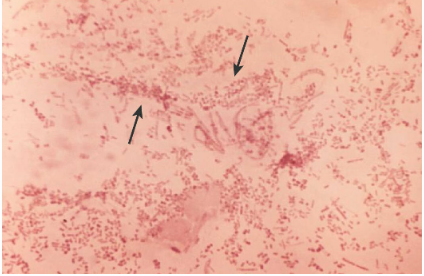
Answer: Hemophilus ducreyi
Flashcard 268: Which bug is the cause of melioidosis (also called Whitmore s disease)?_____
Answer: Burkholderia pseudomallei
Flashcard 269: Most common bacteria causing otitis externa hemorrhagica is _____
Answer: strep. pneumoniae
Flashcard 270: Miyagawa bodies are seen in _____
Answer: lymphogranuloma venerum
Flashcard 271: Which organism causes membranous conjunctivits?_____
Answer: C. diphtheriae
Flashcard 272: _____ stain contains toluidine blue 'O' and malachite green
Answer: Albert's
Flashcard 273: In which phase of bacterial growth do involution forms occur?_____
Answer: Decline phase
Flashcard 274: Mycobacterium _____ causes Buruli ulcer.
Answer: ulcerans
Flashcard 275: V. parahaemolyticus grows well on blood agar where it is identified by its oxidase-_____ growth
Answer: positive
Flashcard 276: Vibrio parahaemolyticus shows _____ staining
Answer: bipolar
Flashcard 277: Are mycoplasma free living or intracellular?_____
Answer: Free living
Flashcard 278: Which subtype of diphtheria bacilli shows 'poached egg' colonies (flat with central elevation)?_____
Answer: mitis
Flashcard 279: Which enterobacteriaceae species gives the following IMViC test: d+-d (d - Results different in different species or strains)_____
Answer: Proteus
Flashcard 280: Mycobacterium _____ forms moist, smooth, flat, white colonies on LJ media that break-up easily when touched.
Answer: bovis
Flashcard 281: What is the most common agent responsible for lymphangitis?_____
Answer: GABHS
Flashcard 282: How many subunits is the cholera toxin made up of?_____
Answer: 6
Flashcard 283: Which subtype of diphtheria bacilli are short rods with few or no granules?_____
Answer: gravis
Flashcard 284: Late-onset endophthalmitis after cataract surgery is caused by _____.
Answer: Propionibacterium acnes
Flashcard 285: Which subtype of diphtheria bacilli shows brittle colonies which can not be easily picked out or emulsified?_____
Answer: gravis
Flashcard 286: Community acquired MRSA encodes the _____ toxin
Answer: Panton Valentine
Flashcard 287: Which subtype of diphtheria bacilli are long rods with prominent granules?_____
Answer: mitis
Flashcard 288: _____ is the commonest cause of infectious keratitis after corneal transplantation in developing countries.
Answer: Staphylococcus epidermidis
Flashcard 289: Vibrio parahaemolyticus is _____
Answer: capsulated (capsulated/non-capsulated)
Flashcard 290: H.ducreyi requires _____, for growth.
Answer: X factor
Flashcard 291: Actinomadura and Nocardia cause _____ which would respond to antibiotics.
Answer: actinomycetoma
Flashcard 292: _____ subtype of heat-stable enterotoxin (ETEC) acts by activation of cGMP in the intestine
Answer: STa
Flashcard 293: The doubling time of Mycobacterium leprae is _____
Answer: 12-14 days
Flashcard 294: Whitmore bacillus is another name for _____
Answer: B. pseudomallei
Flashcard 295: _____ is the most commonly infecting organism causing acute tonsillitis.
Answer: Beta Haemolytic streptococcus
Flashcard 296: Which subtype of diphtheria bacilli shows 'frog egg' colonies (dark centre, light margins)?_____
Answer: intermedius
Flashcard 297: Most common organism causing ASOM is _____
Answer: Strep. pneumo
Flashcard 298: In cystic fibrosis, P. aeruginosa shows a special feature of developing a _____
Answer: mucoid capsule
Flashcard 299: Pfeiffer's bacillus is another name for _____
Answer: H. influenzae
Flashcard 300: Which organism is associated with emphysematous cystitis?_____
Answer: C. perfringens
Flashcard 301: What is the most common organism causing perichondritis?_____
Answer: Pseudomonas aeruginosa
Flashcard 302: Escherichia coli on EMB agar appears as dark blue-black colonies with an iridescent green metallic sheen because they are _____
Answer: lactose fermenters
Flashcard 303: Glander's bacillus is another name for _____
Answer: B. malllei
Flashcard 304: The cell wall of _____ body is fragile and pliable, leading to pleomorphism.
Answer: reticulate (elementary/reticulate)
Flashcard 305: Which type of culture is used for demonstration of gelatin liquefaction and oxygen requirements of bacterium and for maintainance of stock cultures?_____
Answer: Stab culture
Flashcard 306: V. parahaemolyticus shows a _____ string test
Answer: positive
Flashcard 307: Which Rickettsial infection(s) will present with eschar formation and rash?_____
Answer: R.akari and O. tsutsugamushi
Flashcard 308: _____ appearance is seen in H. ducreyi
Answer: School of fish appearance or railroad
Flashcard 309: PANDAS is associated with Strep. _____ infection
Answer: pyogenes
Flashcard 310: What is the selective media for H.influenzae?_____
Answer: Fildes agar and Levinthal medium (2)
Flashcard 311: Is chlamydia filterable through standard bacterial filters?_____
Answer: Yes
Flashcard 312: Which subtype of diphtheria bacilli shows variable hemolysis?_____
Answer: gravis
Flashcard 313: _____ subunit of cholera toxin causes prolonged activation of cellular adenylate cyclase
Answer: A1
Flashcard 314: Which subtype of diphtheria bacilli ferments glycogen and starch?_____
Answer: gravis
Flashcard 315: Treponema pallidum was discovered by _____
Answer: Schaudinn and Hoffman.
Flashcard 316: Which enterobacteriaceae species gives the following IMViC test: -+--_____
Answer: Shigella sonnei
Flashcard 317: Vincent's angina is due to fusiform bacilli such as _____
Answer: Borrelia vinceti
Flashcard 318: Most common cause of pyomyositis is _____
Answer: Staphylococcus aureus
Flashcard 319: Which enterobacteriaceae species gives the following IMViC test: d+-+(d - Results different in different species or strains)_____
Answer: Citrobacter
Flashcard 320: Lymphogranuloma venerum (LGV) is caused most commonly by Chlamydia trachomatis LGV serovar _____.
Answer: L2
Flashcard 321: Friedlander's bacillus is another name for _____
Answer: K. pneumoniae
Flashcard 322: Which Vibrio spp. will produce lactose fermenting colonies?_____
Answer: V. vulnificus
Flashcard 323: What type of culture gives an estimate of viable bacterial count in a suspension?_____
Answer: Pour plate culture
Flashcard 324: Klebs-Loffler bacillus is another name for _____
Answer: C. diphtheriae
Flashcard 325: _____ appearance is seen in Vibrio cholera.
Answer: Fish in-stream
Flashcard 326: Which organism is found to be commonly associated with primary atrophic rhinitis?_____
Answer: Klebsiella ozaenae
Flashcard 327: Cystic fibrosis patients with _____ pneumonia are found to have severe pulmonary hypertension and a higher mortality
Answer: Burkholderia cepacia
Flashcard 328: Corynebacterium _____ is responsible for erythrasma
Answer: minutissimum
Flashcard 329: The endoflagella of T. pallidum is present in the _____ space.
Answer: periplasmic
Flashcard 330: The _____ index in leprosy is determined by adding the index from each site examined and dividing the total by the number of sites examined
Answer: bacterial
Flashcard 331: Which subtype of diphtheria bacilli shows no hemolysis?_____
Answer: intermedius
Flashcard 332: Which growth medium inhibits growth of V. parahaemolyticus and V. alginolyticus while promoting the growth of V. vulnificus strains?_____
Answer: PNC medium
Flashcard 333: Emphysematous Pyelonephritis is most commonly caused by _____.
Answer: E.coli
Flashcard 334: Glanders disease is caused by _____
Answer: Burkholderia Mallei
Flashcard 335: Which subtype of diphtheria bacilli shows hemolysis?_____
Answer: mitis
Flashcard 336: Koch week bacillus is another name for _____
Answer: H. aegypticus
Flashcard 337: The organism capable of invading the intact cornea is _____
Answer: Gonococcus
Flashcard 338: _____ medium is the transport media used for Streptococcus.
Answer: Pike's
Flashcard 339: Fermentation of sugars is indicated by _____ color on the TSI medium.
Answer: yellow
Flashcard 340: Melioidosis is also known as _____ disease caused by Burkholderia pseudomallei
Answer: Whitmore's
Flashcard 341: Gram-positive rod-shaped bacillus with _____ spherical spores is suggestive of Clostridium _____.
Answer: subterminal::position; botulinum
Flashcard 342: _____ medium is a selective culture medium used to isolate staphylococcus aureus.
Answer: Ludlam's
Flashcard 343: _____ is the most common bacteria causing atypical pneumonia
Answer: Mycoplasma
Flashcard 344: _____ stain can be used instead of Methylene blue in acid fast staining
Answer: Malachite green
Flashcard 345: _____ are responsible for producing corkscrew motility in spirochetes
Answer: Endoflagella
Flashcard 346: Gram-positive rod-shaped bacillus with _____ spherical spores is suggestive of Clostridium _____.
Answer: subterminal::position; botulinum
Flashcard 347: The viable but non-culturable (VBNC) cells are seen in the _____ phase of the bacterial growth curve
Answer: stationary
Flashcard 348: The protease of Vibrio cholera disrupts the extracellular part of ____.
Answer: occludin
Keywords: Bacteriology flashcards, medical flashcards, NEET PG preparation, USMLE Step 1 flashcards, Anki alternative, spaced repetition medical, OnCourse flashcards