
Muscle Metabolism — Flashcards

Which metabolic pathways require an obligate activator? 1. _____2. Urea cycle
After three days of starvation, the main source of energy for the brain becomes _____ from adipose stores
Thyroid hormone increases the processes of _____, gluconeogenesis, proteolysis, and lipolysis, all of which may provide sources of ATP
Which metabolic enzymes require an obligate activator? 1. _____2. Carbamoyl phosphate synthetase I (N-acetylglutamate)
In starvation, the enzyme 5'-deiodinase is _____ in tissues such as skeletal muscle, but not inhibited in the other tissues, such as the brain
In a person starving for more than 18 hours, the source of energy is _____.
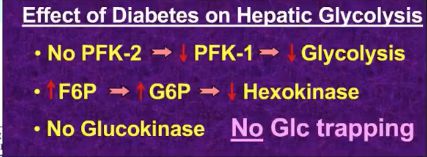
Effect of diabetes on hepatic glycolysis: _____ - Lack of PFK-2 activity due to low insulin - Impaired glucose trapping (reduced glucokinase) in the liver leads to hyperglycemia
Glucagon causes _____ fatty acid synthesis and increased lipolysis, which shunts substrates towards gluconeogenesis
Glucagon acts on the _____ (primarily) and adipose tissue
_____ deficiency causes a buildup of pyruvate that gets shunted to lactate (via LDH) and alanine (via ALT)
Muscle Metabolism Flashcards for NEET-PG
Study 10 flashcards on Muscle Metabolism for NEET-PG Biochemistry. These active recall cards cover the key concepts, clinical associations, and high-yield facts from this chapter of Metabolic Integration. Each card is designed to test your understanding rather than just recognition, building stronger and more durable memories for exam day.
For personalised spaced repetition scheduling and unlimited flashcards, download the Oncourse app.
Frequently Asked Questions
Are Muscle Metabolism flashcards free?
How many flashcards does this chapter have?
How should I use these flashcards for NEET-PG?
Are there more flashcards for Metabolic Integration?
Want unlimited flashcards?
Get full access to all flashcards, spaced repetition, and progress tracking.
Scan to download app