Carbohydrate Metabolism Indian Medical PG Flashcards - Medical Study Cards
Master Carbohydrate Metabolism with OnCourse flashcards. These spaced repetition flashcards are designed for medical students preparing for NEET PG, USMLE Step 1, USMLE Step 2, MBBS exams, and other medical licensing examinations.
Carbohydrate Metabolism Flashcard Deck - 124 Cards
Flashcard 1: Which steps (2) of glycolysis require ATP?
_____
Answer:
Flashcard 2: _____ is the glycosaminoglycan present in the granules of the given mononuclear cell / mast cell.
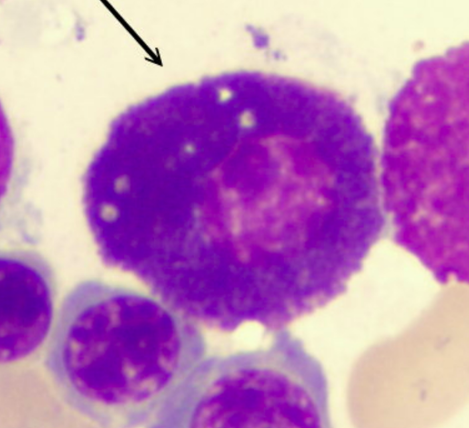
Answer: Heparin
Flashcard 3: Which steps (2) of glycolysis produce ATP?
_____
Answer:
Flashcard 4: breast millk is richest in _____ carbohydrate
Answer: lactose
Extra:
Flashcard 5: Cori disease is characterized by _____ gluconeogenesis and impaired glycogenolysis (impaired or functional)
Answer: functional
Flashcard 6: _____ or mucopolysaccharides are complex carbohydrates made up of amino sugars and uronic acids
Answer: Glycosaminoglycans
Flashcard 7: Treatment of Von Gierke disease includes avoidance of _____, galactose, sucrose, and lactose
Answer: fructose
Flashcard 8: _____ is characterized by the absence of the Gal-1-P uridyltransferase enzyme
Answer: Classic galactosemia
Flashcard 9: Glycogen synthase is regulated via negative feedback by _____ and glucagon
Answer: epinephrine
Flashcard 10: PEP carboxykinase is regulated via positive feedback by _____ and cortisol
Answer: glucagon
Flashcard 11: _____ disease is also known as glycogen storage disease type VI
Answer: Hers
Flashcard 12: GLUT _____ helps in the insulin dependent uptake of glucose by the blastocyst cells
Answer: 8
Flashcard 13: _____ disease is also known as glycogen storage disease type III
Answer: Cori
Flashcard 14: Glycogen stores typically are depleted after _____ - 18 hours
Answer: 12
Flashcard 15: Once inside the pancreatic -cell, glucose is _____ by the enzyme glucokinase
Answer: phosphorylated
Flashcard 16: _____ disease is caused by a deficiency of the enzyme debranching enzyme (-1,6-glucosidase)
Answer: Cori
Flashcard 17: Von Gierke disease is characterized by _____ gluconeogenesis and impaired glycogenolysis (impaired or functional)
Answer: impaired
Flashcard 18: The tissues/organs that have both aldose reductase and sorbitol dehydrogenase include the _____, ovaries, and seminal vesicles
Answer: liver
Flashcard 19: _____ disease is caused by a deficiency of the enzyme muscle glycogen phosphorylase (myophosphorylase)
Answer: McArdle
Flashcard 20: One function of the HMP shunt is to provide a source of _____, which is used for nucleotide synthesis and glycolytic intermediates
Answer: ribose
Flashcard 21: What substrates (2) accumulate in the lysosomes of a patient with Hunter syndrome? _____ and dermatan sulfate
Answer: Heparan sulfate
Flashcard 22: _____ disease is also known as glycogen storage disease type I
Answer: Von Gierke
Flashcard 23: _____ disease is also known as glycogen storage disease type V
Answer: McArdle
Flashcard 24: The tissues/organs that have only aldose reductase (no sorbitol dehydrogenase) may be remembered with the mnemonic "LuRKS":L: _____uR: RetinaK: KidneysS: Schwann cells
Answer: Lens (primarily aldose reductase)
Flashcard 25: The sites of synthesis of glycosaminoglycans (GAG) are _____ and golgi apparatus.
Answer: endoplasmic reticulum
Flashcard 26: _____ may be converted to phosphoenolpyruvate via the enzyme PEP carboxykinase
Answer: Oxaloacetate
Flashcard 27: Von Gierke disease is characterized by very increased levels of _____ in the liver and kidneys, with subsequent hepatomegaly and renomegaly
Answer: glycogen
Flashcard 28: _____ disease is also known as glycogen storage disease type IV
Answer: Andersen
Flashcard 29: Fructose-1,6-bisphosphatase is regulated via negative feedback by _____ and AMP
Answer: fructose-2,6-bisphosphate
Flashcard 30: Insulin decreases blood glucose concentration by promoting synthesis and storage of _____ in the muscle and liver, while simultaneously inhibiting glycogenolysis
Answer: glycogen
Flashcard 31: _____ disease is also known as glycogen storage disease type II
Answer: Pompe
Flashcard 32: Von Gierke disease is associated with increased blood _____ate, triglycerides, and uric acid
Answer: lact
Flashcard 33: When insulin acts on liver tissue, it causes _____ glycogenesis and decreased glycogenolysis
Answer: increased
Flashcard 34: What symptoms does essential fructosuria typically present with?_____
Answer: Asymptomatic
Flashcard 35: _____ results in the formation of -(1,6) bonds between glucose molecules
Answer: Branching enzyme
Flashcard 36: _____ disease occurs due to a defect in the enzyme muscle phosphofructokinase.
Answer: Tauri's
Flashcard 37: _____ liberates glucose-1-phosphate residues off branched glycogen until 4 glucose units remain on a branch
Answer: Glycogen phosphorylase
Flashcard 38: _____ is ultimately converted to ribulose-5-phosphate via the enzyme glucose-6-phosphate dehydrogenase
Answer: Glucose-6-phosphate
Flashcard 39: Glucose-6-phosphate is converted to _____ via the enzyme glucose-6-phosphatase
Answer: glucose
Flashcard 40: Large amounts of _____ are given for treatment of abetalipoproteinemia so that excess will be converted to short-chain fatty acids in the colon.
Answer: carbohydrates
Flashcard 41: Pyruvate may be converted to _____ via the enzyme pyruvate carboxylase
Answer: oxaloacetate
Flashcard 42: Glucose is converted to _____ by the enzyme hexokinase in most tissues
Answer: glucose-6-phosphate
Flashcard 43: The branched glycogen molecule (pre-debranching enzyme) is cleaved by the enzyme _____ in the lysosomes, only
Answer: -1,4-glucosidase (acid maltase)
Flashcard 44: Pyruvate is converted to _____ via the enzyme lactate dehydrogenase (LDH) (Cori cycle)
Answer: lactate
Flashcard 45: Pyruvate carboxylase requires _____, biotin, and CO2
Answer: ATP
Flashcard 46: When _____ glucose unit remains on a branch of glycogen, debranching enzyme (-1,6-glucosidase) cleaves off the last residue, liberating glucose
Answer: one
Flashcard 47: _____ is converted to UDP-glucose via the enzyme UDP-glucose pyrophosphorylase (glycogen synthesis)
Answer: Glucose-1-phosphate
Flashcard 48: _____ disease is caused by a deficiency of the enzyme glucose-6-phosphatase
Answer: Von Gierke
Flashcard 49: Gluconeogenesis occurs primarily in the _____, but necessary enzymes are also found in the kidney and intestinal epithelium
Answer: liver
Flashcard 50: _____ is converted into pyruvate via the enzyme pyruvate kinase
Answer: Phosphoenolpyruvate
Flashcard 51: Glucagon increases blood glucose concentration by increasing _____, while simultaneously inhibiting glycogen formation from glucose
Answer: glycogenolysis
Flashcard 52: The byproducts of _____ fermentation are gases (CO2, H2) and short chain fatty acids (ie: lactic acid)
Answer: anaerobic
Flashcard 53: Glycogen synthase is regulated via positive feedback by _____, cortisol, and glucose-6-phosphate
Answer: insulin
Flashcard 54: _____ is converted into galactose and glucose by the enzyme lactase (intestinal brush border)
Answer: Lactose
Flashcard 55: _____ is converted to fructose-2,6-bisphosphate via the enzyme phosphofructokinase-2 (PFK-2)
Answer: Fructose-6-phosphate
Flashcard 56: Glucocorticoids are a potent stimulator for _____, thus they are essential for survival during fasting
Answer: gluconeogenesis
Flashcard 57: Galactose is converted to _____ via the enzyme galactokinase
Answer: galactose-1-phosphate
Flashcard 58: Reducing disaccharides include _____ and maltose
Answer: lactose
Flashcard 59: Pyruvate dehydrogenase is regulated via negative feedback by _____, NADH, and acetyl-CoA
Answer: ATP
Flashcard 60: When _____ glucose units remain on a branch of glycogen, debranching enzyme (4--D-glucanotransferase) moves 3 molecules of glucose-1-phosphate from the branch to the linkage
Answer: four
Flashcard 61: Phosphofructosekinase-1 is regulated via positive feedback by _____ and fructose-2,6-bisphospate
Answer: AMP
Flashcard 62: _____ is converted to sorbitol via the enzyme aldose reductase
Answer: Glucose
Flashcard 63: _____ is converted to fructose-6-phosphate via the enzyme isomerase
Answer: Glucose-6-phosphate
Flashcard 64: Fructose is converted into _____ by the enzyme fructokinase
Answer: fructose-1-phosphate
Flashcard 65: HMP shunt activity is primarily found in the _____ glands, liver, lactating mammary glands (females), and RBCs
Answer: adrenal
Flashcard 66: Trehalose is a disaccharide that is digested into _____ and glucose by trehalase
Answer: glucose
Flashcard 67: Increased phosphofructokinase-2 _____ glycolysis and inhibits gluconeogenesis
Answer: stimulates
Flashcard 68: The respiratory quotient, if someone is on an exclusive _____ diet, is 1.
Answer: carbohydrate
Flashcard 69: _____ is converted to glyceraldehyde and dihydroxyacetone-P via the enzyme aldolase B *primarily in the liver
Answer: Fructose-1-phosphate
Flashcard 70: One hallmark of cancer is the Warburg effect, in which cancer cells shift glucose metabolism from _____ toward glycolysis
Answer: mitochondria
Flashcard 71: In diabetes patients, _____ damage may occur when glucose in tissue is converted to sorbitol by the enzyme aldose reductase
Answer: osmotic
Flashcard 72: _____ may be converted to fructose-6-phosphate via the enzyme fructose-1,6-bisphosphatase
Answer: Fructose-1,6-bisphosphate
Flashcard 73: The enzyme _____ catalyzes the formation of -(1,4) bonds between glucose molecules
Answer: glycogen synthase
Flashcard 74: Glycogen phosphorylase is regulated via negative feedback by _____, insulin, and glucose-6-phosphate
Answer: ATP
Flashcard 75: Glucose is converted to _____ by the enzyme glucokinase in the liver and cells of the pancreas
Answer: glucose-6-phosphate
Flashcard 76: Galactose-1-phosphate is ultimately converted to _____ via the enzyme Gal 1-P uridyltransferase
Answer: glucose-1-phosphate
Flashcard 77: Increased insulin (fed) leads to decreased cAMP and protein kinase A, thus _____ activity of FBPase-2 and increasing activity of PFK-2
Answer: decreasing
Flashcard 78: Fructose-1,6-bisphosphatase is regulated via positive feedback by _____ and ATP
Answer: citrate
Flashcard 79: Tauri's disease presents similar to McArdle's with additional _____ and growth retardation
Answer: hemolytic anemia
Flashcard 80: Glycogen phosphorylase is regulated by positive feedback by _____ via the beta receptor (liver only)
Answer: epinephrine
Flashcard 81: Hers disease is characterized by _____ gluconeogenesis and impaired glycogenolysis (impaired or functional)
Answer: functional
Flashcard 82: Deficiency of _____ or xylitol dehydrogenase necessary for xylitol metabolism results in Pentosuira
Answer: L-xylulose reductase
Flashcard 83: UDP-glucose contributes to _____ formation via the enzyme glycogen synthase
Answer: glycogen
Flashcard 84: _____ is converted to fructose-1,6-bisphosphate via the enzyme phosphofructokinase-1 (PFK-1)
Answer: Fructose-6-phosphate
Flashcard 85: _____ is converted to fructose via the enzyme sorbitol dehydrogenase
Answer: Sorbitol
Flashcard 86: Isomers that differ in configuration around only one specific carbon atom (with the exception of the carbonyl carbon) are defined as _____ of each other.
Answer: epimers
Flashcard 87: _____ disease is caused by a deficiency of the enzyme hepatic glycogen phosphorylase
Answer: Hers
Flashcard 88: Which GAG is exclusively intracellular?_____
Answer: Heparin
Flashcard 89: Which GAG has no sulfate group?_____
Answer: Hyaluronic acid
Flashcard 90: What are the 3 enzymes catalyzing irreversible reactions in the glycolytic pathway?_____
Answer: Hexokinase, PFK-1 and Pyruvate kinase (3)
Flashcard 91: What is the most potent allosteric activator of PFK-1?_____
Answer: Fructose 2,6 bisphosphate
Flashcard 92: _____ differ in the orientation of the H and OH groups around the carbon atom adjacent to the terminal alcohol carbon
Answer: Enantiomers
Flashcard 93: A pool of GLUT-4 molecules is maintained within vesicles in the _____ of insulin-sensitive cells.
Answer: cytoplasm
Flashcard 94: Which GAGs do NOT contain uronic acid?_____
Answer: Keratan sulfate
Flashcard 95: What is the only GAG that is not synthesized by the golgi apparatus?_____
Answer: Hyaluronic acid
Flashcard 96: What protein is the primer acting as an acceptor of glucose residues in the process of glycogen synthesis?_____
Answer: Glycogenin
Flashcard 97: What is the most abundant GAG in the body?_____
Answer: Chondroitin sulfate
Flashcard 98: Breakdown of glycogen under anaerobic conditions yields _____ ATPs.
Answer: 3
Flashcard 99: Which glucose transport receptors are reduced after overnight fasting?_____
Answer: GLUT-4
Flashcard 100: In refeeding syndrome, severe _____glycemia is seen after excessive insulin release
Answer: hyper
Flashcard 101: _____ forms rhombic plate-shaped crystals in osazone test
Answer: Galactose
Flashcard 102: _____ differ in the orientation of the H and OH groups around the 1st carbon atom in the ring structure of carbohydrates
Answer: Anomers
Flashcard 103: D-Glucose and D-mannose are examples of _____-epimers
Answer: C2 (carbon number)
Flashcard 104: De Vivo disease is a metabolic disorder due to _____ deficiency.
Answer: GLUT1
Flashcard 105: Glucose-6-phosphatase is a marker for _____
Answer: endoplamic reticulum (cell organelle)
Flashcard 106: The percentage of _____ in human milk is greater than that in cow s milk.
Answer: lactose
Flashcard 107: What is the first committed step of glycoysis?_____
Answer: Fructose 6 phosphate to Fructose 1, 6 bisphosphate
Flashcard 108: Glycemic index is highest for _____.
Answer: glucose
Flashcard 109: _____ forms broomstick/ needle-shaped crystals in osazone test
Answer: Glucose, Fructose and Mannose (3)
Flashcard 110: Majority of the energy requirement in the lens is met by _____
Answer: glycolysis
Flashcard 111: Essential pentosuria is a benign condition caused due to a defect in the _____ pathway.
Answer: uronic acid
Flashcard 112: D-Glucose and D-galactose are examples of _____-epimers
Answer: C4 (carbon number)
Flashcard 113: Pancreatic amylase acts on _____ alpha 1,4 glycosidic linkage
Answer: internal (external/internal)
Flashcard 114: What is the highest energy organic compund?_____
Answer: Phosphoenolpyruvate
Flashcard 115: Increased accumulation of sorbitol in lens in diabeties leads to secondary _____
Answer: osmotic overhydration (not cataract)
Flashcard 116: _____ forms petal-shaped / sunflower-shaped crystals in osazone test
Answer: Maltose
Flashcard 117: Which enzymes are involved in the non-oxidative phase of HMP shunt pathway?_____
Answer: Transketolase and Transaldolase (2)
Flashcard 118: _____ forms puff-shaped crystals in osazone test
Answer: Lactose
Flashcard 119: What element is the co-factor for PFK-1 enzyme of glycolysis?_____
Answer: Magnesium
Flashcard 120: Which step of glycolysis utilizes an inorganic phosphate?_____
Answer: glyceraldehyde-3-phosphate to 1,3 biphosphoglycerate
Flashcard 121: _____ is the only cellular substrate that can be phosphorylated by glucokinase.
Answer: Glucose
Flashcard 122: _____ is the glycosaminoglycan present in the granules of the given mononuclear cell / mast cell.
Answer: Heparin
Flashcard 123: _____ galactosemia is caused to deficient galactose-1-phosphate uridyl transferase.
Answer: Classical
Flashcard 124: The source of blood glucose in a person fasting overnight is hepatic _____.
Answer: glycogenolysis
Keywords: Carbohydrate Metabolism flashcards, medical flashcards, NEET PG preparation, USMLE Step 1 flashcards, Anki alternative, spaced repetition medical, OnCourse flashcards