NSAIDs and analgesics: mechanism, classification and adverse effects
 Rezzy
RezzyAh, NSAIDs! The bread and butter of pharmacology and clinical practice. Whether it's a simple headache or post-op pain, these are the go-to drugs, but they come with a lot of "baggage" in terms of side effects.
Let's start by looking at the big picture of how they work. I'll pull up a diagram of the arachidonic acid pathway so you can see exactly where these drugs step in.
As you can see in the diagram, NSAIDs work by inhibiting the Cyclooxygenase (COX) enzymes. This prevents the conversion of arachidonic acid into prostaglandins, which are the main culprits behind pain, fever, and inflammation.
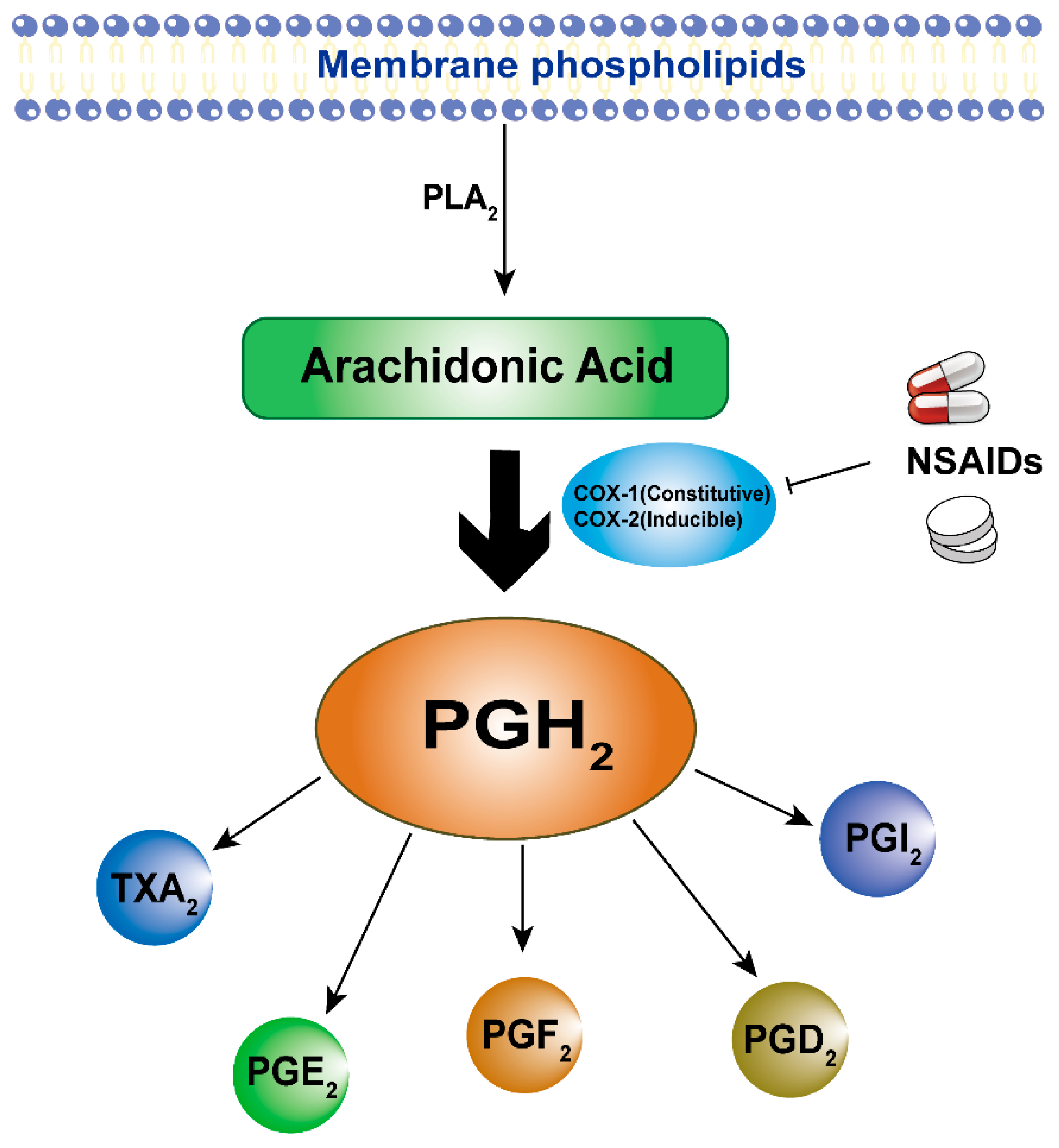
1. Mechanism of Action
- COX-1 (Constitutive): This is the "housekeeping" enzyme. It’s always active and helps protect the stomach lining (gastric mucus), maintains kidney blood flow, and helps platelets clump together.
- COX-2 (Inducible): This one gets "turned on" during injury or infection. It produces the prostaglandins that cause pain, swelling, and fever.
==Most traditional NSAIDs inhibit both, which is why they help with pain but can also mess with your stomach.==
Now, let's look at how we classify these drugs. I've put together a table to make it easier to memorize.
| Category | Examples | Key Features |
|---|---|---|
| Non-selective COX Inhibitors | Aspirin, Ibuprofen, Naproxen, Ketorolac | Inhibit both COX-1 & COX-2; higher GI risk. |
| Preferential COX-2 Inhibitors | Nimesulide, Diclofenac, Meloxicam | Slightly more selective for COX-2; moderate GI risk. |
| Selective COX-2 Inhibitors | Celecoxib, Etoricoxib, Parecoxib | Lowest GI risk, but ==increased cardiovascular risk==. |
| Analgesic-Antipyretics (Poor Anti-inflammatory) | Paracetamol (Acetaminophen), Nefopam | Good for pain/fever; very weak on inflammation. |
The classification table shows you the trade-off: the more selective you are for COX-2, the better it is for the stomach, but the riskier it becomes for the heart.
2. Adverse Effects
NSAIDs are famous for their side effects, which are mostly due to the inhibition of "good" prostaglandins.
- Gastrointestinal (GI): This is the most common. By inhibiting COX-1, you lose the protective mucus in the stomach, leading to gastritis, peptic ulcers, and bleeding.
- Renal (Kidneys): Prostaglandins keep the renal blood vessels open. NSAIDs can cause salt and water retention (edema) and, with long-term use, analgesic nephropathy.
- Platelets: Aspirin inhibits thromboxane A2 irreversibly, leading to increased bleeding time. Other NSAIDs do this reversibly.
- Respiratory: In some people, blocking the COX pathway shunts arachidonic acid into the leukotriene pathway, causing bronchospasm. This is known as Aspirin-Exacerbated Respiratory Disease (AERD).
- Cardiovascular: Selective COX-2 inhibitors (like Celecoxib) can increase the risk of myocardial infarction and stroke because they upset the balance between thromboxane and prostacyclin.
- Hepatic: Paracetamol is generally safe but can cause severe liver necrosis in overdose due to the toxic metabolite NAPQI.
Mnemonic: "NSAID" Side Effects N - Nephrotoxicity S - Stomach (GI) ulcers A - Asthma (Aspirin-induced) I - Increased bleeding D - Drug interactions (e.g., with Lithium, Warfarin)
I'll find some high-yield lessons for you to dive deeper into these concepts!
📚 NSAID Pharmacology Lessons
I've found some great lessons for you that cover everything from the basic classification to the more complex renal and GI side effects.
Since there are so many different drugs to keep track of, would you like to try a quick Synapses game? It's a fun way to test if you can group these NSAIDs into their correct categories (like non-selective vs. selective COX-2 inhibitors). It's a great way to lock in the classification!
Setting up chat...