High altitude physiology: acclimatization and mountain sickness
 Rezzy
RezzyHeading up to the mountains? Your body definitely notices the drop in the partial pressure of oxygen ($PiO_2$)! High altitude physiology is a classic topic for NEET-PG and INI-CET because it touches on respiratory, renal, and hematological systems all at once.
Let me find a good visual summary of these physiological changes for you.
Here's a great visual breakdown of how oxygen levels drop as you climb and the pathophysiology behind mountain sickness.
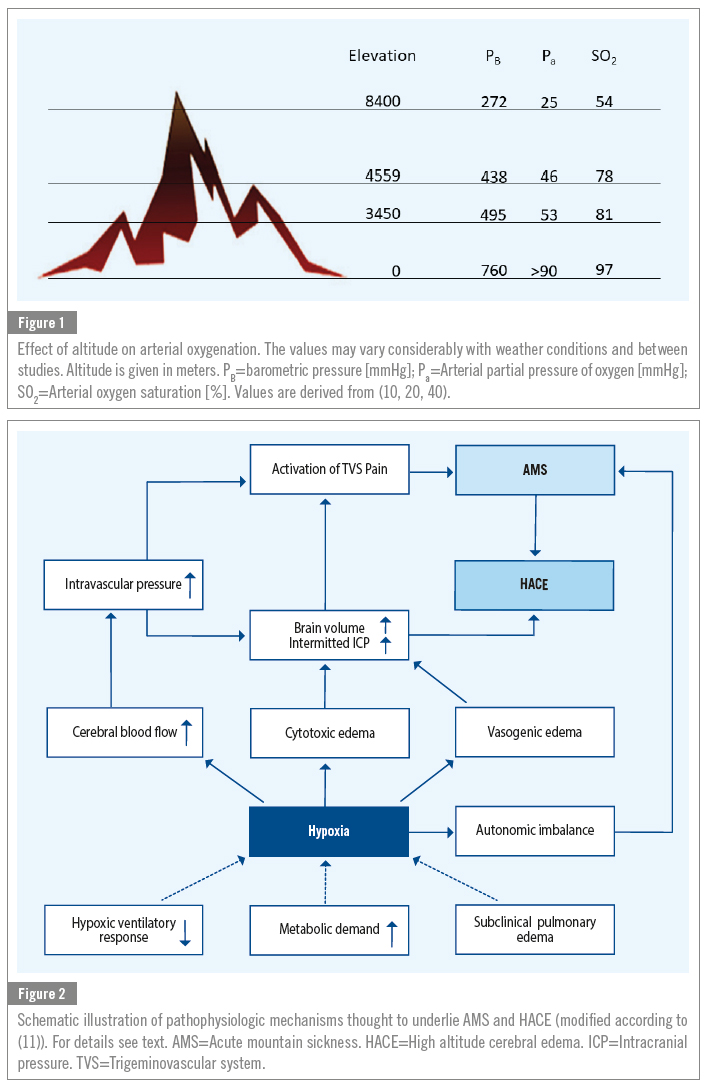
Acclimatization is your body's way of saying "I got this" to the hypoxia. It happens in stages:
- Immediate: Hyperventilation (triggered by peripheral chemoreceptors). This causes respiratory alkalosis.
- Days: Renal compensation. The kidneys dump bicarbonate ($HCO_3^-$) to fix the alkalosis. This is why Acetazolamide (a carbonic anhydrase inhibitor) is used for prophylaxis—it speeds up this process!
- Weeks: Polycythemia. Hypoxia triggers Erythropoietin (EPO) release, increasing your RBC count.
- ODC Shift: Initially, alkalosis shifts the curve to the left, but increased 2,3-BPG eventually shifts it to the right, helping unload $O_2$ to the tissues.
But when the ascent is too fast, we run into the "High Altitude Triad":
- Acute Mountain Sickness (AMS): The "mountain hangover." Headache, nausea, and fatigue.
- High Altitude Pulmonary Edema (HAPE): This is a non-cardiogenic edema caused by hypoxic pulmonary vasoconstriction. It leads to pulmonary hypertension and patchy infiltrates. Nifedipine is the drug of choice here.
- High Altitude Cerebral Edema (HACE): The most dangerous one. Look for ataxia and altered sensorium. Dexamethasone is the go-to treatment.
Gold Standard for all three? Descent! Get that patient to a lower altitude immediately.
Let me pull up some high-yield lessons so you can dive deeper into the specifics for your exams.
📚 High Altitude Lessons
I've pulled up some high-yield lessons that cover everything from the basic physiology of gas exchange at altitude to the specific mechanisms of respiratory alkalosis and how 2,3-DPG shifts that oxygen-dissociation curve.
These are perfect for locking in the details for your next mock test! If you're feeling confident, we could jump into some flashcards to test your recall on the drug of choice for HAPE vs. HACE, or I can set up a quick quiz for you. What do you think?
Setting up chat...