Emerging and re-emerging infections: Nipah, Zika, COVID and outbreak management
 Rezzy
RezzyEmerging and re-emerging infections are a major focus for exams like NEET-PG and INI-CET, especially given how they've reshaped global health policy recently. It's not just about the pathogens themselves, but how we respond to them as a system.
Let me find some visual aids to help you visualize these pathogens and the general approach to managing an outbreak.
That infographic really highlights how closely our environment and health are linked—most emerging infections are zoonotic, jumping from animals to humans.
To keep things organized, I've put together a quick comparison of the three big ones you mentioned, followed by the standard "battle plan" for managing an outbreak.
Comparison of Emerging Infections
| Feature | Nipah Virus (NiV) | Zika Virus (ZIKV) | COVID-19 (SARS-CoV-2) |
|---|---|---|---|
| Family | Paramyxoviridae | Flaviviridae | Coronaviridae |
| Reservoir/Vector | Fruit bats (Pteropus) | Aedes mosquitoes | Bats (likely original host) |
| Transmission | Bat secretions, contaminated food (date palm sap), human-to-human | Mosquito bite, sexual, vertical (mother-to-child) | Respiratory droplets, aerosols |
| Key Clinical Feature | Encephalitis, high mortality (~40-75%) | Microcephaly (congenital), Guillain-Barré | Pneumonia, ARDS, loss of taste/smell |
| Diagnosis | RT-PCR, ELISA | RT-PCR (blood/urine), IgM ELISA | RT-PCR (Gold standard), RAT |
Outbreak Management: The 10-Step Approach
When an outbreak hits, public health officials follow a systematic process. You can remember these steps for your Community Medicine (PSM) questions:
- Verification of Diagnosis: Confirm the cases are actually what you think they are.
- Confirmation of Outbreak: Is the number of cases higher than the "expected" baseline?
- Define and Identify Cases: Create a "case definition" (Suspect, Probable, Confirmed).
- Descriptive Epidemiology: Analyze by Time (Epidemic curve), Place (Spot map), and Person.
- Formulate Hypothesis: What is the likely source and mode of transmission?
- Test Hypothesis: Use analytical studies (Case-control or Cohort).
- Refine Hypothesis: Perform further environmental or lab studies if needed.
- Implement Control Measures: This happens as soon as possible, often before the investigation is finished (e.g., isolation, vaccination).
- Communicate Findings: Inform the public and authorities.
- Maintain Surveillance: Ensure the outbreak doesn't restart.
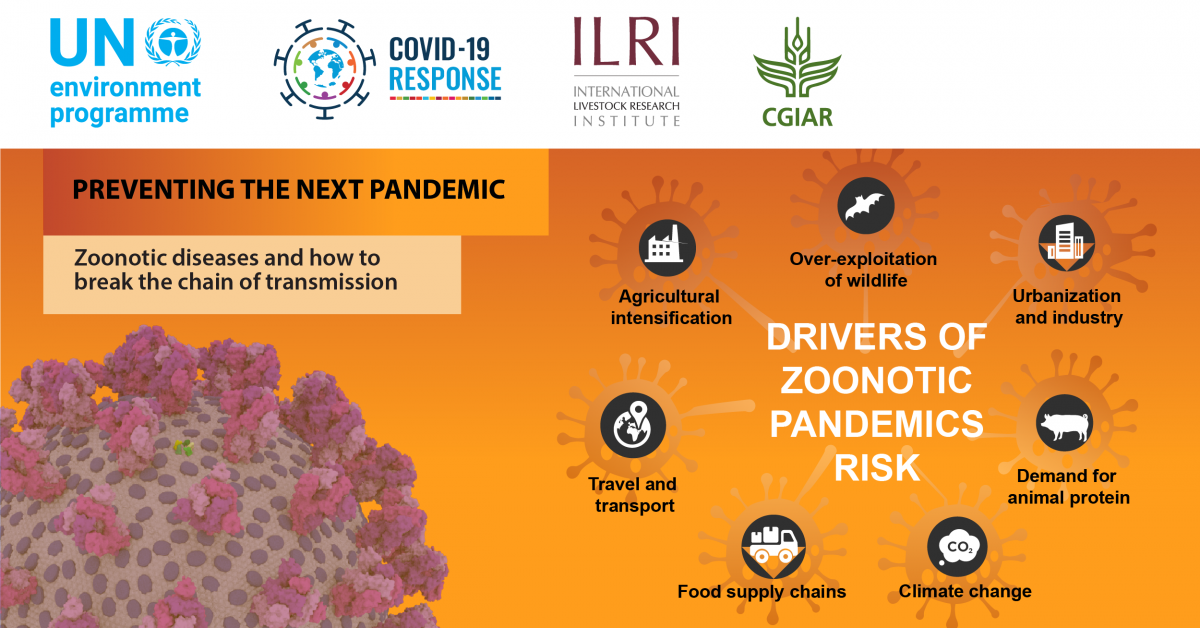 This infographic outlines the key drivers that lead to the emergence of zoonotic diseases like Nipah and COVID-19.
I'll pull up some specific lessons on these topics so you can dive deeper into the microbiology and PSM aspects.
📚 Related Lessons
Those lessons cover the nitty-gritty of the microbiology and the public health response. Since this is such a high-yield area for PSM and Microbiology, I've put together a quick quiz for you to test your recall on the steps of outbreak investigation and the specifics of these viruses.
✍️ Emerging Infections Quiz
Tap to practice questions in the Oncourse app
I've set up that quiz for you—it's a great way to see if you've got those 10 steps of outbreak investigation down!
If you're feeling confident with the basics, we could dive into the specific One Health approach that's often mentioned in these contexts, or maybe look at the International Health Regulations (IHR). Just let me know where you want to go next!
Setting up chat...