Child abuse and neglect: recognition, types and medicolegal reporting in India
 Rezzy
RezzyThis is a heavy but incredibly important topic, both for your exams and for your future clinical practice. Recognizing child abuse early can literally save a life, and as a doctor in India, you have specific legal obligations that are frequently tested in Forensic Medicine.
Let's start by pulling up some key lessons that cover the clinical recognition and the legal framework in India.
📚 Child Abuse Lessons
When we talk about child abuse, it's not just physical. I find it helpful to categorize it into four main types: physical, sexual, emotional, and neglect. Interestingly, neglect is actually the most common form, though physical abuse often gets the most attention in Forensic Medicine questions.
I've put together a table to help you distinguish between these types and their clinical red flags.
| Type of Abuse | Clinical Recognition / Red Flags |
|---|---|
| Physical Abuse | Unexplained bruises (especially on soft areas like cheeks, neck, buttocks), cigarette burns, belt marks, or fractures in different stages of healing. |
| Sexual Abuse | Difficulty walking/sitting, torn/bloody undergarments, STIs in a child, or precocious sexual knowledge/behavior. |
| Emotional Abuse | Extreme withdrawal, depression, or "adult-like" behavior (parentification) or conversely, extreme aggression. |
| Neglect | Poor hygiene, malnutrition, untreated medical conditions, or frequent absences from school. |
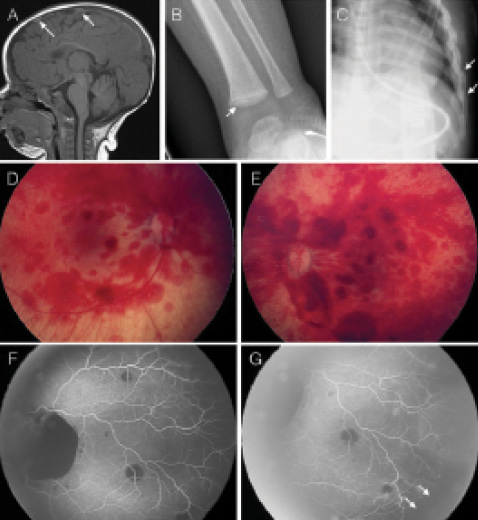
One high-yield concept for NEET-PG is Battered Baby Syndrome (Caffey's Syndrome). You'll often see a "discrepancy" between the history provided by the parents and the clinical findings—like multiple fractures in different stages of healing.
Let's look at some of the classic radiological and physical signs of this syndrome.
This image is a perfect summary of the high-yield findings in child abuse. Notice the metaphyseal "corner" or "bucket-handle" fractures and the healing rib fractures—these are highly specific for non-accidental trauma.
In India, the legal landscape is dominated by the POCSO Act (2012) and the Juvenile Justice Act. Reporting is mandatory for doctors. If you suspect abuse, you must report it to the Special Juvenile Police Unit (SJPU) or the local police.
I've created a flowchart to show you the reporting pathway.
Ready to see how this shows up in exams? Let's pull up some practice questions on child abuse and the POCSO Act.
✍️ Child Abuse & POCSO Quiz
Tap to practice questions in the Oncourse app
That quiz should help you lock in the key concepts. Just a few final high-yield points to keep in mind for your exams:
- POCSO Act (2012): Applies to any child under the age of 18. It's gender-neutral and makes reporting mandatory for anyone who has knowledge of sexual abuse.
- Battered Baby Syndrome: Always look for the discrepancy between the history given by the parents and the physical findings. Multiple fractures in different stages of healing are the classic radiological sign.
- Shaken Baby Syndrome: Characterized by the triad of subdural hemorrhage, retinal hemorrhage, and encephalopathy.
- Legal Duty: Failure to report under POCSO can lead to imprisonment for the doctor.
I'm here if you have any more questions about this or any other forensic medicine topic!
Setting up chat...