Breast surgery: BIRADS classification, triple assessment and surgical options
 Rezzy
RezzyBreast surgery and the diagnostic workup for breast lumps are high-yield topics, especially for the USMLE. It's all about that systematic approach to ensure nothing is missed while avoiding unnecessary invasive procedures when possible.
The Triple Assessment
Before any surgery is even considered, every suspicious breast lump must undergo the Triple Assessment. This approach has a diagnostic accuracy of over 99%!
- Clinical Examination: A thorough history and physical exam (palpation of the lump and axillary lymph nodes).
- Imaging:
- Mammography: The gold standard for women >35 years.
- Ultrasound: Preferred for women <35 years (due to dense breast tissue) and for distinguishing cystic from solid lesions.
- Pathology:
- Fine Needle Aspiration (FNA): Good for cytology, but can't distinguish between in situ and invasive cancer.
- Core Needle Biopsy: The preferred method as it maintains tissue architecture and allows for receptor testing (ER/PR/HER2).
BI-RADS Classification
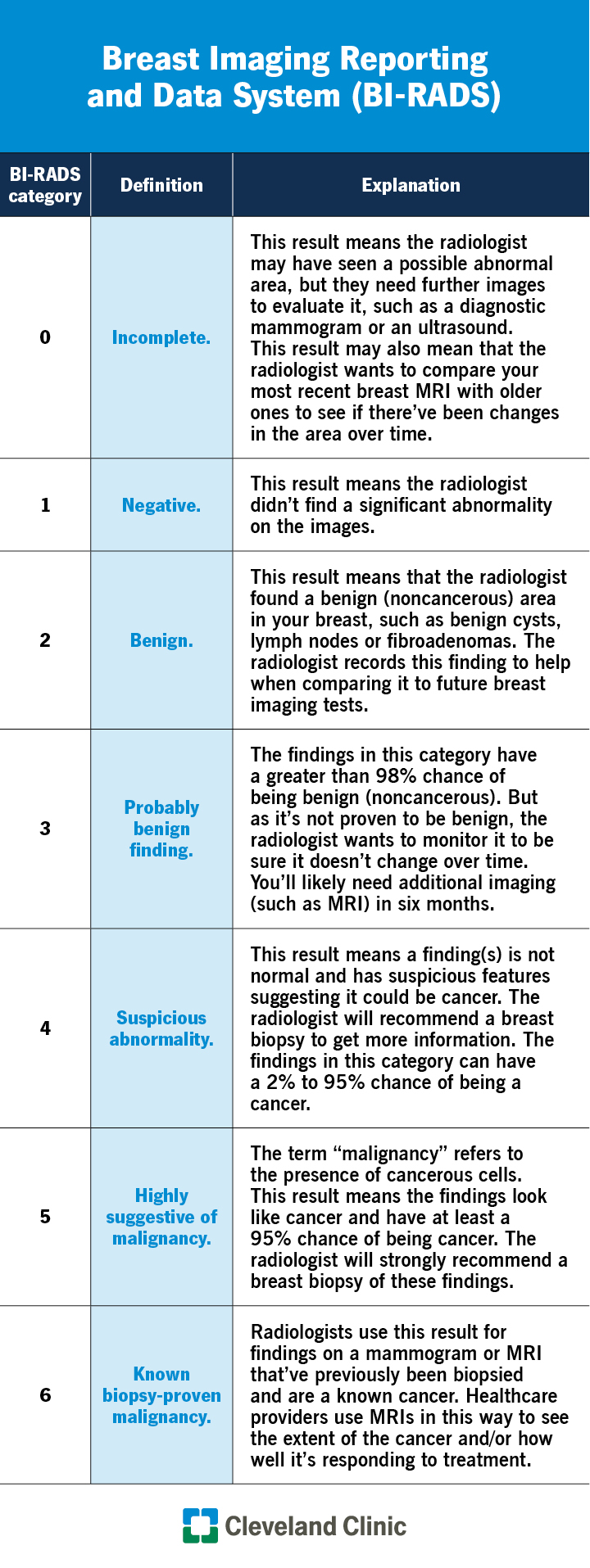
The Breast Imaging-Reporting and Data System (BI-RADS) is used to standardize mammography reports and guide management.
| BI-RADS Score | Assessment | Management Recommendation |
|---|---|---|
| 0 | Incomplete | Needs further imaging (e.g., specialized views) |
| 1 | Negative | Routine screening |
| 2 | Benign | Routine screening |
| 3 | Probably Benign | Short-interval follow-up (usually 6 months) |
| 4 | Suspicious | Biopsy should be considered |
| 5 | Highly Suggestive of Malignancy | Biopsy is mandatory |
| 6 | Known Biopsy-Proven Malignancy | Surgical excision/Treatment |
Surgical Options for Breast Cancer
Once a diagnosis is confirmed, the surgical strategy depends on the tumor size, location, and patient preference.
1. Breast Conserving Therapy (BCT)
This involves a Lumpectomy (Wide Local Excision) followed by Radiotherapy.
- Goal: Remove the tumor with a margin of healthy tissue while preserving the breast.
- Requirement: Must be followed by radiation to achieve survival rates equivalent to a mastectomy.
2. Mastectomy
- Simple (Total) Mastectomy: Removal of the entire breast tissue, including the nipple-areola complex, but no lymph nodes.
- Modified Radical Mastectomy (MRM): Removal of the breast tissue plus Level I and II axillary lymph nodes. This is the most common surgery for invasive cancer when BCT isn't an option.
- Radical (Halsted) Mastectomy: Removal of breast, axillary nodes, and pectoralis muscles. Rarely performed today.
3. Axillary Management
- Sentinel Lymph Node Biopsy (SLNB): The first node(s) to receive drainage. If negative, no further axillary surgery is needed.
- Axillary Lymph Node Dissection (ALND): Performed if the sentinel node is positive (though modern trials like Z0011 have refined these criteria).
Let me pull up some detailed lessons and a visual guide to the BI-RADS categories to help you lock this in!
I've found a great visual breakdown of the BI-RADS categories for you. This table is perfect for a quick reference on how to manage patients based on their imaging results.
To help you dive deeper into the surgical management and the diagnostic algorithms, I've pulled up some high-yield lessons on breast cancer and surgery.
📚 Breast Surgery Lessons
And since BI-RADS scores and the steps of triple assessment are classic "must-know" facts for exams, here are some flashcards to help you memorize them quickly!
🗂️ Breast Surgery Flashcards
Tap to study 12 flashcards in the Oncourse app
I've set you up with the core concepts and some great study tools. Remember, the key to breast surgery questions is often identifying the next best step—which is almost always completing the Triple Assessment before jumping to a definitive surgical plan.
If you're feeling confident, we could try a few practice questions or even a clinical case to see how you'd manage a patient in the clinic!
Setting up chat...