
Mechanical circulatory support devices — MCQs

An investigator is conducting a study to identify potential risk factors for post-transplant hypertension. The investigator selects post-transplant patients with hypertension and gathers detailed information regarding their age, gender, preoperative blood pressure readings, and current medications. The results of the study reveal that some of the patients had been treated with cyclosporine. This study is best described as which of the following?
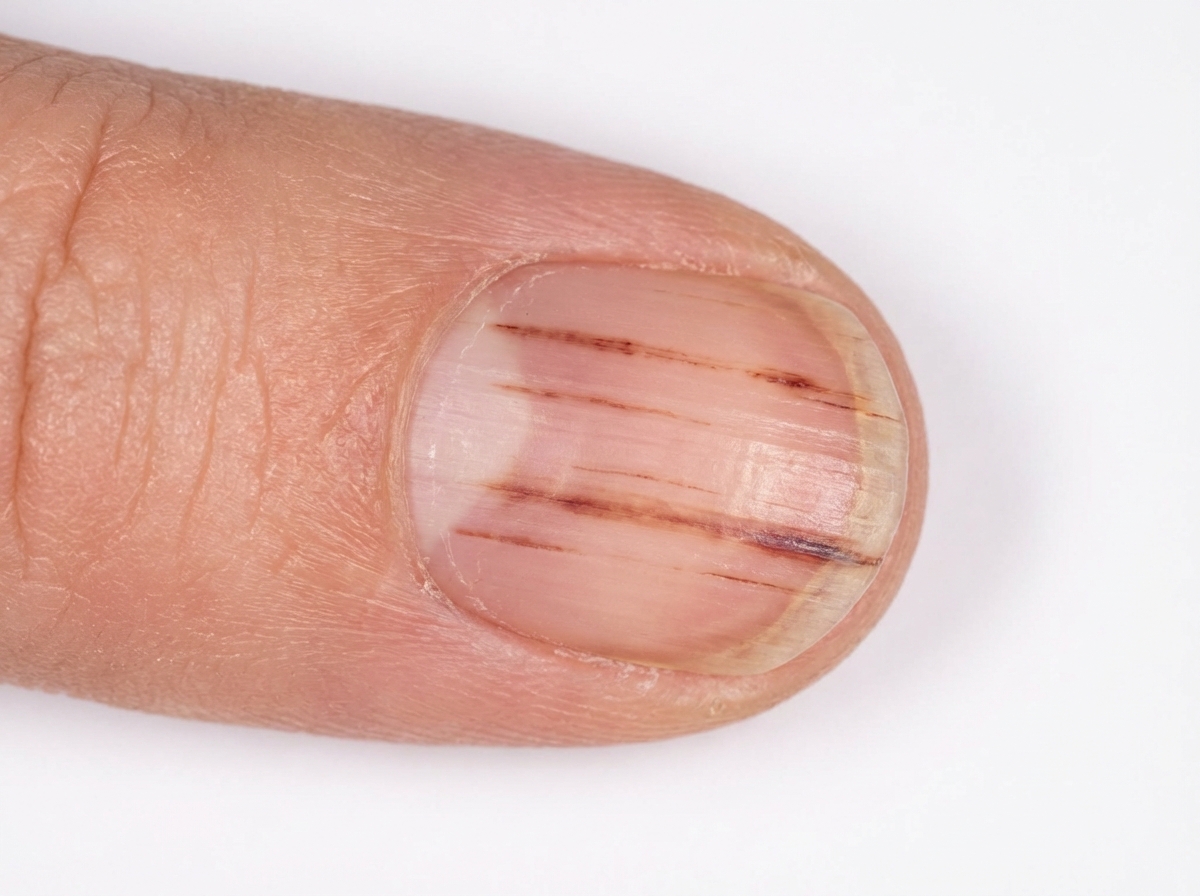
A 63-year-old man comes to the physician for evaluation of fever and a nonproductive cough for the past 2 weeks. During this period, he has also had fatigue, myalgia, and difficulty breathing. Five weeks ago, he underwent an aortic prosthetic valve replacement due to high-grade aortic stenosis. The patient has a history of hypertension, asthma, and type 2 diabetes mellitus. A colonoscopy 2 years ago was normal. The patient has smoked one pack of cigarettes daily for the past 40 years. He has never used illicit drugs. Current medications include aspirin, warfarin, lisinopril, metformin, inhaled albuterol, and a multivitamin. The patient appears lethargic. Temperature is 38.6°C (101.5°F), pulse is 105/min, and blood pressure is 140/60 mm Hg. Rales are heard on auscultation of the lungs. A grade 2/6, diastolic blowing murmur is heard over the left sternal border and radiates to the right sternal border. A photograph of his right index finger is shown. Laboratory studies show a leukocyte count of 13,800/mm3 and an erythrocyte sedimentation rate of 48 mm/h. Which of the following is the most likely causal organism?
A 64-year-old man presents to his physician for a scheduled follow-up visit. He has chronic left-sided heart failure with systolic dysfunction. His current regular medications include captopril and digoxin, which were started after his last episode of symptomatic heart failure approximately 3 months ago. His last episode of heart failure was accompanied by atrial fibrillation, which followed an alcohol binge over a weekend. Since then he stopped drinking. He reports that he has no current symptoms at rest and is able to perform regular physical exercise without limitation. On physical examination, mild bipedal edema is noted. The physician suggested to him that he should discontinue digoxin and continue captopril and scheduled him for the next follow-up visit. Which of the following statements best justifies the suggestion made by the physician?
A 35-year-old woman presents as a new patient to a primary care physician. She hasn't seen a doctor in many years and came in for a routine check-up. She has no specific complaints, although she has occasional shortness of breath with mild activity. On physical exam, her vital signs are as follows: HR 80, BP 110/70, RR 14. On auscultation, her lungs are clear with equal breath sounds bilaterally. When listening over the precordium, the physician hears a mid-systolic click followed by a late systolic murmur that is loudest over the apex. Valsalva increases the murmur. Which of the following is NOT a possible complication of this patient's underlying problem?
A 66-year-old female with hypertension and a recent history of acute ST-elevation myocardial infarction (STEMI) 6 days previous, treated with percutaneous transluminal angioplasty (PTA), presents with sudden onset chest pain, shortness of breath, diaphoresis, and syncope. Vitals are temperature 37°C (98.6°F), blood pressure 80/50 mm Hg, pulse 125/min, respirations 12/min, and oxygen saturation 92% on room air. On physical examination, the patient is pale and unresponsive. Cardiac exam reveals tachycardia and a pronounced holosystolic murmur loudest at the apex and radiates to the back. Lungs are clear to auscultation. Chest X-ray shows cardiomegaly with clear lung fields. ECG is significant for ST elevations in the precordial leads (V2-V4) and low-voltage QRS complexes. Emergency transthoracic echocardiography shows a left ventricular wall motion abnormality along with a significant pericardial effusion. The patient is intubated, and aggressive fluid resuscitation is initiated. What is the next best step in management?
A 29-year-old man is brought to the emergency room 6 hours after the onset of severe epigastric pain and vomiting. His heart rate is 110/min and blood pressure is 98/72 mm Hg. He is diagnosed with acute pancreatitis, and fluid resuscitation with normal saline is initiated. Which of the following is the most likely immediate effect of fluid resuscitation in this patient?
A 28-year-old male presents to his primary care physician with complaints of intermittent abdominal pain and alternating bouts of constipation and diarrhea. His medical chart is not significant for any past medical problems or prior surgeries. He is not prescribed any current medications. Which of the following questions would be the most useful next question in eliciting further history from this patient?
A 45-year-old man presents with a 3-day history of fever, right upper quadrant pain, and jaundice. He has a history of choledocholithiasis. On examination, temperature is 39.4°C, BP is 85/50 mmHg, HR is 122 bpm, and he is confused. RUQ ultrasound shows a dilated common bile duct of 14 mm with a shadowing calculus. Total bilirubin is 8.2 mg/dL, WBC is 22,000/µL, and alkaline phosphatase is markedly elevated. After initiating IV fluids and broad-spectrum antibiotics, what is the most appropriate next step?
A 70-year-old man with severe ischemic cardiomyopathy (EF 25%) has recurrent ventricular tachycardia despite optimal medical therapy and ICD placement. Cardiac MRI shows a large anteroseptal scar with viable myocardium in the lateral and inferior walls. He has three-vessel coronary disease. His daughter is advocating for heart transplantation, but he has multiple comorbidities including obesity (BMI 37) and active tobacco use. Evaluate the management priority and rationale.
A 49-year-old woman with myasthenia gravis undergoes CT chest showing a 5 cm anterior mediastinal mass with irregular borders. Biopsy confirms thymoma (WHO type B2). She has well-controlled myasthenic symptoms on pyridostigmine. Staging shows no distant metastases, but the mass abuts the pericardium without clear invasion. Evaluate the optimal treatment approach.
Want unlimited practice?
Get full access to all questions, explanations, and performance tracking.
Scan to download app