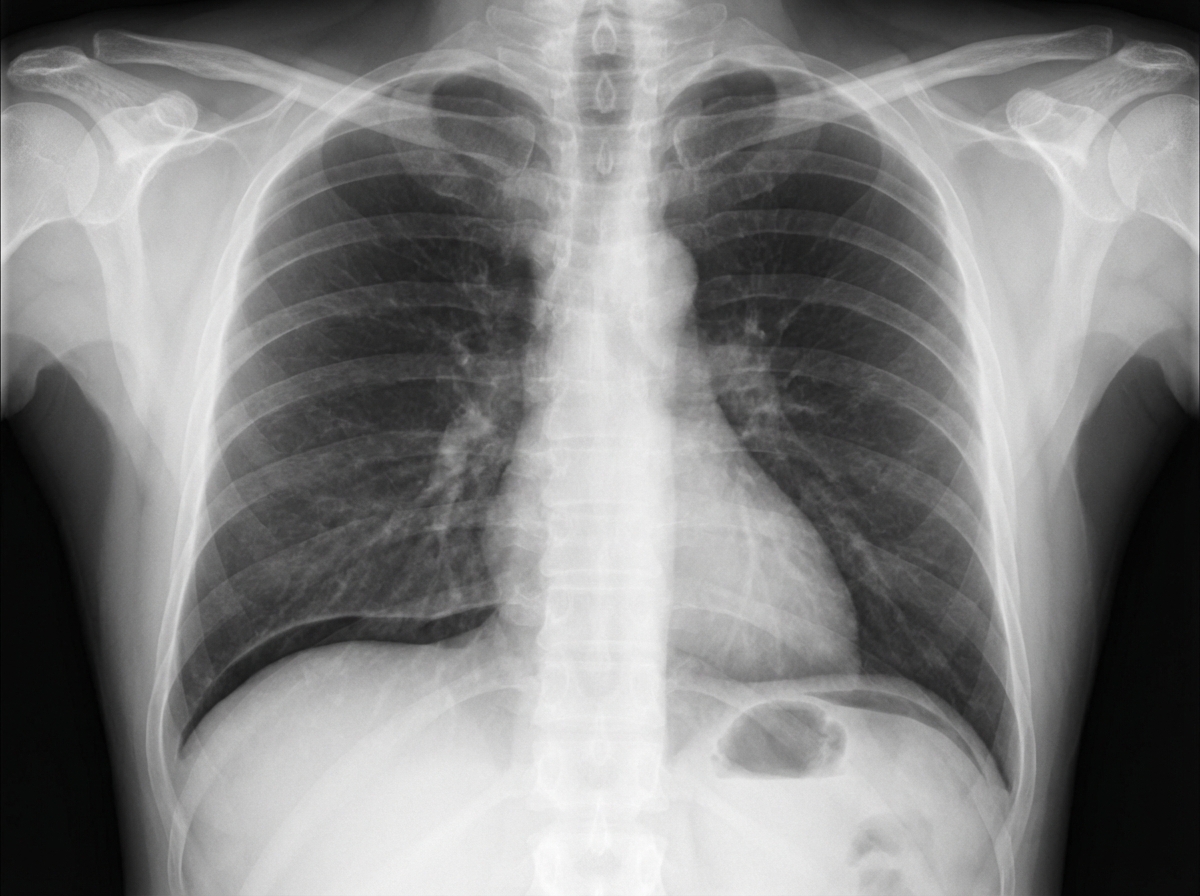
A 5-week-old infant boy presents to the pediatrician with intermittent vomiting for the last 2 weeks. The mother reports that the vomiting is non-bilious and immediately follows feeding. After vomiting, the baby is hungry and wants to feed again. The frequency of vomiting has been increasing progressively over 2 weeks. The vital signs are within normal limits. The examination of the abdomen reveals the presence of a firm mass of approx. 2 cm in length, above and to the right of the umbilicus. The mass is movable, olive-shaped, and hard on palpation. Which of the following is the most likely surgical treatment for this infant’s condition?
Q112
A 67-year-old woman is brought to the emergency department by her husband because of a 1-hour history of severe groin pain, nausea, and vomiting. She has had a groin swelling that worsens with standing, coughing, and straining for the past 3 months. Her pulse is 120/min. Examination shows pallor; there is swelling, erythema, and tenderness to palpation of the right groin that is centered below the inguinal ligament. The most likely cause of this patient's condition is entrapment of an organ between which of the following structures?
Q113
A 75-year-old man presents to the emergency department for abdominal pain. The patient states the pain started this morning and has been worsening steadily. He decided to come to the emergency department when he began vomiting. The patient has a past medical history of obesity, diabetes, alcohol abuse, and hypertension. His current medications include captopril, insulin, metformin, sodium docusate, and ibuprofen. His temperature is 104.0°F (40°C), blood pressure is 160/97 mmHg, pulse is 90/min, respirations are 15/min, and oxygen saturation is 98% on room air. Abdominal exam reveals left lower quadrant tenderness. Cardiac exam reveals a crescendo systolic murmur heard best by the right upper sternal border. Lab values are ordered and return as below.
Hemoglobin: 15 g/dL
Hematocrit: 42%
Leukocyte count: 19,500 cells/mm^3 with normal differential
Platelet count: 226,000/mm^3
Serum:
Na+: 139 mEq/L
Cl-: 101 mEq/L
K+: 4.4 mEq/L
HCO3-: 24 mEq/L
BUN: 22 mg/dL
Glucose: 144 mg/dL
Creatinine: 1.2 mg/dL
Ca2+: 9.8 mg/dL
Which of the following is the most accurate test for this patient's condition?
Q114
A 67-year-old man presents to his primary care provider with bloody urine. He first noticed the blood 1 week ago. He otherwise feels healthy. His past medical history is significant for type 2 diabetes mellitus for 18 years, for which he takes insulin injections. He has smoked 30–40 cigarettes per day for the past 29 years and drinks alcohol socially. Today his vital signs include: temperature 36.6°C (97.8°F), blood pressure 135/82 mm Hg, and heart rate 105/min. There are no findings on physical examination. Urinalysis shows 15–20 red cells/high power field. Which of the following is the next best test to evaluate this patient’s condition?
Q115
A 74-year-old man is brought to the emergency department because of lower abdominal pain for 3 hours. The pain is sharp, constant, and does not radiate. He has not urinated for 24 hours and he has not passed stool for over 3 days. He was diagnosed with herpes zoster 3 weeks ago and has been taking amitriptyline for post-herpetic neuralgia for 1 week. Last year he was diagnosed with nephrolithiasis and was treated with lithotripsy. He has a history of hypertension, benign prostatic hyperplasia, and coronary artery disease. His other medications include amlodipine, metoprolol, tamsulosin, aspirin, and simvastatin. He appears uncomfortable. His temperature is 37.3°C (99.1°F), pulse is 102/min, and blood pressure is 140/90 mm Hg. Abdominal examination shows a palpable lower midline abdominal mass that is tender to palpation. Bowel sounds are hypoactive. The remainder of the examination shows no abnormalities. A pelvic ultrasound shows an anechoic mass in the lower abdomen. Which of the following is the most appropriate next step in the management of this patient?
Q116
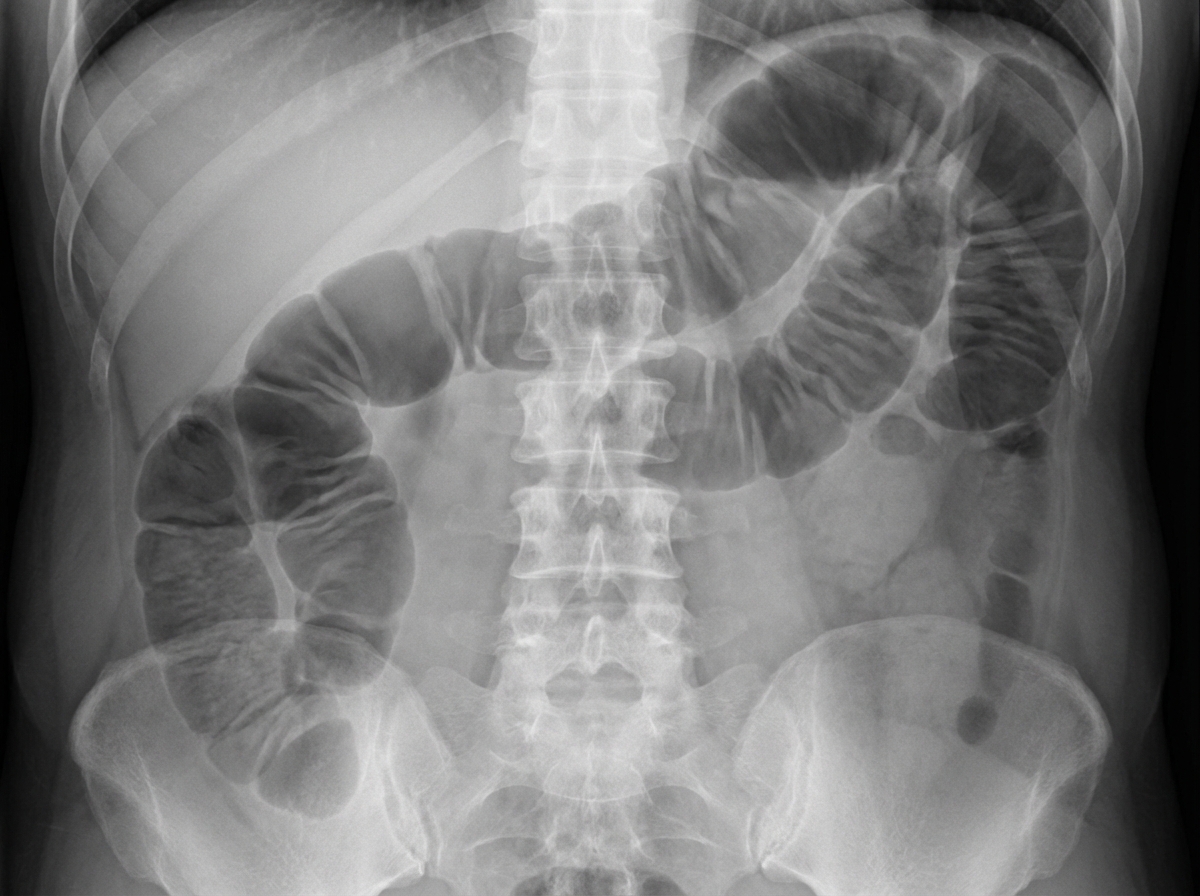
A 75-year-old Caucasian man presents to the emergency department with abdominal pain. The patient states he was at home eating dinner when he began to experience severe abdominal pain. The patient has a past medical history of diabetes, hypertension, and atherosclerosis. He lives at home alone, smokes cigarettes, and drinks 1 to 2 alcoholic drinks per day. The patient is given IV morphine and an ultrasound is obtained demonstrating a dilated abdominal aorta. The patient states that his father died of a similar finding and is concerned about his prognosis. Which of the following is the greatest risk factor for this patient's presentation?
Q117
A 59-year-old man presents to his primary care provider complaining of bilateral calf cramping with walking for the past 7 months. His pain goes away when he stops walking; however, his condition affects his work as a mail carrier. His medical history is remarkable for type 2 diabetes mellitus, hyperlipidemia, and 25-pack-year smoking history. His ankle-brachial index (ABI) is found to be 0.70. The patient is diagnosed with mild to moderate peripheral artery disease. A supervised exercise program for 3 months, aspirin, and cilostazol are started. Which of the following is the best next step if the patient has no improvement?
Q118
A 70-year-old man presents for his annual check-up. He says he feels well except for occasional abdominal pain. He describes the pain as 4/10–5/10 in intensity, diffusely localized to the periumbilical and epigastric regions, radiating to the groin. The pain occurs 1–2 times a month and always subsides on its own. The patient denies any recent history of fever, chills, nausea, vomiting, change in body weight, or change in bowel and/or bladder habits. His past medical history is significant for hypertension, hyperlipidemia, and peripheral vascular disease, managed with lisinopril and simvastatin. The patient reports a 40-pack-year smoking history and 1–2 alcoholic drinks a day. The blood pressure is 150/100 mm Hg and the pulse is 80/min. Peripheral pulses are 2+ bilaterally in all extremities. Abdominal exam reveals a bruit in the epigastric region along with mild tenderness to palpation with no rebound or guarding. There is also a pulsatile abdominal mass felt on deep palpation at the junction of the periumbilical and the suprapubic regions. The remainder of the physical exam is normal. Laboratory studies show:
Serum total cholesterol 175 mg/dL
Serum total bilirubin 1 mg/dL
Serum amylase 25 U/L
Serum alanine aminotransferase (ALT) 20 U/L
Serum aspartate aminotransferase (AST) 16 U/L
Which of the following is the most likely diagnosis in this patient?
Q119
A 64-year-old woman has progressively worsening abdominal pain 5 hours after an open valve replacement with cardiopulmonary bypass. The pain is crampy and associated with an urge to defecate. The patient reports having had 2 bloody bowel movements in the last hour. Her operation was complicated by significant intraoperative blood loss, which prolonged the operation and necessitated 2 transfusions of red blood cells. She has hypercholesterolemia and type 2 diabetes mellitus. The patient received prophylactic perioperative antibiotics and opioid pain management during recovery. Her temperature is 37.9°C (98.9°F), pulse is 95/min, and blood pressure is 115/69 mm Hg. Examination shows a soft abdomen with mild tenderness to palpation in the left quadrants but no rebound tenderness or guarding. Bowel sounds are decreased. Rectal examination shows blood on the examining finger. Which of the following is the most likely underlying cause of this patient's symptoms?
Q120
A 28-year-old woman comes to the physician with a history of bright red blood in her stools for 3 days. She has defecated once per day. She does not have fever, pain on defecation, or abdominal pain. She was treated for a urinary tract infection with levofloxacin around 3 months ago. Menses occur at regular intervals of 28–30 days and lasts 3–4 days. Her father died of colon cancer 4 years ago. Her only medication is an iron supplement. She is 162 cm (5 ft 4 in) tall and weighs 101.2 kg (223 lbs); BMI is 38.3 kg/m2. Her temperature is 36.5°C (97.7°F), pulse is 89/min, and blood pressure is 130/80 mm Hg. Rectal examination shows anal skin tags. Anoscopy shows multiple enlarged bluish veins above the dentate line at 7 and 11 o'clock positions. When asked to exhale through a closed nostril a mass prolapses but spontaneously reduces when breathing normally. Which of the following is the most appropriate next step in management?
Abdominal emergencies US Medical PG Practice Questions and MCQs
Question 111: A 5-week-old infant boy presents to the pediatrician with intermittent vomiting for the last 2 weeks. The mother reports that the vomiting is non-bilious and immediately follows feeding. After vomiting, the baby is hungry and wants to feed again. The frequency of vomiting has been increasing progressively over 2 weeks. The vital signs are within normal limits. The examination of the abdomen reveals the presence of a firm mass of approx. 2 cm in length, above and to the right of the umbilicus. The mass is movable, olive-shaped, and hard on palpation. Which of the following is the most likely surgical treatment for this infant’s condition?
A. Duodenoduodenostomy
B. Pyloromyotomy (Correct Answer)
C. Surgical ligation of the fistula and primary end-to-end anastomosis of the esophagus
D. Diverticulectomy
E. Endorectal pull-through procedure
Explanation: **Pyloromyotomy**
- The clinical presentation of **non-bilious projectile vomiting** in an infant, immediately after feeding, with persistent hunger, and a palpable **olive-shaped mass** in the epigastrium, is classic for **hypertrophic pyloric stenosis**.
- **Pyloromyotomy (Ramstedt procedure)** is the definitive surgical treatment, which involves incising the hypertrophied muscle of the pylorus while leaving the mucosa intact, thereby relieving the obstruction.
*Duodenoduodenostomy*
- This procedure is typically performed to correct **duodenal atresia**, an anatomical blockage of the duodenum and presents from birth.
- Duodenal atresia usually causes **bilious vomiting** and is not associated with a palpable epigastric mass.
*Surgical ligation of the fistula and primary end-to-end anastomosis of the esophagus*
- This is the surgical treatment for **esophageal atresia with tracheoesophageal fistula**, which would present as choking, coughing, and respiratory distress during feeding from birth.
- It does not involve a palpable abdominal mass or progressive non-bilious vomiting.
*Diverticulectomy*
- This procedure is performed to remove a **Meckel's diverticulum**, which may present with painless rectal bleeding or intussusception, but not typically with projectile non-bilious vomiting or a palpable olive-shaped mass.
- Meckel's diverticulum is a congenital abnormality that is usually asymptomatic.
*Endorectal pull-through procedure*
- This is the standard surgical treatment for **Hirschsprung disease**, a condition characterized by the absence of ganglion cells in the distal colon, leading to functional obstruction.
- Hirschsprung disease typically presents with **constipation**, abdominal distension, and failure to pass meconium, not early-onset projectile vomiting or a palpable olive mass.
Question 112: A 67-year-old woman is brought to the emergency department by her husband because of a 1-hour history of severe groin pain, nausea, and vomiting. She has had a groin swelling that worsens with standing, coughing, and straining for the past 3 months. Her pulse is 120/min. Examination shows pallor; there is swelling, erythema, and tenderness to palpation of the right groin that is centered below the inguinal ligament. The most likely cause of this patient's condition is entrapment of an organ between which of the following structures?
A. Inferior epigastric artery and rectus sheath
B. Lacunar ligament and femoral vein (Correct Answer)
C. Medial and median umbilical ligaments
D. Conjoint tendon and inguinal ligament
E. Linea alba and conjoint tendon
Explanation: ***Lacunar ligament and femoral vein***
- The patient presents with symptoms highly suggestive of a **strangulated femoral hernia**, characterized by acute severe groin pain, nausea, vomiting, and a tender, erythematous groin swelling located below the inguinal ligament.
- A femoral hernia involves the protrusion of abdominal contents through the femoral canal, which is bounded medially by the **lacunar (Gimbernat's) ligament** and laterally by the **femoral vein**, making this the most likely site of entrapment.
*Inferior epigastric artery and rectus sheath*
- This configuration describes the likely location of an **epigastric hernia** or the boundaries relevant to a **direct inguinal hernia**, but not a femoral hernia.
- An epigastric hernia is located in the midline above the umbilicus, and an indirect inguinal hernia is lateral to the inferior epigastric artery, which is not consistent with the patient's symptoms.
*Medial and median umbilical ligaments*
- These ligaments are remnants of fetal structures (umbilical arteries and urachus, respectively) and are primarily associated with the anterior abdominal wall, specifically in the umbilical region.
- They are not directly involved in the formation or boundaries of a **femoral hernia**.
*Conjoint tendon and inguinal ligament*
- The **conjoint tendon** (formed by the internal oblique and transversus abdominis muscles) and the **inguinal ligament** are key structures defining the posterior and inferior boundaries of the **inguinal canal**.
- This anatomical relationship is pertinent to **inguinal hernias** (both direct and indirect), which are located above the inguinal ligament, unlike the patient's swelling which is below it.
*Linea alba and conjoint tendon*
- The **linea alba** is a fibrous structure in the midline of the anterior abdominal wall that can be the site of epigastric or umbilical hernias.
- The **conjoint tendon** is involved in inguinal hernias. Neither of these structures, in combination, defines the boundary of a femoral hernia.
Question 113: A 75-year-old man presents to the emergency department for abdominal pain. The patient states the pain started this morning and has been worsening steadily. He decided to come to the emergency department when he began vomiting. The patient has a past medical history of obesity, diabetes, alcohol abuse, and hypertension. His current medications include captopril, insulin, metformin, sodium docusate, and ibuprofen. His temperature is 104.0°F (40°C), blood pressure is 160/97 mmHg, pulse is 90/min, respirations are 15/min, and oxygen saturation is 98% on room air. Abdominal exam reveals left lower quadrant tenderness. Cardiac exam reveals a crescendo systolic murmur heard best by the right upper sternal border. Lab values are ordered and return as below.
Hemoglobin: 15 g/dL
Hematocrit: 42%
Leukocyte count: 19,500 cells/mm^3 with normal differential
Platelet count: 226,000/mm^3
Serum:
Na+: 139 mEq/L
Cl-: 101 mEq/L
K+: 4.4 mEq/L
HCO3-: 24 mEq/L
BUN: 22 mg/dL
Glucose: 144 mg/dL
Creatinine: 1.2 mg/dL
Ca2+: 9.8 mg/dL
Which of the following is the most accurate test for this patient's condition?
A. Colonoscopy
B. Sigmoidoscopy
C. Amylase and lipase levels
D. Barium enema
E. CT scan (Correct Answer)
Explanation: ***CT scan***
- The patient presents with classic symptoms of **diverticulitis**, including **left lower quadrant pain**, **fever**, and **leukocytosis**. A **CT scan with oral and IV contrast** is the most accurate diagnostic test to identify diverticular inflammation, abscess formation, or perforation.
- A CT scan can also help rule out other causes of abdominal pain and guide further management, such as the need for percutaneous drainage of an abscess.
*Colonoscopy*
- **Colonoscopy is contraindicated during an acute episode of diverticulitis** due to the risk of **perforation** of an inflamed colon.
- It may be considered **6-8 weeks after resolution of acute diverticulitis** to investigate for other pathologies such as malignancy.
*Sigmoidoscopy*
- Similar to colonoscopy, **sigmoidoscopy is generally avoided in acute diverticulitis** because of the risk of **perforation** of the inflamed bowel from instrumentation.
- Its diagnostic yield in acute settings is also limited compared to CT imaging.
*Amylase and lipase levels*
- These tests are primarily used to diagnose **pancreatitis**, which typically presents with **epigastric pain radiating to the back**, often associated with elevated enzyme levels.
- While vomiting is present, the **left lower quadrant tenderness and fever** point away from pancreatitis as the primary diagnosis.
*Barium enema*
- **Barium enema is generally contraindicated in acute diverticulitis** due to the risk of **perforation** and the introduction of barium into the peritoneum, which can cause severe peritonitis.
- It has largely been replaced by **CT scanning** for its superior safety profile and diagnostic accuracy in acute abdominal conditions.
Question 114: A 67-year-old man presents to his primary care provider with bloody urine. He first noticed the blood 1 week ago. He otherwise feels healthy. His past medical history is significant for type 2 diabetes mellitus for 18 years, for which he takes insulin injections. He has smoked 30–40 cigarettes per day for the past 29 years and drinks alcohol socially. Today his vital signs include: temperature 36.6°C (97.8°F), blood pressure 135/82 mm Hg, and heart rate 105/min. There are no findings on physical examination. Urinalysis shows 15–20 red cells/high power field. Which of the following is the next best test to evaluate this patient’s condition?
A. Prostate-specific antigen
B. Urine cytology
C. Urinary markers
D. Biopsy
E. Contrast-enhanced CT (Correct Answer)
Explanation: ***Contrast-enhanced CT***
- This patient presents with **painless gross hematuria** and significant risk factors, including a 29-year history of **heavy smoking** and age, which raise suspicion for **urothelial carcinoma** (e.g., bladder cancer, renal cell carcinoma).
- A **contrast-enhanced CT** of the abdomen and pelvis is the most appropriate initial imaging study to evaluate the entire urinary tract for masses, stones, or other structural abnormalities causing the hematuria.
*Prostate-specific antigen*
- This test is primarily used for **prostate cancer screening** and monitoring, and while prostate issues can cause hematuria, the absence of urinary obstruction symptoms and the patient's age and smoking history make other causes more likely.
- An elevated **PSA** would not explain gross, painless hematuria in this context and would not be the initial diagnostic step for evaluating the urinary tract in general.
*Urine cytology*
- While urine cytology can detect **malignant cells**, its sensitivity for urothelial carcinoma is variable and often low, especially for low-grade tumors.
- A negative cytology does not rule out cancer, and an imaging study is still necessary to **localize the source** of bleeding and assess for structural abnormalities.
*Urinary markers*
- Various **urinary markers** (e.g., BTA stat, NMP22) are available for bladder cancer detection, but they are generally less sensitive and specific than imaging or cystoscopy.
- These markers are often used in conjunction with other tests or for surveillance, but not as the initial definitive test for **gross hematuria** in a high-risk patient.
*Biopsy*
- A biopsy is a **definitive diagnostic step** for confirming cancer but requires an identified lesion to target.
- Before a biopsy can be performed, imaging (like CT) is needed to **locate any potential tumors** in the kidneys, ureters, or bladder that would then be amenable to biopsy (e.g., via cystoscopy with biopsy or renal biopsy).
Question 115: A 74-year-old man is brought to the emergency department because of lower abdominal pain for 3 hours. The pain is sharp, constant, and does not radiate. He has not urinated for 24 hours and he has not passed stool for over 3 days. He was diagnosed with herpes zoster 3 weeks ago and has been taking amitriptyline for post-herpetic neuralgia for 1 week. Last year he was diagnosed with nephrolithiasis and was treated with lithotripsy. He has a history of hypertension, benign prostatic hyperplasia, and coronary artery disease. His other medications include amlodipine, metoprolol, tamsulosin, aspirin, and simvastatin. He appears uncomfortable. His temperature is 37.3°C (99.1°F), pulse is 102/min, and blood pressure is 140/90 mm Hg. Abdominal examination shows a palpable lower midline abdominal mass that is tender to palpation. Bowel sounds are hypoactive. The remainder of the examination shows no abnormalities. A pelvic ultrasound shows an anechoic mass in the lower abdomen. Which of the following is the most appropriate next step in the management of this patient?
A. CT scan of the abdomen and pelvis
B. Observation and NSAIDs administration
C. Finasteride administration
D. IV pyelography
E. Transurethral catheterization (Correct Answer)
Explanation: ***Transurethral catheterization***
- The patient's symptoms (lower abdominal pain, inability to urinate for 24 hours, palpable tender lower midline abdominal mass, anechoic mass on ultrasound) are highly suggestive of **acute urinary retention**.
- **Urethral catheterization** is the most appropriate immediate step to relieve the obstruction, decompress the bladder, and alleviate pain.
*CT scan of the abdomen and pelvis*
- While a CT scan can provide detailed imaging, it is not the initial emergency treatment for acute urinary retention.
- The immediate priority is to relieve the obstruction, which will also improve patient comfort and prevent potential kidney damage.
*Observation and NSAIDs administration*
- This approach is inappropriate given the patient's severe symptoms and clinical signs of acute urinary retention.
- Delaying definitive treatment for urinary retention can lead to complications such as kidney injury and infection.
*Finasteride administration*
- **Finasteride** is used for chronic management of benign prostatic hyperplasia (BPH) to reduce prostate size over time, but it has no role in the acute management of urinary retention.
- Its effects are slow and would not address the immediate obstructive uropathy.
*IV pyelography*
- **Intravenous pyelography (IVP)** uses contrast dye to visualize the urinary tract, but it is not commonly performed in the emergency setting and has been largely replaced by CT urography.
- It would also delay the necessary immediate intervention for acute urinary retention.
Question 116: A 75-year-old Caucasian man presents to the emergency department with abdominal pain. The patient states he was at home eating dinner when he began to experience severe abdominal pain. The patient has a past medical history of diabetes, hypertension, and atherosclerosis. He lives at home alone, smokes cigarettes, and drinks 1 to 2 alcoholic drinks per day. The patient is given IV morphine and an ultrasound is obtained demonstrating a dilated abdominal aorta. The patient states that his father died of a similar finding and is concerned about his prognosis. Which of the following is the greatest risk factor for this patient's presentation?
A. Male gender and age
B. Caucasian race
C. Cigarette smoking (Correct Answer)
D. Family history
E. Atherosclerosis
Explanation: ***Cigarette smoking***
- **Cigarette smoking** is the most significant modifiable risk factor for the development and expansion of **abdominal aortic aneurysms (AAAs)**, directly contributing to vascular inflammation and degradation.
- The patient's history of smoking suggests a strong causal link to his current presentation of a dilated aorta, which is highly indicative of an AAA.
*Male gender and age*
- While **male gender** and **advanced age (over 65)** are significant demographic risk factors for AAA, they are considered non-modifiable and less impactful than smoking in terms of risk magnitude.
- These factors increase predisposition but do not exert the same direct, damaging effect on the arterial wall as chronic smoking.
*Caucasian race*
- **Caucasian race** is a known demographic risk factor for AAA, with higher prevalence rates compared to other ethnic groups.
- However, this is a non-modifiable genetic predisposition and contributes less to the overall risk than modifiable lifestyle factors like smoking.
*Family history*
- A **family history** of AAA, as suggested by the patient's father having a similar condition, increases an individual's susceptibility.
- This is a significant non-modifiable risk factor, indicating genetic predisposition, but its overall impact on aneurysm formation and progression is typically less than that of active smoking.
*Atherosclerosis*
- **Atherosclerosis** is a strong associated condition with AAA, as both share common risk factors and pathology related to arterial wall degeneration.
- While atherosclerosis contributes to the overall vascular compromise, smoking specifically has a more direct and potent effect on promoting aneurysm formation and rupture independently.
Question 117: A 59-year-old man presents to his primary care provider complaining of bilateral calf cramping with walking for the past 7 months. His pain goes away when he stops walking; however, his condition affects his work as a mail carrier. His medical history is remarkable for type 2 diabetes mellitus, hyperlipidemia, and 25-pack-year smoking history. His ankle-brachial index (ABI) is found to be 0.70. The patient is diagnosed with mild to moderate peripheral artery disease. A supervised exercise program for 3 months, aspirin, and cilostazol are started. Which of the following is the best next step if the patient has no improvement?
A. Revascularization (Correct Answer)
B. Heparin
C. Surgical decompression
D. Pentoxifylline
E. Amputation
Explanation: ***Revascularization***
- For patients with **peripheral artery disease (PAD)** who fail to improve with conservative management (**supervised exercise, aspirin, and cilostazol**), **revascularization** is the next appropriate step to improve blood flow.
- This can be achieved through **endovascular procedures** (e.g., angioplasty with stenting) or **surgical bypass**, depending on the location and severity of the arterial blockage.
*Heparin*
- **Heparin** is an **anticoagulant** primarily used for acute thrombotic events or deep vein thrombosis (DVT), not for chronic management of stable claudication in PAD.
- It would not address the underlying **chronic arterial stenosis** causing the claudication symptoms.
*Surgical decompression*
- **Surgical decompression** is a treatment for conditions like **spinal stenosis** or **compartment syndrome**, not for peripheral arterial disease.
- The patient's symptoms (calf cramping with walking, resolving at rest) and **ABI of 0.70** are classic for **vascular claudication**, not nerve or muscle compression.
*Pentoxifylline*
- **Pentoxifylline** is an alternative medication used in PAD to improve blood flow by reducing blood viscosity.
- However, it is generally **less effective** than cilostazol and is typically considered when cilostazol is contraindicated or not tolerated, rather than as a next step after initial medical therapy failure with cilostazol.
*Amputation*
- **Amputation** is a last resort, usually reserved for **critical limb ischemia** with non-healing ulcers, gangrene, or intractable rest pain, where revascularization is not feasible or has failed.
- The patient's current symptoms are **intermittent claudication**, which is not immediately limb-threatening.
Question 118: A 70-year-old man presents for his annual check-up. He says he feels well except for occasional abdominal pain. He describes the pain as 4/10–5/10 in intensity, diffusely localized to the periumbilical and epigastric regions, radiating to the groin. The pain occurs 1–2 times a month and always subsides on its own. The patient denies any recent history of fever, chills, nausea, vomiting, change in body weight, or change in bowel and/or bladder habits. His past medical history is significant for hypertension, hyperlipidemia, and peripheral vascular disease, managed with lisinopril and simvastatin. The patient reports a 40-pack-year smoking history and 1–2 alcoholic drinks a day. The blood pressure is 150/100 mm Hg and the pulse is 80/min. Peripheral pulses are 2+ bilaterally in all extremities. Abdominal exam reveals a bruit in the epigastric region along with mild tenderness to palpation with no rebound or guarding. There is also a pulsatile abdominal mass felt on deep palpation at the junction of the periumbilical and the suprapubic regions. The remainder of the physical exam is normal. Laboratory studies show:
Serum total cholesterol 175 mg/dL
Serum total bilirubin 1 mg/dL
Serum amylase 25 U/L
Serum alanine aminotransferase (ALT) 20 U/L
Serum aspartate aminotransferase (AST) 16 U/L
Which of the following is the most likely diagnosis in this patient?
A. Mesenteric ischemia
B. Acute pancreatitis
C. Abdominal aortic aneurysm (Correct Answer)
D. Acute gastritis
E. Diverticulitis
Explanation: ***Abdominal aortic aneurysm***
- The presence of a **pulsatile abdominal mass**, epigastric bruit, and a history of **hypertension, hyperlipidemia, peripheral vascular disease, and smoking** are highly suggestive of an abdominal aortic aneurysm (AAA).
- The diffuse, radiating abdominal pain, while non-specific, can be associated with an expanding aneurysm, and the patient's age and risk factors significantly increase the likelihood of AAA.
*Mesenteric ischemia*
- Mesenteric ischemia typically presents with **severe abdominal pain out of proportion to physical exam findings**, often postprandial, and can be associated with weight loss due to fear of eating.
- While the patient has vascular risk factors, the pain is described as moderate, infrequent, and subsiding on its own, and there is no mention of weight loss, making it less likely.
*Acute pancreatitis*
- Acute pancreatitis is characterized by **severe epigastric pain that radiates to the back**, often accompanied by nausea, vomiting, and elevated serum **amylase and lipase** levels.
- This patient's pain is diffuse and radiates to the groin, not the back, and his serum amylase is normal, ruling out acute pancreatitis.
*Acute gastritis*
- Acute gastritis typically causes **epigastric pain, nausea, and vomiting**, often triggered by NSAIDs, alcohol, or H. pylori infection.
- The patient's pain is diffuse, radiates to the groin, and occurs infrequently, with no mention of triggers or other gastrointestinal symptoms typical of gastritis.
*Diverticulitis*
- Diverticulitis usually presents with **left lower quadrant pain**, fever, leukocytosis, and changes in bowel habits.
- This patient's pain is periumbilical/epigastric, has no associated fever or changes in bowel habits, and is not consistent with the typical presentation of diverticulitis.
Question 119: A 64-year-old woman has progressively worsening abdominal pain 5 hours after an open valve replacement with cardiopulmonary bypass. The pain is crampy and associated with an urge to defecate. The patient reports having had 2 bloody bowel movements in the last hour. Her operation was complicated by significant intraoperative blood loss, which prolonged the operation and necessitated 2 transfusions of red blood cells. She has hypercholesterolemia and type 2 diabetes mellitus. The patient received prophylactic perioperative antibiotics and opioid pain management during recovery. Her temperature is 37.9°C (98.9°F), pulse is 95/min, and blood pressure is 115/69 mm Hg. Examination shows a soft abdomen with mild tenderness to palpation in the left quadrants but no rebound tenderness or guarding. Bowel sounds are decreased. Rectal examination shows blood on the examining finger. Which of the following is the most likely underlying cause of this patient's symptoms?
A. Embolization of superior mesenteric artery
B. Atherosclerotic narrowing of the intestinal vessels
C. Small outpouchings in the sigmoid wall
D. Infection with Clostridioides difficile
E. Decreased blood flow to the splenic flexure (Correct Answer)
Explanation: ***Decreased blood flow to the splenic flexure***
- This patient's symptoms are highly suggestive of **ischemic colitis**, which often affects the **splenic flexure** due to its "watershed" area vulnerability. **Cardiopulmonary bypass** and significant **intraoperative blood loss** (leading to hypotension and hypoperfusion) are major risk factors for this condition.
- The presentation with **crampy abdominal pain**, **urgent defecation**, and **bloody bowel movements** shortly after cardiac surgery points to colonic ischemia.
*Embolization of superior mesenteric artery*
- While an acute **SMA embolism** could cause severe abdominal pain and bloody stools, it typically presents with **more diffuse and severe abdominal tenderness**, often with marked tenderness disproportionate to examination findings early on, and rapid progression to peritonitis.
- The patient's history of valvular disease and hypercholesterolemia increases the risk of embolization, but the **mild tenderness confined to left quadrants** and decreased bowel sounds are less typical of an acute SMA occlusion.
*Atherosclerotic narrowing of the intestinal vessels*
- This describes **chronic mesenteric ischemia**, which typically causes **postprandial abdominal pain** (intestinal angina) and weight loss, not acute abdominal pain and bloody diarrhea in the immediate postoperative period.
- While the patient has risk factors for atherosclerosis (hypercholesterolemia, diabetes), the acute onset of symptoms following cardiac surgery points to an acute ischemic event rather than chronic narrowing.
*Small outpouchings in the sigmoid wall*
- This refers to **diverticulitis** or **diverticular bleeding**. While diverticular bleeding can cause painless or painful bleeding, and diverticulitis can cause abdominal pain, the acute onset post-cardiac surgery in the setting of hypoperfusion makes ischemic colitis a more likely diagnosis.
- Diverticulitis typically presents with **localized left lower quadrant pain**, fever, and leukocytosis, but the systemic context of recent cardiac surgery and hypoperfusion strongly favors ischemia.
*Infection with Clostridioides difficile*
- **_Clostridioides difficile_ infection** typically causes **watery diarrhea**, often after antibiotic use, and usually takes several days to develop symptoms after exposure or antibiotic initiation.
- Although the patient received perioperative antibiotics, the onset of symptoms within hours of surgery and the presence of **frank bloody stools** are less characteristic of _C. difficile_ infection, which is more commonly associated with non-bloody diarrhea.
Question 120: A 28-year-old woman comes to the physician with a history of bright red blood in her stools for 3 days. She has defecated once per day. She does not have fever, pain on defecation, or abdominal pain. She was treated for a urinary tract infection with levofloxacin around 3 months ago. Menses occur at regular intervals of 28–30 days and lasts 3–4 days. Her father died of colon cancer 4 years ago. Her only medication is an iron supplement. She is 162 cm (5 ft 4 in) tall and weighs 101.2 kg (223 lbs); BMI is 38.3 kg/m2. Her temperature is 36.5°C (97.7°F), pulse is 89/min, and blood pressure is 130/80 mm Hg. Rectal examination shows anal skin tags. Anoscopy shows multiple enlarged bluish veins above the dentate line at 7 and 11 o'clock positions. When asked to exhale through a closed nostril a mass prolapses but spontaneously reduces when breathing normally. Which of the following is the most appropriate next step in management?
A. Infrared coagulation
B. Propranolol therapy
C. Topical diltiazem
D. Hemorrhoidectomy
E. Docusate therapy (Correct Answer)
Explanation: ***Docusate therapy***
- The patient presents with symptoms and signs consistent with **grade II internal hemorrhoids** (prolapses with straining but spontaneously reduces) and a history of constipation (implied by iron supplementation and obesity).
- **Conservative management with stool softeners** like docusate is the first-line treatment for grade II internal hemorrhoids, promoting easier bowel movements and reducing straining, which exacerbates hemorrhoids.
- Other conservative measures include increased dietary fiber and adequate hydration.
*Infrared coagulation*
- This is a **procedural treatment** sometimes used for grade I and II internal hemorrhoids that are **refractory to conservative management**.
- It is not the most appropriate initial step. Given the patient's presentation, **conservative management should be attempted first** before considering procedural interventions.
*Propranolol therapy*
- **Propranolol** is a beta-blocker used to manage **portal hypertension** and prevent variceal bleeding in patients with cirrhosis.
- There is **no indication of portal hypertension** or liver disease in this patient (normal vital signs, no stigmata of chronic liver disease).
- This medication is not used in the management of hemorrhoids.
*Topical diltiazem*
- **Topical diltiazem** is a calcium channel blocker used to treat **anal fissures** by relaxing the internal anal sphincter and improving blood flow to promote healing.
- The patient's symptoms (bright red blood, **no pain on defecation**) are not consistent with an anal fissure, which typically presents with severe pain during and after bowel movements.
*Hemorrhoidectomy*
- **Hemorrhoidectomy** is a surgical procedure typically reserved for **severe (grade III or IV)** internal hemorrhoids or those unresponsive to less invasive treatments.
- The patient's hemorrhoids are grade II, which are likely to respond to conservative management, making surgery an overly aggressive initial approach.