
Second-generation antipsychotics — MCQs

A 22-year-old male with a history of difficult-to-treat bipolar disorder with psychotic features is undergoing a medication adjustment under the guidance of his psychiatrist. The patient was previously treated with lithium and is transitioning to clozapine. Which of the following tests will the patient need routinely?
A 35-year-old woman comes to the physician accompanied by her husband after he started noticing strange behavior. He first noticed her talking to herself 8 months ago. For the past 6 months, she has refused to eat any packaged foods out of fear that the government is trying to poison her. She has no significant past medical history. She smoked marijuana in college but has not smoked any since. She appears restless. Mental status examination shows a flat affect. Her speech is clear, but her thought process is disorganized with many loose associations. The patient is diagnosed with schizophrenia and started on olanzapine. This patient is most likely to experience which of the following adverse effects?
A 31-year-old woman is brought to the physician because of increasing restlessness over the past 2 weeks. She reports that she continuously paces around the house and is unable to sit still for more than 10 minutes at a time. During this period, she has had multiple episodes of anxiety with chest tightness and shortness of breath. She was diagnosed with a psychotic illness 2 months ago. Her current medications include haloperidol and a multivitamin. She appears agitated. Vital signs are within normal limits. Physical examination shows no abnormalities. The examination was interrupted multiple times when she became restless and began to walk around the room. To reduce the likelihood of the patient developing her current symptoms, a drug with which of the following mechanisms of action should have been prescribed instead of her current medication?
A 34-year-old male presents to clinic today complaining that his medication has stopped working. He states despite being able to manage the side effects, a voice has returned again telling him to hurt his Mother. You prescribe him a drug which has shown improved efficacy in treating his disorder but requires frequent followup visits. One week later he returns with the following lab results: WBC : 2500 cells/mcL, Neutrophils : 55% and, Bands : 1%. What drug was this patient prescribed?
A 24-year-old man with a history of schizophrenia presents for follow-up. The patient says that he is still having paranoia and visual hallucinations on his latest atypical antipsychotic medication. Past medical history is significant for schizophrenia diagnosed 1 year ago that failed to be adequately controlled on 2 separate atypical antipsychotic medications. The patient is switched to a typical antipsychotic medication. Which of the following is the mechanism of action of the medication that was most likely prescribed for this patient?
A 44-year-old man presents to his psychiatrist for a follow-up appointment. He is currently being treated for schizophrenia. He states that he is doing well but has experienced some odd movement of his face recently. The patient's sister is with him and states that he has been more reclusive lately and holding what seems to be conversations despite nobody being in his room with him. She has not noticed improvement in his symptoms despite changes in his medications that the psychiatrist has made at the last 3 appointments. His temperature is 99.3°F (37.4°C), blood pressure is 157/88 mmHg, pulse is 90/min, respirations are 14/min, and oxygen saturation is 98% on room air. Physical exam is notable for rhythmic movements of the patient's mouth and tongue. Which of the following is a side effect of the next best step in management?
A 56-year-old man presents with constipation and trouble urinating for the past day. He says that he tried drinking a lot of water but that did not help. He also says that he has been tired all the time recently. Past medical history is significant for schizophrenia, diagnosed 3 months ago, and being managed on chlorpromazine. Current medications also include sildenafil. The vital signs include blood pressure 80/45 mm Hg, respiratory rate 23/min, heart rate 86/min and temperature 38.7°C (101.7°F). On physical examination, the patient appears agitated and confused. Which of the following medications is the most likely cause of this patient's presentation?
A 36-year-old woman with schizophrenia comes to the office for a follow-up appointment. She has been hospitalized 4 times in the past year, and she has failed to respond to multiple trials of antipsychotic medications. Six weeks ago, she was brought to the emergency department by her husband because of a bizarre behavior, paranoid delusions, and hearing voices that others did not hear. She was started on a new medication, and her symptoms have improved. Laboratory studies show: Hemoglobin 13.8 g/dL Leukocyte count 1,200/mm3 Segmented neutrophils 6% Eosinophils 0% Lymphocytes 92% Monocytes 2% Platelet count 245,000/mm3 This patient was most likely started on which of the following medications?
A 30-year-old man comes to the emergency department because of fever and productive cough for the past 4 days. During this period, he has had shortness of breath and chest pain that is worse on inspiration. He also reports fatigue and nausea. He has refractory schizophrenia and recurrent asthma attacks. He used to attend college but was expelled after threatening to harm one of his professors 2 months ago. His temperature is 38.5°C (101.3°F), pulse is 90/min, respirations are 20/min, and blood pressure is 120/80 mm Hg. Crackles and bronchial breath sounds are heard on auscultation of the left lung. Laboratory studies show: Hemoglobin 13.5 g/dL Leukocyte count 1,100/mm3 Segmented neutrophils 5% Eosinophils 0% Lymphocytes 93% Monocytes 2% Platelet count 260,000/mm3 Which of the following medications is this patient most likely taking?
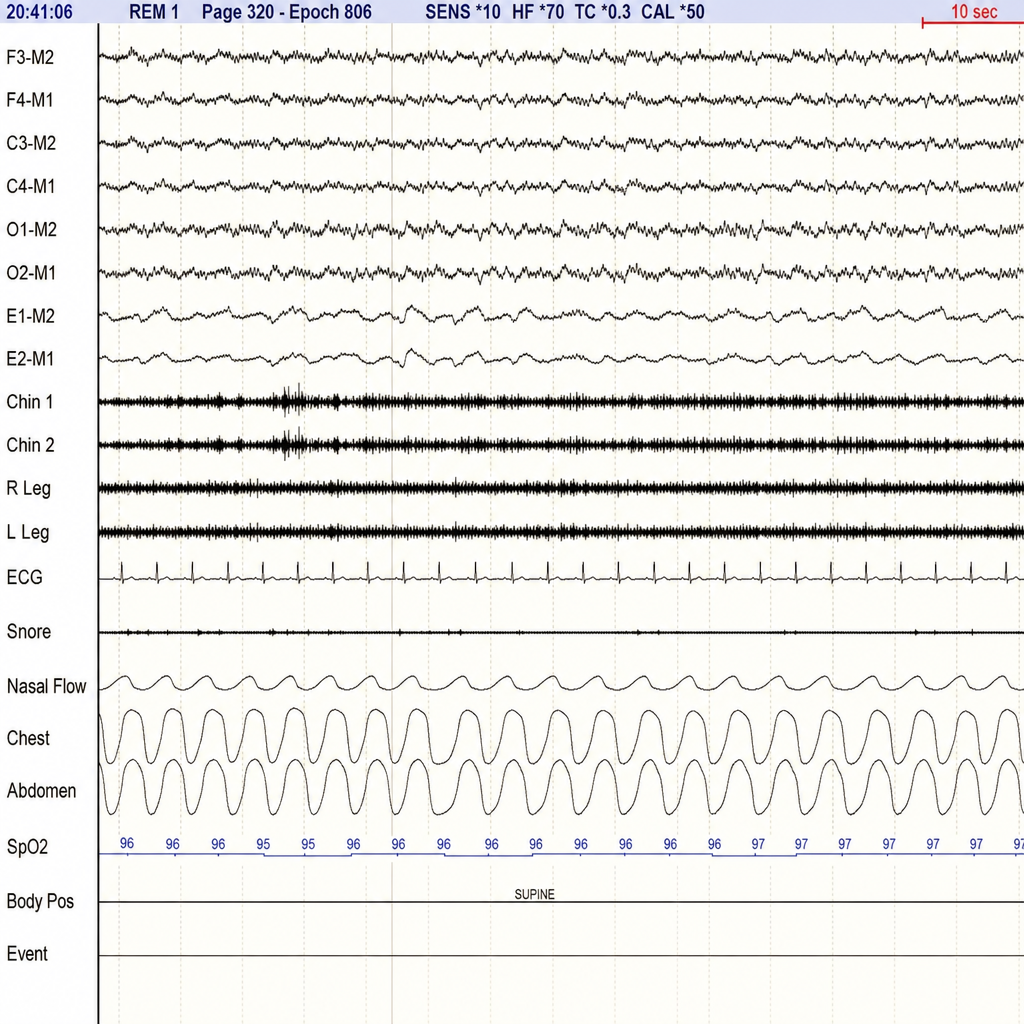
A sleep medicine clinic evaluates a 67-year-old man referred for abnormal nocturnal behaviors. His bed partner reports that he shouts, punches, and kicks during sleep, sometimes injuring himself. He does not recall the events. Polysomnography from stage R sleep demonstrates high-amplitude, mixed-frequency EEG activity with the EMG channel showing persistent tonic and phasic muscle activity in the chin and bilateral leg leads throughout the REM epoch. Apnea-hypopnea index is 3 events/hour. He takes no sedating medications. Which of the following is the most appropriate initial management?
Want unlimited practice?
Get full access to all questions, explanations, and performance tracking.
Scan to download app