
Neural control of cardiovascular function — MCQs

Which receptor type mediates the slow phase of synaptic transmission in autonomic ganglia?
A 33-year-old man presents to the emergency department after an episode of syncope. He states that for the past month ever since starting a new job he has experienced an episode of syncope or near-syncope every morning while he is getting dressed. The patient states that he now gets dressed, shaves, and puts on his tie sitting down to avoid falling when he faints. He has never had this before and is concerned it is stress from his new job as he has been unemployed for the past 5 years. He is wondering if he can get a note for work since he was unable to head in today secondary to his presentation. The patient has no significant past medical history and is otherwise healthy. His temperature is 99.2°F (37.3°C), blood pressure is 122/83 mmHg, pulse is 92/min, respirations are 16/min, and oxygen saturation is 100% on room air. Cardiopulmonary and neurologic exams are within normal limits. An initial ECG and laboratory values are unremarkable as well. Which of the following is the most likely diagnosis?
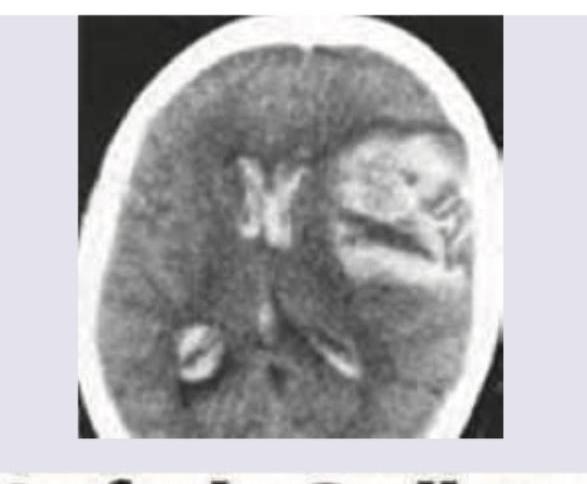
One day after undergoing a left carotid endarterectomy, a 63-year-old man has a severe headache. He describes it as 9 out of 10 in intensity. He has nausea. He had 80% stenosis in the left carotid artery and received heparin prior to the surgery. He has a history of 2 transient ischemic attacks, 2 and 4 months ago. He has hypertension, type 2 diabetes mellitus, and hypercholesterolemia. He has smoked one pack of cigarettes daily for 40 years. He drinks 1–2 beers on weekends. Current medications include lisinopril, metformin, sitagliptin, and aspirin. His temperature is 37.3°C (99.1°F), pulse is 111/min, and blood pressure is 180/110 mm Hg. He is confused and oriented only to person. Examination shows pupils that react sluggishly to light. There is a right facial droop. Muscle strength is decreased in the right upper and lower extremities. Deep tendon reflexes are 3+ on the right. There is a left cervical surgical incision that shows no erythema or discharge. Cardiac examination shows no abnormalities. A complete blood count and serum concentrations of creatinine, electrolytes, and glucose are within the reference range. A CT scan of the head is shown. Which of the following is the strongest predisposing factor for this patient's condition?
A 19-year-old man presents to the clinic with a complaint of increasing shortness of breath for the past 2 years. His shortness of breath is associated with mild chest pain and occasional syncopal attacks during strenuous activity. There is no history of significant illness in the past, however, one of his uncles had similar symptoms when he was his age and died while playing basketball a few years later. He denies alcohol use, tobacco consumption, and the use of recreational drugs. On examination, pulse rate is 76/min and is regular and bounding; blood pressure is 130/70 mm Hg. A triple apical impulse is observed on the precordium and a systolic ejection crescendo-decrescendo murmur is audible between the apex and the left sternal border along with a prominent fourth heart sound. The physician then asks the patient to take a deep breath, close his mouth, and pinch his nose and try to breathe out without allowing his cheeks to bulge out. In doing so, the intensity of the murmur increases. Which of the following hemodynamic changes would be observed first during this maneuver?
A 55-year-old woman comes to the physician because of involuntary hand movements that improve with alcohol consumption. Physical examination shows bilateral hand tremors that worsen when the patient is asked to extend her arms out in front of her. The physician prescribes a medication that is associated with an increased risk of bronchospasms. This drug has which of the following immediate effects on the cardiovascular system? Stroke volume | Heart rate | Peripheral vascular resistance
A 60-year-old male engineer who complains of shortness of breath when walking a few blocks undergoes a cardiac stress test because of concern for coronary artery disease. During the test he asks his cardiologist about what variables are usually used to quantify the functioning of the heart. He learns that one of these variables is stroke volume. Which of the following scenarios would be most likely to lead to a decrease in stroke volume?
A 32-year-old woman comes to the physician for a screening health examination that is required for scuba diving certification. The physician asks her to perform a breathing technique: following deep inspiration, she is instructed to forcefully exhale against a closed airway and contract her abdominal muscles while different cardiovascular parameters are evaluated. Which of the following effects is most likely after 10 seconds in this position?
A 27-year-old woman G2P1 at 34 weeks estimated gestational age presents with bouts of sweating, weakness, and dizziness lasting a few minutes after lying down on the bed. She says symptoms resolve if she rolls on her side. She reports that these episodes have occurred several times over the last 3 weeks. On lying down, her blood pressure is 90/50 mm Hg and her pulse is 50/min. When she rolls on her side, her blood pressure slowly increases to 120/65 mm Hg, and her pulse increases to 72/min. Which of the following best describes the mechanism which underlies this patient’s most likely condition?
A 22-year-old man presents with a history of lightheadedness, weakness, and palpitations when he assumes an upright position from a supine position. He is otherwise a healthy man without a history of alcohol or other substance abuse. His supine and standing blood pressures (measured at 3-minute intervals) were 124/82 mm Hg and 102/72 mm Hg, respectively. He was advised to perform a Valsalva maneuver while monitoring blood pressure and heart rate to assess the integrity of his baroreflex control. Which of the following statements is correct?
A 33-year-old female presents to her primary care physician complaining of heat intolerance and difficulty sleeping over a one month period. She also reports that she has lost 10 pounds despite no changes in her diet or exercise pattern. More recently, she has developed occasional unprovoked chest pain and palpitations. Physical examination reveals a nontender, mildly enlarged thyroid gland. Her patellar reflexes are 3+ bilaterally. Her temperature is 99°F (37.2°C), blood pressure is 135/85 mmHg, pulse is 105/min, and respirations are 18/min. Laboratory analysis is notable for decreased TSH. Which of the following pathophysiologic mechanisms contributed to the cardiovascular symptoms seen in this patient?
Want unlimited practice?
Get full access to all questions, explanations, and performance tracking.
Scan to download app