
GLP-1 receptor agonists — MCQs

A 69-year-old man with type 2 diabetes mellitus comes to the physician for a follow-up examination. His only medication is metformin. He has tried to lose weight for several years without success. He is 168 cm (5 ft 6 in) tall and weighs 110 kg (243 lb); BMI is 39 kg/m2. His hemoglobin A1c is 8.5%. Which of the following is the most appropriate antidiabetic drug to address both this patient's glucose control and weight?
An endocrinologist is working with a pharmaceutical research company on a new drug for diabetes mellitus type 2 (DM2). In their experimental studies, they isolated a component from Gila monster saliva, which was found to have > 50% homology with glucagon-like peptide-1 (GLP1). During the animal studies, the experimental drug was found to have no GLP1 agonist effect. Instead, it irreversibly binds DPP-IV with a higher affinity than GLP1. Which of the following drugs has a similar mechanism of action to this new experimental drug?
A 45-year-old woman comes to the clinic for complaints of abdominal pain and repeated watery stools for the past 2 days. She has a history of bowel complaints for the past 2 years consisting of periods of intermittent loose stools followed by the inability to make a bowel movement. Her past medical history is significant for diabetes controlled with metformin. She denies any abnormal oral intake, weight loss, fever, nausea/vomiting, or similar symptoms in her family. When asked to describe her stool, she reports that “it is just very watery and frequent, but no blood.” The physician prescribes a medication aimed to alleviate her symptoms. What is the most likely mechanism of action of this drug?
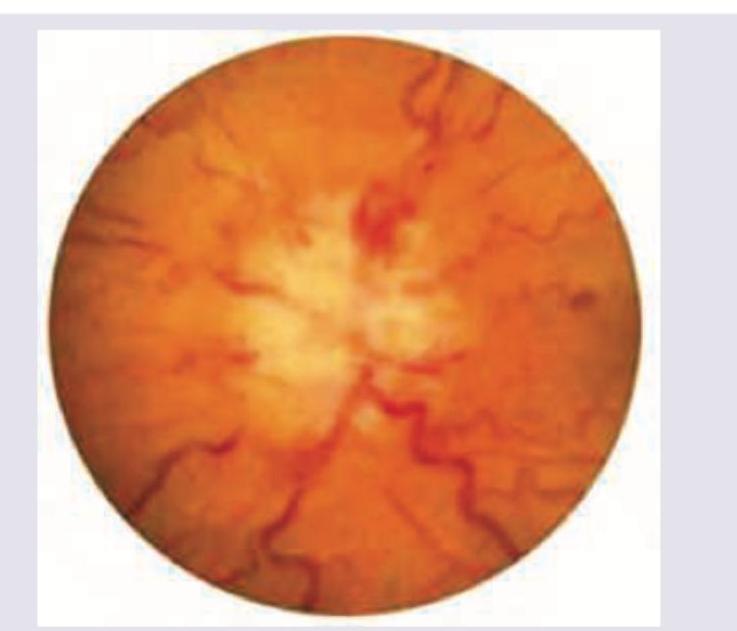
A 30-year-old obese female presents with new-onset headaches, ringing in her ears, and blurry vision. Ibuprofen and avoidance of light has not relieved her symptoms. She denies a history of recent trauma, fever, chills, and fatigue. Past medical history is significant for type 2 diabetes mellitus managed with metformin. She has had 20/20 vision her whole life and wonders if she might need to get eyeglasses. She has 2 healthy school-age children. Her temperature is 36.8°C (98.2°F), heart rate is 90/min, respiratory rate is 15/min, and blood pressure is 135/80 mm Hg. Physical exam is notable for decreased lateral eye movement, and the funduscopic findings are shown in the picture. Laboratory findings are within normal limits and brain imaging is normal. Lumbar puncture demonstrates an elevated opening pressure and normal CSF composition. Which of the following is a side effect of the medication used to treat this condition?
A 58-year-old male presents to the clinic for a follow-up visit. He takes metformin every day and says that he is compliant with his medication but can not control his diet. Three months prior, his HbA1c was 8.2% when he was started on metformin. He does not have any complaints on this visit. His temperature is 37°C (98.6°F), respirations are 15/min, pulse is 67/min and blood pressure is 122/88 mm Hg. His BMI is 33. Physical examination is within normal limits. Blood is drawn for laboratory tests and the results are given below: Fasting blood glucose 150 mg/dL Glycated hemoglobin (HbA1c) 7.2 % Serum Creatinine 1.1 mg/dL BUN 12 mg/dL The physician wants to initiate another medication for his blood glucose control, specifically one that does not carry a risk of weight gain. Addition of which of the following drugs would be most suitable for this patient?
A 49-year-old woman presents to the family medicine clinic with concerns about her weight. She has been constantly gaining weight for a decade now as she has not been able to control her diet. She has tried exercising but says that she is too lazy for this method of weight loss to work. Her temperature is 37° C (98.6° F), respirations are 15/min, pulse is 67/min, and blood pressure is 122/88 mm Hg. Her BMI is 30. Her labs from her past visit show: Fasting blood glucose: 149 mg/dL Glycated hemoglobin (HbA1c): 9.1% Triglycerides: 175 mg/dL LDL-Cholesterol: 102 mg/dL HDL-Cholesterol: 35 mg/dL Total Cholesterol: 180 mg/dL Serum creatinine: 1.0 mg/dL BUN: 12 mg/dL Serum: Albumin: 4.2 gm/dL Alkaline phosphatase: 150 U/L Alanine aminotransferase: 76 U/L Aspartate aminotransferase: 88 U/L After discussing the long term issues that will arise if her health does not improve, she agrees to modify her lifestyle and diet. Which of the following would be the best pharmacotherapy for this patient?
A 57-year-old woman presents to her physician for a checkup. The past medical history is significant for diabetes mellitus type 2, and a history of myocardial infarction. The current medications are aspirin, lisinopril, metoprolol, atorvastatin, and metformin. The patient’s HbA1c is 7.9%, and her fasting blood glucose is 8.9 mmol/L (160 mg/dL). Which of the following statements regarding the use of exenatide in this patient is most correct?
A 40-year-old woman with a recent history of carcinoma of the breast status post mastectomy and adjuvant chemotherapy one week ago presents for follow-up. She reports adequate pain control managed with the analgesic drug she was prescribed. Past medical history is significant for hepatitis C and major depressive disorder. The patient denies any history of smoking or alcohol use but says she is currently using intravenous heroin and has been for the past 10 years. However, she reports that she has been using much less heroin since she started taking the pain medication, which is confirmed by the toxicology screen. Which of the following is the primary mechanism of action of the analgesic drug she was most likely prescribed?
A 52-year-old man presents to his primary care physician complaining of a blistering rash in his inguinal region. Upon further questioning, he also endorses an unintended weight loss, diarrhea, polydipsia, and polyuria. A fingerstick glucose test shows elevated glucose even though this patient has no previous history of diabetes. After referral to an endocrinologist, the patient is found to have elevated serum glucagon and is diagnosed with glucagonoma. Which of the following is a function of glucagon?
A 43-year-old male with a history of thyroid cancer status post total thyroidectomy presents to his primary care physician after repeated bouts of headaches. His headaches are preceded by periods of anxiety, palpitations, and sweating. The patient says he is unable to pinpoint any precipitating factors and instead says the events occur without warning. Of note, the patient's father and uncle also have a history of thyroid cancer. On exam his vitals are: T 36.8 HR 87, BP 135/93, RR 14, and O2 Sat 100% on room air. The patient's TSH is within normal limits, and he reports taking his levothyroxine as prescribed. What is the next best step in diagnosing this patient's chief complaint?
Want unlimited practice?
Get full access to all questions, explanations, and performance tracking.
Scan to download app