
Nicotinic antagonists — MCQs

A 50-year-old male is brought to the dermatologist's office with complaints of a pigmented lesion. The lesion is uniformly dark with clean borders and no asymmetry and has been increasing in size over the past two weeks. He works in construction and spends large portions of his day outside. The dermatologist believes that this mole should be biopsied. To prepare the patient for the biopsy, the dermatologist injects a small amount of lidocaine into the skin around the lesion. Which of the following nerve functions would be the last to be blocked by the lidocaine?
Which receptor type mediates the slow phase of synaptic transmission in autonomic ganglia?
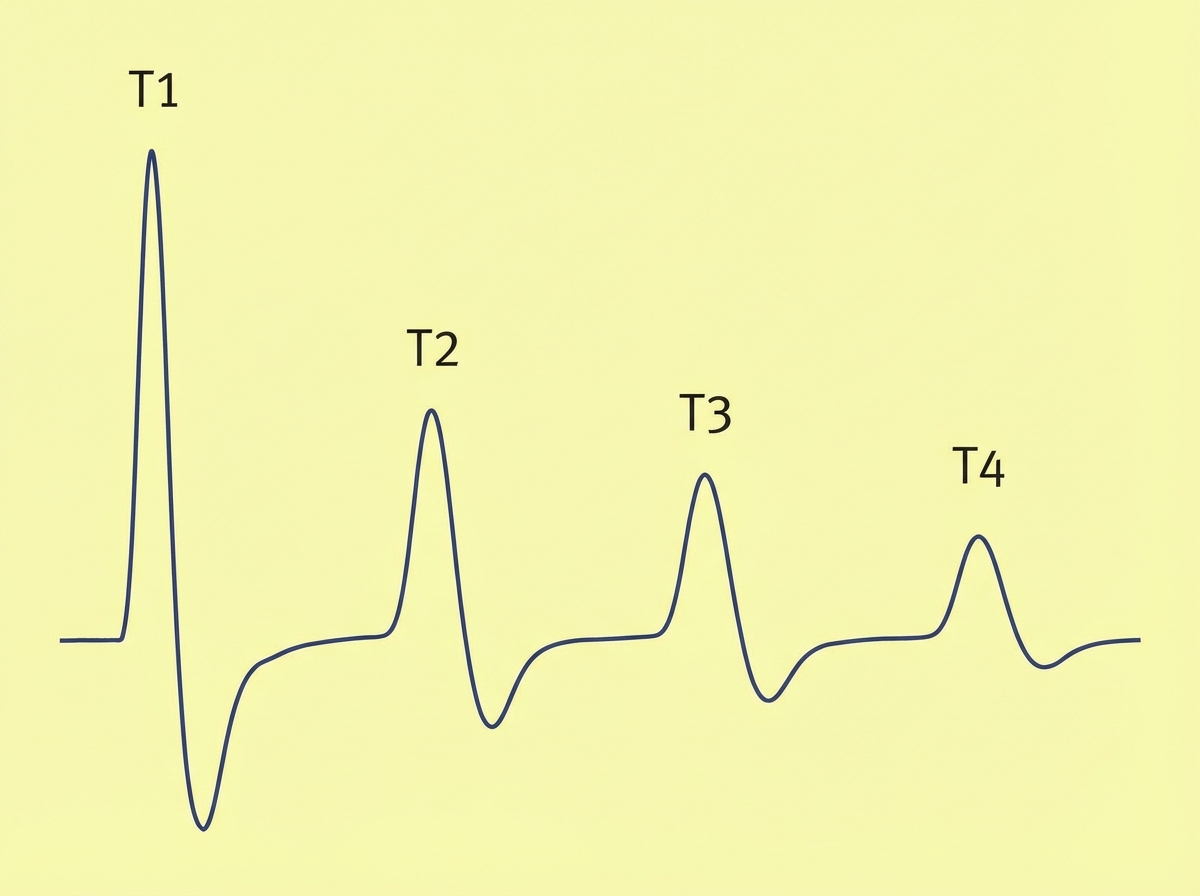
A 37-year-old woman undergoes diagnostic laparoscopy under general anesthesia for evaluation of chronic pelvic pain. Postoperatively, the patient requires prolonged intubation. Neostigmine is administered. Results of acceleromyography during train-of-four ulnar nerve stimulation are shown. Which of the following drugs is most likely to have been used intraoperatively in this patient?
A 16-year-old boy is brought to the emergency department by ambulance with a visible deformity of the upper thigh after being involved in a motor vehicle collision. He is informed that he will require surgery and is asked about his medical history. He mentions that he had surgery to remove his tonsils several years ago and at that time suffered a complication during the surgery. Specifically, shortly after the surgery began, he began to experience severe muscle contractions and an increased body temperature. Based on this information, a different class of muscle relaxants are chosen for use during the upcoming surgery. If these agents needed to be reversed, the reversal agent should be administered with which of the following to prevent off-target effects?
A 25-year-old man is scheduled for an orthopedic surgery. His routine preoperative laboratory tests are within normal limits. An urticarial reaction occurs when a non-depolarizing neuromuscular blocking agent is injected for muscle relaxation and mechanical ventilation. The patient’s lungs are manually ventilated with 100% O2 by bag and mask and then through an endotracheal tube. After a few minutes, edema of the face and neck rapidly ensues and giant hives appear over most of his body. Which of the following neuromuscular blocking agents was most likely used in this operation?
A neurophysiology expert is teaching his students the physiology of the neuromuscular junction. While describing the sequence of events that takes place at the neuromuscular junction, he mentions that as the action potential travels down the motor neuron, it causes depolarization of the presynaptic membrane. This results in the opening of voltage-gated calcium channels, which leads to an influx of calcium into the synapse of the motor neuron. Consequently, the cytosolic concentration of Ca2+ ions increases. Which of the following occurs at the neuromuscular junction as a result of this increase in cytosolic Ca2+?
A 23-year-old man is brought to the emergency department by ambulance following a motor vehicle accident. He was pinned between 2 cars for several hours. The patient has a history of asthma. He uses an albuterol inhaler intermittently. The patient was not the driver, and admits to having a few beers at a party prior to the accident. His vitals in the ambulance are stable. Upon presentation to the emergency department, the patient is immediately brought to the operating room for evaluation and surgical intervention. It is determined that the patient’s right leg has a Gustilo IIIC injury in the mid-shaft of the tibia with a severely comminuted fracture. The patient’s left leg suffered a similar injury but with damage to the peroneal nerve. The anesthesiologist begins to induce anesthesia. Which of the following agents would be contraindicated in this patient?
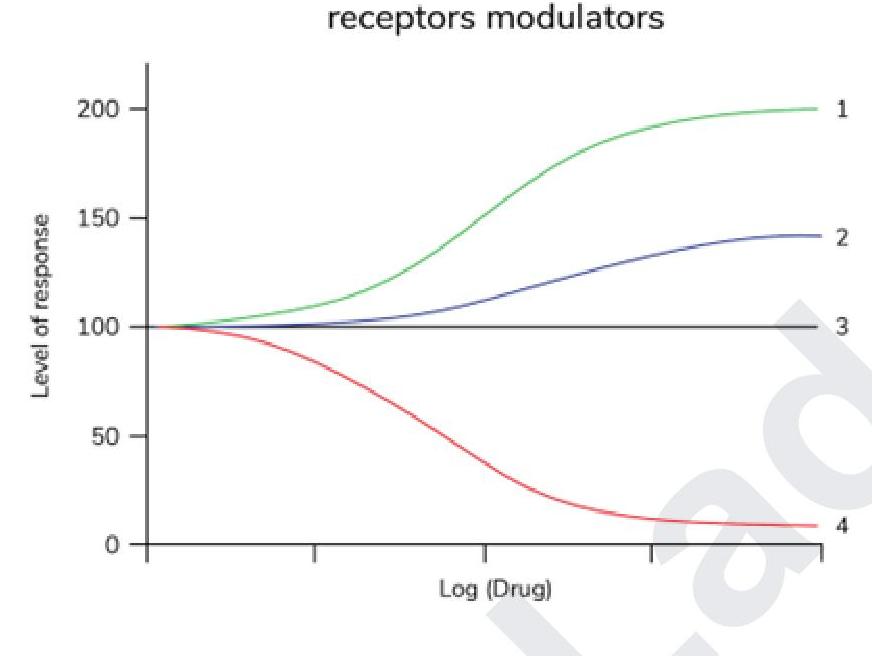
Which of the following statements is correct regarding the given graph?
Which of the following is true regarding nicotine substitution therapy?
A 26-year-old man is brought to the hospital by his wife who complains that her husband has been behaving oddly for the past few hours. The patient’s wife says that she has known him for only 4 months. The wife is unable to give any past medical history. The patient’s speech is difficult to follow, and he seems very distracted. After 15 minutes, he becomes agitated and starts to bang his head on a nearby pillar. He is admitted to the psychiatric ward and is given an emergency medication, after which he calms down. In the next 2 days, he continues to become agitated at times and required 2 more doses of the same drug. On the 4th day of admission, he appears very weak, confused, and does not respond to questions appropriately. His vital signs include: temperature 40.0°C (104.0°F), blood pressure 160/95 mm Hg, and pulse 114/min. On physical examination, he is profusely diaphoretic. He is unable to stand upright or even get up from his bed. Which of the following is the mechanism of action of the drug which most likely caused this patient’s current condition?
Want unlimited practice?
Get full access to all questions, explanations, and performance tracking.
Scan to download app