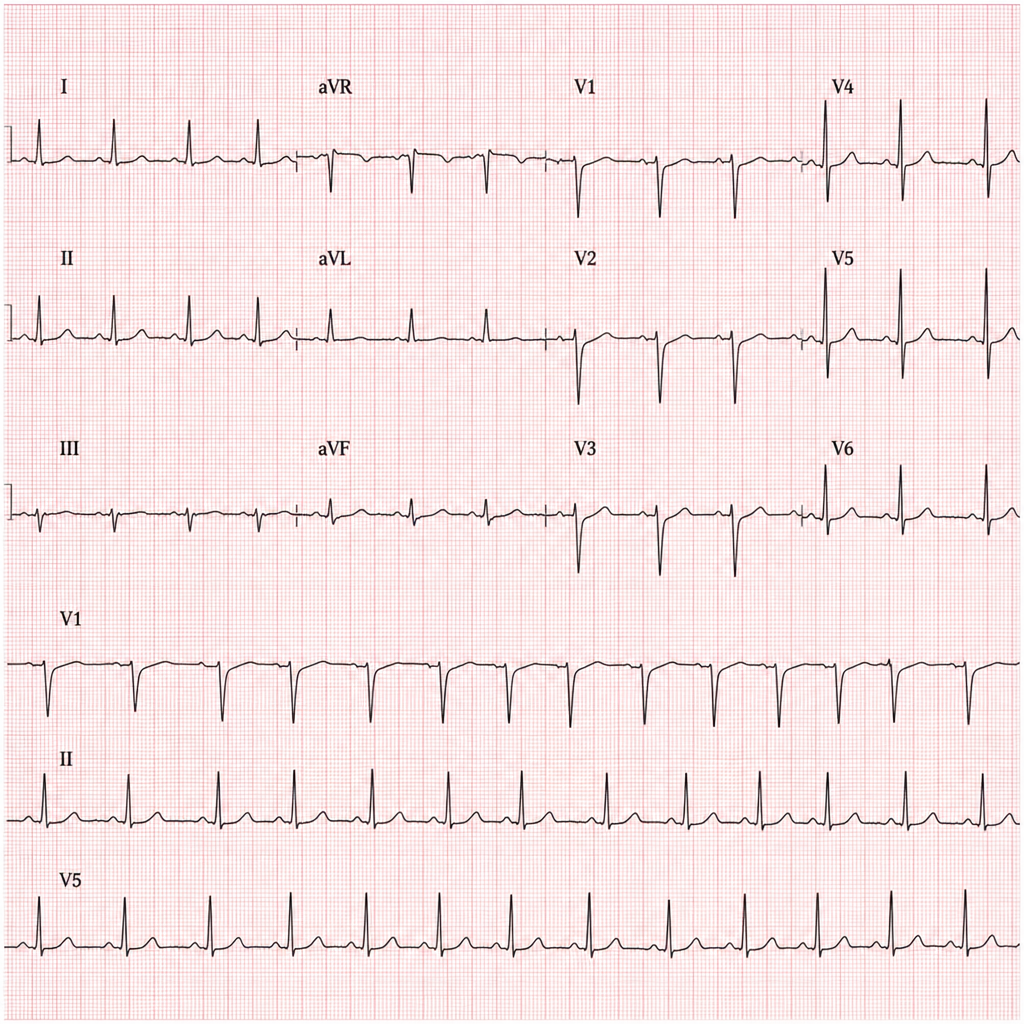
An experimental new drug (SD27C) is being studied. This novel drug delivers insulin via the intranasal route. Consent is obtained from participants who are diabetic and are taking insulin as their current treatment regimen to participate in a clinical trial. 500 patients consent and are divided into 2 groups, and a double-blind clinical trial was conducted. One group received the new formulation (SD27C), while the second group received regular insulin via subcutaneous injection. The results showed that the treatment outcomes in both groups are the same. SD27C is currently under investigation in which phase of the clinical trial?
Q802
A 52-year-old woman presents to her primary care provider with shortness of breath. She reports a 3-month history of difficulty breathing with exertion that has progressed to affect her at rest. She swims 45 minutes every day but has had trouble swimming recently due to her breathing difficulties. Her past medical history is notable for well-controlled mild intermittent asthma and generalized anxiety disorder. She has a 15 pack-year smoking history but quit 15 years ago. She does not drink alcohol. Her mother died at the age of 60 from heart failure and was a lifetime non-smoker. Her temperature is 99°F (37.2°C), blood pressure is 135/85 mmHg, pulse is 85/min, and respirations are 22/min. Her BMI is 23 kg/m^2. On exam, she has slightly increased work of breathing. Cardiac auscultation reveals a normal S1 and loud P2. An echocardiogram is performed demonstrating right ventricular hypertrophy. Her pulmonary artery pressure is 24 mmHg at rest and 40 mmHg with exercise. This patient’s condition is associated with a mutation in a gene that does which of the following?
Q803
A 58-year-old woman presents to the physician for a routine health maintenance examination. She has a history of dyslipidemia and chronic hypertension. Her medications include atorvastatin, hydrochlorothiazide, and lisinopril. She exercises every day and follows a healthy diet. She does not smoke. There is no family history of chronic disease. Her blood pressure is 130/80 mm Hg, which is confirmed on repeat measurement. Her BMI is 22 kg/m2. The physical examination shows no abnormal findings. The laboratory test results show:
Serum
Total cholesterol 193 mg/dL
Low-density lipoprotein (LDL-C) 124 mg/dL
High-density lipoprotein (HDL-C) 40 mg/dL
Triglycerides 148 mg/dL
The patient's 10-year risk of cardiovascular disease (CVD) is 4.6%. Which of the following is the most appropriate next step in pharmacotherapy?
Q804
A 58-year-old man comes to the physician because of severe muscle aches and fatigue for 3 days. Last week he was diagnosed with atypical pneumonia and treated with clarithromycin. He has hyperlipidemia for which he takes lovastatin. Physical examination shows generalized tenderness of the proximal muscles in the upper and lower extremities. Serum studies show an elevated creatine kinase concentration. This patient's current symptoms are most likely caused by inhibition of which of the following hepatic enzymes?
Q805
A 66-year-old male with a history of deep venous thrombosis is admitted to the hospital with shortness of breath and pleuritic chest pain. He is treated with an anticoagulant, but he develops significant hematochezia. His BP is now 105/60 and HR is 117; both were within normal limits on admission. The effects of the anticoagulant are virtually completely reversed with the administration of protamine. Which of the following was the anticoagulant most likely administered to this patient?
Q806
A 21-year-old man with a recent history of traumatic right femur fracture status post open reduction and internal fixation presents for follow-up. The patient says his pain is controlled with the oxycodone but he says he has been severely constipated the past 4 days. No other past medical history. Current medications are oxycodone and ibuprofen. The patient is afebrile and vital signs are within normal limits. On physical examination, surgical incision is healing well. Which of the following is correct regarding the likely role of opiates in this patient’s constipation?
Q807
A 58-year-old male presents to his primary care doctor with the complaint of vision changes over the last several months. The patient's past medical history is notable for schizophrenia which has been well-controlled for the last 25 years on chlorpromazine. Which of the following is likely to be seen on ophthalmoscopy?
Q808
A 60-year-old Hispanic man presents to the office for a regular health checkup. He has been waiting for his hip replacement surgery for osteoarthritis, which he was diagnosed with for the past 5 years. He admits to having taken high doses of painkillers for hip pain management, but now they don't provide any pain relief. His vital signs include: blood pressure 110/70 mm Hg, pulse 78/min, temperature 36.7°C (98.1°F), and respiratory rate 10/min. On physical examination, there is a limited range of motion of his right hip.
The laboratory results are as follows:
Hemoglobin 12 g/dL
Red blood cell 5.1 million cells/µL
Hematocrit 45%
Total leukocyte count 6,500 cells/µL
Neutrophils 71%
Lymphocytes 14%
Monocytes 4%
Eosinophils 11%
Basophils 0%
Platelets 240,000 cells/µL
Urinalysis shows:
pH 6.2
Color light yellow
RBC 7–8/HPF
WBC 10-12/HPF
Protein 1+
Cast none
Glucose absent
Crystal none
Ketone absent
Nitrite negative
24-hr urine protein excretion 0.9 g
Urine for culture: No growth noted after 48 hours of inoculation at 37.0°C (98.6°F)
What is the most likely diagnosis?
Q809
A 48-year-old woman presents to her primary care physician for a wellness visit. She states she is generally healthy and currently has no complaints. She drinks 1 alcoholic beverage daily and is currently sexually active. Her last menstrual period was 1 week ago and it is regular. She smokes 1 pack of cigarettes per day and would like to quit. She describes her mood as being a bit down in the winter months but otherwise feels well. Her family history is notable for diabetes in all of her uncles and colon cancer in her mother and father at age 72 and 81, respectively. She has been trying to lose weight and requests help with this as well. Her diet consists of mostly packaged foods. Her temperature is 98.0°F (36.7°C), blood pressure is 122/82 mmHg, pulse is 80/min, respirations are 12/min, and oxygen saturation is 98% on room air. Her BMI is 23 kg/m^2. Physical exam reveals a healthy woman with no abnormal findings. Which of the following is the most appropriate initial intervention for this patient?
Q810
A 33-year-old woman with Crohn’s disease colitis presents to her physician after 2 days of photophobia and blurred vision. She has had no similar episodes in the past. She has no abdominal pain or diarrhea and takes mesalazine, azathioprine, and prednisone as maintenance therapy. Her vital signs are within normal range. Examination of the eyes shows conjunctival injection. The physical examination is otherwise normal. Slit-lamp examination by an ophthalmologist shows evidence of inflammation in the anterior chamber. Which of the following is the most appropriate modification to this patient’s medication at this time?
Autonomic/CV Drugs US Medical PG Practice Questions and MCQs
Question 801: An experimental new drug (SD27C) is being studied. This novel drug delivers insulin via the intranasal route. Consent is obtained from participants who are diabetic and are taking insulin as their current treatment regimen to participate in a clinical trial. 500 patients consent and are divided into 2 groups, and a double-blind clinical trial was conducted. One group received the new formulation (SD27C), while the second group received regular insulin via subcutaneous injection. The results showed that the treatment outcomes in both groups are the same. SD27C is currently under investigation in which phase of the clinical trial?
A. Phase II
B. Phase III (Correct Answer)
C. Post-market surveillance
D. Phase I
E. Phase IV
Explanation: ***Phase III***
- **Phase III trials** involve a large number of participants (hundreds to thousands) and compare the new drug to standard treatment or placebo to assess its **efficacy** and monitor for adverse effects.
- The description of a **double-blind clinical trial** with 500 patients divided into two groups, comparing the new drug (SD27C) to regular insulin with similar treatment outcomes, is characteristic of a Phase III study.
*Phase II*
- **Phase II trials** typically involve a smaller group of patients (tens to a few hundred) to evaluate the drug's **effectiveness**, further assess safety, and determine the optimal dosage.
- The sample size of 500 patients in this scenario is too large for a typical Phase II trial.
*Post-market surveillance*
- This term is synonymous with **Phase IV trials**, which occur after the drug has been approved and marketed, focusing on long-term safety and effectiveness in a broader population.
- The drug is still "under investigation" and being compared to existing treatment, indicating it has not yet been approved.
*Phase I*
- **Phase I trials** are the initial human trials, usually involving a small number of **healthy volunteers**, to evaluate the drug's safety, dosage range, and pharmacokinetics.
- The study involves diabetic patients, not healthy volunteers, and the focus is on efficacy comparison, not just basic safety.
*Phase IV*
- **Phase IV trials** (or post-market surveillance) take place **after a drug has been approved** and marketed, monitoring its long-term effects, optimal use, and safety in a real-world setting.
- The drug is still in a comparative efficacy trial and has not yet received approval for general use.
Question 802: A 52-year-old woman presents to her primary care provider with shortness of breath. She reports a 3-month history of difficulty breathing with exertion that has progressed to affect her at rest. She swims 45 minutes every day but has had trouble swimming recently due to her breathing difficulties. Her past medical history is notable for well-controlled mild intermittent asthma and generalized anxiety disorder. She has a 15 pack-year smoking history but quit 15 years ago. She does not drink alcohol. Her mother died at the age of 60 from heart failure and was a lifetime non-smoker. Her temperature is 99°F (37.2°C), blood pressure is 135/85 mmHg, pulse is 85/min, and respirations are 22/min. Her BMI is 23 kg/m^2. On exam, she has slightly increased work of breathing. Cardiac auscultation reveals a normal S1 and loud P2. An echocardiogram is performed demonstrating right ventricular hypertrophy. Her pulmonary artery pressure is 24 mmHg at rest and 40 mmHg with exercise. This patient’s condition is associated with a mutation in a gene that does which of the following?
A. Internalizes low-density lipoprotein
B. Inhibits smooth muscle proliferation (Correct Answer)
C. Inhibits free radical formation
D. Degrades proteases
E. Promotes intracellular chloride transport
Explanation: **Inhibits smooth muscle proliferation**
- The patient's presentation with progressive dyspnea, normal BMI, well-controlled asthma, family history of early heart failure, loud P2, right ventricular hypertrophy, and elevated pulmonary artery pressures (both at rest and with exercise) is highly suggestive of **hereditary pulmonary arterial hypertension (PAH)**.
- Hereditary PAH is most commonly associated with mutations in the **BMPR2 gene**, which encodes a receptor for bone morphogenetic proteins. This receptor normally functions to **inhibit vascular smooth muscle cell proliferation**; thus, a loss-of-function mutation leads to unchecked proliferation and remodeling of pulmonary arteries.
*Internalizes low-density lipoprotein*
- This function is primarily associated with the **LDL receptor gene**, mutations in which cause **familial hypercholesterolemia**.
- Familial hypercholesterolemia is characterized by elevated LDL cholesterol and increased risk of early **atherosclerotic cardiovascular disease**, which does not align with this patient's presentation of isolated pulmonary hypertension.
*Inhibits free radical formation*
- This is the role of various **antioxidant enzymes** (e.g., superoxide dismutase, catalase).
- While oxidative stress plays a role in many diseases, a specific inherited disorder causing isolated PAH due to a defect in inhibiting free radical formation is not the most common genetic cause.
*Degrades proteases*
- This function is characteristic of **alpha-1 antitrypsin**, a deficiency of which leads to **emphysema and liver disease** due to unopposed proteolytic activity.
- The patient's symptoms are not consistent with alpha-1 antitrypsin deficiency, as she has no signs of emphysema or chronic liver disease, and her smoking history is remote.
*Promotes intracellular chloride transport*
- This is the primary function of the **cystic fibrosis transmembrane conductance regulator (CFTR) protein**.
- Mutations in the CFTR gene cause **cystic fibrosis**, a multi-systemic disorder characterized by chronic lung disease with thick mucus, pancreatic insufficiency, and elevated sweat chloride, none of which are described in this patient.
Question 803: A 58-year-old woman presents to the physician for a routine health maintenance examination. She has a history of dyslipidemia and chronic hypertension. Her medications include atorvastatin, hydrochlorothiazide, and lisinopril. She exercises every day and follows a healthy diet. She does not smoke. There is no family history of chronic disease. Her blood pressure is 130/80 mm Hg, which is confirmed on repeat measurement. Her BMI is 22 kg/m2. The physical examination shows no abnormal findings. The laboratory test results show:
Serum
Total cholesterol 193 mg/dL
Low-density lipoprotein (LDL-C) 124 mg/dL
High-density lipoprotein (HDL-C) 40 mg/dL
Triglycerides 148 mg/dL
The patient's 10-year risk of cardiovascular disease (CVD) is 4.6%. Which of the following is the most appropriate next step in pharmacotherapy?
A. Fish oils
B. No additional pharmacotherapy at this time
C. Niacin
D. Fenofibrate
E. Ezetimibe (Correct Answer)
Explanation: ***Ezetimibe***
- The patient has an **LDL-C of 124 mg/dL** despite being on atorvastatin. According to the 2018 AHA/ACC guidelines, adding **ezetimibe** to a statin is recommended when LDL-C remains elevated (>70 mg/dL secondary prevention, >100 mg/dL primary prevention with high ASCVD risk) after maximally tolerated statin therapy to further reduce cardiovascular risk.
- Adding **ezetimibe** to atorvastatin would help further lower her LDL-C levels, which is crucial given her dyslipidemia and hypertension, despite her overall healthy lifestyle.
*Fish oils*
- **Fish oils**, specifically high-dose omega-3 fatty acids, are primarily considered for patients with **severe hypertriglyceridemia** (>500 mg/dL) or those with elevated triglycerides (135-499 mg/dL) despite statin therapy and elevated cardiovascular risk, particularly if their HDL-C is low and they have established CVD.
- While this patient has mild hypertriglyceridemia (148 mg/dL) and low HDL-C, her primary concern for further intervention is her elevated LDL-C, making ezetimibe a more appropriate first-line additive.
*No additional pharmacotherapy at this time*
- While the patient has a relatively low 10-year CVD risk (4.6%) and healthy lifestyle, her **LDL-C of 124 mg/dL** remains elevated despite atorvastatin. This level, in conjunction with her history of dyslipidemia and hypertension, warrants further intervention to reduce her lifetime ASCVD risk.
- Given her established risk factors, maintaining an elevated LDL-C when further reduction is achievable through safe and effective pharmacotherapy is not ideal for long-term cardiovascular health.
*Niacin*
- **Niacin** can lower LDL-C and triglycerides while increasing HDL-C, but multiple clinical trials have failed to show a consistent benefit in reducing cardiovascular events when added to statin therapy, often due to significant side effects (e.g., flushing, insulin resistance, hepatotoxicity).
- Its use has largely declined in favor of other agents due to unfavorable risk-benefit profiles in combination with statins.
*Fenofibrate*
- **Fenofibrate** is primarily used to treat **hypertriglyceridemia** and can also raise HDL-C, but it has not consistently shown benefit in reducing cardiovascular outcomes when added to statins in patients with mild-to-moderate hypertriglyceridemia.
- While her triglycerides are slightly elevated, her primary lipid target for further management remains LDL-C reduction.
Question 804: A 58-year-old man comes to the physician because of severe muscle aches and fatigue for 3 days. Last week he was diagnosed with atypical pneumonia and treated with clarithromycin. He has hyperlipidemia for which he takes lovastatin. Physical examination shows generalized tenderness of the proximal muscles in the upper and lower extremities. Serum studies show an elevated creatine kinase concentration. This patient's current symptoms are most likely caused by inhibition of which of the following hepatic enzymes?
A. CYP2E1
B. CYP3A4 (Correct Answer)
C. CYP2C9
D. CYP1A2
E. CYP2C19
Explanation: ***CYP3A4***
- The patient is taking **lovastatin**, which is metabolized by **CYP3A4**. **Clarithromycin** is a potent **CYP3A4 inhibitor**.
- Inhibition of **CYP3A4** by clarithromycin leads to increased lovastatin levels, causing statin-induced **myopathy** (muscle aches, fatigue, and elevated creatine kinase).
*CYP2E1*
- This enzyme is primarily involved in the metabolism of compounds like **ethanol** and **acetaminophen**, not lovastatin.
- Its inhibition would not explain the interaction between clarithromycin and lovastatin.
*CYP2C9*
- This enzyme metabolizes drugs such as **warfarin** and **NSAIDs**, but it is not the primary enzyme responsible for lovastatin metabolism or its interaction with clarithromycin.
- Inhibition of **CYP2C9** would not lead to the described myopathy in this context.
*CYP1A2*
- **CYP1A2** is involved in the metabolism of drugs like **caffeine** and **theophylline**.
- It does not play a significant role in the metabolism of lovastatin, and its inhibition would not cause the observed symptoms.
*CYP2C19*
- **CYP2C19** metabolizes drugs such as **clopidogrel** and **omeprazole**.
- It is not the target enzyme for the interaction between lovastatin and clarithromycin.
Question 805: A 66-year-old male with a history of deep venous thrombosis is admitted to the hospital with shortness of breath and pleuritic chest pain. He is treated with an anticoagulant, but he develops significant hematochezia. His BP is now 105/60 and HR is 117; both were within normal limits on admission. The effects of the anticoagulant are virtually completely reversed with the administration of protamine. Which of the following was the anticoagulant most likely administered to this patient?
A. Enoxaparin
B. Dabigatran
C. Bivalirudin
D. Warfarin
E. Heparin (Correct Answer)
Explanation: ***Heparin***
- **Protamine sulfate** is the specific and virtually complete antidote for **unfractionated heparin (UFH)** and, to a lesser extent, low molecular weight heparins (LMWH).
- The patient's presentation with **shortness of breath** and **pleuritic chest pain** suggests a **pulmonary embolism (PE)**, a common indication for heparin.
*Enoxaparin*
- Enoxaparin is a **low molecular weight heparin (LMWH)**. While protamine can partially reverse LMWH effects, it is **not complete** (only 60-75% reversal) compared to UFH.
- LMWHs have a **longer half-life** and less predictable reversal with protamine than UFH.
*Dabigatran*
- Dabigatran is a **direct thrombin inhibitor** and its antidote is **idarucizumab**, not protamine.
- This drug is not reversible by protamine.
*Bivalirudin*
- Bivalirudin is a **direct thrombin inhibitor** used mainly during percutaneous coronary intervention and its effects are **not reversible with protamine**.
- Its short half-life often makes reversal agents unnecessary, but there is no specific antidote listed.
*Warfarin*
- Warfarin is a **vitamin K antagonist** and its effects are reversed by **vitamin K**, fresh frozen plasma (FFP), or prothrombin complex concentrates (PCCs), not protamine.
- Warfarin also has a **delayed onset of action**, making it less suitable for acute treatment of a suspected PE.
Question 806: A 21-year-old man with a recent history of traumatic right femur fracture status post open reduction and internal fixation presents for follow-up. The patient says his pain is controlled with the oxycodone but he says he has been severely constipated the past 4 days. No other past medical history. Current medications are oxycodone and ibuprofen. The patient is afebrile and vital signs are within normal limits. On physical examination, surgical incision is healing well. Which of the following is correct regarding the likely role of opiates in this patient’s constipation?
A. Opiates decrease the sympathetic activity of the gut wall
B. Opiates increase the production and secretion of pancreatic digestive enzymes
C. Opiates increase fluid absorption from the lumen leading to hard stools (Correct Answer)
D. Opiates cause rapid gastrointestinal transit
E. Opiates activate the excitatory neural pathways in the gut
Explanation: ***Opiates increase fluid absorption from the lumen leading to hard stools***
- Opiates act on **opioid receptors** in the GI tract, increasing **fluid absorption** and decreasing secretion, which makes stools drier and harder.
- This effect contributes significantly to **opioid-induced constipation** (OIC) by slowing stool transit and making defecation difficult.
*Opiates decrease the sympathetic activity of the gut wall*
- Opiates primarily affect the **parasympathetic nervous system** and enteric nervous system, rather than directly decreasing sympathetic activity.
- Their main impact on motility is to **decrease acetylcholine release**, which reduces gut contractions.
*Opiates increase the production and secretion of pancreatic digestive enzymes*
- Opiates are known to **decrease pancreatic enzyme secretion**, not increase it.
- This effect is not a primary mechanism for opioid-induced constipation.
*Opiates cause rapid gastrointestinal transit*
- Opiates actually **slow down gastrointestinal transit** by disrupting propulsive contractions and increasing non-propulsive segmental contractions.
- This delayed transit time is a major contributor to constipation.
*Opiates activate the excitatory neural pathways in the gut*
- Opiates typically **inhibit excitatory neural pathways** in the gut, particularly those mediated by acetylcholine, which reduces smooth muscle contractions.
- Their action leads to reduced peristalsis and overall decreased gut motility.
Question 807: A 58-year-old male presents to his primary care doctor with the complaint of vision changes over the last several months. The patient's past medical history is notable for schizophrenia which has been well-controlled for the last 25 years on chlorpromazine. Which of the following is likely to be seen on ophthalmoscopy?
A. Optic disc cupping
B. Drusen deposits
C. Retinal hemorrhage
D. Retinal pigmentary changes (Correct Answer)
E. Bone spicule pigmentation
Explanation: ***Retinal pigmentary changes***
- **Chlorpromazine**, a first-generation antipsychotic, is known to cause **pigmentary retinopathy** in high doses or with long-term use.
- This side effect can lead to **vision changes** due to deposition of pigment in the retina, affecting photoreceptor function.
*Optic disc cupping*
- This finding is characteristic of **glaucoma**, a condition generally associated with elevated intraocular pressure and optic nerve damage.
- There is no information in the patient's presentation that suggests glaucoma.
*Drusen deposits*
- **Drusen** are yellow deposits under the retina associated with **age-related macular degeneration (ARMD)**.
- While the patient's age makes ARMD plausible, chlorpromazine's known ocular side effects are a more directed answer given the patient's history.
*Retinal hemorrhage*
- **Retinal hemorrhages** are often associated with conditions like **hypertension**, **diabetes**, or **retinal vein occlusions**.
- There is no mention of these underlying systemic diseases or acute vascular events in the patient's history.
*Bone spicule pigmentation*
- This is a hallmark finding of **retinitis pigmentosa**, a group of inherited retinal degenerative diseases.
- The patient's history of vision changes over months in the context of chronic chlorpromazine use points away from a genetic, progressive condition like retinitis pigmentosa.
Question 808: A 60-year-old Hispanic man presents to the office for a regular health checkup. He has been waiting for his hip replacement surgery for osteoarthritis, which he was diagnosed with for the past 5 years. He admits to having taken high doses of painkillers for hip pain management, but now they don't provide any pain relief. His vital signs include: blood pressure 110/70 mm Hg, pulse 78/min, temperature 36.7°C (98.1°F), and respiratory rate 10/min. On physical examination, there is a limited range of motion of his right hip.
The laboratory results are as follows:
Hemoglobin 12 g/dL
Red blood cell 5.1 million cells/µL
Hematocrit 45%
Total leukocyte count 6,500 cells/µL
Neutrophils 71%
Lymphocytes 14%
Monocytes 4%
Eosinophils 11%
Basophils 0%
Platelets 240,000 cells/µL
Urinalysis shows:
pH 6.2
Color light yellow
RBC 7–8/HPF
WBC 10-12/HPF
Protein 1+
Cast none
Glucose absent
Crystal none
Ketone absent
Nitrite negative
24-hr urine protein excretion 0.9 g
Urine for culture: No growth noted after 48 hours of inoculation at 37.0°C (98.6°F)
What is the most likely diagnosis?
A. Chronic pyelonephritis
B. Membranous nephropathy
C. Acute tubular necrosis
D. Analgesic nephropathy (Correct Answer)
E. Diffuse cortical necrosis
Explanation: ***Analgesic nephropathy***
- Chronic use of **high doses of painkillers** for osteoarthritis and the presence of **sterile pyuria (WBCs in urine with no bacterial growth)**, mild hematuria, and proteinuria strongly suggest analgesic nephropathy.
- This condition is characterized by **papillary necrosis** and chronic interstitial nephritis due to cumulative exposure to NSAIDs or combinations of analgesics.
*Chronic pyelonephritis*
- While chronic pyelonephritis can present with sterile pyuria and chronic kidney disease, it typically involves a history of recurrent **urinary tract infections** and imaging findings of renal scarring, which are not mentioned.
- The patient's history of extensive analgesic use makes analgesic nephropathy a more direct and probable cause of the observed renal findings.
*Membranous nephropathy*
- Membranous nephropathy usually presents with **nephrotic syndrome** (heavy proteinuria >3.5 g/24hr, hypoalbuminemia, edema, hyperlipidemia), which is not evident here given the 0.9 g/24hr protein excretion.
- It is also typically an immune-mediated glomerular disease, without direct links to analgesic use or significant sterile pyuria.
*Acute tubular necrosis*
- Acute tubular necrosis (ATN) is often associated with **acute kidney injury** caused by ischemia or nephrotoxic agents, presenting with a rapid decline in renal function.
- While drugs can cause ATN, the patient's long-standing use of painkillers and the chronic nature of the findings (mild proteinuria, hematuria, sterile pyuria) point away from an acute process.
*Diffuse cortical necrosis*
- Diffuse cortical necrosis is a severe and **rare cause of acute kidney injury**, often associated with obstetric catastrophes, sepsis, or snake bites, leading to widespread necrosis of the renal cortex.
- It is typically a **fulminant condition** with severe oliguria or anuria and marked azotemia, which does not align with the patient's presentation of chronic symptoms and relatively stable vital signs.
Question 809: A 48-year-old woman presents to her primary care physician for a wellness visit. She states she is generally healthy and currently has no complaints. She drinks 1 alcoholic beverage daily and is currently sexually active. Her last menstrual period was 1 week ago and it is regular. She smokes 1 pack of cigarettes per day and would like to quit. She describes her mood as being a bit down in the winter months but otherwise feels well. Her family history is notable for diabetes in all of her uncles and colon cancer in her mother and father at age 72 and 81, respectively. She has been trying to lose weight and requests help with this as well. Her diet consists of mostly packaged foods. Her temperature is 98.0°F (36.7°C), blood pressure is 122/82 mmHg, pulse is 80/min, respirations are 12/min, and oxygen saturation is 98% on room air. Her BMI is 23 kg/m^2. Physical exam reveals a healthy woman with no abnormal findings. Which of the following is the most appropriate initial intervention for this patient?
A. Bupropion
B. Colonoscopy
C. Alcohol cessation
D. Varenicline and nicotine gum (Correct Answer)
E. Weight loss, exercise, and nutrition consultation
Explanation: **Varenicline and nicotine gum**
- **Smoking cessation** is the most critical and impactful intervention for this patient's long-term health, as it significantly reduces risks for numerous chronic diseases.
- Combining **varenicline** (a partial nicotinic acetylcholine receptor agonist) with **nicotine gum** (a nicotine replacement therapy) is a highly effective **combination therapy** for smoking cessation.
*Bupropion*
- While bupropion is an effective aid for smoking cessation, it is a **monotherapy** and typically less effective than combination therapy, especially for patients with significant smoking history.
- Bupropion also has benefits for **seasonal affective disorder**, which the patient hints at, but addressing the imminently dangerous behavior of smoking takes precedence.
*Colonoscopy*
- Given her family history of colon cancer, a **screening colonoscopy** is appropriate, but the **optimal age for initiation** is 40 or 10 years younger than the youngest affected relative (whichever comes first), or 40-45 in the general population. Her parents were affected at 72 and 81, so her risk is not immediate.
- Despite being an important screening measure, it does not address an immediate lifestyle modification that has a broader impact on health like smoking cessation.
*Alcohol cessation*
- While **alcohol consumption** should be discussed in the context of general health, her current intake of one drink daily is within **recommended low-risk limits** for women.
- Her stated goal is to quit smoking, and while alcohol reduction is beneficial, it is not the most urgent or patient-identified priority requiring intervention here.
*Weight loss, exercise, and nutrition consultation*
- The patient's **BMI of 23 kg/m²** is within the normal range, indicating that her weight is not an immediate health concern, though dietary advice can always be beneficial.
- While her desire for weight loss and a healthier diet should be addressed, the **immediate and most significant risk factor** for her health that needs intervention is smoking.
Question 810: A 33-year-old woman with Crohn’s disease colitis presents to her physician after 2 days of photophobia and blurred vision. She has had no similar episodes in the past. She has no abdominal pain or diarrhea and takes mesalazine, azathioprine, and prednisone as maintenance therapy. Her vital signs are within normal range. Examination of the eyes shows conjunctival injection. The physical examination is otherwise normal. Slit-lamp examination by an ophthalmologist shows evidence of inflammation in the anterior chamber. Which of the following is the most appropriate modification to this patient’s medication at this time?
A. Adding infliximab
B. Increasing dose of prednisone (Correct Answer)
C. No modification of therapy at this time
D. Discontinuing mesalazine
E. Decreasing dose of azathioprine
Explanation: ***Increasing dose of prednisone***
- This patient is presenting with **anterior uveitis**, a common **extraintestinal manifestation of Crohn’s disease**, characterized by photophobia, blurred vision, and inflammation of the anterior chamber.
- **Corticosteroids** (like prednisone) are the **first-line treatment for acute uveitis**, and increasing the dose will help control the inflammation effectively.
*Adding infliximab*
- While **biologics like infliximab** can be effective for refractory uveitis or systemic disease control, they are **not the immediate first-line treatment for an acute uveitis flare**, especially when corticosteroids are already part of the regimen.
- Adding a new biologic would also involve a longer onset of action and additional risks, making it less suitable for urgent symptom control compared to adjusting prednisone.
*No modification of therapy at this time*
- The patient clearly has **acute anterior uveitis**, which is a potentially serious ocular condition requiring prompt treatment to prevent complications such as synechiae, glaucoma, and vision loss.
- Doing nothing would lead to worsening inflammation and potential irreversible damage.
*Discontinuing mesalazine*
- **Mesalazine** (an aminosalicylate) is primarily used for maintaining remission in inflammatory bowel disease and is **not implicated in causing uveitis**, nor is discontinuing it a treatment for uveitis.
- It would also risk a flare of her Crohn's disease.
*Decreasing dose of azathioprine*
- **Azathioprine** is an **immunosuppressant** used to maintain remission in Crohn’s disease and is not a direct treatment for acute uveitis.
- Decreasing the dose would weaken her overall immunosuppression, potentially leading to a flare of her Crohn's disease or making her more susceptible to other issues, without directly addressing the acute ocular inflammation.