A 4-year-old boy is brought to the physician by his mother because of left-sided neck swelling that has slowly progressed over the past 4 weeks. He has no history of serious illness. Temperature is 38°C (100.4°F). Physical examination shows a non-tender, mobile mass in the left submandibular region with overlying erythema. A biopsy of the mass shows caseating granulomas. Pharmacotherapy with azithromycin and ethambutol is initiated. This patient is most likely to experience which of the following adverse effects related to ethambutol use?
Q212
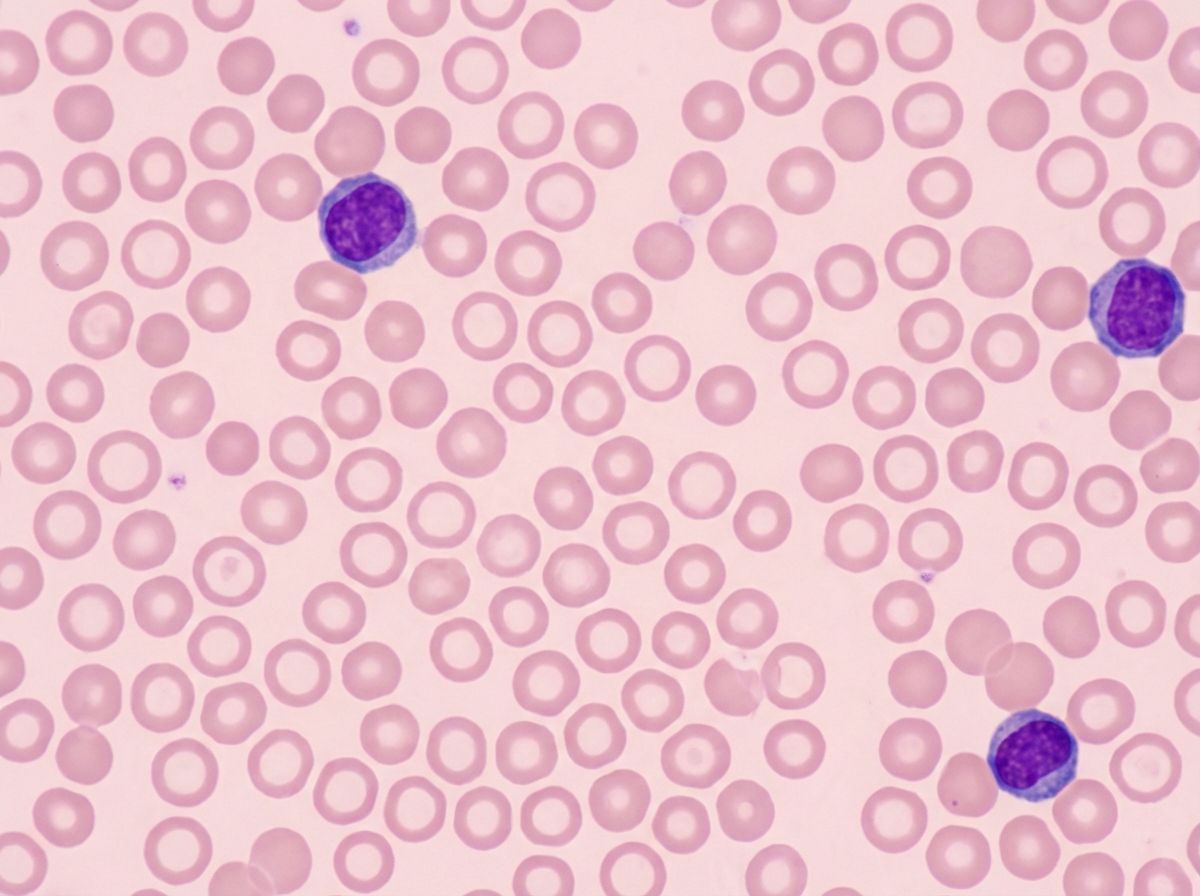
A 47-year-old woman with a history of recent gastric bypass surgery presents for a follow-up visit. 8 months ago, she underwent gastric bypass surgery because she was struggling with maintaining her BMI below 42 kg/m². She previously weighed 120 kg (265 lb), and now she weighs 74.8 kg (165 lb). She says that she has low energy and is easily fatigued. These symptoms have become progressively worse over the past month. She is struggling to get through the day and sometimes has to nap before she can continue with her work. She has also recently noticed that she gets cramps in her legs, especially after a long day. The patient is afebrile and vital signs are within normal limits. Physical examination is unremarkable. Her hemoglobin is 9.5 mg/dL with an MCV of 75 fl. Her peripheral smear is shown in the exhibit. Which of the following supplements would most likely improve this patient’s symptoms?
Q213
A 62-year-old man is brought to the emergency department from a senior-care facility after he was found with a decreased level of consciousness and fever. His personal history is relevant for colorectal cancer that was managed with surgical excision of the tumor. Upon admission, he is found to have a blood pressure of 130/80 mm Hg, a pulse of 102/min, a respiratory rate of 20/min, and a body temperature 38.8°C (101.8°F). There is no rash on physical examination; he is found to have neck rigidity, confusion, and photophobia. There are no focal neurological deficits. A head CT is normal without mass or hydrocephalus. A lumbar puncture was performed and cerebrospinal fluid (CSF) is sent to analysis while ceftriaxone and vancomycin are started. Which of the following additional antimicrobials should be added in the management of this patient?
Q214
A 72-year-old man has been recently diagnosed with stage 3 squamous cell carcinoma of the oral cavity. After the necessary laboratory workup, concurrent chemoradiation therapy has been planned. Radiation therapy is planned to take place over 7 weeks and he will receive radiation doses daily, Monday–Friday, in 2.0 Gy fractions. For concurrent chemotherapy, he will receive intravenous cisplatin at a dosage of 50 mg/m2 weekly for 7 weeks. Which of the following best explains the mechanism of action of the antineoplastic drug that the patient will receive?
Q215
A 66-year-old man comes to the physician because of a 3-month history of constipation and streaks of blood in his stool. He has had a 10-kg (22-lb) weight loss during this period. Colonoscopy shows an exophytic tumor in the sigmoid colon. A CT scan of the abdomen shows liver metastases and enlarged mesenteric and para-aortic lymph nodes. A diagnosis of stage IV colorectal cancer is made, and palliative chemotherapy is initiated. The chemotherapy regimen includes a monoclonal antibody that inhibits tumor growth by preventing ligand binding to a protein directly responsible for epithelial cell proliferation and organogenesis. Which of the following proteins is most likely inhibited by this drug?
Q216
A 65-year-old male with diffuse large B cell lymphoma is treated with a chemotherapy regimen including 6-mercaptopurine. Administration of which of the following agents would increase this patient’s risk for mercaptopurine toxicity?
Q217
A 40-year-old woman comes to the physician for the evaluation of a 4-month history of reddening of the nose and cheeks. She has no itching or pain. She first noticed the redness while on a recent holiday in Spain, where she stayed at the beach and did daily wine tastings. She has tried several brands of sunscreen, stopped going outside in the middle of the day, and has not drunk alcohol since her trip, but the facial redness persists. She has no history of serious illness. Her younger sister has acne vulgaris, and her mother has systemic lupus erythematosus. The patient reports that she has had a lot of stress lately due to relationship problems with her husband. She does not smoke. Her vital signs are within normal limits. Examination shows erythema of the nose, chin, and medial cheeks with scant papules and telangiectasias. There are no comedones or blisters. The remainder of the examination shows no abnormalities. In addition to behavioral modifications, which of the following is the most appropriate initial treatment?
Q218
A 49-year-old man presents with an 11-month history of progressive fatigue. He denies any night sweats, weight loss, abdominal pain, nausea, vomiting, change in bowel habits, or bleeding. He has no significant past medical history. His vital signs include: temperature 37.0°C (98.6°F), blood pressure 119/81 mm Hg, pulse 83/min, and respiratory rate 19/min. On physical examination, mild splenomegaly is noted on abdominal percussion. Laboratory findings are significant for a leukocyte count of 16,700/mm3 and a low serum leukocyte alkaline phosphatase (LAP) score. A bone marrow biopsy is performed, which shows marked hypercellularity with a clear dominance of granulocytes. Cytogenetic analysis is positive for the Ph1 gene. Which of the following is the best course of treatment for this patient?
Q219
A 20-year-old college student is brought to the ED after a motor vehicle accident. Primary and secondary surveys reveal no significant compromise to his airway, his cardiovascular system, or to his motor function. However, his conjunctiva appear injected and he maintains combative behavior towards staff. What is the gold standard confirmatory test for substance use?
Q220
A hospitalized 45-year-old man has had mild flank pain since awakening 3 hours ago. He also reports a new generalized rash. Two weeks ago, he was diagnosed with pulmonary tuberculosis. Current medications include isoniazid, pyrazinamide, rifampin, ethambutol, and pyridoxine. His temperature is 38.3°C (100.9°F), pulse is 74/min, and blood pressure is 128/72 mm Hg. Examination of the skin shows diffuse erythema with confluent papules. There is no costovertebral angle tenderness. Laboratory studies show:
Leukocyte count 9,800/mm3
Segmented neutrophils 59%
Bands 3%
Eosinophils 4%
Lymphocytes 29%
Monocytes 5%
Serum
Urea nitrogen 25 mg/dL
Creatinine 1.9 mg/dL
Urine
WBC 8–10/hpf
Eosinophils numerous
RBC 5–6/hpf
RBC casts negative
WBC casts numerous
In addition to intravenous fluid resuscitation, which of the following is the most appropriate next step in management?
Antimicrobials US Medical PG Practice Questions and MCQs
Question 211: A 4-year-old boy is brought to the physician by his mother because of left-sided neck swelling that has slowly progressed over the past 4 weeks. He has no history of serious illness. Temperature is 38°C (100.4°F). Physical examination shows a non-tender, mobile mass in the left submandibular region with overlying erythema. A biopsy of the mass shows caseating granulomas. Pharmacotherapy with azithromycin and ethambutol is initiated. This patient is most likely to experience which of the following adverse effects related to ethambutol use?
A. Orange urine
B. Color blindness (Correct Answer)
C. Acute kidney injury
D. Peripheral neuropathy
E. Methemoglobinemia
Explanation: ***Color blindness***
- **Ethambutol** is known to cause **optic neuritis**, which can manifest as **red-green color blindness**, blurred vision, or decreased visual acuity.
- This adverse effect is dose-dependent and typically reversible upon discontinuation of the drug, but regular **ophthalmologic monitoring** is crucial.
*Orange urine*
- **Orange discoloration of urine** is a classic side effect of **rifampin**, another antitubercular drug, not ethambutol.
- Rifampin can also stain tears, sweat, and other bodily fluids orange-red.
*Acute kidney injury*
- While drug-induced kidney injury can occur with many medications, **acute kidney injury** is not a primary or common adverse effect specifically associated with **ethambutol**.
- Renal function should be monitored with many drugs, but direct nephrotoxicity is not typical for ethambutol.
*Peripheral neuropathy*
- **Peripheral neuropathy** is a well-known adverse effect of **isoniazid**, another first-line antitubercular agent.
- This effect is due to **isoniazid-induced pyridoxine (vitamin B6) deficiency**, which is typically prevented by co-administration of vitamin B6.
*Methemoglobinemia*
- **Methemoglobinemia** is a rare but serious condition where iron in hemoglobin is oxidized, reducing oxygen delivery.
- It is sometimes associated with drugs like **dapsone**, nitrates, or local anesthetics, but not typically with **ethambutol**.
Question 212: A 47-year-old woman with a history of recent gastric bypass surgery presents for a follow-up visit. 8 months ago, she underwent gastric bypass surgery because she was struggling with maintaining her BMI below 42 kg/m². She previously weighed 120 kg (265 lb), and now she weighs 74.8 kg (165 lb). She says that she has low energy and is easily fatigued. These symptoms have become progressively worse over the past month. She is struggling to get through the day and sometimes has to nap before she can continue with her work. She has also recently noticed that she gets cramps in her legs, especially after a long day. The patient is afebrile and vital signs are within normal limits. Physical examination is unremarkable. Her hemoglobin is 9.5 mg/dL with an MCV of 75 fl. Her peripheral smear is shown in the exhibit. Which of the following supplements would most likely improve this patient’s symptoms?
A. Retinoids
B. Pyridoxine
C. Methylcobalamin
D. Calcium
E. Iron (Correct Answer)
Explanation: ***Iron***
- The patient's symptoms of **fatigue**, **low energy**, and **cramps**, along with a **low hemoglobin (9.5 mg/dL)** and **low MCV (75 fL)**, are highly suggestive of **iron deficiency anemia**.
- **Gastric bypass surgery** often leads to **iron malabsorption** due to reduced gastric acid secretion and bypass of the duodenum, the primary site of iron absorption.
*Retinoids*
- **Retinoids (Vitamin A)** are essential for vision, immune function, and skin health.
- Deficiency typically causes **night blindness** and **xerophthalmia**, not anemia or fatigue and cramps.
*Pyridoxine*
- **Pyridoxine (Vitamin B6)** is crucial for amino acid metabolism and neurotransmitter synthesis.
- Deficiency can cause **sideroblastic anemia** (which is usually macrocytic or normocytic, not microcytic like in this case) and **neuropathy**, but it's not the primary cause of this patient's microcytic anemia.
*Methylcobalamin*
- **Methylcobalamin (Vitamin B12)** deficiency often occurs after gastric bypass due to the loss of **intrinsic factor**.
- However, B12 deficiency causes **macrocytic anemia** (high MCV), not the **microcytic anemia** (low MCV) seen in this patient.
*Calcium*
- **Calcium** is vital for bone health, muscle function, and nerve transmission.
- Deficiency can lead to **osteoporosis**, **tetany**, or **muscle cramps**, but it does not cause **microcytic anemia** or low hemoglobin.
Question 213: A 62-year-old man is brought to the emergency department from a senior-care facility after he was found with a decreased level of consciousness and fever. His personal history is relevant for colorectal cancer that was managed with surgical excision of the tumor. Upon admission, he is found to have a blood pressure of 130/80 mm Hg, a pulse of 102/min, a respiratory rate of 20/min, and a body temperature 38.8°C (101.8°F). There is no rash on physical examination; he is found to have neck rigidity, confusion, and photophobia. There are no focal neurological deficits. A head CT is normal without mass or hydrocephalus. A lumbar puncture was performed and cerebrospinal fluid (CSF) is sent to analysis while ceftriaxone and vancomycin are started. Which of the following additional antimicrobials should be added in the management of this patient?
A. Trimethoprim-sulfamethoxazole (TMP-SMX)
B. Ampicillin (Correct Answer)
C. Amphotericin
D. Meropenem
E. Clindamycin
Explanation: ***Ampicillin***
- This patient is a 62-year-old, indicating an increased risk for **Listeria monocytogenes** meningitis, which is typically susceptible to ampicillin.
- Given his age and presentation with **meningeal signs** and fever, empirical coverage for Listeria with ampicillin is crucial, especially before CSF culture results are known.
*Trimethoprim-sulfamethoxazole (TMP-SMX)*
- While TMP-SMX can cover Listeria, it is generally considered a **second-line agent** for severe infections like meningitis due to slower bactericidal activity and potential for higher rates of treatment failure compared to ampicillin.
- Ampicillin is the **preferred first-line treatment** for Listeria meningitis unless there is a specific contraindication.
*Amphotericin*
- Amphotericin is an **antifungal agent** used for fungal meningitis.
- Although fungemia can occur in immunocompromised individuals or those with indwelling catheters, the initial presentation with bacterial meningitis symptoms and absence of specific risk factors for fungal infection do not support its empirical use.
*Meropenem*
- Meropenem is a **carbapenem** with a broad spectrum of activity, including many gram-negative and gram-positive bacteria, and some anaerobes.
- While it has good CNS penetration and could cover some organisms like penicillin-resistant S. pneumoniae or gram-negative rods, it is not the primary empirical choice specifically for **Listeria monocytogenes**, and there's no indication for its broad-spectrum coverage over standard empirical therapy currently.
*Clindamycin*
- Clindamycin is primarily active against **gram-positive bacteria**, especially anaerobes and some staphylococci and streptococci.
- It has **poor penetration into the CNS** and is therefore not effective for meningitis treatment, especially for common bacterial pathogens or Listeria.
Question 214: A 72-year-old man has been recently diagnosed with stage 3 squamous cell carcinoma of the oral cavity. After the necessary laboratory workup, concurrent chemoradiation therapy has been planned. Radiation therapy is planned to take place over 7 weeks and he will receive radiation doses daily, Monday–Friday, in 2.0 Gy fractions. For concurrent chemotherapy, he will receive intravenous cisplatin at a dosage of 50 mg/m2 weekly for 7 weeks. Which of the following best explains the mechanism of action of the antineoplastic drug that the patient will receive?
A. Free radical-mediated lipid peroxidation
B. Inhibition of polymerization of tubulin
C. Inhibition of topoisomerase 1
D. Inhibition of topoisomerase 2
E. Formation of interstrand DNA cross-links (Correct Answer)
Explanation: ***Formation of interstrand DNA cross-links***
- **Cisplatin** is a **platinum-based chemotherapeutic agent** that acts by forming **interstrand and intrastrand DNA cross-links**.
- These cross-links interfere with **DNA replication and transcription**, leading to **DNA damage** and ultimately **apoptosis** in cancer cells.
*Free radical-mediated lipid peroxidation*
- While some chemotherapeutic agents, like **anthracyclines**, can induce **free radical formation** and subsequent damage, this is not the primary mechanism of action for cisplatin.
- **Lipid peroxidation** primarily affects cell membranes, whereas cisplatin's main target is DNA.
*Inhibition of polymerization of tubulin*
- This mechanism of action is characteristic of **vinca alkaloids** (e.g., vincristine, vinblastine) and **taxanes** (e.g., paclitaxel, docetaxel), which disrupt microtubule formation and function.
- Cisplatin does not target **tubulin polymerization**.
*Inhibition of topoisomerase 1*
- **Topoisomerase 1 inhibitors** such as **irinotecan** and **topotecan** prevent DNA unwinding by stabilizing the cleavable complex, leading to DNA breaks.
- This is not how cisplatin exerts its therapeutic effects.
*Inhibition of topoisomerase 2*
- **Topoisomerase 2 inhibitors** like **etoposide** and **doxorubicin** interfere with DNA replication and repair by preventing the religation of DNA strands.
- Cisplatin's mechanism is distinct from topoisomerase inhibition.
Question 215: A 66-year-old man comes to the physician because of a 3-month history of constipation and streaks of blood in his stool. He has had a 10-kg (22-lb) weight loss during this period. Colonoscopy shows an exophytic tumor in the sigmoid colon. A CT scan of the abdomen shows liver metastases and enlarged mesenteric and para-aortic lymph nodes. A diagnosis of stage IV colorectal cancer is made, and palliative chemotherapy is initiated. The chemotherapy regimen includes a monoclonal antibody that inhibits tumor growth by preventing ligand binding to a protein directly responsible for epithelial cell proliferation and organogenesis. Which of the following proteins is most likely inhibited by this drug?
A. VEGF
B. TNF-α
C. EGFR (Correct Answer)
D. ALK
E. CD52
Explanation: ***EGFR***
- The description of a monoclonal antibody preventing ligand binding to a protein responsible for **epithelial cell proliferation** and organogenesis strongly points to the **epidermal growth factor receptor (EGFR)**.
- EGFR is highly expressed in many colorectal cancers and its activation by ligands like EGF promotes cell growth, survival, and metastasis. Inhibiting it reduces tumor progression.
*VEGF*
- **Vascular endothelial growth factor (VEGF)** is primarily involved in **angiogenesis**, the formation of new blood vessels.
- While anti-VEGF therapies (e.g., bevacizumab) are used in colorectal cancer, their mechanism is inhibiting blood supply to the tumor, not directly blocking a receptor responsible for epithelial cell proliferation as described.
*TNF-α*
- **Tumor necrosis factor-alpha (TNF-α)** is a **cytokine** primarily involved in inflammation and immune responses.
- Antibodies against TNF-α (e.g., infliximab) are used in inflammatory conditions like Crohn's disease, not typically as targeted therapy for colorectal cancer directly inhibiting epithelial proliferation.
*ALK*
- **Anaplastic lymphoma kinase (ALK)** is a **receptor tyrosine kinase** often implicated in lung cancer and lymphomas.
- ALK rearrangements lead to oncogenic fusion proteins, but it is not a primary target for widespread epithelial cell proliferation in colorectal cancer.
*CD52*
- **CD52** is a glycoprotein found on the surface of various immune cells, including lymphocytes.
- Antibodies targeting CD52 (e.g., alemtuzumab) are used in certain leukemias and lymphomas to deplete these cells, not for inhibiting epithelial cell proliferation in solid tumors.
Question 216: A 65-year-old male with diffuse large B cell lymphoma is treated with a chemotherapy regimen including 6-mercaptopurine. Administration of which of the following agents would increase this patient’s risk for mercaptopurine toxicity?
A. Allopurinol (Correct Answer)
B. Mesna
C. Leucovorin
D. Dexrazoxane
E. Amifostine
Explanation: ***Allopurinol***
- **Allopurinol** inhibits **xanthine oxidase**, an enzyme responsible for metabolizing **6-mercaptopurine (6-MP)** into inactive metabolites.
- Concurrent administration significantly increases **6-MP levels**, leading to enhanced myelotoxicity and other severe adverse effects.
*Mesna*
- **Mesna** (2-mercaptoethane sulfonate) is a uroprotectant used to prevent **hemorrhagic cystitis** caused by oxazaphosphorine chemotherapy agents like **ifosfamide** and **cyclophosphamide**.
- It does not interact with the metabolism of **6-mercaptopurine**.
*Leucovorin*
- **Leucovorin** (folinic acid) is a rescue agent for **methotrexate toxicity** and enhances the efficacy of **5-fluorouracil**.
- It does not have a direct interaction with the metabolism or toxicity of **6-mercaptopurine**.
*Dexrazoxane*
- **Dexrazoxane** is a cardioprotective agent used to prevent **doxorubicin-induced cardiotoxicity**.
- It does not interact with the metabolic pathways of **6-mercaptopurine**.
*Amifostine*
- **Amifostine** is a cytoprotective agent that reduces the toxicity of **cisplatin** and **radiation therapy** to normal tissues, particularly the kidneys and salivary glands.
- It is not involved in the metabolism or potentiation of **6-mercaptopurine toxicity**.
Question 217: A 40-year-old woman comes to the physician for the evaluation of a 4-month history of reddening of the nose and cheeks. She has no itching or pain. She first noticed the redness while on a recent holiday in Spain, where she stayed at the beach and did daily wine tastings. She has tried several brands of sunscreen, stopped going outside in the middle of the day, and has not drunk alcohol since her trip, but the facial redness persists. She has no history of serious illness. Her younger sister has acne vulgaris, and her mother has systemic lupus erythematosus. The patient reports that she has had a lot of stress lately due to relationship problems with her husband. She does not smoke. Her vital signs are within normal limits. Examination shows erythema of the nose, chin, and medial cheeks with scant papules and telangiectasias. There are no comedones or blisters. The remainder of the examination shows no abnormalities. In addition to behavioral modifications, which of the following is the most appropriate initial treatment?
A. Topical corticosteroids
B. Topical metronidazole (Correct Answer)
C. Oral isotretinoin
D. Oral hydroxychloroquine
E. Topical benzoyl peroxide
Explanation: ***Topical metronidazole***
- This patient presents with **rosacea**, characterized by persistent facial erythema, papules, and telangiectasias, without comedones, which are typical of acne. **Topical metronidazole** is a first-line treatment for the inflammatory papules and pustules of rosacea.
- It has both **anti-inflammatory** and **antibacterial properties** that are effective in controlling the symptoms of rosacea, particularly for mild to moderate cases.
*Topical corticosteroids*
- While topical corticosteroids can reduce inflammation, their use in rosacea is generally **contraindicated** as they can worsen the condition, leading to **steroid-induced rosacea**, telangiectasias, and skin atrophy with prolonged use.
- They provide only temporary relief and can cause a rebound flare upon discontinuation.
*Oral isotretinoin*
- **Oral isotretinoin** is a potent retinoid primarily used for **severe, recalcitrant nodulocystic acne vulgaris** that has not responded to other treatments.
- It is generally reserved for severe forms of rosacea (e.g., phymatous rosacea) or severe papulopustular rosacea unresponsive to topical therapies due to its significant side effects.
*Oral hydroxychloroquine*
- **Oral hydroxychloroquine** is an antimalarial drug with immunomodulatory properties, primarily used to treat **lupus** and **rheumatoid arthritis**.
- There is no evidence to support its use as an initial treatment for rosacea.
*Topical benzoyl peroxide*
- **Topical benzoyl peroxide** is an antimicrobial agent effective for **acne vulgaris** due to its ability to kill *Cutibacterium acnes* and reduce comedones.
- It is generally not recommended for rosacea as it can be **irritating** and worsen the erythema and sensitivity characteristic of rosacea, and it does not specifically address the underlying inflammation.
Question 218: A 49-year-old man presents with an 11-month history of progressive fatigue. He denies any night sweats, weight loss, abdominal pain, nausea, vomiting, change in bowel habits, or bleeding. He has no significant past medical history. His vital signs include: temperature 37.0°C (98.6°F), blood pressure 119/81 mm Hg, pulse 83/min, and respiratory rate 19/min. On physical examination, mild splenomegaly is noted on abdominal percussion. Laboratory findings are significant for a leukocyte count of 16,700/mm3 and a low serum leukocyte alkaline phosphatase (LAP) score. A bone marrow biopsy is performed, which shows marked hypercellularity with a clear dominance of granulocytes. Cytogenetic analysis is positive for the Ph1 gene. Which of the following is the best course of treatment for this patient?
A. Cytarabine
B. Interferon-α-2b
C. Rituximab
D. Imatinib (Correct Answer)
E. Hydroxyurea
Explanation: ***Imatinib***
- This patient's presentation with **fatigue**, **splenomegaly**, **leukocytosis** with granulocytic dominance, **low LAP score**, and the presence of the **Ph1 gene (BCR-ABL fusion)** is highly characteristic of **Chronic Myeloid Leukemia (CML)**.
- **Imatinib** is a **tyrosine kinase inhibitor (TKI)** that specifically targets the **BCR-ABL fusion protein**, which drives CML, making it the first-line and best course of treatment.
*Cytarabine*
- **Cytarabine** is primarily used in the treatment of **acute myeloid leukemia (AML)**, not CML, and works by interfering with DNA synthesis.
- While it can be used in some aggressive leukemias, it is not the targeted therapy for CML's specific genetic abnormality.
*Interferon-α-2b*
- **Interferon-α-2b** was an earlier treatment for CML but has largely been replaced by **TKIs** like imatinib due to its significantly higher toxicity and lower efficacy.
- It works by modulating the immune system and inhibiting cell proliferation but lacks the specificity of TKIs.
*Rituximab*
- **Rituximab** is a **monoclonal antibody** targeting the **CD20 antigen** found on B-lymphocytes.
- It is used in the treatment of **B-cell non-Hodgkin lymphomas** and **chronic lymphocytic leukemia (CLL)**, which are distinct from CML.
*Hydroxyurea*
- **Hydroxyurea** is a **cytoreductive agent** used to control high white blood cell counts in CML, offering symptomatic relief by reducing tumor burden.
- However, it does not target the underlying genetic abnormality (BCR-ABL) and is therefore a supportive measure, not the definitive treatment and can be given as preparatory to the main treatment, which in this case is imatinib.
Question 219: A 20-year-old college student is brought to the ED after a motor vehicle accident. Primary and secondary surveys reveal no significant compromise to his airway, his cardiovascular system, or to his motor function. However, his conjunctiva appear injected and he maintains combative behavior towards staff. What is the gold standard confirmatory test for substance use?
A. Gas chromatography / mass spectrometry (GC/MS) (Correct Answer)
B. Urine immunoassay
C. Western blot
D. Breath alcohol test
E. Polymerase chain reaction
Explanation: ***Gas chromatography / mass spectrometry (GC/MS)***
- **GC/MS** is considered the **gold standard** for confirming substance use due to its high specificity and sensitivity in identifying and quantifying various substances.
- It effectively separates individual compounds in a complex mixture and identifies them based on their unique mass spectra, making it highly reliable for forensic and clinical toxicology.
*Urine immunoassay*
- **Urine immunoassays** are typically used as **screening tests** for substances because they are rapid and relatively inexpensive, but they can produce false positives.
- While useful for initial detection, they require confirmatory testing, often by GC/MS, due to their lower specificity.
*Western blot*
- **Western blot** is primarily used to detect **specific proteins** in a sample, especially in the diagnosis of infectious diseases or autoimmune conditions, not for substance identification.
- It involves separating proteins by gel electrophoresis and then transferring them to a membrane for antibody-based detection.
*Breath alcohol test*
- A **breath alcohol test** is specifically designed to measure **alcohol concentration** in the breath, which correlates with blood alcohol content.
- It is not used for detecting other illicit substances and would not provide a comprehensive toxicology profile.
*Polymerase chain reaction*
- **Polymerase chain reaction (PCR)** is a molecular biology technique used to amplify **DNA or RNA sequences**, primarily for detecting genetic material from pathogens or for genetic analysis.
- It has no role in the direct detection of drugs or their metabolites in biological samples.
Question 220: A hospitalized 45-year-old man has had mild flank pain since awakening 3 hours ago. He also reports a new generalized rash. Two weeks ago, he was diagnosed with pulmonary tuberculosis. Current medications include isoniazid, pyrazinamide, rifampin, ethambutol, and pyridoxine. His temperature is 38.3°C (100.9°F), pulse is 74/min, and blood pressure is 128/72 mm Hg. Examination of the skin shows diffuse erythema with confluent papules. There is no costovertebral angle tenderness. Laboratory studies show:
Leukocyte count 9,800/mm3
Segmented neutrophils 59%
Bands 3%
Eosinophils 4%
Lymphocytes 29%
Monocytes 5%
Serum
Urea nitrogen 25 mg/dL
Creatinine 1.9 mg/dL
Urine
WBC 8–10/hpf
Eosinophils numerous
RBC 5–6/hpf
RBC casts negative
WBC casts numerous
In addition to intravenous fluid resuscitation, which of the following is the most appropriate next step in management?
A. Perform renal biopsy
B. Initiate hemodialysis
C. Discontinue rifampin (Correct Answer)
D. Perform serum protein electrophoresis
E. Administer ciprofloxacin
Explanation: ***Discontinue rifampin***
- The patient presents with **fever**, **rash**, **eosinophilia**, and **acute kidney injury** with **eosinophiluria** and **WBC casts**, which are classic signs of **acute interstitial nephritis (AIN)**.
- Among the anti-tuberculosis medications, **rifampin** is the most common cause of drug-induced AIN, particularly when presenting with the classic triad of fever, rash, and acute kidney injury.
- Discontinuing the offending agent is the most critical initial step in management of drug-induced AIN.
*Perform renal biopsy*
- A renal biopsy is generally reserved for cases where the diagnosis of **acute interstitial nephritis (AIN)** is unclear, or if there is no improvement after discontinuing the suspected drug and initiating corticosteroids.
- Given the clear clinical picture and classic laboratory findings, the immediate priority is to remove the likely causative agent rather than perform an invasive procedure.
*Initiate hemodialysis*
- Hemodialysis is indicated for patients with severe **acute kidney injury (AKI)** evidenced by intractable electrolyte imbalances, severe fluid overload, or uremic symptoms.
- Though the patient has **elevated creatinine (1.9 mg/dL)**, there is no indication of immediately life-threatening complications that would warrant urgent dialysis at this stage.
*Perform serum protein electrophoresis*
- Serum protein electrophoresis is used to diagnose conditions like **multiple myeloma**, which can cause **kidney disease (myeloma kidney)**.
- The patient's presentation with **fever, rash, eosinophilia**, and **WBC casts** is inconsistent with myeloma kidney, making this investigation less relevant than addressing the suspected drug-induced AIN.
*Administer ciprofloxacin*
- The patient's symptoms are highly suggestive of **drug-induced acute interstitial nephritis (AIN)**, an allergic reaction, rather than an infection.
- There is no clinical or laboratory evidence (e.g., specific infectious markers) to support the use of an antibiotic like ciprofloxacin, which could potentially worsen kidney function or cause further drug interactions.