
Trauma assessment in children — MCQs

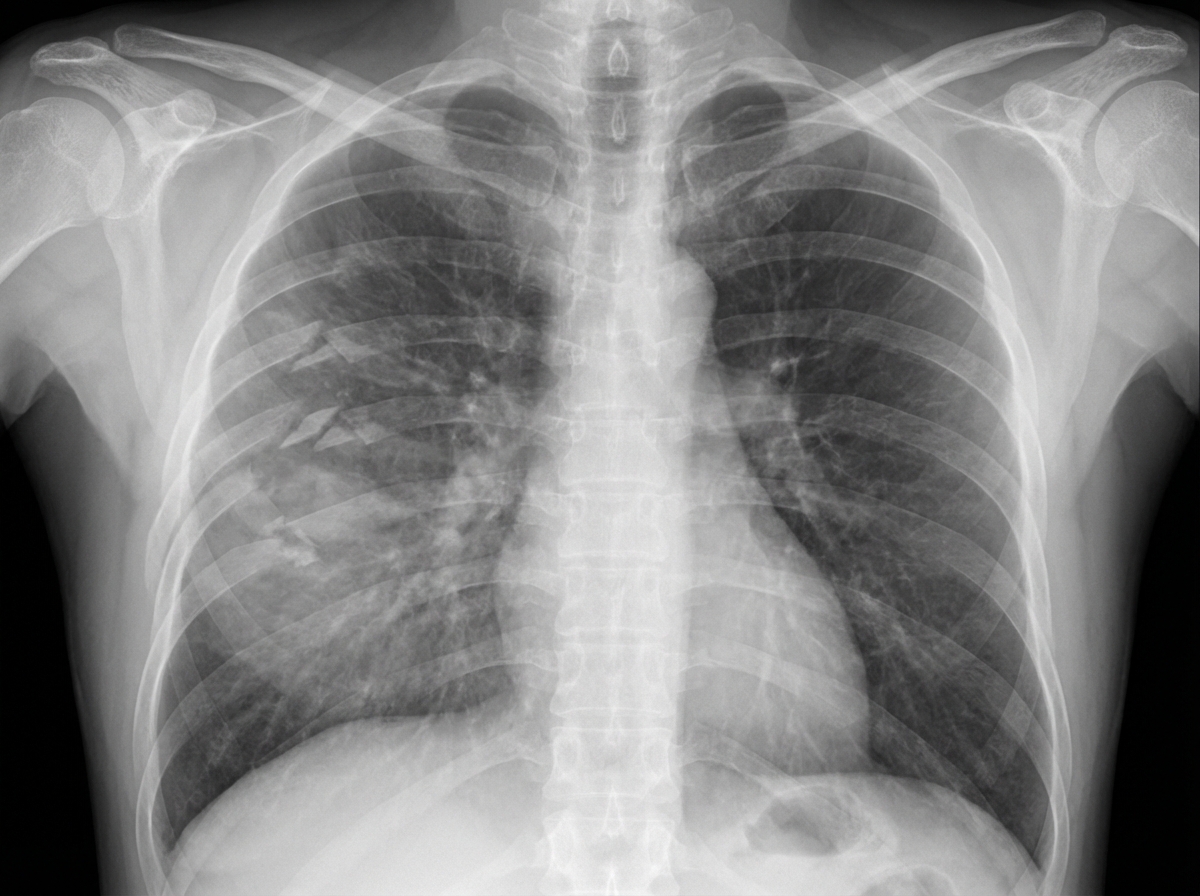
A 27-year-old man is brought to the emergency department 45 minutes after being involved in a motor vehicle collision. He is agitated. He has pain in his upper right arm, which he is cradling in his left arm. His temperature is 36.7°C (98°F), pulse is 135/min, respirations are 25/min, and blood pressure is 145/90 mm Hg. His breathing is shallow. Pulse oximetry on 100% oxygen via a non-rebreather face mask shows an oxygen saturation of 83%. He is confused and oriented only to person. Examination shows multiple bruises on the right anterior thoracic wall. The pupils are equal and reactive to light. On inspiration, his right chest wall demonstrates paradoxical inward movement while his left chest wall is expanding. There is pain to palpation and crepitus over his right anterior ribs. The remainder of the examination shows no abnormalities. An x-ray of the chest is shown. Two large-bore IVs are placed. After fluid resuscitation and analgesia, which of the following is the most appropriate next step in management?
A 15-year-old boy is brought to the emergency department one hour after sustaining an injury during football practice. He collided head-on into another player while wearing a mouthguard and helmet. Immediately after the collision he was confused but able to use appropriate words. He opened his eyes spontaneously and followed commands. There was no loss of consciousness. He also had a headache with dizziness and nausea. He is no longer confused upon arrival. He feels well. Vital signs are within normal limits. He is fully alert and oriented. His speech is organized and he is able to perform tasks demonstrating full attention, memory, and balance. Neurological examination shows no abnormalities. There is mild tenderness to palpation over the crown of his head but no signs of skin break or fracture. Which of the following is the most appropriate next step?
A 7-year-old boy presents to the pediatric emergency department for knee pain. The child fell while riding his skateboard yesterday. He claims that ever since then he has had swelling and knee pain that is severe. His parents state that he has trouble walking due to the pain. The child has a past medical history of seasonal allergies and asthma. His current medications include loratadine, albuterol, and fluticasone. His temperature is 99.5°F (37.5°C), blood pressure is 95/48 mmHg, pulse is 110/min, respirations are 17/min, and oxygen saturation is 98% on room air. On physical exam, you note a young boy laying on the stretcher in pain. Cardiopulmonary exam is within normal limits. Inspection of the patient's left knee reveals an erythematous knee that is tender and warm to the touch. Passive movement of the knee elicits pain. The patient refuses to walk so you are unable to assess his gait. Which of the following is the best initial step in management?
A 6-month-old male presents to the emergency department with his parents after his three-year-old brother hit him on the arm with a toy truck. His parents are concerned that the minor trauma caused an unusual amount of bruising. The patient has otherwise been developing well and meeting all his milestones. His parents report that he sleeps throughout the night and has just started to experiment with solid food. The patient’s older brother is in good health, but the patient’s mother reports that some members of her family have an unknown blood disorder. On physical exam, the patient is agitated and difficult to soothe. He has 2-3 inches of ecchymoses and swelling on the lateral aspect of the left forearm. The patient has a neurological exam within normal limits and pale skin with blue irises. An ophthalmologic evaluation is deferred. Which of the following is the best initial step?
A 1-minute-old newborn is being examined by the pediatric nurse. The nurse auscultates the heart and determines that the heart rate is 89/min. The respirations are spontaneous and regular. The chest and abdomen are both pink while the tips of the fingers and toes are blue. When the newborn’s foot is slapped the face grimaces and he cries loud and strong. When the arms are extended by the nurse they flex back quickly. What is this patient’s Apgar score?
A 28-year-old male presents to his primary care physician with complaints of intermittent abdominal pain and alternating bouts of constipation and diarrhea. His medical chart is not significant for any past medical problems or prior surgeries. He is not prescribed any current medications. Which of the following questions would be the most useful next question in eliciting further history from this patient?
A mother brings her 6-month-old boy to the emergency department. She reports that her son has been breathing faster than usual for the past 2 days, and she has noted occasional wheezing. She states that prior to the difficulty breathing, she noticed some clear nasal discharge for several days. The infant was born full-term, with no complications, and no significant medical history. His temperature is 100°F (37.8°C), blood pressure is 60/30 mmHg, pulse is 120/min, respirations are 40/min, and oxygen saturation is 95% on room air. Physical exam reveals expiratory wheezing, crackles diffusely, and intercostal retractions. The child is currently playing with toys. Which of the following is the most appropriate next step in management?
A 2-year-old girl is brought to the emergency department after swallowing a button battery that was lying on the table 1 hour ago. She has no shortness of breath or chest discomfort. Her pulse is 112/min and respirations are 30/min. Pulse oximetry on room air shows an oxygen saturation of 98%. Physical examination shows no abnormalities. An x-ray of the chest shows the battery lodged in the esophagus at the level of T2. Which of the following is the most appropriate next step in management?
A 5-year-old boy is brought to the emergency department by his grandmother because of difficulty breathing. Over the past two hours, the grandmother has noticed his voice getting progressively hoarser and occasionally muffled, with persistent drooling. He has not had a cough. The child recently immigrated from Africa, and the grandmother is unsure if his immunizations are up-to-date. He appears uncomfortable and is sitting up and leaning forward with his chin hyperextended. His temperature is 39.5°C (103.1°F), pulse is 110/min, and blood pressure is 90/70 mm Hg. Pulse oximetry on room air shows an oxygen saturation of 95%. Pulmonary examination shows inspiratory stridor and scattered rhonchi throughout both lung fields, along with poor air movement. Which of the following is the most appropriate next step in management?
A 2-year-old girl is brought to her pediatrician’s office with intermittent and severe stomach ache and vomiting for the last 2 days. Last week the whole family had a stomach bug involving a few days of mild fever, lack of appetite, and diarrhea but they have all made a full recovery since. This current pain is different from the type she had during infection. With the onset of pain, the child cries and kicks her legs up in the air or pulls them to her chest. The parents have also observed mucousy stools and occasional bloody stools that are bright red and mucousy. After a while, the pain subsides and she returns to her normal activity. Which of the following would be the next step in the management of this patient?
Want unlimited practice?
Get full access to all questions, explanations, and performance tracking.
Scan to download app