An 11-year-old boy is brought to the emergency department because he was found to have severe abdominal pain and vomiting in school. On presentation, he is found to be lethargic and difficult to arouse. His parents noticed that he was eating and drinking more over the last month; however, they attributed the changes to entering a growth spurt. Physical exam reveals deep and rapid breathing as well as a fruity odor on his breath. Which of the following sets of labs would most likely be seen in this patient?
Q62
A 15-month-old boy presents to his family physician after being brought in by his mother. She is concerned that her son has been sick for more than 5 days, and he is not getting better with home remedies and acetaminophen. On examination, the child has a sore throat and obvious congestion in the maxillary sinuses. His temperature is 37.6°C (99.6°F). An infection with Haemophilus influenzae is suspected, and a throat sample is taken and sent to the laboratory for testing. The child is at the lower weight-for-length percentile. His history indicates he previously had an infection with Streptococcus pneumoniae in the last 4 months, which was treated effectively with antibiotics. While waiting for the laboratory results, and assuming the child’s B and T cell levels are normal, which of the following diagnoses is the physician likely considering at this time?
Q63
A 3-year-old girl is brought to the emergency department because of chest pain for 2 hours. Eight days ago, she was admitted to the hospital for treatment of low-grade fever, malaise, and sore throat. The hospitalization was complicated by pharyngitis with pseudomembrane formation and severe cervical lymphadenopathy briefly requiring intubation. She has not received any routine childhood vaccinations. Serum studies show elevated cardiac troponins. An ECG shows diffuse T wave inversions and prolonged PR interval. Which of the following preventative measures would most likely have prevented this patient's cardiac symptoms?
Q64
A 4-year-old girl is brought to the physician because of diarrhea and vomiting for 5 days. Vaccinations are up-to-date. She appears pale and irritable. Her vital signs are within normal limits. Examination shows petechiae on her trunk and extremities. Abdominal examination shows diffuse abdominal tenderness with hyperactive bowel sounds. The remainder of the exam shows no abnormalities. Laboratory studies show:
Hemoglobin 8 g/dL
Leukocyte count 17,000/mm3
Platelet count 49,000/mm3
Serum
Creatinine 1.6 mg/dL
Lactate dehydrogenase 300 U/L
Coagulation studies are normal. A peripheral blood smear is shown. Which of the following is the most likely underlying cause of these findings?
Q65
A 9-year-old boy is brought to your office due to nausea and vomiting. He had 4 episodes of non-bloody and non-bilious emesis over the last 24 hours. He denies any diarrhea or changes in his diet; however, his best friend at school recently had viral gastroenteritis and his mother is concerned that he has the same bug. She notes that he has been drinking more water than usual and wet his bed twice over the last two weeks. He is otherwise healthy and is not taking any medications. On physical exam his temperature is 99°F (37.2°C), blood pressure is 100/70 mmHg, pulse is 112/min, respirations are 26/min, and pulse oximetry is 99% on room air. He has lost 10 pounds since his previous visit 6 months ago. There is diffuse, mild abdominal tenderness to palpation. The most likely disease process responsible for this patient's symptoms is associated with which of the following?
Q66
You are seeing a 4-year-old boy in clinic who is presenting with concern for a primary immune deficiency. He has an unremarkable birth history, but since the age of 6 months he has had recurrent otitis media, bacterial pneumonia, as well as two episodes of sinusitis, and four episodes of conjunctivitis. He has a maternal uncle who died from sepsis secondary to H. influenza pneumonia. If you drew blood work for diagnostic testing, which of the following would you expect to find?
Q67
Two months after giving birth to a boy, a 27-year-old woman comes to the physician with her infant for a well-child examination. She was not seen by a physician during her pregnancy. Physical examination of the mother and the boy shows no abnormalities. Laboratory studies show elevated titers of hepatitis B surface antigen in both the mother and the boy. Which of the following statements regarding the infant's condition is most accurate?
Q68
A 2-year-old girl is brought to the emergency department in the middle of the night because of difficulties breathing. Her parents say that the breathing noises have become progressively worse throughout the day and are mainly heard when she inhales. They say that a change in posture does not seem to have any effect on her breathing. For the last three days, she has also had a runny nose and a harsh cough. She has not had hemoptysis. The parents are worried she may have accidentally swallowed something while playing with her toys, since she tends to put small things in her mouth. Her immunizations are up-to-date. She appears lethargic, and high-pitched wheezing is heard at rest during inhalation. Her skin tone is normal. Her temperature is 38.7°C (101.7°F), pulse is 142/min, respirations are 33/min, and blood pressure is 110/70 mm Hg. Pulse oximetry on room air shows an oxygen saturation of 97%. Examination shows supraclavicular and intercostal retractions. There is diminished air movement bilaterally. An x-ray of the neck and upper chest is shown. Which of the following is the most appropriate next step in management?
Q69
A 4-year old boy is brought to the emergency department with fever, painful swallowing, headache, and neck spasm that began shortly after waking up. He has had a sore throat over the last week that acutely worsened this morning. He has no history of serious illness and takes no medications. He lives at home with his mother. His older brother has asthma. His immunizations are up-to-date. He appears acutely ill. His temperature is 38.4°C (101.2°F), pulse is 95/min, respirations are 33/min, and blood pressure is 93/60 mm Hg. Examination shows drooling. The neck is stiff and extension is limited. Respirations appear labored with accessory muscle use. Inspiratory stridor is heard on auscultation of the chest. Cardiac examination shows no abnormalities. Oropharyngeal examination shows a bulge in the posterior pharyngeal wall. Intravenous access is obtained and laboratory studies are ordered. Which of the following is the most appropriate next step in the management of this patient?
Q70
A 14-month-old African American boy is brought to the emergency department because of fever, lethargy, and lack of appetite for 6 days. The patient’s mother says he fell off the changing table 10 days ago and landed on his left side, which she says has been tender since then. His vital signs include: temperature 38.0°C (100.4°F), blood pressure 85/41 mm Hg, pulse 132/min. Physical examination reveals conjunctival pallor and reduced range of motion at the left hip. C-reactive protein (CRP) is raised. A magnetic resonance imaging (MRI) scan shows signs of infection in the medullary canal of the left femoral bone and surrounding soft tissues. Blood cultures are positive for Salmonella. Which of the following would most likely confirm the underlying diagnosis in this patient?
Infectious Disease US Medical PG Practice Questions and MCQs
Question 61: An 11-year-old boy is brought to the emergency department because he was found to have severe abdominal pain and vomiting in school. On presentation, he is found to be lethargic and difficult to arouse. His parents noticed that he was eating and drinking more over the last month; however, they attributed the changes to entering a growth spurt. Physical exam reveals deep and rapid breathing as well as a fruity odor on his breath. Which of the following sets of labs would most likely be seen in this patient?
A. Glucose: 90 mg/dL, pH: 7.4, Bicarbonate: 24 mEq/L
B. Glucose: 300 mg/dL, pH: 7.4, Bicarbonate: 24 mEq/L
C. Glucose: 90 mg/dL, pH: 7.2, Bicarbonate: 10 mEq/L
D. Glucose: 300 mg/dL, pH: 7.4, Bicarbonate: 10 mEq/L
Explanation: ***Glucose: 300 mg/dL, pH: 7.2, Bicarbonate: 10 mEq/L***
- The patient's symptoms (polydipsia, polyphagia, lethargy, abdominal pain, vomiting, deep and rapid breathing, fruity breath) are classic for **Diabetic Ketoacidosis (DKA)**, which involves **hyperglycemia**, **metabolic acidosis** (low pH and bicarbonate), and **ketone production**.
- A glucose level of 300 mg/dL indicates significant hyperglycemia, a pH of 7.2 shows acidosis, and a bicarbonate of 10 mEq/L confirms the metabolic component of DKA.
*Glucose: 90 mg/dL, pH: 7.4, Bicarbonate: 24 mEq/L*
- These values represent normal glucose, pH, and bicarbonate levels, which are entirely inconsistent with the patient's severe symptoms of **DKA** and metabolic derangement.
- A glucose of 90 mg/dL is within the normal range, and a pH of 7.4 with a bicarbonate of 24 mEq/L indicates a normal acid-base balance.
*Glucose: 300 mg/dL, pH: 7.4, Bicarbonate: 24 mEq/L*
- While a glucose of 300 mg/dL indicates hyperglycemia, the normal pH and bicarbonate levels (7.4 and 24 mEq/L respectively) do not align with the **metabolic acidosis** characteristic of DKA.
- The patient's presentation with **Kussmaul breathing** and fruity breath are strong indicators of acidosis, which is absent in these lab values.
*Glucose: 90 mg/dL, pH: 7.2, Bicarbonate: 10 mEq/L*
- Although the low pH and bicarbonate suggest **metabolic acidosis**, the normal glucose level of 90 mg/dL rules out **hyperglycemia**, which is a prerequisite for a diagnosis of DKA.
- The combination of severe acidosis and normal glucose is indicative of other causes of metabolic acidosis, but not DKA.
*Glucose: 300 mg/dL, pH: 7.4, Bicarbonate: 10 mEq/L*
- This set of labs shows hyperglycemia (glucose 300 mg/dL) and low bicarbonate, but the **normal pH (7.4)** is inconsistent with the severe metabolic acidosis expected in DKA, especially given the patient's symptoms like Kussmaul breathing.
- A patient with significant bicarbonate depletion (10 mEq/L) due to DKA would typically have a significantly lower, acidotic pH.
Question 62: A 15-month-old boy presents to his family physician after being brought in by his mother. She is concerned that her son has been sick for more than 5 days, and he is not getting better with home remedies and acetaminophen. On examination, the child has a sore throat and obvious congestion in the maxillary sinuses. His temperature is 37.6°C (99.6°F). An infection with Haemophilus influenzae is suspected, and a throat sample is taken and sent to the laboratory for testing. The child is at the lower weight-for-length percentile. His history indicates he previously had an infection with Streptococcus pneumoniae in the last 4 months, which was treated effectively with antibiotics. While waiting for the laboratory results, and assuming the child’s B and T cell levels are normal, which of the following diagnoses is the physician likely considering at this time?
A. C7 deficiency
B. Bruton agammaglobulinemia
C. Job syndrome (hyper IgE syndrome)
D. Chédiak-Higashi syndrome
E. Hyper-IgM syndrome (Correct Answer)
Explanation: ***Hyper-IgM syndrome***
* **Hyper-IgM syndrome** is characterized by normal or increased IgM levels but decreased IgG, IgA, and IgE, leading to recurrent infections with **encapsulated bacteria** like *Haemophilus influenzae* and *Streptococcus pneumoniae*.
* The child's history of recurrent infections, especially with *S. pneumoniae* and suspected *H. influenzae*, points towards an inability to class-switch antibodies, a hallmark of hyper-IgM syndrome.
*C7 deficiency*
* C7 deficiency is a **complement deficiency** primarily associated with recurrent infections by **Neisseria species**, particularly meningococcal infections.
* The clinical presentation does not suggest an increased susceptibility to *Haemophilus influenzae* or *Streptococcus pneumoniae* related to complement defects.
*Bruton agammaglobulinemia*
* **Bruton agammaglobulinemia** is characterized by the absence of B cells and very low levels of all immunoglobulin classes.
* The question states that the child's **B cell levels are normal**, ruling out this diagnosis.
*Job syndrome (hyper IgE syndrome)*
* **Job syndrome (hyper IgE syndrome)** presents with recurrent skin abscesses, eczema, coarse facial features, and dental abnormalities, often with elevated IgE levels.
* The child's symptoms of recurrent sinusitis and pharyngitis, without the characteristic skin or skeletal findings, do not align with Job syndrome.
*Chédiak-Higashi syndrome*
* **Chédiak-Higashi syndrome** is a rare autosomal recessive disorder characterized by recurrent pyogenic infections, partial albinism, and neurologic abnormalities due to defective lysosomal trafficking.
* The absence of **partial albinism** or neurological symptoms makes this diagnosis unlikely, and the recurrent infections in this case are more specific to bacterial over viral or fungal.
Question 63: A 3-year-old girl is brought to the emergency department because of chest pain for 2 hours. Eight days ago, she was admitted to the hospital for treatment of low-grade fever, malaise, and sore throat. The hospitalization was complicated by pharyngitis with pseudomembrane formation and severe cervical lymphadenopathy briefly requiring intubation. She has not received any routine childhood vaccinations. Serum studies show elevated cardiac troponins. An ECG shows diffuse T wave inversions and prolonged PR interval. Which of the following preventative measures would most likely have prevented this patient's cardiac symptoms?
A. Antibiotic that binds to penicillin-binding protein 3
B. Salicylate that inhibits prostaglandin synthesis
C. Electrolyte that reduces cardiomyocyte excitability
D. Immunoglobulin that targets circulating proteins
E. Denatured bacterial toxin that contains an intact receptor binding site (Correct Answer)
Explanation: ***Denatured bacterial toxin that contains an intact receptor binding site***
- This describes a **toxoid vaccine**, specifically the **diphtheria toxoid vaccine**. The patient's initial symptoms (low-grade fever, malaise, sore throat, pseudomembrane formation, lymphadenopathy, intubation) are classic for **diphtheria**, a disease caused by *Corynebacterium diphtheriae*.
- Diphtheria toxin can cause **myocarditis**, leading to elevated **cardiac troponins**, diffuse T wave inversions, and prolonged PR interval as seen in this patient. Vaccination with the diphtheria toxoid would have prevented the disease and its cardiac complications.
*Antibiotic that binds to penicillin-binding protein 3*
- This describes a **third-generation cephalosporin** (e.g., ceftazidime, ceftriaxone) or other beta-lactam antibiotics. While these antibiotics can treat bacterial infections, they are not typically the primary prevention for diphtheria.
- The focus of prevention for diphtheria is vaccination due to the profound systemic effects of the **diphtheria toxin**, which treatment with antibiotics alone cannot counteract once the toxin is circulating.
*Salicylate that inhibits prostaglandin synthesis*
- This describes **aspirin (acetylsalicylic acid)**, a non-steroidal anti-inflammatory drug (NSAID). Aspirin is used to manage pain, fever, and inflammation.
- While it could alleviate some symptoms, it does not prevent the underlying cardiac complications of diphtheria, which are caused by the direct toxic effects on the myocardium, not primarily by inflammation responsive to prostaglandin inhibition.
*Electrolyte that reduces cardiomyocyte excitability*
- This likely refers to **calcium** or **magnesium** administered to stabilize cardiac membranes in certain toxicities or arrhythmias. For example, calcium can be given for hyperkalemia or calcium channel blocker overdose.
- This would be a treatment for acute cardiac symptoms, not a preventative measure against the diphtheria toxin's effects on the heart.
*Immunoglobulin that targets circulating proteins*
- This refers to **diphtheria antitoxin (DAT)**, which consists of antibodies (immunoglobulins) that bind to and neutralize circulating diphtheria toxin.
- While DAT would be administered as a treatment for active diphtheria infection to mitigate toxin effects, it is not a prophylactic measure given at the time of previous admission to *prevent* the cardiac symptoms in the long term; vaccination is the preventative approach.
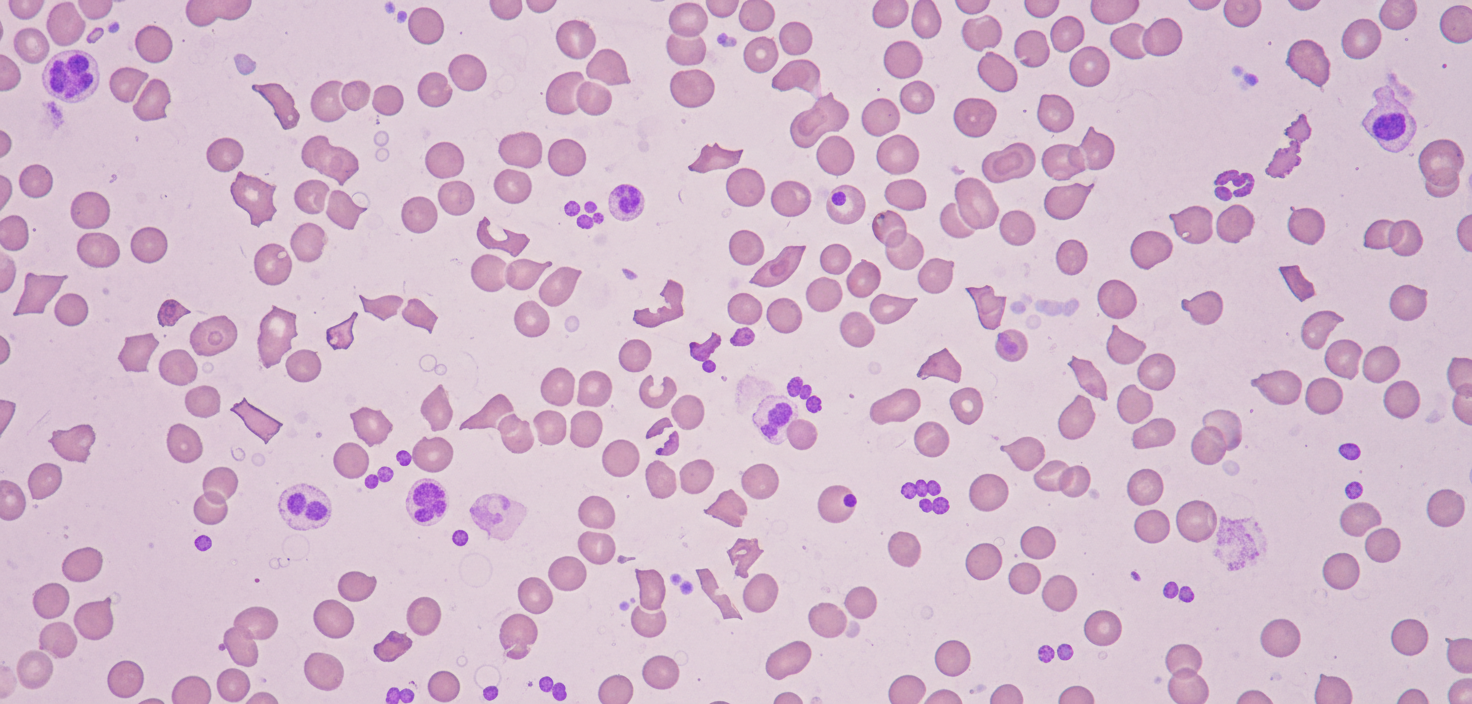
Question 64: A 4-year-old girl is brought to the physician because of diarrhea and vomiting for 5 days. Vaccinations are up-to-date. She appears pale and irritable. Her vital signs are within normal limits. Examination shows petechiae on her trunk and extremities. Abdominal examination shows diffuse abdominal tenderness with hyperactive bowel sounds. The remainder of the exam shows no abnormalities. Laboratory studies show:
Hemoglobin 8 g/dL
Leukocyte count 17,000/mm3
Platelet count 49,000/mm3
Serum
Creatinine 1.6 mg/dL
Lactate dehydrogenase 300 U/L
Coagulation studies are normal. A peripheral blood smear is shown. Which of the following is the most likely underlying cause of these findings?
A. Parvovirus B19 infection
B. Disseminated intravascular coagulation
C. Acute lymphocytic leukemia
D. Immune thrombocytopenic purpura
E. Escherichia coli infection (Correct Answer)
Explanation: ***Escherichia coli infection***
- The constellation of **diarrhea, vomiting, hemolytic anemia, thrombocytopenia, and acute kidney injury** (elevated creatinine) is characteristic of **hemolytic uremic syndrome (HUS)**, which is most often caused by **Shiga toxin-producing *E. coli*** (STEC), particularly O157:H7.
- The peripheral blood smear showing **schistocytes** (fragmented red blood cells) further supports the diagnosis of microangiopathic hemolytic anemia seen in HUS.
*Parvovirus B19 infection*
- Parvovirus B19 primarily causes **transient aplastic crisis** in individuals with underlying hemolytic disorders or fifth disease (erythema infectiosum) with a "slapped cheek" rash, not typically **hemolytic uremic syndrome**.
- While it can cause anemia, it does not typically lead to the **combination of thrombocytopenia and acute kidney injury** seen in this patient.
*Disseminated intravascular coagulation*
- DIC would present with **abnormal coagulation studies** (prolonged PT/aPTT, decreased fibrinogen, elevated D-dimer), which are explicitly stated as normal in this case.
- Although it involves microangiopathic hemolysis and thrombocytopenia, the normal coagulation profile makes DIC unlikely.
*Acute lymphocytic leukemia*
- ALL typically presents with **pancytopenia** or various cytopenias, but the primary features are often **blast cells** on the peripheral smear and bone marrow biopsy, along with frequent **lymphadenopathy, hepatosplenomegaly**, and constitutional symptoms, which are not described.
- It does not primarily cause **acute kidney injury** or the specific combination of hemolytic anemia and thrombocytopenia seen in HUS.
*Immune thrombocytopenic purpura*
- ITP is characterized by **isolated thrombocytopenia** with otherwise normal blood counts and morphology. Hemolytic anemia and renal failure are not features of ITP.
- The presence of **schistocytes and hemolytic anemia** rules out ITP as the primary diagnosis.
Question 65: A 9-year-old boy is brought to your office due to nausea and vomiting. He had 4 episodes of non-bloody and non-bilious emesis over the last 24 hours. He denies any diarrhea or changes in his diet; however, his best friend at school recently had viral gastroenteritis and his mother is concerned that he has the same bug. She notes that he has been drinking more water than usual and wet his bed twice over the last two weeks. He is otherwise healthy and is not taking any medications. On physical exam his temperature is 99°F (37.2°C), blood pressure is 100/70 mmHg, pulse is 112/min, respirations are 26/min, and pulse oximetry is 99% on room air. He has lost 10 pounds since his previous visit 6 months ago. There is diffuse, mild abdominal tenderness to palpation. The most likely disease process responsible for this patient's symptoms is associated with which of the following?
A. HLA-B8
B. No association with HLA system
C. HLA-DR2
D. HLA-DR5
E. HLA-DR3 (Correct Answer)
Explanation: ***HLA-DR3***
- This patient's symptoms (nausea, vomiting, polydipsia, nocturia/enuresis, weight loss, tachypnea, abdominal tenderness) are highly suggestive of **new-onset Type 1 Diabetes Mellitus (T1DM)** with potential **diabetic ketoacidosis (DKA)**.
- T1DM has the **strongest genetic association** with **HLA-DR3** and **HLA-DR4** alleles, which are found in approximately 90% of patients with T1DM.
- The HLA-DR3/DR4 heterozygous genotype confers the highest risk for developing T1DM.
*HLA-B8*
- While **HLA-B8** is in linkage disequilibrium with HLA-DR3 and can be found in patients with T1DM, it is **not the primary susceptibility marker**.
- The question asks for the disease association, and **HLA-DR3 and HLA-DR4 are the direct primary markers** for T1DM, making HLA-DR3 the best answer.
- HLA-B8 is also associated with other autoimmune conditions like celiac disease and myasthenia gravis.
*No association with HLA system*
- This is **incorrect** - Type 1 Diabetes Mellitus has one of the **strongest and most well-established HLA associations** among autoimmune diseases.
- The genetic component accounts for approximately 50% of disease susceptibility, with HLA genes contributing the majority of this genetic risk.
*HLA-DR2*
- **HLA-DR2** (particularly DRB1*15:01-DQB1*06:02) is actually a **protective allele** that decreases the risk of developing T1DM.
- Its presence is negatively associated with disease development and is rarely found in patients with T1DM.
*HLA-DR5*
- **HLA-DR5** is **not a primary genetic marker** for Type 1 Diabetes Mellitus susceptibility.
- The dominant susceptibility alleles remain HLA-DR3 and HLA-DR4, which have the strongest evidence-based associations.
Question 66: You are seeing a 4-year-old boy in clinic who is presenting with concern for a primary immune deficiency. He has an unremarkable birth history, but since the age of 6 months he has had recurrent otitis media, bacterial pneumonia, as well as two episodes of sinusitis, and four episodes of conjunctivitis. He has a maternal uncle who died from sepsis secondary to H. influenza pneumonia. If you drew blood work for diagnostic testing, which of the following would you expect to find?
A. Abnormally low number of T cells
B. Abnormally high number of B cells
C. Elevated immunoglobulin levels
D. Abnormally low number of B cells (Correct Answer)
E. Abnormally high number of T cells
Explanation: ***Abnormally low number of B cells***
- The recurrent bacterial infections (otitis media, pneumonia, sinusitis, conjunctivitis) and the family history of death from *H. influenza* pneumonia suggest a **primary B-cell immunodeficiency**, such as **X-linked agammaglobulinemia (XLA)**.
- In XLA, there is a block in B-cell development, leading to a profound absence of mature B cells and immunoglobulins.
*Abnormally low number of T cells*
- This would point towards a **T-cell immunodeficiency** or a **combined immunodeficiency**, typically presenting with opportunistic infections, viral, or fungal infections, rather than predominantly bacterial infections.
- Examples include **Severe Combined Immunodeficiency (SCID)**, which often presents earlier and more severely.
*Abnormally high number of B cells*
- This is not characteristic of a primary immunodeficiency with recurrent bacterial infections; rather, it might be seen in certain autoimmune conditions or lymphoproliferative disorders.
- **High B cell counts** generally imply a functioning humoral immune system, which contradicts the infectious history.
*Elevated immunoglobulin levels*
- This finding would generally indicate a **functioning humoral immune response**, possibly due to chronic infection or an inflammatory process, but not a primary B-cell immunodeficiency causing recurrent bacterial infections.
- In conditions like **Common Variable Immunodeficiency (CVID)**, some immunoglobulin levels might be normal, but often key classes (like IgG, IgA, or IgM) are low.
*Abnormally high number of T cells*
- This finding is generally not associated with the pattern of recurrent bacterial infections described, which strongly points to a **humoral (antibody) deficiency**.
- **Elevated T cells** could be seen in some autoimmune conditions or certain viral infections, but not typically in a primary immunodeficiency characterized by recurrent bacterial infections.
Question 67: Two months after giving birth to a boy, a 27-year-old woman comes to the physician with her infant for a well-child examination. She was not seen by a physician during her pregnancy. Physical examination of the mother and the boy shows no abnormalities. Laboratory studies show elevated titers of hepatitis B surface antigen in both the mother and the boy. Which of the following statements regarding the infant's condition is most accurate?
A. Hepatitis B e antigen titer is likely undetectable
B. Chronic infection is unlikely
C. Lifetime risk of hepatocellular carcinoma is low
D. Significant elevation of transaminases is not expected (Correct Answer)
E. The viral replication rate is low
Explanation: **Significant elevation of transaminases is not expected**
- Infants infected with HBV vertically are often **immunologically tolerant** to the virus, leading to low or normal levels of **alanine aminotransferase (ALT)** and **aspartate aminotransferase (AST)** despite high viral loads.
- This **immune tolerance** means their immune system does not actively attack infected hepatocytes, preventing inflammation and liver damage in the early stages.
*Hepatitis B e antigen titer is likely undetectable*
- In infants with **vertical transmission** of HBV, especially when not treated, the **HBeAg titer** is typically **HIGH** and detectable, indicating active viral replication.
- A detectable HBeAg in this scenario signifies a **highly infectious state** and is a marker of high viral load.
*Chronic infection is unlikely*
- Perinatal transmission of HBV has a very high — 70-90% — likelihood of leading to **chronic HBV infection** if the infant is not properly immunized at birth.
- The presence of **HBsAg in both mother and child** and lack of prenatal care strongly suggest chronic infection in the infant.
*Lifetime risk of hepatocellular carcinoma is low*
- Infants who acquire HBV perinatally and develop **chronic infection** have a significantly **increased lifetime risk** of developing **cirrhosis** and **hepatocellular carcinoma (HCC)**.
- The immune tolerance and persistent viral replication in early life contribute to long-term liver disease progression.
*The viral replication rate is low*
- In infants with vertically transmitted HBV who are in the **immune-tolerant phase**, the **viral replication rate is high**, often characterized by very high HBV DNA levels.
- This high replication without significant immune response is why they are often asymptomatic but highly infectious.
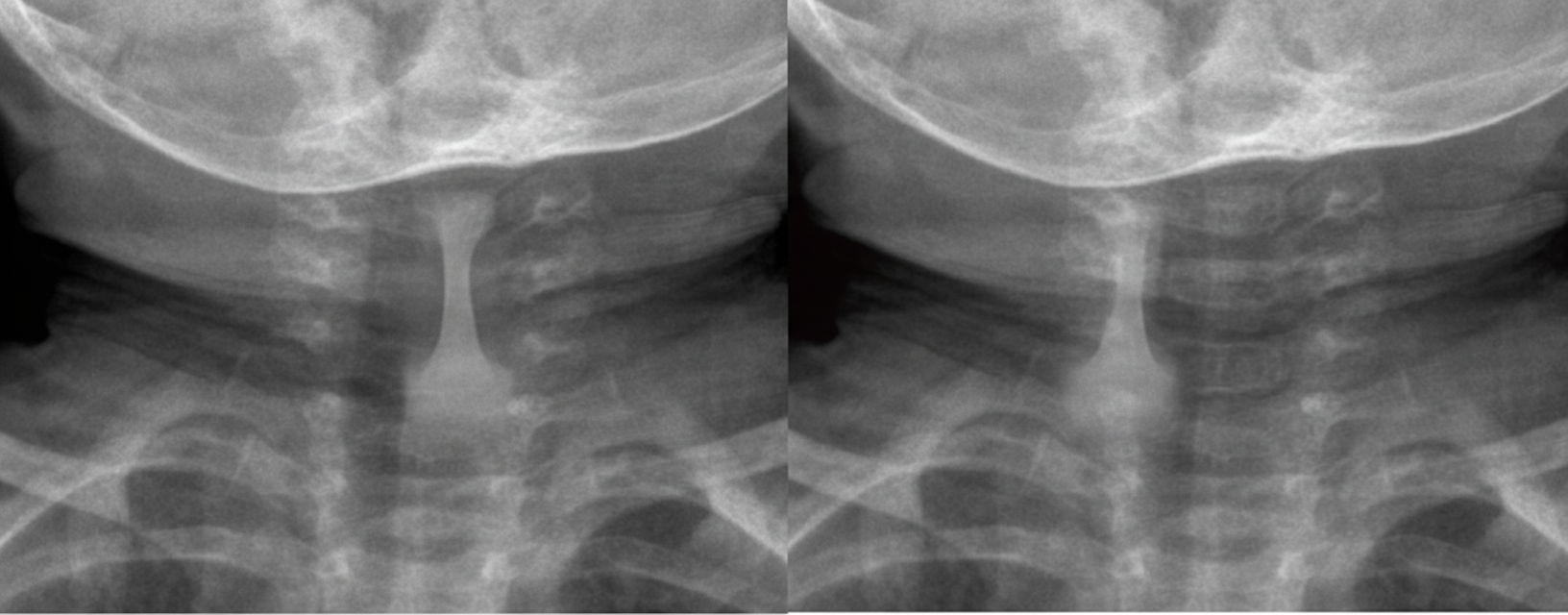
Question 68: A 2-year-old girl is brought to the emergency department in the middle of the night because of difficulties breathing. Her parents say that the breathing noises have become progressively worse throughout the day and are mainly heard when she inhales. They say that a change in posture does not seem to have any effect on her breathing. For the last three days, she has also had a runny nose and a harsh cough. She has not had hemoptysis. The parents are worried she may have accidentally swallowed something while playing with her toys, since she tends to put small things in her mouth. Her immunizations are up-to-date. She appears lethargic, and high-pitched wheezing is heard at rest during inhalation. Her skin tone is normal. Her temperature is 38.7°C (101.7°F), pulse is 142/min, respirations are 33/min, and blood pressure is 110/70 mm Hg. Pulse oximetry on room air shows an oxygen saturation of 97%. Examination shows supraclavicular and intercostal retractions. There is diminished air movement bilaterally. An x-ray of the neck and upper chest is shown. Which of the following is the most appropriate next step in management?
A. Nebulized epinephrine (Correct Answer)
B. Nebulized glucocorticoids
C. Reassurance
D. Albuterol and ipratropium inhaler
E. Noninvasive ventilation
Explanation: ***Nebulized epinephrine***
- This child has **moderate-to-severe croup** (laryngotracheobronchitis) with stridor at rest, retractions, and respiratory distress
- Nebulized **racemic or L-epinephrine** is indicated for moderate-to-severe croup as it causes **vasoconstriction of the subglottic mucosa**, rapidly reducing airway edema
- Provides **rapid but temporary relief** (30 minutes to 2 hours), improving inspiratory stridor and work of breathing
- Should be combined with **systemic corticosteroids** (dexamethasone) and the child requires **observation for 2-4 hours** after administration due to potential rebound symptoms
*Nebulized glucocorticoids*
- **Nebulized corticosteroids are not standard treatment for croup** - systemic corticosteroids (dexamethasone PO/IM, prednisolone PO) are the evidence-based approach
- **Systemic dexamethasone** would actually be appropriate and should be given alongside nebulized epinephrine in this severe case
- The nebulized route for steroids lacks strong evidence in croup management compared to systemic administration
*Reassurance*
- This child has **severe croup** with stridor at rest, significant retractions, and lethargy requiring immediate intervention
- Reassurance alone is inappropriate for moderate-to-severe croup and could lead to **progressive airway obstruction**
- Mild croup without stridor at rest might be managed with observation and dexamethasone alone
*Albuterol and ipratropium inhaler*
- These bronchodilators are used for **lower airway obstruction** (asthma, bronchiolitis) causing expiratory wheezing
- Croup causes **upper airway obstruction** at the subglottic level with inspiratory stridor
- Bronchodilators do not address **mucosal edema** in the larynx and trachea
*Noninvasive ventilation*
- Not indicated as first-line management for croup
- This child has adequate oxygenation (SpO2 97%) and does not show signs of **impending respiratory failure**
- If nebulized epinephrine and corticosteroids fail, **intubation** (not NIV) would be considered for complete airway obstruction
Question 69: A 4-year old boy is brought to the emergency department with fever, painful swallowing, headache, and neck spasm that began shortly after waking up. He has had a sore throat over the last week that acutely worsened this morning. He has no history of serious illness and takes no medications. He lives at home with his mother. His older brother has asthma. His immunizations are up-to-date. He appears acutely ill. His temperature is 38.4°C (101.2°F), pulse is 95/min, respirations are 33/min, and blood pressure is 93/60 mm Hg. Examination shows drooling. The neck is stiff and extension is limited. Respirations appear labored with accessory muscle use. Inspiratory stridor is heard on auscultation of the chest. Cardiac examination shows no abnormalities. Oropharyngeal examination shows a bulge in the posterior pharyngeal wall. Intravenous access is obtained and laboratory studies are ordered. Which of the following is the most appropriate next step in the management of this patient?
A. Nebulized albuterol
B. Endotracheal intubation (Correct Answer)
C. IV antibiotics
D. Blood cultures
E. IV corticosteroids
Explanation: ***Endotracheal intubation***
- This patient presents with signs of **acute airway obstruction** (stridor, labored breathing, accessory muscle use, drooling, neck spasm, pharyngeal bulge), indicating a rapidly deteriorating condition requiring immediate airway securement.
- While other interventions are often necessary, ensuring a patent airway takes **priority** to prevent respiratory arrest in conditions like **retropharyngeal abscess** or **epiglottitis**.
*Nebulized albuterol*
- This is used for **bronchoconstriction** (e.g., asthma, bronchiolitis), which is not the primary problem here, as the stridor suggests an **upper airway obstruction**.
- It would not address the mechanical obstruction suggested by the pharyngeal bulge and neck stiffness.
*IV antibiotics*
- Antibiotics are crucial for treating the underlying **bacterial infection** (e.g., retropharyngeal abscess), but they do not immediately resolve acute airway compromise.
- Airway management must precede or be concurrent with antibiotic administration due to the **time-sensitive nature** of respiratory distress.
*Blood cultures*
- Blood cultures are important for identifying the causative organism and guiding antibiotic therapy in severe infections, but they are a **diagnostic test** not an immediate life-saving intervention.
- Obtaining cultures should not delay urgent airway management in a patient with impending respiratory failure.
*IV corticosteroids*
- Corticosteroids can reduce inflammation and swelling, which may be beneficial in some upper airway conditions (e.g., viral laryngotracheitis), but they do not provide **immediate relief** of severe mechanical obstruction.
- Their effect is not rapid enough to address acute, severe airway compromise, and intubation remains the priority.
Question 70: A 14-month-old African American boy is brought to the emergency department because of fever, lethargy, and lack of appetite for 6 days. The patient’s mother says he fell off the changing table 10 days ago and landed on his left side, which she says has been tender since then. His vital signs include: temperature 38.0°C (100.4°F), blood pressure 85/41 mm Hg, pulse 132/min. Physical examination reveals conjunctival pallor and reduced range of motion at the left hip. C-reactive protein (CRP) is raised. A magnetic resonance imaging (MRI) scan shows signs of infection in the medullary canal of the left femoral bone and surrounding soft tissues. Blood cultures are positive for Salmonella. Which of the following would most likely confirm the underlying diagnosis in this patient?
A. Hemoglobin electrophoresis (Correct Answer)
B. Antinuclear antibodies
C. Iron studies
D. Peripheral blood smear
E. Full blood count
Explanation: ***Hemoglobin electrophoresis***
- The presence of **Salmonella osteomyelitis** in an African American child should raise suspicion for **sickle cell disease**, as these patients are particularly susceptible to Salmonella infections due to splenic dysfunction.
- **Hemoglobin electrophoresis** is the definitive test to diagnose sickle cell disease by identifying abnormal hemoglobin S.
*Antinuclear antibodies*
- **Antinuclear antibodies (ANA)** are primarily used to screen for **autoimmune diseases** such as systemic lupus erythematosus, which is not indicated by the patient's presentation.
- While autoimmune conditions can affect bone, the specific context of Salmonella osteomyelitis points to a different underlying predisposition.
*Iron studies*
- **Iron studies** measure iron levels, total iron-binding capacity, and ferritin, primarily used to diagnose **anemia** or **hemochromatosis**.
- Although the patient has conjunctival pallor, suggesting anemia, iron studies would not explain the susceptibility to Salmonella osteomyelitis.
*Peripheral blood smear*
- A **peripheral blood smear** can show general abnormalities in red blood cells, white blood cells, and platelets, including **sickled cells**.
- While it might provide clues, an abnormal smear alone is not **diagnostic for sickle cell disease** and would require further confirmation with hemoglobin electrophoresis.
*Full blood count*
- A **full blood count (FBC)** provides information on red blood cell count, hemoglobin, hematocrit, white blood cell count, and platelet count.
- It would confirm **anemia** (consistent with conjunctival pallor) and possibly **leukocytosis** (due to infection), but it does not diagnose the **underlying cause** of susceptibility to Salmonella osteomyelitis.