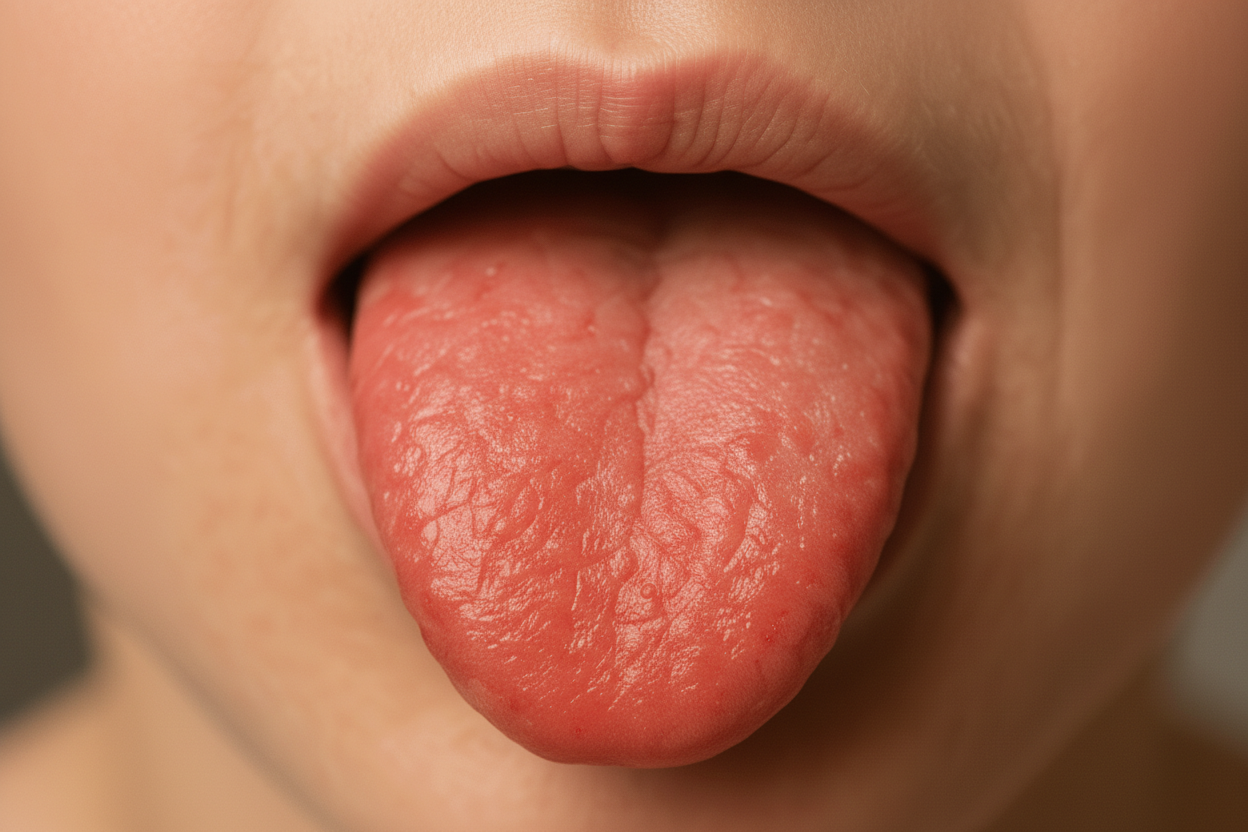
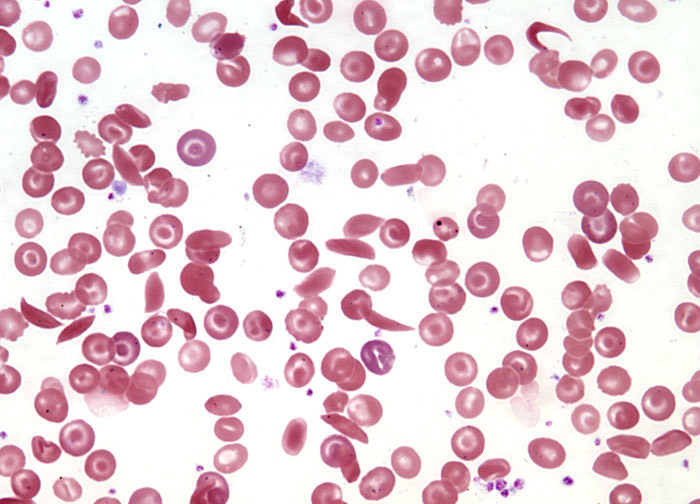
A 3-year-old boy is brought to the family physician by his parents. They are concerned that he has had multiple nosebleeds in the last 6 months and is always sick compared to other children. During this time period they have also noticed the formation of multiple bruises on his extremities and dry-itching skin on his hands, feet and elbow. On physical exam the physician notes moderate splenomegaly. What is the most likely diagnosis in this child?
Q132
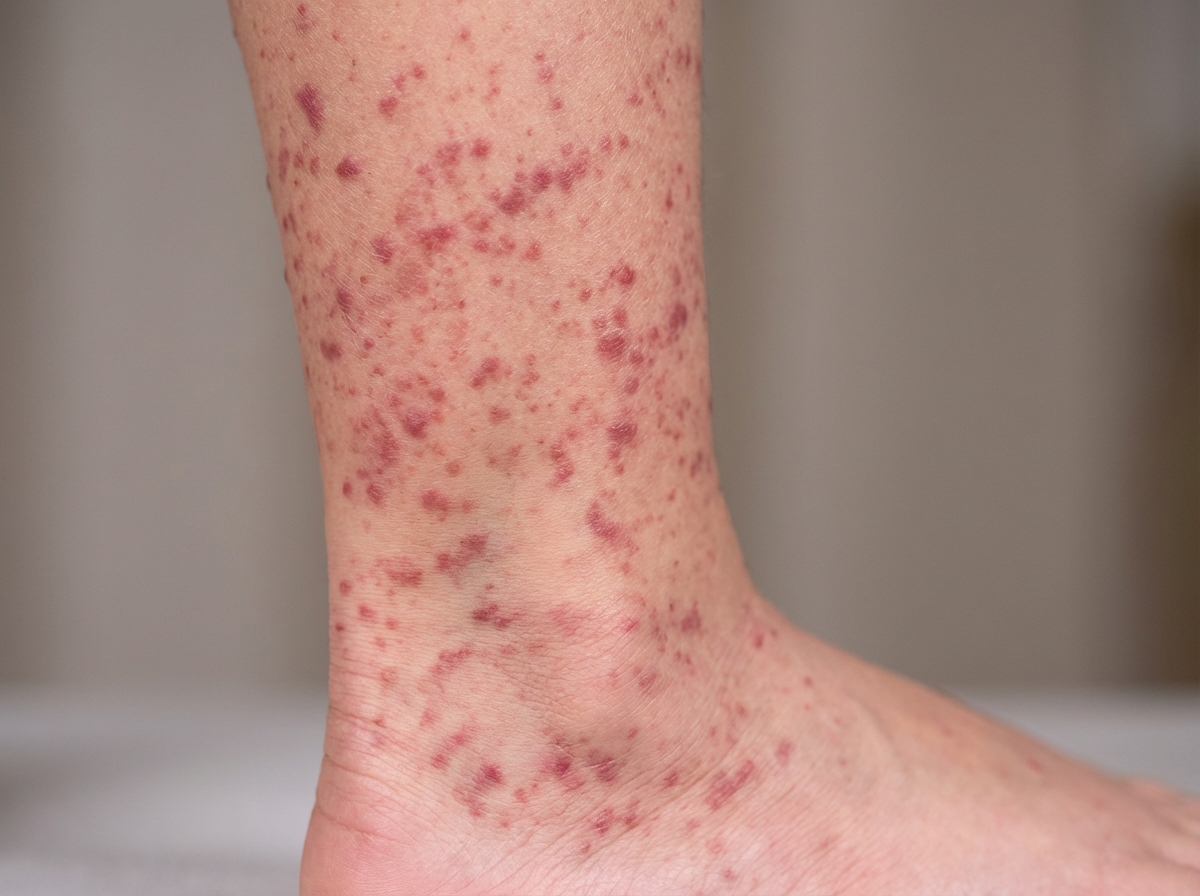
A 5-year-old boy is brought to the physician by his parents because of a 4-day history of arthralgias, abdominal pain, and lesions on his arms and legs. Ten days ago, he had an upper respiratory tract infection. A photograph of one of his legs is shown. Further evaluation is most likely to show which of the following?
Q133
A 4-year-old boy presents with a history of recurrent bacterial infections, including several episodes of pneumococcal sepsis. His 2 maternal uncles died after having had similar complaints. Lab investigations reveal an undetectable level of all serum immunoglobulins. Which of the following is the most likely diagnosis of this patient?
Q134
A 3-year-old boy is brought to the physician for presurgical evaluation before undergoing splenectomy. One year ago, he was diagnosed with hereditary spherocytosis and has received 6 blood transfusions for severe anemia since then. His only medication is a folate supplement. Immunizations are up-to-date. His temperature is 36.7°C (98°F), pulse is 115/min, respirations are 24/min, and blood pressure is 110/60 mm Hg. Examination shows conjunctival pallor and jaundice. The spleen tip is palpated 5 cm below the left costal margin. Which of the following is the most appropriate recommendation to prevent future morbidity and mortality in this patient?
Q135
A previously healthy 4-year-old boy is brought to the physician because of blisters and redness on his neck and chest for 2 days. He has also had a fever. He is lethargic and has not eaten well since the rash appeared. He has not had coughing, wheezing, or dysuria. He is an only child and there is no family history of serious illness. His immunizations are up-to-date. His temperature is 38.9°C (102°F), pulse is 90/min, and blood pressure is 80/40 mm Hg. Examination shows flaccid blisters over his neck and trunk that rupture easily. Areas of erythematous moist skin are also noted. Twirling an eraser over the trunk results in a blister. Oropharyngeal examination is normal. Laboratory studies show:
Hemoglobin 12 g/dL
Leukocyte count 22,000/mm3
Segmented neutrophils 77%
Eosinophils 3%
Lymphocytes 18%
Monocytes 2%
Erythrocyte sedimentation rate 60 mm/h
Urinalysis is normal. Which of the following is the most likely diagnosis?
Q136
A previously healthy 1-year-old boy is brought to the emergency department because of irritability and fever for 2 days. His symptoms began shortly after returning from a family trip to Canada. He was born at term. His immunizations are up-to-date. His 6-year-old brother is healthy and there is no family history of serious illness. The boy appears weak and lethargic. He is at the 50th percentile for height and 75th percentile for weight. His temperature is 39.2°C (102.5°F), pulse is 110/min, respirations are 28/min, and blood pressure is 92/55 mm Hg. Physical examination shows several purple spots over the trunk and extremities that are 1 mm in diameter. Capillary refill time is 4 seconds. The remainder of the examination shows no abnormalities. His hemoglobin concentration is 12 g/dL, leukocyte count is 19,000/mm3, and platelet count is 225,000/mm3. A lumbar puncture is done; cerebrospinal fluid (CSF) analysis shows abundant segmented neutrophils, decreased glucose concentration, and an increased protein concentration. Which of the following is the most appropriate next step in management?
Q137
A 10-year-old girl with a rash is brought to the clinic by her mother. The patient’s mother says that the onset of the rash occurred 2 days ago. The rash was itchy, red, and initially localized to the cheeks with circumoral pallor, and it gradually spread to the arms and trunk. The patient’s mother also says her daughter had been reporting a high fever of 39.4°C (102.9°F), headaches, myalgia, and flu-like symptoms about a week ago, which resolved in 2 days with acetaminophen. The patient has no significant past medical history. Her vital signs include: temperature 37.0°C (98.6°F), pulse 90/min, blood pressure 125/85 mm Hg, respiratory rate 20/min. Physical examination shows a symmetric erythematous maculopapular rash on both cheeks with circumoral pallor, which extends to the patient’s trunk, arms, and buttocks. The remainder of the exam is unremarkable. Laboratory findings are significant for a leukocyte count of 7,100/mm3 and platelet count of 325,000/mm3. Which of the following is the next best step in the management of this patient?
Q138
An 11-year-old boy presents to the emergency department with heavy drooling. The patient was being watched by his babysitter when she found him in this manner. His temperature is 99.1°F (37.3°C), blood pressure is 107/58 mmHg, pulse is 119/min, respirations are 14/min, and oxygen saturation is 98% on room air. Physical exam is notable for a young boy in acute distress who is drooling. The boy states he is in pain and can’t swallow. The patient’s tongue seems abnormally enlarged and erythematous. Which of the following is the most likely diagnosis?
Q139
A 7-year-old girl is brought to her pediatrician complaining of painful urination over the last 5 days. She describes it as a burning and itching when she uses the bathroom and has never had a feeling like this before. She was born at 39 weeks gestation via spontaneous vaginal delivery. She is up to date on all vaccines and is meeting all developmental milestones. Detailed history reveals that the parents have observed significant behavior changes in their daughter over the last 6 months such as social withdrawal and increased fearfulness. They have not identified a cause for these sudden behavioral changes. The pediatrician performs a complete physical examination. Upon genital examination, the girl becomes very nervous and begins to cry. After an examination of the vagina, the physician is concerned about a sexually transmitted disease. She orders testing and connects the family to child protective services for further investigation and counseling. Which of the following findings on physical examination of the vaginal region justifies the pediatrician’s suspicion?
Q140
A 15-month-old girl is brought to the emergency department shortly after a 2-minute episode of rhythmic eye blinking and uncontrolled shaking of all limbs. She was unresponsive during the episode. For the past few days, the girl has had a fever and mild nasal congestion. Her immunizations are up-to-date. Her temperature is 39.2°C (102.6°F), pulse is 110/min, respirations are 28/min, and blood pressure is 88/45 mm Hg. Pulse oximetry on room air shows an oxygen saturation of 100%. She is sleepy but opens her eyes when her name is called. Examination shows moist mucous membranes. Neurologic examination shows no abnormalities. The neck is supple with normal range of motion. An oral dose of acetaminophen is administered. On re-evaluation, the girl is alert and playing with toys in the examination room. Which of the following is the most appropriate next step in management?
Infectious Disease US Medical PG Practice Questions and MCQs
Question 131: A 3-year-old boy is brought to the family physician by his parents. They are concerned that he has had multiple nosebleeds in the last 6 months and is always sick compared to other children. During this time period they have also noticed the formation of multiple bruises on his extremities and dry-itching skin on his hands, feet and elbow. On physical exam the physician notes moderate splenomegaly. What is the most likely diagnosis in this child?
A. Severe Combined Immunodeficiency
B. Hyperimmunoglobulin E syndrome
C. X-linked Agammaglobulinemia
D. Primary Eczema
E. Wiskott-Aldrich Syndrome (Correct Answer)
Explanation: ***Wiskott-Aldrich Syndrome***
- This syndrome is characterized by the triad of **thrombocytopenia (leading to nosebleeds and bruising)**, **immunodeficiency (recurrent infections)**, and **eczema (dry, itching skin)**, all of which are present in the patient.
- **Splenomegaly** can also be a feature due to increased destruction of platelets or immune dysregulation.
*Severe Combined Immunodeficiency*
- Characterized by **severe opportunistic infections** and a profound deficiency in both T-cell and B-cell function.
- While it presents with recurrent infections, it does not typically involve the specific combination of **thrombocytopenia, eczema, and splenomegaly** found here.
*Hyperimmunoglobulin E syndrome*
- Known as **Job syndrome**, it presents with **recurrent staphylococcal infections**, **eczema**, and markedly elevated IgE levels.
- However, it typically does not present with **thrombocytopenia** and associated bleeding manifestations.
*X-linked Agammaglobulinemia*
- Characterized by a **lack of B cells** and **antibody production**, leading to recurrent bacterial infections.
- It does not explain the presence of **eczema**, **thrombocytopenia**, or **splenomegaly**.
*Primary Eczema*
- While the patient has eczema, **isolated eczema** would not account for the additional findings of **recurrent infections, nosebleeds, bruising, and splenomegaly**.
- These additional symptoms point to a systemic underlying condition.
Question 132: A 5-year-old boy is brought to the physician by his parents because of a 4-day history of arthralgias, abdominal pain, and lesions on his arms and legs. Ten days ago, he had an upper respiratory tract infection. A photograph of one of his legs is shown. Further evaluation is most likely to show which of the following?
A. Thrombocytopenia
B. Tick bite
C. Conjunctivitis
D. Genital ulcers
E. Hematuria (Correct Answer)
Explanation: ***Hematuria***
- The clinical picture of **arthralgias**, **abdominal pain**, and **palpable purpura** on the lower extremities, following an upper respiratory tract infection, is classic for **Henoch-Schönlein Purpura (HSP)**, also known as IgA vasculitis.
- Renal involvement with **hematuria** (and sometimes proteinuria) is a common and serious complication of HSP, occurring in up to 50% of patients.
*Thrombocytopenia*
- HSP is characterized by a **normal platelet count**, which helps differentiate it from other causes of purpura like idiopathic thrombocytopenic purpura (ITP) or thrombotic thrombocytopenic purpura (TTP).
- Thrombocytopenia would suggest a different underlying pathology leading to purpura.
*Tick bite*
- While some rashes can be associated with tick-borne illnesses (e.g., Lyme disease), the described symptoms of arthralgias, abdominal pain, and widespread palpable purpura are not typical for a tick-borne infection.
- The rash of HSP is a vasculitic rash, not an infectious rash directly caused by a tick bite.
*Conjunctivitis*
- **Conjunctivitis** can be seen in some systemic inflammatory conditions, such as **Kawasaki disease** or **Reactive Arthritis**, but it is not a characteristic feature of HSP.
- The constellation of symptoms in this patient points away from conditions where conjunctivitis is a primary feature.
*Genital ulcers*
- **Genital ulcers** are not a feature of HSP.
- They are more commonly associated with conditions like **Behçet's disease**, **herpes simplex virus infection**, or **reactive arthritis**, none of which fit the overall clinical presentation as well as HSP.
Question 133: A 4-year-old boy presents with a history of recurrent bacterial infections, including several episodes of pneumococcal sepsis. His 2 maternal uncles died after having had similar complaints. Lab investigations reveal an undetectable level of all serum immunoglobulins. Which of the following is the most likely diagnosis of this patient?
A. Hereditary angioedema
B. Bruton agammaglobulinemia (Correct Answer)
C. Chediak-Higashi syndrome
D. DiGeorge syndrome
E. Common variable immunodeficiency
Explanation: ***Bruton agammaglobulinemia***
- This X-linked recessive disorder is characterized by a severe deficiency or absence of **B cells**, leading to undetectable levels of **all serum immunoglobulins**.
- Patients typically present with recurrent bacterial infections, including **pneumococcal sepsis**, beginning after maternal antibodies wane, and the family history of affected maternal uncles supports an X-linked inheritance pattern.
*Hereditary angioedema*
- This condition is characterized by recurrent episodes of **angioedema** affecting the skin, gastrointestinal tract, and upper respiratory tract, due to a deficiency in **C1 esterase inhibitor**.
- It does not present with recurrent bacterial infections or undetectable levels of all serum immunoglobulins, as its pathology is related to the complement system rather than humoral immunity.
*Chediak-Higashi syndrome*
- This is an autosomal recessive disorder characterized by impaired lysosomal trafficking, leading to recurrent pyogenic infections, **partial oculocutaneous albinism**, and **peripheral neuropathy**.
- While it causes immune dysfunction and recurrent infections, it does not result in the absence of all serum immunoglobulins; its typical presentation involves large lysosomal granules in leukocytes.
*DiGeorge syndrome*
- This syndrome is caused by a maldevelopment of the third and fourth pharyngeal pouches, resulting in **thymic hypoplasia/aplasia** (leading to T-cell deficiency), **hypoparathyroidism**, and **congenital heart defects**.
- While it causes severe immune deficiency (primarily T-cell mediated), it does not directly lead to undetectable levels of all serum immunoglobulins, and the primary clinical features are distinct from those described.
*Common variable immunodeficiency*
- This is a heterogeneous group of disorders characterized by **low levels of IgG, IgA, and/or IgM**, leading to recurrent infections. However, it typically presents in older children or adults.
- While it involves low immunoglobulins and recurrent infections, the **undetectable level of all serum immunoglobulins** in a 4-year-old boy with a clear familial X-linked pattern makes Bruton agammaglobulinemia a more precise diagnosis.
Question 134: A 3-year-old boy is brought to the physician for presurgical evaluation before undergoing splenectomy. One year ago, he was diagnosed with hereditary spherocytosis and has received 6 blood transfusions for severe anemia since then. His only medication is a folate supplement. Immunizations are up-to-date. His temperature is 36.7°C (98°F), pulse is 115/min, respirations are 24/min, and blood pressure is 110/60 mm Hg. Examination shows conjunctival pallor and jaundice. The spleen tip is palpated 5 cm below the left costal margin. Which of the following is the most appropriate recommendation to prevent future morbidity and mortality in this patient?
A. Vaccination against hepatitis B virus
B. Administration of hydroxyurea
C. Daily penicillin prophylaxis (Correct Answer)
D. Daily warfarin prophylaxis
E. Subcutaneous injection of deferoxamine
Explanation: ***Daily penicillin prophylaxis***
- **Splenectomy** significantly increases the risk of serious bacterial infections, particularly from **encapsulated bacteria** like *Streptococcus pneumoniae*, *Haemophilus influenzae*, and *Neisseria meningitidis*.
- **Penicillin prophylaxis** is crucial after splenectomy, especially in young children under 5 years, to prevent life-threatening **overwhelming post-splenectomy infection (OPSI)**.
- While **pneumococcal, meningococcal, and Haemophilus influenzae type b (Hib) vaccines** should be administered at least 2 weeks before splenectomy (or 2 weeks after if emergent), **daily penicillin prophylaxis** is the most important ongoing preventive measure for future morbidity and mortality.
*Vaccination against hepatitis B virus*
- While important for general health, **hepatitis B vaccination** primarily prevents liver infection and is not directly related to the unique post-splenectomy infection risk.
- The patient's immediate and primary risk factor after splenectomy is bacterial sepsis from encapsulated organisms, not viral hepatitis.
*Administration of hydroxyurea*
- **Hydroxyurea** is primarily used to treat **sickle cell disease** by increasing fetal hemoglobin production, reducing painful crises and acute chest syndrome.
- It is not indicated for **hereditary spherocytosis**, and its administration would not address the specific post-splenectomy infection risk.
*Daily warfarin prophylaxis*
- **Warfarin** is an **anticoagulant** used to prevent **thrombotic events** like deep vein thrombosis or stroke.
- There is no indication of a hypercoagulable state or need for anticoagulation in this patient's presentation or in the context of post-splenectomy care for hereditary spherocytosis.
*Subcutaneous injection of deferoxamine*
- **Deferoxamine** is a **chelating agent** used to remove excess iron from the body in cases of **iron overload**, often due to frequent blood transfusions.
- While this patient has received multiple transfusions, the immediate and most critical concern post-splenectomy is infection prevention, not iron overload management, though iron chelation may be considered later if iron studies indicate overload.
Question 135: A previously healthy 4-year-old boy is brought to the physician because of blisters and redness on his neck and chest for 2 days. He has also had a fever. He is lethargic and has not eaten well since the rash appeared. He has not had coughing, wheezing, or dysuria. He is an only child and there is no family history of serious illness. His immunizations are up-to-date. His temperature is 38.9°C (102°F), pulse is 90/min, and blood pressure is 80/40 mm Hg. Examination shows flaccid blisters over his neck and trunk that rupture easily. Areas of erythematous moist skin are also noted. Twirling an eraser over the trunk results in a blister. Oropharyngeal examination is normal. Laboratory studies show:
Hemoglobin 12 g/dL
Leukocyte count 22,000/mm3
Segmented neutrophils 77%
Eosinophils 3%
Lymphocytes 18%
Monocytes 2%
Erythrocyte sedimentation rate 60 mm/h
Urinalysis is normal. Which of the following is the most likely diagnosis?
A. Staphylococcal scalded skin syndrome (Correct Answer)
B. Bullous pemphigoid
C. Pemphigus vulgaris
D. Scarlet fever
E. Toxic epidermal necrolysis
Explanation: ***Staphylococcal scalded skin syndrome***
- The presented symptoms, including **fever**, generalized **blisters** that rupture easily (Nikolsky sign positive, evidenced by "twirling an eraser over the trunk results in a blister"), and **erythematous moist skin**, in a young child are classic for **Staphylococcal scalded skin syndrome** (SSSS).
- SSSS is caused by **exfoliative toxins** produced by *Staphylococcus aureus*, leading to epidermal splitting within the granular layer.
*Bullous pemphigoid*
- This is an **autoimmune blistering disease** that typically affects **elderly individuals** with tense bullae, unlike the flaccid blisters seen here.
- The disease mechanism involves autoantibodies against **hemidesmosomes**, causing subepidermal blistering.
*Pemphigus vulgaris*
- Pemphigus vulgaris is another **autoimmune blistering disease** characterized by **flaccid blisters** and often presents with **oral lesions**, but it typically affects **middle-aged adults**.
- The pathophysiology involves autoantibodies targeting **desmoglein 1 and 3**, leading to intraepidermal blistering above the basal layer.
*Scarlet fever*
- Scarlet fever is caused by **Streptococcus pyogenes** and presents with a characteristic **fine, sandpaper-like rash**, not blisters.
- Other features include a **strawberry tongue** and **pharyngitis**, which are not described in this patient.
*Toxic epidermal necrolysis*
- Toxic epidermal necrolysis (TEN) is a **severe, life-threatening drug-induced reaction** characterized by widespread epidermal detachment (>30% body surface area) and often involves mucous membranes.
- While it causes blistering and epidermal sloughing, it is distinct from SSSS in its **etiology (usually drug-related)**, **older patient population**, and **histological level of cleavage** (dermal-epidermal junction).
Question 136: A previously healthy 1-year-old boy is brought to the emergency department because of irritability and fever for 2 days. His symptoms began shortly after returning from a family trip to Canada. He was born at term. His immunizations are up-to-date. His 6-year-old brother is healthy and there is no family history of serious illness. The boy appears weak and lethargic. He is at the 50th percentile for height and 75th percentile for weight. His temperature is 39.2°C (102.5°F), pulse is 110/min, respirations are 28/min, and blood pressure is 92/55 mm Hg. Physical examination shows several purple spots over the trunk and extremities that are 1 mm in diameter. Capillary refill time is 4 seconds. The remainder of the examination shows no abnormalities. His hemoglobin concentration is 12 g/dL, leukocyte count is 19,000/mm3, and platelet count is 225,000/mm3. A lumbar puncture is done; cerebrospinal fluid (CSF) analysis shows abundant segmented neutrophils, decreased glucose concentration, and an increased protein concentration. Which of the following is the most appropriate next step in management?
A. Cefotaxime and vancomycin therapy for the patient and doxycycline prophylaxis for close contacts
B. Cefotaxime and vancomycin therapy for the patient and no prophylaxis for close contacts
C. Ampicillin therapy for the patient and ciprofloxacin prophylaxis for close contacts
D. Ceftriaxone and vancomycin therapy for the patient and rifampin prophylaxis for close contacts (Correct Answer)
E. Vancomycin therapy for the patient and rifampin prophylaxis for close contacts
Explanation: ***Ceftriaxone and vancomycin therapy for the patient and rifampin prophylaxis for close contacts***
- The combination of **altered mental status (lethargy, irritability)**, **fever**, **purpuric rash**, and **meningeal signs (abnormal CSF with neutrophilic pleocytosis, decreased glucose, and elevated protein)** strongly suggests **bacterial meningitis**, likely due to *Neisseria meningitidis* due to the rash.
- **Ceftriaxone** (a third-generation cephalosporin) and **vancomycin** provide broad-spectrum empiric coverage for common pediatric bacterial meningitis pathogens (e.g., *N. meningitidis*, *Streptococcus pneumoniae*, *Haemophilus influenzae* type b). **Rifampin prophylaxis** is indicated for close contacts to prevent secondary cases of meningococcal meningitis.
*Cefotaxime and vancomycin therapy for the patient and doxycycline prophylaxis for close contacts*
- **Cefotaxime** is an appropriate antibiotic, similar to ceftriaxone, but **doxycycline** is not the standard prophylactic agent for meningococcal meningitis in close contacts.
- Doxycycline is primarily used for bacterial infections like Rocky Mountain spotted fever or Lyme disease, not for routine post-exposure meningitis prophylaxis.
*Cefotaxime and vancomycin therapy for the patient and no prophylaxis for close contacts*
- While the antibiotic choice is reasonable, **omitting prophylaxis** for close contacts of a patient with suspected meningococcal meningitis (given the purpuric rash) is inappropriate and risks further spread.
- **Close contacts** are at significantly increased risk of developing the disease and require immediate prophylactic treatment.
*Ampicillin therapy for the patient and ciprofloxacin prophylaxis for close contacts*
- **Ampicillin** alone is not sufficient empiric coverage for bacterial meningitis in a 1-year-old, especially given the rising rates of penicillin-resistant *S. pneumoniae*.
- While **ciprofloxacin** is an acceptable alternative for meningococcal prophylaxis, **rifampin** is the most commonly used first-line agent. However, the primary issue with this option is the inadequate antibiotic coverage for the patient (ampicillin monotherapy).
*Vancomycin therapy for the patient and rifampin prophylaxis for close contacts*
- **Vancomycin alone** is insufficient for empiric treatment of bacterial meningitis as it does not adequately cover common Gram-negative pathogens and some Gram-positive bacteria without a synergistic agent like a third-generation cephalosporin.
- While **rifampin prophylaxis** is appropriate for contacts, the patient's treatment strategy is incomplete and potentially ineffective.
Question 137: A 10-year-old girl with a rash is brought to the clinic by her mother. The patient’s mother says that the onset of the rash occurred 2 days ago. The rash was itchy, red, and initially localized to the cheeks with circumoral pallor, and it gradually spread to the arms and trunk. The patient’s mother also says her daughter had been reporting a high fever of 39.4°C (102.9°F), headaches, myalgia, and flu-like symptoms about a week ago, which resolved in 2 days with acetaminophen. The patient has no significant past medical history. Her vital signs include: temperature 37.0°C (98.6°F), pulse 90/min, blood pressure 125/85 mm Hg, respiratory rate 20/min. Physical examination shows a symmetric erythematous maculopapular rash on both cheeks with circumoral pallor, which extends to the patient’s trunk, arms, and buttocks. The remainder of the exam is unremarkable. Laboratory findings are significant for a leukocyte count of 7,100/mm3 and platelet count of 325,000/mm3. Which of the following is the next best step in the management of this patient?
A. Administer intravenous immunoglobulin (IVIG)
B. Discharge home, saying that the patient may return to school after the disappearance of the rash
C. Transfuse with whole blood
D. Discharge home with instructions for strict isolation from pregnant women until disappearance of the rash
E. Discharge home, saying that the patient may immediately return to school (Correct Answer)
Explanation: ***Discharge home, saying that the patient may immediately return to school***
- This patient likely has **Fifth Disease (Erythema Infectiosum)**, caused by **Parvovirus B19**, characterized by a **"slapped cheek" rash** and a **lacy, reticular rash** on the trunk and extremities.
- Patients with Fifth Disease are **contagious before the rash appears** and are generally **no longer contagious once the rash develops**, making immediate return to school safe.
*Administer intravenous immunoglobulin (IVIG)*
- **IVIG** is typically reserved for **severe cases of Parvovirus B19 infection** in immunocompromised individuals or those with chronic hemolytic anemias who develop **aplastic crisis**.
- The patient's symptoms are mild and self-limiting, without evidence of severe complications like aplastic anemia (normal leukocyte and platelet counts).
*Discharge home, saying that the patient may return to school after the disappearance of the rash*
- This advice is incorrect because the patient is **no longer contagious once the rash erupts**.
- Requiring isolation until the rash disappears would be unnecessarily disruptive and is not medically indicated for Fifth Disease.
*Transfuse with whole blood*
- **Whole blood transfusion** is not indicated for uncomplicated Fifth Disease, as it can cause significant complications.
- Transfusions are considered only in cases of **severe aplastic crisis** with significant anemia, which is not present in this patient (normal complete blood count).
*Discharge home with instructions for strict isolation from pregnant women until disappearance of the rash*
- While exposure to **Parvovirus B19 in pregnant women** can lead to significant fetal complications (e.g., hydrops fetalis), the patient is **no longer infectious once the rash appears**.
- Therefore, strict isolation from pregnant women **after rash onset** is not necessary, as the risk of transmission has passed.
Question 138: An 11-year-old boy presents to the emergency department with heavy drooling. The patient was being watched by his babysitter when she found him in this manner. His temperature is 99.1°F (37.3°C), blood pressure is 107/58 mmHg, pulse is 119/min, respirations are 14/min, and oxygen saturation is 98% on room air. Physical exam is notable for a young boy in acute distress who is drooling. The boy states he is in pain and can’t swallow. The patient’s tongue seems abnormally enlarged and erythematous. Which of the following is the most likely diagnosis?
A. Insecticide exposure
B. Iron overdose
C. Diphenhydramine ingestion
D. Caustic ingestion (Correct Answer)
E. Aspirin overdose
Explanation: ***Caustic ingestion***
- The combination of **heavy drooling**, inability to swallow (**dysphagia**), and **painful oropharynx** with an enlarged, erythematous tongue points strongly to **caustic ingestion**, which causes corrosive injury to the oral mucosa and esophagus.
- The acute onset in a child with no other clear cause for distress, particularly when an unknown exposure (babysitter found him) is suggested, raises suspicion for accidental poisoning.
*Insecticide exposure*
- **Insecticide (organophosphate)** exposure would typically involve symptoms of **cholinergic crisis**, such as **salivation**, lacrimation, urination, defecation, GI upset, and emesis (SLUDGE syndrome), along with **miosis** and **bradycardia**.
- While drooling is present, the absence of other cholinergic signs and the specific description of tongue enlargement and redness makes this less likely.
*Iron overdose*
- **Iron overdose** can cause significant gastrointestinal irritation, leading to **vomiting**, diarrhea, and **abdominal pain**, potentially with hematemesis or melena.
- It does not typically present with severe drooling and a visibly enlarged, erythematous tongue in the acute phase as the primary complaint.
*Diphenhydramine ingestion*
- **Diphenhydramine** is an **antihistamine** with significant **anticholinergic effects**, which would cause **dry mouth**, not heavy drooling.
- Other symptoms would include **tachycardia**, altered mental status, and dilated pupils, none of which are consistent with the presentation.
*Aspirin overdose*
- **Aspirin (salicylate) overdose** typically causes a mixed **acid-base disturbance** (respiratory alkalosis and metabolic acidosis), **tinnitus**, and gastrointestinal upset (vomiting, abdominal pain).
- It does not explain the pronounced drooling, difficulty swallowing, or the physical findings of an enlarged, erythematous tongue in this acute presentation.
Question 139: A 7-year-old girl is brought to her pediatrician complaining of painful urination over the last 5 days. She describes it as a burning and itching when she uses the bathroom and has never had a feeling like this before. She was born at 39 weeks gestation via spontaneous vaginal delivery. She is up to date on all vaccines and is meeting all developmental milestones. Detailed history reveals that the parents have observed significant behavior changes in their daughter over the last 6 months such as social withdrawal and increased fearfulness. They have not identified a cause for these sudden behavioral changes. The pediatrician performs a complete physical examination. Upon genital examination, the girl becomes very nervous and begins to cry. After an examination of the vagina, the physician is concerned about a sexually transmitted disease. She orders testing and connects the family to child protective services for further investigation and counseling. Which of the following findings on physical examination of the vaginal region justifies the pediatrician’s suspicion?
A. Linear pruritic rash with papules and vesicles
B. Erythematous and greasy yellowish scaling
C. Well-demarcated erythematous plaques with silvery-white scaling and mild pruritus
D. Crusty weepy lesions accompanied by erythema and severe itching
E. Yellow mucopurulent discharge (Correct Answer)
Explanation: ***Yellow mucopurulent discharge***
- **Yellow mucopurulent discharge** from the vaginal region in a pediatric patient is a strong indicator of a possible **sexually transmitted infection (STI)**, particularly in the context of behavioral changes suggestive of abuse.
- This finding, combined with painful urination and the child's distress during the genital exam, significantly raises suspicion for **sexual abuse** and warrants further investigation for STIs and referral to child protective services.
*Linear pruritic rash with papules and vesicles*
- This description is characteristic of **scabies**, an infestation caused by the mite *Sarcoptes scabiei*.
- While scabies is highly pruritic and can affect the genital area, it is not typically associated with mucopurulent discharge or painful urination, making it less likely to be directly linked to an STI in this context.
*Erythematous and greasy yellowish scaling*
- This description is characteristic of **seborrheic dermatitis**, a common inflammatory skin condition often affecting areas rich in sebaceous glands.
- Seborrheic dermatitis would not typically cause mucopurulent discharge or painful urination and is not usually indicative of an STI or sexual abuse.
*Well-demarcated erythematous plaques with silvery-white scaling and mild pruritus*
- These are classic findings for **psoriasis**, a chronic autoimmune skin condition.
- Psoriasis does not cause mucopurulent discharge or painful urination and is not linked to STIs or sexual abuse.
*Crusty weepy lesions accompanied by erythema and severe itching*
- This description is highly suggestive of **eczema** (dermatitis), particularly contact dermatitis or atopic dermatitis, which can become secondarily infected.
- While severe itching can cause distress, these lesions do not typically produce a mucopurulent discharge that directly points to an STI or sexual abuse as the primary cause without other specific findings.
Question 140: A 15-month-old girl is brought to the emergency department shortly after a 2-minute episode of rhythmic eye blinking and uncontrolled shaking of all limbs. She was unresponsive during the episode. For the past few days, the girl has had a fever and mild nasal congestion. Her immunizations are up-to-date. Her temperature is 39.2°C (102.6°F), pulse is 110/min, respirations are 28/min, and blood pressure is 88/45 mm Hg. Pulse oximetry on room air shows an oxygen saturation of 100%. She is sleepy but opens her eyes when her name is called. Examination shows moist mucous membranes. Neurologic examination shows no abnormalities. The neck is supple with normal range of motion. An oral dose of acetaminophen is administered. On re-evaluation, the girl is alert and playing with toys in the examination room. Which of the following is the most appropriate next step in management?
A. Observe the patient for 24 hours
B. Perform a CT scan of the head
C. Administer lorazepam
D. Perform an EEG
E. Discharge the patient (Correct Answer)
Explanation: ***Discharge the patient***
- The girl presented with a classic **febrile seizure**, characterized by a brief, generalized seizure associated with fever in the absence of an intracranial infection or other metabolic cause.
- Given that she is now alert, afebrile (after acetaminophen), neurologically normal, and her vital signs are stable, the most appropriate next step is to discharge her with instructions for parental education regarding febrile seizures.
*Observe the patient for 24 hours*
- Prolonged observation for 24 hours is generally not required for a **simple febrile seizure** once the child has fully recovered and is neurologically intact, and serious causes have been ruled out.
- This would be more appropriate for a **complex febrile seizure** (e.g., prolonged duration >15 minutes, focal features, multiple seizures in 24 hours) or if the child had not returned to their baseline.
*Perform a CT scan of the head*
- A **head CT scan** is not indicated for a typical febrile seizure, as there is no suspicion of intracranial pathology, infection, or trauma.
- Neuroimaging is reserved for cases with **focal neurologic deficits**, signs of increased intracranial pressure, or a history of significant head trauma.
*Administer lorazepam*
- **Lorazepam** is a benzodiazepine used to terminate ongoing seizures.
- Since the seizure has already stopped and the patient has fully recovered and is alert and playing, administering lorazepam would be unnecessary and could cause excessive sedation.
*Perform an EEG*
- An **EEG** is generally not recommended after a simple febrile seizure because it rarely helps in predicting the recurrence of febrile seizures or the development of epilepsy.
- EEG may be considered in cases of **atypical febrile seizures** or if there is a strong suspicion of an underlying epileptic disorder.