A previously healthy 5-year-old boy is brought to the physician by his parents because of a 2-day history of poor balance and difficulty walking. He has fallen multiple times and is unable to walk up the stairs unassisted. He has also had difficulty tying his shoes and dressing himself. His family adheres to a vegetarian diet. He has not yet received any routine childhood vaccinations. His mother has a history of anxiety. He is at the 70th percentile for height and 30th percentile for weight. Vital signs are within normal limits. He is alert and oriented to person, place, and time. Physical examination shows a broad-based, staggering gait. He has difficulty touching his nose and cannot perform rapidly-alternating palm movements. Strength is 5/5 in the upper and lower extremities. Deep tendon reflexes are 1+ bilaterally. Skin examination shows several faint hyperpigmented macules on the chest. Which of the following is the most likely underlying cause of this patient's symptoms?
Q122
A 5-year-old girl is brought to the physician by her mother because of a 3-week history of a foul-smelling discharge from the left nostril. There was one episode of blood-tinged fluid draining from the nostril during this period. She has been mouth-breathing in her sleep for the past 4 days. She was born at term. Her 1-year-old brother was treated for viral gastroenteritis 3 weeks ago. She is at 60th percentile for height and at 70th percentile for weight. Her temperature is 37°C (98.6°F), pulse is 96/min, respirations are 23/min, and blood pressure is 96/54 mm Hg. Examination shows mucopurulent discharge in the left nasal cavity. Oral and otoscopic examination is unremarkable. Endoscopic examination of the nose confirms the diagnosis. Which of the following is the most appropriate next step in management?
Q123
A 4-year-old girl is brought to the physician because of a nonpruritic, painless rash that has been on her face for 5 days. She was born at term and has been healthy throughout childhood. Her 62-year-old maternal grandmother has bullous pemphigoid. Her development is adequate for her age and immunizations are up-to-date. She appears healthy and well-nourished. Her temperature is 37.0°C (98.6°F) pulse is 90/min, and respiratory rate is 18/min. Examination shows a crusted rash on the right side of the patient's face. An image of the patient's lower face is shown. The remainder of the examination shows no abnormalities. Which of the following is the most appropriate next step in management?
Q124
A 3-year-old boy is brought to the emergency department because of persistent fever and cough. Three days ago, he was diagnosed with pneumonia and acute otitis media. He was started on ampicillin-sulbactam and clarithromycin, but his symptoms did not improve. The mother reports that her son has been hospitalized 3 times due to pneumonia. He was first diagnosed with pneumonia at the age of 10 months. She also reports several episodes of bilateral otitis media and recurrent respiratory tract infections. His immunizations are up-to-date. He is at the 50th percentile for height and 20th percentile for weight. He appears fatigued. His temperature is 38°C (100.4°F). Pneumatic otoscopy shows purulent otorrhea bilaterally. Pulmonary examination shows decreased breath sounds over both lung fields. The palatine tonsils and adenoids are hypoplastic. Which of the following is the most likely underlying cause of this patient's condition?
Q125
A 16-year-old boy comes to the emergency department because of painful urination and urethral discharge for 3 days. He has multiple sexual partners and only occasionally uses condoms. His vital signs are within normal limits. The result of nucleic acid amplification testing for Neisseria gonorrhoeae is positive. The patient requests that his parents not be informed of the diagnosis. Which of the following initial actions by the physician is most appropriate?
Q126
An 8-month-old girl is brought to the emergency department because of fever, vomiting, and diarrhea for 3 days. Her parents report at least 10 watery stools daily. She has had three upper respiratory tract infections since she started daycare 2 months ago, but has otherwise been developing normally. Her mother has a history of celiac disease. The patient is at the 57th percentile for height and the 65th percentile for weight. Her immunizations are incomplete. Her temperature is 38.5°C (101.3°F), pulse is 145/min, and blood pressure is 92/54 mm Hg. Examination shows dry mucous membranes and decreased skin turgor. Bowel sounds are hyperactive. A complete blood count and serum concentrations of glucose, urea nitrogen, and creatinine are within the reference range; there is hypokalemia. In addition to intravenous fluid resuscitation, which of the following is the most appropriate next step in management?
Q127
A 5-year-old boy is brought to the physician because of intermittent abdominal cramps and recurrent episodes of foul-smelling greasy diarrhea for 3 months. He has a history of recurrent upper respiratory infection. The abdomen is diffusely tender to palpation and resonant to percussion. A photomicrograph of a stool sample is shown. This patient is at increased risk for which of the following?
Q128
A 6-year-old girl is brought to a clinic with complaints of fever and sore throat for 2 days. This morning, she developed a rash on her face and neck which is progressing towards the trunk. The teachers in her school report that none of her classmates has similar symptoms. She has a normal birth history. On physical examination, the child looks healthy. The heart rate is 90/min, respiratory rate is 20/min, temperature is 39.0°C (102.2°F), and blood pressure is 90/50 mm Hg. An oropharyngeal examination reveals circumoral pallor with a red tongue, as shown in the photograph below. The chest and cardiac examinations are within normal limits. No hepatosplenomegaly is noted. What is the most likely diagnosis?
Q129
A 6-year-old right-handed boy is brought to the emergency department because of difficulty speaking and inability to raise his right arm. The patient’s mother says his symptoms started suddenly 1 hour ago and have not improved. She says he has never had these symptoms before. No other significant past medical history. The patient was born full-term via spontaneous transvaginal delivery and has met all developmental goals. The family immigrated from Nigeria 3 months ago, and the patient is currently following a vaccination catch-up schedule. His vital signs include: temperature 36.8°C (98.2°F), blood pressure 111/65 mm Hg, pulse 105/min. Height is at the 30th percentile and weight is at the 25th percentile for age and sex. Physical examination is remarkable for generalized pallor, pale conjunctiva, jaundice, and complete loss of strength in the right arm (0/5). His peripheral blood smear is shown in the picture. Which of the following is the most effective preventive measure for this patient’s condition?
Q130
A 14-year-old girl is brought to the physician because of a 1-week history of fever, malaise, and chest pain. She describes the pain as 6 out of 10 in intensity and that it is more severe if she takes a deep breath. The pain is centrally located in the chest and does not radiate. Three weeks ago, she had a sore throat that resolved without treatment. She has no personal history of serious illness. She appears ill. Her temperature is 38.7°C (101.7°F). Examination shows several subcutaneous nodules on the elbows and wrist bilaterally. Breath sounds are normal. A soft early systolic murmur is heard best at the apex in the left lateral position. Abdominal examination is unremarkable. Laboratory studies show:
Hemoglobin 12.6 g/dL
Leukocyte count 12,300/mm3
Platelet count 230,000/mm3
Erythrocyte sedimentation rate 40 mm/hr
Serum
Antistreptolysin O titer 327 U/mL (N < 200 U/mL)
She is treated with aspirin and penicillin and her symptoms resolve. An echocardiography of the heart done 14 days later shows no abnormalities. Which of the following is the most appropriate next step in management?
Infectious Disease US Medical PG Practice Questions and MCQs
Question 121: A previously healthy 5-year-old boy is brought to the physician by his parents because of a 2-day history of poor balance and difficulty walking. He has fallen multiple times and is unable to walk up the stairs unassisted. He has also had difficulty tying his shoes and dressing himself. His family adheres to a vegetarian diet. He has not yet received any routine childhood vaccinations. His mother has a history of anxiety. He is at the 70th percentile for height and 30th percentile for weight. Vital signs are within normal limits. He is alert and oriented to person, place, and time. Physical examination shows a broad-based, staggering gait. He has difficulty touching his nose and cannot perform rapidly-alternating palm movements. Strength is 5/5 in the upper and lower extremities. Deep tendon reflexes are 1+ bilaterally. Skin examination shows several faint hyperpigmented macules on the chest. Which of the following is the most likely underlying cause of this patient's symptoms?
A. Peripheral nerve demyelination
B. Posterior fossa malignancy
C. Vitamin B1 deficiency
D. Accidental medication ingestion
E. Varicella zoster infection (Correct Answer)
Explanation: ***Varicella zoster infection***
- The sudden onset of **ataxia**, balance issues, and coordination problems in a unvaccinated child, combined with a history of **hyperpigmented macules** (suggesting resolved varicella lesions), strongly points to **post-infectious cerebellar ataxia** following a varicella zoster infection.
- **Post-infectious cerebellar ataxia** is a common complication of varicella in children, characterized by acute onset of cerebellar dysfunction with normal strength and reflexes.
*Peripheral nerve demyelination*
- This would typically lead to **weakness** and **diminished deep tendon reflexes** due to nerve damage, which are not present in this patient (strength 5/5, reflexes 1+).
- Symptoms like difficulty walking upstairs and dressing themselves could be present, but the **ataxic gait** and preserved strength point away from this diagnosis.
*Posterior fossa malignancy*
- While a posterior fossa malignancy could cause **ataxia** and balance issues, its onset is usually more **insidious** and progressive, and it often presents with additional symptoms like **headaches**, vomiting, or focal neurological deficits.
- The presence of **hyperpigmented macules** associated with a recent infection makes a malignancy less likely as the primary cause of acute symptoms.
*Vitamin B1 deficiency*
- **Vitamin B1 (thiamine) deficiency** typically presents as **Wernicke-Korsakoff syndrome** in adults, characterized by ataxia, ophthalmoplegia, and confusion, or **beriberi** affecting the cardiovascular or nervous system.
- While dietary restrictions (vegetarianism) can increase risk, the acute presentation with clear signs of cerebellar dysfunction and residual skin lesions is not typical for **thiamine deficiency**, especially without other systemic symptoms.
*Accidental medication ingestion*
- Accidental medication ingestion could cause acute neurological symptoms, including ataxia, but the presentation would highly depend on the substance ingested and would typically resolve once the substance is metabolized.
- The persistent hyperpigmented macules, especially in an unvaccinated child, provide a strong clinical clue towards an infectious etiology, making medication ingestion less likely as the primary cause.
Question 122: A 5-year-old girl is brought to the physician by her mother because of a 3-week history of a foul-smelling discharge from the left nostril. There was one episode of blood-tinged fluid draining from the nostril during this period. She has been mouth-breathing in her sleep for the past 4 days. She was born at term. Her 1-year-old brother was treated for viral gastroenteritis 3 weeks ago. She is at 60th percentile for height and at 70th percentile for weight. Her temperature is 37°C (98.6°F), pulse is 96/min, respirations are 23/min, and blood pressure is 96/54 mm Hg. Examination shows mucopurulent discharge in the left nasal cavity. Oral and otoscopic examination is unremarkable. Endoscopic examination of the nose confirms the diagnosis. Which of the following is the most appropriate next step in management?
A. Adenoidectomy
B. Intranasal glucocorticoid therapy
C. Transnasal puncture and stenting
D. Foreign body extraction (Correct Answer)
E. Perform septoplasty
Explanation: ***Foreign body extraction***
- The symptoms of **unilateral foul-smelling nasal discharge**, sometimes blood-tinged, in a child strongly suggest a **nasal foreign body**.
- **Foreign body extraction** is the definitive treatment to relieve symptoms and prevent complications.
*Adenoidectomy*
- This procedure is indicated for conditions like **chronic adenoiditis** or **nasal obstruction** due to adenoid hypertrophy.
- The patient's unilateral symptoms and acute presentation are not typical of adenoid-related issues.
*Intranasal glucocorticoid therapy*
- This therapy is used for **allergic rhinitis** or other inflammatory conditions.
- It would not address mechanical obstruction and chronic infection caused by a foreign body.
*Transnasal puncture and stenting*
- **Transnasal puncture and stenting** is a procedure typically reserved for conditions like choanal atresia or severe nasal stenosis.
- There is no indication for this invasive procedure in a case suggestive of a nasal foreign body.
*Perform septoplasty*
- **Septoplasty** corrects a deviated nasal septum, primarily for chronic nasal obstruction or recurrent epistaxis related to septal deviation.
- The patient's acute, unilateral, foul-smelling discharge is not consistent with a deviated septum.
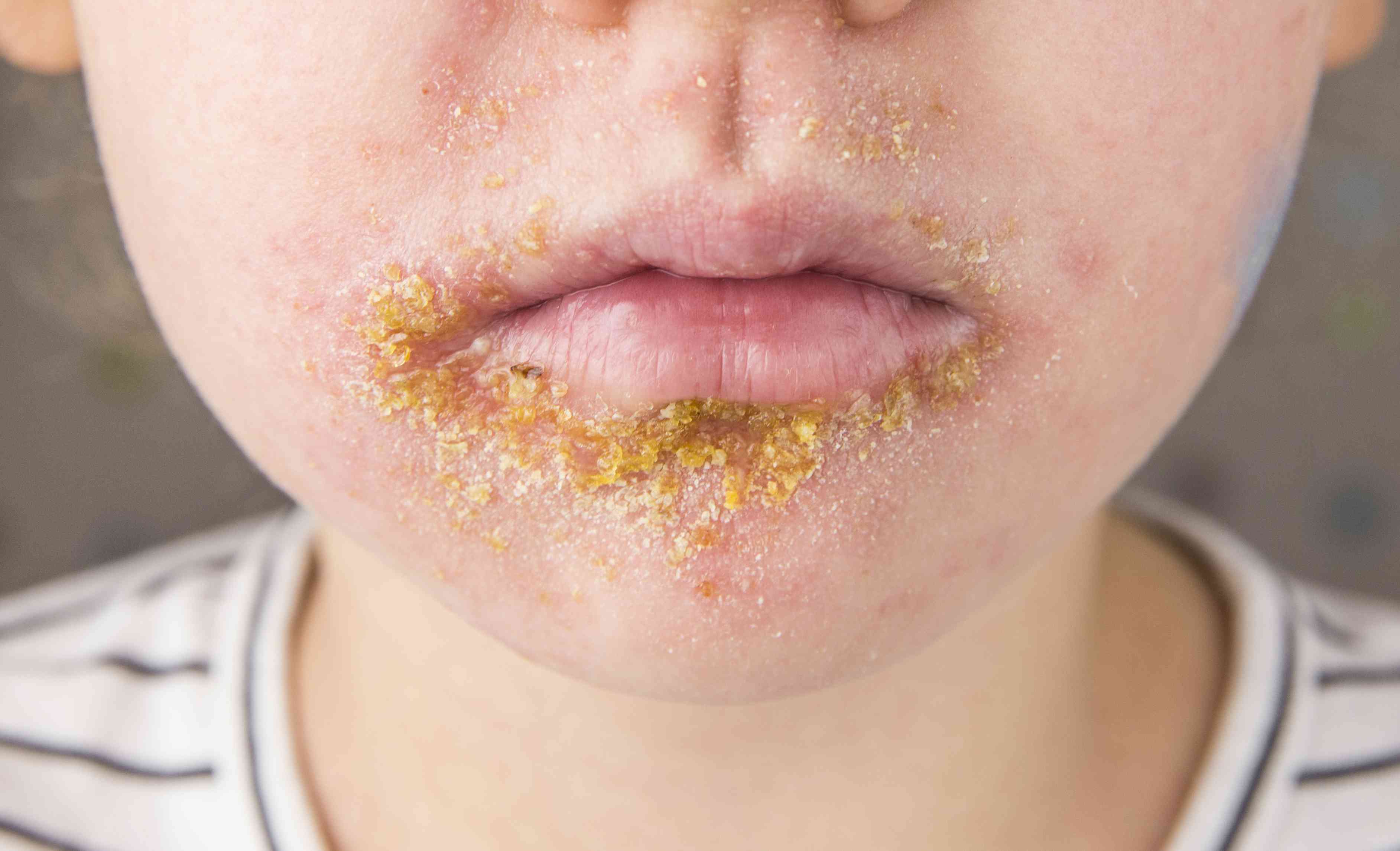
Question 123: A 4-year-old girl is brought to the physician because of a nonpruritic, painless rash that has been on her face for 5 days. She was born at term and has been healthy throughout childhood. Her 62-year-old maternal grandmother has bullous pemphigoid. Her development is adequate for her age and immunizations are up-to-date. She appears healthy and well-nourished. Her temperature is 37.0°C (98.6°F) pulse is 90/min, and respiratory rate is 18/min. Examination shows a crusted rash on the right side of the patient's face. An image of the patient's lower face is shown. The remainder of the examination shows no abnormalities. Which of the following is the most appropriate next step in management?
A. Topical miconazole therapy
B. Oral cephalexin therapy
C. Oral clindamycin therapy
D. Topical mupirocin therapy (Correct Answer)
E. Oral acyclovir therapy
Explanation: ***Topical mupirocin therapy***
- The image shows a **crusted rash** with a **"honey-colored" appearance** around the mouth, characteristic of **impetigo**.
- **Topical mupirocin** is the first-line treatment for **localized impetigo** without systemic symptoms.
*Topical miconazole therapy*
- **Miconazole** is an **antifungal agent** used for fungal infections (e.g., tinea, candidiasis), which is not indicated here.
- The rash is bacterial in origin, characterized by **"honey-colored" crusts** typical of impetigo.
*Oral cephalexin therapy*
- **Oral antibiotics** such as cephalexin are typically reserved for **widespread bullous impetigo** or when there are **systemic symptoms** (e.g., fever, lymphadenopathy), which are absent in this case.
- If topical treatment fails, **oral cephalexin** could be considered due to its efficacy against *Staphylococcus aureus* and *Streptococcus pyogenes*.
*Oral clindamycin therapy*
- **Clindamycin** is an oral antibiotic used for bacterial infections, particularly when **MRSA** is suspected or if the patient is allergic to penicillin.
- It is **not the first-line treatment for localized impetigo** and is usually reserved for more severe or resistant cases.
*Oral acyclovir therapy*
- **Acyclovir** is an antiviral medication used to treat herpes simplex virus (HSV) infections, such as **cold sores (herpes labialis)**.
- While HSV can cause crusting, the characteristic **"honey-colored" crusts** and lack of painful vesicles make impetigo a more likely diagnosis.
Question 124: A 3-year-old boy is brought to the emergency department because of persistent fever and cough. Three days ago, he was diagnosed with pneumonia and acute otitis media. He was started on ampicillin-sulbactam and clarithromycin, but his symptoms did not improve. The mother reports that her son has been hospitalized 3 times due to pneumonia. He was first diagnosed with pneumonia at the age of 10 months. She also reports several episodes of bilateral otitis media and recurrent respiratory tract infections. His immunizations are up-to-date. He is at the 50th percentile for height and 20th percentile for weight. He appears fatigued. His temperature is 38°C (100.4°F). Pneumatic otoscopy shows purulent otorrhea bilaterally. Pulmonary examination shows decreased breath sounds over both lung fields. The palatine tonsils and adenoids are hypoplastic. Which of the following is the most likely underlying cause of this patient's condition?
A. Tyrosine kinase gene mutation (Correct Answer)
B. Defect in the ATM gene
C. Defective NADPH oxidase
D. Defective IL-2R gamma chain
E. WAS gene mutation
Explanation: ***Tyrosine kinase gene mutation***
- This patient has **X-linked agammaglobulinemia (XLA)**, caused by a mutation in the **Bruton's tyrosine kinase (BTK)** gene, which is essential for B-cell development and maturation.
- **Classic features present**: Recurrent **bacterial infections** (pneumonia, otitis media) starting around **6-12 months** when maternal IgG wanes, and **absent or hypoplastic tonsils and adenoids** (hallmark finding due to lack of B-cells in lymphoid tissue).
- Patients have normal T-cell function, so they can initially tolerate live vaccines and do not typically have severe viral or opportunistic infections seen in combined immunodeficiencies.
- Treatment involves lifelong **immunoglobulin replacement therapy** and prophylactic antibiotics.
*Defective IL-2R gamma chain*
- This causes **X-linked Severe Combined Immunodeficiency (SCID)**, which presents much earlier (typically **2-4 months**) with severe viral, fungal, and opportunistic infections (e.g., PCP pneumonia, CMV).
- SCID patients have both **T-cell and B-cell deficiencies**, leading to failure to thrive and life-threatening infections in early infancy.
- **Live vaccines are contraindicated** in SCID; the fact that this child's immunizations are up-to-date makes SCID less likely.
- The later onset (10 months) and predominantly bacterial infection pattern do not fit SCID.
*Defective NADPH oxidase*
- This defect causes **Chronic Granulomatous Disease (CGD)**, characterized by recurrent infections with **catalase-positive organisms** (Staphylococcus aureus, Aspergillus, Burkholderia).
- Patients develop **abscesses and granulomas** in lymph nodes, liver, lungs, and skin.
- Lymphoid tissue is **normal**, not hypoplastic, and immunoglobulin levels are typically normal.
*Defect in the ATM gene*
- A defect in the **ataxia-telangiectasia mutated (ATM)** gene causes **Ataxia-Telangiectasia**, with the triad of **progressive cerebellar ataxia** (usually by age 2), **oculocutaneous telangiectasias**, and immunodeficiency (mainly IgA deficiency).
- This patient lacks neurological symptoms and telangiectasias, making this diagnosis unlikely.
*WAS gene mutation*
- **Wiskott-Aldrich syndrome** presents with the classic triad of **thrombocytopenia** (petechiae, bleeding), **eczema**, and recurrent infections.
- The absence of bleeding manifestations and skin findings makes this diagnosis unlikely.
Question 125: A 16-year-old boy comes to the emergency department because of painful urination and urethral discharge for 3 days. He has multiple sexual partners and only occasionally uses condoms. His vital signs are within normal limits. The result of nucleic acid amplification testing for Neisseria gonorrhoeae is positive. The patient requests that his parents not be informed of the diagnosis. Which of the following initial actions by the physician is most appropriate?
A. Order urinary PCR testing in two weeks
B. Request parental consent prior to prescribing antibiotics
C. Administer intramuscular and oral antibiotics (Correct Answer)
D. Perform urethral swab culture for antibiotic sensitivities
E. Discuss results with patient's primary care physician
Explanation: ***Administer intramuscular and oral antibiotics***
- As a minor, this patient falls under the principle of **mature minor doctrine** and state laws allowing minors to consent to their own STI treatment without parental approval. Treating the infection promptly is crucial to prevent complications and further spread.
- The positive **nucleic acid amplification test (NAAT)** for *Neisseria gonorrhoeae* confirms the diagnosis, necessitating immediate treatment with appropriate antibiotics (e.g., ceftriaxone 500 mg intramuscularly, with consideration for azithromycin 1g orally if chlamydia co-infection is suspected).
*Order urinary PCR testing in two weeks*
- This action is premature as the patient requires immediate treatment for a confirmed infection; **waiting two weeks** could lead to disease progression and transmission.
- **Repeat testing** is typically indicated 3 months after treatment to confirm eradication and screen for re-infection, not 2 weeks.
*Request parental consent prior to prescribing antibiotics*
- The **mature minor doctrine** and specific state laws allow minors to consent to treatment for sexually transmitted infections (STIs) without parental notification or consent in most US jurisdictions.
- Delaying treatment to seek parental consent could lead to worsening infection, increased infectivity, and does not respect the minor's **confidentiality rights** in this context.
*Perform urethral swab culture for antibiotic sensitivities*
- While helpful for management of resistant cases, a **urethral swab culture for sensitivities** is not the initial most appropriate action when a NAAT is already positive for *Neisseria gonorrhoeae*.
- **Empiric treatment** based on current CDC guidelines for uncomplicated gonorrhea is the standard and most appropriate first step due to the urgency of treatment and high cure rates with recommended regimens.
*Discuss results with patient's primary care physician*
- While the patient's primary care physician (PCP) should ultimately be informed for continuity of care, the **immediate priority** is to treat the acute infection and protect the patient's confidentiality.
- This discussion should only occur with the patient's consent, especially concerning sensitive information like STI diagnoses for a **minor**.
Question 126: An 8-month-old girl is brought to the emergency department because of fever, vomiting, and diarrhea for 3 days. Her parents report at least 10 watery stools daily. She has had three upper respiratory tract infections since she started daycare 2 months ago, but has otherwise been developing normally. Her mother has a history of celiac disease. The patient is at the 57th percentile for height and the 65th percentile for weight. Her immunizations are incomplete. Her temperature is 38.5°C (101.3°F), pulse is 145/min, and blood pressure is 92/54 mm Hg. Examination shows dry mucous membranes and decreased skin turgor. Bowel sounds are hyperactive. A complete blood count and serum concentrations of glucose, urea nitrogen, and creatinine are within the reference range; there is hypokalemia. In addition to intravenous fluid resuscitation, which of the following is the most appropriate next step in management?
A. Examination of the stool for ova and parasites
B. Sonography of the abdomen
C. Administration of antidiarrheal medication
D. Enzyme immunoassay of stool (Correct Answer)
E. Blood cultures
Explanation: ***Enzyme immunoassay of stool***
- The patient presents with classic symptoms of **rotavirus gastroenteritis**, including fever, vomiting, and voluminous watery diarrhea, especially given her age, daycare exposure, and **incomplete immunization status** (missing rotavirus vaccine).
- **Enzyme immunoassay (EIA)** is a rapid, accurate test for detecting rotavirus antigens in stool, providing diagnosis confirmation within hours.
- While rotavirus gastroenteritis is managed primarily with **supportive care and rehydration** (already initiated), diagnostic testing is indicated here for: (1) **confirming the diagnosis** in an incompletely immunized child, (2) **infection control measures** in daycare/hospital settings, and (3) guiding parental counseling about immunization completion.
- EIA is the most appropriate next diagnostic step after stabilization has begun.
*Examination of the stool for ova and parasites*
- Stool O&P examination is appropriate for **persistent or chronic diarrhea** (>7-14 days), travel history, or suspected parasitic infection.
- Acute viral gastroenteritis typically presents with sudden onset of severe watery diarrhea, as seen here, rather than the more protracted course typical of parasitic infections.
- Parasitic causes are less likely in an otherwise healthy infant in a developed country without travel history.
*Sonography of the abdomen*
- **Abdominal sonography** would be indicated if there were concerns for **intussusception** (intermittent colicky pain, currant jelly stools, palpable mass) or other structural abnormalities.
- The patient's presentation with **diffuse watery diarrhea**, fever, and vomiting is classic for infectious gastroenteritis, not a surgical abdomen.
- Hyperactive bowel sounds further support an infectious rather than obstructive process.
*Administration of antidiarrheal medication*
- **Antidiarrheal medications are contraindicated** in infants and young children with acute infectious diarrhea.
- These agents (e.g., loperamide, bismuth subsalicylate) do not treat the underlying infection, can **prolong illness** by retaining pathogens, and risk serious complications including **toxic megacolon**, ileus, and CNS depression.
- The mainstay of treatment remains **oral or intravenous rehydration** and electrolyte replacement.
*Blood cultures*
- **Blood cultures** are indicated when there is concern for **bacteremia or sepsis**, typically suggested by high fever (>39°C), severe systemic toxicity, immunocompromise, or abnormal laboratory findings.
- This patient, while febrile, has **normal CBC, glucose, BUN, and creatinine**, making invasive bacterial infection less likely.
- The clinical picture is most consistent with **viral gastroenteritis**, which rarely causes bacteremia in immunocompetent children.
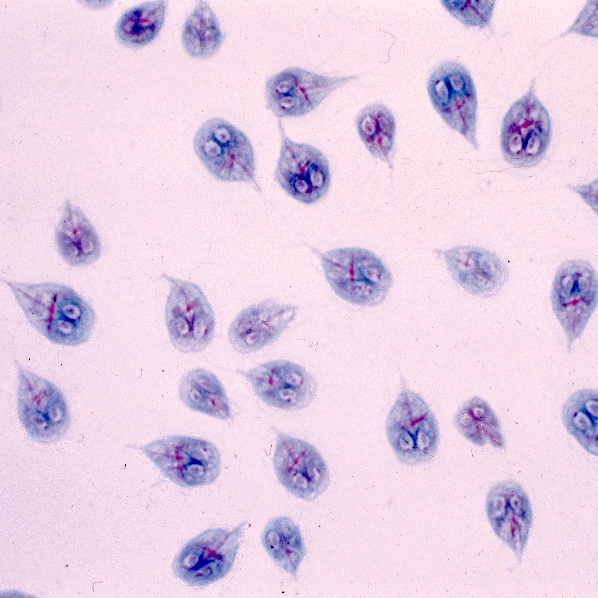
Question 127: A 5-year-old boy is brought to the physician because of intermittent abdominal cramps and recurrent episodes of foul-smelling greasy diarrhea for 3 months. He has a history of recurrent upper respiratory infection. The abdomen is diffusely tender to palpation and resonant to percussion. A photomicrograph of a stool sample is shown. This patient is at increased risk for which of the following?
A. Progressive peripheral neuropathy
B. Hypersensitivity reaction to transfusion (Correct Answer)
C. Disseminated tuberculosis
D. Cutaneous granulomas
E. Gastric adenocarcinoma
Explanation: ***Hypersensitivity reaction to transfusion***
- This patient's presentation with **recurrent sinopulmonary infections**, **chronic giardiasis** (suggested by stool photomicrograph), and **malabsorption** is characteristic of **Selective IgA Deficiency**.
- Patients with IgA deficiency can develop **anti-IgA antibodies**. When transfused with blood products containing IgA, they are at risk for **anaphylactic or severe allergic reactions**.
- This is the **most immediate and clinically significant risk** in patients with IgA deficiency requiring blood transfusions.
*Progressive peripheral neuropathy*
- This is not a typical complication of selective IgA deficiency.
- Peripheral neuropathy would be more associated with other conditions like vitamin B12 deficiency, diabetes, or certain autoimmune disorders.
*Disseminated tuberculosis*
- Disseminated tuberculosis occurs in patients with **T-cell immunodeficiencies** (e.g., HIV, severe combined immunodeficiency).
- Selective IgA deficiency is a **humoral immunodeficiency** that primarily increases susceptibility to **encapsulated bacteria** and **Giardia**, not disseminated TB.
*Cutaneous granulomas*
- While granulomatous disease can occur in some immunodeficiencies like **Common Variable Immunodeficiency (CVID)**, it is not a characteristic feature of selective IgA deficiency.
- The clinical scenario better fits IgA deficiency rather than CVID.
*Gastric adenocarcinoma*
- While CVID patients have increased risk of gastrointestinal malignancies, this is **not a typical complication of selective IgA deficiency**.
- In a 5-year-old child, malignancy risk is extremely low and not the most relevant immediate concern compared to transfusion reactions.
Question 128: A 6-year-old girl is brought to a clinic with complaints of fever and sore throat for 2 days. This morning, she developed a rash on her face and neck which is progressing towards the trunk. The teachers in her school report that none of her classmates has similar symptoms. She has a normal birth history. On physical examination, the child looks healthy. The heart rate is 90/min, respiratory rate is 20/min, temperature is 39.0°C (102.2°F), and blood pressure is 90/50 mm Hg. An oropharyngeal examination reveals circumoral pallor with a red tongue, as shown in the photograph below. The chest and cardiac examinations are within normal limits. No hepatosplenomegaly is noted. What is the most likely diagnosis?
A. Kawasaki disease
B. Roseola
C. Erythema Infectiosum
D. Measles
E. Scarlet fever (Correct Answer)
Explanation: ***Scarlet fever***
- The combination of **fever**, **sore throat**, a **spreading rash** on the face, neck, and trunk, **circumoral pallor**, and a **red tongue** (strawberry tongue, as shown in the picture) strongly indicates scarlet fever.
- This condition is caused by **Group A Streptococcus** (GAS) and typically presents with a fine, sandpaper-like rash.
*Kawasaki disease*
- Characterized by **prolonged fever**, **conjunctivitis**, **oral changes** (e.g., strawberry tongue), **cervical lymphadenopathy**, and **extremity changes**, but typically without a diffuse, spreading rash characteristic of scarlet fever.
- While it can present with a strawberry tongue, other features like the specific rash progression and circumoral pallor seen here are more consistent with scarlet fever.
*Roseola*
- Caused by **Human Herpesvirus 6 (HHV-6)** and typically affects infants and young children, often starting with a high fever followed by a rash developing as the fever subsides.
- The rash usually appears on the trunk and spreads to the extremities, but it does not typically present with a sore throat or the oral findings like circumoral pallor or strawberry tongue seen in this case.
*Erythema Infectiosum*
- Also known as **Fifth Disease**, caused by Parvovirus B19, and is characterized by a "slapped cheek" rash on the face, followed by a lacy, reticular rash on the trunk and extremities.
- It often presents with mild prodromal symptoms, but **sore throat** and the specific **tongue findings** described are not typical features.
*Measles*
- Characterized by **fever**, **cough**, **coryza**, **conjunctivitis**, and **Koplik spots** (small white spots inside the mouth).
- The rash typically starts on the face and behind the ears, spreading downwards, but is usually maculopapular and confluent, not described with **circumoral pallor** or the characteristic **strawberry tongue**.
Question 129: A 6-year-old right-handed boy is brought to the emergency department because of difficulty speaking and inability to raise his right arm. The patient’s mother says his symptoms started suddenly 1 hour ago and have not improved. She says he has never had these symptoms before. No other significant past medical history. The patient was born full-term via spontaneous transvaginal delivery and has met all developmental goals. The family immigrated from Nigeria 3 months ago, and the patient is currently following a vaccination catch-up schedule. His vital signs include: temperature 36.8°C (98.2°F), blood pressure 111/65 mm Hg, pulse 105/min. Height is at the 30th percentile and weight is at the 25th percentile for age and sex. Physical examination is remarkable for generalized pallor, pale conjunctiva, jaundice, and complete loss of strength in the right arm (0/5). His peripheral blood smear is shown in the picture. Which of the following is the most effective preventive measure for this patient’s condition?
A. Oral penicillin VK
B. Aspirin
C. Warfarin
D. Carotid endarterectomy
E. Regular blood transfusion (Correct Answer)
Explanation: ***Regular blood transfusion***
- The patient's symptoms (difficulty speaking, inability to raise right arm, sudden onset) suggest a **stroke**. Generalized pallor, pale conjunctiva, jaundice, and the peripheral blood smear (likely showing **sickle cells**) point to **sickle cell anemia**. **Regular blood transfusions** are highly effective in preventing stroke in children with sickle cell anemia by reducing the proportion of sickled red blood cells.
- This therapy helps to decrease blood viscosity and improve oxygen delivery, thereby lowering the risk of **vaso-occlusive crises** in the brain which lead to stroke.
*Oral penicillin VK*
- **Prophylactic penicillin** is used in sickle cell anemia to prevent **bacterial infections**, particularly those caused by encapsulated organisms like *Streptococcus pneumoniae*, due to functional asplenia.
- While important for overall health, it does not directly prevent the occurrence of **stroke** in sickle cell disease.
*Aspirin*
- **Aspirin** is an antiplatelet agent used to prevent arterial thrombosis, primarily in at-risk adults for cardiovascular events or in some pediatric conditions like Kawasaki disease.
- It does not effectively prevent **vaso-occlusive strokes** in children with sickle cell disease, which are often caused by sludging of sickled red blood cells rather than platelet aggregation.
*Warfarin*
- **Warfarin** is an anticoagulant used to prevent venous thromboembolism and arterial embolism in conditions like atrial fibrillation or prosthetic heart valves.
- It is not indicated for the primary prevention of **stroke** in sickle cell anemia and carries a significant risk of bleeding.
*Carotid endarterectomy*
- **Carotid endarterectomy** is a surgical procedure to remove plaque buildup from the carotid artery, typically performed in adults with significant carotid artery stenosis to prevent ischemic stroke.
- This procedure is not relevant to the pathophysiology of **stroke in sickle cell anemia**, which involves microvascular occlusion rather than macroscopic atherosclerotic plaque.
Question 130: A 14-year-old girl is brought to the physician because of a 1-week history of fever, malaise, and chest pain. She describes the pain as 6 out of 10 in intensity and that it is more severe if she takes a deep breath. The pain is centrally located in the chest and does not radiate. Three weeks ago, she had a sore throat that resolved without treatment. She has no personal history of serious illness. She appears ill. Her temperature is 38.7°C (101.7°F). Examination shows several subcutaneous nodules on the elbows and wrist bilaterally. Breath sounds are normal. A soft early systolic murmur is heard best at the apex in the left lateral position. Abdominal examination is unremarkable. Laboratory studies show:
Hemoglobin 12.6 g/dL
Leukocyte count 12,300/mm3
Platelet count 230,000/mm3
Erythrocyte sedimentation rate 40 mm/hr
Serum
Antistreptolysin O titer 327 U/mL (N < 200 U/mL)
She is treated with aspirin and penicillin and her symptoms resolve. An echocardiography of the heart done 14 days later shows no abnormalities. Which of the following is the most appropriate next step in management?
A. Intramuscular benzathine penicillin every 4 weeks until the age of 21
B. Intramuscular benzathine penicillin every 4 weeks for 5 years
C. Intramuscular benzathine penicillin every 4 weeks for 10 years (Correct Answer)
D. Intramuscular benzathine penicillin every 4 weeks until the age of 40
E. Low-dose prednisone therapy for a month
Explanation: ***Intramuscular benzathine penicillin every 4 weeks for 10 years***
- This patient likely has **acute rheumatic fever (ARF)** given the recent **strep infection**, carditis (murmur), polyarthritis (chest pain, malaise), fever, elevated ESR, and subcutaneous nodules, satisfying the **modified Jones criteria**. Although the echocardiogram was normal, the presence of **carditis** (murmur) signifies cardiac involvement during the acute phase.
- Secondary prophylaxis with **intramuscular benzathine penicillin every 4 weeks for 10 years** or until age 21 (whichever is longer) is indicated for patients with ARF and carditis but **no residual heart disease** (as suggested by the follow-up echocardiogram).
*Intramuscular benzathine penicillin every 4 weeks until the age of 21*
- This duration of prophylaxis (until age 21) would only be appropriate if the patient had **ARF without carditis**, which is not the case here.
- The presence of a **soft early systolic murmur** and the subsequent resolution of symptoms with treatment point to carditis during the acute phase, even if residual damage was not found on echocardiogram.
*Intramuscular benzathine penicillin every 4 weeks for 5 years*
- This duration of prophylaxis is typically recommended for patients with **ARF without carditis**.
- Since this patient had clinical evidence of **carditis** during the acute illness (new murmur), a longer duration of prophylaxis is required to prevent recurrent attacks and progressive cardiac damage.
*Intramuscular benzathine penicillin every 4 weeks until the age of 40*
- This duration of prophylaxis is indicated for patients with **ARF and persistent valvular disease (e.g., moderate to severe rheumatic heart disease)**.
- The follow-up echocardiogram showing **no abnormalities** indicates that there is no residual valvular damage at this point, so this duration is unnecessarily long.
*Low-dose prednisone therapy for a month*
- **Corticosteroids (e.g., prednisone)** are used to treat **severe carditis** or **arthritis** in the acute phase of rheumatic fever.
- Since the patient's symptoms have already resolved with aspirin and penicillin, and the question asks for the "next step in management" after the acute phase, long-term prophylaxis for prevention of recurrence is the primary concern, not further acute symptom management.