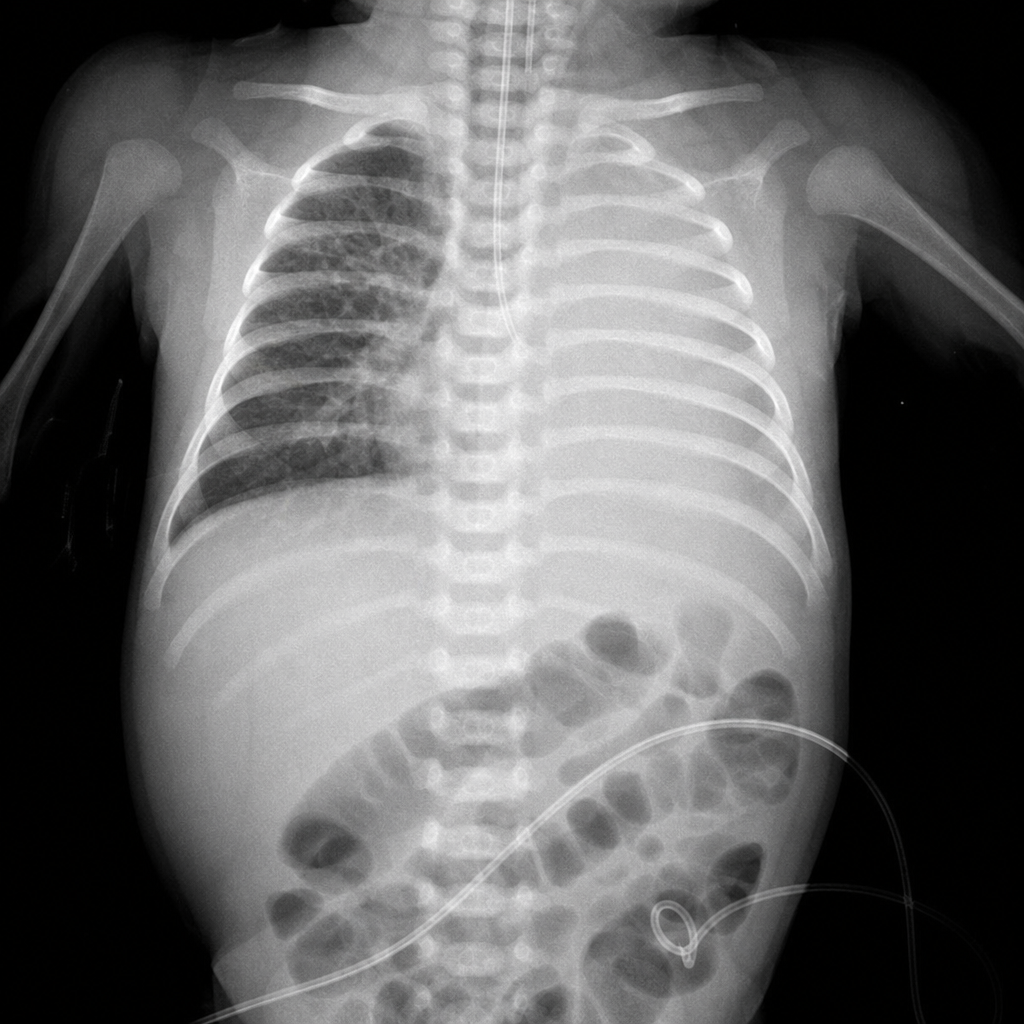
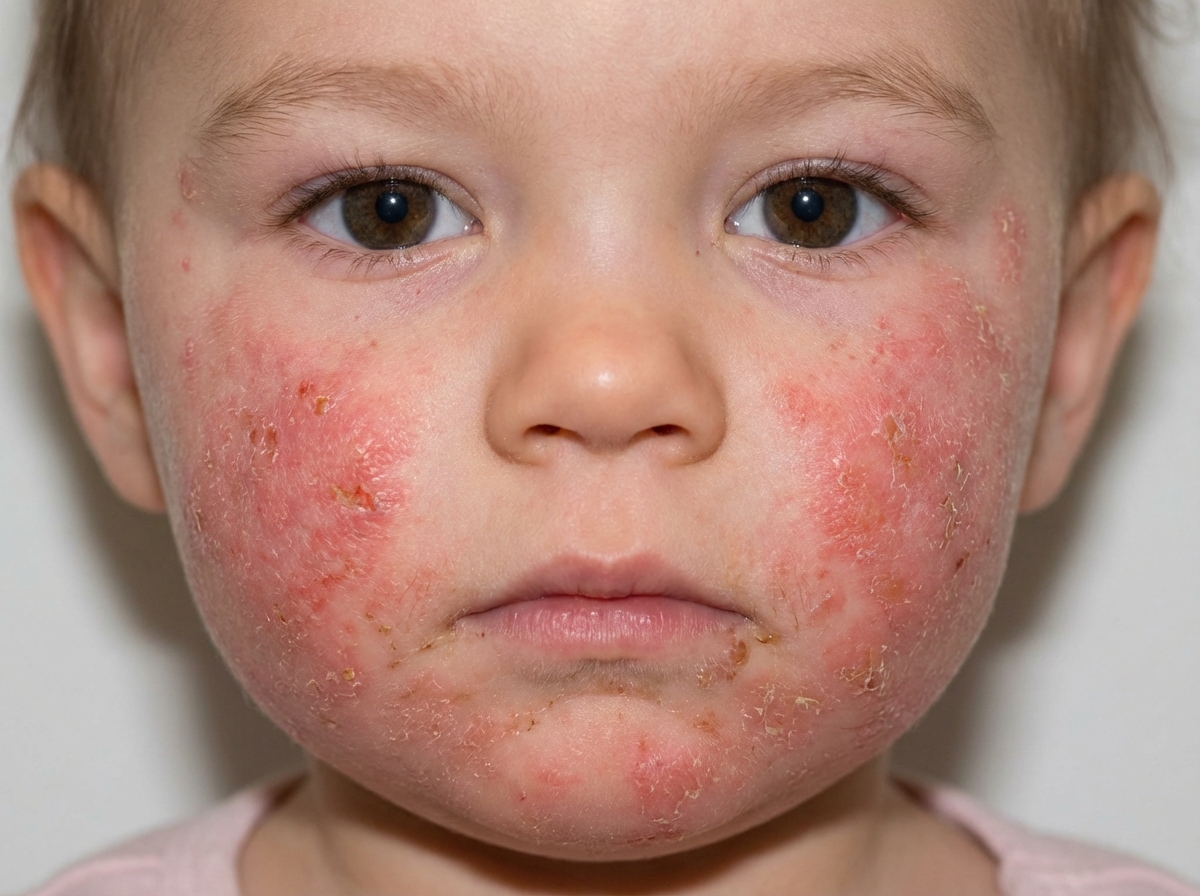
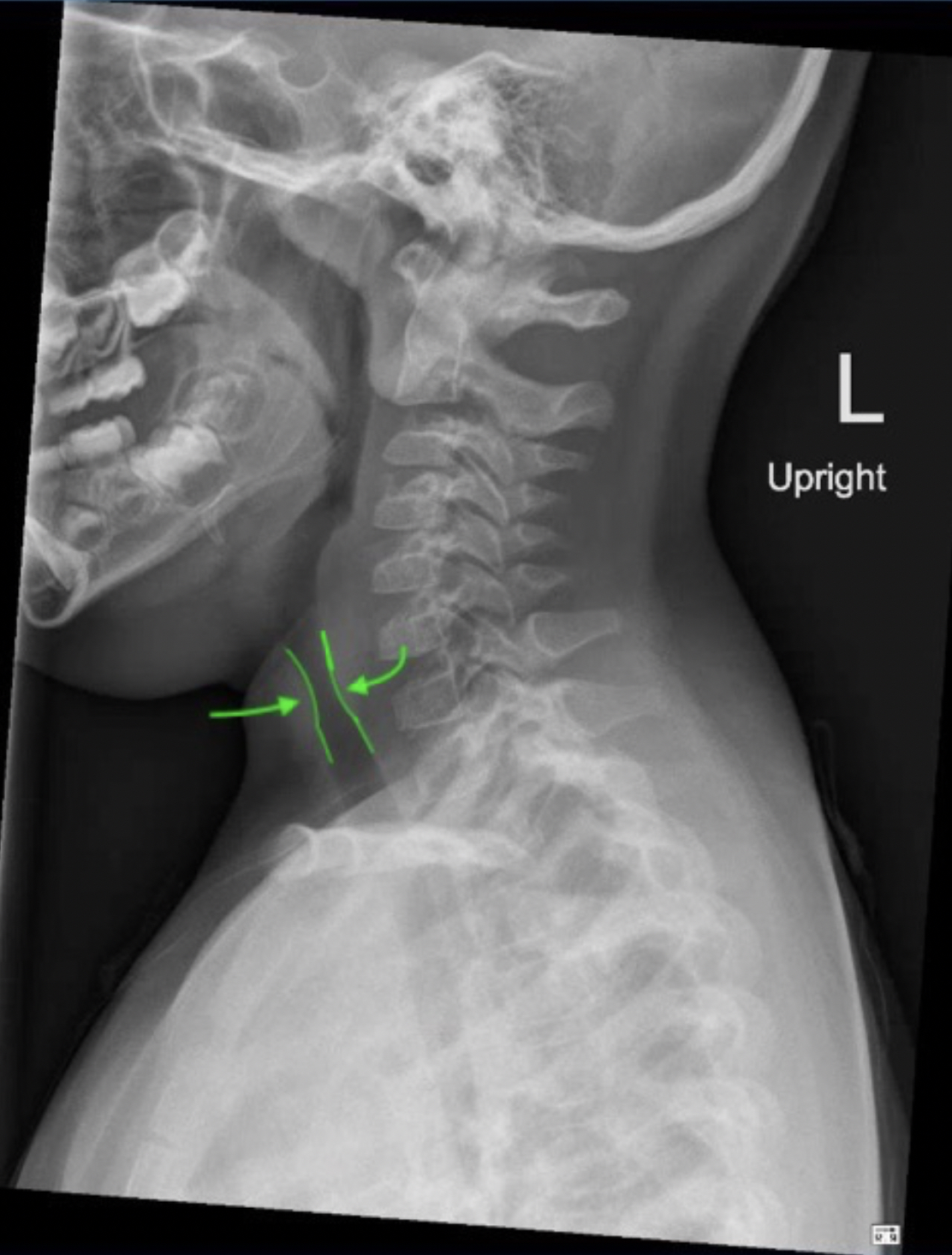
A 4-year-old boy presents with low-grade fever, inspiratory stridor, and barking cough for the past 5 days. Examination reveals a hoarse voice, a moderately inflamed pharynx, and a slightly increased respiratory rate. His chest x-ray showed subglottic narrowing appearing like a steeple. Which among the following is not indicated in the treatment of this condition?
A child presents with recurrent infections. Mediastinal imaging reveals an absent thymus gland, and further investigations show low ADA (adenosine deaminase) levels. What is the most likely diagnosis?
A 6-year-old child presents to the emergency department with sudden onset of palpitations, shortness of breath, and dizziness. The child has no significant past medical history. On examination, the heart rate is 220 beats per minute, blood pressure is $90 / 60 \mathrm{mmHg}$, and the child appears anxious but is otherwise stable. An ECG confirms the diagnosis of paroxysmal supraventricular tachycardia (PSVT). What is the initial recommended dose of adenosine for this child?
An unimmunized 5 -year-old child presents to the OPD with a white membranous layer on the throat upon inspection. The child's brother is immunized. What is the first step in management?
A 4-year-old boy who otherwise has no significant past medical history presents to the pediatric clinic accompanied by his father for a 2-day history of high fever, sore throat, nausea, vomiting, and bloody diarrhea. The patient’s father endorses that these symptoms began approximately 3 weeks after the family got a new dog. His father also states that several other children at the patient’s preschool have been sick with similar symptoms. He denies any other recent changes to his diet or lifestyle. The patient's blood pressure is 123/81 mm Hg, pulse is 91/min, respiratory rate is 15/min, and temperature is 39.2°C (102.5°F). Which of the following is the most likely cause for this patient’s presentation?
A 4-year-old girl presents to a pediatrician for a scheduled follow-up visit. She was diagnosed with her first episode of acute otitis media 10 days ago and had been prescribed oral amoxicillin. Her clinical features at the time of the initial presentation included pain in the ear, fever, and nasal congestion. The tympanic membrane in the left ear was markedly red in color. Today, after completing 10 days of antibiotic therapy, her parents report that she is asymptomatic, except for mild fullness in the left ear. There is no history of chronic nasal obstruction or chronic/recurrent rhinosinusitis. On physical examination, the girl's vital signs are stable. Otoscopic examination of the left ear shows the presence of an air-fluid interface behind the translucent tympanic membrane and decreased mobility of the tympanic membrane. Which of the following is the next best step in the management of this patient?
A 3-year-old girl is brought to the emergency room because of a 5-day history of high fever and fatigue. During this time she has been crying more than usual and eating less. Her mother says that the child has also complained about pain in her arms and legs for the past 3 days. She was born at term and has been otherwise healthy. She appears ill. Her temperature is 39.5°C (103.1°F), pulse is 128/min, and blood pressure is 96/52 mm Hg. The lungs are clear to auscultation. A grade 3/6 systolic murmur is heard at the apex. There is mild tenderness to palpation of the left upper quadrant with no guarding or rebound. The spleen is palpated 3 cm below the left costal margin. There is no redness or swelling of the joints. Laboratory studies show: Hemoglobin 11.8 g/dL Leukocyte count 16,300/mm3 Platelet count 220,000/mm3 Erythrocyte sedimentation rate 50 mm/h Serum Glucose 96 mg/dL Creatinine 1.7 mg/dL Total bilirubin 0.4 mg/dL AST 18 U/L ALT 20 U/L Urine Protein 2+ RBC casts rare RBC 10/hpf WBC 1–2/hpf Which of the following is the most appropriate next step in management?
A 7-year-old boy is brought to his pediatrician for evaluation of a sore throat. The sore throat began 4 days ago and has progressively worsened. Associated symptoms include subjective fever, pain with swallowing, and fatigue. The patient denies any cough or rhinorrhea. Vital signs are as follows: T 38.6 C, HR 88, BP 115/67, RR 14, and SpO2 99%. Physical examination is significant for purulent tonsillar exudate; no cervical lymphadenopathy is noted. Which of the following is the best next step in the management of this patient?
A 3-year-old boy is brought to the physician by his mother because of a 2-week history of generalized fatigue, intermittent fever, and occasional bleeding from his nose. His temperature is 38.3°C (100.9°F). He appears pale. Physical examination shows cervical lymphadenopathy and multiple petechiae on his trunk. The spleen is palpated 3 cm below the left costal margin. His hemoglobin concentration is 9.3 g/dL, leukocyte count is 63,000/mm3, and platelet count is 30,000/mm3. A bone marrow aspirate predominantly shows immature leukocytes that stain positive for CD10, CD19, and terminal deoxynucleotidyl transferase (TdT), and negative for myeloperoxidase. Which of the following is the most likely diagnosis?
A 3-year-old boy is brought to the physician because of a 3-day history of fever and chills. The mother reports that he has also been limping for 2 days. He has no history of trauma to this region. His temperature is 38.9°C (102°F). Physical examination shows dull tenderness over his left lower extremity. The range of motion of the leg is also limited by pain. While walking, he avoids putting weight on his left leg. Laboratory studies show an erythrocyte sedimentation rate of 67 mm/h. An MRI is most likely to show abnormalities in which of the following regions?
Explanation: ***Parenteral cefotaxime*** - The clinical presentation (low-grade fever, inspiratory stridor, barking cough, hoarse voice) and the **steeple sign** on chest X-ray are classic for **croup (laryngotracheobronchitis)**, which is predominantly caused by **viral infections**, not bacterial. Therefore, antibiotics like parenteral cefotaxime are generally **not indicated**. - **Cefotaxime** is a broad-spectrum antibiotic used for serious bacterial infections; its use in viral croup would be inappropriate and could contribute to antibiotic resistance. *Nebulized racemic epinephrine* - **Nebulized racemic epinephrine** is a common and effective treatment for moderate to severe croup, as it helps to **vasoconstrict** the subglottic mucosa, reducing edema and improving airflow. - It provides temporary relief from symptoms, especially stridor, by reducing swelling in the airway. *Intramuscular dexamethasone* - **Dexamethasone**, a corticosteroid, is a cornerstone of croup treatment as it reduces inflammation and edema in the airway, improving respiratory symptoms. - It can be administered orally, intravenously, or intramuscularly, and provides sustained relief, typically for 24-48 hours. *Nebulized budesonide* - **Nebulized budesonide** is an alternative corticosteroid treatment for croup that delivers anti-inflammatory medication directly to the airway. - Studies show it is equally effective to dexamethasone for mild to moderate croup, though dexamethasone is often preferred due to ease of administration and longer duration of action. *Helium oxygen mixture* - A **helium-oxygen mixture (heliox)** is a therapeutic gas that is less dense than air, which can reduce the work of breathing in patients with severe airway obstruction, such as refractory croup. - By decreasing airway turbulence, heliox can temporarily improve air movement past the narrowed subglottic area.
Explanation: ***Severe Combined Immunodeficiency (SCID)*** - **Recurrent infections**, an **absent thymus gland** (indicating severe T-cell deficiency), and **low ADA levels** are classic features of SCID, specifically **ADA deficiency-SCID**. - ADA deficiency leads to the accumulation of toxic metabolites that destroy **B and T lymphocytes**, severely compromising both humoral and cellular immunity. *DiGeorge syndrome* - Characterized by **thymic hypoplasia or aplasia**, leading to T-cell deficiencies and recurrent infections, similar to the absent thymus. - However, DiGeorge syndrome is typically associated with **hypocalcemia** due to parathyroid hypoplasia, and **cardiac defects**, which are not mentioned, and **low ADA levels** are not a feature. *X-linked agammaglobulinemia* - Primarily affects **B-cell development**, leading to a severe deficiency of antibodies, resulting in recurrent bacterial infections. - **T-cell function** and the **thymus gland** are typically normal in this condition, and low ADA levels are not observed. *Hyper-IgM syndrome* - Characterized by normal or elevated levels of **IgM** but very low levels of **IgG, IgA, and IgE** due to defects in B-cell class switching. - The thymus gland is generally normal, and the primary defect lies in antibody production, not T-cell development or ADA deficiency. *Wiskott-Aldrich syndrome* - An X-linked immunodeficiency presenting with recurrent infections, but classically features the triad of **thrombocytopenia with small platelets**, **eczema**, and **immunodeficiency**. - The thymus is typically present, and **low ADA levels** are not characteristic of this syndrome.
Explanation: ***0.1 mg/kg*** - The initial recommended dose of **adenosine** for children with **PSVT** is **0.1 mg/kg** given as a rapid intravenous bolus. - This dose is typically followed by a saline flush to ensure rapid delivery to the heart and minimize peripheral metabolism. *0.05 mg/kg* - This dose is **too low** and is below the recommended initial dose for pediatric PSVT. - While it may be safer, it is unlikely to be effective in terminating the arrhythmia and would delay definitive treatment. - The standard starting dose of 0.1 mg/kg has been established to balance efficacy with safety. *0.2 mg/kg* - This dose is typically used as a **second dose** of adenosine if the initial 0.1 mg/kg dose is ineffective in converting PSVT. - The second dose can be **doubled** (e.g., from 0.1 mg/kg to 0.2 mg/kg), with a maximum single dose of 12 mg. *0.5 mg/kg* - This dose is **too high** for the initial administration of adenosine in a pediatric patient and could lead to significant side effects like profound bradycardia or asystole. - Gradual dose escalation is crucial to balance efficacy with safety in children. *1.0 mg/kg* - This dose is **excessively high** for pediatric adenosine administration and is not recommended as an initial or even subsequent dose. - Such a dose would greatly increase the risk of adverse cardiovascular effects.
Explanation: ***Diphtheria antitoxin*** - The presence of a **white membranous layer** on the **throat** in an **unimmunized child**, along with the high contagiousness (brother's immunization is relevant to exposure), strongly suggests **diphtheria**. - **Diphtheria antitoxin (DAT)** is the crucial first-line treatment to neutralize the **exotoxin** produced by *Corynebacterium diphtheriae*, which is responsible for the severe systemic effects. - Antitoxin must be administered **immediately** without waiting for culture confirmation, as it only neutralizes unbound toxin. *Diphtheria toxoid* - **Diphtheria toxoid** is used for **active immunization** (vaccination) to prevent diphtheria, not for emergency treatment of an active infection. - Administering toxoid during an acute infection would not rapidly neutralize the circulating toxin. *Penicillin* - **Penicillin** (or erythromycin) is used to **eradicate the bacteria** (*Corynebacterium diphtheriae*) from the patient's throat and prevent further toxin production and transmission. - While important for source control, it does not neutralize the pre-formed toxin, which is the immediate threat to life. - Antibiotics should be given **after** antitoxin administration. *Isolation and supportive care* - **Isolation** is essential to prevent transmission, but it does not treat the patient's infection. - **Supportive care** is also crucial, but it addresses symptoms rather than the underlying cause or the effects of the toxin. *Tracheostomy* - **Tracheostomy** may be required later for airway obstruction if the membrane extends to the larynx or causes significant respiratory compromise. - However, it is **not the first step** in management; securing airway patency comes after antitoxin administration unless there is immediate life-threatening airway obstruction. - The priority is neutralizing the toxin to prevent further membrane formation and systemic complications.
Explanation: ***Exposure to bacteria at school*** - The combination of **bloody diarrhea**, high fever, vomiting, and **similar symptoms in other children at preschool** strongly suggests an outbreak of bacterial gastroenteritis, with **Shiga toxin-producing *E. coli* (STEC)** often implicated in such settings. - This scenario points to a **common source of infection** within the preschool environment, facilitating person-to-person transmission or exposure to contaminated food/water. *A recent antibiotic prescription* - While antibiotics can cause diarrhea, especially **Clostridioides difficile (C. diff)**, the absence of prior antibiotic use in this patient weakens this possibility. - Antibiotic-associated diarrhea typically does not spread to multiple children in a preschool unless there is a common source of toxin or organism. *Reheated fried rice* - **Reheated fried rice** is primarily associated with **Bacillus cereus** food poisoning, which typically causes rapid onset vomiting or diarrhea without a prolonged incubation period. - This type of food poisoning is less likely to result in bloody diarrhea or widespread outbreaks in a preschool. *The new dog* - **Zoonotic infections** from dogs, such as **Campylobacter** or **Salmonella**, can cause similar symptoms but typically have a shorter incubation period than 3 weeks. - The **widespread illness** at preschool makes exposure within the school a more likely primary cause for the outbreak. *Failure to appropriately immunize the patient* - While vaccinations prevent many infectious diseases, **no routine vaccine** specifically prevents the common bacterial causes of bloody diarrhea outbreaks in this age group, such as **Shiga toxin-producing *E. coli***. - Immunization status is generally not directly linked to a sudden outbreak of infectious gastroenteritis of this specific type.
Explanation: ***Observation and regular follow-up*** - The presence of an **air-fluid interface** and **decreased tympanic membrane mobility** after a completed course of antibiotics for acute otitis media (AOM) suggests **otitis media with effusion (OME)**. - In most cases, OME is **self-limiting** and resolves spontaneously within **3 months**, especially when the child is asymptomatic apart from mild ear fullness. Therefore, observation is the appropriate initial step. *Prescribe oral prednisolone for 7 days* - **Corticosteroids** are **not recommended** for the routine treatment of OME due to limited efficacy and potential side effects. - While they might temporarily reduce inflammation, they do not significantly alter the long-term course of effusion resolution. *Prescribe oral antihistamine and decongestant for 7 days* - **Antihistamines and decongestants** have **not been shown to be effective** in resolving OME and are often associated with side effects in children. - Their use is generally discouraged for this condition. *Prescribe amoxicillin-clavulanate for 14 days* - The patient has already completed a course of antibiotics and is largely asymptomatic, indicating the **resolution of the acute bacterial infection**. - There is **no evidence of persistent bacterial infection**, and extending antibiotic therapy with a broader spectrum agent like amoxicillin-clavulanate is unnecessary and contributes to antibiotic resistance. *Continue oral amoxicillin for a total of 21 days* - Continuing antibiotics for **OME** (which is typically sterile) is **not effective** and does not improve the resolution rate of the effusion. - The initial acute infection has resolved, and prolonged antibiotic exposure carries risks without benefit in this scenario.
Explanation: ***Obtain 3 sets of blood cultures*** - The patient presents with **fever, new murmur**, and **splenomegaly**, in addition to elevated ESR and proteinuria. These findings are highly suggestive of **infective endocarditis**, which requires urgent diagnosis via blood cultures. - Blood cultures are essential to identify the causative organism for targeted antibiotic therapy and confirm the diagnosis of endocarditis. *Obtain a transesophageal echocardiography* - While echocardiography is crucial for diagnosing endocarditis, **blood cultures should be obtained first** to identify the pathogen before initiating empiric antibiotics. - Transesophageal echocardiography (TEE) provides superior visualization of vegetations compared to transthoracic echo (TTE) but is usually performed after positive blood cultures or if TTE is inconclusive. *Administer intravenous vancomycin* - Administering antibiotics prior to obtaining blood cultures can **sterilize the blood**, making it difficult to identify the causative organism and select effective definitive treatment. - Empiric antibiotic therapy, such as vancomycin, is typically initiated after blood cultures are drawn, especially if the patient is severely ill and infective endocarditis is highly suspected. *Obtain a renal biopsy* - The patient has elevated creatinine and proteinuria with RBC casts, suggesting **glomerulonephritis**, which can be a complication of infective endocarditis or other systemic diseases. - However, a renal biopsy is an invasive procedure and generally not the initial step in management for a sick child with suspected endocarditis, as the primary concern is the cardiac infection. *Measure rheumatoid factors* - Rheumatoid factors are associated with **rheumatoid arthritis** and other autoimmune conditions, which do not fully explain the constellation of symptoms (fever, new murmur, splenomegaly, elevated ESR, renal involvement) seen in this patient. - While some autoimmune conditions can cause similar symptoms, the acute presentation with fever and a new murmur points more strongly towards an infectious etiology like endocarditis.
Explanation: ***Perform rapid antigen detection test*** - The patient presents with symptoms highly suggestive of **streptococcal pharyngitis** (sore throat, fever, purulent tonsillar exudates, absence of cough/rhinorrhea), making a rapid antigen detection test (RADT) the appropriate immediate diagnostic step. - A positive RADT allows for prompt initiation of antibiotics, preventing complications like **acute rheumatic fever**. *Recommend acetaminophen for symptomatic relief* - While symptomatic relief is important, treating only symptoms without ruling out **Group A Streptococcus (GAS)** infection in a child with these clinical features can lead to serious complications. - This approach delays specific treatment for bacterial infection which is crucial in preventing sequelae such as **acute rheumatic fever**. *Prescribe acyclovir* - Acyclovir is an antiviral medication used for herpes simplex virus infections, which typically present with **vesicular lesions** and ulcers, not purulent tonsillar exudates. - The clinical picture provided is not consistent with a **viral etiology** requiring antiviral treatment. *Perform throat culture* - A throat culture is a **gold standard** for diagnosing strep throat, but it takes 24-48 hours for results. - A **RADT** provides quicker results, allowing for earlier treatment and is sufficient for initial diagnosis, especially in areas with good sensitivity/specificity of RADT. *Prescribe 10-day course of penicillin* - Prescribing antibiotics without confirming a bacterial infection can contribute to **antibiotic resistance** and is not recommended as a first step. - While penicillin would be the appropriate treatment if strep throat is confirmed, diagnosis should precede treatment to avoid unnecessary antibiotic use.
Explanation: ***Pre-B-cell acute lymphoblastic leukemia*** - The patient's age (3 years old), **pancytopenia** (anemia, thrombocytopenia, and elevated WBC count with immature forms), **splenomegaly**, and **lymphadenopathy** are classic signs of ALL. - The presence of immature leukocytes positive for **CD10, CD19, and TdT**, and negative for **myeloperoxidase (MPO)**, is specific for B-cell acute lymphoblastic leukemia. *Acute megakaryoblastic leukemia* - This leukemia is characterized by proliferation of **megakaryoblasts**. - While it can manifest with pancytopenia, it would typically show immunophenotype markers like **CD41 and CD61**, not CD10 and TdT. *Acute myelomonocytic leukemia* - This is a type of **acute myeloid leukemia (AML)** and would show immature cells with **myeloid differentiation**. - Cells would typically be positive for **myeloperoxidase (MPO)** and lack lymphoid markers like CD10 and TdT. *Hairy cell leukemia* - This is a **rare, chronic B-cell leukemia** typically seen in older adults, not children, and characterized by cells with "hairy" projections. - While it involves B-cells, the immunophenotype and age of presentation do not match the case. *T-cell chronic lymphocytic leukemia* - This is a **chronic leukemia** primarily affecting older adults, not young children, and involves mature T-lymphocytes. - The cell morphology and immunophenotype (immature cells positive for CD10, CD19, TdT) are inconsistent with this diagnosis.
Explanation: **Proximal metaphysis of the femur** - This clinical presentation, including fever, limping, localized tenderness, restricted range of motion, and elevated ESR, is highly suggestive of **osteomyelitis**. - In children, the **metaphysis of long bones** (like the proximal femur) is the most common site for hematogenous osteomyelitis due to its rich, slow-flowing blood supply, which favors bacterial deposition. *Lumbar vertebral body* - While osteomyelitis can affect the spine (**spondylodiscitis**), it typically presents with back pain and neurological symptoms, not usually a limping child with localized lower extremity tenderness. - **Vertebral osteomyelitis** is more common in older adults or individuals with specific risk factors like intravenous drug use. *Diaphysis of the tibia* - While long bones are common sites, osteomyelitis in the **diaphysis** (shaft) is less frequent than in the metaphysis, especially in hematogenous spread in children. - The **metaphyseal region's highly vascularized growth plate** makes it more susceptible. *Acetabulum of the ilium* - **Pelvic osteomyelitis**, including the acetabulum, can occur but is less common than in long bone metaphyses in children presenting with acute symptoms and limping. - Tenderness would typically be felt in the hip or groin area, which might be less specific than the described lower extremity tenderness. *Proximal epiphysis of the femur* - The **epiphysis** is generally less vascularized and is protected by the growth plate, making it a much less common site for initial hematogenous osteomyelitis compared to the metaphysis in young children. - Epiphyseal involvement is more often seen in very young infants or as an extension of metaphyseal infection.
Explanation: ***Sickle cell disease*** - The patient presents with **priapism**, a common and serious complication of **sickle cell disease** due to vaso-occlusion in the penile vasculature. - History of recurrent episodes of **fatigue** and **joint pain** are characteristic symptoms of sickle cell crises, and the **ejection systolic murmur** can indicate anemia or cardiac changes associated with chronic hemolytic anemia. *Idiopathic* - While priapism can be idiopathic, the presence of other systemic symptoms like **fatigue** and **joint pain**, along with the patient's reported ethnicity and lack of prior medical history, points towards an underlying medical condition. - Attributing it to an idiopathic cause would overlook the significant clinical clues present in this case. *Heroin abuse* - **Heroin abuse** can cause priapism, particularly with intravenous use leading to localized vascular issues or complications like rhabdomyolysis and renal failure. - However, the patient's history of chronic fatigue and joint pain, along with the ethnicity, does not specifically align with heroin abuse as the primary cause for the constellation of symptoms. *Non-Hodgkin lymphoma* - Although **lymphoma** can cause priapism through leukostasis or infiltration of penile tissues, it is typically associated with symptoms like **lymphadenopathy**, **fever**, **night sweats**, and **weight loss**, which are not mentioned here. - The patient's presentation with chronic fatigue and joint pain is not characteristic of lymphoma in isolation. *Sildenafil intake* - **Sildenafil** is a phosphodiesterase-5 inhibitor that can indeed cause priapism as a side effect. - However, it is an unlikely cause in a 14-year-old boy without any mention of erectile dysfunction or previous use, and it does not explain the chronic symptoms of fatigue and joint pain.
Explanation: ***Hyper-IgM syndrome*** - This syndrome is characterized by **elevated IgM levels with decreased IgG and IgA**, precisely matching the patient's serum immunoglobulin study results. - Patients are susceptible to recurrent sinopulmonary bacterial infections, such as those caused by **Streptococcus pneumoniae (gram-positive diplococci)**, due to defective class switching from IgM to other immunoglobulin classes. - The age of presentation (18 months) with recurrent bacterial infections is typical for this X-linked immunodeficiency. *Bruton agammaglobulinemia* - This condition is characterized by a severe deficiency of **all immunoglobulin classes (IgG, IgA, IgM, IgE)**, which is not consistent with the patient's elevated IgM levels. - Patients typically present with recurrent bacterial infections from 6 months of age, but the immunoglobulin profile seen here rules it out. *Severe combined immunodeficiency (SCID)* - SCID involves severe dysfunction of **both B and T lymphocytes**, leading to recurrent infections with bacteria, viruses, fungi, and opportunistic pathogens. - The immunoglobulin findings would typically show **low levels of all immunoglobulin classes**, along with lymphopenia (low lymphocyte count), which is not indicated here. *Selective IgA deficiency* - This is the **most common primary immunodeficiency**, characterized by isolated **low IgA levels** with normal levels of IgG and IgM. - While patients can have recurrent sinopulmonary infections, the elevated IgM and decreased IgG observed in this patient rule out isolated IgA deficiency. *Common variable immunodeficiency (CVID)* - CVID is characterized by **low levels of IgG and IgA (and sometimes IgM)** due to impaired B-cell differentiation, typically presenting later in childhood or adulthood. - The patient's **elevated IgM levels** contradict CVID, and the young age (18 months) is atypical for CVID, which usually presents in the second or third decade of life.
Explanation: ***Roseola*** - This diagnosis is characterized by a **high fever lasting 3-5 days**, which **abruptly subsides**, followed by the appearance of a **maculopapular rash**. This "fever-then-rash" pattern is classic for roseola, also known as exanthem subitum. - Roseola is caused by **Human Herpesvirus 6 (HHV-6)** and commonly affects children aged 6 months to 3 years. *Measles* - Measles typically presents with a **prodrome of cough, coryza, conjunctivitis, and Koplik spots** before the rash appears. The rash typically starts on the face and spreads downwards, often becoming **confluent**. - Fever in measles usually **persists or even increases** after the rash appears, unlike the abrupt resolution seen in this patient. *Rubella* - Rubella, or German measles, is characterized by a **milder fever** and a rash that typically starts on the face and spreads rapidly downwards. Symptoms often include **posterior auricular and suboccipital lymphadenopathy**. - The rash is usually **finer** and less prominent than measles, and the fever patterns do not match the abrupt resolution described. *Varicella* - Varicella (chickenpox) presents with a characteristic **pruritic vesicular rash** that appears in sequential crops, evolving from macules to papules to vesicles and crusts, often described as "dewdrops on a rose petal." - The fever in varicella typically accompanies the rash, not preceding it with an abrupt resolution as in this case. *Erythema infectiosum (fifth disease)* - This condition is caused by **Parvovirus B19** and is characterized by a "slapped cheek" rash on the face, followed by a **lacy, reticular rash** on the trunk and extremities. - Fever is usually **mild or absent** and does not typically precede the rash in the classic high-fever-then-abrupt-resolution pattern seen here.
Explanation: ***Tuberculin skin test*** - The patient has several risk factors for **tuberculosis (TB)**, including being an **immigrant from Africa**, presenting with **fever, cough, and weight loss for a month**, and having **cervical lymphadenopathy** and **diminished breath sounds** on one side, suggesting pleural effusion or consolidation. - A **tuberculin skin test (TST)** or **interferon-gamma release assay (IGRA)** is the appropriate initial screening test for TB in this context. *Bartonella serology* - **Bartonella henselae** causes **cat scratch disease**, which typically presents with fever and lymphadenopathy, but the prolonged cough and significant weight loss are less characteristic. - Though possible, **TB** is a more likely diagnosis given the patient's geographic origin and persistent pulmonary symptoms. *Rapid strep throat test* - This test is used to diagnose **Streptococcus pyogenes pharyngitis**, characterized by sore throat. - The patient *denies* sore throat, and her symptoms of chronic cough, fever, and weight loss are not typical for strep throat. *Viral nasal swab* - A viral nasal swab is used to detect **respiratory viral infections**, such as influenza or RSV. - The duration of the patient's symptoms (one month) and the presence of significant weight loss and lymphadenopathy make a common viral infection less likely. *Lymph node biopsy* - While **lymphadenopathy** is present, a lymph node biopsy is an invasive procedure and is typically reserved for cases where less invasive tests like TB screening or antibiotic trials have failed, or if there is high suspicion of malignancy. - Given the strong suspicion for **TB**, a **TST** or **IGRA** should be performed first.
Explanation: ***Administer intravenous 0.9% saline solution*** - The patient presents with clear signs of **severe dehydration** (tachycardia, hypotension, sunken eyes, dry mucous membranes, delayed capillary refill, elevated hematocrit, elevated BUN, hypernatremia), necessitating rapid intravenous fluid resuscitation with an **isotonic solution**. - **0.9% saline (normal saline)** is an isotonic solution that effectively expands intravascular volume, making it the appropriate choice for initial resuscitation in severe dehydration, especially in the presence of hypernatremia where rapid correction with hypotonic fluids could cause cerebral edema. *Administer intravenous 0.45% saline solution* - This is a **hypotonic solution**, which would be inappropriate for initial resuscitation in a patient with severe dehydration and hypernatremia, as it could cause a rapid shift of water into cells, potentially leading to **cerebral edema**. - Hypotonic solutions are generally used for replacing free water deficits or for maintenance fluids after initial resuscitation. *Administer intravenous 5% dextrose in water* - This is a **hypotonic solution** (as dextrose is metabolized, it becomes free water) and is not suitable for initial resuscitation of severe dehydration due to the risk of **cerebral edema**. - While it provides some glucose, the primary need in this patient is rapid volume expansion with an isotonic fluid. *Administer intravenous 5% albumin* - Albumin is a **colloid solution** used for volume expansion, but it is not typically the first-line treatment for acute dehydration due to gastroenteritis. - Its use is generally reserved for specific conditions like severe hypoalbuminemia, refractory shock, or acute liver failure, which are not the primary concerns here. *Perform stool PCR for rotavirus antigen* - While identifying the causative pathogen (e.g., **rotavirus**, given the unvaccinated status and diarrhea outbreak) is important for epidemiological purposes, it is **not the most appropriate initial step** in managing a child with severe dehydration. - **Fluid resuscitation** to correct dehydration and hypovolemia is the immediate life-saving priority over diagnostic testing.
Explanation: ***Acute lymphoblastic leukemia*** - The combination of **leukocytosis**, **severe anemia**, and **thrombocytopenia** with **35% blasts** in a 5-year-old child strongly suggests an acute leukemia. - **Hepatomegaly**, **splenomegaly**, and particularly a **mediastinal mass** are classic findings in childhood acute lymphoblastic leukemia (ALL) due to widespread infiltration of leukemic cells. *Chronic myeloid leukemia* - This condition is rare in children and typically presents with a very high white blood cell count dominated by **mature and immature myeloid cells**, not blasts. - The presence of a **mediastinal mass** and predominance of blasts makes CML less likely. *Aplastic anemia* - Aplastic anemia is characterized by **pancytopenia** but would show a **hypocellular bone marrow** and a lack of blasts. - The finding of 35% blasts on the peripheral smear **rules out aplastic anemia**. *Acute myeloid leukemia* - While AML also presents with **blasts**, severe anemia, and thrombocytopenia, a prominent **mediastinal mass** is less common in AML compared to ALL. - AML blasts often have specific morphological features (e.g., **Auer rods**) not mentioned, and a lymphoid origin is more common with mediastinal involvement. *Chronic lymphocytic leukemia* - CLL is a disease primarily of **older adults** and is extremely rare in children. - It is characterized by the accumulation of **mature, small lymphocytes**, not blasts, and does not typically present with a mediastinal mass in this age group.
Explanation: ***Positive CD3/CD7 staining*** - The presence of a **mediastinal mass** with **T-cell lymphoblastic leukemia/lymphoma (T-ALL)** is highly associated with a **T-cell immunophenotype**. **CD3** and **CD7** are **T-cell surface markers**. - The constellation of findings, including **lymphadenopathy**, **hepatomegaly**, **bone marrow involvement** with 35% lymphoblasts, and a **mediastinal mass** causing **stridor**, is classic for T-ALL, which is typically of T-cell origin. *t(8;14) translocation* - This translocation is characteristic of **Burkitt lymphoma**, which typically presents as an **extranodal mass** (e.g., jaw, abdomen) rather than a primary mediastinal mass causing stridor. - While Burkitt lymphoma is also a B-cell non-Hodgkin lymphoma and can have bone marrow involvement, the clinical picture here is not typical for Burkitt lymphoma. *Positive myeloperoxidase staining* - **Myeloperoxidase** is an enzyme found in the granules of **myeloid cells**, and its staining is characteristic of **acute myeloid leukemia (AML)**. - While the patient has leukocytosis and anemia, the predominance of **lymphoblasts** in the bone marrow aspirate points away from AML. *t(9;22) translocation* - The **Philadelphia chromosome**, associated with **t(9;22) translocation**, is highly characteristic of **chronic myeloid leukemia (CML)** and can be seen in a subset of **B-cell acute lymphoblastic leukemia (B-ALL)**. - However, the clinical presentation with a large mediastinal mass causing stridor is more typical of T-ALL, which is not strongly associated with t(9;22). *Reed-Sternberg cells* - **Reed-Sternberg cells** are the hallmark of **Hodgkin lymphoma**. - While Hodgkin lymphoma can present with **mediastinal mass** and **lymphadenopathy**, it typically affects older children/adolescents or young adults, and the presence of **35% lymphoblasts** in the bone marrow indicates leukemia, not Hodgkin lymphoma.
Explanation: ***Albuterol before exercise*** - The patient's symptoms (shortness of breath, nonproductive cough, chest tightness, exercise-induced) are highly suggestive of **exercise-induced bronchoconstriction (EIB)**, a common manifestation of asthma. - Spirometry results are normal at rest, which is typical for EIB, and **albuterol (a short-acting beta-agonist) administered before exercise** is the first-line treatment to prevent symptoms. *Genetic testing* - There are no clinical features in this presentation that suggest an underlying genetic disorder requiring genetic testing. - Her symptoms are most consistent with a common, treatable respiratory condition rather than a rare genetic disease. *CT scan of the chest* - A chest CT scan is not indicated as the **chest X-ray is normal**, and the patient's symptoms are episodic and resolve spontaneously, ruling out acute structural lung disease. - There is no evidence of infection, tumor, or other structural abnormalities that a CT would evaluate. *Prednisone therapy* - **Prednisone is a systemic corticosteroid** and is used for acute, severe asthma exacerbations or in cases of refractory asthma. - The patient's symptoms are intermittent, resolve spontaneously with rest, indicating that chronic systemic steroids are not necessary or appropriate. *Echocardiography* - The patient's normal physical exam, normal oxygen saturation, and episodic nature of symptoms that resolve with rest make a primary cardiac etiology unlikely. - **Echocardiography evaluates cardiac structure and function**, and there are no signs pointing towards a cardiac cause for her respiratory symptoms.
Explanation: ***Adrenal insufficiency*** - The patient presents with **bacterial meningitis**, evidenced by fever, nuchal rigidity (**Brudzinski's sign**), turbid CSF with **neutrophils**, **decreased glucose**, and **gram-negative diplococci** (likely *Neisseria meningitidis*). - Severe meningococcal infection can lead to **Waterhouse-Friderichsen syndrome**, characterized by **adrenal hemorrhage** and subsequent acute adrenal insufficiency. *Acute pancreatitis* - **Pancreatitis** is not a typical complication of bacterial meningitis or meningococcal disease. - While some severe infections can cause systemic inflammation, direct pancreatic involvement is rare. *Deep neck abscess* - A **deep neck abscess** results from localized infection in the deep spaces of the neck, often polymicrobial. - It is not a direct complication of meningococcal meningitis; the infection is primarily within the central nervous system. *Temporal lobe inflammation* - **Temporal lobe inflammation** (encephalitis) is more commonly associated with **viral infections** like **Herpes Simplex Virus (HSV)**. - While meningitis can cause diffuse brain inflammation, specifically targeting the temporal lobe is less characteristic of bacterial meningitis. *Vesicular skin rash* - A **vesicular rash** is characteristic of **viral infections**, such as **chickenpox** (varicella-zoster virus) or herpes simplex virus. - Meningococcal disease typically presents with a **petechial or purpuric rash**, not a vesicular rash.
Explanation: ***Methacholine challenge test*** - A negative **methacholine challenge test** effectively rules out **asthma** by demonstrating the absence of **airway hyperresponsiveness**. - This test involves inhaling increasing doses of **methacholine**, a **bronchoconstrictor**, to assess the degree of airway narrowing. *Pulmonary function tests* - While **pulmonary function tests (PFTs)** like **spirometry** can aid in diagnosing asthma, they primarily measure baseline lung function and reversibility rather than ruling out the disease when results are normal between exacerbations. - PFTs might be normal in a child with intermittent symptoms or mild asthma, making them less definitive for ruling out the condition as compared to a methacholine challenge. *Allergy testing* - **Allergy testing** can identify specific allergens that might trigger asthma, but a positive result does not confirm asthma nor does a negative result definitively rule it out. - Many people have allergies without having asthma, and some asthmatics do not have allergic triggers. *CT scan* - A **CT scan** of the chest is typically used to rule out other lung diseases or anatomical abnormalities, such as **bronchiectasis** or **foreign body aspiration**, but it is not a primary diagnostic tool for asthma. - It would not show the dynamic airway hyperresponsiveness characteristic of asthma. *Chest radiograph* - A **chest radiograph** is usually normal in asthma and is primarily used to rule out other causes of cough or respiratory symptoms, such as **pneumonia** or **atelectasis**. - It cannot assess airway hyperresponsiveness or confirm/rule out asthma itself.
Explanation: ***Penicillin until age 5*** - The patient has **sickle cell anemia** (Hb SS genotype, indicated by Hb S, increased Hb F, and absent Hb A), making them highly susceptible to **encapsulated bacterial infections**, particularly *Streptococcus pneumoniae*. - **Prophylactic penicillin** until at least age 5 (and often longer) is crucial to prevent life-threatening infections like **sepsis** and **meningitis** due to functional asplenia. - This is the **most critical missing intervention** for this newly diagnosed patient. *Vaccination for parvovirus* - While **parvovirus B19 infection** can cause **aplastic crisis** in sickle cell patients, there is **no vaccine available** for parvovirus. - Management for parvovirus exposure or infection in sickle cell patients is typically supportive, including **transfusions** if severe aplastic crisis occurs. *Iron supplementation* - Patients with sickle cell anemia often have **iron overload** due to frequent transfusions and increased red blood cell turnover, not iron deficiency. - Iron studies (normal serum iron, TIBC, transferrin saturation) in this patient do not suggest iron deficiency, and iron supplementation could be **harmful**. *Folate supplementation* - **Folate supplementation** (typically 1 mg daily) is indeed part of **standard long-term management** for sickle cell disease due to increased folate requirements from chronic hemolysis and rapid RBC turnover. - However, in this clinical scenario asking what "should ALSO be part of management" for a newly diagnosed patient, **penicillin prophylaxis takes priority** as it prevents immediate life-threatening infections, whereas folate addresses chronic hematologic needs that are less urgently critical. *Ursodeoxycholic acid* - **Ursodeoxycholic acid** is used to manage gallstones, particularly to dissolve small cholesterol stones, but is ineffective for **pigment stones** (composed of bilirubin from chronic hemolysis) that are typical in sickle cell disease. - Management of symptomatic gallstones in SCD usually involves **cholecystectomy** rather than medical dissolution therapy.
Explanation: ***IgA deficiency*** - **Selective IgA deficiency** is the most common primary immunodeficiency and is often associated with recurrent **sinopulmonary infections** and **gastrointestinal issues** like malabsorption, leading to fatty, foul-smelling stools. - While patients can have allergies, the key here is the combination of recurrent sinopulmonary symptoms (sinusitis) and malabsorption in a child who is otherwise growing well and lacks severe opportunistic infections. *Hyper IgE syndrome* - Characterized by recurrent **staphylococcal infections**, coarse facial features, and markedly elevated IgE levels, which are not mentioned here. - While patients can have allergies and recurrent infections, the specific presentation of fatty diarrhea and lack of severe staph infections makes this less likely. *Thymic aplasia* - Also known as **DiGeorge syndrome**, it primarily causes **T-cell deficiency**, leading to recurrent viral and fungal infections, cardiac defects, and hypocalcemia. - The patient's history does not include severe viral or fungal infections, and he is growing well, making severe T-cell dysfunction unlikely. *Severe combined immune deficiency* - SCID causes profound defects in both **T-cell and B-cell immunity**, leading to severe, life-threatening infections early in infancy, **failure to thrive**, and opportunistic infections. - This child's relatively good growth (50th percentile for height and weight) and lack of severe, early opportunistic infections make SCID highly unlikely. *Wiskott-Aldrich Syndrome* - Characterized by the triad of **thrombocytopenia** with small platelets, **eczema**, and recurrent infections. - The patient's presentation does not include bleeding tendencies or eczema, which are hallmark features of Wiskott-Aldrich Syndrome.
Explanation: ***Gastrografin swallow and endoscopy*** - **Endoscopy within 12-24 hours** is the gold standard for evaluating caustic ingestions, allowing direct visualization of mucosal injury and grading of severity to guide management. - A **Gastrografin swallow** (water-soluble contrast study) may be considered if esophageal perforation is suspected, though it is not routinely performed in all cases; CT imaging is often preferred for perforation assessment. - The key intervention is **endoscopy**, which should not be delayed beyond 24 hours to avoid missing the optimal window for assessment before granulation tissue forms. *Administration of a diluent* - Administering a diluent is **contraindicated** when there are signs of esophageal injury such as drooling, as it can worsen inflammation, induce vomiting, or lead to perforation. - Dilution may also cause vomiting which re-exposes the esophagus to the caustic substance, causing additional injury. *Administration of a weak acid* - Neutralizing a strong alkali with a weak acid is **not recommended** due to the exothermic reaction this causes, generating heat and worsening tissue damage. - The precise amount of acid needed for safe neutralization cannot be reliably determined, making this approach dangerous. *Charcoal* - **Activated charcoal** does not bind to strong alkalis or acids and is therefore not indicated for caustic ingestions. - It may also impede endoscopic visualization, delaying definitive diagnosis and management. *Ipecac* - **Syrup of ipecac** induces vomiting and is **contraindicated** in caustic ingestions because it causes re-exposure of the esophagus to the corrosive substance, increasing mucosal damage. - Vomiting also carries significant risk of aspiration into the lungs, which can cause severe respiratory complications.
Explanation: ***Parvovirus infection*** - The patient's presentation with **acute onset of severe anemia** (Hb 5.4 g/dL) and **reticulocytopenia (0.1%)** in the context of sickle cell disease is highly suggestive of **aplastic crisis** triggered by Parvovirus B19. - **Parvovirus B19** specifically targets and destroys **erythroid progenitor cells** in the bone marrow, leading to a temporary cessation of red blood cell production, especially critical in patients with underlying hemolytic conditions like sickle cell disease. *IgG-mediated hemolytic anemia* - This condition is characterized by **increased red blood cell destruction** due to antibodies, which would typically result in **elevated reticulocyte counts** as the bone marrow tries to compensate. - The patient's **negative Coombs test** and extremely **low reticulocyte count (0.1%)** argue against an immune-mediated hemolytic process. *Sickle cell disease* - While the patient has sickle cell disease as his **underlying chronic condition**, this diagnosis alone does not explain his **acute presentation with reticulocytopenia**. - A typical **sickle cell crisis** (vaso-occlusive or hemolytic) would present with pain and either normal or **elevated reticulocyte counts** (>2-3%) due to compensatory bone marrow response to ongoing hemolysis, not the profound **reticulocyte suppression (0.1%)** seen here. - The key finding is that something has **acutely suppressed his bone marrow's erythroid production**, which is not a feature of uncomplicated sickle cell disease. *Fanconi's anemia* - **Fanconi's anemia** is a **congenital aplastic anemia** characterized by pancytopenia and often associated with physical abnormalities (e.g., thumb anomalies, short stature, cafe-au-lait spots). - The acute, progressive nature of the symptoms over a week, coupled with his previous normal condition until recently, makes a newly presenting Fanconi's anemia less likely. *Myelofibrosis* - **Myelofibrosis** is a chronic myeloproliferative neoplasm characterized by **bone marrow fibrosis**, leading to ineffective hematopoiesis and often **extramedullary hematopoiesis** (causing splenomegaly). - It typically presents as a **chronic, progressive disease** with teardrop cells on peripheral smear, and a more insidious onset, which does not align with the acute, flu-like prodrome and sudden severe anemia.
Explanation: ***Subepithelial immune complex deposition*** - The history of a recent **skin infection** treated with mupirocin, followed by symptoms of **fatigue**, **dark urine**, **edema**, and **hypertension**, strongly suggests **post-streptococcal glomerulonephritis (PSGN)**. - PSGN is characterized by the deposition of **immune complexes** (containing streptococcal antigens and antibodies) in the subepithelial space of the glomeruli, leading to inflammation and kidney injury. *Antibodies against type IV collagen* - This is characteristic of **Goodpasture syndrome**, which presents with rapidly progressive glomerulonephritis and often pulmonary hemorrhage. - The patient's age and history of a preceding skin infection do not fit the typical presentation of Goodpasture syndrome, and there is no mention of hemoptysis. *Defective circulating IgA antibodies* - This describes **IgA nephropathy** (Berger's disease), which is typically characterized by recurrent episodes of gross hematuria, often triggered by a respiratory or gastrointestinal infection. - While there is hematuria, the timing of symptoms (4 weeks after skin infection) and the presence of significant edema and hypertension differentiate it from typical IgA nephropathy. *Antibodies against cell nucleus proteins* - This is characteristic of **systemic lupus erythematosus (SLE)**, which can cause lupus nephritis. - While lupus nephritis can present with proteinuria, hematuria, and renal failure, the patient's age (7 years old) and the clear history of a preceding streptococcal skin infection without other systemic lupus symptoms make PSGN a more likely diagnosis. *Inflammation of small-sized blood vessels* - This describes **vasculitis**, which can affect the kidney (e.g., ANCA-associated vasculitis). - While vasculitis can cause glomerulonephritis, the specific clinical picture here, especially the recent skin infection and laboratory findings, points more directly to an immune complex-mediated process like PSGN rather than primary small vessel vasculitis.
Explanation: ***Defective T cell function*** - The presentation with recurrent infections (oral candidiasis, RSV pneumonia), persistent diarrhea, and **failure to thrive (lean, 10th percentile weight)** in a young infant, despite negative HIV PCR, strongly suggests a **severe combined immunodeficiency (SCID)**. - **T-cell dysfunction is the hallmark of SCID**, leading to a broad susceptibility to opportunistic pathogens and impaired immune responses. *Grossly reduced levels of B cells* - While some immunodeficiencies involve B-cell defects (e.g., **X-linked agammaglobulinemia**), the primary clinical picture here (severe viral and fungal infections, failure to thrive) points more strongly to a profound T-cell defect affecting both humoral and cellular immunity. - Reduced B cells alone would primarily result in recurrent bacterial infections rather than the observed opportunistic infections. *An X-linked inheritance of HLA genes* - **HLA genes (Major Histocompatibility Complex)** are located on **chromosome 6**, not the X chromosome, and are crucial for antigen presentation, not typically associated with X-linked inheritance patterns. - Defects in HLA (e.g., bare lymphocyte syndrome) can impair T-cell function but are not solely X-linked and would still fall under the umbrella of defective T-cell function. *Selective IgA deficiency* - Patients with selective IgA deficiency are often **asymptomatic** or experience **recurrent sinopulmonary and gastrointestinal infections** but typically do not present with severe opportunistic infections like RSV pneumonia and persistent candidiasis with failure to thrive. - **T-cell function is preserved** in selective IgA deficiency, making the severe presentation less likely. *Defective isotype switching* - This primarily affects the ability of B cells to produce different classes of antibodies **(IgG, IgA, IgE)**, often due to defects in T follicular helper cells or B cell intrinsic defects. - While it can lead to recurrent infections, particularly bacterial, it does not typically cause the severe, opportunistic infections and failure to thrive seen with primary T-cell defects like SCID.
Explanation: ***Start IV fluid resuscitation with normal saline or Ringer's lactate, along with monitoring of vitals and urine output*** - This patient presents with **severe dehydration** and **hypovolemic shock** (lethargy, sunken eyes, poor skin turgor, dry mucous membranes, rapid thready pulse, hypotension [systolic BP 60 mmHg], tachypnea, prolonged capillary refill >5 seconds, and anuria). - According to **PALS guidelines**, the immediate priority is rapid intravenous administration of **isotonic crystalloids** (normal saline or Ringer's lactate) given as **20 mL/kg boluses** over 5-20 minutes, repeated as needed based on clinical response. - Close monitoring of vital signs, mental status, perfusion (capillary refill), and urine output is essential to assess response to resuscitation and guide further fluid management. *Start IV fluid resuscitation by administering colloid solutions* - While colloids (albumin, synthetic colloids) can expand intravascular volume, **isotonic crystalloids** are preferred for initial resuscitation in severe dehydration per **WHO and PALS guidelines**. - Crystalloids are equally effective, more readily available, less expensive, and have fewer potential adverse effects compared to colloids in pediatric dehydration. - There is no proven survival benefit of colloids over crystalloids in this clinical scenario. *Provide oral rehydration therapy to correct dehydration* - **Oral rehydration therapy (ORT)** is the appropriate first-line treatment for **mild to moderate dehydration** in children who can tolerate oral intake. - However, ORT is **contraindicated** in patients with **severe dehydration** or **hypovolemic shock**, particularly those with altered mental status, inability to drink, or hemodynamic instability. - This patient's drowsiness, hypotension, and signs of shock require immediate IV resuscitation; ORT would be too slow and potentially dangerous. *Give initial IV bolus of 2 L of Ringer's lactate, followed by packed red cells, fresh frozen plasma, and platelets in a ratio of 1:1:1* - A 2-liter bolus is **excessive and dangerous** for a 7-year-old child (average weight ~23 kg); the appropriate initial bolus is **20 mL/kg** (~460 mL), which can be repeated based on response. - The **1:1:1 massive transfusion protocol** (packed RBCs, FFP, platelets) is indicated for **hemorrhagic shock** with significant blood loss, not for hypovolemic shock from dehydration. - There is no evidence of bleeding or coagulopathy in this patient; blood products are not indicated. *Give antidiarrheal drugs* - **Antidiarrheal agents** (loperamide, diphenoxylate) are **contraindicated** in young children with acute infectious diarrhea, as they can prolong illness, increase risk of complications (toxic megacolon, bacterial overgrowth), and mask serious underlying conditions. - The priority in severe dehydration is **fluid and electrolyte resuscitation**, not stopping the diarrhea. - The diarrhea typically resolves once the underlying infection is controlled and hydration is restored.
Explanation: ***Ceftriaxone*** - This patient presents with **fever** and **sickle cell disease**, placing him at high risk for bacterial infections, especially from **encapsulated organisms** like *Streptococcus pneumoniae* and *Haemophilus influenzae*. **Ceftriaxone** is a broad-spectrum third-generation cephalosporin that provides excellent coverage against these common pathogens. - Due to the high risk of **sepsis** and rapid progression of infection in sickle cell patients, empiric, prompt administration of **intravenous antibiotics** is crucial, even before culture results are available. *Clindamycin* - **Clindamycin** is primarily effective against **anaerobic bacteria** and some gram-positive organisms, including methicillin-sensitive *Staphylococcus aureus* (MSSA). - It does not provide adequate coverage against the most common and life-threatening pathogens in febrile sickle cell patients, such as encapsulated bacteria. *Prednisone* - **Prednisone** is a corticosteroid used for its **anti-inflammatory** and immunosuppressive effects. It is not indicated for the initial management of fever and suspected bacterial infection. - Administering corticosteroids in a patient with suspected infection without appropriate antibiotic coverage could worsen the infection. *Vancomycin* - **Vancomycin** is a powerful antibiotic primarily used to cover **multi-drug resistant gram-positive bacteria**, especially **MRSA** and drug-resistant *S. pneumoniae*. - While it covers gram-positive organisms well, it does **not cover gram-negative bacteria** such as *H. influenzae* or *Salmonella* species, which are important pathogens in sickle cell patients. **Ceftriaxone** provides broader coverage including both gram-positive and gram-negative encapsulated organisms, making it the preferred empiric choice. *Levofloxacin* - **Levofloxacin** is a fluoroquinolone that provides broad-spectrum coverage, including against atypical organisms and some gram-negatives and gram-positives. - However, **fluoroquinolones** are generally avoided in children due to potential adverse effects on cartilage development, and it is not the first-line empiric choice for severe bacterial infections in this age group, especially when **cephalosporins** are highly effective and safer.
Explanation: ***Sputum eosinophils*** - The patient presents with recurrent wheezing, dyspnea, and exacerbations triggered by allergens (mold and pollen), which are classic signs of **asthma**. - **Eosinophils** are key inflammatory cells in allergic asthma, and their presence in sputum is a common finding, especially during exacerbations. *Normal FEV1/FVC* - In asthma, there is **airway obstruction**, which typically leads to a **reduced FEV1/FVC ratio**, as FEV1 decreases proportionally more than FVC. - A normal ratio would indicate the absence of obstructive lung disease, which contradicts the patient's symptoms. *Normal FEV1* - **Forced expiratory volume in 1 second (FEV1)** is typically decreased during an asthmatic exacerbation due to **bronchoconstriction** and airway narrowing. - A normal FEV1 would be inconsistent with current breathing difficulties (wheezing and dyspnea) experienced by the patient. *Abnormal chest radiograph* - During an acute asthma exacerbation, a chest radiograph is often **normal** or may show signs of **hyperinflation** but generally does not show focal abnormalities. - Significant abnormalities on chest X-ray might suggest complications like pneumonia or pneumothorax, which are not described here as the primary issue. *Ground glass opacities on chest CT* - **Ground glass opacities** on CT are characteristic of interstitial lung diseases or certain infections, like **pneumocystis pneumonia** or **viral pneumonia**. - These are not typical findings in uncomplicated asthma and would suggest an alternative or coexisting pathology.
Explanation: ***Palivizumab*** * This premature infant with a history of **bronchopulmonary dysplasia (BPD)** is at extremely high risk for severe **respiratory syncytial virus (RSV)** infection, which can be fatal. * **Palivizumab** is a monoclonal antibody specifically designed to prevent severe RSV disease in high-risk infants, and its administration would have been crucial here. *Ceftriaxone* * **Ceftriaxone** is a broad-spectrum antibiotic used to treat bacterial infections, but the primary pathogen in this case is highly likely to be viral (RSV) given the symptoms and rapid deterioration despite supportive care. * While bacterial superinfection is possible, **antibiotics** are not the primary preventative measure for the initial viral illness that led to this outcome. *Ribavirin* * **Ribavirin** is an antiviral medication used in some severe RSV cases, but it is typically reserved for hospitalized patients with severe disease, not for routine prophylaxis in high-risk infants. * Its use is controversial, and it is not considered a primary preventative measure to achieve the outcome of preventing this patient's death. *Respiratory syncytial virus immune globulin* * **RSV immune globulin** (RespiGam) was an older prophylactic agent for RSV, but it has been largely replaced by **palivizumab** due to palivizumab's superior efficacy, easier administration (intramuscular vs. intravenous), and fewer side effects. * While it aimed to provide passive immunity, it is not the current standard or most effective preventative intervention. *Postnatal glucocorticoid* * **Postnatal glucocorticoids** like dexamethasone are sometimes used in premature infants with BPD to reduce inflammation and dependence on ventilator support. * However, administering glucocorticoids does not directly prevent severe RSV infection, which was the overwhelming cause of the patient's acute deterioration and death in this scenario.
Explanation: ***Arthrocentesis*** - The patient presents with classic signs of **septic arthritis**, including acute onset of severe knee pain, warmth, erythema, tenderness, and refusal to bear weight, especially following a minor trauma which can sometimes be a precipitating factor or merely draw attention to existing infection. - **Arthrocentesis** is the most crucial diagnostic and therapeutic step in suspected septic arthritis, as it allows for fluid analysis (cell count, Gram stain, culture) to identify the causative organism and guide targeted antibiotic therapy. *ESR, CRP, and CBC* - While these labs (erythrocyte sedimentation rate, C-reactive protein, and complete blood count) are important for assessing the degree of **inflammation** and **infection**, they are not the definitive initial step for diagnosing septic arthritis. - These tests support the suspicion of infection but do not provide the specific bacterial diagnosis or immediate relief of joint pressure that arthrocentesis offers. *CT scan* - A CT scan is generally not the initial diagnostic modality for **acute septic arthritis** unless there is a concern for osteomyelitis or other bony involvement not clearly visible on plain radiographs or if aspiration is difficult. - **Plain radiographs** are usually the first imaging study to rule out fracture or other bony pathology, but they cannot diagnose joint infection. *Antibiotics* - While antibiotics are essential for treating septic arthritis, initiating them **before arthrocentesis** can **sterilize the joint fluid**, making culture results negative and hindering the identification of the specific pathogen. - Empirical antibiotics should only begin *after* joint fluid has been aspirated for diagnostic purposes. *Supportive therapy and further physical exam* - Supportive therapy (e.g., pain control, immobilization) is important but **insufficient** as the sole initial management for suspected septic arthritis, which is a **medical emergency**. - Delaying definitive diagnosis and treatment (arthrocentesis) can lead to **rapid joint destruction** and long-term morbidity, outweighing the benefit of further physical exam beyond initial assessment.
Explanation: **8-year-old boy who undergoes no treatment** - **Post-streptococcal glomerulonephritis (PSGN)** has an excellent prognosis in children, with over 95% making a full recovery, regardless of treatment. - Children are known to spontaneously resolve the condition, often without long-term renal complications. - **Age is the single most important prognostic factor** in PSGN, and pediatric patients have significantly better outcomes than adults. *38-year-old man with sickle cell trait* - While sickle cell trait is generally asymptomatic, it is not a factor that improves the prognosis of PSGN. - Adult patients typically have a worse prognosis for PSGN compared to children, with only ~50% achieving complete recovery and higher risk of developing chronic kidney disease. *65-year-old nulliparous woman* - **Older age** is a significant risk factor for worse prognosis in PSGN, with elderly patients having the highest likelihood of progressing to chronic renal failure. - Gender and parity status do not directly influence the prognosis of PSGN. *18-year-old man treated with corticosteroids* - Corticosteroids are **not indicated** for the routine treatment of PSGN and do not improve its prognosis, as the disease is typically self-limiting. - This patient's age (18 years old) places him at the transition between pediatric and adult outcomes, generally with a less favorable prognosis than younger children. *50-year-old man with a history of strep infection* - A history of strep infection is the **etiological cause** of PSGN but provides no prognostic advantage. - Middle-aged and older adults have significantly worse outcomes in PSGN compared to children, with increased risk of progression to chronic kidney disease.
Explanation: ***Sickle cell disease (SCD)*** - The painful **priapism** in an African American boy, along with **Howell-Jolly bodies** on peripheral smear and the **acidotic** cavernous blood gas, are classic indicators of a **sickle cell crisis**. - The low pO2 and sO2% in the cavernous blood gas reflect **venous outflow obstruction** and local **hypoxia** due to sickling, while Howell-Jolly bodies indicate **functional asplenia**. *Hereditary spherocytosis* - This condition would typically present with **spherocytes** on a peripheral smear and evidence of **hemolytic anemia**, which are not described. - While it can cause anemia, it is not directly associated with priapism as a primary manifestation. *Glucose-6 phosphate dehydrogenase (G6PD) deficiency* - G6PD deficiency causes **hemolytic anemia** triggered by certain drugs, foods, or infections, and characteristically presents with **Heinz bodies** and **bite cells** on blood smear. - It is not typically associated with priapism or Howell-Jolly bodies. *Thalassemia* - Thalassemia involves **impaired global synthesis of alpha or beta globin chains**, leading to microcytic anemia, and often presents with target cells or basophilic stippling. - Priapism can occur in severe forms, but the presence of Howell-Jolly bodies and the specific cavernous blood gas findings are more indicative of SCD. *Thrombotic thrombocytopenic purpura (TTP)* - TTP is characterized by a pentad of symptoms: **fever, neurologic symptoms, renal dysfunction, microangiopathic hemolytic anemia, and thrombocytopenia**. - This patient's presentation does not align with the typical features of TTP; specifically, his platelet count is normal, and there's no mention of microangiopathic changes or neurologic signs.
Explanation: ***Acetaminophen therapy*** - This patient presents with symptoms highly suggestive of **migraine**, including a throbbing, unilateral headache, photophobia (wanting to close curtains), and improvement with sleep. **Acetaminophen** or NSAIDs are recommended as first-line abortive therapy for mild to moderate migraine attacks in children. - Given the classic presentation and absence of **red-flag symptoms** (e.g., focal neurological deficits, altered mental status, papilledema), conservative management with an analgesic is the most appropriate initial step. *MRI of the brain* - An MRI is generally not indicated as the initial step for typical migraine presentations, especially when there are no **neurological deficits** or atypical features. - While it can rule out structural abnormalities, the clinical picture strongly points towards a primary headache disorder, making imaging unnecessary at this stage. *Acyclovir therapy* - **Acyclovir** is an antiviral medication used to treat herpes virus infections. There is no indication of active herpes simplex virus (HSV) infection causing her headaches. - The brother's **herpetic gingivostomatitis** 2 months prior is likely an unrelated past event and does not warrant antiviral therapy for the patient's current symptoms. *Dihydroergotamine therapy* - **Dihydroergotamine** is a potent vasoconstrictor used for acute migraine treatment, typically for severe attacks refractory to simpler analgesics. It is usually reserved for older adolescents and adults due to potential side effects like nausea and vomiting. - It is not considered a first-line treatment for migraine in a 10-year-old girl, especially given the likelihood that milder medications would be effective. *Neuro-optometric assessment* - The patient was recently prescribed glasses for **myopia**, and while vision problems can cause headaches (**eyestrain headaches**), the characteristics here (throbbing, unilateral, photophobia, improvement with sleep) are more consistent with migraine. - A specialized neuro-optometric assessment is not indicated as the initial step, as the current episode aligns well with migraine, and her existing vision correction addresses simple refractive error.
Explanation: ***Subglottic larynx*** - The patient's symptoms of **barking cough**, **raspy voice**, **stridor** (high-pitched inspiratory sound), and **supraclavicular retractions** are classic for **croup** (laryngotracheobronchitis), which is caused by inflammation and narrowing of the subglottic region of the larynx. - The preceding low-grade fever and runny nose are typical of a viral upper respiratory infection, which commonly precedes croup. *Bronchioles* - Narrowing in the bronchioles typically causes **wheezing** (a high-pitched whistling sound on expiration) and **respiratory distress**, often seen in conditions like **bronchiolitis** or **asthma**. - A barking cough and raspy voice are not characteristic symptoms of bronchiolar obstruction. *Pharynx* - Inflammation and narrowing of the pharynx primarily cause **sore throat**, **difficulty swallowing** (dysphagia), and sometimes **muffled voice**. - It would not typically lead to a barking cough, stridor, or severe inspiratory distress. *Distal trachea* - While tracheal narrowing can cause stridor, the classic **barking cough** and **hoarseness** (raspy voice) are more specifically localized to the laryngeal area. - Obstruction in the distal trachea would be less likely to affect voice quality as significantly as subglottic narrowing. *Epiglottis* - **Epiglottitis** presents as a rapidly progressive, life-threatening condition with **high fever**, **dysphagia**, **drooling**, and a **muffled "hot potato" voice**. - The patient would typically appear toxic and prefer to sit in the **tripod position**, which is not described in this case, and her symptoms are less acute.
Explanation: ***Her 3-month-old brother should be treated with azithromycin as prophylaxis.*** - The patient's 3-month-old brother is at a very high risk of severe pertussis due to his age and direct exposure, making **post-exposure prophylaxis (PEP)** crucial. - **Azithromycin** is the recommended antibiotic for PEP in infants due to its efficacy and safety profile. *She should be started on azithromycin for more rapid resolution of cough.* - While **azithromycin** is the recommended treatment for pertussis, it is primarily effective in reducing the transmission of *Bordetella pertussis* if started early in the **catarrhal stage**. - Once the patient is in the **paroxysmal (whooping cough) stage**, as described by the 3-week cough and "whooping" noises, antibiotics **do not significantly shorten the duration or severity of the cough**. *Her classmates should be treated with clarithromycin as prophylaxis.* - **Classmates** are generally considered at lower risk for severe disease compared to household contacts, and routine prophylaxis for an entire classroom is not typically recommended unless there is a specific outbreak investigation or direct close contact. - If prophylaxis were considered for close contacts, **azithromycin** is generally preferred over clarithromycin in children due to fewer drug interactions and a more convenient dosing schedule. *She will have lifelong natural immunity against Bordetella pertussis.* - **Natural immunity** following a pertussis infection is not lifelong; it wanes over time, typically within a few years. - This is why **booster vaccinations (Tdap)** are recommended for adolescents and adults to maintain protection. *Her classmates should receive a Tdap booster regardless of their vaccination status.* - **Tdap boosters** are recommended for adolescents and adults, but giving a booster *regardless of vaccination status* to all classmates is not the standard immediate public health response for isolated pertussis cases. - Public health guidance often focuses on identifying and vaccinating **unvaccinated** or **under-vaccinated close contacts**, rather than providing universal boosters for an entire class.
Explanation: ***Focal seizure*** - A **focal onset febrile seizure** is the strongest predictor of subsequent epilepsy among the listed risk factors. - Focal features suggest a **localized area of abnormal brain activity**, indicating an underlying neurological predisposition that increases the likelihood of unprovoked seizures. - While most febrile seizures are generalized and benign, **focal onset** represents a complex febrile seizure and carries a significantly higher risk of epilepsy development. *Seizure within 1 hour of fever onset* - A **brief interval between fever onset and seizure** (especially <1 hour) is actually considered a risk factor for subsequent epilepsy, as it suggests a lower seizure threshold. - However, in this context, the **focal nature of the seizure** is a more direct and stronger predictor than timing alone. - This factor is less specific compared to the structural/functional implications of focal seizure activity. *Recurrence of seizure within 24 hours* - **Multiple seizures within 24 hours** during the same febrile illness represent another feature of complex febrile seizures. - While this increases epilepsy risk compared to simple febrile seizures, it is not as strong a predictor as **focal onset** in determining future epilepsy development. - Recurrent seizures during fever primarily indicate susceptibility to further febrile seizures. *History of prior febrile seizure* - A history of prior febrile seizures increases the risk of **recurrent febrile seizures** (up to 30-50% recurrence rate). - However, most children with recurrent febrile seizures do **not** develop epilepsy (risk ~2-5%). - The presence of **complex features** (like focal onset) in the current seizure is a stronger predictor than simply having had a prior febrile seizure. *Family history of epilepsy* - A **positive family history of epilepsy** confers increased risk, suggesting genetic predisposition. - However, in the context of febrile seizures, **focal seizure characteristics** represent direct evidence of underlying neurological vulnerability and are considered a stronger predictor of epilepsy than family history alone. - Family history is more relevant when there are no complex features present.
Explanation: ***Elevation of vanillylmandelic acid in the urine*** - The clinical presentation (abdominal mass, emaciation, age) and biopsy finding of **small round blue cells** in the adrenal gland are highly suggestive of **neuroblastoma**. - **Neuroblastomas** arise from neural crest cells and characteristically produce **catecholamines**, leading to elevated urinary levels of their metabolites like **vanillylmandelic acid (VMA)** and **homovanillic acid (HVA)**. *MRI showing the intrarenal origin of the mass* - An **intrarenal origin** of the mass would suggest a **Wilms tumor** (nephroblastoma), which is another common pediatric abdominal malignancy. - However, the mass is described as being in the **adrenal gland**, and the biopsy shows small round blue cells, which are characteristic of neuroblastoma rather than Wilms tumor. *Increased lactic dehydrogenase* - Elevated **lactic dehydrogenase (LDH)** is a non-specific tumor marker often associated with a high tumor burden and rapid cell turnover in various malignancies, including neuroblastoma. - While it can be elevated in neuroblastoma, it is not a specific diagnostic marker and would not confirm the diagnosis over other pediatric cancers. *Increased alpha-fetoprotein* - Elevated **alpha-fetoprotein (AFP)** is primarily associated with **hepatoblastoma** and **germ cell tumors**. - It is not typically elevated in neuroblastoma and would therefore not confirm this diagnosis. *Radiograph of the bone showing the presence of lytic bone lesion with periosteal reaction* - While **neuroblastoma** can metastasize to bones, causing **lytic bone lesions** and a periosteal reaction, these findings indicate metastatic disease rather than confirming the primary diagnosis. - A bone radiograph showing such lesions points to advanced disease but doesn't specifically confirm neuroblastoma as the primary tumor type.
Explanation: ***CNS degeneration*** - The patient's symptoms are highly suggestive of **measles (rubeola)**, characterized by **Koplik spots**, **coryza**, **conjunctivitis**, and a **descending maculopapular rash**. - A rare but devastating late complication of measles is **subacute sclerosing panencephalitis (SSPE)**, a progressive **CNS degenerative disease** that occurs years after the initial infection. *Nonreactive pupils* - **Nonreactive pupils**, or Argyll Robertson pupils, are a classic sign of **neurosyphilis** and are not associated with measles infection. - This symptom points to damage to specific pathways in the brain affecting pupillary reflexes. *Monoarticular arthritis* - **Monoarticular arthritis** is typically seen in conditions like **juvenile idiopathic arthritis**, **septic arthritis**, or **Lyme disease**, not as a direct complication of measles. - While arthritis can occur in measles, it is usually polyarticular and transient, not a chronic monoarticular condition. *Valvular heart disease* - **Valvular heart disease**, particularly **rheumatic heart disease**, is a long-term complication of **streptococcal infections (rheumatic fever)** and is not associated with measles. - **Kawasaki disease** can also cause coronary artery aneurysms, but the clinical presentation here is classic for measles. *B cell neoplasm* - **B-cell neoplasms** (e.g., lymphomas, leukemias) are not directly linked to measles infection. - While measles can cause temporary immunosuppression, it does not typically lead to long-term hematological malignancies.
Explanation: ***Wiskott-Aldrich syndrome*** - This syndrome is characterized by the classic triad of **thrombocytopenia** (platelet count 29,000/mm³), **eczema** (eczematous lesions), and **recurrent infections** (recurrent otitis media since birth). - Patients also typically present with **petechiae** due to low platelet counts and **small platelet size**, which is a key diagnostic feature, along with elevated IgE levels. *Chédiak-Higashi syndrome* - This syndrome presents with **recurrent pyogenic infections**, **oculocutaneous albinism**, and **neurological abnormalities**, which are not described in this patient. - While it features immune dysfunction, the specific triad of thrombocytopenia, eczema, and otitis media with elevated IgE is not characteristic. *Chronic granulomatous disease* - This condition is characterized by the inability of phagocytes to produce a **respiratory burst**, leading to recurrent infections with **catalase-positive organisms** and **granuloma formation**. - It does not typically present with the severe thrombocytopenia or eczema seen in this patient. *Severe combined immunodeficiency* - SCID is characterized by profound defects in **T-cell and B-cell function**, leading to severe, life-threatening infections and **failure to thrive**. - While recurrent infections are present, the specific features of thrombocytopenia, eczema, and elevated IgE levels are not typical presentations of SCID. *Hyper-IgE syndrome* - Also known as Job's syndrome, it is characterized by extremely high serum **IgE levels**, **eczema**, and recurrent **staphylococcal skin abscesses** and **pneumonia**. - While eczema and elevated IgE are present, thrombocytopenia and petechiae are not characteristic features of Hyper-IgE syndrome.
Explanation: ***Pneumothorax*** - The **paroxysmal coughing spells** in pertussis (whooping cough) can lead to profoundly increased intrathoracic pressure. This pressure, especially during violent coughing, can cause the rupture of alveoli or small bronchial structures, leading to air leakage into the pleural space and resulting in a **pneumothorax**. - Other pulmonary complications of severe pertussis include **pneumonia** and atelectasis, which are favored by the high leukocyte count without other signs of bacterial infection. *Pericarditis* - This is an **inflammation of the pericardium**, typically associated with viral infections, autoimmune diseases, or cardiac events. - There is no direct evidence or common mechanism linking the severe coughing of pertussis to the development of pericarditis. *Asthma* - While bronchiolitis in infancy can increase the risk of developing **asthma-like symptoms** later in childhood, pertussis itself does not directly cause asthma. - The current symptoms are acute and infectious, whereas asthma is a chronic inflammatory airway disease characterized by **reversible airflow obstruction** and hyperresponsiveness. *Hemolytic anemia* - This condition involves the **premature destruction of red blood cells**, which can be caused by various genetic, autoimmune, or drug-induced factors. - There is no pathological link between pertussis infection and the development of hemolytic anemia. *Hemoptysis* - **Hemoptysis** (coughing up blood) can occur with severe coughing due to irritation or minor trauma to the airways, but it is not a direct or typically severe complication of classic pertussis. - While possible in very severe cases, it is less common and less life-threatening than pulmonary complications like pneumothorax or pneumonia.
Explanation: ***Zidovudine*** - The constellation of poor weight gain, chronic diarrhea, recurrent otitis media, and oral thrush (white plaques scraped off tongue) in an infant whose mother received no prenatal care strongly suggests **perinatal HIV infection**. - **Zidovudine (AZT)** administered to the mother during pregnancy and labor, and to the neonate post-delivery, is crucial for preventing **mother-to-child transmission (MTCT) of HIV**. *Penicillin G* - This antibiotic is primarily used to prevent early-onset **Group B Streptococcus (GBS)** infection in neonates when administered to the mother intrapartum. - GBS infection typically presents as sepsis, pneumonia, or meningitis shortly after birth, which is not consistent with this patient's chronic presentation. *Ganciclovir* - This antiviral medication is specific for preventing or treating **cytomegalovirus (CMV)** infections, particularly in immunocompromised individuals. - While CMV can cause congenital infections with varied symptoms, recurrent otitis media and oral thrush are less typical primary manifestations compared to HIV. *Fluconazole* - This is an antifungal medication used to treat **candidal infections**, such as the oral thrush seen in this patient. - While it would treat the symptom, it does not prevent the underlying immunodeficiency (HIV) that predisposes the patient to recurrent infections. *Rifampin* - **Rifampin** is an antibiotic primarily used for the prophylaxis or treatment of **tuberculosis (TB)** and sometimes for meningococcal prophylaxis. - There is no clinical indication in the patient's presentation to suggest TB or meningococcal disease.
Explanation: ***Coxsackievirus*** - The presentation of fever, body rash, and intraoral lesions on the hard palate with leg pain and muscle weakness strongly points to **hand-foot-and-mouth disease (HFMD)**, commonly caused by **Coxsackievirus A16** or **Enterovirus 71**. - HFMD is characterized by **vesicular or papular rash** on the hands, feet, and buttocks, along with oral lesions (herpangina), and can sometimes present with neurological symptoms like muscle weakness due to viral myositis or rare neurological complications. *Parvovirus B19* - **Parvovirus B19** causes Erythema Infectiosum (**fifth disease**), characterized by a "slapped cheek" rash followed by a lacy, reticular rash on the trunk and extremities. - It is not typically associated with prominent oral lesions on the hard palate or significant myalgia and muscle weakness in this manner. *Cytomegalovirus* - **Cytomegalovirus (CMV)** typically causes a mononucleosis-like illness in immunocompetent children or can be associated with congenital infections. - It does not present with the specific rash distribution on hands, feet, and trunk, nor the characteristic oral lesions seen in this case. *Varicella-zoster virus* - **Varicella-zoster virus (VZV)** causes **chickenpox**, which presents as a generalized vesicular rash that begins on the trunk and spreads outwards, with lesions in various stages of healing ("dewdrops on a rose petal"). - The rash in the question is described as papular and specifically on hands, feet, and trunk and oral macules, which is not typical for chickenpox. *Herpes simplex virus* - **Herpes simplex virus (HSV)** typically causes localized lesions like **gingivostomatitis** (cold sores) around the mouth or genital herpes. - While oral lesions can occur, a widespread papular rash on the hands, feet, and trunk, along with muscle weakness, is not a typical presentation for HSV.
Explanation: ***Contact Child Protective Services*** - The presence of **Gram-negative, glucose-fermenting, non-maltose fermenting diplococci** in a prepubertal girl indicates an infection with **Neisseria gonorrhoeae**. - In children, **gonorrhea** is almost exclusively transmitted through **sexual abuse**, requiring immediate reporting to **Child Protective Services**. *Treat the child with antibiotics and schedule a follow up* - While **antibiotic treatment** is necessary for the infection, it does **not address the underlying cause** in a child, which is highly suggestive of sexual abuse. - Prioritizing treatment over safety reporting can **endanger the child** further. *Discuss with the father that the child is being sexually abused* - Directly confronting the father with an accusation of sexual abuse is generally **inappropriate and potentially dangerous**, especially since he may be the perpetrator or complicit. - The correct protocol is to report to **Child Protective Services**, who are trained to investigate such situations. *Contact the mother instead of the father* - While involving the mother may be necessary as part of the overall process, the **immediate priority** is ensuring the child's safety by contacting **Child Protective Services**, regardless of which parent is present. - This decision should be made by the **Child Protective Services** investigators. *Tell the father that the child needs antibiotics to treat the bacterial infection* - This response **minimizes the seriousness** of the diagnosis in a child and fails to acknowledge the high probability of sexual abuse. - Focusing solely on treatment would bypass the critical step of **safeguarding the child** from harm.
Explanation: ***Staphylococcal scalded skin syndrome*** - The presentation of a **fever**, **irritability**, and a **scarlatiniform rash with flaccid blisters** that rupture easily, especially with painful lesions and perioral involvement without mucosal lesions, is highly characteristic of **Staphylococcal scalded skin syndrome (SSSS)**. - SSSS is caused by **exfoliative toxins** produced by *Staphylococcus aureus*, which target **desmoglein-1** in the skin, leading to widespread superficial blistering and epidermal sloughing. *Toxic epidermal necrolysis* - **Toxic epidermal necrolysis (TEN)** is a severe mucocutaneous reaction often triggered by **medications**, characterized by widespread **epidermal detachment (>30% BSA)** and **mucosal involvement**. - TEN typically presents with full-thickness epidermal necrosis and severe systemic symptoms, often after drug exposure, which is not noted in this previously healthy, non-medicated child. *Toxic shock syndrome* - **Toxic shock syndrome (TSS)** is characterized by **fever**, **hypotension**, **diffuse erythematous rash**, and **multisystem organ dysfunction**. - While a rash and fever are present, the hallmark **flaccid blistering** and **skin peeling** seen in SSSS is not typical for TSS; TSS rash is more often a blanching erythroderma. *Urticaria* - **Urticaria (hives)** presents as **pruritic, transient, raised erythematous wheals** that blanch with pressure. - The rash in this patient is described as **scarlatiniform with flaccid blisters** and is painful, which is inconsistent with the typical appearance and symptoms of urticaria. *Stevens Johnson syndrome* - **Stevens-Johnson syndrome (SJS)** is a severe adverse drug reaction, similar to TEN but with less extensive skin involvement (**<10% BSA**), and is characterized by **erythematous macules**, **targetoid lesions**, and **mucosal involvement**. - While blistering can occur, the widespread, painful, easily rupturing flaccid blisters without specific target lesions and prominent perioral involvement (without mucosal affection) point more strongly to SSSS over SJS.
Explanation: ***Myringotomy with insertion of a tympanostomy tube*** - This child has recurrent **acute otitis media (AOM)**, defined as three or more episodes in 6 months or four or more episodes in 12 months, with the last episode having occurred within the past 2 months. The physical exam finding of a **white tympanic membrane with decreased mobility** suggests **otitis media with effusion (OME)**, a common sequela of recurrent AOM. Insertion of tympanostomy tubes is indicated for recurrent AOM, especially when associated with OME, as it ventilates the middle ear and reduces recurrence. - **Tympanostomy tube insertion** helps in draining middle ear fluid, equalizing pressure, and preventing further episodes of AOM and OME, thereby preserving **hearing** and preventing developmental delays. *Antibiotic prophylaxis with subtherapeutic dose of sulfonamide* - While antibiotic prophylaxis can be considered for recurrent AOM, it is less favored now due to concerns about **antibiotic resistance** and is generally reserved for situations where surgical intervention is not an option or as a bridge to surgery. - The efficacy of prophylactic antibiotics is modest, and the current recommendation for this frequency of AOM tends towards **tympanostomy tube insertion**. *Myringotomy without insertion of a tympanostomy tube* - **Myringotomy** alone provides temporary relief by draining fluid, but the incision typically heals within days, leading to a recurrence of fluid accumulation and pressure issues. - Without a tube, the benefits are short-lived, failing to address the underlying issue of ** Eustachian tube dysfunction** in the long term, which contributes to recurrent OME and AOM. *Oral corticosteroids for 2 weeks* - **Corticosteroids** are sometimes considered for OME to reduce inflammation, but their long-term efficacy in recurrent AOM with OME is limited and not a primary treatment option. - Their use is generally reserved for specific cases and not recommended as a standalone treatment for recurrent AOM, especially given the established benefits of **tympanostomy tubes**. *Adenoidectomy* - **Adenoidectomy** is primarily considered for children with recurrent AOM only if they also have **nasal obstruction**, chronic rhinosinusitis, or evidence of adenoid hypertrophy contributing to Eustachian tube dysfunction, none of which are mentioned in this case. - While adenoidectomy can be beneficial, it's typically an adjunct to or considered after **tympanostomy tube placement** in specific situations, and not the initial primary intervention for this presentation.
Explanation: ***Renal ultrasound*** - A **renal ultrasound** is recommended for all infants and young children (age 2 months to 2 years) after their first febrile **urinary tract infection (UTI)**. - This imaging is crucial to evaluate for any underlying **structural kidney abnormalities** or **urinary tract obstructions** that could predispose to recurrent UTIs. *Voiding cystourethrogram* - A **voiding cystourethrogram (VCUG)** is typically reserved for patients after an abnormal renal ultrasound or for those with **recurrent UTIs** to assess for **vesicoureteral reflux (VUR)**. - Doing a VCUG after the first febrile UTI in every child is not typically recommended as initial management in the absence of other risk factors or ultrasound findings. *Prophylactic antibiotics* - **Prophylactic antibiotics** are generally indicated for children with recurrent UTIs or confirmed **vesicoureteral reflux (VUR)** to prevent future infections and renal damage. - They are not routinely recommended after a first febrile UTI without further evaluation, such as identifying an underlying anatomical anomaly. *Repeat urine culture in 3 weeks* - A **repeat urine culture** is usually performed only if the initial UTI symptoms do not resolve with treatment or if there are concerns about treatment failure or **resistant organisms**. - It's not a standard component of follow-up for an uncomplicated first febrile UTI in a child who responds well to antibiotics. *Hospitalization* - **Hospitalization** for intravenous antibiotics is considered for infants with a UTI who appear **toxic**, are unable to tolerate oral intake, or are very young (under 2-3 months of age). - While this infant has a fever, she does not exhibit signs of severe illness or toxicity that would immediately warrant hospitalization solely based on the provided information.
Explanation: ***Correct: Peripheral blood smear review*** - The patient presents with **chronic hemolytic anemia** with recurrent episodes since early childhood, requiring transfusions and folate supplementation - Key laboratory findings include **elevated MCHC (40%)** and **elevated reticulocyte index (4.2%)**, indicating active hemolysis with appropriate bone marrow response - **Elevated MCHC >36%** is highly specific for **hereditary spherocytosis (HS)**, as spherocytes have decreased surface area-to-volume ratio - The **peripheral blood smear** is the most appropriate next step to identify **spherocytes**, which would confirm the suspected diagnosis and guide further testing - While 75% of HS cases show autosomal dominant inheritance, **25% are de novo mutations**, explaining the absence of family history - A blood smear showing spherocytes would then prompt confirmatory testing (osmotic fragility or eosin-5-maleimide binding test) *Incorrect: Direct antiglobulin test (Coombs test)* - The DAT detects antibodies or complement on red blood cell surfaces, used to diagnose **autoimmune hemolytic anemia (AIHA)** - While AIHA can cause spherocytes, the clinical presentation here (childhood onset, chronic course, elevated MCHC, no clear immune triggers) is more consistent with hereditary spherocytosis - DAT would be reasonable to **rule out AIHA**, but the peripheral smear is the more fundamental first step in evaluating unexplained hemolytic anemia - AIHA in children is often acute and associated with infections or autoimmune conditions, not chronic recurrent episodes over years *Incorrect: Genetic testing for hereditary spherocytosis* - While HS is likely given the elevated MCHC and clinical presentation, **genetic testing is not the initial next step** - Diagnosis of HS is typically made by **peripheral smear** showing spherocytes, followed by confirmatory tests (osmotic fragility or eosin-5-maleimide) - Genetic testing is reserved for atypical cases or when other tests are inconclusive *Incorrect: Osmotic fragility test* - This test diagnoses hereditary spherocytosis by demonstrating increased fragility of spherocytes in hypotonic solutions - However, it is a **confirmatory test** performed after spherocytes are identified on peripheral smear - The blood smear is the more appropriate initial step before proceeding to specialized confirmatory testing *Incorrect: Eosin-5-maleimide binding test* - This flow cytometry test is highly sensitive and specific for HS, detecting red cell membrane protein deficiencies - Like osmotic fragility, it is a **confirmatory test** used after clinical suspicion is established - The peripheral blood smear remains the initial diagnostic step to identify spherocytes and guide further workup
Explanation: ***Reassurance*** - The patient's presentation with **microcytic anemia**, elevated **Hemoglobin A2 (6%)**, and **target cells** on peripheral smear is highly suggestive of **beta-thalassemia trait** (minor). This genetic condition is more common in individuals with Mediterranean, African, Middle Eastern, or South Asian ancestry. - Beta-thalassemia trait is a **benign condition** that does not typically require specific medical intervention. The mild anemia does not usually cause significant symptoms or complications, and patients can live normal lives without treatment. - The elevated HbA2 is the key diagnostic finding that distinguishes thalassemia trait from iron deficiency anemia. *Oral pyridoxine* - **Pyridoxine (Vitamin B6)** supplementation is indicated for **sideroblastic anemia**, which can also cause microcytic anemia. - However, sideroblastic anemia typically presents with **ring sideroblasts** in the bone marrow and does not have the characteristic elevated HbA2 seen in beta-thalassemia trait. *Iron supplementation* - **Iron deficiency anemia** is a common cause of microcytic hypochromic anemia, but it would present with **low ferritin** and **low or normal HbA2** (not elevated). - In this case, iron supplementation would not be appropriate and could potentially be harmful due to the risk of **iron overload** in thalassemia syndromes, even in the trait form. - The elevated HbA2 and normal RDW help distinguish thalassemia trait from iron deficiency. *Folic acid therapy* - **Folic acid** is primarily used in the management of **macrocytic anemias** or in conditions with high red blood cell turnover, such as **hemolytic anemias** or major thalassemia syndromes requiring chronic transfusions. - It is not indicated for beta-thalassemia trait, which is a microcytic anemia with normal red blood cell turnover and no significant hemolysis. *Oral succimer* - **Succimer** is a chelating agent used to treat **lead poisoning**, which can cause microcytic anemia with basophilic stippling. - There are no clinical or laboratory findings in this patient (e.g., **basophilic stippling**, developmental delays, neurological symptoms, abdominal pain) to suggest lead poisoning.
Explanation: ***Perform bronchoscopy*** - The history of **choking episodes**, wheezing, and coughing in a 6-year-old child who "likes to explore" strongly suggests **foreign body aspiration**. - **Bronchoscopy** is both diagnostic and therapeutic for removing an aspirated foreign body, which is the most appropriate initial management in this scenario. *Perform cricothyroidotomy* - **Cricothyroidotomy** is an emergency procedure used to establish an airway in cases of upper airway obstruction when intubation is impossible. - While aspiration can cause airway obstruction, the presentation here (wheezing, coughing for days) is not immediately life-threatening and does not warrant this invasive emergency procedure as the primary management. *Encourage the use of a salbutamol inhaler* - **Salbutamol** (albuterol) is a short-acting beta-agonist used to relieve bronchospasm in conditions like asthma. - While the child is wheezing, treating it as asthma without addressing the likely underlying foreign body aspiration delays appropriate diagnosis and treatment, and may not fully resolve symptoms caused by mechanical obstruction. *Order a CT scan* - A **CT scan** could potentially reveal a foreign body, but it exposes the child to radiation and is not the primary diagnostic or therapeutic tool for foreign body aspiration. - Furthermore, it does not allow for removal of the foreign body, making bronchoscopy a more direct and efficient approach. *Prescribe montelukast* - **Montelukast** is a leukotriene receptor antagonist used for long-term control of asthma and allergic rhinitis. - It would be ineffective in resolving symptoms caused by a foreign body aspiration and would delay the necessary intervention.
Explanation: ***Hand, foot, and mouth disease*** - The patient's symptoms of **fever**, **sore throat**, and particularly the presence of **papulovesicular lesions on the posterior oropharynx** (also known as herpangina) are classic signs of **Coxsackievirus infection**, which typically causes hand, foot, and mouth disease. - While the characteristic lesions on hands and feet are not mentioned, **herpangina alone** is a common presentation of Coxsackievirus, especially in children, and the oral lesions match the description. *Rheumatic fever* - This is a **delayed autoimmune complication** of Group A Streptococcus (GAS) pharyngitis and would typically present weeks after an untreated streptococcal infection, not with acute viral-like symptoms and vesicular lesions. - Clinical manifestations include **arthritis**, **carditis**, **chorea**, and subcutaneous nodules, which are not described here. *Burkitt lymphoma* - This is a **highly aggressive B-cell non-Hodgkin lymphoma** and does not present with acute fever, sore throat, and vesicular oral lesions. - It usually manifests as a rapidly growing mass, often in the **jaw or abdomen**, depending on the type (endemic vs. sporadic). *Infective endocarditis* - This is an infection of the **endocardial surface of the heart** and typically presents with a persistent fever, new or changing heart murmur, and systemic embolic phenomena. - Oral lesions as described are not a primary feature, and the patient's acute presentation points away from this diagnosis. *Herpetic whitlow* - This is a **herpes simplex virus infection of the finger or toe**, characterized by painful, vesicular lesions typically on the digits. - It does not present as a generalized febrile illness with **oropharyngeal papulovesicular lesions** as the primary complaint.
Explanation: ***Lymphoid hyperplasia*** - **Lymphoid tissue hyperplasia** in the appendix, often triggered by a viral infection of the gastrointestinal tract, is the **most common cause of appendicitis in children**. - This enlargement obstructs the appendiceal lumen, leading to inflammation, bacterial overgrowth, and symptoms like **periumbilical pain migrating to the right lower quadrant**, fever, nausea, and signs of peritoneal irritation (e.g., rebound tenderness, positive psoas sign). *Fecalith obstruction* - While **fecaliths** are the most common cause of appendiceal obstruction in **adults**, they are less frequent in children compared to lymphoid hyperplasia. - An obstruction by a fecalith can also lead to appendicitis, but it's not the primary mechanism in the pediatric population. *Meckel diverticulum* - A **Meckel diverticulum** is a congenital anomaly that can cause symptoms resembling appendicitis if it becomes inflamed, but it is a **less common cause** of acute abdominal pain than appendicitis itself. - Inflammation of a Meckel diverticulum is known as Meckel's diverticulitis and would typically present in a similar fashion to appendicitis, but the incidence is lower. *Parasitic infection* - **Parasitic infections** can cause abdominal pain and other gastrointestinal symptoms, but they are a **rare cause of acute appendicitis**. - While parasites like *Ascaris lumbricoides* can sometimes obstruct the appendix, it is not a common etiology for the presentation described. *Ingestion of indigestible object* - The **ingestion of indigestible objects** (e.g., foreign bodies) is a **very rare cause of acute appendicitis**. - Though foreign bodies can theoretically lodge in the appendix and cause obstruction, it accounts for a minute percentage of appendicitis cases.
Explanation: ***Streptococcus pyogenes infection*** - The presentation of a rapidly spreading **erythema with sharply defined borders** and a **red streak (lymphangitis)** extending to the groin is characteristic of **cellulitis or erysipelas**, commonly caused by *Streptococcus pyogenes*. - A **recent insect bite** or minor trauma provides a portal of entry for this bacterial infection, especially in active children. *Sporothrix schenckii infection* - This typically causes **sporotrichosis**, characterized by a **papule or nodule at the site of inoculation** (e.g., from thorns or sphagnum moss) that slowly ulcerates and can spread along lymphatic channels, forming secondary nodules. - While it can cause lymphatic spread, the rapid onset, fever, and classic erysipelas-like appearance are less typical for *Sporothrix schenckii*. *Contact dermatitis* - This is an **inflammatory skin reaction** to an allergen or irritant, presenting with a pruritic rash, erythema, and sometimes vesicles or blisters, but it usually **lacks systemic symptoms** like fever and rarely presents with distinct **lymphangitic streaking**. - The sharply defined, rapidly spreading erythema more strongly suggests an infectious process than an allergic reaction. *Staphylococcus aureus infection* - While *Staphylococcus aureus* is a common cause of skin infections, it typically presents as **folliculitis, furuncles, carbuncles, or abscesses**, often with **purulent drainage** and less commonly with the rapidly spreading, well-demarcated erythema characteristic of erysipelas caused by *Streptococcus pyogenes*. - Although it can cause cellulitis, the strong lymphatic streaking and erysipelas-like appearance point more towards streptococcal involvement. *Vasculitis* - Vasculitis involves **inflammation of blood vessels** and can manifest with a variety of skin lesions, such as **purpura, livedo reticularis, or nodules**, but it **does not typically present with a red streaking pattern of lymphangitis** or the rapidly progressive, sharply bordered erythema seen in this case. - Systemic vasculitis would also likely involve other organ systems.
Explanation: ***Adenovirus infection*** - **Adenovirus** is a common cause of **hemorrhagic cystitis** in children, often following a mild upper respiratory tract infection. - Symptoms like **dysuria**, **hematuria** with blood clots, and a preceding "cold" are classic presentations of adenovirus-induced cystitis. *BK virus infection* - **BK virus** is typically associated with **hemorrhagic cystitis** in **immunocompromised individuals**, particularly after bone marrow or kidney transplantation. - The patient described is a healthy 9-year-old, making BK virus a less likely primary cause in this context. *E. coli infection* - **_E. coli_** is the most common cause of **urinary tract infections (UTIs)**, often presenting with dysuria, frequency, and urgency. - While _E. coli_ can cause hematuria, the presence of **gross hematuria with blood clots** following a viral prodrome is more characteristic of viral hemorrhagic cystitis, especially due to adenovirus. *CMV infection* - **CMV (cytomegalovirus) infection** can cause various symptoms, but it is primarily known for causing serious disease in **immunocompromised individuals** or congenital infections. - While CMV can rarely cause hemorrhagic cystitis, it is much less common than adenovirus in healthy children and not typically associated with the described acute presentation. *Toxin exposure* - **Toxin exposure**, such as certain chemicals or drugs (e.g., cyclophosphamide), can induce **hemorrhagic cystitis**. - However, there is **no history of toxin exposure** in the clinical vignette, and the preceding "cold" symptoms strongly point towards an infectious cause.
Explanation: ***Glucose: 300 mg/dL, pH: 7.2, Bicarbonate: 10 mEq/L*** - The patient's symptoms (polydipsia, polyphagia, lethargy, abdominal pain, vomiting, deep and rapid breathing, fruity breath) are classic for **Diabetic Ketoacidosis (DKA)**, which involves **hyperglycemia**, **metabolic acidosis** (low pH and bicarbonate), and **ketone production**. - A glucose level of 300 mg/dL indicates significant hyperglycemia, a pH of 7.2 shows acidosis, and a bicarbonate of 10 mEq/L confirms the metabolic component of DKA. *Glucose: 90 mg/dL, pH: 7.4, Bicarbonate: 24 mEq/L* - These values represent normal glucose, pH, and bicarbonate levels, which are entirely inconsistent with the patient's severe symptoms of **DKA** and metabolic derangement. - A glucose of 90 mg/dL is within the normal range, and a pH of 7.4 with a bicarbonate of 24 mEq/L indicates a normal acid-base balance. *Glucose: 300 mg/dL, pH: 7.4, Bicarbonate: 24 mEq/L* - While a glucose of 300 mg/dL indicates hyperglycemia, the normal pH and bicarbonate levels (7.4 and 24 mEq/L respectively) do not align with the **metabolic acidosis** characteristic of DKA. - The patient's presentation with **Kussmaul breathing** and fruity breath are strong indicators of acidosis, which is absent in these lab values. *Glucose: 90 mg/dL, pH: 7.2, Bicarbonate: 10 mEq/L* - Although the low pH and bicarbonate suggest **metabolic acidosis**, the normal glucose level of 90 mg/dL rules out **hyperglycemia**, which is a prerequisite for a diagnosis of DKA. - The combination of severe acidosis and normal glucose is indicative of other causes of metabolic acidosis, but not DKA. *Glucose: 300 mg/dL, pH: 7.4, Bicarbonate: 10 mEq/L* - This set of labs shows hyperglycemia (glucose 300 mg/dL) and low bicarbonate, but the **normal pH (7.4)** is inconsistent with the severe metabolic acidosis expected in DKA, especially given the patient's symptoms like Kussmaul breathing. - A patient with significant bicarbonate depletion (10 mEq/L) due to DKA would typically have a significantly lower, acidotic pH.
Explanation: ***Hyper-IgM syndrome*** * **Hyper-IgM syndrome** is characterized by normal or increased IgM levels but decreased IgG, IgA, and IgE, leading to recurrent infections with **encapsulated bacteria** like *Haemophilus influenzae* and *Streptococcus pneumoniae*. * The child's history of recurrent infections, especially with *S. pneumoniae* and suspected *H. influenzae*, points towards an inability to class-switch antibodies, a hallmark of hyper-IgM syndrome. *C7 deficiency* * C7 deficiency is a **complement deficiency** primarily associated with recurrent infections by **Neisseria species**, particularly meningococcal infections. * The clinical presentation does not suggest an increased susceptibility to *Haemophilus influenzae* or *Streptococcus pneumoniae* related to complement defects. *Bruton agammaglobulinemia* * **Bruton agammaglobulinemia** is characterized by the absence of B cells and very low levels of all immunoglobulin classes. * The question states that the child's **B cell levels are normal**, ruling out this diagnosis. *Job syndrome (hyper IgE syndrome)* * **Job syndrome (hyper IgE syndrome)** presents with recurrent skin abscesses, eczema, coarse facial features, and dental abnormalities, often with elevated IgE levels. * The child's symptoms of recurrent sinusitis and pharyngitis, without the characteristic skin or skeletal findings, do not align with Job syndrome. *Chédiak-Higashi syndrome* * **Chédiak-Higashi syndrome** is a rare autosomal recessive disorder characterized by recurrent pyogenic infections, partial albinism, and neurologic abnormalities due to defective lysosomal trafficking. * The absence of **partial albinism** or neurological symptoms makes this diagnosis unlikely, and the recurrent infections in this case are more specific to bacterial over viral or fungal.
Explanation: ***Denatured bacterial toxin that contains an intact receptor binding site*** - This describes a **toxoid vaccine**, specifically the **diphtheria toxoid vaccine**. The patient's initial symptoms (low-grade fever, malaise, sore throat, pseudomembrane formation, lymphadenopathy, intubation) are classic for **diphtheria**, a disease caused by *Corynebacterium diphtheriae*. - Diphtheria toxin can cause **myocarditis**, leading to elevated **cardiac troponins**, diffuse T wave inversions, and prolonged PR interval as seen in this patient. Vaccination with the diphtheria toxoid would have prevented the disease and its cardiac complications. *Antibiotic that binds to penicillin-binding protein 3* - This describes a **third-generation cephalosporin** (e.g., ceftazidime, ceftriaxone) or other beta-lactam antibiotics. While these antibiotics can treat bacterial infections, they are not typically the primary prevention for diphtheria. - The focus of prevention for diphtheria is vaccination due to the profound systemic effects of the **diphtheria toxin**, which treatment with antibiotics alone cannot counteract once the toxin is circulating. *Salicylate that inhibits prostaglandin synthesis* - This describes **aspirin (acetylsalicylic acid)**, a non-steroidal anti-inflammatory drug (NSAID). Aspirin is used to manage pain, fever, and inflammation. - While it could alleviate some symptoms, it does not prevent the underlying cardiac complications of diphtheria, which are caused by the direct toxic effects on the myocardium, not primarily by inflammation responsive to prostaglandin inhibition. *Electrolyte that reduces cardiomyocyte excitability* - This likely refers to **calcium** or **magnesium** administered to stabilize cardiac membranes in certain toxicities or arrhythmias. For example, calcium can be given for hyperkalemia or calcium channel blocker overdose. - This would be a treatment for acute cardiac symptoms, not a preventative measure against the diphtheria toxin's effects on the heart. *Immunoglobulin that targets circulating proteins* - This refers to **diphtheria antitoxin (DAT)**, which consists of antibodies (immunoglobulins) that bind to and neutralize circulating diphtheria toxin. - While DAT would be administered as a treatment for active diphtheria infection to mitigate toxin effects, it is not a prophylactic measure given at the time of previous admission to *prevent* the cardiac symptoms in the long term; vaccination is the preventative approach.
Explanation: ***HLA-DR3*** - This patient's symptoms (nausea, vomiting, polydipsia, nocturia/enuresis, weight loss, tachypnea, abdominal tenderness) are highly suggestive of **new-onset Type 1 Diabetes Mellitus (T1DM)** with potential **diabetic ketoacidosis (DKA)**. - T1DM has the **strongest genetic association** with **HLA-DR3** and **HLA-DR4** alleles, which are found in approximately 90% of patients with T1DM. - The HLA-DR3/DR4 heterozygous genotype confers the highest risk for developing T1DM. *HLA-B8* - While **HLA-B8** is in linkage disequilibrium with HLA-DR3 and can be found in patients with T1DM, it is **not the primary susceptibility marker**. - The question asks for the disease association, and **HLA-DR3 and HLA-DR4 are the direct primary markers** for T1DM, making HLA-DR3 the best answer. - HLA-B8 is also associated with other autoimmune conditions like celiac disease and myasthenia gravis. *No association with HLA system* - This is **incorrect** - Type 1 Diabetes Mellitus has one of the **strongest and most well-established HLA associations** among autoimmune diseases. - The genetic component accounts for approximately 50% of disease susceptibility, with HLA genes contributing the majority of this genetic risk. *HLA-DR2* - **HLA-DR2** (particularly DRB1*15:01-DQB1*06:02) is actually a **protective allele** that decreases the risk of developing T1DM. - Its presence is negatively associated with disease development and is rarely found in patients with T1DM. *HLA-DR5* - **HLA-DR5** is **not a primary genetic marker** for Type 1 Diabetes Mellitus susceptibility. - The dominant susceptibility alleles remain HLA-DR3 and HLA-DR4, which have the strongest evidence-based associations.
Explanation: ***Abnormally low number of B cells*** - The recurrent bacterial infections (otitis media, pneumonia, sinusitis, conjunctivitis) and the family history of death from *H. influenza* pneumonia suggest a **primary B-cell immunodeficiency**, such as **X-linked agammaglobulinemia (XLA)**. - In XLA, there is a block in B-cell development, leading to a profound absence of mature B cells and immunoglobulins. *Abnormally low number of T cells* - This would point towards a **T-cell immunodeficiency** or a **combined immunodeficiency**, typically presenting with opportunistic infections, viral, or fungal infections, rather than predominantly bacterial infections. - Examples include **Severe Combined Immunodeficiency (SCID)**, which often presents earlier and more severely. *Abnormally high number of B cells* - This is not characteristic of a primary immunodeficiency with recurrent bacterial infections; rather, it might be seen in certain autoimmune conditions or lymphoproliferative disorders. - **High B cell counts** generally imply a functioning humoral immune system, which contradicts the infectious history. *Elevated immunoglobulin levels* - This finding would generally indicate a **functioning humoral immune response**, possibly due to chronic infection or an inflammatory process, but not a primary B-cell immunodeficiency causing recurrent bacterial infections. - In conditions like **Common Variable Immunodeficiency (CVID)**, some immunoglobulin levels might be normal, but often key classes (like IgG, IgA, or IgM) are low. *Abnormally high number of T cells* - This finding is generally not associated with the pattern of recurrent bacterial infections described, which strongly points to a **humoral (antibody) deficiency**. - **Elevated T cells** could be seen in some autoimmune conditions or certain viral infections, but not typically in a primary immunodeficiency characterized by recurrent bacterial infections.
Explanation: **Significant elevation of transaminases is not expected** - Infants infected with HBV vertically are often **immunologically tolerant** to the virus, leading to low or normal levels of **alanine aminotransferase (ALT)** and **aspartate aminotransferase (AST)** despite high viral loads. - This **immune tolerance** means their immune system does not actively attack infected hepatocytes, preventing inflammation and liver damage in the early stages. *Hepatitis B e antigen titer is likely undetectable* - In infants with **vertical transmission** of HBV, especially when not treated, the **HBeAg titer** is typically **HIGH** and detectable, indicating active viral replication. - A detectable HBeAg in this scenario signifies a **highly infectious state** and is a marker of high viral load. *Chronic infection is unlikely* - Perinatal transmission of HBV has a very high — 70-90% — likelihood of leading to **chronic HBV infection** if the infant is not properly immunized at birth. - The presence of **HBsAg in both mother and child** and lack of prenatal care strongly suggest chronic infection in the infant. *Lifetime risk of hepatocellular carcinoma is low* - Infants who acquire HBV perinatally and develop **chronic infection** have a significantly **increased lifetime risk** of developing **cirrhosis** and **hepatocellular carcinoma (HCC)**. - The immune tolerance and persistent viral replication in early life contribute to long-term liver disease progression. *The viral replication rate is low* - In infants with vertically transmitted HBV who are in the **immune-tolerant phase**, the **viral replication rate is high**, often characterized by very high HBV DNA levels. - This high replication without significant immune response is why they are often asymptomatic but highly infectious.
Explanation: ***Endotracheal intubation*** - This patient presents with signs of **acute airway obstruction** (stridor, labored breathing, accessory muscle use, drooling, neck spasm, pharyngeal bulge), indicating a rapidly deteriorating condition requiring immediate airway securement. - While other interventions are often necessary, ensuring a patent airway takes **priority** to prevent respiratory arrest in conditions like **retropharyngeal abscess** or **epiglottitis**. *Nebulized albuterol* - This is used for **bronchoconstriction** (e.g., asthma, bronchiolitis), which is not the primary problem here, as the stridor suggests an **upper airway obstruction**. - It would not address the mechanical obstruction suggested by the pharyngeal bulge and neck stiffness. *IV antibiotics* - Antibiotics are crucial for treating the underlying **bacterial infection** (e.g., retropharyngeal abscess), but they do not immediately resolve acute airway compromise. - Airway management must precede or be concurrent with antibiotic administration due to the **time-sensitive nature** of respiratory distress. *Blood cultures* - Blood cultures are important for identifying the causative organism and guiding antibiotic therapy in severe infections, but they are a **diagnostic test** not an immediate life-saving intervention. - Obtaining cultures should not delay urgent airway management in a patient with impending respiratory failure. *IV corticosteroids* - Corticosteroids can reduce inflammation and swelling, which may be beneficial in some upper airway conditions (e.g., viral laryngotracheitis), but they do not provide **immediate relief** of severe mechanical obstruction. - Their effect is not rapid enough to address acute, severe airway compromise, and intubation remains the priority.
Explanation: ***Hemoglobin electrophoresis*** - The presence of **Salmonella osteomyelitis** in an African American child should raise suspicion for **sickle cell disease**, as these patients are particularly susceptible to Salmonella infections due to splenic dysfunction. - **Hemoglobin electrophoresis** is the definitive test to diagnose sickle cell disease by identifying abnormal hemoglobin S. *Antinuclear antibodies* - **Antinuclear antibodies (ANA)** are primarily used to screen for **autoimmune diseases** such as systemic lupus erythematosus, which is not indicated by the patient's presentation. - While autoimmune conditions can affect bone, the specific context of Salmonella osteomyelitis points to a different underlying predisposition. *Iron studies* - **Iron studies** measure iron levels, total iron-binding capacity, and ferritin, primarily used to diagnose **anemia** or **hemochromatosis**. - Although the patient has conjunctival pallor, suggesting anemia, iron studies would not explain the susceptibility to Salmonella osteomyelitis. *Peripheral blood smear* - A **peripheral blood smear** can show general abnormalities in red blood cells, white blood cells, and platelets, including **sickled cells**. - While it might provide clues, an abnormal smear alone is not **diagnostic for sickle cell disease** and would require further confirmation with hemoglobin electrophoresis. *Full blood count* - A **full blood count (FBC)** provides information on red blood cell count, hemoglobin, hematocrit, white blood cell count, and platelet count. - It would confirm **anemia** (consistent with conjunctival pallor) and possibly **leukocytosis** (due to infection), but it does not diagnose the **underlying cause** of susceptibility to Salmonella osteomyelitis.
Explanation: ***Decreased motility of cilia*** - The recurrent respiratory infections (**otitis media, sinusitis, bronchitis**), chronic productive cough with **foul-smelling sputum**, and **bronchiectasis** (implied by chronic cough, wheezing, crackles) are highly suggestive of **primary ciliary dyskinesia (PCD)**. - **Clubbing** and **right axis deviation** (suggesting right ventricular hypertrophy from pulmonary hypertension) are complications of chronic lung disease such as severe bronchiectasis, which is characteristic of PCD. *Failure of neural crest cell migration* - This is associated with conditions like **DiGeorge syndrome** or **Hirschsprung disease**, which present with different clinical features (e.g., cardiac defects, hypocalcemia, intestinal obstruction). - It does not directly explain the recurrent respiratory tract infections and bronchiectasis seen in this patient. *Maldevelopment of pharyngeal pouches* - Similar to neural crest cell defects, issues with pharyngeal pouch development (e.g., **DiGeorge syndrome**) affect the immune system and cardiac structures. - While it can lead to recurrent infections, it typically involves **T-cell deficiencies** and specific cardiac anomalies, rather than chronic suppurative respiratory disease and bronchiectasis as the primary presentation. *Transient bronchoconstriction* - This describes conditions like **asthma**, which causes reversible airway narrowing and wheezing. - However, asthma does not explain the chronic **foul-smelling sputum**, **clubbing**, persistent recurrent infections like otitis media and sinusitis, or the development of bronchiectasis. *Defective maturation of B-lymphocytes* - This leads to **immunodeficiencies** primarily affecting **antibody production**, such as **X-linked agammaglobulinemia**. - While patients would experience recurrent bacterial infections, the specific pattern of chronic sinusitis, otitis, and bronchiectasis with **foul-smelling sputum** (suggesting chronic bacterial colonization and impaired clearance) points more towards a structural or ciliary defect than a purely humoral immune deficiency.
Explanation: ***Synovial fluid analysis*** - The patient's presentation with **fever**, **joint pain**, inability to bear weight, and **swelling/erythema** of the knee is highly suggestive of **septic arthritis**. - **Arthrocentesis** and subsequent **synovial fluid analysis** (cell count with differential, Gram stain, culture) is the definitive diagnostic test to confirm septic arthritis and identify the causative organism. *MRI* - While MRI can visualize soft tissue and bone, it is generally reserved for cases where the diagnosis is unclear or to evaluate for complications such as **osteomyelitis** or abscess formation, after initial diagnostic steps. - It is not the **initial diagnostic step** for suspected septic arthritis, which requires prompt identification of the pathogen to guide antibiotic therapy. *Ultrasound* - **Ultrasound** can identify joint effusion, but it cannot differentiate between septic arthritis and other causes of joint effusion. - It may be used to guide arthrocentesis if the effusion is difficult to aspirate. *Broad spectrum antibiotics* - Although **broad-spectrum antibiotics** are indicated for **presumed septic arthritis**, they should be administered *after* obtaining fluid for culture. - Starting antibiotics before collecting cultures can lead to **false-negative culture results**, hindering identification of the causative organism and appropriate antibiotic selection. *Radiograph* - **Radiographs** can rule out fracture or dislocation and may show signs of soft tissue swelling or effusion, but they are not sensitive enough to diagnose early septic arthritis. - They also cannot differentiate septic arthritis from other inflammatory arthropathies or sterile effusions.
Explanation: ***Clindamycin therapy*** - The patient's symptoms (sore throat, dysphagia, warm, tender cervical lymphadenopathy, tonsillar exudates) are highly suggestive of **bacterial tonsillitis** with associated **cervical lymphadenitis**, which often involves anaerobic bacteria. - **Clindamycin** is an appropriate empiric antibiotic choice as it targets both Group A Streptococcus (a common cause of tonsillitis) and many anaerobic bacteria commonly found in head and neck infections, making it effective for peritonsillar cellulitis or early abscess formation. *Incision and drainage* - This procedure is indicated for a **fluctuant abscess**, which is a collection of pus that can be felt as a soft, compressible mass. - The patient's lymph node is described as **nonfluctuant**, indicating that a mature, drainable abscess has not yet formed. *Sulfadiazine and pyrimethamine therapy* - This combination is the primary treatment for **toxoplasmosis**, a parasitic infection. - The clinical picture of acute tonsillitis, cervical lymphadenitis, and exudates is not typical for uncomplicated toxoplasmosis. *Immunoglobulin therapy* - **Intravenous immunoglobulin (IVIG)** is typically used for conditions like Kawasaki disease, certain immunodeficiencies, or severe autoimmune disorders. - There is no indication for IVIG in this patient's clinical presentation, which points towards an acute bacterial infection. *Fine-needle aspiration biopsy* - This is primarily a **diagnostic procedure** to obtain tissue for cytologic examination, often used to evaluate suspicious masses for malignancy or specific infections like tuberculosis. - Given the acute inflammatory signs and symptoms, empiric antibiotic therapy is more appropriate as an initial step, rather than an immediate biopsy.
Explanation: **Airway hyperreactivity to external allergens causing intermittent airway obstruction** - The child's symptoms of **recurrent breathlessness** and **wheezing**, especially while playing in the garden (suggesting **allergen exposure**), and subsequent improvement indoors, are highly indicative of **allergen-induced bronchoconstriction**. - The history points to **intermittent airway obstruction** triggered by environmental factors, characteristic of conditions like **asthma** where airways are hyperresponsive to triggers. *Defective chloride channel function leading to mucus plugging* - This mechanism is characteristic of **cystic fibrosis**, which typically presents with chronic respiratory issues, recurrent infections, and growth failure, not the acute, intermittent, and allergen-triggered episodes described. - While mucus plugging can occur, it's a chronic process in cystic fibrosis and doesn't align with the acute, reversible nature and specific triggers mentioned in the case. *Chronic mucus plugging and inflammation leading to impaired mucociliary clearance* - This describes conditions like **bronchiectasis** or chronic bronchitis, which involve persistent cough, sputum production, and recurrent infections, rather than acute episodic wheezing based on allergen exposure. - Impaired mucociliary clearance would lead to more continuous respiratory issues, not the relief experienced upon coming indoors. *Inflammation leading to permanent dilation and destruction of alveoli* - This mechanism is characteristic of **emphysema**, a condition primarily seen in adults, typically due to smoking, and presenting with chronic shortness of breath and airflow limitation, rather than episodic, allergen-triggered wheezing in a child. - Emphysema involves alveolar damage, not primarily bronchial obstruction or hyperreactivity. *Destruction of the elastic layers of bronchial walls leading to abnormal dilation* - This describes **bronchiectasis**, which is characterized by permanent dilation of the bronchi, leading to chronic cough with sputum production and recurrent respiratory infections. - The symptoms presented by the child are acute, reversible episodes of breathlessness and wheezing, not indicative of permanent structural damage to the bronchial walls.
Explanation: ***Bullous impetigo*** - The presence of **flaccid bullae with thin brown crusts** and the positive **Nikolsky's sign** (sloughing with lateral traction), in the absence of mucosal involvement, are classic signs of bullous impetigo, a **Staphylococcus aureus** infection. - This condition is common in children and can present with localized lesions, as seen on the chest. *Bullous pemphigoid* - Typically presents with **tense bullae** in older adults, often with **urticarial plaques**, unlike the flaccid bullae and crusts seen here. - **Nikolsky's sign is negative** in bullous pemphigoid, which helps distinguish it from bullous impetigo and pemphigus conditions. *Dermatitis herpetiformis* - Characterized by intensely **pruritic papules and vesicles** found symmetrically on extensor surfaces, often associated with **celiac disease**. - The lesions are usually small and grouped, not flaccid bullae with positive Nikolsky's sign. *Pemphigus vulgaris* - Presents with **flaccid bullae** and a positive Nikolsky's sign, but characteristically also involves the **oral mucosa**, which is normal in this patient. - It usually affects older individuals and can be more widespread than the localized rash described. *Stevens-Johnson syndrome* - A severe mucocutaneous reaction typically characterized by **widespread epidermal necrosis**, **target lesions**, and often involves **mucous membranes** (oral, ocular, genital) extensively. - This patient's localized rash without mucosal involvement, target lesions, or systemic toxicity does not fit the criteria for SJS.
Explanation: ***Focal seizure*** - The episode of **unilateral jerky movements** (right arm) lasting 2 minutes, accompanied by **sweating** and a pre-episode **sensation (chill down his spine)** without loss of consciousness, is highly suggestive of a **focal seizure**. The subsequent **Todd's paralysis (weakness in the right arm)** further supports this diagnosis. - The history of a febrile seizure as a toddler indicates a **lower seizure threshold**, making the patient more prone to future seizure activity. *Conversion disorder* - Conversion disorder involves neurological symptoms that are **incompatible with recognized neurological or medical conditions**, often triggered by psychological stress. - While the patient experienced significant stress (father's death), the detailed description of a **stereotyped seizure with post-ictal weakness** is highly consistent with a neurological event. *Sporadic transient tic disorder* - Tics are **sudden, rapid, recurrent, nonrhythmic motor movements or vocalizations**, not typically preceded by a premonitory sensation like a chill, nor followed by post-episode weakness (Todd's paralysis). - Tics are also often **suppressible for a short period**, which is not characteristic of the reported jerky movements. *Sydenham chorea* - Sydenham chorea is characterized by **involuntary, purposeless, jerky movements** (chorea), often affecting the face and limbs, following a streptococcal infection. However, the movements are typically **less violent and more continuous** rather than a discreet, 2-minute seizure-like episode with post-ictal weakness. - Acute rheumatic fever can cause Sydenham chorea, but the described motor activity is more consistent with a seizure, and there are **no other signs of rheumatic fever**. *Hemiplegic migraine* - Hemiplegic migraine involves **transient unilateral motor weakness** as part of an aura, followed by a headache. - This patient's symptoms started with **violent, jerky movements** rather than weakness, and there was **no mention of a headache**.
Explanation: ***Azithromycin as a single agent*** - This patient presents with symptoms consistent with **cat-scratch disease (CSD)**, including a history of cat bite, regional lymphadenopathy (swelling in the right axilla), and fever. Azithromycin is the **recommended first-line treatment** for CSD, especially in children, due to its efficacy and favorable safety profile. - While CSD is often self-limiting, antibiotic treatment with azithromycin can **shorten the duration** and **reduce the severity** of symptoms, including painful lymphadenopathy, and help prevent disseminated disease. *No treatment is required* - While CSD can be self-limiting, the patient presents with **significant symptoms** including fever, tender lymphadenopathy, and hepatosplenomegaly, suggesting a more severe course that warrants intervention. - Administering antibiotics like azithromycin can **alleviate symptoms** and **prevent complications**, such as disseminated infection, particularly in immunocompromised patients, though this child's immune status is not specified. *Doxycycline + rifampin* - **Doxycycline** is generally avoided in children under 8 years due to the risk of **permanent tooth discoloration** and inhibition of bone growth, making it an inappropriate first-line choice for this 7-year-old. - While **rifampin** can be used for CSD, particularly in refractory cases or disseminated disease, it is not typically given as a primary agent, and the combination with doxycycline is not the preferred initial therapy due to the age contraindication. *Surgical excision of the lymph node* - **Surgical excision** of lymph nodes is generally **not recommended** for uncomplicated CSD due to the risk of scarring and potential complications. - It is typically reserved for cases with **suppurative or fluctuant lymph nodes** that fail to respond to antibiotic therapy, or to rule out other diagnoses if malignancy is suspected. *Rifampin + azithromycin* - While **rifampin** is an alternative for CSD, especially in severe or disseminated cases, **azithromycin alone** is usually sufficient as the first-line treatment. - There is no clinical evidence to suggest a significant benefit of combination therapy with rifampin and azithromycin over azithromycin monotherapy for initial management of typical CSD in immunocompetent children.
Explanation: ***Close observation and outpatient endoscopy in 2 to 3 weeks*** - In **asymptomatic caustic ingestion**, immediate management focuses on **close observation** for development of symptoms (drooling, dysphagia, chest pain, hematemesis). - **Early endoscopy (within 12-24 hours)** can be performed safely to grade injury severity, but **urgent endoscopy is NOT indicated** in asymptomatic patients. - **Delayed endoscopy at 2-3 weeks** is performed to assess for **esophageal stricture formation**, which is a common complication of alkali ingestion and typically develops in this timeframe. - This allows time for acute inflammation to resolve while still enabling early detection and treatment of strictures. *Nasogastric tube* - Blind insertion of a nasogastric tube is **contraindicated** in caustic ingestion as it can **traumatize an already damaged esophagus** and increase the risk of **perforation**. - The esophageal mucosa may be friable and prone to injury from instrumentation. *Urgent endoscopy* - While endoscopy within 12-24 hours is acceptable for grading injury, **urgent emergent endoscopy** (within first few hours) is **NOT indicated** in an asymptomatic patient. - The optimal timing for initial endoscopy is **12-24 hours post-ingestion** when it can be performed safely before significant edema develops. - However, the question asks for the best next step, and in an asymptomatic patient, observation with planned delayed endoscopy for stricture assessment is most appropriate. *Titrate the alkali ingestion with a weak acid* - Attempting to neutralize alkali with acid is **absolutely contraindicated** as the neutralization reaction is **exothermic** and generates heat, causing **additional thermal injury** to already damaged tissues. - This can worsen tissue damage and increase complications. *Induce emesis* - Inducing emesis is **contraindicated** in caustic ingestion as it causes **re-exposure** of the esophagus and oropharynx to the caustic substance during vomiting. - It also significantly increases the risk of **aspiration**, which can lead to severe chemical pneumonitis.
Explanation: ***Prepare for emergency airway management in the operating room with anesthesia and ENT backup*** - The constellation of **hoarseness**, **muffled voice**, **drooling**, **inspiratory stridor**, **fever**, and the classic **tripod position** (sitting up, leaning forward, hyperextended chin) in an unimmunized child strongly indicates **epiglottitis**. - Given the risk of **complete airway obstruction**, securing the airway in a controlled environment like the **operating room** with specialized personnel (**anesthesia**, **ENT**) is the safest and most appropriate immediate step. *Nebulized albuterol* - This medication is a **bronchodilator** primarily used for conditions like **asthma** or **bronchiolitis** that involve bronchospasm. - It would not alleviate airway obstruction caused by supraglottic swelling in epiglottitis and could potentially worsen the child's distress. *Direct laryngoscopy and pharyngoscopy* - Performing a direct laryngoscopy or pharyngoscopy in the emergency department, especially without immediate intubation capabilities, could precipitate **laryngospasm** and **complete airway obstruction** in a child with suspected epiglottitis. - Visualization of the airway should only be attempted in a controlled setting where immediate intubation or tracheostomy can be performed. *Immediate nasotracheal intubation in the emergency department* - While intubation is necessary, attempting it immediately in the emergency department without the controlled environment of an operating room and without the full support of anesthesia and ENT specialists carries significant risks. - The swelling can make intubation extremely difficult and increase the likelihood of failed attempts or trauma, further compromising the airway. *Intravenous administration of antibiotics* - Although antibiotics are a crucial part of epiglottitis treatment (typically **ceftriaxone** or **cefotaxime** to cover *Haemophilus influenzae* type b), they are not the immediate priority. - The most urgent threat is airway compromise; therefore, securing the airway takes precedence over initiating antibiotic therapy.
Explanation: ***Postinfectious glomerulonephritis*** - This patient presents with classic signs of **scarlet fever**, including fever, sore throat, generalized non-pruritic maculopapular rash that blanches, flushed face with circumoral pallor, petechiae in skin folds (Pastia's lines), and a "strawberry tongue." - Scarlet fever is caused by **Group A Streptococcus (GAS)** producing erythrogenic toxin. - **Post-streptococcal glomerulonephritis (PSGN)** is the **most common serious sequela** of GAS infections, occurring 1-3 weeks after pharyngitis or 3-6 weeks after skin infections. - PSGN can follow both pharyngitis and impetigo, making it overall more common than other GAS sequelae. - Presents with hematuria, proteinuria, edema, hypertension, and elevated anti-streptolysin O (ASO) or anti-DNase B titers. *Encephalitis* - **Encephalitis** is inflammation of the brain parenchyma and is not a recognized sequela of scarlet fever or streptococcal infections. - More commonly associated with **viral infections** (e.g., herpes simplex virus, arboviruses, enteroviruses) or autoimmune/post-infectious encephalitis from other pathogens. *Hemolytic anemia* - **Hemolytic anemia** is not a typical complication of Group A Streptococcus pharyngitis or scarlet fever. - While some bacteria can cause hemolysis (e.g., Clostridium perfringens, Mycoplasma), this is not a characteristic feature of GAS. *Coronary artery aneurysms* - **Coronary artery aneurysms** are the hallmark complication of **Kawasaki disease**, not scarlet fever. - Kawasaki disease presents differently with persistent fever (≥5 days), bilateral non-exudative conjunctivitis, polymorphous rash, oral changes (strawberry tongue, cracked lips), cervical lymphadenopathy, and extremity changes (edema, erythema, desquamation). - While both conditions can present with strawberry tongue and rash, the clinical picture here is classic for scarlet fever with pharyngitis. *Rheumatic fever* - **Acute rheumatic fever (ARF)** is also an important sequela of untreated GAS pharyngitis, occurring 2-4 weeks after infection. - ARF affects the heart (carditis, valvulitis), joints (migratory polyarthritis), brain (Sydenham chorea), and skin (erythema marginatum, subcutaneous nodules). - However, ARF follows only pharyngitis (not skin infections), and its incidence has decreased significantly in developed countries with antibiotic use. - **PSGN remains more common overall** as it can follow both pharyngitis and impetigo, and occurs even with appropriate antibiotic treatment (unlike ARF, which is prevented by early antibiotics).
Explanation: ***Inhaled albuterol*** - Given the patient's acute and severe asthma exacerbation, **inhaled albuterol**, a short-acting beta-agonist (SABA), is the most crucial initial bronchodilator to relieve bronchospasm. - Her symptoms (severe dyspnea, retractions, tachypnea, tachycardia, low oxygen saturation, and prominent wheezing despite prior SABA use) indicate a need for immediate and aggressive bronchodilation. *Intramuscular epinephrine* - **Epinephrine** is primarily used for **anaphylaxis** or severe allergic reactions, which is not suggested by this patient's history or presentation (no mention of allergen exposure, urticaria, angioedema, or circulatory collapse typical of anaphylaxis). - While it has bronchodilatory effects, it is not the first-line treatment for acute asthma exacerbations. *Intravenous corticosteroid* - **Systemic corticosteroids** (e.g., prednisone, methylprednisolone) are essential for reducing airway inflammation in moderate to severe asthma exacerbations and preventing relapse. - However, their onset of action is typically several hours, so they are not the immediate solution for acute bronchospasm but should be administered shortly after initial bronchodilators. *Inhaled ipratropium bromide* - **Ipratropium bromide**, an anticholinergic bronchodilator, is often used in conjunction with albuterol for severe asthma exacerbations. - It provides additional bronchodilation by blocking muscarinic receptors, but albuterol (a SABA) remains the primary and most rapid-acting bronchodilator for acute relief. *Intravenous theophylline* - **Theophylline** is a methylxanthine bronchodilator administered intravenously or orally, not by inhalation. - It is rarely used in acute asthma management due to its narrow therapeutic index, significant side effect profile, requirement for drug level monitoring, and availability of safer, more effective alternatives. - It may be considered only in refractory cases that do not respond to standard therapy.
Explanation: ***Roseola infantum*** - The classic presentation includes several days of **high fever** that **abruptly resolves**, followed by the appearance of a **rose-colored, blanching maculopapular rash**, primarily on the trunk. - This condition is most common in infants and young children, often accompanied by **postauricular lymphadenopathy**. *Rubella* - While rubella presents with a **maculopapular rash** and **postauricular lymphadenopathy**, the rash typically appears *with* or *shortly after* the fever, not after the fever has completely abated. - The fever in rubella is usually milder than the high fever seen in roseola. *Erythema infectiosum* - This condition, also known as fifth disease, typically presents with a **"slapped cheek" rash** on the face, followed by a lacy rash on the extremities, often without the distinct pattern of high fever followed by rash offset. - The fever is often low-grade or absent, unlike the high fever experienced by the patient. *Drug allergy* - A drug allergy could cause a rash, but it's less likely to selectively manifest several days after acetaminophen administration once the fever has disappeared, especially without other allergic symptoms like **pruritus** or **urticaria**. - The precise sequence of high fever followed by rash resolution is not typical for most drug-induced rashes. *Nonbullous impetigo* - This is a **bacterial skin infection** characterized by **honey-crusted lesions**, most commonly around the nose and mouth, not a generalized maculopapular rash. - It is typically not preceded by a systemic illness with high fever and vomiting in this manner.
Explanation: ***Cerebral edema*** - The combination of a recent **viral illness** treated with **aspirin** in a child, leading to severe vomiting, increased sleepiness, hepatomegaly, and elevated transaminases, is highly suggestive of **Reye syndrome**. - **Cerebral edema** is a critical and life-threatening complication of **Reye syndrome**, causing the neurologic symptoms like somnolence, difficulty arousing, and ultimately coma. *Subarachnoid hemorrhage* - While subarachnoid hemorrhage can cause acute neurological changes, it typically presents with a **sudden, severe headache** ("thunderclap headache") and signs of meningeal irritation, which are not described here. - There is no clinical indication such as trauma or ruptured aneurysm to suggest a subarachnoid hemorrhage in this patient. *Viral meningitis* - Viral meningitis would typically present with **fever**, headache, and **nuchal rigidity**, often accompanied by photophobia, which are not the prominent features in this case. - The elevated liver enzymes and hepatomegaly are not characteristic of viral meningitis. *Reye syndrome* - **Reye syndrome** is the underlying diagnosis, characterized by acute **encephalopathy** and hepatic dysfunction following a viral infection treated with salicylates. - However, the question asks for the **most likely cause of the neurological changes**, which is specifically the brain swelling, or cerebral edema, that occurs as a direct result of Reye syndrome pathophysiology. *Bacterial sepsis* - Bacterial sepsis would present with signs of systemic infection, often including **high fever**, tachycardia, and hypotension, which are not present as the patient is afebrile. - While sepsis can cause encephalopathy, the presence of **hepatomegaly** and the history of **aspirin use** point much more strongly toward Reye syndrome with its associated cerebral edema.
Explanation: ***Focal to bilateral tonic-clonic seizure*** - The initial symptoms of **nausea, seeing shiny lights**, and facial twitching are characteristic of an **aura**, which indicates a **focal onset** of the seizure. - The subsequent **loss of consciousness** and generalized jerking of all limbs indicate a **secondary generalization** to a tonic-clonic seizure. *Sydenham chorea* - This is a **post-streptococcal autoimmune disorder** characterized by involuntary, jerky movements, particularly of the face and limbs. - While there was a recent sore throat, the primary manifestation here is a seizure with a clear progression, not choreiform movements. *Convulsive syncope* - Convulsive syncope is a common form of **reflex anoxic syncope**, which is caused by a self-limiting episode of **cerebral anoxia**. - While it can involve brief, self-limiting tonic or myoclonic movements, it is typically triggered by specific factors like pain, fear, or prolonged standing, and does not usually involve a focal aura or a prolonged post-ictal phase. *Generalized tonic-clonic seizure* - A **generalized tonic-clonic seizure** arises from a sudden, widespread electrical discharge in both hemispheres of the brain **without a focal onset or aura**. - The patient's initial focal symptoms (sensory aura and focal twitching) rule out a primary generalized onset. *Generalized myoclonic seizure* - **Generalized myoclonic seizures** involve sudden, brief, shock-like jerks or twitches of one or more muscle groups. - This typically presents as non-rhythmic jerks and does not involve the initial focal symptoms or the prolonged tonic-clonic phase described.
Explanation: ***Nasal suctioning, oxygen therapy and IV fluids*** - This patient's presentation with rhinorrhea, fever, cough, tachypnea, expiratory wheezes, and hypoxia, particularly a 16-month-old, strongly suggests **bronchiolitis**, likely caused by **RSV**. - Management of bronchiolitis is primarily **supportive care**, including maintaining airway patency via nasal suctioning, providing oxygen for hypoxia, and ensuring adequate hydration with IV fluids. *Albuterol, ipratropium and IV methylprednisolone* - **Bronchodilators** like albuterol and ipratropium are generally **not recommended** for routine management of bronchiolitis due to lack of consistent efficacy in infants. - **Corticosteroids** (e.g., methylprednisolone) are also **not routinely indicated** for bronchiolitis and have not been shown to improve outcomes. *IV cefotaxime and IV vancomycin* - These are **broad-spectrum antibiotics** used to treat **bacterial infections**, such as severe pneumonia or sepsis. - The clinical presentation is more consistent with a **viral respiratory infection** (bronchiolitis), and there is no evidence of a bacterial co-infection or sepsis. *Intubation and IV cefuroxime* - **Intubation** is an invasive procedure reserved for patients with impending respiratory failure and is not indicated at this stage given the current oxygen saturation of 90% with supportive measures. - **Cefuroxime** is an antibiotic, and like other antibiotics, is not indicated for a viral illness like bronchiolitis. *Humidified oxygen, racemic epinephrine and intravenous (IV) dexamethasone* - **Racemic epinephrine** may be considered for severe bronchiolitis with significant bronchospasm, but its use is not routine and its efficacy is debated. - **IV dexamethasone** is a corticosteroid, which is not recommended for routine bronchiolitis management. Humidified oxygen is helpful, but the overall regimen is not standard for bronchiolitis.
Explanation: ***Observation/watchful waiting*** - The patient's presentation with **skin-colored umbilicated papules** is classic for **molluscum contagiosum**, a benign self-limited viral infection caused by a **poxvirus**. - In **immunocompetent children**, **observation is the first-line management** as most cases resolve spontaneously within **6-18 months** without intervention. - The lesions have only been present for **24 hours**, and the patient is a healthy **10-month-old infant** with no complications, making watchful waiting the most appropriate approach. - Active treatment is typically reserved for **immunocompromised patients**, **extensive or persistent lesions**, or cases with **significant psychosocial impact** or cosmetic concerns. *Cryotherapy or podophyllotoxin (0.15% topically)* - While these can be used for molluscum contagiosum, they are **not first-line** in healthy young children. - **Podophyllotoxin** is generally **contraindicated in children under 2 years** due to safety concerns and potential toxicity. - **Cryotherapy** is painful and can cause scarring, making it inappropriate as initial management in a **10-month-old infant** with recent-onset lesions. - These treatments may be considered for **persistent cases** after a period of observation or in specific circumstances. *Acyclovir* - **Acyclovir** is an antiviral medication effective against **herpes simplex virus (HSV)** and **varicella-zoster virus (VZV)**. - It has **no activity against poxviruses** and is not indicated for **molluscum contagiosum**. *Wide-spectrum antibiotics* - **Antibiotics** are effective against **bacterial infections** only and have no role in treating **viral skin infections** like molluscum contagiosum. - Inappropriate antibiotic use contributes to **antimicrobial resistance**. *Topical antifungal therapy* - **Antifungal medications** treat **fungal infections** such as tinea (ringworm) or candidiasis. - They are not effective against **molluscum contagiosum**, which is a **viral infection**.
Explanation: ***Administer oral azithromycin to all family members and Tdap vaccination to the father and mother*** - The 8-year-old boy presents with classic symptoms of **pertussis** (whooping cough), including **paroxysmal cough**, post-tussive emesis, and a preceding catarrhal phase (runny nose). The high **leukocyte count** further supports this diagnosis. Given his exposure, the 2-week-old sister is at high risk of severe sequelae. - **Prophylactic antibiotics** (e.g., azithromycin) are indicated for all close contacts, especially infants and pregnant women, to prevent the spread of *Bordetella pertussis*. Tdap vaccination is recommended for the father (whose vaccination status is unknown) and the mother, as her last Tdap was 11 years ago, and there is a high-risk infant in the household. *Administer oral azithromycin to the baby and father and Tdap vaccination to the father* - This option misses administering **prophylactic antibiotics** to the mother and **Tdap vaccination** to the mother, both of whom are close contacts and have a high-risk infant in the household. - The mother's Tdap vaccination from 11 years ago may no longer provide sufficient protection, especially with a neonate in the home. *Administer oral azithromycin to all family members and Tdap vaccination to the father* - While this option correctly suggests prophylactic antibiotics for all family members, it incorrectly omits **Tdap vaccination for the mother**, whose last vaccination was 11 years ago. - Updating the mother's Tdap vaccination status is crucial, especially in a household with a 2-week-old infant. *Administer oral erythromycin to all family members and Tdap vaccination to the father* - **Erythromycin** is an alternative macrolide for pertussis treatment/prophylaxis, but **azithromycin** is preferred due to a shorter course and better tolerability, especially in infants. - This option also incorrectly omits **Tdap vaccination for the mother**. *Administer oral trimethoprim-sulfamethoxazole to the father and baby and Tdap vaccination to the father* - **Trimethoprim-sulfamethoxazole** is a less preferred antibiotic for pertussis prophylaxis/treatment and is generally reserved for patients who cannot tolerate macrolides. - This option incorrectly limits antibiotic prophylaxis to only the father and baby, excluding the mother and the 8-year-old boy, and also omits **Tdap vaccination for the mother**.
Explanation: ***Foreign body obstruction*** - The presence of **unilateral purulent discharge mixed with blood** in a young child strongly suggests a **foreign body** in the nasal cavity. - While initial symptoms might mimic sinusitis, the worsening unilateral discharge, especially with blood, is a classic sign of an impacted foreign body causing local irritation and infection. *Sinusitis with bacterial superinfection* - While bacterial superinfection of sinusitis can cause purulent discharge, it typically presents with **bilateral symptoms** unless there's an anatomical obstruction. - The **unilaterality** of the discharge, particularly with blood, makes a foreign body a more likely explanation. *Bleeding and infected vessel of Kiesselbach plexus* - **Kiesselbach's plexus** is a common site for epistaxis (nosebleeds), but it primarily presents with **active bleeding**, not typically chronic purulent discharge. - While infection could occur, it wouldn't usually lead to the profuse, unilateral, bloody-purulent discharge described without an underlying cause like a foreign body. *Nasopharyngeal carcinoma* - **Nasopharyngeal carcinoma** is extremely **rare in children** and typically presents with symptoms such as **epistaxis**, **nasal obstruction**, **cranial nerve palsies**, or **cervical lymphadenopathy**. - The presented unilateral discharge in a 7-year-old is not characteristic of this malignancy. *Septal perforation* - A **septal perforation** is a hole in the nasal septum, often caused by trauma, drug use (e.g., cocaine), or chronic inflammation, and would primarily present with **crusting**, **whistling sounds**, and **epistaxis**. - It would not typically cause a persistent, unilateral, purulent, and bloody discharge as the primary symptom.
Explanation: ***Renal and bladder ultrasonography*** - For a febrile infant or young child (2 to 24 months) with a first **culture-proven urinary tract infection (UTI)**, renal and bladder ultrasonography is the recommended imaging study. - This imaging is crucial to evaluate for **anatomic abnormalities** of the kidneys and urinary tract that could predispose to recurrent infections or renal damage. - Current AAP guidelines recommend ultrasound as the **initial imaging modality** to assess for conditions like vesicoureteral reflux (VUR), hydronephrosis, or obstructive uropathy. *No further testing* - This option is incorrect because a **febrile UTI** in a young child warrants imaging to rule out **underlying genitourinary abnormalities** that could predispose to recurrent infections or renal damage. - Skipping further evaluation could miss conditions like **vesicoureteral reflux (VUR)** or obstructive uropathy. *Voiding cystourethrography* - **Voiding cystourethrography (VCUG)** was historically recommended for all young children after a first UTI but is now reserved for specific situations, such as **abnormal renal/bladder ultrasound findings** or recurrent UTIs. - VCUG involves radiation exposure and catheterization, making it less favorable as a first-line imaging study. *Intravenous pyelography* - **Intravenous pyelography (IVP)** involves intravenous contrast and radiation, making it an **invasive and high-radiation study** that has largely been replaced by ultrasound and CT for evaluating the urinary tract. - It is not recommended as the initial imaging of choice for a child with a first UTI due to its **risks and availability of safer alternatives**. *Dimercaptosuccinic acid renal scan* - A **dimercaptosuccinic acid (DMSA) renal scan** is primarily used to detect **renal scarring** and assesses differential renal function. - While it can be useful in identifying long-term consequences of UTIs, it is not the primary imaging study for initial evaluation of **ureteral or bladder abnormalities** in a first febrile UTI.
Explanation: ***Asthma*** - The recurrent episodes of **shortness of breath** and **nonproductive cough**, occurring for 3 months, frequently before sleeping, and triggered by activity (playing), are classic symptoms of **asthma**. - The presence of **mild scattered wheezing** on examination and an **unremarkable chest x-ray** further support this diagnosis in a 4-year-old child. *Primary ciliary dyskinesia* - Characterized by chronic respiratory infections, **bronchiectasis**, and typically a **wet cough** with sputum production, which is not described. - Often associated with **situs inversus** and other anomalies, and symptoms are usually persistent rather than episodic and triggered. *Tracheomalacia* - Presents with a **barking cough**, **stridor**, and often **worsens with crying** or agitation, due to airway collapse. - Symptoms are usually consistent from birth or early infancy and not typically episodic wheezing triggered by activity. *Cardiac failure* - Would likely present with additional signs such as **poor weight gain**, **fatigue**, **tachycardia**, or a **cardiac murmur**, none of which are mentioned. - A normal chest x-ray also makes significant cardiac failure unlikely to be the primary cause of respiratory symptoms. *Cystic fibrosis* - Typically presents with **failure to thrive**, **malabsorption**, **recurrent pulmonary infections**, and a **chronic productive cough** due to thick mucus. - The patient's normal height and weight percentiles and nonproductive cough make cystic fibrosis less likely.
Explanation: ***Inhaled tobramycin for 28 days*** - This patient presents with a **mild pulmonary exacerbation** of **cystic fibrosis (CF)**, characterized by fever, increased sputum production, and the isolation of **Pseudomonas aeruginosa** from sputum cultures. - The **pulmonary function tests (PFTs) at baseline** indicate this is a **mild exacerbation** that can be managed in the **outpatient setting**. - **Inhaled tobramycin** is the appropriate first-line treatment for **mild-to-moderate exacerbations** and for **chronic suppressive therapy** of **Pseudomonas aeruginosa** infections in CF patients. - It is effective in improving lung function, reducing bacterial load, and decreasing exacerbation frequency with minimal systemic toxicity. - More severe exacerbations (significant PFT decline, respiratory distress) would require **IV antipseudomonal antibiotics**. *Dornase alfa 2.5 mg as a single-use* - **Dornase alfa** (DNase) is a mucolytic agent used in CF to reduce sputum viscosity and improve airway clearance by breaking down extracellular DNA in mucus. - While beneficial for **chronic airway clearance therapy**, it is not an antibiotic and does not directly treat the **bacterial infection** causing the current exacerbation. *Oral cephalexin for 14 days* - **Cephalexin** is a first-generation cephalosporin that primarily targets **gram-positive bacteria** (such as Staphylococcus aureus) and some **gram-negative bacteria**. - It is **completely ineffective against Pseudomonas aeruginosa**, which is intrinsically resistant to first-generation cephalosporins. *Minocycline for 28 days* - **Minocycline** is a **tetracycline antibiotic** with activity against many bacteria, including some **atypical pathogens** and **Staphylococcus aureus**. - However, it is **not effective against Pseudomonas aeruginosa**, which is intrinsically resistant to tetracyclines and is a common and aggressive pathogen in CF patients. *Sulfamethoxazole and trimethoprim for 14 days* - **Sulfamethoxazole and trimethoprim** (TMP-SMX, Bactrim) is an antibiotic combination effective against various bacteria, including some **gram-negative organisms** and **Staphylococcus aureus**. - It does **not provide adequate coverage for Pseudomonas aeruginosa**, making it an inappropriate choice for this patient's documented infection.
Explanation: ***Hydroxyurea*** - This patient presents with symptoms highly suggestive of **sickle cell disease (SCD)**, including **delayed growth, anemia, jaundice, oxygen desaturation**, and **sickle-shaped red blood cells** on peripheral smear. **Hydroxyurea** is a first-line treatment for SCD in children and adults to reduce the frequency of **pain crises, acute chest syndrome**, and the need for transfusions. - Hydroxyurea works by increasing the production of **fetal hemoglobin (HbF)**, which inhibits the sickling of red blood cells and improves their oxygen-carrying capacity. It also has anti-inflammatory properties, which can help manage SCD complications. *Intravenous immunoglobulin* - **Intravenous immunoglobulin (IVIG)** is primarily used in conditions involving immune dysfunction, such as **Kawasaki disease**, **immune thrombocytopenia**, or certain primary immunodeficiencies. - There is no indication of an **immune-mediated disorder** or infection requiring IVIG in this patient's presentation of sickle cell crisis. *Corticosteroids* - **Corticosteroids** are potent anti-inflammatory and immunosuppressive agents often used in conditions like asthma, autoimmune disorders, or allergic reactions. - While inflammation plays a role in sickle cell crises, corticosteroids are generally not a primary treatment for the underlying disease mechanism and can have significant side effects with long-term use. *Epoetin* - **Epoetin** is a recombinant form of **erythropoietin**, a hormone that stimulates red blood cell production. It is used to treat anemia associated with chronic kidney disease or chemotherapy. - In sickle cell disease, the anemia is due to increased red blood cell destruction (hemolysis) and dysfunctional red blood cells, rather than *insufficient erythropoietin production*, making epoetin generally ineffective. *Darbepoetin* - **Darbepoetin** is a longer-acting form of **epoetin**, primarily used to treat anemia in chronic kidney disease, chemotherapy-induced anemia, or certain myelodysplastic syndromes. - Similar to epoetin, darbepoetin is not a primary treatment for the **hemolytic anemia** characteristic of sickle cell disease, where the problem lies with abnormal hemoglobin and cell shape rather than erythropoietin deficiency.
Explanation: ***Nasal foreign body*** - A **unilateral, foul-smelling nasal discharge** in a young child without a history of trauma, especially when a child resists nasal examination, is highly suggestive of a nasal foreign body. - Young children often insert small objects into their nostrils, which can lead to inflammation, infection, and subsequent discharge. *Bilateral maxillary sinusitis* - **Sinusitis** typically presents with bilateral symptoms, facial pain (which is absent here), and often follows an upper respiratory infection. - The discharge in sinusitis is usually purulent and not consistently foul-smelling and unilateral as described. *Septal hematoma* - A **septal hematoma** is typically caused by nasal trauma and presents with nasal obstruction, pain, and swelling, but not typically a foul-smelling discharge. - Untreated, it can lead to complications like septal abscess or cartilage necrosis, but its presentation is distinct from this case. *Nasal polyp* - **Nasal polyps** are rare in children and usually present with chronic nasal obstruction, rhinorrhea, and sometimes epistaxis, but not typically a foul-smelling unilateral discharge in a 4-year-old. - They are often associated with conditions like **cystic fibrosis** in children. *Nasal tumor* - While a **nasal tumor** can cause unilateral nasal symptoms, it is a rare cause of foul-smelling discharge in a 4-year-old. - Tumors commonly present with **unilateral epistaxis**, persistent obstruction, or facial swelling, which are not the primary symptoms here.
Explanation: ***Observation*** - This patient presents with classic signs of **immune thrombocytopenia (ITP)**: recent viral illness (gastroenteritis), bruising, nosebleeds, and isolated **thrombocytopenia** with otherwise normal labs and peripheral smear. - In a child with mild symptoms and a platelet count >20,000/mm³, **observation** is typically the most appropriate initial management, as ITP in children often resolves spontaneously within 6 months. *Romiplostim therapy* - This is a **thrombopoietin receptor agonist** used for chronic ITP (persisting for >12 months) that has been refractory to other treatments like corticosteroids, IVIG, or splenectomy. - It is not indicated for initial management of acute ITP, especially in children with mild symptoms. *Splenectomy* - **Splenectomy** is reserved for cases of **chronic ITP** refractory to medical therapy or in patients with severe bleeding and high risk. - It carries surgical risks and is not indicated as a first-line treatment, especially for mild, acute ITP in children. *Intravenous immunoglobulin therapy* - **IVIG** is considered for ITP patients with significant bleeding, a low platelet count (<20,000/mm³), or those at high risk for hemorrhage. - Given this patient's relatively benign symptoms (petechiae, mild nosebleeds) and platelet count of 45,000/mm³, IVIG is not immediately warranted. *Antiplatelet antibody testing* - While **antiplatelet antibodies** are often involved in the pathophysiology of ITP, their testing is generally **not necessary for diagnosis**, as the diagnosis is primarily clinical, based on isolated thrombocytopenia after excluding other causes. - The presence or absence of these antibodies does not change the initial management strategy for acute ITP.
Explanation: ***Antibody cross-reactivity*** - The patient's symptoms (abnormal, involuntary movements, emotional lability, recent sore throat) are classic for **Sydenham chorea**, a manifestation of **acute rheumatic fever**. This condition is caused by **antibodies** produced against *Streptococcus pyogenes* infection that cross-react with basal ganglia proteins. - The examination findings, such as **milkmaid grip** and **pronator drift** (flexion of wrists and extension of metacarpophalangeal joints), are highly indicative of chorea. *Autosomal recessive genetic mutation* - While conditions like **Wilson's disease** (hepatolenticular degeneration) can cause chorea, they typically present with liver disease, Kayser-Fleischer rings, and a more insidious onset, which are not described here. - **Neuroacanthocytosis** is another rare recessive disorder causing chorea, but it involves acanthocytes on blood smear and other neurological features not suggested in the vignette. *Tumor in the posterior fossa* - Posterior fossa tumors, such as medulloblastomas or astrocytomas, would more commonly present with signs of **increased intracranial pressure** (headache, vomiting), **ataxia**, and focal neurological deficits, rather than generalized choreiform movements as the primary symptom. - Chorea is typically associated with basal ganglia dysfunction, which is not the primary site of posterior fossa tumors. *Cerebral viral infection* - A cerebral viral infection (encephalitis) could cause neurological symptoms, but it would typically involve fever, altered mental status, seizures, and signs of meningoencephalitis, which are not the predominant features in this case. - While encephalitis can sometimes cause movement disorders, the specific presentation with antecedent sore throat and classic choreiform movements points more strongly to **Sydenham chorea**. *Trinucleotide repeat mutation* - **Huntington's disease** is a classic cause of chorea due to a trinucleotide repeat expansion, but it is an **autosomal dominant** disorder with a much later onset, typically in adulthood (30s-50s). - Juvenile forms of Huntington's exist but are rare and would likely involve other cognitive and psychiatric symptoms.
Explanation: ***Precipitation of uric acid in renal tubules/tumor lysis syndrome*** - This patient's laboratory values, including **hyperkalemia** (K+ 6.5 mEq/L), **hyperphosphatemia** (Phosphorus 5.4 mg/dL), **hypocalcemia** (Ca+ 6.6 mg/dL), and **hyperuricemia** (Uric acid 12 mg/dL), are classic signs of **tumor lysis syndrome (TLS)**. TLS is caused by the rapid breakdown of tumor cells, commonly seen after chemotherapy for highly proliferative cancers like Burkitt's lymphoma. - The elevated **uric acid** levels lead to the precipitation of uric acid crystals in the renal tubules, causing **acute kidney injury (AKI)**, as evidenced by the high creatinine (3.4 mg/dL) and oliguria (20 mL urine in 6 hours). *Direct tubular toxicity through filtered light chains* - This mechanism is characteristic of **myeloma kidney**, where light chains filtered by the glomeruli are directly toxic to the renal tubules, causing kidney damage. - The patient's diagnosis of Burkitt's lymphoma and the rapid onset of symptoms after chemotherapy point away from light chain nephropathy. *Pigment-induced nephropathy* - This condition involves the precipitation of pigments like **myoglobin** (from rhabdomyolysis) or **hemoglobin** (from hemolysis) in the renal tubules, causing obstruction and kidney injury. - While AKI is present, there is no evidence of rhabdomyolysis (e.g., elevated CK) or significant hemolysis to suggest pigment nephropathy. *Deposition of calcium phosphate in the kidney* - **Calcium phosphate deposition** can occur in conditions like **hypercalcemia** or sometimes in TLS due to the inverse relationship between calcium and phosphate; however, the primary driver for AKI in TLS is uric acid precipitation. - Though **hypocalcemia** and **hyperphosphatemia** are present, the direct cause of renal failure in this scenario is driven by the significant hyperuricemia. *Intense renal vasoconstriction and volume depletion* - While **renal vasoconstriction** and **volume depletion** can lead to acute kidney injury (prerenal AKI) and are possible in a hospitalized patient, they do not explain the specific electrolyte abnormalities (hyperkalemia, hyperphosphatemia, hypocalcemia, hyperuricemia) seen in this case. - The patient's blood pressure (100/65 mmHg) is not severely hypotensive, and while urine output is low, the comprehensive metabolic picture points more strongly to an intrinsic renal issue due to tumor lysis syndrome.
Explanation: ***Adenovirus infection*** - The combination of **fever**, **prolonged diarrhea**, **bilateral conjunctivitis with watery discharge**, and **preauricular adenopathy** in a young child strongly suggests adenovirus infection, particularly the **pharyngoconjunctival fever** syndrome. - This virus is highly contagious and commonly spreads in communal settings like daycares, aligning with the "several other children at daycare had been ill" observation. *C. difficile colitis* - While it causes diarrhea, **_C. difficile_ colitis** is typically associated with **antibiotic use** or hospitalization, and usually presents with more severe, often bloody, diarrhea and abdominal pain, without conjunctivitis or preauricular adenopathy as primary features. - It is less common as a primary cause of prolonged diarrhea in healthy, ambulatory young children unless there's a clear predisposing factor. *Rotavirus infection* - **Rotavirus** is a common cause of **severe watery diarrhea** and vomiting in young children, often accompanied by fever. - However, **conjunctivitis** and **preauricular adenopathy** are not typical symptoms of rotavirus infection, making it a less likely diagnosis in this scenario. *Vibrio parahaemolyticus infection* - **_Vibrio parahaemolyticus_** typically causes **gastroenteritis** after consumption of **contaminated seafood**, presenting with watery diarrhea, abdominal cramps, and fever. - This type of infection does not commonly cause conjunctivitis or preauricular adenopathy, nor is the daycare setting typical for its transmission. *Norovirus infection* - **Norovirus** is a common cause of acute **gastroenteritis** outbreaks, characterized by sudden onset of vomiting and watery diarrhea, sometimes with fever and abdominal cramps. - Similar to rotavirus, **conjunctivitis** and **preauricular adenopathy** are not characteristic features of norovirus infection.
Explanation: ***Air enema*** - The clinical presentation with intermittent abdominal pain, leg drawing to the chest, "currant jelly" stools (bloody and mucousy), and a recent viral illness is highly suggestive of **intussusception**. An **air enema** is the diagnostic and therapeutic modality of choice for intussusception. - It uses pneumatic pressure to reduce the telescoping of the bowel, and if successful, avoids the need for surgery. *Abdominal radiograph* - An **abdominal radiograph** may show signs of obstruction or a "target sign" (if present), but it is not sensitive or specific enough to definitively diagnose intussusception. - It is primarily used to rule out perforation before performing an air enema if there are concerns about peritonitis. *Abdominal CT scan* - While an **abdominal CT scan** can diagnose intussusception, it exposes the child to significant radiation and is not typically the first-line imaging modality. - It is usually reserved for cases where other diagnostic methods are inconclusive or if complications like perforation are suspected. *Surgical reduction* - **Surgical reduction** is indicated if an air enema fails to reduce the intussusception, if there are signs of bowel perforation or peritonitis, or if the patient is unstable. - It is an invasive procedure and should not be the initial step in management unless there are clear contraindications to pneumatic reduction. *Observe for 24 hours* - Observing the child for 24 hours without intervention is inappropriate and can lead to serious complications, such as **bowel ischemia, necrosis, perforation, and sepsis**. - Intussusception is a medical emergency that requires prompt diagnosis and treatment.
Explanation: ***Monitoring (Supportive Care)*** - This infant presents with classic **viral bronchiolitis** (tachypnea, wheezing, crackles, retractions following upper respiratory symptoms) - The child is **clinically stable**: O2 saturation 95% on room air, alert and playing with toys - **Current AAP guidelines** recommend **supportive care only** for bronchiolitis, which includes monitoring vital signs, assessing work of breathing, ensuring adequate hydration, and oxygen supplementation if saturation drops below 90% - This patient requires close observation but no immediate intervention given stable vital signs and reassuring clinical appearance *Albuterol* - **Bronchodilators are NOT recommended** for routine use in bronchiolitis per current AAP clinical practice guidelines - Multiple randomized controlled trials have shown **no significant benefit** from albuterol in bronchiolitis - While a trial may be considered in select cases with strong family history of asthma, routine use is discouraged - Bronchiolitis is caused by **small airway inflammation and mucus plugging**, not bronchospasm *Intubation* - **Intubation** is reserved for severe respiratory failure with impending respiratory arrest, persistent hypoxemia despite high-flow oxygen, apnea, or altered mental status - This child has adequate oxygenation (95%), is alert, and playing—**no indication for intubation** - Signs that would warrant intubation include lethargy, severe retractions with fatigue, O2 sat <90% despite supplementation *Chest radiograph* - **Not routinely indicated** in typical bronchiolitis - Consider only if there's diagnostic uncertainty, concern for complications (pneumothorax, lobar consolidation suggesting bacterial pneumonia), or failure to improve with supportive care - The clinical presentation is clearly consistent with bronchiolitis, and imaging would not change initial management *Azithromycin and ceftriaxone* - Bronchiolitis is a **viral infection** (most commonly RSV), and **antibiotics provide no benefit** - Antibiotics should only be used if there is clear evidence of **bacterial superinfection** (high fever, focal consolidation, elevated inflammatory markers) - Routine antibiotic use contributes to antimicrobial resistance and adverse effects
Explanation: ***Viral upper respiratory tract infection*** - **Acute bacterial rhinosinusitis** often develops as a complication of a **viral upper respiratory tract infection (URI)**, which causes inflammation and edema of the nasal mucosa, obstructing sinus drainage. - The initial clear nasal discharge followed by purulent discharge and persistent symptoms for over 10 days (or worsening after 5-7 days) is highly suggestive of a progression from viral rhinitis to a bacterial infection. *Nasal polyps* - While nasal polyps can contribute to chronic sinusitis, they are less likely to be the initial predisposing factor for an acute bacterial infection in a child unless associated with conditions like **cystic fibrosis**. - Polyps typically cause **nasal obstruction** and **anosmia**, but the scenario here points to an acute infectious process. *Recent use of antihistamines* - **Antihistamines** like cetirizine can dry out nasal secretions, but they are not a direct predisposing factor for developing bacterial sinusitis. - Their effect on thickening mucus is not the primary cause of bacterial overgrowth in the sinuses. *Foreign body* - A **nasal foreign body** primarily causes unilateral symptoms, including foul-smelling unilateral nasal discharge. - This patient presents with bilateral symptoms, making a foreign body less likely. *Asthma* - While asthma and allergic rhinitis are related conditions that can affect the respiratory tract, **asthma itself does not directly predispose** to acute bacterial rhinosinusitis. - However, uncontrolled allergic inflammation could indirectly make a patient more susceptible to viral infections, which then could progress to sinusitis.
Explanation: **CT scan of the temporal bone** - The presence of **postauricular erythema and tenderness**, along with **auricle displacement**, strongly suggests **mastoiditis**, which is a serious complication of otitis media. - A **CT scan of the temporal bone** is essential to confirm the diagnosis, determine the extent of disease, and detect any intracranial complications such as epidural abscess. *Oral aspirin therapy* - **Aspirin** is **contraindicated in children** with viral infections due to the risk of **Reye's syndrome**. - It is not an appropriate treatment for bacterial infections like mastoiditis and would not address the underlying pathology. *Topical 0.3% ciprofloxacine therapy* - **Topical antibiotics** like **ciprofloxacin** are used for **otitis externa** or very localized infections, not for deep-seated infections like mastoiditis. - Mastoiditis requires systemic antibiotics and often surgical intervention to resolve the infection. *Oral amoxicillin therapy* - While **oral amoxicillin** is a common treatment for uncomplicated **acute otitis media**, this patient presents with signs of **mastoiditis**, which is a more severe infection requiring intravenous antibiotics and often surgical drainage. - The extensive inflammatory process indicated by the physical exam suggests amoxicillin alone would be insufficient. *Phenylephrine nasal drops therapy* - **Phenylephrine nasal drops** are **decongestants** used to relieve nasal congestion, often associated with colds or allergies. - They have no role in treating or managing a bacterial infection like mastoiditis and would not alleviate the child's symptoms or address the underlying disease.
Explanation: ***Retinol*** - This patient presents with classic symptoms of **measles** (rubeola), including **prodromal cough, coryza, conjunctivitis**, followed by a **maculopapular rash** spreading from head to trunk. Given his young age, malnourishment, and recent immigration from a region with likely lower vaccination rates, **vitamin A (retinol) supplementation** is crucial as it reduces morbidity and mortality in measles, especially in malnourished children. - **Vitamin A deficiency** is common in malnourished children and exacerbates the severity of measles, leading to a higher risk of complications like pneumonia, diarrhea, and blindness. *Live-attenuated vaccine* - A **live-attenuated vaccine** (e.g., MMR) is used for **prevention** of measles and is typically given to healthy individuals for immunization, not as a treatment for active infection. - Administering a live vaccine to an acutely ill, febrile child with an ongoing viral infection is **contraindicated** and would not improve his current condition. *Valacyclovir* - **Valacyclovir** is an antiviral medication specifically used to treat **herpesvirus infections** (e.g., herpes simplex, varicella-zoster). - Measles is caused by the **measles virus (a paramyxovirus)**, and valacyclovir has no efficacy against this pathogen. *Penicillin V* - **Penicillin V** is an antibiotic used to treat **bacterial infections**, particularly those caused by gram-positive bacteria. - Measles is a **viral infection**, and antibiotics are not effective against viruses. They would only be considered if a **secondary bacterial infection** (e.g., otitis media, pneumonia) is suspected, which is not the primary issue here. *Intravenous immunoglobulin* - **Intravenous immunoglobulin (IVIG)** can be used for **post-exposure prophylaxis** in susceptible individuals exposed to measles or in immunocompromised patients, but it is not a primary treatment for active, symptomatic measles in an otherwise immunocompetent (though malnourished) child. - While it modulates the immune response, **vitamin A supplementation** has proven efficacy in reducing the severity and complications of measles in children, especially in resource-limited settings.
Explanation: ***Acute rheumatic fever*** - This patient's presentation with a migratory polyarthritis, recent sore throat, and signs of carditis (pansystolic murmur, S3/S4, cardiomegaly with displaced apex beat, dyspnea, pallor, and edema suggesting heart failure) are classic symptoms fulfilling the **Jones criteria** for **acute rheumatic fever (ARF)**. - The history of a preceding **streptococcal pharyngitis** 1 month prior strongly supports the diagnosis, as ARF is a delayed immune-mediated complication of group A *Streptococcus* infection. *Tricuspid regurgitation* - While tricuspid regurgitation can cause a pansystolic murmur and signs of right-sided heart failure (edema), the murmur is typically best heard at the **left sternal border** and increases with inspiration. - It does not explain the **migratory polyarthritis** or the clear history of a preceding streptococcal infection, which are key features in this case. *Mitral stenosis* - Mitral stenosis typically presents with a **diastolic murmur** (mid-diastolic rumble) and often causes dyspnea due to pulmonary congestion, but it is not associated with migratory polyarthritis. - The patient has a pansystolic murmur at the apex radiating to the axilla, which is characteristic of **mitral regurgitation**, a common manifestation of rheumatic carditis, not mitral stenosis. *Aortic regurgitation* - Aortic regurgitation (AR) produces a **diastolic murmur** (decrescendo early diastolic) and specific peripheral signs like a wide pulse pressure or water-hammer pulse. - While AR can lead to heart failure and dyspnea, it does not account for the **migratory polyarthritis** or the pansystolic apical murmur described in the patient. *Aortic stenosis* - Aortic stenosis (AS) is characterized by a **systolic ejection murmur** best heard at the right upper sternal border, often radiating to the carotid arteries. - AS does not explain the migratory polyarthritis, the pansystolic apical murmur, or the acute onset of symptoms following a sore throat, which are hallmarks of acute rheumatic fever.
Explanation: ***Exchange transfusion therapy*** - The patient's presentation with **acute neurological deficits** (word-finding difficulty, speech slurring, right-sided weakness/sensory loss) and imaging showing an **evolving cerebral infarction** in a 5-year-old child with a history concerning for **sickle cell disease** (dactylitis at 12 months) indicates an acute ischemic stroke. - **Exchange transfusion therapy** is the **most appropriate initial management** for an acute ischemic stroke in a patient with sickle cell disease as it rapidly reduces the percentage of sickled cells and increases oxygen-carrying capacity, improving cerebral perfusion and preventing further infarction. *Hydroxyurea therapy* - **Hydroxyurea** is a long-term preventative therapy for sickle cell disease, increasing fetal hemoglobin (HbF) and reducing the frequency of vaso-occlusive crises and acute chest syndrome. - It is **not an acute treatment** for an evolving stroke, which requires immediate intervention to reduce sickled cells and improve blood flow. *Heparin therapy* - **Heparin therapy** (anticoagulation) is typically used for specific types of stroke (e.g., cardioembolic stroke, cerebral venous sinus thrombosis) but is generally **not indicated for acute ischemic stroke** in sickle cell disease. - The primary pathophysiology of stroke in sickle cell disease involves sickled cells causing vaso-occlusion, rather than a thrombotic event usually responsive to heparin. *Intravenous tissue plasminogen activator therapy* - **Intravenous tissue plasminogen activator (tPA)** is a fibrinolytic agent used to break down clots in acute ischemic stroke, but its use is **contraindicated in pediatric patients** and in patients with known sickle cell disease due to an increased risk of hemorrhage and lack of demonstrated benefit. - The underlying mechanism of stroke in sickle cell disease (vaso-occlusion by sickled cells) is not directly addressed by tPA. *Aspirin therapy* - **Aspirin therapy** (antiplatelet agent) is used for secondary stroke prevention in some cases of ischemic stroke but is **not the primary acute treatment** for an evolving stroke in sickle cell disease. - It does not rapidly reduce the burden of sickled cells or improve oxygen delivery, which are critical for acute management in this patient population.
Explanation: ***Staphylococcus aureus infection*** - The patient's presentation with **skin desquamation in a young child**, fever, conjunctivitis, and a history of impetigo **strongly suggests staphylococcal scalded skin syndrome (SSSS)**, which is caused by exotoxins produced by *Staphylococcus aureus.* - The disease involves **epidermolytic toxins (ETA and ETB)** that cleave desmoglein-1, leading to widespread superficial blistering and desquamation, often sparing mucous membranes. *Herpes simplex virus infection* - **Herpes simplex virus (HSV) infection** typically presents with **grouped vesicles on an erythematous base** that can rupture and crust, but it does not cause widespread desquamation, especially sparing mucous membranes. - While HSV can cause fever and conjunctivitis, the **rapid and extensive skin peeling** seen in this patient is not characteristic of HSV. *Psoriasis* - **Psoriasis** is a **chronic inflammatory skin condition** characterized by well-demarcated erythematous plaques with silvery scales, not acute blistering and desquamation. - It would not explain the **acute onset, fever, and conjunctivitis** in a 3-year-old in this manner. *Stevens-Johnson syndrome* - **Stevens-Johnson syndrome (SJS)** is a severe mucocutaneous reaction, often drug-induced, characterized by **erythematous macules, bullae, and significant mucosal involvement (oral, ocular, genital)**. - While it involves skin peeling and systemic symptoms, the **sparing of mucous membranes** in this patient distinguishes it from SJS, and the preceding impetigo points away from a drug reaction cause. *Bullous pemphigoid* - **Bullous pemphigoid** is an **autoimmune blistering disease** typically affecting older adults, characterized by **large, tense bullae** on an erythematous or urticarial base. - It is **rare in children** and does not involve the widespread, superficial skin desquamation that is indicative of SSSS.
Explanation: ***Hearing loss*** - The patient has bacterial meningitis, likely caused by *Haemophilus influenzae* type b given the **gram-negative coccobacilli** and his unvaccinated status. - **Sensorineural hearing loss is the MOST COMMON long-term neurological sequela of bacterial meningitis**, occurring in 10-30% of survivors, making this the greatest risk for this patient. - It results from inflammation of the **cochlea and eighth cranial nerve**, which can occur even with appropriate treatment. - Children with *H. influenzae* meningitis are at particularly high risk for this complication. *Adrenal insufficiency* - While adrenal hemorrhage and crisis can occur with overwhelming sepsis (Waterhouse-Friderichsen syndrome), this is **classically associated with meningococcemia**, not *H. influenzae*. - It is an acute complication of septic shock rather than a common sequela of meningitis itself. *Cerebral palsy* - Cerebral palsy requires significant hypoxic-ischemic injury or extensive brain damage during the acute illness. - While possible with severe meningitis, it is a **much less common** complication compared to hearing loss. *Communicating hydrocephalus* - Can occur due to impaired CSF reabsorption at the arachnoid granulations following meningeal inflammation. - This is a recognized complication but occurs in **fewer than 5-10%** of cases, making it less common than hearing loss. *Brain abscess* - Brain abscess represents a focal parenchymal infection and is a **rare complication** of bacterial meningitis. - It typically occurs when infection spreads from contiguous sites or when meningitis is inadequately treated.
Explanation: ***Immune thrombocytopenic purpura (ITP)*** - This patient presents with **petechiae**, **bruising**, and **isolated thrombocytopenia** following a recent viral illness, which is characteristic of ITP. - **Normal PT, PTT, and other CBC parameters** rule out other clotting disorders and bone marrow pathology. *Von Willebrand disease* - Characterized by a defect in **platelet adhesion** and a prolonged PTT in severe cases, but typically has **normal platelet counts**. - Presents with mucocutaneous bleeding and menorrhagia, not isolated severe thrombocytopenia. *Hemophilia A* - This is an **X-linked recessive disorder** affecting **Factor VIII**, leading to a prolonged PTT and deep tissue bleeding, but with **normal platelet counts**. - It does not cause petechiae or the severe thrombocytopenia seen in this patient. *Hemophilia B* - This is an **X-linked recessive disorder** affecting **Factor IX**, also leading to a prolonged PTT and deep tissue bleeding, but with **normal platelet counts**. - It does not present with petechiae or significantly reduced platelet counts. *Acute lymphoblastic leukemia (ALL)* - While ALL can cause thrombocytopenia, it is typically accompanied by **other cytopenias** (anemia, neutropenia) and often an abundance of **blast cells** in the peripheral blood or bone marrow. - The CBC in this patient is remarkable only for thrombocytopenia, making ALL less likely.
Explanation: ***Observation*** - The patient's presentation of a **petechial rash** with **isolated thrombocytopenia** after a recent viral infection is highly suggestive of **immune thrombocytopenic purpura (ITP)**. Given the child is otherwise well, has a platelet count >30,000/mm^3, and no signs of significant bleeding, observation is the **recommended initial management**. - Most cases of acute childhood ITP are **self-limiting**, with spontaneous resolution of thrombocytopenia occurring within weeks to months without intervention. *Dexamethasone* - While corticosteroids like dexamethasone can be used in ITP to increase platelet counts, they are typically reserved for patients with more severe bleeding symptoms, very low platelet counts (<30,000/mm^3), or when rapid platelet increase is desired. - The potential side effects of corticosteroids, even short-term, make observation preferable in an asymptomatic child with a moderate platelet count. *Intravenous immunoglobulin (IVIg)* - IVIg is another effective treatment for ITP, often used in cases of significant bleeding, very low platelet counts, or when steroids are contraindicated or ineffective. - Similar to corticosteroids, it is not the first-line management for an asymptomatic child with moderate thrombocytopenia due to its cost, potential side effects, and the self-limiting nature of most childhood ITP cases. *Splenectomy* - Splenectomy is a treatment option for **chronic ITP** (thrombocytopenia lasting >12 months) that is refractory to medical therapy or where there is severe, persistent bleeding. - It is rarely considered in acute childhood ITP and certainly not as an initial management strategy. *Rituximab* - Rituximab, a monoclonal antibody against CD20 on B-cells, is used in refractory or chronic ITP in adults and sometimes in children, but it carries risks of side effects including immunosuppression. - It is considered a second or third-line agent for chronic ITP and is not indicated for acute, mild, or newly diagnosed ITP, especially in a child who is otherwise well.
Explanation: ***MRI of the brain*** - The patient's presentation with **headache**, **nausea**, **vomiting**, recent **ear infection** (otitis media), **fever**, and **abducens nerve palsy** (limited lateral gaze of the left eye) is highly suggestive of an intracranial complication, such as a **brain abscess** or **epidural abscess**, secondary to the uncontrolled otitis media. - An MRI of the brain is the **most sensitive and specific imaging modality** for detecting intracranial abscesses, which are critical to diagnose promptly due to their potential for surgical drainage and targeted antibiotic therapy. *Intravenous ceftriaxone and clindamycin therapy* - While broad-spectrum antibiotics are necessary, they should be initiated **after establishing a definitive diagnosis and ruling out conditions requiring immediate surgical intervention**. - Without imaging, there's a risk of delaying crucial surgical management for a contained abscess or empyema. *Lumbar puncture* - A lumbar puncture is **contraindicated** in the presence of focal neurological deficits (like **abducens nerve palsy**) and symptoms of **increased intracranial pressure** (headache, nausea, vomiting), as it carries a significant risk of **herniation** if there's a mass lesion. - Imaging should always precede LP in such cases. *Intravenous cefazolin and metronidazole therapy* - Cefazolin has **poor penetration into the CNS**, making it an inadequate choice for suspected intracranial infection. - While metronidazole targets anaerobes common in brain abscesses, the overall regimen is not optimal, and imaging is still the priority. *Cranial burr hole evacuation* - This is a definitive surgical treatment for a brain abscess but should only be performed **after the abscess has been localized and characterized by imaging**. - Performing a burr hole without prior imaging would be a blind procedure and is not the appropriate next step in diagnosis and management.
Explanation: ***Increased chloride in the patient's sweat*** - The patient's history of recurrent respiratory infections, chronic productive cough, frontal sinus pain, and **bronchiectasis** (dilated airways on MRI) are highly suggestive of **cystic fibrosis**. - **Elevated sweat chloride** is the hallmark diagnostic test for cystic fibrosis, reflecting defective chloride transport in exocrine glands. *Social withdrawal and avoidance of eye contact* - These are features associated with **autism spectrum disorder**, which is unrelated to the patient's respiratory and sinus symptoms. - While possible as a co-occurring condition, it is not directly linked to the most likely **underlying diagnosis** described. *Hypocalcemia* - **Hypocalcemia** is typically associated with conditions like **hypoparathyroidism** or severe **vitamin D deficiency**. - It is not a characteristic feature or direct complication of cystic fibrosis. *Repeat sinus infections secondary to seasonal allergies* - While seasonal allergies can cause sinus issues, the patient's history of **chronic, productive cough**, and **bronchiectasis** points to a more severe underlying condition like cystic fibrosis, not just allergies. - Cystic fibrosis patients often have chronic sinusitis due to thick, inspissated mucus, not primarily due to allergens. *Diastolic murmur best heard along the right lower sternal border* - A diastolic murmur at the right lower sternal border might suggest **aortic regurgitation** or a specific type of **pulmonary regurgitation**, but it is not characteristic of the patient's known tricuspid stenosis. - The patient has **tricuspid stenosis**, which typically causes a mid-diastolic murmur best heard at the left lower sternal border, often increasing with inspiration. This finding is unrelated to cystic fibrosis.
Explanation: ***Supportive care*** - This presentation is consistent with **hand-foot-and-mouth disease (HFMD)**, a common viral illness caused by **Coxsackievirus** or **Enterovirus 71**. - HFMD is typically **self-limiting**, and management focuses on **symptomatic relief** with antipyretics, analgesics, and hydration. *Corticosteroids* - Corticosteroids are generally **contraindicated** in uncomplicated viral infections like HFMD, as they can **suppress the immune response** and potentially prolong the illness or lead to secondary infections. - They are primarily used for inflammatory conditions or severe allergic reactions. *Penicillin* - Penicillin is an **antibiotic** and is ineffective against viral infections such as HFMD. - Using antibiotics inappropriately can contribute to **antibiotic resistance** and may cause adverse effects. *Ribavirin* - Ribavirin is an **antiviral agent** used for specific viral infections like **Hepatitis C** and **RSV**. - It is **not indicated** for the treatment of HFMD, as HFMD is typically mild and self-resolving. *Aspirin* - Aspirin is generally **contraindicated in children** due to the risk of **Reye's syndrome**, especially after viral infections. - While it has antipyretic and analgesic properties, safer alternatives like acetaminophen or ibuprofen are preferred for fever and pain in children.
Explanation: ***Intravenous corticosteroid*** - The patient exhibits severe asthma exacerbation with **poor response to inhaled β-agonists**, marked respiratory distress, and an alarming **PEFR of 50%**. - **Intravenous corticosteroids** are crucial in this scenario to reduce airway inflammation and prevent progression to respiratory failure. *Inhaled corticosteroid* - While essential for **long-term asthma control**, inhaled corticosteroids are **not effective enough for acute, severe exacerbations** due to their slower onset of action. - The patient's inability to effectively inhale deeply due to distress also limits the utility of inhaled delivery in this emergency. *Mechanical ventilation* - Mechanical ventilation is a **last-resort intervention** for impending respiratory failure, indicated by signs like declining consciousness, hypercapnia, or respiratory arrest. - While concerning, the patient's current ABG with a **near-normal pH (7.38)** despite hypercapnia suggests she is not yet in full respiratory failure, and less invasive measures should be initiated first. *Methacholine challenge test* - The methacholine challenge test is used to **diagnose asthma in stable patients** with normal spirometry, by assessing airway hyperresponsiveness. - It is **absolutely contraindicated** in an acute, severe asthma exacerbation as it could worsen bronchoconstriction and respiratory distress. *Inhaled β-agonist* - The patient has **already taken several puffs of her inhaler** (likely a β-agonist) without response, indicating **refractory bronchospasm**. - While initially appropriate, repeated administration when ineffective suggests the need for other therapeutic interventions to address the underlying inflammation.
Explanation: ***Bronchoscopy*** - The patient's history of recurrent respiratory symptoms, unilateral wheezing and decreased breath sounds, and radiological findings of **unilateral hyperlucency** and **decreased pulmonary markings** strongly suggest a **foreign body aspiration**. - **Bronchoscopy** is both diagnostic and therapeutic in this situation, allowing for direct visualization and removal of the foreign body. *Azithromycin therapy* - This is an **antibiotic** and would be used for bacterial infections, which are not indicated here given the clinical picture of a suspected foreign body. - Antibiotics are not effective for mechanical obstruction of the airway. *Racemic epinephrine* - Racemic epinephrine is used for conditions like **croup** to reduce airway edema. - It would not address an inhaled **foreign body**, which is a mechanical obstruction. *Albuterol nebulization* - While albuterol is used for bronchospasm, the unilateral nature of the findings and the history of recurrent issues point away from simple asthma exacerbation. - Albuterol would likely not relieve the obstruction caused by a **foreign body**. *CT of the lung* - While CT could help identify a foreign body, it exposes the child to **radiation** and is not the definitive treatment. - Bronchoscopy offers both diagnosis and immediate treatment, making it superior to CT as the *next best step*.
Explanation: ***Foreign body in the vagina*** - A persistent, foul-smelling vaginal discharge in a young child is highly suggestive of a **foreign body** in the vagina, which can cause irritation, inflammation, and secondary infection. - Young children, due to their curiosity, may insert small objects into their vaginas, leading to these characteristic symptoms. *Sexual abuse* - While sexual abuse can cause vaginal discharge, pain, or bleeding, the primary presentation described (foul-smelling, persistent discharge with no mention of trauma or other suspicious findings) does not exclusively point to this, especially without other signs of abuse or clear epidemiological risk factors. - It often involves signs of trauma, STIs, or psychological distress, which are not explicitly highlighted in this case. *Clear cell carcinoma of the cervix* - This is an extremely rare malignancy in young children and is more typically associated with **DES exposure in utero**. - It usually presents with painless vaginal bleeding or clear discharge, not typically a foul-smelling, persistent discharge in a 4-year-old without such exposure history. *Sarcoma botryoides* - This is a rare, aggressive form of **rhabdomyosarcoma** that typically presents with a rapidly growing, grape-like mass protruding from the vagina, often accompanied by bleeding or a bloody discharge. - While it can cause discharge, the clinical picture of a persistent, foul-smelling discharge without mention of a visible mass makes a foreign body more likely. *Congenital rectovaginal fistula* - A rectovaginal fistula connects the rectum and vagina, typically causing **fecal material** or **gas** to pass through the vagina, leading to irritation and often a discharge with a distinctly fecal odor. - While it causes persistent discharge and may be foul-smelling, the description of general "foul-smelling" rather than distinctly fecal suggests other causes first, and it's a congenital anomaly often presenting earlier or with more distinct symptoms.
Explanation: ***Glomerulonephritis*** - The patient's presentation of a **rash with golden crusts** and pustules, followed by an **elevated anti-deoxyribonuclease B (anti-DNase B) titer**, is highly suggestive of a recent **Streptococcus pyogenes** (Group A Streptococcus) skin infection, specifically **impetigo**. - **Post-streptococcal glomerulonephritis** (PSGN) is a known complication of GAS skin infections and is characterized by renal damage, often presenting with hematuria, proteinuria, and edema, thus making it the greatest risk in this scenario. *Reactive arthritis* - While reactive arthritis can be triggered by *Streptococcus pyogenes* infections, it is much more commonly associated with **genitourinary or gastrointestinal infections** (e.g., *Chlamydia*, *Shigella*, *Salmonella*). - The immune response in reactive arthritis typically involves **HLA-B27** and presents with an inflammatory arthritis, often affecting large joints, which is not the primary concern following impetigo. *Shingles* - **Shingles** (herpes zoster) is caused by the **reactivation of the varicella-zoster virus (VZV)**, which lies dormant in sensory ganglia after a primary chickenpox infection. - The clinical presentation of **impetigo with golden crusts** and subsequent anti-DNase B elevation does not indicate a VZV infection or its reactivation. *Orchitis* - **Orchitis**, inflammation of the testicles, is most commonly associated with viral infections, particularly the **mumps virus**, especially in unvaccinated individuals. - The described skin infection and elevated anti-DNase B titer are indicative of a **streptococcal infection**, not mumps, and therefore orchitis is not a primary risk factor in this case. *Myocarditis* - While **rheumatic fever**, a complication of **Streptococcus pyogenes** pharyngeal infections, can lead to **myocarditis** (rheumatic carditis), it is **rarely if ever a complication of GAS skin infections (impetigo)**. - The elevated anti-DNase B titer points to a skin infection, but without evidence of a preceding pharyngeal infection, the risk of rheumatic fever and subsequent myocarditis is very low.
Explanation: ***Acute leukemia*** - The combination of **migratory joint pain**, **fever**, **weight loss**, **hepatosplenomegaly**, **petechiae**, **bruises**, and **lymphadenopathy** in a child points strongly to acute leukemia. - **Severe anemia**, **thrombocytopenia**, and **leukocytosis** on CBC are classic hematologic features of acute leukemia, reflecting bone marrow infiltration. *Chronic leukemia* - **Chronic leukemias** are rare in children and typically have a slower, more indolent onset, which is inconsistent with the patient's acute presentation of symptoms. - While leukocytosis can be present, chronic leukemias usually do not present with the severe, widespread systemic and hematologic abnormalities seen here in an acute fashion. *Tuberculosis of the bone marrow* - While bone marrow tuberculosis can cause **fever**, **weight loss**, and **anemia**, it typically presents with granulomas in the bone marrow and less commonly with the dramatic leukocytosis and marked hepatosplenomegaly seen here. - **Petechiae** and **bruises** due to severe thrombocytopenia are less common as primary presenting features compared to leukemia. *Immunologic thrombocytopenic purpura* - **ITP** primarily causes **thrombocytopenia**, leading to petechiae and bruising, but it does not explain the **joint pain**, **fever**, **hepatosplenomegaly**, **lymphadenopathy**, or especially the **severe anemia** and **leukocytosis**. - Other cell lines are typically normal in ITP, differentiating it from a systemic bone marrow disorder. *Aplastic anemia* - **Aplastic anemia** presents with **pancytopenia** (anemia, thrombocytopenia, and leukopenia), meaning a decrease in all blood cell lines. - This patient presents with **leukocytosis** (increased white blood cells), which directly contradicts the definition of aplastic anemia.
Explanation: ***Right lower quadrant ultrasound*** - In a 12-year-old boy with suspected **appendicitis**, **ultrasound** is the preferred initial imaging modality due to its **lack of radiation** and high diagnostic accuracy in this population. - It effectively identifies an inflamed **appendix**, periappendiceal fluid, and other relevant findings while avoiding radiation exposure, which is particularly important in children. *Upright and supine abdominal radiographs* - **Plain abdominal X-rays** are generally not useful for diagnosing appendicitis as they often do not visualize the appendix directly. - While they can rule out other causes of abdominal pain like **bowel obstruction** or **perforation** (free air), they lack the sensitivity and specificity for appendicitis. *Abdominal MRI with gadolinium contrast* - **MRI** is an excellent alternative to CT, especially in pregnant patients, but it is **less readily available** and consumes more time than ultrasound in an emergent setting for a pediatric patient. - Though it provides good soft tissue detail without radiation, its **cost and accessibility** make it less practical as a first-line imaging test for suspected appendicitis in children. *Abdominal CT scan with IV contrast* - An **abdominal CT scan with IV contrast** is highly accurate for diagnosing appendicitis, but it involves significant **ionizing radiation**, which should be minimized in pediatric patients. - It is typically reserved for cases where ultrasound findings are equivocal or other diagnoses are strongly suspected, or when the patient is older or body habitus limits ultrasound utility. *Abdominal CT scan with IV and PO contrast* - Adding **oral contrast** to a CT scan significantly increases the time before imaging can be performed, which is not ideal in an acute emergency like suspected appendicitis. - While it can help delineate bowel loops, the additional contrast and associated delay are usually **unnecessary** for diagnosing appendicitis and further expose the child to radiation.
Explanation: ***Environmental measures including washing bedding and clothing in hot water and avoiding sharing personal items*** - The **most important prevention strategy** for head lice in school settings is **avoiding sharing personal items** such as hats, combs, brushes, hair accessories, headphones, and clothing. - Head lice are transmitted primarily through **direct head-to-head contact**, but can also spread via **fomites** (contaminated objects), particularly items that touch the head. - Teaching children not to share personal items and maintaining proper hygiene practices are **practical, evidence-based interventions** that schools can implement. - While lice cannot survive long off the human host (typically 1-2 days), washing potentially contaminated bedding and clothing in hot water (>130°F) provides additional reassurance and is a reasonable adjunct measure. - This represents the **best actionable advice** for a school nurse seeking to prevent future outbreaks. *Observation with close monitoring* - While surveillance and early detection are important components of lice management, **observation alone is a passive strategy** that does not actively prevent transmission. - Close monitoring helps identify cases early but does not address the behavioral and environmental factors that lead to spread. - This should be part of a comprehensive approach but is not the primary prevention method. *Treatment with oral albendazole* - **Albendazole** is an anthelmintic used for intestinal parasites (e.g., ascariasis, hookworm, pinworm) and has **no role** in head lice treatment or prevention. - For difficult-to-treat pediculosis, **oral ivermectin** may be considered, but prophylactic treatment is not recommended. *Treatment with topical clindamycin* - **Clindamycin** is an antibiotic effective against bacterial infections, particularly anaerobes and some gram-positive organisms. - It has **no efficacy** against head lice, which are ectoparasites requiring insecticidal treatments (e.g., permethrin, malathion, benzyl alcohol). *Encourage family to move out of their home* - This is an **extreme, unnecessary, and inappropriate recommendation** for head lice. - Head lice are **not a sign of poor hygiene** or unclean living conditions; they can affect anyone regardless of socioeconomic status. - Lice are spread through direct contact, not through environmental contamination of homes, making relocation completely unwarranted.
Explanation: ***Varicella zoster infection*** - The sudden onset of **ataxia**, balance issues, and coordination problems in a unvaccinated child, combined with a history of **hyperpigmented macules** (suggesting resolved varicella lesions), strongly points to **post-infectious cerebellar ataxia** following a varicella zoster infection. - **Post-infectious cerebellar ataxia** is a common complication of varicella in children, characterized by acute onset of cerebellar dysfunction with normal strength and reflexes. *Peripheral nerve demyelination* - This would typically lead to **weakness** and **diminished deep tendon reflexes** due to nerve damage, which are not present in this patient (strength 5/5, reflexes 1+). - Symptoms like difficulty walking upstairs and dressing themselves could be present, but the **ataxic gait** and preserved strength point away from this diagnosis. *Posterior fossa malignancy* - While a posterior fossa malignancy could cause **ataxia** and balance issues, its onset is usually more **insidious** and progressive, and it often presents with additional symptoms like **headaches**, vomiting, or focal neurological deficits. - The presence of **hyperpigmented macules** associated with a recent infection makes a malignancy less likely as the primary cause of acute symptoms. *Vitamin B1 deficiency* - **Vitamin B1 (thiamine) deficiency** typically presents as **Wernicke-Korsakoff syndrome** in adults, characterized by ataxia, ophthalmoplegia, and confusion, or **beriberi** affecting the cardiovascular or nervous system. - While dietary restrictions (vegetarianism) can increase risk, the acute presentation with clear signs of cerebellar dysfunction and residual skin lesions is not typical for **thiamine deficiency**, especially without other systemic symptoms. *Accidental medication ingestion* - Accidental medication ingestion could cause acute neurological symptoms, including ataxia, but the presentation would highly depend on the substance ingested and would typically resolve once the substance is metabolized. - The persistent hyperpigmented macules, especially in an unvaccinated child, provide a strong clinical clue towards an infectious etiology, making medication ingestion less likely as the primary cause.
Explanation: ***Foreign body extraction*** - The symptoms of **unilateral foul-smelling nasal discharge**, sometimes blood-tinged, in a child strongly suggest a **nasal foreign body**. - **Foreign body extraction** is the definitive treatment to relieve symptoms and prevent complications. *Adenoidectomy* - This procedure is indicated for conditions like **chronic adenoiditis** or **nasal obstruction** due to adenoid hypertrophy. - The patient's unilateral symptoms and acute presentation are not typical of adenoid-related issues. *Intranasal glucocorticoid therapy* - This therapy is used for **allergic rhinitis** or other inflammatory conditions. - It would not address mechanical obstruction and chronic infection caused by a foreign body. *Transnasal puncture and stenting* - **Transnasal puncture and stenting** is a procedure typically reserved for conditions like choanal atresia or severe nasal stenosis. - There is no indication for this invasive procedure in a case suggestive of a nasal foreign body. *Perform septoplasty* - **Septoplasty** corrects a deviated nasal septum, primarily for chronic nasal obstruction or recurrent epistaxis related to septal deviation. - The patient's acute, unilateral, foul-smelling discharge is not consistent with a deviated septum.
Explanation: ***Tyrosine kinase gene mutation*** - This patient has **X-linked agammaglobulinemia (XLA)**, caused by a mutation in the **Bruton's tyrosine kinase (BTK)** gene, which is essential for B-cell development and maturation. - **Classic features present**: Recurrent **bacterial infections** (pneumonia, otitis media) starting around **6-12 months** when maternal IgG wanes, and **absent or hypoplastic tonsils and adenoids** (hallmark finding due to lack of B-cells in lymphoid tissue). - Patients have normal T-cell function, so they can initially tolerate live vaccines and do not typically have severe viral or opportunistic infections seen in combined immunodeficiencies. - Treatment involves lifelong **immunoglobulin replacement therapy** and prophylactic antibiotics. *Defective IL-2R gamma chain* - This causes **X-linked Severe Combined Immunodeficiency (SCID)**, which presents much earlier (typically **2-4 months**) with severe viral, fungal, and opportunistic infections (e.g., PCP pneumonia, CMV). - SCID patients have both **T-cell and B-cell deficiencies**, leading to failure to thrive and life-threatening infections in early infancy. - **Live vaccines are contraindicated** in SCID; the fact that this child's immunizations are up-to-date makes SCID less likely. - The later onset (10 months) and predominantly bacterial infection pattern do not fit SCID. *Defective NADPH oxidase* - This defect causes **Chronic Granulomatous Disease (CGD)**, characterized by recurrent infections with **catalase-positive organisms** (Staphylococcus aureus, Aspergillus, Burkholderia). - Patients develop **abscesses and granulomas** in lymph nodes, liver, lungs, and skin. - Lymphoid tissue is **normal**, not hypoplastic, and immunoglobulin levels are typically normal. *Defect in the ATM gene* - A defect in the **ataxia-telangiectasia mutated (ATM)** gene causes **Ataxia-Telangiectasia**, with the triad of **progressive cerebellar ataxia** (usually by age 2), **oculocutaneous telangiectasias**, and immunodeficiency (mainly IgA deficiency). - This patient lacks neurological symptoms and telangiectasias, making this diagnosis unlikely. *WAS gene mutation* - **Wiskott-Aldrich syndrome** presents with the classic triad of **thrombocytopenia** (petechiae, bleeding), **eczema**, and recurrent infections. - The absence of bleeding manifestations and skin findings makes this diagnosis unlikely.
Explanation: ***Administer intramuscular and oral antibiotics*** - As a minor, this patient falls under the principle of **mature minor doctrine** and state laws allowing minors to consent to their own STI treatment without parental approval. Treating the infection promptly is crucial to prevent complications and further spread. - The positive **nucleic acid amplification test (NAAT)** for *Neisseria gonorrhoeae* confirms the diagnosis, necessitating immediate treatment with appropriate antibiotics (e.g., ceftriaxone 500 mg intramuscularly, with consideration for azithromycin 1g orally if chlamydia co-infection is suspected). *Order urinary PCR testing in two weeks* - This action is premature as the patient requires immediate treatment for a confirmed infection; **waiting two weeks** could lead to disease progression and transmission. - **Repeat testing** is typically indicated 3 months after treatment to confirm eradication and screen for re-infection, not 2 weeks. *Request parental consent prior to prescribing antibiotics* - The **mature minor doctrine** and specific state laws allow minors to consent to treatment for sexually transmitted infections (STIs) without parental notification or consent in most US jurisdictions. - Delaying treatment to seek parental consent could lead to worsening infection, increased infectivity, and does not respect the minor's **confidentiality rights** in this context. *Perform urethral swab culture for antibiotic sensitivities* - While helpful for management of resistant cases, a **urethral swab culture for sensitivities** is not the initial most appropriate action when a NAAT is already positive for *Neisseria gonorrhoeae*. - **Empiric treatment** based on current CDC guidelines for uncomplicated gonorrhea is the standard and most appropriate first step due to the urgency of treatment and high cure rates with recommended regimens. *Discuss results with patient's primary care physician* - While the patient's primary care physician (PCP) should ultimately be informed for continuity of care, the **immediate priority** is to treat the acute infection and protect the patient's confidentiality. - This discussion should only occur with the patient's consent, especially concerning sensitive information like STI diagnoses for a **minor**.
Explanation: ***Enzyme immunoassay of stool*** - The patient presents with classic symptoms of **rotavirus gastroenteritis**, including fever, vomiting, and voluminous watery diarrhea, especially given her age, daycare exposure, and **incomplete immunization status** (missing rotavirus vaccine). - **Enzyme immunoassay (EIA)** is a rapid, accurate test for detecting rotavirus antigens in stool, providing diagnosis confirmation within hours. - While rotavirus gastroenteritis is managed primarily with **supportive care and rehydration** (already initiated), diagnostic testing is indicated here for: (1) **confirming the diagnosis** in an incompletely immunized child, (2) **infection control measures** in daycare/hospital settings, and (3) guiding parental counseling about immunization completion. - EIA is the most appropriate next diagnostic step after stabilization has begun. *Examination of the stool for ova and parasites* - Stool O&P examination is appropriate for **persistent or chronic diarrhea** (>7-14 days), travel history, or suspected parasitic infection. - Acute viral gastroenteritis typically presents with sudden onset of severe watery diarrhea, as seen here, rather than the more protracted course typical of parasitic infections. - Parasitic causes are less likely in an otherwise healthy infant in a developed country without travel history. *Sonography of the abdomen* - **Abdominal sonography** would be indicated if there were concerns for **intussusception** (intermittent colicky pain, currant jelly stools, palpable mass) or other structural abnormalities. - The patient's presentation with **diffuse watery diarrhea**, fever, and vomiting is classic for infectious gastroenteritis, not a surgical abdomen. - Hyperactive bowel sounds further support an infectious rather than obstructive process. *Administration of antidiarrheal medication* - **Antidiarrheal medications are contraindicated** in infants and young children with acute infectious diarrhea. - These agents (e.g., loperamide, bismuth subsalicylate) do not treat the underlying infection, can **prolong illness** by retaining pathogens, and risk serious complications including **toxic megacolon**, ileus, and CNS depression. - The mainstay of treatment remains **oral or intravenous rehydration** and electrolyte replacement. *Blood cultures* - **Blood cultures** are indicated when there is concern for **bacteremia or sepsis**, typically suggested by high fever (>39°C), severe systemic toxicity, immunocompromise, or abnormal laboratory findings. - This patient, while febrile, has **normal CBC, glucose, BUN, and creatinine**, making invasive bacterial infection less likely. - The clinical picture is most consistent with **viral gastroenteritis**, which rarely causes bacteremia in immunocompetent children.
Explanation: ***Intramuscular benzathine penicillin every 4 weeks for 10 years*** - This patient likely has **acute rheumatic fever (ARF)** given the recent **strep infection**, carditis (murmur), polyarthritis (chest pain, malaise), fever, elevated ESR, and subcutaneous nodules, satisfying the **modified Jones criteria**. Although the echocardiogram was normal, the presence of **carditis** (murmur) signifies cardiac involvement during the acute phase. - Secondary prophylaxis with **intramuscular benzathine penicillin every 4 weeks for 10 years** or until age 21 (whichever is longer) is indicated for patients with ARF and carditis but **no residual heart disease** (as suggested by the follow-up echocardiogram). *Intramuscular benzathine penicillin every 4 weeks until the age of 21* - This duration of prophylaxis (until age 21) would only be appropriate if the patient had **ARF without carditis**, which is not the case here. - The presence of a **soft early systolic murmur** and the subsequent resolution of symptoms with treatment point to carditis during the acute phase, even if residual damage was not found on echocardiogram. *Intramuscular benzathine penicillin every 4 weeks for 5 years* - This duration of prophylaxis is typically recommended for patients with **ARF without carditis**. - Since this patient had clinical evidence of **carditis** during the acute illness (new murmur), a longer duration of prophylaxis is required to prevent recurrent attacks and progressive cardiac damage. *Intramuscular benzathine penicillin every 4 weeks until the age of 40* - This duration of prophylaxis is indicated for patients with **ARF and persistent valvular disease (e.g., moderate to severe rheumatic heart disease)**. - The follow-up echocardiogram showing **no abnormalities** indicates that there is no residual valvular damage at this point, so this duration is unnecessarily long. *Low-dose prednisone therapy for a month* - **Corticosteroids (e.g., prednisone)** are used to treat **severe carditis** or **arthritis** in the acute phase of rheumatic fever. - Since the patient's symptoms have already resolved with aspirin and penicillin, and the question asks for the "next step in management" after the acute phase, long-term prophylaxis for prevention of recurrence is the primary concern, not further acute symptom management.
Explanation: ***Wiskott-Aldrich Syndrome*** - This syndrome is characterized by the triad of **thrombocytopenia (leading to nosebleeds and bruising)**, **immunodeficiency (recurrent infections)**, and **eczema (dry, itching skin)**, all of which are present in the patient. - **Splenomegaly** can also be a feature due to increased destruction of platelets or immune dysregulation. *Severe Combined Immunodeficiency* - Characterized by **severe opportunistic infections** and a profound deficiency in both T-cell and B-cell function. - While it presents with recurrent infections, it does not typically involve the specific combination of **thrombocytopenia, eczema, and splenomegaly** found here. *Hyperimmunoglobulin E syndrome* - Known as **Job syndrome**, it presents with **recurrent staphylococcal infections**, **eczema**, and markedly elevated IgE levels. - However, it typically does not present with **thrombocytopenia** and associated bleeding manifestations. *X-linked Agammaglobulinemia* - Characterized by a **lack of B cells** and **antibody production**, leading to recurrent bacterial infections. - It does not explain the presence of **eczema**, **thrombocytopenia**, or **splenomegaly**. *Primary Eczema* - While the patient has eczema, **isolated eczema** would not account for the additional findings of **recurrent infections, nosebleeds, bruising, and splenomegaly**. - These additional symptoms point to a systemic underlying condition.
Explanation: ***Bruton agammaglobulinemia*** - This X-linked recessive disorder is characterized by a severe deficiency or absence of **B cells**, leading to undetectable levels of **all serum immunoglobulins**. - Patients typically present with recurrent bacterial infections, including **pneumococcal sepsis**, beginning after maternal antibodies wane, and the family history of affected maternal uncles supports an X-linked inheritance pattern. *Hereditary angioedema* - This condition is characterized by recurrent episodes of **angioedema** affecting the skin, gastrointestinal tract, and upper respiratory tract, due to a deficiency in **C1 esterase inhibitor**. - It does not present with recurrent bacterial infections or undetectable levels of all serum immunoglobulins, as its pathology is related to the complement system rather than humoral immunity. *Chediak-Higashi syndrome* - This is an autosomal recessive disorder characterized by impaired lysosomal trafficking, leading to recurrent pyogenic infections, **partial oculocutaneous albinism**, and **peripheral neuropathy**. - While it causes immune dysfunction and recurrent infections, it does not result in the absence of all serum immunoglobulins; its typical presentation involves large lysosomal granules in leukocytes. *DiGeorge syndrome* - This syndrome is caused by a maldevelopment of the third and fourth pharyngeal pouches, resulting in **thymic hypoplasia/aplasia** (leading to T-cell deficiency), **hypoparathyroidism**, and **congenital heart defects**. - While it causes severe immune deficiency (primarily T-cell mediated), it does not directly lead to undetectable levels of all serum immunoglobulins, and the primary clinical features are distinct from those described. *Common variable immunodeficiency* - This is a heterogeneous group of disorders characterized by **low levels of IgG, IgA, and/or IgM**, leading to recurrent infections. However, it typically presents in older children or adults. - While it involves low immunoglobulins and recurrent infections, the **undetectable level of all serum immunoglobulins** in a 4-year-old boy with a clear familial X-linked pattern makes Bruton agammaglobulinemia a more precise diagnosis.
Explanation: ***Daily penicillin prophylaxis*** - **Splenectomy** significantly increases the risk of serious bacterial infections, particularly from **encapsulated bacteria** like *Streptococcus pneumoniae*, *Haemophilus influenzae*, and *Neisseria meningitidis*. - **Penicillin prophylaxis** is crucial after splenectomy, especially in young children under 5 years, to prevent life-threatening **overwhelming post-splenectomy infection (OPSI)**. - While **pneumococcal, meningococcal, and Haemophilus influenzae type b (Hib) vaccines** should be administered at least 2 weeks before splenectomy (or 2 weeks after if emergent), **daily penicillin prophylaxis** is the most important ongoing preventive measure for future morbidity and mortality. *Vaccination against hepatitis B virus* - While important for general health, **hepatitis B vaccination** primarily prevents liver infection and is not directly related to the unique post-splenectomy infection risk. - The patient's immediate and primary risk factor after splenectomy is bacterial sepsis from encapsulated organisms, not viral hepatitis. *Administration of hydroxyurea* - **Hydroxyurea** is primarily used to treat **sickle cell disease** by increasing fetal hemoglobin production, reducing painful crises and acute chest syndrome. - It is not indicated for **hereditary spherocytosis**, and its administration would not address the specific post-splenectomy infection risk. *Daily warfarin prophylaxis* - **Warfarin** is an **anticoagulant** used to prevent **thrombotic events** like deep vein thrombosis or stroke. - There is no indication of a hypercoagulable state or need for anticoagulation in this patient's presentation or in the context of post-splenectomy care for hereditary spherocytosis. *Subcutaneous injection of deferoxamine* - **Deferoxamine** is a **chelating agent** used to remove excess iron from the body in cases of **iron overload**, often due to frequent blood transfusions. - While this patient has received multiple transfusions, the immediate and most critical concern post-splenectomy is infection prevention, not iron overload management, though iron chelation may be considered later if iron studies indicate overload.
Explanation: ***Staphylococcal scalded skin syndrome*** - The presented symptoms, including **fever**, generalized **blisters** that rupture easily (Nikolsky sign positive, evidenced by "twirling an eraser over the trunk results in a blister"), and **erythematous moist skin**, in a young child are classic for **Staphylococcal scalded skin syndrome** (SSSS). - SSSS is caused by **exfoliative toxins** produced by *Staphylococcus aureus*, leading to epidermal splitting within the granular layer. *Bullous pemphigoid* - This is an **autoimmune blistering disease** that typically affects **elderly individuals** with tense bullae, unlike the flaccid blisters seen here. - The disease mechanism involves autoantibodies against **hemidesmosomes**, causing subepidermal blistering. *Pemphigus vulgaris* - Pemphigus vulgaris is another **autoimmune blistering disease** characterized by **flaccid blisters** and often presents with **oral lesions**, but it typically affects **middle-aged adults**. - The pathophysiology involves autoantibodies targeting **desmoglein 1 and 3**, leading to intraepidermal blistering above the basal layer. *Scarlet fever* - Scarlet fever is caused by **Streptococcus pyogenes** and presents with a characteristic **fine, sandpaper-like rash**, not blisters. - Other features include a **strawberry tongue** and **pharyngitis**, which are not described in this patient. *Toxic epidermal necrolysis* - Toxic epidermal necrolysis (TEN) is a **severe, life-threatening drug-induced reaction** characterized by widespread epidermal detachment (>30% body surface area) and often involves mucous membranes. - While it causes blistering and epidermal sloughing, it is distinct from SSSS in its **etiology (usually drug-related)**, **older patient population**, and **histological level of cleavage** (dermal-epidermal junction).
Explanation: ***Ceftriaxone and vancomycin therapy for the patient and rifampin prophylaxis for close contacts*** - The combination of **altered mental status (lethargy, irritability)**, **fever**, **purpuric rash**, and **meningeal signs (abnormal CSF with neutrophilic pleocytosis, decreased glucose, and elevated protein)** strongly suggests **bacterial meningitis**, likely due to *Neisseria meningitidis* due to the rash. - **Ceftriaxone** (a third-generation cephalosporin) and **vancomycin** provide broad-spectrum empiric coverage for common pediatric bacterial meningitis pathogens (e.g., *N. meningitidis*, *Streptococcus pneumoniae*, *Haemophilus influenzae* type b). **Rifampin prophylaxis** is indicated for close contacts to prevent secondary cases of meningococcal meningitis. *Cefotaxime and vancomycin therapy for the patient and doxycycline prophylaxis for close contacts* - **Cefotaxime** is an appropriate antibiotic, similar to ceftriaxone, but **doxycycline** is not the standard prophylactic agent for meningococcal meningitis in close contacts. - Doxycycline is primarily used for bacterial infections like Rocky Mountain spotted fever or Lyme disease, not for routine post-exposure meningitis prophylaxis. *Cefotaxime and vancomycin therapy for the patient and no prophylaxis for close contacts* - While the antibiotic choice is reasonable, **omitting prophylaxis** for close contacts of a patient with suspected meningococcal meningitis (given the purpuric rash) is inappropriate and risks further spread. - **Close contacts** are at significantly increased risk of developing the disease and require immediate prophylactic treatment. *Ampicillin therapy for the patient and ciprofloxacin prophylaxis for close contacts* - **Ampicillin** alone is not sufficient empiric coverage for bacterial meningitis in a 1-year-old, especially given the rising rates of penicillin-resistant *S. pneumoniae*. - While **ciprofloxacin** is an acceptable alternative for meningococcal prophylaxis, **rifampin** is the most commonly used first-line agent. However, the primary issue with this option is the inadequate antibiotic coverage for the patient (ampicillin monotherapy). *Vancomycin therapy for the patient and rifampin prophylaxis for close contacts* - **Vancomycin alone** is insufficient for empiric treatment of bacterial meningitis as it does not adequately cover common Gram-negative pathogens and some Gram-positive bacteria without a synergistic agent like a third-generation cephalosporin. - While **rifampin prophylaxis** is appropriate for contacts, the patient's treatment strategy is incomplete and potentially ineffective.
Explanation: ***Discharge home, saying that the patient may immediately return to school*** - This patient likely has **Fifth Disease (Erythema Infectiosum)**, caused by **Parvovirus B19**, characterized by a **"slapped cheek" rash** and a **lacy, reticular rash** on the trunk and extremities. - Patients with Fifth Disease are **contagious before the rash appears** and are generally **no longer contagious once the rash develops**, making immediate return to school safe. *Administer intravenous immunoglobulin (IVIG)* - **IVIG** is typically reserved for **severe cases of Parvovirus B19 infection** in immunocompromised individuals or those with chronic hemolytic anemias who develop **aplastic crisis**. - The patient's symptoms are mild and self-limiting, without evidence of severe complications like aplastic anemia (normal leukocyte and platelet counts). *Discharge home, saying that the patient may return to school after the disappearance of the rash* - This advice is incorrect because the patient is **no longer contagious once the rash erupts**. - Requiring isolation until the rash disappears would be unnecessarily disruptive and is not medically indicated for Fifth Disease. *Transfuse with whole blood* - **Whole blood transfusion** is not indicated for uncomplicated Fifth Disease, as it can cause significant complications. - Transfusions are considered only in cases of **severe aplastic crisis** with significant anemia, which is not present in this patient (normal complete blood count). *Discharge home with instructions for strict isolation from pregnant women until disappearance of the rash* - While exposure to **Parvovirus B19 in pregnant women** can lead to significant fetal complications (e.g., hydrops fetalis), the patient is **no longer infectious once the rash appears**. - Therefore, strict isolation from pregnant women **after rash onset** is not necessary, as the risk of transmission has passed.
Explanation: ***Caustic ingestion*** - The combination of **heavy drooling**, inability to swallow (**dysphagia**), and **painful oropharynx** with an enlarged, erythematous tongue points strongly to **caustic ingestion**, which causes corrosive injury to the oral mucosa and esophagus. - The acute onset in a child with no other clear cause for distress, particularly when an unknown exposure (babysitter found him) is suggested, raises suspicion for accidental poisoning. *Insecticide exposure* - **Insecticide (organophosphate)** exposure would typically involve symptoms of **cholinergic crisis**, such as **salivation**, lacrimation, urination, defecation, GI upset, and emesis (SLUDGE syndrome), along with **miosis** and **bradycardia**. - While drooling is present, the absence of other cholinergic signs and the specific description of tongue enlargement and redness makes this less likely. *Iron overdose* - **Iron overdose** can cause significant gastrointestinal irritation, leading to **vomiting**, diarrhea, and **abdominal pain**, potentially with hematemesis or melena. - It does not typically present with severe drooling and a visibly enlarged, erythematous tongue in the acute phase as the primary complaint. *Diphenhydramine ingestion* - **Diphenhydramine** is an **antihistamine** with significant **anticholinergic effects**, which would cause **dry mouth**, not heavy drooling. - Other symptoms would include **tachycardia**, altered mental status, and dilated pupils, none of which are consistent with the presentation. *Aspirin overdose* - **Aspirin (salicylate) overdose** typically causes a mixed **acid-base disturbance** (respiratory alkalosis and metabolic acidosis), **tinnitus**, and gastrointestinal upset (vomiting, abdominal pain). - It does not explain the pronounced drooling, difficulty swallowing, or the physical findings of an enlarged, erythematous tongue in this acute presentation.
Explanation: ***Yellow mucopurulent discharge*** - **Yellow mucopurulent discharge** from the vaginal region in a pediatric patient is a strong indicator of a possible **sexually transmitted infection (STI)**, particularly in the context of behavioral changes suggestive of abuse. - This finding, combined with painful urination and the child's distress during the genital exam, significantly raises suspicion for **sexual abuse** and warrants further investigation for STIs and referral to child protective services. *Linear pruritic rash with papules and vesicles* - This description is characteristic of **scabies**, an infestation caused by the mite *Sarcoptes scabiei*. - While scabies is highly pruritic and can affect the genital area, it is not typically associated with mucopurulent discharge or painful urination, making it less likely to be directly linked to an STI in this context. *Erythematous and greasy yellowish scaling* - This description is characteristic of **seborrheic dermatitis**, a common inflammatory skin condition often affecting areas rich in sebaceous glands. - Seborrheic dermatitis would not typically cause mucopurulent discharge or painful urination and is not usually indicative of an STI or sexual abuse. *Well-demarcated erythematous plaques with silvery-white scaling and mild pruritus* - These are classic findings for **psoriasis**, a chronic autoimmune skin condition. - Psoriasis does not cause mucopurulent discharge or painful urination and is not linked to STIs or sexual abuse. *Crusty weepy lesions accompanied by erythema and severe itching* - This description is highly suggestive of **eczema** (dermatitis), particularly contact dermatitis or atopic dermatitis, which can become secondarily infected. - While severe itching can cause distress, these lesions do not typically produce a mucopurulent discharge that directly points to an STI or sexual abuse as the primary cause without other specific findings.
Explanation: ***Discharge the patient*** - The girl presented with a classic **febrile seizure**, characterized by a brief, generalized seizure associated with fever in the absence of an intracranial infection or other metabolic cause. - Given that she is now alert, afebrile (after acetaminophen), neurologically normal, and her vital signs are stable, the most appropriate next step is to discharge her with instructions for parental education regarding febrile seizures. *Observe the patient for 24 hours* - Prolonged observation for 24 hours is generally not required for a **simple febrile seizure** once the child has fully recovered and is neurologically intact, and serious causes have been ruled out. - This would be more appropriate for a **complex febrile seizure** (e.g., prolonged duration >15 minutes, focal features, multiple seizures in 24 hours) or if the child had not returned to their baseline. *Perform a CT scan of the head* - A **head CT scan** is not indicated for a typical febrile seizure, as there is no suspicion of intracranial pathology, infection, or trauma. - Neuroimaging is reserved for cases with **focal neurologic deficits**, signs of increased intracranial pressure, or a history of significant head trauma. *Administer lorazepam* - **Lorazepam** is a benzodiazepine used to terminate ongoing seizures. - Since the seizure has already stopped and the patient has fully recovered and is alert and playing, administering lorazepam would be unnecessary and could cause excessive sedation. *Perform an EEG* - An **EEG** is generally not recommended after a simple febrile seizure because it rarely helps in predicting the recurrence of febrile seizures or the development of epilepsy. - EEG may be considered in cases of **atypical febrile seizures** or if there is a strong suspicion of an underlying epileptic disorder.
Explanation: ***Aplastic crisis*** - The combination of **severe anemia** (hemoglobin 4.0 g/dL), **low reticulocyte count** (2%), and a **dry bone marrow tap** confirms a defect in red blood cell production. - In a patient with **sickle cell anemia**, an aplastic crisis is often triggered by **Parvovirus B19 infection**, which targets erythroid precursors. *Reaction to the blood transfusions* - An acute transfusion reaction would typically present with fever, chills, urticaria, or dyspnea, which are not the predominant symptoms here. - Hemoglobin would likely drop acutely or remain stable, but not necessarily with such a profound reticulocytopenia or bone marrow findings. *Gastrointestinal bleeding* - While GI bleeding can cause severe anemia, it would typically be associated with **microcytic anemia** (decreased MCV if chronic) and **elevated reticulocyte count** as the bone marrow tries to compensate, neither of which are observed. - There is no mention of melena or hematochezia, and the dry bone marrow tap points to a production problem, not blood loss. *Anemia of chronic disease* - This condition typically results in **mild to moderate anemia** with a **normal or slightly reduced MCV** and a **low reticulocyte count**. - However, the hemoglobin level of 4.0 g/dL is too severe for typical anemia of chronic disease, and the dry bone marrow tap is not a characteristic finding. *Sequestration crisis* - A sequestration crisis involves the rapid pooling of blood in the spleen or liver, leading to **acute severe anemia** and often **splenomegaly**. - However, it would be characterized by a **high reticulocyte count** as the bone marrow attempts to compensate for the sudden blood loss, which is contrary to the findings in this case.
Explanation: ***Intravenous administration of lorazepam*** - The child is experiencing a **prolonged seizure** (greater than 5 minutes) following a high fever, which is concerning for **status epilepticus** secondary to a febrile seizure. - **Lorazepam** is a first-line benzodiazepine for status epilepticus due to its rapid onset of action and prolonged anticonvulsant effect. *Intravenous administration of phenobarbital* - **Phenobarbital** is a long-acting anticonvulsant often used for **refractory status epilepticus** or as a long-term maintenance therapy. - It is not the preferred initial treatment for an acute, prolonged seizure due to its slower onset compared to benzodiazepines. *Obtain blood cultures* - While obtaining blood cultures is important for identifying potential sources of infection causing the fever, it is **not the immediate priority** when a child is actively seizing and unresponsive. - **Seizure termination** takes precedence to prevent potential neurological injury. *Intravenous administration of valproate* - **Valproate** is an anticonvulsant that can be used for various seizure types, but it is typically reserved for **refractory status epilepticus** or as a long-term maintenance drug. - It does not have the rapid onset of action required for initial management of an acute, prolonged seizure. *Intravenous administration of fosphenytoin* - **Fosphenytoin** is an antiepileptic drug often used for **refractory status epilepticus** after benzodiazepines have failed. - It is not the first-line medication for the initial management of an acute seizure of this duration.
Explanation: ***“Your child has a greater than 20% chance of developing asthma”*** - Severe **RSV bronchiolitis** in infancy is a significant risk factor for the development of **recurrent wheezing** and **childhood asthma**. - Studies estimate that a substantial proportion, often greater than 20%, of infants with severe RSV bronchiolitis will go on to develop **asthma** later in childhood. *“There is no clear relationship between RSV and the development of asthma.”* - This statement is incorrect as there is a **well-established link** between severe RSV infection in early life and an increased risk of developing **asthma**. - Numerous epidemiological and longitudinal studies have documented this association. *“Your child’s risk of asthma is less than the general population.”* - This is incorrect, as severe RSV infection **increases** the risk of asthma, not decreases it. - Children with a history of severe RSV have a **higher incidence** of asthma compared to the general pediatric population. *“Your child has a less than 5% chance of developing asthma”* - This percentage is **too low** given the known association between severe RSV bronchiolitis and subsequent asthma. - The actual risk is considerably higher, typically falling into the range of 20-50% for those with severe RSV. *“Your child’s risk of asthma is the same as the general population.”* - This statement is inaccurate because severe RSV infection in infancy is a recognized independent **risk factor** for **asthma development**. - Therefore, the child's risk is elevated above that of the general population.
Explanation: ***Selective IgA deficiency*** - This condition is characterized by **abnormally low levels of IgA** with normal levels of other immunoglobulins, leading to recurrent **respiratory and gastrointestinal infections**. - The patient's history of persistent sinus infections, upper respiratory infections, and recurrent diarrhea is highly consistent with the mucosal immune defects seen in IgA deficiency. *Chediak-Higashi syndrome* - This syndrome is a rare autosomal recessive disorder characterized by **partial oculocutaneous albinism**, recurrent pyogenic infections, and neurological abnormalities due to defective lysosomal trafficking. - While it involves recurrent infections, the clinical picture does not include the characteristic features like albinism, nor does it typically present as an isolated IgA deficiency. *Common variable immunodeficiency* - This involves **low levels of IgG and IgA**, and sometimes IgM, leading to recurrent infections, particularly bacterial infections of the respiratory and gastrointestinal tracts. - The patient's lab results specifically mention abnormally low levels of **one immunoglobulin isotype** (IgA), which differentiates it from CVID where multiple isotypes are low. *Drug-induced IgA deficiency* - While certain medications can cause IgA deficiency, the patient's symptoms have been persistent for 5 years, suggesting a **hereditary or primary immunodeficiency** rather than a transient drug-induced effect without a clear history of causative drug use. - Common drugs causing IgA deficiency include phenytoin or D-penicillamine, which are not mentioned in the patient's history. *Transient hypogammaglobulinemia of infancy* - This condition typically resolves by **2-3 years of age** as the infant's immune system matures and starts producing its own antibodies. - The patient is 10 years old, and his symptoms have persisted for 5 years, making this diagnosis unlikely due to the persistent nature of the deficiency at this age.
Explanation: ***t(12;21)*** - The clinical presentation with **fatigue, irritability, leg pain, pallor, petechiae, lymphadenopathy**, and laboratory findings of **anemia, high leukocyte count, and thrombocytopenia** in a 5-year-old child are highly suggestive of **acute lymphoblastic leukemia (ALL)**. The presence of **CD10, CD19, and TdT positive immature cells** on bone marrow aspiration confirms the diagnosis of **B-cell ALL**. - The **t(12;21) translocation** is one of the most common cytogenetic abnormalities found in childhood B-cell ALL and is typically associated with a **favorable prognosis** and higher rates of remission, particularly in children. *t(15;17)* - This translocation is characteristic of **acute promyelocytic leukemia (APML)**, a subtype of **acute myeloid leukemia (AML)**. - APML presents with distinct features, including a high risk of **disseminated intravascular coagulation (DIC)**, and is treated with **all-trans retinoic acid (ATRA)**, which does not align with the patient's presentation of ALL. *t(14;18)* - This translocation is typically associated with **follicular lymphoma**, a type of **non-Hodgkin lymphoma** that primarily affects adults. - Follicular lymphoma is a **B-cell malignancy** but presents as a solid tumor of lymphoid tissue rather than a widespread leukemia. *t(8;14)* - This translocation is the hallmark of **Burkitt's lymphoma**, another type of **B-cell non-Hodgkin lymphoma**. - Burkitt's lymphoma is characterized by rapid tumor growth and often presents with an **extranodal mass**, such as in the jaw or abdomen, and is not typically associated with the widespread bone marrow involvement characteristic of ALL. *t(9;22)* - The **t(9;22) translocation**, known as the **Philadelphia chromosome**, is characteristic of **chronic myeloid leukemia (CML)** or, less commonly, a subset of ALL with a **poor prognosis**. - While it can be seen in ALL, its presence generally indicates a **worse prognosis** and necessitates different treatment approaches, contrasting with the favorable outlook of t(12;21).
Explanation: ***Bone marrow transplantation*** - The patient's presentation with **recurrent severe infections** (neonatal sepsis, frequent respiratory infections, otitis media), **consanguinity**, and particularly the immunological findings (**severely low CD3+ cells (T-cells)** and **IgG**) are highly suggestive of **Severe Combined Immunodeficiency (SCID)**. - **Bone marrow transplantation** is the only curative treatment for SCID, as it replaces the defective hematopoietic stem cells with healthy ones, allowing for the development of a functional immune system. *Thymectomy* - Thymectomy is the surgical removal of the thymus and is indicated in conditions like **myasthenia gravis** or **thymoma**. - It would not treat an underlying immunodeficiency, and in a patient with SCID, the thymus is often already atrophic or dysfunctional, so its removal would not be beneficial. *Periodical prophylactic antibiotic administration* - While prophylactic antibiotics are used to prevent infections in immunocompromised patients, they are **palliative** and **not curative** for SCID. - They would help manage symptoms but do not address the fundamental defect in immune cell development, leaving the patient vulnerable to severe and opportunistic infections. *Chemotherapy* - Chemotherapy is primarily used for treating **cancers** and certain **autoimmune conditions** due to its immunosuppressive effects. - It is not indicated as a primary treatment for SCID unless it is part of a conditioning regimen for bone marrow transplantation to ablate the recipient's immune system. *Periodical intravenous immune globulin administration* - **IVIG** provides **passive immunity** by supplying exogenous antibodies, which can temporarily compensate for **antibody deficiencies** (like agammaglobulinemia). - However, IVIG does not correct the severe **T-cell deficiency** that is characteristic of SCID, which is crucial for cell-mediated immunity and proper B-cell function; therefore, it is not curative for SCID alone.
Explanation: ***Supportive therapy*** - The patient's symptoms, including **profuse tearing**, **follicular conjunctivitis**, and an **enlarged preauricular lymph node**, are highly suggestive of **viral conjunctivitis**, which is typically self-limiting. - **Supportive measures** such as cool compresses and artificial tears are usually sufficient to manage discomfort and promote recovery. *Topical erythromycin* - **Topical erythromycin** is an **antibiotic** and would be appropriate for **bacterial conjunctivitis**, which typically presents with purulent discharge and less tearing. - The clinical presentation with **follicular reaction** and **preauricular lymphadenopathy** is not typical of bacterial infection. *Topical natamycin* - **Topical natamycin** is an **antifungal agent** used to treat **fungal keratitis**, which is usually associated with a history of ocular trauma involving plant material or contact lens use in immunocompromised individuals. - The patient's symptoms do not align with fungal infection, and there is no history to suggest this diagnosis. *Oral cetirizine* - **Oral cetirizine** is an **antihistamine** used to treat **allergic conjunctivitis**, which typically presents with itching, watery discharge, and often a history of seasonal allergies. - While the patient has asthma, her current symptoms of an infectious nature (fever, follicular reaction, lymphadenopathy) make allergic conjunctivitis less likely. *Topical prednisolone acetate* - **Topical prednisolone acetate** is a **corticosteroid** that could reduce inflammation, but it is **contraindicated in viral conjunctivitis** as it can prolong viral shedding and potentially worsen the infection, leading to corneal ulceration or glaucoma. - Corticosteroids should only be used after ruling out active viral infection, especially herpes simplex virus.
Explanation: ***Defective lysosomal trafficking regulator gene*** - This clinical presentation including **recurrent infections**, **easy bruising (thrombocytopenia)**, **sparse silvery hair**, **hypopigmented skin**, and **giant cytoplasmic granules in granulocytes and platelets** is characteristic of **Chediak-Higashi syndrome**. - **Chediak-Higashi syndrome** is an **autosomal recessive disorder** caused by a mutation in the **LYST (lysosomal trafficking regulator)** gene, leading to defective lysosomal function and formation of giant granules. *Defective tyrosine kinase gene* - A defective tyrosine kinase gene (such as **BTK**) is associated with **X-linked agammaglobulinemia (Bruton's agammaglobulinemia)**, which features recurrent bacterial infections due to absent B cells and immunoglobulins. - It does not typically present with **oculocutaneous albinism**, **bleeding diathesis**, or **giant granules** in white blood cells. *WAS gene mutation* - A **WAS gene mutation** causes **Wiskott-Aldrich syndrome**, an **X-linked recessive disorder** characterized by the triad of **thrombocytopenia with small platelets**, **eczema**, and **recurrent infections**. - While it involves recurrent infections and easy bruising, it does not include **silvery hair**, **hypopigmentation**, or **giant cytoplasmic granules**. *Defective NADPH oxidase* - A defective **NADPH oxidase** causes **Chronic Granulomatous Disease (CGD)**, characterized by **recurrent severe bacterial and fungal infections** due to impaired phagocyte oxidative burst. - CGD is not associated with **silvery hair**, **hypopigmentation**, **thrombocytopenia**, or the presence of **giant cytoplasmic granules**. *Defective CD40 ligand* - A defective **CD40 ligand** on T cells causes **Hyper-IgM syndrome**, an **X-linked immunodeficiency** characterized by normal or elevated IgM levels but low levels of IgG, IgA, and IgE, leading to recurrent infections. - It does not present with **silvery hair**, **hypopigmentation**, or the characteristic **hematologic abnormalities** seen in this patient.
Explanation: ***Decreased renal perfusion*** - The patient's presentation with **diarrhea and vomiting, dry mucous membranes**, **hypotension (96/60 mm Hg)**, **tachycardia (106/min)**, and **oliguria** (no urination since yesterday) indicates significant **volume depletion** and **dehydration**. - This leads to **decreased blood flow to the kidneys (prerenal azotemia)**, resulting in **elevated BUN (80 mg/dL) and creatinine (2 mg/dL)**, along with a **high BUN/creatinine ratio** (40:1). *Urinary tract obstruction* - While it can cause elevated BUN and creatinine, it typically presents with **suprapubic pain, difficulty voiding**, or a **palpable bladder**, none of which are described. - Obstruction does not explain the widespread signs of **dehydration** and **hypoperfusion**. *IgA complex deposition* - This refers to **IgA nephropathy**, a form of **glomerulonephritis**, which typically causes **hematuria** rather than primarily acute kidney injury from dehydration. - The clinical picture of acute fluid loss and hypovolemia does not align with the typical presentation of IgA nephropathy. *Renal artery stenosis* - This condition involves **narrowing of the renal arteries**, leading to **chronic kidney disease** and often **hypertension**, which is contrary to the patient's **hypotension**. - It does not present as an acute syndrome linked to a recent diarrheal illness and systemic dehydration. *Glomerulonephritis* - Glomerulonephritis usually presents with **hematuria, proteinuria, edema**, and **hypertension**, none of which are prominent features here. - While it can cause elevated BUN and creatinine, the primary cause of renal dysfunction in this patient is clearly related to **volume depletion** from gastrointestinal losses.
Explanation: ***Intravenous morphine*** - The patient presents with classic signs of **dactylitis**, a painful vaso-occlusive crisis in sickle cell anemia, characterized by acute onset of **painful swelling of hands and feet**. - **Opioids** like intravenous morphine are the cornerstone for managing severe pain in sickle cell pain crises, and a **multimodal approach** to pain control is recommended. *Magnetic resonance imaging (MRI) of the affected joint* - While MRI can visualize soft tissue and bone, it is **not the initial step** in managing a sickle cell pain crisis due to its cost, time, and potential need for sedation in a child. - The diagnosis of **dactylitis is primarily clinical**, based on the patient's history and physical examination. *Incentive spirometry* - **Incentive spirometry** is primarily used to prevent or treat **pulmonary complications** like atelectasis, often in postoperative patients or those with acute chest syndrome. - It is not indicated for the management of **acute pain due to dactylitis** and would not address the patient's immediate problem. *Joint aspiration* - **Joint aspiration** is performed to diagnose infectious arthritis or to relieve pressure from effusions, which presents with signs of inflammation. - The patient's symptoms are consistent with **vaso-occlusive crisis** in sickle cell disease, not an infection, making aspiration unnecessary and potentially harmful. *Intravenous meperidine* - **Meperidine (Demerol)** is generally **avoided in sickle cell patients** due to the accumulation of its metabolite, **normeperidine**, which can cause **neurotoxicity**, including seizures. - Other opioids like morphine or hydromorphone are preferred for severe pain in this population.
Explanation: ***Oral azithromycin*** - The patient presents with classic symptoms of **acute otitis media (AOM)**, including fever, ear pain, and an opaque, bulging tympanic membrane. Given his recent history of urticaria following antibiotic treatment for pharyngitis, **azithromycin** is an appropriate choice due to its effectiveness against common AOM pathogens and its use in patients with **penicillin allergies**. - This patient is generally healthy, above 6 months of age, and not severely ill, making oral antibiotic therapy the standard and most appropriate first-line treatment. *Tympanocentesis* - This procedure involves puncturing the tympanic membrane to aspirate middle ear fluid for culture and relief of pressure, and is typically reserved for **severely ill children**, those with **immunocompromise**, or in cases of **treatment failure** on empiric antibiotics, which is not indicated here. - It is an **invasive procedure** and not a first-line treatment for uncomplicated acute otitis media. *Topical hydrocortisone and gentamicin eardrops* - **Topical corticosteroids** are used to reduce inflammation in conditions like **otitis externa**, while **gentamicin** is an aminoglycoside antibiotic primarily used for topical infections. - These eardrops are inappropriate for **acute otitis media (AOM)** because the infection is in the middle ear, behind an intact tympanic membrane, and thus topical medications cannot reach the site of infection. *Otic ofloxacin therapy* - **Otic fluoroquinolone drops** like ofloxacin are primarily used for **otitis externa** or in cases of **perforated tympanic membranes** with otitis media, as they can directly reach the infection in the outer ear canal or middle ear. - They are not indicated as a primary treatment for acute otitis media with an **intact, bulging tympanic membrane**, as the drops would not be able to reach the middle ear. *Tympanostomy tube placement* - This surgical procedure involves placing tubes through the tympanic membrane to **ventilate the middle ear** and prevent recurrent infections or persistent effusions. - It is typically considered for **recurrent acute otitis media** (e.g., three episodes in 6 months or four in a year with at least one in the preceding 6 months) or **persistent otitis media with effusion** leading to hearing loss, neither of which is the case for this patient's first presentation.
Explanation: ***Wiskott-Aldrich syndrome*** - This syndrome is characterized by the classic triad of **eczema**, **thrombocytopenia** (often with small platelets), and **recurrent infections** (respiratory, skin, gastrointestinal). - It is an X-linked recessive disorder affecting the immune system and platelet function. *Hyper-IgE disease* - This syndrome is characterized by extremely **high IgE levels**, **eczema**, **recurrent skin abscesses** (often staphylococcal), and often **skeletal abnormalities**; however, it does not typically include thrombocytopenia. - While eczema and infections are present, the absence of thrombocytopenia makes it less likely than Wiskott-Aldrich syndrome. *Chediak-Higashi syndrome* - This is an immunodeficiency disorder characterized by **oculocutaneous albinism**, **recurrent pyogenic infections**, and **neuropathy**, none of which are described in the patient. - While it involves recurrent infections, the specific features like albinism and neuropathy are crucial distinguishing factors that are absent here. *Ataxia-telangiectasia* - This condition is characterized by **ataxia** (neurological symptoms), **telangiectasias** (spider veins), and recurrent infections due to immunodeficiency. - The patient's presentation does not include ataxia or telangiectasias, and he is meeting all developmental milestones, making this diagnosis less likely. *Severe combined immunodeficiency syndrome* - SCID presents as a severe, life-threatening immunodeficiency in infancy, with **failure to thrive**, **chronic diarrhea**, and **recurrent severe infections** (bacterial, viral, fungal, opportunistic). - While it involves recurrent infections, it typically manifests much earlier and more severely, often without the specific triad of eczema and thrombocytopenia in the manner described.
Explanation: ***Subglottic larynx*** - The symptoms of **barking cough**, **raspy voice**, and **inspiratory stridor** (high-pitched breath sound on inspiration) are classic for **croup (laryngotracheobronchitis)**. - Croup is characterized by **inflammation and edema of the subglottic larynx**, which is the narrowest part of the pediatric airway, leading to obstruction. *Epiglottis* - **Epiglottitis** typically presents with a sudden onset of **high fever**, **dysphagia**, drooling, and a muffled voice, often without a preceding viral prodrome. - Patients with epiglottitis usually appear severely ill and may adopt a **tripod position** to maximize airway opening, which is not described here. *Supraglottic larynx* - While inflammation can occur here, severe **supraglottic edema** leading to the described symptoms (especially the barking cough) is uncommon in typical croup. - Conditions affecting the supraglottic area, such as **supraglottitis**, often cause a muffled voice and severe dysphagia, rather than a raspy voice and classic croupy cough. *Bronchioles* - Inflammation of the bronchioles typically causes **bronchiolitis**, characterized by **wheezing**, tachypnea, and increased work of breathing due to small airway obstruction. - This condition does not typically present with a **barking cough** or **stridor**, which are indicative of upper airway obstruction. *Bronchi* - Inflammation of the bronchi (**bronchitis**) primarily causes a **cough** (often productive) and sometimes wheezing or rhonchi. - It does not typically result in **stridor** or a **raspy voice**, as these symptoms arise from laryngeal or tracheal involvement.
Explanation: ***Bacterial superinfection of skin lesions*** - The description of a **pruritic rash** with **papules, vesicles, pustules, and crusts** in various stages of healing, especially in young children with school exposure, is classic for **varicella (chickenpox)**. - The most common complication of chickenpox is **secondary bacterial infection** of the skin lesions, often caused by *Staphylococcus aureus* or *Streptococcus pyogenes*, due to scratching compromising the skin barrier. *Encephalitis* - **Encephalitis** is a rare but severe neurological complication of varicella, occurring in less than 0.1% of cases. - While possible, it is far less common than bacterial superinfection of the skin. *Hepatitis* - **Hepatitis** can occur with varicella, particularly in immunocompromised individuals or adults, but it is rare and not considered the most common complication in healthy children. - The symptoms described do not suggest liver involvement. *Cerebellar ataxia* - **Cerebellar ataxia** is a known neurological complication of varicella, typically occurring acutely after the rash resolves. - While it is a recognized complication, it is less common than bacterial skin infections and is usually self-limiting. *Pneumonia* - **Varicella pneumonia** is a serious complication, especially in adults, immunocompromised individuals, and neonates. - In healthy children, however, it is much less common than bacterial superinfection of the skin lesions.
Explanation: ***Admit to hospital for 24 hour observation for complications and/or recurrence*** - Following successful non-operative reduction of intussusception, there is a risk of **recurrence** (approximately 5-10%) and potential for **perforation** or other delayed complications, necessitating close hospital observation. - The patient's presentation with significant pain and vomiting, coupled with the long travel time to the hospital, further supports the need for **hospital admission** to monitor for stability and potential early recurrence. *Keep patient NPO and initiate work-up to identify lead-point* - While keeping the patient NPO (nil per os) might be appropriate initially, a work-up for a **lead point** is generally performed if there are multiple recurrences or in older children, as most intussusceptions in infants are idiopathic. - Doing this immediately without observation can delay identification of recurrence and prompt intervention. *Pursue urgent surgical reduction with resection of necrotic segments of bowel* - Surgical reduction is indicated if **non-operative reduction fails**, if there are signs of **perforation**, diffuse peritonitis, or if there is clinical evidence of **bowel necrosis**. - Since the intussusception was successfully reduced by air-contrast enema and there are no signs of perforation or necrosis currently, urgent surgery is not the immediate next step. *Repeat barium enema q6 hrs to monitor for recurrence* - Repeated enemas carry risks such as **radiation exposure** and potential for perforation, and are not a standard monitoring strategy for recurrence. - Clinical observation and physical examination are generally sufficient for monitoring during the initial 24-hour period. *Discharge to home with follow-up in 3 weeks in an outpatient pediatric gastroenterology clinic* - Discharging the patient home so soon after reduction is unsafe due to the significant risk of **early recurrence** (especially within the first 24-48 hours) or development of complications. - A follow-up in 3 weeks is too delayed for immediate post-reduction concerns.
Explanation: ***The posterior segment of the right lower lobe*** - This is the **most common site for foreign body aspiration in a supine or lying down position** due to gravity and anatomical orientation. - The history explicitly states the child was **"lying on the bed watching television"** when aspiration occurred, making the **posterior segment of the right lower lobe** the most gravity-dependent and therefore most likely location. - The **right main bronchus** is wider, shorter, and more vertical than the left, making the right lung the predominant site for aspiration, and in supine position, the posterior segment is most dependent [1, 2]. *The superior segment of the right lower lobe* - The **superior segment of the right lower lobe** is the most common site for aspiration in **upright, standing, or semi-upright positions**, not in a supine position. - Since the child was lying down (supine), gravity would direct the aspirated peanut to the **posterior segment** rather than the superior segment. - This would be correct if the child had aspirated while sitting upright. *The lingula of the left upper lobe* - The **lingula** is an uncommon site for aspiration because the **left main bronchus** has a sharper angle and smaller diameter compared to the right bronchus [2]. - The anatomical differences make aspiration into the right lung significantly more common than the left lung [2]. - The lingula is not a gravity-dependent area in the supine position. *The apical segment of the right upper lobe* - The **apical segment of the right upper lobe** is associated with aspiration when the patient is in **Trendelenburg position** (head lower than feet) or in extreme head-down positions. - The described scenario of lying flat on the bed does not favor aspiration into apical segments, which are non-gravity-dependent in supine position. - This location would be contra-gravity in the supine position. *The apical segment of the left upper lobe* - Aspiration into the **left upper lobe** is less frequent than the right lung due to the sharper angle of the left main bronchus [2]. - The **apical segment** would require head-down positioning (Trendelenburg) that is not described in this clinical scenario. - This is the least likely location given both the supine position and left-sided anatomy.
Explanation: ***Shiga-like toxin production from EHEC*** - The combination of recent **diarrhea** (suggesting a gastrointestinal infection), severe **abdominal pain**, decreased urination (pointing to **renal impairment**), and **thrombocytopenia** (platelet count of 97,000) in a previously healthy child strongly indicates **Hemolytic Uremic Syndrome (HUS)**. - HUS is characterized by the classic triad: **microangiopathic hemolytic anemia** (which would show schistocytes on blood smear), **thrombocytopenia**, and **acute kidney injury**. - **Enterohemorrhagic E. coli (EHEC)**, particularly serotype O157:H7, is the most common cause of HUS through its production of **Shiga-like toxins**. - The history of a family barbecue strongly suggests contaminated food (typically undercooked ground beef) as the source. *Hypothalamic dysfunction* - Hypothalamic dysfunction might cause symptoms like **polyuria** (due to diabetes insipidus) or hormonal imbalances, but it does not explain the **diarrhea**, **abdominal pain**, and significant **thrombocytopenia**. - It would not lead to an acute presentation of **renal failure** and platelet abnormalities as seen in this case. *Shiga toxin production from Shigella* - While *Shigella dysenteriae* also produces a **Shiga toxin** and can cause HUS, the question mentions a family barbecue, which is a classic setting for **EHEC** transmission from contaminated food (e.g., undercooked meat). - *Shigella* infections typically present with more severe, **bloody diarrhea** and are less commonly associated with foodborne outbreaks from barbecues compared to EHEC. *Surreptitious laxative use* - This might cause diarrhea and dehydration, however, it would not explain the severe **abdominal pain**, significant **thrombocytopenia**, or the acute **renal injury** manifested by decreased urination. - Electrolyte abnormalities are also more commonly associated with chronic laxative abuse, whereas this patient has normal electrolytes. *Toxic shock syndrome* - Toxic shock syndrome (TSS) presents with **fever**, **rash**, **hypotension**, and multi-organ involvement, but it is typically associated with *Staphylococcus aureus* or *Streptococcus pyogenes* infections. - While it can cause renal failure and thrombocytopenia, the preceding **diarrhea** is less characteristic of TSS, and it usually lacks the specific triad of HUS (microangiopathic hemolytic anemia, thrombocytopenia, and acute kidney injury).
Explanation: ***Obtain throat culture*** - A negative **rapid antigen detection test (RADT)** for Group A Streptococcus (GAS) does not rule out GAS infection, especially with the presence of **exudative pharyngitis** and history of previous spontaneous resolution of similar symptoms. A throat culture is a more sensitive test to confirm or rule out GAS. - Given the patient's age (7 years old) and the clinical presentation (sore throat, fever, tonsillar exudates, no cough), there's a risk of **rheumatic fever** if GAS is not adequately treated. A throat culture is crucial for definitive diagnosis and to guide antibiotic therapy. *Reassurance and follow-up in two weeks* - This approach is inappropriate as it carries the risk of missing a **GAS infection**, which could lead to serious complications like acute **rheumatic fever** or acute **post-streptococcal glomerulonephritis**. - Although the RADT was negative, the clinical picture is still highly suspicious for bacterial pharyngitis, making immediate follow-up and definitive diagnosis necessary. *Measurement of antistreptolysin O titer* - **Antistreptolysin O (ASO) titer** measures past exposure to GAS and is not useful for diagnosing acute infection. It typically peaks 3-6 weeks after the infection. - For guiding acute management and antibiotic therapy, a real-time diagnostic test like a **throat culture** or RADT is required. *Penicillin V therapy* - Initiating antibiotic therapy empirically based on a negative RADT is not recommended. It could lead to **antibiotic overuse** if the infection is viral, or delay appropriate treatment if the RADT is a false negative. - **Penicillin V** is the drug of choice for GAS pharyngitis, but it should only be prescribed once a definitive diagnosis is made, typically by a positive culture after a negative RADT. *Measurement of antiviral capsid antigen IgM antibody* - This antibody test is used to diagnose **Epstein-Barr virus (EBV)** infection (infectious mononucleosis), which can cause pharyngitis with exudates. - While EBV is a possibility, a throat culture is a more direct and immediate next step to rule out **GAS**, which carries a higher risk of serious complications if untreated in this age group and clinical context.
Explanation: ***Molluscum contagiosum*** - The presence of **painless, nonpruritic, skin-colored, pearly papules with central umbilication** is pathognomonic for molluscum contagiosum. - The history of exposure in a daycare setting and a child with similar lesions further supports this diagnosis, as it is a **highly contagious viral infection**. *Cutaneous lichen planus* - Characterized by **pruritic, purple, polygonal papules and plaques** (the 6 P's), which are distinct from the described lesions. - While it can affect children, the classic presentation does not match the **umbilicated, pearly appearance**. *Verruca vulgaris* - Commonly known as **warts**, these are typically **rough, hyperkeratotic papules** with an irregular surface, unlike the smooth, pearly lesions of molluscum. - Warts are not typically described as having central umbilication. *Chickenpox* - Presents as a **pruritic rash** that progresses from macules to papules, then to **vesicles ("dewdrop on a rose petal")**, and finally crusts. - The lesions in the question are described as painless, nonpruritic papules with central umbilication, which is inconsistent with active chickenpox. The child is also immunized and her brother had chickenpox one month ago, making a very recent infection less likely, and the lesions do not fit the description of chickenpox scars. *Insect bites* - Typically present as **pruritic, erythematous papules or wheals** that may have a central punctum. - The lesions described are painless, nonpruritic, and pearly with central umbilication, which is not characteristic of typical insect bites.
Explanation: ***Bulging erythematous tympanic membrane*** - The child's symptoms of **irritability**, **crying**, **fever**, **ear tugging**, and refusal to lie on one side, especially after a recent upper respiratory infection, are highly suggestive of **acute otitis media (AOM)**. - In AOM, the **tympanic membrane (eardrum)** becomes inflamed, red (**erythematous**), and often **bulges** outwards due to the accumulation of fluid and pus in the middle ear. *Erythematous external auditory canal* - An **erythematous external auditory canal** is characteristic of **otitis externa** (swimmer's ear), which typically presents with pain upon manipulation of the tragus or pinna, and discharge, rather than the systemic symptoms like fever and irritability seen here. - While some inflammation may extend to the external canal in AOM, the primary and most diagnostic finding for AOM is changes to the tympanic membrane itself. *Vesicles in the ear canal* - **Vesicles** in the ear canal or on the tympanic membrane, often accompanied by severe pain and possibly facial nerve palsy, are characteristic of **herpes zoster oticus** (Ramsay Hunt syndrome). - This condition is caused by viral reactivation and does not fit the common presentation of fever, irritability, and ear tugging in an infant following a runny nose. *Brown mass within the ear canal* - A **brown mass** within the ear canal could indicate a cerumen impaction (earwax plug), a foreign body, or potentially a **cholesteatoma** (a benign skin growth that can erode bone). - None of these conditions typically present with acute onset fever, irritability, and ear tugging in an infant, nor do they usually follow a recent upper respiratory infection. *Retracted opacified tympanic membrane* - A **retracted and opacified tympanic membrane** suggests changes in middle ear pressure, often seen in **eustachian tube dysfunction** or **otitis media with effusion (OME)**, where there is fluid but no acute infection. - While OME can precede AOM, the presence of fever, acute irritability, and significant pain (implied by ear tugging and refusal to lie down) points strongly to an active, acute infection rather than just effusion or retraction.
Explanation: ***Inhaled albuterol*** - The child exhibits classic symptoms of **intermittent asthma**, characterized by episodic wheezing and shortness of breath triggered by exercise that improve with rest - Key features supporting intermittent classification: **no nighttime symptoms**, **no limitation of daily activities**, and **FEV1 ≥80%** (85% in this case) - While episodes occur approximately weekly, they are brief, self-limited, and activity does not need to be restricted between episodes - **Short-acting beta-agonist (SABA)** like albuterol used **as needed** for quick symptom relief is the appropriate first-line treatment for intermittent asthma per NHLBI guidelines - SABAs provide rapid bronchodilation within minutes and are ideal for exercise-induced symptoms *Inhaled salmeterol* - **Salmeterol** is a **long-acting beta-agonist (LABA)** with onset of action of 10-20 minutes, not suitable for acute symptom relief - LABAs are **never recommended as monotherapy** for asthma due to increased risk of severe exacerbations and asthma-related death (FDA black box warning) - LABAs must be used in combination with inhaled corticosteroids for **persistent asthma**, which this child does not have *Low-dose fluticasone* - **Low-dose fluticasone** is an **inhaled corticosteroid (ICS)** used as daily controller medication for **mild persistent asthma** - This child's symptoms meet criteria for **intermittent asthma** (no nighttime awakenings, no interference with normal activity, FEV1 >80%), which does not require daily ICS therapy - While episodes occur weekly, they are brief, exercise-induced, and self-limited without need for daily preventive medication *Oral prednisone* - **Oral prednisone** is a systemic corticosteroid reserved for **acute severe asthma exacerbations** or severe persistent asthma uncontrolled on high-dose ICS-LABA - This child has mild episodic symptoms that resolve spontaneously with rest, not an acute exacerbation requiring systemic steroids - Systemic steroids carry significant side effects (growth suppression, immunosuppression, adrenal suppression) and are not indicated for intermittent asthma *High-dose budesonide* - **High-dose budesonide** is an **inhaled corticosteroid** reserved for **severe persistent asthma** (daily symptoms, frequent nighttime awakenings, extreme limitation of activity) - This child's symptoms are intermittent and mild, making high-dose ICS inappropriate and exposing the patient to unnecessary risk of local side effects (oral thrush, dysphonia) and systemic absorption - High-dose ICS is typically step 4-5 therapy in asthma management, far beyond what this patient requires
Explanation: ***Paroxysmal stage*** - This stage is characterized by **intense, uncontrolled coughing fits** (paroxysms) followed by a characteristic "whooping" sound as the patient tries to inhale, along with post-tussive vomiting, directly matching the patient's symptoms. - The presence of **conjunctival hemorrhages** is also a consequence of the forceful coughing, highly indicative of the paroxysmal stage of pertussis. *Catarrhal stage* - This initial stage presents with mild, non-specific symptoms, such as **runny nose, low-grade fever**, and a mild, occasional cough, similar to a common cold. - The symptoms described in the patient, particularly the severe coughing fits and vomiting, are **much more advanced** than what is seen in the catarrhal stage. *Persistent stage* - "Persistent stage" is **not a recognized stage** in the typical progression of pertussis. The described symptoms point to a specific, defined phase of the illness. - Pertussis typically progresses through **catarrhal, paroxysmal, and convalescent stages**, not a "persistent" stage. *Intermittent stage* - "Intermittent stage" is **not a standard medical term** used to describe the phases of pertussis or other respiratory illnesses. - The coughing fits described are continuous and forceful during episodes, not intermittent in the sense of coming and going randomly without a pattern. *Convalescent stage* - The convalescent stage is the **recovery phase**, where symptoms gradually improve, and coughing fits become less frequent and less severe over several weeks to months. - The patient's description of severe, forceful coughing fits and vomiting indicates an **active, acute phase** of the illness, not a recovery phase.
Explanation: ***Human Immunodeficiency Virus (HIV)*** - In developed countries where safe alternatives are available, **HIV-positive mothers** are advised against breastfeeding due to the risk of **vertical transmission** through breast milk. - This is considered an **absolute contraindication** in settings where formula feeding is accessible and safe. *Latent tuberculosis* - **Latent tuberculosis** is not a contraindication to breastfeeding; mothers can breastfeed while receiving treatment. - Active, untreated tuberculosis, however, generally requires temporary separation of mother and child until the mother is no longer infectious, but pumping and feeding expressed milk is often still an option. *Hepatitis B* - **Hepatitis B** infection in the mother is not a contraindication to breastfeeding, especially if the infant receives **hepatitis B vaccine** and **Hepatitis B Immune Globulin (HBIG)** at birth. - Breastfeeding is considered safe and does not increase the risk of transmission to the infant. *Hepatitis C* - **Hepatitis C** is generally **not a contraindication** to breastfeeding, as studies have shown a very low risk of transmission through breast milk. - Breastfeeding is supported unless the mother has **cracked or bleeding nipples**, which could potentially allow viral transmission. *All of the options* - This option is incorrect because **only HIV** is considered an absolute contraindication to breastfeeding in settings where safe alternatives are available. - Latent TB, Hepatitis B, and Hepatitis C alone do not preclude breastfeeding.
Explanation: ***Thrombocytopenia*** - The presentation of **eczema**, **recurrent infections**, elevated **IgE** and **IgA**, and decreased **IgM** is highly suggestive of **Wiskott-Aldrich syndrome (WAS)**. - **Thrombocytopenia** (low platelet count) with **small platelet size** is a classic and defining feature of WAS, often leading to bleeding tendencies. *Leukopenia* - While immune deficiencies can sometimes involve **leukopenia**, it is not a primary or characteristic finding in Wiskott-Aldrich syndrome; rather, immunodeficiency is usually related to T-cell dysfunction and abnormal antibody responses. - Patients with WAS typically have normal or even elevated white blood cell counts, though lymphocyte subsets may be abnormal. *Pancreatic insufficiency* - **Pancreatic insufficiency** is a hallmark of **cystic fibrosis**, characterized by malabsorption and recurrent respiratory infections, but it does not typically present with the specific immune abnormalities (elevated IgE/IgA, decreased IgM) or eczema seen here. - The primary issue in Wiskott-Aldrich syndrome is immune dysfunction and thrombocytopenia, not exocrine gland deficiency. *Anemia* - Although chronic infections or inflammation can sometimes lead to **anemia of chronic disease**, it is not a primary or specific finding for Wiskott-Aldrich syndrome itself. - **Anemia** is less characteristic of WAS compared to the significant **thrombocytopenia**. *NADPH oxidase deficiency* - **NADPH oxidase deficiency** is the cause of **chronic granulomatous disease (CGD)**, characterized by recurrent severe bacterial and fungal infections due to impaired phagocyte intracellular killing. - While CGD involves recurrent infections, it typically presents with **granuloma formation** and does not involve the specific **IgE/IgA elevation**, **IgM decrease**, **eczema**, or **thrombocytopenia** seen in this patient.
Explanation: ***Spirometry*** - Spirometry is the **initial diagnostic test** for asthma in children >5 years, showing **reversible airway obstruction** (decreased FEV1/FVC ratio that improves post-bronchodilator). - The patient's symptoms (cough, wheezing, history of eczema suggesting atopy) are highly suggestive of **asthma**. *Methacholine challenge test* - This test is used to diagnose **asthma** when spirometry is normal but asthma is still clinically suspected. - Given the patient's clear symptoms and physical findings of wheezing, **spirometry** is a more direct and less invasive initial step. *Chest x-ray* - A chest x-ray is generally not indicated in the routine diagnosis of **uncomplicated asthma**. - It might be considered if there's suspicion of **pneumonia**, foreign body aspiration, or other lung pathology, which is not suggested here. *Serum IgE levels* - Elevated **IgE levels** can indicate atopic disease, which is associated with asthma, but they do not directly diagnose asthma or assess lung function. - While the patient has a history of eczema (an atopic condition), measuring IgE levels is not the primary diagnostic test for **asthma**. *Arterial blood gas analysis* - **ABG analysis** is used to assess the severity of respiratory compromise and acid-base status, typically in acute, severe exacerbations of respiratory conditions. - It is not a diagnostic tool for **chronic asthma** or for initial assessment unless the patient is in significant respiratory distress.
Explanation: ***Bronchiolitis*** - This infant presents with **fever**, **cough**, **shortness of breath**, **tachypnea**, **nasal flaring**, **intercostal retractions**, and **wheezing**, which are classic signs of **bronchiolitis** in an infant. The dry, worsening cough and widespread wheezing further support this diagnosis. - Bronchiolitis, often caused by **Respiratory Syncytial Virus (RSV)**, is common in infants aged 2-24 months and affects the small airways (bronchioles), leading to inflammation and obstruction. *Laryngotracheitis* - Laryngotracheitis, or **croup**, typically presents with a **barking, seal-like cough**, **stridor**, and hoarseness, which are not described in this case. - It primarily affects the **larynx and trachea**, leading to upper airway obstruction, while this infant's symptoms point to lower airway involvement (wheezing). *Asthma* - While asthma can cause **wheezing** and **shortness of breath**, it is less common for it to present acutely with a **fever** and in a 6-month-old without prior episodes or family history of asthma. - Asthma usually involves reversible airway obstruction and may respond to bronchodilators, differentiating it from the infectious nature of bronchiolitis. *Rhinopharyngitis* - Rhinopharyngitis, or the common cold, is characterized by **nasal congestion**, **sore throat**, and mild cough, but usually **does not cause significant respiratory distress**, **tachypnea**, or **wheezing** as seen in this infant. - The severity of the respiratory symptoms, including shortness of breath and retractions, goes beyond a simple cold. *Sinusitis* - Sinusitis typically involves **nasal congestion**, **facial pain/pressure**, and sometimes cough due to post-nasal drip, but it is **not typically associated with widespread wheezing**, **significant shortness of breath**, or **intercostal retractions** in infants. - While nasal drainage is present, the prominent lower respiratory symptoms point away from isolated sinusitis.
Explanation: ***Koplik spots*** - **Koplik spots** are pathognomonic pinpoint, white, bluish-white, or gray spots on an erythematous base found on the **buccal mucosa** opposite the second molars, appearing 1-3 days before the measles rash. - Their presence indicates the **prodromal phase of measles** (rubeola), which is consistent with the patient's symptoms of high fever, runny nose, cough, and conjunctivitis before the rash onset. *Posterior auricular lymphadenopathy* - **Posterior auricular lymphadenopathy** is more characteristic of **rubella (German measles)**, not rubeola (measles). - While generalized lymphadenopathy can occur in measles, prominent posterior auricular involvement is a key differentiating feature for rubella. *Parotid gland swelling* - **Parotid gland swelling** is the hallmark symptom of **mumps**, an entirely different viral infection caused by the mumps virus. - This patient's symptoms, particularly the rash pattern and prodromal signs, do not align with mumps. *Blueberry muffin rash* - A **blueberry muffin rash** characterized by purpuric or ecchymotic lesions is typically seen in congenital infections such as **congenital rubella syndrome** or **CMV infection**. - This rash is present at birth or shortly after and is due to extramedullary hematopoiesis or dermal erythropoiesis, which is not consistent with the described acute presentation of measles. *Dermatomal vesicular rash* - A **dermatomal vesicular rash** is characteristic of **herpes zoster (shingles)**, caused by the reactivation of the varicella-zoster virus. - This type of rash presents as painful vesicles limited to a single dermatome and is not consistent with the generalized maculopapular rash of measles.
Explanation: ***Calamine lotion*** - The clinical presentation with **vesicles, crusted lesions, and maculopapular rash** in different stages of evolution, along with **pruritus, low-grade fever**, and **exposure history** (missed school days), is **pathognomonic for varicella (chickenpox)**. - **Diagnosis is clinical** and does not require laboratory confirmation in uncomplicated cases. - The most appropriate next step is **symptomatic management** with **calamine lotion** to relieve pruritus and prevent secondary bacterial infection from scratching. - Other supportive measures include antihistamines, acetaminophen for fever (avoid aspirin due to Reye syndrome risk), and keeping nails trimmed. - **Acyclovir** may be considered if seen within 24 hours of rash onset or in high-risk patients, but this patient presents on day 3 with uncomplicated disease. *Tzanck test* - A **Tzanck test** can identify multinucleated giant cells in herpes virus infections, but it is **not routinely needed** for clinical varicella diagnosis. - This test is **outdated** and has largely been replaced by PCR or direct fluorescent antibody (DFA) testing when laboratory confirmation is required. - Laboratory confirmation would only be necessary in **atypical presentations, immunocompromised patients, or outbreak investigations**—none of which apply here. *Vitamin A therapy* - **Vitamin A** is indicated for **measles** to reduce morbidity and mortality, especially in malnourished or vitamin A-deficient children. - Measles presents with **Koplik spots**, cough, coryza, conjunctivitis (3 C's), and a maculopapular rash that starts on the face and spreads caudally—**without vesicles**. - This patient's vesicular rash in multiple stages is not consistent with measles. *Measles IgM titer* - While measles can present with fever and rash, the **vesicular and crusted lesions** are pathognomonic for varicella, not measles. - Measles typically has a **confluent maculopapular rash** without vesicles, along with the classic prodrome of cough, coryza, and conjunctivitis. - Serologic testing would delay management and is unnecessary given the classic varicella presentation. *Rapid strep test* - A **rapid strep test** diagnoses **Group A Streptococcal pharyngitis**, which presents with **sore throat, fever, tonsillar exudates**, and sometimes a **scarlatiniform (sandpaper-like) rash**. - Scarlet fever rash is erythematous and blanching, not vesicular, and typically spares the face while being prominent in skin folds. - The generalized pruritic vesicular rash makes streptococcal infection highly unlikely.
Explanation: ***No further testing needed*** - This patient presents with classic signs and symptoms of **bronchiolitis**, including a **preterm infant** (risk factor), **URI symptoms** followed by **respiratory distress** (cough, difficulty breathing), **expiratory wheezing**, and **crackles**. - Bronchiolitis is a clinical diagnosis, and **routine testing** like chest X-rays or viral studies is generally **not recommended** for uncomplicated cases as it rarely changes management unless there are atypical features or concerns for other diagnoses. *Chest radiograph* - A chest X-ray is generally **not indicated** for typical bronchiolitis presentations. It may show hyperinflation or peribronchial thickening but these findings often do not alter management. - It should only be considered if there are atypical signs, such as a localized finding on exam or concern for **pneumonia** or **atelectasis**, which are not strongly suggested here. *Sputum culture* - **Infants** typically **do not produce sputum** for culture. - Bronchiolitis is primarily a **viral infection**, making bacterial sputum cultures **irrelevant** for initial diagnosis and management unless secondary bacterial infection is strongly suspected, for which there is no evidence here. *Viral culture* - While bronchiolitis is caused by viruses, typically **RSV**, **routine viral culture** or rapid antigen testing for RSV is usually **not necessary** for diagnosis in typical cases. - Identification of the specific virus does not change the clinical management, which is primarily **supportive care**. *Polymerase chain reaction* - **PCR testing** can identify viral pathogens but is generally **not recommended** for uncomplicated bronchiolitis cases as it does not change the management plan, which focuses on supportive care. - It might be considered in severe cases, for **infection control** purposes in a hospital setting, or if there is a specific need for **epidemiological surveillance**, none of which are described as immediate priorities for this patient.
Explanation: ***Vitamin A supplementation*** - The patient's symptoms (fever, rash, cough, conjunctivitis, oral ulcers, progressive rash starting on face) coupled with a history of recent immigration and unconfirmed immunization status are highly suggestive of **measles**. - **Vitamin A supplementation** is recommended for all children with measles, especially in settings with a high prevalence of vitamin A deficiency or in patients with complicated measles, as it reduces morbidity and mortality. *Oral acyclovir* - **Acyclovir** is an antiviral medication used primarily for **herpes simplex virus (HSV)** or **varicella-zoster virus (VZV)** infections. - The clinical presentation with a **maculopapular rash** and lack of vesicular lesions makes HSV or VZV unlikely. *Oral penicillin V* - **Penicillin V** is an antibiotic used to treat bacterial infections, such as streptococcal pharyngitis. - The patient's symptoms are consistent with a viral illness (**measles**), making antibiotic treatment inappropriate. *Reassurance and follow-up in 3 days* - Given the high fever, dehydration, irritability, and the potential for serious complications of **measles** (e.g., pneumonia, encephalitis), simple reassurance and delayed follow-up are insufficient. - The patient requires immediate medical intervention and supportive care. *Intravenous immunoglobulin (IVIG)* - **IVIG** is used for certain severe infections or autoimmune conditions, or to provide passive immunity (e.g., post-exposure prophylaxis for measles in susceptible high-risk individuals). - While IVIG might be considered for measles post-exposure prophylaxis in unimmunized, immunocompromised individuals, it is not the primary treatment for active measles infection, nor is it a standard supportive measure like Vitamin A.
Explanation: ***Henoch-Schonlein purpura*** - While Henoch-Schonlein purpura (HSP) can cause **abdominal pain** and **gastrointestinal bleeding**, it is primarily characterized by a **palpable purpuric rash**, renal involvement, and arthritis, which are not described in the classic presentation of **intussusception** in this child. - The classic presentation of intense, episodic abdominal pain with **currant jelly stools** and a **sausage-shaped abdominal mass** is highly indicative of intussusception, which is less directly associated with HSP as a primary cause compared to other etiologies. *Meckel's diverticulum* - A Meckel's diverticulum containing **ectopic gastric or pancreatic tissue** can be a **lead point for intussusception** and can also cause **painless rectal bleeding**, although the pain described here is severe and intermittent. - While it can be a cause of bleeding, the presence of a **sausage-shaped mass** and intermittent, colicky pain with knee-chest posturing points more specifically to intussusception, where Meckel's could be the lead point. *Enlarged mesenteric lymph node* - **Enlarged mesenteric lymph nodes**, often following a **viral infection**, are a common **lead point for intussusception** in children. - They can serve as a physical obstruction that initiates the telescoping of the bowel, consistent with the described symptoms of acute, severe abdominal pain and a palpable mass. *Gastrointestinal infection* - **Gastrointestinal infections** can lead to **mesenteric adenitis** (enlarged mesenteric lymph nodes) due to lymphoid hyperplasia, which can then act as a **lead point for intussusception**. - The systemic symptoms such as a slight fever and mild tachycardia could also be consistent with an infectious process preceding intussusception. *Idiopathic* - A significant proportion of intussusception cases, particularly in younger children, are considered **idiopathic**, meaning no clear lead point is identified. - This diagnosis reflects the common presentation where the bowel telescopes without an obvious anatomical anomaly, aligning with the general profile of the described symptoms.
Explanation: ***Azithromycin therapy*** - This patient presents with symptoms highly suggestive of **streptococcal pharyngitis** (sore throat, fever, tonsillar exudates, cervical lymphadenopathy) complicated by **scarlet fever** (confluent, blanching, punctate erythematous rash with a rough texture, circumferential oral pallor). - Given his **history of severe allergic reaction (intubation) to dicloxacillin**, a penicillin-class antibiotic, azithromycin (a macrolide) is the appropriate choice for treating **Group A Streptococcus** (GAS) infection in a penicillin-allergic patient. *Amoxicillin therapy* - **Amoxicillin** is a penicillin-class antibiotic and is **contraindicated** due to the patient's severe allergic reaction (intubation) to dicloxacillin, another penicillin. - Cross-reactivity between penicillins, especially in severe allergic reactions, is a significant concern, making this an unsafe choice. *Doxycycline therapy* - **Doxycycline**, a tetracycline, is not a first-line treatment for **streptococcal pharyngitis** and is primarily used for atypical bacterial infections or in specific cases of penicillin allergy where other agents are not suitable. - While it has some activity against GAS, macrolides like azithromycin are preferred alternatives for penicillin-allergic patients. *Cephalexin therapy* - **Cephalexin** is a first-generation cephalosporin, and while it can be used for GAS, roughly 5-10% of patients with a penicillin allergy may have a **cross-reaction** to cephalosporins, especially with a history of severe reactions. - Therefore, it is generally avoided in patients with a history of anaphylaxis or other severe reactions to penicillin. *Acyclovir therapy* - **Acyclovir** is an antiviral medication used to treat herpes simplex and varicella-zoster virus infections. - The patient's symptoms (pharyngitis, rash consistent with scarlet fever) are indicative of a **bacterial infection (GAS)**, not a viral infection that would respond to acyclovir.
Common childhood exanthems
Practice Questions
Pediatric respiratory infections
Practice Questions
Pediatric gastrointestinal infections
Practice Questions
Urinary tract infections in children
Practice Questions
Bone and joint infections
Practice Questions
Central nervous system infections
Practice Questions
Pediatric tuberculosis
Practice Questions
Pediatric HIV
Practice Questions
Recurrent infections evaluation
Practice Questions
Fever of unknown origin approach
Practice Questions
Emerging infectious diseases in children
Practice Questions
Post-infectious immune complications
Practice Questions
Antimicrobial resistance in pediatrics
Practice Questions
Get full access to all questions, explanations, and performance tracking.
Start For Free