A 24-hour-old neonate girl is brought to the clinic by her mother because of cyanotic discoloration of the skin. Her mother says she is from a rural area and did not receive any prenatal care including vaccinations and prenatal counseling. On physical examination, a continuous murmur is heard over the left upper sternal border on auscultation. Which of the following cardiac findings is most likely in this patient?
Q192
A 5-year-old girl is brought to her pediatrician for vaccinations and a physical. She is a generally healthy child with no thumb on her right hand and a shortened and deformed left thumb. She was born at 39 weeks gestation via spontaneous vaginal delivery and is up to date on all vaccines and meeting all developmental milestones. On physical examination her vital signs are stable. On auscultation of the heart, the pediatrician notes a wide fixed split in the second heart sound (S2) and a medium-pitched systolic ejection murmur at the left sternal border. The murmur is not harsh in quality and is not accompanied by a thrill. Her echocardiogram confirms the diagnosis of acyanotic congenital heart defect with left-to-right shunt. Which of the following genetic syndromes is most consistent with this girl's congenital defects?
Q193
A 15-year-old boy is brought to the emergency department by his mother because of a 5-hour history of right lower quadrant pain, vomiting, and abdominal distention. Examination shows a palpable mass in the right lower quadrant of the abdomen. An x-ray of the abdomen shows a dilated ascending colon with an air-fluid level in the small intestine. A test is performed in which electrodes are placed on the nasal epithelium and the nose is perfused with several different solutions. When a chloride-free solution is administered, hyperpolarization across the nasal epithelium is absent. Which of the following is the most common cause of mortality in patients with the condition described here?
Q194
A six-month-old male presents to the pediatrician for a well-child visit. His mother reports that the patient has just started eating solids and sleeps well throughout the night. She notes that she often puts the patient to sleep on his stomach because he seems to breathe more easily in that position. The patient’s mother has noticed that the patient’s breathing becomes more “strained” when lying on his back. She cannot remember when this problem began, but she believes it has gotten worse in recent weeks. The patient was born at 40 weeks gestation and has no other past medical history. The patient’s temperature is 98.0°F (36.7°C), blood pressure is 75/55 mmHg, pulse is 115/min, and respirations are 24/min. His oxygen saturation is 98% on room air. On physical exam, the patient appears comfortable and has inspiratory stridor that improves while leaning forward. His lungs are otherwise clear to auscultation bilaterally. Which of the following is the most likely cause of this patient’s respiratory symptoms?
Q195
A male newborn is delivered at term to a 30-year-old woman. Pregnancy and delivery were uncomplicated. At birth, the umbilical cord is noted to be large. When the newborn cries, straw-colored fluid leaks from the umbilicus. The external genitalia appear normal. Which of the following is the most likely cause of this newborn's symptoms?
Q196
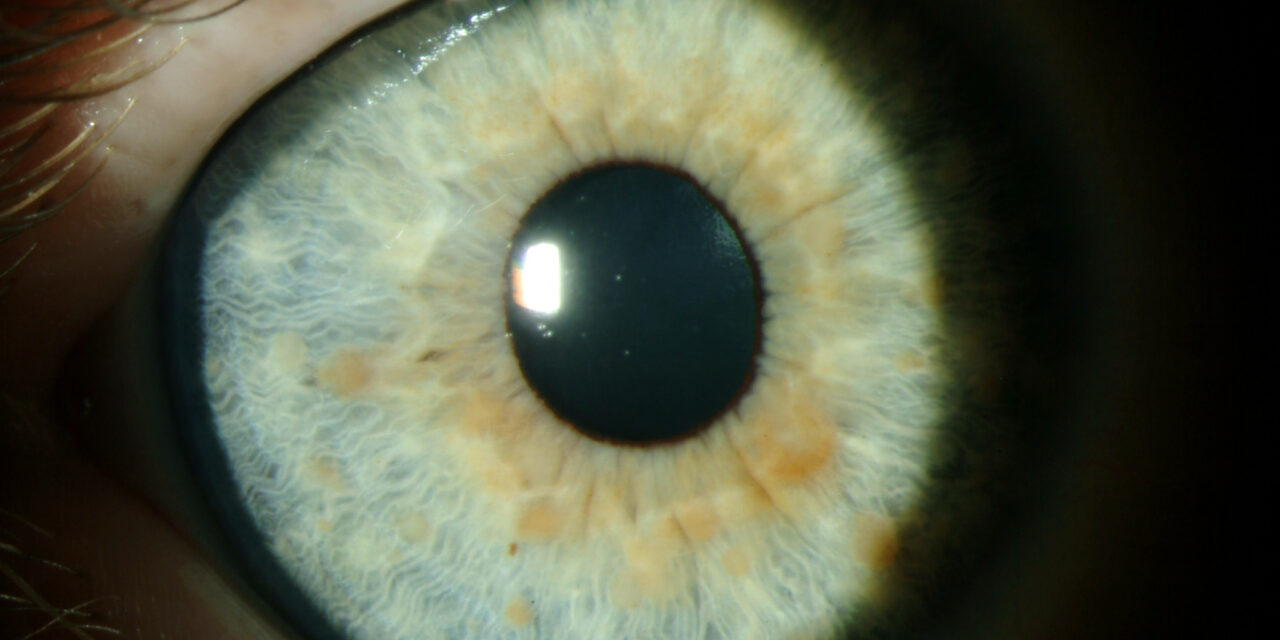
A 4-year-old boy is brought to the physician by his mother because of painless lesions on his face that he has had since shortly after birth. They recently moved to the USA from Indonesia where they had limited access to healthcare. A photograph of the lesions is shown. Which of the following is the most likely diagnosis?
Q197
A 4080-g (9-lb) male newborn is delivered at term to a 32-year-old woman, gravida 2, para 1. Apgar scores are 8 and 9 at 1- and 5-minutes, respectively. Examination in the delivery room shows both feet pointing downwards and inwards. Both the forefeet are twisted medially in adduction, with the hindfeet elevated and the midfeet appearing concave. Both Achilles tendons are taut on palpation. There are skin creases on the medial side of both feet. The deformity persists despite attempts to passively straighten the foot. X-rays of both feet confirm the suspected diagnosis. Which of the following is the most appropriate next step in the management of this patient?
Q198
Thirty minutes after delivery, a 3400-g (7.5-lb) female newborn develops cyanosis of her lips and oral mucosa. She was born at 36 weeks of gestation to a 30-year-old woman, gravida 1, para 0. Apgar scores are 7 and 8 at 1 and 5 minutes, respectively. Pregnancy was complicated by polyhydramnios. The patient's temperature is 37°C (98.6°F), pulse is 144/min, respirations are 52/min, and blood pressure is 70/40 mm Hg. Examination shows foaming and drooling at the mouth. Bilateral crackles are heard at the lung bases. There is a harsh 3/6 systolic murmur along the left sternal border. The abdomen is soft and mildly distended. There is an anterior ectopic anus. Insertion of a nasogastric tube is attempted. An x-ray of the chest and abdomen is shown. Which of the following is the most likely diagnosis?
Q199
A 3-year-old boy is brought to the emergency department because of increasing shortness of breath for 2 days. He is at 30th percentile for height and at 25th percentile for weight. His temperature is 37.1°C (98.8°F), pulse is 144/min, respirations are 40/min, and blood pressure is 80/44 mm Hg. Bilateral crackles are heard at the lung bases. A grade 3/6 holosystolic murmur is heard over the left lower sternal border. A grade 2/6 mid-diastolic murmur is heard best in the left fourth intercostal space. Without treatment, this patient is at risk of developing which of the following?
Q200
An 18-month-old boy is brought to the emergency department after losing consciousness. His mother states that he was running with other kids in the park when he suddenly fell down and became unresponsive for less than 1 minute. He has not had any immunizations due to their religious beliefs. The parents report that he plays with other children, but tires easily. He has had difficulty feeding, but there was no follow-up with a pediatrician. The heart rate was 120/min and the oxygen saturation was 91%. The height is in the 40th percentile and the weight is in the 50th percentile. On examination, the boy is crying with perioral cyanosis. The lung sounds are clear. S-1 is normal and there is a single S-2. A grade 2/6 systolic ejection murmur is appreciated at the left upper sternal border. When the child squats, the murmur is intensified and the cyanosis improves. What is the most appropriate next step in the management of this patient?
Congenital defects US Medical PG Practice Questions and MCQs
Question 191: A 24-hour-old neonate girl is brought to the clinic by her mother because of cyanotic discoloration of the skin. Her mother says she is from a rural area and did not receive any prenatal care including vaccinations and prenatal counseling. On physical examination, a continuous murmur is heard over the left upper sternal border on auscultation. Which of the following cardiac findings is most likely in this patient?
A. Patent ductus arteriosus (Correct Answer)
B. Coarctation of the aorta
C. Ventricular septal defect
D. Tetralogy of Fallot
E. Mitral valve prolapse
Explanation: ***Patent ductus arteriosus***
- A **continuous "machinery" murmur** heard over the **left upper sternal border** is the pathognomonic auscultatory finding for a patent ductus arteriosus (PDA).
- The continuous quality results from blood flow throughout systole and diastole from the aorta to the pulmonary artery.
- Cyanosis in a neonate with PDA can occur if there is associated pulmonary hypertension causing reversed (right-to-left) shunting, or if the PDA is associated with other ductal-dependent cardiac lesions.
*Coarctation of the aorta*
- This condition typically presents with **blood pressure differences** between the upper and lower extremities and diminished femoral pulses.
- The classic murmur is **systolic** and best heard over the left back between the scapulae or left infraclavicular area, not a continuous murmur at the left upper sternal border.
- While severe coarctation can cause cyanosis if associated with other defects, it does not produce a continuous murmur.
*Ventricular septal defect*
- VSD typically causes a **harsh holosystolic murmur** best heard at the **lower left sternal border**, not a continuous murmur.
- Most VSDs cause left-to-right shunting and present with heart failure symptoms rather than cyanosis.
- Cyanosis only occurs with Eisenmenger syndrome, which develops over months to years, not in the neonatal period.
*Tetralogy of Fallot*
- This congenital heart defect is characterized by **cyanosis** and a **systolic ejection murmur** at the upper left sternal border due to pulmonary stenosis.
- The murmur is systolic, not continuous, and results from right ventricular outflow tract obstruction.
- While TOF causes neonatal cyanosis, the murmur quality does not match this case.
*Mitral valve prolapse*
- Mitral valve prolapse is characterized by a **mid-systolic click** followed by a late systolic murmur, best heard at the apex.
- It is extremely rare in neonates and does not cause cyanosis or present with a continuous murmur.
- This is primarily a condition diagnosed in adolescents and adults.
Question 192: A 5-year-old girl is brought to her pediatrician for vaccinations and a physical. She is a generally healthy child with no thumb on her right hand and a shortened and deformed left thumb. She was born at 39 weeks gestation via spontaneous vaginal delivery and is up to date on all vaccines and meeting all developmental milestones. On physical examination her vital signs are stable. On auscultation of the heart, the pediatrician notes a wide fixed split in the second heart sound (S2) and a medium-pitched systolic ejection murmur at the left sternal border. The murmur is not harsh in quality and is not accompanied by a thrill. Her echocardiogram confirms the diagnosis of acyanotic congenital heart defect with left-to-right shunt. Which of the following genetic syndromes is most consistent with this girl's congenital defects?
A. Alagille syndrome
B. DiGeorge syndrome
C. Marfan syndrome
D. Holt-Oram syndrome (Correct Answer)
E. Williams-Beuren syndrome
Explanation: ***Holt-Oram syndrome***
- The combination of **thumb abnormalities** (agenesis on the right, shortened/deformed on the left) and an **acyanotic congenital heart defect with left-to-right shunt** (suggestive of an atrial septal defect by the wide, fixed S2 split) is highly characteristic of **Holt-Oram syndrome**.
- This syndrome is also known as **heart-hand syndrome** and is caused by mutations in the *TBX5* gene, which is crucial for both cardiac and upper limb development.
*Alagille syndrome*
- This syndrome is characterized by **specific facial features**, **cholestasis** due to bile duct paucity, **vertebral anomalies**, and often **peripheral pulmonic stenosis** or other cardiac defects, but not typically agenesis of the thumb.
- The hallmark cardiac defect seen in Alagille syndrome is often **pulmonary artery stenosis**, which is different from the likely atrial septal defect indicated here.
*DiGeorge syndrome*
- DiGeorge syndrome is associated with **conotruncal heart defects** (e.g., truncus arteriosus, tetralogy of Fallot), **thymic hypoplasia/aplasia** leading to immunodeficiency, **hypocalcemia** due to parathyroid hypoplasia, and distinct facial features.
- It does not primarily involve **limb abnormalities**, particularly thumb agenesis, as a defining feature.
*Marfan syndrome*
- Marfan syndrome primarily affects connective tissue, leading to features such as **tall stature**, **arachnodactyly** (long, slender fingers), **lens dislocation**, and significant **aortic dilation** and dissection.
- While it can involve the heart, it typically does not present with **thumb anomalies** or an atrial septal defect as described.
*Williams-Beuren syndrome*
- Williams syndrome is characterized by a distinctive **"elfin" facial appearance**, an outgoing and friendly personality, **supravalvular aortic stenosis**, and **intellectual disability**.
- It is not typically associated with **thumb hypoplasia/agenesis** or an atrial septal defect.
Question 193: A 15-year-old boy is brought to the emergency department by his mother because of a 5-hour history of right lower quadrant pain, vomiting, and abdominal distention. Examination shows a palpable mass in the right lower quadrant of the abdomen. An x-ray of the abdomen shows a dilated ascending colon with an air-fluid level in the small intestine. A test is performed in which electrodes are placed on the nasal epithelium and the nose is perfused with several different solutions. When a chloride-free solution is administered, hyperpolarization across the nasal epithelium is absent. Which of the following is the most common cause of mortality in patients with the condition described here?
A. Pulmonary infection (Correct Answer)
B. Nephrolithiasis
C. Liver cirrhosis
D. Pulmonary embolism
E. Diabetes mellitus
Explanation: ***Pulmonary infection***
- The patient's presentation (abdominal pain, distention, palpable mass, dilated ascending colon, air-fluid level, and abnormal nasal epithelial test) is highly suggestive of **cystic fibrosis (CF)** with a distal intestinal obstruction syndrome (DIOS).
- **Pulmonary complications**, particularly recurrent infections leading to bronchiectasis and respiratory failure, are the leading cause of mortality in patients with CF.
*Nephrolithiasis*
- While patients with cystic fibrosis can have an increased risk of **renal stones** due to dehydration and electrolyte imbalances, it is not the most common cause of mortality.
- **Kidney complications** are generally less severe and less frequently fatal compared to respiratory issues in CF.
*Liver cirrhosis*
- **Liver disease**, including cirrhosis and portal hypertension, can occur in CF due to inspissated bile, but it is a less common cause of mortality than pulmonary complications.
- Significant liver disease typically affects a smaller subset of CF patients compared to the nearly universal pulmonary involvement.
*Pulmonary embolism*
- Although **pulmonary embolism** can occur in hospitalized patients, it is not specifically linked to cystic fibrosis as a primary cause of mortality.
- The chronic lung disease in CF predisposes to other pulmonary issues like infection and respiratory failure, not primarily embolism.
*Diabetes mellitus*
- **Cystic fibrosis-related diabetes (CFRD)** is common in CF, resulting from pancreatic damage, but it is typically manageable and not a primary cause of mortality.
- Complications from diabetes, while serious, do not outweigh the mortality risk posed by the progressive lung disease in CF.
Question 194: A six-month-old male presents to the pediatrician for a well-child visit. His mother reports that the patient has just started eating solids and sleeps well throughout the night. She notes that she often puts the patient to sleep on his stomach because he seems to breathe more easily in that position. The patient’s mother has noticed that the patient’s breathing becomes more “strained” when lying on his back. She cannot remember when this problem began, but she believes it has gotten worse in recent weeks. The patient was born at 40 weeks gestation and has no other past medical history. The patient’s temperature is 98.0°F (36.7°C), blood pressure is 75/55 mmHg, pulse is 115/min, and respirations are 24/min. His oxygen saturation is 98% on room air. On physical exam, the patient appears comfortable and has inspiratory stridor that improves while leaning forward. His lungs are otherwise clear to auscultation bilaterally. Which of the following is the most likely cause of this patient’s respiratory symptoms?
A. Epiglottitis
B. Foreign body aspiration
C. Laryngotracheitis
D. Vascular ring
E. Laryngomalacia (Correct Answer)
Explanation: ***Laryngomalacia***
- The presentation of **inspiratory stridor** that is **worse when supine** and **improves when prone or leaning forward** (due to gravity pulling the epiglottis away from the glottis) is highly characteristic of **laryngomalacia**.
- This condition is common in infants and typically involves the **omega-shaped epiglottis** prolapsing into the airway, causing partial obstruction.
*Epiglottitis*
- **Epiglottitis** typically presents with rapid onset of **high fever, dysphagia, drooling, and respiratory distress**, often in toxic-appearing children.
- The child usually prefers to sit in the **tripod position** and symptoms are often severe, which is not consistent with this patient's presentation.
*Foreign body aspiration*
- **Foreign body aspiration** usually has a sudden onset of symptoms, including **choking spells, coughing, wheezing**, or stridor, often with a clear history of ingesting a small object.
- While stridor can be present, the gradual worsening and positional improvement are less characteristic of an acute foreign body obstruction.
*Laryngotracheitis*
- **Laryngotracheitis**, or **croup**, is characterized by a **barking cough**, inspiratory stridor, and hoarseness, typically preceded by an upper respiratory infection.
- The stridor in croup does not typically improve with positional changes (like leaning forward), and the characteristic cough is absent here.
*Vascular ring*
- **Vascular ring** can cause stridor, but it is typically due to **compression of the trachea or esophagus** by an aberrant blood vessel.
- While stridor might be present, it typically doesn't show the marked positional variation (improvement with leaning forward) seen in laryngomalacia, and **dysphagia** is also a common symptom.
Question 195: A male newborn is delivered at term to a 30-year-old woman. Pregnancy and delivery were uncomplicated. At birth, the umbilical cord is noted to be large. When the newborn cries, straw-colored fluid leaks from the umbilicus. The external genitalia appear normal. Which of the following is the most likely cause of this newborn's symptoms?
A. Infection of the umbilical cord stump
B. Failed closure of the vitelline duct
C. Failed obliteration of an allantoic remnant (Correct Answer)
D. Malformation of the medial umbilical ligament
E. Abnormal fusion of the urethral folds
Explanation: ***Failed obliteration of an allantoic remnant***
- The leakage of **straw-colored fluid** from the umbilicus, especially when the newborn cries (which increases **intra-abdominal pressure**), suggests a persistent communication between the bladder and the umbilicus via a **patent urachus**.
- The **urachus** is a remnant of the **allantois**, which normally obliterates to form the **median umbilical ligament**; failure to obliterate results in a urachal fistula.
*Infection of the umbilical cord stump*
- An infection would typically present with **erythema**, **purulent discharge**, and possibly fever or localized tenderness, not clear straw-colored fluid.
- The described fluid leakage is consistent with urine, not an infectious exudate.
*Failed closure of the vitelline duct*
- A patent **vitelline duct** (also known as the **omphalomesenteric duct**) would connect the umbilicus to the ileum, resulting in a discharge of **enteric contents** (bile or fecal material), which is distinctly different from straw-colored fluid (urine).
- Meconium or intestinal contents would be suspected if the vitelline duct failed to close.
*Malformation of the medial umbilical ligament*
- The **medial umbilical ligaments** are remnants of the **umbilical arteries** and are typically asymptomatic when malformed.
- Failure of these ligaments to obliterate or malformation would not cause fluid leakage from the umbilicus.
*Abnormal fusion of the urethral folds*
- Abnormal fusion of the **urethral folds** leads to **hypospadias** or **epispadias**, conditions affecting the external genitalia and urethra.
- While it involves the urinary system, it would cause abnormal urethral opening or urinary stream abnormalities, not leakage from the umbilicus, and the external genitalia are noted as normal in this case.
Question 196: A 4-year-old boy is brought to the physician by his mother because of painless lesions on his face that he has had since shortly after birth. They recently moved to the USA from Indonesia where they had limited access to healthcare. A photograph of the lesions is shown. Which of the following is the most likely diagnosis?
A. Infantile hemangioma (Correct Answer)
B. Neurofibromas
C. Molluscum contagiosum
D. Spider angioma
E. Verruca vulgaris
Explanation: ***Infantile hemangioma***
- These are **painless, benign vascular tumors** that typically appear shortly after birth, grow rapidly during the first year, and then slowly involute.
- While they can occur anywhere, they commonly affect the **head and neck** (including the face), and their natural history aligns with the description of lesions present since birth.
*Neurofibromas*
- **Neurofibromas** are soft, fleshy skin tumors associated with **Neurofibromatosis type 1**, a genetic disorder.
- While they can be present in childhood, they typically become more numerous and prominent during **adolescence** and adulthood, rather than appearing shortly after birth and remaining as stable, painless lesions on the face.
*Molluscum contagiosum*
- This is a **viral skin infection** causing small, firm, **umbilicated papules**.
- They are typically itchy or mildly irritating and can spread, rather than being painless lesions present since birth.
*Spider angioma*
- A **spider angioma** is a focal red lesion with radiating capillaries, blanching with central pressure.
- These are typically **small, solitary lesions** and do not present as multiple, widespread painless lesions on the face since birth.
*Verruca vulgaris*
- Also known as **common warts**, these are benign skin growths caused by the **human papillomavirus (HPV)**.
- They tend to be rough, raised lesions and are not typically present since shortly after birth; they are also more likely to be numerous but discrete, not uniformly "lesions on his face."
Question 197: A 4080-g (9-lb) male newborn is delivered at term to a 32-year-old woman, gravida 2, para 1. Apgar scores are 8 and 9 at 1- and 5-minutes, respectively. Examination in the delivery room shows both feet pointing downwards and inwards. Both the forefeet are twisted medially in adduction, with the hindfeet elevated and the midfeet appearing concave. Both Achilles tendons are taut on palpation. There are skin creases on the medial side of both feet. The deformity persists despite attempts to passively straighten the foot. X-rays of both feet confirm the suspected diagnosis. Which of the following is the most appropriate next step in the management of this patient?
A. Physiotherapy
B. Foot abduction brace
C. Surgery
D. Repositioning and serial casting (Correct Answer)
E. Reassurance
Explanation: ***Repositioning and serial casting***
- The clinical description of **equinus, varus, adduction, and cavus** (EVA-C) in both feet, along with the **taut Achilles tendons** and **persistent deformity** despite passive attempts, is consistent with **congenital talipes equinovarus** (clubfoot).
- The **Ponseti method**, which involves gentle **repositioning and serial casting** shortly after birth, is the gold standard and most appropriate initial treatment for clubfoot.
*Physiotherapy*
- While physiotherapy plays a role in the long-term management of clubfoot to maintain flexibility and strength, it is **not sufficient as the primary initial treatment** to correct the severe skeletal deformities.
- **Isolated stretching and exercises** without casting will likely fail to achieve proper anatomical correction of the rigid foot deformities.
*Foot abduction brace*
- A **foot abduction brace** is typically used *after* successful serial casting and (often) Achilles tenotomy to **maintain the correction** and prevent relapse.
- It is **not the initial treatment** to correct the deformity itself, but rather a crucial part of the maintenance phase.
*Surgery*
- **Extensive surgical correction** (posteromedial release) is usually reserved for **recalcitrant clubfoot** cases that do not respond to the Ponseti method or for relapses.
- Initial management with casting is preferred as it is **less invasive** and has high success rates, leading to better long-term functional outcomes.
*Reassurance*
- This is an obvious and significant **structural deformity** that requires active intervention, not just reassurance.
- **Untreated clubfoot** leads to severe functional impairment and disability.
Question 198: Thirty minutes after delivery, a 3400-g (7.5-lb) female newborn develops cyanosis of her lips and oral mucosa. She was born at 36 weeks of gestation to a 30-year-old woman, gravida 1, para 0. Apgar scores are 7 and 8 at 1 and 5 minutes, respectively. Pregnancy was complicated by polyhydramnios. The patient's temperature is 37°C (98.6°F), pulse is 144/min, respirations are 52/min, and blood pressure is 70/40 mm Hg. Examination shows foaming and drooling at the mouth. Bilateral crackles are heard at the lung bases. There is a harsh 3/6 systolic murmur along the left sternal border. The abdomen is soft and mildly distended. There is an anterior ectopic anus. Insertion of a nasogastric tube is attempted. An x-ray of the chest and abdomen is shown. Which of the following is the most likely diagnosis?
A. H‑type tracheoesophageal fistula without esophageal atresia
B. Esophageal atresia with tracheoesophageal fistula to the distal esophageal segment (Correct Answer)
C. Esophageal atresia with tracheoesophageal fistula to the proximal and distal esophageal segments
D. Esophageal atresia without tracheoesophageal fistula
E. Esophageal atresia with tracheoesophageal fistula to the proximal esophageal segment
Explanation: ***Esophageal atresia with tracheoesophageal fistula to the distal esophageal segment***
- This is **Type C EA/TEF**, the most common variant (85-90% of cases)
- **Inability to pass NG tube** (coils in proximal blind pouch on X-ray) confirms esophageal atresia
- **Foaming and drooling** occur because saliva cannot be swallowed past the atretic segment
- **Mild abdominal distension** results from air entering the stomach via the **distal TEF** during breathing
- **Cyanosis and crackles** indicate aspiration pneumonitis from gastric contents refluxing through the distal fistula into the trachea
- Associated with **VACTERL anomalies** (cardiac murmur, anorectal malformation seen here)
*H-type tracheoesophageal fistula without esophageal atresia*
- In H-type TEF, there is **no esophageal atresia**, so the NG tube would pass normally into the stomach
- Patients typically present later with **recurrent aspiration during feeds**, not immediate drooling at birth
- Would not cause the **immediate foaming and drooling** seen in this newborn
*Esophageal atresia with tracheoesophageal fistula to the proximal and distal esophageal segments*
- This is **Type D EA/TEF** (very rare, 1-2% of cases)
- Would cause **more severe abdominal distension** because air enters via both proximal and distal fistulas
- The clinical presentation here is most consistent with the more common Type C
*Esophageal atresia without tracheoesophageal fistula*
- This is **Type A** (pure EA, 5-8% of cases)
- Key differentiating feature: **scaphoid (flat) abdomen** because no air can enter the GI tract
- The **mild abdominal distension** in this case indicates a distal fistula is present
*Esophageal atresia with tracheoesophageal fistula to the proximal esophageal segment*
- This is **Type B EA/TEF** (very rare, <1% of cases)
- Would cause **severe aspiration** with feeding attempts as oral contents enter trachea via proximal fistula
- Would have **scaphoid abdomen** (no air pathway to stomach), not the mild distension seen here
Question 199: A 3-year-old boy is brought to the emergency department because of increasing shortness of breath for 2 days. He is at 30th percentile for height and at 25th percentile for weight. His temperature is 37.1°C (98.8°F), pulse is 144/min, respirations are 40/min, and blood pressure is 80/44 mm Hg. Bilateral crackles are heard at the lung bases. A grade 3/6 holosystolic murmur is heard over the left lower sternal border. A grade 2/6 mid-diastolic murmur is heard best in the left fourth intercostal space. Without treatment, this patient is at risk of developing which of the following?
A. Myocardial ischemia
B. Secondary hypertension
C. Thrombocytosis
D. Polycythemia (Correct Answer)
E. Cerebral aneurysm
Explanation: ***Polycythemia***
- This patient likely has a large **ventricular septal defect (VSD)** leading to a left-to-right shunt, which can eventually cause **Eisenmenger syndrome** with shunt reversal leading to cyanosis. Chronic cyanosis stimulates erythropoietin production, resulting in **secondary polycythemia** as the body attempts to increase oxygen-carrying capacity.
- The symptoms, including **shortness of breath**, low weight/height percentiles (suggesting **failure to thrive**), tachypnea, tachycardia, bilateral crackles, and the characteristic holosystolic and mid-diastolic murmurs, are consistent with a large VSD causing left-to-right shunting and eventual pulmonary hypertension, leading to right-to-left shunting and chronic hypoxemia.
*Myocardial ischemia*
- While congenital heart disease can cause cardiac stress, **myocardial ischemia** is not a common direct complication of an uncorrected VSD in this age group unless other risk factors or specific coronary anomalies are present.
- The hemodynamics of a VSD primarily involve volume overload and pressure changes rather than acute coronary insufficiency.
*Secondary hypertension*
- This condition is more typically associated with **renal disease**, endocrine disorders, or coarctation of the aorta, none of which are suggested by the clinical picture or murmurs described here.
- While pulmonary hypertension can develop from a large VSD, systemic hypertension is not a direct or anticipated chronic complication of an uncorrected VSD.
*Thrombocytosis*
- **Thrombocytosis** refers to an abnormally high platelet count, which is not a common or direct consequence of an uncorrected VSD or the resulting hypoxemia.
- In some chronic hypoxic conditions, there might be effects on bone marrow, but polycythemia (red blood cell increase) is the more classic hematologic response.
*Cerebral aneurysm*
- While some congenital heart diseases are associated with an increased risk of **cerebral aneurysms**, particularly conditions like coarctation of the aorta or Marfan syndrome, it is not a direct or primary consequence of an uncorrected VSD.
- The immediate and most likely hematologic complication of chronic hypoxemia from a VSD with shunt reversal is polycythemia.
Question 200: An 18-month-old boy is brought to the emergency department after losing consciousness. His mother states that he was running with other kids in the park when he suddenly fell down and became unresponsive for less than 1 minute. He has not had any immunizations due to their religious beliefs. The parents report that he plays with other children, but tires easily. He has had difficulty feeding, but there was no follow-up with a pediatrician. The heart rate was 120/min and the oxygen saturation was 91%. The height is in the 40th percentile and the weight is in the 50th percentile. On examination, the boy is crying with perioral cyanosis. The lung sounds are clear. S-1 is normal and there is a single S-2. A grade 2/6 systolic ejection murmur is appreciated at the left upper sternal border. When the child squats, the murmur is intensified and the cyanosis improves. What is the most appropriate next step in the management of this patient?
A. Morphine, oxygen, IV fluids, and beta blockers (Correct Answer)
B. Antibiotics and supportive care
C. Observation and reassurance
D. Diazepam
E. Morphine, oxygen, nitroglycerin, and aspirin
Explanation: ***Morphine, oxygen, IV fluids, and beta blockers***
- The patient presents with classic signs of a **tet spell** (hypercyanotic spell) secondary to **tetralogy of Fallot**, including perioral cyanosis, a systolic ejection murmur, and improvement with squatting. Treatment involves **morphine** to decrease infundibular spasm and anxiety, **oxygen** for hypoxemia, **IV fluids** to increase preload, and **beta-blockers** to relax the right ventricular outflow tract.
- **Squatting** increases systemic vascular resistance, decreasing the right-to-left shunt, suggesting the diagnosis of tetralogy of Fallot and reinforcing the need for interventions that improve pulmonary blood flow and reduce RVOT obstruction.
*Antibiotics and supportive care*
- This patient's symptoms are indicative of an acute cardiac event, not an infection. **Antibiotics** would not address the underlying pathophysiology of a tet spell.
- While supportive care is generally part of management, it is insufficient without specific interventions to treat the underlying cardiac physiology.
*Observation and reassurance*
- The patient's presentation with loss of consciousness and profound cyanosis indicates a **medical emergency** that requires immediate intervention, not just observation.
- **Reassurance** alone would be inappropriate and harmful, given the life-threatening nature of a hypercyanotic spell.
*Diazepam*
- While **diazepam** can help with anxiety and reduce systemic vascular resistance, it is not the primary or most comprehensive treatment for a tet spell compared to the combination of morphine, oxygen, fluids, and beta-blockers.
- It doesn't directly address the critical components of improving pulmonary blood flow or relaxing the obstructed RVOT as effectively as beta-blockers.
*Morphine, oxygen, nitroglycerin, and aspirin*
- **Nitroglycerin** is a potent vasodilator and would be contraindicated in the setting of a tet spell, as it would decrease systemic vascular resistance and likely worsen the right-to-left shunt.
- **Aspirin** is not indicated for the acute management of a tet spell; it is primarily used for antiplatelet effects or anti-inflammatory purposes, neither of which addresses the immediate crisis.