A 32-year-old woman presents with a new 2 cm black nodular mass near her episiotomy scar. She reports that the mass is painful and tends to increase in size during menstruation. What is the most likely diagnosis?
A young woman presents with prolapse, and a mesh is being placed. Where is this mesh typically fixed to?
In fertility-preserving prolapse surgery, which bony landmark is used for suspension?
A patient with second-degree cervical prolapse complains of dribbling of urine when coughing. What is the most likely diagnosis?
A teenage patient presents with dysmenorrhea and chronic pelvic pain. Upon further investigation, she is found to have a transverse vaginal septum. What is the most likely diagnosis?
A 25-year-old primigravida is admitted to the hospital at 36 weeks gestation with a severe frontal headache. The initial assessment shows her vital signs to be as follows: blood pressure, 170/90 mm Hg; heart rate, 85/min; respiratory rate; 15/min; and temperature, 36.9℃ (98.4℉). The fetal heart rate is 159/min. The patient’s physical examination is remarkable for pitting edema of the lower extremity. Dipstick urine assessment shows 2+ proteinuria. While being evaluated the patient has a generalized tonic-clonic seizure. Which of the following pharmacologic agents should be used to control the seizures?
A 25-year-old primigravida is admitted to the hospital at 35 weeks gestation after she was hit in the abdomen by her roommate. She complains of severe dizziness, abdominal pain, and uterine contractions. Her vital signs are as follows: blood pressure 90/50 mm Hg, heart rate 99/min, respiratory rate 20/min, and temperature 36.3℃ (97.3℉). The fetal heart rate is 138/min. On examination, the patient is somnolent. There is an ecchymoses on the left side of her abdomen. The uterus is tender and strong uterine contractions are palpable. The fundus is between the xiphoid process and umbilicus There are no vaginal or cervical lesions and no visible bleeding. The cervix is long and closed. Which of the following findings would occur in this patient over time as her condition progresses?
A 44-year-old G5P3 presents with a 2-year history of leaking urine upon exerting herself, coughing, and laughing. Her symptoms are only present in the daytime. She denies urgency, nocturia, or painful urination. She has no menstrual cycle disturbances. Her husband is her only sexual partner. She has a 12 pack-year smoking history, a 3-year history of chronic bronchitis, and a 3-year history of arterial hypertension. She takes fosinopril (10 mg), metoprolol (50 mg), and atorvastatin (10 mg) daily. Her weight is 88 kg (194 lb) and the height is 160 cm (5.2 ft). On examination, the vital signs are as follows: blood pressure 130/80 mm Hg, heart rate 78/min, respiratory rate 14/min, and temperature 36.7℃ (98℉). Lung auscultation revealed bilateral lower lobe rales. No costovertebral angle or suprapubic tenderness are present. Which of the following findings is most likely to be revealed by the gynecologic examination?
A 21-year-old woman presents to the women’s clinic with chronic pelvic pain, especially during sexual intercourse. She also reports new onset yellowish vaginal discharge. She has no significant past medical history. She does not take contraceptive pills as she has had a copper intrauterine device placed. She smokes 2–3 cigarettes every day. She drinks beer on weekends. She admits to being sexually active with over 10 partners since the age of 14. Her blood pressure is 118/66 mm Hg, the heart rate is 68/min, the respiratory rate is 12/min and the temperature is 39.1°C (102.3°F). On physical examination she appears uncomfortable but alert and oriented. Her heart and lung examinations are within normal limits. Bimanual exam reveals a tender adnexa and uterus with cervical motion tenderness. Whiff test is negative and vaginal pH is greater than 4.5. Which of the following is the most likely diagnosis?
A 30-year-old primigravid woman at 16 weeks' gestation comes to the emergency department because of vaginal bleeding. She has had spotting for the last 2 days. She has had standard prenatal care. A viable uterine pregnancy was confirmed on ultrasonography during a prenatal care visit 2 weeks ago. She reports recurrent episodes of pain in her right wrist and both knees. Until pregnancy, she smoked one pack of cigarettes daily for the past 11 years. Pelvic examination shows an open cervical os and blood within the vaginal vault. Laboratory studies show: Hemoglobin 9.6 g/dL Leukocyte count 8,200/mm3 Platelet count 140,000/mm3 Prothrombin time 14 seconds Partial thromboplastin time 46 seconds Serum Na+ 136 mEq/L K+ 4.1 mEq/L Cl- 101 mEq/L Urea nitrogen 12 mg/dL Creatinine 1.3 mg/dL AST 20 U/L ALT 15 U/L Ultrasonography shows an intrauterine pregnancy and no fetal cardiac activity. Which of the following is the most likely explanation for this patient's examination findings?
Explanation: ***Endometriosis*** - The location near an **episiotomy scar**, the **painful black nodular mass**, and its tendency to **increase in size during menstruation** are highly characteristic of an **episiotomy scar endometriosis**, also known as cutaneous endometriosis. - This condition involves the presence of **endometrial tissue** outside the uterus, which responds to hormonal fluctuations, explaining the cyclical pain and size changes. *Melanoma* - While a **black nodular mass** could suggest melanoma, the key differentiating factor here is the **cyclical pain and growth with menstruation**, which is not typical for melanoma. - Melanoma is a **malignant tumor** of melanocytes and usually presents with irregular borders, asymmetry, and color variation, without a direct correlation to the menstrual cycle. *Foreign body granuloma* - A **foreign body granuloma** is an inflammatory reaction to non-degradable foreign material, which could be seen at a surgical site like an episiotomy. - However, this condition typically doesn't exhibit the **cyclical pain and growth with menstruation** that is a hallmark of endometriosis. *Inclusion cyst* - An **inclusion cyst** is a benign cyst that develops when epithelial cells become trapped under the skin surface after trauma or surgery. - While it can occur at an episiotomy site, it is usually a **slow-growing mass** that is typically painless (unless infected) and does not fluctuate in size or pain with the menstrual cycle.
Explanation: ***Sacral promontory*** - In **sacrocolpopexy**, a common surgical procedure for vaginal prolapse, a mesh is attached from the vaginal apex to the **anterior longitudinal ligament** overlying the **sacral promontory**. - This anatomical landmark provides a strong, stable point of fixation to support the vagina and prevent recurrence of prolapse. *Ischial spine* - The **ischial spine** is a common landmark for identifying the **pudendal nerve** and for performing a **pudendal nerve block**, not for mesh fixation in prolapse repair. - It is also relevant in measuring the **interspinous diameter** of the pelvis during childbirth, but not for surgical mesh attachment in this context. *Ischial tuberosity* - The **ischial tuberosity** is the bony prominence on which one sits and is an attachment point for various muscles of the **thigh** and **pelvic floor**. - It is not used as a primary fixation point for mesh in vaginal prolapse repair due to its position and lack of direct support for the vaginal apex. *Pubic symphysis* - The **pubic symphysis** is a cartilaginous joint connecting the two **pubic bones** in the anterior pelvis. - While part of the pelvic framework, it does not provide the appropriate superior posterior support needed for **vaginal apex suspension** in prolapse surgery.
Explanation: ***Ischial spine*** - The **ischial spine** serves as a crucial anatomical landmark for **suspension in fertility-preserving prolapse surgery**, particularly for procedures like sacrospinous ligament fixation. - Fixation to the ischial spine helps in supporting the vaginal apex or uterus, maintaining the natural vaginal axis and reducing the risk of recurrence. *Sacral promontory* - The **sacral promontory** is used in sacrocolpopexy or sacrohysteropexy, which traditionally involves mesh fixation and may not be ideal for **fertility preservation** due to potential future pregnancy complications or mesh-related issues. - While it provides strong support, its use might reduce vaginal elasticity and increase risk for future deliveries. *Pubic symphysis* - The **pubic symphysis** is primarily involved in procedures for **stress urinary incontinence** (e.g., tension-free vaginal tape) and is not a primary point for suspending the uterus or vaginal apex in prolapse surgery. - Using it for prolapse repair could alter the normal anatomical relationship and lead to dyspareunia or chronic pain. *Ischial tuberosity* - The **ischial tuberosity** is a bony prominence that provides attachment for various ligaments and muscles of the pelvis and perineum but is **too inferior and lateral** to be effectively used for uterine or vaginal vault suspension. - Its location makes it unsuitable for achieving appropriate apical support in prolapse surgery.
Explanation: ***Stress incontinence*** - **Stress incontinence** is characterized by involuntary urine leakage due to increased intra-abdominal pressure (e.g., coughing, sneezing), which is common in association with **pelvic organ prolapse** like a second-degree cervical prolapse. - The prolapse weakens the **pelvic floor muscles** and supporting structures around the urethra, diminishing its ability to maintain closure during sudden pressure changes. *Cystitis* - **Cystitis** is an inflammation of the bladder, typically presenting with symptoms like painful urination (dysuria), frequent urination, and urgency. - While it can cause bladder irritation, it does not directly lead to urine dribbling with coughing in the absence of other typical infection symptoms. *Overflow incontinence* - **Overflow incontinence** occurs due to an **overfilled bladder** that can't empty completely, leading to constant dribbling or leakage. - This typically results from a **bladder outlet obstruction** or an **underactive detrusor muscle**, not directly from increased abdominal pressure during coughing. *Functional incontinence* - **Functional incontinence** is when a person has control over their bladder but cannot reach the toilet in time due to **physical or cognitive impairments**. - It does not involve a problem with the urinary tract itself but rather with the ability to respond to the urge to urinate.
Explanation: ***Endometriosis*** - This condition is characterized by the presence of **endometrial-like tissue outside the uterus**, which responds to hormonal changes, leading to chronic pelvic pain and dysmenorrhea. - While a transverse vaginal septum isn't a direct cause of endometriosis, this presentation of chronic pain and dysmenorrhea in a teenager strongly suggests endometriosis, and the septum might be an incidental finding or a contributing factor to pain due to outflow obstruction in some cases. *Dermoid cyst* - A dermoid cyst (mature cystic teratoma) is a benign ovarian tumor that typically causes pelvic pain due to its size or torsion, and it does not usually cause dysmenorrhea. - It would not be directly associated with the presence of a transverse vaginal septum. *Tubo-ovarian abscess* - A tubo-ovarian abscess is an inflammatory mass involving the fallopian tube and ovary, typically presenting with acute-onset severe pelvic pain, fever, and leukocytosis. - While it causes pelvic pain, it is usually acute and infectious in nature, and not inherently linked to dysmenorrhea or a transverse vaginal septum. *Hematocolpos/Hematometra* - **Hematocolpos** (blood in the vagina) or **hematometra** (blood in the uterus) results from an outflow obstruction, such as an imperforate hymen or a transverse vaginal septum. - While a transverse vaginal septum could lead to hematocolpos, the primary symptoms would be cyclical abdominal pain progressing from menarche, an abdominal mass, and **amenorrhea** (absence of menstruation), rather than dysmenorrhea (painful menstruation) which implies some menstrual flow.
Explanation: ***Magnesium sulfate*** - This patient presents with **severe preeclampsia** (hypertension, proteinuria, edema) that has progressed to **eclampsia**, characterized by **generalized tonic-clonic seizures**. - **Magnesium sulfate** is the **first-line treatment** for preventing and controlling seizures in eclampsia due to its neuroprotective and vasodilatory effects. *Valproic acid* - While an **anticonvulsant**, valproic acid is generally **avoided in pregnancy** due to its significant **teratogenic potential**, particularly neural tube defects. - It is not the preferred agent for acute seizure management in eclampsia due to slower onset and less evidence of efficacy compared to magnesium sulfate. *Lamotrigine* - **Lamotrigine** is an **anticonvulsant** sometimes used in pregnancy for chronic seizure disorders, but it is **not the drug of choice** for acute eclamptic seizures. - Its efficacy in preventing or treating eclamptic seizures has not been established a well as magnesium sulfate, and it has a slower onset of action. *Phenytoin* - **Phenytoin** is an **anticonvulsant** that can be used for seizure control, but it is **less effective** than magnesium sulfate for eclamptic seizures and has more side effects. - It was historically used but has largely been replaced due to superior efficacy and safety profile of magnesium sulfate in this specific context. *Diazepam* - **Diazepam** is a **benzodiazepine** that can control acute seizures, but its use in eclampsia is associated with **maternal respiratory depression** and **neonatal depression**. - It is considered a **second-line agent** if magnesium sulfate fails and should be used with caution due to potential adverse effects on both mother and fetus.
Explanation: ***Emergence of rebound tenderness*** - The patient's symptoms (abdominal trauma, severe dizziness, abdominal pain, uterine contractions, hypotension) are highly suggestive of **placental abruption** and possibly a **ruptured uterus**. - As the condition progresses, particularly with internal bleeding into the peritoneal cavity, **peritoneal irritation** will worsen, leading to the emergence of rebound tenderness. *Increase in fundal height* - While an increase in fundal height can occur with **concealed hemorrhage** behind the placenta, the location of the fundus between the xiphoid process and umbilicus, despite being at 35 weeks gestation, suggests an **already abnormally high fundus** for gestational age. - Furthermore, if uterine rupture occurs, the fundal height might not directly increase or could even decrease if the fetus is expelled into the abdominal cavity. *Prolapse and tenderness of the posterior cul-de-sac* - This finding is more characteristic of conditions involving **peritoneal fluid collection** or **pelvic abscess**, such as a ruptured ectopic pregnancy or pelvic inflammatory disease. - While internal bleeding in the abdominal cavity could eventually lead to this, rebound tenderness is a more immediate and direct sign of advancing peritonitis. *Cessation of uterine contractions* - Strong, painful uterine contractions are a key symptom accompanying **placental abruption** due to uterine irritability and potential hemorrhage. - If the uterine contractions were to cease in this context, it might suggest **uterine atony** or severe fetal distress, but it is not a typical progression of uterine rupture or worsening abruption, which usually involves continued or worsening pain and contractions. *Appearance of a watery vaginal discharge* - A watery vaginal discharge often indicates **rupture of membranes**, which is not directly linked to the progression of placental abruption or uterine rupture in this clinical scenario. - While both conditions can lead to delivery, the discharge itself doesn't signify a worsening of the underlying abruption or rupture.
Explanation: ***Cystocele*** - The patient exhibits classic symptoms of **stress urinary incontinence (SUI)**: urine leakage with exertion, coughing, and laughing, without urgency or nocturia. - A **cystocele**, or anterior vaginal wall prolapse, is a common cause of SUI, especially in multiparous women (G5P3) and those with increased intra-abdominal pressure (chronic bronchitis, obesity), as it weakens pelvic floor support. *Ovarian mass* - An ovarian mass would likely present with symptoms such as **pelvic pain, abdominal distension, or menstrual irregularities**, none of which are described. - While it could theoretically contribute to pelvic pressure, it's not the primary cause of isolated **stress urinary incontinence** in this clinical context. *Purulent cervical discharge* - **Purulent cervical discharge** is indicative of a **cervicitis** or other **genitourinary infection**, often accompanied by symptoms like dysuria, pelvic pain, or intermenstrual bleeding. - The patient denies painful urination and does not present with other signs of infection, making this finding unlikely. *Rectocele* - A **rectocele**, or posterior vaginal wall prolapse, typically causes symptoms such as **constipation, difficult defecation, or a sensation of rectal fullness**. - While it can coexist with a cystocele, it does not directly explain the patient's primary complaint of **stress urinary incontinence**. *Urethral caruncle* - A **urethral caruncle** is a benign fleshy growth at the urethral meatus, often presenting with **dysuria, hematuria, or a palpable mass**. - It is not a cause of **stress urinary incontinence** and carries different symptoms than those described by the patient.
Explanation: ***Pelvic inflammatory disease*** - The patient presents with **chronic pelvic pain**, **dyspareunia**, **yellowish vaginal discharge**, and **fever** (39.1°C), along with **cervical motion tenderness**, **adnexal tenderness**, and **uterine tenderness** on bimanual exam. These are classic signs and symptoms of **Pelvic Inflammatory Disease (PID)**. - Risk factors for PID include **multiple sexual partners**, **age younger than 25**, and the presence of an **intrauterine device (IUD)**, all of which are present in this case. *Appendicitis* - **Appendicitis** typically presents with **acute onset right lower quadrant pain** that often migrates from the periumbilical region. This patient's symptoms are more diffuse and chronic. - While fever can be present in appendicitis, the specific findings of **cervical motion tenderness** and **adnexal tenderness** point away from an appendiceal origin and directly towards pelvic pathology. *Bacterial vaginosis* - **Bacterial vaginosis (BV)** is characterized by a **fishy odor** (positive whiff test), **vaginal discharge**, and a **vaginal pH > 4.5**. Although the pH is elevated, the **negative whiff test** and the presence of **fever** and **cervical motion tenderness** make BV unlikely. - BV does not typically cause systemic symptoms like fever or severe pelvic pain and tenderness unless complicated by other infections. *Ectopic pregnancy* - **Ectopic pregnancy** would primarily present with **amenorrhea**, **abdominal pain**, and potentially **vaginal bleeding**. This patient does not report amenorrhea or vaginal bleeding. - While pelvic pain and tenderness can occur, the presence of **fever** and **yellowish discharge** strongly suggests an infectious process rather than an ectopic pregnancy. A pregnancy test would be crucial to rule it out, but the overall picture is not consistent. *Urinary tract infection* - **Urinary tract infection (UTI)** symptoms typically include **dysuria**, **frequency**, **urgency**, and **suprapubic pain**. While fever can occur with pyelonephritis, the predominant symptoms in this case are pelvic pain, dyspareunia, and specific gynecological tenderness. - The absence of reported urinary symptoms makes a UTI less likely, and the bimanual exam findings are not typical for uncomplicated UTIs.
Explanation: ***Chromosomal abnormalities*** - The combination of **vaginal bleeding**, an **open cervical os**, and the absence of **fetal cardiac activity** in a previously confirmed viable pregnancy at 16 weeks gestation is highly suggestive of an **inevitable or incomplete abortion**. The most common cause of spontaneous abortion, particularly in the first trimester and early second trimester, is **chromosomal abnormalities**. - While the patient's history of smoking and recurrent joint pain (potentially indicative of an autoimmune condition like lupus, which could be associated with antiphospholipid syndrome) could increase the risk of pregnancy complications, **chromosomal anomalies** remain the leading cause of early pregnancy loss. *Subchorionic hematoma* - A **subchorionic hematoma** is a collection of blood between the chorion and the uterine wall and can cause **vaginal bleeding**. - However, while it can pose a risk to pregnancy, the presence of an **open cervical os** and **absent fetal cardiac activity** points more strongly toward a spontaneous abortion rather than just a hematoma in isolation. *Placental thrombosis* - **Placental thrombosis** can lead to fetal demise and often presents with **vaginal bleeding**. - It is more commonly associated with conditions like **antiphospholipid syndrome** or thrombophilias, which could be suggested by recurrent joint pain (though not definitively diagnosed). However, chromosomal abnormalities are statistically a more frequent cause for this presentation. *Hyperfibrinolysis* - **Hyperfibrinolysis** would present with generalized bleeding tendencies and abnormal coagulation parameters (e.g., shortened PT/aPTT, decreased fibrinogen), which are not evident in this patient's lab results (normal PT, slightly prolonged aPTT but not dramatically so, platelet count is low but not critically low for hyperfibrinolysis). - The primary issue here is pregnancy loss, not a primary bleeding disorder as the cause of fetal demise. *Preeclampsia* - **Preeclampsia** is a hypertensive disorder of pregnancy, typically presenting after 20 weeks gestation, characterized by **hypertension** and **proteinuria**. - This patient is at 16 weeks gestation, and there is no mention of hypertension or proteinuria, making preeclampsia an unlikely cause for her current presentation.
Explanation: ***Methylene blue instillation into the bladder*** - The presence of **urine pooling in the vaginal vault** following a recent bilateral tubal ligation strongly suggests a **vesicovaginal fistula**, a direct communication between the bladder and vagina. - Instilling methylene blue into the bladder and observing for its leakage into the vagina (via a vaginal tampon or speculum) is a definitive and minimally invasive test to confirm a vesicovaginal fistula. *Q-tip test* - The Q-tip test assesses **urethral hypermobility**, a common cause of stress urinary incontinence. - While helpful for stress incontinence, it would not directly identify the source of urine pooling in the vaginal vault, especially after a recent gynecological procedure. *Transvaginal ultrasound* - A transvaginal ultrasound can visualize pelvic organs and assess for structural abnormalities, but it is **not the primary diagnostic test** for confirming a vesicovaginal fistula. - While it might show fluid collections, it would not definitively distinguish urine from other fluids or pinpoint the exact fistula location as clearly as dye instillation. *Cystoscopy* - Cystoscopy allows direct visualization of the bladder lining and urethra, which can help identify the bladder opening of a fistula. - However, performing dye instillation first is a simpler and less invasive method to confirm the presence of a fistula and often guides the subsequent cystoscopy for detailed evaluation. *Post-void residual volume* - Post-void residual volume measures the amount of urine left in the bladder after urination, which is useful in evaluating for **urinary retention** or **overflow incontinence**. - This test would not directly diagnose a vesicovaginal fistula, as the patient is experiencing leakage rather than retention, and the pooling in the vaginal vault indicates an abnormal communication.
Explanation: ***Ruptured vasa previa*** - The sudden onset of painless **vaginal bleeding** at 39 weeks with **fetal heart rate deceleration** (96/min) immediately after membrane rupture is highly indicative of vasa previa rupture. - In vasa previa, fetal blood vessels lie within the membranes over the cervical os; rupture leads to rapid fetal blood loss. *Placenta accreta* - This condition involves abnormal adherence of the **placenta to the uterine wall** and usually presents with hemorrhage during the **third stage of labor** when the placenta fails to separate. - While a previous cesarean section is a risk factor, the acute scenario with fetal distress following membrane rupture is less typical for placenta accreta as the primary cause of this specific bleeding episode. *Threatened abortion* - A threatened abortion occurs **before 20 weeks' gestation** and is characterized by vaginal bleeding with a closed cervix, and would not occur at 39 weeks' gestation. - The symptoms presented by the patient, including being at term and having severe hemorrhage with fetal heart rate deceleration, are inconsistent with a threatened abortion. *Bloody show* - **Bloody show** is typically a small amount of blood-tinged mucus that occurs as the cervix begins to dilate and efface. - It is not associated with severe, acute hemorrhage or immediate fetal distress, as seen in this case. *Placenta previa* - **Placenta previa** typically presents as painless vaginal bleeding in the late second or third trimester but usually does not cause acute, severe fetal heart rate deceleration unless there is significant maternal hypovolemia or placental abruption secondary to the previa. - The sudden severe bleeding with a rapid drop in fetal heart rate after membrane rupture strongly points away from uncomplicated placenta previa and rather towards fetal vessel rupture.
Explanation: ***Chorioamnionitis*** - This patient presents with **fever**, **maternal tachycardia**, **uterine tenderness**, and **malodorous, blood-tinged amniotic fluid** following rupture of membranes, which are classic signs of chorioamnionitis. - The **fetal tachycardia** (175/min) and **maternal leukocytosis** (13,100/mm3) further support this diagnosis. *Influenza* - While influenza can cause fever and malaise, it typically presents with **respiratory symptoms** (e.g., cough, sore throat) which are absent in this case. - It would not explain the specific obstetric findings such as **uterine tenderness** or **malodorous amniotic fluid**. *Acute appendicitis* - Although it can cause abdominal pain and nausea, **appendicitis** typically presents with pain localized to the **right lower quadrant**, often associated with rebound tenderness. - **Malodorous amniotic fluid** and **fetal tachycardia** are not characteristic features of appendicitis. *Acute pyelonephritis* - Pyelonephritis would present with **costovertebral angle tenderness**, dysuria, and a urinalysis showing significant **leukocyturia** and bacteriuria, which are not seen here (WBCs 3-4/hpf, nitrites negative). - The **diffuse lower quadrant tenderness** and malodorous amniotic fluid point away from a urinary tract infection as the primary diagnosis. *Uterine rupture* - Uterine rupture typically presents with **sudden, severe abdominal pain**, **fetal distress** (e.g., severe decelerations or bradycardia), and often a **palpable fetal part** in the abdomen due to extrusion. - The fetal heart rate is reactive and 175/min, indicating **fetal tachycardia** rather than distress suggesting rupture, and the tenderness is diffuse rather than sudden and sharp with loss of uterine tone.
Explanation: ***Laparoscopy*** - This patient's symptoms of **pelvic pain that worsens before menstruation**, **dyspareunia**, and **tenderness with lateral cervical displacement** are highly suggestive of **endometriosis**. - **Laparoscopy with biopsy** is the gold standard for definitively diagnosing endometriosis, allowing for direct visualization and histological confirmation of endometrial implants. *Hysterosalpingogram* - A hysterosalpingogram is primarily used to evaluate **uterine cavity abnormalities** and **fallopian tube patency**, especially in the context of infertility. - It would not be diagnostic for endometriosis, which involves endometrial tissue outside the uterus. *Hysteroscopy* - Hysteroscopy involves visualizing the **inside of the uterus** to diagnose and treat intrauterine conditions like polyps, fibroids, or adhesions. - It would not detect endometrial implants located outside the uterine cavity, which is characteristic of endometriosis. *Pelvic MRI* - While pelvic MRI can identify larger endometrial implants or **endometriomas** (cysts on the ovaries), it is **not sensitive enough** to detect all forms of endometriosis, particularly superficial lesions. - It is usually reserved for cases where deep infiltrating endometriosis is suspected or when surgical planning requires detailed anatomical information. *Abdominal ultrasound* - An abdominal ultrasound is less precise than a pelvic ultrasound and is generally **not used to evaluate gynecological conditions** like endometriosis. - A **pelvic ultrasound** was already performed and found no abnormalities, which is common in endometriosis as many implants are too small to be seen with ultrasound.
Explanation: ***Emergency exploratory laparotomy*** - The patient presents with **sudden severe lower abdominal pain**, **hypotension (90/60 mm Hg)**, **tachycardia (110/min)**, **palpable tender right adnexal mass**, and signs of **anemia (Hb 10 g/dL, Hct 30%)**, along with **free fluid** on ultrasound, indicating **hemorrhagic shock due to a ruptured ectopic pregnancy or ovarian cyst**. This is a surgical emergency. - An **exploratory laparotomy** is immediately indicated to identify the source of bleeding, control hemorrhage, and remove the ruptured structure, especially given her unstable vital signs. *Intravenous methotrexate administration* - **Methotrexate** is used for **unruptured ectopic pregnancies** with specific criteria (e.g., small size, stable patient, declining hCG levels), but it is contraindicated in cases of rupture due to the risk of hemorrhage. - The patient's **hypotension** and **anemia** indicate active bleeding and hemodynamic instability, making medical management inappropriate and delaying critical surgical intervention. *Uterine artery embolization* - **Uterine artery embolization** is primarily used for conditions like **uterine fibroids** or **postpartum hemorrhage**. - It is not the appropriate first-line emergency treatment for acute rupture of an ectopic pregnancy or ovarian cyst with hypovolemic shock. *Oral doxycycline and metronidazole administration* - **Doxycycline** and **metronidazole** are antibiotics used to treat **pelvic inflammatory disease (PID)**, which presents with symptoms like fever, vaginal discharge, and lower abdominal pain, but typically not acute hemorrhagic shock. - This patient's presentation is an acute surgical emergency with signs of hemorrhage, not an infection requiring only antibiotic therapy. *CT scan of the abdomen* - While a **CT scan** could provide more detailed imaging, the patient's **hemodynamic instability** (hypotension, tachycardia) requires immediate intervention. - Delaying definitive treatment for further imaging in acute hemorrhagic shock is not appropriate and could worsen her condition.
Explanation: ***Abruptio placentae*** - Vaginal bleeding after **trauma** (fall off bike), **hypertension**, and a **hypertonic uterus** with **lower abdominal/pelvic pain** between contractions are classic signs of placental abruption. - Abruption occurs when the **placenta prematurely separates** from the uterine wall, leading to bleeding and uterine irritability. *Uterine rupture* - While uterine rupture involves abdominal pain and bleeding, it typically presents with **fetal distress**, **loss of uterine tone**, and a feeling of **'ripping'** or tearing, none of which are described. - A uterine rupture is more common in women with a history of **prior C-section** or uterine surgery, which is not mentioned here. *Placenta previa* - Characterized by **painless vaginal bleeding** in the late second or third trimester, often with a soft, non-tender uterus. - The presence of **painful contractions**, a **hypertonic uterus**, and a clear cause of trauma rules out placenta previa. *Normal labor* - While this patient is in labor, the presence of **significant vaginal bleeding**, **post-traumatic onset**, and **severe lower abdominal pain** between contractions are not typical for uncomplicated normal labor. - Normal labor contractions are usually regular and progress, but the associated symptoms point to a more serious underlying issue. *Vasa previa* - Characterized by **fetal blood vessels** running within the membranes over the cervical os, leading to **painless vaginal bleeding** when these vessels rupture. - This condition is often associated with **fetal distress** and **fetal hemorrhage**, which is not indicated here, and bleeding typically occurs upon rupture of membranes, not from trauma.
Explanation: ***Chlamydia serovars D-K*** - **Chlamydia trachomatis serovars D-K** are the most common cause of **pelvic inflammatory disease (PID)**, which can lead to tubal scarring and infertility. - The patient's history of a past STI and primary infertility despite normal male factors strongly suggests a sequela of **undiagnosed or inadequately treated chlamydial infection**. *Chlamydia serovars A, B, or C* - These serovars are primarily associated with **trachoma**, a chronic conjunctivitis that can cause blindness, especially in endemic regions. - They are not typically linked to salpingitis or **female infertility**. *Chlamydia serovars L1, L2, or L3* - These serovars cause **lymphogranuloma venereum (LGV)**, which is characterized by invasive genital ulcers and regional lymphadenopathy. - While LGV can cause chronic inflammation and scarring, it is less commonly implicated in **tubal factor infertility** than the D-K serovars. *Syphilis* - **Syphilis** is caused by *Treponema pallidum* and can lead to various complications, but it is not a direct cause of tubal damage or **female infertility**. - Its effects on pregnancy are usually related to congenital syphilis or miscarriage, rather than an inability to conceive due to tubal issues. *Herpes simplex virus* - **Herpes simplex virus (HSV)** causes recurrent genital lesions and can be transmitted to a neonate, but it is not known to cause **tubal scarring** or **infertility** in women. - The primary symptoms are painful genital ulcers, which do not typically affect tubal patency.
Explanation: ***Asherman syndrome*** - The patient's history of a missed abortion requiring **D&C** followed by secondary amenorrhea (no menstruation) and a negative **progestin challenge test** strongly suggests Asherman syndrome or **intrauterine adhesions**. - The symptoms of painful cramps, abdominal pressure, and bloating without withdrawal bleeding are consistent with **endometrial scarring** preventing menstrual blood outflow. *Pelvic inflammatory disease* - This condition involves inflammation of the female upper genital tract, often presenting with **pelvic pain**, **fever**, and **vaginal discharge**, which are not reported here. - While it can cause infertility and chronic pain, it typically doesn't lead to amenorrhea with a negative progestin challenge unless severe scarring blocks the uterus completely. *Endometriosis* - Endometriosis is characterized by the presence of **endometrial-like tissue outside the uterus**, causing **dysmenorrhea**, **chronic pelvic pain**, and **infertility**. - While it explains painful cramps and bloating, it typically does not cause **amenorrhea** or a negative progestin challenge test. *Hypothalamic hypoestrogenism* - This condition results from **low estrogen levels** due to hypothalamic dysfunction, leading to amenorrhea, but a progestin challenge test would typically result in **withdrawal bleeding** if the endometrium is viable. - The patient's normal FSH and prolactin levels, along with the specific history of D&C, make this less likely. *Ectopic pregnancy* - Ectopic pregnancy involves the implantation of a fertilized egg outside the uterus and would present with a **positive beta-hCG**, which is negative in this patient. - Symptoms usually include **abdominal pain** and **vaginal bleeding** (or spotting), not prolonged amenorrhea following a D&C.
Explanation: ***Induction of labor now*** - With a confirmed **fetal demise at 28 weeks**, induction of labor is the most appropriate and respectful approach, allowing the patient's request to pass "as naturally as possible" to be honored and initiating the grieving process. - Delaying labor induction can lead to increased risks of **coagulopathy** (disseminated intravascular coagulation) due to retained fetal tissue, and also prolonged emotional distress for the patient. *Dilation and evacuation* - While D&E is a common method for second-trimester termination or fetal demise, it is typically performed earlier in pregnancy (up to 24 weeks) and may not align with the patient's wish for the fetus to pass "as naturally as possible" for a 28-week demise. - Given the patient's strong emotional investment in this pregnancy and desire for an autopsy, a D&E might be perceived as less respectful or less natural than labor induction. *Dilation and curettage* - **Dilation and curettage (D&C)** is primarily used for first-trimester miscarriages or early second-trimester procedures and is not suitable for a 28-week fetal demise due to the size of the fetus. - Performing a D&C at this gestational age would be technically difficult and carry a higher risk of complications, including uterine perforation. *Induction of labor at term* - Waiting until term for a known fetal demise at 28 weeks is medically inappropriate and dangerous due to the significant risk of **disseminated intravascular coagulation (DIC)** developing from retained fetal tissue. - Prolonged retention of a deceased fetus also significantly increases the emotional and psychological burden on the patient. *Caesarean delivery* - **Caesarean delivery** is generally reserved for live births where there is a medical indication for surgical delivery or in cases of an intact dilation and extraction procedure which is not typically first line for fetal demise at this gestation. - Performing a C-section for a fetal demise offers no benefit to the fetus and carries unnecessary surgical risks for the mother, including infection, hemorrhage, and complications in future pregnancies.
Explanation: ***Administer intravenous ampicillin and gentamicin and induce labor*** - This patient presents with signs of **chorioamnionitis** (fever, maternal tachycardia, uterine tenderness, malodorous amniotic fluid with ruptured membranes), necessitating immediate broad-spectrum antibiotics and delivery. - **Induction of labor** is generally preferred over C-section for chorioamnionitis unless there are other obstetric indications for C-section, to minimize maternal morbidity and reduce overall fetal exposure to infection. *Administer oral azithromycin and induce labor* - **Oral azithromycin** is not appropriate for the acute management of chorioamnionitis, which requires broad-spectrum intravenous antibiotics due to the potential for severe maternal and fetal infection. - While **induction of labor** is correct, the choice of antibiotic is inadequate for this severe infection *Administer intravenous ampicillin and gentamicin and perform C-section* - While **intravenous ampicillin and gentamicin** are appropriate antibiotics for chorioamnionitis, a **C-section** is not the standard primary management unless there's a specific obstetric indication (e.g., failed induction, fetal distress). - Vaginal delivery is generally safer for the mother in cases of chorioamnionitis, as C-section increases the risk of **postpartum endometritis** and wound infection. *Perform C-section* - **C-section** alone without immediate antibiotic treatment would be inappropriate and dangerous given the active infection. - A C-section is also not the first-line delivery method for chorioamnionitis unless other complications necessitate it. *Expectant management* - **Expectant management** is contraindicated in chorioamnionitis due to the high risk of severe maternal and neonatal morbidity and mortality, including **sepsis**. - Immediate intervention with antibiotics and delivery is crucial to prevent further progression of the infection.
Explanation: ***Cervical insufficiency*** - A **short cervical length** (22 mm at 20 weeks) in a woman with a history of **multiple preterm births (G4P3 before 37 weeks)** is highly indicative of cervical insufficiency, where the cervix prematurely shortens and dilates. - **Fertility-enhancing treatments** are an additional risk factor, as they often involve manipulations that can weaken the cervix or lead to multiple gestations, further stressing the cervix. *Placental insufficiency* - This condition is characterized by **fetal growth restriction** or **fetal distress** due to inadequate nutrient and oxygen supply from the placenta. - The presented information primarily points to cervical changes, not direct evidence of placental dysfunction affecting fetal growth or well-being (e.g., normal fetal heart rate, no mention of FGR). *Bicornuate uterus* - A **bicornuate uterus** is a congenital uterine anomaly that can increase the risk of preterm birth due to a smaller uterine cavity or abnormal uterine contractions. - However, while it can cause preterm labor, the primary finding here is a very short cervix, suggesting a cervical rather than uterine structural issue as the immediate diagnosis. *Diethylstilbestrol exposure* - **Diethylstilbestrol (DES) exposure** *in utero* can lead to reproductive tract abnormalities, including an increased risk of cervical incompetence and preterm birth. - This diagnosis would require a history of maternal DES exposure during her own *in utero* development, which is not mentioned in the patient's history. *Cephalopelvic disproportion* - **Cephalopelvic disproportion (CPD)** is a mismatch between the size of the fetal head and the maternal pelvis, making vaginal delivery difficult or impossible. - This condition is typically diagnosed later in pregnancy or during labor and is not related to cervical shortening at 20 weeks' gestation or a history of preterm births.
Explanation: ***Invasion of endometrial glands into the myometrium*** - This describes **adenomyosis**, a condition characterized by the presence of **endometrial glands and stroma within the myometrium**. - It typically presents in multiparous women in their 40s with **dysmenorrhea** (painful menstruation) and **menorrhagia** (heavy bleeding), and a **diffusely enlarged, globular uterus**, all of which are consistent with the patient's symptoms. *Non-neoplastic endometrial tissue outside of the endometrial cavity* - This refers to **endometriosis**, where endometrial tissue grows outside the uterus. - While it causes **dysmenorrhea**, it usually does not lead to a diffusely enlarged uterus and is more commonly associated with chronic pelvic pain or infertility rather than just heavy menstrual bleeding. *Collection of endometrial tissue protruding into the uterine cavity* - This describes an **endometrial polyp**. - While polyps can cause **menorrhagia** or intermenstrual bleeding, they typically do not cause the degree of dysmenorrhea described or a diffusely enlarged, globular uterus. *Benign smooth muscle tumor within the uterine wall* - This is a **leiomyoma (fibroid)**, which is a common benign uterine tumor. - Fibroids can cause **menorrhagia** and an enlarged uterus, but an enlarged uterus due to fibroids is usually described as **irregularly enlarged or nodular**, not diffusely enlarged and globular as described in this case, and they do not always cause severe dysmenorrhea. *Abnormal endometrial gland proliferation at the endometrium* - This describes **endometrial hyperplasia**, which is a proliferation of the endometrial glands. - It can cause **abnormal uterine bleeding**, but typically presents as irregular or heavy bleeding (metrorrhagia or menorrhagia) and is not usually associated with severe dysmenorrhea or a diffusely enlarged, globular uterus.
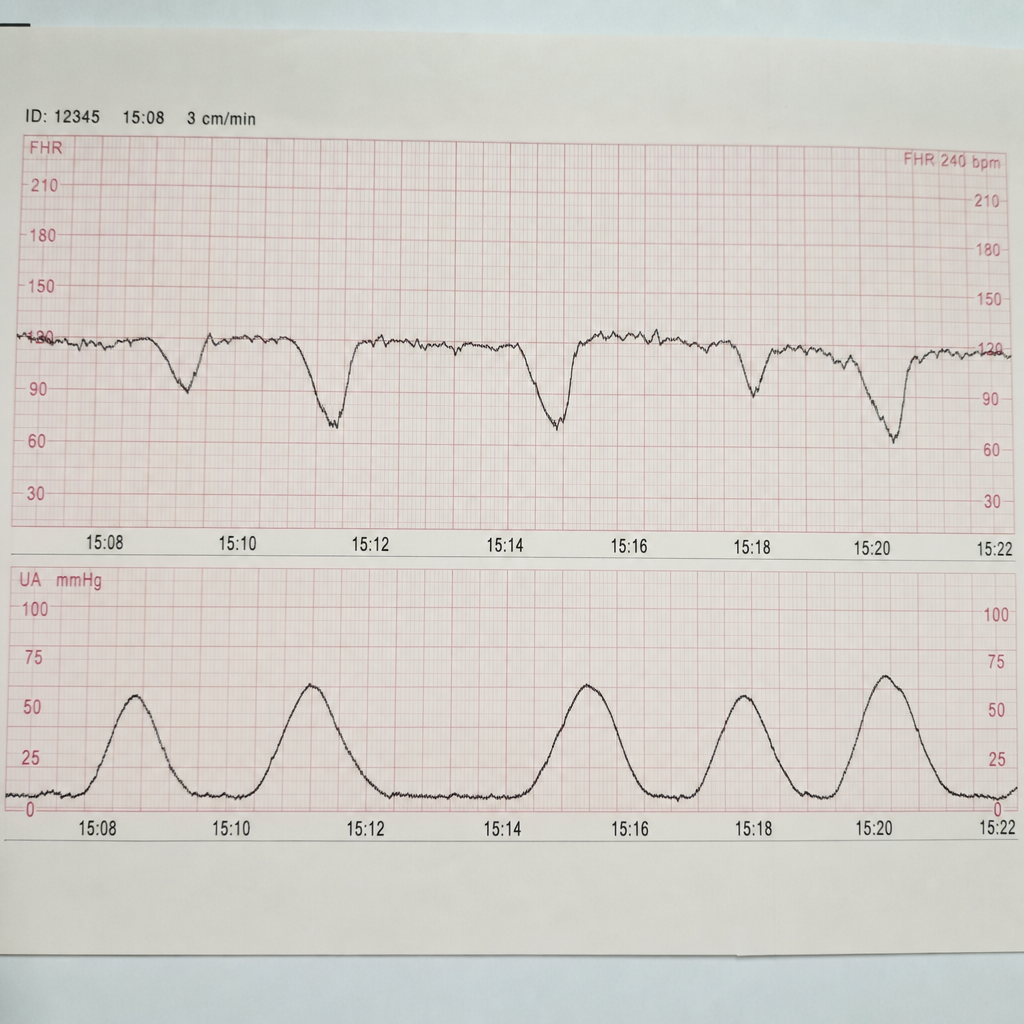
Explanation: ***Amnioinfusion*** - **Recurrent variable decelerations** persisting after discontinuing oxytocin and changing maternal position often indicate **cord compression**, which can be relieved by amnioinfusion. - Adding fluid to the amniotic cavity **cushions the umbilical cord**, reducing compression during uterine contractions. *Restart oxytocin infusion* - Reinitiating oxytocin would likely **worsen the recurrent variable decelerations** by increasing uterine contraction frequency and intensity, thereby exacerbating cord compression. - The goal is to alleviate fetal distress, not to intensify uterine activity that is already causing issues. *Emergent Cesarean section* - While an emergent Cesarean section is indicated for **unresolved fetal distress**, it's usually considered after less invasive measures, such as amnioinfusion, have failed. - There is still an opportunity for a simpler intervention to resolve the issue before resorting to surgery. *Administer terbutaline* - Terbutaline is a **tocolytic agent** used to reduce uterine contractions, which can be helpful in cases of tachysystole or hyperstimulation. - In this scenario, the contraction frequency is low (3 in 10 minutes), so reducing contractions is not the primary aim; rather, the focus is on resolving the cord compression causing decelerations. *Monitor without intervention* - **Recurrent variable decelerations** are an concerning sign of **fetal distress** and require intervention to prevent potential harm to the fetus. - Simply monitoring without intervention would be inappropriate and could lead to worsening fetal hypoxemia and acidosis.
Explanation: ***Cephalopelvic disproportion*** - The history of **multiple lower limb and pelvis fractures** from a car accident suggests a high likelihood of a **contracted or abnormally shaped pelvis**. This can lead to **cephalopelvic disproportion (CPD)**, where the fetal head cannot fit through the maternal pelvis despite adequate uterine contractions (275 MVUs). - The combination of **prolonged labor** (4 hours of pushing with no descent), **vertex at -4 station** even after full dilation, increasing contraction strength, and new **late decelerations** (indicating fetal distress due to impaired oxygenation from prolonged compression) points towards an obstruction. *Deep transverse arrest* - This occurs when the fetal head rotates into the transverse diameter of the pelvis and fails to rotate anteriorly. While it causes **arrest of descent and dilation**, the primary issue is **malposition**, not a fundamental size mismatch. - The occiput is described as in the **anterior position**, which does not immediately suggest deep transverse arrest. *Insufficient uterine contraction* - The uterine activity is measured at **275 MVUs**, which indicates **adequate contraction strength**. Insufficient contractions would typically be below 200 MVUs. - While weak contractions can cause prolonged labor, the current uterine activity suggests this is not the primary problem. *Epidural anesthesia* - Epidural anesthesia can sometimes prolong the second stage of labor by reducing the urge to push or temporarily decreasing the effectiveness of pushing efforts. However, the patient's **strong uterine activity (275 MVUs)** and previous **pelvic fractures** make a mechanical obstruction (CPD) a more specific and likely cause of arrest in this scenario. - Furthermore, the vertex remaining at -4 station for 4 hours despite strong contractions points to a physical barrier rather than just altered pushing dynamics. *Inefficient maternal pushing* - While inefficient maternal pushing can contribute to prolonged labor, the fetus remaining at -4 station for 4 hours with **strong uterine contractions (275 MVUs)** indicates that the issue is likely beyond just inadequate pushing efforts. - The historical detail of **pelvic fractures** points more strongly to an anatomical obstruction rather than simply ineffective maternal exertion.
Explanation: ***Maternal repositioning and oxygen administration*** - The cardiotocography shows **variable decelerations**, which are characterized by an abrupt decrease in fetal heart rate, often U, V, or W shaped, and not consistently related to contractions. - Initial management for variable decelerations, common in cases of **oligohydramnios**, involves conservative measures like **maternal repositioning** (e.g., left lateral, right lateral, hands and knees) to relieve umbilical cord compression and administering **oxygen** to improve fetal oxygenation. *Emergent cesarean section* - While severe, unremitting variable decelerations unresponsive to conservative measures may warrant a cesarean section, the current tracing does not indicate an **immediate obstetric emergency** requiring such an invasive procedure as the first step. - An emergent cesarean section is reserved for situations of **persistent non-reassuring fetal status** despite intervention. *Elevation of the fetal head* - Elevating the fetal head is typically done to **relieve umbilical cord prolapse** during a vaginal examination, a condition that might present with sudden, profound decelerations or bradycardia, which is not clearly depicted as the primary issue here. - This maneuver is an intervention for a specific obstetric emergency and does not address the underlying pathophysiology of variable decelerations due to cord compression. *Reassurance* - The presence of **variable decelerations** indicates **umbilical cord compression** and potential fetal compromise, requiring active intervention rather than passive reassurance. - Reassurance alone is insufficient and inappropriate when there are signs of **fetal distress** on the cardiotocograph. *Rapid amnioinfusion* - **Amnioinfusion** can be considered for **recurrent variable decelerations** due to oligohydramnios that are unresponsive to maternal repositioning and oxygen. - It is generally not the *first* step, as less invasive measures should be attempted first. Moreover, rapid amnioinfusion carries its own risks and should be carefully considered.
Explanation: ***Levator ani*** - **Kegel exercises** primarily target and strengthen the **levator ani muscles**, which are a crucial component of the **pelvic floor**. - A strong pelvic floor, particularly the levator ani, provides support to the urethra and bladder neck, preventing **stress urinary incontinence** during increased intra-abdominal pressure. *Sphincter urethrae* - The **sphincter urethrae** (external urethral sphincter) contributes to voluntary urine control but is not the primary muscle strengthened by Kegel exercises; it works synergistically with the levator ani. - While it helps in continence, its strengthening is typically secondary to exercises targeting the broader pelvic floor musculature. *Compressor urethrae* - The **compressor urethrae** is a part of the external urethral sphincter complex in females but is a smaller, accessory muscle. - Its specific strengthening is not the main goal or direct outcome of general Kegel exercises, which focus on the larger pelvic floor muscles. *Deep transverse perineal muscles* - These muscles form part of the **urogenital diaphragm** but are not the principal muscles targeted by Kegel exercises for stress incontinence. - They provide support to the perineum but have a less direct role in urethral continence compared to the levator ani. *Internal urethral sphincter* - The **internal urethral sphincter** is composed mainly of **smooth muscle** and is under **involuntary control** by the autonomic nervous system. - Therefore, it cannot be directly strengthened through voluntary exercises like Kegel exercises.
Explanation: ***Rectovaginal fascia*** - The patient's symptoms of recurrent pelvic pain, constipation, increased fecal urgency, and incomplete evacuation, along with **posterior vaginal wall bulging** during Valsalva, are classic signs of a **rectocele**. - A rectocele results from the weakening or tearing of the **rectovaginal fascia** (also known as the rectovaginal septum), which normally separates the rectum from the vagina and provides support. *Cardinal ligament* - The **cardinal ligament** (transverse cervical ligament) primarily provides support to the **cervix and uterus**, preventing uterine prolapse. - While pelvic organ prolapse is possible, weakness of the cardinal ligament would typically manifest as **uterine prolapse** or anterior vaginal wall bulging (cystocele), not posterior vaginal bulging related to bowel symptoms. *Uterosacral ligament* - The **uterosacral ligaments** originate from the cervix and insert into the sacrum, primarily supporting the **uterus and upper vagina**. - Weakness in these ligaments can contribute to **uterine prolapse** and some forms of vault prolapse after hysterectomy, which are not the primary issues described here. *Bulbospongiosus muscle* - The **bulbospongiosus muscle** is part of the superficial perineal pouch and surrounds the vaginal and urethral openings, contributing to **clitoral erection** and tightening the vaginal introitus. - Weakness of this muscle is not directly associated with rectocele formation or the specific bowel symptoms reported by the patient. *Pubocervical fascia* - The **pubocervical fascia** supports the **bladder and urethra**, separating them from the vagina from the front. - Weakness in this fascia leads to a **cystocele** (prolapse of the bladder into the vagina), which would typically cause urinary symptoms like stress incontinence, not bowel symptoms and posterior vaginal bulging.
Explanation: ***Cervix is 7 cm dilated and fetal head is at 0 station after 4 hours, with contractions every 2 minutes*** - This scenario describes **arrest of active phase of labor** in a **multiparous woman**, defined as no cervical change for at least 4 hours with adequate contractions (every 2-3 minutes) or at least 6 hours with inadequate contractions. - The patient started at 7 cm dilation and, after 4 hours of strong contractions, has shown no further cervical change, indicating failed labor progression and warranting C-section. *Cervix is 7 cm dilated and fetal head is at -1 station after 2 hours with contractions every 7 minutes* - This still represents the **active phase of labor** (from 6 cm dilation onwards), but the contractions are **inadequate** (every 7 minutes) and the duration of observation is too short to diagnose an arrest (2 hours vs. 4 hours for multiparous). - The appropriate step would be to **augment labor** (e.g., with oxytocin) rather than proceed directly to C-section. *Cervix is 9 cm dilated and fetal head is at -1 station after 3 hours, with contractions every 3 minutes* - The patient has progressed from 7 cm to 9 cm, indicating **cervical change**, and contractions are adequate. - This is not an arrest of labor; she is nearing full dilation and likely progressing appropriately. *Cervix is 10 cm dilated and fetal head is at +1 station after 2 hours, with contractions every 2 minutes* - This scenario describes the **second stage of labor** (complete cervical dilation), where the focus shifts to fetal descent. The fetal head has already descended to +1 station and contractions are adequate. - While prolonged second stage can lead to C-section, the general threshold for intervention in a multiparous woman with epidural is 3 hours, and without epidural, it's 2 hours. This patient is at 2 hours and progressing, so a C-section is not immediately indicated. *Cervix is 7 cm dilated and fetal head is at 0 station after 1 hour, with contractions every 5 minutes* - This is still the **active phase of labor**, but the observation period (1 hour) is too short to diagnose an arrest of labor, even with inadequate contractions (every 5 minutes). - The first step would be to ensure **adequate uterine activity** and observe for a longer period before considering a C-section.
Explanation: ***Rectocele*** - The patient's symptoms of **vaginal fullness**, **lower back and pelvic pain worse with standing**, and **protrusion of the posterior vaginal wall with Valsalva maneuver** are classic for a rectocele. - Her history of **multiple pregnancies (gravida 5, para 5)** and **decreased pelvic floor muscle tone** are significant risk factors for pelvic organ prolapse, including rectocele. *Infectious vulvovaginitis* - While there is mention of **vaginal discharge**, other key features of vulvovaginitis such as **pruritus, burning, dyspareunia, or erythema** are not described. - The sensation of **vaginal fullness** and **posterior vaginal wall protrusion** are not characteristic symptoms of infectious vulvovaginitis. *Vaginal cancer* - Vaginal cancer can present with **vaginal discharge** and **pelvic pain**, but it typically involves **abnormal bleeding** (postmenopausal or postcoital) and visible ulcerations or masses on examination, which are not mentioned. - The description of **protrusion of the posterior vaginal wall with Valsalva** is highly suggestive of a prolapse, not primary malignancy. *Bartholin gland cyst* - A Bartholin gland cyst presents as a **palpable, often tender, mass in the labia majora** near the vaginal introitus, usually unilaterally. - It does not cause a sensation of **vaginal fullness, pelvic pain, or posterior vaginal wall protrusion** as described. *Atrophic vaginitis* - Atrophic vaginitis results from **estrogen deficiency**, leading to **vaginal dryness, irritation, dyspareunia, and thin, pale vaginal mucosa**. - While common in postmenopausal women, it does not typically cause a **sensation of vaginal fullness** or **protrusion of the vaginal wall with Valsalva maneuver**; these are signs of prolapse.
Explanation: ***Administration of intravenous fluids*** - In suspected **abruptio placentae**, significant **blood loss** can occur, leading to maternal **hypotension** and compromise. - **Intravenous fluids** are crucial for immediate **volume replacement** and maintaining **hemodynamic stability** in both the mother and fetus. *Vaginal delivery* - While delivery is often necessary, the **route of delivery** depends on the severity of the abruption, fetal status, and maternal stability; immediate vaginal delivery is not the universal first step before stabilization. - In cases of severe abruption or fetal distress, an **emergency C-section** might be more appropriate, but **maternal stabilization** with fluids is paramount first. *Administration of intravenous oxytocin* - **Oxytocin** is primarily used to **induce labor** or augment contractions, and to prevent or treat **postpartum hemorrhage**. - It is not indicated as an initial management step for **abruptio placentae**, as it would not address the acute blood loss or fetal compromise. *Administration of intramuscular betamethasone* - **Betamethasone** is administered to promote **fetal lung maturity** in cases of preterm delivery. - While it might be considered if the fetus is preterm and delivery can be delayed for 24-48 hours, **maternal stabilization** and management of acute abruption symptoms take precedence. *Administration of intravenous tranexamic acid* - **Tranexamic acid** is an **antifibrinolytic** agent used to reduce bleeding in various settings, including postpartum hemorrhage. - However, in acute **abruptio placentae**, the immediate concern is **volume resuscitation** rather than directly inhibiting fibrinolysis as the primary first step.
Explanation: ***Detachment of the placenta*** - The presentation of **continuous, dark vaginal bleeding**, **abdominal pain**, and **hypertonic contractions** in a pregnant woman with hypertension strongly indicates **placental abruption**. - **Fetal compromise**, evidenced by a fetal heart rate of 180/min with recurrent decelerations, results from the compromised oxygen and nutrient exchange due to placental detachment. *Rupture of the uterus* - Uterine rupture typically presents with **sudden sharp abdominal pain**, **vaginal bleeding**, and often **cessation of uterine contractions**, which is contradicted by hypertonic contractions. - A previous C-section scar is a risk factor, but the clinical picture with continuous dark bleeding and hypertonic contractions points more strongly to abruption. *Placental tissue covering the cervical os* - This describes **placenta previa**, which typically causes **painless, bright red vaginal bleeding** and usually does not present with abdominal pain or hypertonic contractions. - The characteristics of pain and dark bleeding make placenta previa less likely. *Rupture of aberrant fetal vessels* - This condition, known as **vasa previa**, involves the rupture of fetal blood vessels, leading to **fetal blood loss** and rapid fetal compromise. - However, the presenting symptoms usually include **sudden onset of bleeding with concurrent fetal bradycardia** or distress, and the vaginal bleeding is typically bright red fetal blood, not dark maternal blood as described. *Abnormal position of the fetus* - An abnormal fetal position, such as **breech presentation**, can complicate delivery but does not directly cause dark vaginal bleeding, abdominal pain, or hypertonic uterine contractions. - While the fetus is breech, this finding does not explain the acute maternal symptoms or the signs of placental compromise.
Explanation: ***Oral acyclovir therapy and cesarean delivery*** - The presence of **active genital herpes lesions** at the time of labor poses a high risk of **neonatal herpes simplex virus (HSV) infection** during vaginal delivery, which can be severe or fatal for the neonate. - **Acyclovir therapy** aims to reduce viral shedding and transmission, but given the active lesions and rupture of membranes, a **cesarean delivery** is indicated to prevent vertical transmission to the newborn. *Tocolytic therapy until lesions are crusted* - **Tocolytic therapy** is used to inhibit uterine contractions and delay labor, but it is not indicated for managing active herpes lesions in a term pregnancy as it would only delay an inevitable delivery. - Waiting for lesions to crust would prolong labor unnecessarily and still carry a risk of transmission, especially with ruptured membranes. *Oral acyclovir therapy and vaginal delivery* - While **oral acyclovir** can help suppress viral shedding, a **vaginal delivery** is contraindicated when active genital herpes lesions are present at the onset of labor due to the significant risk of **neonatal HSV infection**. - Ruptured membranes further increase the risk of ascending infection and direct contact during passage through the birth canal. *Topical acyclovir and vaginal delivery* - **Topical acyclovir** is generally less effective than oral antivirals in suppressing systemic viral replication and does not adequately prevent viral shedding from active lesions during labor. - A **vaginal delivery** would still expose the neonate to the virus, making this an inappropriate choice given the high risk of neonatal herpes. *Topical acyclovir and cesarean delivery* - While a **cesarean delivery** is the correct mode of delivery in this scenario, **topical acyclovir** is not the optimal antiviral treatment for active genital herpes during labor. - **Oral acyclovir** provides better systemic viral suppression and is the preferred antiviral agent in such cases, though the urgency of active lesions still necessitates a cesarean.
Explanation: ***Fetal Tubal scarring*** - The patient had a previous episode of **febrile illness** with **lower abdominal pain**, which is highly suggestive of **pelvic inflammatory disease (PID)**, a common cause of tubal scarring and infertility. - **Inconsistent barrier protection** during previous sexual activity increases the risk of acquiring sexually transmitted infections (STIs) leading to PID and subsequent tubal damage. *Primary ovarian insufficiency* - This condition is characterized by **premature depletion of ovarian follicles**, leading to irregular or absent menses and symptoms of estrogen deficiency. - The patient's regular 28-day menstrual cycles and onset of menarche at age 12 do not support a diagnosis of primary ovarian insufficiency. *Long-term use of the oral contraceptive pill* - **Oral contraceptive pills** (OCPs) prevent ovulation only while being used; fertility typically returns shortly after discontinuation. - There is no evidence that long-term OCP use causes permanent infertility or delays conception after cessation. *Cervical insufficiency* - **Cervical insufficiency** is a cause of **second-trimester miscarriage** or preterm birth, not infertility. - This condition is typically diagnosed after a patient has experienced pregnancy losses, usually in the second trimester, and would not manifest as difficulty conceiving. *Polycystic ovary syndrome* - **Polycystic ovary syndrome (PCOS)** is characterized by **anovulation** (leading to irregular menses), hyperandrogenism (hirsutism, acne), and polycystic ovaries on ultrasound. - The patient has regular menstrual cycles, which makes PCOS an unlikely cause of her infertility.
Explanation: ***Check the Foley catheter*** - This patient presents with signs of **urinary retention** (low urine output, palpable bladder, retained urine on bladder scan) despite methylene blue injection confirming ureter patency. The most common and easily reversible cause of low urine output post-hysterectomy is a **kinked or obstructed Foley catheter**. - Given the smooth intraoperative course and adequate urine output during surgery, a quick check and potential **repositioning or flushing of the catheter** is the immediate and most appropriate first step before considering more invasive interventions. *Return to the operating room for emergency surgery* - This is a drastic step and is not indicated at this stage. There is no evidence of a **surgical complication** requiring emergency intervention, such as a ureteral injury (which was checked intraoperatively) or active hemorrhage. - The patient's vital signs are stable, and she appears comfortable, which makes an emergency surgical re-exploration highly unlikely as the initial best step. *Perform ultrasound of the kidneys* - While a renal ultrasound can assess for **hydronephrosis** or other kidney abnormalities, it is a delayed step. Given the clear evidence of bladder retention and the possibility of a simple catheter malfunction, performing an ultrasound without first addressing the catheter would be premature. - The patient's **creatinine is normal**, making acute kidney injury due to obstruction less likely as an immediate concern. *Administer 20 mg of IV furosemide* - Furosemide is a **loop diuretic** that increases urine production. However, it would be ineffective and potentially harmful if the issue is a mechanical obstruction of urine outflow, as appears to be the case here. - Administering a diuretic without addressing the outflow problem would only worsen bladder distension and potentially stress the renal system without resolving the underlying issue. *Administer bolus 500 mL of Lactated Ringers* - This patient has already received 2.4 L of crystalloid fluids intraoperatively and has stable vital signs, indicating she is likely **euvolemic**. - Giving another fluid bolus would not address the observed urinary retention and could lead to **fluid overload** if the urine outflow obstruction persists.
Explanation: ***Failed canalization of external vaginal membrane*** - The patient presents with **primary amenorrhea** despite normal **secondary sexual characteristics** and **pelvic pain**, indicating cyclical endometrial shedding with no external egress for menstrual blood. - Normal uterus on ultrasound, 46 XX karyotype, and normal hormone levels rule out most other causes, leaving an **outflow tract obstruction** as the most probable diagnosis, such as an **imperforate hymen** or **transverse vaginal septum**. *Pituitary infarct* - A pituitary infarct would likely lead to **hypopituitarism**, resulting in **absent or delayed secondary sexual characteristics** due to low gonadotropin levels (LH and FSH), which are normal in this patient. - This condition is also typically associated with severe headaches and visual disturbances, which are not mentioned. *Premature ovarian failure* - **Premature ovarian failure** would cause **elevated LH and FSH levels** due to the lack of negative feedback from estrogen, as the ovaries are not producing hormones. - The patient has normal hormone levels, indicating functional ovaries. *Failure in development of Mullerian duct* - **Müllerian agenesis** (e.g., Mayer-Rokitansky-Küster-Hauser syndrome) would result in a **hypoplastic or absent uterus and/or vagina**, which contradicts the ultrasound finding of a normal uterus. - While it causes primary amenorrhea with normal secondary sexual characteristics, the presence of a normal uterus rules it out. *Androgen insensitivity* - **Androgen insensitivity syndrome** (AIS) typically presents with an **XY karyotype** and **absent or rudimentary uterus** despite normal breast development (due to peripheral conversion of testosterone to estrogen). - This patient has a 46 XX karyotype and a normal uterus, ruling out AIS.
Explanation: ***Fetal head compression*** - During the second stage of labor, **fetal head compression** commonly occurs with uterine contractions and maternal pushing efforts. - This compression leads to a reflex vagal response, causing a **decrease in fetal heart rate (early decelerations)**, which is typically benign and resolves after the contraction. *Fetal myocardial depression* - **Fetal myocardial depression** can cause a decrease in fetal heart rate, but it is typically associated with **prolonged hypoxia or acidosis** and would likely manifest as late or prolonged decelerations or bradycardia, not just during pushing. - There are no indications in the scenario of fetal distress or metabolic compromise that would point to myocardial depression. *Maternal hypotension* - **Maternal hypotension** would lead to **decreased placental perfusion**, resulting in **late decelerations** due to uteroplacental insufficiency. - The scenario describes a reactive fetal heart rate with decelerations specifically during pushing, not a pattern consistent with sustained maternal hypotension impacting placental blood flow. *Placental insufficiency* - **Placental insufficiency** typically manifests as **late decelerations**, which are gradual decreases in fetal heart rate that begin after the peak of the contraction and return to baseline after the contraction ends. - The fetal heart rate in the scenario is described as reactive with no decelerations prior to pushing, making placental insufficiency less likely as the primary cause of an acute deceleration during pushing. *Umbilical cord compression* - **Umbilical cord compression** causes **variable decelerations**, which are abrupt, often dramatic drops in fetal heart rate. - While cord compression can occur during labor, the described pattern of deceleration specifically with pushing and the absence of other signs of cord impingement makes head compression a more direct and common cause in this context.
Explanation: ***Loss of ciliary action*** - The patient's history of **pelvic tenderness** and **vaginal discharge** that resolved without treatment suggests a prior **pelvic inflammatory disease (PID)**, likely due to a sexually transmitted infection given her sexual history. - PID can lead to **salpingitis**, causing damage to the **fallopian tube cilia** which are crucial for ovum transport, resulting in **tubal factor infertility**. *Primary ovarian insufficiency* - This condition involves the **premature depletion of ovarian follicles** and would typically present with **oligomenorrhea** or **amenorrhea**, not regular 28-day cycles. - The patient's regular menstrual cycles make primary ovarian insufficiency an unlikely cause of her infertility. *Adverse effect of oral contraceptive pill* - Oral contraceptive pills (OCPs) do not cause long-term infertility; most women **regain fertility within months** of cessation. - Her regular menstrual cycles after stopping OCPs indicate normal ovulatory function, ruling out OCP-induced amenorrhea or anovulation. *Insulin resistance* - While the patient is obese (BMI 31.6), obesity and insulin resistance are typically associated with **polycystic ovary syndrome (PCOS)**, which often presents with **irregular menses** and **anovulation**. - Her regular 28-day cycles make PCOS and consequential anovulation due to insulin resistance less likely. *Ectopic endometrial tissue* - **Endometriosis** can cause infertility, but it often presents with **dysmenorrhea**, **dyspareunia**, and **chronic pelvic pain**, which are not reported in this patient's history. - While it can cause tubal dysfunction, there's a more direct and probable cause (PID) suggested by her history of pelvic infection.
Explanation: ***Premature separation of a normally implanted placenta*** - The acute onset of **vaginal bleeding**, **severe lower back pain**, frequent uterine contractions, and **fetal decelerations** in a patient with risk factors like a prior cesarean section and diabetes mellitus are highly suggestive of **abruptio placentae**. - **Uterine tenderness** and a **firm, rigid uterus** (though not explicitly stated, implied by contractions and pain) are also characteristic findings. *Amniotic sac rupture prior to the start of uterine contractions* - This condition presents with a gush of fluid from the vagina, often without significant bleeding or severe pain unless associated with other complications. - While it can lead to preterm labor, it doesn't directly cause the severe back pain, heavy bleeding with clots, and fetal distress seen here. *Placental implantation over internal cervical os* - This describes **placenta previa**, which typically presents with **painless vaginal bleeding**, often bright red, without severe abdominal or back pain. - The presence of severe abdominal pain and uterine contractions makes placenta previa less likely. *Chorionic villi attaching to the myometrium* - This describes **placenta accreta**, a condition where the placenta abnormally adheres to the myometrium. It is typically diagnosed postnatally with **difficulty in placental separation** and severe hemorrhage. - While a prior C-section is a risk factor, the acute presentation of pain and bleeding in the antepartum period is not the classic presentation of accreta alone. *Chorionic villi attaching to the decidua basalis* - This describes the **normal implantation** of the placenta into the decidua basalis of the uterus. - This is the physiological process of pregnancy and would not cause the symptoms of vaginal bleeding, severe pain, and fetal distress described.
Explanation: ***Increased detrusor muscle activity*** - The patient's symptoms of **sudden, painful sensation in the bladder**, involuntary urine loss, difficulty making it to the bathroom ("** बाथरूम-hopping**"), and **nocturia** are classic for **urge incontinence**. - **Urge incontinence** is primarily caused by **uninhibited contractions of the detrusor muscle**, often due to **detrusor overactivity**. Her caffeine intake and history of diabetes can exacerbate this condition. *Increased urine bladder volumes* - While increased urine volume can exacerbate incontinence, it's typically associated with **overflow incontinence** (constant dribbling due to an overfilled bladder) or **polyuria** (excessive urine production), neither of which are suggested as the primary cause of her specific symptoms. - The post-void residual urine is normal, ruling out significant retention that would lead to chronically increased bladder volumes from incomplete emptying. *Recurrent pelvic organ prolapse* - Pelvic organ prolapse can contribute to **stress incontinence** or **obstructive symptoms**, but her current pelvic exam shows no abnormalities, and she recently underwent surgery for this, making it less likely to be the primary cause of her current symptoms. - Her symptoms of **urgency and nocturia** are not typical presentations of prolapse-related incontinence. *Trauma to urinary tract* - Trauma to the urinary tract would typically present with symptoms such as **hematuria**, **pain**, or difficulty voiding, none of which are reported in this case. - There is no history of recent trauma or procedures that would directly lead to her current symptoms of urge incontinence. *Decreased pelvic floor muscle tone* - **Decreased pelvic floor muscle tone** is the primary cause of **stress incontinence**, characterized by urine leakage with increased intra-abdominal pressure (e.g., coughing, sneezing). - Her symptoms are of **urgency and involuntary loss of urine** after a sudden sensation, which is distinct from stress incontinence, and her negative Q-tip test suggests good urethral support.
Explanation: ***Intrauterine adhesions*** - The recent history of a **dilation and curettage (D&C)** procedure and subsequent amenorrhea strongly suggest **intrauterine adhesions (Asherman's syndrome)**. The D&C can cause damage to the endometrial lining, leading to scar tissue formation. - The absence of other menstrual symptoms like pain, discharge, or abnormal bleeding, combined with amenorrhea, aligns with this diagnosis, as the scarred uterine cavity prevents normal menstrual shedding. *Polycystic ovarian syndrome* - While PCOS can cause amenorrhea, it is usually associated with other symptoms like **hirsutism**, acne, or obesity, none of which are mentioned here. - The patient's recent D&C and the acute onset of amenorrhea are more direct clues for intrauterine adhesions. *Pregnancy* - The patient's **negative urine pregnancy test** performed yesterday effectively rules out pregnancy as the cause of her amenorrhea. - Although she uses contraception, a negative test is a strong indicator against pregnancy. *Premature menopause* - Premature menopause typically occurs before age 40 and is associated with symptoms like **hot flashes**, night sweats, or vaginal dryness, which are absent in this case. - While the patient is 37, making her within the age range for premature menopause, the recent D&C provides a more plausible and acute explanation for her amenorrhea. *Extreme weight loss* - While **significant weight loss** can cause hypothalamic amenorrhea, the patient's 10-pound intentional weight loss over 3 months is not typically considered "extreme" enough to induce amenorrhea in a healthy individual without other contributing factors. - Her prior D&C is a more direct and significant risk factor for the current symptoms.
Explanation: ***Endometriosis*** - The constellation of **dysmenorrhea** (severe lower abdominal cramps, heavy menses), **dyspareunia** (pain with sexual intercourse), and **dyschezia** (painful defecation) with rectovaginal nodularity suggests endometriosis. - The physical examination findings of a **left-deviated tender cervix**, **tender retroverted uterus**, and a **left adnexal mass** further support the diagnosis of endometriosis, as implants can cause retroversion of the uterus and form endometriomas. *Ovarian cyst* - While an **adnexal mass** is present, an ovarian cyst typically does not explain the full spectrum of symptoms like severe dysmenorrhea, dyspareunia, dyschezia, or rectovaginal nodules. - Most ovarian cysts are asymptomatic or cause only localized pain; they do not typically cause progressive **dysmenorrhea** or **deep dyspareunia**. *Pelvic inflammatory disease (PID)* - PID is characterized by **acute pelvic pain**, fever, and cervical motion tenderness, often following a sexually transmitted infection. - This patient presents with chronic symptoms, no fever, and a history more consistent with **endometriosis implants** causing pain rather than infection. *Diverticulitis* - Diverticulitis typically presents with **left lower quadrant abdominal pain**, fever, and changes in bowel habits, but usually not with severe dysmenorrhea or dyspareunia. - The rectovaginal nodules and ovarian mass are not typical findings for **diverticulitis**. *Irritable bowel syndrome (IBS)* - While **constipation**, abdominal pain, and painful defecation can be symptoms of IBS, it does not explain the severe dysmenorrhea, dyspareunia, or the physical examination findings such as the adnexal mass, tender cervix, or rectovaginal nodules. - IBS is a **functional bowel disorder** and usually lacks the structural abnormalities found on examination here.
Explanation: ***Administration of magnesium sulfate*** - This patient is experiencing **preterm premature rupture of membranes (PPROM)** at 31 weeks and is in **preterm labor** (contractions with cervical changes). - **Magnesium sulfate** is administered for **fetal neuroprotection** in cases of anticipated preterm birth before 32 weeks' gestation, reducing the risk of cerebral palsy. *Administer prophylactic azithromycin* - **Prophylactic antibiotics** are indicated in PPROM to prolong latency and prevent infection, but **broad-spectrum antibiotics** (e.g., ampicillin and erythromycin) are typically used, not solely azithromycin. - While azithromycin might be part of an antibiotic regimen for PPROM, it is not the *most appropriate next single step* given the immediate need for neuroprotection and labor inhibition. *Emergency cesarean delivery* - An emergency cesarean delivery is not indicated at this time as the **fetal heart rate is reassuring** (140/min with no decelerations) and there are no signs of fetal distress or maternal compromise. - The primary goal is to **delay delivery** to allow for fetal lung maturity and neuroprotection, rather than immediate delivery. *Administration of anti-RhD immunoglobulin* - **Anti-RhD immunoglobulin** is administered to Rh-negative mothers to prevent alloimmunization, typically at 28 weeks' gestation and postpartum. - While administration may be due at this stage for an Rh-negative patient, it is not the **most critical next step** in the *acute management* of preterm labor and PPROM. *Cervical cerclage* - **Cervical cerclage** is a procedure to reinforce the cervix and is performed to prevent preterm birth in patients with **cervical insufficiency**, usually in the late first or early second trimester. - It is **contraindicated** once membranes have ruptured and the patient is in active labor due to the risk of infection and uterine rupture.
Explanation: ***Endometrial tissue within the uterine wall*** - This describes **adenomyosis**, a condition where **endometrial glands and stroma** are found within the myometrium. It commonly presents with **dysmenorrhea** (painful menses), **menorrhagia** (heavy flow), and a **uniformly enlarged, soft, tender uterus**, especially in multiparous women. - The patient's presentation of painful, heavy menses, prolonged bleeding, passage of clots, and a tender, uniformly enlarged uterus strongly points to adenomyosis. *Malignant transformation of endometrial tissue* - This refers to **endometrial carcinoma**, which typically presents with **postmenopausal bleeding** or irregular uterine bleeding, but less commonly with severe dysmenorrhea and a diffusely enlarged, tender uterus in premenopausal women. - While it can cause heavy bleeding, the **uniform enlargement** and **tenderness** of the uterus are less characteristic of endometrial cancer. *Pedunculated endometrial mass* - This likely refers to an **endometrial polyp**, which can cause **heavy or irregular bleeding** but typically does not result in a **uniformly enlarged** and tender uterus. - Polyps are usually visualized via imaging (e.g., sonohysterography or hysteroscopy) and are not associated with diffuse uterine enlargement. *Endometrial tissue within the ovaries* - This describes **ovarian endometriosis** (endometrioma or "chocolate cyst"), which commonly causes **chronic pelvic pain**, **dyspareunia**, and **infertility**. - While it can cause dysmenorrhea, it does not typically lead to a **uniformly enlarged, flaccid, and tender uterus**, as the pathology is primarily ovarian, not diffuse within the uterus. *Benign tumor of the myometrium* - This refers to a **leiomyoma** (fibroid), which can cause **heavy bleeding** and an **enlarged uterus**. However, fibroids typically present as **firm, irregular, or nodular masses**, and are less commonly associated with the diffuse tenderness seen in this patient. - While some fibroids can grow large and cause pain, the **tender, uniformly enlarged, flaccid uterus** is more indicative of adenomyosis than fibroids.
Explanation: ***Q-tip test*** - The patient's symptoms (leakage with coughing/sneezing, lifting heavy objects, vaginal deliveries, recent cessation of menses) are classic for **stress urinary incontinence**, often due to **urethral hypermobility**. - The **Q-tip test** assesses urethral hypermobility by measuring the angle of deflection of a sterile cotton swab inserted into the urethra during a Valsalva maneuver. An angle >30 degrees from the horizontal indicates hypermobility. *Methylene blue dye* - **Methylene blue dye** is primarily used to identify **vesicovaginal or ureterovaginal fistulas**, where dye would be seen leaking into the vagina. - The patient's symptoms do not suggest a fistula, but rather a problem with sphincter control during increased abdominal pressure. *Post-void residual volume* - **Post-void residual volume (PVR)** measures the amount of urine left in the bladder after urination, primarily used to diagnose **overflow incontinence** or **urinary retention**. - The patient's symptoms are inconsistent with overflow incontinence, which typically involves frequent dribbling or incomplete emptying rather than leakage specifically with physical exertion. *Urodynamic testing* - **Urodynamic testing** is a more comprehensive and invasive evaluation that includes cystometry, pressure-flow studies, and electromyography, often used to differentiate types of incontinence when the diagnosis is unclear. - While it can diagnose stress incontinence, less invasive tests like the Q-tip test are typically preferred as a first step for **urethral hypermobility** before proceeding to complex urodynamic studies. *Estrogen level* - An **estrogen level** might be relevant if **atrophic vaginitis** or **urethritis** due to estrogen deficiency were suspected, which can contribute to urgency or mixed incontinence. - While the patient is peri-menopausal, her primary symptoms (leakage with exertion) are more indicative of structural weakness (stress incontinence) rather than estrogen-related tissue atrophy or inflammation.
Explanation: ***Urethral sling*** - The patient exhibits symptoms consistent with **stress urinary incontinence**, characterized by urine leakage with increased intra-abdominal pressure (e.g., walking, standing), especially since conservative measures have failed. - A **urethral sling** is a highly effective surgical treatment for stress urinary incontinence, providing support to the urethra and bladder neck. *Tighter glycemic control* - While uncontrolled diabetes can contribute to **polyuria** and **diabetic neuropathy** affecting bladder function, this patient's diabetes is well-controlled (HbA1c 6.3%). - Tighter glycemic control is unlikely to resolve symptoms of stress urinary incontinence when the primary issue is anatomical support. *Topical vaginal estrogen* - **Topical vaginal estrogen** is effective for genitourinary syndrome of menopause, which can cause **vaginal atrophy** and **urge incontinence** symptoms. - It is not the primary treatment for stress urinary incontinence, especially after the failure of conservative measures. *Biofeedback* - **Biofeedback** is often used in conjunction with **pelvic floor muscle training** (Kegel exercises) to improve patient awareness and control of these muscles. - The patient has already tried supervised Kegel exercises without improvement, suggesting that biofeedback alone is unlikely to be sufficient. *Urethropexy* - **Urethropexy** is a surgical procedure that repositions and supports the urethra, similar in principle to a urethral sling. - While it is a surgical option for stress incontinence, **urethral slings** (midurethral slings) are generally preferred due to their high efficacy and minimally invasive nature compared to traditional urethropexy procedures.
Explanation: ***Urethral catheterization*** - The patient is experiencing **postpartum urinary retention** (inability to void) and **overflow incontinence** (urinary leakage due to bladder overdistension), alongside increased lower abdominal pressure, all indicative of an overfilled bladder. - **Urethral catheterization** is the most appropriate immediate treatment to relieve bladder distension, prevent kidney damage, and allow bladder recovery. *Pessary insertion* - **Pessaries** are used for pelvic organ prolapse or stress urinary incontinence, not for acute postpartum urinary retention. - They provide structural support but do not address the inability to void in an overdistended bladder. *Pelvic floor muscle strengthening* - **Pelvic floor exercises** are beneficial for stress incontinence or mild degrees of prolapse. - They are contraindicated in acute urinary retention as they may worsen the inability to void if the issue is a failure of bladder contractility or urethral relaxation. *Antimuscarinic drugs* - **Antimuscarinics** relax the detrusor muscle and are used to treat overactive bladder symptoms (e.g., urgency, frequency). - They would worsen bladder emptying in a patient with urinary retention. *Midurethral sling* - A **midurethral sling** is a surgical procedure for stress urinary incontinence. - It is an invasive treatment for a chronic condition and is not appropriate for acute postpartum urinary retention.
Explanation: ***Suction curettage*** - The patient's symptoms (vaginal bleeding, pelvic pressure, nausea/vomiting), signs (hypertension, large for gestational age uterus at the umbilicus corresponding to 20 weeks gestation, proteinuria), and laboratory findings (markedly elevated beta-hCG of 110,000 mIU/mL) are highly suggestive of a **hydatidiform mole**. - A **transvaginal ultrasound** showing a central intrauterine mass with **hypoechoic spaces** (often described as a 'snowstorm' or 'grape-like' appearance) and no fetal heart rate confirms the diagnosis of a **molar pregnancy**. The most appropriate and urgent management is **suction curettage** to remove the abnormal pregnancy tissue, which also serves a diagnostic purpose. *Serial beta-hCG measurement* - While **serial beta-hCG** measurements are crucial for monitoring after treatment of a molar pregnancy to detect persistent trophoblastic disease, they are not the initial management step for an active molar pregnancy with acute symptoms. - This step would delay the necessary removal of the abnormal tissue and risk complications such as hemorrhage or progression to **gestational trophoblastic neoplasia (GTN)**. *Bed rest and doxylamine therapy* - **Bed rest and doxylamine** are treatments for benign conditions like **hyperemesis gravidarum** or threatened abortion, which do not align with the severe symptoms, physical findings, and ultrasound characteristics of this patient's condition. - This approach would be completely inadequate and inappropriate for a molar pregnancy. *Methotrexate therapy* - **Methotrexate** is a chemotherapy agent used to treat **persistent gestational trophoblastic neoplasia (GTN)** or **choriocarcinoma** following molar pregnancy evacuation, or in cases of ectopic pregnancy. - It is not the primary treatment for the initial removal of a molar pregnancy itself, which requires surgical evacuation. *Insulin therapy* - **Insulin therapy** is used to manage **gestational diabetes mellitus (GDM)** or pre-existing diabetes in pregnancy. - There is no clinical or laboratory evidence (e.g., elevated glucose) to suggest diabetes in this patient, and it is unrelated to the primary diagnosis of molar pregnancy.
Explanation: ***Failure of the paramesonephric duct to form*** - This clinical presentation is classic for **Mayer-Rokitansky-Küster-Hauser (MRKH) syndrome**, characterized by **vaginal agenesis**, **absent uterus** and cervix, with normal ovarian function and development of secondary sexual characteristics. - MRKH syndrome results from the **failure of the paramesonephric (Müllerian) ducts** to develop, which normally form the Fallopian tubes, uterus, cervix, and upper two-thirds of the vagina. *Genotype 45 XO* - A 45 XO genotype indicates **Turner syndrome**, which presents with **gonadal dysgenesis** leading to absent or streak ovaries and no secondary sexual characteristics (e.g., breast development). - Patients with Turner syndrome often have short stature, webbed neck, and coarctation of the aorta, none of which are descriptive of this patient. *Failure of the ovaries to produce estrogen* - **Ovarian failure** would lead to a lack of **estrogen production**, resulting in absent or delayed development of **secondary sexual characteristics** (e.g., Tanner stage I or II breast development), which contradicts the patient's Tanner stage IV development. - While it causes primary amenorrhea, it would not explain the anatomical abnormalities of an absent uterus and shortened vaginal canal. *Genotype 47 XXY* - A 47 XXY genotype corresponds to **Klinefelter syndrome**, a condition that affects males, leading to **hypogonadism**, gynecomastia, and infertility. - This genetic abnormality is irrelevant to a 17-year-old woman presenting with primary amenorrhea and normal female external genitalia. *Failure of the mesonephric duct to degenerate* - The **mesonephric (Wolffian) ducts** are important for male reproductive system development and typically **degenerate in females** in the absence of testosterone. - Persistence or failure to degenerate of these ducts in females would lead to remnants like Gartner's duct cysts, but not to uterine or vaginal agenesis.
Explanation: **Greater vestibular glands** - The location described (right posterior vaginal introitus) and the presentation (fluctuant swelling) are classic for a **Bartholin's cyst**, which arises from an obstruction of the **greater vestibular glands** (Bartholin's glands). - These glands are located in the superficial perineal pouch, lateral to the vaginal orifice, and their ducts open posterior to the labia minora. *Mesonephric duct remnants* - Remnants of the **mesonephric (Wolffian) duct** can form **Gartner's duct cysts**, which are typically found along the lateral walls of the vagina, not specifically at the introitus. - These are usually found higher up in the vagina, along the **anterolateral vaginal wall**, rather than posteriorly near the opening. *Vulvar epithelium* - Cysts derived from **vulvar epithelium** (epidermal inclusion cysts) are generally firm, not fluctuant, and result from trauma or occlusion of sebaceous ducts on the labia. - While they can occur on the vulva, their morphology and specific location tend to differ from the described fluctuant swelling at the introitus. *Sebaceous glands* - **Sebaceous cysts** or steatocystomas are usually firm, non-tender, and occur in hair-bearing areas, often on the labia majora. - They are typically non-fluctuant and result from blocked sebaceous ducts. *Paraurethral glands* - **Paraurethral (Skene's) glands** are located on either side of the urethra and drain into it; obstruction leads to **Skene's gland cysts** or abscesses. - These would be found anteriorly near the urethral meatus, not posteriorly at the vaginal introitus.
Explanation: ***Aortocaval compression*** - This condition, also known as **supine hypotensive syndrome**, occurs when the gravid uterus **compresses the inferior vena cava (IVC)** and potentially the aorta, reducing **venous return** to the heart. - The symptoms (sweating, weakness, dizziness, hypotension, bradycardia) and their resolution upon changing position are classic signs of reduced cardiac output due to IVC compression. *Peripheral vasodilation* - While **peripheral vasodilation** does occur in pregnancy due to hormonal changes, it generally contributes to a **mild decrease in systemic vascular resistance** and is not the primary mechanism behind acute, position-dependent hypotensive episodes. - It would not explain the sudden, severe symptoms that resolve promptly with a change in position, nor the associated bradycardia which is more indicative of a **vasovagal response** to decreased cardiac filling. *Increase in plasma volume* - Pregnancy is associated with a significant **increase in plasma volume** (up to 50%), which is a physiological adaptation to support the uteroplacental unit. - An increase in plasma volume would generally help **maintain blood pressure** and prevent hypotension, rather than causing the specific symptoms described in this patient. *Progesterone surge* - **Progesterone levels do increase significantly** during pregnancy and contribute to **smooth muscle relaxation**, which can lead to vasodilation. - However, a progesterone surge itself does not directly cause acute, position-dependent hypotensive episodes; its vasodilatory effects are more chronic and physiological. *Renin-angiotensin system activation* - The **renin-angiotensin system (RAS) is typically activated** and upregulated during pregnancy, contributing to fluid balance and blood pressure regulation. - Activation of the RAS would generally lead to **vasoconstriction and increased blood pressure**, not the hypotensive episodes observed in this patient.
Explanation: ***Uterine adenomyosis*** - The pathology findings of an **enlarged, globular uterus** with **invading clusters of endometrial tissue within the myometrium** are classic for adenomyosis. - The clinical history of **dysmenorrhea** (lower abdominal pain worsening during menses) and **menorrhagia** (heavy menstrual bleeding) along with multiparity and prior C-sections are risk factors for adenomyosis. *Endometrial hyperplasia* - This condition involves **proliferation of endometrial glands** within the uterine cavity, not invasion into the myometrium. - While it can cause abnormal uterine bleeding, it does not typically result in an **enlarged, globular uterus** due to myometrial involvement. *Uterine leiomyoma* - Also known as **fibroids**, these are **benign smooth muscle tumors** of the uterus, which can cause uterine enlargement and heavy bleeding. - However, they are distinct masses and do not involve "invading clusters of endometrial tissue within the myometrium" as described in the pathology. *Endometrial polyp* - These are **localised overgrowths of endometrial tissue** projecting into the uterine cavity, often causing abnormal bleeding. - They are typically small and do not cause an **enlarged, globular uterus** or evidence of myometrial invasion. *Endometrial carcinoma* - This is a **malignant proliferation of endometrial glands**, which can invade the myometrium in advanced stages. - While it can cause abnormal uterine bleeding, the description of "invading clusters of endometrial tissue within the myometrium" without mention of malignancy favors a benign condition like adenomyosis, especially in the context of the patient's age and history.
Explanation: ***Cesarean section*** - This patient presents with signs highly suggestive of **placenta previa with possible vasa previa or placental abruption**, with life-threatening complications for both mother and fetus. The presence of **painless vaginal bleeding**, a prior **cesarean section for placenta previa**, and **fetal heart rate decelerations/bradycardia** necessitate immediate delivery via cesarean section to prevent **fetal demise** and severe **maternal hemorrhage**. - The rapid deterioration of the fetal status, indicated by **decelerations and bradycardia**, confirms the urgency. A **cesarean section** is the quickest and safest way to deliver the baby and address the underlying obstetric emergency. *Betamethasone* - **Betamethasone** is administered to promote **fetal lung maturity** in cases of preterm delivery. While this patient is preterm at 32 weeks, the critical nature of the fetal distress and bleeding requires immediate delivery, making the delay for betamethasone administration inappropriate. - The benefits of steroids for lung maturity are outweighed by the **immediate risk of fetal demise** and severe maternal complications if delivery is delayed. *Red blood cell transfusion* - While the patient is actively bleeding and may eventually require a **blood transfusion**, starting IV fluids and proceeding with an **immediate cesarean section** are higher priorities to stabilize the mother and rescue the fetus. - Transfusions are supportive measures once the source of hemorrhage is addressed and vital signs are stabilized during or after surgery. *Vaginal delivery* - Given the patient's history of **placenta previa**, current **painless vaginal bleeding**, and signs of **fetal distress**, a vaginal delivery is contraindicated due to the high risk of **exsanguinating hemorrhage** for the mother and severe fetal compromise. - The prior **cesarean section for placenta previa** also increases the risk of recurrent previa and **placenta accreta spectrum**, further contraindicating vaginal delivery. *Lumbar epidural block* - A **lumbar epidural block** is used for pain management during labor, but in this emergent situation with active bleeding and fetal distress, immediate delivery is paramount. - The time required to safely administer an **epidural**, along with the potential for **hypotension** in a hypovolemic patient, makes it an inappropriate next step.
Explanation: ***Endometritis*** - The combination of **painful bleeding between regular menstrual cycles**, **pain during intercourse**, **postcoital bleeding**, **mucopurulent discharge**, **cervical motion tenderness**, and **endocervical bleeding** points to an infection of the cervix and uterus. - While endometritis usually presents with fever and uterine tenderness, a subtler presentation can occur, especially in cases of chronic or subacute infection, and the positive finding of **cervical motion tenderness** is characteristic. *Endometrial polyps* - Endometrial polyps can cause **intermenstrual bleeding** and **postcoital bleeding**, but they typically do not present with **mucopurulent discharge** or **cervical motion tenderness**. - Polyps are usually benign growths that do not cause inflammation or infection. *Endometriosis* - Endometriosis is characterized by **chronic pelvic pain**, **dysmenorrhea**, and **dyspareunia**, but it does not cause **mucopurulent discharge** or **cervical motion tenderness**, nor does it typically present with **endocervical bleeding** upon examination. - Symptoms of endometriosis are related to endometrial tissue growing outside the uterus, not infection within the reproductive tract. *Ectropion* - Cervical ectropion can cause **mucopurulent discharge** and **postcoital bleeding** due to the eversion of the endocervical columnar epithelium. - However, it typically does not present with **cervical motion tenderness** or the severe intermenstrual bleeding described, and it is a physiological variant, not an infectious process. *Ovulatory dysfunction* - Ovulatory dysfunction primarily leads to **irregular menstrual bleeding** patterns, such as amenorrhea or oligomenorrhea, and can cause **dysfunctional uterine bleeding**. - It does not explain findings like **mucopurulent discharge**, **cervical motion tenderness**, or **postcoital bleeding** associated with inflammation or infection.
Explanation: ***Abrupt constriction of maternal and placental vessels*** - The patient's presentation with **profuse vaginal bleeding**, **abdominal pain**, **strong uterine contractions**, **hypertension**, and a history of **cocaine use** strongly points to **placental abruption**. Cocaine causes abrupt and severe vasoconstriction, leading to placental detachment. - The **firm and tender uterus**, coupled with **fetal distress** (fetal heart rate of 110/min), is characteristic of placental abruption due to the accumulation of blood behind the placenta and uterine hypertonicity. *Thrombosis of the placental vessels* - While thrombosis can affect the placenta, it typically leads to **placental insufficiency** and **fetal growth restriction**, not acute, profuse vaginal bleeding with contractions. - **Thrombosis** alone does not explain the sudden onset of severe abdominal pain and uterine hypertonicity seen in this case. *Dramatic decrease in thrombocytes* - A dramatic decrease in thrombocytes (thrombocytopenia) would cause **generalized bleeding diathesis**, often with petechiae, purpura, or bleeding from other sites, not typically isolated profuse vaginal bleeding with uterine pain and contractions. - While severe **placental abruption** can lead to **disseminated intravascular coagulation (DIC)** and secondary thrombocytopenia, the primary cause of bleeding here is the placental detachment, not a pre-existing low platelet count. *Premature rupture of the membranes* - **Premature rupture of membranes (PROM)** involves the leakage of **amniotic fluid** ("water breaking"), which the patient explicitly denies. - Although PROM can precede preterm labor, it does not directly cause profuse vaginal bleeding, severe abdominal pain, and uterine hypertonicity in the absence of placental abruption. *Rupture of the placental vessels* - **Rupture of placental vessels** without abruption (e.g., vasa previa) typically presents with **painless vaginal bleeding** and rapid **fetal compromise**, but usually without significant maternal abdominal pain or strong uterine contractions. - The context of **cocaine use** and its known effect on vasoconstriction directly points to placental abruption rather than isolated vessel rupture.
Explanation: ***Interstitial pregnancy*** - The ultrasound finding of a **5-cm hypoechoic lesion at the junction of the fallopian tube and uterine cavity** with a **3-mm layer of myometrium surrounding it** is characteristic of an interstitial pregnancy. - The patient's history of **pelvic inflammatory disease** increases the risk for ectopic pregnancy, and the symptoms of **abdominal pain**, **vaginal spotting**, and **elevated β-hCG** are consistent with an ectopic pregnancy. *Placenta previa* - This condition involves the **placenta covering the cervical os** and typically presents with **painless vaginal bleeding** later in pregnancy, which is not consistent with the patient's symptoms or ultrasound findings. - While it involves abnormal placental implantation, it is a uterine pregnancy, and the ultrasound describes a lesion at the fallopian tube-uterine junction, not the cervix. *Incomplete hydatidiform mole* - An incomplete mole usually presents with **vaginal bleeding** and an **enlarged uterus for gestational age**, and ultrasound would show a **partially cystic placenta** with a fetal pole or heart activity. - The β-hCG levels can be high, but the specific ultrasound finding of a lesion at the uterotubal junction is not consistent with a molar pregnancy. *Bicornuate uterus pregnancy* - While a bicornuate uterus is a uterine anomaly, pregnancy would still be **intrauterine**, albeit in one of the horns, and the ultrasound would show a pregnancy within such a horn, not an interstitial location with a thin myometrial layer. - This condition does not explain the specific location and thin myometrial wall seen on ultrasound, which points to an ectopic pregnancy. *Spontaneous abortion* - Spontaneous abortion presents with **vaginal bleeding** and **abdominal pain**, but ultrasound would show either an **empty uterus** (complete abortion) or **retained products of conception** within the uterine cavity (incomplete abortion). - The elevated β-hCG and the specific ultrasound finding of a mass at the uterotubal junction are not consistent with a spontaneous intrauterine abortion.
Explanation: ***Offer external cephalic version*** - External cephalic version (ECV) is the most appropriate next step for a **term pregnancy with persistent breech presentation** in a woman who desires a vaginal delivery, given there are no contraindications. - It is a procedure performed to manually turn the fetus from a breech to a cephalic presentation, potentially allowing for a **vaginal birth** and avoiding a cesarean section. *Offer internal podalic version* - Internal podalic version is a procedure primarily used for the **second twin during a vaginal delivery** or in specific cases of significant fetal distress during labor, not as an initial attempt for a singleton breech presentation at term. - It involves inserting a hand into the uterus to grasp the fetal feet and turn the fetus, carrying **higher risks** than ECV. *Repeat ultrasound in one week* - Repeating an ultrasound in one week is unlikely to change the fetal presentation as the woman is already at **38 weeks' gestation**, and spontaneous version is rare at this stage. - This delay would **prolong the breech presentation** and reduce the window of opportunity for a successful ECV. *Observe until spontaneous labor* - Observing until spontaneous labor would mean the baby would likely remain in a **breech presentation**, necessitating either a planned cesarean section or a complicated breech vaginal delivery with increased risks. - Allowing labor to begin with a breech presentation **limits options** and increases the likelihood of a C-section or potential complications. *Recommend cesarean section* - While a cesarean section is an option for breech presentation, it is generally reserved for cases where ECV is unsuccessful or contraindicated, or if the woman prefers it. - Given the patient's desire to attempt a vaginal delivery and no contraindications, ECV should be **offered first** before recommending a C-section.
Explanation: ***Anatomic elevation of the urethra*** - This patient presents with symptoms highly suggestive of **stress urinary incontinence (SUI)**, characterized by leakage with coughing, laughing, or exercise, which is often caused by urethral hypermobility and **pelvic floor weakness** following childbirth trauma. - SUI that is refractory to conservative management (behavioral changes, Kegel exercises) often requires surgical intervention, such as a **mid-urethral sling**, which functions by providing sub-urethral support and elevating the urethra to prevent leakage. *Oral estrogen therapy* - **Estrogen therapy** is primarily used to treat atrophic vaginitis, which can contribute to urgency and frequency, but it is not a definitive treatment for **stress urinary incontinence** caused by anatomical defects. - It works by restoring the health of the vaginal and urethral mucosa, but does not address the lack of structural support in SUI. *Reduction of detrusor muscle tone* - **Reduction of detrusor tone** with anticholinergic medications or beta-3 agonists is the primary treatment for **urge urinary incontinence (UUI)**, which involves involuntary bladder contractions. - The patient's symptoms (leakage with exertion) are classic for SUI, not UUI. *Dilation of a urethral or ureteral stricture* - **Urethral strictures** cause obstructive voiding symptoms such as weak stream, straining, and incomplete emptying, rather than stress incontinence. - While urinary tract symptoms could mimic incontinence, dilation is not an effective treatment for the type of incontinence described. *Inhibition of DNA gyrase and topoisomerase* - **Inhibition of DNA gyrase and topoisomerase** is the mechanism of action for **fluoroquinolone antibiotics**, which are used to treat bacterial infections. - This mechanism is completely unrelated to the treatment of urinary incontinence, which is a structural and functional issue of the bladder and urethra, not an infection.
Explanation: ***Cardinal ligament of the uterus*** - The patient's symptoms, including **vaginal mass**, **urinary incontinence** with coughing/sneezing, and history of **multiple vaginal deliveries**, strongly suggest **uterine prolapse**. - The cardinal ligaments are crucial in providing **lateral cervical support** and are often damaged during childbirth, leading to uterine descent. *Infundibulopelvic ligament* - This ligament primarily supports the **ovaries** and contains the **ovarian artery** and vein. - Damage to this ligament is associated with ovarian prolapse or complications during oophorectomy, not uterine prolapse. *Broad ligament of the uterus* - The broad ligament is a **peritoneal fold** that drapes over the uterus, fallopian tubes, and ovaries. - While it helps to hold these structures in place, its primary role is not in preventing uterine prolapse; it mainly provides a medium for neurovascular structures. *Round ligament of uterus* - The round ligament extends from the uterus to the **labia majora** and primarily helps maintain **anteversion** of the uterus. - It plays a minor role in uterine support and its laxity is not a primary cause of uterine prolapse. *Uterosacral ligament* - The uterosacral ligaments provide **posterior support** to the uterus, particularly by anchoring the cervix to the sacrum. - While damage to these ligaments contributes to **apical prolapse**, the cardinal ligaments are more critical for lateral support and more commonly implicated in overall uterine prolapse following childbirth.
Explanation: ***Velamentous cord insertion*** - The patient's presentation with **watery vaginal discharge**, **traces of blood**, and later **increased bleeding** with **fetal distress (heart rate 103/min, late decelerations)** strongly suggests **vasa previa**, especially given the **fern- and nitrite-positive** discharge indicating ruptured membranes and passage of fetal blood. - **Velamentous cord insertion** is a key risk factor for vasa previa, where the umbilical vessels are unsupported by Wharton's jelly as they cross the membranes, making them vulnerable to compression or rupture. *Loss of the normal retroplacental hyperechogenic region* - This finding is characteristic of **placenta accreta**, where the placenta abnormally adheres to the uterine wall. - While placenta accreta causes severe bleeding, it typically presents with **hemorrhage during attempted placental separation** after delivery, not isolated rupture of membranes and fetal distress before labor. *Placental edge-internal os distance of 3 cm* - A placental edge 3 cm from the internal os is considered a **low-lying placenta** or a resolving placenta previa, which is usually not a significant complication at term. - **Placenta previa** involves the placenta covering the internal os and would cause painless vaginal bleeding, but it does not typically lead to ruptured membranes and fetal compromise in this manner. *Subchorionic cyst* - A subchorionic cyst is a relatively **common benign finding** on ultrasound and is usually clinically insignificant. - It does not predispose to **vaginal bleeding, ruptured membranes, or fetal distress** in the way described in the clinical scenario. *Retroplacental hematoma* - A retroplacental hematoma indicates **placental abruption**, which causes painful vaginal bleeding, uterine tenderness, and often a rigid abdomen due to uterine contractions. - While placental abruption can cause fetal distress, the initial presentation with watery discharge and a specific progression to increased bleeding with ruptured membranes points away from acute abruption.
Explanation: ***Lying in the left lateral decubitus position*** - This position relieves **aortocaval compression** by moving the uterus off the **inferior vena cava (IVC)** and aorta. - Alleviating IVC compression increases **venous return** to the heart, improving **cardiac output** and blood pressure, thereby resolving the patient's symptoms and improving **fetal oxygenation**. *Performing the Muller maneuver* - The **Muller maneuver** involves forced inspiration against a closed glottis, creating **negative intrathoracic pressure**. - This maneuver is used to evaluate **upper airway compromise** and would not address the underlying issue of aortocaval compression. *Gentle compression with an abdominal binder* - An **abdominal binder** would apply external pressure to the abdomen, which could worsen rather than alleviate **aortocaval compression**. - This would further reduce **venous return** and potentially exacerbate the patient's **hypotension** and fetal distress. *Lying in the supine position and elevating legs* - Lying in the **supine position** is the cause of the patient's symptoms due to **aortocaval syndrome**. - While **elevating the legs** can temporarily increase venous return from the legs, it would not relieve the compression of the IVC by the gravid uterus. *Performing the Valsava maneuver* - The **Valsalva maneuver** involves forced exhalation against a closed glottis, which increases **intrathoracic pressure** and decreases **venous return**. - This would further reduce **cardiac output** and worsen the symptoms of **hypotension** and **fetal compromise**.
Explanation: ***Abruptio placentae*** - The sudden onset of **severe abdominal pain**, **uterine rigidity and tenderness**, maternal hypovolemic shock (tachycardia, hypotension, cool and clammy extremities), and **fetal bradycardia** are classic signs of **abruptio placentae**. - **Hypertension** (150/90 mm Hg) is a risk factor, and a prior **cesarean section** may slightly increase the risk as well, although the primary risk factor here is hypertension. *Ruptured vasa previa* - **Vasa previa** typically presents with **painless vaginal bleeding** when membranes rupture, accompanied by rapid fetal deterioration due to fetal blood loss, and would not cause severe maternal abdominal pain and shock. - The bleeding in vasa previa originates from fetal vessels, leading to a profound impact on fetal heart rate *before* significant maternal symptoms. *Placenta accreta* - **Placenta accreta** is typically diagnosed prenatally via ultrasound or suspected at delivery due to difficulty with placental separation. It does not usually present with acute, severe abdominal pain and hypovolemic shock during pregnancy. - Patients with placenta accreta are at high risk for significant hemorrhage *after* delivery of the fetus, but before placental delivery. *Ruptured uterus* - While a prior **cesarean section** is a risk factor for uterine rupture, the presentation of **rigid and tender uterus** is more characteristic of abruptio placentae. Uterine rupture often involves a **sudden cessation of contractions**, palpable fetal parts outside the uterus, and often severe, sharp pain, but not typically a rigid uterus. - The fetal heart rate in uterine rupture often shows a **sudden, profound deceleration** or absence, but the specific finding of a rigid, tender uterus with ongoing severe pain points away from frank rupture. *Placenta previa* - **Placenta previa** typically presents with **painless vaginal bleeding** in the second or third trimester. - It does not usually cause severe abdominal pain, uterine tenderness, or maternal hypovolemic shock unless accompanied by abruptio placentae, which is the more dominant and acute finding here.
Explanation: ***Admit for maternal and fetal monitoring and observation*** - This patient presents with signs of a **mild placental abruption** (vaginal bleeding, contractions, mild abdominal pain, retroplacental hematoma) after trauma, but her **vital signs are stable**, fetal heart rate is reassuring, and the abruption volume is relatively small. - Expectant management with **close monitoring** for signs of worsening abruption (increasing pain, vital sign changes, fetal distress) is appropriate for a patient at 36 weeks with a non-catastrophic abruption. *Manage as an outpatient with modified rest* - Given the presence of **vaginal bleeding, contractions**, and a **retroplacental hematoma** suggesting placental abruption, outpatient management is not safe. - There is a risk of the abruption progressing, requiring immediate medical intervention, making **hospital admission for close monitoring** essential. *Induction of vaginal labor* - While vaginal delivery might be considered for a stable abruption in some cases, **active induction is not the immediate next step** given the patient's stable status and the need for continuous monitoring. - The **cervix is long and closed**, indicating that she is not in active labor and immediate induction might not be successful or necessary. *Corticosteroid administration and schedule a cesarean section after* - **Corticosteroids** are typically administered for fetal lung maturity when delivery is anticipated before **34 weeks of gestation**; at 36 weeks, this is generally not indicated. - A scheduled cesarean section is premature as the patient is **stable**, and the immediate goal is to monitor for progression or resolution of the abruption, not immediate delivery. *Urgent cesarean delivery* - There are no signs of **maternal or fetal distress** (stable vitals, reassuring fetal heart rate) that would necessitate an urgent cesarean delivery. - An urgent cesarean is reserved for cases of **severe abruption** with significant bleeding, hemodynamic instability, or fetal compromise.
Explanation: ***Loss of fetal station*** - The sudden **retraction of the presenting part** (vertex moving from 0 to -3 station) after a period of labor progression is a classical and highly specific sign of **uterine rupture**. - This occurs because the uterus tears, allowing the fetus to partially or wholly slip out of the birth canal into the abdominal cavity. *Fetal distress* - While fetal bradycardia and late decelerations indicate **fetal distress**, this is a common finding in many obstetric emergencies, including placental abruption and cord prolapse, and is not specific to uterine rupture. - Fetal distress reflects the immediate impact on the fetus but doesn't pinpoint the exact maternal pathology. *Abdominal tenderness* - **Abdominal tenderness** is a general symptom that can be present in various conditions such as placental abruption, chorioamnionitis, or even normal labor with strong contractions, making it non-specific for uterine rupture. - The type of tenderness and its severity can vary, but by itself, it does not confirm a uterine rupture. *Absent uterine contractions* - The cessation of uterine contractions is a significant finding in uterine rupture, as the uterus can no longer effectively contract to expel the fetus. - However, contractions can also decrease or become absent in cases of maternal exhaustion, failed induction, or excessive analgesia, thus not being entirely specific to rupture. *Hemodynamic instability* - The patient's **hypotension** (90/50 mm Hg) and **tachycardia** (120/min) indicate significant blood loss and **hypovolemic shock**, which commonly occur with uterine rupture. - However, hemodynamic instability can also be seen in other severe obstetric hemorrhages like placental abruption or postpartum hemorrhage from other causes, making it a sensitive but non-specific indicator.
Explanation: ***Ceftriaxone and azithromycin*** - The patient presents with classic signs and symptoms of **pelvic inflammatory disease (PID)**, including acute lower abdominal pain, fever, cervical exudate, and cervical motion tenderness. - **Ceftriaxone** provides coverage against **Neisseria gonorrhoeae**, and **azithromycin** covers **Chlamydia trachomatis**, which are the most common causative organisms for PID. *Levofloxacin and metronidazole* - While **levofloxacin** is recommended for some sexually transmitted infections, it is generally considered a second-line or alternative agent for PID treatment in specific cases, and **metronidazole** covers anaerobes, but is usually added for severe cases or those with tubo-ovarian abscesses. - This combination is not the primary empiric regimen for uncomplicated PID given the high prevalence of gonorrhea and chlamydia. *Fluconazole* - **Fluconazole** is an antifungal medication primarily used to treat ** Candida infections**, such as vaginal candidiasis. - It has no antibacterial activity against the common bacterial pathogens causing PID. *Metronidazole* - **Metronidazole** is an antibiotic effective against **anaerobic bacteria** and certain parasites. - While anaerobes can play a role in PID, especially in abscess formation, it is not sufficient as a monotherapy for initial empiric treatment of PID, which requires broad-spectrum coverage for gonorrhea and chlamydia. *Cefoxitin and doxycycline* - **Cefoxitin** is a second-generation cephalosporin that covers sensitive *Neisseria gonorrhoeae*, and **doxycycline** covers *Chlamydia trachomatis*. These are appropriate for inpatient regimens or when cefoxitin is available. - However, for outpatient PID treatment, **ceftriaxone** is often preferred due to its single-dose administration and well-established efficacy, combined with azithromycin.
Explanation: ***Pelvic floor physical therapy*** - This patient's symptoms of **severe, sharp vaginal pain on penetration (dyspareunia)**, inability to use tampons, and pain during attempted gynecological exams are classic for **vaginismus**, a type of **genito-pelvic pain/penetration disorder**. - **Pelvic floor physical therapy** is the **first-line treatment** for vaginismus, as it aims to relax and desensitize the hypertonic and painful pelvic floor muscles. *Sex psychotherapy* - While psychological factors often contribute to and are exacerbated by vaginismus, **psychotherapy alone is typically not sufficient** as a primary treatment for the physical muscular spasm and pain. - It may be a useful adjunct to address anxiety, fear, or relationship issues, but it does not directly treat the **hypertonicity of the pelvic floor muscles**. *Lorazepam* - **Lorazepam is an anxiolytic** and could potentially help with anxiety related to sexual activity, but it does not directly address the **localized muscular spasm** causing vaginismus. - Using systemic sedatives for localized pain is **not a targeted or appropriate primary treatment** for this condition. *Vaginal estrogen cream* - **Vaginal estrogen cream** is used to treat **atrophic vaginitis**, which is characterized by vaginal dryness, thinning of vaginal tissue, and pain, typically in **postmenopausal women** or those with estrogen deficiency. - This young, previously healthy 20-year-old woman is unlikely to have **vaginal atrophy**, and her symptoms of pain with tampon insertion predate sexual activity. *Vaginal Botox injections* - **Botox (botulinum toxin)** injections into the pelvic floor muscles can be used in **refractory cases of vaginismus** after failure of conservative treatments like physical therapy. - It is an **invasive and second-line option**, not the best initial step for a newly diagnosed case.
Explanation: **Placenta abruption** - The sudden onset of **vaginal bleeding** with **intense abdominopelvic pain**, **uterine contractions**, and a **firm, tender uterus** strongly suggests **placental abruption**. - **Fetal decelerations** and the physician's warning against immediate vaginal examination (due to potential for exacerbating hemorrhage if it were placenta previa) further support this diagnosis. *Miscarriage* - This patient is at **30 weeks gestation**, whereas a miscarriage is defined as pregnancy loss before **20 weeks of gestation**. - While bleeding and pain occur, the gestational age rules against a diagnosis of miscarriage. *Vasa previa* - **Vasa previa** is characterized by rupture of fetal vessels, leading to **fetal bleeding** and **sudden, painless vaginal bleeding**. - The patient's presentation includes **intense abdominopelvic pain** and **uterine contractions**, which are not typical of vasa previa. *Placenta previa* - **Placenta previa** typically presents with **painless vaginal bleeding** and usually does not involve intense abdominal pain or a **firm, tender uterus**. - The patient's symptoms of significant pain and uterine contractions are inconsistent with placenta previa. *Uterine rupture* - **Uterine rupture** is a catastrophic event, often preceded by a history of **uterine surgery** or trauma, and presents with sudden, severe pain, **fetal distress**, and a **palpable fetal parts** outside the uterus. - While there is pain and fetal distress, the presence of a **firm, tender uterus** and the absence of a history of uterine surgery make abruption a more likely diagnosis.
Explanation: ***Voiding cystourethrography*** - This imaging technique involves filling the bladder with contrast and taking X-rays during voiding, which would clearly demonstrate a **vesicovaginal fistula** by showing contrast leakage into the vagina. - The patient's history of recent pelvic surgery for gynecological cancer, continuous leakage unrelated to exertion, and the finding of a small opening in the anterior vaginal wall are highly suggestive of a **fistula**. *Cystometry* - This test measures bladder pressure and volume during filling and emptying and is useful for evaluating **detrusor activity** and bladder capacity. - It would not directly visualize a fistula or the leakage of urine into the vagina, making it less effective for confirming this specific diagnosis. *Urine flow test* - This measures the **rate and volume of urine flow** during voiding, assessing for outflow obstruction or bladder muscle weakness. - It would not provide direct evidence of a vesicovaginal fistula and is more useful for complaints like urgency, frequency, or incomplete voiding. *Transabdominal ultrasound* - While useful for visualizing the overall urinary tract and reproductive organs, a transabdominal ultrasound may not reliably detect a small **vesicovaginal fistula**, especially without contrast enhancement. - Its primary role is to assess for **hydronephrosis** or large anatomical abnormalities, not small fistulous tracts. *Antegrade pyelography* - This involves injecting contrast directly into the kidney's collecting system, typically used to evaluate the **upper urinary tract** for obstructions or fistulae originating in the ureters or kidneys. - Given the symptoms and physical exam findings pointing towards a connection between the bladder and vagina, antegrade pyelography would not be the most direct or appropriate test.
Explanation: ***Hysterectomy*** - **Ureteral injury** is a known complication of hysterectomy due to the ureter's close proximity to the uterine arteries and adnexa, especially near the **ureterovesical junction**. - The presented symptoms of flank pain, CVA tenderness, and hydronephrosis (dilated renal pelvis and ureter with lack of contrast flow) occurring post-procedure strongly indicate **ureteral obstruction** or injury during the surgery. *Foley catheter insertion* - While catheterization can cause trauma, it would typically lead to **urethral or bladder injury**, not a ureteral obstruction at the ureterovesical junction causing hydronephrosis. - The symptoms are more consistent with an injury higher up in the urinary tract that is not usually associated with a Foley catheter. *Cesarean delivery* - A C-section involves opening the abdomen to deliver a baby, but it generally does not involve dissection near the ureters to the extent that a hysterectomy does, making ureteral injury less common. - The primary surgical field during a C-section is the uterus, while ureteral injury is more characteristic of procedures involving extensive pelvic dissection, such as hysterectomy. *Appendectomy* - An appendectomy is a procedure to remove the appendix and typically involves the right lower quadrant of the abdomen, away from the course of the ureter and ureterovesical junction. - Injury to the ureter is a very rare complication of appendectomy and would not typically manifest as this type of obstruction. *Inguinal hernia repair* - Inguinal hernia repair involves structures in the groin region, anterior to the peritoneal cavity, and is far removed from the ureters and bladder. - Ureteral injury is not a recognized complication of inguinal hernia repair.
Explanation: ***Fundal cesarean delivery*** - The sudden onset of intense pain followed by cessation of contractions, fetal bradycardia, and a floating fetal head in a woman with a prior Cesarean section scar is highly suggestive of **uterine rupture**. - A previous **classical or fundal Cesarean section** scar carries the highest risk of rupture in subsequent pregnancies due to the incision extending into the contractile upper uterine segment. *Adenomyosis* - **Adenomyosis** involves the presence of endometrial tissue within the myometrium, which can cause heavy, painful periods and chronic pelvic pain, but it doesn't directly predispose to uterine rupture during labor. - While it can complicate pregnancy with an increased risk of preterm birth or miscarriage, it is not associated with the acute presentation described. *Intrauterine synechiae* - **Intrauterine synechiae**, or Asherman's syndrome, are adhesions within the uterine cavity, often resulting from endometrial trauma. - They primarily cause infertility, recurrent pregnancy loss, or abnormal placentation (like placenta accreta), but not uterine rupture. *Multiple vaginal births* - A history of **multiple vaginal births** generally *reduces* the risk of uterine rupture in subsequent pregnancies as the cervix and lower uterine segment are often more compliant. - While prolonged labor or instrumental delivery can rarely increase rupture risk, it's not a primary risk factor like a prior classical Cesarean. *Postabortion metroendometritis* - **Postabortion metroendometritis** is an infection of the uterus after an abortion. - While it can lead to complications such as Asherman's syndrome or infertility, it does not typically increase the risk of uterine rupture in a subsequent pregnancy in the manner described.
Explanation: ***Magnesium sulfate + Betamethasone*** - This patient is experiencing **preterm labor** at 31 weeks gestation, as evidenced by regular contractions, cervical dilation, and a previous preterm delivery. **Magnesium sulfate** is an appropriate **tocolytic** to inhibit uterine contractions and prevent preterm birth. - **Betamethasone** is indicated for **fetal lung maturity** between 24 and 34 weeks of gestation when preterm delivery is threatened, significantly reducing the risk of respiratory distress syndrome. *Betamethasone + Progesterone* - While **betamethasone** is correctly indicated for fetal lung maturity, **progesterone** is not used for acute management of preterm labor. - Progesterone is typically used as a prophylactic measure to prevent recurrent preterm birth in women with a history of it, often started earlier in pregnancy. *Progesterone + Terbutaline* - **Progesterone** is not indicated for acute management of preterm labor. - **Terbutaline** is a beta-mimetic **tocolytic** that can be used, but in acute situations, magnesium sulfate is often preferred for its neuroprotective effects in addition to tocolysis. *Oxytocin + Magnesium sulfate* - **Oxytocin** is a uterotonic agent used to **induce or augment labor**, which is contraindicated in preterm labor where the goal is to stop contractions. - While magnesium sulfate is appropriate, combining it with oxytocin would contradict the management strategy for preterm labor. *Terbutaline + Oxytocin* - **Terbutaline** is a **tocolytic** used to suppress preterm labor, but combining it with **oxytocin**, a uterotonic that stimulates contractions, would be contradictory and harmful. - The goal in preterm labor is to inhibit contractions, not to stimulate them.
Explanation: ***Pelvic inflammatory disease*** - The patient's history of **multiple sexual partners**, **low abdominal pain**, **fever**, **cervical motion tenderness**, **uterine/adnexal tenderness**, and **purulent cervical discharge** are all classic findings of PID. - PID is an infection of the upper female reproductive tract, often caused by **STIs** like gonorrhea or chlamydia, which ascend from the cervix. *Cervicitis* - While **cervicitis** (inflamed cervix with purulent discharge) is present, it is a component of PID and does not explain the **upper tract involvement** (uterine and adnexal tenderness, lower abdominal pain, fever). - Cervicitis represents a localized infection of the cervix, but the presence of **systemic symptoms** and **adnexal pain** indicates a more widespread infection. *Vaginitis* - **Vaginitis** typically presents with vaginal itching, irritation, and discharge, often without significant **abdominal pain** or **fever**, and usually lacks **cervical motion** or **adnexal tenderness**. - The patient's symptoms are more severe and indicative of an **ascending infection** beyond the vagina. *Ruptured ectopic pregnancy* - A ruptured ectopic pregnancy would present with **severe abdominal pain**, but a **negative pregnancy test** rules out this diagnosis. - Patients typically experience **hemodynamic instability** (e.g., hypotension) and possibly **vaginal bleeding**, which are not described here. *Urinary tract infection* - A **urinary tract infection** would primarily cause dysuria, frequency, urgency, and suprapubic pain, often without **cervical discharge** or profound **uterine/adnexal tenderness**. - The patient's presentation, particularly the **cervical findings** and **adnexal tenderness**, points away from a simple UTI.
Explanation: ***Presence of endometrial tissue within the myometrium*** - The patient's symptoms of **dysmenorrhea**, **pelvic heaviness**, and an **enlarged, boggy uterus** are classic for **adenomyosis**. - **Adenomyosis** is pathologically characterized by the presence of **endometrial glands and stroma** directly within the **myometrial muscle** of the uterus. *Focal hyperplasia of the myometrium* - While the myometrium may be enlarged due to adenomyosis, **focal hyperplasia** specifically refers to an increase in the number of muscle cells in a localized area, which is more characteristic of a **leiomyoma (fibroid)**, which typically presents with a **firm, often irregularly shaped uterus**. - The patient's uterus is described as **smooth and boggy**, rather than firm and nodular. *Presence of endometrial tissue outside of the uterus* - This describes **endometriosis**, which involves endometrial tissue in locations such as the ovaries, peritoneum, or bowel. - While endometriosis can cause dysmenorrhea and pelvic pain, it typically does not present with a **globular, boggy uterus** as seen in adenomyosis. *Nuclear atypia of endometrial cells* - **Nuclear atypia** refers to abnormal changes in the nuclei of endometrial cells, which is a feature of **endometrial hyperplasia with atypia** or **endometrial cancer**. - This patient's clinical presentation, specifically the boggy uterus and chronic pelvic pain, is not primarily indicative of an immediate malignant process of the endometrium. *No pathognomonic findings expected* - This statement is incorrect because adenomyosis has a distinct and recognizable pathological feature: **ectopic endometrial tissue within the myometrium**. - The clinical findings strongly point towards a specific diagnosis that can be confirmed histologically.
Explanation: ***Clindamycin + gentamicin × 14 days*** - This combination is the recommended inpatient treatment for **severe pelvic inflammatory disease (PID)**, which this patient likely has given her symptoms of **pelvic pain**, **vaginal discharge**, **fever**, **tachycardia**, and **cervical motion tenderness**. The patient's **hypotension** and **fever** suggest systemic involvement and a need for inpatient IV antibiotics. - **Clindamycin** provides coverage for **anaerobes** (important for treating tubo-ovarian abscesses) and some gram-positives, while **gentamicin** is a broad-spectrum antibiotic covering **gram-negative bacteria**, including *Neisseria gonorrhoeae* and *Chlamydia trachomatis*, which are common causes of PID. *Cefoxitin × 14 days* - While **cefoxitin** is a second-generation cephalosporin used in PID treatment, it is typically given in combination with **doxycycline** and for a shorter duration (e.g., 24-48 hours intravenously, transitioning to oral doxycycline) for less severe cases or as part of a regimen that does not include systemic signs like hypotension and fever. - Using cefoxitin monotherapy for 14 days is not a standard or sufficiently broad-spectrum approach for severe PID requiring inpatient care, especially without anaerobic coverage. *Single-dose ceftriaxone IM* - **Single-dose ceftriaxone IM** is appropriate for uncomplicated **gonorrhea** but is insufficient for treating **PID**, especially in a patient with severe symptoms, fever, and signs of systemic inflammatory response (hypotension, tachycardia). - PID requires a longer course of antibiotics to prevent long-term complications such as infertility and chronic pelvic pain. *Exploratory laparotomy* - **Exploratory laparotomy** is a surgical intervention and is typically reserved for cases of **suspected ruptured tubo-ovarian abscess (TOA)**, failure of medical management, or diagnostic uncertainty unresponsive to antibiotics. - While a **tubo-ovarian abscess** can be a complication of severe PID, initial management is usually medical unless there are clear signs of rupture or sepsis unresponsive to antibiotics. *Levofloxacin and metronidazole × 14 days* - This oral regimen (levofloxacin combines well with metronidazole) could be used as an outpatient treatment for **mild to moderate PID** or as a step-down therapy after initial intravenous treatment. - Given the patient's **hypotension** and **fever**, oral antibiotics alone are not appropriate for initial definitive treatment, which requires inpatient intravenous therapy to achieve adequate systemic levels rapidly.
Explanation: ***Laparoscopy*** - **Laparoscopy** with biopsy is considered the **gold standard** for diagnosing endometriosis, allowing direct visualization of endometrial implants and histopathological confirmation. - The patient's symptoms (dysmenorrhea, dyspareunia, chest pain with menses, and rectal pain with defecation) are highly suggestive of **endometriosis**, and pelvic exam findings (tender adnexal mass, boggy uterus) further support this, making definitive visual and histological confirmation crucial. *Endometrial biopsy* - An **endometrial biopsy** samples the uterine lining and is primarily used to diagnose endometrial pathologies, such as hyperplasia or carcinoma, not ectopic endometrial tissue. - It would not detect or confirm the presence of **endometrial implants** outside the uterus, which is characteristic of endometriosis. *MRI* - **MRI** can identify larger endometriomas and deep infiltrating endometriosis but is generally **less sensitive** than laparoscopy for detecting small or superficial endometrial implants. - While useful for surgical planning, it is not the **definitive diagnostic method** for all forms of endometriosis. *Transvaginal ultrasound* - A **transvaginal ultrasound** is a good initial imaging modality, effective for identifying **endometriomas** (cysts) and sometimes adenomyosis, but it cannot definitively diagnose peritoneal endometriosis. - It offers **limited specificity** for small or diffuse endometrial implants, and the absence of findings does not rule out the disease. *Clinical diagnosis* - While the patient's symptoms are highly suggestive, relying solely on a **clinical diagnosis** of endometriosis can be inaccurate, as other conditions can mimic these symptoms. - A definitive diagnosis is often necessary for **appropriate treatment planning** and ruling out other pathologies, especially given the presence of an adnexal mass.
Explanation: ***Endometrial tissue within the uterine wall*** - The classic presentation of **adenomyosis** includes severe dysmenorrhea, menorrhagia, and a uniformly enlarged uterus with diffuse thickening of the myometrial wall and a poorly defined endomyometrial border on ultrasound. - The presence of **ectopic endometrial glands and stroma** within the myometrium causes inflammation, hypertrophy, and hyperplasia of the surrounding smooth muscle, leading to the clinical symptoms described. *Infection of ovaries, fallopian tubes, and uterus* - This description is consistent with **pelvic inflammatory disease (PID)**, which typically presents with pelvic pain, fever, vaginal discharge, and cervical motion tenderness. - PID would not cause a uniformly enlarged uterus or asymmetric thickening of the myometrial wall, and the patient has no signs of infection (e.g., fever). *Cystic enlargement of the ovaries* - **Ovarian cysts** or **polycystic ovary syndrome (PCOS)** might cause pelvic pain and menstrual irregularities, but they would involve the ovaries and not primarily lead to a uniformly enlarged uterus with myometrial thickening. - The ultrasound findings of an enlarged uterus and myometrial changes are not characteristic of ovarian pathologies. *Benign smooth muscle tumors of the uterus* - **Leiomyomas (fibroids)** are benign smooth muscle tumors that can cause menorrhagia, pelvic pressure, and an enlarged, irregularly shaped uterus. - While fibroids cause uterine enlargement, they typically present as discrete masses or nodules, not as a **uniform thickening** and asymmetric myometrial wall thickening with a poorly defined endomyometrial border, which is more specific to adenomyosis. *Endometrial tissue in the fallopian tubes* - This describes **endometriosis** affecting the fallopian tubes, which can cause chronic pelvic pain, dysmenorrhea, and infertility. - While endometriosis can cause similar pain symptoms, it typically manifests as **ectopic endometrial implants outside the uterus**, not within the myometrial wall, and would not cause a uniformly enlarged uterus with the specific myometrial ultrasound findings described.
Explanation: ***Placental abruption*** - The patient's presentation with **painful vaginal bleeding** after blunt abdominal trauma (motor vehicle accident), a **tender and firm uterus**, maternal **hypotension** and **tachycardia**, and fetal **bradycardia** is highly characteristic of placental abruption. - Risk factors like **smoking** and trauma further increase the likelihood of placental abruption. *Eclampsia* - Eclampsia is characterized by **new-onset grand mal seizures** in a pregnant woman with preeclampsia, which is not present in this scenario. - While the patient's low blood pressure and tachycardia are concerning, they do not point to eclampsia. *Vasa previa* - Vasa previa involves **fetal blood vessels** running within the fetal membranes over the internal cervical os, risking rupture during labor or membrane rupture, leading to **painless vaginal bleeding** and **fetal distress**. - The bleeding in this case is described as painful, and the uterine tenderness and firmness are not typical of vasa previa. *Preterm labor* - Preterm labor is defined by **regular uterine contractions** causing cervical changes before 37 weeks of gestation, which is not aligned with the patient being 39 weeks pregnant or her symptoms. - While trauma can initiate labor, the severity of the bleeding and maternal/fetal distress point away from isolated preterm labor. *Preeclampsia* - Preeclampsia is characterized by **new-onset hypertension** (blood pressure ≥140/90 mmHg) and **proteinuria** after 20 weeks of gestation. - This patient presents with hypotension and no mention of hypertension or proteinuria, making preeclampsia unlikely.
Explanation: ***Betamethasone*** - The patient presents with **preterm premature rupture of membranes (PPROM)** at 35 weeks, indicated by a "rush of fluid" and contractions, making her a candidate for **antenatal corticosteroids** to accelerate fetal lung maturity. - While lung maturity (L/S ratio 1.5) is borderline, **betamethasone** is still recommended between 34 0/7 and 36 6/7 weeks of gestation in PPROM to reduce the risk of respiratory distress syndrome, intraventricular hemorrhage, and neonatal death. *Oxytocin* - **Oxytocin** is used for **induction of labor** or augmentation of contractions, which is not the immediate priority given the gestational age and the need for lung maturity in PPROM. - Administering oxytocin without corticosteroid coverage first in this preterm scenario could increase the risk of neonatal complications. *RhoGAM* - **RhoGAM** (Rh immunoglobulin) is administered to Rh-negative mothers with an Rh-positive baby to prevent Rh sensitization; there is no information in the vignette to suggest the patient is Rh-negative or that it's clinically indicated as the next step. - This intervention is for preventing **hemolytic disease of the newborn** and is not directly related to managing preterm labor or PPROM. *Expectant management* - While conservative management often occurs with PPROM, active contractions and the potential for imminent delivery (even at 35 weeks) necessitates interventions to improve neonatal outcomes rather than just watching and waiting. - Expectant management alone would delay necessary interventions like corticosteroids, increasing the risk of neonatal morbidity from **prematurity**. *Terbutaline* - **Terbutaline** is a **tocolytic agent** used to suppress uterine contractions in preterm labor. - While contractions are present, the benefit of tocolysis in PPROM at 35 weeks to prolong gestation for corticosteroid efficacy is limited, given the impending delivery and the recommendation for corticosteroids even without prolonging gestation.
Explanation: ***History of spontaneous preterm birth*** - A previous **spontaneous preterm birth** is the strongest independent risk factor for recurrence, increasing the risk of another preterm delivery significantly. - The patient's first child was delivered vaginally at **27 weeks due to spontaneous preterm labor**, placing her at high risk for a similar outcome in this pregnancy. *Substance abuse during pregnancy* - **Cocaine use** is associated with an increased risk of preterm labor and placental abruption, due to its **vasoconstrictive effects**. - While significant, it is generally considered a less potent risk factor for preterm delivery recurrence compared to a previous history of preterm birth itself. *Low socioeconomic status* - **Low socioeconomic status** can indirectly contribute to preterm birth through factors like inadequate prenatal care, poor nutrition, and higher psychological stress. - However, in the context of this specific patient's history, it is not the most direct or strongest predictor compared to her prior obstetric history. *Smoking during pregnancy* - **Smoking** is a known risk factor for various adverse pregnancy outcomes, including preterm birth, **intrauterine growth restriction**, and **placental complications**. - Although the patient smokes, her prior history of extremely preterm birth is a more dominant risk factor for recurrence than her current smoking habits.
Explanation: ***Emergent cesarean delivery*** - The patient's presentation with **vaginal bleeding**, **lower abdominal and back pain**, a **tender, hypertonic uterus**, and regular contractions is highly suggestive of **placental abruption**. Given the maternal and fetal stability at this moment, but the potential for rapid deterioration, **emergent cesarean delivery** is the most appropriate next step to ensure the safety of both mother and fetus. - A risk factor for placental abruption is a history of **smoking**, which the patient has, and the dark vaginal bleeding further supports the diagnosis. Prompt delivery is crucial to prevent complications such as fetal hypoxia, maternal hemorrhage, and coagulopathy. *Administration of terbutaline* - **Terbutaline** is a tocolytic used to relax the uterus and inhibit uterine contractions, typically in cases of preterm labor or uterine hyperstimulation. - In placental abruption, contractions are often a result of uterine irritation from placental separation and are not the primary problem; inhibiting them could delay necessary delivery and worsen fetal compromise. *Transvaginal ultrasonography* - While imaging can sometimes identify placental abruption, especially if an abruption is large, **ultrasound is not reliable for definitively ruling out placental abruption**. - Clinical signs and symptoms are paramount, and delaying definitive management for an ultrasound could be detrimental given the urgency of the situation. *Vaginal delivery* - While vaginal delivery might be considered in some cases of small, non-progressive abruption or if the fetus is already in distress and delivery is imminent, the presence of ongoing dark bleeding and a **hypertonic, tender uterus** with regular contractions in a patient at 35 weeks, points towards a potentially progressive abruption. - The risk of significant maternal hemorrhage and fetal distress during labor makes emergent cesarean delivery safer for both, especially with a viable fetus that is not yet in obvious distress but is at high risk. *Administration of betamethasone* - **Betamethasone** is a corticosteroid administered to promote fetal lung maturity, typically for fetuses expected to be delivered between 24 and 34 weeks' gestation. - Although the patient is at 35 weeks, the primary concern is the immediate and potentially life-threatening emergency of placental abruption, which requires urgent delivery, not a several-day course of corticosteroids. Lung maturity is usually adequate by 35 weeks.
Explanation: ***Cesarean section*** - The ultrasound finding of the **fetal long axis at a right angle to the maternal uterus** indicates a **transverse lie**, which is incompatible with a safe vaginal delivery. - A **transverse lie** at full term, especially in active labor, necessitates a **cesarean section** to prevent complications like **cord prolapse** or **uterine rupture**. *Lateral positioning of the mother* - While **maternal repositioning** can sometimes help correct **malpositioning** or improve fetal heart rate patterns, it is ineffective for a **transverse lie** at term in active labor. - It would not change the fundamental orientation of the fetus that prevents vaginal birth. *External cephalic version* - **External cephalic version (ECV)** is performed to turn a **breech** or **transverse lie** presented fetus to a cephalic presentation. - However, it is typically attempted **before labor begins** (around 36-37 weeks) and is **contraindicated once a woman is in active labor** due to the increased risk of uterine rupture or placental abruption. *Administration of oxytocin and normal vaginal birth* - **Oxytocin** is used to augment or induce labor in cases of inadequate contractions, but it does not correct fetal lie. - A **transverse lie** is an absolute contraindication to **vaginal birth**, as it poses significant risks to both mother and fetus. *Vacuum-assisted delivery* - **Vacuum-assisted delivery** is a method of operative vaginal delivery used to assist in the expulsion of a fetus in **cephalic presentation** when labor is prolonged or there are concerns for fetal well-being. - It is **not applicable** in cases of **transverse lie**, as the fetal head is not positioned for vaginal delivery.
Explanation: ***Laparoscopy*** - This patient's symptoms (deep **dyspareunia**, **pelvic pain worsening pre-menses**, and normal transabdominal ultrasound) are highly suggestive of **endometriosis**. - **Laparoscopy** is considered the **gold standard** for diagnosing endometriosis, as it allows for direct visualization of endometrial implants and biopsy for histological confirmation. *Abdominopelvic computed tomography (CT) scan* - A CT scan offers limited utility in diagnosing endometriosis, as endometrial implants are often too small to be accurately visualized. - While it can rule out other conditions causing pelvic pain, it is not the most effective tool for confirming endometriosis. *Wet-mount test* - A wet-mount test is used to detect vaginal infections such as **bacterial vaginosis**, **trichomoniasis**, or **candidiasis**. - The patient denies vaginal discharge or foul smell, and a speculum exam showed no abnormalities, making a vaginal infection unlikely and this test inappropriate for her symptoms. *Cancer antigen 125 (CA-125)* - **CA-125** is a tumor marker primarily used for monitoring the progression of **ovarian cancer** and can be elevated in severe endometriosis. - However, it is not specific for endometriosis, as many other conditions can cause elevated levels, and it is not a diagnostic tool for endometriosis itself. *Dilation and curettage* - **Dilation and curettage (D&C)** is a procedure involving scraping the uterine lining, typically performed to diagnose and treat abnormal uterine bleeding or to remove retained products of conception. - This procedure would not be effective in diagnosing endometriosis, as it is a condition where endometrial tissue grows outside the uterus.
Explanation: ***Epidural blood patch*** - The patient's symptoms (postural headache, photophobia, nausea) following epidural analgesia are highly suggestive of a **post-dural puncture headache (PDPH)**. The symptoms worsen with upright posture and improve with lying down, which is a classic presentation. - An **epidural blood patch** is the most definitive and effective treatment for PDPH, involving injecting a small amount of autologous blood into the epidural space to seal the dural puncture. *Head CT angiography* - While headaches can be a symptom of more severe intracranial pathology, the **postural nature** of this headache makes PDPH far more likely than a vascular malformation or bleed. - A CT angiogram is an invasive test with radiation exposure and would not be the initial step given the strong clinical suspicion for PDPH. *Cerebrospinal fluid analysis* - CSF analysis is indicated for suspected **meningitis** or **subarachnoid hemorrhage**, which are less likely given the patient's history of recent epidural and the postural nature of her headache. - Performing a lumbar puncture for CSF analysis would risk worsening the dural leak and PDPH. *Send coagulation panel* - A coagulation panel is typically ordered before procedures that involve bleeding risk, such as epidural placement, or if a **coagulopathy** is suspected. There is no indication here that a coagulation issue is causing the headache or is relevant to its management. - There is no clinical evidence of bleeding or a hypercoagulable state contributing to her headache. *Continued bed rest* - While bed rest can provide **temporary symptomatic relief** from a PDPH and may be part of initial conservative management, it is not the most appropriate next step given the **progressively worsening** and severe nature of the patient's pain. - An epidural blood patch is a more definitive and effective treatment for severe or persistent PDPH.
Explanation: ***Misoprostol therapy*** - This patient presents with a **missed abortion** as evidenced by an embryo of adequate size but **absent cardiac activity** on transvaginal ultrasound. Misoprostol is a prostaglandin E1 analog that can be used for medical management of miscarriage, inducing uterine contractions and cervical ripening to expel uterine contents. - Medical management with misoprostol is a safe and effective option for early pregnancy loss, offering a non-surgical alternative to surgical evacuation. *Methotrexate therapy* - **Methotrexate** is primarily used to treat **ectopic pregnancies** or gestational trophoblastic disease, not intrauterine missed abortions. - It works by inhibiting DNA synthesis, leading to the demise of rapidly dividing cells, but its use in this context would be inappropriate and potentially harmful. *Serial β-HCG measurements* - **Serial β-HCG** measurements are used to monitor **pregnancy viability** or response to treatment, particularly in cases of uncertain intrauterine pregnancy or ectopic pregnancy. - In this case, the diagnosis of a non-viable pregnancy (missed abortion) is already confirmed by ultrasound showing no fetal cardiac activity, making further β-HCG monitoring unnecessary for diagnosis. *Thrombophilia work-up* - A **thrombophilia work-up** is typically considered after **recurrent pregnancy losses** (two or more) or in cases of specific obstetric complications like placental abruption or severe preeclampsia. - A single missed abortion does not warrant an immediate thrombophilia work-up, as it is a common occurrence. *Cervical cerclage* - A **cervical cerclage** is a surgical procedure performed to prevent **premature birth** in women with **cervical insufficiency**. - It is indicated in ongoing pregnancies with a weakened cervix, not in cases of missed abortion where the pregnancy is non-viable.
Explanation: ***Vaginal progesterone*** - This patient has a history of **preterm birth** and a **shortened cervix** (<25 mm) on ultrasound, which are strong indications for **vaginal progesterone** supplementation. - Vaginal progesterone has been shown to reduce the risk of preterm birth in asymptomatic women with a history of spontaneous preterm birth and/or a short cervix. *Cervical pessary* - A cervical pessary may be considered for women with a **short cervix** and a history of **preterm birth**, but its efficacy is still debated and it is generally considered a second-line option to progesterone. - The use of pessaries is typically reserved for cases where progesterone is ineffective or contraindicated. *Intravenous betamethasone* - **Betamethasone** is a corticosteroid used for **fetal lung maturity** in cases of threatened preterm birth, typically between 24 and 34 weeks of gestation. - This patient is not in preterm labor and there is no imminent threat of delivery, making corticosteroids inappropriate at this time. *Intramuscular progesterone* - **Intramuscular 17-alpha hydroxyprogesterone caproate (17P)** has historically been used for women with a history of **spontaneous preterm birth**, but recent studies have challenged its efficacy. - **Vaginal progesterone** is generally preferred for women with a **short cervix** without a history of preterm birth or when a short cervix is discovered incidentally. *Cerclage* - **Cervical cerclage** is indicated for women with a history of **cervical insufficiency** (e.g., prior painless cervical dilation, mid-trimester loss) or for women with a current pregnancy and a **short cervix** (<25 mm) found on ultrasound, particularly if they have a history of a previous spontaneous preterm birth. - While this patient has a short cervix and a history of preterm birth, **vaginal progesterone** is generally the first-line treatment for an asymptomatic short cervix, with cerclage considered if progesterone fails or for specific historical indications of cervical insufficiency.
Explanation: ***Intravenous clindamycin and gentamicin followed by suction and curettage*** - This patient presents with signs of **septic abortion**, including fever, chills, foul-smelling vaginal discharge, hypotension, tachycardia, and a dilated cervix with intrauterine gestational sac and absent fetal heart tones. - **Immediate broad-spectrum IV antibiotics** (clindamycin and gentamicin) are crucial to treat the infection, followed by **prompt evacuation of retained products of conception** via suction and curettage to remove the source of infection. *Oral clindamycin followed by suction curettage* - **Oral antibiotics are inadequate** for a patient presenting with an acute, severe infection and hemodynamic instability consistent with septic abortion. - The delay in switching to IV antibiotics could worsen her condition, and suction curettage without prior full IV antibiotic course is suboptimal due to the risk of continued seeding of infection. *Intravenous clindamycin and gentamicin followed by oral misoprostol* - While IV antibiotics are appropriate, **oral misoprostol is typically used for medical abortion or to induce labor/expel products of conception in a stable patient**. - Its action is slower and less reliable for immediate evacuation in a septic patient compared to suction and curettage. *Intravenous clindamycin and gentamicin followed by close observation* - Administering IV antibiotics is correct, but **close observation alone is insufficient** when there are retained infected products of conception. - The source of infection must be removed promptly to prevent progression to septic shock and organ damage. *Oral clindamycin followed by outpatient follow-up in 2 weeks* - This approach is entirely inappropriate as the patient is **acutely ill and hemodynamically unstable** with an active infection. - Delaying treatment and using oral antibiotics could be life-threatening.
Explanation: ***Agenesis of the paramesonephric duct*** - This condition, also known as **Mayer-Rokitansky-Küster-Hauser (MRKH) syndrome**, leads to the absence or underdevelopment of the uterus and upper vagina. - The presence of **normal ovaries** and **secondary sexual characteristics** (breast, pubic/axillary hair) points to normal ovarian function and androgen production, while the **atretic uterus** and **blind vaginal pouch** confirm a müllerian duct anomaly. *Deficiency of 5-alpha reductase* - This enzyme converts testosterone to the more potent **dihydrotestosterone (DHT)**, which is crucial for male external genitalia development. - A deficiency would affect XY individuals, leading to incomplete virilization at birth and typically **ambiguous genitalia**, not a blind vaginal pouch in a phenotypic female with normal breast development. *Deficiency of 17-alpha-hydroxylase* - This enzyme is involved in **cortisol and sex steroid synthesis**. Its deficiency leads to impaired production of androgens and estrogens, typically causing **sexual infantilism** (lack of breast development, pubic/axillary hair) and **hypertension** due to mineralocorticoid excess. - The patient's normal breast development and coarse hair contradict this diagnosis. *End-organ insensitivity to androgens* - This describes **Androgen Insensitivity Syndrome (AIS)**, where XY individuals are unable to respond to androgens. They develop as phenotypic females with **normal breast development** (due to peripheral androgen conversion to estrogen) but **absent or sparse pubic/axillary hair**. - A key differentiating feature is the **absence of a uterus and fallopian tubes**, unlike this patient's atretic uterus, and typically **intra-abdominal testes**. *Monosomy of sex chromosomes* - This refers to **Turner syndrome (45,XO)**, which is characterized by **gonadal dysgenesis (streak ovaries)**, leading to **primary amenorrhea** and **absent or delayed pubertal development** (no breast development, sparse hair). - The patient's normal breast development and coarse hair rule out Turner syndrome.
Explanation: ***Rectovaginal fascia*** - The patient's symptoms, including **pelvic pressure** worsening with standing, **pain on intercourse**, and **bulging of the posterior vaginal wall** that increases with the Valsalva maneuver, are classic signs of a **rectocele**. - A rectocele occurs when the **rectovaginal fascia** (also known as Denonvilliers' fascia or endopelvic fascia) weakens or tears, allowing the rectum to bulge into the posterior vaginal wall. *Pubocervical fascia* - Damage to the pubocervical fascia is associated with a **cystocele** (prolapse of the bladder into the anterior vaginal wall) or **urethrocele**, which would present with anterior vaginal bulging, not posterior. - While it contributes to overall pelvic support, its primary role is in supporting the bladder and urethra, and its damage would not cause a rectocele. *Cardinal ligaments* - The cardinal (or transverse cervical) ligaments are critical for supporting the **upper vagina and uterus**, preventing uterine prolapse. - Damage to these ligaments would typically manifest as **uterine prolapse** or apical vaginal prolapse, not a rectocele. *Uterosacral ligaments* - These ligaments attach the **cervix to the sacrum** and prevent uterine prolapse. - Damage to the uterosacral ligaments can lead to **uterine prolapse** or enterocele (prolapse of the small bowel), which would present differently from the described posterior vaginal wall bulge. *Round ligaments* - The round ligaments primarily contribute to maintaining the **anteversion of the uterus** and have minimal role in pelvic floor support against prolapse. - Damage to these ligaments is generally not associated with any form of pelvic organ prolapse.
Explanation: ***25% magnesium sulfate for seizure prophylaxis*** - This patient has **gestational diabetes** but no signs or symptoms of **preeclampsia** (normal blood pressure, no proteinuria indicated, normal liver enzymes, normal creatinine). Administering magnesium sulfate for seizure prophylaxis is **contraindicated** as there's no medical indication. - Magnesium sulfate is a **central nervous system depressant** used primarily for eclampsia or severe preeclampsia prophylaxis to prevent seizures. *Intravenous regular insulin for hyperglycemia* - Despite the patient's current normal fasting glucose, her **HbA1c of 7.8%** indicates **poor glycemic control** during pregnancy, increasing the risk of intrapartum hyperglycemia. - **Intravenous insulin** is often used in labor for women with gestational diabetes, especially those on insulin before labor, to maintain tight glycemic control and prevent fetal hyperinsulinemia. *5% dextrose infusion during labor* - Although the patient's current fasting glucose is normal, maintaining a **dextrose infusion** is commonly done in women with gestational diabetes during labor alongside insulin to **prevent hypoglycemia** due to varying energy demands and the continuous nature of labor. - This approach helps to provide a consistent glucose source to the mother and fetus while insulin manages hyperglycemia. *Subcutaneous insulin for glucose control* - While subcutaneous insulin is the primary treatment for gestational diabetes during pregnancy, it is **suboptimal for acute intrapartum glycemic control** due to unpredictable absorption during labor and rapid changes in glucose needs. - **Intravenous insulin** is generally preferred during labor for women with insulin-dependent gestational diabetes due to its more precise and rapid titration capabilities. *Packed red blood cell transfusion* - The patient's **hemoglobin of 11.6 g/dL** and **hematocrit of 46%** are within the normal range for late pregnancy, indicating she is **not anemic**. - Therefore, there is **no medical indication** for a packed red blood cell transfusion during labor for this patient.
Explanation: ***Perform hymenotomy*** - The patient's inability to achieve **menarche** despite advanced **Tanner staging** (indicating hormonal maturity) and cyclical lower abdominal pain strongly suggests **cryptomenorrhea** due to an **imperforate hymen**. - A **hymenotomy** is a surgical procedure to incise the hymen, allowing the accumulated menstrual blood (hematocolpos) to drain, resolving the pain and preventing complications. *Administer gonadotropin-releasing hormone agonist therapy* - **GnRH agonists** are used to suppress ovulation and menstrual cycles, typically for conditions like endometriosis or precocious puberty. - This patient's issue is a physical obstruction to menstrual flow, not a hormonal imbalance requiring suppression. *Administer ibuprofen* - **Ibuprofen (NSAIDs)** can alleviate pain, but it would only mask the symptoms without addressing the underlying obstruction. - The patient has **hematocolpos** due to an imperforate hymen, which requires a definitive surgical solution. *Perform vaginal dilation* - **Vaginal dilation** is used to treat conditions causing vaginal stenosis or agenesis, like **Mayer-Rokitansky-Küster-Hauser syndrome**. - This patient has a physically obstructed hymen, not a narrowed or absent vagina, so dilation is not appropriate. *Administer oral contraceptives pills* - **Oral contraceptive pills (OCPs)** regulate menstrual cycles and can reduce menstrual pain or flow. - They would not resolve the physical obstruction caused by an **imperforate hymen** and would still lead to accumulation of menstrual blood.
Explanation: ***Decreased ovarian blood flow on doppler*** - This clinical presentation, particularly the sudden onset of **unilateral abdominal pain** after intercourse, associated nausea/vomiting, and severe right lower quadrant tenderness with rebound/guarding, is highly suggestive of **ovarian torsion**. - **Ovarian torsion** *is a medical emergency in which the ovary twists on its pedicle, obstructing its blood supply. This causes rapid onset of symptoms and can lead to necrosis of the ovary if not promptly treated.* **Doppler ultrasound** *will show decreased or absent blood flow to the affected ovary, which is key to its diagnosis*. *Increased ovarian blood flow on doppler* - **Increased ovarian blood flow** would suggest an inflammatory process or a highly vascularized mass, which is less consistent with the acute, severe ischemic pain described. - *While some inflammatory conditions or ruptured cysts might present with similar pain, the sudden, severe nature following intercourse points towards a mechanical event like torsion rather than increased flow.* *Complex, echogenic intrauterine mass* - A **complex, echogenic intrauterine mass** is indicative of conditions like fibroids, polyps, or retained products of conception, typically presenting with abnormal uterine bleeding or chronic pelvic pain, not acute unilateral abdominal pain after intercourse. - *The absence of vaginal bleeding and a negative pregnancy test further rule out most intrauterine pregnancy-related issues.* *Distended fallopian tube with incomplete septations* - A **distended fallopian tube with incomplete septations** is a hallmark of **hydrosalpinx** or **pyosalpinx**, often associated with pelvic inflammatory disease (PID). - *While PID can cause adnexal tenderness, the acute onset after intercourse with guarding and rebound in the absence of fever, vaginal discharge (except scant clear), or cervical motion tenderness makes PID less likely.* *Echogenic tubal ring* - An **echogenic tubal ring** is a classic sign of an **ectopic pregnancy** within the fallopian tube. - *The patient's negative urine pregnancy test makes ectopic pregnancy extremely unlikely, despite the adnexal pain.*
Explanation: ***Hydronephrosis*** - The patient's **uterine procidentia** (third-degree uterine prolapse) can lead to **ureteral kinking** or compression, causing obstruction of urine flow. - This obstruction, combined with recurrent back pain, malaise, low-grade fevers, and CVA tenderness, strongly suggests **hydronephrosis** due to urinary stasis and potential recurrent UTIs. *Renal cyst* - While common, renal cysts are typically **asymptomatic** and do not explain the recurrent fevers, malaise, and CVA tenderness. - They are generally **not associated with urinary obstruction** leading to such systemic symptoms. *Urinary bladder polyp* - Bladder polyps can cause hematuria or urinary frequency but are **unlikely to cause bilateral CVA tenderness**, back pain, or systemic symptoms like fever and malaise. - They do not typically lead to **ureteral obstruction** or hydronephrosis. *Renal tumor* - A renal tumor could explain systemic symptoms like malaise and low-grade fevers, but the recurrent nature over 5-6 years and the strong association with **uterine prolapse-induced obstruction** make it less likely. - While it can cause back pain, **bilateral CVA tenderness** and difficulty urinating are not classic presenting features. *Renal calculi* - Renal calculi cause **severe, colicky flank pain** that radiates, and while they can cause urinary obstruction and recurrent UTIs, the patient's long-standing, constant back pain and the context of significant **uterine prolapse** make hydronephrosis a more direct consequence. - The symptoms described are more indicative of **chronic obstruction** rather than acute stone passage.
Explanation: ***HIV test*** - This patient is diagnosed with **pelvic inflammatory disease (PID)** caused by an **STI**, and individuals with one STI are at **increased risk for other STIs**, including HIV. - Given her **inconsistent condom use** and new sexual partner, an **HIV test** is crucial for comprehensive sexual health screening. *Partner notification and treatment* - While **partner notification and treatment** are essential for preventing further transmission of STIs, it is not the *most immediate* next step regarding the patient's own health screening. - This step should be initiated after counseling the patient and ensuring her own test results for other STIs are complete. *CT scan of the abdomen* - A **CT scan of the abdomen** is generally not indicated as a routine test for PID unless there is concern for complications like a **tubo-ovarian abscess** that is not responding to initial treatment. - The current clinical picture and positive response to antibiotics do not immediately warrant advanced imaging. *Colposcopy* - A **colposcopy** is used to examine the cervix, vagina, and vulva for precancerous lesions, typically after an **abnormal Pap smear**. - This patient had a **normal Pap smear 5 months ago**, and her current symptoms are indicative of an acute infection, not cervical dysplasia. *Pap smear* - She had a **normal Pap smear 5 months ago**, and her current symptoms are related to an acute infection, not cervical cancer screening. - A **Pap smear** is not the appropriate next step for diagnosing or managing an active STI or PID.
Explanation: ***Urethral hypermobility*** - This patient presents with **stress urinary incontinence**, characterized by involuntary urine leakage during activities that increase intra-abdominal pressure, such as **laughing or sneezing**. - **Urethral hypermobility** is a common cause of stress incontinence, where the urethra and bladder neck rotate downward and backward during increased abdominal pressure, compromising sphincter function. *Decreased cerebrospinal fluid absorption* - This is linked to **normal pressure hydrocephalus**, presenting with a triad of **gait disturbance**, **urinary incontinence**, and **dementia**. - While the patient has incontinence and memory issues, her normal gait and the absence of clear hydrocephalus symptoms makes this less likely to be the primary cause of her specific type of incontinence. *Detrusor-sphincter dyssynergia* - This condition involves uncoordinated contraction of the **detrusor muscle** and external urethral sphincter, typically seen in individuals with **neurological disorders** like spinal cord injury. - It results in incomplete bladder emptying and usually presents with urgency, frequency, and overflow incontinence, which does not match the patient's symptoms of leakage with straining. *Impaired detrusor contractility* - This leads to **overflow incontinence**, where the bladder is unable to empty completely and continuously leaks urine. - Symptoms usually include a weak stream, hesitancy, and a feeling of incomplete emptying, which are not described in this patient. *Loss of sphincter control* - This can cause **stress incontinence**, but the term "loss of sphincter control" is a broad description. **Urethral hypermobility** specifically describes the mechanical mechanism leading to the loss of effective sphincter closure during exertion. - While related, urethral hypermobility is a more specific and accurate primary etiology for stress incontinence in this context.
Explanation: ***Idiopathic (unknown cause)*** - The patient presents with **spontaneous rupture of membranes (PROM)** at term, evidenced by the sudden leakage of clear fluid, a ferning pattern on microscopy, and a reactive fetal heart rate. - While several risk factors are associated with PROM, a significant percentage of cases, especially at term, are **idiopathic**, meaning no specific underlying cause is identified despite careful evaluation. *Cervical incompetence* - This condition typically leads to **premature cervical dilation** and can result in **preterm premature rupture of membranes (PPROM)**, usually before 34 weeks gestation. - The patient is at 38 weeks gestation, and her presentation is not consistent with the typical clinical course of cervical incompetence leading to term PROM. *Uterine overdistension* - **Uterine overdistension**, as seen in cases of **polyhydramnios** or **multiple gestations**, can be a risk factor for PROM due to increased intrauterine pressure. - However, there is no clinical evidence in the vignette to suggest polyhydramnios (e.g., fundal height larger than dates, excessive abdominal size) or multiple gestations. *Previous history of PROM* - A **prior history of PROM** is a significant risk factor for recurrent PROM in subsequent pregnancies. - However, this patient is **gravida 1, para 0**, meaning this is her first pregnancy, so a previous history of PROM is not possible. *Connective tissue disorders* - Certain **connective tissue disorders**, such as Ehlers-Danlos syndrome, can weaken fetal membranes and increase the risk of PROM. - There is **no information** in the patient's history or examination to suggest a connective tissue disorder.
Explanation: ***Plan for oxytocin administration*** - The patient is at 26 weeks' gestation with confirmed fetal demise and an effaced, dilated cervix (2 cm long, 3 cm dilated). This indicates the cervix is already preparing for delivery. - **Oxytocin** is the most appropriate next step to induce labor and facilitate vaginal delivery in cases of **intrauterine fetal demise** (IUFD) after the first trimester, especially when cervical changes have begun. *Perform weekly pelvic ultrasound* - The ultrasound has already confirmed **absent fetal cardiac activity**, making repeated ultrasounds unnecessary as the diagnosis of IUFD is already established. - This option would delay necessary management and exposure to the deceased fetus in utero could increase risks such as **coagulopathy** if prolonged. *Perform dilation and curettage* - **Dilation and curettage (D&C)** is generally reserved for termination of pregnancy or management of miscarriage up to **16-18 weeks' gestation**. - At **26 weeks' gestation**, the size of the fetus and uterus makes D&C a less safe and less effective procedure compared to labor induction. *Perform cesarean delivery* - **Cesarean delivery** for IUFD is typically reserved for cases with maternal indications (e.g., prior classical C-section scar, placenta previa obstructing the birth canal) or when labor induction fails. - There are no maternal or fetal contraindications to vaginal delivery in this scenario, and a C-section would primarily increase maternal morbidity without fetal benefit. *Administer magnesium sulfate* - **Magnesium sulfate** is used for **neuroprotection** in preterm deliveries (usually before 32 weeks) and seizure prophylaxis in **preeclampsia/eclampsia**. - As the fetus is deceased, neuroprotection is not applicable, and there are no signs of preeclampsia, making this intervention inappropriate.
Explanation: ***IV fluids*** - The patient presents with **hypotension** (90/60 mmHg) and **tachycardia** (120/min), indicating **hypovolemic shock**, likely due to concealed hemorrhage from abruptio placentae. - **IV fluids** are the immediate priority to restore circulating blood volume and stabilize the patient's hemodynamic status. *Low-molecular-weight heparin* - This patient is experiencing signs of **disseminated intravascular coagulation (DIC)**, including thrombocytopenia, prolonged PT/PTT, and increased bleeding time, which makes anticoagulation contraindicated. - Administering heparin would **exacerbate bleeding** and worsen her condition. *Fresh frozen plasma* - While **fresh frozen plasma (FFP)** can replace clotting factors and is indicated for DIC, stabilization of the patient's circulating volume with **IV fluids** is the most immediate life-saving measure in active shock. - FFP should be given after initial fluid resuscitation and once the decision to deliver is made, to correct coagulopathy. *Initiation of labor* - Although the immediate delivery of the fetus is necessary to resolve ongoing placental abruption and DIC, the patient's **hemodynamic instability** must be addressed first. - Stabilizing her with **IV fluids** is crucial before proceeding with labor induction or C-section. *D-dimer assay* - A **D-dimer assay** is a diagnostic test that would likely be elevated in this patient due to DIC, but it does not provide immediate therapeutic benefit. - The patient's clinical presentation and other lab values (prolonged PT/PTT, thrombocytopenia) already strongly suggest DIC, and immediate intervention is required, not further diagnostic testing.
Explanation: ***Pelvic inflammatory disease*** - The constellation of **lower abdominal pain, fever, cervical motion tenderness, purulent cervical discharge, leukocytosis, and elevated ESR** in a sexually active young woman strongly indicates PID. - The history of **pain during intercourse and inconsistent condom use** increases the risk for sexually transmitted infections, which are common causes of PID. *Ectopic pregnancy* - While it can cause unilateral abdominal pain and tenderness, it's typically associated with **amenorrhea** and **vaginal spotting**, neither of which is present, and would not cause purulent discharge or fever this high. - A **positive pregnancy test** would be expected, but none is mentioned, and her last menstrual period was 3 weeks ago, making pregnancy less likely as a cause of such severe symptoms. *Ovarian cyst rupture* - Characterized by **sudden-onset, sharp, unilateral abdominal pain** which may be accompanied by nausea and vomiting, but generally **lacks fever, purulent cervical discharge, cervical motion tenderness, or leukocytosis** as prominent features. - The symptoms in the case, particularly the signs of infection, are inconsistent with a simple cyst rupture. *Pyelonephritis* - Typically presents with **flank pain, fever, dysuria, and CVA tenderness**, often with urinary symptoms like frequency or urgency. - While dysuria is present, the **prominent cervical motion tenderness and purulent cervical discharge** make pyelonephritis less likely as the primary diagnosis, although a co-infection is possible. *Appendicitis* - Causes periumbilical pain that migrates to the **right lower quadrant**, often with anorexia, nausea, fever, and leukocytosis, but **lacks the genitourinary symptoms** such as dysuria, cervical motion tenderness, and purulent cervical discharge. - The patient's pain is described as lower quadrant, which can be diffuse with PID.
Explanation: ***Endometrial tissue outside the uterine cavity*** - The patient's symptoms of **infertility**, chronic **pelvic and back pain**, and **painful diarrhea** that partially respond to NSAIDs are classic for **endometriosis**. - **Endometriosis** involves the presence of endometrial glands and stroma outside the uterus, leading to inflammation, pain, and scarring, which can impair fertility and cause bowel symptoms. *Smooth muscle tumor arising from the myometrium* - A **leiomyoma (fibroid)** can cause pelvic pain, heavy menstrual bleeding, and infertility, but it typically does not present with cyclical painful diarrhea. - While leiomyomas can be a cause of infertility, the constellation of symptoms, particularly the **cyclical gastrointestinal symptoms**, points away from this diagnosis. *Increased secretion of androgens and luteinizing hormone* - This describes **Polycystic Ovary Syndrome (PCOS)**, which typically presents with irregular menses, hirsutism, and infertility. - The patient has regular menses and no mention of androgen excess, making PCOS less likely, and PCOS does not typically cause cyclical back pain or painful diarrhea. *Scarring of the fallopian tubes* - While **fallopian tube scarring** can cause infertility, it is usually a consequence of infections (e.g., pelvic inflammatory disease) or endometriosis itself, rather than an isolated primary cause for this symptom complex. - **Fallopian tube scarring** alone would not explain the cyclical pelvic pain, back pain, and painful diarrhea. *Primary failure of the ovaries* - **Primary ovarian insufficiency** would lead to amenorrhea or irregular cycles and menopausal symptoms due to low estrogen, which is inconsistent with this patient's regular 28-day cycles. - It would also not explain the cyclical nature of the pelvic pain, back pain, or painful diarrhea.
Explanation: ***Pain with eye movements*** - **Pain with eye movements** accompanied by proptosis, ophthalmoplegia, and fever in the context of sinusitis strongly indicates **orbital cellulitis**. - **Orbital cellulitis** is a serious infection posterior to the orbital septum that can rapidly lead to vision loss or intracranial spread, necessitating urgent intravenous antibiotics. *Fever* - While **fever** (38.5°C) suggests an infection, it is a general sign and does not specifically point to the severity or location of the infection within the orbit. - Fever can be present in less severe conditions like **preseptal cellulitis** or uncomplicated sinusitis, which might not require immediate IV antibiotics. *Leukocytosis* - **Leukocytosis** (12,000/mm3) confirms an ongoing inflammatory or infectious process but, like fever, is a non-specific indicator. - It does not differentiate between a localized infection (e.g., preseptal cellulitis) and a more critical, deep-seated infection like **orbital cellulitis**. *Worsening of ocular pain* - **Worsening ocular pain** contributes to the overall clinical picture of inflammation or infection in the eye region. - However, it is less specific than **pain on eye movement** for indicating deeper orbital involvement. *Purulent nasal discharge and right cheek tenderness* - **Purulent nasal discharge** and **right cheek tenderness** are classic signs of **acute sinusitis**. - While sinusitis is the likely source of infection, these symptoms alone do not confirm orbital extension and involvement requiring immediate IV antibiotics.
Explanation: ***IV fluids, then surgery*** - This patient presents with an **ectopic pregnancy** confirmed by transvaginal ultrasound, along with signs of evolving instability (increasing pain, vaginal bleeding). She is also **hemodynamically stable** at present, so **resuscitation** with intravenous fluids is indicated before surgical intervention to prevent further deterioration. - While she is hemodynamically stable, the symptoms suggest the ectopic pregnancy is **progressing or rupturing**, necessitating a definitive surgical treatment to remove the gestastional sac and prevent hemorrhage. *Tubal ligation* - **Tubal ligation** is a permanent sterilization procedure and is not indicated for the management of an acute ectopic pregnancy. - While the ectopic pregnancy is in the fallopian tube, the immediate goal is to remove the ectopic pregnancy, not to sterilize the patient. *Methotrexate* - **Methotrexate** is an option for **medically stable** patients with **small, unruptured ectopic pregnancies**, without signs of hemodynamic instability or significant pain, and who can adhere to follow-up. - This patient has increasing pain, suggesting impending rupture or active bleeding, making methotrexate less appropriate. Her history of chronic hepatitis C and potential non-adherence to medication also makes methotrexate, a hepatotoxic drug, risky. *Surgery* - **Surgery** is the definitive treatment for an ectopic pregnancy. However, in any patient presenting with pain and vaginal bleeding, even if hemodynamically stable, initial **resuscitation with IV fluids** is crucial before proceeding with surgery to ensure optimal patient outcomes and prevent hypovolemia. - Directly proceeding to surgery without initial stabilization carries a higher risk, especially given the potential for significant blood loss during surgical removal of an ectopic pregnancy. *Pelvic CT without contrast* - A **pelvic CT without contrast** is not indicated as the initial management step for a confirmed ectopic pregnancy. - The diagnosis is already confirmed by transvaginal ultrasound, and a CT scan would expose the patient to unnecessary radiation without adding critical information for acute management.
Explanation: ***Observation for another hour*** - This patient is experiencing a **prolonged second stage of labor**, defined as over 3 hours for nulliparous women with epidural or over 2 hours without. Since she is nulliparous and has not received an epidural, she has breached the initial 2-hour threshold but can labor for up to an additional hour before intervention is necessary. - The **fetal heart rate (FHR) is reassuring**, and contractions are adequate, indicating no immediate fetal distress or uterine dysfunction, thus allowing for a period of continued observation. *Cesarean section* - While a C-section might eventually be indicated if labor fails to progress, it is **premature given the current clinical picture** and lack of fetal distress or clear maternal indication for immediate surgical intervention. - The criteria for **arrest of descent** in the second stage are not fully met yet, especially considering she is nulliparous and has not received an epidural. *Epidural anesthesia* - Epidural anesthesia is used for **pain relief** during labor and can sometimes prolong the second stage, but it is not a management strategy for prolonged second stage itself, especially when the patient is coping well. - Administering an epidural at this stage might **further compromise efforts** to push effectively and could prolong labor even more. *Vacuum-assisted delivery* - Operative vaginal delivery (vacuum or forceps) is considered for a prolonged second stage of labor when there is **arrest of descent** and specific cervical and fetal station criteria are met. However, it is not the first step when the fetus is still at -1 station and there's no immediate distress. - The **vertex is at -1 station**, which is relatively high for an instrumental delivery unless clear arrest has been established and all other options are exhausted, or there's fetal compromise. *Administration of terbutaline* - **Terbutaline is a tocolytic** used to relax the uterus and inhibit contractions, most commonly in cases of preterm labor or uterine tachysystole. - In this scenario, the patient has **adequate contractions**, and the goal is to facilitate labor progression, not inhibit it.
Explanation: ***Administer intrapartum intravenous penicillin*** - This patient has a **previous infant with invasive GBS disease**, which is a strong indication for **intrapartum antibiotic prophylaxis (IAP)** regardless of current GBS colonization status. - Penicillin is the **first-line agent** for GBS prophylaxis during labor to prevent vertical transmission to the newborn. *Obtain vaginal-rectal swab for nucleic acid amplification testing* - While **NAAT** can provide rapid results, the presence of a prior infant with invasive GBS disease is an **absolute indication** for IAP, making testing unnecessary. - Waiting for NAAT results would **delay necessary antibiotic administration**, increasing the risk of GBS transmission. *Obtain vaginal-rectal swab for GBS culture* - A **GBS culture** typically takes 24-48 hours for results, which is too long given the patient is in active labor and requires immediate management. - As with NAAT, a prior affected infant means that **IAP is indicated regardless of current culture results**. *Reassurance* - Reassurance alone is **insufficient** given the patient's history of a previous infant with GBS sepsis, which places her current fetus at high risk. - **Active intervention** with antibiotics is crucial to prevent recurrence of GBS disease in the newborn. *Obtain vaginal-rectal swab for GBS culture and nucleic acid amplification testing* - Performing both tests is **unnecessary and delays treatment** in a patient with a clear indication for intrapartum antibiotics. - The patient's history of a prior infant with GBS sepsis is classified as a **high-risk factor, necessitating immediate antibiotic prophylaxis** without waiting for test results.
Explanation: ***Allow vaginal delivery*** - The presence of severe fetal anomalies, including **holoprosencephaly** (median cleft lip, fused thalami, absent corpus callosum, 3rd and lateral ventricles), indicates that the fetus is **incompatible with life**. - Given the prognosis, the most appropriate and safest approach for the mother is to **allow vaginal delivery**, as there is no benefit to delaying delivery or attempting a surgical intervention that might pose more risks to the mother. *Initiate misoprostol therapy* - **Misoprostol** is a prostaglandin analog used to induce labor or abortion, particularly in cases of uterine atony or to ripen the cervix. - While it aids in cervical ripening and uterine contractions, the cervix is already 5 cm dilated and 70% effaced, indicating a **rapidly progressing labor** not requiring additional induction. *Perform dilation and evacuation* - **Dilation and evacuation (D&E)** is typically performed in the second trimester for fetal demise or termination of pregnancy, usually before 24 weeks' gestation. - At 26 weeks' gestation with advanced labor and significant cervical dilation, D&E is a **high-risk procedure** for the mother and less appropriate than vaginal delivery. *Initiate nifedipine therapy* - **Nifedipine is a tocolytic** used to suppress preterm labor by relaxing the uterine muscles. - Given the **lethal fetal anomalies** and the advanced stage of labor (5 cm dilated, 70% effaced, intense contractions), stopping labor would only prolong a non-viable pregnancy and increase maternal risk. *Perform cesarean delivery* - **Cesarean delivery** would expose the mother to surgical risks (e.g., infection, hemorrhage, future pregnancy complications) without any benefit to the fetus, who has anomalies **incompatible with survival**. - A previous cesarean section does not preclude a vaginal delivery in this context, especially when **fetal viability is not a concern**.
Explanation: ***Normal residual volume, no involuntary detrusor contractions*** - The patient's symptoms (involuntary urine loss on coughing, sneezing, and physical exertion, denial of nocturnal leakage) are classic for **stress urinary incontinence (SUI)**. SUI is due to **urethral hypermobility** or intrinsic sphincter deficiency, not detrusor overactivity, hence *no involuntary detrusor contractions*. - **Normal residual volume** is expected in SUI as the bladder empties appropriately; the issue is with urethral support during increased intra-abdominal pressure. *Increased residual volume, involuntary detrusor contractions on maximal bladder filling* - **Increased residual volume** is not typical in pure SUI and might suggest bladder outlet obstruction or an underactive detrusor. - **Involuntary detrusor contractions** indicate **urge incontinence** or overactive bladder, which is inconsistent with the patient's presentation of leakage only with exertion and no nocturnal symptoms. *Normal residual volume, involuntary detrusor contractions on minimal bladder filling* - While **normal residual volume** is consistent, **involuntary detrusor contractions** at *minimal* bladder filling are characteristic of a severely overactive bladder or neurogenic bladder, which is not suggested by the patient's symptoms (leakage only with exertion). *Normal residual volume, involuntary detrusor contractions on maximal bladder filling* - **Involuntary detrusor contractions**, even at maximal filling, are a feature of **detrusor overactivity**, leading to **urge incontinence**. This pattern of leakage is unrelated to the patient's reported stress-related symptoms. *Increased residual volume, no involuntary detrusor contractions* - **Increased residual volume** without involuntary detrusor contractions could point towards **bladder outlet obstruction** or **detrusor underactivity**. Neither of these conditions typically presents with urine leakage exclusively upon coughing, sneezing, or exertion.
Explanation: ***Interstitial cystitis*** - This patient's symptoms of chronic bladder discomfort relieved by voiding, frequent urination (up to 15 times/day and 2-3 times/night), and painful intercourse, coupled with normal urinalysis findings (no infection) and a normal cystoscopy (after hydrodistention may show glomerulations or Hunner's ulcers), are highly consistent with **interstitial cystitis (IC)**. - The combination of **suprapubic tenderness**, absence of infection, and negative post-void residual urine suggests a problem with bladder wall integrity and nerve hypersensitivity rather than an outflow obstruction or infection. *Urinary tract infection* - A **urinary tract infection (UTI)** would typically present with positive **nitrite** and **leukocyte esterase** on urinalysis, indicating bacteria and white blood cells, respectively. - The patient's urinalysis is entirely negative for signs of infection, making a UTI unlikely. *Urinary retention* - **Urinary retention** would be characterized by a significantly **elevated postvoid residual urine** volume, indicating an inability to completely empty the bladder. - This patient has a postvoid residual of only 25 mL, which is normal and rules out significant urinary retention. *Overactive bladder* - **Overactive bladder (OAB)** presents with urgency, frequency, and sometimes nocturia, but the hallmark is often **involuntary loss of urine (urge incontinence)**, which this patient denies. - While there is frequency and nocturia, the presence of significant bladder discomfort and pain-relieved-by-voiding is more typical for IC than OAB. *Diabetes insipidus* - **Diabetes insipidus** is characterized by the excretion of large volumes of **dilute urine** due to insufficient ADH or renal insensitivity to ADH. - The patient's **normal urine specific gravity** (1.010) and lack of excessive thirst or extremely large urine volumes make diabetes insipidus an unlikely diagnosis.
Explanation: ***Uterine rupture*** - The patient's history of a prior **cesarean section**, sudden onset of **vaginal bleeding** and **severe abdominal pain**, resolution of contractions, and signs of **hypovolemic shock** (tachycardia, hypotension) coupled with fetal distress (variable decelerations) are highly indicative of uterine rupture. - Diffuse abdominal tenderness without rebound or guarding, and no palpable contractions, are also consistent with rupture. *Uterine inertia* - This condition is characterized by **weak or uncoordinated uterine contractions** leading to prolonged labor, but it does not typically present with acute vaginal bleeding, sudden severe abdominal pain, or hypovolemic shock. - Fetal distress in uterine inertia would more likely be due to prolonged labor rather than acute compromise following a sudden event. *Amniotic fluid embolism* - This is a rare, life-threatening obstetric emergency characterized by sudden **cardiovascular collapse, respiratory distress**, and **coagulopathy**, often occurring during labor or immediately postpartum. - While it can cause fetal distress, vaginal bleeding and severe abdominal pain are not primary presenting symptoms. *Vasa previa* - Characterized by **painless vaginal bleeding** when fetal vessels within the membranes cross the internal cervical os, making them vulnerable to rupture during cervical dilation or amniotomy. - The bleeding is typically fetal blood, and fetal distress occurs rapidly, but the mother would not experience severe abdominal pain or signs of hypovolemic shock unless the bleeding is substantial and prolonged. *Abruptio placentae* - This involves the **premature separation of the placenta**, causing painful vaginal bleeding, uterine tenderness, and frequent, strong contractions. - While it can cause hypovolemic shock and fetal distress, the description of contractions stopping after bleeding started, along with a previous C-section scar, points more specifically to uterine rupture rather than an abruption.
Explanation: ***Increased detrusor muscle activity*** - The symptoms of **sudden, painful sensation** in the bladder, involuntary loss of urine, **nocturia**, and inability to reach the bathroom in time (urgency) are all classic signs of **urge incontinence**. - **Urge incontinence** is primarily caused by **uninhibited contractions of the detrusor muscle**, often seen in conditions like **detrusor overactivity**. *Decreased estrogen levels* - While **estrogen deficiency** can contribute to **atrophic changes** in the genitourinary tract and predispose to urgency and incontinence, it's a general factor rather than the direct underlying cause of the *specific pattern* of uncontrolled detrusor contractions. - The primary mechanism of urge incontinence is detrusor overactivity, not simply tissue changes due to estrogen loss, although estrogen can exacerbate symptoms. *Decreased pelvic floor muscle tone* - This is the primary cause of **stress urinary incontinence**, characterized by urine leakage with physical activity that increases intra-abdominal pressure (e.g., coughing, sneezing, lifting). - The patient's symptoms do not align with stress incontinence, as her leakage is associated with a sudden urge, not physical exertion, and her **Q-tip test is negative**, ruling out significant urethral hypermobility. *Increased urine bladder volumes* - High bladder volumes can lead to **overflow incontinence** (leakage due to an overdistended bladder) or exacerbate urge symptoms, but the **normal postvoid residual urine** here indicates the bladder is emptying adequately and not chronically overfilled, ruling out overflow as the primary cause. - Urge incontinence is characterized by frequency and urgency even at lower bladder volumes, due to the detrusor muscle's heightened responsiveness. *Recurrent pelvic organ prolapse* - The patient has a history of **pelvic organ prolapse (POP)** repaired 5 years ago, and the current **pelvic examination shows no abnormalities**, making recurrent prolapse unlikely to be the cause of her current symptoms. - While POP can sometimes be associated with urinary symptoms (including urge incontinence via bladder neck kinking or trigone irritation), the absence of current prolapse on examination rules this out as the underlying cause.
Preterm labor management
Practice Questions
Premature rupture of membranes
Practice Questions
Chorioamnionitis
Practice Questions
Abnormal labor patterns
Practice Questions
Shoulder dystocia management
Practice Questions
Umbilical cord prolapse
Practice Questions
Malpresentations (breech, face, brow)
Practice Questions
Trial of labor after cesarean
Practice Questions
Uterine rupture
Practice Questions
Placental abruption
Practice Questions
Placenta previa
Practice Questions
Amniotic fluid embolism
Practice Questions
Fetal heart rate abnormalities
Practice Questions
Get full access to all questions, explanations, and performance tracking.
Start For Free