Which is correct about ABO and Rh incompatibility leading to Erythroblastosis fetalis?
A USG (ultrasound) shows two babies, one of whom appears to be one month older than the other. What is the term for this condition?
A 27 -week pregnant woman with a fetus diagnosed with congenital anomalies is considering a Medical Termination of Pregnancy (MTP). Whose presence is not required for the authorization of MTP in this case?
A 32-year-old female in late pregnancy presents with seizures and high blood pressure. She is diagnosed with eclampsia and started on magnesium sulfate therapy. As part of her management, certain parameters require close monitoring to prevent magnesium toxicity. Which of the following is the MOST important parameter to monitor during magnesium sulfate therapy in this patient?
A woman at 8 weeks of gestation is diagnosed with hyperthyroidism. Which of the following is the most appropriate treatment option?
A teenage girl presents with a history of amenorrhea. Local examination is shown in the image. What karyotype analysis would you consider for further evaluation?
A 30-year-old woman presents with a history of pelvic pain and infertility. A transvaginal ultrasound is performed, and the image provided shows a tubular, fluid-filled structure with thin walls. There is no evidence of solid components or internal septations. What is the most likely diagnosis?
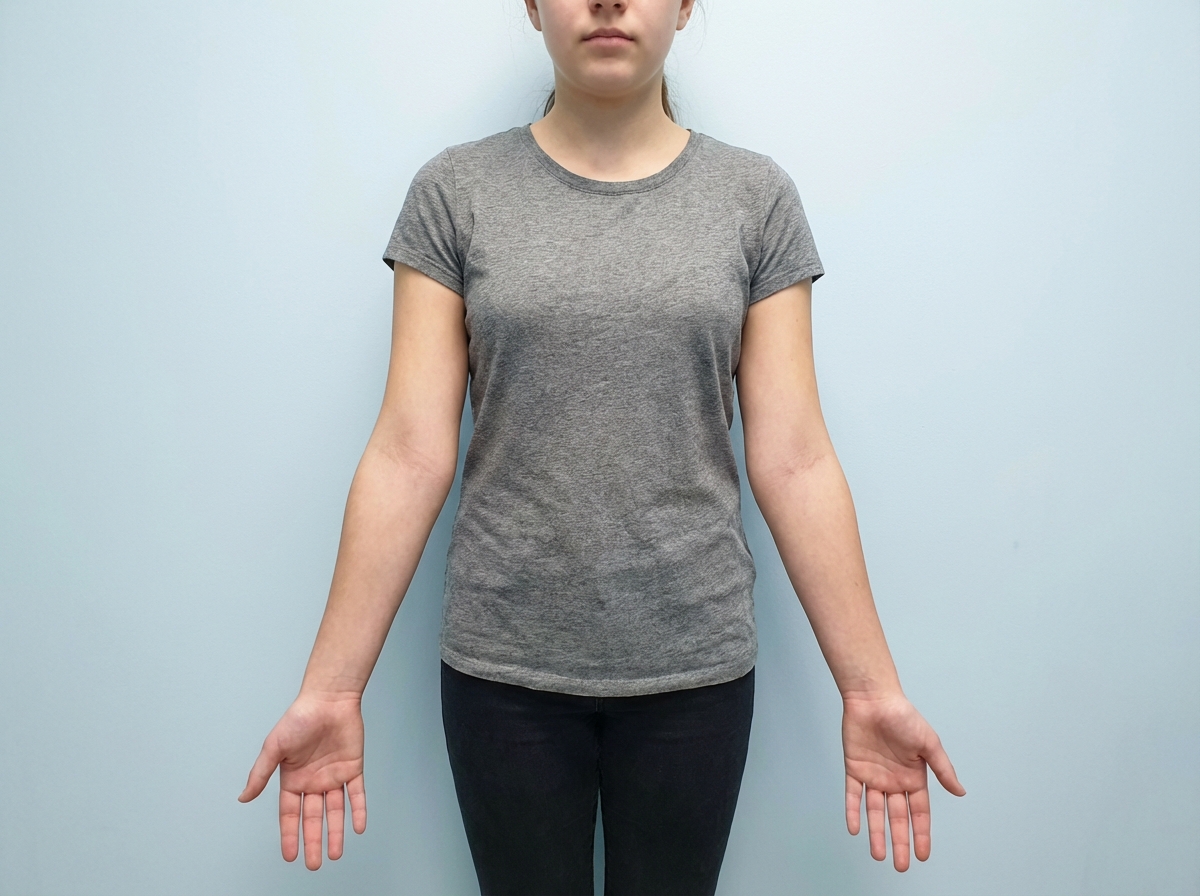
A mother brings her daughter with short stature, webbed neck, and other physical features. What is the most likely finding on ultrasound?
A 23-year-old primigravida lives in the same house as her school-going nephew, who contracted a varicella infection. The woman approached the medical center and was tested for varicella antibodies, with a negative result. Which of the following statements are true?
A 36-week pregnant woman with mitral stenosis has been on warfarin for anticoagulation. What is the most appropriate next step in her management?
Explanation: ***Cytotoxic*** - **Erythroblastosis fetalis** involves maternal antibodies (IgG) crossing the placenta and binding to fetal red blood cell antigens, leading to **complement-mediated lysis** of fetal red blood cells. - This is a classic example of a **Type II hypersensitivity reaction**, characterized by antibody-mediated cell destruction. *Cell mediated hypersensitivity* - This refers to **Type IV hypersensitivity reactions**, which involve T lymphocytes and macrophages, not antibodies. - Examples include **contact dermatitis** and **tuberculosis skin tests**. *Immune complex* - This describes **Type III hypersensitivity reactions**, where antigen-antibody complexes form and deposit in tissues, leading to inflammation. - Conditions like **serum sickness** and **lupus nephritis** are examples of immune complex diseases. *Antigen-antibody reaction* - While present, this option is too broad; all hypersensitivity reactions involve some form of antigen-antibody (or antigen-T cell) interaction. - It does not specifically describe the **mechanisms of tissue damage** or the **type of hypersensitivity** involved in erythroblastosis fetalis.
Explanation: ***Twin-to-twin transfusion syndrome*** - The observation of one baby appearing a month older than the other on ultrasound, particularly in a twin pregnancy, is highly suggestive of **twin-to-twin transfusion syndrome (TTTS)**, where there is an unequal sharing of blood between the twins. - This imbalance leads to one twin (the recipient) becoming larger and plethoric, while the other (the donor) becomes smaller and anemic, creating a noticeable size discrepancy, inaccurately noted as an "older" twin. *Superfetation* - **Superfetation** is the rare phenomenon of a second, new pregnancy occurring during an existing pregnancy, resulting in two fetuses of different gestational ages. - While it results in fetuses of different ages, it specifically refers to conception at different times, which is distinct from the described unequal growth within a single multiple pregnancy. *Superfecundation* - **Superfecundation** refers to the fertilization of two or more ova from the same ovulatory cycle by sperm from different acts of coitus or from different fathers. - It results in twins (or multiples) conceived at roughly the same time, but by different sperm, and does not explain a significant age or size discrepancy between the fetuses. *Dichorionic diamniotic twins* - **Dichorionic diamniotic (DCDA) twins** are the most common type of twins, each having their own placenta and amniotic sac. - While they are two separate pregnancies, this term primarily describes the placental and amniotic sac arrangement and does not inherently explain a significant size discrepancy or "age" difference between the twins without an underlying complication like TTTS.
Explanation: **B. Lawyer** - The **Medical Termination of Pregnancy Act (MTP Act)** in India specifies the medical professionals required for MTP authorization. A lawyer's presence is not mandated for this medical decision. - Legal authorization involves medical personnel and, in certain cases, a **Medical Board**, but not legal professionals directly in the authorization process. *A. Obstetrician* - An **obstetrician** or gynecologist is a medical expert specializing in pregnancy and childbirth, making their presence crucial for assessing the patient's and fetal condition. - The **MTP Act** requires the opinion of at least two registered medical practitioners, especially for pregnancies beyond 20 weeks, making an obstetrician essential. *C. Pediatrician* - In cases of **fetal anomalies**, a **pediatrician** (or a neonatologist) is highly likely to be part of the Medical Board formed to evaluate the anomaly and assess the prognosis for the child. - Their expertise helps in understanding the **severity and potential outcomes** of the congenital anomaly, informing the MTP decision. *D. Sonologist* - A **sonologist** (radiologist performing ultrasound) is critical for accurately diagnosing and detailing the **congenital anomalies** through imaging. - Their report provides essential **diagnostic information** that forms the basis for the MTP decision, especially in cases where anomalies are the primary concern.
Explanation: ***Serum magnesium levels*** - While clinical signs are crucial, direct measurement of **serum magnesium levels** provides the most accurate and objective assessment of magnesium load and toxicity risk. - Therapeutic ranges are well-defined (4-7 mEq/L or 1.5-3.0 mmol/L), and levels above this indicate increasing toxicity risk, guiding prompt intervention. *Urine output* - **Adequate renal function** is essential for magnesium excretion, so decreased urine output can predispose to toxicity. - However, urine output is an indirect measure and does not precisely reflect the immediate magnesium concentration or neurological effects. *Deep tendon reflexes* - **Loss of deep tendon reflexes** (e.g., patellar reflex) is an early and important clinical sign of magnesium toxicity. - While crucial for clinical assessment, it's a subjective finding that may lag behind dangerously high serum levels. *Respiratory rate* - **Respiratory depression** is a severe and life-threatening manifestation of magnesium toxicity, indicating very high serum levels. - Monitoring respiratory rate is essential, but it's a late sign of toxicity, and waiting for it to decrease means the patient is already significantly over-magnesemic.
Explanation: ***Propylthiouracil*** - **Propylthiouracil (PTU)** is the preferred treatment for hyperthyroidism in the **first trimester** of pregnancy due to a lower risk of teratogenic effects compared to methimazole. - While PTU carries a risk of **liver toxicity**, its use is generally favored in early pregnancy to avoid the more severe potential fetal abnormalities associated with other antithyroid drugs during this critical developmental period. *Methimazole* - **Methimazole** is associated with a specific pattern of birth defects, including **aplasia cutis congenita** (scalp defects) and **esophageal/choanal atresia**, when used during the first trimester. - It is generally preferred in the **second and third trimesters** due to a lower risk of maternal hepatotoxicity compared to PTU. *Carbimazole* - **Carbimazole** is a **prodrug** that is metabolized to methimazole; therefore, it carries the same teratogenic risks as methimazole in the first trimester. - Its use during early pregnancy is generally avoided for the same reasons as methimazole. *Radioactive iodine* - **Radioactive iodine (RAI)** is **contraindicated** in pregnancy because it crosses the placenta and can cause **fetal hypothyroidism** and irreversible destruction of the fetal thyroid gland. - It is an effective treatment for hyperthyroidism outside of pregnancy but is never used during gestation.
Explanation: ***45 XO*** - The image shows a **webbed neck** and **short stature** (suggested by the overall body proportions typically associated with Ullrich-Turner Syndrome), alongside primary amenorrhea, which are classic features of **Turner Syndrome**. - **Turner Syndrome** is a chromosomal disorder characterized by the absence of all or part of one X chromosome in females, resulting in a **45, XO karyotype**. *46 XY* - This karyotype indicates a **phenotypic male** with normal male chromosomal constitution. - Individuals with this karyotype would not typically present with **primary amenorrhea** as they do not have a uterus. *46 XX* - This is the **normal female karyotype**, and while a female with this karyotype could experience amenorrhea (e.g., due to Asherman's syndrome or PCOS), the physical features associated with the image (like webbed neck) are not consistent. - This option does not explain the **physical stigmata** often seen in genetic causes of primary amenorrhea, such as in Turner syndrome. *47 XXY* - This karyotype is characteristic of **Klinefelter Syndrome**, which affects males and is associated with hypogonadism and gynecomastia. - It would not be found in a female patient presenting with **amenorrhea** and the physical features shown in the image. *47 XXX* - This karyotype represents **Triple X Syndrome** (Trisomy X), which affects females and typically presents with **normal female appearance** and often normal fertility. - While some individuals may have menstrual irregularities, the **distinctive physical features** shown in the image (webbed neck, short stature) are not characteristic of Triple X syndrome, which usually lacks specific dysmorphic features.
Explanation: ***Hydrosalpinx*** - The ultrasound finding of a **tubular, fluid-filled structure with thin walls** and no solid components or septations is highly characteristic of a **hydrosalpinx**, which is a blocked, fluid-filled fallopian tube. - **Pelvic pain** and **infertility** in a young woman are classic clinical presentations associated with hydrosalpinx, often resulting from previous pelvic inflammatory disease. *Ovarian cyst* - While ovarian cysts are fluid-filled, they typically appear as **rounded or oval structures within or adjacent to the ovary**, not distinctively tubular. - They can cause pain but are not typically associated with a "tubular" morphology on ultrasound. *Ectopic pregnancy* - An ectopic pregnancy would typically present with a **gestational sac** (with or without a fetal pole or yolk sac) outside the uterus, often in the fallopian tube. - While it can be tubular, it usually shows more complex internal echoes representing pregnancy components, and the clinical picture would involve a **positive pregnancy test** and often acute, unilateral pain. *Endometrioma* - An endometrioma is a type of ovarian cyst filled with **endometrial tissue**, often appearing on ultrasound as a **"ground glass" or "chocolate cyst"** with internal echoes due to old blood. - It would not typically present as a thin-walled, anechoic (purely fluid-filled) tubular structure. *Tubo-ovarian abscess* - A tubo-ovarian abscess (TOA) is a **complex inflammatory mass** that typically appears on ultrasound as a **thick-walled, complex structure with internal echoes, septations, or debris**. - TOA patients usually present with **acute symptoms including fever, elevated white blood cell count**, and severe pelvic pain, rather than the chronic presentation described here. - The ultrasound description of thin walls and no solid components makes TOA unlikely.
Explanation: ***Streak ovaries with small uterus*** - The constellation of **short stature** and **webbed neck** is highly suggestive of **Turner syndrome (45,X0)**. - A characteristic feature of Turner syndrome is **gonadal dysgenesis**, which manifests as **streak ovaries** and a **small uterus** due to the absence of normal ovarian development. *Hepatomegaly with altered echotexture* - This finding is more indicative of **liver disease** or metabolic disorders, which are not primary features of Turner syndrome. - While Turner syndrome can be associated with various health issues, **hepatomegaly** is not a common or defining ultrasonographic finding. *Echo showing tricuspid stenosis* - **Cardiac abnormalities** are common in Turner syndrome, but the most frequent ones are **bicuspid aortic valve** and **coarctation of the aorta**, not typically **tricuspid stenosis**. - **Tricuspid stenosis** is a rare congenital heart defect and not specifically associated with Turner syndrome. *Single kidney* - **Renal anomalies**, such as a **horseshoe kidney** or **renal agenesis**, can occur in Turner syndrome. - However, the description of **single kidney** is less specific than **streak ovaries** in identifying the most likely finding given the presented clinical features of short stature and webbed neck.
Explanation: ***She is susceptible to chickenpox*** - A **negative varicella antibody test** indicates she has not previously been exposed to the **varicella-zoster virus (VZV)** and therefore lacks protective immunity. - As a **primigravida** living with an actively infected individual, she is at high risk of contracting primary chickenpox due to her susceptible status. *She is susceptible to zoster* - **Zoster (shingles)** is caused by the **reactivation of latent VZV** from a previous chickenpox infection, which she has not had. - Without a prior chickenpox infection, there is no dormant virus to reactivate, so susceptibility to zoster is not applicable. *She is immune to chickenpox* - **Immunity to chickenpox** is conferred by prior infection or vaccination, which would result in a **positive varicella antibody test**. - Her **negative antibody test** directly refutes the claim of immunity. *She is immune to zoster* - **Immunity to zoster** is not a primary concept; rather, zoster develops from the reactivation of latent VZV after a primary infection with chickenpox. - Since she is susceptible to chickenpox, she cannot be immune to zoster, which requires prior infection.
Explanation: ***Shift to Low Molecular Weight (LMW) Heparin*** - At 36 weeks gestation, **warfarin is contraindicated** due to its teratogenic effects and increased risk of **fetal bleeding**, especially during labor and delivery. - **LMW heparin** does not cross the placenta, making it a safer option for both mother and fetus in late pregnancy, and it can be discontinued prior to delivery to reduce bleeding risk. *Continue Warfarin* - Continuing warfarin at 36 weeks could lead to **fetal warfarin syndrome** if exposure occurred earlier, and significantly increases the risk of **fetal intracranial hemorrhage** during labor. - Warfarin has a narrow therapeutic window and requires close monitoring, making it less practical for ensuring fetal safety during an unpredictable labor and delivery. *Aspirin + Heparin* - While heparin is appropriate, the addition of **aspirin** to anticoagulation in a patient already on warfarin for mitral stenosis does not provide significant additional benefit and could **increase bleeding risk**. - **Unfractionated heparin (UFH)** is generally preferred over LMWH for patients requiring rapid reversal or close monitoring around delivery. *Switch to Aspirin* - **Aspirin alone is insufficient** for anticoagulation in a pregnant woman with mitral stenosis who has been on warfarin, as it does not adequately prevent thromboembolic events. - Mitral stenosis carries a high risk of **thrombus formation** and systemic embolization, necessitating more potent anticoagulation than aspirin provides.
Explanation: ***Superfecundation*** - **Superfecundation** occurs when two separate eggs released in the same menstrual cycle are fertilized by sperm from **different sexual acts or different fathers**, leading to dizygotic twins from separate fathers. - This scenario specifically describes **heteropaternal superfecundation**, where twins are born to one mother but have different biological fathers, making it the most likely diagnosis. *Superfetation* - **Superfetation** refers to the rare phenomenon where a second, new pregnancy is established in a female already pregnant, resulting in fetuses of **different gestational ages**. - This condition is unlikely here as the twins are presumably of similar gestational age, and the issue is paternity, not sequential pregnancies. *Posthumous child* - A **posthumous child** is one born after the death of its father; this term refers solely to the father's marital status at the time of birth or conception, not to the biological paternity of the child as tested. - This option does not explain how one twin could have a different biological father. *None of the options* - This option is incorrect because **superfecundation** accurately describes the phenomenon where twins of the same mother have different biological fathers due to fertilization by sperm from two different partners.
Explanation: ***EMACO regimen*** - The presence of **cannonball lesions** in the lungs after a molar pregnancy evacuation suggests **gestational trophoblastic neoplasia (GTN)**, specifically **choriocarcinoma** with pulmonary metastases. - The **EMACO (etoposide, methotrexate, actinomycin D, cyclophosphamide, vincristine)** regimen is a highly effective multi-agent chemotherapy protocol for **high-risk GTN**, including metastatic disease. *Inj. Methotrexate* - Single-agent methotrexate is primarily used for **low-risk GTN** or as a single or double-dose regimen in specific cases of persistent GTN. - It is generally insufficient for **high-risk GTN** with pulmonary metastases, where more aggressive multi-agent chemotherapy is required. *Hysterectomy* - While hysterectomy can be an option in specific cases of **non-metastatic GTN**, especially for older patients desiring definitive treatment, it is not the primary treatment for **metastatic disease**. - Systemic chemotherapy is essential to address the widespread nature of metastatic gestational trophoblastic neoplasia. *Multiple dose of Inj. Methotrexate* - Multiple doses of methotrexate might be considered for intermediate-risk GTN or as part of a multi-agent regimen, but it's often not sufficient as a sole agent for **high-risk metastatic disease** indicated by extensive pulmonary lesions. - The **EMACO regime** combines several powerful chemotherapeutic agents for a more comprehensive attack on advanced and metastatic GTN.
Explanation: ***Stress incontinence*** - **Dribbling of urine** specifically with activities that increase intra-abdominal pressure like **coughing or straining** is the hallmark of stress incontinence. - This type of incontinence results from **weakness of the pelvic floor muscles** and/or intrinsic urethral sphincter deficiency. *Overflow incontinence* - This occurs when the bladder is **overfilled and unable to empty**, leading to constant dribbling or leakage. - Patients typically experience a **poor stream**, hesitancy, and a feeling of incomplete emptying, which are not described here. *Urge incontinence* - Characterized by a **sudden, strong urge to urinate** that is difficult to defer, often leading to involuntary leakage before reaching the toilet. - It is caused by **involuntary contractions of the detrusor muscle** and is not directly related to physical exertion like coughing. *Neurogenic bladder* - This refers to bladder dysfunction due to a **neurological condition** affecting bladder control, such as spinal cord injury or multiple sclerosis. - Symptoms can vary broadly (flaccid or spastic bladder) and are not limited to leakage with coughing alone.
Explanation: ***Partial molar pregnancy*** - This condition is suggested by the presence of **amorphous fetal parts** along with a **large placenta containing multiple cystic spaces** ("swiss cheese" pattern) on ultrasound. The 9-week gestation with symptoms of pregnancy and a high β-HCG level (108,000 mIU/mL) further supports abnormal placental development. - Unlike a complete mole, a partial mole typically has some development of fetal tissue, albeit abnormal, and the β-HCG levels, while elevated, are usually lower than those seen in complete moles for a comparable gestational age. *Choriocarcinoma* - This is a highly **malignant gestational trophoblastic neoplasm** that usually follows a complete molar pregnancy but can occur after any pregnancy. - While it presents with very high β-HCG levels and uterine bleeding, the ultrasound finding of **amorphous fetal parts** and "multiple cystic spaces" is characteristic of a molar pregnancy, not choriocarcinoma directly. *Complete molar pregnancy* - A complete molar pregnancy is characterized by **no fetal parts** whatsoever and the entire uterine cavity filled with **grape-like vesicles** (hydropic villi) with high β-HCG levels, often much higher than 108,000 mIU/mL at 9 weeks (typically >200,000 mIU/mL). - The presence of "unclear, amorphous fetal parts" on ultrasound differentiates this case from a complete mole. *Inevitable abortion* - An inevitable abortion involves **cervical dilation** and often **rupture of membranes** with persistent uterine bleeding and cramping, leading to the expulsion of pregnancy tissue. - While vaginal bleeding and abdominal pain are present, the **ultrasound findings of amorphous fetal parts** and a **large placenta with multiple cystic spaces** are not typical for an inevitable abortion with a viable fetus or normal placental development. *Placental abruption* - Placental abruption involves the **premature separation of a normally implanted placenta** from the uterine wall, leading to vaginal bleeding, abdominal pain, and uterine tenderness. - The ultrasound findings of **amorphous fetal parts** and a **large placenta with multiple cystic spaces** are inconsistent with placental abruption, which typically involves a normal-appearing placenta that has detached.
Explanation: ***Ectopic pregnancy*** - The patient's presentation with **vaginal discharge**, **pain during intercourse**, and **cervical motion tenderness** is highly suggestive of **pelvic inflammatory disease (PID)**. - **PID** can lead to **scarring of the fallopian tubes**, increasing the risk of an **ectopic pregnancy** later in life due to impaired ovum transport. *Small bowel obstruction* - While PID can cause **adhesions**, these are typically centered in the **pelvis** and tend to affect the reproductive organs, not commonly the **small bowel** to cause obstruction. - **Small bowel obstruction** is more often associated with prior abdominal surgeries or hernias, not directly with PID. *Condyloma acuminatum* - **Condyloma acuminatum** (genital warts) is caused by the **human papillomavirus (HPV)** and is a sexually transmitted infection. - While the patient is sexually active, there is no clinical information to suggest HPV infection, and it is not a direct complication of PID itself. *Leiomyoma* - **Leiomyomas (fibroids)** are benign tumors of the **uterine muscle** and are not caused by or related to **pelvic inflammatory disease**. - Their development is linked to hormonal factors and genetics, not infections. *Spontaneous abortion* - While a sexually transmitted infection leading to PID could potentially affect future fertility or increase the risk of some pregnancy complications, **spontaneous abortion** is not a primary or most likely *later* complication directly resulting from PID itself. - The primary reproductive complication of PID is **tubal factor infertility** and **ectopic pregnancy**.
Explanation: ***Iron supplementation*** - The patient presents with classic symptoms and lab findings of **iron deficiency anemia (IDA)**, including severe fatigue, heavy menstrual bleeding, and conjunctival pallor, along with low hemoglobin, hematocrit, and ferritin, and elevated RDW. - **Iron supplementation** directly addresses the underlying deficiency and is the most appropriate initial treatment for IDA. *Endoscopy* - Endoscopy would be considered to investigate potential **gastrointestinal blood loss** if the cause of iron deficiency were unclear or if the patient's symptoms suggested a GI source (e.g., melena, unexplained abdominal pain), which is not the case here. - Given her heavy menstrual periods, the cause of iron deficiency is clearly identifiable as **menorrhagia**, making GI investigation unnecessary as an initial step. *Ultrasound of the pelvis* - A pelvic ultrasound could be considered to investigate the cause of **menorrhagia** (e.g., uterine fibroids, polyps). - While it may be a subsequent step to manage the heavy bleeding, it is not the *next best step* for directly treating the established iron deficiency anemia. *Vitamin B12 levels* - **Vitamin B12 deficiency** causes **macrocytic anemia** with megaloblastic features, whereas this patient presents with features consistent with microcytic (low MCV, indirectly suggested by low Hgb/Hct and high RDW) iron deficiency anemia. - The laboratory findings, particularly the **low ferritin**, specifically point to iron deficiency, not B12 deficiency. *Blood transfusion* - A blood transfusion is considered for **severe symptomatic anemia** (e.g., acute hemorrhage, cardiac compromise) or very low hemoglobin levels (typically below 7 g/dL, or 8 g/dL in certain conditions like cardiac disease). - The patient's hemoglobin of 10.3 g/dL, while low, does not typically warrant a **blood transfusion** as the *next best step*, especially in a stable patient without acute symptoms of hypovolemia or cardiac instability.
Explanation: ***Threatened abortion*** - The presence of **vaginal bleeding** at 15 weeks gestation with a **closed cervical os** and a **viable fetus** (**normal heart rate**) is the classic definition of a threatened abortion. - The patient's general good condition, absence of significant abdominal pain or tissue passage, and the presence of a live fetus on ultrasound confirm this diagnosis. *Missed abortion* - A missed abortion involves fetal demise (a **non-viable fetus**) within the uterus without expulsion of pregnancy tissue, typically characterized by a **closed cervical os**. - The ultrasound in this case clearly shows a **viable fetus with a normal heart rate**, ruling out fetal demise. *Incomplete abortion* - This diagnosis involves **vaginal bleeding**, a **dilated cervical os**, and the **partial expulsion of pregnancy contents**. - The patient's **closed cervical os** and the absence of fetal tissue expulsion are inconsistent with an incomplete abortion. *Complete abortion* - A complete abortion is characterized by the **expulsion of all pregnancy tissue** from the uterus, resulting in a **closed cervical os** and **minimal bleeding**. - Although the cervical os is closed, the presence of a **viable fetus** and ongoing pregnancy rule out a complete abortion. *Inevitable abortion* - An inevitable abortion presents with **vaginal bleeding** and a **dilated cervical os**, often with **effacement and rupture of membranes**, indicating that pregnancy loss is unavoidable. - The patient's **closed cervical os** and the **viable fetus** on ultrasound are contrary to the definition of an inevitable abortion.
Explanation: ***Ultrasound and serum hCG in 48 hours*** - A serum hCG level of 1000 mIU/mL without an intrauterine gestational sac is concerning for an **ectopic pregnancy** or a **very early viable intrauterine pregnancy** that is not yet visible on ultrasound. - Repeating both the **ultrasound and serum hCG in 48 hours** allows for assessment of the hCG doubling time (which should be approximately 35-48 hours in a healthy intrauterine pregnancy) and the potential visualization of an intrauterine gestational sac or an ectopic pregnancy. *Laparoscopy* - **Laparoscopy** is an invasive surgical procedure and is typically reserved for cases where there is a strong suspicion of **ectopic pregnancy** (e.g., declining or abnormally rising hCG with an empty uterus, or presence of an adnexal mass), or signs of **rupture**. - It is not the initial step for diagnosis when hCG levels are still relatively low and a definitive location has not been established. *Salpingectomy* - **Salpingectomy** involves surgical removal of the fallopian tube and is a treatment for **ectopic pregnancy**, not a diagnostic step. - It is typically performed when there is a definitively diagnosed ectopic pregnancy, especially if it is ruptured or large. *Methotrexate* - **Methotrexate** is a medical treatment for **unruptured ectopic pregnancies** in stable patients who meet specific criteria (e.g., hCG < 5000 mIU/mL, no fetal cardiac activity, patient compliance). - However, it should only be administered after a definitive diagnosis of an ectopic pregnancy has been made and other options have been considered. It is not a diagnostic step. *Salpingostomy* - **Salpingostomy** is a surgical procedure to remove an ectopic pregnancy while preserving the fallopian tube, often through **laparoscopy**. - Like salpingectomy, it is a treatment for a diagnosed ectopic pregnancy, not a diagnostic tool, and is considered when fertility preservation is desired and criteria are met.
Explanation: ***46, XX*** - The patient's presentation with **painless vaginal bleeding**, **uterus larger than expected**, **hyperemesis gravidarum**, and an ultrasound showing an **intrauterine mass with multiple cystic spaces (bunch of grapes appearance)**, along with the **absence of a fetus**, is classic for a **complete hydatidiform mole**. - In **complete hydatidiform moles**, the karyotype is typically **diploid (46, XX)**, with all chromosomes entirely paternal in origin, often resulting from fertilization of an "empty" egg by a single sperm that then duplicates its chromosomes. *69, XXY* - A **triploid karyotype (69, XXY)** is characteristic of a **partial hydatidiform mole**, which usually involves the presence of some fetal tissue and less severe placental abnormalities. - Partial moles typically result from fertilization of a normal egg by two sperm, leading to one maternal and two paternal sets of chromosomes, and do not present with the "bunch of grapes" appearance as prominently or the complete absence of a fetus. *46, XY* - A **46, XY karyotype** would represent a normal male conception or, in the context of a hydatidiform mole, could exceptionally occur in a complete mole if the empty egg is fertilized by an X-bearing and a Y-bearing sperm (very rare, usually 46, XX). - However, the classic presentation of a complete mole with its specific ultrasound findings and no fetal tissue makes 46, XX the overwhelming choice. *69, XXX* - A **triploid karyotype (69, XXX)**, similar to 69, XXY, is also associated with **partial hydatidiform moles** and often some fetal development. - The clinical findings of **absence of a fetus** and a uterus "larger than expected" strongly favor a **complete mole**, which is typically diploid (46, XX). *46, YY* - A **46, YY karyotype** is **not viable** as it lacks an X chromosome, which carries essential genes for life; therefore, such a conception would not progress to form a mole or any fetal tissue. - This karyotype is biologically impossible for a human conception to develop, even into abnormal placental tissue.
Explanation: ***Test for anticardiolipin antibodies*** - The patient's presentation with **recurrent second-trimester abortions**, a history of **joint pain**, **migraines**, **lacy reticular rash (livedo reticularis)**, **Raynaud's phenomena**, **finger ulcerations**, and **splinter hemorrhages** is highly suggestive of **antiphospholipid syndrome (APS)**. - **Anticardiolipin antibodies** are one of the key diagnostic criteria for APS, which causes hypercoagulability and is a common cause of recurrent pregnancy loss and thrombotic events. *Hysteroscopy* - This procedure visualizes the **uterine cavity** and is used to diagnose **structural abnormalities** such as uterine septa, fibroids, or polyps, which can cause recurrent miscarriages. - However, it would not explain the patient's systemic symptoms like joint pain, migraines, skin rashes, Raynaud's, or thrombotic phenomena (ulcerations, splinter hemorrhages). *Test for cryoglobulins* - **Cryoglobulins** are immunoglobulins that precipitate at cold temperatures and are associated with conditions like **cryoglobulinemic vasculitis**, often linked to **hepatitis C infection** or lymphoid neoplasms. - While cryoglobulinemia can cause Raynaud's and skin lesions, the constellation of recurrent abortions, migraines, and thrombotic symptoms points more strongly to APS. *Blood smear for sickle cells* - A blood smear for **sickle cells** would diagnose **sickle cell anemia**, a hemoglobinopathy common in African-Americans. - While sickle cell disease can be associated with vaso-occlusive crises, recurrent abortions, and pain, it doesn't typically manifest with the specific skin rashes (livedo reticularis) or the full syndromic presentation pointing to an autoimmune thrombophilia. *Factor V Leiden functional testing* - **Factor V Leiden mutation** is a **hereditary thrombophilia** that increases the risk of venous thromboembolism and recurrent pregnancy loss. - While it could contribute to recurrent abortions, it does not explain the patient's autoimmune features such as joint pain, migraines, specific skin rashes, and Raynaud's phenomena, which are characteristic of APS.
Explanation: ***Cesarean section*** - This patient presents with **preeclampsia with severe features** (hypertension, elevated liver enzymes, thrombocytopenia, proteinuria) and has now developed **eclampsia** (seizures). - **Delivery of the fetus** and placenta is the only definitive cure for preeclampsia/eclampsia, and in this critical state, a cesarean section is often the fastest and safest method to achieve this. *Betamethasone* - **Betamethasone** is administered to promote **fetal lung maturity** in cases where preterm delivery is anticipated. - While relevant for a 34-week gestation, it is a supportive measure, not the definitive treatment for the mother's life-threatening eclamptic seizure. *Lorazepam* - **Lorazepam** is a benzodiazepine used to **acutely terminate seizures**. - While it can be used for acute seizure control, it does not address the underlying pathology of eclampsia, which is resolved by delivery. *Platelet transfusion* - **Platelet transfusion** might be considered if the platelet count is critically low (typically <20,000/mm³ or <50,000/mm³ with active bleeding or prior to surgery) to reduce the risk of **hemorrhage**. - While this patient has severe thrombocytopenia (25,000/mm³), the definitive treatment is delivery, not treating a single laboratory abnormality in isolation. *Magnesium* - **Magnesium sulfate** is the first-line medication for the **prevention and treatment of eclamptic seizures**. - While crucial for seizure management, it is a supportive therapy for the mother's condition, not the definitive cure for preeclampsia/eclampsia, which requires delivery.
Explanation: ***Nitrofurantoin and continue with nitrofurantoin prophylaxis for the rest of the pregnancy*** - This patient has a **recurrent UTI** during pregnancy, indicated by a history of a previous UTI and the current infection at 24 weeks. - **Nitrofurantoin** is a safe and effective treatment for UTIs in the second and third trimesters, and **prophylaxis** is recommended for recurrent UTIs in pregnancy to prevent complications like pyelonephritis and preterm birth. *Nitrofurantoin* - While **nitrofurantoin** is an appropriate treatment for the current UTI, it does not address the need for **prophylaxis** in a patient with recurrent infections during pregnancy. - Treating the current infection without prophylaxis significantly increases the risk of future UTIs, which can lead to adverse pregnancy outcomes. *TMP-SMX* - **Trimethoprim-sulfamethoxazole (TMP-SMX)** is generally avoided in the **third trimester** due to the risk of **kernicterus** in the neonate. - Although possibly acceptable earlier, given the risk-benefit and safer alternatives, it's not the preferred choice in late second or third trimester without specific indications. *Cephalexin and IV antibiotic prophylaxis for the rest of the pregnancy* - **Cephalexin** is a safe and effective oral antibiotic for UTIs in pregnancy, but **IV antibiotic prophylaxis** for the remainder of the pregnancy is generally excessive and not standard practice for recurrent uncomplicated UTIs. - Prophylaxis is typically given orally, and IV antibiotics are reserved for severe infections or pyelonephritis. *Cephalexin* - **Cephalexin** is a suitable treatment for the acute UTI, but similar to nitrofurantoin without prophylaxis, it fails to address the **recurrent nature** of the patient's infections. - For patients with recurrent UTIs in pregnancy, prophylaxis is crucial to prevent further episodes and potential complications.
Explanation: ***Fetal demise*** - The absence of fetal cardiac activity and movement on repeated ultrasound scans at 22 weeks' gestation, after previously reporting fetal movement, is consistent with **fetal demise**. - **Fetal demise** refers to the death of a fetus in utero at or after 20 weeks of gestation, or when the fetus weighs 350 grams or more. *Missed abortion* - **Missed abortion** (or missed miscarriage) is typically defined as a non-viable intrauterine pregnancy with a retained fetus or embryo without cardiac activity before 20 weeks of gestation. - The patient is 22 weeks gestation, which places the condition beyond the general definition of a missed abortion. *Ectopic pregnancy* - In an **ectopic pregnancy**, the fertilized egg implants outside the uterus, most commonly in the fallopian tube, and would not have reached 22 weeks with reported fetal movement. - An ectopic pregnancy would present with earlier symptoms like **abdominal pain** and **vaginal bleeding**, and an ultrasound would show an empty uterus or evidence of extrauterine pregnancy. *Complete abortion* - A **complete abortion** involves the complete expulsion of all products of conception from the uterus. - This would be characterized by **heavy vaginal bleeding** and the passage of tissue, which the patient denies. *Incomplete abortion* - An **incomplete abortion** occurs when some, but not all, products of conception have been expelled from the uterus. - Similar to complete abortion, an incomplete abortion would typically involve **vaginal bleeding** and retained tissue, accompanied by **cramping**, which are absent in this case.
Explanation: ***Leiomyoma*** - The image shows **smooth muscle cells arranged in swirling fascicles**, characteristic of a benign leiomyoma (fibroid). This is consistent with the clinical presentation of heavy, prolonged bleeding, dyspareunia, cyclical abdominal pain, and an asymmetrically enlarged, nodular uterus. - Leiomyomas are common benign tumors of the myometrium that cause symptoms due to their bulk and effect on uterine contractility and vascularity. *Endometriosis* - Endometriosis involves the presence of **ectopic endometrial glands and stroma outside the uterus**, which would not be represented by the muscular histological pattern seen. - While it can cause pelvic pain and dyspareunia, it does not typically lead to an asymmetrically enlarged, nodular uterus (unless it's an endometrioma mistaken for a uterine mass). *Endometrial carcinoma* - Endometrial carcinoma is a **malignancy of the endometrial glands**, characterized by atypical glandular proliferation, which is not depicted in the image. - While it can cause abnormal uterine bleeding, the histological features here are clearly benign smooth muscle, not malignant glandular tissue. *Adenomyosis* - Adenomyosis is characterized by the **presence of endometrial glands and stroma within the myometrium**, leading to diffuse uterine enlargement, often symmetrical, and a "boggy" uterus on examination. - The image exhibits densely packed smooth muscle bundles without evidence of endometrial glands within the muscle wall, which distinguishes it from adenomyosis. *Endometrial hyperplasia* - Endometrial hyperplasia is an **overgrowth of the endometrial lining**, characterized by an increased proliferation of endometrial glands relative to the stroma. - The image provided shows myometrial tissue with architectural changes, not an endometrial biopsy demonstrating hyperplastic endometrial glands.
Explanation: ***Ectopic pregnancy*** - The patient's symptoms (pelvic pain, vaginal discharge, cervical motion tenderness, fever) and intracytoplasmic inclusions on Giemsa stain are highly suggestive of **Chlamydia trachomatis infection** leading to **pelvic inflammatory disease (PID)**. - PID can cause **scarring of the fallopian tubes**, significantly increasing the risk of an **ectopic pregnancy** due to impaired ovum transport. *Purulent arthritis* - While certain sexually transmitted infections, like **Neisseria gonorrhoeae**, can cause disseminated gonococcal infection leading to septi arthritis, chlamydial PID typically does not directly cause purulent arthritis. - Reactive arthritis can occur after Chlamydia infection, but it is a sterile arthritis, not purulent. *Cervical cancer* - **Cervical cancer** is primarily caused by persistent infection with certain high-risk types of **human papillomavirus (HPV)**. - While Chlamydia infection can be a cofactor for HPV, it is not the direct cause of cervical cancer itself, and the acute presentation here is not indicative of malignancy. *Aortic root dilatation* - **Aortic root dilatation** can be associated with certain sexually transmitted infections, particularly **syphilis** (tertiary syphilis causing aortitis). - This patient's presentation is characteristic of Chlamydia infection and PID, which does not typically lead to aortic root dilatation. *Endometriosis* - **Endometriosis** is a condition where endometrial-like tissue grows outside the uterus, causing chronic pelvic pain and infertility. - It is a **hormone-dependent chronic inflammatory condition**, not an acute infectious process, and its presentation differs from the described symptoms.
Explanation: ***Twice weekly nonstress test now until delivery*** - For pregnant patients with **pregestational diabetes**, fetal surveillance with **twice-weekly nonstress tests (NSTs)** is recommended starting at 32 weeks gestation. - This intensive monitoring helps detect potential **fetal compromise** due to risks associated with maternal diabetes, such as **placental insufficiency** or **macrosomia**. *Ultrasound for fetal growth every week starting now until delivery* - While **serial ultrasounds** for fetal growth are often performed in diabetic pregnancies, weekly ultrasounds are typically **not recommended** due to practical limitations and lack of clear evidence for improved outcomes. - Fetal growth monitoring in diabetic pregnancies is more commonly performed every **2-4 weeks**, or as clinically indicated by other surveillance methods. *Monthly biophysical profile now until delivery* - A **biophysical profile (BPP)** is a comprehensive assessment of fetal well-being, but a **monthly frequency** is generally insufficient for high-risk conditions like pregestational diabetes, especially starting at 32 weeks. - Furthermore, for patients with well-controlled diabetes, **NSTs** are often the initial and primary method of surveillance, with BPPs reserved for reassuring NSTs or specific clinical indications. *Monitor fetal kick counts starting now until 40 weeks gestation* - While **fetal kick counts** are a valuable tool for daily assessment of fetal well-being, they are often used as a **screening method** to prompt further evaluation, rather than the sole or primary method of formal antenatal surveillance in a high-risk pregnancy. - They do not replace more objective and comprehensive tests like **NSTs** for a patient with pregestational diabetes. *Monthly nonstress test starting at 34 weeks gestation until delivery* - A **monthly nonstress test** is **insufficient** for a patient with pregestational diabetes, as the risk of fetal compromise is higher and requires more frequent monitoring. - Additionally, waiting until **34 weeks gestation** to start surveillance is generally too late; current guidelines recommend initiation at **32 weeks gestation** in such cases.
Explanation: ***Transvaginal ultrasound*** - The patient presents with **hypotension**, **tachycardia**, and **abdominal pain** with a **positive pregnancy test**, highly suspicious for a **ruptured ectopic pregnancy**. - A **transvaginal ultrasound** is the most appropriate initial diagnostic step to visualize the uterus and adnexa for an intrauterine pregnancy or an adnexal mass characteristic of ectopic pregnancy and assess for free fluid in the pelvis. The patient is unstable and needs immediate intervention. *CT scan of the abdomen and pelvis* - While a CT scan can identify intra-abdominal pathology, it is **not the first-line imaging modality** for suspected ectopic pregnancy due to radiation exposure and less detailed visualization of early gestational structures compared to ultrasound. - The patient's **hemodynamic instability** also necessitates a quicker diagnostic tool like ultrasound, as CT may delay definitive management. *Abdominal plain films* - **Abdominal plain films** have very limited utility in diagnosing gynecological emergencies or ectopic pregnancies. - They are primarily used for evaluating bowel obstruction or free air and would not provide the necessary information about gestational location or ovarian pathology. *Administer levonorgestrel* - **Levonorgestrel (plan B)** is an emergency contraceptive and is not relevant for managing a confirmed pregnancy, especially one with a suspected complication like an ectopic rupture. - Administering it would be inappropriate and potentially harmful given the patient's acute presentation. *Exploratory laparoscopy* - **Exploratory laparoscopy** is a surgical procedure that might be performed *after* a diagnosis of ruptured ectopic pregnancy is made via ultrasound. - It is a **therapeutic intervention**, not a diagnostic study to be performed initially before confirming the diagnosis, especially given the patient's unstable vital signs which would make immediate surgery risky without prior confirmation.
Explanation: ***X-linked recessive*** - This patient's presentation with **primary amenorrhea**, **minimal pubic hair**, and **suprapubic masses** (likely gonads) along with a **small vagina and absence of a cervical canal** is highly suggestive of **Androgen Insensitivity Syndrome (AIS)**. - AIS is caused by a defect in the **androgen receptor gene**, which is located on the **X chromosome** and follows an X-linked recessive pattern of inheritance. *Extra chromosome* - An extra chromosome, such as in **Klinefelter syndrome (XXY)** or **Down syndrome (trisomy 21)**, typically manifests with different phenotypic features and reproductive issues; Klinefelter syndrome affects males with hypogonadism, while Down syndrome is associated with varied intellectual disabilities and congenital anomalies. - While chromosomal abnormalities can cause infertility, the specific constellation of symptoms (development of external female genitalia despite a 46,XY karyotype, rudimentary internal female organs) points away from common aneuploidies. *Missing chromosome* - A missing chromosome, particularly **Turner syndrome (45,XO)**, presents with features like **gonadal dysgenesis (streak gonads)**, **short stature**, **webbed neck**, and **coarctation of the aorta**. - While Turner syndrome causes primary amenorrhea and lack of secondary sexual characteristics, the presence of suprapubic masses (undescended testes) and the development towards a female phenotype despite a male genotype are not characteristic of Turner syndrome. *Multiple genetic loci* - Infertility can be multifactorial or polygenic, involving multiple genetic loci, but this typically results in a milder, more varied presentation, or contributes to complex conditions. - Conditions like **androgen insensitivity syndrome** are predominantly caused by a single gene defect rather than interactions between multiple genes. *Autosomal recessive* - Autosomal recessive conditions usually involve a defect in a gene located on one of the **autosomes**, requiring two copies of the defective gene for the condition to manifest. - While some forms of infertility can be autosomal recessive, the specific clinical picture of **Androgen Insensitivity Syndrome (AIS)** is distinctly X-linked due to the androgen receptor gene's location.
Explanation: ***Autosomal dominant mutation in factor V*** - The patient's history of **recurrent miscarriages**, a **past blood clot** during pregnancy, and prolonged activated partial thromboplastin time (**aPTT**) suggests a **hypercoagulable state**, often seen in **Factor V Leiden mutation**. - **Factor V Leiden** is an **autosomal dominant** disorder that leads to resistance to activated protein C, increasing the risk of thrombotic events and thus affecting placental blood flow and fetal viability. *Vasoconstriction with reduced placental blood flow* - While **smoking** causes vasoconstriction and can reduce placental blood flow, it typically leads to **intrauterine growth restriction (IUGR)**, **preterm birth**, or **placental abruption**, rather than a pattern of recurrent miscarriages. - The patient's other symptoms, particularly the history of thrombosis and prolonged aPTT, point to a more systemic coagulation disorder rather than just smoking-induced vasoconstriction. *Positive antihistone antibodies* - **Antihistone antibodies** are characteristic of **drug-induced lupus**, which is associated with medications like minocycline, but lupus commonly causes a **false-positive VDRL** and a prolonged aPTT, not typically recurrent miscarriages due to thrombosis. - While drug-induced lupus can lead to various complications, recurrent miscarriages are less directly linked to antihistone antibodies compared to the thrombotic risk associated with antiphospholipid syndrome or Factor V Leiden. *Elevated TSH levels* - **Elevated TSH levels** are indicative of **hypothyroidism**, which can cause infertility and recurrent miscarriages. - However, hypothyroidism is not associated with a **history of blood clots** or a **high aPTT**, which are prominent features in this patient's presentation. *Positive VDRL* - **Positive VDRL** (Venereal Disease Research Laboratory) suggests **syphilis** or other conditions that can cause a biological false positive, such as **antiphospholipid syndrome** or lupus. - While antiphospholipid syndrome is a cause of recurrent miscarriages and clots, the prolonged aPTT in this case (rather than a shortened one or normal aPTT with lupus anticoagulant) and the absence of specific antiphospholipid antibodies make it a less likely primary diagnosis here.
Explanation: ***Transvaginal ultrasound*** - A **transvaginal ultrasound** is the most accurate method to diagnose **placenta previa**, especially in cases of suspected **low-lying placenta**. - It allows for clear visualization of the **cervix** and the relationship of the **placenta** to the **internal os**. *Amniocentesis and fetal lung maturity testing* - **Amniocentesis** is used to assess **fetal lung maturity** and would only be considered if a preterm delivery is imminent and there is uncertainty about lung development, which is not the primary diagnostic step for vaginal bleeding. - While knowing fetal lung maturity might be relevant for management, it does not confirm the cause of the **vaginal bleeding**. *Digital cervical examination* - A **manual cervical examination** is contraindicated in cases of suspected **placenta previa** due to the risk of **provoking severe hemorrhage**. - Placing fingers into the **cervix** could disrupt the potentially low-lying **placenta**, leading to significant bleeding. *Transabdominal ultrasound* - While a **transabdominal ultrasound** can identify **placenta previa**, its accuracy is often limited by factors such as **maternal obesity** or **uterine position**. - Small movements or artifacts can obscure the precise relationship between the **placenta** and the **internal cervical os**. *Coagulation studies* - **Coagulation studies** assess for **bleeding disorders** or **coagulopathies**, which are not directly related to the initial diagnosis of the cause of the bleeding in this scenario. - These studies would be more relevant if there were signs of **disseminated intravascular coagulation (DIC)** or a known **coagulopathy**, which is not indicated here.
Explanation: ***Primary ovarian insufficiency*** - The combination of **amenorrhea**, **elevated FSH** (56 mIU/mL), and **low estradiol** (<18 pmol/L) in a woman younger than 40 is diagnostic of **primary ovarian insufficiency (POI)**. - The atrophic vaginal spotting mentioned before suggests **estrogen deficiency**, which is consistent with POI. *Menopause* - While menopause also presents with elevated FSH and low estradiol, it typically occurs in women around age 50, making it less likely in a **32-year-old female**. - A definitive diagnosis of menopause often requires one year of amenorrhea, which is not fully met, given her irregular spotting history. *Secondary ovarian insufficiency* - **Secondary ovarian insufficiency** (also known as hypothalamic or pituitary insufficiency) would result in **low FSH** and **low estradiol** due to a problem with central hormone production. - This patient has **high FSH**, indicating the problem is at the ovarian level as the pituitary is attempting to stimulate the ovaries. *Hyperprolactinemia* - **Hyperprolactinemia** causes amenorrhea by inhibiting GnRH, leading to **low FSH** and **low estradiol**. - The patient's **prolactin levels are within normal limits**, ruling out this condition. *Polycystic ovary syndrome* - **Polycystic ovary syndrome (PCOS)** is characterized by **anovulation**, elevated androgens, and often **elevated LH/FSH ratio**. - This patient's **FSH is markedly elevated**, and estradiol is low, which is not typical for PCOS.
Explanation: **Placenta previa** - The presentation of **painless, bright red vaginal bleeding** in the third trimester is a hallmark sign of placenta previa. - A prior **cesarean section** is a significant risk factor for placenta previa due to scarring of the uterine wall. *Uterine rupture* - Uterine rupture typically presents with **severe abdominal pain**, maternal **tachycardia**, and fetal **distress** (e.g., decelerations), none of which are noted here. - The abdomen is described as soft and non-tender, which is inconsistent with uterine rupture. *Abruptio placentae* - Abruptio placentae is characterized by **painful vaginal bleeding**, a **tense and tender uterus**, and often fetal distress due to placental detachment. - The patient's abdomen is soft and non-tender, directly contradictory to the findings in abruptio placentae. *Uterine atony* - **Uterine atony** is a cause of **postpartum hemorrhage**, occurring *after* delivery, not during the antenatal period. - The patient is still pregnant at 35 weeks' gestation, making uterine atony an unlikely diagnosis. *Latent phase of labor* - While some bleeding can occur during the latent phase of labor (bloody show), it is usually **minimal** and often mixed with mucus, not the sudden, bright red, profuse bleeding described. - The absence of regular uterine contractions and a soft, non-tender abdomen further argue against active labor.
Explanation: ***Obtain an MRI of the pituitary*** - The patient presents with **primary amenorrhea** (lack of menarche by age 13 with no secondary sexual characteristics, or by age 15 with secondary sexual characteristics), low **FSH** and **LH** levels, and mild headaches, which suggests **hypogonadotropic hypogonadism**. - A pituitary MRI is crucial to rule out a central cause like a **pituitary adenoma** or other hypothalamic-pituitary lesions that could be suppressing gonadotropin release. *Ask the patient to return to clinic in 6 months to see if she undergoes menarche* - This approach is inappropriate given the patient's age, **Tanner stage 1** (prepubertal) findings, and significantly low gonadotropin levels, which indicate a pathological delay in puberty rather than a normal variation. - Waiting would delay diagnosis and management of a potentially serious underlying condition affecting the **hypothalamic-pituitary axis**. *Order a karyotype* - A karyotype is indicated when there is suspicion of **gonadal dysgenesis** (e.g., Turner syndrome), which typically presents with high FSH/LH due to primary ovarian failure. - This patient has **low FSH and LH**, making a chromosomal abnormality affecting gonadal development less likely as the primary cause of her hypogonadotropic hypogonadism. *Obtain an HIV test* - While recommended in sexually active individuals, an **HIV test** is not the best next step for investigating **primary amenorrhea** with **hypogonadotropic hypogonadism**. - HIV infection does not directly explain the specific endocrine findings (low FSH/LH) or the delayed puberty in this context. *Begin estrogen replacement therapy* - **Estrogen replacement therapy** may be part of the long-term management once a diagnosis is established, but it should not be initiated before a thorough investigation into the cause of **hypogonadotropic hypogonadism**. - Starting hormone therapy prematurely could mask diagnostic clues or delay the identification of an underlying correctable condition, such as a **pituitary tumor**.
Explanation: ***Premature placental separation*** - The patient's **cocaine use**, even if infrequent, significantly increases the risk of **vasoconstriction** and **hypertension**, leading to premature placental separation (placental abruption). - **Cocaine use** is a well-established risk factor for **placental abruption** due to its acute vasoconstrictive effects on uterine blood vessels. *Neural tube defect* - Neural tube defects are primarily associated with **folic acid deficiency** during early pregnancy. The patient is taking folic acid supplements, mitigating this risk. - While some medications for bipolar disorder can increase risk, **quetiapine** is generally considered safer in pregnancy compared to others like valproate. *Cretinism* - **Cretinism (congenital hypothyroidism)** is typically caused by severe maternal iodine deficiency or uncontrolled maternal hypothyroidism. - The patient's **TSH level of 3.5 µU/mL** is within the acceptable range for the second and third trimesters of pregnancy, and she is taking **levothyroxine** for her hypothyroidism. *Aplasia cutis congenita* - This condition is specifically associated with **maternal use of methimazole or carbimazole** (antithyroid medications), particularly in the first trimester. - The patient is taking **levothyroxine** for hypothyroidism, not an antithyroid medication, making this outcome unlikely. *Shoulder dystocia* - **Shoulder dystocia** is a risk associated with **fetal macrosomia**, typically seen in mothers with uncontrolled **gestational diabetes** or pre-existing diabetes. - There is no information in the vignette to suggest the patient has diabetes or that the fetus is macrosomic.
Explanation: ***Increase levothyroxine dosage by 20%–30%*** - The patient's symptoms (missed menses, nausea, breast changes, enlarged uterus, cervical changes) are highly suggestive of **pregnancy**. During pregnancy, **thyroid hormone requirements increase significantly** due to increased levels of **thyroid-binding globulin (TBG)** stimulated by estrogen, and the production of **human chorionic gonadotropin (hCG)** which has TSH-like activity. - The recommended management for pregnant women with hypothyroidism is to **increase the levothyroxine dose by approximately 25-50%** and monitor TSH and free T4 levels every 4-6 weeks to maintain a TSH level within the goal range for pregnancy (typically <2.5 mU/L in the first trimester). *Decrease levothyroxine dosage by 30%* - Decreasing levothyroxine would lead to **hypothyroidism**, which is detrimental in pregnancy and associated with adverse outcomes such as **preeclampsia**, **gestational hypertension**, **low birth weight**, and **neurocognitive impairment** in the offspring. - Thyroid hormone requirements increase, not decrease, during pregnancy. *Discontinue levothyroxine* - **Discontinuing levothyroxine** would result in severe hypothyroidism, posing significant risks to both the mother and the developing fetus. - Hypothyroidism must be treated throughout pregnancy to ensure proper fetal development. *The patient is euthyroid, so no adjustments should be made* - While the patient's thyroid panel currently shows euthyroid values (TSH 3.41 mU/L is within normal range but slightly elevated for first-trimester pregnancy goals), the **onset of pregnancy** rapidly increases thyroid hormone demand. - Failure to adjust the dose can lead to **maternal and fetal hypothyroidism** as pregnancy progresses, even if the patient is currently euthyroid. *Increase levothyroxine dosage by 5% each week up to 50%* - A gradual increase of 5% each week may be too slow and insufficient to meet the rapidly increasing thyroid hormone demands of early pregnancy. - The standard recommendation is to make a more substantial initial adjustment (20-30%) as soon as pregnancy is confirmed, followed by close monitoring and further adjustments.
Explanation: ***Small for gestational age*** - The patient has **chronic hypertension** (blood pressure >140/90 mmHg before 20 weeks' gestation), which is a significant risk factor for **fetal growth restriction (FGR)** leading to a small for gestational age (SGA) infant. - Chronic hypertension reduces uteroplacental blood flow, impairing nutrient and oxygen delivery to the fetus, thus hindering optimal growth. *Fetal hydantoin syndrome* - This syndrome is associated with exposure to **phenytoin** (historically known as diphenylhydantoin) in utero, characterized by craniofacial anomalies, intellectual disability, and limb defects. - The patient is taking **lamotrigine**, which is not associated with fetal hydantoin syndrome; it is generally considered a safer antiepileptic drug during pregnancy compared to older agents. *Caudal regression syndrome* - This is a rare congenital disorder characterized by abnormal development of the lower spine and limbs, most strongly associated with **poorly controlled maternal diabetes mellitus**. - The patient's serum glucose level is within normal limits, making caudal regression syndrome less likely. *Intellectual disability* - While some antiepileptic drugs can increase the risk of neurodevelopmental issues, **lamotrigine** is associated with a lower risk compared to medications like valproate. - The primary and most direct fetal complication of uncontrolled maternal hypertension is **growth restriction**, not necessarily intellectual disability as the primary or most likely outcome. *Neonatal polycythemia* - This condition is characterized by an abnormally high red blood cell count in a newborn, often associated with delayed cord clamping, maternal diabetes, or placental insufficiency. - While chronic hypertension can cause placental insufficiency, **fetal growth restriction (SGA)** is a more direct and commonly observed consequence than polycythemia in this specific clinical context.
Explanation: ***Severe preeclampsia*** - The patient exhibits **hypertension** (BP 164/104 mmHg), **proteinuria** (positive urine protein), and **thrombocytopenia** (platelet count 100,500/mm^3). The elevated BUN and creatinine also suggest **renal dysfunction**. - The blood pressure reading 164/104 mmHg meets the criteria for **severe range blood pressure** (systolic ≥160 mmHg or diastolic ≥110 mmHg), classifying this as severe preeclampsia. Headaches are also a symptom of severe preeclampsia. *HELLP syndrome* - While **thrombocytopenia** is present, the **liver enzymes (AST/ALT)** are not elevated (AST 32 U/L, ALT 30 U/L), which would be a primary diagnostic criterion for HELLP (Hemolysis, Elevated Liver enzymes, Low Platelets). - There is no evidence of **hemolysis**, such as elevated bilirubin or schistocytes on a peripheral smear, which is also required for HELLP diagnosis. *Acute fatty liver disease of pregnancy* - This condition presents with significantly elevated **liver enzymes**, **jaundice**, and often severe **hypoglycemia** and **coagulopathy**, none of which are evident in this patient's lab results. - While it can cause elevated BUN and creatinine, it typically involves **more prominent liver dysfunction** than seen here. *Preeclampsia* - This patient meets the criteria for preeclampsia (hypertension and proteinuria), but her **blood pressure** (164/104 mmHg), **thrombocytopenia** (platelet count 100,500/mm^3), and elevated **creatinine** (1.0 mg/dL) all point to features that classify it as *severe* preeclampsia. - Preeclampsia without severe features generally involves blood pressure values below 160/110 mmHg and no evidence of significant organ dysfunction or severe laboratory abnormalities. *Eclampsia* - Eclampsia is defined as the occurrence of new-onset **grand mal seizures** in a woman with preeclampsia. - The patient presents with a **headache** but is described as "comfortable appearing" and there is no mention of seizures.
Explanation: ***Anti-RhO(D) immunoglobulin*** - The patient is **Rh-negative** (A- blood group), and her husband is **Rh-positive** (O+ blood group), indicating a potential for her fetus to be Rh-positive. Without prenatal care, she has likely not received **Rh(D) immunoglobulin**, which is crucial for preventing **Rh isoimmunization** at 28 weeks gestation. - This intervention is critical to prevent the mother's immune system from developing antibodies against Rh-positive fetal red blood cells, which could lead to **hemolytic disease of the newborn** in this or future pregnancies. *Vitamin K* - **Vitamin K** is typically administered to *newborns* shortly after birth to prevent **hemorrhagic disease of the newborn**, not to the mother during pregnancy. - While important for coagulation, its immediate administration to the mother at 28 weeks gestation is not indicated to prevent a serious delivery complication related to Rh incompatibility. *Folic acid* - **Folic acid** is essential during pregnancy to prevent **neural tube defects**; however, it is most critical in the *first trimester* and continued throughout pregnancy. - While beneficial, its immediate administration at 28 weeks for a patient who has had no prenatal care is not the priority to prevent an *acute, serious delivery complication* in the context of Rh incompatibility. *Vitamin D* - **Vitamin D** is important for **bone health** in both mother and fetus, and deficiencies are common. - However, its immediate administration at 28 weeks is not the primary intervention to prevent an acute, serious complication during delivery in a patient at risk for Rh incompatibility. *Iron supplements* - **Iron supplements** are commonly prescribed during pregnancy to prevent and treat **iron-deficiency anemia**, which is particularly important given the increased blood volume. - While her lack of prenatal care suggests a potential for anemia, addressing **Rh isoimmunization** is a more immediate and critical concern for preventing a serious complication specific to delivery in this scenario.
Explanation: ***Ovarian theca cells*** - The patient's symptoms, including **irregular menstrual cycles**, **hirsutism** (excessive hair growth), and **polycystic ovaries** on ultrasound, are classic for **Polycystic Ovarian Syndrome (PCOS)**. - In PCOS, there is an overproduction of **androgens** by the **theca cells** within the ovary, leading to hyperandrogenism and its associated symptoms like hirsutism. *Pituitary gonadotropic cells* - These cells produce **Luteinizing Hormone (LH)** and **Follicle-Stimulating Hormone (FSH)**, which regulate ovarian function. - While LH is often elevated in PCOS, leading to increased androgen production, the gonadotropic cells themselves do not directly produce the androgens that cause hair growth. *Pituitary lactotrophs* - **Lactotrophs** produce **prolactin**, which is primarily involved in milk production. - While hyperprolactinemia can cause menstrual irregularities, it is not directly responsible for the excessive hair growth seen in this patient, which is androgen-driven. *Ovarian follicular cells* - **Granulosa cells** within the ovarian follicles are responsible for converting androgens into estrogens under the influence of FSH. - In PCOS, the abnormal follicular development and increased androgen production disrupt this process, but granulosa cells are not the primary source of the excess androgens. *Adipocytes* - Adipocytes can convert androgen precursors into weaker androgens and estrogens, contributing to the overall hormonal milieu, especially in obese individuals. - However, they are not the primary source of the high levels of potent androgens (like testosterone) that cause significant hirsutism in conditions like PCOS.
Explanation: ***Check hCG*** - The patient is being prescribed **isotretinoin**, a potent teratogen. This necessitates a **pregnancy test (hCG)** before initiating the medication to prevent severe birth defects. - The patient's presentation with **irregular menses** and **weight gain**, despite not being sexually active, further emphasizes the need to rule out pregnancy before starting isotretinoin, as irregular menses can sometimes be mistaken for an absence of pregnancy. *Administer bupropion* - While bupropion could be considered for smoking cessation, depression, or weight management, isotretinoin is a **teratogenic drug** and pregnancy must be ruled out immediately. - Introducing another medication before addressing the critical safety concern of isotretinoin is not the most appropriate immediate next step. *Recheck blood pressure in 1 week* - The patient's blood pressure of 133/81 mmHg is elevated, but it is not a hypertensive crisis and does not require immediate intervention in this context. - While follow-up for blood pressure is important, it is secondary to the immediate concern associated with starting isotretinoin. *Check TSH* - Symptoms like **weight gain**, **depressed mood**, and **irregular menses** can be associated with **hypothyroidism**, making TSH a relevant diagnostic test. - However, the most immediate and critical concern is ruling out pregnancy due to the planned initiation of isotretinoin. *Check prolactin* - **Hyperprolactinemia** can cause **irregular menses** and, less commonly, weight gain, making prolactin a plausible diagnostic test. - Similar to TSH, while a prolactin check might be warranted for her symptoms, it is not the most pertinent immediate next step given the risk associated with isotretinoin.
Explanation: ***Polycystic ovaries on ultrasonography of the pelvis*** - The patient's presentation with **obesity**, **acanthosis nigricans** (velvety, hyperpigmented plaques), and **irregular menses** (oligomenorrhea/amenorrhea) are classic signs of **polycystic ovary syndrome (PCOS)**. - PCOS is a common endocrine disorder characterized by **hormonal imbalances**, including elevated androgens, which can lead to these symptoms and the presence of polycystic ovaries on ultrasound. *Diffusely enlarged thyroid gland on ultrasonography of the neck* - While thyroid dysfunction can cause menstrual irregularities and weight changes, there are no other symptoms or signs suggestive of a thyroid disorder, such as **goiter** or specific thyroid-related metabolic symptoms. - The prominent skin findings and menstrual irregularity point strongly away from a primary thyroid issue. *Atrophic adrenal glands on CT scan of the abdomen* - **Adrenal atrophy** is typically seen in conditions like **Addison's disease**, which would present with symptoms such as **fatigue, weakness, weight loss, hypotension**, and **hyperpigmentation** (due to increased ACTH), but not typically acanthosis nigricans. - The patient's other symptoms (obesity, irregular menses, acanthosis nigricans) are inconsistent with primary adrenal insufficiency. *Malignant glandular cells on gastric biopsy* - While **acanthosis nigricans** can, in rare cases, be a **paraneoplastic syndrome** associated with underlying malignancy (especially gastric adenocarcinoma), this is more common in an older population and typically associated with rapid onset and more widespread skin involvement. - The patient's age and the combination of her other symptoms (obesity, irregular menses) make **PCOS** a much more likely explanation for the acanthosis nigricans. *Elevated serum 17-hydroxyprogesterone levels* - Elevated **17-hydroxyprogesterone** levels strongly suggest **congenital adrenal hyperplasia (CAH)**, particularly non-classical forms, which can present with hirsutism and menstrual irregularities similar to PCOS due to androgen excess. - However, the patient's symptoms are more completely explained by **PCOS**, and CAH would typically lead to earlier manifestations and possibly other signs of virilization.
Explanation: **Magnesium and cesarean section** - The patient's presentation with **headache**, **abdominal pain**, and **hypertension** followed by a **seizure** is classic for **eclampsia**, a severe complication of pre-eclampsia. - **Magnesium sulfate** is the first-line treatment for seizure control and prevention in eclampsia, while **delivery (cesarean section)** is the definitive treatment since it removes the source of the disease (the placenta). *Diazepam, magnesium, and continuous monitoring* - While **magnesium** is correct for seizure management, **diazepam** is typically reserved as a second-line agent if magnesium is ineffective or contraindicated. - The definitive management of eclampsia is delivery; continuous monitoring alone is insufficient without plans for delivery. *Magnesium and continuous monitoring* - **Magnesium** is indeed the critical first step for seizure management in eclampsia. - However, continuous monitoring without addressing the underlying cause via **delivery** is not sufficient definitive management for eclampsia. *Nifedipine and cesarean section* - **Nifedipine** is an antihypertensive and can be used to manage severe hypertension in pregnancy, but it is not the primary treatment for active seizures or seizure prevention in eclampsia. - While a **cesarean section** is appropriate for delivery, **magnesium** is crucial for immediate seizure control. *Magnesium and labetalol* - **Magnesium** is appropriate for seizure management. - **Labetalol** is an antihypertensive agent used for severe hypertension in pregnancy, but it does not treat the seizure or the underlying eclampsia definitively; delivery is still required.
Explanation: ***Uterine leiomyoma*** - Leiomyomas (fibroids) are common in women in their 30s and 40s and can cause **menorrhagia** (heavy and prolonged bleeding) due to increased endometrial surface area, impaired myometrial contractility, and increased angiogenesis. - The patient's age, symptoms of heavy and prolonged menstrual bleeding without significant pain, and the finding of a **mobile, non-tender uterus** on bimanual exam are consistent with leiomyomas, even if not explicitly palpated as distinct masses. *Uterine adenomyosis* - Characterized by **dysmenorrhea (painful periods)** and **menorrhagia**, often presenting with a **uniformly enlarged, globular, and tender uterus**. - The patient's lack of abdominal/pelvic discomfort and the description of a mobile, non-tender uterus make adenomyosis less likely. *Endometrial hyperplasia* - This condition is more common in **perimenopausal** and postmenopausal women and often presents with **irregular or heavy uterine bleeding** due to unopposed estrogen exposure. - While heavy bleeding is present, the **endometrial thickness of 4 mm** after menses is within the normal range for premenopausal women and does not suggest hyperplasia. *Endometrial carcinoma* - Typically presents with **abnormal uterine bleeding**, more commonly in **postmenopausal women**, and is associated with risk factors like obesity, nulliparity, and diabetes. - While bleeding is present, the patient's age and the normal endometrial thickness make carcinoma less likely, though it would warrant further investigation especially with persistent symptoms. *Endometrial polyp* - Can cause **intermenstrual bleeding**, **menorrhagia**, or postmenopausal bleeding, and can be detected by ultrasound or hysteroscopy. - While they can cause heavy bleeding, polyps often cause **intermenstrual spotting** or irregular bleeding, and the symptoms described are more consistently heavy and prolonged periods rather than irregular spotting.
Explanation: **Hemolysis** - The patient's presentation with **new-onset hypertension** (elevated systolic blood pressure), **proteinuria** (>300 mg/24 hours or 4 grams in this case), and **edema** strongly suggests **preeclampsia**. - If left untreated, preeclampsia can progress to **HELLP syndrome** (**H**emolysis, **E**levated **L**iver enzymes, **L**ow **P**latelets), where **hemolysis** is a primary component. *Thrombocytosis* - **Preeclampsia** and its severe forms, like HELLP syndrome, are associated with **thrombocytopenia** (low platelets), not thrombocytosis (elevated platelets). - **Thrombocytosis** is generally not a complication of severe preeclampsia or eclampsia. *Gestational diabetes* - While **gestational diabetes** is a common pregnancy complication, it is characterized by **glucose intolerance** and is not directly linked to the patient's symptoms of hypertension and proteinuria. - The primary risk from gestational diabetes is for macrosomia, neonatal hypoglycemia, and increased future risk of type 2 diabetes, not the direct complications of severe preeclampsia. *Placenta accreta* - **Placenta accreta** is a condition where the placenta abnormally adheres to the uterine wall, typically presenting with **heavy bleeding during delivery**. - It is not a direct complication of untreated preeclampsia, although both can increase maternal morbidity. *Eclampsia* - **Eclampsia** is defined by the occurrence of **new-onset grand mal seizures** in a woman with preeclampsia, without a history of epilepsy. - While eclampsia is a severe complication of untreated preeclampsia, **hemolysis** (as part of HELLP syndrome) is also a critical and direct potential consequence that can occur with severe preeclampsia, even before seizures manifest.
Explanation: ***Neural tube defect*** - The patient's **poorly controlled type 1 diabetes mellitus** is evidenced by her **HbA1c of 13.7%**. Uncontrolled maternal hyperglycemia during organogenesis significantly increases the risk for fetal malformations, including neural tube defects due to impaired folate metabolism. - This risk is highest when hyperglycemia occurs during the first 8 weeks of gestation, a period crucial for neural tube closure, which aligns with this patient's presentation at 8 weeks' gestation. *Post-term delivery* - **Uncontrolled maternal diabetes** is typically associated with **macrosomia and polyhydramnios**, which can lead to complications such as **shoulder dystocia, premature rupture of membranes (PROM)**, and often precipitates **earlier induction of labor** rather than post-term delivery. - While exact delivery timing can vary, the direct causal link between uncontrolled diabetes and post-term delivery is not primary; rather, such pregnancies are often managed with earlier interventions. *Oligohydramnios* - Poorly controlled maternal diabetes, particularly type 1, is generally associated with **polyhydramnios** due to fetal polyuria caused by hyperglycemia, not oligohydramnios. - **Oligohydramnios** can be associated with severe **placental insufficiency**, prolonged rupture of membranes, or fetal renal agenesis, none of which are directly indicated by uncontrolled maternal diabetes alone. *Aneuploidy* - The primary risk factor for **aneuploidy** (e.g., Down syndrome) is **advanced maternal age**, which is not present in this 31-year-old patient. - **Maternal diabetes** itself is not a direct risk factor for aneuploidy; genetic factors related to nondisjunction are the main cause. *Neonatal hyperglycemia* - Maternal hyperglycemia leads to fetal hyperglycemia, causing **fetal hyperinsulinemia**. After birth, the neonate's elevated insulin levels, in the absence of maternal glucose supply, result in **neonatal hypoglycemia**, not hyperglycemia. - **Neonatal hyperglycemia** is rare and usually associated with specific genetic defects or administration of excessive glucose postnatally, not maternal diabetes.
Explanation: ***Intrauterine cystic mass*** - The patient's history of **vaginal bleeding**, significant **nausea and vomiting**, and a **fundal height larger than expected for gestational age** (16 weeks size at 12 weeks gestation) are classic signs of a **hydatidiform mole**. - A transvaginal ultrasound in such a case characteristically reveals a "snowstorm" or "grape-like cluster" appearance, which corresponds to an **intrauterine cystic mass** composed of edematous chorionic villi. *Non-viable fetus* - While a non-viable fetus can cause vaginal bleeding and a missed abortion, it typically presents with a uterus size that is **smaller than expected** or appropriate for gestational age, not larger. - The presence of severe emesis and uterine size greater than dates points away from a simple non-viable fetus. *Large intramural masses* - **Uterine fibroids (leiomyomas)** could cause an enlarged uterus and bleeding, but they are typically solid masses on ultrasound, not cystic. - Fibroids are less likely to cause the severe emesis seen, and the "grape-like cluster" appearance is not characteristic of fibroids. *Unilateral ovarian cyst* - An ovarian cyst might cause some pain and potentially contribute to hormonal imbalances, but it would **not typically explain an intrauterine cystic mass or uterine size discrepancy** as described. - While ovarian cysts can occur in pregnancy, they do not present with the constellation of symptoms (uterine size > dates, severe emesis, cystic intrauterine mass) associated with a molar pregnancy. *Fetal parts* - In a complete hydatidiform mole, there are typically **no fetal parts** present, as it results from abnormal fertilization without a viable embryo. - Even in a partial mole, where fetal parts might be present, the dominant ultrasound finding would still be the characteristic cystic changes of the placenta.
Explanation: ***Nulliparity*** - **Nulliparity** (never having given birth) increases lifetime exposure to **estrogen and progesterone**, which are key drivers of breast cell proliferation, thus increasing breast cancer risk. - The patient's G0P0 status indicates nulliparity, which is a significant risk factor for **hormone-sensitive cancers** like breast cancer. *Use of levonorgestrel intrauterine device* - **Levonorgestrel IUDs** are associated with *reduced* rates of endometrial cancer and *do not* increase the risk of breast cancer. - The hormone is primarily *local* in its effect on the uterus, with minimal systemic absorption to significantly impact breast tissue. *Low body weight* - **Low body weight** (BMI < 18.5 kg/m^2) can sometimes be *protective* against postmenopausal breast cancer due to lower peripheral estrogen conversion. - **Obesity**, particularly in postmenopausal women, is typically a risk factor for breast cancer due to increased **peripheral estrogen production** in adipose tissue. *Late age at menarche* - **Late menarche** (age ≥ 12-13 years) actually *reduces* the lifetime exposure to endogenous estrogens, thereby *decreasing* the risk of breast cancer. - The patient had menarche at age 16, which is considered a **late age**, and would generally be protective rather than a risk factor. *Fatty breast tissue* - **Dense breast tissue**, rather than fatty breast tissue, is a significant risk factor for breast cancer, as it can both obscure mammographic detection and inherently increase risk. - The term "fatty breast tissue" itself isn't a direct risk factor; rather, the *proportion* of fibrous and glandular tissue (density) is what's relevant.
Explanation: ***Islet cell hyperplasia*** - The patient's glucose tolerance test results indicate **gestational diabetes mellitus (GDM)**, which leads to increased fetal glucose exposure. - In response to chronic hyperglycemia, the fetal beta cells undergo **hyperplasia** and hypertrophy to increase insulin production, predisposing the infant to **hypoglycemia** after birth. *Elevated calcium levels* - **Hypocalcemia** is a more common electrolyte disturbance in infants of diabetic mothers due to prematurity, asphyxia, or parathyroid hormone suppression. - **Hypercalcemia** is not typically associated with gestational diabetes. *Decreased hematocrit* - Infants of diabetic mothers are at increased risk for **polycythemia** (elevated hematocrit) due to increased erythropoietin production in response to fetal hypoxia. - **Decreased hematocrit** (anemia) is less common and usually related to other causes. *Decreased amniotic fluid production* - Uncontrolled gestational diabetes often leads to **polyhydramnios** (excess amniotic fluid) due to fetal hyperglycemia-induced polyuria. - **Oligohydramnios** (decreased amniotic fluid) is not a typical complication of GDM. *Omphalocele* - **Omphalocele** is a **ventral wall defect** associated with chromosomal abnormalities or other genetic syndromes, not primarily with gestational diabetes. - While GDM can increase the risk of various birth defects, omphalocele is not one of the more commonly cited or direct consequences.
Explanation: **Measurement of serum inhibin levels** * **Sertoli-Leydig cell tumors** are a common cause of **virilization** in pregnancy and are often associated with elevated **androgen levels**. * **Inhibin A** and **inhibin B** are tumor markers that can be elevated in Sertoli-Leydig cell tumors. *Diagnostic laparoscopy* * While a definitive diagnosis might require surgery, performing a **diagnostic laparoscopy** is not the immediate next step. * More **non-invasive investigations**, such as tumor marker measurements, should be conducted first to narrow down the differential diagnosis. *Oophorectomy* * **Oophorectomy** is a surgical procedure to remove the ovaries and is a definitive treatment for ovarian tumors. * It is not the initial step in management and is usually reserved after more diagnostic information is obtained, especially given the ongoing pregnancy. *Fine needle aspiration cytology* * **Fine needle aspiration (FNA) cytology** is generally **contraindicated** for ovarian masses, especially in pregnancy, due to the risk of **tumor seeding** and potential rupture. * Such a procedure could also lead to complications for the pregnancy itself. *Monitoring* * The patient is exhibiting clear signs of **virilization** and has **bilateral solid ovarian masses**, which strongly suggest a **tumor** producing androgens. * **Monitoring** without further investigation would delay diagnosis and potential treatment, putting both the mother and fetus at risk.
Explanation: ***Vaginal progesterone*** - This patient has a **short cervical length** (20 mm at 20 weeks gestation), and **vaginal progesterone** has been shown to reduce the risk of **spontaneous preterm birth** in women with a singleton pregnancy and a short cervix. - While she has subjective pelvic pressure, the physical exam shows a closed cervix, making her a candidate for prophylactic intervention rather than immediate treatment for active labor. *Pessary* - A **cervical pessary** can be used to prevent **preterm birth** in women with a short cervix, but evidence suggests **vaginal progesterone** is often preferred as a first-line intervention in singleton pregnancies due to ease of use and good evidence base. - While it's an option, it's generally considered secondary to progesterone in this specific scenario. *Metformin* - **Metformin** is used to treat **gestational diabetes** or **type 2 diabetes** and is not indicated for the prevention of preterm birth. - While her mother had gestational diabetes, this patient has not been diagnosed with it, nor is prevention of preterm birth an indication for metformin use. *Metronidazole* - **Metronidazole** is an antibiotic used to treat **bacterial vaginosis** or **trichomoniasis**. - While she has vaginal discharge, the pH of 4.3 and lack of malodor do not suggest bacterial vaginosis or trichomoniasis, and metronidazole does not prevent preterm birth. *Prednisone* - **Prednisone** is a corticosteroid used to manage inflammatory conditions or to promote **fetal lung maturity** in cases of threatened preterm labor. - It is not used to prevent preterm birth and would not be indicated for this patient whose cervix is closed and appears to be experiencing benign pelvic pressure rather than active labor.
Explanation: ***Serum hCG*** - Despite the patient's claim of consistent condom use, **pregnancy must be ruled out** in any woman of reproductive age presenting with lower abdominal pain. **Ectopic pregnancy** is a life-threatening condition that can present this way. - A **serum hCG** is more sensitive than a urine test and can detect very early pregnancies, which is crucial for prompt diagnosis and management. *Surgical consultation* - Surgical consultation would be premature without a definitive diagnosis or clear signs of an acute surgical abdomen, such as peritonitis or hemodynamic instability. - Initial diagnostic steps are necessary to identify the cause of the pain before considering surgical intervention. *Admission and observation* - While observation might be necessary, it's not the immediate next best step. Without a diagnosis, observation alone may delay critical interventions for conditions like ectopic pregnancy. - Admission for observation typically follows initial diagnostic workup when the diagnosis is uncertain but not immediately life-threatening. *Obtain a pelvic ultrasound* - A pelvic ultrasound is an important diagnostic tool for evaluating pelvic pain, but it should be performed only **after pregnancy has been ruled out** or confirmed. - If the patient is pregnant, a pelvic ultrasound would be used to assess for intrauterine or ectopic pregnancy. If she is not pregnant, the ultrasound would help identify other gynecological causes of pain. *Abdominal CT scan* - An abdominal CT scan is less specific for gynecological causes of pain and exposes the patient to **ionizing radiation**, making it a less ideal initial step compared to ruling out pregnancy. - It might be considered if the initial workup for gynecological causes is negative or if there are concerns for other intra-abdominal pathology.
Explanation: ***Hysterosalpingogram*** - A **hysterosalpingogram (HSG)** is the most appropriate next step to assess **fallopian tube patency** and uterine cavity abnormalities, which are common causes of infertility after male and ovulatory factors have been ruled out. - The patient's history (3 years of infertility, normal male factors, regular menses suggesting ovulation) points to a need to investigate potential **tubal obstruction** or **uterine structural issues**. *Postcoital testing* - **Postcoital testing** evaluates sperm-mucus interaction and cervical factor infertility. - While previously a common initial test, its **predictive value is low** and it is no longer routinely recommended as a primary diagnostic step in infertility workups. *Hysteroscopy* - **Hysteroscopy** is an invasive procedure that directly visualizes the uterine cavity. - While it can identify **intrauterine pathologies** (e.g., polyps, fibroids, adhesions), it is generally performed *after* an HSG has suggested an abnormality or when initial workup points strongly to a uterine factor. *Psychological counseling only* - While infertility is a significant emotional stressor, **psychological counseling alone** is not a diagnostic step and does not address the underlying medical cause of infertility. - Counseling can be offered as a supportive measure in conjunction with medical diagnostics and treatment. *Chromosomal karyotyping* - **Chromosomal karyotyping** is indicated in cases of **recurrent pregnancy loss**, severe male factor infertility (e.g., azoospermia), or suspected genetic syndromes. - The patient's history does not suggest these indications, and her regular menses imply normal ovarian function, making genetic causes less likely as an initial diagnostic step.
Explanation: ***Methyldopa*** - **Methyldopa** is a **centrally acting alpha-2 adrenergic agonist** that is considered a first-line agent for the treatment of **chronic hypertension in pregnancy**. - Its **safety profile** and effectiveness in controlling blood pressure without significant fetal harm make it an appropriate choice. *Magnesium sulfate* - **Magnesium sulfate** is primarily used for the **prevention and treatment of seizures in preeclampsia** and **eclampsia**. - It is not indicated for the chronic management of hypertension and is prescribed for specific acute indications during pregnancy. *Fosinopril* - **Fosinopril** is an **ACE inhibitor**, which is **contraindicated in pregnancy** due to its association with **fetal renal dysfunction**, **oligohydramnios**, and **malformations**, especially in the second and third trimesters. - ACE inhibitors and ARBs should be avoided during pregnancy. *Labetalol* - **Labetalol** is an **alpha and beta-blocker that can be used for chronic hypertension in pregnancy**, but given the patient's history of asthma (implied through a history of smoking), **methyldopa** might be a slightly safer initial choice, although labetalol could also be considered. - While generally safe, its use can be associated with **fetal growth restriction** and **neonatal bradycardia** if used indiscriminately, making methyldopa a preferred first-line agent in many cases. *No medications needed* - The patient has **chronic hypertension** (diagnosed 1 year ago) and previous **preeclampsia**, indicating a need for **antihypertensive management** to prevent adverse maternal and fetal outcomes. - Not initiating treatment would put the patient at increased risk for **severe preeclampsia**, **placental abruption**, and other complications.
Explanation: ***Metastasis of cervical cancer via direct extension*** - The patient has a history of **cervical cancer** and now presents with an **irregular mass protruding from the vaginal wall**, along with postmenopausal bleeding and dyspareunia. This clinical picture is highly suggestive of **local recurrence or direct extension** of the cervical cancer to the vagina. - Cervical cancer commonly spreads to adjacent structures like the vagina, which would explain the symptoms of **postmenopausal bleeding, dyspareunia, and an irregular mass** in the vaginal wall. *Primary malignancy of endometrial cells* - While postmenopausal bleeding is a classic symptom of **endometrial cancer**, the presence of an **irregular mass protruding from the vaginal wall** makes this diagnosis less likely as the primary cause. - Endometrial cancer usually causes bleeding directly from the uterus and typically presents with a uterine mass or thickening, not a visible vaginal mass unless it has already broadly metastasized. *Atrophy of vaginal tissues secondary to old age* - **Vaginal atrophy** can cause postmenopausal bleeding and dyspareunia, but it typically presents as **thin, pale, and dry vaginal tissues**, not an **irregular mass**. - The presence of a palpable mass strongly points away from atrophy as the sole explanation. *Metastasis of cervical cancer via hematogenous spread* - While cervical cancer can metastasize hematogenously, **hematogenous spread** typically leads to distant metastases in organs like the lungs, liver, or bones, not usually to a localized, protruding vaginal mass. - The presentation of a mass directly in the vagina points more towards **local extension** rather than distant hematogenous spread to a new primary site. *Primary malignancy of vaginal squamous cells* - Primary vaginal cancer is a possibility given the symptoms and a history of HPV, but the patient's prior diagnosis and treatment for **cervical cancer** 5 years ago make **recurrent or metastatic cervical cancer** a more likely explanation for a vaginal mass presenting in this manner. - It is reasonable to assume a connection between the previous cervical cancer and the current vaginal lesion given the proximity and timing, suggesting recurrence or metastasis rather than a de novo primary vaginal cancer.
Explanation: ***Inpatient treatment with intravenous ceftriaxone*** - The patient presents with classic signs of **pyelonephritis** (fever, flank pain, nausea, vomiting, CVA tenderness) in pregnancy, which warrants **inpatient admission** and **IV antibiotics** to prevent complications such as sepsis, preterm labor, and fetal compromise. - **Ceftriaxone** is a broad-spectrum cephalosporin that is safe and effective in pregnancy for treating urinary tract infections, including pyelonephritis. *Perform a renal ultrasound* - While a **renal ultrasound** may be considered in cases of persistent fever after 48-72 hours of antibiotic therapy or if there's suspicion of obstruction or abscess, it is **not the immediate next step**. - The priority is to initiate antibiotics promptly to treat the acute infection and prevent further complications. *Outpatient treatment with oral ciprofloxacin* - **Outpatient treatment** is inappropriate for **pyelonephritis in pregnancy** due to the high risk of complications for both the mother and the fetus. - **Ciprofloxacin** (a fluoroquinolone) is generally **contraindicated in pregnancy** because of potential adverse effects on fetal cartilage development. *Inpatient treatment with intravenous ampicillin and gentamicin* - Although **ampicillin and gentamicin** are effective for many UTIs and safe in pregnancy, they are often reserved for cases where local resistance patterns favor this combination or as a second-line option. - **Ceftriaxone** is a preferred first-line empiric choice for pyelonephritis in pregnancy due to its broad coverage and once-daily dosing. *Admit the patient and request an emergent obstetrical consult* - While admitting the patient is correct, **immediately requesting an emergent obstetrical consult** is premature as the primary issue is an acute infection requiring medical management. - Obstetrics consultation is important in managing high-risk pregnancies or complications like preterm labor, but antibiotics for pyelonephritis should be initiated first, and then an obstetrician can be consulted for comanagement.
Explanation: ***Exposure to excessive androgenic steroids during gestation*** - A 46,XX karyotype with ambiguous genitalia suggests **masculinization of a female fetus**, which occurs due to excessive androgen exposure during gestation. This often leads to clitoromegaly and labioscrotal fusion without palpable gonads. - The most common cause is **untreated congenital adrenal hyperplasia (CAH)** in the infant, specifically **21-hydroxylase deficiency**, where cortisol synthesis is impaired, leading to an overproduction of androgens. *Ovarian dysgenesis* - This condition is characterized by **abnormal development of the ovaries**, which would typically lead to **female external genitalia** that might be underdeveloped but not masculinized. - Ovarian dysgenesis is generally associated with **gonadal failure** and usually presents with primary amenorrhea and lack of secondary sexual characteristics later in life, not ambiguous genitalia at birth in a 46,XX individual. *Deficiency of 5-alpha-reductase* - This condition affects **46,XY individuals**, impairing the conversion of testosterone to the more potent **dihydrotestosterone (DHT)**, which is crucial for external male genital development. - It would result in **under-masculinized male genitalia**, such as hypospadias and micropenis, but would not explain ambiguous genitalia in a 46,XX individual. *Defective androgen receptors* - This is characteristic of **androgen insensitivity syndrome (AIS)**, which affects **46,XY individuals**. - Despite normal or elevated testosterone levels, the body cannot respond to androgens, leading to **female external genitalia** (complete AIS) or ambiguous genitalia (partial AIS), but in a genetic male, not a 46,XX female. *Defective migration of gonadotropin-releasing hormone (GnRH) releasing neurons* - This condition, known as **Kallmann syndrome**, primarily affects **pubertal development** due to hypogonadotropic hypogonadism and is often associated with anosmia (inability to smell). - It does not cause **ambiguous genitalia at birth** and is usually diagnosed in adolescence due to delayed puberty.
Explanation: ***Normally lying placenta → marginal previa*** - At 20 weeks, the placental edge was 5 cm from the internal cervical os, categorizing it as a **normally placed placenta** (greater than 2 cm from the os). - At 33 weeks, the placental edge is 1 cm from the internal cervical os, which is consistent with a **marginal previa** (within 2 cm of the os but not covering it). *Low-lying placenta → partial previa* - A **low-lying placenta** is defined as one whose edge is within 2 cm of the internal cervical os but not covering it. At 20 weeks, the placenta was 5 cm away, so it was not low-lying. - A **partial previa** implies the placenta partially covers the internal os, which is not indicated by the 1 cm distance from the os at 33 weeks. *Normally placed placenta → low-lying placenta* - The initial ultrasound at 20 weeks showed the placenta 5 cm away, which is indeed a **normally placed placenta**. - However, at 33 weeks, the placental edge 1 cm from the os is more specifically defined as a **marginal previa**, not just a low-lying placenta. *Marginal previa → partial previa* - A **marginal previa** is defined as the placental edge being within 2 cm of the internal os but not covering it. At 20 weeks, the placenta was 5 cm away, so it was not a marginal previa. - A **partial previa** means the placenta partially covers the os, which is not consistent with an edge 1 cm away. *Low-lying placenta → marginal previa* - The placenta was 5 cm away from the os at 20 weeks, which is a **normally placed placenta**, not a low-lying placenta. - The 1 cm distance at 33 weeks is consistent with a **marginal previa**.
Explanation: ***Urinary human chorionic gonadotropin (hCG)*** - Despite surgical sterilization, a **low risk of ectopic pregnancy** still exists, especially with symptoms like **severe right lower quadrant pain** and **vomiting**. - A positive urinary hCG would necessitate further evaluation for an **ectopic pregnancy**, which is a **life-threatening condition**. *Complete blood count* - While a CBC assesses for **leukocytosis** (suggesting infection/inflammation) or **anemia** (suggesting blood loss), it's not the immediate priority given the potential for ectopic pregnancy symptoms. - A CBC alone would not rule out the most critical diagnosis in this scenario. *Urinalysis* - A urinalysis helps rule out **urinary tract infection (UTI)** or **nephrolithiasis** (kidney stones). - While important for differential diagnosis, the severity of pain and reproductive history make ectopic pregnancy a more immediate concern. *FAST ultrasound scan* - An ultrasound is useful for identifying **free fluid** in the abdomen or assessing the **uterus and adnexa** for an ectopic pregnancy. - However, in a female of reproductive age, a **positive hCG** is generally a prerequisite for a targeted pelvic ultrasound to confirm or exclude an early ectopic pregnancy. *Appendectomy* - While **appendicitis** is in the differential for right lower quadrant pain, the absence of **McBurney's point tenderness** and the patient's reproductive history make other diagnoses more likely first. - Surgery should only be considered after a thorough diagnostic workup, especially to rule out time-sensitive conditions like ectopic pregnancy.
Explanation: ***Oral glucose tolerance test*** - The patient has several risk factors for **gestational diabetes mellitus (GDM)**, including **obesity (BMI 38.3)**, **late presentation to prenatal care**, and **fetal macrosomia**. - An **oral glucose tolerance test (OGTT)** is the gold standard for diagnosing GDM, which is the most likely cause of fetal macrosomia in this context. *Leptin* - **Leptin** is a hormone involved in appetite and energy balance, and while it can be elevated in obesity, it is **not a primary diagnostic test for GDM** or fetal macrosomia. - While leptin resistance is implicated in obesity and insulin resistance, directly measuring leptin levels is **not used for diagnosing diabetes** in pregnancy. *C-peptide* - **C-peptide** levels reflect endogenous insulin production, but measuring it directly is **not the initial diagnostic test for GDM**. - While it can be used to assess residual beta-cell function in known diabetes, it's not the primary diagnostic tool for a new presentation with macrosomia. *Glycated hemoglobin* - **Glycated hemoglobin (HbA1c)** measures average blood glucose levels over the past 2-3 months and is used to diagnose **pre-existing diabetes** or monitor long-term glucose control. - It is **not the preferred diagnostic test for GDM** due to its lower sensitivity during pregnancy and limitations in reflecting rapidly changing glucose levels. *Serum insulin* - Direct measurement of **serum insulin** is not used as a primary diagnostic test for GDM because insulin levels fluctuate significantly and **do not directly reflect glucose intolerance** as well as an OGTT. - While insulin resistance is central to GDM, direct insulin levels are not part of the standard diagnostic criteria for GDM.
Explanation: ***Administration of anti-D immunoglobulin and intramuscular methotrexate*** - The diagnosis is highly suggestive of an **ectopic pregnancy** due to increasing β-hCG levels (though not doubling) with an empty uterus, and the patient has **Rh-negative blood** type. - **Intramuscular methotrexate** is indicated for stable ectopic pregnancies with β-hCG levels below 5,000 mIU/mL, and **anti-D immunoglobulin** is crucial to prevent Rh sensitization in Rh-negative women. *Administration of misoprostol* - **Misoprostol** is primarily used for medical abortion of intrauterine pregnancies or managing miscarriage, not for ectopic pregnancies. - It would be ineffective in resolving an ectopic pregnancy and does not address the need for Rh prophylaxis. *Administration of intramuscular methotrexate* - While **intramuscular methotrexate** is appropriate for treating the ectopic pregnancy, it omits the critical step of administering **anti-D immunoglobulin**. - Failure to administer anti-D immunoglobulin in an Rh-negative woman with an ectopic pregnancy can lead to **Rh sensitization**, posing risks for future pregnancies. *Repeat serum β-hCG and pelvic ultrasound in 2 days* - The current β-hCG trend (1600 to 1900 mIU/mL in 4 days) and empty uterus already strongly indicate an ectopic pregnancy or pregnancy of unknown location with a poor prognosis. - Delaying treatment for another 2 days for repeat tests would postpone necessary intervention and potentially increase the risk of complications from a ruptured ectopic pregnancy. *Administration of anti-D immunoglobulin and oral misoprostol* - **Oral misoprostol** is not an appropriate treatment for an ectopic pregnancy; it is used for intrauterine gestations or miscarriage management. - While **anti-D immunoglobulin** is correctly included due to her Rh-negative status, the choice of misoprostol makes this option incorrect for managing an ectopic pregnancy.
Explanation: ***Mucinous cystadenocarcinoma*** - This diagnosis aligns with the **gradual progressive abdominal distension**, **shifting dullness** from ascites, **malignant cells on paracentesis**, and an **adnexal mass** on ultrasound. - Mucinous ovarian tumors, including cystadenocarcinomas, are known to grow to very large sizes and can produce significant amounts of **mucinous fluid**, leading to abdominal distension and ascites. *Granulosa cell tumor* - While a granulosa cell tumor is an ovarian malignancy and can present as an adnexal mass, it typically secretes **estrogen**, leading to symptoms like **abnormal uterine bleeding** or precocious puberty, which are not mentioned here. - Although it can cause ascites, the clinical picture is more suggestive of a tumor type known for producing large amounts of fluid and extensive spread. *Endometrioma* - An endometrioma is a **benign ovarian cyst** filled with old blood from endometrial tissue, often causing **pelvic pain** and **dysmenorrhea**. - It is not a malignant condition and would not produce malignant cells on paracentesis or present with such rapid, extensive abdominal distension indicating malignancy. *Choriocarcinoma* - Ovarian choriocarcinoma is a rare and aggressive **germ cell tumor** that typically produces high levels of **beta-human chorionic gonadotropin (hCG)**. - While it can cause an adnexal mass and metastasize, the primary presentation would often involve hormonal symptoms related to hCG and not necessarily such extensive abdominal distension with malignant ascites as the initial prominent symptom. *Benign cystic teratoma* - A benign cystic teratoma (dermoid cyst) is a **non-malignant** germ cell tumor of the ovary, often containing various tissue types like hair, teeth, or bone. - It is a benign condition and would not result in **malignant cells** in ascites or present with the rapid, progressive abdominal distension indicative of an aggressive malignancy.
Explanation: ***46XX*** - **Complete hydatidiform mole** is most commonly associated with a **46,XX androgenetic karyotype** (~80% of cases) — all chromosomes are of **paternal origin** - Results from fertilization of an **empty enucleated ovum** by a **single haploid sperm (23,X)** that undergoes **duplication**, yielding 46,XX with no maternal chromosomal contribution - The remaining ~20% of complete moles are **46,XY**, arising from **dispermy** (fertilization of an empty egg by two different haploid sperm) - Classic features: markedly elevated **β-hCG**, absence of fetal tissue, and the **"snowstorm" pattern** on ultrasound (echogenic heterogeneous intrauterine mass with multiple small anechoic cysts representing hydropic villi) *69XXX* - **69,XXX is a triploid karyotype** associated with **partial (incomplete) hydatidiform mole**, NOT complete molar pregnancy - Partial moles result from fertilization of a **normal haploid egg (23,X)** by **two haploid sperm** (dispermy), producing 69,XXX, 69,XXY, or 69,XYY - Unlike complete moles, partial moles contain **some fetal/embryonic tissue**, have less HCG elevation, and carry lower malignant potential *45XO* - Karyotype of **Turner syndrome** — monosomy X with absence of one sex chromosome - Clinically presents with **streak gonads, primary amenorrhea, short stature, webbed neck, and shield chest** — entirely unrelated to molar pregnancy *47XYY* - **Jacob's syndrome** — sex chromosome aneuploidy with an extra Y chromosome in males - Affected individuals are typically phenotypically normal; not associated with molar pregnancy or gestational trophoblastic disease *69XYY* - Like 69,XXX, this is a **triploid karyotype** characteristic of **partial hydatidiform mole**, not complete molar pregnancy - All triploid karyotypes (69,XXX; 69,XXY; 69,XYY) arise from dispermy and are associated with partial — not complete — moles
Explanation: ***Hysterectomy and bilateral salpingo-oophorectomy*** - The patient's family history of multiple cancers (colon, small bowel, stomach) at a young age, along with positive germline mutations in **MLH1** and **MSH2**, is highly indicative of **Lynch syndrome (hereditary nonpolyposis colorectal cancer)**. - Women with Lynch syndrome have a significantly increased risk of developing **endometrial cancer** (up to 60%) and **ovarian cancer** (up to 12%), making prophylactic hysterectomy and bilateral salpingo-oophorectomy a recommended risk-reducing surgery after childbearing is complete. *Celecoxib or sulindac therapy* - **NSAIDs** like celecoxib and sulindac are sometimes used for chemoprevention in patients with **Familial Adenomatous Polyposis (FAP)** to reduce polyp burden, but their role in Lynch syndrome is less established and not the primary prophylactic measure for gynecologic cancers. - While Lynch syndrome does increase colorectal cancer risk, the immediate and most concerning risk for women with cancer predisposition in MLH1 and MSH2 genes is gynecologic. *Surgical removal of a desmoid tumor* - **Desmoid tumors** are characteristic extracolonic manifestations of **Familial Adenomatous Polyposis (FAP)**, not Lynch syndrome. - The mutations in MLH1 and MSH2 are associated with Lynch syndrome, which has a different spectrum of extracolonic malignancies. *Prophylactic proctocolectomy with ileoanal anastomosis* - This procedure is primarily recommended for patients with **Familial Adenomatous Polyposis (FAP)** due to the near 100% lifetime risk of colorectal cancer development from numerous polyps. - While Lynch syndrome also carries a high risk of colorectal cancer, the typical approach involves intensive surveillance (colonoscopy every 1-2 years) rather than universal prophylactic colectomy, unless specific high-risk features or advanced lesions are found.
Explanation: ***Leiomyomata*** - The patient's presentation with **pelvic pressure**, worsening **urinary frequency**, a **fundal height at the umbilicus (approximately 20-week size)** at only 11 weeks of gestation by LMP, and a **family history of fibroids** (mother had a hysterectomy for fibroids) strongly suggests the presence of **leiomyomata (fibroids)**. - Fibroids can cause significant **uterine enlargement** leading to a fundal height greater than expected for gestational age, and their growth can be exacerbated by the hormonal changes of pregnancy, intensifying symptoms like pressure and urinary frequency. *Molar pregnancy* - While a **very high beta-hCG level** can be associated with molar pregnancy, the fundal height is more commonly **larger than expected for gestational age**, and patients often present with **hyperemesis gravidarum**, **preeclampsia in the first trimester**, or **vaginal bleeding with grapelike vesicles**. - The patient's blood pressure is elevated (142/85 mmHg) but not yet in the preeclampsia range, and there is no mention of unusual vaginal bleeding. *Multiple gestation pregnancy* - A multifetal pregnancy can also lead to a **larger-than-expected fundal height** and an **elevated beta-hCG level**. - However, it typically wouldn't account for the *long-standing* symptoms of **pelvic pressure and urinary frequency** that the patient experienced *prior to conception or early in this pregnancy*, which point towards a pre-existing uterine enlargement. *Dating error due to unreliable LMP* - Although the patient's LMP is unreliable due to irregular periods, a **dating error** alone would not explain the **fundal height discrepancy (fundus at umbilicus at 11 weeks LMP which is closer to a 20-week size)**, nor the **pelvic pressure and urinary frequency symptoms that pre-date the pregnancy**. - An ultrasound would be crucial to confirm gestational age if dating was the only concern. *Anteverted uterus* - An **anteverted uterus** is a common and normal uterine position and does not typically cause a **fundal height discrepancy** or symptoms of **pelvic pressure and urinary frequency** unless it is significantly enlarged by another condition, such as fibroids. - It would not explain the clinical findings observed in this patient.
Explanation: ***Medullary carcinoma*** - This patient's presentation with a **firm, immobile breast mass** and a **strong family history of breast cancer**, along with a **mutation on chromosome 17 (BRCA1 gene)**, strongly suggests an increased risk for **medullary carcinoma**. Medullary carcinoma is more common in BRCA1 mutation carriers. - While medullary carcinoma is a subtype of invasive ductal carcinoma, its specific association with BRCA1 and distinct histologic features (e.g., syncytial growth pattern, prominent lymphoid infiltrate) make it the most precise answer in this context. *Invasive lobular carcinoma* - This type of carcinoma is characterized by **loss of E-cadherin** expression, leading to a single-file growth pattern. - While it is an invasive breast cancer, it is **not specifically linked to BRCA1 mutations** as strongly as medullary carcinoma. *Ductal carcinoma in situ (DCIS)* - **DCIS is a non-invasive breast cancer** where abnormal cells are confined to the breast ducts and have not spread to surrounding tissue. - The patient's presentation with a palpable, firm mass suggests an **invasive lesion**, making DCIS less likely as the primary concern for future risk. *Inflammatory breast cancer* - This is a rare and aggressive form of breast cancer characterized by **skin erythema, edema, and a "peau d'orange" appearance**, often without a palpable lump. - The patient's physical examination findings of a **firm, immobile nodular mass** do not align with the typical presentation of inflammatory breast cancer. *Invasive ductal carcinoma* - While **invasive ductal carcinoma (IDC)** is the most common type of breast cancer and a possible diagnosis for the current lump, the question asks about **increased risk** given the specific genetic mutation. - Of the various types of IDC, **medullary carcinoma** has a particularly strong association with **BRCA1 mutations**, making it a more specific and accurate answer for future risk in this scenario.
Explanation: ***Penicillin*** - The positive findings for an organism on **darkfield microscopy** in a pregnant patient strongly suggest **syphilis**, caused by *Treponema pallidum*. - **Penicillin** is the only proven effective treatment for syphilis during pregnancy, as it is the only antibiotic that reliably crosses the placenta to treat the fetus and prevent **congenital syphilis**, despite the patient's penicillin allergy history, which often necessitates desensitization. *Doxycycline* - **Doxycycline** is contraindicated in pregnancy due to its potential to cause **dental staining** and **bone abnormalities** in the fetus. - While effective for syphilis in non-pregnant individuals, it is not used as a first-line treatment during pregnancy. *Azithromycin and ceftriaxone* - This combination is typically used for suspected **gonorrhea** and **chlamydia coinfection**, not syphilis. - While ceftriaxone could be considered in certain syphilis cases, azithromycin is not a primary treatment for syphilis, and penicillin remains superior in pregnancy. *Insulin, exercise, folic acid, and iron* - This option addresses the patient's elevated blood glucose (117 mg/dL, which is suspicious for **gestational diabetes** or impaired glucose tolerance) and anemia, along with routine prenatal supplements, but does not address the **syphilis infection**. - While these are important aspects of prenatal care, they do not manage the acute infectious process identified by darkfield microscopy. *Ceftriaxone* - **Ceftriaxone** is primarily used to treat **gonorrhea** and is an alternative for syphilis in non-pregnant patients with penicillin allergy. - However, in pregnancy, penicillin is still preferred for syphilis due to its efficacy in preventing **congenital syphilis**, making desensitization necessary even with an allergy.
Explanation: ***Theca lutein cysts*** - The patient's **high β-hCG level** (122,000 mIU/ml) from the molar pregnancy excessively stimulates the **theca interna cells** of the ovary, leading to the formation of theca lutein cysts. - These cysts are often **bilateral**, **multiloculated**, and regress spontaneously after the β-hCG levels normalize following the evacuation of the molar pregnancy. *Dermoid cyst* - **Dermoid cysts** (mature cystic teratomas) are germ cell tumors containing various tissues like hair, teeth, or bone, and are not directly caused by high β-hCG levels. - They typically appear as **complex masses with solid and cystic components** on ultrasound, differing from the thin-walled, septated cysts described. *Follicular cyst* - **Follicular cysts** develop from an unruptured ovarian follicle and are generally small, unilateral, and thin-walled. - They are not associated with excessive β-hCG stimulation and rarely present as bilateral, enlarged, multicystic ovaries. *Corpus luteum cysts* - **Corpus luteum cysts** arise after ovulation from the luteinized follicle and produce progesterone, supporting early pregnancy. - While they can be large, they are usually **unilateral** and not typically caused by the extreme β-hCG elevation seen in molar pregnancies, which specifically stimulates theca cells. *Serous cystadenomas* - **Serous cystadenomas** are common epithelial ovarian tumors that can be benign or malignant and are not hormonally induced by β-hCG. - They typically present as **unilocular or multilocular cysts** but are not directly linked to high β-hCG levels or molar pregnancies.
Explanation: ***Pulmonary hypoplasia*** - The patient has **gestational diabetes (Type 1 DM)**, an **amniotic fluid index (AFI) of 5 cm** (indicating **oligohydramnios**), and **placental calcifications**. - **Oligohydramnios** severely restricts fetal lung development, leading to **pulmonary hypoplasia**, as the mechanical forces of the amniotic fluid are crucial for lung growth. *Renal dysplasia* - While renal anomalies can cause **oligohydramnios**, **renal dysplasia** itself is not the most direct risk to the fetus in this scenario given the mother's diabetes and the presence of oligohydramnios. - The question asks for the greatest risk to the child, and hypoplastic lungs from **oligohydramnios** pose a more immediate and severe threat. *Meningomyelocele* - **Meningomyelocele** is a **neural tube defect** and is not directly indicated by the patient's presentation of **oligohydramnios** or type 1 diabetes as the primary risk factor. - While diabetes can increase the risk of *some* congenital anomalies, **meningomyelocele** is not specifically linked to the presented combination of **oligohydramnios** and placental calcifications. *Fetal malposition* - **Fetal malposition** can occur in cases of **oligohydramnios** due to reduced fluid for fetal movement, but it is a less severe and less life-threatening condition compared to **pulmonary hypoplasia**. - The greatest risk refers to a condition with significant morbidity or mortality. *Anencephaly* - **Anencephaly** is a severe **neural tube defect** that is often associated with elevated maternal serum **alpha-fetoprotein** and polyhydramnios, not with oligohydramnios. - It is not the most likely condition given the specific findings of **oligohydramnios** and placental calcifications in a diabetic mother.
Explanation: ***TSH level*** - The patient presents with classic symptoms of **hypothyroidism**, including fatigue, constipation, cold intolerance, and potentially **menstrual irregularities** (primary amenorrhea). - An elevated **TSH** would confirm primary hypothyroidism, which can cause delayed puberty and amenorrhea by affecting the **hypothalamic-pituitary-gonadal axis**. *GnRH level* - **GnRH levels** are pulsatile and difficult to measure accurately; they are not a standard diagnostic test for primary amenorrhea. - Evaluation of the **hypothalamic-pituitary axis** typically involves assessing downstream hormones like LH and FSH. *FSH and estrogen levels* - While important for evaluating primary amenorrhea, **FSH and estrogen levels** would primarily help differentiate between ovarian (**hypergonadotropic hypogonadism**) and central (**hypogonadotropic hypogonadism**) causes. - However, given the systemic symptoms suggestive of hypothyroidism, evaluating TSH is a more immediate and likely diagnostic step. *Prolactin level* - An elevated **prolactin level** could cause amenorrhea by suppressing GnRH, but the patient's other symptoms (fatigue, constipation, cold intolerance) are not typical of hyperprolactinemia. - While useful in some cases of amenorrhea, it's less likely to be the primary cause of this patient's constellation of symptoms. *Pelvic exam* - A **pelvic exam** would assess for anatomical abnormalities of the reproductive tract, such as imperforate hymen or vaginal agenesis, which can cause primary amenorrhea. - However, the patient's systemic symptoms strongly suggest an endocrine disorder rather than an anatomical issue.
Explanation: ***Endometrial tissue within the uterine wall*** - This description is characteristic of **adenomyosis**, where **endometrial glands and stroma** are present within the **myometrium**. - Symptoms like **dysmenorrhea**, **menorrhagia**, and a **uniformly enlarged, boggy, and tender uterus** are classic presentations of adenomyosis. *Benign tumor of the myometrium* - This refers to **leiomyomas (fibroids)**, which can cause **menorrhagia** and an **enlarged uterus**. - However, leiomyomas typically result in an **irregularly enlarged uterus** and are less commonly associated with the diffuse tenderness described. *Pedunculated endometrial mass* - This typically refers to an **endometrial polyp**, which can cause **abnormal uterine bleeding** and sometimes intermenstrual bleeding. - However, polyps do not usually cause a **uniformly enlarged, boggy, and tender uterus**. *Inflammation of the endometrium* - This describes **endometritis**, which is often associated with infection and can cause **pelvic pain**, fever, and abnormal bleeding. - Endometritis would not typically present with a **uniformly enlarged, boggy uterus** in the absence of acute infection signs like fever or foul-smelling discharge. *Abnormal thickening of endometrial tissue* - This refers to **endometrial hyperplasia**, which is a proliferation of endometrial glands that can cause **abnormal uterine bleeding**. - While it can cause heavy bleeding, it does not typically lead to a **tender, uniformly enlarged, and boggy uterus** on palpation in the same manner as adenomyosis.
Explanation: ***17-alpha-hydroxylase deficiency*** - This deficiency leads to impaired synthesis of sex steroids and cortisol, causing **primary amenorrhea**, **lack of pubic/axillary hair**, and **hypertension** due to increased mineralocorticoid production (deoxycorticosterone). - The patient's presentation with undeveloped secondary sexual characteristics, hypertension, and hypokalemia (due to mineralocorticoid excess) is highly consistent with this diagnosis. *5-alpha reductase deficiency* - Characterized by **XY individuals** who appear female at birth but virilize at puberty, which is inconsistent with the patient's presentation. - Individuals typically have **normal adrenal function** and do not present with hypertension or electrolyte abnormalities related to adrenal steroid synthesis. *11-beta-hydroxylase deficiency* - Causes **hypertension** and **virilization** in affected individuals due to accumulation of 11-deoxycorticosterone (a mineralocorticoid) and adrenal androgens. - However, it does not typically result in **primary amenorrhea** or the lack of secondary sexual characteristics observed in this patient. *3-beta-hydroxysteroid dehydrogenase deficiency* - Leads to deficiency in cortisol, aldosterone, and sex steroids, causing **salt wasting** (due to aldosterone deficiency) and **female-like external genitalia** in males. - The patient's **hypertension** and **hypokalemia** are inconsistent with the salt-wasting presentation of this disorder. *21-alpha-hydroxylase deficiency* - The most common form of **congenital adrenal hyperplasia**, leading to **cortisol and aldosterone deficiency** and **androgen excess**. - Typically presents with **salt wasting** and **virilization** (ambiguous genitalia in females), which are not seen in this patient.
Explanation: ***Incomplete Mullerian ducts fusion*** - The presence of **two uterine cavities** that are fully separated but share a **single cervix** is characteristic of a **bicornuate uterus**. - A bicornuate uterus results from a **partial failure of fusion** of the paramesonephric (Müllerian) ducts during embryonic development. *Failure of fusion of the sex cords* - Failure of fusion of the **sex cords** is not a recognized developmental anomaly leading to uterine malformations. - Sex cords are primarily involved in the differentiation of the **gonads** (testes or ovaries), not the uterus. *Failure of the Wolffian duct regression* - Failure of **Wolffian duct regression** in females can lead to remnants such as **Gartner's duct cysts** or other anomalies of the urinary or reproductive tracts, but not a bicornuate uterus. - The Wolffian (mesonephric) ducts primarily contribute to the male reproductive system and typically regress in females. *Cloacal membrane duplication* - **Cloacal membrane duplication** is a very rare and complex anomaly involving the lower gastrointestinal and genitourinary tracts, often resulting in duplicated structures like the bladder or rectum. - It does not directly explain the formation of a **bicornuate uterus** with two separate uterine cavities and a single cervix. *Mullerian ducts duplication* - **Müllerian duct duplication** would imply the formation of completely separate and distinct uterus and cervix structures (e.g., **uterus didelphys**), which would present with two cervices. - The patient's presentation of **two uterine cavities** but **one cervix** specifically points to incomplete fusion rather than complete duplication.
Explanation: ***Theca interna cells*** - This patient's presentation with **hirsutism**, **acne**, **virilization** (deepened voice), **irregular menses**, **elevated testosterone**, and an **ovarian mass** containing **Reinke crystal inclusions** is characteristic of a **Sertoli-Leydig cell tumor**. - **Leydig cells** (the primary component of the tumor causing virilization) are the male homolog of female **theca interna cells**, both of which produce androgens. *Clue cells* - **Clue cells** are **vaginal epithelial cells** covered in bacteria, typically associated with **bacterial vaginosis**. - They are not related to ovarian hormone production or tumor cells. *Granulosa cells* - **Granulosa cells** produce **estrogen** and are associated with estrogen-producing ovarian tumors, such as **granulosa cell tumors**, which would lead to signs of estrogen excess, not virilization. - While granulosa cells are ovarian cells, they are primarily involved in estrogen synthesis, not androgen production. *Germinal epithelial cells* - **Germinal epithelial cells** are the surface epithelial cells of the ovary and are the origin of common **epithelial ovarian cancers**. - These cells do not typically produce significant amounts of hormones or contain Reinke crystal inclusions. *Sertoli cells* - While **Sertoli cells** are part of the Sertoli-Leydig cell tumor and are the male homolog of female **granulosa cells**, they are primarily involved in supporting spermatogenesis in males and do not produce androgens themselves. - The **virilizing effects** in this tumor are due to the **Leydig cell component**, which is homologous to the theca interna cells.
Explanation: ***5-α reductase deficiency*** - This condition presents with an **absence of uterus and ovaries** (indicating a male genotype, XY) and **clitoromegaly** due to testosterone conversion to dihydrotestosterone (DHT) being impaired, leading to a spectrum of undervirilization in XY individuals. - The presence of **facial and coarse pubic hair** suggests some androgen effect, while the absence of breast tissue and primary amenorrhea are consistent with an XY genotype and a lack of estrogenization from ovaries. *Complete androgen insensitivity* - In this condition, individuals are genotypically male (XY) but phenotypically female due to non-functional androgen receptors, leading to **breast development** and a **blind-ending vagina**, but no clitoromegaly or significant pubic/facial hair. - The absence of a uterus and ovaries is consistent, but the presence of clitoromegaly and coarse hair along with lack of breast development contradicts this diagnosis. *21-hydroxylase deficiency* - This is a common cause of **congenital adrenal hyperplasia (CAH)**, leading to excess androgen production in genetically female (XX) individuals, causing **virilization**, clitoromegaly, and ambiguous genitalia. - However, patients with 21-hydroxylase deficiency would have a **uterus and ovaries**, which are absent in this patient. *Sex chromosome monosomy* - This refers to **Turner syndrome (45, XO)**, where individuals are phenotypically female but typically present with **gonadal dysgenesis** (streak gonads), leading to primary amenorrhea and lack of secondary sexual characteristics like breast development. - However, Turner syndrome patients do not usually exhibit **clitoromegaly** or significant facial/coarse pubic hair, and would have residual uterine tissue. *Aromatase deficiency* - This condition affects genetically female (XX) individuals, impairing the conversion of androgens to estrogens, leading to **virilization** (e.g., clitoromegaly, facial hair) and primary amenorrhea due to lack of estrogen for breast development and uterine maturation. - While it explains virilization and amenorrhea, the **absence of uterus and ovaries** in this patient rules out aromatase deficiency, as XX individuals would possess these organs.
Explanation: **Oral labetalol therapy** - The patient has developed **gestational hypertension** (blood pressure ≥140/90 mmHg on two occasions at least 4 hours apart after 20 weeks gestation, without proteinuria or other signs of preeclampsia), with her current BP of 163/105 mmHg confirming **severe range hypertension** (systolic ≥160 mmHg or diastolic ≥110 mmHg). - **Labetalol** is a first-line agent for managing hypertension in pregnancy due to its established safety profile and efficacy in lowering blood pressure. *Lisinopril therapy* - **Angiotensin-converting enzyme (ACE) inhibitors** like lisinopril are **contraindicated in pregnancy** as they can cause fetal renal dysfunction, oligohydramnios, and neonatal hypotension. - This medication choice would be harmful to the fetus. *Magnesium sulfate therapy* - **Magnesium sulfate** is indicated for the **prevention and treatment of seizures in preeclampsia/eclampsia**, not for blood pressure control itself. - While the patient has hypertension, there are no signs of preeclampsia (e.g., proteinuria, signs of end-organ damage), making magnesium sulfate inappropriate at this stage. *Complete bed rest* - **Complete bed rest** is no longer recommended for the management of gestational hypertension or preeclampsia, as studies have shown it does not improve maternal or fetal outcomes and can increase the risk of **thromboembolism**. - It can also negatively impact a patient's quality of life without providing therapeutic benefit. *Dietary salt restriction* - While generally recommended for hypertension outside of pregnancy, **severe salt restriction** in pregnancy is **not typically recommended** for gestational hypertension or preeclampsia, as it has not been shown to improve outcomes and could potentially worsen maternal fluid balance. - The primary management for severe range gestational hypertension involves antihypertensive medications.
Explanation: ***Increased secretion of cholesterol*** - Pregnancy leads to increased **estrogen levels**, which elevate hepatic cholesterol secretion into bile. - This increased cholesterol, combined with reduced gallbladder motility due to **progesterone**, promotes bile supersaturation and cholesterol stone formation. *Accelerated gallbladder emptying* - Pregnancy hormones like **progesterone** actually lead to *decreased* gallbladder motility and delayed emptying, contributing to bile stasis. - Accelerated emptying would reduce the likelihood of stone formation, as bile would not remain in the gallbladder long enough to supersaturate. *Increased secretion of bile acids* - While bile acids are crucial for fat digestion, their *increased* secretion would help solubilize cholesterol, thus *reducing* the risk of gallstone formation. - The problem in cholesterol gallstone pathogenesis is often an imbalance *favoring* cholesterol over bile acids. *Decreased caliber of bile duct* - A decreased caliber of the bile duct is more characteristic of conditions like **cholangitis** or **choledocholithiasis** (stones in the common bile duct), which occur *after* stones have formed or due to other pathologies. - It is not a primary factor in the *formation* of gallstones within the gallbladder. *Overproduction of bilirubin* - Overproduction of bilirubin, as seen in conditions like **hemolytic anemia**, primarily leads to the formation of **pigment gallstones** (black or brown stones). - The hyperechoic masses in this patient, especially given the context of pregnancy, are more consistent with cholesterol gallstones.
Explanation: ***Megestrol acetate*** - This patient has **simple endometrial hyperplasia without atypia**, which is effectively treated with **progestin therapy**. - **Megestrol acetate** is a progestin often used for this condition, aiming to induce regression of the hyperplastic tissue. *Anastrozole* - **Anastrozole** is an **aromatase inhibitor** primarily used in the treatment of hormone-sensitive breast cancer. - It works by reducing estrogen production but is not the first-line treatment for simple endometrial hyperplasia. *Nafarelin* - **Nafarelin** is a **GnRH agonist** mainly used for conditions like endometriosis and uterine fibroids. - It suppresses ovarian function but is not the standard treatment for simple endometrial hyperplasia. *Estrogen-progestin contraceptives* - While containing progestin, **estrogen-progestin contraceptives** are generally contraindicated in postmenopausal women with abnormal uterine bleeding due to the estrogen component, which can worsen hyperplasia. - The goal in treating endometrial hyperplasia is to provide progestin while avoiding exogenous estrogen. *Hysterectomy* - **Hysterectomy** is a surgical option reserved for more severe forms of endometrial hyperplasia, such as **atypical hyperplasia**, or in cases where progestin therapy fails. - It is an overly aggressive approach for simple endometrial hyperplasia without atypia.
Explanation: **Decreased ovarian reserve** - The patient's age (42 years old) is a significant factor, as **fertility naturally declines** with age due to decreased ovarian reserve. - Her regular 28-day menstrual cycles do not rule out decreased ovarian reserve, as **ovarian function can decline** even with regular menses. *Tubal scarring* - While a past **chlamydial infection** can cause **tubal scarring** and affect fertility, the patient's only current complaint is vaginal dryness, and there are no other symptoms suggestive of pelvic inflammatory disease. - **Tubal scarring** would typically disrupt normal sperm and egg transport, often leading to difficulty conceiving without symptoms of pain or infection. *Spermatogenesis defect* - The husband has **two children from a previous marriage**, making a primary spermatogenesis defect unlikely. - While the quality of sperm can change over time, the history suggests **male factor infertility is less probable** as the primary cause. *Premature ovarian failure* - **Premature ovarian failure** (POF) is characterized by loss of ovarian function before age 40, leading to amenorrhea, elevated FSH, and symptoms of estrogen deficiency like hot flashes. - Her regular menses and age (42) make **POF less likely** than age-related decreased ovarian reserve. *Menopause* - **Menopause** is defined as 12 consecutive months of amenorrhea, and the patient reports regular 28-day menstrual cycles. - While perimenopause can start in the early 40s, the consistent menstrual cycles indicate she has **not yet reached menopause**.
Explanation: ***Lower spinal surgery*** - Maternal use of **valproic acid** during pregnancy significantly increases the risk of neural tube defects, particularly **spina bifida**, which often requires surgical correction of the lower spine in affected infants. - **Spina bifida** results from the incomplete closure of the neural tube, leading to exposed spinal cord or meninges, and frequently necessitates surgical intervention to prevent further neurological damage and infection. *Kidney transplantation* - While some fetal anomalies can involve the kidneys, **valproic acid** exposure is not primarily associated with renal agenesis or severe kidney malformations requiring transplantation. - Birth defects affecting the kidneys are more commonly linked to genetic syndromes or other teratogens, not specifically valproic acid. *Arm surgery* - **Valproic acid** has been associated with limb defects, but these are typically minor and do not usually directly necessitate extensive arm surgery. - **Phocomelia** (shortened or absent limbs) is more typically associated with **thalidomide** exposure, not valproic acid. *Cochlear implantation* - Although **valproic acid** exposure has been occasionally linked to some congenital anomalies, it is not a primary risk factor for **severe hearing loss** requiring cochlear implantation. - Hearing loss requiring such intervention is more often due to genetic factors, congenital infections, or other specific teratogens. *Respiratory support* - While a variety of congenital conditions can lead to respiratory compromise, **valproic acid** exposure does not specifically cause severe pulmonary hypoplasia or other defects that commonly necessitate prolonged or intense neonatal respiratory support. - Respiratory distress in neonates is often related to prematurity, meconium aspiration, or other direct pulmonary issues.
Explanation: ***Maternal malnutrition*** - The patient's **BMI of 18.1 kg/m2** indicates she is underweight, likely due to her self-imposed weight loss program following a history of weight gain after quitting smoking. - **Maternal malnutrition** can lead to **intrauterine growth restriction (IUGR)**, characterized by fetal measurements and estimated birth weight below the 10th percentile, and can also contribute to **oligohydramnios** (decreased amniotic fluid index). *Advanced maternal age* - While the patient is 36, which is considered **advanced maternal age**, this factor is primarily associated with an increased risk of **aneuploidies** and other chromosomal abnormalities. - The patient's **quadruple screen** was normal, making aneuploidy less likely as the primary cause of IUGR. *Fetal aneuploidy* - **Fetal aneuploidy** can cause IUGR and oligohydramnios, but the **normal maternal quadruple screening test** makes this diagnosis less likely in this case. - While aneuploidy cannot be entirely ruled out without further genetic testing, other causes are more strongly suggested by the clinical picture. *History of tobacco use* - Although the patient has a **history of smoking**, she quit 6 years ago, significantly reducing her current risk of smoking-related complications during pregnancy. - **Active tobacco use** can cause IUGR and placental insufficiency, but her cessation of smoking prior to pregnancy makes it a less direct cause of the current findings. *Maternal hyperthyroidism* - The patient's **hyperthyroidism** is being treated with methimazole, and her thyroid hormone levels (TSH, T3, T4) are within a relatively controlled range. - While uncontrolled hyperthyroidism can lead to complications such as **miscarriage** or **preterm birth**, it is not typically a direct cause of asymmetric IUGR and oligohydramnios when well-managed.
Explanation: ***Benign tumor of the myometrium*** - This presentation is highly suggestive of **uterine fibroids** (leiomyomas), which are **benign tumors of the myometrium**. They commonly cause **menorrhagia** (heavy and prolonged menstrual bleeding), **dyspareunia**, **cyclical lower abdominal pain**, and an **asymmetrically enlarged, nodular uterus**. - The patient's age and nulliparity are consistent with increased risk for fibroids, and her BMI also presents an indirect risk due to potential **estrogen excess**. *Abnormal thickening of endometrial tissue* - This description typically refers to **endometrial hyperplasia**, which can cause heavy bleeding but usually presents with a **symmetrically enlarged uterus** or an endometrial stripe thickening on ultrasound. - It does not typically cause the **nodular uterine enlargement** or **dyspareunia** described. *Malignant transformation of endometrial tissue* - **Endometrial carcinoma** is less likely in a 33-year-old nulliparous woman, although obesity is a risk factor. - While it can cause abnormal uterine bleeding, it presents with a higher likelihood of **postmenopausal bleeding** or a symmetrically enlarged uterus, and less commonly with the distinct **nodular asymmetry** seen in fibroids. *Endometrial tissue within the ovaries* - This describes an **endometrioma** (a type of endometriosis), which is a cyst of endometrial tissue in the ovary. - While endometriomas can cause **dyspareunia** and pelvic pain, they do not typically cause an **asymmetrically enlarged, nodular uterus** or **menorrhagia** as the primary symptom. *Pedunculated endometrial mass* - This typically refers to an **endometrial polyp**, which can cause heavy or irregular bleeding. - However, polyps are less likely to cause a diffusely **enlarged, nodular uterus**, or significant **dyspareunia** unless very large and prolapsed.
Explanation: ***Pulmonary edema*** - The patient presents with **gestational hypertension** and new-onset **shortness of breath** with **bilateral basal crackles**, a classic presentation for pulmonary edema, often precipitated by conditions like preeclampsia in pregnancy. - Her elevated blood pressure (170/100 mm Hg) and rapid respiratory rate (24/min) further support increased **pulmonary hydrostatic pressure**, leading to fluid extravasation into the lung alveoli. *Pulmonary metastases* - This is unlikely given her young age, lack of a prior cancer diagnosis, and acute onset of symptoms. - **Pulmonary metastases** typically present with a more gradual onset of symptoms and are less commonly associated with bilateral basal crackles in isolation. *Idiopathic pulmonary fibrosis* - **Idiopathic pulmonary fibrosis** is a chronic, progressive interstitial lung disease, typically affecting older individuals, and has a much slower, gradual onset of symptoms. - The acute presentation of severe shortness of breath in a young, previously healthy pregnant woman does not fit the typical course of this disease. *Pulmonary thromboembolism* - While the patient has a history of **DVT** and is pregnant (a hypercoagulable state), the primary presentation with **bilateral crackles** and **hypertension** makes pulmonary edema more likely. - A pulmonary embolism might cause sudden shortness of breath and an elevated pulse, but significant bilateral crackles are less typical unless there's associated right heart failure leading to pulmonary congestion. *Amniotic fluid embolism* - **Amniotic fluid embolism** is a rare but catastrophic event, typically presenting with sudden, severe respiratory distress, hemodynamic collapse, and coagulopathy, often occurring during labor or soon after delivery. - This patient is not in labor, does not show signs of hemodynamic collapse or coagulopathy, and the onset is progressive over several hours rather than sudden.
Explanation: ***Complete hydatid mole*** - The ultrasound image shows a **\"snowstorm\" appearance** with multiple anechoic cysts, typical of a complete hydatidiform mole, consistent with **grape-like vesicles**. - The significantly elevated **β-hCG level (96,000 mIU/mL)** and symptoms like nausea in conjunction with an enlarged uterus and irregular menses, are highly indicative of gestational trophoblastic disease. *Partial hydatidiform mole* - A partial mole typically shows evidence of **fetal tissue** or a **fetus** with associated placental changes, which is absent in this image and clinical presentation. - While β-hCG levels can be elevated, they are often lower than in complete moles and less likely to show the classic **\"snowstorm\" appearance** in the absence of fetal parts. *Bicornuate uterus pregnancy* - A bicornuate uterus is a **uterine anomaly** where the uterus has two horns, and pregnancy would typically occur in one of these horns, appearing as a normal or atypical intrauterine pregnancy on ultrasound. - The ultrasound image does not show a normally developing pregnancy within a horn of a bicornuate uterus, but rather a characteristic vesicular pattern within the uterus. *Abdominal pregnancy* - Abdominal pregnancy involves an **ectopic implantation** outside the uterus, in the abdominal cavity, often showing abnormal fetal presentation and placental attachment to abdominal organs. - The ultrasound clearly shows an **intrauterine mass** with the characteristic vesicular pattern, ruling out an abdominal pregnancy. *Dichorionic-diamniotic twins* - This refers to a **twin pregnancy** with two separate placentas and two separate amniotic sacs, which would be visible as two distinct gestational sacs and two fetuses on ultrasound. - The image shows a **single mass** with a vesicular pattern, not two separate gestational sacs or fetuses, nor two distinct placentas.
Explanation: ***Mullerian agenesis*** - **Mullerian agenesis** (also known as Mayer-Rokitansky-Küster-Hauser syndrome) is characterized by the **absence or hypoplasia of the uterus and the upper two-thirds of the vagina**, leading to **primary amenorrhea** and **dyspareunia**. - The patient's normal secondary sexual characteristics (Tanner stage 5) indicate functioning ovaries and normal hormone production, which is consistent with this diagnosis, as Mullerian structures develop independently of ovarian function. *Exposure to DES in utero* - In utero exposure to **DES (diethylstilbestrol)** can lead to various structural abnormalities of the female reproductive tract, such as a **T-shaped uterus**, vaginal adenosis, and clear cell adenocarcinoma of the vagina or cervix. - While it can cause anatomical abnormalities, it does not typically result in agenesis of the entire vaginal canal or uterus, which would manifest as complete primary amenorrhea and absence of the vaginal canal during examination. *Turner syndrome* - **Turner syndrome (45, XO)** is characterized by the absence of one X chromosome, leading to **gonadal dysgenesis** and **ovarian failure**. - Patients typically present with **primary amenorrhea** due to streak gonads and lack of estrogen production, which also results in **delayed or absent pubertal development** (e.g., lack of breast development), contradicting the patient's Tanner stage 5. *PCOS* - **Polycystic Ovary Syndrome (PCOS)** is an endocrine disorder characterized by **anovulation**, **hyperandrogenism**, and polycystic ovaries on ultrasound. - While PCOS often causes **oligomenorrhea or amenorrhea**, it does not cause an absent vaginal canal or uterus, and patients typically have normal vaginal anatomy. *Hyperprolactinemia* - **Hyperprolactinemia** is an excess of prolactin in the blood, which can inhibit GnRH pulsatility, leading to **anovulation** and **amenorrhea**. - However, hyperprolactinemia does not cause an absent vaginal canal or uterus, and the patient's primary complaint of dyspareunia due to an absent vaginal canal cannot be explained by this condition.
Explanation: ***CA-125*** - **CA-125** is the most widely used tumor marker for the detection and monitoring of **epithelial ovarian cancer**. - Elevated levels in a postmenopausal woman with a large pelvic mass are highly suggestive of **ovarian malignancy**. *Alpha fetoprotein* - **Alpha fetoprotein (AFP)** is primarily associated with **germ cell tumors** of the ovary (e.g., endodermal sinus tumor) or **hepatocellular carcinoma**. - It is not typically elevated in common epithelial ovarian cancers, which are more prevalent in older women. *CA-19-9* - **CA-19-9** is a tumor marker commonly elevated in **pancreatic cancer** and sometimes in **cholangiocarcinoma** or other gastrointestinal malignancies. - While it can be elevated in some mucinous ovarian tumors, it is not the primary marker for general ovarian cancer evaluation. *Beta-hCG* - **Beta-hCG (Human Chorionic Gonadotropin)** is a marker for **choriocarcinoma** and other **gestational trophoblastic diseases**, as well as some germ cell tumors. - It would not be expected to be elevated in a typical epithelial ovarian cancer in a 57-year-old female. *S-100* - **S-100 protein** is a marker primarily associated with **melanoma** and neural tissue tumors. - It has no significant role in the diagnosis or monitoring of ovarian cancer.
Explanation: ***Obesity*** - **Adipose tissue** (fat) is capable of converting adrenal androgens into **estrone**, a form of estrogen, via the enzyme **aromatase**. - This elevated estrone level can provide a degree of **estrogenic activity**, thereby preventing symptoms like vaginal dryness and decreased libido, despite the cessation of ovarian estrogen production. *Early menarche* - The age of menarche (first menstruation) does not directly influence the severity or presence of menopausal symptoms in later life. - While earlier menarche might be associated with a slightly longer reproductive lifespan, it doesn't explain the absence of symptoms after menopause. *Smoking* - **Smoking** is generally associated with an **earlier onset of menopause** and can actually **worsen menopausal symptoms** due to its anti-estrogenic effects. - It does not protect against or explain the absence of symptoms like vaginal dryness. *Multiparity* - The number of previous pregnancies (**multiparity**) does not have a protective effect against menopausal symptoms. - While lactation can cause temporary amenorrhea, multiparity itself does not explain the lack of menopausal symptoms after the cessation of menses. *Breastfeeding* - **Breastfeeding** causes **prolactin-induced amenorrhea**, but this effect is temporary and resolves once breastfeeding ceases. - It does not affect the long-term presentation or severity of menopausal symptoms after the cessation of ovarian function.
Explanation: ***Serum β-hCG concentration*** - The patient is a **sexually active woman** with colicky lower abdominal pain, nausea, and vomiting, raising suspicion for an **ectopic pregnancy**. - A **serum β-hCG concentration test** is crucial to **rule out pregnancy** as a cause of her symptoms, especially given her inconsistent condom use. *Urine culture* - While a urinary tract infection (UTI) can cause lower abdominal pain, the presentation of **guarding and rebound tenderness** in the right lower quadrant is **less typical for a simple UTI** and suggests a more acute abdominal process. - Although ruling out a UTI is important, it is **not the most immediate priority** given the potential for a life-threatening ectopic pregnancy. *Erect abdominal x-ray* - An erect abdominal x-ray is primarily used to detect **free air under the diaphragm** in cases of **bowel perforation** or to identify **bowel obstruction**. - While helpful in some abdominal emergencies, it is **less sensitive for diagnosing the differential diagnoses** pertinent to this patient's presentation (e.g., appendicitis, ectopic pregnancy). *Transvaginal ultrasound* - A **transvaginal ultrasound** would be an important next step **after confirming pregnancy** to determine if it is intrauterine or ectopic. - However, performing an ultrasound **before confirming pregnancy** with β-hCG is not the most efficient initial approach for evaluating acute abdominal pain in a sexually active woman. *CT scan of the abdomen* - A CT scan of the abdomen would be highly useful for diagnosing conditions like **appendicitis** or complications of inflammatory bowel disease. - However, in a **woman of childbearing age**, a CT scan should generally be performed **after ruling out pregnancy** due to radiation exposure risks to a potential fetus.
Explanation: ***Anti-phospholipid syndrome*** - The patient's history of **recurrent pregnancy losses**, combined with **joint pains**, **rashes**, and the current presentation of **abdominal pain** and **vaginal bleeding** during early pregnancy, is highly suggestive of anti-phospholipid syndrome (APS). APS is an **autoimmune disorder** characterized by **thrombosis** and **pregnancy morbidity**. - The partial opening of the external os and a flesh-colored bulge indicates an ongoing miscarriage, which is a common manifestation of APS due to **placental thrombosis**. *Polycystic ovarian syndrome* - **Polycystic ovarian syndrome (PCOS)** is primarily characterized by **irregular periods**, **hirsutism**, **acne**, and **polycystic ovaries** on ultrasound. - It is not typically associated with acute, severe abdominal pain and vaginal bleeding with clots in early pregnancy, nor with joint pains or allergic rashes. *Adenomyosis* - **Adenomyosis** is a condition where **endometrial tissue grows into the muscular wall of the uterus**, leading to **heavy, painful periods (menorrhagia and dysmenorrhea)** and an **enlarged, boggy uterus**. - While it can cause an enlarged uterus and pain, acute severe pain and vaginal bleeding with clots in early pregnancy are not its primary presentation, nor are joint pains or rashes. *Chromosomal abnormality* - **Chromosomal abnormalities** are a common cause of **first-trimester miscarriages** and can present with vaginal bleeding and abdominal pain. - However, they do not explain the systemic symptoms such as **joint pains** and **allergic rashes**, which point towards an underlying **autoimmune condition**. *Leiomyomata uteri* - **Leiomyomata uteri (uterine fibroids)** are **benign tumors of the uterine muscle** that can cause an **enlarged, irregularly shaped uterus**, **heavy menstrual bleeding**, and **pelvic pain**. - While fibroids can cause pain and bleeding in pregnancy, they typically do not cause **recurrent pregnancy losses** and are not associated with **joint pains** or **allergic rashes**.
Explanation: ***Pelvic ultrasound*** - This patient presents with **heavy menstrual bleeding (menorrhagia)**, symptoms of **anemia** (fatigue, lightheadedness), and abdominal distension/weight gain. These symptoms, particularly the abdominal weight gain and increased urination, strongly suggest a pelvic mass or uterine pathology, such as **leiomyomas (fibroids)**. - A pelvic ultrasound is the initial, **non-invasive imaging modality** of choice to evaluate for uterine or adnexal pathology in women presenting with menorrhagia, pelvic pain, or suspected masses. *von Willebrand factor antigen* - While the patient has a **first cousin with von Willebrand disease** and experiences menorrhagia, a bleeding disorder is less likely to fully explain the **abdominal weight gain** and **increased urination**, which point more towards a mass effect. - Labs for von Willebrand disease (vWF antigen, ristocetin cofactor activity, factor VIII activity) would be considered if a structural cause for bleeding is ruled out, or if there's a strong personal history of bleeding. *TSH* - **Hypothyroidism** can cause menorrhagia and fatigue, but it does not typically lead to significant **abdominal weight gain** attributable to an anatomical mass or increased urination from uterine pressure. - While thyroid dysfunction can cause menstrual irregularities, the compressive symptoms make a primary uterine cause more likely. *Parvovirus B19 IgM and IgG* - **Parvovirus B19 infection** can cause anemia (particularly in individuals with underlying hematologic conditions) and fatigue, but it **does not explain menorrhagia** or the abdominal symptoms like weight gain and increased urination. - This evaluation would be considered in cases of unexplained anemia, especially with known exposure or aplastic crisis, not as a primary evaluation for heavy menstrual bleeding and mass effect. *Hysteroscopy* - **Hysteroscopy** is a procedure to visualize the inside of the uterus and is often used to evaluate for **intrauterine pathologies** such as polyps or submucosal fibroids after initial imaging, like ultrasound, has identified or suggested such findings. - It is an **invasive procedure** and not the **best initial step** compared to a non-invasive pelvic ultrasound to broadly evaluate the uterus and adnexa.
Explanation: ***Magnesium sulfate*** - The patient presents with **gestational hypertension**, **proteinuria (2+)**, **thrombocytopenia (platelets 95,000/mm³)**, and **headaches at 28 weeks gestation**, indicating severe preeclampsia. - **Magnesium sulfate** is the drug of choice for the prevention and treatment of **eclampsia-related seizures** in women with severe preeclampsia. *Phenobarbital* - **Phenobarbital** is an anticonvulsant but is generally reserved for refractory seizures or in situations where magnesium sulfate is contraindicated. - It has a risk of **fetal respiratory depression** and neonatal withdrawal symptoms if used close to delivery. *Valproic acid* - **Valproic acid** is an anticonvulsant that carries a significant risk of **teratogenicity**, including **neural tube defects**, especially if used in early pregnancy. - It is not the preferred agent for acute seizure prophylaxis in preeclampsia. *Ethosuximide* - **Ethosuximide** is primarily used for **absence seizures** and has no role in the management or prevention of seizures in preeclampsia. - It would not address the underlying pathology or provide seizure prophylaxis in this patient. *Diazepam* - While **diazepam** can be used to abort an active seizure, it is not recommended for routine seizure prophylaxis in preeclampsia due to its **sedative effects** and potential for **fetal depression**. - Magnesium sulfate is more effective and has a better safety profile for seizure prevention in preeclampsia.
Explanation: ***Adenomyosis*** - The classic presentation of **dysmenorrhea**, **menorrhagia**, and **pelvic pain** with a **tender, enlarged uterus** is highly suggestive of adenomyosis. - The biopsy finding of **normal-appearing endometrial glands within the myometrium** is pathognomonic for adenomyosis, as it confirms the presence of endometrial tissue in the muscle wall of the uterus. *Leiomyoma* - While leiomyomas (fibroids) can cause **dysmenorrhea** and **menorrhagia**, they typically present with a **firm, irregularly enlarged uterus**, which contradicts the "soft and tender" description. - Uterine biopsy in leiomyomas would show **benign smooth muscle tumors**, not endometrial glands within the myometrium. *Endometrial carcinoma* - Endometrial carcinoma primarily causes **abnormal uterine bleeding**, particularly in postmenopausal women, and may cause pelvic pain, but an **enlarged, soft, and tender uterus** is not a characteristic finding. - Biopsy would reveal **malignant endometrial cells**, not normal-appearing endometrial glands within the myometrium. *Endometriosis* - Endometriosis causes **dysmenorrhea** and **pelvic pain**, but the tenderness and enlargement are typically due to **adnexal masses** (e.g., endometriomas) or diffuse peritoneal implants, not usually a globally enlarged, soft uterus. - The diagnostic finding for endometriosis involves endometrial tissue **outside the uterus**, not within the myometrium as seen in the biopsy. *Endometritis* - Endometritis, especially chronic endometritis, can cause **pelvic pain** and **abnormal bleeding**, but it is often associated with **fever** and signs of infection, which are absent in this case. - Biopsy would show **inflammatory infiltrates** (e.g., plasma cells) in the endometrium, not endometrial glands within the myometrium.
Explanation: ***Decreased frequency of GnRH release from the hypothalamus*** - This patient's profile (competitive runner, regular intense training, low **BMI** of 18.1 kg/m2, amenorrhea, and mild bradycardia) is classic for **hypothalamic amenorrhea**. - **Intense physical activity** and **low body fat** can disrupt the pulsatile release of **gonadotropin-releasing hormone (GnRH)** from the hypothalamus, leading to reduced LH and FSH secretion and subsequent ovarian dysfunction. *Poor synthetic response of ovarian cells to circulating LH and FSH* - This scenario would suggest **primary ovarian insufficiency** or **premature ovarian failure**, which is less likely in a young, otherwise healthy athlete with no family history. - While LH and FSH levels might be low in this patient due to hypothalamic suppression, the *ovaries themselves* are typically capable of responding if stimulated appropriately. *Increased prolactin secretion* - **Hyperprolactinemia** causes amenorrhea, but it would typically present with **galactorrhea** and is not directly linked to strenuous exercise or low BMI in this manner. - While prolactin can suppress GnRH, the primary etiology in this athletic patient is more directly related to energy balance. *Intrauterine adhesions* - **Intrauterine adhesions (Asherman's syndrome)** typically occur after uterine trauma, such as D&C procedures, infection, or surgery. - This patient has no history to suggest such an event, and her amenorrhea is more consistent with a hormonal imbalance. *Increased LH release and increased ovarian androgen production* - This describes **polycystic ovary syndrome (PCOS)**, which is characterized by obesity, hirsutism, and insulin resistance, none of which are present in this patient. - In PCOS, there is often an increased LH:FSH ratio, leading to increased ovarian androgen production, which is the opposite of what would be expected with hypothalamic amenorrhea.
Explanation: ***Increased FSH to LH ratio*** - The patient's symptoms (pain during intercourse, vaginal dryness, hot flashes, fatigue, irregular periods, and prolonged amenorrhea in a 23-year-old) are consistent with **premature ovarian insufficiency** (POI), which is characterized by **elevated FSH** due to failed ovarian negative feedback. - The history of childhood **acute lymphoblastic leukemia** (ALL) and its treatment, particularly chemotherapy or radiation, is a known risk factor for POI, leading to premature depletion of ovarian follicles. *Decreased LH levels* - In premature ovarian insufficiency, the **lack of ovarian estrogen production** removes the negative feedback on the hypothalamus and pituitary, leading to **increased, not decreased, LH and FSH levels**. - A decreased LH level would typically be seen in **hypothalamic or pituitary insufficiency** (secondary or tertiary amenorrhea), which is less likely given the clinical picture of primary ovarian failure. *Decreased FSH to estrogen ratio* - In premature ovarian insufficiency, there is **decreased estrogen production** by the ovaries due to follicular depletion, while **FSH levels are elevated** because the pituitary is trying to stimulate the non-functional ovaries. - This would result in an **increased, not decreased, FSH to estrogen ratio**, reflecting the underlying ovarian failure. *Decreased GnRH levels* - **Decreased GnRH levels** would indicate a central cause of amenorrhea (hypothalamic dysfunction), leading to low LH and FSH levels. - In premature ovarian insufficiency, the problem lies within the ovaries, and the hypothalamus attempts to compensate by **increasing GnRH secretion** to stimulate the pituitary. *Increased TSH levels* - While **hypothyroidism** can cause irregular periods and fatigue, the other prominent symptoms like hot flashes, vaginal dryness, and dyspareunia are more specific to **estrogen deficiency**, not thyroid dysfunction. - Although it's important to rule out thyroid issues, the constellation of symptoms strongly points to ovarian failure, not primary hypothyroidism.
Explanation: ***Discontinue lisinopril and initiate labetalol*** - **Lisinopril**, an ACE inhibitor, is **teratogenic** and is contraindicated in pregnancy due to the risk of fetal renal dysfunction, oligohydramnios, and neonatal death. - **Labetalol** is a **beta-blocker** commonly used in pregnancy for hypertension as it is considered safe and effective in this population. *Discontinue lisinopril and initiate aliskiren* - **Aliskiren**, a direct renin inhibitor, is also **teratogenic** and contraindicated in pregnancy due to similar risks as ACE inhibitors and ARBs. - Replacing one teratogenic drug with another does not solve the primary concern of fetal safety. *Continue her current regimen* - **Continuing lisinopril** would expose the fetus to significant risks, as it is a known teratogen. - The patient is actively trying to conceive, making it imperative to switch medications immediately. *Continue her current regimen and add a beta-blocker for increased control* - Adding a beta-blocker while continuing lisinopril is still inappropriate because **lisinopril itself is harmful during pregnancy**. - The primary goal is to **discontinue teratogenic medications**, not simply to improve blood pressure control with an additional drug. *Discontinue lisinopril and initiate candesartan* - **Candesartan**, an **angiotensin receptor blocker (ARB)**, shares the same **teratogenic risks** as ACE inhibitors and is contraindicated in pregnancy. - Replacing an ACE inhibitor with an ARB provides no benefit in terms of fetal safety.
Explanation: ***Betamethasone administration*** - The assessment indicates **fetal lung immaturity** (L:S ratio 1.9, abnormal BPP components), requiring **corticosteroid administration** to accelerate lung development. - Given the patient's **gestational age** (26 weeks) and the concerning fetal status post-trauma, preparing for potential preterm delivery by optimizing fetal lung maturity is crucial. *Contraction stress test* - A contraction stress test is used to evaluate **fetal heart rate response to uterine contractions**, usually to assess **placental-fetal reserve**. - While useful in some cases of fetal compromise, it is not the **immediate priority** given the clear evidence of **fetal lung immaturity** and the need for corticosteroids. *Repeat biophysical profile* - A repeat biophysical profile would only confirm the already established findings of **fetal compromise** and **lung immaturity**. - This would delay the **necessary intervention** of administering corticosteroids, which is critical for fetal well-being. *Emergent cesarean section* - An emergent cesarean section would lead to a **preterm delivery** at 26 weeks, which carries significant risks of **neonatal morbidity and mortality** due to lung immaturity. - The immediate priority is to administer **betamethasone** to improve fetal lung maturity before considering delivery, unless there's an immediate, life-threatening maternal or fetal indication. *Immediate induction of labor* - Similar to a cesarean section, immediately inducing labor would result in a **preterm birth** at 26 weeks, with an increased risk of complications due to **immature fetal lungs**. - **Betamethasone administration** is the critical initial step to mitigate respiratory distress syndrome in the event of preterm delivery.
Explanation: ***46, XY*** - This karyotype, coupled with the presentation, is classic for **Androgen Insensitivity Syndrome (AIS)**. Individuals with complete AIS are genetically male (**46, XY**) but have a female external phenotype due to a non-functional androgen receptor. - The patient's **Tanner 5 breast development** (due to peripheral conversion of testosterone to estrogen) and **blind-ending vagina** are characteristic features of AIS, consistent with the lack of a uterus and fallopian tubes. Elevated testosterone, estrogen, and LH are also typical findings. *46, XX* - This karyotype represents a genotypically female individual. Failure of menstruation (primary amenorrhea) in this setting would suggest conditions like **Mayer-Rokitansky-Küster-Hauser (MRKH) syndrome** (vaginal and uterine agenesis in a female karyotype), but this patient's hormonal profile (elevated testosterone) and blind-ending vagina in the presence of breast development without pubic hair are not typical for MRKH. - In 46, XX individuals with primary amenorrhea, often there are issues with ovarian function, outflow tract obstruction, or hypothalamic-pituitary axis dysfunction, which do not fully align with the described hormonal and physical findings. *47, XXY* - This karyotype describes **Klinefelter syndrome**, which affects males. Individuals with Klinefelter syndrome typically present with a male phenotype, often with **hypogonadism, gynecomastia, and infertility**. - This karyotype would not explain the patient's female external appearance and lack of menstruation; it's a condition affecting males. *45, XO* - This karyotype describes **Turner syndrome**, which affects females. Patients with Turner syndrome typically present with **gonadal dysgenesis**, leading to primary amenorrhea and a lack of secondary sexual characteristics (e.g., absent breast development). - While patients with Turner syndrome can have a blind-ending vagina (if associated with Müllerian agenesis), the presence of **normal stature, Tanner 5 breast development**, and elevated testosterone levels are inconsistent with Turner syndrome. *47, XYY* - This karyotype describes **XYY syndrome**, which affects males. Individuals with XYY syndrome are typically phenotypically male and often present with increased height, but generally have normal fertility and sexual development. - This karyotype would not be associated with a female external phenotype, breast development, or primary amenorrhea.
Explanation: **Noncompressible femoral vein on ultrasonography** - The patient's symptoms (dyspnea, pleuritic chest pain, tachypnea, tachycardia, hypoxemia, JVD, and unilateral leg edema) are highly suggestive of **pulmonary embolism (PE)**, especially given her recent travel and pregnancy. A noncompressible femoral vein on ultrasonography indicates a **deep vein thrombosis (DVT)**, which is the most common cause of PE. - Pregnancy is a **hypercoagulable state**, increasing the risk of venous thromboembolism. The unilateral leg edema further supports the presence of a DVT. *Protein dipstick test of 2+ on urinalysis* - While preeclampsia can manifest with dyspnea due to pulmonary edema, her **blood pressure of 110/76 mm Hg is normal**, and she has no other signs of preeclampsia. - **Proteinuria** would be a key finding in preeclampsia, but it is not directly linked to the acute pleuritic chest pain and hypoxemia seen here. *Depression of the PR segment on electrocardiography* - **PR segment depression** can be seen in **pericarditis**, which typically causes sharp, pleuritic chest pain that improves when leaning forward and is associated with a pericardial friction rub. - The patient's presentation, particularly the unilateral leg edema and hypoxemia, is not typical for pericarditis. *Decreased fibrinogen levels on serum analysis* - **Decreased fibrinogen levels** are characteristic of **disseminated intravascular coagulation (DIC)**, which is a severe complication and would present with widespread bleeding or thrombotic events. - While DIC can occur in pregnancy complications, it does not typically cause isolated acute PE symptoms and would not be the most likely initial finding in this scenario. *Decreased myocardial perfusion on a cardiac PET scan* - **Decreased myocardial perfusion** indicates **myocardial ischemia or infarction**, which usually presents with substernal chest pain, often radiating, and characteristic ECG changes. - Although PE can cause right ventricular strain, the primary pathology is in the pulmonary vasculature, not directly in myocardial perfusion as the leading cause of her acute symptoms.
Explanation: ***Surgical resection and chemotherapy*** - This patient has **infiltrating lobular carcinoma** with **positive estrogen and HER2 receptors** but **negative progesterone receptors**. - Given the patient's **pregnancy status** and the tumor's receptor profile, chemotherapy is indicated in addition to surgical resection. *Surgical resection* - While surgical resection is a critical component of breast cancer treatment, it is insufficient alone for this patient given the tumor's aggressive features and receptor status, particularly the **HER2 positivity**. - **HER2-positive cancers** benefit significantly from targeted chemotherapy, which would be missed with surgery alone. *Radiotherapy and chemotherapy* - **Radiotherapy** for breast cancer typically involves daily treatments over several weeks and is often **deferred until after delivery** in pregnant patients due to potential fetal risks. - While chemotherapy is appropriate, initiation of radiotherapy is generally postponed or individualized based on gestational age and specific circumstances. *Radiotherapy only* - **Radiotherapy alone** is not an appropriate primary treatment for an invasive breast carcinoma in this context. - It often follows surgery to reduce local recurrence but does not address the systemic nature of **HER2-positive cancer**. *Surgical resection and radiotherapy* - As mentioned, **radiotherapy** is generally avoided or delayed in pregnant patients due to concerns about **fetal exposure**. - Moreover, this approach omits **chemotherapy**, which is crucial for **HER2-positive breast cancer** to prevent recurrence and improve survival.
Explanation: ***Endometrial cancer*** - This patient exhibits symptoms consistent with **polycystic ovary syndrome (PCOS)**, including irregular heavy menstrual bleeding, hirsutism, and enlarged irregular ovaries. The **anovulation** in PCOS leads to unopposed estrogen exposure, which causes **endometrial hyperplasia** and significantly increases the risk of endometrial cancer. - Her **obesity (BMI 28 kg/m2)** further contributes to increased estrogen levels through peripheral aromatization of androgens, exacerbating the risk of endometrial hyperplasia and subsequent cancer. *Breast cancer* - While a family history of breast cancer exists, there is no direct link between the patient's current symptoms (PCOS, irregular menses) and an increased risk of breast cancer in her immediate future. - **PCOS itself does not directly increase the risk of breast cancer**, although obesity, a common comorbidity, is a risk factor. *Proximal myopathy* - Proximal myopathy is characterized by **muscle weakness** predominantly affecting the hip and shoulder girdles. - It is not a recognized complication of PCOS or the described symptoms and is more commonly associated with conditions like **thyroid dysfunction** or **Cushing's syndrome**. *Thyroid lymphoma* - Thyroid lymphoma is a rare malignancy of the thyroid gland, often associated with long-standing **Hashimoto's thyroiditis**. - There are no clinical signs or symptoms in this patient's presentation that would suggest an increased risk for thyroid lymphoma. *Osteoporosis* - **Osteoporosis** is typically associated with **prolonged estrogen deficiency** or other conditions affecting bone density. - In PCOS, the anovulation leads to **unopposed estrogen** exposure, which generally has a protective effect on bone density, making osteoporosis less likely.
Explanation: ***Threatened abortion*** - Vaginal bleeding and abdominal pain in a viable pregnancy before 20 weeks indicate a threatened abortion. The **closed cervical os** and **positive fetal cardiac activity** are key diagnostic criteria, as they suggest the pregnancy is still salvageable. - The symptoms occurring in the 28th week of pregnancy, although unusual for the classical definition which usually ends at 20 weeks, still fits the description of a threatened abortion due to the closed cervix and viable fetus, indicating that the pregnancy might still continue. *Inevitable abortion* - Characterized by **cervical dilation** and often rupture of membranes, in addition to bleeding and pain. In this case, the cervical os is closed, ruling out an inevitable abortion. - Fetal membranes may be visible or palpable through the dilated cervix and cannot be stopped. *Incomplete abortion* - Involves **partial expulsion of pregnancy products** with retained tissue in the uterus, and an **open cervical os**. The closed cervix and positive fetal cardiac activity do not support this diagnosis. - Patients typically experience heavy bleeding, severe cramping, and a palpable presence of tissue in the cervical canal. *Complete abortion* - Refers to the **complete expulsion of all pregnancy products** from the uterus, and the bleeding typically subsides. The presence of ongoing bleeding and fetal cardiac activity indicates this is not a complete abortion. - The uterus is typically small and well-contracted, and the cervical os is usually closed after all tissue has passed. *Missed abortion* - Diagnosed when there is **fetal demise** but the products of conception are retained in the uterus, and there is no expulsion of tissue. This is ruled out by the presence of **positive fetal cardiac activity**. - Patients may have absent fetal heart tones on ultrasound and often report a cessation of pregnancy symptoms such as morning sickness.
Explanation: ***Ovarian cancer*** - The patient's symptoms, including **abdominal distension**, **early satiety**, **weight gain** (despite efforts to lose weight), and **new-onset constipation**, are classic subtle signs of **ovarian cancer**. The presence of a **fluid wave** indicates ascites, which is a common finding in advanced ovarian cancer. - While other conditions might cause some of these symptoms, the constellation of these persistent, vague symptoms in a perimenopausal woman necessitates suspicion for ovarian malignancy, especially given that it is often diagnosed at later stages due to non-specific presentation. *Pregnancy* - **Negative B-hCG** test result definitively rules out pregnancy as the cause of her weight gain and abdominal distension. - Although some symptoms like weight gain and abdominal distension can occur in pregnancy, the patient's age and recent menstrual history make it less likely, and the lab test confirms its absence. *Endometriosis* - Endometriosis typically presents with **cyclic pelvic pain**, **dysmenorrhea**, **dyspareunia**, or **infertility**, which are not reported by the patient. - While it can cause pelvic masses, severe abdominal distension with a fluid wave is less characteristic of uncomplicated endometriosis compared to ovarian cancer. *Normal aging* - While weight gain and changes in body composition can occur with aging, the specific symptoms of **early satiety**, **intermittent constipation**, and especially **abdominal distension with a fluid wave** are not normal physiological changes. - These symptoms point towards an underlying pathological process rather than simply normal aging. *Menopause* - Menopause symptoms typically include **hot flashes**, **vaginal dryness**, and **irregular periods**, which the patient denies. - While weight gain can be associated with menopause, the presence of **ascites** (indicated by fluid wave) and **early satiety** are not direct symptoms of menopause and suggest a more serious underlying condition.
Explanation: ***Multiple cesarean deliveries*** - The ultrasound findings of an **anterior low-lying placenta**, **loss of the retroplacental hypoechoic zone**, and **visible lacunae within the myometrium** are classic signs of **placenta accreta spectrum (PAS)**. - Previous uterine surgeries, particularly **cesarean deliveries**, are the most significant risk factor for PAS, as they can cause defects in the uterine wall that allow the placenta to abnormally implant. *A history of amenorrhea* - **Amenorrhea** after weight loss at a young age suggests a potential history of **hypothalamic amenorrhea** or other ovulatory dysfunction, which is not a direct risk factor for placenta accreta. - This condition primarily affects **fertility** and menstrual regularity, not placental implantation depth. *Genitourinary infections during pregnancy* - While **pyelonephritis** in pregnancy is a serious condition, it is an **infection** and does not directly cause abnormal placental implantation or placenta accreta. - Infections can lead to other complications like **preterm labor** or sepsis, but not PAS. *Intake of antibiotics in the first trimester* - **Antibiotic use** for treating infections like pyelonephritis does not contribute to the development of placenta accreta. - Antibiotics are used to resolve bacterial infections and have no known mechanistic link to placental adherence disorders. *Cervical surgery* - **Cervical polypectomy** is a minor surgical procedure involving the cervix, not the uterine corpus. - While other uterine surgeries (e.g., myomectomy) can be risk factors for PAS, a cervical polypectomy typically does not affect the myometrium or increase the risk of abnormal placental adherence.
Explanation: ***Liver transaminases*** - **Elevated liver transaminases** (AST 78 U/L, ALT 67 U/L) that are at least **twice the upper limit of normal** or indicative of hepatocellular damage satisfy a criterion for severe preeclampsia. This suggests liver involvement due to the disease. - While not explicitly stated as "twice the upper limit of normal" in the prompt, the values are significantly high enough in a clinical context to suggest liver involvement, especially considering normal AST/ALT are typically below 40-50 U/L. The presence of headache and edema further supports preeclampsia. *Creatinine* - A **creatinine** level of **0.91 mg/dL** is within the normal range for pregnancy and does not meet the criteria for severe preeclampsia, which typically requires a creatinine >1.1 mg/dL or a doubling of baseline in the absence of other renal disease. - This value does not indicate **renal insufficiency**, which is a criterion for severe preeclampsia. *Hemoglobin* - A **hemoglobin** level of **12.1 g/dL** is within the normal range for a pregnant woman and does not indicate **hemolysis**, which is a criterion for severe preeclampsia (often suggested by an elevated total bilirubin, low haptoglobin, or schistocytes on smear, none of which primarily apply here based on hemoglobin alone). - Hemoglobin levels are unlikely to be a primary indicator of severe preeclampsia unless there is evidence of **hemolytic anemia**. *Hematocrit* - A **hematocrit** of **0.58** (58%) is elevated and could suggest **hemoconcentration**, which might occur in preeclampsia due to plasma volume contraction. However, an elevated hematocrit alone is not a specific diagnostic criterion for severe preeclampsia. - While reflecting a change in blood volume, it is not a direct marker of end-organ damage used in the diagnostic criteria for severe preeclampsia. *Total bilirubin* - A **total bilirubin** of **3.3 mg/dL** is elevated, which can be suggestive of **hemolysis** or liver dysfunction, both of which can occur in severe preeclampsia. However, the conjugated bilirubin is 1.2 mg/dL, leaving an unconjugated bilirubin of 2.1 mg/dL. While elevated, **bilirubin over 1.2 mg/dL** is a criterion for HELLP syndrome, a severe form of preeclampsia, but typically in conjunction with other HELLP features (low platelets, elevated liver enzymes). - While this is an abnormal finding, the criteria for severe preeclampsia related to liver involvement primarily focus on **transaminase levels and severe symptoms**, or a very high bilirubin with other signs of hemolysis in the context of HELLP syndrome. The transaminases are a more direct and specific indicator in this scenario given the provided context.
Explanation: ***Seizures*** - The patient presents with **new-onset hypertension** (160/90 mmHg) and **proteinuria** after 20 weeks of gestation, along with peripheral edema, which is diagnostic of **preeclampsia**. - Progression of preeclampsia to include generalized tonic-clonic seizures is known as **eclampsia**, which is an immediate and severe risk. *Myocardial infarction* - While preeclampsia increases the long-term risk of cardiovascular disease, **acute myocardial infarction** is not typically the immediate complication of worsening preeclampsia in a 29-year-old. - Myocardial infarction in this context would be rare, usually associated with pre-existing cardiac conditions or more severe manifestations of disease. *Crohn's Disease* - **Crohn's disease** is an inflammatory bowel disease and has no direct causative or immediate progressive link to preeclampsia. - The symptoms described (hypertension, proteinuria, edema) are not indicative of an inflammatory bowel process. *Diabetes mellitus* - **Gestational diabetes** is a common pregnancy complication but is characterized by hyperglycemia, not hypertension and proteinuria. - While some cases of preeclampsia can complicate diabetic pregnancies, the immediate progression of preeclampsia itself is not to new-onset diabetes. *Tubulointerstitial nephritis* - **Tubulointerstitial nephritis** is an inflammatory kidney condition, but it is not typically an immediate complication directly resulting from the progression of preeclampsia. - Preeclampsia primarily causes glomerular and endothelial dysfunction, not directly tubulointerstitial inflammation as the next immediate severe step.
Explanation: ***Superficial inguinal*** - The **vulva** drains primarily into the **superficial inguinal lymph nodes**, making them the most likely first site for metastatic spread from vulvar squamous cell carcinoma. - The lesion's location on the **vaginal introitus** and **labia minora** directly correlates with this lymphatic drainage pathway. *Internal iliac* - **Internal iliac nodes** receive drainage mainly from deep pelvic structures like the cervix, upper vagina, and uterus, not directly from the vulva. - Metastasis to these nodes usually occurs after involvement of more superficial nodes or in advanced disease with deeper invasion. *External iliac* - **External iliac nodes** generally drain the lower extremities and deeper pelvic structures (e.g., bladder, distal ureter), not the vulva as a primary site. - Involvement here would typically indicate more advanced local spread or secondary metastasis from other pelvic nodes. *Inferior mesenteric* - **Inferior mesenteric nodes** drain the hindgut and its derivatives, including the distal colon and rectum, which are distant from the vulva. - This region is not involved in the lymphatic drainage of the vulva. *Para-aortic* - **Para-aortic nodes** drain structures like the ovaries, fallopian tubes, and upper uterus; they are too superior for primary vulvar lymphatic drainage. - Metastasis to these nodes from vulvar cancer would signify widespread, very advanced disease and not a primary site of spread.
Explanation: ***Repeat beta-hCG in 2 days*** - With a beta-hCG level of **1,110 mIU/mL** and no intrauterine pregnancy seen on ultrasound, a **repeat beta-hCG in 48 hours** is the most appropriate next step to assess the trend and differentiate between an early, viable intrauterine pregnancy, a non-viable pregnancy (miscarriage), or an ectopic pregnancy. - The patient is currently **hemodynamically stable**, which allows for expectant management and further diagnostic evaluation rather than immediate intervention. *CT scan of the abdomen* - A CT scan of the abdomen exposes the patient to **ionizing radiation**, which is generally avoided in pregnancy unless absolutely necessary. - It would not provide the specific diagnostic information needed to evaluate for an **ectopic pregnancy** as effectively as serial beta-hCG levels and repeat ultrasound. *Methotrexate* - **Methotrexate** is a potential treatment for ectopic pregnancy, but it is not the first step in diagnosis and would only be considered after a definitive diagnosis. - The patient's **hemodynamic stability** and desire for future fertility make a conservative approach involving more diagnostic steps preferable before initiating medical treatment. *Salpingostomy* - **Salpingostomy** is a surgical procedure to remove an ectopic pregnancy while preserving the fallopian tube, but it is a definitive treatment and not a diagnostic step. - It would be considered for a **confirmed ectopic pregnancy** in a stable patient who desires future fertility, but only after further diagnostic evaluation. *Salpingectomy* - **Salpingectomy**, the surgical removal of the fallopian tube, is a treatment for ectopic pregnancy, most often reserved for cases of **rupture**, significant tubal damage, or patients who do not desire future fertility from that tube. - This patient is **hemodynamically stable** and desires future fertility, making salpingectomy an inappropriate initial choice.
Explanation: ***Levonorgestrel*** - This patient has **hypertension** that is not well-controlled given her blood pressure of 152/98 mm Hg, as well as a history of **rivaroxaban** use, indicating a risk for **thromboembolic events.** - **Progestin-only** contraception, such as a levonorgestrel-releasing intrauterine device (IUD) or implant, is generally considered safe and effective in patients with these risk factors because it avoids the estrogenic effects associated with increased risk of **thrombosis** and worsening hypertension. *Levonorgestrel/ethinyl estradiol* - This is a **combined hormonal contraceptive** containing both estrogen and progestin. - The **estrogen component** significantly increases the risk of **thromboembolic events**, which is contraindicated in patients with a history of hypertension and those on anticoagulants like rivaroxaban. *Depot-medroroxyprogesterone acetate* - While it is a **progestin-only method** and does not carry the same thromboembolic risks as estrogen, it has been associated with **bone density loss** with long-term use. - Given the patient's existing medical conditions and the availability of other equally effective progestin-only options without this side effect profile, it may not be the most appropriate first-line choice. *Ethinyl estradiol* - This is a form of **estrogen** and would be used in a combined hormonal contraceptive. - As discussed, the **estrogen component** significantly increases the risk of **thromboembolic events**, which is contraindicated in this patient due to her hypertension and rivaroxaban use. *Copper IUD* - The copper IUD is a **non-hormonal** option, making it safe for patients with cardiovascular risk factors or those on anticoagulants. - However, for patients with **constipation-dominant IBS**, there is a theoretical concern that the insertion and presence of an IUD could exacerbate gastrointestinal symptoms, though this is not a strong contraindication compared to the risks associated with estrogen.
Explanation: ***Preeclampsia with severe features*** - This patient meets criteria for preeclampsia with severe features based on a **blood pressure ≥160/110 mm Hg** (or ≥140/90 mm Hg with severe features), **new-onset proteinuria**, and symptoms such as **severe headache**, **pulmonary edema** (bilateral crackles), and **hyperreflexia**. The blood pressure was 150/100, which is elevated. The proteinuria is significant, and the **spot urine protein-to-creatinine ratio is 3.27**, which is greater than 0.3. - The severe headache, pulmonary edema, and hyperreflexia are all indicative of severe features, requiring prompt management to prevent complications like eclampsia. *Gestational hypertension* - **Gestational hypertension** is diagnosed when there is persistent hypertension (BP ≥140/90 mmHg) after 20 weeks of gestation **without proteinuria** or other signs of end-organ damage. - This patient has significant proteinuria and symptoms of end-organ compromise (headache, pulmonary edema, hyperreflexia), which rules out gestational hypertension. *Eclampsia* - **Eclampsia** is characterized by the onset of **seizures** in a woman with preeclampsia, which is not described in this case. - While the patient has severe features of preeclampsia and is at high risk for eclampsia, she has not yet experienced a seizure. *Preeclampsia without severe features* - **Preeclampsia without severe features** involves hypertension and proteinuria **without** any of the severe signs or symptoms. - This patient presents with a **severe headache**, **pulmonary edema**, and **hyperreflexia**, all of which are defining characteristics of preeclampsia with severe features. *HELLP syndrome* - **HELLP syndrome** is a severe form of preeclampsia characterized by **Hemolysis**, **Elevated Liver enzymes**, and **Low Platelet count**. - This patient's laboratory results show **normal platelets (185,000/μL)** and **normal AST (40 IU/L)**, ruling out HELLP syndrome.
Explanation: **Malignant proliferation of trophoblastic tissue** - This patient's history of a **molar pregnancy** 6 months ago, followed by symptoms of **hemoptysis**, **difficulty breathing**, **nausea/vomiting**, and **abdominal discomfort**, is highly suggestive of **metastatic gestational trophoblastic neoplasia (GTN)**. - GTN, particularly **choriocarcinoma**, can spread aggressively, most commonly to the lungs, presenting with respiratory symptoms and hemoptysis, and can also cause widespread systemic symptoms due to elevated **hCG** and distant metastases. *Malignant proliferation of squamous cells in the lung* - While **smoking** is a risk factor for **squamous cell carcinoma of the lung**, the patient's specific history of a **molar pregnancy** and the constellation of symptoms (nausea, vomiting, abdominal discomfort, "feeling hot") points more strongly towards GTN. - Lung cancer typically doesn't present with symptoms like persistent nausea, vomiting, or abdominal discomfort unless there is advanced metastatic disease in those areas, which doesn't fit the primary cause here. *Acute infection with campylobacter jejuni* - **Campylobacter jejuni** causes acute **gastroenteritis**, characterized by diarrhea, abdominal pain, fever, and sometimes bloody stools, but it does not cause hemoptysis or relate to a past molar pregnancy. - The presented symptoms are more systemic and involve respiratory compromise not typical of isolated gastrointestinal infection. *Infectious process by mycobacterium tuberculosis* - **Mycobacterium tuberculosis** can cause **hemoptysis** and respiratory symptoms, especially in individuals with compromised living situations, but it does not explain the history of molar pregnancy or the systemic symptoms of nausea, vomiting, and abdominal discomfort in this context. - The rapid onset of symptoms and the specific obstetric history make tuberculosis less likely as the primary diagnosis. *Excessive production of thyroid hormone* - **Hyperthyroidism** can cause tachycardia and a sensation of "feeling hot," but it would not explain the **hemoptysis**, **difficulty breathing**, **nausea**, **vomiting**, or **abdominal discomfort** described in this patient. - While gestational trophoblastic disease can sometimes lead to transient hyperthyroidism due to high hCG levels mimicking TSH, it is a secondary effect and not the primary disease process causing all symptoms.
Explanation: ***Perform hysterosalpingogram*** - Given the patient’s age and duration of infertility (1 year at age 38, typically evaluation starts earlier for those over 35), assessing **tubal patency** with a **hysterosalpingogram (HSG)** is an essential step in the infertility workup. - HSG can identify structural abnormalities like **blocked fallopian tubes** or **uterine anomalies**, which are common causes of infertility. *Repeat semen count* - The husband has already had **two normal semen analyses**, making further repeated testing at this stage less likely to yield new information or be the most appropriate next step. - While male factor infertility is common, it has been reasonably excluded here, shifting the focus to female factors. *Assess ovulation with an ovulation calendar* - The patient reports having **regular menstrual cycles**, which strongly suggests she is **ovulating regularly**. - Ovulation calendars are often used to identify the fertile window but are less useful for confirming ovulation in someone with regular cycles when investigating infertility causes. *Advise against pregnancy given the patient's age* - While **fertility declines with age**, advising against pregnancy is inappropriate and **premature** without a proper infertility workup. - Many women in their late 30s and early 40s successfully conceive with appropriate management and intervention. *Continue regular intercourse for 1 year* - For women aged 35 or older, an infertility evaluation is typically initiated after **6 months of unprotected intercourse** without conception. - The patient is 38 and has been trying for a year, so further delay is not recommended; an immediate workup is warranted.
Explanation: ***Congenital lymphedema of the hands and feet*** - The combination of **nuchal thickening** and **septated cystic hygroma** on ultrasound is highly suggestive of **Turner syndrome (45,X)**, a common chromosomal anomaly. - **Congenital lymphedema** of the hands and feet is a characteristic feature of Turner syndrome due to abnormal lymphatic development, often observed at birth. *Pectus carinatum* - **Pectus carinatum** (pigeon chest) is a chest wall deformity more commonly associated with conditions like **Marfan syndrome** or **Noonan syndrome**, not typically Turner syndrome. - This condition involves an outward protrusion of the sternum and ribs, which is not a primary manifestation of the lymphatic anomalies seen in Turner syndrome. *Anal atresia* - **Anal atresia** is a congenital malformation where the anus is not properly formed, usually occurring as an isolated defect or in association with conditions like **VACTERL association**. - It is not a characteristic feature of Turner syndrome, which primarily affects sex chromosomes and leads to different sets of developmental issues. *Microphthalmia* - **Microphthalmia** (abnormally small eyes) is a severe developmental anomaly usually associated with genetic syndromes like **trisomy 13 (Patau syndrome)** or specific ocular developmental genes. - It is not a typical finding in Turner syndrome, which does not primarily involve eye development to this extent. *Port-wine stain on the forehead* - A **port-wine stain** is a type of capillary malformation often associated with conditions like **Sturge-Weber syndrome**, which involves vascular anomalies affecting the brain and eyes. - This vascular birthmark is not a common or characteristic feature of Turner syndrome.
Explanation: ***Enlarged ovaries on transvaginal ultrasound*** - The constellation of **irregular menstrual bleeding**, **hyperandrogenism** (elevated total testosterone), and **insulin resistance** (elevated fasting glucose and insulin) is highly suggestive of **polycystic ovary syndrome (PCOS)**. - **PCOS** is characterized by ovarian dysfunction and often presents with **enlarged ovaries containing multiple small follicles** (cysts) on ultrasound. *Elevated serum beta-HCG level* - An **elevated beta-HCG level** indicates **pregnancy**, but the patient is not sexually active, and her symptoms align with a chronic endocrine disorder rather than pregnancy. - While irregular menses can occur in early pregnancy, the hormonal profile (high LH, high testosterone) is inconsistent with a typical pregnancy. *Intrasellar mass on cranial contrast MRI* - An **intrasellar mass** (e.g., prolactinoma) would typically cause **hyperprolactinemia** and lead to **amenorrhea or oligomenorrhea** and potentially **galactorrhea**, symptoms not highlighted here. - While **LH** is elevated, it's not suggestive of a pituitary tumor directly causing the specific hormonal imbalances noted (elevated testosterone, insulin resistance). *Adrenal tumor on abdominal MRI* - An **adrenal tumor** could cause **hyperandrogenism** (e.g., androgen-secreting adrenal adenoma), but it would not typically explain the prominent **Luteinizing hormone elevation**, **insulin resistance**, or the specific pattern of menstrual irregularities seen in PCOS. - Adrenal androgen excess is usually associated with more significant virilization or Cushing-like features. *Elevated serum TSH level* - An **elevated TSH level** indicates **hypothyroidism**, which can cause menstrual irregularities but would not explain the **elevated testosterone**, **insulin resistance**, or the very high **LH level**. - Hypothyroidism is associated with weight gain, fatigue, and bradycardia, symptoms not mentioned in the patient's presentation.
Explanation: ***Squamous cell carcinoma*** - An **ulcerated nodule** on the labium majus, coupled with a history of **long-standing lichen sclerosus** and unremitting pruritus in an elderly woman, is highly suspicious for vulvar squamous cell carcinoma. - Lichen sclerosus is a **precancerous condition** that increases the risk of vulvar squamous cell carcinoma. *Bartholin gland carcinoma* - This is a rare malignancy that typically presents as a **mass deep within the labium majus**, often causing pain or pressure rather than an ulcerated nodule on the surface. - While it can occur in older women, the ulcerated nodule and history of lichen sclerosus are more indicative of squamous cell carcinoma arising from the vulvar skin. *Melanoma* - Vulvar melanoma usually presents as a **pigmented lesion**, which may be raised or ulcerated, but the description of a small, ulcerated nodule in the context of lichen sclerosus points more strongly to squamous cell carcinoma. - Although possible, the absence of pigmentation makes it less likely than squamous cell carcinoma, especially given the significant risk factor of lichen sclerosus. *Bartholin gland cyst* - A Bartholin gland cyst presents as a **smooth, soft, non-tender, fluid-filled mass** usually located at the posterior aspect of the labium majus. - It would not typically present as an ulcerated nodule or explain the persistent pruritus in the context of lichen sclerosus. *Vulvar Paget's disease* - Vulvar Paget's disease typically presents as an **eczematous, erythematous, well-demarcated lesion** with a "crusted" or "velvety" appearance, often with satellite lesions. - While it can cause pruritus, the description of an **ulcerated small nodule** is less characteristic of Paget's disease and more typical of an invasive squamous cell carcinoma.
Explanation: ***HAART*** - **Highly active antiretroviral therapy (HAART)** is recommended immediately for pregnant women with HIV, regardless of CD4 count or viral load, to reduce maternofetal transmission. - Starting HAART early in pregnancy significantly lowers the **viral load**, protecting the fetus from HIV infection. *Breastfeeding* - **Breastfeeding** is contraindicated in HIV-positive mothers in developed countries because it carries a risk of HIV transmission to the infant. - Formula feeding is recommended to prevent **postnatal HIV transmission**. *Vaginal delivery* - A **vaginal delivery** may be considered if the viral load is undetectable or very low (<1,000 copies/mL) at the time of delivery. - Given this patient's **high viral load** (126,000 copies/mL), a scheduled cesarean section would be indicated to minimize the risk of perinatal transmission. *HAART after delivery* - Delaying **HAART until after delivery** would increase the risk of maternofetal HIV transmission during pregnancy and delivery. - Prompt initiation of HAART is crucial for both maternal health and **fetal protection**. *Avoidance of antibiotic prophylaxis* - **Antibiotic prophylaxis** is commonly used in combination with antiretroviral agents to prevent opportunistic infections, especially when the **CD4 count is low** (<200 cells/mm³). - Given a CD4 count of 150 cells/mm³, prophylaxis against opportunistic infections like **Pneumocystis jirovecii pneumonia** might be indicated, making avoidance inappropriate.
Explanation: ***Pelvic ultrasound*** - A pelvic ultrasound is the most appropriate next step given the patient's symptoms of **heavy menstrual bleeding**, **pelvic discomfort**, and an **enlarged, irregularly-shaped uterus** on examination. This imaging modality can readily identify uterine pathologies like **fibroids** or **adenomyosis**, which are consistent with the physical findings. - It is a **non-invasive**, readily available, and cost-effective first-line imaging test for evaluating uterine and ovarian pathology. *Repeat β-HCG test* - The patient's last menstrual period ended 5 days ago, and a **spot urine pregnancy test is negative**, making pregnancy highly unlikely as the cause of her current symptoms. - Repeating the test would not provide additional useful information for the described gynecological symptoms. *Pelvic MRI* - While a pelvic MRI can provide detailed images of the uterus, it is typically reserved for cases where **ultrasound findings are inconclusive** or more detailed anatomical information is required (e.g., surgical planning). - It is **more expensive** and less accessible than ultrasound, making it not the initial diagnostic step. *Pelvic radiograph* - Pelvic radiographs are primarily used to visualize **bony structures** and are not effective for evaluating soft tissue abnormalities of the uterus or ovaries. - This imaging modality would not provide useful information for diagnosing the cause of heavy menstrual bleeding or an enlarged, irregularly shaped uterus. *Laparoscopy* - Laparoscopy is an **invasive surgical procedure** used for both diagnosis and treatment of various pelvic conditions. - It is not a first-line diagnostic step for symptoms like heavy menstrual bleeding and an enlarged uterus, especially when less invasive imaging options are available and indicated.
Explanation: ***Low levels of androstenedione*** - This patient presents with **primary amenorrhea**, **delayed puberty** (Tanner stage 2 at 16 years), and **hypertension**. These findings, combined with a maternal history of late menarche, are highly suggestive of **17α-hydroxylase deficiency**. - In 17α-hydroxylase deficiency, the enzyme responsible for converting pregnenolone and progesterone into their 17-hydroxy derivatives (which are precursors to androgens and estrogens) is deficient. This leads to a shunt towards the **mineralocorticoid pathway**, resulting in increased levels of **deoxycorticosterone (DOC)** and **corticosterone**, causing **hypertension** and **hypokalemia** (though not mentioned here). Decreased production of androgens like **androstenedione** and estrogens leads to primary amenorrhea and delayed puberty. *Elevated levels of 17-hydroxyprogesterone* - **Elevated 17-hydroxyprogesterone** is characteristic of **21-hydroxylase deficiency**, the most common form of congenital adrenal hyperplasia. This condition typically presents with **virilization** in females (due to increased androgen synthesis) and often **salt-wasting crises**, which are not seen in this patient. - The enzyme 17α-hydroxylase normally converts progesterone to 17-hydroxyprogesterone, so a deficiency in 17α-hydroxylase would actually lead to *decreased* 17-hydroxyprogesterone. *Elevated levels of androstenedione* - **Elevated androstenedione** levels would suggest increased androgen production, often seen in conditions like **21-hydroxylase deficiency** or **polycystic ovary syndrome (PCOS)**. These conditions typically lead to **virilization** and **hirsutism** in females, not delayed puberty and feminization failure. - Given the suspected diagnosis of 17α-hydroxylase deficiency, the pathway to androstenedione is blocked, resulting in *low* levels. *Elevated levels of 17-hydroxypregnenolone* - **Elevated 17-hydroxypregnenolone** would be a feature of **3β-hydroxysteroid dehydrogenase deficiency**, which affects both the mineralocorticoid and glucocorticoid pathways, and also the sex steroid pathway, leading to a build-up of upstream precursors like 17-hydroxypregnenolone. - This condition involves impaired synthesis of all three major classes of adrenal steroids, leading to **salt wasting**, ambiguous genitalia in males, and varying degrees of adrenal insufficiency. This does not fit the presented clinical picture as well as 17α-hydroxylase deficiency. *Low levels of adrenocorticotrophic hormone* - **Low ACTH** would indicate a problem with the **pituitary gland** (secondary adrenal insufficiency) or **tertiary adrenal insufficiency** (hypothalamic). - In 17α-hydroxylase deficiency, the deficient cortisol production would lead to a *lack of negative feedback* on the pituitary, resulting in *elevated* ACTH levels, not low.
Explanation: ***Regions of hyperdensity in the left pons*** - The patient's symptoms, including **preeclampsia** (hypertension, proteinuria, edema), **eclampsia** (seizure), severe headache, double vision, and specific neurological deficits (left conjugate gaze palsy, left eye deviation, right hemiplegia, lethargy), point to a stroke in the **left pons**. - **Hyperdensity** on a head CT scan is characteristic of an **acute hemorrhage**, which would explain the sudden onset of severe neurological symptoms in this context. *Cord-like hyperattenuation in the superior sagittal sinus* - This finding suggests **cerebral venous sinus thrombosis (CVST)**, which can present with stroke-like symptoms and seizures. - However, the specific neurological deficits described (left conjugate gaze palsy, right hemiplegia) are more indicative of a focal brainstem lesion rather than the diffuse or multifocal nature often seen in CVST. *Regions of hyperdensity within the cerebellar hemispheres* - **Cerebellar hemorrhage** could cause headache, nausea, and changes in consciousness. - However, the specific cranial nerve palsies (left conjugate gaze palsy, left eye deviation) and contralateral hemiplegia are less typical for a cerebellar lesion and point more directly to a brainstem (pontine) pathology. *Hyperattenuating material in the subarachnoid space* - This indicates **subarachnoid hemorrhage (SAH)**, which commonly presents with a sudden, severe headache ("thunderclap headache") and can lead to seizures and altered mental status. - While SAH is a possibility, the patient's presentation with specific brainstem signs like conjugate gaze palsy and hemiplegia is more suggestive of an intraparenchymal bleed. *Subcortical hypodense region with surrounding irregular hyperdense margins* - A **hypodense region** typically indicates **infarction (ischemic stroke)**, and surrounding hyperdense margins could represent hemorrhagic transformation or edema, but not primary hemorrhage. - The acute, severe neurological symptoms are more consistent with an acute hemorrhagic event rather than an ischemic stroke with secondary changes, especially in the context of an eclamptic seizure.
Explanation: ***Conjugated estrogen therapy*** - This patient presents with **acute abnormal uterine bleeding (AUB)**, likely due to anovulation, common in adolescent girls; high-dose estrogen can rapidly stabilize the endometrium and stop acute bleeding. - The **negative pregnancy test**, stable vital signs, and normal hemoglobin suggest her condition, while concerning, is not immediately life-threatening, making medical management with high-dose estrogen appropriate. *Uterine curettage* - This is an **invasive procedure** generally reserved for severe, refractory cases of AUB or in situations where endometrial sampling is required to rule out malignancy, which is unlikely in this adolescent. - It is often unnecessary as medical management is typically effective and preferred as a **first-line treatment** in young patients. *Tranexamic acid* - Tranexamic acid is an **antifibrinolytic agent** that can reduce menstrual blood loss but is typically effective for reducing menorrhagia over time, not for acutely stopping heavy, ongoing bleeding with clots. - While it can be considered for long-term management of heavy menstrual bleeding, it is **less effective than high-dose estrogen** for an acute, heavy bleeding episode. *Endometrial ablation* - This procedure destroys the endometrial lining and is reserved for women who have completed childbearing and have **refractory heavy menstrual bleeding** after failing medical therapies. - It is **not appropriate for an adolescent** who has just started menstruating and whose condition is likely temporary and treatable with less invasive methods. *Uterine artery embolization* - Uterine artery embolization is primarily used to treat **uterine fibroids** or adenomyosis, conditions that are highly unlikely in a 14-year-old girl. - It is an **invasive radiological procedure** with potential risks to future fertility, making it an inappropriate choice for an adolescent with presumed anovulatory bleeding.
Explanation: ***Serum transaminase levels and platelet count*** - The patient presents with symptoms such as **upper abdominal discomfort**, nausea, malaise, and **mild right upper quadrant tenderness**, along with a history of **hypertension** in pregnancy, raising concern for **preeclampsia with severe features** or **HELLP syndrome**. - **Elevated liver transaminases** and **thrombocytopenia (low platelet count)** are hallmarks of HELLP syndrome, which requires urgent evaluation and management. *Reassurance and follow-up* - Given the concerning symptoms and risk factors, simply reassuring the patient without further investigation would be **inappropriate** and could lead to delayed diagnosis and potential harm. - The symptoms described are not typical minor complaints of pregnancy and warrant a prompt workup. *Serum bile acid levels* - Elevated serum bile acid levels are primarily indicative of **intrahepatic cholestasis of pregnancy (ICP)**, which typically presents with **pruritus** (itching), especially on the palms and soles, without significant right upper quadrant pain or other systemic symptoms seen here. - While ICP can cause some abdominal discomfort, the constellation of symptoms in this patient points more strongly towards preeclampsia/HELLP. *HBsAg and IgM anti-HBc serology* - These tests are used to diagnose **Hepatitis B infection**. While hepatitis could cause similar symptoms like nausea and abdominal discomfort, there is no specific risk factor or clinical sign (e.g., jaundice, dark urine) in this patient to prioritize hepatitis screening as the immediate next step over evaluating for preeclampsia/HELLP. - The symptoms are more consistent with pregnancy-related hypertensive disorders. *Stool antigen assay for H. pylori* - This assay is used to diagnose **Helicobacter pylori infection**, which can cause gastritis or peptic ulcer disease. - While H. pylori can cause upper abdominal discomfort and nausea, the patient's existing hypertension, late-stage pregnancy, and lack of symptoms specific to gastritis (e.g., burning pain, response to antacids) make preeclampsia/HELLP a more pressing concern.
Explanation: ***Topical clobetasol*** - The patient's symptoms (vulvar itching, dryness, dyspareunia), physical findings (atrophic labial folds, excoriation marks, well-demarcated white plaque), and biopsy ruling out cancer are highly suggestive of **lichen sclerosus**. - **High-potency topical corticosteroids**, such as clobetasol, are the **first-line treatment** for lichen sclerosus to reduce inflammation, itching, and prevent disease progression. *Phototherapy* - **Phototherapy** is primarily used for extensive, chronic inflammatory skin conditions like **psoriasis** or **severe eczema**, not typically for localized vulvar lichen sclerosus. - Its application in the vulvar area may be limited due to sensitivity and risk of adverse effects in a delicate tissue. *Topical progesterone* - **Topical progesterone** is not a standard treatment for **vulvar lichen sclerosus** or vulvar atrophy. - Its primary use is in hormone replacement therapy or management of certain menstrual disorders, neither of which applies directly to the inflammatory skin condition described. *Topical estrogen* - While topical estrogen would address the **atrophic labial folds** and dryness related to **menopause** (given her age and last menstrual period), it does **not treat the lichen sclerosus** itself (the white plaque and inflammatory component). - The excoriation marks and the specific appearance of the white plaque point more strongly to an inflammatory dermatosis than solely atrophy. *Topical fluconazole* - **Topical fluconazole** is an **antifungal agent** used to treat **yeast infections**, such as vulvovaginal candidiasis. - Although itching is present, the well-demarcated white plaque and biopsy results (ruling out cancer) are not consistent with a fungal infection.
Explanation: ***Human placental lactogen*** - **Human placental lactogen (hPL)**, also known as **chorionic somatomammotropin**, is produced by the placenta and has **anti-insulin effects**, increasing maternal blood glucose to prioritize fetal nutrient supply. - This **insulin resistance** leads to increased maternal insulin production (reflected by **elevated C-peptide**) to compensate, and if inadequate, results in **gestational diabetes mellitus (GDM)**, which explains the **polyhydramnios** and **large for gestational age fetus**. *Adrenocorticotropic hormone* - **ACTH** stimulates the **adrenal cortex** to produce **cortisol**, which also has diabetogenic effects. - However, **hPL** is the primary hormone responsible for the **insulin resistance** of pregnancy and the associated elevated C-peptide and GDM features (polyhydramnios and large for gestational age fetus) in this context. *Human chorionic gonadotropin* - **hCG** is crucial for maintaining the **corpus luteum** in early pregnancy, stimulating **progesterone** production, and is used as a marker for pregnancy. - It does not directly cause the **insulin resistance** or significantly elevate C-peptide that leads to the observed findings of **polyhydramnios** and a **large for gestational age fetus**. *Progesterone* - **Progesterone** is essential for maintaining pregnancy by promoting **endometrial growth** and suppressing uterine contractions. - While it plays a role in some metabolic changes during pregnancy, it is not the primary hormone responsible for the **insulin-antagonistic effects** that lead to the elevated C-peptide and signs of GDM described. *Estrogen* - **Estrogen** promotes uterine growth, maintains the **endometrium**, and plays a role in fetal development and the development of maternal secondary sexual characteristics. - While it contributes to metabolic changes in pregnancy, it is not the main hormone responsible for the **insulin resistance** and related features like elevated C-peptide, polyhydramnios, and a large for gestational age fetus seen in this patient.
Explanation: ***Consult IR for IVC filter placement*** - This patient has a **pulmonary embolism (PE)**, a past medical history of **heparin-induced thrombocytopenia (HIT)**, and is currently in her **third trimester of pregnancy**. Anticoagulation is contraindicated in patients with a history of HIT and pregnancy. - An **inferior vena cava (IVC) filter** is indicated for patients with acute venous thromboembolism (VTE) who have a contraindication to anticoagulation (e.g., active bleeding, HIT). *Initiate long term heparin* - This patient has a history of **heparin-induced thrombocytopenia (HIT)**, which is an absolute contraindication to the use of heparin, including low molecular weight heparin (LMWH) and unfractionated heparin. - Heparin can trigger a severe prothrombotic state in patients with a history of HIT, leading to limb ischemia, organ damage, or death. *Initiate warfarin* - **Warfarin is teratogenic** and is contraindicated throughout pregnancy, particularly during the first trimester. - Although the risk is lower in the third trimester, it can still cause **fetal bleeding** and is typically avoided if other options exist. *Initiate apixaban* - **Apixaban is a direct oral anticoagulant (DOAC)**, and its safety and efficacy in pregnancy are not well-established. - DOACs are generally **not recommended during pregnancy** due to limited data and potential risks to the fetus. *Initiate fondaparinux* - **Fondaparinux** is an **indirect factor Xa inhibitor** that can be used as an alternative anticoagulant in patients with acute VTE who cannot tolerate heparin. - However, its safety in pregnancy and in patients with a history of HIT is **less established compared to IVC filters** when anticoagulation is absolutely contraindicated.
Explanation: **Insulin** - The patient's **fasting glucose of 138 mg/dL** and **HbA1c of 7%** indicate pre-existing **Type 2 Diabetes Mellitus**, not just gestational diabetes. Both values exceed the diagnostic thresholds for overt diabetes in pregnancy. - **Insulin** is the preferred initial pharmacologic treatment for **overt diabetes in pregnancy** because it does not cross the placenta, ensuring fetal safety, and is highly effective in controlling maternal glucose levels. *Sitagliptin* - **Sitagliptin** is a **DPP-4 inhibitor** and is not recommended during pregnancy due to limited safety data and the availability of safer alternatives. - Oral hypoglycemic agents are generally avoided as first-line therapy for established diabetes in pregnancy due to potential for placental transfer and adverse fetal effects. *Dietary and lifestyle modification* - While crucial, **dietary and lifestyle modification** alone are insufficient for managing overt diabetes with such high fasting glucose and HbA1c levels. - These measures are usually the first step for **gestational diabetes**, but a patient with overt diabetes requires immediate pharmacologic intervention to prevent complications. *Metformin* - **Metformin** can be used in pregnancy but is primarily considered for **gestational diabetes** or as an alternative to insulin if the patient has milder hyperglycemia, or if insulin is poorly tolerated. - Given the patient's significantly elevated fasting glucose and HbA1c, **insulin** is a more effective and immediate treatment to achieve glycemic control and reduce risks. *Glyburide* - **Glyburide** is an **oral sulfonylurea** that can cross the placenta, leading to potential fetal hyperinsulinemia and neonatal hypoglycemia. - Its use in pregnancy is generally discouraged due to these risks, making **insulin** a safer and more appropriate choice.
Explanation: ***With such placental position, she should be managed with a scheduled cesarean in the lower uterine segment at 37 weeks’ pregnancy*** - This patient presents with signs highly suggestive of **placenta accreta spectrum (PAS)**, including a history of multiple **cesarean deliveries**, current **partial placenta previa** (placental edge 1.5 cm from internal os), and a **loss of retroplacental space** on ultrasound, all of which increase the risk of massive hemorrhage. A **scheduled cesarean section at 37 weeks** is the standard management for placenta previa and suspected accreta without significant bleeding, as it allows for proper preparation, a multidisciplinary team, and optimized outcomes. - Delaying delivery until 37 weeks, if the patient remains stable without significant bleeding, helps to ensure **fetal lung maturity** while minimizing maternal risks associated with prolonged pregnancy in the presence of PAS disorders. *Cesarean hysterectomy should be considered for the management of this patient* - While **cesarean hysterectomy** might ultimately be necessary in cases of confirmed placenta accreta spectrum with significant invasion, it is typically a **contingency plan** for managing severe hemorrhage or unmanageable placental adherence during a planned cesarean delivery, not the *initial primary management* decision without more extensive bleeding or definitive diagnosis pre-delivery. - Elective cesarean hysterectomy is associated with **increased morbidity** and is usually reserved for cases where conservative management of the placenta is deemed unsafe or unsuccessful during surgery. *She can be managed with an unscheduled vaginal delivery with a switch to cesarean delivery if needed* - The presence of even a **partial placenta previa** and suspected **placenta accreta spectrum** makes vaginal delivery unsafe due to a high risk of **massive hemorrhage** when the cervix dilates or the placenta detaches. - An unscheduled attempt at vaginal delivery could lead to an **emergency situation**, compromising both maternal and fetal well-being, and is contraindicated with this placental position. *Any decision regarding the mode of delivery in this patient should be taken after an amniocentesis to determine the fetal lung maturity* - While fetal lung maturity is a concern for preterm deliveries, the primary concern in this patient is the **maternal risk of hemorrhage** associated with placenta previa and suspected accreta, which dictates the timing and mode of delivery. - Given the high suspicion for **placenta accreta spectrum**, delaying delivery for amniocentesis adds unnecessary risk without significantly altering the mode of delivery, which will almost certainly be a **cesarean section** regardless of lung maturity results. *This patient without a significant prepartum bleeding is unlikely to have an intra- or postpartum bleeding* - This statement is incorrect. The classic presentation of **placenta accreta spectrum** often involves **painless vaginal bleeding** as described, and the absence of *significant* prepartum bleeding does not negate the high risk of **severe intrapartum or postpartum hemorrhage** due to the abnormally adherent placenta. - The risk of hemorrhage in PAS is primarily associated with the **failure of placental separation** during or after delivery, not necessarily with pre-delivery bleeding patterns.
Explanation: ***Progesterone withdrawal test*** - A **progesterone withdrawal test** can help determine if the patient has sufficient endogenous estrogen to build up the endometrium. If she bleeds after progesterone, it suggests **anovulation** with adequate estrogen. - This test is crucial for differentiating causes of **amenorrhea** or **oligomenorrhea** by assessing the functional status of the hypothalamic-pituitary-ovarian axis and endometrial response. *Measurement of thyroid-stimulating hormone* - While **thyroid dysfunction** can cause menstrual irregularities, the patient's other symptoms (acne, hirsutism, obesity, acanthosis nigricans) point more strongly towards a different endocrine disorder. - Her vital signs and general appearance (well-appearing) do not strongly suggest significant **hypo- or hyperthyroidism**. *Administration of estrogen* - Administering estrogen without first assessing the patient's endogenous estrogen levels or response to progesterone would not directly help determine the underlying cause of her *current* menstrual irregularities. - Estrogen is typically used in combination with progesterone to induce withdrawal bleeding in cases of **hypoestrogenic prolonged amenorrhea**, which is not yet confirmed here. *Measurement of follicle-stimulating hormone* - **FSH levels** are primarily used to evaluate **ovarian reserve** or to diagnose **primary ovarian insufficiency** (high FSH) or **hypothalamic amenorrhea** (low or normal FSH). - Given the patient's presentation with **acne, obesity, and insulin resistance (diabetes mellitus type 2)**, the primary concern is more likely an anovulatory disorder like **PCOS**, where FSH levels are often normal. *Measurement of prolactin levels* - Elevated **prolactin levels** can cause menstrual irregularities and amenorrhea by inhibiting GnRH pulsatility and subsequent FSH/LH release. - While hyperprolactinemia should be considered in cases of unexplained amenorrhea, the patient's prominent symptoms of **cystic acne**, **acanthosis nigricans**, and **obesity** point more strongly towards hyperandrogenism and insulin resistance.
Explanation: **Neural tube defects (NTDs)** * The use of **valproic acid** during pregnancy is significantly associated with an increased risk of **neural tube defects (NTDs)**, such as spina bifida and anencephaly, in the fetus. * Valproic acid interferes with **folate metabolism**, which is crucial for proper neural tube closure during early fetal development. *Intrauterine growth restriction* * While some medications and maternal conditions can cause **intrauterine growth restriction (IUGR)**, valproic acid and lithium are **not primary causes** of IUGR. * Other factors, such as **placental insufficiency**, severe maternal hypertension, or infections, are more commonly associated with IUGR. *Iron deficiency anemia* * **Iron deficiency anemia** is a common maternal condition in pregnancy, but it is **not a direct fetal outcome** of maternal valproic acid or lithium use. * Fetal anemia might occur due to other causes like **Rh incompatibility** or parvovirus infection. *Trisomy 21* * **Trisomy 21 (Down syndrome)** is a **chromosomal anomaly** caused by the presence of an extra copy of chromosome 21. * It is not related to maternal medication use like valproic acid or lithium; its incidence is primarily correlated with **advanced maternal age**. *Limb anomalies* * Although several teratogenic medications can cause **limb anomalies**, **valproic acid** is more strongly linked to **neural tube defects** and certain **cardiac anomalies**. * **Thalidomide**, for example, is notoriously associated with severe limb malformations.
Explanation: ***Ensure proper hydration and prescribe a beta-blocker*** - The patient's symptoms (sweating, palpitations, irregular heartbeat, tremor, tachycardia, low TSH, high T4) are consistent with **hyperthyroidism**. However, her symptoms started shortly after persistent vomiting (hyperemesis gravidarum), and the thyroid is not enlarged, suggesting **gestational transient thyrotoxicosis (GTT)** rather than Graves' disease. GTT is typically mild and self-limiting, often resolving by mid-gestation. - Since the patient is pregnant, definitive treatments like **radioiodine ablation** or **thyroidectomy** are contraindicated. Antithyroid medications (methimazole, PTU) are also generally avoided in GTT unless symptoms are severe, due to potential side effects for both mother and fetus. The primary management for mild to moderate GTT involves supportive care, such as ensuring proper hydration and using **beta-blockers** (e.g., propranolol) to alleviate adrenergic symptoms like palpitations and tremors. *Recommend iodine radioablation* - **Radioactive iodine (RAI) therapy** for hyperthyroidism is absolutely **contraindicated in pregnancy** because radioactive iodine crosses the placenta and can destroy the fetal thyroid gland, leading to congenital hypothyroidism. - This treatment is primarily used for definitive treatment of hyperthyroidism in non-pregnant patients, particularly for **Graves' disease** or toxic nodular goiter. *Schedule a subtotal thyroidectomy* - **Thyroidectomy** at 12 weeks gestation carries significant risks to both the mother (surgical complications) and the fetus (miscarriage, preterm labor). It is considered only in very rare cases of severe, uncontrolled hyperthyroidism refractory to medical management, typically in the second trimester. - Given the suspicion of **gestational transient thyrotoxicosis (GTT)**, a self-limiting condition, surgical intervention is highly inappropriate. *Prescribe methimazole* - **Methimazole** is an antithyroid drug used to reduce thyroid hormone synthesis. While effective for hyperthyroidism, it is generally **avoided in the first trimester of pregnancy** due to its association with rare but severe fetal abnormalities, such as aplasia cutis. - For gestational transient thyrotoxicosis, antithyroid drugs are typically not necessary because the condition is usually mild and self-limiting. *Manage with propylthiouracil* - **Propylthiouracil (PTU)** is another antithyroid drug that blocks thyroid hormone synthesis. It is typically **preferred over methimazole during the first trimester of pregnancy** when antithyroid medication is absolutely necessary, as it has a lower risk of teratogenicity during this period. - However, PTU itself carries risks, including rare but severe **hepatotoxicity**, and is generally reserved for cases of severe hyperthyroidism where the benefits outweigh the risks. In mild to moderate gestational transient thyrotoxicosis, medications like PTU are usually not required.
Explanation: ***Zidovudine*** - Intravenous **zidovudine** is recommended during labor for HIV-positive pregnant women, especially when the viral load is **>1000 copies/mL**, to reduce the risk of **mother-to-child transmission (MTCT)**. - This intervention significantly lowers the viral load in the maternal blood and reduces fetal exposure to the virus during delivery. *Enfuvirtide* - **Enfuvirtide** is a **fusion inhibitor** administered subcutaneously, not intravenously, and is reserved for treatment-experienced patients with multi-drug resistant HIV. - It is not a standard recommendation for intrapartum prophylaxis against MTCT. *Nevirapine* - **Nevirapine** is an **NNRTI** that is typically given orally, and while it has been used for MTCT prophylaxis, intravenous administration is not standard for intrapartum use. - The woman is already on oral nevirapine as part of her ART regimen. *Abacavir* - **Abacavir** is an **NRTI** given orally and is part of the patient's current ART regimen. - It is not administered intravenously for intrapartum MTCT prophylaxis. *Rilpivirine* - **Rilpivirine** is an **NNRTI** that is taken orally and is not indicated for intravenous administration during labor to prevent MTCT. - Its use is limited by potential drug interactions and efficacy in patients with high viral loads.
Explanation: ***Perform transvaginal sonography*** - The history of **previous cesarean sections** and **painless vaginal bleeding** raises suspicion for **placenta previa**. - **Transvaginal sonography** is the gold standard for diagnosing placenta previa, as it accurately visualizes the relationship between the placenta and the cervical os without increasing bleeding risk. *Perform cesarean delivery* - While a cesarean delivery may eventually be necessary if **placenta previa** is confirmed, it is premature to proceed without a definitive diagnosis. - An immediate cesarean delivery is indicated only in cases of **heavy, uncontrolled bleeding** or fetal distress, neither of which is present here. *Perform Kleihauer-Betke test* - The **Kleihauer-Betke test** measures the amount of fetal hemoglobin transferred into the maternal bloodstream for quantifying **fetomaternal hemorrhage**, which is typically performed after a potential placental abruption or trauma. - This test is not primarily used for diagnosing the **cause of vaginal bleeding** in this context and would not identify placenta previa. *Perform pelvic examination* - A **digital pelvic examination** is **contraindicated** in cases of suspected placenta previa due to the risk of exacerbating bleeding and potentially causing **massive hemorrhage**. - Even a speculum examination should generally be deferred until a sonogram has ruled out placenta previa to avoid disturbing the placenta. *Conduct contraction stress test* - A **contraction stress test** assesses **fetal well-being** in response to uterine contractions and is used to evaluate uteroplacental insufficiency. - It does not help in diagnosing the cause of **vaginal bleeding** and is not the appropriate first step in a patient with suspected placenta previa.
Explanation: ***46,XY*** - This karyotype describes an individual who is genetically male but presents phenotypically as female, often seen in **androgen insensitivity syndrome (AIS)**. - The patient's underdeveloped breasts, scant pubic/axillary hair, short vagina with no cervix, and absent uterus (on ultrasound) are classic signs of AIS, where **testosterone is produced but tissues are unresponsive** due to receptor defects, leading to female external genitalia development and lack of Müllerian structures. *47,XXY* - This karyotype is associated with **Klinefelter syndrome**, which affects males and typically presents with tall stature, small testes, gynecomastia, and infertility. - It does not explain the absence of a uterus or Mullerian structures, nor the specific presentation of underdeveloped secondary sexual characteristics in a phenotypic female. *45,X* - This karyotype describes **Turner syndrome**, which presents with primary amenorrhea, short stature, webbed neck, and **streak gonads** (absent or non-functional ovaries). - While it causes primary amenorrhea and underdeveloped secondary sexual characteristics, Turner syndrome patients typically have a **uterus** (though small) and do not have an absent cervix or a short vagina in the way described. *46,XX/46,XY* - This represents **gonadal mosaicism**, where an individual has cell lines with both male and female karyotypes. - The clinical presentation can be highly variable, ranging from ambiguous genitalia to female or male phenotypes, but it does not specifically account for the precise combination of primary amenorrhea, absent uterus, and underdeveloped secondary sexual characteristics as seen in AIS. *46,XX* - This is the normal female karyotype. While it can be associated with primary amenorrhea in conditions such as **Mayer-Rokitansky-Küster-Hauser (MRKH) syndrome** (agenesis of the uterus and upper vagina), it would be accompanied by normal breast and pubic/axillary hair development due to functional ovaries. - The patient's underdeveloped breasts and scant pubic/axillary hair suggest a problem with androgen action, not simply Müllerian agenesis in an otherwise hormonally normal female.
Explanation: ***Magnesium*** - The patient's presentation with **painful abdominal cramping**, **elevated blood pressure (174/104 mmHg)**, **proteinuria**, a **positive hCG** (100,000 mIU/mL), and a **new-onset tonic-clonic seizure** strongly indicates **eclampsia**. - **Magnesium sulfate** is the first-line treatment for seizure prophylaxis and management in patients with preeclampsia and eclampsia. *Phenobarbital* - While effective for seizure control, **phenobarbital** is a less preferred agent for eclampsia compared to magnesium sulfate. - Its use in eclampsia is typically reserved for cases refractory to magnesium sulfate. *Phenytoin* - **Phenytoin** is not recommended as a first-line agent for eclamptic seizures, as magnesium sulfate has demonstrated superior efficacy. - It carries a risk of adverse effects such as **cardiac arrhythmias** and **hypotension**, especially with rapid administration. *Propofol* - **Propofol** is an anesthetic and sedative used for continuous seizure control, often in status epilepticus, but is not the primary treatment for eclampsia. - Its use can lead to significant **respiratory depression** and **hypotension**, requiring close monitoring and intubation. *Lorazepam* - Although **lorazepam** is a benzodiazepine used to acutely stop seizures, it is not the preferred agent for eclampsia. - Benzodiazepines may cause **sedation** and **respiratory depression**, and their efficacy in eclampsia is inferior to magnesium sulfate.
Explanation: ***Abruptio placentae*** - The patient's history of **chronic hypertension** (145/90 mmHg) and her noncompliance with antihypertensive medication significantly increase her risk for **abruptio placentae**. Hypertension is a major risk factor for this condition. - Abruptio placentae involves the **premature separation of the placenta** from the uterine wall, which can lead to severe maternal hemorrhage, fetal distress, and preterm birth. *Placenta previa* - **Placenta previa** is characterized by the placenta covering the cervical os and is primarily associated with risk factors like **previous C-section**, multiple gestations, or advanced maternal age. - While a serious complication, it is **not directly linked to chronic hypertension** in the same manner as abruptio placentae. *Spontaneous abortion* - **Spontaneous abortion** typically occurs in the **first trimester** and is often due to chromosomal abnormalities, endocrine disorders, or uterine anomalies. - While hypertension could theoretically contribute to some pregnancy complications, it is **not a primary risk factor** for spontaneous abortion at 12 weeks gestation. *Polyhydramnios* - **Polyhydramnios** is an excessive accumulation of amniotic fluid, often associated with **maternal diabetes**, fetal anomalies (e.g., GI obstruction, anencephaly), or multiple gestations. - Maternal hypertension is **not a direct risk factor** for polyhydramnios. *Uterine rupture* - **Uterine rupture** is a rare but catastrophic event, most commonly associated with a **previous uterine scar** (e.g., from a prior C-section or myomectomy). - The patient's history of a prior vaginal delivery and absence of uterine surgery means she is **not at increased risk** for uterine rupture at this stage.
Explanation: ***24-hour urinary protein of 5 g/L*** - A 24-hour urine protein collection exceeding **5 g/L (or 5000 mg)** is a criterion for **severe preeclampsia**, indicating significant renal involvement. - This level of proteinuria suggests extensive **glomerular damage** and impaired renal function beyond what is seen in mild preeclampsia. *Serum creatinine 0.98 mg/dL* - A serum **creatinine of 0.98 mg/dL** is within the normal range for this patient and does not indicate renal insufficiency or severe preeclampsia. - Renal dysfunction in severe preeclampsia is typically defined by a **creatinine >1.1 mg/dL** or a doubling of baseline creatinine. *Hematocrit of 0.55* - A **hematocrit of 0.55 (55%)** might indicate hemoconcentration, but not necessarily severe preeclampsia. **Hemoconcentration** is common in preeclampsia due to plasma volume contraction but is not a primary diagnostic criterion for severity. - Severe preeclampsia is often associated with **microangiopathic hemolytic anemia**, which would typically manifest as a *decreasing* hematocrit due to red blood cell destruction. *Platelet count 133,000/μL* - A **platelet count of 133,000/μL** is within the normal range or slightly below, but it is not indicative of severe **thrombocytopenia**. - **Severe thrombocytopenia** in preeclampsia is defined as a platelet count **<100,000/μL**. *Blood pressure of 165/90 mm Hg reassessed 4 hours later* - This blood pressure reading, while elevated, does not meet the criteria for severe preeclampsia on its own, as **severe hypertension** is defined as **systolic BP ≥160 mm Hg or diastolic BP ≥110 mm Hg on two occasions at least 4 hours apart** while the patient is on bed rest. - The initial reading improved, and this single elevated reading after 4 hours requires another confirming reading to classify as severe hypertension.
Explanation: ***Low molecular weight heparin*** - The patient's history of **recurrent first-trimester miscarriages**, prolonged **aPTT**, and an isolated **positive VDRL with negative FTA-ABS** strongly suggest **antiphospholipid syndrome (APS)**. - **Low molecular weight heparin (LMWH)**, often combined with low-dose aspirin, is the standard treatment for pregnant women with APS to prevent further pregnancy loss. *Corticosteroids* - Corticosteroids are primarily used in pregnancies at risk of **preterm birth** to accelerate fetal lung maturity, which is not the immediate concern here. - They are not indicated as a primary treatment for recurrent miscarriages due to antiphospholipid syndrome. *Vitamin K* - **Vitamin K** is essential for the synthesis of clotting factors and is used to reverse the effects of **warfarin** or in cases of **vitamin K deficiency**. - It is not indicated for the management of antiphospholipid syndrome or recurrent miscarriages. *Warfarin* - **Warfarin** is a potent anticoagulant but is **teratogenic** and absolutely **contraindicated in pregnancy** due to its association with fetal malformations (warfarin embryopathy). - While effective for long-term anticoagulation, it cannot be used during pregnancy. *Intramuscular benzathine penicillin G* - **Intramuscular benzathine penicillin G** is the treatment for **syphilis**, which is indicated by a **positive VDRL confirmed by a positive FTA-ABS**. - This patient has a **positive VDRL but a negative FTA-ABS**, suggesting a **false-positive VDRL**, which can occur in antiphospholipid syndrome rather than active syphilis.
Explanation: ***Cordocentesis*** - **Cordocentesis** involves obtaining a fetal blood sample from the umbilical cord, which is crucial for diagnosing fetal anemia and can also be used for **intrauterine blood transfusions** if severe anemia is detected. - The ultrasound findings of **ascites**, **liver enlargement**, **pleural effusion** (suggesting **hydrops fetalis**), and elevated peak systolic velocity of the fetal middle cerebral artery are highly indicative of severe fetal anemia, making cordocentesis a diagnostic and therapeutic option. *Fetoscopy* - **Fetoscopy** currently has limited diagnostic and therapeutic applications in cases of fetal anemia and is primarily used for direct visualization and certain surgical procedures like **laser coagulation** in twin-twin transfusion syndrome, which is not the primary issue here. - While it offers direct visualization, it is more invasive and carries higher risks compared to cordocentesis for the specific diagnosis and management of fetal anemia. *Percutaneous fetal thoracentesis* - **Percutaneous fetal thoracentesis** is used to drain fetal pleural effusions, which is a symptom of hydrops fetalis, but it does not address the underlying cause of fetal anemia itself. - It is a therapeutic procedure for a specific complication, not a diagnostic tool for anemia or a therapy for the anemia itself. *Chorionic villus sampling* - **Chorionic villus sampling (CVS)** is typically performed earlier in pregnancy (10-13 weeks) for **chromosomal analysis** and genetic disorders. - It provides genetic information but cannot assess the current state of fetal anemia or provide therapeutic intervention like blood transfusion. *Amniocentesis* - **Amniocentesis** is primarily used for **genetic testing** and evaluating fetal lung maturity, usually performed after 15 weeks. - It involves sampling amniotic fluid and does not directly provide a fetal blood sample for diagnosing or treating anemia.
Explanation: ***Partial covering of the internal cervical os by the placental edge*** - This presentation, with painless vaginal bleeding in the third trimester in a patient with a **history of prior C-section** (a major risk factor) and **smoking history**, is highly suggestive of **placenta previa**. - **Placenta previa** is diagnosed when the placenta implants either completely or partially over the **internal cervical os**, which an ultrasound would confirm. *Cysts on the placental surface* - **Placental cysts** are usually benign findings and are not typically associated with active painless vaginal bleeding in the third trimester. - They tend to be **asymptomatic** and are rarely the cause of significant obstetric complications. *Retroplacental blood accumulation* - **Retroplacental blood accumulation** is characteristic of **placental abruption**, which typically presents with painful vaginal bleeding, uterine tenderness, and contractions, none of which are present here. *Placental calcification* - **Placental calcification** is a common, normal finding as pregnancy progresses and the placenta matures; it is not a cause of third-trimester vaginal bleeding. - It indicates **placental aging** and is generally not associated with adverse outcomes unless severe and accompanied by other issues. *Loss of the clear retroplacental space* - **Loss of the clear retroplacental space** is an ultrasound sign indicative of **placenta accreta spectrum**, where the placenta abnormally adheres to the uterine wall. - While a prior C-section is a risk factor for accreta, the primary presenting symptom leading to diagnosis is usually **hemorrhage during placental delivery**, not painless third-trimester bleeding, and it would need further specific imaging features to confirm.
Explanation: ***Nephrolithiasis*** - The patient presents with **colicky flank pain radiating to the groin**, which is classic for a **renal stone** obstructing the ureter. - The presence of **hematuria** (RBCs 5-7/hpf) and **costovertebral angle (CVA) tenderness** further supports the diagnosis of nephrolithiasis. *Pelvic inflammatory disease* - This condition is typically associated with **lower abdominal pain**, vaginal discharge, and often a history of sexually transmitted infections, none of which are present here. - The pain associated with PID is usually not colicky or radiating to the groin with CVA tenderness. *Pyelonephritis* - Pyelonephritis usually presents with **fever**, chills, significant bacteriuria, and often **WBC casts** in the urine, which are absent in this case. - While CVA tenderness can be present, the colicky nature of the pain and absence of systemic signs of infection make pyelonephritis less likely. *Cholecystitis* - This condition typically causes **right upper quadrant abdominal pain** that may radiate to the back or right shoulder, often exacerbated by fatty meals. - The pain is usually not colicky and primarily involves the flank and groin, and there would not be CVA tenderness. *Appendicitis* - Appendicitis presents with **periumbilical pain migrating to the right lower quadrant**, often accompanied by nausea, vomiting, and fever. - While nausea is present, the location and radiating nature of the pain, along with CVA tenderness, point away from appendicitis.
Explanation: ***Elevated LH:FSH ratio*** - This patient's presentation with **primary amenorrhea**, **obesity**, **acne**, **hirsutism** (implied by oily skin and acne in a female at this age), and **acanthosis nigricans** (hyperpigmentation of intertriginous areas) is highly suggestive of **Polycystic Ovary Syndrome (PCOS)**. - In PCOS, **insulin resistance** leads to increased ovarian androgen production, disrupting the hypothalamic-pituitary-ovarian axis and often resulting in an **elevated LH:FSH ratio**. *Elevated serum cortisol levels* - Elevated cortisol levels are characteristic of **Cushing's syndrome**, which can cause amenorrhea, obesity, and skin changes, but typically presents with other classic features like a **buffalo hump**, **moon facies**, **striae**, and **muscle weakness**, which are not mentioned here. - **Hyperpigmentation** in Cushing's syndrome is usually due to **ACTH excess** (Cushing's disease or ectopic ACTH production), but the overall clinical picture aligns better with PCOS. *Müllerian agenesis* - **Müllerian agenesis** (e.g., Mayer-Rokitansky-Kuster-Hauser syndrome) causes **primary amenorrhea** and a normal female karyotype, but patients typically have **normal secondary sexual characteristics** and **no other systemic endocrine abnormalities** like obesity, acne, or acanthosis nigricans. - A pelvic examination would reveal an **absent or rudimentary uterus and vagina**, which was noted as "no abnormalities" in this case, making this diagnosis less likely. *XO chromosomal abnormality* - An **XO chromosomal abnormality** refers to **Turner syndrome**, which causes **primary amenorrhea** due to **gonadal dysgenesis**. - Girls with Turner syndrome typically present with **short stature**, **webbed neck**, **coarctation of the aorta**, and **lack of breast development** (Tanner stage 1), which contradicts the patient's normal height and Tanner stage 4 breast development. *Elevated β-hCG levels* - **Elevated β-hCG levels** indicate **pregnancy**. While pregnancy causes amenorrhea, the patient's age combined with the described **acne, obesity, and hyperpigmentation**, and the lack of any sexual activity history or symptoms of pregnancy, makes this highly unlikely as the underlying cause for her overall presentation. - The focus on the absence of menarche (primary amenorrhea) also steers away from pregnancy as the initial explanation.
Explanation: ***Atypical epithelial cells along with psammoma bodies*** - This constellation of symptoms (abdominal distension, weight loss, constipation, adnexal mass), along with **elevated CA-125** and a history of **endometriosis** in a postmenopausal woman, is highly suggestive of **epithelial ovarian cancer**, particularly **serous cystadenocarcinoma**. - **Psammoma bodies** (concentric calcifications) are characteristic findings in **serous papillary carcinomas**, including those originating from the ovary. *Large undifferentiated germ cells with clear cytoplasm* - This describes **dysgerminoma**, a **germ cell tumor** of the ovary. - While dysgerminomas can cause adnexal masses and abdominal symptoms, they typically present in **younger women** and often lead to elevated **LDH** levels, not primary CA-125 elevation. *Spindle-shaped stromal cells along with signet ring cells* - **Signet ring cells** are characteristic of **Krukenberg tumors**, which are metastatic carcinomas (most commonly from the GI tract) to the ovary. - While metastasis is possible, the primary symptoms and elevated CA-125 point more directly toward a primary epithelial ovarian cancer. *Small, round cells that form Call-Exner bodies* - This describes **granulosa cell tumors**, which are **sex cord-stromal tumors** of the ovary. - These tumors can produce hormones (e.g., estrogen), leading to symptoms like abnormal uterine bleeding, and may have elevated **inhibin** levels, rather than primarily CA-125. *Flattened, cuboidal cells along with Schiller-Duval bodies* - This describes **yolk sac tumors** (endodermal sinus tumors), another type of **germ cell tumor**. - These tumors typically occur in **younger individuals** and are associated with a significant elevation of **alpha-fetoprotein**, which is explicitly stated as being within reference range in this patient.
Explanation: ***Antiphospholipid antibody syndrome (APS)*** - The patient has a history of **deep vein thrombosis (DVT)**, recurrent pregnancy loss (sister's spontaneous abortions might hint at a familial predisposition or shared genetic factor, though not directly applicable to her case), and **thrombocytopenia**, which are classic features of APS. - The **positive VDRL** (a test for syphilis that can also be positive in APS due to cross-reacting antibodies) and an **elevated APTT that fails to correct with a mixing study** (suggesting a lupus anticoagulant) strongly point towards APS, making this the most likely diagnosis. *Factor V Leiden* - This condition is a *prothrombotic state* causing an **increased risk of thrombosis**, which fits the patient's DVT history. - However, Factor V Leiden would typically cause a **normal or shortened APTT**, not a prolonged one that fails to correct with a mixing study, and it doesn't explain the thrombocytopenia or positive VDRL. *Von Willebrand disease* - This is a *bleeding disorder* caused by a deficiency or dysfunction of **von Willebrand factor**, characterized by easy bruising, nosebleeds, and prolonged bleeding times. - While the patient has bloody vaginal discharge and an open cervical os, suggesting bleeding, the **history of DVT** and laboratory findings (prolonged APTT, thrombocytopenia) are not consistent with von Willebrand disease. *Primary syphilis* - Primary syphilis presents as a **painless chancre** at the site of infection and can have a **positive VDRL**. - However, it does **not explain the history of DVT**, the prolonged APTT that fails to correct, or the thrombocytopenia. *Disseminated intravascular coagulation (DIC)* - DIC is a disorder characterized by widespread activation of coagulation, leading to **thrombosis and hemorrhage**, and consuming clotting factors and platelets. - While it causes **thrombocytopenia** and can present with bleeding, her other lab values like **normal fibrinogen** and the history of DVT are not typical of DIC; DVT is also a chronic issue in this patient's history, while DIC is acute.
Explanation: ***Theca interna cells*** - This patient presents with symptoms consistent with **Polycystic Ovary Syndrome (PCOS)**, including **irregular menses**, **obesity**, **hirsutism** (implied by frontal hair loss and acne/pustules), and **acanthosis nigricans** (velvety hyperpigmentation). - In PCOS, there is increased production of **androgens** (like testosterone) by the **theca interna cells** of the ovaries in response to elevated **luteinizing hormone (LH)** and hyperinsulinemia. *Leydig cells* - **Leydig cells** are found in the **testes** in males and are primarily responsible for producing **testosterone**. - They are not typically found in the ovaries and are not implicated in the pathophysiology of PCOS in females. *Follicular thyroid cells* - **Follicular thyroid cells** produce **thyroid hormones (T3 and T4)**, which regulate metabolism. - While thyroid dysfunction can cause menstrual irregularities, there are no other signs of thyroid disease, and their stimulation is not linked to the androgen excess seen in this patient. *Zona fasciculata cells* - **Zona fasciculata cells** are located in the **adrenal cortex** and produce **glucocorticoids**, primarily **cortisol**. - While adrenal androgen excess can occur (e.g., in congenital adrenal hyperplasia), the normal morning cortisol level and the overall clinical picture point away from a primary adrenal cause of androgen excess. *Granulosa cells* - **Granulosa cells** are located in the **ovary** and are primarily responsible for converting **androgens to estrogens** under the influence of FSH. - In PCOS, the ability of granulosa cells to aromatize androgens to estrogens is impaired, contributing to the elevated androgen levels rather than being the source of their increased stimulation.
Explanation: ***Multiparity*** - The patient presents with **painless vaginal bleeding** in the second trimester, indicating **placenta previa**. Multiparity is a significant risk factor for placenta previa. - Placenta previa is more common in women who have had multiple pregnancies due to changes in the **endometrium** and previous uterine scarring. *Smoking* - While smoking is a risk factor for several pregnancy complications, including **placental abruption** and **preterm birth**, it is less strongly associated with placenta previa compared to other risk factors presented. - Smoking can affect placental development and oxygenation but is not the primary risk factor for this specific presentation. *Presence of uterine fibroids* - Uterine fibroids (leiomyomas) can cause **bleeding in pregnancy** but are not a primary risk factor for placenta previa. - Fibroids can interfere with placental implantation if they are submucosal or distort the uterine cavity, but the classic presentation here points more strongly to placenta previa. *Early menarche* - Early menarche is not a recognized risk factor for placenta previa. - It is more commonly associated with conditions like **endometriosis** or increased lifetime exposure to estrogen, rather than placental implantation abnormalities. *Pelvic inflammatory disease* - PID is a risk factor for conditions such as **ectopic pregnancy** and **infertility** due to tubal damage. - It does not directly increase the risk of placenta previa, which is a condition related to abnormal placental implantation in the uterus.
Explanation: ***Transdermal contraceptive patch*** - The transdermal contraceptive patch contains **estrogen**, which significantly increases the risk of **thromboembolism**. With a history of **antithrombin deficiency** and **recurrent deep vein thrombosis (DVT)**, estrogen-containing contraception is absolutely contraindicated due to the high risk of fatal clotting events. - The patient's underlying **antithrombin deficiency** makes her particularly susceptible to prothrombotic effects, and combined hormonal contraceptives like the patch further exacerbate this risk. *Copper IUD* - The **copper IUD** is a **non-hormonal** contraceptive option, making it safe for individuals with a history of thromboembolism. - Its mechanism of action involves creating a local inflammatory reaction in the uterus to prevent fertilization and implantation, thus posing no systemic clotting risk. *Norethindrone* - **Norethindrone** is a **progestin-only pill**, which does not contain estrogen and is generally considered safe for individuals with a history of thromboembolism. - Progestin-only contraceptives avoid the estrogen-induced increase in clotting factors, making them a suitable option in this high-risk patient. *Depot medroxyprogesterone acetate* - **Depot medroxyprogesterone acetate (DMPA)** is an injectable **progestin-only contraceptive** that is safe for patients with a history of **thromboembolism**. - It works by suppressing ovulation and thickening cervical mucus and does not carry the same clotting risks as estrogen-containing methods. *Levonorgestrel IUD* - The **levonorgestrel IUD** is a **progestin-only** contraceptive that releases hormones locally within the uterus, with minimal systemic absorption. - It is a safe and highly effective option for patients with a history of thromboembolism due to the absence of estrogen and limited systemic hormonal effects.
Explanation: ***Low bone density*** - The patient's presentation suggests **anorexia nervosa** or **bulimia nervosa**, characterized by a low BMI, amenorrhea, and signs of purging (calluses from induced vomiting). - **Malnutrition**, particularly **estrogen deficiency** from amenorrhea, significantly impairs bone formation and increases bone resorption, leading to **osteopenia** or **osteoporosis**. *Normal menstrual cycles* - The patient has presented with **amenorrhea** (absence of menstrual cycles for 5 months), which is a key symptom indicating an underlying issue related to hormonal regulation due to stress and potential eating disorder. - Normal menstrual cycles would contradict the primary complaint and the clinical picture suggesting significant physiological stress. *Elevated estrogen levels* - **Amenorrhea** in this context is typically caused by **hypothalamic dysfunction** and **low gonadotropin-releasing hormone (GnRH)**, leading to reduced LH and FSH secretion, and subsequently **low estrogen levels**. - Elevated estrogen levels would likely result in regular menstrual cycles or other hormonal symptoms, which are not present here. *Polycythemia* - **Polycythemia** (an abnormally high concentration of hemoglobin in the blood) is not typically associated with eating disorders or amenorrhea. - While dehydration from purging could _transiently_ increase hematocrit, it does not lead to _true_ polycythemia, and sustained polycythemia is not a common complication of this presentation. *Elevated TSH* - **Elevated TSH** indicates **hypothyroidism**, which can cause weight gain, fatigue, and sometimes menstrual irregularities, but typically not such a low BMI or the specific physical exam findings like dorsal hand calluses and fine hair (lanugo-like hair, seen in eating disorders). - In eating disorders, the thyroid function is usually normal or shows **euthyroid sick syndrome** (low T3, normal TSH, normal T4), not primary hypothyroidism.
Explanation: ***Leuprolide*** - **Leuprolide** is a **GnRH agonist** that creates a hypoestrogenic state, effectively reducing the size of **fibroids** and decreasing blood flow. - Using leuprolide pre-operatively in this patient with **anemia** can improve her **hemoglobin levels**, reduce intraoperative blood loss, and potentially make surgery easier. *Progestin-only contraceptive pills* - While progestins can help with abnormal uterine bleeding, they are generally **less effective** in significantly reducing the size of large **fibroids** like those described. - They may not effectively address the **anemia** or the need for definitive surgical management. *Tranexamic acid* - **Tranexamic acid** is an **antifibrinolytic** that can reduce menstrual blood flow but does not affect the size of **fibroids** or address the underlying cause of heavy bleeding. - It would provide symptomatic relief during menstruation but would not prepare the patient for definitive operative treatment or correct chronic **anemia**. *Levonorgestrel-releasing intrauterine device* - A **levonorgestrel-releasing IUD** is effective at reducing menstrual bleeding by causing endometrial atrophy. - However, it may be difficult to insert or less effective in a significantly enlarged and irregularly-shaped uterus due to multiple large **fibroids**, and it does not reduce fibroid size. *Estrogen-progestin contraceptive pills* - **Estrogen-progestin pills** can regulate menstrual cycles and reduce bleeding but are not typically used to shrink large **fibroids**. - They may not be sufficient for severe bleeding or to prepare for surgery in a patient with significant **anemia** and large fibroids.
Explanation: ***Ovarian dysgenesis*** - The patient's presentation with **short stature** (5th percentile for height), **webbed neck**, low-set hairline and ears, and increased carrying angle are classic features of **Turner syndrome (45,XO)**. - **Ovarian dysgenesis (streak gonads)** is a hallmark of Turner syndrome, leading to **primary amenorrhea** and **infertility**, which would be a likely additional finding as she approaches puberty. *Triphalangeal thumb* - A triphalangeal thumb is a feature associated with conditions like **Fanconi anemia** or **Holt-Oram syndrome**, which have different constellations of anomalies (e.g., bone marrow failure, cardiac defects). - These syndromes do not typically present with the specific phenotypic features of **webbed neck** or **increased carrying angle** seen in this patient. *Absent uterus* - An absent uterus, or **Mayer-Rokitansky-Küster-Hauser (MRKH) syndrome**, presents with normal ovaries and female secondary sexual characteristics despite the lack of a uterus. - This condition does not explain the patient's **short stature**, **webbed neck**, or **cardiovascular findings** (delayed lower leg pulses suggestive of coarctation of the aorta), which are classic for Turner syndrome. *Horseshoe adrenal gland* - A **horseshoe adrenal gland** is a rare congenital anomaly, often noted incidentally, and is not specifically associated with Turner syndrome or the patient's observed phenotypic features. - While kidney anomalies (e.g., horseshoe kidney) are common in Turner syndrome, adrenal abnormalities generally are not a prominent feature. *Mitral valve prolapse* - Although **cardiac defects** are common in Turner syndrome, the most frequent are **bicuspid aortic valve** and **coarctation of the aorta**, suggested by the delayed lower leg pulses. - While mitral valve prolapse can occur in the general population, it is not as specifically or commonly associated with Turner syndrome as **aortic anomalies**.
Explanation: ***Administer corticosteroids and continue close monitoring*** - The combination of a **nonreactive nonstress test (NST)** and an **amniotic fluid index (AFI) < 5 cm** (deepest vertical pocket of 1 cm) indicates **oligohydramnios** and potential fetal compromise, necessitating corticosteroid administration for lung maturity and close monitoring. - While the NST is reassuring, the oligohydramnios is a significant concern that warrants intervention to optimize fetal outcomes and prepare for potential preterm delivery. *Perform cesarean delivery* - This step is **overly aggressive** given the reactive nonstress test and stable maternal condition. - There are no immediate signs of **acute fetal distress** that would necessitate emergent delivery. *Discontinue hydroxychloroquine and continue close monitoring* - **Hydroxychloroquine** is safe and often continued during pregnancy for patients with systemic lupus erythematosus, as it helps prevent flares and is not associated with adverse fetal outcomes. - Discontinuing it without a clear indication could lead to a **maternal SLE flare**, which could be detrimental to both mother and fetus. *Induction of labor* - Induction of labor is not indicated at this gestational age (33 weeks) unless there is clear evidence of **significant fetal distress** or maternal complications. - While there is oligohydramnios, the **reactive NST** suggests sufficient fetal reserve to allow for corticosteroid administration to promote lung maturity first. *Reassurance with expectant management* - The finding of **oligohydramnios** (deepest vertical pocket of 1 cm) is a significant concern, as it is associated with increased risks of **cord compression**, fetal growth restriction, and adverse perinatal outcomes. - Therefore, expectant management without intervention would be **inappropriate** given this finding.
Explanation: ***Observation in the outpatient settings*** - The patient's blood pressure is 145/90 mmHg, which meets the criteria for **gestational hypertension** according to ACOG (systolic BP ≥140 mmHg or diastolic BP ≥90 mmHg on two occasions at least 4 hours apart after 20 weeks gestation in a previously normotensive woman, without proteinuria). - Since this is a single elevated blood pressure reading (not yet confirmed by a second reading after 4 hours) and there is no evidence of **proteinuria** or **severe features** (e.g., severe headache, visual disturbances, epigastric pain, elevated liver enzymes, thrombocytopenia, pulmonary edema), **close outpatient monitoring** is the appropriate initial step. *Treatment in outpatient settings with labetalol* - **Antihypertensive medication** is typically initiated for gestational hypertension if BP is consistently ≥160/110 mmHg, or if there are signs of severe features. - While labetalol is a safe and common first-line agent, starting treatment based on a **single, non-severe elevated BP reading** without confirmed gestational hypertension or severe features is premature. *Treatment in the outpatient settings with nifedipine* - Similar to labetalol, **nifedipine** is an appropriate antihypertensive if medication is warranted for gestational hypertension. - However, initiating medication is not the **first step** for an isolated, non-severe elevated blood pressure reading without confirmed diagnosis or severe features. *Treatment in the inpatient settings with methyldopa* - **Inpatient treatment** is reserved for patients with severe gestational hypertension, preeclampsia with severe features, or uncontrollable hypertension. - While methyldopa is a safe antihypertensive in pregnancy, inpatient treatment is **not indicated** for this patient's presentation. *Admission to hospital for observation* - **Hospital admission** for observation is generally reserved for patients with more severe hypertension, suspected preeclampsia with severe features, or concerns about fetal well-being. - Given the patient's **asymptomatic state**, normal fetal heart rate, and lack of proteinuria or severe features, inpatient admission is **unnecessary** at this stage.
Explanation: ***Primary ovarian insufficiency (POI)*** - The patient's age (39 years old), amenorrhea (last menstrual period >12 months ago), and symptoms like hot flashes, vaginal dryness, and decreased libido are highly consistent with **menopause**. - The hormonal panel showing **elevated FSH (45 mIU/mL)** and **low estradiol (5 pg/mL)** confirms ovarian failure, and given the patient's age (under 40), this points to **Primary Ovarian Insufficiency**. *Pituitary adenoma* - While pituitary adenomas can cause menstrual irregularities, they typically manifest with **galactorrhea** (if prolactin-secreting) and visual field defects, none of which are present. - The hormonal profile in this patient (high FSH, low estradiol) is inconsistent with a pituitary adenoma, which would more commonly show **low FSH** and estradiol if it caused hypogonadism. *Hyperthyroidism* - Hyperthyroidism can cause menstrual irregularities, but typically presents with symptoms like **weight loss**, **tachycardia**, anxiety, and heat intolerance, which are not described. - The patient's **TSH level is normal** (2.5 mIU/L), ruling out hyperthyroidism as the cause of her symptoms. *Breast cancer* - Breast cancer is a malignancy and does not directly cause the constellation of symptoms (amenorrhea, hot flashes, vaginal dryness) or the specific hormonal changes (high FSH, low estradiol) seen in this patient. - While hormonal changes can influence breast cancer risk, breast cancer itself is not a diagnostic explanation for these endocrine findings. *Polycystic ovary syndrome (PCOS)* - PCOS is characterized by chronic anovulation, **hyperandrogenism**, and polycystic ovaries; however, it typically presents with **oligomenorrhea** or amenorrhea but not usually total ovarian failure with very high FSH and low estradiol. - In PCOS, FSH levels are typically normal or low, and estradiol levels can be normal or slightly elevated due to peripheral conversion of androgens, which contrasts sharply with this patient's findings.
Explanation: ***Iron deficiency anemia*** - Submucosal leiomyomas (fibroids) can cause significantly **heavy and prolonged menstrual bleeding**, known as menometrorrhagia, leading to chronic blood loss. - This chronic blood loss depletes iron stores in the body, resulting in **iron deficiency anemia**. *Endometrial cancer* - While obesity is a risk factor for endometrial cancer, **leiomyomas themselves are not directly premalignant** or associated with an increased risk of endometrial carcinoma. - The patient's irregular uterus is consistent with fibroids, not necessarily endometrial hyperplasia or cancer. *Miscarriage* - **Large or submucosal fibroids** can increase the risk of miscarriage by disrupting endometrial blood supply or distorting the uterine cavity. - However, the most immediate and common complication of fibroids, particularly submucosal ones, is heavy bleeding leading to anemia. *Infertility* - Submucosal leiomyomas can interfere with **implantation** or **sperm transport**, thus contributing to infertility. - However, for a G1P0010 patient, the most *likely* immediate complication associated with significant bleeding from a submucosal fibroid is anemia, before issues with future conception are explicitly addressed. *Uterine prolapse* - Uterine prolapse is typically due to **weakening of pelvic floor support structures**, often associated with parity, age, and conditions increasing intra-abdominal pressure. - While a large uterus from fibroids could theoretically contribute, it is not the primary or most common complication of fibroids; heavy bleeding is much more direct and frequent.
Explanation: ***Trophoblastic proliferation with chorionic villi distention*** - This description fits a **hydatidiform mole** (molar pregnancy), characterized by abnormal **trophoblastic proliferation** and **swollen, cystic chorionic villi**. - The ultrasound findings of unclear, amorphous fetal parts and a large placenta with multiple cystic spaces ("snowstorm appearance") are classic for a **partial hydatidiform mole**, consistent with the highly elevated **β-hCG level**. *Placenta implantation into myometrium* - This describes **placenta accreta**, where the placenta abnormally adheres to or invades the **myometrium**. - It is typically diagnosed in the third trimester due to bleeding and is not associated with early, high β-hCG levels or the ultrasound features seen here. *Embryonic death with cervical dilation* - This suggests an **incomplete or inevitable abortion**. While it can cause pain and bleeding, the specific ultrasound findings of a **large placenta with multiple cystic spaces** and very high β-hCG are not typical. - In embryonic death, β-hCG levels would typically fall or plateau, not be excessively high. *Malpositioned placenta overlying the cervix* - This refers to **placenta previa**, where the placenta covers the internal cervical os. It primarily causes **painless vaginal bleeding** in the second or third trimester. - The ultrasound findings and the extremely elevated β-hCG in the first trimester are inconsistent with placenta previa. *Malignant transformation of trophoblastic tissue* - While a hydatidiform mole can progress to **gestational trophoblastic neoplasia** (GTN), including choriocarcinoma, this option describes a subsequent complication rather than the initial presentation of the mole itself. - GTN would typically be diagnosed after evacuation of a mole, or if β-hCG levels persist or rise post-evacuation. The initial diagnosis here is the mole.
Explanation: ***Presence of endometrial glands and stroma in uterine myometrium*** - The patient's symptoms of **severe dysmenorrhea**, **menorrhagia** (heavy bleeding), and a **tender, soft, and diffusely enlarged uterus** in a multiparous woman are classic signs of **adenomyosis**. - **Adenomyosis** is pathologically defined by the presence of **ectopic endometrial tissue (glands and stroma) within the myometrium**, leading to endometrial tissue hypertrophy in response to hormonal stimulation. *Presence of endometrial glands and stroma outside the uterus* - This describes **endometriosis**, which typically presents with **dyspareunia**, **chronic pelvic pain**, and **infertility**, which are not the primary complaints here. - While endometriosis can cause dysmenorrhea and menorrhagia, the **diffusely enlarged, soft, and tender uterus** on physical exam strongly points away from endometriosis as the sole diagnosis. *Benign smooth muscle tumor of the uterus* - This refers to **leiomyomas (fibroids)**, which also cause **menorrhagia** and an **enlarged uterus**. However, fibroids typically manifest as a **firm, irregularly enlarged uterus** with palpable nodules, distinguishing them from the diffusely enlarged and soft uterus described. - While fibroids can cause dysmenorrhea, the **tenderness** and **diffuse enlargement** are more characteristic of adenomyosis. *Hyperplastic overgrowths of endometrial glands and stroma* - This describes **endometrial polyps**, which typically cause **intermenstrual bleeding** or **post-coital spotting**, not severe dysmenorrhea and a diffusely enlarged, soft uterus. - Polyps are usually smaller and do not cause uterine enlargement to the extent described. *Malignant invasion of endometrial cells into uterine myometrium* - This describes **endometrial cancer** with myometrial invasion, which would typically present with **postmenopausal bleeding** or **irregular uterine bleeding**. - While it can cause an enlarged uterus, it's less likely to present with the diffuse tenderness and softness observed, especially in a premenopausal woman with regular cycles and no history of abnormal Pap smears.
Explanation: ***Chronic hypertension*** - The patient's elevated blood pressure (146/91 mm Hg) is present **before 20 weeks' gestation**, which is the defining characteristic of chronic hypertension in pregnancy. - Her home blood pressure readings ranging from 134/82 mm Hg to 148/94 mm Hg over the past month further support a pre-existing hypertensive state. *Eclampsia* - Eclampsia is characterized by **new-onset grand mal seizures** in a woman with preeclampsia, which is not present in this case. - It typically occurs **after 20 weeks' gestation** and also involves specific lab abnormalities, which are absent here. *Preeclampsia* - Preeclampsia involves **new-onset hypertension** (systolic ≥140 or diastolic ≥90) occurring **after 20 weeks' gestation**, often accompanied by proteinuria or other signs of end-organ damage. - The patient's elevated blood pressure at **14 weeks' gestation** rules out preeclampsia as the initial diagnosis. *Gestational hypertension* - Gestational hypertension is characterized by **new-onset hypertension** (systolic ≥140 or diastolic ≥90) occurring for the **first time after 20 weeks' gestation** without proteinuria or features of preeclampsia. - The patient's 14-week gestation and episodic headaches prior to this visit indicate that the hypertension likely predates the 20-week mark. *Isolated systolic hypertension* - Isolated systolic hypertension is defined as a **systolic blood pressure of 140 mm Hg or higher** and a **diastolic blood pressure less than 90 mm Hg**. - The patient's diastolic blood pressure of 91 mm Hg (and 94 mm Hg at home) falls within the hypertensive range, ruling out isolated systolic hypertension.
Explanation: ***Thinning of the mucosa*** - The patient's symptoms of vaginal itchiness, painful intercourse, vaginal spotting, and vulvar pallor, along with her postmenopausal status, are consistent with **genitourinary syndrome of menopause (GSM)**, previously known as vulvovaginal atrophy. - GSM is characterized by a **thinning of the vaginal and vulvar mucosa** due to decreased estrogen levels, leading to dryness, fragility, and susceptibility to irritation and injury. *Decrease of pH* - A decrease in vaginal pH indicates a more acidic environment, which is generally protective against certain infections and is typically seen in pre-menopausal women. - In postmenopausal women with **atrophic vaginitis**, the pH tends to **increase** (become more alkaline) due to a decrease in lactobacilli, not decrease. *Sclerosis of the dermis* - Sclerosis of the dermis is characteristic of conditions like **Lichen Sclerosus**, which can cause vulvar itching and pallor, but it's typically associated with a **parchment-like skin appearance** and potential architectural changes like fusion of labia and introital narrowing. - While overlap in symptoms can exist, the presentation here, especially with painful intercourse and spotting, points more directly to estrogen deficiency and mucosal thinning. *Dysplasia of the epithelium* - Dysplasia refers to abnormal cell growth, which is a precancerous condition, seen in conditions like **vulvar intraepithelial neoplasia (VIN)**. - While VIN can cause itching, it is not typically associated with the widespread symptoms of dryness, dyspareunia, and urinary frequency without other concerning features like pigmented or raised lesions. *Inflammation of the vestibular glands* - Inflammation of the vestibular glands (Bartholin's or Skene's glands) primarily causes localized pain, swelling, and sometimes abscess formation at the entrance of the vagina. - This would not typically present with generalized vaginal itchiness, widespread vulvar pallor, dyspareunia, and urinary frequency as the primary symptoms.
Explanation: ***Never becoming pregnant*** - **Nulliparity** is a significant risk factor for **endometrial cancer** as it implies longer exposure to unopposed estrogen, which stimulates endometrial proliferation. - The diagnosis of malignant glandular cells in the context of post-menopausal bleeding strongly suggests **endometrial carcinoma**, where nulliparity contributes to increased estrogen exposure over time. *Menopause at age 50* - **Later age of menopause** (e.g., after 52) is a risk factor for endometrial cancer, as it prolongs the duration of estrogen exposure. - Menopause at age 50 is considered within the **average range**, thus not typically an independent risk factor for endometrial cancer. *Using oral contraceptive pills* - **Combined oral contraceptive pills** (estrogen and progestin) actually **reduce the risk** of endometrial cancer. - The progestin component in OCPs counteracts the proliferative effects of estrogen on the endometrium, offering protection. *Menarche at age 15* - **Early menarche** (before age 12) is a risk factor for endometrial cancer due to a longer lifetime exposure to estrogen. - Menarche at age 15 is considered **later than average**, which would typically be a protective factor against endometrial cancer, as it shortens the duration of estrogen exposure. *Being underweight* - **Obesity** is a major risk factor for endometrial cancer because adipose tissue converts androgens to estrogens, leading to higher levels of circulating estrogen. - Being underweight or having a history of anorexia does not increase the risk of endometrial cancer; in fact, it may be associated with **lower estrogen levels**, which could be protective.
Explanation: **Low-dose vaginal estrogen** - **Low-dose vaginal estrogen** is considered safe and effective for treating **genitourinary symptoms** of menopause, even in patients with a history of **breast cancer**, because systemic absorption is minimal. - It directly addresses **vaginal dryness, itching, and pain with intercourse** without significantly increasing systemic estrogen levels. *Conjugated estrogen and medroxyprogesterone acetate orally* - **Combined oral hormone therapy** with estrogen and progestin is generally contraindicated in patients with a history of **breast cancer** due to an increased risk of recurrence. - This therapy provides **systemic estrogen exposure**, which is a concern for estrogen-sensitive cancers. *Conjugated estrogen orally* - **Oral estrogen monotherapy** would significantly increase **systemic estrogen levels**, making it unsafe for a patient with a history of **breast cancer**. - This option would exacerbate the risk of **breast cancer recurrence** and is not recommended. *Transdermal estradiol-17B patch* - While **transdermal estrogen** has a lower systemic thrombotic risk than oral estrogen, it still provides **systemic estrogen exposure**. - This makes it a relative contraindication in patients with a history of **estrogen receptor-positive breast cancer**. *This patient is not a candidate for hormone replacement therapy.* - This statement is incorrect because **low-dose vaginal estrogen** is a viable and safe hormonal therapy option for her *genitourinary symptoms*, despite her history of breast cancer. - The distinction is crucial between **systemic hormone therapy** (which is largely contraindicated) and targeted **local hormone therapy** (which may be acceptable).
Explanation: ***Hypertension*** - The presenting symptoms of **vaginal bleeding**, **severe abdominal pain**, and **fetal distress** in a pregnant woman are highly suggestive of **placental abruption**. - **Chronic hypertension** is a well-established and significant risk factor for placental abruption, increasing the risk by two to three times. *Singleton pregnancy* - This is typical for most pregnancies and does not increase the risk of placental abruption. - **Multiple gestations** (twins, triplets) are actually associated with an increased risk of placental abruption, not singleton pregnancies. *Hyperlipidemia* - **Hyperlipidemia** is generally not considered a direct risk factor for placental abruption. - While it can be associated with other cardiovascular issues, its link to placental abruption is not significant in the way hypertension is. *Patient age* - At 32 years old, the patient is not at an extremely advanced maternal age, which typically refers to 35 years or older. - While **advanced maternal age** can be a slight risk factor for some pregnancy complications, it is not as strong a risk factor for placental abruption as hypertension in this context. *Prior Cesarean section* - A **prior Cesarean section** is a risk factor for conditions like **placenta previa** and **placenta accreta**, where the placenta implants abnormally. - It is not a primary risk factor for **placental abruption**, which involves premature separation of a normally implanted placenta.
Explanation: ***46,XY*** - This karyotype, in the presence of **androgen insensitivity syndrome (AIS)**, explains the presentation: a genetic male (XY) who phenotypically appears female due to **androgen receptor defects**, leading to lack of masculinization and female external genitalia. - The **blind vaginal pouch** and **absent uterus/cervix** (implied by lack of menarche despite breast development) are characteristic of AIS, as is the normal range of height and weight, and presence of breast development due to peripheral aromatization of androgens. *47,XYY* - This karyotype is associated with **XYY syndrome**, typically affecting males and not causing primary amenorrhea or female phenotypic development. - Individuals with XYY syndrome are usually tall and may experience learning difficulties or behavioral issues, but they have normal male sexual development. *47,XXY* - This karyotype is characteristic of **Klinefelter syndrome**, affecting males and typically presenting with **hypogonadism**, small testes, gynecomastia, and often infertility. - It does not cause a female phenotype, primary amenorrhea, or a blind vaginal pouch. *46,XX* - This is the normal female karyotype; if this patient had 46,XX, the most likely cause of primary amenorrhea would be **Müllerian agenesis (Mayer-Rokitansky-Küster-Hauser syndrome)**. - However, in Müllerian agenesis, despite underdeveloped or absent vagina, uterus, and cervix, **normal ovarian function** would lead to typical pubic hair development (Tanner stage 4-5) and secondary sexual characteristics congruent with age, which contrasts with the Tanner stage 1 pubic hair here. *45,XO* - This karyotype denotes **Turner syndrome**, which presents with primary amenorrhea, but also with characteristic features such as **short stature**, streak gonads, and often specific dysmorphic features (e.g., webbed neck, shield chest). - The patient's normal height and significant breast development (Tanner stage 4) make Turner syndrome unlikely, as ovarian failure in Turner syndrome typically prevents substantial breast development without hormone therapy.
Explanation: ***Nutritional deficiency*** - The patient's **amenorrhea**, **thin appearance**, **parotid gland enlargement**, and **fine hair (lanugo)** are classic signs of an eating disorder like **anorexia nervosa** or **bulimia**, often leading to significant nutritional deficiency. - The **low estradiol (23 pg/mL)**, **low FSH (1.6 mIU/mL)**, and **low LH (2.8 mIU/mL)** indicate **hypothalamic hypogonadism**, which is commonly seen in energy deficit states due to inadequate nutritional intake. *Defective androgen receptors* - This condition, such as **androgen insensitivity syndrome**, affects individuals with a **46,XY karyotype** who present as phenotypic females with primary amenorrhea. - These patients typically have **normal or elevated testosterone levels** and often have **breast development** (due to peripheral aromatization of androgens) but lack a uterus, which is not suggested by the clinical picture. *Gonadal dysgenesis* - **Gonadal dysgenesis** (e.g., in **Turner syndrome**, 45,X0) involves non-functional gonads, leading to **primary amenorrhea** and **elevated FSH and LH levels** due to lack of negative feedback from gonadal hormones. - The patient's presentation with secondary amenorrhea and low FSH/LH contradicts this diagnosis. *Exogenous steroid use* - **Anabolic steroid use** in females can lead to features like **amenorrhea**, **hirsutism**, **acne**, **clitoromegaly**, and **voice deepening**. - While amenorrhea is present, the other classic virilizing signs of exogenous steroid use are absent, and the patient's low weight and parotid enlargement are inconsistent with typical steroid abuse. *Abnormal neuronal cell migration* - This describes conditions like **Kallmann syndrome**, characterized by **congenital hypogonadotropic hypogonadism** (low FSH/LH) due to defective migration of **GnRH-producing neurons** and often associated with **anosmia (loss of smell)**. - While hormonal levels (low FSH, LH, estradiol) are consistent with hypogonadotropic hypogonadism, there is no mention of anosmia, and the presence of parotid enlargement and lanugo points more strongly to an eating disorder.
Explanation: ***Decreased fibrinogen concentration*** - The patient's presentation with **vaginal bleeding**, **epistaxis**, a **small retroplacental hematoma**, and **absent fetal cardiac activity** strongly suggests **abruptio placentae** complicated by **disseminated intravascular coagulation (DIC)**. - In DIC, widespread activation of the **coagulation cascade** leads to consumption of clotting factors, including **fibrinogen**, resulting in **decreased plasma levels**. *Increased antithrombin concentration* - **Antithrombin** is a natural anticoagulant that inhibits activated clotting factors; its concentration is typically **decreased** in DIC due to its consumption in an attempt to control widespread coagulation. - An increase in antithrombin would generally **reduce** clot formation, which is contrary to the hypercoagulable state seen initially in DIC. *Increased factor V concentration* - **Factor V** is a procoagulant factor that is **consumed** during DIC, leading to **decreased** rather than increased concentrations. - Increased factor V would promote clotting, which is overridden by the massive consumption of factors and platelets in DIC. *Increased platelet count* - **Platelets** are actively consumed in the widespread microthrombi formation characteristic of DIC, leading to **thrombocytopenia** (decreased platelet count), not an increase. - An increased platelet count would be protective against bleeding, which is not the case here. *Decreased prothrombin time* - **Prothrombin time (PT)** measures the extrinsic and common coagulation pathways; in DIC, the consumption of coagulation factors, including **prothrombin**, leads to a **prolonged (increased)** PT, not a decreased one. - A decreased PT would indicate a hypercoagulable state with enhanced clotting factor activity, which is eventually exhausted in DIC.
Explanation: ***Schedule elective cesarean delivery*** - The ultrasound finding of the **placenta covering the internal os** confirms **placenta previa**. Given the patient is at **35 weeks' gestation** and has experienced **vaginal bleeding**, an elective cesarean delivery is the safest management to avoid further bleeding episodes and ensure maternal and fetal well-being. - An elective cesarean delivery is typically scheduled between **36 and 37 weeks' gestation** for placenta previa to minimize the risk of spontaneous labor and potentially catastrophic hemorrhage. *Observation only* - This is inappropriate given the diagnosis of **placenta previa** and the history of **vaginal bleeding**. Observation alone carries a significant risk of recurrent, potentially severe hemorrhage. - While the bleeding has subsided, the underlying condition remains and warrants active management to prevent future complications. *Perform bimanual pelvic examination* - A **bimanual pelvic examination** is **contraindicated** in cases of suspected or confirmed **placenta previa**. - Performing such an examination can **disrupt the placenta** and precipitate a massive, life-threatening hemorrhage. *Perform emergency cesarean delivery* - An emergency cesarean delivery is indicated if the patient presents with **severe, active bleeding** or signs of **fetal distress**. - In this case, the bleeding has subsided, the patient is hemodynamically stable, and the fetal heart rate is normal, so an immediate emergency delivery is not warranted. *Administer oxytocin to induce labor* - **Induction of labor with oxytocin** is **contraindicated** in **placenta previa**. - Stimulating contractions would lead to **cervical dilation**, causing further placental separation and severe hemorrhage, putting both mother and fetus at extreme risk.
Explanation: ***Hypoventilation*** - Pregnancy leads to increased **oxygen consumption** and **carbon dioxide production**, requiring increased ventilation. - In a patient with **obesity hypoventilation syndrome**, the already compromised respiratory drive and mechanics can worsen, leading to increased **hypercapnia** and **hypoxia**. *Easy bleeding* - Pregnancy is a **hypercoagulable state**, which typically reduces the risk of bleeding. - While certain pregnancy complications (e.g., placental abruption) can cause bleeding, the overall physiological changes tend to **decrease primary bleeding tendencies**. *Multiple sclerosis* - Pregnancy typically has an **immunomodulatory effect** that can lead to a decrease in the frequency of MS relapses, especially in the third trimester. - Relapses may increase postpartum, but during pregnancy itself, the condition often **stabilizes or improves**. *Polycythemia* - Pregnancy increases **plasma volume** significantly, which can lead to a relative **hemodilution**. - This physiological change would likely **ameliorate mild polycythemia** rather than worsen it. *Heart murmur* - The murmur is due to **aortic regurgitation**, and while pregnancy increases **cardiac output** and **blood volume**, severe aortic regurgitation can worsen. - However, the overall physiological changes of pregnancy result in **increased minute ventilation**, making hypoventilation a more direct and universally worsened problem with existing **obesity hypoventilation syndrome**.
Explanation: ***Insulin antagonism of human placental lactogen*** - The patient's elevated plasma glucose indicates **gestational diabetes mellitus (GDM)**, a condition characterized by **insulin resistance** that emerges during pregnancy. - **Human placental lactogen (hPL)**, secreted by the placenta, is a key hormone that **antagonizes maternal insulin**, contributing significantly to the insulin resistance seen in GDM. *Decrease in insulin gene expression* - A decrease in insulin gene expression would lead to **reduced insulin production**, which is not the primary mechanism of insulin resistance in GDM. - While pancreatic beta cells compensate by increasing insulin secretion in GDM, the underlying problem is the **tissue's reduced response** to insulin. *Production of autoantibodies against pancreatic beta cells* - This mechanism is characteristic of **Type 1 diabetes**, where the immune system destroys insulin-producing beta cells, leading to absolute insulin deficiency. - GDM is primarily a condition of **insulin resistance**, not autoimmune destruction of beta cells. *Decrease in insulin sensitivity of maternal tissues caused by alpha-fetoprotein* - **Alpha-fetoprotein (AFP)** is primarily involved in fetal development and is not known to directly cause a decrease in maternal insulin sensitivity. - The main placental hormones contributing to insulin resistance are **hPL**, progesterone, and cortisol, not AFP. *Point mutations in the gene coding for insulin* - **Point mutations** in the insulin gene are rare and would typically manifest as forms of monogenic diabetes or insulin-related disorders, not characteristic GDM. - GDM is generally a polygenic or multifactorial condition influenced by pregnancy hormones and pre-existing insulin resistance.
Explanation: ***Stretching of Glisson capsule*** - The patient's symptoms (epigastric pain, nausea, hypertension) and lab findings (**hemolysis, elevated liver enzymes, low platelets**) are classic for **HELLP syndrome** (Hemolysis, Elevated Liver enzymes, Low Platelets), a severe form of preeclampsia. - The **epigastric pain** in HELLP syndrome is often due to **liver distention** and stretching of the **Glisson capsule**, which encases the liver. *Inflammation of the gallbladder* - While cholecystitis can cause epigastric pain and nausea, it typically presents with **fever**, **leukocytosis**, and **ultrasound findings** of gallstones or gallbladder inflammation, which are not detailed here. - It would not explain the **hemolysis**, **thrombocytopenia**, **elevated liver enzymes**, or **hypertension** seen in this patient. *Bacterial invasion of the renal parenchyma* - This describes **pyelonephritis**, which typically presents with fever, flank pain, dysuria, and significant white blood cells in the urine. While there's a trace of bacteria in the urine, no other signs point to severe renal infection. - Pyelonephritis would not lead to the described **hematologic abnormalities** or elevated liver enzymes. *Break in gastric mucosal continuity* - This refers to a **peptic ulcer**. Although the patient has a history of peptic ulcer, her current lab findings (especially **thrombocytopenia**, **hemolysis**, and **elevated liver enzymes**) are inconsistent with an isolated ulcer exacerbation. - The epigastric pain in HELLP syndrome is distinct from typical ulcer pain. *Acute inflammation of the pancreas* - **Pancreatitis** can cause epigastric pain and nausea, often radiating to the back, and is associated with elevated lipase and amylase. - However, the patient's comprehensive lab profile, especially the **hemolysis**, **thrombocytopenia**, and **hypertension**, strongly points away from pancreatitis as the primary diagnosis.
Explanation: ***Abruptio placentae*** - The patient presents with **preeclampsia** (new-onset hypertension after 20 weeks gestation, proteinuria, and edema), which is a significant risk factor for **placental abruption**. - Preeclampsia can lead to **vasoconstriction** and **decidual hemorrhage**, causing premature separation of the placenta from the uterine wall. *Polyhydramnios* - **Polyhydramnios** is an excess of amniotic fluid, typically associated with **fetal anomalies** (e.g., esophageal atresia, anencephaly) or **maternal diabetes**, none of which are indicated here. - While it can complicate pregnancy, it is not directly linked to preeclampsia as a primary complication. *Uterine rupture* - **Uterine rupture** is a rare but catastrophic event, most commonly associated with a **prior Cesarean section**, extensive uterine surgery, or **traumatic injury**. - This patient had an uncomplicated vaginal delivery previously, and there are no signs suggesting a heightened risk for uterine rupture. *Spontaneous abortion* - **Spontaneous abortion** occurs before 20 weeks of gestation. This patient is at **30 weeks' gestation**, making spontaneous abortion highly unlikely. - The term for pregnancy loss after 20 weeks is stillbirth, which is also not the most immediate or direct complication linked to preeclampsia for the mother. *Placenta previa* - **Placenta previa** occurs when the placenta covers the cervical os, a condition diagnosed by **ultrasound** and presenting with **painless vaginal bleeding**. - Preeclampsia does not directly cause placenta previa; these are distinct obstetric complications with different etiologies.
Explanation: ***Placental insufficiency*** - The patient's history of **gestational hypertension**, **decreased fetal movements**, and a **fundal height** decreased by 6 weeks suggests probable **intrauterine growth restriction (IUGR)**. - The fetal heart tracing showing **late decelerations** is a classic sign of **uteroplacental insufficiency**, where there is insufficient blood flow and oxygen exchange from the placenta to the fetus. *Chorioamnionitis* - This condition is characterized by **maternal fever**, **maternal and fetal tachycardia**, **leukocytosis**, and potentially **purulent amniotic fluid**. - The patient's temperature is normal, and there are no other signs indicative of intrauterine infection. *Physiologic fetal heart rate pattern* - A physiologic fetal heart rate pattern would exhibit a **moderate variability**, accelerations, and the absence of decelerations or only **early decelerations** which are generally benign. - The presence of **late decelerations** indicates **fetal distress**, making this pattern abnormal and non-physiologic. *Umbilical cord prolapse* - **Umbilical cord prolapse** is an obstetric emergency where the cord descends in front of or alongside the presenting fetal part and can be felt on vaginal examination or seen visibly. - There is no mention of a prolapsed cord on pelvic examination, and the **fetal heart tracing** with late decelerations is more consistent with **placental insufficiency** than acute cord compression from prolapse, which typically causes **severe variable decelerations**. *Umbilical cord compression* - **Umbilical cord compression** causes **variable decelerations** on the fetal heart rate tracing due to transient obstruction of blood flow. - While there is **oligohydramnios**, which can predispose to cord compression, the primary finding of **late decelerations** points more directly to **placental insufficiency** rather than cord compression as the immediate cause of distress.
Explanation: ***Administer intravenous normal saline fluids*** - The patient presents with classic signs of **hypovolemic shock**: sudden onset of severe abdominal pain, nausea, pallor, diaphoresis, tachycardia (120/min), and hypotension (85/70 mm Hg). - Immediate administration of **intravenous fluids** is crucial to restore blood volume and stabilize her hemodynamics before further diagnostic or surgical interventions. *Perform exploratory laparoscopy* - While exploratory laparoscopy may ultimately be necessary if an **ectopic pregnancy rupture** is suspected, it is not the *immediate* next step before attempting hemodynamic stabilization. - Performing surgery on a patient in **unresuscitatable shock** significantly increases morbidity and mortality. *Perform pelvic ultrasound* - A pelvic ultrasound is a valuable diagnostic tool, especially if an **ectopic pregnancy** is suspected given her missed period, sexual activity, and inconsistent contraception. - However, in a patient with signs of **hemodynamic instability**, performing an ultrasound before fluid resuscitation wastes critical time and could worsen her condition. *Perform CT scan of the abdomen and pelvis with contrast* - A CT scan can provide detailed imaging of the abdomen and pelvis but is **less appropriate** than a pelvic ultrasound for initial evaluation of suspected gynecological causes of acute abdominal pain in a young woman. - Furthermore, administering contrast to a patient in **shock** could exacerbate her condition and delay immediate life-saving interventions. *Transfuse O negative packed red blood cells* - Although the patient's symptoms strongly suggest **internal hemorrhage** (e.g., ruptured ectopic pregnancy), her initial hemoglobin (13 g/dL) is within the normal range. - While blood products may eventually be needed, initial management of hypovolemic shock prioritizes **crystalloid fluid resuscitation** until blood products can be prepared and cross-matched, unless massive transfusion protocol is activated for severe, ongoing hemorrhage.
Explanation: ***Theca lutein cysts*** - The patient's **elevated and rising beta-hCG** levels, along with the history of a **hydatidiform mole** (implied by hyperplastic/hydropic trophoblastic villi without fetal tissue), are characteristic of theca lutein cysts. - These cysts develop due to **excessive stimulation of the ovaries by high levels of hCG**, leading to bilateral, multicystic enlargement. *Endometrioma* - While endometriomas can present as adnexal masses, they are typically associated with **pelvic pain, dysmenorrhea, or dyspareunia**, which this patient denies. - Their formation is not directly linked to **hCG levels or gestational trophoblastic disease**. *Ectopic pregnancy* - This patient's prior ectopic pregnancy is a risk factor, but her current presentation with **bilateral adnexal masses** and a **6-week sized uterus** (after a curettage for a molar pregnancy) makes an hCG-driven ovarian response more likely. - An ectopic pregnancy typically presents with **falling or suboptimally rising hCG** and a visible ectopic gestation, which is not described. *Corpus luteal cysts* - Corpus luteal cysts are common during early pregnancy and are typically **unilateral**, resolving spontaneously as hCG levels decline. - This patient's **bilateral, multicystic ovaries** and persistently **high/rising hCG after a molar pregnancy** differentiate from corpus luteum formation. *Dermoid cysts* - Dermoid cysts (mature cystic teratomas) are **benign ovarian tumors** that can be bilateral, but their growth is not influenced by **hCG levels**. - They typically have a **heterogeneous appearance on ultrasound** containing various tissue types, which differs from the thin-walled, fluid-filled cysts seen here.
Explanation: ***Premature ovarian failure*** - The patient's age combined with **amenorrhea**, vasomotor symptoms (**hot flashes/sweating**, difficulty sleeping), and significantly **elevated FSH and LH** with **low estradiol** are classic findings for premature ovarian failure. - While headaches can be a symptom, the hormonal profile is the most definitive indicator of **gonadal dysgenesis** or premature menopause. *Pregnancy* - Pregnancy is unlikely given the **low estradiol** and **high FSH/LH** levels; a positive pregnancy test (beta-hCG) would be expected. - The patient's symptoms of hot flashes and night sweats are not typical of early pregnancy. *Primary hypothyroidism* - Primary hypothyroidism would present with symptoms like **fatigue**, **weight gain**, **cold intolerance**, and potentially **elevated TSH** with low free T4. These are not observed, and it doesn't explain the specific hormonal imbalances. - While hypothyroidism can cause menstrual irregularities, it typically leads to **bradycardia** and does not cause such marked elevations in FSH and LH. *Major depressive disorder* - While **sleep disturbances** and **headaches** can occur in major depressive disorder, it does not explain the patient's amenorrhea or the specific hormonal abnormalities (low estradiol, high FSH/LH). - The patient lacks other core symptoms of depression like persistent sadness, anhedonia, or significant changes in appetite/weight. *Polycystic ovary syndrome* - PCOS typically presents with **irregular menses**, **anovulation**, and **hyperandrogenism** (hirsutism, acne), but hormonal studies usually show elevated androgens and often a **normal or elevated LH:FSH ratio**, not extremely high FSH and LH with low estradiol. - The underlying pathophysiology of PCOS involves **insulin resistance** and abnormal follicular development different from ovarian failure.
Explanation: **Ethinyl estradiol - norgestimate** - This patient's presentation with **oligomenorrhea**, **hirsutism** (acne and likely weight gain are surrogates), and lab findings (though not explicitly stated, the context suggests **PCOS**) points towards Polycystic Ovary Syndrome. - **Combined oral contraceptives (COCs)** like ethinyl estradiol-norgestimate are the first-line treatment for managing PCOS symptoms in women not seeking fertility, as they regulate menstrual cycles, reduce androgen levels, and improve acne. *Leuprolide* - **Leuprolide** is a **GnRH agonist** that initially stimulates and then suppresses gonadotropin release, primarily used for conditions like endometriosis or uterine fibroids, and **central precocious puberty**. - It would induce a menopausal state and is not indicated for the initial management of PCOS symptoms, especially in a young woman. *Simvastatin* - **Simvastatin** is an **HMG-CoA reductase inhibitor** used to lower cholesterol levels. - While women with PCOS may have dyslipidemia, statins are not the primary treatment for the endocrine or menstrual irregularities of PCOS. *Metformin* - **Metformin** is an **insulin-sensitizing agent** used to treat type 2 diabetes and can be helpful in PCOS, particularly for improving insulin resistance and possibly aiding in weight loss and cycle regulation. - However, for immediate symptom control of irregular periods and hyperandrogenism in a patient not seeking pregnancy, **COCs are generally preferred as initial therapy**. *Spironolactone* - **Spironolactone** is an **aldosterone antagonist** with anti-androgenic effects, often used to treat hirsutism and acne in PCOS. - While it addresses the hyperandrogenic symptoms, it does not regulate menstrual cycles as effectively as COCs and is **often used as an add-on or second-line agent**, not the best initial monotherapy for the overall PCOS picture.
Explanation: **Cholestasis of pregnancy** * The patient presents with **generalized pruritus without rash** in the third trimester, elevated **bile acids** (15 μmol/L, normal <10), and elevated **direct bilirubin** with mildly elevated transaminases, which are classic signs of intrahepatic cholestasis of pregnancy. * This condition is characterized by impaired bile flow, leading to accumulation of bile acids in the liver and bloodstream, causing symptoms like itchiness and potential risks to the fetus. *Gilbert syndrome* * Characterized by **unconjugated hyperbilirubinemia** due to reduced UDP-glucuronosyltransferase activity, typically exacerbated by stress or fasting. * It does not cause generalized pruritus, elevated bile acids, or significant elevations in direct bilirubin or liver enzymes as seen in this patient. *HELLP syndrome* * Defined by **Hemolysis**, **Elevated Liver enzymes**, and **Low Platelets**, none of which are observed in this patient (normal hemoglobin, platelet count, and mildly elevated liver enzymes that are not indicative of severe HELLP). * Patients typically present with symptoms like right upper quadrant pain, headache, and visual disturbances, often associated with severe preeclampsia, which are absent here. *Viral hepatitis A* * Would typically present with more significant elevations in **AST and ALT** (often >500 U/L), along with fatigue, nausea, and dark urine, which are not described. * While travel history is present, the specific symptom profile and lab values (especially the disproportionate elevation of bile acids and pruritus without severe inflammation) are less consistent with acute viral hepatitis. *Acute fatty liver of pregnancy* * A severe condition with more pronounced symptoms such as **nausea, vomiting, abdominal pain, jaundice, hypoglycemia**, and often **renal dysfunction** and **coagulopathy**. * The patient's relatively mild symptoms, stable blood pressure, and absence of severe liver enzyme elevation, hypoglycemia, or renal impairment make this diagnosis less likely.
Explanation: ***Ductus venosus*** - The **ductus venosus** shunts highly oxygenated blood directly from the **umbilical vein** to the inferior vena cava, bypassing the liver. - This vessel carries the most oxygen-rich blood in the fetal circulation (lowest deoxyhemoglobin concentration), resulting in the **highest T2 signal intensity**. *Descending aorta* - The descending aorta receives a mixture of oxygenated blood from the left ventricle and deoxygenated blood from the **pulmonary artery** via the **ductus arteriosus**. - This mixing reduces its overall oxygen saturation compared to the umbilical vein and ductus venosus. *Superior vena cava* - The superior vena cava carries **deoxygenated blood** from the upper body and head back to the right atrium. - This vessel has a low oxygen saturation and high deoxyhemoglobin concentration, leading to a **low T2 signal**. *Pulmonary veins* - In a normal fetal circulation, the **lungs are not fully functional**, and pulmonary blood flow is relatively low. - The pulmonary veins carry only a small amount of moderately oxygenated blood returning from the developing lungs, which is significantly less oxygenated than blood in the ductus venosus. *Right atrium* - The right atrium receives **mixed blood** from both the superior and inferior vena cava. - While it receives some oxygenated blood from the inferior vena cava via the ductus venosus, this is diluted by deoxygenated blood, resulting in lower oxygen saturation than the blood within the ductus venosus itself.
Explanation: ***Mother is A negative, father is B positive*** - This scenario presents a risk for **Rh incompatibility** because the mother is Rh-negative and the father is Rh-positive, meaning the fetus could inherit the Rh-positive antigen. - The mother's history of blood transfusions for "severe anemia" could also indicate prior exposure to Rh-positive blood, which would have sensitized her system and led to the production of anti-Rh antibodies, putting the fetus at higher risk for **hemolytic disease of the newborn (HDN)** during a subsequent pregnancy. *Mother is AB negative, father is O negative* - In this case, both parents are **Rh-negative**, so there is no risk of Rh incompatibility. - While ABO incompatibility can occur, it is generally **less severe** than Rh incompatibility and usually does not cause severe hemolytic disease requiring transfusions. *Mother is O positive, father is B negative* - The mother is **Rh-positive**, which means there is no risk of Rh incompatibility with an Rh-negative father. - Although there is a potential for **ABO incompatibility**, this is typically less concerning for severe HDN compared to Rh incompatibility, and the Rh factor is the primary concern here. *Mother is O positive, father is AB negative* - The mother is **Rh-positive**, so Rh incompatibility is not a risk. - While there is a potential for **ABO incompatibility** (mother is O, father has A and B antigens), this form of HDN is generally milder and rarely requires clinical intervention. *Mother is B positive, father is O negative* - The mother is **Rh-positive**, eliminating the risk of Rh incompatibility. - Potential for **ABO incompatibility** exists, but the more severe forms of HDN are typically associated with Rh incompatibility.
Explanation: ***24-hour urine collection*** - The patient presents with **new-onset hypertension** (BP >140/90 mmHg on two occasions) and symptoms like **blurred vision** and **headaches**, highly suggestive of **preeclampsia**. - A **24-hour urine collection** for protein is the gold standard to confirm the presence and quantify the severity of **proteinuria**, a diagnostic criterion for preeclampsia. *Serum CBC and electrolytes* - While a **CBC** and **renal function tests** (which include electrolytes) are part of the initial workup for preeclampsia to assess for complications like **HELLP syndrome** or renal impairment, they do not directly confirm the diagnosis of preeclampsia itself. - These tests are typically ordered *after* proteinuria is evaluated or confirmed, or if there are signs of severe features. *Electrocardiogram* - An **ECG** is not indicated in the initial workup for suspected preeclampsia, as it does not provide diagnostic information for this condition. - It would only be considered if there were specific cardiac concerns, which are not described here. *Non-contrast enhanced head CT* - A **head CT** is reserved for evaluating severe neurological symptoms such as **seizures**, focal neurological deficits, or severe, persistent headaches unresponsive to analgesia, to rule out complications like **hemorrhage** or **cerebral edema** in severe preeclampsia or eclampsia. - The patient's blurred vision and headaches, while concerning, do not immediately warrant a CT before confirming preeclampsia. *Fetal ultrasound* - A **fetal ultrasound** is important for assessing fetal well-being, growth, and amniotic fluid volume in pregnancies complicated by preeclampsia to evaluate for **fetal growth restriction** or **oligohydramnios**. - However, it does not confirm the maternal diagnosis of preeclampsia itself; it assesses the *impact* of the disease on the fetus.
Explanation: ***Bladder training*** - The patient's symptoms are highly suggestive of **urge incontinence**, characterized by involuntary urine loss preceded by a sudden, strong desire to void. Triggers like running water and cold are classic. - **Bladder training** is a first-line behavioral therapy for urge incontinence, involving scheduled voiding, delaying voiding, and urge suppression techniques. *Surgery* - **Surgery** is typically reserved for cases that fail conservative management, particularly for conditions like stress incontinence (e.g., sling procedures) or severe pelvic organ prolapse. - It is not the initial recommended approach for uncomplicated urge incontinence given that behavioral therapies are less invasive and effective. *Administer antimuscarinics* - **Antimuscarinics** (e.g., oxybutynin, tolterodine) are pharmacological treatments that can help relax the bladder detrusor muscle, effective for urge incontinence. - While a valid option, **behavioral therapies** like bladder training are generally recommended as first-line before initiating drug therapy due to potential side effects of medications (e.g., dry mouth, constipation). *Administer antibiotics* - The **urinalysis is negative** for signs of infection (negative nitrites and leukocyte esterase), ruling out a urinary tract infection (UTI). - Administering **antibiotics** would be inappropriate as there is no evidence of bacterial infection, which is a common cause of new-onset urgency but not present here. *Posterior tibial nerve stimulation* - **Posterior tibial nerve stimulation (PTNS)** is a minimally invasive neuromodulation technique used for overactive bladder or urge incontinence that has failed other conservative treatments. - It is considered a **second-line or third-line therapy** after behavioral and pharmacological interventions have been tried and failed.
Explanation: **Streak ovaries** - The absence of a second sex chromosome (45, X karyotype) is characteristic of **Turner syndrome**. This condition is marked by the complete or partial absence of an X chromosome in females. - A hallmark feature of Turner syndrome is **gonadal dysgenesis**, where the ovaries fail to develop normally and are replaced by non-functional fibrous tissue, often referred to as "streak ovaries." This leads to primary amenorrhea and infertility. *Micrognathia* - **Micrognathia**, or an undersized jaw, is a feature more commonly associated with conditions like **Pierre Robin sequence** or other chromosomal abnormalities such as **Trisomy 18 (Edwards syndrome)**. - While some facial anomalies can be present in Turner syndrome, micrognathia specifically is not a classic or prominent finding. *Cystic kidneys* - **Cystic kidneys** are seen in various genetic disorders, including **autosomal dominant polycystic kidney disease (ADPKD)** and **autosomal recessive polycystic kidney disease (ARPKD)**. - Though renal anomalies (e.g., horseshoe kidney, absent kidney) can occur in Turner syndrome, cystic kidneys are not a typical feature. *Macroglossia* - **Macroglossia**, or an abnormally large tongue, is a characteristic feature of conditions like **Down syndrome (Trisomy 21)** and **Beckwith-Wiedemann syndrome**. - It is not associated with Turner syndrome. *Intellectual disability* - While individuals with Turner syndrome may experience certain **cognitive challenges**, such as difficulties with nonverbal learning (e.g., spatial reasoning, mathematics), **frank intellectual disability is uncommon**. - The cognitive profile in Turner syndrome is generally within the normal range, distinguishing it from conditions like Down syndrome where intellectual disability is a defining feature.
Explanation: ***Presence of Barr body*** - The constellation of **tall stature**, **gynecomastia**, **small, underdeveloped testes**, **azoospermia**, **elevated LH and FSH**, and infertility is highly characteristic of **Klinefelter syndrome (47, XXY)**. - Individuals with Klinefelter syndrome possess an extra X chromosome, leading to the formation of a **Barr body** (inactivated X chromosome) in somatic cells, which is a key diagnostic feature. *Absent GnRH production* - **Absent GnRH production** (e.g., in **Kallmann syndrome**) would lead to **hypogonadotropic hypogonadism**, characterized by **low LH and FSH levels**, which contradicts the elevated levels seen in this patient. - Although it causes infertility and low libido, the hormonal profile is inconsistent with the patient's presentation. *Primary ciliary dyskinesia* - **Primary ciliary dyskinesia (PCD)**, also known as **Kartagener syndrome**, is associated with **immotile sperm** (asthenozoospermia) and recurrent respiratory infections due to ciliary dysfunction. - While it causes infertility, it does not explain the patient's specific physical features like **gynecomastia** or **elevated gonadotropins** and typically presents with a different clinical picture apart from infertility. *Absence of chloride channel* - The **absence of chloride channels**, specifically the **CFTR protein**, is characteristic of **Cystic Fibrosis**. - This condition can cause male infertility due to **congenital bilateral absence of the vas deferens (CBAVD)**, leading to **obstructive azoospermia**, but it does not account for the patient's **gynecomastia**, **tall stature**, or **elevated LH and FSH**. *Androgen insensitivity* - **Androgen insensitivity syndrome (AIS)** results from a defect in androgen receptors, leading to varying degrees of feminization in genotypically male individuals (XY). - While it can present with infertility and gynecomastia, individuals often have **normal to elevated testosterone levels** and may have **female external genitalia** or **undescended testes**, which does not align with the patient's described phenotype of small, underdeveloped testes and male appearance.
Explanation: ***Hyperbilirubinemia*** - Uncontrolled maternal diabetes leads to **fetal hyperglycemia**, causing fetal hyperinsulinemia. - **Fetal hyperinsulinemia** contributes to accelerated breakdown of fetal red blood cells, leading to increased bilirubin production and, consequently, **neonatal hyperbilirubinemia**. *Respiratory distress syndrome* - While fetal hyperinsulinemia can delay fetal lung maturation and increase the risk of respiratory distress syndrome, it is typically due to **inhibition of surfactant production**. - However, in term infants of diabetic mothers, the primary risk is often related to other metabolic complications like hypoglycemia or hyperbilirubinemia, and RDS is more characteristic of prematurity or poorly controlled diabetes overall, not the most direct or immediate risk over hyperbilirubinemia here. *Birth trauma/shoulder dystocia* - This complication is related to **macrosomia**, where the large size of the infant increases the risk during delivery. - While severe macrosomia can increase the risk of birth trauma, fetal hyperinsulinemia also directly causes effects that raise the risk of hyperbilirubinemia. *Macrosomia* - Fetal hyperglycemia in uncontrolled diabetes leads to an increase in **fetal insulin production**, which acts as a growth factor, leading to excessive fetal growth or **macrosomia**. - While macrosomia is a significant complication, the question asks for the greatest risk at birth, and macrosomia itself is a condition, while hyperbilirubinemia is a direct consequence that typically manifests shortly after birth. *Neonatal hypoglycemia* - After birth, the sudden cessation of maternal glucose supply, coupled with continued **fetal hyperinsulinemia**, can lead to a rapid drop in the neonate's blood glucose levels. - Although neonatal hypoglycemia is a significant risk, the question asks for the greatest risk at birth, and hyperbilirubinemia is also a prominent and often more prolonged metabolic issue.
Explanation: ***Increased prolactin, decreased FSH, decreased LH*** - The patient's symptoms of **amenorrhea** and **galactorrhea** strongly suggest **hyperprolactinemia**. - High prolactin levels suppress **gonadotropin-releasing hormone (GnRH)**, leading to decreased release of **FSH** and **LH** from the pituitary, which in turn causes menstrual irregularities. *Decreased prolactin, decreased FSH, decreased LH* - This profile would be consistent with central **hypogonadism**, but the presence of **galactorrhea** indicates an elevated prolactin level, making this option incorrect. - A decrease in prolactin would not explain the milky-white nipple discharge. *Increased prolactin, decreased FSH, increased LH* - While increased prolactin is correct for the symptoms, a consistently **decreased FSH** with an **increased LH** is more characteristic of **polycystic ovary syndrome (PCOS)**, which does not typically present with galactorrhea in this manner. - The elevated prolactin would usually suppress both FSH and LH. *Increased prolactin, increased FSH, increased LH* - This combination is inconsistent with the patient's presentation, as **hyperprolactinemia** typically **suppresses FSH and LH** due to its inhibitory effect on GnRH. - Elevated gonadotropins (FSH and LH) with elevated prolactin would be a very unusual and specific endocrine disturbance not indicated here. *Decreased prolactin, increased FSH, increased LH* - Decreased prolactin does not explain **galactorrhea**, and increased FSH and LH would suggest **primary ovarian failure** (menopause), which is inconsistent with galactorrhea and would not typically occur in a 34-year-old woman with these symptoms. - Ovarian failure would prevent menstruation, but not cause galactorrhea.
Explanation: ***Atrialized right ventricle*** - The patient is taking **lithium**, a medication for bipolar disorder, which is associated with an increased risk of **Ebstein anomaly** in the fetus. - **Ebstein anomaly** is characterized by the apical displacement of the tricuspid valve leaflets, leading to an "atrialized" portion of the right ventricle and can cause **tricuspid regurgitation** and right heart failure. *Chorioretinitis* - **Chorioretinitis** is typically associated with congenital infections like **toxoplasmosis**, **CMV**, or **rubella**, for which there is no evidence in this patient. - While the patient is a teacher, increasing exposure risk, there are no specific symptoms or history presented to suggest a TORCH infection. *Ototoxicity and hearing loss* - **Ototoxicity** and **hearing loss** in neonates are commonly associated with exposure to **aminoglycoside antibiotics** (e.g., gentamicin) in utero or in early life. - The patient took clindamycin, which is not typically associated with fetal ototoxicity. *Bone damage* - **Bone damage** (e.g., skeletal abnormalities, growth restriction) in the fetus can be caused by various factors, including certain anticonvulsants (e.g., valproate) or severe maternal malnutrition. - Lithium is not primarily associated with direct fetal bone damage. *Fetal hydantoin syndrome* - **Fetal hydantoin syndrome** is caused by in utero exposure to **phenytoin** (an anticonvulsant), characterized by facial dysmorphism, limb defects, and growth deficiencies. - The patient is taking lithium, not phenytoin, so this diagnosis is incorrect.
Explanation: ***Estradiol*** - The description of the adnexal mass ("small cuboidal cells arranged in clusters surrounding a central cavity with eosinophilic secretions," resembling primordial follicles) is characteristic of a **granulosa cell tumor**. - Granulosa cell tumors are **sex cord-stromal tumors** that often produce **estrogen**, leading to elevated estradiol levels and symptoms like breast tenderness and menstrual irregularities. *Lactate dehydrogenase* - **Lactate dehydrogenase (LDH)** is a non-specific tumor marker. While it can be elevated in some ovarian germ cell tumors (like dysgerminomas), it is not typically associated with granulosa cell tumors or the specific symptoms described here. - This elevation is not specific enough to point to the correct diagnosis given the histologic findings. *Follicle stimulating hormone* - **Follicle-stimulating hormone (FSH)** levels are typically suppressed by high estrogen levels. Since granulosa cell tumors produce estrogen, FSH levels would likely be decreased, not increased. - Elevated FSH is usually seen in **ovarian failure** or **menopause**, not in the context of an estrogen-producing tumor. *α-fetoprotein* - **Alpha-fetoprotein (AFP)** is a tumor marker primarily associated with **yolk sac tumors** (endodermal sinus tumors) and is not typically elevated in granulosa cell tumors. - The histologic description does not fit a yolk sac tumor. *β-human chorionic gonadotropin* - **Beta-human chorionic gonadotropin (β-hCG)** is a tumor marker associated with **choriocarcinoma** and some **dysgerminomas**. - The histologic findings of the mass do not align with those types of tumors.
Explanation: ***Cabergoline*** - The patient presents with **amenorrhea** and significantly **elevated prolactin levels** (75 ng/mL), indicating **hyperprolactinemia**. - **Cabergoline** is a **dopamine agonist** that effectively lowers prolactin levels, restoring ovulation and fertility associated with hyperprolactinemia. *Levothyroxine* - This patient's **TSH** is **normal** (0.8 microU/mL), ruling out **hypothyroidism** as the cause of her amenorrhea and infertility. - Levothyroxine is used to treat hypothyroidism and would not be beneficial in this case. *Clomiphene* - Clomiphene is a **selective estrogen receptor modulator** used to induce ovulation in patients with **PCOS** or **hypothalamic amenorrhea**. - It would not be the primary treatment for hyperprolactinemia, as stimulating ovulation without addressing high prolactin would be ineffective. *Letrozole* - Letrozole is an **aromatase inhibitor** primarily used to induce ovulation in patients with **PCOS**, by reducing estrogen synthesis and increasing FSH. - It is not indicated for hyperprolactinemia-induced anovulation. *Metformin* - Metformin is an **insulin sensitizer** used to treat **insulin resistance** and anovulation in patients with **PCOS**. - The patient's presentation does not suggest PCOS, and metformin would not address her high prolactin levels.
Explanation: ***Abnormal placental spiral arteries*** - The patient's symptoms of **severe headache**, **blurred vision**, **hypertension** (160/110 mmHg), and **proteinuria** in the third trimester of pregnancy are classic signs of **preeclampsia**. - Preeclampsia is pathologically linked to **abnormal remodeling of placental spiral arteries**, leading to poor placental perfusion and widespread maternal endothelial dysfunction. *Premature separation of the placenta from the uterine wall* - **Placental abruption** typically presents with sudden onset of **vaginal bleeding**, **abdominal pain**, uterine tenderness, and fetal distress. - While preeclampsia is a risk factor for placental abruption, the absence of bleeding, abdominal pain, or fetal symptoms makes this less likely as the primary explanation for the current presentation. *Neoplasm of meningeal tissue* - A **brain tumor** or **meningioma** typically presents with a more gradual onset of symptoms, often accompanied by focal neurological deficits, seizures, or persistent, non-specific headaches. - The acute onset of severe headache, visual disturbances, and hypertension with proteinuria points away from a primary neurological neoplasm as the immediate cause. *Rupture of an aneurysm* - A **ruptured cerebral aneurysm** (subarachnoid hemorrhage) typically causes a **sudden, severe "thunderclap" headache**, often described as the "worst headache of my life," along with meningeal signs (neck stiffness) and altered mental status. - While the headache is severe and acute, the presence of hypertension and proteinuria in a pregnant woman strongly suggests preeclampsia as the underlying cause, rather than primary cerebrovascular event. *Production of pathogenic autoantibodies and tissue injury* - This description is characteristic of **systemic lupus erythematosus (SLE)** or other autoimmune diseases, which can cause hypertension and renal involvement (proteinuria). - However, the acute onset of symptoms in the third trimester, without a prior history of autoimmune disease or other typical SLE manifestations (e.g., joint pain, malar rash, ulcers), makes preeclampsia a more likely diagnosis given the specific presentation in pregnancy.
Explanation: ***Sertoli-Leydig cell tumor*** - The presentation of rapid onset **virilization** (hirsutism, temporal hair recession, nodulocystic acne, clitoral enlargement) and an adnexal mass with significantly elevated **testosterone** points strongly to a Sertoli-Leydig cell tumor. - The **normal DHEA and androstenedione levels** help rule out adrenal sources of androgen overproduction, localizing the issue to the ovary. *Ovarian dysgerminoma* - Dysgerminomas are **germ cell tumors** and are typically not associated with androgen production or virilization. - While they can present as an adnexal mass, they more commonly cause symptoms related to their size or production of **B-hCG** or **LDH**. *Serous cystadenoma* - Serous cystadenomas are **benign epithelial ovarian tumors** and do not produce hormones. - They typically present with non-specific symptoms related to mass effect, such as bloating or pelvic pressure, and are not associated with virilization. *Ovarian thecoma* - Thecomas are **sex cord-stromal tumors** that are typically estrogen-producing and present with symptoms like abnormal uterine bleeding or postmenopausal bleeding. - While rare cases of androgen-producing thecomas exist, the classic presentation with marked testosterone elevation and virilization is less common compared to Sertoli-Leydig cell tumors. *Dermoid cyst* - Dermoid cysts (mature cystic teratomas) are **germ cell tumors** that can contain various tissues but are generally hormonally inert. - They do not typically cause virilization, and elevated testosterone levels would not be expected.
Explanation: ***Osteoporosis*** - This patient likely has **functional hypothalamic amenorrhea (FHA)** due to her athletic activity, low body weight, and stress, leading to low **estrogen** levels. - **Chronic hypoestrogenism** is a significant risk factor for **decreased bone mineral density** and subsequent **osteoporosis** and stress fractures. *Osteoarthritis* - **Osteoarthritis** is a degenerative joint disease typically associated with aging, obesity, or joint injury, none of which are primary features in this patient's presentation. - While intense athletic activity can contribute to joint wear over time, it is not a direct long-term consequence of the amenorrhea and hypoestrogenic state. *Infertility* - While **functional hypothalamic amenorrhea (FHA)** can cause temporary infertility as long as menstruation is suppressed, ovulation can resume once the underlying causes (e.g., intense exercise, low body weight, stress) are addressed. - Therefore, infertility is not necessarily a permanent long-term outcome if the condition is managed. *Endometrial cancer* - Amenorrhea, particularly **anovulatory cycles** with prolonged estrogen exposure *without* progesterone withdrawal (as seen in PCOS), can increase the risk of endometrial hyperplasia and cancer. - However, in **functional hypothalamic amenorrhea (FHA)**, low estrogen levels typically lead to a **thinner endometrium**, which *reduces* rather than increases the risk of endometrial cancer. *Anorexia nervosa* - Although **anorexia nervosa** can cause amenorrhea due to extremely low body weight and nutritional deficiencies, this patient's history and physical exam do not suggest an eating disorder. - She is described as lean and muscular from athletic activity, not emaciated or exhibiting other signs of anorexia nervosa.
Explanation: ***Clomiphene*** - This medication is an **estrogen receptor modulator** which competes with estrogen for binding at the hypothalamus, preventing negative feedback and increasing **GnRH pulsatile secretion**. - This increased GnRH pulsatility leads to elevated **FSH and LH levels**, stimulating follicular development and ovulation, making it suitable for infertility due to anovulation. *Gonadorelin* - **Gonadorelin** is a synthetic form of **GnRH** itself. While it would directly stimulate ovarian activity, it is often administered **continuously** to achieve **desensitization** and suppress gonadal function, which is not the goal for ovulation induction. - For ovulation induction, GnRH needs to be administered in a **pulsatile fashion** to mimic the physiological release, which clomiphene can indirectly achieve by modulating endogenous GnRH release. *Danazol* - **Danazol** is an **androgen derivative** with anti-estrogenic and anti-progestational effects, primarily used in conditions like **endometriosis** and **fibrocystic breast disease**. - It works by suppressing the **pituitary-ovarian axis**, which would hinder ovulation rather than induce it. *Leuprolide* - **Leuprolide** is a **GnRH agonist** that, when administered continuously, causes initial stimulation followed by **downregulation** and desensitization of GnRH receptors. - This leads to a profound **suppression of gonadotropin release** (FSH and LH), effectively inducing a temporary menopausal state, not ovulation. *Anastrozole* - **Anastrozole** is an **aromatase inhibitor** that blocks the conversion of androgens to estrogens, thereby lowering estrogen levels. - While it can be used for ovulation induction, it works by **reducing estrogen** to remove negative feedback, similar to clomiphene, but it is not a direct GnRH analogue administered in a pulsatile manner.
Explanation: ***Heart block*** - The patient's symptoms of **vaginal dryness**, **dyspareunia**, **gritty eyes**, and **difficulty tasting food** are consistent with **Sjögren's syndrome**, an autoimmune disease characterized by lymphocytic infiltration of exocrine glands, such as salivary and lacrimal glands. - Sjögren's syndrome is often associated with **anti-SSA/Ro and anti-SSB/La antibodies**. These maternal autoantibodies can cross the placenta and cause **congenital heart block** in the fetus. *Macrosomia* - **Macrosomia** is typically associated with maternal conditions such as **pre-existing or gestational diabetes**, which is not indicated by the patient's symptoms or physical exam findings. - While an immune response can affect fetal growth, there's no direct pathogenic link between Sjögren's antibodies and macrosomia. *Neonatal hypoglycemia* - **Neonatal hypoglycemia** is primarily linked to maternal **diabetes mellitus** or conditions like **maternal use of beta-blockers** or certain genetic disorders, which are not suggested by the clinical picture. - Sjögren's syndrome and its associated antibodies do not directly cause fetal or neonatal hypoglycemia. *Pulmonary hypertension* - **Pulmonary hypertension** in the neonate can be associated with premature birth, meconium aspiration syndrome, or congenital heart defects, among other conditions. - There is no direct link between maternal Sjögren's syndrome and fetal or neonatal pulmonary hypertension. *Meconium aspiration* - **Meconium aspiration** is typically associated with fetal distress, post-term pregnancy, or intrauterine growth restriction, none of which are suggested by the provided information. - Maternal autoimmune conditions like Sjögren's syndrome are not a recognized risk factor for meconium aspiration.
Explanation: ***Offer pulsatile gonadotropin-releasing hormone therapy*** - This patient presents with **hypothalamic amenorrhea** (secondary amenorrhea, low BMI, high-intensity exercise, stress), characterized by low FSH and LH, indicating impaired GnRH release. - **Pulsatile GnRH therapy** directly mimics the physiological release of GnRH from the hypothalamus, stimulating the pituitary to secrete FSH and LH, which in turn promotes follicular development and ovulation. *Obtain MRI of the pituitary gland* - An MRI of the pituitary gland is typically reserved for cases with **elevated prolactin levels** or other clinical signs of a pituitary tumor (e.g., visual field defects, headaches). - This patient's prolactin level (18 μg/L) is within the normal range, making a pituitary adenoma unlikely as the cause of her amenorrhea. *Offer in vitro fertilization* - **IVF** is an advanced and more invasive fertility treatment generally considered for cases where less aggressive methods have failed, or for specific conditions like severe tubal factor infertility, severe male factor infertility, or advanced maternal age. - Given that the patient's primary issue appears to be anovulation due to hypothalamic dysfunction, direct stimulation of ovulation with pulsatile GnRH or gonadotropins is a more appropriate initial step. *Offer human chorionic gonadotropin therapy* - **hCG therapy** is used to trigger ovulation in cycles where follicles have already matured, often after stimulation with other medications like clomiphene or gonadotropins. - It does not address the underlying hypothalamic dysfunction leading to low FSH and LH levels and would not be effective as a primary monotherapy for this patient's anovulation. *Offer clomiphene citrate therapy* - **Clomiphene citrate** works by blocking estrogen receptors in the hypothalamus, thereby increasing GnRH, FSH, and LH release, primarily used in patients with **PCOS** (polycystic ovary syndrome) who have sufficient endogenous estrogen and LH to respond. - This patient has low gonadotropin levels (low FSH and LH), indicating **hypogonadotropic hypogonadism**, so clomiphene, which relies on an intact hypothalamic-pituitary axis, would likely be ineffective.
Explanation: ***Premature delivery*** - **Cocaine use** during pregnancy causes **vasoconstriction** and **maternal hypertension**, leading to **uterine contractions** and **placental abruption**, which significantly increase the risk of premature delivery. - Additionally, cocaine can disrupt fetal development and growth, contributing to **intrauterine growth restriction (IUGR)** and precipitating earlier deliveries. *Neural tube defects* - While certain substances can cause **neural tube defects**, cocaine is not primarily associated with this type of malformation. - **Folic acid deficiency** and certain **antiepileptic drugs** are more common causes of neural tube defects. *Congenital heart defect* - Although cocaine can cause **fetal ischemia** and potentially contribute to some congenital anomalies, **cardiac defects** are not the most likely or prominent complication linked to its use. - Other factors, such as **genetic predispositions** and exposure to specific teratogens like **alcohol** or certain **medications**, are more strongly associated with congenital heart defects. *Polyhydramnios* - **Polyhydramnios** (excess amniotic fluid) is typically associated with conditions like **gestational diabetes**, **esophageal atresia**, or **hydrops fetalis**, which impair fetal swallowing or increase fetal urination. - Cocaine use does not directly cause polyhydramnios; rather, it's more likely to be linked to **oligohydramnios** due to placental insufficiency. *Obstructed labor* - **Obstructed labor** occurs when there is a physical barrier to delivery, such as **cephalopelvic disproportion** or a **large fetal size**, or abnormal fetal presentation. - Cocaine use itself does not typically cause anatomical issues that would lead to obstructed labor, although it can lead to **preterm birth** where the fetus is smaller.
Explanation: ***Weight loss, CC: Insulin resistance and lipid dysfunction*** - This patient presents with symptoms consistent with **Polycystic Ovary Syndrome (PCOS)**: **hirsutism** (excessive facial and arm hair), **oligomenorrhea** (missing periods for 3 months), and **obesity** (BMI 30 kg/m^2). - **Weight loss** is the first-line treatment for overweight and obese women with PCOS, as it can improve hormonal imbalances, menstrual regularity, and fertility, and it also addresses the associated metabolic complications like **insulin resistance** and **lipid dysfunction**, which should be tested for. *Combined oral contraceptives, CC: Infertility and insulin resistance* - **Combined oral contraceptives (COCs)** are a common treatment for PCOS, primarily to regulate menstrual cycles and reduce hirsutism, but **weight loss** is generally the initial recommendation, especially in obese patients. - While **insulin resistance** is a key comorbidity, **infertility** is a consequence of PCOS, not a comorbidity to be tested for in the same way as metabolic conditions. *Weight loss, CC: Infertility and lipid dysfunction* - **Weight loss** is an appropriate initial treatment, addressing multiple aspects of PCOS. - However, **infertility** is a symptom/consequence of PCOS rather than a comorbidity that is 'tested for' at diagnosis; **insulin resistance** is a more direct and prevalent metabolic comorbidity to screen for alongside lipid dysfunction. *Combined oral contraceptives, CC: Insulin resistance and lipid dysfunction* - While **COCs** are effective for managing menstrual irregularities and hirsutism in PCOS, **weight loss** is prioritized as the initial step, especially in obese individuals, due to its broader metabolic benefits. - **Insulin resistance** and **lipid dysfunction** are critical comorbidities to screen for in PCOS patients. *Rx: Weight loss, CC: Infertility and insulin resistance* - **Weight loss** is the appropriate initial treatment. - Similar to other incorrect options, **infertility** is a **consequence** of PCOS, not a separate comorbidity to be proactively screened for at the time of diagnosis in the same manner as metabolic issues like **insulin resistance**.
Explanation: ***Aspirin and enoxaparin*** - The patient's history of recurrent **first-trimester miscarriages**, **thrombocytopenia**, **prolonged PTT**, and **positive anti-beta 2 glycoprotein-1 antibody** strongly indicate **antiphospholipid syndrome (APS)**. - In pregnancy, APS is managed with a combination of **low-dose aspirin** and **low molecular weight heparin** (such as enoxaparin) to prevent thrombotic complications and improve pregnancy outcomes. *Heparin bridged to warfarin* - **Warfarin is teratogenic** and is contraindicated during pregnancy, especially in the first trimester, due to the risk of fetal malformations. - While heparin is safe in pregnancy, bridging to warfarin is not appropriate in a pregnant patient with APS. *Glucocorticoids and plasmapharesis* - **Glucocorticoids** and **plasmapheresis** are generally reserved for severe or refractory cases of APS, such as catastrophic APS or thrombotic microangiopathy, rather than routine management of recurrent pregnancy loss in APS. - These treatments carry significant risks and are not first-line therapy for preventing miscarriage in APS. *Enoxaparin* - While **enoxaparin (LMWH)** is a crucial component of APS management in pregnancy, current guidelines recommend combining it with **low-dose aspirin** for optimal prevention of pregnancy complications. - Aspirin has additional antiplatelet effects that complement heparin's anticoagulant action. *Warfarin* - As mentioned, **warfarin is contraindicated in pregnancy** due to its **teratogenic effects**, which include nasal hypoplasia, stippled epiphyses, and CNS abnormalities (warfarin embryopathy). - It should not be used for thrombosis prevention in pregnant individuals.
Explanation: ***Ovarian adenocarcinoma*** - The patient's presentation with **progressive proximal muscle weakness**, a **heliotrope rash** (violaceous rash over eyelids), and **Gottron's papules** (flat-topped erythematous papules over interphalangeal joints) is highly suggestive of **dermatomyositis**. - **Dermatomyositis** is a paraneoplastic syndrome, especially in older adults, and is frequently associated with **ovarian adenocarcinoma** as well as lung, gastrointestinal, and breast cancers. *Hodgkin lymphoma* - While Hodgkin lymphoma can be associated with paraneoplastic syndromes, it is less commonly linked to **dermatomyositis** compared to adenocarcinomas. - Paraneoplastic syndromes in Hodgkin lymphoma often include **pruritus**, fevers, night sweats, or neurological syndromes like **cerebellar degeneration**. *Pheochromocytoma* - This is a neuroendocrine tumor that typically causes symptoms related to excessive **catecholamine release**, such as hypertension, palpitations, and headaches. - It does not commonly present with **dermatomyositis** or its characteristic dermatological and muscular findings. *Renal clear cell carcinoma* - This malignancy can be associated with various paraneoplastic syndromes, including **polycythemia**, hypercalcemia, and Stauffer's syndrome affecting the liver. - It is not a primary association for **dermatomyositis** compared to ovarian cancer. *Oat cell lung cancer* - Also known as **small cell lung cancer**, this type is strongly associated with paraneoplastic syndromes causing neurological dysfunction (e.g., **Lambert-Eaton myasthenic syndrome**, cerebellar degeneration). - While it can be associated with dermatomyositis, **ovarian adenocarcinoma** is a more prominent association, especially in women.
Explanation: ***Laparoscopy and lesion ablation*** - This patient's symptoms of **cyclical lower abdominal and pelvic pain**, **dyspareunia**, and **infertility** are highly suggestive of **endometriosis**. Laparoscopic visualization and ablation or excision of endometrial implants is both diagnostic and therapeutic, making it the most definitive treatment, especially when fertility preservation is desired. - Laparoscopy allows for direct visualization of the endometrial lesions and their removal, which can alleviate pain and improve the chances of **conception**. *NSAIDS* - **NSAIDs** are effective for **symptomatic pain relief** in endometriosis but do not treat the underlying disease or improve fertility outcomes. - Their primary role is in pain management, not in resolving the endometrial implants or addressing **infertility**. *Total abdominal hysterectomy with bilateral salpingo-oophorectomy (TAH-BSO)* - **TAH-BSO** is a definitive cure for endometriosis by removing the uterus and ovaries, but it is an **aggressive surgical option** that induces surgical menopause and eliminates the possibility of future conception. - This option is typically reserved for severe, refractory cases in women who have completed childbearing or do not desire future pregnancies. *Oral contraceptive pills (OCPs)* - **OCPs** can help manage endometriosis pain by suppressing ovarian function and reducing menstrual flow, but they do not treat existing endometrial implants or improve fertility while they are being used. - They are used for **symptom control** and to prevent recurrence but are not a definitive treatment for existing lesions or for achieving pregnancy. *Leuprolide* - **Leuprolide**, a GnRH agonist, induces a temporary **menopausal state** by suppressing ovarian hormone production, which can shrink endometrial implants and alleviate pain. - However, it causes significant side effects like hot flashes and bone loss, and its effects are temporary; symptoms often recur after discontinuation. It also prevents conception while in use (due to suppressed ovulation) and does not definitively remove implants.
Explanation: ***Acute fatty liver of pregnancy*** - This patient presents with **liver dysfunction** (elevated AST, ALT, bilirubin, prolonged PT/PTT), **renal insufficiency** (creatinine 2.1 mg/dL), **hypoglycemia** (glucose 62 mg/dL), and signs of **encephalopathy** (confusion, flapping tremor). This constellation of symptoms, occurring in the third trimester of pregnancy, is classic for **acute fatty liver of pregnancy (AFLP)**. - While she has a history of preeclampsia, her current blood pressure is normal, and urinalysis is unremarkable, making preeclampsia less likely to be the primary diagnosis for her current severe liver and neurologic symptoms. *Preeclampsia* - Preeclampsia is characterized by **new-onset hypertension** and **proteinuria** after 20 weeks of gestation. This patient's blood pressure is normal (118/79 mm Hg), and her urine studies are normal, making severe preeclampsia less likely as the primary diagnosis. - While a history of preeclampsia increases the risk for future pregnancy complications, the current symptoms, especially the severe liver dysfunction, hypoglycemia, and encephalopathy, point more specifically to AFLP. *HELLP syndrome* - **HELLP syndrome** is characterized by **Hemolysis**, **Elevated Liver enzymes**, and **Low Platelet count**. While the patient has elevated liver enzymes and low platelets (90,000/mm3), there is no evidence of hemolysis (e.g., elevated LDH, low haptoglobin, schistocytes on blood smear) provided. - HELLP syndrome is often, but not always, associated with **hypertension and proteinuria**, which are absent in this case. The severe hypoglycemia and marked coagulopathy are also more characteristic of AFLP. *Intrahepatic cholestasis of pregnancy* - This condition typically presents with **pruritus** (itching) and **elevated bile acids**, with or without mild elevation of liver enzymes and bilirubin. - It does not usually cause **severe liver failure, coagulopathy, hypoglycemia, renal failure, or encephalopathy** as seen in this patient. *Acute viral hepatitis B* - While it can cause significant liver inflammation, the patient's serology (HBsAg negative, anti-HBs positive, anti-HBc negative) indicates either **vaccination or resolved infection with immunity**, not acute HBV infection. - The rapid onset of severe multi-organ dysfunction, hypoglycemia, and encephalopathy in the third trimester is more typical of a pregnancy-specific liver disorder rather than acute viral hepatitis, especially given the negative serology for other common hepatitis viruses.
Explanation: ***Laparotomy*** - The patient presents with classic signs of a **ruptured ectopic pregnancy**, including abdominal pain, **peritoneal signs**, **hypotension** (88/56 mmHg), and **tachycardia** (HR 117), all indicative of hemodynamic instability and internal bleeding. - Given the patient's hemodynamic instability, a **laparotomy** is the most urgent and appropriate treatment to directly visualize, control bleeding, and remove the ectopic pregnancy, as medical management or less invasive surgical options would be too slow and risky. *Methotrexate* - **Methotrexate** is a medical treatment for ectopic pregnancy, but it is contraindicated in cases of **hemodynamic instability**, suspected rupture, or significant intra-abdominal bleeding. - The patient's **hypotension**, **tachycardia**, and **peritoneal signs** strongly suggest rupture and active bleeding, making methotrexate an inappropriate and dangerous choice. *Serial beta-hCG levels* - Monitoring **serial beta-hCG levels** is used to diagnose and follow the resolution of an ectopic pregnancy, especially if managed medically or watchfully. - However, in a patient with signs of **hemodynamic instability** and presumed rupture, this diagnostic approach is too slow and does not address the immediate life-threatening bleeding. *Blood transfusion* - While the patient's hemoglobin (Hgb 9.9 g/dL) is slightly low, a **blood transfusion** alone does not address the underlying cause of the bleeding, which is a ruptured ectopic pregnancy. - Transfusion might be necessary as an adjunct to surgery, but it is not the primary treatment for stopping the hemorrhage. *Azithromycin* - **Azithromycin** is an antibiotic used to treat bacterial infections, such as Chlamydia. While the patient has a history of chlamydia, there is no indication of an active infection requiring antibiotic treatment. - Her current symptoms are indicative of an **ectopic pregnancy rupture**, not an infection.
Explanation: ***Known or suspected personal history of breast cancer*** - A personal history of **breast cancer** is a strong contraindication for **hormone replacement therapy (HRT)**, as estrogen can promote the growth of certain types of breast cancer. - HRT would significantly increase the risk of recurrence or exacerbation of existing disease. *Family history of endometrial cancer* - A family history of **endometrial cancer** is not an absolute contraindication for HRT, especially if the patient uses **combined HRT** (estrogen and progestin), which protects the endometrium. - The risk of endometrial cancer from estrogen-only HRT is primarily in women with an intact uterus. *Failure of symptomatic control with SSRI/SNRI* - The failure of **SSRI/SNRI** to control symptoms is not a contraindication to HRT; rather, it might make HRT a more appropriate alternative given the patient's severe symptoms. - This indicates a need for exploring other effective treatment options, including HRT if otherwise safe. *Osteoporosis* - **Osteoporosis** is actually an indication for HRT in some postmenopausal women, as estrogen helps maintain bone density and reduces fracture risk. - HRT can be used as a treatment for osteoporosis or as prevention in certain high-risk individuals. *Family history of breast cancer* - A first-degree **family history of breast cancer** is a relative contraindication or a factor requiring careful consideration, but it's not an absolute contraindication like a personal history. - While it warrants a thorough discussion of risks, it does not automatically preclude HRT use.
Explanation: ***Elevated aromatase levels*** - The husband's presentation with **tall long extremities** and **gynecomastia** (bilateral hard nodules behind the areola) is characteristic of **Klinefelter syndrome (47,XXY)**. - In Klinefelter syndrome, the extra X chromosome leads to **gonadal dysgenesis**, resulting in primary testicular failure. This causes increased **aromatase activity** within the Leydig cells, converting androgens to estrogens, contributing to gynecomastia and hypogonadism. *Decreased luteinizing hormone (LH) levels* - Klinefelter syndrome typically presents with **hypergonadotropic hypogonadism**, meaning high levels of **LH and FSH** due to primary testicular failure. - Low LH would suggest a central (hypothalamic or pituitary) cause of hypogonadism, which is not indicated here. *Defective fibrillin* - **Defective fibrillin** is associated with **Marfan syndrome**, which also presents with tall stature and long extremities. - However, Marfan syndrome does not typically cause **gynecomastia** or infertility due to gonadal dysfunction, and it is primarily a connective tissue disorder with cardiovascular and ocular manifestations. *Elevated homocysteine levels* - **Elevated homocysteine levels** are associated with various conditions, including **cardiovascular disease** and certain **genetic disorders** (e.g., homocystinuria). - It is not a characteristic feature of Klinefelter syndrome and does not explain the presented symptoms. *Elevated testosterone levels* - In Klinefelter syndrome, the dysfunctional Leydig cells lead to **reduced testosterone production**, causing **hypogonadism**. - Elevated testosterone levels would contradict the clinical picture of primary testicular failure and gynecomastia.
Explanation: ***Prolactinoma*** - The patient's symptoms of **galactorrhea** (milk discharge from breasts) and **oligomenorrhea** (infrequent menstrual bleeding), leading to **infertility**, are classic signs of hyperprolactinemia. - Given that other hormonal levels like FSH, estradiol, and TSH are normal, a **prolactinoma** (a pituitary tumor secreting prolactin) is the most likely cause of elevated prolactin. *Pantoprazole* - While **proton pump inhibitors** like pantoprazole can cause hyperprolactinemia, this is a less common and typically milder side effect compared to the profound symptoms described, especially with sustained galactorrhea and significant menstrual irregularities. - The severity and chronicity of symptoms, including infertility, make **prolactinoma** a more probable diagnosis than drug-induced hyperprolactinemia. *Primary ovarian insufficiency* - **Primary ovarian insufficiency (POI)** is characterized by elevated FSH and low estradiol levels, as the ovaries are no longer responding to FSH stimulation. - The patient's **normal FSH and estradiol levels** effectively rule out primary ovarian insufficiency as the cause of her symptoms. *Normal findings* - The patient's symptoms of **infertility, galactorrhea, and oligomenorrhea** are clearly abnormal and warrant investigation. - A healthy reproductive system would not present with these combined features, especially after a year of unprotected intercourse with a desire for pregnancy. *Sheehan’s syndrome* - **Sheehan's syndrome** typically occurs after severe postpartum hemorrhage, leading to pituitary necrosis and subsequent **panhypopituitarism**, presenting with amenorrhea, lactation failure (not galactorrhea), and often symptoms of adrenal or thyroid insufficiency. - The patient's **galactorrhea**, normal TSH, and the absence of a history of postpartum hemorrhage do not align with Sheehan's syndrome.
Explanation: ***Estradiol patch with oral medroxyprogesterone*** - The patient's symptoms (oligomenorrhea, hot flashes, dyspareunia), elevated **FSH (49 mIU/mL)**, and very low **estradiol (8 pg/mL)**, along with a normal prolactin and TSH (indicating her Hashimoto's is likely controlled), are classic for **primary ovarian insufficiency (POI)**. - **Hormone replacement therapy (HRT)** with estrogen (e.g., estradiol patch) and progestin (e.g., oral medroxyprogesterone) is the cornerstone of management to alleviate symptoms, protect bone density, and reduce cardiovascular risk in POI patients until the average age of natural menopause (around 51 years). *Brain MRI* - A brain MRI is typically indicated if there is suspicion of a **pituitary adenoma**, particularly if **prolactin levels are elevated** or if there are visual field defects; neither is present here. - While hyperprolactinemia can cause amenorrhea, this patient's prolactin is normal, ruling out this specific cause for amenorrhea and the need for imaging. *Vaginal estradiol gel* - **Vaginal estradiol** is used primarily for localized symptoms of **vaginal atrophy** and dyspareunia, but it does not provide systemic estrogen replacement needed to protect against **bone loss**, cardiovascular disease, or to regulate menstrual cycles in POI. - This patient requires systemic estrogen to address the broad range of symptoms and long-term health risks associated with her hypestrogenic state. *Combined oral contraceptive* - While combined oral contraceptives could regulate her periods and provide some estrogen, the **estrogen dose** may be insufficient for optimal bone and cardiovascular protection in a patient with POI. - **HRT regimens**, tailored to provide physiological hormone levels, are generally preferred for managing POI until the typical age of menopause. *Increase levothyroxine dose* - Her **TSH is within the normal range** (9-30 µIU/mL, assuming this is the laboratory's reference range for TSH for this patient's age and condition, though typical ranges are often narrower like 0.4-4 mIU/L), indicating her Hashimoto's thyroiditis is currently well-controlled with her existing levothyroxine dose. - Therefore, adjusting her thyroid medication is unwarranted and would not address her primary issue of ovarian insufficiency.
Explanation: ***Nifedipine*** - The patient presents with **severe preeclampsia** (hypertension, proteinuria, and symptoms like headache and blurred vision), necessitating immediate **blood pressure reduction**. [1] - **Nifedipine** is a **calcium channel blocker** that is effective and safe for acute blood pressure control in pregnancy, and is a first-line agent in this context. [1] *Olmesartan* - **Olmesartan** is an **angiotensin receptor blocker (ARB)**, which is **contraindicated in pregnancy** due to the risk of fetal renal toxicity and other adverse outcomes. - ARBs can cause **fetal growth restriction**, oligohydramnios, and neonatal renal failure during the second and third trimesters. *Lisinopril* - **Lisinopril** is an **ACE inhibitor**, which, like ARBs, is **contraindicated in pregnancy** due to its teratogenic effects, particularly in the second and third trimesters. - It can lead to **fetal renal dysfunction**, oligohydramnios, and other severe birth defects. *Hydrochlorothiazide* - **Hydrochlorothiazide** is a **thiazide diuretic**; while sometimes used in chronic hypertension in pregnancy, it is **not appropriate for acute, severe hypertension** in preeclampsia. - Diuretics can reduce maternal intravascular volume, which is already compromised in preeclampsia, potentially worsening placental perfusion and fetal well-being. *Metoprolol* - **Metoprolol** is a **beta-blocker** sometimes used for chronic hypertension in pregnancy, but it may not be the optimal choice for **acute, severe hypertension** in preeclampsia. - While generally considered safe, it can be associated with **fetal growth restriction** and **neonatal bradycardia** or hypoglycemia, and other agents like nifedipine or labetalol are often preferred for acute management.
Explanation: ***Myomectomy*** - The patient's presentation of **heavy menstrual bleeding**, an **enlarged, irregularly-shaped uterus**, and **iron-deficiency anemia** is consistent with **uterine leiomyomas (fibroids)**. Given her desire for future fertility, **myomectomy** is the most effective treatment as it removes the fibroids while preserving the uterus. - This procedure directly addresses the cause of her symptoms (fibroids) and allows her to try for conception, unlike hysterectomy. *Iron* - While the patient has **iron-deficiency anemia** due to heavy bleeding, **iron supplementation alone** would only address the anemia symptomatically, not the underlying cause of the bleeding. - Without treating the source of her heavy menstrual bleeding, the anemia would likely recur even with iron therapy. *Hysterectomy* - **Hysterectomy** would definitively stop the bleeding and treat the fibroids, but it is a **definitive surgical procedure** that removes the uterus, making future pregnancy impossible. - This option is unsuitable for a patient who is actively trying to conceive. *Folate* - **Folate** is essential for red blood cell production, but the patient's anemia is classified as **microcytic (MCV 70 fL)**, which is characteristic of **iron deficiency**, not folate deficiency (which typically causes macrocytic anemia). - Folate supplementation would not correct her iron-deficiency anemia or address the underlying uterine fibroids. *Oral contraceptive pills* - **Oral contraceptive pills (OCPs)** can help reduce menstrual blood loss by thinning the endometrial lining and regulating the menstrual cycle. - However, they are **less effective than surgical options** for large or symptomatic fibroids causing severe bleeding and would prevent conception while in use.
Explanation: *Primigravida* - **Nulliparity** (being a primigravida) is a significant risk factor for **preeclampsia**, the condition described by new-onset hypertension and proteinuria after 20 weeks of gestation. - The risk of **preeclampsia** is typically highest in women experiencing their first pregnancy. *Oral contraceptives intake* - Past use of **oral contraceptives** is not associated with an increased risk of developing **preeclampsia**. - Some studies suggest that prior use of combined oral contraceptives might even be associated with a *reduced* risk of preeclampsia, though this is not a consistent finding. *BMI < 18.5 kg/m2 prior to pregnancy* - This patient's pre-pregnancy BMI is 18.2 kg/m², indicating she was **underweight** (BMI < 18.5 kg/m²). - **Underweight** status prior to pregnancy is generally *not* considered a risk factor for preeclampsia; rather, **obesity** (BMI > 30 kg/m²) is a known risk factor. *Smoking prior to pregnancy* - Smoking is generally harmful during pregnancy, but surprisingly, current **smoking** has been associated with a *reduced* risk of preeclampsia. - While the patient has a history of smoking, it was prior to pregnancy and she is not currently smoking, and even active smoking is protective rather than a risk factor for preeclampsia. *Family history of hypertension* - While a family history of **essential hypertension** (chronic hypertension) is present (mother at 46, aunt at 51), it is *not* a direct risk factor for **preeclampsia**. - The main genetic risk factor for preeclampsia is a family history of preeclampsia itself, not general hypertension.
Explanation: ***Days 4-8*** - The ultrasound finding of **diamniotic, monochorionic (DiMo)** twins indicates that **embryonic division** occurred between days 4 and 8 after fertilization. - At this stage, the **inner cell mass splits** after the **chorion has formed**, leading to two fetuses sharing a single chorion and placenta but having separate amniotic sacs. *Days 9-12* - Division during this period (days 9-12) would lead to **monoamniotic, monochorionic (MoMo) twins**, meaning both fetuses would share the same amniotic sac and chorion, which is not the case here. - This late division carries a higher risk of complications such as **cord entanglement**. *Days 13-15* - Division after day 12 or 13 typically results in **conjoined twins**, due to incomplete separation of the embryonic disc. - This rare outcome is distinctly different from the described **diamniotic-monochorionic** presentation. *Days 1-3* - Early division between days 1 and 3 after fertilization, usually at the **2-cell to morula stage**, results in **dichorionic, diamniotic (DiDi) twins**, where each twin has its own chorion, amnion, and placenta. - This configuration is developmentally distinct from the **monochorionic** setup described in the question. *Day 16+* - Division very late in development, beyond day 15, is not compatible with the formation of viable twins and would instead lead to **severe developmental abnormalities** or **failed pregnancies**. - The window for successful twin cleavage closes well before this stage.
Explanation: ***46,XX of paternal origin only*** - The clinical presentation, including the **high β-hCG**, **intractable vomiting**, **uterine cramping**, and **ultrasound findings** of a complex intrauterine mass with anechoic spaces and ovarian cysts, is highly suggestive of a **complete hydatidiform mole**. - **Complete hydatidiform moles** typically have a **46,XX karyotype** where both sets of chromosomes are derived solely from a single sperm (which duplicates its chromosomes) or two different sperm fertilizing an "empty" ovum, with the vast majority being **exclusively paternal in origin**. *46,XY of both maternal and paternal origin* - This karyotype would represent a normal male conception with both maternal and paternal genetic contributions. - This is inconsistent with the presented clinical features of a molar pregnancy, which involves abnormal trophoblastic proliferation and fetal absence. *69,XXY of paternal origin only* - A 69,XXY karyotype is indicative of a **triploid pregnancy**, which could result in a partial hydatidiform mole, but would involve both maternal and paternal genetic contributions (often one ovum fertilized by two sperm). - The description of "paternal origin only" for a triploid karyotype is inconsistent with the typical mechanism of triploidy. *69,XYY of both maternal and paternal origin* - This karyotype also represents a **triploid pregnancy**, often associated with a **partial hydatidiform mole**, where there is some fetal tissue alongside abnormal trophoblasts. - The presented clinical findings (extremely high β-hCG, diffuse trophoblastic proliferation, no fetal parts) are more characteristic of a complete mole, not a partial mole or normal triploidy. *46,XX of maternal origin only* - A 46,XX karyotype of maternal origin only would result from **parthenogenesis**, where an ovum develops without fertilization. - This scenario would typically not lead to a viable pregnancy or the development of a hydatidiform mole, which requires paternal genetic material for trophoblast development.
Explanation: ***History of multiple past pregnancies*** - This patient's symptoms (right upper quadrant pain radiating to the shoulder, guarding, positive Murphy's sign on deep palpation) along with fever and leukocytosis are highly suggestive of **acute cholecystitis**, likely due to gallstones. - The "5 F's" risk factors for gallstones include **fat, female, forty, fertile (multiple pregnancies), and fair**, making a history of multiple pregnancies a highly relevant finding in this clinical context. *History of recent travel to Indonesia* - Recent travel to certain regions, including Indonesia, might increase the risk of certain **infectious diarrheal diseases** or **parasitic infections** that could cause abdominal pain. - However, the classic symptoms and signs presented in the patient (RUQ pain, radiation to shoulder, positive Murphy's, fever, leukocytosis) are not typical for travel-related infections and point more strongly to biliary pathology. *Frequent, high-pitched bowel sounds on auscultation* - **High-pitched bowel sounds** are often associated with **bowel obstruction**, indicating hyperperistalsis above the obstruction point trying to push contents forward. - This patient's presentation is consistent with acute cholecystitis, not bowel obstruction, and her abdominal X-ray was normal, making bowel obstruction less likely. *Elevated carbohydrate-deficient transferrin* - **Carbohydrate-deficient transferrin (CDT)** is a biomarker primarily used to detect **chronic excessive alcohol consumption**. - While chronic alcohol use can contribute to various gastrointestinal issues (e.g., pancreatitis, liver disease), this patient's presentation is not typical of alcohol-related illness, and elevated CDT would not directly explain her acute cholecystitis symptoms. *History of recurrent sexually transmitted infections* - A history of recurrent sexually transmitted infections (STIs) might be relevant for conditions like **pelvic inflammatory disease (PID)**, which can sometimes cause right upper quadrant pain if it leads to **Fitz-Hugh-Curtis syndrome** (perihepatitis). - However, the patient's presentation with classic signs of cholecystitis (Murphy's sign, radiation to shoulder, risk factors) along with elevated total and direct bilirubin, is much more indicative of biliary disease than an STI-related complication.
Explanation: ***Fertilized ovum outside the uterus*** - This scenario points to an **ectopic pregnancy** due to the delayed menstrual period, intermittent abdominal pain, a history of **chlamydia infection** (a risk factor for tubal damage), and decidualization of the endometrium without chorionic villi. - Endometrial decidualization without chorionic villi indicates a pregnancy has occurred, but the gestational sac is not within the uterus, confirming an extrauterine implantation. *Empty ovum fertilized by two sperm* - This describes a **partial hydatidiform mole**, which would typically feature **enlarged, edematous chorionic villi** mixed with fetal tissue, not mere decidualization without chorionic villi. - Patients with partial moles usually present with a positive pregnancy test and uterine enlargement, sometimes larger than expected for gestational age. *Benign proliferation of myometrial smooth muscle* - This describes a **leiomyoma (fibroid)**, which is a benign uterine tumor and generally presents with heavy menstrual bleeding, pelvic pressure, or infertility, not acute intermittent abdominal pain in the context of a delayed period and decidualized endometrium. - Fibroids do not cause decidual changes in the endometrium or mimic signs of pregnancy. *Endometrial infiltration by plasma cells* - This finding is characteristic of **chronic endometritis**, which could cause recurrent pregnancy loss or abnormal uterine bleeding, but it does not explain the delayed period, intermittent pain, and decidualization in this context. - Chronic endometritis is typically associated with infections and inflammation of the endometrium. *Ectopic endometrial tissue* - This describes **endometriosis**, a condition where endometrial-like tissue grows outside the uterus, causing pelvic pain (often cyclic), dysmenorrhea, and infertility. - While it can cause pelvic pain, it does not explain a delayed period with decidual changes consistent with an ongoing pregnancy.
Explanation: ***Can occur with an Rh-negative mother and Rh-positive father.*** - **Erythroblastosis fetalis (EF)**, also known as **hemolytic disease of the newborn (HDN)**, primarily occurs when an **Rh-negative mother** carries an **Rh-positive fetus**, leading to maternal alloimmunization. - The Rh-positive father is the source of the Rh-positive antigen for the fetus, creating the incompatibility when combined with an Rh-negative mother. *The first child will always be affected, as well as all subsequent pregnancies.* - The **first pregnancy** with an Rh-positive fetus is typically **unaffected** because the mother's immune system usually hasn't had sufficient time to produce enough anti-Rh antibodies. - Subsequent Rh-positive pregnancies are at risk if the mother has been sensitized, and not all subsequent pregnancies will necessarily be affected if proper prophylaxis is administered. *The combination of an Rh-positive mother and an Rh-negative fetus will cause the condition.* - This statement is incorrect; **EF** occurs when an **Rh-negative mother** is exposed to **Rh-positive fetal blood**, leading to an immune response. - An Rh-positive mother carrying an Rh-negative fetus does not lead to this condition because the mother's immune system will not produce antibodies against the Rh-negative blood type. *Rho(D) immune globulin should be administered during the first trimester.* - **Rho(D) immune globulin (RhoGAM)** is typically administered around **28 weeks' gestation** in an Rh-negative pregnant woman, and again within **72 hours postpartum** if the infant is Rh-positive. - Administration during the first trimester is generally not indicated unless there is a specific sensitizing event, such as an abortion or ectopic pregnancy. *In EF, IgM crosses the placenta and causes erythrocyte hemolysis in the fetus.* - **IgM antibodies** are **too large** to cross the placenta; instead, it is **IgG antibodies** (specifically anti-D IgG) produced by the sensitized mother that cross the placenta. - These IgG antibodies then bind to the Rh-positive red blood cells of the fetus, leading to **hemolysis** and the symptoms of erythroblastosis fetalis.
Explanation: ***Hysterosalpingography*** - The patient's history of **pelvic inflammatory-like symptoms** (vaginal discharge, lower abdominal pain after menses and intercourse) in the past, combined with bilateral adnexal tenderness, strongly suggests potential **tubal factor infertility**. - **Hysterosalpingography (HSG)** is the gold standard for evaluating **tubal patency** and assessing the uterine cavity, making it the most reasonable next step given the suspicion of tubal damage. *Test for anti-Mullerian hormone* - **Anti-Mullerian hormone (AMH)** levels are used to assess **ovarian reserve**, which is important in infertility workups. - However, given the patient's regular 28-day cycle and lack of other symptoms suggesting ovarian dysfunction, direct evaluation of tubal patency is more immediately indicated. *Post-coital testing of cervical mucus* - **Post-coital testing** evaluates the interaction between sperm and cervical mucus shortly after intercourse. - This test is largely considered **obsolete** in current infertility guidelines due to its limited predictive value and the availability of more reliable diagnostic methods. *Pelvic MRI* - A **pelvic MRI** provides detailed anatomical imaging of the pelvic organs. - While it can identify structural abnormalities, it is **not the primary diagnostic test for tubal patency** and is typically reserved for more complex cases or when other imaging is inconclusive. *Exploratory laparoscopy* - **Exploratory laparoscopy** is an invasive surgical procedure that allows direct visualization of pelvic organs and can diagnose and treat conditions like endometriosis or adhesions affecting the fallopian tubes. - It is typically considered a **later step** in the infertility workup, after less invasive tests like HSG have failed to provide a diagnosis or when there's a strong suspicion of conditions like endometriosis not picked up by other means.
Explanation: ***Endometrial carcinoma*** - The patient's presentation including **amenorrhea**, **obesity** (BMI 33.2 kg/m²), **hirsutism** (dark hair around the umbilicus), and **acne** (nodules and pustules along the jawline) strongly suggests **Polycystic Ovary Syndrome (PCOS)**. - In PCOS, chronic anovulation leads to unopposed **estrogen stimulation** of the endometrium, increasing the risk of **endometrial hyperplasia** and subsequently **endometrial carcinoma**. *Choriocarcinoma* - This is a rare, aggressive form of **gestational trophoblastic disease** that typically develops after a **hydatidiform mole** or pregnancy. - The patient's negative pregnancy test and lack of prior abnormal pregnancy rule out this condition. *Mature cystic teratoma* - This is a common **benign ovarian tumor** that contains mature tissues from all three germ layers. - It does not typically cause **amenorrhea** or symptoms of **hyperandrogenism** like those described. *Endometrioma* - This is a type of **endometriosis** where endometrial tissue grows on the ovaries, forming blood-filled "chocolate cysts." - While it can cause pelvic pain and dysmenorrhea, it is not associated with **amenorrhea** or the **hyperandrogenic** features seen in this patient. *Cervical carcinoma* - This type of cancer is primarily caused by **Human Papillomavirus (HPV) infection** and is usually diagnosed through Pap smears. - The patient's symptoms are not characteristic of cervical cancer, which typically presents with abnormal vaginal bleeding or postcoital bleeding.
Explanation: ***Cigarette smoking*** - Maternal cigarette smoking is a significant risk factor for **intrauterine growth restriction (IUGR)** due to reduced uteroplacental blood flow and hypoxia, leading to the observed findings of reduced liver volume and subcutaneous fat. - The **"head-sparing"** growth pattern, where the head circumference remains relatively normal while abdominal circumference and overall growth are restricted, is characteristic of IUGR often caused by placental insufficiency, which is frequently associated with smoking. *Aneuploidy* - While aneuploidy can cause IUGR and congenital anomalies, the specific ultrasound findings of **reduced liver volume** and **subcutaneous fat** with **head sparing** are not uniquely indicative of aneuploidy. - Aneuploidy often presents with multiple structural anomalies or specific dysmorphic features which are not mentioned here. *Fetal congenital heart disease* - Severe congenital heart disease can lead to IUGR and fetal hydrops; however, it typically results in a more global growth restriction or specific anomalies detectable on echocardiography, not selectively impacting liver volume and subcutaneous fat in a **head-sparing** manner without other overt cardiac signs. - The primary defect would be cardiac, potentially leading to secondary growth restriction, but the direct findings described are more consistent with placental insufficiency. *Neural tube defect* - Neural tube defects primarily involve abnormalities of the **brain** and **spinal cord**, such as anencephaly or spina bifida. - These defects do not typically cause isolated **reduced liver volume** or loss of **subcutaneous fat** in a head-sparing pattern. *Fetal infection* - Fetal infections (e.g., TORCH infections) can cause IUGR, but they are often associated with other specific findings such as **intracranial calcifications**, **hepatosplenomegaly**, **hydrops**, or specific organ damage, which are not described. - The "head-sparing" pattern is less typical for acute fetal infections causing growth restriction, which often have a more symmetrical impact on growth.
Explanation: ***Decreased estrogen, increased FSH, increased LH, increased GnRH*** - The patient's symptoms of **vaginal dryness**, **dyspareunia**, **hot flashes**, and **night sweats** are classic for **menopause**. These symptoms are caused by a significant decline in **estrogen production** by the ovaries. - In response to low estrogen, the **hypothalamus** increases **GnRH** (gonadotropin-releasing hormone) secretion, which in turn leads to increased production of **FSH** (follicle-stimulating hormone) and **LH** (luteinizing hormone) from the **anterior pituitary** in an attempt to stimulate ovarian function. *Increased estrogen, decreased FSH, decreased LH, decreased GnRH* - This hormonal profile is characteristic of conditions like **ovarian tumors** that produce estrogen or **pregnancy**, neither of which fits the clinical picture of menopause. - High estrogen levels would typically **inhibit GnRH, FSH, and LH** secretion through negative feedback mechanisms. *Decreased estrogen, decreased FSH, decreased LH, increased GnRH* - This pattern suggests a **primary ovarian failure** (low estrogen) coupled with a **pituitary or hypothalamic dysfunction** resulting in inappropriately low FSH and LH. This is not typical for natural menopause. - In natural menopause, the pituitary and hypothalamus respond to low estrogen by **increasing** FSH and LH. *Normal estrogen, normal FSH, normal LH, normal GnRH* - This hormonal profile would be consistent with a **pre-menopausal** or **reproductive-aged woman**, not someone experiencing menopausal symptoms like this patient. - The patient's symptoms clearly indicate a significant shift in her hormonal status. *Increased estrogen, increased FSH, increased LH, increased GnRH* - It is physiologically unlikely to have **increased estrogen** simultaneously with **increased FSH, LH, and GnRH**, as estrogen exerts negative feedback on these hormones. - This pattern does not align with any known normal or common pathological hormonal state.
Explanation: ***Spot protein to creatinine ratio*** - The patient presents with **hypertension** (147/92 mmHg) and **edema** in the third trimester of pregnancy, raising suspicion for **preeclampsia**. - A spot urine protein-to-creatinine ratio is a **rapid** and **convenient screening test** to assess for significant proteinuria, which is a diagnostic criterion for preeclampsia. *Urinalysis and urine protein* - While a urinalysis can detect protein, it is **qualitative** and less precise than quantitative methods for diagnosing preeclampsia. - A plain urine dipstick for protein can yield **false positives** or **false negatives**, making it an unreliable sole diagnostic test for proteinuria in this context. *Echocardiography* - Echocardiography is primarily used to evaluate **cardiac function** and structure, and there are no signs or symptoms in this patient suggesting primary cardiac pathology. - While preeclampsia can affect the heart, an echocardiogram is **not the initial diagnostic step** for suspected preeclampsia itself. *Reassurance and followup in 1 week* - Given the elevated blood pressure and edema, **preeclampsia is a serious concern** that requires immediate evaluation, not delayed follow-up. - Delaying assessment could lead to progression of the condition, increasing risks for both the mother and the fetus. *A 24 hour urine protein* - A 24-hour urine collection for protein is considered the **gold standard** for quantifying proteinuria. - However, it is **time-consuming** and less practical as an initial rapid assessment tool compared to a spot protein-to-creatinine ratio when immediate evaluation for preeclampsia is warranted.
Explanation: **Adipose tissue** - In **postmenopausal women**, the ovaries no longer produce significant amounts of estrogen; instead, **adipose tissue** becomes the primary site for estrogen synthesis through the conversion of **androgens** (like androstenedione from the adrenal glands) into **estrone** via **aromatase**. - The patient's presentation with **hot flashes**, **night sweats**, **sleep disturbance**, **vaginal dryness** (painful intercourse), and **elevated FSH/LH** with **low estradiol** is classic for **menopause**, highlighting the shift in estrogen production. *Adrenal glands* - The **adrenal glands** primarily produce **androgens** (e.g., androstenedione, DHEA) and a small amount of estrogens, but their main contribution to estrogen in menopause is indirect, by providing substrates for conversion in peripheral tissues. - While they are a source of **androgens**, they do not directly contribute most significantly to **estrogen production** in a menopausal woman compared to the peripheral conversion in adipose tissue. *Bartholin glands* - **Bartholin glands** are located at the vaginal opening and produce **lubricating fluid**, but they play no role in **hormone production**, including estrogen. - They are exocrine glands involved in lubrication during sexual arousal. *Mammary glands* - **Mammary glands** are primarily involved in **milk production** (lactation) and are target organs for sex hormones, but they do not produce significant amounts of **estrogen**. - They respond to estrogen but do not synthesize it in substantial quantities. *Ovaries* - In premenopausal women, the **ovaries** are the primary source of **estrogen** (mainly estradiol), but in this 51-year-old woman with menopausal symptoms and high FSH/LH, ovarian function has significantly declined. - The **elevated FSH and LH** levels, coupled with **low estradiol**, indicate **ovarian failure**, meaning the ovaries are no longer actively producing estrogen.
Explanation: ***Immobilization (for example, splinting) should improve the reported outcome in this patient.*** - The patient presents with classic symptoms of **carpal tunnel syndrome (CTS)**, including decreased sensitivity, tingling, and pain in the right hand, worse at night, relieved by shaking, and exacerbated by wrist flexion (**Phalen's test**) and tapping over the flexor retinaculum (**Tinel's sign**). - **Wrist splinting** (especially at night) keeps the wrist in a neutral position, reducing pressure on the **median nerve** and often alleviating symptoms. *If this condition has occurred in the second or third trimester of pregnancy, it is unlikely to resolve after the completion of pregnancy.* - **Pregnancy-induced carpal tunnel syndrome** is often due to fluid retention and usually **resolves spontaneously** in the postpartum period in the majority of cases (approximately 70-90%). - While some severe cases may persist, the general prognosis for resolution after delivery is good. *Pre-pregnancy obesity increases risk of developing this condition during pregnancy.* - While **obesity** is a risk factor for carpal tunnel syndrome in the general population, **pregnancy-related carpal tunnel syndrome** is primarily linked to hormonal changes and fluid retention specific to pregnancy, rather than pre-pregnancy obesity. - The pathophysiology in pregnant women is more related to **edema** compressing the median nerve within the carpal tunnel. *Corticosteroid injections are contraindicated in pregnant women for management of this condition.* - **Corticosteroid injections** are generally considered **safe** for the treatment of carpal tunnel syndrome during pregnancy, especially if conservative measures fail. - They are typically administered locally and systemic absorption is minimal, posing little risk to the fetus when used judiciously. *This is a fairly uncommon condition in pregnant women.* - **Carpal tunnel syndrome** is actually one of the most **common neurological complications** of pregnancy, affecting between 3% to 60% of pregnant women, particularly in the later trimesters. - Hormonal changes and increased fluid retention during pregnancy predispose women to this condition.
Explanation: ***Transvaginal ultrasound*** - The patient's presentation with **vaginal bleeding**, **uterus larger than expected**, **bilateral adnexal masses**, and **extremely elevated β-hCG (120,000 mIU/ml at 14 weeks)** strongly suggests a **hydatidiform mole** (a type of gestational trophoblastic disease). - A **transvaginal ultrasound** is the definitive diagnostic tool to confirm a molar pregnancy, visualize the characteristic "snowstorm" appearance, and assess for any retained products of conception or ovarian theca-lutein cysts associated with high β-hCG. *Fetal blood sampling* - This procedure is typically performed later in pregnancy (after 18-20 weeks) to diagnose **fetal anemia**, **infections**, or **chromosomal abnormalities**, none of which are indicated by the current findings. - The likelihood of a viable fetus with the clinical picture of a molar pregnancy is very low, making this intervention inappropriate. *Fetal Doppler ultrasound* - A fetal Doppler ultrasound primarily assesses **fetal blood flow** and well-being, which is not the priority given the high suspicion of a molar pregnancy. - While it can detect a fetal heart rate in normal pregnancies, it would not provide the structural detail needed to diagnose a molar pregnancy. *Chorionic villus sampling* - This procedure is used for **prenatal genetic diagnosis** in early pregnancy (10-13 weeks) but would not be the first line of investigation for suspected molar pregnancy. - The primary concern here is the diagnosis of a growth abnormality of the placenta, not fetal genetics, especially given the other strongly suggestive signs of a molar pregnancy. *Thyroid function tests* - While **hyperthyroidism** can be a rare complication of exceptionally high β-hCG levels due to its structural similarity to TSH, it is a secondary concern. - Diagnosing the underlying cause of the high β-hCG and abnormal pregnancy, which is most likely a molar pregnancy, takes precedence over evaluating for potential secondary complications at this stage.
Explanation: ***Progesterone*** - This patient presents with symptoms highly suggestive of **deep vein thrombosis (DVT)**, including unilateral leg swelling, warmth, erythema, and pain with dorsiflexion (**Homans' sign**). Pregnancy is a significant risk factor for DVT due to a **hypercoagulable state**. - **Progesterone** is a key hormone in pregnancy that contributes to venous stasis by causing **venodilation** and decreasing vascular tone, making pregnant women more susceptible to DVT. It also contributes to the overall hypercoagulable state. *Human placental lactogen* - **Human placental lactogen (hPL)** is primarily involved in **insulin resistance** and glucose regulation in the mother to ensure nutrient supply to the fetus. - It does not directly contribute to the thrombotic risk or venous changes seen in DVT. *Human chorionic gonadotropin* - **Human chorionic gonadotropin (hCG)** maintains the **corpus luteum** in early pregnancy and is associated with morning sickness. - While essential for pregnancy, it does not directly influence coagulation or venous status to predispose to DVT. *Prolactin* - **Prolactin** is crucial for **mammary gland development** and **lactation**. - It does not have a direct role in the physiological changes that increase DVT risk during pregnancy. *Estriol* - **Estriol** is a major estrogen in pregnancy, and like other estrogens, it contributes to the **hypercoagulable state** by increasing clotting factors and decreasing natural anticoagulants. - However, progesterone's role in **venodilation and venous stasis** is more directly implicated in the acute development of DVT symptoms in the lower extremities during late pregnancy than the broad procoagulant effects of estrogen.
Explanation: **Expectant management** - The patient presents with symptoms of an **inevitable abortion** (vaginal bleeding, abdominal cramping, and an open cervical os) and an **empty gestational sac** on ultrasound, indicating a non-viable pregnancy. - As the patient is hemodynamically stable and expresses concern about invasive procedures, **expectant management** is a reasonable and often preferred approach for early pregnancy loss, allowing the body to naturally expel the pregnancy tissue. *Serial beta-hCG measurement* - While useful for diagnosing pregnancy and monitoring resolution in certain cases (e.g., ectopic pregnancy or molar pregnancy), **serial beta-hCG measurement** is not the primary next step for a definitively diagnosed inevitable abortion with an empty gestational sac. - The diagnosis of inevitable abortion is already established by clinical and ultrasound findings, so beta-hCG monitoring would primarily confirm pregnancy resolution rather than guide immediate management of the ongoing miscarriage itself. *Methotrexate therapy* - **Methotrexate therapy** is primarily used for the medical management of **ectopic pregnancies** or persistent gestational trophoblastic disease. - It is not indicated for the management of an inevitable abortion in a hemodynamically stable patient, especially when a non-viable intrauterine pregnancy is confirmed. *Dilation and curettage* - **Dilation and curettage (D&C)** is an invasive surgical procedure to remove retained products of conception. - While effective, the patient explicitly expressed concerns about invasive procedures, and her stable condition allows for less invasive options first. *Oxytocin therapy* - **Oxytocin therapy** is typically used to induce labor or augment contractions in viable pregnancies and to manage postpartum hemorrhage. - It is not routinely used as the primary management for an inevitable abortion in the first trimester, especially when the patient is hemodynamically stable and other conservative options are available.
Explanation: ***Cabergoline*** - This patient presents with **galactorrhea** (new-onset breast discharge, soaking through clothes) and **amenorrhea** (no period in 3 months) with a negative pregnancy test, strongly suggesting **hyperprolactinemia**. - **Cabergoline** is a **dopamine agonist** that effectively suppresses **prolactin secretion** from the pituitary gland, making it the most appropriate treatment. *Carbidopa-levodopa* - This medication is primarily used to treat **Parkinson's disease** by increasing dopamine levels in the brain to improve motor symptoms. - While it modulates dopamine, it is not the first-line treatment for **hyperprolactinemia** and its side effects profile is less favorable for this indication compared to specific dopamine agonists like cabergoline. *Leuprolide* - **Leuprolide** is a **GnRH agonist** that initially stimulates and then downregulates pituitary production of gonadotropins, leading to suppressed estrogen and testosterone levels. - It is used to treat conditions like **endometriosis**, **uterine fibroids**, and **prostate cancer**, but it does not directly address hyperprolactinemia or galactorrhea. *Tamoxifen* - **Tamoxifen** is a **selective estrogen receptor modulator (SERM)** used primarily in the treatment and prevention of **estrogen receptor-positive breast cancer**. - It works by blocking estrogen's effects on breast tissue and has no direct role in managing **hyperprolactinemia** or associated symptoms like galactorrhea. *Haloperidol* - **Haloperidol** is a **first-generation antipsychotic** that blocks dopamine receptors, leading to a significant increase in prolactin levels. - Administering haloperidol would **worsen** the patient's hyperprolactinemia and associated symptoms, making it an inappropriate and contraindicated therapy in this scenario.
Explanation: ***Labetalol*** - **Labetalol** is an **alpha-beta blocker** that is commonly used to treat **hypertensive emergencies** in pregnancy, such as **severe preeclampsia**. - It works by blocking both **alpha-1 adrenergic receptors** (causing vasodilation) and **beta-1/2 adrenergic receptors** (reducing heart rate and contractility). *Pindolol* - **Pindolol** is a **beta-blocker** with **intrinsic sympathomimetic activity (ISA)**, meaning it partially stimulates beta receptors while blocking the effects of norepinephrine. - It primarily affects beta-adrenergic receptors and does not significantly block alpha-adrenergic receptors. *Esmolol* - **Esmolol** is a **short-acting, cardioselective beta-1 blocker** primarily used for acute management of **tachycardia** and **hypertension** in critical care settings. - It does not have significant alpha-adrenergic blocking activity. *Propranolol* - **Propranolol** is a **non-selective beta-blocker** that blocks both beta-1 and beta-2 adrenergic receptors. - It does not have alpha-adrenergic blocking activity. *Metoprolol* - **Metoprolol** is a **selective beta-1 blocker** (cardioselective) mainly used for **hypertension**, **angina**, and **heart failure**. - It primarily affects beta-1 adrenergic receptors and does not have significant alpha-adrenergic blocking activity.
Explanation: ***Perform a diagnostic conization*** - The biopsy results indicate **squamous cell carcinoma** with a depth of invasion of 2 mm, which is considered **microinvasive cervical cancer** (depth <3-5 mm). - A **diagnostic conization** (cold knife cone biopsy) is necessary to determine the full extent of invasion, assess margins, and rule out deeper invasion or metastatic disease before definitive treatment decisions can be made, especially in pregnancy. *Perform radical trachelectomy* - A **radical trachelectomy** is a surgical procedure to remove the cervix and surrounding tissue, preserving the uterus for future fertility. It is typically performed for early-stage cervical cancer (IB1 or select IA2) in women who desire to maintain fertility. - However, in this case, the **depth of invasion** needs to be fully characterized first with a diagnostic conization, and the gestational age necessitates careful consideration due to the risk of preterm labor. *Observe until 34 weeks of pregnancy* - **Observation** is generally reserved for **high-grade squamous intraepithelial lesions (HSIL)** during pregnancy when invasive cancer has been ruled out. - Given the biopsy findings of **microinvasive carcinoma**, observation is not appropriate as it could lead to progression of the disease. *Schedule a diagnostic lymphadenectomy* - A **lymphadenectomy** (removal of lymph nodes) is performed to stage the cancer and assess for metastatic spread. - However, it is not the initial diagnostic step; a **diagnostic conization** is needed first to fully define the primary lesion and determine if lymph node involvement is likely or needs to be investigated. *Terminate the pregnancy and perform a radical hysterectomy* - Although **radical hysterectomy** is a definitive treatment for cervical cancer, **termination of pregnancy** and immediate radical hysterectomy would only be considered for more advanced stages or if the patient did not desire to continue the pregnancy. - For **microinvasive cancer** in a desired pregnancy, a fertility-sparing approach is often attempted first, and the full extent of the disease needs to be confirmed with a conization before making such a drastic decision.
Explanation: ***Müllerian duct agenesis*** - This condition, also known as **Mayer-Rokitansky-Küster-Hauser (MRKH) syndrome**, presents with primary amenorrhea, **normal breast development** (indicating functioning ovaries), and a **blind vaginal pouch** due to the absence of a uterus and often the upper vagina. - The presence of **normal pubic hair** confirms **normal androgen production** from the ovaries and adrenal glands, further differentiating it from other disorders of sexual development. *Pure gonadal dysgenesis* - This condition involves **streak gonads** and causes **primary amenorrhea** but would typically lead to **absent or delayed breast development** due to lack of estrogen production. - The presence of ovaries in this patient makes pure gonadal dysgenesis unlikely. *Failure of Müllerian duct recanalization* - While this can lead to anomalies like a **transverse vaginal septum**, it doesn't typically result in the **complete absence of a uterus** as indicated by the ultrasonography findings. - A transverse septum would still involve a functional uterus above the obstruction, which is not the case here. *Androgen insensitivity* - Patients with **complete androgen insensitivity syndrome (CAIS)** are typically **genotypically male (XY)** but phenotypically female, presenting with **primary amenorrhea** and a **blind vaginal pouch**. - However, they would have **absent pubic and axillary hair** due to the inability of androgen receptors to respond to circulating androgens, which contrasts with this patient's normal pubic hair. *17-alpha-hydroxylase enzyme deficiency* - This condition results in impaired synthesis of **cortisol** and **sex steroids**, leading to **primary amenorrhea** and **delayed or absent puberty** (including breast development). - Patients typically present with **hypertension** and **hypokalemia** due to excess mineralocorticoid production, and would not have normal breast development.
Explanation: ***Renal ultrasound*** - A **renal ultrasound** is the most appropriate next step given the patient's pregnancy and symptoms consistent with **nephrolithiasis** (flank pain radiating to the groin, hematuria). It avoids radiation exposure. - Ultrasound can assess for **hydronephrosis** and identify stones, particularly in the **renal pelvis** or **proximal ureter**. *Intravenous pyelogram* - An **intravenous pyelogram (IVP)** involves exposure to **ionizing radiation** and iodinated contrast, both of which are contraindicated in pregnancy due to potential harm to the fetus. - While effective for imaging the urinary tract, the risks outweigh the benefits in a pregnant patient. *Noncontrast CT scan of abdomen and pelvis* - A **noncontrast CT scan** is highly effective for detecting renal stones but delivers a significant dose of **ionizing radiation**, making it unsuitable for a pregnant patient unless absolutely necessary and other options are insufficient. - The potential for **fetal harm** from radiation exposure is a major concern. *Exploratory laparoscopy* - **Exploratory laparoscopy** is an invasive surgical procedure used for diagnostic and therapeutic purposes, typically reserved for cases where other less invasive diagnostic methods have failed or surgical intervention is clearly indicated (e.g., appendicitis, ectopic pregnancy). - It carries significant risks, such as **anesthetic complications**, **bleeding**, and **infection**, and is not the initial diagnostic step for suspected nephrolithiasis. *Renal radiograph* - A **renal radiograph** (plain film KUB) uses **ionizing radiation** and its sensitivity for detecting ureteral stones is relatively low, especially for non-calcified stones. - The radiation exposure is not ideal for pregnancy, and the diagnostic yield is inferior to ultrasound for this presentation.
Explanation: ***Lower spinal surgery*** - The patient is taking **valproic acid** which is associated with an increased risk of **neural tube defects** (NTDs), such as spina bifida, in the fetus. - Infants with **spina bifida** often require surgical intervention to close the spinal defect and manage associated neurological complications such as hydrocephalus, which may consequently require a shunt. *Cochlear implantation* - **Cochlear implantation** is a treatment for severe hearing loss, and there is no direct link between maternal valproic acid use and an increased risk of congenital hearing impairment requiring this intervention. - While some congenital syndromes can include hearing loss, it is not a hallmark teratogenic effect of **valproic acid**. *Kidney transplantation* - There is no strong evidence to suggest that maternal use of **valproic acid** significantly increases the risk of fetal renal malformations or end-stage renal disease requiring **kidney transplantation**. - Issues requiring kidney transplantation are not a common outcome of valproic acid exposure. *Dental treatment* - Routine **dental treatment** is common in children, but there is no specific increased risk of severe dental anomalies or conditions requiring extensive early intervention directly attributable to maternal valproic acid use. - While some medications can cause dental issues, **valproic acid** is not specifically noted for this teratogenic effect. *Respiratory support* - Although some birth defects can indirectly affect respiratory function, there is no direct and significant link between maternal **valproic acid** use and primary pulmonary hypoplasia or other severe respiratory conditions requiring **long-term respiratory support** in the newborn. - **Neural tube defects** are the primary concern, and while they can have systemic effects, primary respiratory failure is not a direct result.
Explanation: ***Abnormal remodeling of spiral arteries*** - The patient's symptoms (headache, visual disturbances, new-onset hypertension at 32 weeks, and no proteinuria) are characteristic of **gestational hypertension** progressing towards **preeclampsia** (though proteinuria is currently absent, the symptoms suggest worsening disease). The fundamental cause of preeclampsia and related hypertensive disorders of pregnancy is thought to be inadequate placentation due to **abnormal remodeling of the spiral arteries** in the uterus. - This abnormal remodeling leads to **reduced placental perfusion**, causing **placental ischemia** and the release of various antiangiogenic factors and inflammatory mediators into the maternal circulation, which then cause widespread endothelial dysfunction and the clinical manifestations of preeclampsia. *Increase in circulating plasma volume* - In normal pregnancy, there is a significant **increase in circulating plasma volume** to support the growing fetus and placenta. - In contrast, women with preeclampsia often have a **reduced plasma volume** relative to normal pregnancy, contributing to hemoconcentration. *Vasogenic cerebral edema* - **Vasogenic cerebral edema** can occur in severe preeclampsia or eclampsia, causing symptoms like headaches and visual disturbances due to severe hypertension overcoming autoregulation. - However, this is a consequence of the systemic endothelial dysfunction and hypertension, not the **primary initiating event** in the pathogenesis of the condition. *Hyperperfusion of placental tissue* - The underlying issue in preeclampsia is actually **hypoperfusion (reduced blood flow)** of the placental tissue due to the abnormal spiral artery remodeling, not hyperperfusion. - This **placental ischemia** is what triggers the release of factors leading to maternal endothelial dysfunction. *Overactivation of the coagulation cascade* - While preeclampsia can involve activation of the **coagulation cascade** and platelet consumption (e.g., in **HELLP syndrome**), this is a secondary complication due to widespread endothelial damage. - The initial pathogenesis primarily involves **placental dysfunction** and subsequent maternal systemic vascular response, with coagulation abnormalities being downstream effects.
Explanation: ***Granulosa cell tumor*** - This tumor produces **estrogen**, which can lead to **endometrial hyperplasia** or **adenocarcinoma** and presents as postmenopausal bleeding. - **Elevated inhibin B** is a characteristic tumor marker for granulosa cell tumors. *Yolk sac tumor* - This tumor primarily affects **younger women** and is associated with elevated **alpha-fetoprotein (AFP)**, not inhibin B. - It does not typically cause endometrial changes or postmenopausal bleeding through hormone production. *Immature teratoma* - Immature teratomas are **germ cell tumors** consisting of immature tissues (e.g., neural, cartilage) and usually occur in **younger patients**. - While they can be large, they do not produce hormones like estrogen or inhibin B to cause endometrial adenocarcinoma. *Serous cystadenocarcinoma* - This is a common **epithelial ovarian cancer** that can present with an adnexal mass but is not typically associated with hormone production leading to endometrial hyperplasia or elevated inhibin B. - Symptoms often include abdominal bloating, pressure, and pain, not primarily postmenopausal bleeding due to estrogen. *Dysgerminoma* - This is another **germ cell tumor** that typically presents in **younger individuals** and is often associated with elevated **lactate dehydrogenase (LDH)** and sometimes human chorionic gonadotropin (hCG), but not inhibin B or estrogen effects. - It does not cause endometrial adenocarcinoma.
Explanation: ***Decreased cerebrospinal fluid absorption*** - The patient's symptoms of **urinary incontinence** (losing urine without warning after coughing/sneezing) and **cognitive impairment** (forgetting names of relatives) in an older adult, especially with a family history of **ventriculoperitoneal shunt** (suggesting hydrocephalus), are highly suggestive of **Normal Pressure Hydrocephalus (NPH)**. - Reduced reabsorption of CSF leads to ventricular enlargement and the classic NPH triad: **gait disturbance**, **urinary incontinence**, and **dementia**. *Detrusor overactivity* - This typically presents as **urge incontinence**, characterized by a sudden, strong need to urinate followed by involuntary urine loss, often with large volumes. - While it causes incontinence, it does not explain the co-occurring **cognitive deficits**. *Urethral hypermobility* - This is a common cause of **stress incontinence**, where urine leakage occurs with increased intra-abdominal pressure (e.g., coughing, sneezing). - However, **urethral hypermobility** does not account for the patient's **cognitive symptoms**. *Loss of sphincter control* - This can be a feature of **stress incontinence** or intrinsic sphincter deficiency, leading to urine leakage with exertion. - Similar to urethral hypermobility, it does not explain the presence of **cognitive decline** in this patient. *Bacterial infection of the urinary tract* - A **urinary tract infection (UTI)** can cause new-onset incontinence, dysuria, urgency, and sometimes altered mental status in older adults. - However, the patient's long-standing symptoms over "several months" and the presence of **memory loss** make a simple UTI less likely as the primary underlying cause; UTIs are typically acute.
Explanation: ***Magnesium sulfate and labetalol therapy*** - This patient presents with **severe preeclampsia** (new-onset hypertension with systolic BP ≥160 or diastolic BP ≥110, or hypertension with proteinuria and features of end-organ damage such as headache, vision changes, thrombocytopenia, and elevated liver enzymes). - **Magnesium sulfate** is crucial for **seizure prophylaxis** in severe preeclampsia, while **labetalol** is an appropriate **antihypertensive** to manage the dangerously high blood pressure. *Lisinopril therapy* - **ACE inhibitors** like lisinopril are **contraindicated in pregnancy** due to their potential for serious fetal adverse effects, including renal dysfunction and oligohydramnios. - While it lowers blood pressure, its use in pregnancy would be harmful to the fetus. *Platelet transfusion* - Although the patient has **thrombocytopenia** (platelet count 60,000/mm3), a transfusion is generally **not indicated acutely** unless there is active bleeding or the platelet count is critically low (e.g., <10,000-20,000/mm3) or before an invasive procedure. - The primary issue is the underlying severe preeclampsia, which needs to be addressed first. *Perform C-section* - While **delivery** is the definitive treatment for severe preeclampsia, the patient is at **32 weeks' gestation**, and immediate C-section might not be necessary if the condition can be stabilized. - The priority is to **magnesium sulfate for seizure prophylaxis** and **control the blood pressure** before considering the timing and mode of delivery, which would typically be after stabilization and potentially a course of corticosteroids for fetal lung maturity if time permits. *Admit the patient to the ICU* - Although severe preeclampsia warrants close monitoring, **initial management often occurs on a labor and delivery unit** with appropriate nursing and medical staff experienced in obstetric emergencies. - ICU admission might be considered for cases with more severe complications or multi-organ failure, but the immediate next step is to initiate specific therapies for preeclampsia.
Explanation: ***Combined oral contraceptive pill*** - This patient, a 36-year-old woman, smokes one pack of cigarettes daily, which puts her at increased risk for **cardiovascular events** if she uses combined oral contraceptives. - The risk of **thrombosis**, **myocardial infarction**, and **stroke** associated with combined hormonal contraceptives is significantly elevated in women over 35 who smoke. *Diaphragm with spermicide* - A diaphragm with spermicide is a **barrier method** that can be used by women of any age and smoking status. - It does not contain hormones and therefore does not increase the risk of **cardiovascular events** in smokers. *Condoms* - The patient has a **latex allergy**, which would contraindicate the use of standard latex condoms. - However, there are non-latex condom alternatives (e.g., polyurethane, polyisoprene) that would be safe and effective for this patient. *Progestin-only pill* - The **progestin-only pill** does not carry the same cardiovascular risks as combined oral contraceptives for smokers. - It works by thickening cervical mucus and thinning the endometrium, and is often a safe option for women with contraindications to estrogen. *Intrauterine device* - The patient has a **copper allergy**, which would contraindicate the use of a copper IUD. - However, a **hormonal IUD** (e.g., levonorgestrel-releasing IUD) would be a safe and effective option as it does not contain copper or estrogen.
Explanation: ***Insulin resistance*** - The patient exhibits several features suggestive of **Polycystic Ovary Syndrome (PCOS)**, including **irregular menses (oligomenorrhea)**, **acne**, **hirsutism** (increased body hair), and **obesity** (BMI 34.9 kg/m2). - Insulin resistance is a central pathophysiological feature of PCOS, leading to **hyperinsulinemia** which stimulates ovarian androgen production, exacerbating symptoms like hirsutism and acne. *Aldosterone hyperproduction* - **Aldosterone hyperproduction**, as seen in primary hyperaldosteronism, primarily causes **hypertension** and **hypokalemia**, none of which are explicitly indicated in this patient's presentation. - The patient's blood pressure is within a normal range, and there are no symptoms or signs pointing to electrolyte imbalances. *Adrenaline hypersecretion* - **Adrenaline hypersecretion** (e.g., in pheochromocytoma) typically presents with paroxysmal **hypertension**, **tachycardia**, palpitations, and anxiety. - These signs are absent in the patient, whose vital signs are stable and blood pressure is normal. *Hypothyroidism* - **Hypothyroidism** can cause irregular menses and weight gain, but it is typically associated with **cold intolerance**, fatigue, and dry skin, not acne or hirsutism. - The patient's presentation of androgen excess (acne, hirsutism) is inconsistent with hypothyroidism. *Hypoestrogenism* - **Hypoestrogenism** would typically present with symptoms such as **hot flashes**, vaginal dryness, and bone loss, and it would usually lead to oligomenorrhea or amenorrhea. - In PCOS, while estrogen levels can be dynamic, the primary issue is **androgen excess**, and estrogen levels are often normal or even elevated due to peripheral conversion of androgens.
Explanation: ***Age*** - **Maternal age** is a significant risk factor for aneuploidy, which is the leading cause of early pregnancy loss. - As women age, the quality of their oocytes declines, increasing the risk of chromosomal abnormalities. *Infection* - While certain **infections** (e.g., toxoplasmosis, rubella, cytomegalovirus, herpes simplex) can cause miscarriage, they are less common causes of recurrent early pregnancy loss than chromosomal abnormalities. - Infections would typically present with other systemic symptoms or specific laboratory findings, which are not mentioned here. *Hypercoagulable state* - **Hypercoagulable states** (e.g., antiphospholipid syndrome) are known causes of recurrent pregnancy loss, particularly in the second and third trimesters, but also in early pregnancy. - However, for general early pregnancy loss, advanced maternal age leading to aneuploidy is a more common and direct risk factor. *Diabetes* - Poorly controlled **diabetes** (especially with HbA1c >8%) is a significant risk factor for miscarriage and congenital anomalies. - This patient's HbA1c of 6.5% indicates reasonably good control, reducing the likelihood of diabetes being the primary sole cause for her recurrent losses. *Chronic hypertension* - **Chronic hypertension** is associated with an increased risk of preeclampsia, fetal growth restriction, and stillbirth, especially in later trimesters. - While it can contribute to adverse pregnancy outcomes, it is not the most common direct cause of **early pregnancy loss,** particularly in the first trimester.
Explanation: ***46, XY*** - This patient presents with **complete androgen insensitivity syndrome (CAIS)**. Despite having a **46, XY karyotype** (genetically male), the body's cells are unable to respond to androgens. - While genetically male, the lack of androgen action prevents the development of male internal and external genitalia, leading to the development of **female external genitalia** and **normal breast development** due to estrogen action (from androgen aromatization) but no uterus, fallopian tubes, or ovaries. The **absence of axillary and pubic hair** (secondary sex characteristics dependent on androgens) further supports CAIS, along with high testosterone and LH. *47, XXY* - This karyotype corresponds to **Klinefelter syndrome**, a condition in which individuals are genetically male with an extra X chromosome. - Individuals with Klinefelter syndrome typically present with **hypogonadism**, **gynecomastia**, and are phenotypically male, often with small testes and infertility. They would not present with female external genitalia or absent internal female organs as described. *45, X0* - This karyotype describes **Turner syndrome**, characterized by the absence of one X chromosome, typically resulting in a female phenotype. - Patients with Turner syndrome usually present with **primary amenorrhea**, **streak gonads**, **short stature**, and **lack of breast development** (due to ovarian failure), which contradicts the normal breast development seen in this patient. *46, XX* - This is the normal female karyotype. A patient with this karyotype would typically have **normal female internal and external genitalia**, including a uterus, fallopian tubes, and ovaries. - The absence of a uterus, fallopian tubes, and ovaries in this patient, along with normal breast development but absent axillary/pubic hair, rules out a normal female karyotype. *47, XXX* - This karyotype refers to **Triple X syndrome**, which typically results in a female phenotype. - Women with Triple X syndrome are often phenotypically normal and fertile, although some may experience **learning difficulties** or **mild developmental delays**. They would generally have **normal female internal and external reproductive organs**, which is contrary to the findings in this case.
Explanation: ***Transvaginal ultrasound*** - A **transvaginal ultrasound** is the most appropriate next step given the **positive pregnancy test**, significant abdominal pain, and adnexal tenderness, strongly suggesting an **ectopic pregnancy** that needs urgent confirmation and localization. - This imaging modality provides the **highest resolution** for visualizing the uterus, adnexa, and assessing for an intrauterine pregnancy or extrauterine gestational sac or free fluid in the pelvis, which are critical for diagnosis and management. *Methotrexate and discharge with strict follow-up instructions.* - While methotrexate is a treatment for stable ectopic pregnancies, it is not an appropriate next step in diagnosis, and administering it without definitive diagnostic imaging is **premature and potentially harmful**. - The patient's **acute presentation** with severe pain, vomiting, signs of peritoneal irritation (guarding, firm abdomen), and suspected vaginal bleeding indicates a potentially **ruptured or unstable ectopic pregnancy**, which mandates immediate diagnostic confirmation and likely surgical intervention, not medical management and discharge. *Exploratory laparotomy* - **Exploratory laparotomy** is a surgical intervention, not a diagnostic step to be performed before confirming the nature and location of the suspected ectopic pregnancy. - While it may be necessary if the patient is **hemodynamically unstable** or if a ruptured ectopic pregnancy is strongly suspected and unable to be confirmed by less invasive means, diagnostic imaging should precede it in a relatively stable patient. *Dilation and curettage* - **Dilation and curettage (D&C)** is a procedure performed to remove tissue from the uterus, typically for an incomplete miscarriage or uterine pathology. - Given the strong suspicion of an **ectopic pregnancy** (pregnancy outside the uterus), a D&C would not address the extrauterine pregnancy and could delay appropriate diagnosis and management. *Transabdominal ultrasound* - A **transabdominal ultrasound** can visualize pelvic structures but has **lower resolution** for early pregnancy and adnexal pathology compared to a transvaginal ultrasound. - In a patient with suspected ectopic pregnancy and acute symptoms, the **superior detail** provided by a transvaginal ultrasound is crucial for accurate and timely diagnosis.
Explanation: ***Start progestin-only therapy*** - This patient has **endometrial hyperplasia with atypia**, which carries a high risk of progression to **endometrial cancer**, especially when associated with **tamoxifen use**. - Given her desire for **fertility preservation**, **high-dose progestin therapy** (e.g., megestrol acetate, medroxyprogesterone acetate) is the **first-line treatment** to reverse the hyperplasia while allowing for potential conception. *Partial, cervix-sparing hysterectomy* - This procedure treats the uterus but would still preclude future pregnancies and is typically reserved for cases where definitive surgical management is required but the patient wishes to preserve vaginal function. - It would be too aggressive for a patient desiring fertility who has not failed medical therapy, and it does not remove the at-risk endometrium effectively. *Observation with annual endometrial biopsies* - **Endometrial hyperplasia with atypia** has a significant risk of progressing to **endometrial carcinoma**, estimated at 29% over 20 years. - Simply observing without intervention is **inappropriate** given this high risk, even with regular monitoring. *Start combination estrogen and progestin therapy* - The patient's endometrial hyperplasia is likely due to the **unopposed estrogenic effect of tamoxifen** on the endometrium, which acts as a selective estrogen receptor modulator (SERM). - Adding **estrogen** would exacerbate the problem and increase the risk of endometrial cancer, making this an unsafe and inappropriate treatment. *Total abdominal hysterectomy with bilateral salpingo-oophorectomy* - This is a definitive surgical treatment for endometrial hyperplasia with atypia and endometrial cancer, and would effectively remove the affected tissue. - However, this option would render the patient **infertile**, which contradicts her expressed desire to have children. It would be considered if progestin therapy fails or if fertility is not a concern.
Explanation: ***Endometrial glands and stroma within the peritoneal cavity*** - This describes **endometriosis**, characterized by **dysmenorrhea, dyspareunia, and chronic pelvic pain** which are all present in this patient. - The presence of a **tender adnexal mass** further supports endometriosis, likely an **endometrioma** (chocolate cyst). *Endometrial glands and stroma within the uterine myometrium* - This condition is known as **adenomyosis**, and typically presents with **symmetrical, boggy, enlarged uterus** and heavy menstrual bleeding. - This patient's uterus is described as **normal sized**, making adenomyosis less likely. *Excess androgen production* - This is characteristic of **Polycystic Ovarian Syndrome (PCOS)**, which presents with hirsutism, acne, irregular periods, and infertility. - The patient's symptoms of regular but painful periods, dyspareunia, and chronic pelvic pain are not typical for PCOS. *Benign proliferation of uterine myometrium* - This describes **uterine fibroids (leiomyomas)**, which are common and can cause heavy menstrual bleeding, pelvic pressure, and infertility. - While they can cause pain, the clinical picture of dysmenorrhea, dyspareunia, and a tender adnexal mass is more consistent with endometriosis. *Chronic inflammation of the uterine endometrium* - This is known as **chronic endometritis**, often caused by infection and leading to intermenstrual bleeding, pelvic pain, and infertility. - While pelvic pain is a symptom, the other characteristic symptoms and the presence of a tender adnexal mass make endometriosis a more fitting diagnosis.
Explanation: ***Elevated fasting blood glucose*** - The infant's symptoms (cyanosis, continuous machine-like murmur, and transposition of the great arteries with a large ventricular septal defect) are characteristic of a **large for gestational age (LGA) infant** born to a mother with **poorly controlled diabetes**. Maternal diabetes is a significant risk factor for congenital heart defects, including **transposition of the great arteries (TGA)**, and often leads to macrosomia. - The description of the **pulmonary artery arising from the posterior left ventricle** and the **aorta arising from the right ventricle** confirms **TGA**. The "active blood flow between the right and left ventricles" indicates a **ventricular septal defect (VSD)**, which allows some mixing of blood and survival in TGA. *Prenatal lithium intake* - **Lithium exposure** during pregnancy is associated with Ebstein anomaly, a congenital heart defect affecting the tricuspid valve, not TGA. - The clinical presentation of **Ebstein anomaly** would include right-sided heart failure and tricuspid regurgitation, differing from this case. *Prenatal alcohol use* - **Fetal alcohol spectrum disorders** can cause various congenital anomalies, including ventricular septal defects, but TGA is not characteristically associated with alcohol exposure. - The overall cluster of findings, including the **macrosomic infant** (10 lb 6 oz), points more strongly towards maternal diabetes. *Positive rapid plasma reagin test* - A **positive rapid plasma reagin (RPR) test** indicates syphilis, which can cause congenital syphilis in the newborn, leading to conditions like non-immune hydrops fetalis, hepatosplenomegaly, and bone abnormalities. - **Congenital syphilis** does not typically manifest with isolated congenital heart defects like TGA, nor does it cause macrosomia. *Prenatal phenytoin intake* - **Phenytoin exposure** during pregnancy can lead to **fetal hydantoin syndrome**, characterized by specific facial features, intellectual disability, and digit abnormalities. - While central nervous system and cardiac defects can occur, **TGA is not a classic feature** of fetal hydantoin syndrome, and the infant's macrosomia is also not associated with phenytoin.
Explanation: ***Elevated serum CA-125 level*** - This patient's symptoms (fatigue, increased abdominal girth despite weight loss, shifting dullness, and a left adnexal mass in a postmenopausal nulliparous woman) are highly suspicious for **ovarian cancer**, for which **CA-125** is a key tumor marker. - **Nulliparity**, early menarche, and late menopause (suggested by last menstrual period 6 years ago) are all risk factors for ovarian cancer, aligning with the suspicion for this diagnosis. *Elevated serum beta-hCG level* - An elevated **beta-hCG** is typically associated with **pregnancy** or **gestational trophoblastic disease**, neither of which fits this 64-year-old postmenopausal woman presenting with ovarian mass and ascites. - While some ovarian germ cell tumors can elevate beta-hCG, the clinical picture is more suggestive of an epithelial ovarian malignancy. *Proliferation of endometrial glands* - **Endometrial gland proliferation** (hyperplasia or carcinoma) would typically cause **postmenopausal bleeding**, which is not mentioned in this patient's presentation. - The adnexal mass and ascites are not primary features of endometrial pathology. *Cervical dysplasia on cervical smear* - The patient had a Pap smear 2 years ago showing **atypical squamous cells of undetermined significance (ASCUS)** with a **negative HPV test**, which significantly reduces the likelihood of high-grade cervical dysplasia or cervical cancer developing rapidly. - Her current symptoms are more indicative of an **adnexal primary** rather than cervical pathology. *Chocolate cyst of the left ovary* - A **chocolate cyst** (endometrioma) is a type of **endometriosis**, which typically affects women of reproductive age and causes symptoms like dysmenorrhea, dyspareunia, and chronic pelvic pain. - It is highly unlikely in a **64-year-old postmenopausal woman** like this patient, as endometriosis is estrogen-dependent and usually regresses after menopause.
Explanation: ***Müllerian agenesis*** - The patient presents with **primary amenorrhea**, normal secondary sexual characteristics (Tanner V breast and pubic hair), normal hormone levels, and a **shortened vagina** with an absent cervix, consistent with the diagnosis. - This condition is characterized by the **failure of Müllerian duct development**, leading to an absent or hypoplastic uterus and vagina, while ovarian function and chromosomal makeup are normal. *Androgen insensitivity* - This would present with **primary amenorrhea**, but the patient would typically have a **46 XY karyotype** and lack pubic and axillary hair due to androgen receptor insensitivity, despite normal breast development. - While breast development occurs, pubic hair development (Tanner V) would not be expected in **complete androgen insensitivity syndrome** since testosterone cannot stimulate hair follicles. *Premature ovarian failure* - This condition involves the **cessation of ovarian function** before the age of 40, leading to elevated FSH and LH levels due to lack of ovarian feedback, and often a lack of secondary sexual characteristics, which is not seen here. - While it causes **primary amenorrhea**, it would not result in a shortened vagina or Müllerian anomalies; the uterus and vagina would typically be present. *5-alpha reductase deficiency* - Individuals with this condition are **genetically male (XY)** and are unable to convert testosterone to dihydrotestosterone (DHT), leading to varying degrees of masculinization at puberty, which is not consistent with a phenotypically female patient with normal external genitalia. - This condition typically results in **ambiguous genitalia at birth** and virilization at puberty (clitoromegaly, partial fusion of labia), not a female phenotype with a shortened vagina. *Turner syndrome* - This is a chromosomal disorder (typically **45, XO**) characterized by **gonadal dysgenesis**, leading to short stature, webbed neck, cardiac defects, and most importantly, **absent or delayed puberty** and primary amenorrhea due to streak gonads. - The patient would have **poor or absent breast development** due to ovarian failure, and elevated gonadotropins, which contradicts the normal breast development and hormone levels in this case.
Explanation: ***Monochorionic-diamniotic monozygotic*** - This is the most likely scenario given the significant **weight discordance**, **malformations** in one twin (low-set ears, retrognathia, clubfoot), and divergent hematocrit values suggesting **twin-twin transfusion syndrome (TTTS)**. - **Monochorionic** indicates a shared placenta, allowing for vascular anastomoses that cause TTTS; **diamniotic** means separate amniotic sacs, which is typical for division between days 4-8 post-fertilization. *Monochorionic-monoamniotic monozygotic* - This type of twinning occurs with division after day 8-13 post-fertilization and would result in **both twins sharing the same amniotic sac**, increasing the risk of cord entanglement. - While it's monochorionic and thus prone to TTTS, the presence of two distinct newborns without signs of cord entanglement makes diamniotic more likely. *Conjoined twins* - **Conjoined twins** result from incomplete separation of a monozygotic embryo after day 13, leading to physically connected infants. - The description of two distinct newborns, despite the size and health differences, rules out physical fusion. *Dichorionic-diamniotic monozygotic* - While dichorionic-diamniotic twins can be monozygotic (splitting within the first 3 days post-fertilization), they typically have **separate placentas** or at least separate chorions. - This arrangement significantly **reduces the risk of TTTS**, which is strongly suggested by the differing hematocrits and growth discordance. *Dichorionic-monoamniotic monozygotic* - **Dichorionic** means two separate chorions, implying separate placentas or at least separate chorionic membranes, making the significant vascular connection for TTTS unlikely. - **Monoamniotic** (sharing one amniotic sac) with two chorions is a rare and highly unusual combination for monozygotic twins; it usually implies a very early split before chorion differentiation but without separate amnions.
Explanation: ***I, II, and III*** - The patient's presentation with **primary amenorrhea**, **short stature**, a **shield chest**, and **streak gonads** is classic for **Turner syndrome**. - All three listed karyotypes (I: **45,XO**, II: **45,XO/46,XX mosaicism**, and III: **46,X,del(Xp)** or other structural X abnormalities) are recognized variants that cause Turner syndrome. *I and III* - This option incorrectly excludes 45,XO/46,XX mosaicism, which is a common and clinically significant **karyotype in Turner syndrome**. - Mosaicism can lead to a milder phenotype but still presents with the characteristic features described. *II and III* - This option incorrectly excludes **45,XO**, which is the most classic and common karyotype found in individuals with Turner syndrome. - The absence of a second X chromosome is the hallmark genetic defect. *I and II* - This option incorrectly excludes **structural X abnormalities** (e.g., deletion of the short arm of the X chromosome, **46,X,del(Xp)**), which are known causes of Turner syndrome. - These structural changes lead to a similar clinical picture due to the loss of critical genes on the X chromosome. *I only* - While **45,XO** is the most common karyotype in Turner syndrome, confining the possibility to only this option is too restrictive. - Both mosaicism and structural X abnormalities also result in the clinical features of Turner syndrome.
Explanation: ***Pre-pregnancy BMI*** - The patient's pre-pregnancy BMI is 30.4 kg/m² (73 kg / (1.55 m)²), which is classified as **obese**. - **Obesity** is a significant risk factor for developing gestational diabetes mellitus (GDM) due to increased insulin resistance. *Patient age* - The patient is 23 years old, which is generally considered a **low-risk age group** for gestational diabetes. - The risk of GDM typically increases with maternal age, particularly after 25 or 30 years old. *Patient ethnicity* - The patient is Caucasian, and while certain ethnicities (e.g., Hispanic, African American, Asian) have a higher prevalence of GDM, **Caucasian ethnicity** itself is not typically considered a primary risk factor when compared to other ethnicities. - The patient's specific background would need to be evaluated in a broader epidemiological context. *History of pre-eclampsia* - A history of pre-eclampsia can be associated with an **increased risk of cardiovascular disease and type 2 diabetes** later in life for the mother. - However, **pre-eclampsia itself is not a direct risk factor for *developing* gestational diabetes** in a subsequent pregnancy; rather, both conditions share some underlying risk factors like obesity and insulin resistance. *History of birth of a small-for-gestational-age baby* - A history of a **small-for-gestational-age (SGA)** baby is more commonly associated with maternal conditions like uncontrolled **hypertension, pre-eclampsia, or placental insufficiency**. - Gestational diabetes is more typically associated with the birth of a **large-for-gestational-age (LGA)** baby due to fetal hyperinsulinemia and increased growth.
Explanation: ***Serial nonstress tests*** - This patient presents with **intrauterine growth restriction (IUGR)** and **oligohydramnios**, placing her fetus at high risk for fetal compromise and stillbirth. - **Serial nonstress tests (NSTs)** are essential for monitoring fetal well-being in such high-risk pregnancies, as they assess fetal heart rate accelerations in response to fetal movement, indicating a healthy central nervous system and adequate oxygenation. *Emergent cesarean delivery* - While the fetus has IUGR and oligohydramnios, there is no immediate evidence of **fetal distress** (e.g., severe decelerations or persistent bradycardia) that would warrant an **emergent** delivery at 33 weeks. - Delivery at 33 weeks increases the risk of **neonatal complications** associated with prematurity, so conservative management with close monitoring is preferred if the fetus is not in acute distress. *Amnioinfusion* - **Amnioinfusion** involves introducing saline into the amniotic cavity and is primarily used to alleviate **umbilical cord compression** during labor by increasing amniotic fluid volume. - It is **not indicated** for chronic oligohydramnios in the antepartum period as a primary treatment and does not address the underlying pathology of IUGR. *Reassurance only* - Given the findings of **IUGR** (estimated fetal weight below 10th percentile) and **oligohydramnios**, the situation is not benign and requires active management and monitoring. - **Reassurance only** would be inappropriate and potentially harmful, as these conditions significantly increase the risk of adverse perinatal outcomes. *Weekly fetal weight estimation* - While **fetal weight estimation** is important for diagnosing and tracking IUGR, performing it **weekly** is unnecessarily frequent and not the primary method for ongoing surveillance of fetal well-being. - **Biophysical profiles (BPPs)** or **nonstress tests (NSTs)** combined with amniotic fluid index measurements are more appropriate for regular surveillance of fetal compromise in IUGR.
Explanation: ***Urge the patient to have a cesarean section delivery*** - A **high viral load** (>1000 copies/mL) at 38 weeks gestation is an indication for a **scheduled cesarean section** to reduce the risk of vertical HIV transmission. - This approach minimizes the infant's exposure to maternal blood and genital secretions during vaginal delivery. *Add nevirapine to the patient’s AZT* - While adding a second antiretroviral (ARV) medication is generally beneficial in HIV treatment, a single dose of **nevirapine** given to the mother in labor is typically used when **highly active antiretroviral therapy (HAART)** has not been given prenatally or with unknown viral load status. - The primary intervention for a known high viral load near term is delivery mode modification. *Treat the newborn with AZT following delivery* - This is a standard and essential component of **post-exposure prophylaxis (PEP)** for all infants born to HIV-positive mothers, regardless of maternal viral load or delivery route. - However, it is a post-delivery intervention and not the **next and most important step** for prevention *at the time of labor* with a high viral load. *Increase AZT dose* - Increasing the dose of a single ARV medication like **AZT** alone is unlikely to rapidly suppress a viral load of 1,400 copies/mL sufficiently to mitigate transmission risks during labor, and could lead to toxicity. - Achieving viral suppression before labor is crucial, and if not achieved, a C-section is indicated. *Avoid breastfeeding* - **Avoiding breastfeeding** is a critical recommendation for HIV-positive mothers in developed countries to prevent **postnatal vertical transmission**. - While important for overall prevention, it addresses transmission after birth and is not the immediate and most important step to prevent transmission *at the onset of labor* when a high viral load is present.
Explanation: ***Obtain FSH and estrogen levels*** - The patient presents with **primary amenorrhea**, breast development (Tanner IV), but absent pubic/axillary hair (Tanner I) and a blind pouch vagina. These findings are highly suspicious for **Androgen Insensitivity Syndrome (AIS)**. - Measuring **Follicle-Stimulating Hormone (FSH)** and **estrogen levels** will help differentiate between causes of primary amenorrhea, particularly in cases of suspected gonadal dysfunction or end-organ unresponsiveness. Elevated FSH would suggest gonadal failure, while normal to high estrogen despite absent menses points towards hormonal unresponsiveness. *Vaginoplasty* - This is a surgical procedure to create or lengthen the vagina and is a **definitive treatment** for conditions like Mayer-Rokitansky-Küster-Hauser (MRKH) syndrome or severe vaginal agenesis, but it is not an initial diagnostic step. - Performing surgery without a clear diagnosis is inappropriate and premature, as the underlying cause of the blind vaginal pouch needs to be identified first. *ACTH stimulation test* - An **ACTH stimulation test** is used to diagnose **adrenal insufficiency** or **congenital adrenal hyperplasia (CAH)**. - While CAH can cause ambiguous genitalia and primary amenorrhea in some forms, this patient has normal female external genitalia and breast development, making CAH less likely, and this test isn't the primary diagnostic step for her presentation. *Gonadectomy* - **Gonadectomy** is the surgical removal of gonads and is typically performed in individuals with certain **Disorders of Sex Development (DSDs)**, such as AIS with intra-abdominal testes, to prevent **gonadal malignancy**. - This is a **treatment** measure, not a diagnostic test, and is only considered after a definitive diagnosis of the underlying condition. *Estrogen replacement therapy* - **Estrogen replacement therapy** might be considered as a treatment for **hypogonadism** or to induce secondary sexual characteristics in certain types of primary amenorrhea (e.g., gonadal dysgenesis). - However, in a patient with breast development (Tanner IV), estrogen production is likely occurring, making it an inappropriate initial diagnostic choice or treatment, especially before determining the cause of amenorrhea.
Explanation: **Smoking** - **Smoking** is a well-established risk factor for **placenta previa**, as it impairs placental development and increases the likelihood of abnormal implantation. - Nicotine and other toxins in cigarette smoke can cause **vasoconstriction** and **ischemia**, leading to placental abnormalities, including a lower implantation site. *White race* - While certain ethnicities may have varying rates of obstetrical complications, **white race** is generally not considered an independent or significant risk factor for placenta previa. - Risk factors for placenta previa are primarily related to uterine health, placental development, and obstetric history. *History of cervical polyp* - A history of **cervical polyps** is not a known or significant risk factor for **placenta previa**. - Cervical polyps are benign growths of the cervix and do not inherently affect the site of placental implantation. *Intake of oral contraceptives* - The use of **oral contraceptives** prior to pregnancy is not a risk factor for **placenta previa**. - Oral contraceptives primarily affect ovarian function and have no direct impact on the subsequent placental implantation site. *Nulliparity* - **Nulliparity** (never having given birth) is actually associated with a *lower* risk of placenta previa compared to multiparity. - The risk of placenta previa generally **increases with the number of previous pregnancies** and deliveries due to changes in the uterine lining.
Explanation: ***Sertoli-Leydig cell tumour*** - The rapid onset (8 months) of **virilizing symptoms** (hirsutism, acne, voice deepening, clitoromegaly) in a 55-year-old woman, along with a **palpable, enlarged, firm left ovary**, is highly suggestive of an androgen-producing ovarian tumor, with Sertoli-Leydig cell tumor being a classic cause. - These tumors are known for producing significant amounts of **androgens**, leading to prominent and relatively rapid signs of **virilization and defeminization**. *Polycystic ovarian syndrome (PCOS)* - While PCOS causes hirsutism and acne, it typically presents in **younger women** (reproductive age) and symptoms develop **gradually** rather than rapidly. - PCOS is associated with **bilateral polycystic ovaries** and hormonal imbalances, but usually does not cause such marked **virilization** or **clitoromegaly** as seen here, nor a firm enlarged ovary. *Granulosa cell tumour* - Granulosa cell tumors are **estrogen-producing** ovarian tumors, which would cause **feminizing effects** (e.g., endometrial hyperplasia, breast tenderness) rather than virilizing symptoms. - They are typically associated with **postmenopausal bleeding** due to estrogenic stimulation. *Adrenocortical carcinoma* - An adrenocortical carcinoma could cause virilization, but the physical exam points to an **ovarian mass (firm, enlarged left ovary)**. - While necessary to rule out, the primary presentation with a palpable ovarian mass makes an ovarian source more likely initially. *Thecoma* - Thecomas are primarily **estrogen-producing** ovarian tumors, similar to granulosa cell tumors, leading to **feminizing symptoms**. - They do not typically cause the **virilization** and **clitoromegaly** described in this patient.
Explanation: ***Aromatase deficiency*** - Aromatase deficiency presents with **undervirilized female external genitalia** at birth due to impaired estrogen synthesis, leading to **ambiguous genitalia** (partial labial fusion and clitoromegaly) in 46,XX individuals, which describes the patient's birth findings. - The patient's **primary amenorrhea**, **acne**, advanced bone age (suggested by fractures from minor trauma), **high height percentile**, and **low or absent breast development (Tanner stage I)** are all consistent with a lack of estrogenization and excess androgen effects due to impaired conversion of androgens to estrogens. *Polycystic ovary syndrome* - While **PCOS** can cause hirsutism, acne, and menstrual irregularities, it typically presents after puberty with **normal external genitalia at birth** and often **obesity**, which contrasts with this patient's birth findings and current high height percentile with only average weight. - PCOS is associated with **insulin resistance** and usually presents with secondary amenorrhea or oligomenorrhea, not primary amenorrhea in a patient with severe virilization signs from birth. *Turner syndrome* - **Turner syndrome** (45,XO) is characterized by **gonadal dysgenesis**, leading to **primary amenorrhea** and **lack of breast development**, but it presents with a distinctive phenotype including short stature, webbed neck, and **normal female external genitalia** at birth, and does not involve virilization or clitoromegaly. - Patients with Turner syndrome typically have **short stature** and a lack of secondary sexual characteristics, which is inconsistent with this patient's 97th percentile for height and signs of androgen excess. *Congenital adrenal hyperplasia* - **CAH**, particularly 21-hydroxylase deficiency, causes **virilization** in 46,XX individuals with **clitoromegaly** and labial fusion at birth, and pubertal development issues. However, untreated CAH typically results in **short stature** due to premature epiphyseal fusion from excessive androgens and often presents with salt-wasting crises, neither of which are described here. - The patient's **tall stature** (97th percentile for height) makes CAH less likely, as CAH typically leads to advanced bone age and short adult stature. *Hyperprolactinemia* - **Hyperprolactinemia** causes **amenorrhea** and can lead to absent or delayed puberty, but it does **not cause virilization** (clitoromegaly, acne) or ambiguous genitalia at birth. - It is often associated with galactorrhea, which is not mentioned in this case, and does not explain the patient's birth findings.
Explanation: ***Anovulation*** - Irregular menses, especially in the context of adolescence, are commonly due to **immature hypothalamic-pituitary-ovarian axis**, leading to anovulatory cycles. - In anovulatory bleeding, the **endometrium proliferates unopposed by progesterone**, leading to irregular shedding and heavy flow. *Endometriosis* - Characterized by **pelvic pain** and **dysmenorrhea**, which are absent in this patient. - Endometriosis typically causes dysfunctional uterine bleeding rather than irregular menses starting at menarche. *Polycystic ovary syndrome* - Often presents with **hirsutism**, **acne**, and/or **obesity**, none of which are noted in this patient. - While it causes irregular menses due to anovulation, the absence of other classic symptoms makes it less likely given the age and presentation. *Pituitary adenoma* - Can cause irregular menses via **hyperprolactinemia**, but this would typically present with **galactorrhea** or **visual field defects**, which are not mentioned. - The patient's otherwise normal examination and lack of symptoms of mass effect or hormonal excess make a pituitary adenoma unlikely. *Ovarian insufficiency* - Implies premature ovarian failure, which is rare at this age and would typically present with symptoms of **estrogen deficiency**, like hot flashes, and ultimately **amenorrhea**. - Ovarian insufficiency is characterized by **elevated gonadotropin levels**, which are not indicated by the patient's presentation.
Explanation: ***Leiomyoma*** - The patient's presentation with an **irregularly enlarged uterus** and a **singular 4 cm, hypoechoic mass within the myometrial wall** is highly characteristic of a leiomyoma (fibroid). - Her risk factors, including nulliparity, obesity (BMI 34.4), and age (41 years old), are consistent with leiomyoma development. *Uterine leiomyosarcoma* - While leiomyosarcomas can present as a uterine mass, they are generally rare and grow rapidly, often causing symptoms beyond just an irregularly enlarged uterus. - Ultrasound findings of leiomyosarcomas are typically less well-defined, heterogeneous, and may show signs of rapid growth and necrosis, which are not described here. *Endometrial hyperplasia* - This condition involves thickening of the **endometrial lining** and is usually diagnosed due to abnormal uterine bleeding, not as a discrete myometrial mass. - Ultrasound would show a thickened endometrium, not a singular mass within the myometrial wall. *Endometrial cancer* - Endometrial cancer usually presents with **postmenopausal bleeding** or abnormal uterine bleeding and appears as a thickened, heterogeneous endometrium on ultrasound, not a distinct myometrial mass. - While her obesity is a risk factor, the ultrasound findings specifically point towards a myometrial lesion. *Endometrial polyp* - An endometrial polyp is a projection from the **endometrial surface** into the uterine cavity, often causing intermenstrual bleeding or heavier periods. - It would be seen as an intracavitary lesion, distinct from a mass within the myometrial wall.
Explanation: ***Exercise and reduce alcohol intake*** - **Regular exercise** and **reduced alcohol consumption** are modifiable lifestyle factors that can significantly lower the risk of breast cancer. This addresses the patient's concern about risk reduction. - The patient's current daily alcohol intake of 2-3 glasses of wine is considered a **risk factor** for breast cancer, making reduction a crucial recommendation. *Recommend monthly self breast exams* - While awareness is important, **monthly self-breast exams (SBEs)** have not been shown to reduce breast cancer mortality and are generally not recommended as a primary screening tool. - Current guidelines emphasize **clinical breast exams** and **mammography** for screening, not SBEs alone. *Begin breastfeeding* - **Breastfeeding** is known to modestly reduce the risk of breast cancer, but it is not currently an option for this patient as she has not had children yet. - This recommendation is premature and not directly applicable to her current situation for breast cancer prevention. *Switch to oral contraceptive pills for contraception* - Some **oral contraceptive pills (OCPs)**, particularly combined estrogen-progestin OCPs, are associated with a *slightly increased risk* of breast cancer, especially with prolonged use. - Given her concerns about breast cancer risk and the presence of a progesterone IUD (which has a lower impact on breast cancer risk than OCPs), switching to OCPs would not be a beneficial preventative measure. *Test for BRCA1 and 2* - While the patient's mother had breast cancer, the mother was 90 years old, suggesting a later-onset cancer rather than a strong indicator for **hereditary breast cancer syndromes** like BRCA1/2 directly linked to younger-onset or multiple family members. - Genetic testing for BRCA1/2 is typically recommended for individuals with a stronger family history, such as multiple first-degree relatives with early-onset breast cancer or ovarian cancer, which is not clearly described here.
Explanation: ***Start cART and schedule cesarean delivery at 38 weeks' gestation*** - This patient presents at 36 weeks with a **newly diagnosed HIV infection** and a **viral load of 11,000 copies/mL**, which is considered high. Starting **combination antiretroviral therapy (cART)** immediately is crucial to reduce the viral load and the risk of **mother-to-child transmission (MTCT)**. - For patients with **HIV viral loads > 1,000 copies/mL** near term, a **scheduled cesarean delivery at 38 weeks** is recommended to minimize fetal exposure to maternal blood and secretions during labor, further reducing the risk of MTCT. *Intrapartum zidovudine and vaginal delivery when labor occurs* - This approach is appropriate for HIV-positive mothers with a **low viral load (< 1,000 copies/mL)** at or near delivery, as a scheduled cesarean section would not significantly further reduce the risk of transmission. - Given the patient's **high viral load (11,000 copies/mL)**, **only intrapartum zidovudine** would be insufficient to adequately reduce the risk of MTCT during a vaginal delivery. *Intrapartum zidovudine and cesarean delivery at 38 weeks' gestation* - While a **scheduled cesarean delivery at 38 weeks** is indicated for a high viral load, simply administering **intrapartum zidovudine without prior cART** misses the opportunity to significantly reduce viral load before delivery. - Starting **cART immediately** offers the best chance to lower viral load and optimize outcomes for both mother and child, which is superior to only intrapartum prophylaxis. *Start cART and prepare for vaginal delivery at 38 weeks' gestation* - Starting **cART is essential**, but preparing for a vaginal delivery with a **viral load of 11,000 copies/mL** at 36 weeks is inappropriate. - A **high viral load** necessitates a ** scheduled cesarean delivery** to minimize the risk of MTCT, regardless of cART initiation at this late stage. *Conduct cesarean delivery immediately* - While immediate action is needed, an **emergency cesarean delivery** is not indicated at 36 weeks unless there are other obstetric complications or rapid deterioration. - The primary goal is to **reduce viral load through cART** and then perform a **scheduled cesarean at 38 weeks**, balancing safety for both mother and fetus with the greatest reduction in HIV transmission risk.
Explanation: ***Inadequate gonadotropin production*** - In adolescents, especially within the first few years post-menarche, the **hypothalamic-pituitary-gonadal (HPG) axis** is often immature and anovulatory cycles are common, leading to irregular and heavy bleeding due to **unopposed estrogen**. - Without sufficient **LH surges** to trigger ovulation, a corpus luteum does not form, resulting in inadequate progesterone production and subsequent dysfunctional uterine bleeding (DUB). *Embryonal rhabdomyosarcoma* - This is a rare, aggressive malignancy typically associated with a rapidly enlarging **pelvic mass**, pain, and sometimes vaginal bleeding or discharge, which are not described in this stable patient. - While it can occur in adolescents, it would present with more significant findings on physical exam and symptoms beyond just heavy, irregular menses. *Defective von Willebrand factor* - **Von Willebrand disease** is a common bleeding disorder that can cause menorrhagia. However, the patient's history mentions no personal or family history of serious illness or easy bruising/bleeding from other sites, making this less likely. - Though it can cause heavy menses, the pattern of **irregularity** in a newly menstruating adolescent points more strongly to an endocrine cause. *Excessive androgen production* - Conditions involving excessive androgen production, such as **Polycystic Ovary Syndrome (PCOS)**, typically present with signs of hyperandrogenism (hirsutism, acne), obesity, and chronic anovulation. - The patient has no signs of hyperandrogenism, is within a normal weight percentile (20th percentile), and does not fit the typical PCOS presentation, making it an unlikely cause for her bleeding. *Endometrial polyp* - Endometrial polyps can cause **intermenstrual bleeding** or menorrhagia, but they are relatively uncommon in adolescents. - The patient's irregular cycles are more indicative of an underlying hormonal imbalance rather than a structural lesion, and polyps are usually found at older ages or in association with hyperestrogenic states.
Explanation: **Rubella infection** - The **reduced fundal height** (25 cm at 30 weeks) and **symmetrically small fetus** (proportional reduction in head, trunk, and limbs) are characteristic findings of **intrauterine growth restriction (IUGR)** due to a congenital infection like rubella. - Maternal symptoms like **fatigue** and **urinary urgency** are non-specific but, in the context of fetal findings, point towards a systemic process affecting both mother and fetus. *Gestational diabetes* - Fetal growth in gestational diabetes is typically characterized by **macrosomia** (large for gestational age), not IUGR. - Clinical findings would usually include a **fundal height larger than expected** for gestational age due to a larger fetus. *Antiphospholipid syndrome* - This condition is associated with **recurrent pregnancy loss**, **thrombosis**, and **placental insufficiency**, which can lead to IUGR. - However, the IUGR associated with antiphospholipid syndrome is typically **asymmetric**, meaning the head circumference is spared while the abdomen and other body parts are disproportionately small. *Pre-eclampsia* - Pre-eclampsia can cause **IUGR** due to placental insufficiency, but it is primarily characterized by **new-onset hypertension** and **proteinuria** after 20 weeks of gestation, which are not mentioned in this case. - While fatigue and urgency can be present, the absence of hypertension and proteinuria makes pre-eclampsia less likely as the primary cause. *Cigarette smoking* - Maternal cigarette smoking is a known risk factor for **IUGR**, particularly **symmetrical IUGR**. - However, the patient's medical history states "no significant medical history" and does not mention smoking, making an infection a more likely explanation given the context.
Explanation: ***Meigs syndrome*** - Meigs syndrome is characterized by the triad of a **benign ovarian tumor** (most commonly a fibroma), **ascites**, and **pleural effusion**, which resolve after the tumor's removal. - The prompt resolution of ascites and hydrothorax after the ovarian mass removal is the classic diagnostic feature, distinguishing it from malignant causes. *Nephrotic syndrome* - Characterized by massive **proteinuria**, **hypoalbuminemia**, and generalized edema, but not typically associated with an ovarian mass as the primary cause of ascites and pleural effusion. - The resolution of effusions post-ovarian mass removal would not occur in nephrotic syndrome as the underlying renal pathology remains. *Metastatic colon cancer* - While it can cause ascites and pleural effusions due to carcinomatosis, these symptoms would not resolve promptly with the removal of an ovarian mass unless the mass itself was a metastasis from the colon, which is not indicated as a benign ovarian tumor. - Metastatic colon cancer typically indicates a widespread disease process, and removal of a single ovarian mass would not cure the underlying metastatic disease. *Metastatic lung cancer* - Can cause pleural effusions, but typically not ascites as a primary manifestation, nor an ovarian mass. - If ascites were present, it would be due to widespread metastases, and resolution would not occur with removal of an ovarian mass. *Metastatic ovarian cancer* - While it presents with an ovarian mass, ascites, and pleural effusion, these conditions would indicate a malignant process. - Unlike Meigs syndrome, the removal of a metastatic ovarian cancer mass would not typically lead to the prompt and complete resolution of ascites and pleural effusion due to the underlying malignancy.
Explanation: ***Intravenous magnesium sulfate*** - The patient exhibits classic signs of **eclampsia**: new-onset generalized tonic-clonic seizures in a pregnant woman with a history of **pregnancy-induced hypertension** and **preeclampsia** symptoms (elevated BP, RUQ tenderness, lethargy postpartum). - **Magnesium sulfate** is the first-line treatment for preventing and managing seizures in eclampsia, reducing seizure recurrence risk and improving maternal outcomes. *Emergency cesarean section* - While delivery is the definitive treatment for preeclampsia/eclampsia, the immediate priority after a seizure is to **stabilize the mother** and prevent further complications with anticonvulsant therapy. - An emergency cesarean section would be considered after **maternal stabilization** but **not as the immediate first step** in an actively seizing or recently seized eclamptic patient. *Expectant management* - **Expectant management** is inappropriate given the patient's critical condition with a seizure (eclampsia). - Eclampsia requires **urgent aggressive intervention** to prevent maternal and fetal morbidity and mortality. *Intravenous ampicillin and gentamicin* - **Antibiotics** (ampicillin and gentamicin) are used to treat suspected bacterial infections, particularly in cases of chorioamnionitis or postpartum endometritis. - There are **no signs of infection** in this patient (no fever, no upper respiratory signs, no urinary incontinence), making antibiotics an inappropriate initial treatment. *Intravenous infusion of oxytocin* - **Oxytocin** is used to induce labor or augment uterine contractions and prevent postpartum hemorrhage. - It is **not indicated** for the acute management of eclampsia or seizures, nor is it the immediate step even if delivery is planned, as maternal stabilization with magnesium sulfate comes first.
Explanation: ***Administer an oral, 3-hour 100 g glucose dose*** - This patient failed the initial **50 g, 1-hour glucose challenge test** (screen) because her plasma glucose was 156 mg/dL, which is above the typical threshold of 130-140 mg/dL. - The next appropriate step for a failed screening test is to perform a **diagnostic 3-hour, 100 g oral glucose tolerance test (OGTT)** to confirm or rule out gestational diabetes. *Advise the patient to follow an American Diabetic Association diet plan* - While lifestyle modifications are important for managing gestational diabetes, this step is premature as the diagnosis has not yet been confirmed by the **diagnostic 3-hour OGTT**. - Diet modification is part of the treatment for confirmed gestational diabetes, not the next diagnostic step. *Repeat the 50 g oral glucose challenge* - Repeating the screening test is not appropriate after a positive result; a diagnostic test is required to confirm the condition. - The **50 g challenge** is a screening test with a high sensitivity but lower specificity, thus requiring a follow-up diagnostic test. *Begin insulin treatment* - **Insulin treatment** is reserved for patients officially diagnosed with gestational diabetes whose blood glucose levels cannot be controlled with diet and exercise alone. - Prescribing insulin without a confirmed diagnosis is inappropriate and potentially harmful. *Order a fetal ultrasound examination* - A fetal ultrasound is used to monitor for complications of gestational diabetes like **macrosomia**, but it is not the next step in diagnosing the condition. - While important for fetal surveillance in confirmed cases, it does not aid in the initial diagnosis of gestational diabetes itself.
Explanation: ***Positive urinary beta-HCG and no intrauterine mass*** - The patient's presentation with **right lower quadrant pain**, **vaginal spotting**, and a **missed period (LMP 8 weeks ago)** strongly suggests an ongoing pregnancy, making a **positive beta-HCG** likely. - The localized adnexal tenderness and the use of an **IUD for contraception** increase the risk of an **ectopic pregnancy**, where a gestational sac is not visualized in the uterus. *Positive urinary beta-HCG and some products of conception in the uterus* - While a **positive beta-HCG** is consistent with pregnancy, the presence of **intrauterine products of conception** with symptoms of pain and spotting would suggest a threatened or incomplete miscarriage, not an ectopic pregnancy. - An **intrauterine pregnancy** would typically be visualized within the uterus on ultrasound, which would rule out an ectopic pregnancy if found to explain the symptoms. *Barium enema shows true diverticuli in the colon* - **Diverticuli** are typically found in the left colon and would present with pain, fever, and altered bowel habits, which are not described in this patient. - A **barium enema** is not typically used for acute abdominal pain in a young woman of reproductive age or for suspected ectopic pregnancy. *Physical examination reveals rebound tenderness and tenderness at McBurney’s point* - **Rebound tenderness** and **tenderness at McBurney's point** are classic signs of **appendicitis**, which often presents with nausea, vomiting, and migratory pain starting periumbilically. - The patient's symptoms of vaginal spotting and a missed period are not typical for appendicitis, and the pain is described as localized adnexal tenderness. *Abdominal x-ray shows free air under the diaphragm* - The presence of **free air under the diaphragm** on an abdominal X-ray is a sign of a **perforated viscus**, such as a ruptured ulcer or diverticulum. - This is a life-threatening condition associated with severe, generalized abdominal pain and peritonitis, which does not align with the patient's localized adnexal tenderness and vaginal spotting.
Explanation: ***Gastric wall thickening*** - The description of **bilateral ovarian enlargement** with **mucin-filled cells** and **flat, peripheral nuclei** (**signet ring cells**) on biopsy is characteristic of **Krukenberg tumors**, which are metastatic ovarian tumors. - The most common primary site for **Krukenberg tumors** is the **stomach**, implying that further evaluation would likely reveal **gastric wall thickening** or a mass consistent with the primary gastric adenocarcinoma. *Decreased TSH levels* - **Decreased TSH levels** are associated with **hyperthyroidism**, which typically presents with symptoms like weight loss (often with increased appetite), heat intolerance, and palpitations, none of which are specifically indicated as primary symptoms or directly linked to the ovarian findings described. - While weight loss is present, it's alongside **decreased appetite**, which is atypical for primary hyperthyroidism, and the ovarian pathology points to a metastatic malignancy rather than an endocrine disorder. *Dark blue peritoneal spots* - **Dark blue peritoneal spots** are characteristic of **endometriosis**, specifically **peritoneal endometriosis**, where endometrial tissue is found outside the uterus. - This condition presents with pelvic pain, dysmenorrhea, and infertility, but does not involve mucin-filled **signet ring cells** in ovarian biopsies or typically cause significant systemic symptoms like unexplained weight loss and decreased appetite in the same manner as a metastatic malignancy. *Increased testosterone levels* - **Increased testosterone levels** can be seen in conditions like **polycystic ovary syndrome (PCOS)** or **androgen-producing ovarian tumors** (e.g., Sertoli-Leydig cell tumors). - These conditions are not associated with the histological finding of **signet ring cells** in ovarian biopsies or the systemic symptoms of weight loss and decreased appetite described in this patient. *Elevated β-hCG levels* - **Elevated β-hCG levels** are primarily associated with **pregnancy** or **gestational trophoblastic disease** (e.g., hydatidiform mole, choriocarcinoma) and some germ cell tumors. - While some ovarian tumors can produce β-hCG, the specific histological findings of **signet ring cells** point strongly towards a metastatic adenocarcinoma, not a condition typically characterized by β-hCG elevation.
Explanation: ***Intrauterine fetal demise*** - The ultrasound findings of **polyhydramnios**, **pleural and peritoneal effusion**, and **fetal subcutaneous edema** are classic signs of **hydrops fetalis**. - In a patient from Thailand with a history of lifelong anemia and a family history of anemia, these findings are highly suggestive of **alpha-thalassemia major (Hb Barts disease)**, which is almost always lethal in utero or shortly after birth. *Neonatal death* - While many cases of **hydrops fetalis** due to **alpha-thalassemia major** result in neonatal death, the severe findings often lead to **intrauterine fetal demise** before viability or at term. - The combination of severe fetal compromise (multiple effusions, edema) and polyhydramnios often indicates a very poor prognosis and high likelihood of demise prior to full term delivery. *Normal development with regular blood transfusion* - This is typical for less severe forms of **thalassemia**, such as **beta-thalassemia major**, but not for **alpha-thalassemia major (Hb Barts disease)**, which is characterized by the complete absence of alpha-globin chains. - **Hb Barts disease** is incompatible with life due to severe tissue hypoxia, as this hemoglobin has an extremely high affinity for oxygen and cannot release it to tissues effectively. *Asymptomatic anemia* - **Asymptomatic anemia** is generally associated with milder forms of anemia, such as alpha-thalassemia trait (two gene deletion) or beta-thalassemia minor. - The severe manifestations of **hydrops fetalis** clearly indicate a profound, life-threatening condition for the fetus, not asymptomatic anemia. *Carrier state* - A **carrier state** (e.g., alpha-thalassemia trait) would typically involve mild or no anemia and would not cause **hydrops fetalis** in the fetus. - The significant fetal pathology rules out a simple carrier state for the fetus; this fetus is severely affected by a major genetic disorder.
Explanation: ***Hormonal replacement therapy with estrogen alone*** - The patient presents with classic symptoms of **menopause**, including vasomotor symptoms (hot flashes), sleep disturbance, mood swings, and genitourinary symptoms (pain with intercourse, vaginal dryness). Her history of hysterectomy means she does not have a uterus, therefore, **estrogen alone** is appropriate for hormone replacement therapy (HRT). - Administering estrogen without progesterone to a patient who has undergone a hysterectomy eliminates the risk of endometrial hyperplasia and cancer, which is a concern when estrogen is given alone to women with an intact uterus. *Paroxetine* - While **SSRIs like paroxetine** can be used to manage vasomotor symptoms in menopause, they do not address the genitourinary symptoms like vaginal dryness and dyspareunia. - It is generally considered a second-line option for vasomotor symptoms when HRT is contraindicated or undesired. *Gabapentin* - **Gabapentin** can be effective for managing hot flashes, especially in women who cannot or do not wish to use hormonal therapy. - However, like SSRIs, it does not alleviate the symptoms of **vaginal atrophy** and dryness, which are also significant concerns for this patient. *Hormonal replacement therapy with combined estrogen/progesterone* - **Combined estrogen/progesterone therapy** is indicated for menopausal women with an **intact uterus** to protect against endometrial hyperplasia and cancer. - This patient has undergone a hysterectomy, making the progesterone component unnecessary and potentially adding unwanted side effects. *Hormonal replacement therapy with progesterone alone* - **Progesterone alone** is not used for primary menopausal symptom relief, as it does not address the estrogen deficiency responsible for vasomotor and genitourinary symptoms. - Progesterone may be used in specific cases, such as for luteal phase support or contraception, but not for comprehensive menopausal symptom management.
Explanation: ***Multiple pregnancies*** - Having **multiple full-term pregnancies** is associated with a **decreased lifetime risk of breast cancer** - This protective effect is related to hormonal changes during pregnancy that lead to **terminal differentiation of mammary epithelial cells** - The protective effect **increases with the number of completed pregnancies** and is greater with younger age at first full-term pregnancy - This patient had **4 healthy children**, providing significant protective benefit *Early menarche* - **Early menarche** (before age 12) is a **risk factor** for breast cancer because it increases lifetime exposure of breast tissue to estrogens - This patient's menarche at **age 11** falls into the category of early menarche, thus **increasing** her breast cancer risk *Formula feeding* - **Breastfeeding** is protective against breast cancer, reducing risk through hormonal changes and breast tissue differentiation - **Formula feeding** (lack of breastfeeding) does **not confer this protective benefit** and is associated with relatively higher risk compared to breastfeeding - This patient formula-fed all 4 children, missing the protective effect of breastfeeding *Obesity* - **Obesity**, especially in postmenopausal women, is a **known risk factor** for breast cancer - Adipose tissue converts androgens into estrogens via aromatase, leading to **higher circulating estrogen levels** - This increased estrogen exposure stimulates growth of hormone-sensitive breast cancer cells *Endometrial cancer* - Both **endometrial cancer** and breast cancer are influenced by **prolonged estrogen exposure** - They share common risk factors including obesity, nulliparity, late menopause, and unopposed estrogen - Having endometrial cancer indicates high estrogen exposure, which is a **shared risk factor** rather than a protective factor for breast cancer
Explanation: ***Administer betamethasone and ampicillin*** - This patient presents with **preterm premature rupture of membranes (PPROM)** at 32 weeks' gestation, indicated by clear vaginal fluid and positive nitrazine test. Given the preterm status, **antenatal corticosteroids (betamethasone)** are crucial for fetal lung maturity, and **antibiotics (ampicillin)** are necessary to prevent intrauterine infection. - She is not in active labor and the fetus is stable, so conservative management with these medications is appropriate, allowing for continued gestation while mitigating risks associated with prematurity and infection. *Administer betamethasone, ampicillin, and proceed with cesarean section* - While betamethasone and ampicillin are appropriate, **proceeding directly with a cesarean section** is not indicated as the patient is not in active labor and there are no signs of fetal distress or immediate need for delivery. - Cesarean section carries maternal risks and is reserved for specific indications such as non-reassuring fetal status, malpresentation, or contraindications to vaginal delivery. *Administer betamethasone, ampicillin, and proceed with induction of labor* - Administering betamethasone and ampicillin is correct, but **inducing labor immediately** is not the most appropriate step at 32 weeks with PPROM in a stable patient without chorioamnionitis. - The goal at this gestational age is typically to prolong the pregnancy to allow for further fetal development, unless there are complications that necessitate delivery, such as chorioamnionitis or non-reassuring fetal testing. *Administer ampicillin and perform amnioinfusion* - Ampicillin is appropriate for infection prophylaxis in PPROM, but **amnioinfusion** is generally reserved for cases of **oligohydramnios** with umbilical cord compression, particularly during labor. - While oligohydramnios can result from PPROM, amnioinfusion is not a standard or primary intervention in the initial management of PPROM before labor onset. *Administer ampicillin and test amniotic fluid for fetal lung maturity* - Ampicillin is appropriate, but **testing amniotic fluid for fetal lung maturity** is less critical in this scenario, as corticosteroids will be administered regardless. - Given the 32-week gestation, fetal lungs are unlikely to be fully mature, and waiting for test results would delay essential interventions (i.e., corticosteroids) that improve fetal outcomes.
Explanation: ***Chromosomal abnormalities*** - **Chromosomal anomalies** are the leading cause of first-trimester spontaneous abortions, accounting for 50-70% of cases. - The sudden increase in bleeding, passage of clots, and the cessation of nausea ("subsiding of nausea") (due to a drop in **hCG** levels), along with an open cervical os and visible products of conception, are consistent with an **inevitable or complete abortion** often triggered by such genetic issues. *Trauma* - While severe trauma can cause pregnancy loss, the clinical picture here including **subsiding nausea** and **visible products of conception** is not indicative of trauma as the primary cause. - There is no mention of any specific traumatic event or injury in the patient's history. *Sexually transmitted disease (STD)* - **STDs** like chlamydia or gonorrhea can cause complications like ectopic pregnancies or preterm labor, but are less commonly the primary cause of a **first-trimester spontaneous abortion** with the described presentation. - The symptoms of sudden bleeding and passage of products of conception with subsiding nausea are more characteristic of a genetic issue than an infection. *Antiphospholipid syndrome* - This condition is a cause of recurrent pregnancy loss, but typically manifests later in the first or second trimester as **recurrent miscarriages** and is less likely to be the cause of an isolated, acute first-trimester loss presenting this way. - Its presence is more often considered after **multiple prior pregnancy losses**, which is not indicated here. *Rh immunization* - **Rh immunization** primarily causes hemolytic disease of the fetus and newborn, which typically affects pregnancies later in gestation (second or third trimester) and does not present as an acute first-trimester spontaneous abortion. - It would not explain the sudden bleeding, passage of products, or the subsiding nausea in early pregnancy.
Explanation: ***Granulosa cell tumor*** - The combination of **precocious puberty** (Tanner stage 4 at age 5), an **ovarian mass**, and **elevated estrogen levels** strongly points to an estrogen-producing ovarian tumor. - Granulosa cell tumors are the most common type of estrogen-producing ovarian tumor in prepubertal girls, leading to **isosexual precocious puberty**. *Sertoli-Leydig tumor* - These are **androgen-producing ovarian tumors** that classically present with signs of **virilization** (e.g., hirsutism, clitoromegaly, deepening voice), which are not described. - While they can cause precocious puberty, the elevated estrogen levels seen in this case make it less likely. *Idiopathic precocious puberty* - This diagnosis does not involve an **ovarian mass** as the underlying cause, but rather premature activation of the hypothalamic-pituitary-gonadal (HPG) axis. - Given the presence of a mass and elevated estrogen, a specific organic cause is indicated. *McCune-Albright syndrome* - This syndrome presents with a triad of **precocious puberty**, **café-au-lait spots**, and **fibrous dysplasia of bone**. - Although precocious puberty is a feature, the absence of skin lesions and bone pathology, along with the distinct ovarian mass, makes it less likely. *Congenital adrenal hyperplasia* - This group of disorders affects adrenal steroid synthesis, often leading to **androgen excess** (e.g., virilization in girls) or cortisol deficiency, not primarily elevated estrogen from an ovarian mass. - It would typically involve adrenal gland abnormalities rather than an ovarian mass and markedly elevated estrogen.
Advanced maternal age
Practice Questions
Multiple gestation management
Practice Questions
Pregestational diabetes
Practice Questions
Chronic hypertension in pregnancy
Practice Questions
Thyroid disorders in pregnancy
Practice Questions
Autoimmune disorders in pregnancy
Practice Questions
Cardiac disease in pregnancy
Practice Questions
Renal disease in pregnancy
Practice Questions
Obesity in pregnancy
Practice Questions
Substance use in pregnancy
Practice Questions
Prior preterm birth management
Practice Questions
Prior cesarean delivery management
Practice Questions
Maternal cancer in pregnancy
Practice Questions
Get full access to all questions, explanations, and performance tracking.
Start For Free