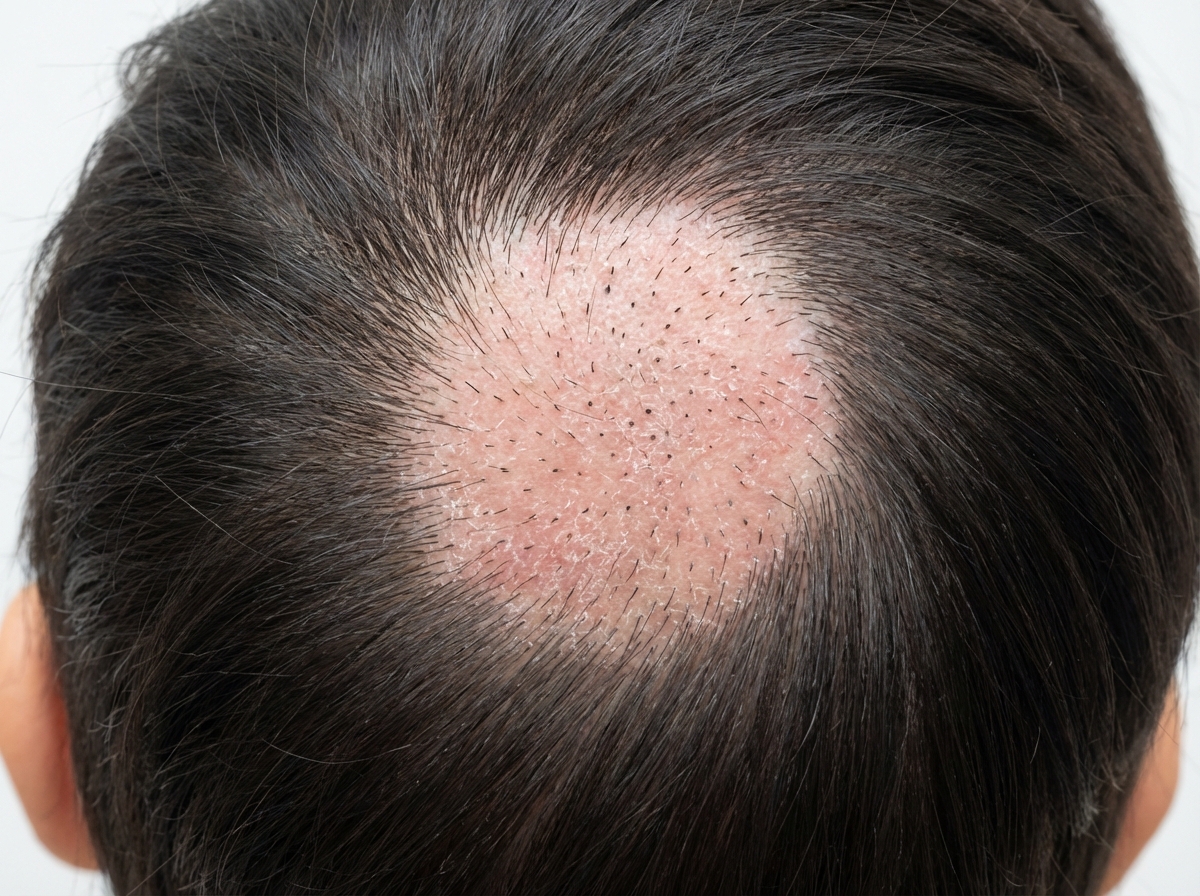
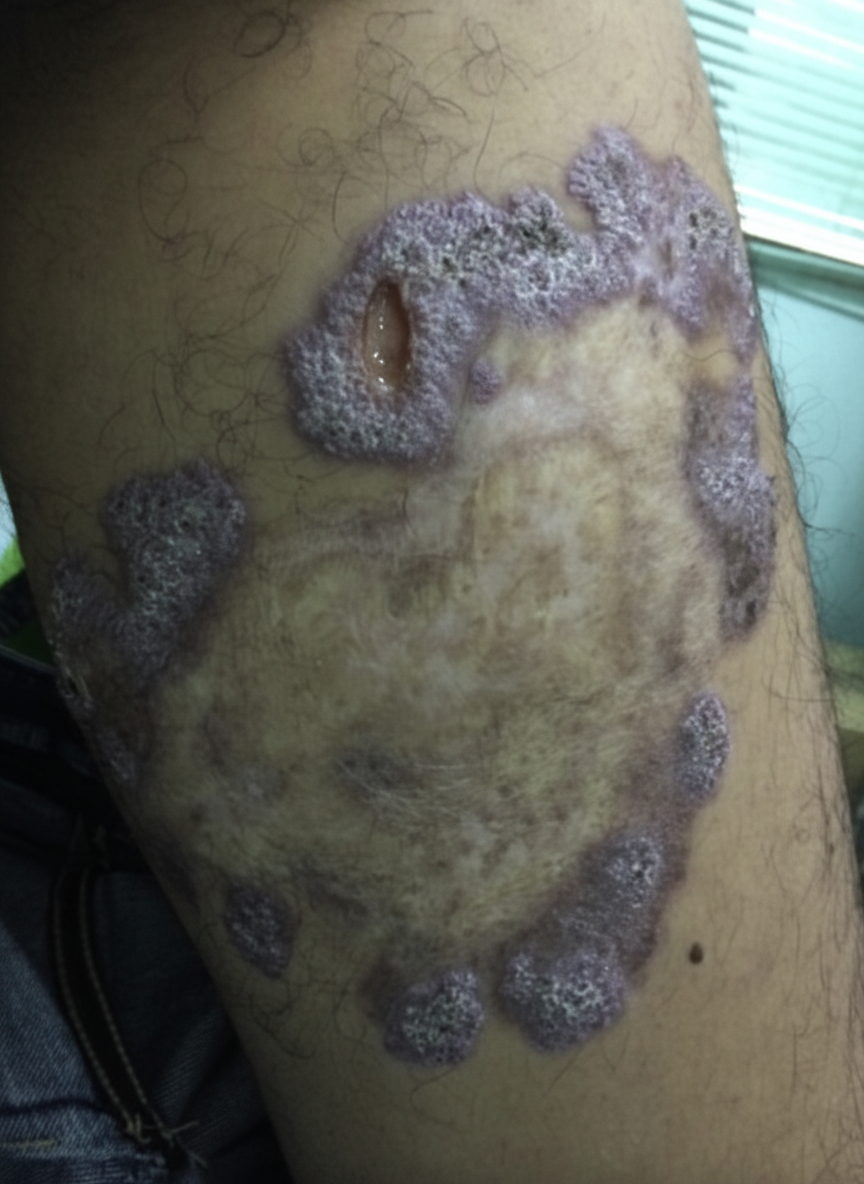
A 54-year-old gardener with diabetes mellitus from the Northeast Jilin Province in China acquired a small scratch from a thorn while working in his flower garden. After 3 weeks, he noticed a small pink, painless bump at the site of a scratch. He was not concerned by the bump; however, additional linearly-distributed bumps that resembled boils began to appear 1 week later that were quite painful. When the changes took on the appearance of open sores that drained clear fluid without any evidence of healing (as shown on the image), he finally visited his physician. The physician referred to the gardener for a skin biopsy to confirm his working diagnosis and to start treatment as soon as possible. Which of the following is the most likely diagnosis for this patient?
Q42
A 21-year-old woman comes to the physician because of a 1-week history of white discoloration of the tongue. She has had similar, recurrent episodes over the past 5 years. Examination shows white plaques on the tongue that easily scrape off and thick, cracked fingernails with white discoloration. KOH preparation of a tongue scraping shows budding yeasts with pseudohyphae. This patient's condition is most likely caused by decreased activity of which of the following?
Q43
A 26-year-old man with HIV and a recent CD4+ count of 800 presents to his PCP with fever, cough, and dyspnea. He notes that he recently lost his job as a construction worker and has not been able to afford his HAART medication. His temperature is 102.6°F (39.2°C), pulse is 75/min, respirations are 24/min, and blood pressure is 135/92 mmHg. Physical exam reveals a tachypneic patient with scattered crackles in both lungs, and labs show a CD4+ count of 145 and an elevated LDH. The chest radiography is notable for bilateral diffuse interstitial infiltrates. For definitive diagnosis, the physician obtains a sputum sample. Which stain should he use to visualize the most likely responsible organism?
Q44
A 2900-g (6.4-lb) male newborn is delivered at term to a 29-year-old primigravid woman. His mother had no routine prenatal care. She reports that the pregnancy was uncomplicated apart from a 2-week episode of a low-grade fever and swollen lymph nodes during her early pregnancy. She has avoided all routine vaccinations because she believes that “natural immunity is better.” The newborn is at the 35th percentile for height, 15th percentile for weight, and 3rd percentile for head circumference. Fundoscopic examination shows inflammation of the choroid and the retina in both eyes. A CT scan of the head shows diffuse intracranial calcifications and mild ventriculomegaly. Prenatal avoidance of which of the following would have most likely prevented this newborn's condition?
Q45
An investigator studying fungal growth isolates organisms from an infant with diaper rash. The isolate is cultured and exposed to increasing concentrations of nystatin. Selected colonies continue to grow and replicate even at high concentrations of the drug. Which of the following is the most likely explanation for this finding?
Q46
A 16-year-old girl presents to her physician with itching, soreness, and irritation in the vulvar region. She reports that these episodes have occurred 6–7 times a year since the age of 5. She used to treat these symptoms with topical ketoconazole cream, but this time it failed to help. She also has had several episodes of oral candidiasis in the past. She is not sexually active and does not take any medication. Her vital signs are as follows: the blood pressure is 115/80 mm Hg, the heart rate is 78/min, the respiratory rate is 15/min, and the temperature is 35.5°C (97.7°F). Examination shows vulvovaginal erythema with cottage cheese-like plaques and an intact hymen. Wet mount microscopy is positive for yeast. Along with a swab culture, the physician orders a dihydrorhodamine test and myeloperoxidase staining for a suspected primary immunodeficiency. The dihydrorhodamine test is positive, and the myeloperoxidase staining reveals diminished staining. Which of the following best describes this patient's condition?
Q47
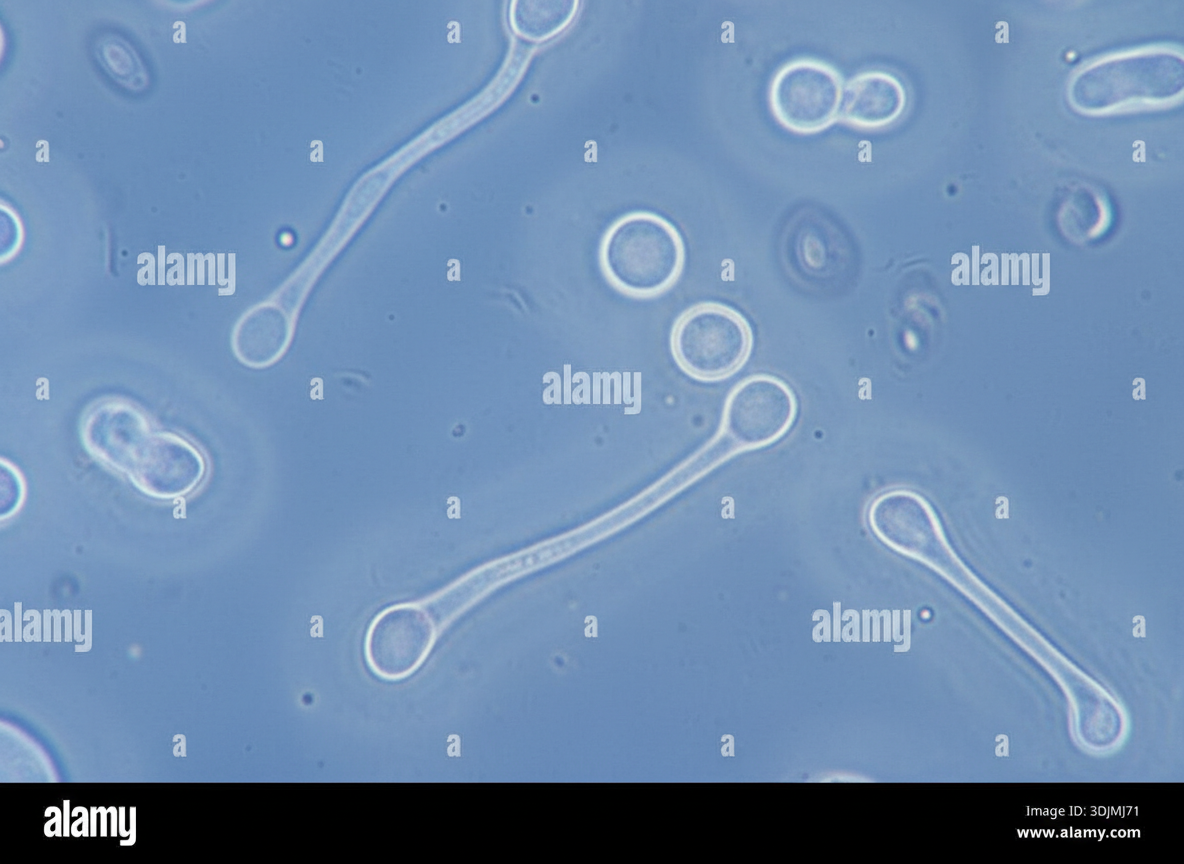
Four days after undergoing liver transplantation, a 47-year-old man develops fever, chills, malaise, and confusion while in the intensive care unit. His temperature is 39.1°C (102.4°F). Blood cultures grow an organism. Microscopic examination of this organism after incubation at 37°C (98.6°F) for 3 hours is shown. Which of the following is the most likely causal organism of this patient's symptoms?
Q48
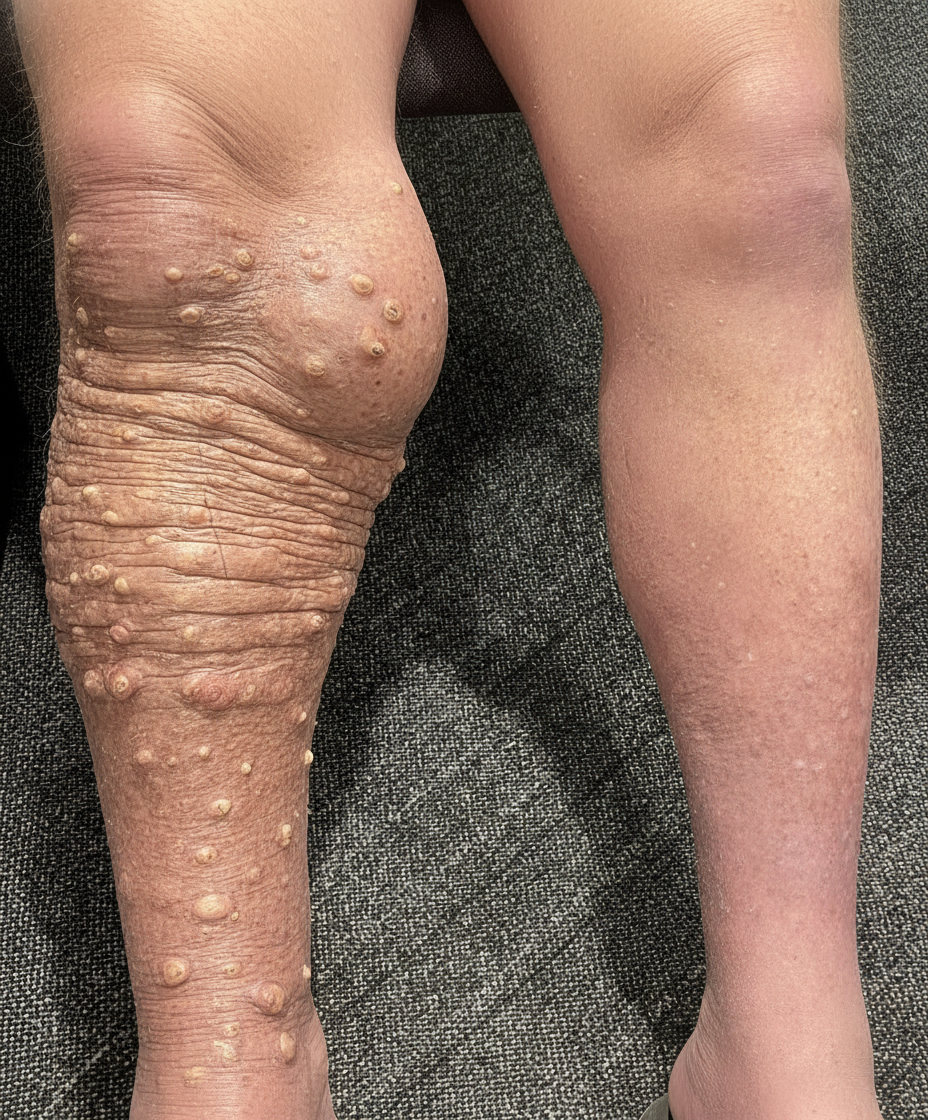
A 31-year-old man living in a remote tropical village presents with a swollen left leg and scrotum (see image). He says that his symptoms started more than 2 years ago with several small swollen areas near his groin and have gradually and progressively worsened. He has also noticed that over time, there has been a progressive coarsening and fissuring of the skin overlying the swollen areas. Blood samples drawn at night show worm-like organisms under microscopy. Which of the following arthropods is the vector for the organism most likely responsible for this patient’s condition?
Q49
A 38-year-old man comes to the physician because of a 2-week history of abdominal pain and an itchy rash on his buttocks. He also has fever, nausea, and diarrhea with mucoid stools. One week ago, the patient returned from Indonesia, where he went for vacation. Physical examination shows erythematous, serpiginous lesions located in the perianal region and the posterior thighs. His leukocyte count is 9,000/mm3 with 25% eosinophils. Further evaluation is most likely to show which of the following findings?
Q50
A 28-year-old woman with a past history of type 1 diabetes presents to your office with a 2-week history of vaginal itching and soreness accompanied by a white, clumpy vaginal discharge which she says resembles cheese curds. Her last HbA1c from a month ago was 7.8%, and her last cervical cytology from 10 months ago was reported as normal. She has a blood pressure of 118/76 mmHg, respiratory rate of 14/min, and heart rate of 74/min. Pelvic examination reveals multiple small erythematous lesions in the inguinal and perineal area, vulvar erythema, and excoriations. Inspection demonstrates a normal cervix and a white, adherent, thick, non-malodorous vaginal discharge. Which of the following is most likely to be present in a saline wet mount from the vaginal discharge of this patient?
Parasites/Fungi US Medical PG Practice Questions and MCQs
Question 41: A 54-year-old gardener with diabetes mellitus from the Northeast Jilin Province in China acquired a small scratch from a thorn while working in his flower garden. After 3 weeks, he noticed a small pink, painless bump at the site of a scratch. He was not concerned by the bump; however, additional linearly-distributed bumps that resembled boils began to appear 1 week later that were quite painful. When the changes took on the appearance of open sores that drained clear fluid without any evidence of healing (as shown on the image), he finally visited his physician. The physician referred to the gardener for a skin biopsy to confirm his working diagnosis and to start treatment as soon as possible. Which of the following is the most likely diagnosis for this patient?
A. Cat scratch disease
B. Leishmaniasis
C. Sporotrichosis (Correct Answer)
D. Paracoccidioidomycosis
E. Blastomycosis
Explanation: ***Sporotrichosis***
- The patient's history of a **thorn scratch** in a garden, followed by a **painless pink bump** that progressed to **linearly-distributed painful nodules** resembling boils and eventually **non-healing ulcers** with clear fluid drainage, is highly characteristic of **sporotrichosis** (also known as "rose gardener's disease"). This pattern is called **lymphocutaneous sporotrichosis**.
- **Sporotrichosis** is caused by the fungus *Sporothrix schenckii*, which is commonly found in soil and on plants, explaining the gardener's exposure.
*Cat scratch disease*
- This disease is caused by *Bartonella henselae* and is typically transmitted by the scratch or bite of a cat, not a thorn.
- It usually presents with a papule or pustule at the inoculum site followed by **lymphadenopathy** in the regional lymph nodes, which is distinct from the linear spread observed here.
*Leishmaniasis*
- Leishmaniasis is a parasitic disease transmitted by the bite of infected **sandflies**.
- While it can cause skin lesions ranging from papules to ulcers, the mode of transmission and the characteristic linear spread of nodules following a thorn injury do not fit this diagnosis.
*Paracoccidioidomycosis*
- This is a systemic fungal infection endemic to Central and South America, not typically seen in China's Jillin Province.
- It primarily affects the lungs, skin, and mucous membranes, with skin lesions often appearing as chronic, progressive ulcers but without the specific linear nodular pattern described.
*Blastomycosis*
- **Blastomycosis** is a fungal infection typically acquired by inhaling spores, primarily affecting the lungs, but it can disseminate to the skin, bones, and other organs.
- Cutaneous lesions are usually sharply demarcated, crusted plaques or verrucous lesions, but they do not typically present with the linear, nodular, and ulcerative progression seen in this case.
Question 42: A 21-year-old woman comes to the physician because of a 1-week history of white discoloration of the tongue. She has had similar, recurrent episodes over the past 5 years. Examination shows white plaques on the tongue that easily scrape off and thick, cracked fingernails with white discoloration. KOH preparation of a tongue scraping shows budding yeasts with pseudohyphae. This patient's condition is most likely caused by decreased activity of which of the following?
A. Neutrophils
B. Complement C1–4
C. B cells
D. T cells (Correct Answer)
E. Complement C5–9
Explanation: ***T cells***
- The recurrent oral **candidiasis** with **pseudohyphae** (thrush) and **onychomycosis** (thick, cracked fingernails) suggests a defect in **cell-mediated immunity**, which is primarily mediated by **T cells**.
- **T cells** are crucial for controlling fungal infections, particularly *Candida* species, and their decreased activity makes individuals susceptible to **recurrent mucocutaneous candidiasis** (affecting skin, nails, and mucous membranes).
*Neutrophils*
- Defective **neutrophil** function would lead to **invasive or disseminated candidiasis** (bloodstream, deep tissues) rather than the chronic mucocutaneous pattern seen here.
- Neutrophil defects also cause recurrent **bacterial infections**, especially from *Staphylococcus* and *Pseudomonas* species.
*Complement C1–4*
- Deficiencies in early **complement components** (C1-C4) are associated with an increased risk of encapsulated **bacterial infections** and **immune complex disorders** like lupus.
- These deficiencies are not typically linked to recurrent fungal infections such as candidiasis.
*B cells*
- **B cells** are responsible for **humoral immunity** (antibody production), and their deficiency would lead to recurrent **bacterial and viral infections**, particularly those affecting the respiratory tract.
- While antibodies can play a supportive role, they are not the primary defense against localized candidal infections.
*Complement C5–9*
- Deficiencies in late **complement components** (C5-C9), part of the **membrane attack complex (MAC)**, primarily increase susceptibility to recurrent **Neisseria** infections (*N. meningitidis* and *N. gonorrhoeae*).
- These components are not directly involved in immunity against *Candida* infections.
Question 43: A 26-year-old man with HIV and a recent CD4+ count of 800 presents to his PCP with fever, cough, and dyspnea. He notes that he recently lost his job as a construction worker and has not been able to afford his HAART medication. His temperature is 102.6°F (39.2°C), pulse is 75/min, respirations are 24/min, and blood pressure is 135/92 mmHg. Physical exam reveals a tachypneic patient with scattered crackles in both lungs, and labs show a CD4+ count of 145 and an elevated LDH. The chest radiography is notable for bilateral diffuse interstitial infiltrates. For definitive diagnosis, the physician obtains a sputum sample. Which stain should he use to visualize the most likely responsible organism?
A. Periodic acid schiff stain
B. Silver stain (Correct Answer)
C. Ziehl-Neelsen stain
D. India ink stain
E. Carbol fuchsin stain
Explanation: ***Silver stain***
- The patient's presentation with **fever, cough, dyspnea, bilateral diffuse interstitial infiltrates**, and a **CD4+ count of 145** (indicating severe immunosuppression) is highly suggestive of ***Pneumocystis jirovecii*** **pneumonia (PCP)**, formerly known as ***Pneumocystis carinii***.
- ***Pneumocystis jirovecii*** **cysts** and **trophozoites** are best visualized using **silver-based stains** (e.g., Gomori methenamine silver stain) which stain the fungal cell walls dark brown or black.
*Periodic acid schiff stain*
- **PAS stain** is used to identify **glycogen, mucus, and fungal elements** like those of *Candida* or *Aspergillus*, by staining polysaccharides a magenta color.
- While it can stain some fungal organisms, it is **not the primary or most effective stain** for *Pneumocystis jirovecii*.
*Ziehl-Neelsen stain*
- The **Ziehl-Neelsen stain** (also known as acid-fast stain) is used to identify **acid-fast bacilli**, such as *Mycobacterium tuberculosis* or *Nocardia*.
- Although **tuberculosis** is common in HIV patients, the clinical presentation and CXR findings (diffuse interstitial infiltrates rather than cavitary lesions or granulomas) **do not strongly suggest tuberculosis** as the primary diagnosis here.
*India ink stain*
- The **India ink stain** is primarily used to visualize the **capsule of *Cryptococcus neoformans*** in cerebrospinal fluid or other body fluids, appearing as a halo around the yeast cells.
- This patient's symptoms are respiratory, and the likely pathogen is *Pneumocystis*, making India ink stain **inappropriate** for this suspected diagnosis.
*Carbol fuchsin stain*
- **Carbol fuchsin stain** is a component of the **acid-fast staining** procedure (like Ziehl-Neelsen), used as the primary stain to identify acid-fast organisms.
- As with Ziehl-Neelsen, this stain is for **mycobacteria** and would **not effectively visualize** ***Pneumocystis jirovecii***.
Question 44: A 2900-g (6.4-lb) male newborn is delivered at term to a 29-year-old primigravid woman. His mother had no routine prenatal care. She reports that the pregnancy was uncomplicated apart from a 2-week episode of a low-grade fever and swollen lymph nodes during her early pregnancy. She has avoided all routine vaccinations because she believes that “natural immunity is better.” The newborn is at the 35th percentile for height, 15th percentile for weight, and 3rd percentile for head circumference. Fundoscopic examination shows inflammation of the choroid and the retina in both eyes. A CT scan of the head shows diffuse intracranial calcifications and mild ventriculomegaly. Prenatal avoidance of which of the following would have most likely prevented this newborn's condition?
A. Undercooked pork (Correct Answer)
B. Raw cow milk products
C. Mosquito bites
D. Exposure to unvaccinated children
E. Unprotected sexual intercourse
Explanation: ***Undercooked pork***
- The constellation of **hydrocephalus**, **chorioretinitis**, and **intracranial calcifications** (classic triad) in a newborn, coupled with maternal symptoms of fever and lymphadenopathy, is highly suggestive of **congenital toxoplasmosis**.
- **Toxoplasmosis** is caused by the parasite *Toxoplasma gondii*, which can be acquired by consuming **undercooked meat** (especially pork and lamb) or exposure to **contaminated cat feces/litter**.
- Avoiding undercooked meat during pregnancy is a key preventive measure.
*Raw cow milk products*
- While raw milk can transmit various infections (e.g., *Listeria*, *Brucella*, *E. coli*), it is not a typical source of **congenital toxoplasmosis**.
- **Listeriosis** can cause congenital infection, but the symptoms (e.g., sepsis, granulomatosis infantiseptica) differ from those described.
*Mosquito bites*
- Mosquitoes are vectors for diseases like **Zika virus**, **Malaria**, and **Dengue fever**, which can affect newborns.
- **Congenital Zika syndrome** can cause microcephaly, but typically not the classic triad of toxoplasmosis, and malaria presents with fever and hemolytic anemia.
*Exposure to unvaccinated children*
- This primarily refers to common childhood infections like **measles**, **rubella**, and **chickenpox**.
- **Congenital rubella syndrome** can cause cataracts, heart defects, and sensorineural hearing loss, but not the specific triad of chorioretinitis, hydrocephalus, and intracranial calcifications.
*Unprotected sexual intercourse*
- This is a route for sexually transmitted infections (STIs), such as **HIV**, **syphilis**, and **gonorrhea**, which can be transmitted vertically.
- **Congenital syphilis** can cause bone abnormalities, rash, and hepatosplenomegaly, but not the distinct neurological and ocular findings seen here.
Question 45: An investigator studying fungal growth isolates organisms from an infant with diaper rash. The isolate is cultured and exposed to increasing concentrations of nystatin. Selected colonies continue to grow and replicate even at high concentrations of the drug. Which of the following is the most likely explanation for this finding?
A. Mutation of the β-glucan gene
B. Inactivation of cytosine permease
C. Altered binding site of squalene epoxidase
D. Expression of dysfunctional cytochrome P-450 enzymes
E. Reduced ergosterol content in cell membrane (Correct Answer)
Explanation: ***Reduced ergosterol content in cell membrane***
- **Nystatin** is a **polyene antifungal** that binds to **ergosterol** in the fungal cell membrane, forming pores and disrupting membrane integrity.
- Reduced ergosterol content means there are fewer binding sites for nystatin, leading to **resistance** and continued fungal growth even at high drug concentrations.
*Mutation of the β-glucan gene*
- **β-glucan** is a component of the fungal cell wall, targeted by **echinocandins**, not nystatin.
- A mutation in this gene would primarily confer resistance to echinocandins, not polyenes like nystatin.
*Inactivation of cytosine permease*
- **Cytosine permease** is involved in the uptake of **flucytosine**, an antimetabolite antifungal.
- Inactivation of this enzyme would primarily lead to resistance against **flucytosine**, not nystatin.
*Altered binding site of squalene epoxidase*
- **Squalene epoxidase** is an enzyme in the ergosterol biosynthesis pathway, targeted by **allylamines** (e.g., terbinafine).
- An altered binding site would confer resistance to allylamines, not nystatin, which directly targets ergosterol.
*Expression of dysfunctional cytochrome P-450 enzymes*
- **Cytochrome P-450 enzymes** (specifically lanosterol 14-α-demethylase) are targeted by **azoles** (e.g., fluconazole, itraconazole).
- Dysfunctional enzymes would primarily lead to resistance against **azoles**, not nystatin which has a different mechanism of action.
Question 46: A 16-year-old girl presents to her physician with itching, soreness, and irritation in the vulvar region. She reports that these episodes have occurred 6–7 times a year since the age of 5. She used to treat these symptoms with topical ketoconazole cream, but this time it failed to help. She also has had several episodes of oral candidiasis in the past. She is not sexually active and does not take any medication. Her vital signs are as follows: the blood pressure is 115/80 mm Hg, the heart rate is 78/min, the respiratory rate is 15/min, and the temperature is 35.5°C (97.7°F). Examination shows vulvovaginal erythema with cottage cheese-like plaques and an intact hymen. Wet mount microscopy is positive for yeast. Along with a swab culture, the physician orders a dihydrorhodamine test and myeloperoxidase staining for a suspected primary immunodeficiency. The dihydrorhodamine test is positive, and the myeloperoxidase staining reveals diminished staining. Which of the following best describes this patient's condition?
A. The patient is likely to have another immune impairment besides the one for which she was tested. (Correct Answer)
B. The patient should receive prophylactic courses of wide spectrum antibiotics to prevent infections.
C. The patient’s phagocytes are unable to generate an oxidative burst to kill intracellular bacteria.
D. The patient is susceptible to all mycotic infections.
E. The patient’s phagocytes can only perform extracellular killing.
Explanation: ***The patient is likely to have another immune impairment besides the one for which she was tested.***
- The **positive dihydrorhodamine (DHR) test** indicates that the patient's phagocytes are capable of producing an **oxidative burst**, effectively ruling out **Chronic Granulomatous Disease (CGD)**.
- The **diminished myeloperoxidase (MPO) staining** suggests **Myeloperoxidase Deficiency**, which is usually asymptomatic in most patients but can predispose to recurrent Candida infections, especially in diabetics.
- However, **MPO deficiency alone does not explain** the severity and frequency of this patient's recurrent **oral and vulvovaginal candidiasis** starting from age 5, suggesting an additional immune defect.
- The pattern of chronic mucocutaneous candidiasis suggests a defect in **T-cell immunity** or the **CARD9 pathway**, which is crucial for antifungal responses against *Candida* species.
- Therefore, the patient likely has a **combined immunodeficiency**: MPO deficiency (detected) plus another defect affecting cell-mediated immunity or antifungal responses (not yet tested for).
*The patient should receive prophylactic courses of wide spectrum antibiotics to prevent infections.*
- The **positive DHR test** indicates normal oxidative burst, meaning the patient is not primarily susceptible to catalase-positive bacterial infections that would require prophylactic antibiotics (unlike in CGD).
- The recurrent infections are **fungal** (Candida), not bacterial, so broad-spectrum antibiotics would not be the appropriate prophylactic treatment.
- Appropriate management would include **antifungal prophylaxis** (e.g., fluconazole) and further investigation for T-cell defects.
*The patient's phagocytes are unable to generate an oxidative burst to kill intracellular bacteria.*
- This statement is **directly contradicted** by the **positive DHR test**, which demonstrates that phagocytes *are* capable of generating an oxidative burst.
- Inability to generate an oxidative burst is the hallmark of **Chronic Granulomatous Disease (CGD)**, where the DHR test would be **negative** (abnormal).
- In CGD, patients present with recurrent catalase-positive bacterial infections (Staphylococcus, Serratia, Nocardia) and invasive fungal infections (Aspergillus), not primarily mucocutaneous candidiasis.
*The patient is susceptible to all mycotic infections.*
- While the patient has **recurrent candidiasis**, there is no evidence of susceptibility to a broad range of other fungal pathogens (e.g., Aspergillus, Cryptococcus, Histoplasma).
- The specific pattern of **chronic mucocutaneous candidiasis** suggests a targeted defect in anti-Candida immunity (T-cell or CARD9 deficiency), rather than global susceptibility to all fungi.
- Susceptibility to all mycotic infections would be seen in severe combined immunodeficiencies (SCID) or advanced HIV/AIDS, which would present with multiple opportunistic infections.
*The patient's phagocytes can only perform extracellular killing.*
- This statement is **incorrect** because phagocytes (neutrophils and macrophages) primarily perform **intracellular killing** after engulfing pathogens through phagocytosis.
- The **positive DHR test** confirms intact oxidative burst, which is essential for **intracellular killing** of phagocytosed organisms.
- MPO deficiency affects the efficiency of intracellular killing (as MPO enhances the microbicidal activity of hydrogen peroxide), but phagocytes still retain other intracellular killing mechanisms (lysozyme, defensins, proteases).
Question 47: Four days after undergoing liver transplantation, a 47-year-old man develops fever, chills, malaise, and confusion while in the intensive care unit. His temperature is 39.1°C (102.4°F). Blood cultures grow an organism. Microscopic examination of this organism after incubation at 37°C (98.6°F) for 3 hours is shown. Which of the following is the most likely causal organism of this patient's symptoms?
A. Candida albicans (Correct Answer)
B. Histoplasma capsulatum
C. Aspergillus fumigatus
D. Cryptococcus neoformans
E. Malassezia furfur
Explanation: ***Candida albicans***
- The image shows **germ tube formation** in *Candida albicans* when incubated at 37°C in serum, a rapid and specific identification method.
- As an **opportunistic pathogen**, *Candida* is a common cause of **invasive fungal infections** in immunocompromised transplant patients, presenting with fever, chills, and confusion.
- The **germ tube test** (incubation at 37°C for 2-3 hours) is highly specific for *C. albicans* identification.
*Histoplasma capsulatum*
- This is a **dimorphic fungus** endemic to specific geographic regions (e.g., Ohio and Mississippi River valleys), primarily causing **pulmonary infections**.
- Systemic disseminated histoplasmosis can occur in immunocompromised individuals, but **germ tube formation** is not characteristic of its identification.
*Aspergillus fumigatus*
- *Aspergillus* is a ubiquitous mold that causes opportunistic infections, particularly in immunocompromised patients, leading to **invasive aspergillosis** (e.g., pulmonary, cerebral).
- Its microscopic appearance typically shows **hyaline, septate hyphae with dichotomous branching at 45° angles**, not germ tubes.
*Cryptococcus neoformans*
- This yeast is known for causing **meningitis** and **pulmonary infections**, especially in immunocompromised individuals.
- It is primarily identified by its **capsule** (seen with India ink stain) and characteristic budding, not germ tube production.
*Malassezia furfur*
- This yeast is part of the normal skin flora and is associated with **superficial infections** like **tinea versicolor** or catheter-related sepsis in patients receiving lipid emulsions.
- It does not typically cause systemic infections in liver transplant patients with these symptoms and is not identified by germ tube formation.
Question 48: A 31-year-old man living in a remote tropical village presents with a swollen left leg and scrotum (see image). He says that his symptoms started more than 2 years ago with several small swollen areas near his groin and have gradually and progressively worsened. He has also noticed that over time, there has been a progressive coarsening and fissuring of the skin overlying the swollen areas. Blood samples drawn at night show worm-like organisms under microscopy. Which of the following arthropods is the vector for the organism most likely responsible for this patient’s condition?
A. Tick
B. Tsetse fly
C. Human louse
D. Mosquito (Correct Answer)
E. Sandfly
Explanation: ***Mosquito***
- The patient's symptoms, including **chronic lymphedema** (swollen leg and scrotum with skin coarsening and fissuring, consistent with **elephantiasis**), along with the presence of **worm-like organisms (microfilariae)** in night blood samples, are characteristic of **lymphatic filariasis**.
- **Mosquitoes** (e.g., *Anopheles*, *Culex*, *Aedes*) serve as the definitive vectors for the parasitic nematodes (e.g., *Wuchereria bancrofti*, *Brugia malayi*) that cause lymphatic filariasis.
*Tick*
- Ticks are vectors for a variety of diseases, such as **Lyme disease**, **Rocky Mountain spotted fever**, and **babesiosis**.
- These diseases do not typically present with chronic lymphedema or microfilariae in the blood.
*Tsetse fly*
- The tsetse fly is the vector for **African trypanosomiasis** (sleeping sickness), caused by *Trypanosoma brucei*.
- This disease presents with fever, headaches, joint pains, and neurological symptoms, rather than chronic lymphedema.
*Human louse*
- Human lice are vectors for diseases such as **epidemic typhus** (*Rickettsia prowazekii*) and **relapsing fever** (*Borrelia recurrentis*).
- Lice-borne diseases do not manifest with the symptoms described in the patient.
*Sandfly*
- Sandflies are vectors for **leishmaniasis**, caused by *Leishmania* parasites.
- Leishmaniasis can cause cutaneous, mucocutaneous, or visceral forms, which do not typically involve chronic lymphatic obstruction and microfilaremia as seen in this case.
Question 49: A 38-year-old man comes to the physician because of a 2-week history of abdominal pain and an itchy rash on his buttocks. He also has fever, nausea, and diarrhea with mucoid stools. One week ago, the patient returned from Indonesia, where he went for vacation. Physical examination shows erythematous, serpiginous lesions located in the perianal region and the posterior thighs. His leukocyte count is 9,000/mm3 with 25% eosinophils. Further evaluation is most likely to show which of the following findings?
A. Rhabditiform larvae on stool microscopy (Correct Answer)
B. Entamoeba histolytica antibodies on stool immunoassay
C. Branching septate hyphae on KOH preparation
D. Oocysts on acid-fast stool stain
E. Giardia lamblia antibodies on stool immunoassay
Explanation: ***Rhabditiform larvae on stool microscopy***
- The patient's symptoms, including **abdominal pain**, **diarrhea with mucoid stools**, **itchy rash (larva currens)**, and **eosinophilia** after traveling to Indonesia, are highly suggestive of **Strongyloidiasis**.
- **Rhabditiform larvae** are typically found in stool samples during the diagnostic phase of strongyloidiasis, as adult worms live in the small intestine and release these larvae.
*Entamoeba histolytica antibodies on stool immunoassay*
- While *Entamoeba histolytica* can cause **dysentery**, **abdominal pain**, and fever, it does not cause an **itchy migratory rash** or significant **eosinophilia**.
- Diagnosis typically involves detecting **trophozoites or cysts** in stool or specific **antigen detection**, not usually antibodies in stool.
*Branching septate hyphae on KOH preparation*
- **Branching, septate hyphae** are characteristic of **fungal infections**, such as dermatophytosis, which primarily affect the skin.
- This finding would not explain the systemic symptoms like **abdominal pain**, **diarrhea**, **fever**, and eosinophilia described in the patient.
*Oocysts on acid-fast stool stain*
- **Oocysts detected by acid-fast stain** are indicative of parasitic infections like **Cryptosporidiosis** or **Cyclosporiasis**, which cause **watery diarrhea** and abdominal cramps.
- These infections do not typically present with the **pruritic serpiginous rash** (larva currens) or the high level of **eosinophilia** seen in this patient.
*Giardia lamblia antibodies on stool immunoassay*
- *Giardia lamblia* causes **giardiasis**, characterized by **diarrhea**, **abdominal cramps**, **bloating**, and **malabsorption**.
- However, giardiasis typically does not cause **eosinophilia** or an **itchy migratory rash**, which are key features in this case.
Question 50: A 28-year-old woman with a past history of type 1 diabetes presents to your office with a 2-week history of vaginal itching and soreness accompanied by a white, clumpy vaginal discharge which she says resembles cheese curds. Her last HbA1c from a month ago was 7.8%, and her last cervical cytology from 10 months ago was reported as normal. She has a blood pressure of 118/76 mmHg, respiratory rate of 14/min, and heart rate of 74/min. Pelvic examination reveals multiple small erythematous lesions in the inguinal and perineal area, vulvar erythema, and excoriations. Inspection demonstrates a normal cervix and a white, adherent, thick, non-malodorous vaginal discharge. Which of the following is most likely to be present in a saline wet mount from the vaginal discharge of this patient?
A. Clue cells on saline smear
B. Gram-negative diplococci
C. Hyphae (Correct Answer)
D. Motile flagellates
E. Multinucleated giant cells
Explanation: ***Hyphae***
- The patient's symptoms of **vaginal itching**, soreness, and a **white, clumpy discharge resembling cheese curds** are classic for **vulvovaginal candidiasis** (yeast infection).
- A **saline wet mount** in such cases typically reveals **hyphae** and **budding yeast forms** of *Candida albicans*.
*Clue cells on saline smear*
- **Clue cells** are characteristic of **bacterial vaginosis**, which is typically associated with a **thin, grayish discharge** and a **fishy odor** (amine odor), neither of which are described here.
- The discharge in this patient is described as **thick and non-malodorous**, which is inconsistent with bacterial vaginosis.
*Gram-negative diplococci*
- **Gram-negative diplococci** are the hallmark of **gonorrhea**, caused by *Neisseria gonorrhoeae*.
- Gonorrhea often presents with **purulent discharge** and cervical inflammation, or it can be asymptomatic; it does not typically cause the **clumpy discharge** and intense itching seen in this patient.
*Motile flagellates*
- **Motile flagellates** are characteristic of **trichomoniasis**, caused by *Trichomonas vaginalis*.
- This infection usually presents with a **frothy, yellow-green discharge**, a **fishy odor**, and cervical petechiae (strawberry cervix), which are not a feature of this patient's presentation.
*Multinucleated giant cells*
- **Multinucleated giant cells** are indicative of **herpes simplex virus (HSV) infection**, particularly when found on a **Tzanck smear** of a lesion.
- While the patient has erythematous lesions, the primary complaint of **vaginal discharge** and itching points away from herpes as the main cause of the discharge.