A 28-year-old homeless male with a past medical history significant for asthma comes to your clinic complaining of a chronic rash on his scalp and feet. He describes the rash as “dry and flaky,” and reports it has been present for at least a year. He was using a new dandruff shampoo he got over the counter, with little improvement. The patient reports it is extremely itchy at night, to the point that he can't sleep. On exam, you note a scaly patch of alopecia, enlarged lymph glands along the posterior aspect of his neck, and fine scaling in between his toes and on the heel and sides of his foot. His temperature is 99°F (37°C), blood pressure is 118/78 mmHg, and pulse is 81/min. Which of the following is the most accurate test for the suspected diagnosis?
Q32
A 32-year-old woman presents to your office with abdominal pain and bloating over the last month. She also complains of intermittent, copious, non-bloody diarrhea over the same time. Last month, she had a cough that has since improved but has not completely resolved. She has no sick contacts and has not left the country recently. She denies any myalgias, itching, or rashes. Physical and laboratory evaluations are unremarkable. Examination of her stool reveals the causative organism. This organism is most likely transmitted to the human host through which of the following routes?
Q33
A 45-year-old woman presents to the emergency department with a headache, fevers with chills, rigors, and generalized joint pain for the past week. She also complains of a progressive rash on her left arm. She says that a few days ago she noticed a small, slightly raised lesion resembling an insect bite mark, which had a burning sensation. The medical and surgical histories are unremarkable. She recalls walking in the woods 2 weeks prior to the onset of symptoms, but does not recall finding a tick on her body. On examination, the temperature is 40.2°C (104.4°F). A circular red rash measuring 10 cm x 5 cm in diameter is noted on the left arm, as shown in the accompanying image. The remainder of her physical examination is unremarkable. The tick causing her disease is also responsible for the transmission of which of the following pathogens?
Q34
A 14-year-old boy presents to his pediatrician with weakness and frequent episodes of dizziness. He had chronic mucocutaneous candidiasis when he was 4 years old and was diagnosed with autoimmune hypoparathyroidism at age 8. On physical examination, his blood pressure is 118/70 mm Hg in the supine position and 96/64 mm Hg in the upright position. Hyperpigmentation is present over many areas of his body, most prominently over the extensor surfaces, elbows, and knuckles. His laboratory evaluation suggests the presence of antibodies to 21-hydroxylase and a mutation in the AIRE (autoimmune regulator) gene. The pediatrician explains to his parents that his condition is due to the failure of immunological tolerance. Which of the following mechanisms is most likely to have failed in the child?
Q35
An otherwise healthy 39-year-old woman presents to her primary care provider because of right-leg swelling, which started 4 months ago following travel to Kenya. The swelling has been slowly progressive and interferes with daily tasks. She denies smoking or alcohol use. Family history is irrelevant. Vital signs include: temperature 38.1°C (100.5°F), blood pressure 115/72 mm Hg, and pulse 99/min. Physical examination reveals non-pitting edema of the entire right leg. The overlying skin is rough, thick and indurated. The left leg is normal in size and shape. Which of the following is the most likely cause of this patient condition?
Q36
A 78-year-old woman living in New Jersey is brought to the emergency department in July with a fever for 5 days. Lethargy is present. She has had bloody urine over the last 48 hours but denies any nausea, vomiting, or abdominal pain. She has no history of serious illness and takes no medications. She has not traveled anywhere outside her city for the past several years. She appears ill. The temperature is 40.8℃ (105.4℉), the pulse is 108/min, the respiration rate is 20/min, and the blood pressure is 105/50 mm Hg. The abdominal exam reveals hepatosplenomegaly. Lymphadenopathy is absent. Petechiae are seen on the lower extremities. Laboratory studies show the following:
Laboratory test
Hemoglobin 8 g/dL
Mean corpuscular volume (MCV) 98 µm3
Leukocyte count 4,200/mm3
Segmented neutrophils 32%
Lymphocytes 58%
Platelet count 108,000/mm3
Bilirubin, total 5.0 mg/dL
Direct 0.7 mg/dL
Aspartate aminotransferase (AST) 51 U/L
Alanine aminotransferase (ALT) 56 U/L
Alkaline phosphatase 180 U/L
Lactate dehydrogenase (LDH) 640 U/L (N = 140–280 U/L)
Haptoglobin 20 mg/dL (N = 30–200 mg/dL)
Urine
Hemoglobin +
Urobilinogen +
Protein +
A peripheral blood smear is shown (see image). Which of the following is the most likely diagnosis?
Q37
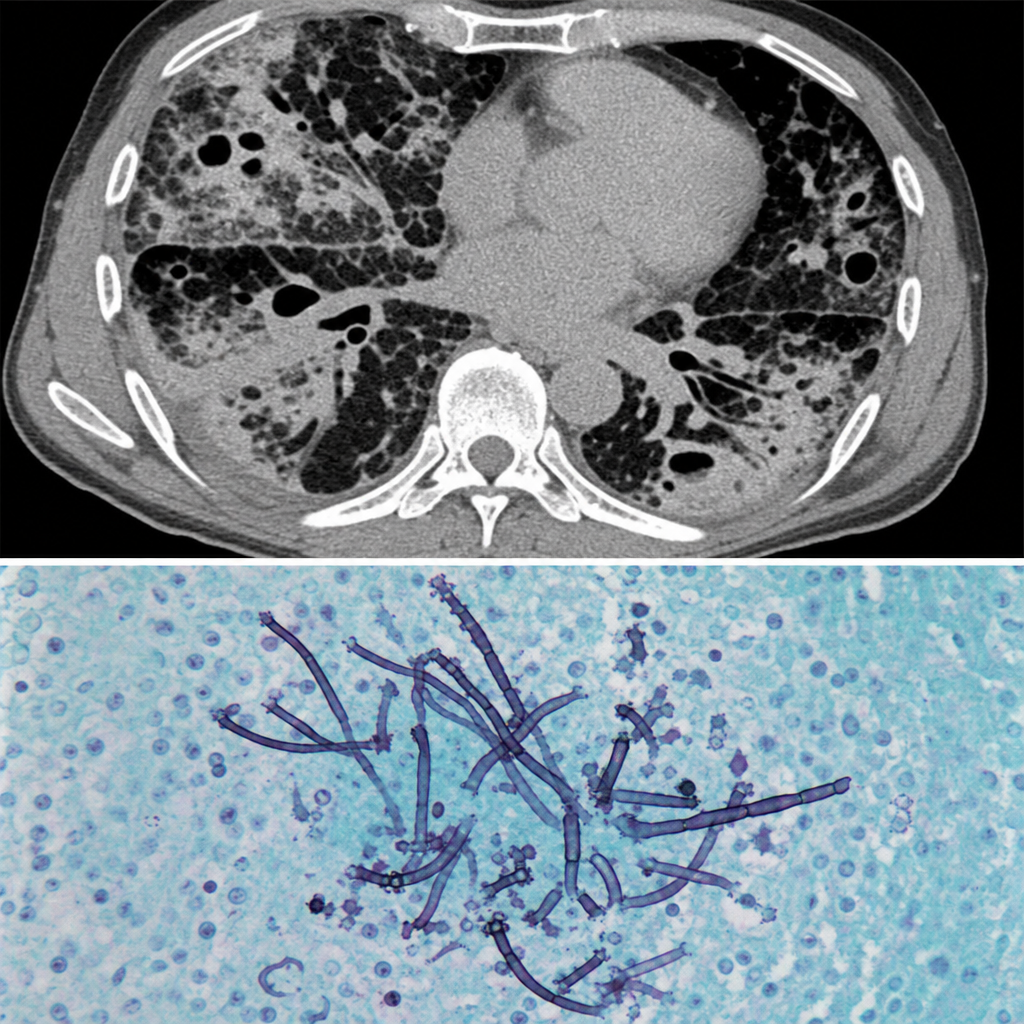
A 26-year-old man is undergoing a bone marrow transplantation for treatment of a non-Hodgkin lymphoma that has been refractory to several rounds of chemotherapy and radiation over the past 2 years. He has been undergoing a regimen of cyclophosphamide and total body irradiation for the past several weeks in anticipation of his future transplant. This morning, he reports developing a productive cough and is concerned because he noted some blood in his sputum this morning. The patient also reports pain with inspiration. His temperature is 101°F (38.3°C), blood pressure is 115/74 mmHg, pulse is 120/min, respirations are 19/min, and oxygen saturation is 98% on room air. A chest radiograph and CT are obtained and shown in Figures A and B respectively. Which of the following is the most likely diagnosis?
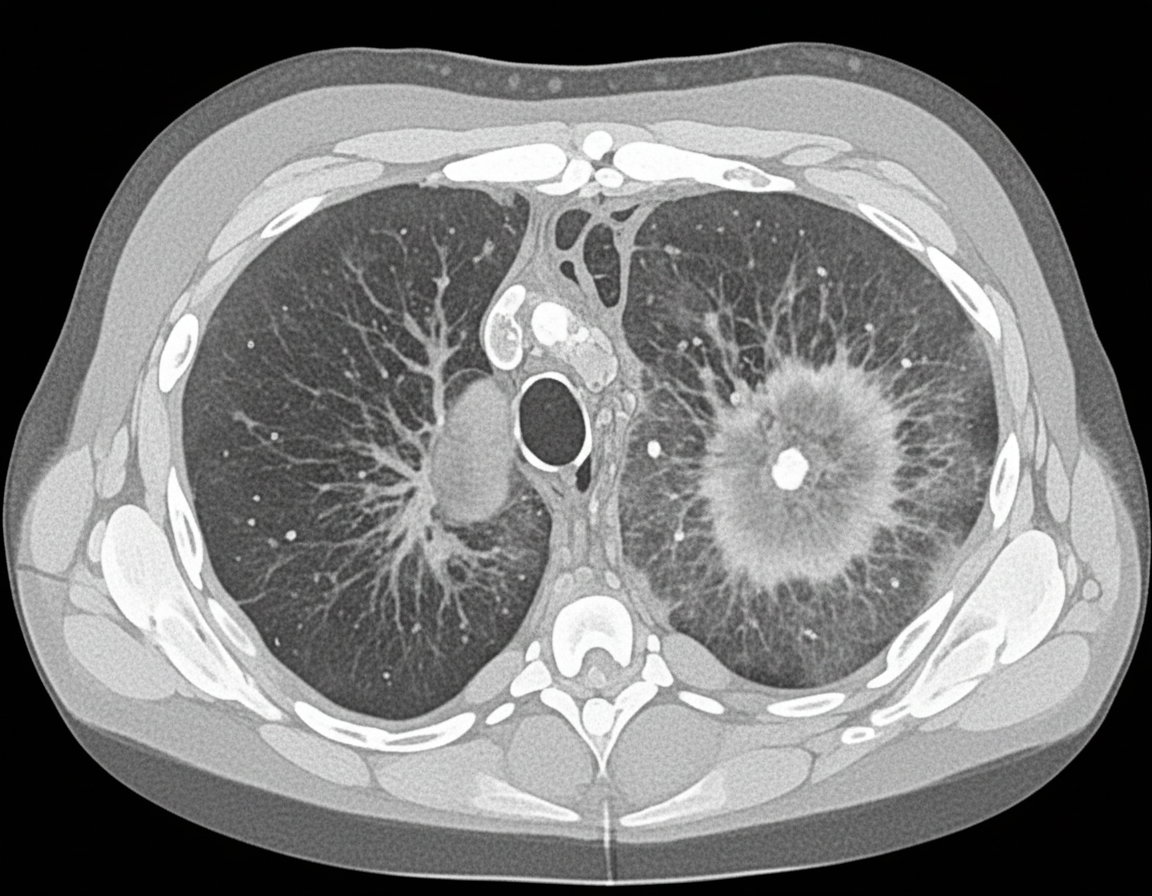
Q38
A 3-month-old male is brought to the emergency room by his mother who reports that the child has a fever. The child was born at 39 weeks of gestation and is at the 15th and 10th percentiles for height and weight, respectively. The child has a history of eczema. Physical examination reveals an erythematous fluctuant mass on the patient's inner thigh. His temperature is 101.1°F (38.4°C), blood pressure is 125/70 mmHg, pulse is 120/min, and respirations are 22/min. The mass is drained and the child is started on broad-spectrum antibiotics until the culture returns. The physician also orders a flow cytometry reduction of dihydrorhodamine, which is found to be abnormal. This patient is at increased risk of infections with which of the following organisms?
Q39
A 34-year-old man comes to the physician because of progressive swelling of the left lower leg for 4 months. One year ago, he had an episode of intermittent fever and tender lymphadenopathy that occurred shortly after he returned from a trip to India and resolved spontaneously. Physical examination shows 4+ nonpitting edema of the left lower leg. His leukocyte count is 8,000/mm3 with 25% eosinophils. A blood smear obtained at night confirms the diagnosis. Treatment with diethylcarbamazine is initiated. Which of the following is the most likely route of transmission of the causal pathogen?
Q40
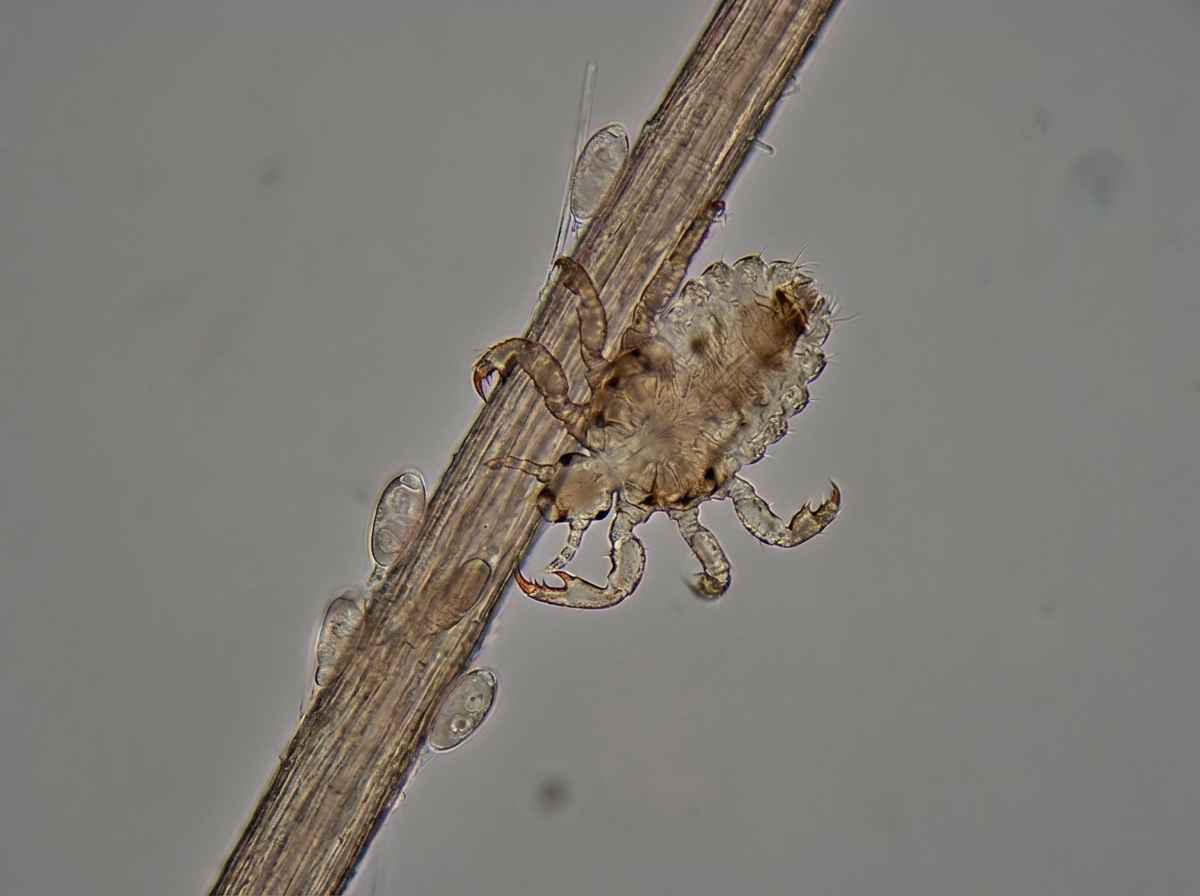
A 10-year-old girl presents to the clinic, with her mother, complaining of a circular, itchy rash on her scalp for the past 3 weeks. Her mother is also worried about her hair loss. The girl has a past medical history significant for asthma. She needs to use her albuterol inhaler once per week on average. Her blood pressure is 112/70 mm Hg; the heart rate is 104/min; the respiratory rate is 20/min, and the temperature is 37.0°C (98.6°F). On exam, the patient is alert and interactive. Her lungs are clear on bilateral auscultation. On palpation, a tender posterior cervical node is present on the right side. Examination of the head is shown in the image. Which of the following is the best treatment option for the patient?
Parasites/Fungi US Medical PG Practice Questions and MCQs
Question 31: A 28-year-old homeless male with a past medical history significant for asthma comes to your clinic complaining of a chronic rash on his scalp and feet. He describes the rash as “dry and flaky,” and reports it has been present for at least a year. He was using a new dandruff shampoo he got over the counter, with little improvement. The patient reports it is extremely itchy at night, to the point that he can't sleep. On exam, you note a scaly patch of alopecia, enlarged lymph glands along the posterior aspect of his neck, and fine scaling in between his toes and on the heel and sides of his foot. His temperature is 99°F (37°C), blood pressure is 118/78 mmHg, and pulse is 81/min. Which of the following is the most accurate test for the suspected diagnosis?
A. KOH preparation of scalp scraping (Correct Answer)
B. Wood's lamp
C. Skin biopsy with histopathological examination
D. CBC and total serum IgE
E. Culture on Sabouraud dextrose agar
Explanation: ***KOH preparation of scalp scraping***
- The patient's presentation with **chronic, itchy, scaly scalp rash** (alopecia and enlarged lymph glands) and **fungal-like rash on feet** (scaling between toes, heel, and sides) strongly suggests a dermatophyte infection (**tinea capitis** and **tinea pedis**).
- A **KOH preparation** allows for direct visualization of **fungal hyphae and spores**, confirming the presence of a fungal infection quickly and accurately.
- This is the **most accurate rapid diagnostic test** for dermatophyte infections.
*Wood's lamp*
- A Wood's lamp is useful for certain types of **tinea capitis** (e.g., those caused by *Microsporum* species) that **fluoresce**, but it is not accurate for all dermatophyte infections (e.g., *Trichophyton* species do not fluoresce).
- It is a screening tool but **not a definitive diagnostic test** for all fungal infections, as it doesn't confirm the presence of fungi directly.
*Skin biopsy with histopathological examination*
- While a **skin biopsy** can identify fungal elements on histopathology (especially with PAS stain), it is **invasive, expensive, and unnecessary** for a straightforward clinical presentation of dermatophyte infection.
- Biopsy is typically reserved for cases where the diagnosis is unclear or when malignancy or other inflammatory conditions need to be ruled out.
*CBC and total serum IgE*
- A **CBC (complete blood count)** and **total serum IgE** would be helpful in diagnosing allergic conditions or parasitic infections, but are not direct diagnostic tools for fungal infections.
- While asthma (an allergic condition) is in the patient's history, the rash description is more consistent with a **fungal etiology** rather than an allergic one alone.
*Culture on Sabouraud dextrose agar*
- **Fungal culture** on Sabouraud dextrose agar is a confirmatory test that identifies the specific species of dermatophyte and can guide treatment if initial therapies fail.
- However, it takes **2-4 weeks** for results, making it less practical for initial diagnosis compared to a **KOH preparation**, which provides rapid results within minutes.
Question 32: A 32-year-old woman presents to your office with abdominal pain and bloating over the last month. She also complains of intermittent, copious, non-bloody diarrhea over the same time. Last month, she had a cough that has since improved but has not completely resolved. She has no sick contacts and has not left the country recently. She denies any myalgias, itching, or rashes. Physical and laboratory evaluations are unremarkable. Examination of her stool reveals the causative organism. This organism is most likely transmitted to the human host through which of the following routes?
A. Insect bite
B. Penetration of skin (Correct Answer)
C. Sexual contact
D. Inhalation
E. Animal bite
Explanation: ***Penetration of skin***
- The symptoms of **abdominal pain**, **bloating**, **intermittent copious non-bloody diarrhea**, and a recent **cough** are highly suggestive of a **hookworm infection**.
- Hookworm larvae (filariform larvae) primarily penetrate the skin, usually through bare feet, as their mode of entry into the human host.
*Insect bite*
- Although some parasitic infections are transmitted by insect bites (e.g., malaria, Chagas disease), hookworms are not transmitted this way.
- **Insect-borne diseases** typically present with different clinical manifestations or geographical associations.
*Sexual contact*
- **Sexually transmitted infections** involve direct contact of mucous membranes or body fluids during sexual activity.
- Hookworm infection transmission through sexual contact is not a recognized route.
*Inhalation*
- **Inhalation** is a route of transmission for respiratory pathogens (e.g., influenza, tuberculosis) or certain fungal infections, but not for hookworms.
- While hookworm larvae migrate through the lungs, the initial infection pathway is not via inhalation.
*Animal bite*
- **Animal bites** transmit diseases like rabies or certain bacterial infections, but not parasitic hookworms.
- Hookworm infection does not result from direct contact with an animal's saliva or puncture wound.
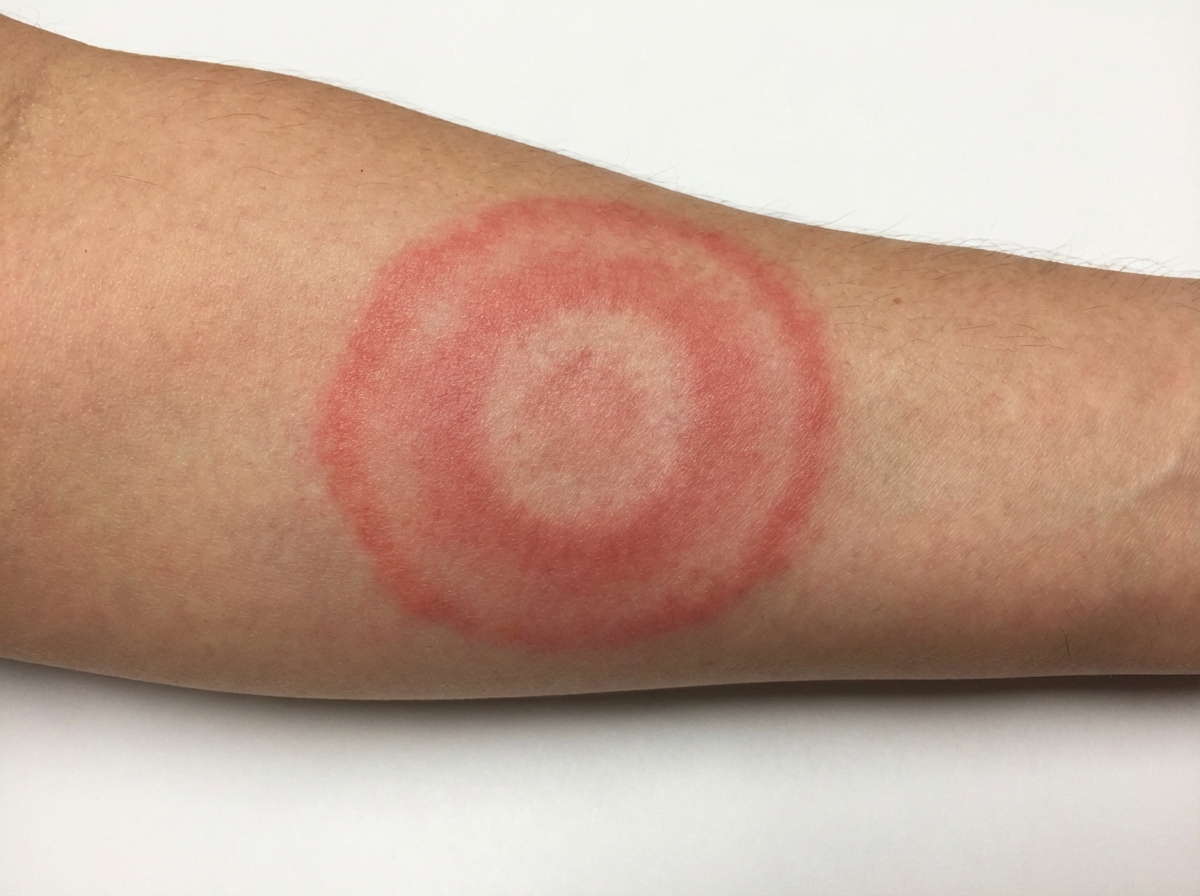
Question 33: A 45-year-old woman presents to the emergency department with a headache, fevers with chills, rigors, and generalized joint pain for the past week. She also complains of a progressive rash on her left arm. She says that a few days ago she noticed a small, slightly raised lesion resembling an insect bite mark, which had a burning sensation. The medical and surgical histories are unremarkable. She recalls walking in the woods 2 weeks prior to the onset of symptoms, but does not recall finding a tick on her body. On examination, the temperature is 40.2°C (104.4°F). A circular red rash measuring 10 cm x 5 cm in diameter is noted on the left arm, as shown in the accompanying image. The remainder of her physical examination is unremarkable. The tick causing her disease is also responsible for the transmission of which of the following pathogens?
A. Rickettsia rickettsii
B. Babesia microti (Correct Answer)
C. Rickettsia typhi
D. Ehrlichia
E. Plasmodium vivax
Explanation: ***Babesia microti***
- The clinical picture of **headache**, **fever with chills**, **rigors**, **generalized joint pain**, and an **expanding erythematous rash (erythema migrans)** after a woodland exposure points to **Lyme disease**, caused by *Borrelia burgdorferi*.
- **Both *Borrelia burgdorferi*** and ***Babesia microti*** are transmitted by the **deer tick** (*Ixodes scapularis*), making co-infection common in endemic areas.
*Rickettsia rickettsii*
- This pathogen causes **Rocky Mountain spotted fever**, which typically presents with a **maculopapular rash** that often becomes petechial and involves the palms and soles.
- The rash in this vignette is an **expanding erythematous lesion (erythema migrans)**, characteristic of Lyme disease, not RMSF.
*Rickettsia typhi*
- This bacterium causes **endemic (murine) typhus**, typically transmitted by the **infected flea** (*Xenopsylla cheopis*).
- Symptoms include fever, headache, and a **truncal maculopapular rash**, but it is not associated with a tick bite or erythema migrans.
*Ehrlichia*
- *Ehrlichia chaffeensis* causes **human monocytic ehrlichiosis**, transmitted by the **lone star tick** (*Amblyomma americanum*).
- While it can cause fever, headache, and myalgia, it does not typically present with the classic **erythema migrans rash** seen in Lyme disease.
*Plasmodium vivax*
- This protozoan causes **malaria**, transmitted by the **Anopheles mosquito**.
- Symptoms include cyclical fevers, chills, and headache but do not involve a tick bite or the characteristic **erythema migrans rash**.
Question 34: A 14-year-old boy presents to his pediatrician with weakness and frequent episodes of dizziness. He had chronic mucocutaneous candidiasis when he was 4 years old and was diagnosed with autoimmune hypoparathyroidism at age 8. On physical examination, his blood pressure is 118/70 mm Hg in the supine position and 96/64 mm Hg in the upright position. Hyperpigmentation is present over many areas of his body, most prominently over the extensor surfaces, elbows, and knuckles. His laboratory evaluation suggests the presence of antibodies to 21-hydroxylase and a mutation in the AIRE (autoimmune regulator) gene. The pediatrician explains to his parents that his condition is due to the failure of immunological tolerance. Which of the following mechanisms is most likely to have failed in the child?
A. Inhibition of the inactivation of harmful lymphocytes by regulatory T cells
B. Positive selection
C. Negative selection (Correct Answer)
D. Deletion of mature lymphocytes
E. Anergy
Explanation: ***Negative selection***
- This patient's symptoms (chronic mucocutaneous candidiasis, autoimmune hypoparathyroidism, orthostatic hypotension, hyperpigmentation, and antibodies to 21-hydroxylase) are characteristic of **Autoimmune Polyendocrine Syndrome Type 1 (APS-1)**, which is caused by a **mutation in the AIRE gene**.
- The AIRE gene is crucial for the expression of **tissue-specific self-antigens in the thymus**, which is necessary for the **negative selection** of autoreactive T cells during T-cell development. Failure of negative selection allows auto-reactive T cells to escape the thymus, leading to autoimmunity.
*Inhibition of the inactivation of harmful lymphocytes by regulatory T cells*
- This describes a mechanism of **peripheral tolerance**, where **regulatory T cells (Treg)** suppress self-reactive lymphocytes in the periphery.
- While critical for preventing autoimmunity, the primary defect in APS-1 is central tolerance due to AIRE mutation, not a failure of Treg function.
*Positive selection*
- **Positive selection** occurs in the thymus and ensures that T cells can recognize **MHC molecules** (self-MHC restriction).
- Failure of positive selection would lead to a lack of functional T cells, resulting in immunodeficiency, not autoimmunity.
*Deletion of mature lymphocytes*
- The deletion of mature lymphocytes refers to other mechanisms of **peripheral tolerance**, such as activation-induced cell death, which removes self-reactive T cells that have escaped central tolerance and become activated in the periphery.
- This mechanism is distinct from the **central tolerance defect (negative selection)** caused by the AIRE gene mutation.
*Anergy*
- **Anergy** is a state of functional inactivation in lymphocytes that occurs when they recognize self-antigens without adequate co-stimulation. It is a mechanism of **peripheral tolerance**.
- While a form of peripheral tolerance, the primary defect in APS-1 stems from a failure of **central tolerance (negative selection)**, allowing highly autoreactive T cells to mature.
Question 35: An otherwise healthy 39-year-old woman presents to her primary care provider because of right-leg swelling, which started 4 months ago following travel to Kenya. The swelling has been slowly progressive and interferes with daily tasks. She denies smoking or alcohol use. Family history is irrelevant. Vital signs include: temperature 38.1°C (100.5°F), blood pressure 115/72 mm Hg, and pulse 99/min. Physical examination reveals non-pitting edema of the entire right leg. The overlying skin is rough, thick and indurated. The left leg is normal in size and shape. Which of the following is the most likely cause of this patient condition?
A. Obstruction of lymphatic channels (Correct Answer)
B. Hypoalbuminemia
C. Lymphatic hypoplasia
D. Venous thromboembolism
E. Persistent elevation of venous pressures
Explanation: ***Obstruction of lymphatic channels***
- The patient's history of travel to **Kenya**, along with **progressive, non-pitting edema** of the entire right leg and **rough, thick, indurated skin**, strongly suggests **filariasis**, a parasitic infection that obstructs lymphatic channels.
- **Obstruction of lymphatic channels** leads to **lymphedema**, which characteristically presents with the described symptoms and skin changes (e.g., **elephantiasis**).
*Hypoalbuminemia*
- **Hypoalbuminemia** typically causes **generalized, pitting edema** due to decreased plasma oncotic pressure, not localized, non-pitting edema in a single limb.
- There are no clinical signs to suggest **hepatic** or **renal dysfunction** that would cause significant hypoalbuminemia.
*Lymphatic hypoplasia*
- **Lymphatic hypoplasia** (primary lymphedema) is usually congenital or develops in early life and would not typically manifest acutely after travel in a 39-year-old.
- While it causes lymphedema, the travel history points to an acquired cause rather than a congenital defect.
*Venous thromboembolism*
- **Venous thromboembolism** (DVT) typically presents with acute onset of **painful, edematous** limb, often with **pitting edema**, and can be associated with warmth and erythema.
- The **slowly progressive** nature of the swelling over 4 months and **non-pitting edema** are less consistent with acute DVT.
*Persistent elevation of venous pressures*
- **Persistent elevation of venous pressures** (e.g., chronic venous insufficiency) leads to **pitting edema**, skin discoloration (**hyperpigmentation**), and **ulcerations**, not the rough, thick, indurated skin seen in this case.
- This condition is also typically associated with factors like prolonged standing or obesity, which are not mentioned here.
Question 36: A 78-year-old woman living in New Jersey is brought to the emergency department in July with a fever for 5 days. Lethargy is present. She has had bloody urine over the last 48 hours but denies any nausea, vomiting, or abdominal pain. She has no history of serious illness and takes no medications. She has not traveled anywhere outside her city for the past several years. She appears ill. The temperature is 40.8℃ (105.4℉), the pulse is 108/min, the respiration rate is 20/min, and the blood pressure is 105/50 mm Hg. The abdominal exam reveals hepatosplenomegaly. Lymphadenopathy is absent. Petechiae are seen on the lower extremities. Laboratory studies show the following:
Laboratory test
Hemoglobin 8 g/dL
Mean corpuscular volume (MCV) 98 µm3
Leukocyte count 4,200/mm3
Segmented neutrophils 32%
Lymphocytes 58%
Platelet count 108,000/mm3
Bilirubin, total 5.0 mg/dL
Direct 0.7 mg/dL
Aspartate aminotransferase (AST) 51 U/L
Alanine aminotransferase (ALT) 56 U/L
Alkaline phosphatase 180 U/L
Lactate dehydrogenase (LDH) 640 U/L (N = 140–280 U/L)
Haptoglobin 20 mg/dL (N = 30–200 mg/dL)
Urine
Hemoglobin +
Urobilinogen +
Protein +
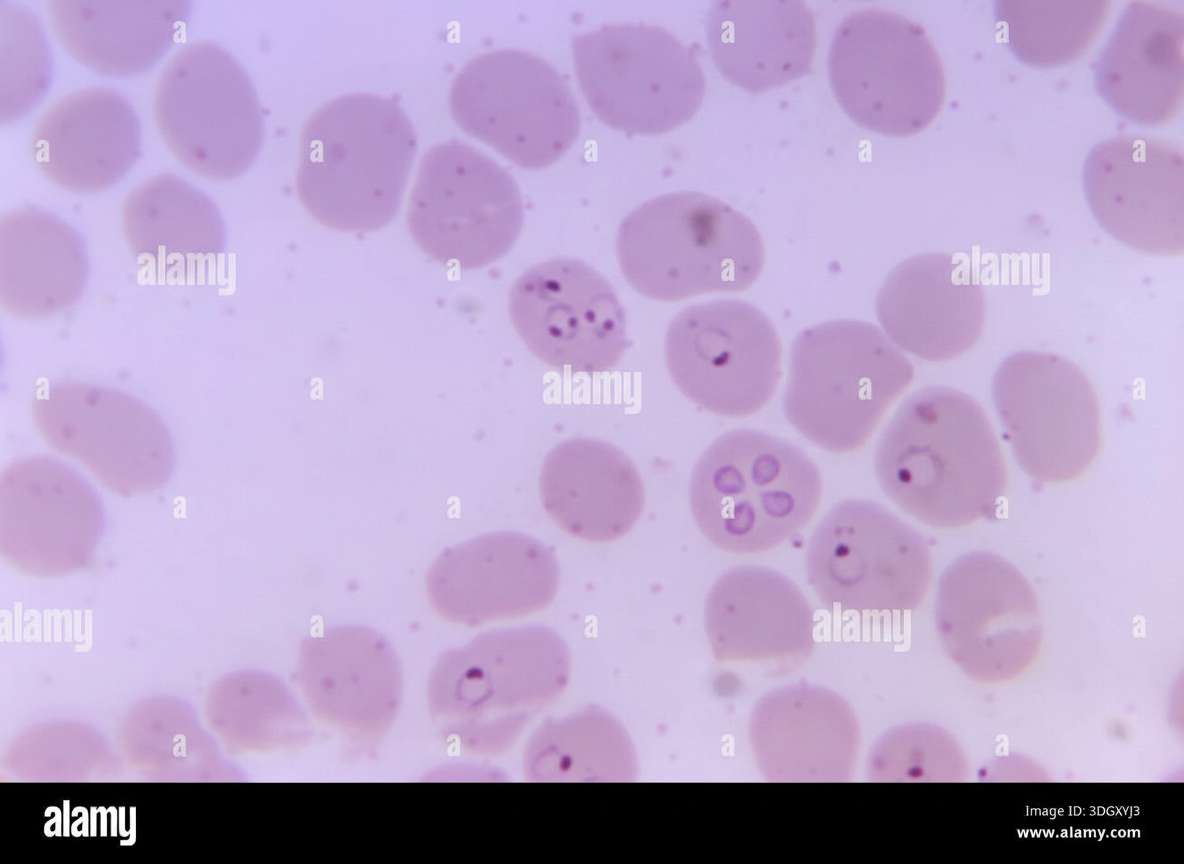
A peripheral blood smear is shown (see image). Which of the following is the most likely diagnosis?
A. Babesiosis (Correct Answer)
B. Leishmaniasis
C. Lyme disease
D. Malaria
E. Plague
Explanation: ***Babesiosis***
- The patient's presentation with **fever, lethargy, hemolytic anemia** (low hemoglobin, elevated LDH, low haptoglobin, bilirubinemia, hemoglobinuria), **thrombocytopenia**, and **hepatosplenomegaly** is highly suggestive of babesiosis. The **peripheral blood smear showing intraerythrocytic parasites** (often described as ring forms or tetrads, "Maltese cross") is diagnostic. Living in **New Jersey** in **July** increases the likelihood of tick exposure, which transmits *Babesia microti*.
- Her age (78 years old) is a risk factor for severe babesiosis, and the **anemia and thrombocytopenia** are classic findings, with the elevated total bilirubin indicating significant hemolysis.
*Leishmaniasis*
- While leishmaniasis (specifically visceral leishmaniasis) can cause fever, hepatosplenomegaly, anemia, and thrombocytopenia, it is endemic to different regions (e.g., Mediterranean basin, South America, Asia, Africa) and is **not typically acquired in New Jersey**.
- Diagnosis is usually made by identifying **amastigotes in bone marrow, spleen, or lymph node aspirates**, not intraerythrocytic parasites on a peripheral smear.
*Lyme disease*
- Lyme disease, also transmitted by *Ixodes* ticks in New Jersey, typically presents with an **erythema chronicum migrans rash**, flu-like symptoms, and can lead to arthritis or cardiac/neurological manifestations.
- It **does not cause intraerythrocytic parasites or severe hemolytic anemia** with the lab findings described (elevated LDH, low haptoglobin, bilirubinemia, hemoglobinuria).
*Malaria*
- Malaria presents with fever, chills, anemia, and hepatosplenomegaly and is diagnosed by **intraerythrocytic parasites on a peripheral blood smear**. However, the patient has **not traveled to malaria-endemic regions** and has remained in her city for several years.
- While both *Babesia* and *Plasmodium* can appear as ring forms, the specific morphology (e.g., "Maltese cross" in *Babesia*) and geographic context strongly favor babesiosis in this case.
*Plague*
- Plague (caused by *Yersinia pestis*) typically presents as bubonic, septicemic, or pneumonic forms. **Bubonic plague** involves painful, swollen lymph nodes (buboes), which are absent in this patient.
- Although it can cause fever and systemic illness, it does not lead to **intraerythrocytic parasites or significant hemolytic anemia** as seen in this patient's lab results.
Question 37: A 26-year-old man is undergoing a bone marrow transplantation for treatment of a non-Hodgkin lymphoma that has been refractory to several rounds of chemotherapy and radiation over the past 2 years. He has been undergoing a regimen of cyclophosphamide and total body irradiation for the past several weeks in anticipation of his future transplant. This morning, he reports developing a productive cough and is concerned because he noted some blood in his sputum this morning. The patient also reports pain with inspiration. His temperature is 101°F (38.3°C), blood pressure is 115/74 mmHg, pulse is 120/min, respirations are 19/min, and oxygen saturation is 98% on room air. A chest radiograph and CT are obtained and shown in Figures A and B respectively. Which of the following is the most likely diagnosis?
A. Streptococcus pneumoniae
B. Aspergillus fumigatus (Correct Answer)
C. Pneumocystis jiroveci pneumonia
D. Staphylococcus aureus
E. Mycoplasma pneumonia
Explanation: ***Aspergillus fumigatus***
- The patient's immunocompromised state due to **chemotherapy** and **total body irradiation** for lymphoma, combined with the presence of a **productive cough with hemoptysis**, pleuritic pain, and fever, is highly suggestive of an invasive fungal infection.
- **Chest imaging** demonstrating nodules with surrounding ground-glass opacity (the **"halo sign"** on CT) is characteristic of **invasive aspergillosis** in immunocompromised patients, where the ground-glass attenuation represents hemorrhage around a nodular lesion.
*Streptococcus pneumoniae*
- While *S. pneumoniae* can cause pneumonia in immunocompromised patients, it typically presents with **lobar consolidation** on imaging, not the nodular lesions with a halo sign seen here.
- **Hemoptysis**, although possible, is less common as a prominent symptom than in invasive fungal infections in this context.
*Pneumocystis jiroveci pneumonia*
- *Pneumocystis* pneumonia (PCP) typically presents with **diffuse interstitial infiltrates** on chest imaging, often described as ground-glass opacities, but usually lacks the focal nodular lesions or hemoptysis seen here.
- PCP is more common in patients with **HIV/AIDS** or those undergoing specific immunosuppressive regimens (e.g., high-dose corticosteroids), and while possible, the imaging findings do not directly support it.
*Staphylococcus aureus*
- *S. aureus* pneumonia can cause **abscess formation** and **cavitary lesions**, but the imaging described (nodules with halo sign) is not typical.
- While it can cause severe pneumonia in immunocompromised hosts, **hemoptysis** and the specific imaging findings align less with *S. aureus* and more with invasive mold infections.
*Mycoplasma pneumonia*
- *Mycoplasma pneumoniae* causes **"walking pneumonia"** and typically presents with milder symptoms and **interstitial or patchy infiltrates** on chest imaging.
- Severe symptoms like **hemoptysis** and the imaging findings of nodular lesions with a halo sign are not characteristic of *Mycoplasma* infection.
Question 38: A 3-month-old male is brought to the emergency room by his mother who reports that the child has a fever. The child was born at 39 weeks of gestation and is at the 15th and 10th percentiles for height and weight, respectively. The child has a history of eczema. Physical examination reveals an erythematous fluctuant mass on the patient's inner thigh. His temperature is 101.1°F (38.4°C), blood pressure is 125/70 mmHg, pulse is 120/min, and respirations are 22/min. The mass is drained and the child is started on broad-spectrum antibiotics until the culture returns. The physician also orders a flow cytometry reduction of dihydrorhodamine, which is found to be abnormal. This patient is at increased risk of infections with which of the following organisms?
A. Giardia lamblia
B. Streptococcus viridans
C. Aspergillus fumigatus (Correct Answer)
D. Enterococcus faecalis
E. Streptococcus pyogenes
Explanation: ***Aspergillus fumigatus***
- The abnormal **dihydrorhodamine (DHR) flow cytometry** test indicates **chronic granulomatous disease (CGD)**, a defect in phagocyte function.
- Patients with CGD are particularly susceptible to **catalase-positive organisms**, including *Aspergillus* species, *Staphylococcus aureus*, *Serratia marcescens*, *Burkholderia cepacia*, and *Nocardia* species.
*Giardia lamblia*
- *Giardia lamblia* is a **protozoan parasite** causing gastrointestinal infections, and susceptibility to it is primarily linked to **IgA deficiency**, not phagocyte dysfunction.
- While patients with **immunodeficiencies** can have increased risk, CGD is not specifically associated with *Giardia* infections.
*Streptococcus viridans*
- *Streptococcus viridans* are **catalase-negative bacteria** and cause infections typically in patients with **valvular heart disease** or those undergoing dental procedures, and are not commonly associated with CGD.
- CGD patients are more prone to infections by **catalase-positive organisms**, which this bacterium is not.
*Enterococcus faecalis*
- *Enterococcus faecalis* is a **catalase-negative bacterium** that primarily causes **urinary tract infections** and endocarditis, particularly in hospitalized patients.
- While it can cause opportunistic infections, its catalase-negative status makes it less relevant to the specific phagocytic defect in CGD.
*Streptococcus pyogenes*
- *Streptococcus pyogenes* is a **catalase-negative bacterium** responsible for diseases like strep throat, scarlet fever, and necrotizing fasciitis.
- Susceptibility to *S. pyogenes* is generally not increased in CGD patients due to its **catalase-negative nature**, which allows phagocytes to still effectively kill it.
Question 39: A 34-year-old man comes to the physician because of progressive swelling of the left lower leg for 4 months. One year ago, he had an episode of intermittent fever and tender lymphadenopathy that occurred shortly after he returned from a trip to India and resolved spontaneously. Physical examination shows 4+ nonpitting edema of the left lower leg. His leukocyte count is 8,000/mm3 with 25% eosinophils. A blood smear obtained at night confirms the diagnosis. Treatment with diethylcarbamazine is initiated. Which of the following is the most likely route of transmission of the causal pathogen?
A. Penetration of the skin by hookworms in feces
B. Penetration of the skin by cercariae from contaminated fresh water
C. Deposition of larvae into the skin by a female black fly
D. Ingestion of encysted larvae in undercooked pork
E. Deposition of thread-like larvae into the skin by a female mosquito (Correct Answer)
Explanation: ***Deposition of thread-like larvae into the skin by a female mosquito***
- The symptoms described, including progressive **nonpitting edema** (lymphedema), a history of **fever** and **lymphadenopathy** after travel to an endemic area (India), and significant **eosinophilia**, are classic for **lymphatic filariasis**.
- Lymphatic filariasis, caused by filarial worms like *Wuchereria bancrofti* or *Brugia malayi*, is transmitted by **mosquitoes** that deposit infectious larvae onto the skin during a blood meal.
*Penetration of the skin by hookworms in feces*
- This describes the transmission of **hookworm infection**, which causes **iron deficiency anemia** and gastrointestinal symptoms, not lymphedema or high eosinophilia with nocturnal microfilaremia.
- While hookworms can cause eosinophilia, the clinical presentation of chronic lymphedema and the need for a nocturnal blood smear point away from hookworm infection.
*Penetration of the skin by cercariae from contaminated fresh water*
- This is the transmission method for **schistosomiasis**, which can cause symptoms depending on the species and affected organs, such as **urinary tract disease**, **hepatic fibrosis**, or **intestinal inflammation**.
- Schistosomiasis does not typically present with the progressive lymphedema and episodic lymphadenitis characteristic of filariasis.
*Deposition of larvae into the skin by a female black fly*
- This describes the transmission of **onchocerciasis** (river blindness), caused by *Onchocerca volvulus*.
- Onchocerciasis primarily causes skin disease (intense **pruritus**, dermatitis) and **ocular lesions** leading to blindness, not extensive lymphedema of the limbs.
*Ingestion of encysted larvae in undercooked pork*
- This is the route of transmission for **trichinellosis**, caused by *Trichinella spiralis*.
- Trichinellosis involves **muscle pain**, fever, and periorbital edema, but not chronic lymphedema of the extremities or the specific nocturnal periodicity for diagnosis.
Question 40: A 10-year-old girl presents to the clinic, with her mother, complaining of a circular, itchy rash on her scalp for the past 3 weeks. Her mother is also worried about her hair loss. The girl has a past medical history significant for asthma. She needs to use her albuterol inhaler once per week on average. Her blood pressure is 112/70 mm Hg; the heart rate is 104/min; the respiratory rate is 20/min, and the temperature is 37.0°C (98.6°F). On exam, the patient is alert and interactive. Her lungs are clear on bilateral auscultation. On palpation, a tender posterior cervical node is present on the right side. Examination of the head is shown in the image. Which of the following is the best treatment option for the patient?
A. Subcutaneous triamcinolone
B. Topical betamethasone
C. Ketoconazole shampoo
D. Oral terbinafine (Correct Answer)
E. Oral doxycycline
Explanation: ***Oral terbinafine***
- The patient's clinical presentation with an **itchy, circular rash** and **hair loss** on the scalp, along with a **tender posterior cervical node**, is highly suggestive of **tinea capitis**.
- **Oral antifungals** like terbinafine are the **first-line treatment** for tinea capitis because topical agents cannot effectively penetrate the hair shaft where the fungus resides.
*Subcutaneous triamcinolone*
- Triamcinolone is a **corticosteroid** and is used to treat inflammatory conditions, not fungal infections.
- While it might reduce swelling or itching temporarily, it would **not eradicate the underlying fungal infection** and could potentially worsen it.
*Topical betamethasone*
- Betamethasone is a **topical corticosteroid** which might reduce inflammation and itchiness.
- However, topical antifungals and steroids are **ineffective for tinea capitis** as they do not reach the fungal elements within the hair follicles.
*Ketoconazole shampoo*
- While ketoconazole is an antifungal, **shampoo formulations** are generally **not sufficient** to treat tinea capitis on their own.
- They can be used as an **adjunct** to oral therapy to reduce shedding of fungal spores and prevent spread but cannot cure the infection effectively.
*Oral doxycycline*
- Doxycycline is an **antibiotic** primarily used to treat bacterial infections, and some inflammatory skin conditions such as acne or rosacea.
- It has **no antifungal properties** and would be completely ineffective against tinea capitis.