
Hand hygiene compliance — MCQs

A multicentric, ambidirectional cohort study (i.e. a study that combines elements of both prospective and retrospective cohort studies) was designed in order to evaluate the relationship between nasal colonization with methicillin-resistant Staphylococcus aureus (MRSA) and exposure to patients in intensive-care units of several tertiary hospital centers. The sample included 1,000 physicians who worked in the hospital environment and who willingly underwent swabbing of their nasal vestibule and nasopharynx for active surveillance. Data of their working location was obtained from hospital administrative services. Of those who worked in the intensive care unit, 350 were colonized with MRSA, while 250 were not. Whereas in those that worked in other hospital wards, 100 were colonized with MRSA, and 300 were not. What is the relative risk of MRSA colonization in relation to working in the intensive-care unit?
A 57-year-old man comes to the physician because of generalized malaise, yellowish discoloration of the eyes, and pruritus on the back of his hands that worsens when exposed to sunlight for the past several months. He has not seen a physician in 15 years. Physical examination shows scleral icterus and mild jaundice. There is a purpuric rash with several small vesicles and hyperpigmented lesions on the dorsum of both hands. The causal pathogen of this patient's underlying condition was most likely acquired in which of the following ways?
A 25-year-old man comes to the physician for severe back pain. He describes the pain as shooting and stabbing. On a 10-point scale, he rates the pain as a 9 to 10. The pain started after he lifted a heavy box at work; he works at a supermarket and recently switched from being a cashier to a storekeeper. The patient appears to be in severe distress. Vital signs are within normal limits. On physical examination, the spine is nontender without paravertebral muscle spasms. Range of motion is normal. A straight-leg raise test is negative. After the physical examination has been completed, the patient asks for a letter to his employer attesting to his inability to work as a storekeeper. Which of the following is the most appropriate response?
A 37-year-old man presents to the emergency department after he cut his hand while working on his car. The patient has a past medical history of antisocial personality disorder and has been incarcerated multiple times. His vitals are within normal limits. Physical exam is notable for a man covered in tattoos with many bruises over his face and torso. Inspection of the patient's right hand reveals 2 deep lacerations on the dorsal aspects of the second and third metacarpophalangeal (MCP) joints. The patient is given a tetanus vaccination, and the wound is irrigated. Which of the following is appropriate management for this patient?
A study is conducted in a hospital to estimate the prevalence of handwashing among healthcare workers. All of the hospital staff members are informed that the study is being conducted for 1 month, and the study method will be a passive observation of their daily routine at the hospital. A total of 89 medical staff members give their consent for the study, and they are followed for a month. This study could most likely suffer from which of the following biases?
A 63-year-old female recovering from a total shoulder arthroplasty completed 6 days ago presents complaining of joint pain in her repaired shoulder. Temperature is 39 degrees Celsius. Physical examination demonstrates erythema and significant tenderness around the incision site. Wound cultures reveal Gram-positive cocci that are resistant to nafcillin. Which of the following organisms is the most likely cause of this patient's condition?
A 26-year-old man comes to the emergency department because of a 1-week history of fever, throat pain, and difficulty swallowing. Head and neck examination shows an erythematous pharynx with purulent exudates overlying the palatine tonsils. Microscopic examination of a throat culture shows pink, spherical bacteria arranged in chains. Treatment with amoxicillin is initiated. A day later, a physician colleague from another department approaches the physician in the lobby of the hospital and asks about this patient, saying, "Did you see him? What does he have? He's someone I play football with and he hasn't come to play for the past 5 days. I'm worried about him." Which of the following is the most appropriate action by the physician?
A 28-year-old male presents to his primary care physician with complaints of intermittent abdominal pain and alternating bouts of constipation and diarrhea. His medical chart is not significant for any past medical problems or prior surgeries. He is not prescribed any current medications. Which of the following questions would be the most useful next question in eliciting further history from this patient?
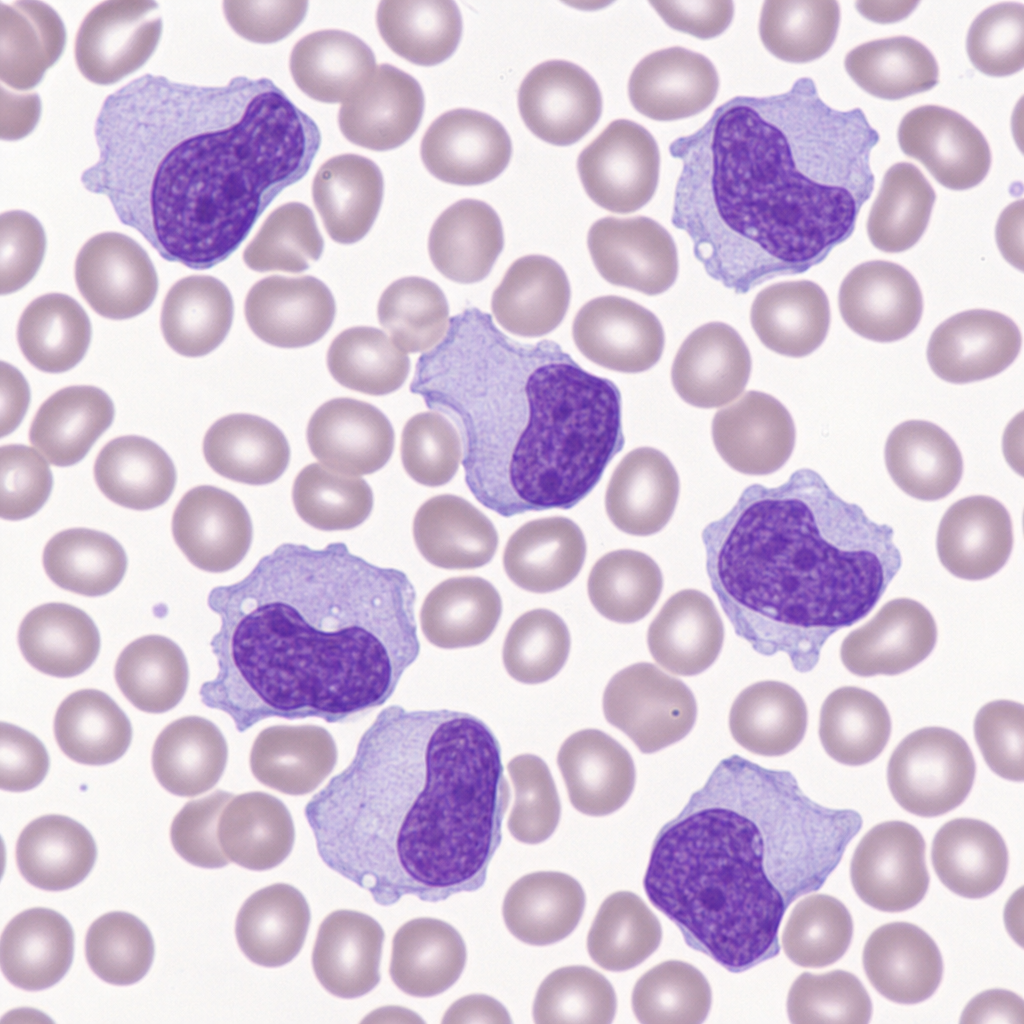
A 19-year-old college student presents with a 5-day history of fever, sore throat, and cervical lymphadenopathy. A heterophile antibody test is positive. A peripheral blood smear reveals large lymphocytes with abundant pale cytoplasm and irregular, folded nuclei that appear to indent around adjacent red blood cells. Which of the following surface markers would be found on the cells predominantly expanded in this patient's peripheral blood?
A surgical ICU has implemented multiple interventions over 18 months: chlorhexidine bathing, antibiotic stewardship, contact precautions for MRSA, and environmental cleaning protocols. Despite these efforts, MRSA surgical site infection rates remain unchanged at 8 per 1000 surgical procedures. Universal MRSA screening shows 15% of admitted patients are colonized. Evaluate the most effective evidence-based strategy to reduce MRSA SSI rates further.
Want unlimited practice?
Get full access to all questions, explanations, and performance tracking.
Scan to download app