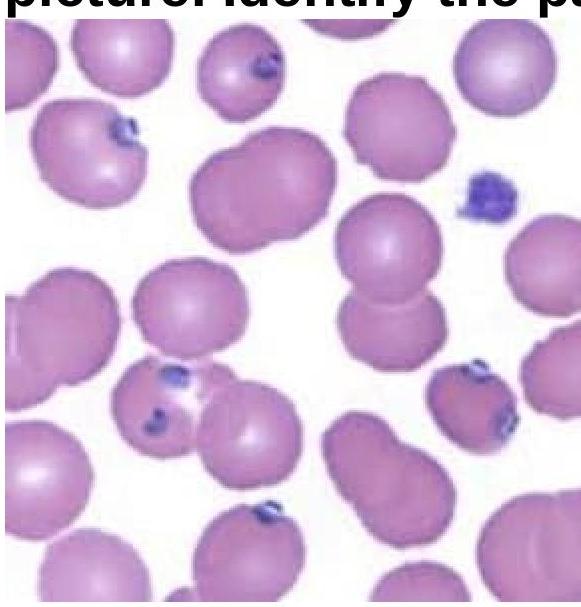
A 45-year-old woman presents with fever, pain, and swelling of the right leg. She says that her right leg swelling has gradually worsened over the last 2 weeks. She has also noted worsening fatigue and anorexia. Two days ago, she developed a low-grade fever. Her past medical history is significant for type 2 diabetes mellitus diagnosed 5 years ago and managed with metformin. Her temperature is 38.0°C (100.4°F), pulse is 110/min, blood pressure is 110/72 mm Hg, and respiratory rate is 16/min. On physical examination, there is a painful swelling of the right lower extremity extending to just below the knee joint. The overlying skin is tense, glossy, erythematous, and warm to touch. A diagnosis of cellulitis is established and appropriate antibiotics are started. Which of the following best describes the organism most likely responsible for this patient’s condition?
Q42
A 24-year-old male is brought into the emergency department complaining of chills, headaches, and malaise for several days. He also states that he experiences shortness of breath when climbing two flights of stairs in his home. He admits to occasionally using intravenous drugs during the previous year. On exam, his vital signs are temperature 39.2° C, heart rate 108/min, blood pressure 124/82 mm Hg, respiratory rate 20/min, and oxygen saturation 98% on room air. A holosystolic murmur is heard near the lower left sternal border. An echocardiogram confirms vegetations on the tricuspid valve. What is the most likely causative organism of this patient's condition?
Q43
A 30-year-old man is brought to the emergency department with complaints of fevers to 39.0℃ (102.2℉) and diarrhea for the past 12 hours. There is no history of headaches, vomiting, or loss of consciousness. The past medical history is unobtainable because the patient recently immigrated from abroad and has a language barrier, but his wife says that her husband had a motor vehicle accident when he was a teenager that required emergent surgery. He is transferred to the ICU after a few hours in the ED due to dyspnea, cyanosis, and hemodynamic collapse. There are no signs of a meningeal infection. The blood pressure is 70/30 mm Hg at the time of transfer. A chest X-ray at the time of admission shows interstitial infiltrates without homogeneous opacities. The initial laboratory results reveal metabolic acidosis, leukopenia with a count of 2000/mm3, thrombocytopenia (15,000/mm3), and a coagulation profile suggesting disseminated intravascular coagulation. A peripheral smear is performed as shown in the accompanying image. Despite ventilatory support, administration of intravenous fluids, antibiotics, and vasopressor agents, the patient dies the next day. The gram stain from the autopsy specimen of his lungs reveals gram-positive, lancet-shaped diplococci occurring singly and in chains. Which of the following organisms is the most likely cause for the patient’s condition?
Q44
A 55-year-old IV drug user comes into the emergency department after four days of pain in his right ankle. The patient is lethargic and unable to answer any questions about his medical history. His vitals are HR 110, T 101.5, RR 20, BP 100/60. His physical exam is notable for track marks in his toes and his right ankle is erythematous and swollen. Moving any part of the right foot creates a 10/10 pain. A radiograph reveals no evidence of fractures. A Gram stain of the joint fluid aspirate demonstrates purple cocci in clusters. The fluid is yellow, opaque, with more than 70,000 cells/mm^3 (80% neutrophils). What is the most likely diagnosis?
Q45
A 52-year-old man is brought to the emergency department after being found down on the sidewalk. On presentation, he is found to have overdosed on opioids so he is given naloxone and quickly recovers. Physical exam also reveals lumps on his neck and face that are covered by small yellow granules. These lumps are slowly draining yellow pus-like fluid. He says that these lumps have been present for several months, but he has ignored them because he has not had any fever or pain from the lumps. He does not recall the last time he visited a primary care physician or a dentist. Oral exam reveals multiple cavities and abscesses. The most likely cause of this patient's facial lumps has which of the following characteristics?
Q46
A team of intensivists working in a private intensive care unit (ICU) observe that the clinical efficacy of vancomycin is low, and proven nosocomial infections have increased progressively over the past year. A clinical microbiologist is invited to conduct a bacteriological audit of the ICU. He analyzes the microbiological reports of all patients treated with vancomycin over the last 2 years and takes relevant samples from the ICU for culture and antibiotic sensitivity analysis. The audit concludes that there is an increased incidence of vancomycin-resistant Enterococcus fecalis infections. Which of the following mechanisms best explains the changes that took place in the bacteria?
Q47
A 69-year-old woman is brought to the emergency department by her husband because of a 1-day history of fever, shortness of breath, dizziness, and cough productive of purulent sputum. Six days ago, she developed malaise, headache, sore throat, and myalgias that improved initially. Her temperature is 39.3°C (102.7°F) and blood pressure is 84/56 mm Hg. Examination shows an erythematous, desquamating rash of the distal extremities. A sputum culture grows gram-positive, coagulase-positive cocci in clusters. The most likely causal organism of this patient's current symptoms produces a virulence factor with which of the following functions?
Q48
A 35-year-old man comes to the emergency room for severe left leg pain several hours after injuring himself on a gardening tool. His temperature is 39°C (102.2°F) and his pulse is 105/min. Physical examination of the left leg shows a small laceration on the ankle surrounded by dusky skin and overlying bullae extending to the posterior thigh. There is a crackling sound when the skin is palpated. Surgical exploration shows necrosis of the gastrocnemius muscles and surrounding tissues. Tissue culture shows anaerobic gram-positive rods and a double zone of hemolysis on blood agar. Which of the following best describes the mechanism of cellular damage caused by the responsible pathogen?
Q49
An 18-month-old boy presents to the emergency department for malaise. The boy’s parents report worsening fatigue for 3 days with associated irritability and anorexia. The patient’s newborn screening revealed a point mutation in the beta-globin gene but the patient has otherwise been healthy since birth. On physical exam, his temperature is 102.4°F (39.1°C), blood pressure is 78/42 mmHg, pulse is 124/min, and respirations are 32/min. The child is tired-appearing and difficult to soothe. Laboratory testing is performed and reveals the following:
Serum:
Na+: 137 mEq/L
Cl-: 100 mEq/L
K+: 4.4 mEq/L
HCO3-: 24 mEq/L
Urea nitrogen: 16 mg/dL
Creatinine: 0.9 mg/dL
Glucose: 96 mg/dL
Leukocyte count: 19,300/mm^3 with normal differential
Hemoglobin: 7.8 g/dL
Hematocrit: 21%
Mean corpuscular volume: 82 um^3
Platelet count: 324,000/mm^3
Reticulocyte index: 3.6%
Which of the following is the most likely causative organism for this patient's presentation?
Q50
A 6-year-old boy is brought to the emergency department because of worsening confusion for the last hour. He has had high-grade fever, productive cough, fatigue, and malaise for the past 2 days. He has not seen a physician in several years. His temperature is 38.9°C (102°F), pulse is 133/min, respirations are 33/min, and blood pressure is 86/48 mm Hg. He is lethargic and minimally responsive. Mucous membranes are dry. Pulmonary examination shows subcostal retractions and coarse crackles bilaterally. Laboratory studies show a hemoglobin concentration of 8.4 g/dL and a leukocyte count of 16,000/mm3. A peripheral blood smear shows sickled red blood cells. Which of the following pathogens is the most likely cause of this patient's current condition?
Gram-positive US Medical PG Practice Questions and MCQs
Question 41: A 45-year-old woman presents with fever, pain, and swelling of the right leg. She says that her right leg swelling has gradually worsened over the last 2 weeks. She has also noted worsening fatigue and anorexia. Two days ago, she developed a low-grade fever. Her past medical history is significant for type 2 diabetes mellitus diagnosed 5 years ago and managed with metformin. Her temperature is 38.0°C (100.4°F), pulse is 110/min, blood pressure is 110/72 mm Hg, and respiratory rate is 16/min. On physical examination, there is a painful swelling of the right lower extremity extending to just below the knee joint. The overlying skin is tense, glossy, erythematous, and warm to touch. A diagnosis of cellulitis is established and appropriate antibiotics are started. Which of the following best describes the organism most likely responsible for this patient’s condition?
A. Gram-negative cocci with beta hemolysis
B. Shows no hemolysis on blood agar
C. Catalase-negative cocci in chain
D. Catalase-positive cocci in grape-like clusters (Correct Answer)
E. Catalase-positive Gram-positive diplococci
Explanation: ***Catalase-positive cocci in grape-like clusters***
- This description characterizes **Staphylococcus aureus**, which is the **most common cause of cellulitis**, particularly in **diabetic patients**.
- *S. aureus* is **catalase-positive**, Gram-positive, and characteristically forms **grape-like clusters** (staphyle = Greek for "bunch of grapes") on microscopy.
- The **gradual onset over 2 weeks** in this diabetic patient is consistent with *S. aureus* cellulitis.
- *S. aureus* shows **beta-hemolysis** on blood agar and is coagulase-positive.
*Catalase-negative cocci in chain*
- This describes **Streptococcus pyogenes** (Group A Streptococcus), another important cause of cellulitis.
- While *S. pyogenes* commonly causes **rapidly spreading cellulitis** with erysipelas-like features, it is less common than *S. aureus* overall.
- In diabetic patients specifically, *S. aureus* is the predominant pathogen.
- *S. pyogenes* shows beta-hemolysis on blood agar.
*Gram-negative cocci with beta hemolysis*
- Gram-negative cocci are not typical causes of cellulitis.
- The most common Gram-negative organism causing skin/soft tissue infections would be rods (e.g., *Pseudomonas*), not cocci.
- This morphology does not match common cellulitis pathogens.
*Catalase-positive Gram-positive diplococci*
- This description is inconsistent; *Staphylococcus* species (catalase-positive) grow in clusters, not diplococci.
- *Streptococcus pneumoniae* can appear as diplococci but is catalase-negative and is not a common cause of cellulitis.
*Shows no hemolysis on blood agar*
- This describes **gamma-hemolytic** (non-hemolytic) organisms.
- The primary cellulitis pathogens (*S. aureus* and *S. pyogenes*) both show **beta-hemolysis** on blood agar.
- Non-hemolytic organisms are uncommon causes of cellulitis.
Question 42: A 24-year-old male is brought into the emergency department complaining of chills, headaches, and malaise for several days. He also states that he experiences shortness of breath when climbing two flights of stairs in his home. He admits to occasionally using intravenous drugs during the previous year. On exam, his vital signs are temperature 39.2° C, heart rate 108/min, blood pressure 124/82 mm Hg, respiratory rate 20/min, and oxygen saturation 98% on room air. A holosystolic murmur is heard near the lower left sternal border. An echocardiogram confirms vegetations on the tricuspid valve. What is the most likely causative organism of this patient's condition?
A. Candida albicans
B. Staphylococcus aureus (Correct Answer)
C. Streptococcus mutans
D. Staphylococcus epidermidis
E. Streptococcus bovis
Explanation: ***Staphylococcus aureus***
- This patient's history of **intravenous drug use** and the finding of **tricuspid valve vegetations** are highly characteristic of **infectious endocarditis** caused by *Staphylococcus aureus.*
- *S. aureus* is the most common pathogen in IV drug users due to its prevalence on the skin and ability to adhere to and colonize damaged heart valves.
*Candida albicans*
- While *Candida albicans* can cause endocarditis, especially in immunocompromised individuals or those with central venous catheters, it is **less common** than *S. aureus* in IV drug users and does not typically present with the same high frequency.
- Fungal endocarditis often has a more **subacute course** and can be associated with larger vegetations.
*Streptococcus mutans*
- *Streptococcus mutans* is a common cause of **dental caries** and is associated with infective endocarditis, particularly in patients with pre-existing valvular heart disease and poor dental hygiene, affecting the **mitral or aortic valves**.
- It is **not typically associated** with endocarditis in intravenous drug users.
*Staphylococcus epidermidis*
- *Staphylococcus epidermidis* is a common cause of **prosthetic valve endocarditis** but is less frequently involved in native valve endocarditis, especially in IV drug users, compared to *S. aureus*.
- It is a **coagulase-negative staphylococcus** and a common skin commensal.
*Streptococcus bovis*
- *Streptococcus bovis* (now *Streptococcus gallolyticus*) endocarditis is strongly associated with **colorectal cancer** or other gastrointestinal pathologies.
- This patient has no features suggestive of gastrointestinal disease, making *S. bovis* an **unlikely causative agent**.
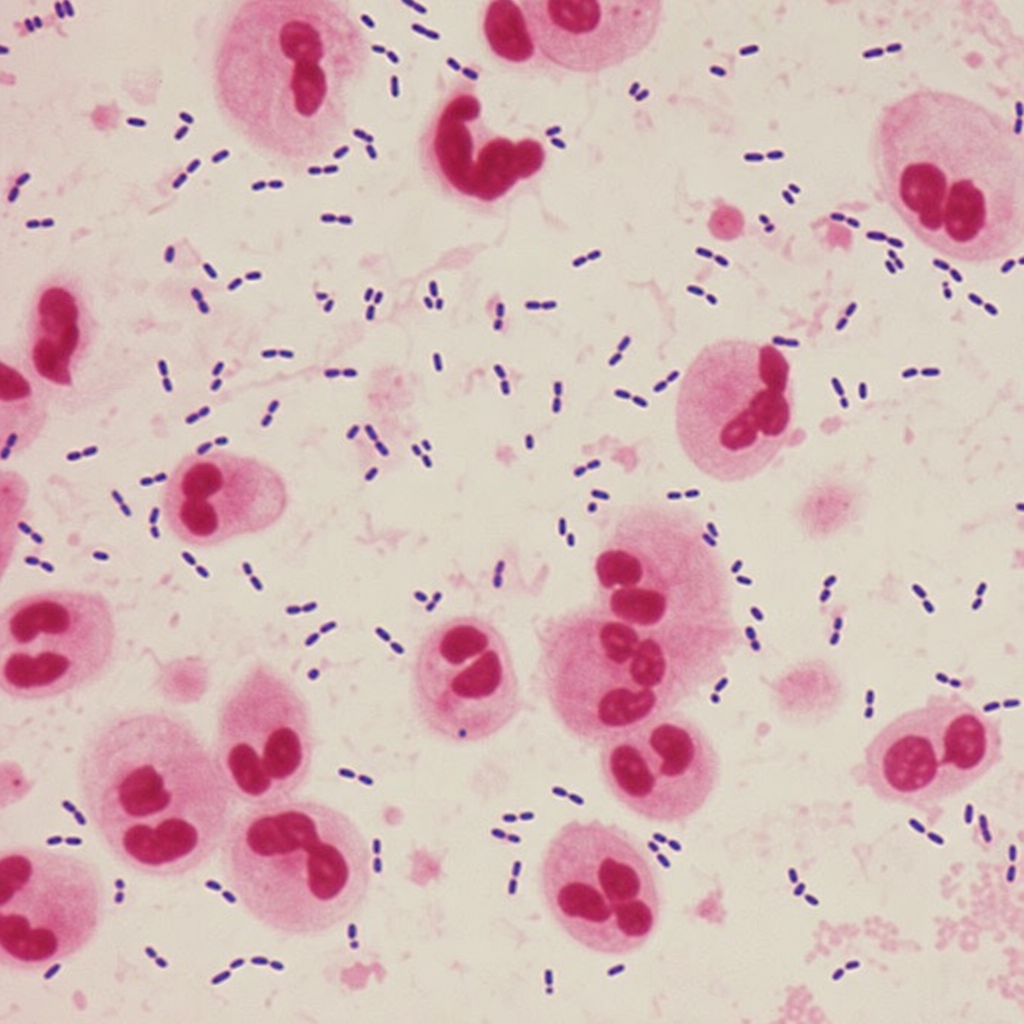
Question 43: A 30-year-old man is brought to the emergency department with complaints of fevers to 39.0℃ (102.2℉) and diarrhea for the past 12 hours. There is no history of headaches, vomiting, or loss of consciousness. The past medical history is unobtainable because the patient recently immigrated from abroad and has a language barrier, but his wife says that her husband had a motor vehicle accident when he was a teenager that required emergent surgery. He is transferred to the ICU after a few hours in the ED due to dyspnea, cyanosis, and hemodynamic collapse. There are no signs of a meningeal infection. The blood pressure is 70/30 mm Hg at the time of transfer. A chest X-ray at the time of admission shows interstitial infiltrates without homogeneous opacities. The initial laboratory results reveal metabolic acidosis, leukopenia with a count of 2000/mm3, thrombocytopenia (15,000/mm3), and a coagulation profile suggesting disseminated intravascular coagulation. A peripheral smear is performed as shown in the accompanying image. Despite ventilatory support, administration of intravenous fluids, antibiotics, and vasopressor agents, the patient dies the next day. The gram stain from the autopsy specimen of his lungs reveals gram-positive, lancet-shaped diplococci occurring singly and in chains. Which of the following organisms is the most likely cause for the patient’s condition?
A. Neisseria meningitidis
B. Non-typeable H. influenzae
C. Streptococcus pneumoniae (Correct Answer)
D. Staphylococcus aureus
E. Streptococcus pyogenes
Explanation: ***Streptococcus pneumoniae***
- The patient's history of a prior **motor vehicle accident (MVA) with emergent surgery** as a teenager suggests a possible **splenectomy**, making him susceptible to infections by **encapsulated organisms**.
- The presentation with **sepsis**, profound **leukopenia** and **thrombocytopenia**, **DIC**, **interstitial infiltrates** on CXR, and **gram-positive, lancet-shaped diplococci** in lung tissue is classic for severe **pneumococcal sepsis** in an asplenic individual.
*Streptococcus pyogenes*
- While *S. pyogenes* can cause severe infections, it typically presents with conditions like **necrotizing fasciitis** or **streptococcal toxic shock syndrome**, which would involve different clinical features.
- It is a **coccus** that grows in **chains**, but the characteristic **lancet-shape** and **diplococci** are not typical for *S. pyogenes*.
*Neisseria meningitidis*
- Although an encapsulated organism that can cause severe sepsis in asplenic patients, it is typically a **gram-negative diplococcus**.
- Symptoms often include **meningitis** (though not always present) and a **petechial rash**, neither of which are described here.
*Non-typeable H. influenzae*
- This is a **gram-negative coccobacillus** and would not present as gram-positive, lancet-shaped diplococci.
- While it can cause pneumonia, it is less commonly associated with the fulminant sepsis and DIC seen here, especially in an asplenic patient.
*Staphylococcus aureus*
- *S. aureus* is a **gram-positive coccus** that typically clusters, not as lancet-shaped diplococci or chains.
- While it can cause severe sepsis and DIC, the morphology described in the Gram stain is inconsistent with *S. aureus*.
Question 44: A 55-year-old IV drug user comes into the emergency department after four days of pain in his right ankle. The patient is lethargic and unable to answer any questions about his medical history. His vitals are HR 110, T 101.5, RR 20, BP 100/60. His physical exam is notable for track marks in his toes and his right ankle is erythematous and swollen. Moving any part of the right foot creates a 10/10 pain. A radiograph reveals no evidence of fractures. A Gram stain of the joint fluid aspirate demonstrates purple cocci in clusters. The fluid is yellow, opaque, with more than 70,000 cells/mm^3 (80% neutrophils). What is the most likely diagnosis?
A. Borrelia infectious arthritis
B. Osteoarthritis
C. Monosodium urate crystal formation
D. Salmonella infectious arthritis
E. Staphylococcus infectious arthritis (Correct Answer)
Explanation: ***Staphylococcus infectious arthritis***
- The patient's presentation with **fever**, **tachycardia**, **track marks** (indicating IV drug use), and a **red, swollen, painful joint** is highly suggestive of **septic arthritis**.
- **Gram-positive cocci in clusters** on joint fluid analysis strongly indicate **Staphylococcus aureus**, a common cause of septic arthritis, particularly in IV drug users accessing unusual sites like toes and ankles.
*Borrelia infectious arthritis*
- This is caused by **Borrelia burgdorferi**, transmitted by ticks, leading to Lyme disease, which typically presents with **migratory arthritis** and often a characteristic **erythema migrans rash**.
- Joint fluid analysis in Lyme arthritis does not show Gram-positive cocci; instead, a **lymphocytic predominance** may be seen, and specific serologic tests are diagnostic.
*Osteoarthritis*
- This is a **degenerative joint disease** characterized by **cartilage breakdown** and typically presents with pain that **worsens with activity** and improves with rest, without systemic signs of infection like fever.
- Joint fluid analysis in osteoarthritis is typically **non-inflammatory** with a low cell count (<2000 cells/mm^3) and no bacteria.
*Monosodium urate crystal formation*
- This describes **gout**, an inflammatory arthritis caused by the deposition of **urate crystals**, leading to sudden, severe pain, redness, and swelling, often in the **first metatarsophalangeal joint**.
- While gout can cause acute joint inflammation, **uric acid crystals** would be seen under polarized light microscopy, not Gram-positive cocci, and patients often have a history of hyperuricemia.
*Salmonella infectious arthritis*
- This can occur, especially in individuals with **sickle cell disease** or other immunocompromised states, often preceded by **gastroenteritis**.
- **Salmonella** is a **Gram-negative rod**, which would appear as such on Gram stain, not Gram-positive cocci in clusters.
Question 45: A 52-year-old man is brought to the emergency department after being found down on the sidewalk. On presentation, he is found to have overdosed on opioids so he is given naloxone and quickly recovers. Physical exam also reveals lumps on his neck and face that are covered by small yellow granules. These lumps are slowly draining yellow pus-like fluid. He says that these lumps have been present for several months, but he has ignored them because he has not had any fever or pain from the lumps. He does not recall the last time he visited a primary care physician or a dentist. Oral exam reveals multiple cavities and abscesses. The most likely cause of this patient's facial lumps has which of the following characteristics?
A. Gram-positive rod (Correct Answer)
B. Gram-negative rod
C. Gram-negative cocci
D. Gram-positive cocci
E. Acid-fast rods
Explanation: ***Gram-positive rod***
- This presentation, with slowly draining facial and neck lumps containing **sulfur granules** (small yellow granules), along with poor oral hygiene and multiple abscesses, is highly characteristic of **actinomycosis**.
- **Actinomyces species** are **gram-positive, anaerobic to microaerophilic, non-spore-forming rods** commonly found in the oral cavity.
*Gram-negative rod*
- While various gram-negative rods can cause infections, they are not typically associated with the classic chronic, suppurative, and granulomatous features with sulfur granules seen in this case.
- Infections by gram-negative rods often present with more acute symptoms or different patterns of spread.
*Gram-negative cocci*
- Gram-negative cocci like *Neisseria* species are not typically implicated in chronic cervicofacial infections with draining sinuses and sulfur granules.
- These organisms commonly cause infections of mucous membranes (e.g., gonorrhea) or meningitis.
*Gram-positive cocci*
- **Staphylococcus** and **Streptococcus** species are gram-positive cocci and common causes of skin and soft tissue infections, but they generally cause more acute, localized abscesses or cellulitis.
- They do not typically form the "sulfur granules" seen in actinomycosis or cause indolent, slowly progressive draining sinuses.
*Acid-fast rods*
- **Acid-fast rods** (e.g., *Mycobacterium tuberculosis*) cause chronic granulomatous infections, but they are characterized by caseating granulomas and do not produce sulfur granules.
- Mycobacterial infections usually present with different clinical features, such as pulmonary symptoms or scrofula (mycobacterial lymphadenitis), rather than the specific cervicofacial actinomycosis presentation.
Question 46: A team of intensivists working in a private intensive care unit (ICU) observe that the clinical efficacy of vancomycin is low, and proven nosocomial infections have increased progressively over the past year. A clinical microbiologist is invited to conduct a bacteriological audit of the ICU. He analyzes the microbiological reports of all patients treated with vancomycin over the last 2 years and takes relevant samples from the ICU for culture and antibiotic sensitivity analysis. The audit concludes that there is an increased incidence of vancomycin-resistant Enterococcus fecalis infections. Which of the following mechanisms best explains the changes that took place in the bacteria?
A. Decreased number of porins in the bacterial cell wall leading to decreased intracellular entry of the antibiotic
B. Production of an enzyme that hydrolyzes the antibiotic
C. Protection of the antibiotic-binding site by Qnr protein
D. Increased expression of efflux pumps which extrude the antibiotic from the bacterial cell
E. Replacement of the terminal D-Ala in the cell wall peptidoglycan by D-lactate (Correct Answer)
Explanation: ***Replacement of the terminal D-ala in the cell wall peptidoglycan by D-lactate***
- **Vancomycin** exerts its antibacterial effect by binding to the **D-Ala-D-Ala** terminus of the peptidoglycan precursor in the bacterial cell wall, preventing its incorporation.
- In **vancomycin-resistant Enterococcus (VRE)**, the D-Ala-D-Ala is replaced by **D-Ala-D-Lac**, which significantly reduces vancomycin's binding affinity, leading to resistance.
*Decreased number of porins in the bacterial cell wall leading to decreased intracellular entry of the antibiotic*
- This mechanism primarily affects **Gram-negative bacteria**, where porins are crucial for antibiotic entry through the outer membrane.
- **Enterococcus faecalis** is a **Gram-positive bacterium** and does not rely on porins in the same way for vancomycin uptake.
*Production of an enzyme that hydrolyzes the antibiotic*
- This mechanism is characteristic of resistance to **beta-lactam antibiotics** (e.g., penicillinases, cephalosporinases).
- Vancomycin is not a beta-lactam, and its resistance mechanism in Enterococcus does not typically involve enzymatic hydrolysis.
*Protection of the antibiotic-binding site by Qnr protein*
- **Qnr proteins** are associated with **quinolone resistance**, specifically by protecting DNA gyrase and topoisomerase IV from quinolone inhibition.
- This mechanism is irrelevant to vancomycin, which targets the bacterial cell wall.
*Increased expression of efflux pumps which extrude the antibiotic from the bacterial cell*
- Efflux pumps are a common mechanism of antibiotic resistance against a wide range of antibiotics, including **tetracyclines, macrolides, and fluoroquinolones**.
- While efflux pumps can contribute to some forms of resistance, they are not the primary or best-explained mechanism for **high-level vancomycin resistance in Enterococcus**.
Question 47: A 69-year-old woman is brought to the emergency department by her husband because of a 1-day history of fever, shortness of breath, dizziness, and cough productive of purulent sputum. Six days ago, she developed malaise, headache, sore throat, and myalgias that improved initially. Her temperature is 39.3°C (102.7°F) and blood pressure is 84/56 mm Hg. Examination shows an erythematous, desquamating rash of the distal extremities. A sputum culture grows gram-positive, coagulase-positive cocci in clusters. The most likely causal organism of this patient's current symptoms produces a virulence factor with which of the following functions?
A. Binding of Fc domain of immunoglobulin G (Correct Answer)
B. Inactivation of elongation factor 2
C. Overstimulation of guanylate cyclase
D. Destruction of immunoglobulin A
E. Degradation of membranous phospholipids
Explanation: ***Binding of Fc domain of immunoglobulin G***
- The clinical presentation, including the biphasic illness (initial viral-like symptoms followed by severe respiratory distress with purulent sputum, fever, and hypotension) and the **desquamating rash**, strongly suggests **secondary bacterial pneumonia** with **toxic shock syndrome**, likely caused by *Staphylococcus aureus* following an influenza infection.
- *Staphylococcus aureus* produces **Protein A**, a virulence factor that **binds to the Fc region of IgG**, preventing phagocytosis and complement activation, thus interfering with the immune response.
*Inactivation of elongation factor 2*
- This function is characteristic of **diphtheria toxin**, produced by *Corynebacterium diphtheriae*, which causes diphtheria—a disease typically presenting with pseudomembranes in the throat and myocarditis, not acute pneumonia and toxic shock.
- It works by **ADP-ribosylating elongation factor 2**, inhibiting protein synthesis in host cells.
*Overstimulation of guanylate cyclase*
- **Heat-stable enterotoxin (ST)**, produced by **enterotoxigenic *E. coli*** (ETEC), activates guanylate cyclase, leading to increased cGMP and fluid secretion, causing watery diarrhea.
- This mechanism is not associated with the respiratory and systemic symptoms seen in the patient.
*Destruction of immunoglobulin A*
- **IgA proteases**, produced by bacteria such as *Neisseria meningitidis*, *Neisseria gonorrhoeae*, and *Haemophilus influenzae*, cleave **IgA** at its hinge region, facilitating mucosal colonization.
- While an important virulence factor for these pathogens, it doesn't align with the *Staphylococcus aureus* infection indicated by the clinical picture and sputum culture.
*Degradation of membranous phospholipids*
- This function is characteristic of **phospholipases** (e.g., **alpha-toxin** of *Clostridium perfringens* or **hemolysins** of other bacteria), which degrade host cell membranes.
- While *S. aureus* produces hemolysins, the question specifically points to a function tied to the systemic inflammatory response and immune evasion, making Protein A a more fitting answer for the described clinical syndrome.
Question 48: A 35-year-old man comes to the emergency room for severe left leg pain several hours after injuring himself on a gardening tool. His temperature is 39°C (102.2°F) and his pulse is 105/min. Physical examination of the left leg shows a small laceration on the ankle surrounded by dusky skin and overlying bullae extending to the posterior thigh. There is a crackling sound when the skin is palpated. Surgical exploration shows necrosis of the gastrocnemius muscles and surrounding tissues. Tissue culture shows anaerobic gram-positive rods and a double zone of hemolysis on blood agar. Which of the following best describes the mechanism of cellular damage caused by the responsible pathogen?
A. Inhibition of neurotransmitter release by protease
B. Inactivation of elongation factor by ribosyltransferase
C. Lipopolysaccharide-induced complement and macrophage activation
D. Degradation of cell membranes by phospholipase (Correct Answer)
E. Increase of intracellular cAMP by adenylate cyclase
Explanation: ***Degradation of cell membranes by phospholipase***
- The clinical presentation (severe leg pain, dusky skin, bullae, crepitus, muscle necrosis, anaerobic gram-positive rods, double zone of hemolysis) is highly suggestive of **gas gangrene** caused by *Clostridium perfringens*.
- *Clostridium perfringens* produces **alpha-toxin**, a **phospholipase C** (lecithinase) that degrades cell membranes, leading to red blood cell lysis, tissue necrosis, and organ damage.
*Inhibition of neurotransmitter release by protease*
- This mechanism is characteristic of **botulinum toxin** (produced by *Clostridium botulinum*) and **tetanus toxin** (produced by *Clostridium tetani*), both of which are neurotoxins that cleave SNARE proteins.
- These toxins primarily affect neurological function and do not cause the extensive tissue necrosis and gas formation seen in gas gangrene.
*Inactivation of elongation factor by ribosyltransferase*
- This is the mechanism of action of **diphtheria toxin** (produced by *Corynebacterium diphtheriae*) and **Pseudomonas exotoxin A**.
- These toxins inhibit protein synthesis, leading to cell death, but they do not cause the rapid and widespread tissue destruction and gas production observed in this case.
*Lipopolysaccharide-induced complement and macrophage activation*
- **Lipopolysaccharide (LPS)** is a component of the outer membrane of **Gram-negative bacteria**, leading to a strong inflammatory response (e.g., in sepsis).
- The pathogen described is a **Gram-positive rod**, indicating that LPS is not the primary mechanism of pathogenicity here.
*Increase of intracellular cAMP by adenylate cyclase*
- This mechanism is employed by toxins like **cholera toxin** (from *Vibrio cholerae*) and **pertussis toxin** (from *Bordetella pertussis*), leading to fluid and electrolyte imbalances.
- These toxins typically cause diarrheal diseases or respiratory symptoms and do not explain the localized, fulminant tissue necrosis seen in the patient's leg.
Question 49: An 18-month-old boy presents to the emergency department for malaise. The boy’s parents report worsening fatigue for 3 days with associated irritability and anorexia. The patient’s newborn screening revealed a point mutation in the beta-globin gene but the patient has otherwise been healthy since birth. On physical exam, his temperature is 102.4°F (39.1°C), blood pressure is 78/42 mmHg, pulse is 124/min, and respirations are 32/min. The child is tired-appearing and difficult to soothe. Laboratory testing is performed and reveals the following:
Serum:
Na+: 137 mEq/L
Cl-: 100 mEq/L
K+: 4.4 mEq/L
HCO3-: 24 mEq/L
Urea nitrogen: 16 mg/dL
Creatinine: 0.9 mg/dL
Glucose: 96 mg/dL
Leukocyte count: 19,300/mm^3 with normal differential
Hemoglobin: 7.8 g/dL
Hematocrit: 21%
Mean corpuscular volume: 82 um^3
Platelet count: 324,000/mm^3
Reticulocyte index: 3.6%
Which of the following is the most likely causative organism for this patient's presentation?
A. Streptococcus pneumoniae (Correct Answer)
B. Listeria monocytogenes
C. Haemophilus influenzae
D. Neisseria meningitidis
E. Salmonella
Explanation: ***Streptococcus pneumoniae***
- Patients with **sickle cell disease** (indicated by the beta-globin gene mutation) are functionally **asplenic** and highly susceptible to encapsulated bacteria, with *S. pneumoniae* being the most common cause of **sepsis** in this population.
- The patient's presentation with **fever**, **hypotension**, **tachycardia**, and **leukocytosis** is consistent with **sepsis**, and the elevated reticulocyte index suggests a hemolytic process or bone marrow response, common in sickle cell crises exacerbated by infection.
*Listeria monocytogenes*
- This pathogen primarily affects **neonates**, **immunocompromised individuals**, and **elderly** patients, often presenting as meningitis or sepsis.
- While it can cause sepsis, it is a less common cause of severe infection in a non-neonatal toddler with sickle cell disease compared to *S. pneumoniae*.
*Haemophilus influenzae*
- Although *H. influenzae* is an encapsulated bacterium that can cause severe infections in functionally asplenic patients, routine childhood vaccinations have significantly reduced its incidence.
- While possible, it is less likely than *S. pneumoniae* in an 18-month-old, especially if vaccinated, and *S. pneumoniae* remains the leading cause of sepsis in sickle cell patients.
*Neisseria meningitidis*
- *N. meningitidis* is another encapsulated bacterium that can cause serious infections, including **meningitis** and **sepsis**, particularly in immunocompromised individuals like those with sickle cell disease.
- However, the incidence of **meningococcal disease** is generally lower than **pneumococcal disease** in this age group, and the absence of classic meningeal signs or petechial rash makes it a less probable primary suspect compared to *S. pneumoniae*.
*Salmonella*
- *Salmonella* species can cause **osteomyelitis** and **sepsis** in patients with sickle cell disease, often presenting with gastrointestinal symptoms.
- While a known pathogen in this population, the clinical picture of **rapidly progressive sepsis** without clear GI focus makes *S. pneumoniae* a more immediate and common concern.
Question 50: A 6-year-old boy is brought to the emergency department because of worsening confusion for the last hour. He has had high-grade fever, productive cough, fatigue, and malaise for the past 2 days. He has not seen a physician in several years. His temperature is 38.9°C (102°F), pulse is 133/min, respirations are 33/min, and blood pressure is 86/48 mm Hg. He is lethargic and minimally responsive. Mucous membranes are dry. Pulmonary examination shows subcostal retractions and coarse crackles bilaterally. Laboratory studies show a hemoglobin concentration of 8.4 g/dL and a leukocyte count of 16,000/mm3. A peripheral blood smear shows sickled red blood cells. Which of the following pathogens is the most likely cause of this patient's current condition?
A. Streptococcus pneumoniae (Correct Answer)
B. Staphylococcus aureus
C. Neisseria meningitidis
D. Salmonella species
E. Nontypeable Haemophilus influenzae
Explanation: ***Streptococcus pneumoniae***
- The patient's presentation with **high-grade fever**, **productive cough**, **coarse crackles**, and **leukocytosis** is consistent with **pneumonia**. The presence of **sickled red blood cells** indicates **sickle cell disease**, which predisposes patients to **functional asplenia** and severe infections, particularly from **encapsulated bacteria** like *Streptococcus pneumoniae*.
- **Sepsis** (indicated by hypotension, tachycardia, altered mental status, and severe dehydration) is a common, life-threatening complication of pneumococcal pneumonia in immunocompromised individuals.
- *S. pneumoniae* is the **most common cause of bacteremia and pneumonia** in patients with sickle cell disease.
*Staphylococcus aureus*
- While *Staphylococcus aureus* can cause pneumonia, especially in patients with **influenza** or those with **intravenous drug use**, it is less common as the primary cause of community-acquired pneumonia in children with sickle cell disease compared to *S. pneumoniae*.
- *S. aureus* pneumonia often presents with more severe, **necrotizing pneumonia** or **empyema**, not typically described here.
*Neisseria meningitidis*
- *Neisseria meningitidis* is a common cause of **meningitis** and **sepsis**, particularly in immunocompromised individuals, including those with sickle cell disease due to functional asplenia.
- However, the prominent pulmonary symptoms (**productive cough**, **coarse crackles**, **subcostal retractions**) point primarily to a respiratory infection rather than meningitis or meningococcemia, although these conditions can coexist.
*Salmonella species*
- **Salmonella species** (particularly non-typhoidal *Salmonella*) are a common cause of **osteomyelitis** and **bacteremia** in patients with sickle cell disease, with osteomyelitis being **200-400 times more common** than in the general population.
- While *Salmonella* can cause bacteremia, it is an unlikely cause of the prominent **pulmonary symptoms** described (productive cough, crackles, subcostal retractions) or the acute severe pneumonia picture.
*Nontypeable Haemophilus influenzae*
- **Nontypeable *Haemophilus influenzae*** is a common cause of **otitis media**, **sinusitis**, and **bronchitis**, and can cause pneumonia, especially in children and adults with underlying lung disease.
- However, in patients with **sickle cell disease** and **functional asplenia**, **invasive encapsulated bacteria** like *Streptococcus pneumoniae* are typically a greater and more urgent concern for severe, life-threatening infections, including sepsis and pneumonia.