
Biofilm formation stages — MCQs

A pharmaceutical company has modified one of its existing antibiotics to have an improved toxicity profile. The new antibiotic blocks protein synthesis by first entering the cell and then binding to active ribosomes. The antibiotic mimics the structure of aminoacyl-tRNA. The drug is covalently bonded to the existing growing peptide chain via peptidyl transferase, thereby impairing the rest of protein synthesis and leading to early polypeptide truncation. Where is the most likely site that this process occurs?
A stool sample was taken from a 19-year-old male who presented with profuse watery diarrhea. He recently returned from a trip to Central America. A microbiologist identified the causative agent as a gram-negative, oxidase-positive, comma-shaped bacteria that is able to grow well in a pH > 8. Which of the following is a mechanism of action of the toxin produced by this bacteria?
An investigator is studying collagen synthesis in human fibroblast cells. Using a fluorescent tag, α-collagen chains are identified and then monitored as they travel through the rough endoplasmic reticulum, the Golgi apparatus, and eventually into the extracellular space. Which of the following steps in collagen synthesis occurs extracellularly?
A 25-day-old male infant presents to the emergency department because his mother states that he has been acting irritable for the past 2 days and has now developed a fever. On exam, the infant appears uncomfortable and has a temperature of 39.1 C. IV access is immediately obtained and a complete blood count and blood cultures are drawn. Lumbar puncture demonstrates an elevated opening pressure, elevated polymorphonuclear neutrophil, elevated protein, and decreased glucose. Ampicillin and cefotaxime are immediately initiated and CSF culture eventually demonstrates infection with a Gram-negative rod. Which of the following properties of this organism was necessary for the infection of this infant?
You are treating a neonate with meningitis using ampicillin and a second antibiotic, X, that is known to cause ototoxicity. What is the mechanism of antibiotic X?
A 63-year-old female recovering from a total shoulder arthroplasty completed 6 days ago presents complaining of joint pain in her repaired shoulder. Temperature is 39 degrees Celsius. Physical examination demonstrates erythema and significant tenderness around the incision site. Wound cultures reveal Gram-positive cocci that are resistant to nafcillin. Which of the following organisms is the most likely cause of this patient's condition?
Blood cultures are sent to the laboratory. Intravenous antibiotic therapy is started. Transesophageal echocardiography shows a large, oscillating vegetation attached to the tricuspid valve. There are multiple small vegetations attached to tips of the tricuspid valve leaflets. There is moderate tricuspid regurgitation. The left side of the heart and the ejection fraction are normal. Which of the following is the most likely causal organism of this patient's condition?
A 35-year-old female presents to the emergency room complaining of diarrhea and dehydration. She has been experiencing severe watery diarrhea for the past 3 days. She reports that she has been unable to leave the bathroom for more than a few minutes at a time. The diarrhea is profuse and watery without visible blood or mucus. She recently returned from a volunteer trip to Yemen where she worked at an orphanage. Her past medical history is notable for psoriasis for which she takes sulfasalazine. The patient drinks socially and does not smoke. Her temperature is 99°F (37.2°C), blood pressure is 100/55 mmHg, pulse is 130/min, and respirations are 20/min. Mucous membranes are dry. Her eyes appear sunken. Capillary refill is 4 seconds. The patient is started on intravenous fluid resuscitation. Which of the following processes is capable of transmitting the genetic material for the toxin responsible for this patient's condition?
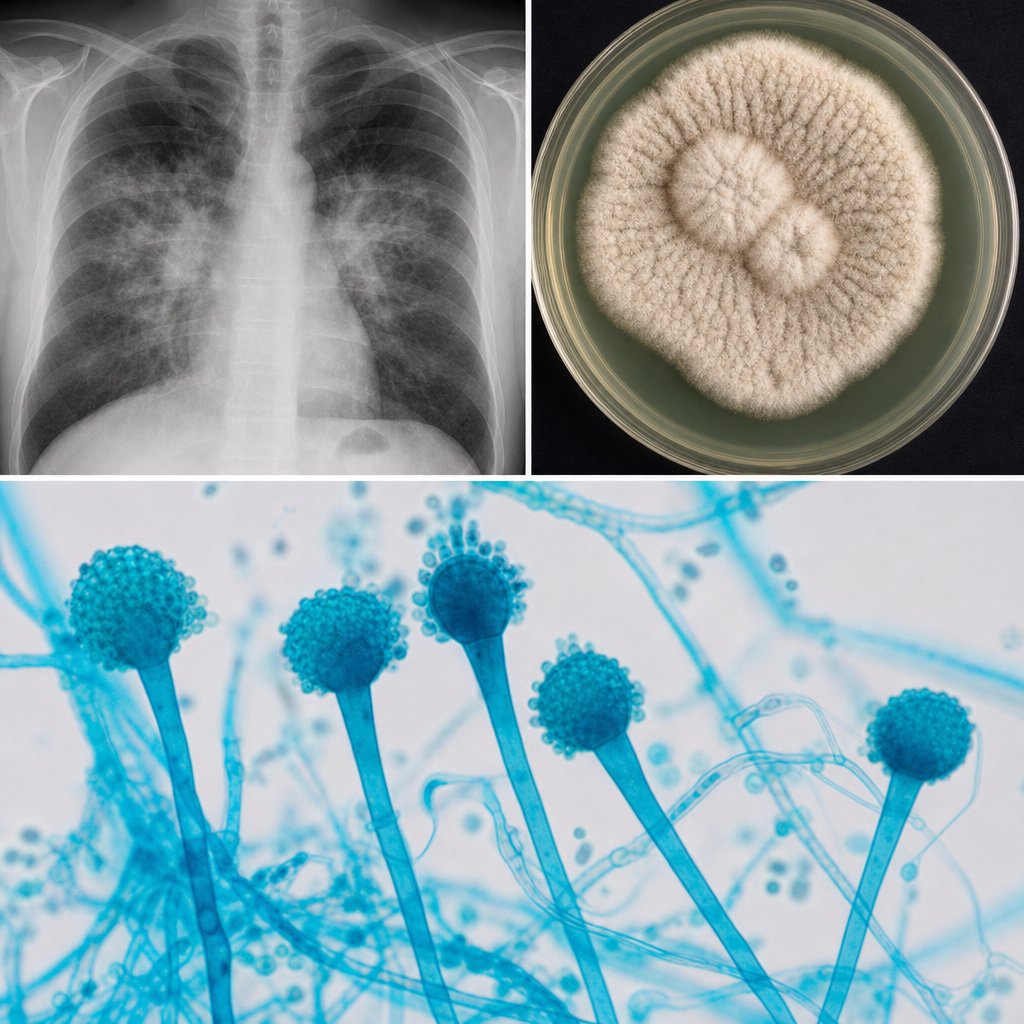
A 34-year-old man presents to the emergency department with a 3-day history of high fever, headache, and a productive cough. He recently returned from a construction project near the Ohio River Valley. Chest X-ray shows hilar lymphadenopathy and patchy infiltrates. A bronchoalveolar lavage specimen is sent to the laboratory. A methenamine silver stain of the BAL specimen identifies the causative organism, and culture later grows mold with tuberculate macroconidia.
A hospital implements silver-coated central venous catheters to reduce catheter-related bloodstream infections. Initial results show 60% reduction in infections at 1 week, but this benefit decreases to 20% reduction by 4 weeks. Electron microscopy of explanted catheters shows biofilm formation with embedded bacteria despite the silver coating. What mechanism best explains the loss of antimicrobial efficacy over time?
Want unlimited practice?
Get full access to all questions, explanations, and performance tracking.
Scan to download app