A 5-year-old boy presents to the emergency department with a sore throat and trouble breathing. His mother states that his symptoms started last night and have rapidly been worsening. The patient is typically healthy, has received all his childhood immunizations, and currently takes a daily multivitamin. His temperature is 103°F (39.4°C), blood pressure is 100/64 mmHg, pulse is 155/min, respirations are 29/min, and oxygen saturation is 95% on room air. Physical exam is notable for an ill-appearing child who is drooling and is leaning forward to breathe. He does not answer questions and appears very uncomfortable. He will not comply with physical exam to open his mouth for inspection of the oropharynx. Which of the following is the most likely infectious etiology of this patient's symptoms?
Q22
An 8-year-old child is brought to the emergency department because of profuse diarrhea and vomiting that have lasted for 2 days. The boy was born at 39 weeks gestation via spontaneous vaginal delivery. He is up to date on all vaccines and is meeting all developmental milestones. Past medical history is noncontributory. The family recently made a trip to India to visit relatives. Today, his heart rate is 100/min, respiratory rate is 22/min, blood pressure is 105/65 mm Hg, and temperature is 37.2ºC (99.0°F). On physical examination, he appears unwell with poor skin turgor and dry oral mucosa. His heart has a regular rate and rhythm and his lungs are clear to auscultation bilaterally. His abdomen is sensitive to shallow and deep palpation. A gross examination of the stool reveals a 'rice water' appearance. Diagnostic microbiology results are pending. Which of the following is the best diagnostic test to aid in the identification of this patient's condition?
Q23
Fifteen years ago, a physician was exposed to Mycobacterium tuberculosis during a medical mission trip to Haiti. A current CT scan of his chest reveals respiratory apical granulomas. The formation of this granuloma helped prevent the spread of the infection to other sites. Which pair of cells contributed to the walling-off of this infection?
Q24
A 24-year-old woman presents with 3 days of diarrhea. She was recently on vacation in Peru and admits that on her last day of the trip she enjoyed a dinner of the local food and drink. Upon return to the United States the next day, she developed abdominal cramps and watery diarrhea, occurring about 3-5 times per day. She has not noticed any blood or mucous in her stool. Vital signs are stable. On physical examination, she is well appearing in no acute distress. Which of the following is commonly associated with the likely underlying illness?
Q25
A 3-year-old boy is brought to the physician for the evaluation of recurrent skin lesions. The episodes of lesions started at the age of 3 months. He has also had several episodes of respiratory tract infections, enlarged lymph nodes, and recurrent fevers since birth. The boy attends daycare. The patient's immunizations are up-to-date. He is at the 5th percentile for length and 10th percentile for weight. He appears ill. Temperature is 38°C (100.4°F). Examination shows several raised, erythematous lesions of different sizes over the face, neck, groin, and extremities; some are purulent. Bilateral cervical and axillary lymphadenopathy are present. What is the most likely underlying mechanism of this patient's symptoms?
Q26
A 6-year-old girl is brought to the clinic by her mother with fever, sore throat, and a rash. The patient’s mother says that her symptoms started 3 days ago with a high-grade fever, sore throat, vomiting, and malaise. Twenty-four hours later, she says a rash appeared on the patient’s neck and, over the next 24 hours, spread to the trunk and extremities. The patient’s mother mentions she had a bad sore throat about a week ago but denies any chills, seizures, or sick contacts. The patient has no significant past medical history and takes no current medications. Her birth was uncomplicated, and she has been meeting all developmental milestones. The patient’s vital signs include: pulse 90/min, respiratory rate 20/min, temperature 39.0℃ (102.2℉), and blood pressure 90/50 mm Hg. On physical examination, the patient has a whole-body, erythematous punctate, maculopapular rash, as shown in the exhibit (see image). Oropharyngeal examination shows circumoral pallor and a red tongue. The remainder of the examination is unremarkable. Which of the following is the next best step in the management of this patient?
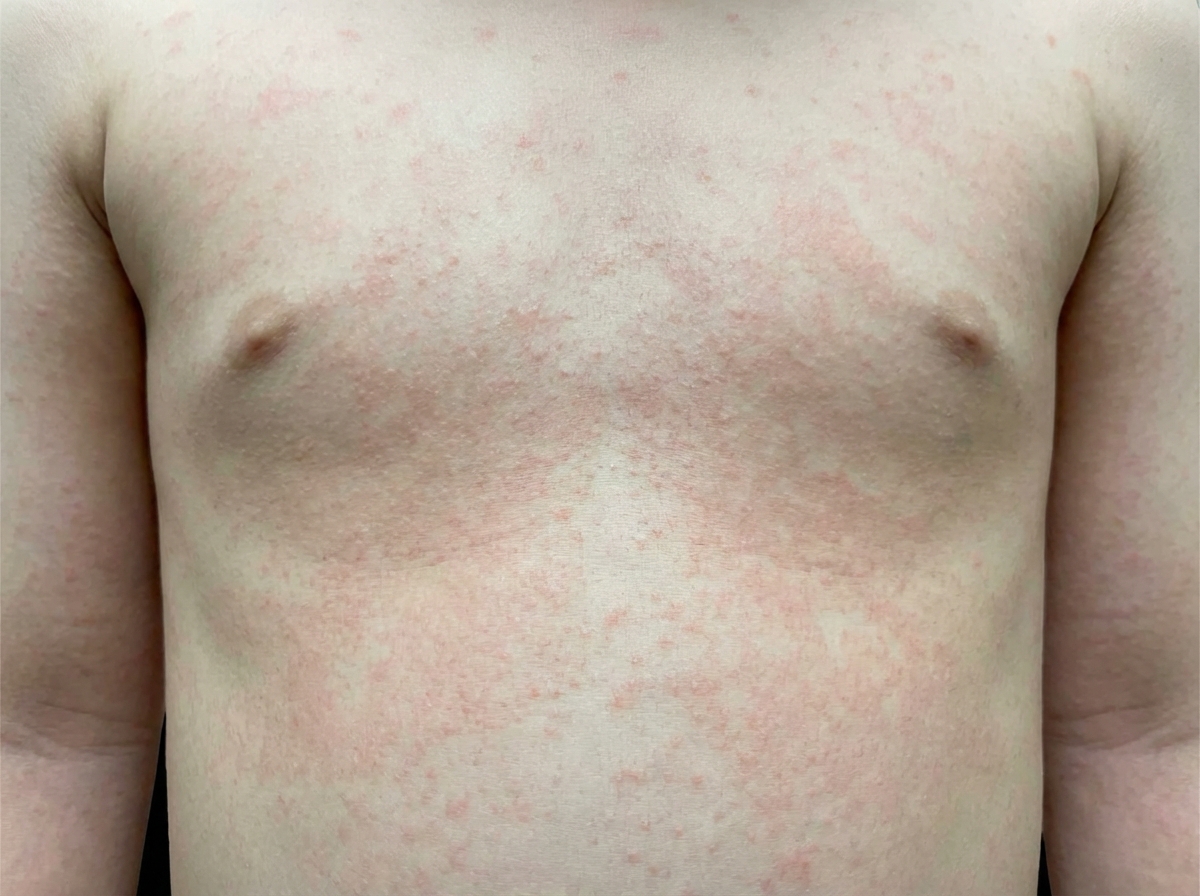
Q27
A 23-year-old woman goes to a walk-in clinic while on the fourth day of her honeymoon. She is very upset saying that her honeymoon is being ruined because she is in severe pain. She states that yesterday she began to experience severe pain with urination and seems to be urinating more frequently than normal. She does admit that she has been having increased sexual intercourse with her new husband while on their honeymoon. The physician diagnoses the patient and prescribes trimethoprim-sulfamethoxazole. Which of the following virulence factors is most likely responsible for this patient's infection?
Q28
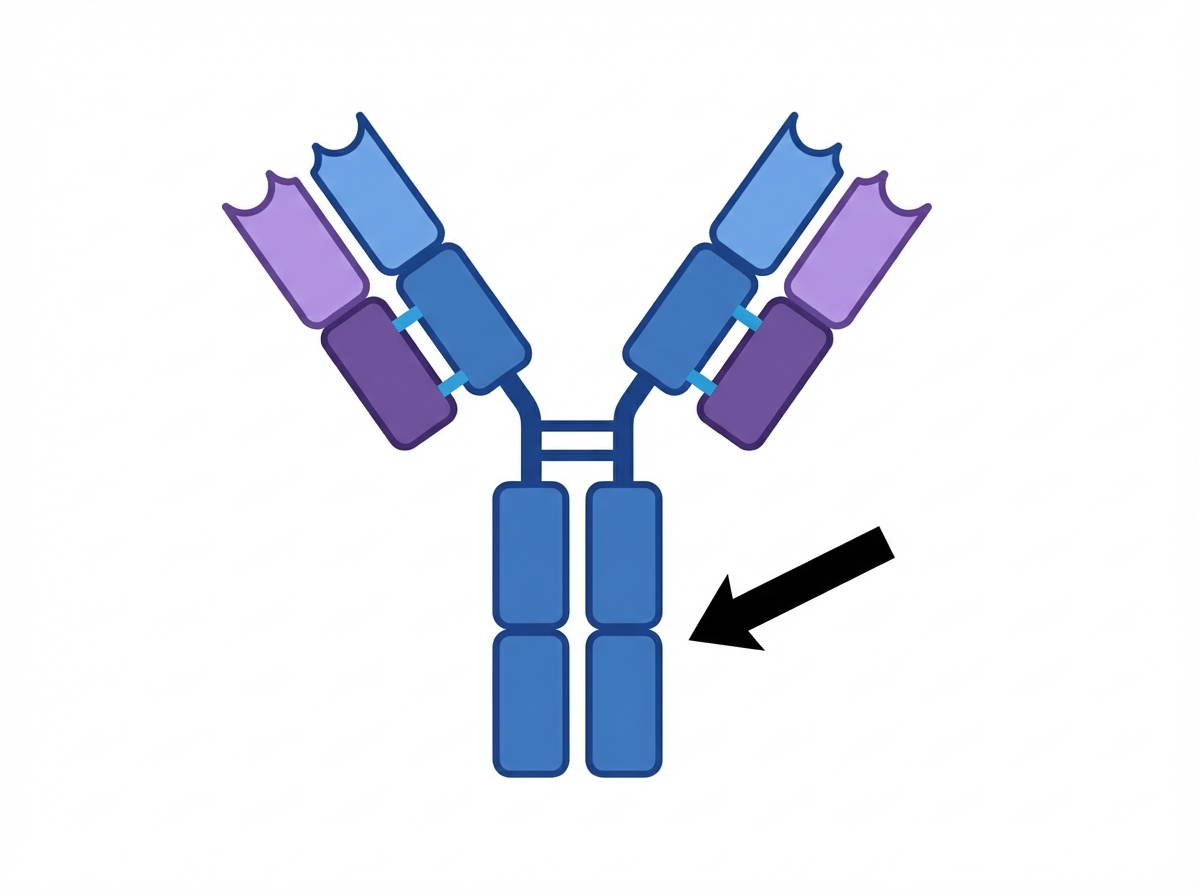
An investigator is studying the structure and function of immunoglobulins that are transmitted across the placenta from mother to fetus. The structure indicated by the arrow is primarily responsible for which of the following immunological events?
Q29
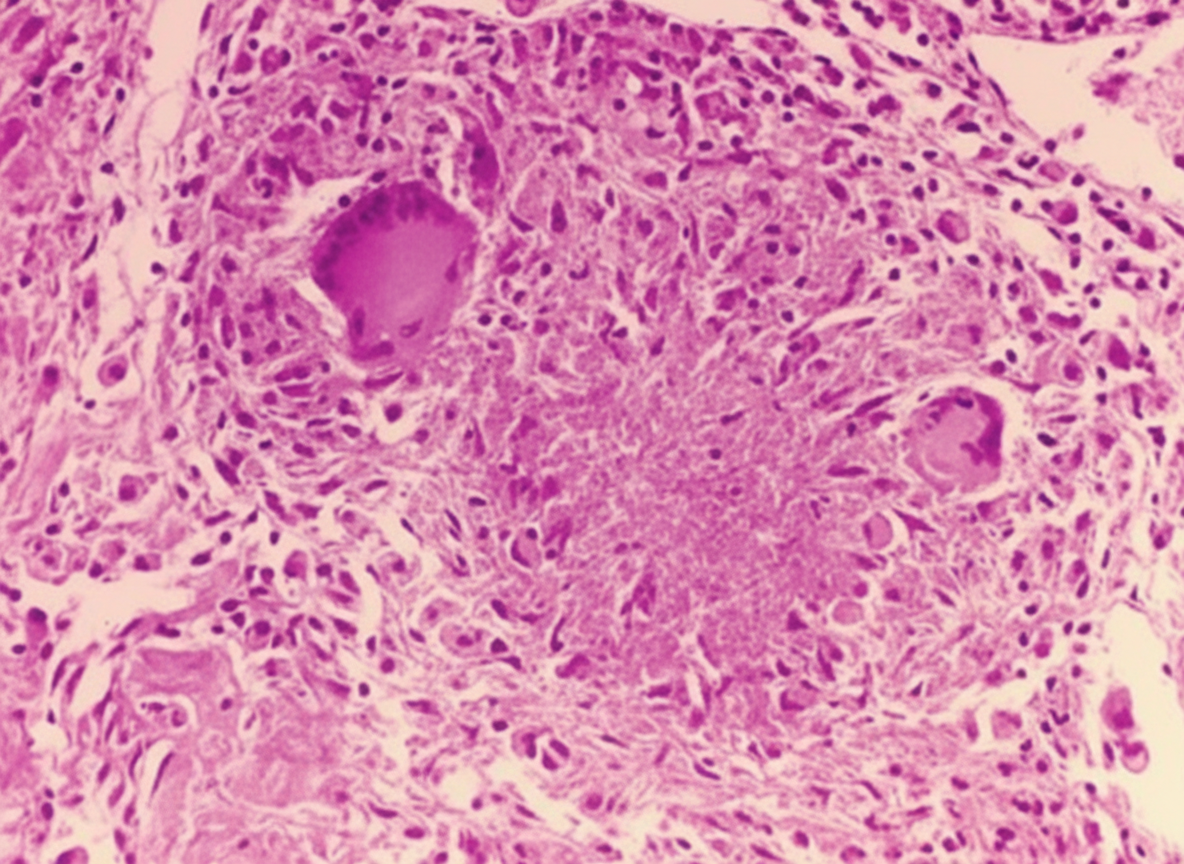
A 48-year-old man who emigrated from Sri Lanka 2 years ago comes to the physician because of a 1-month history of fever, cough, and a 6-kg (13-lb) weight loss. He appears ill. An x-ray of the chest shows patchy infiltrates in the upper lung fields with a cavernous lesion at the right apex. A CT-guided biopsy of the lesion is obtained. A photomicrograph of the biopsy specimen is shown. Which of the following surface antigens is most likely to be found on the cells indicated by the arrow?
Q30
A 52-year-old male presents with recent weight loss, fever, and joint pain. He reports frequent bouts of diarrhea. An intestinal biopsy demonstrates PAS-positive, non-acid fast macrophage inclusions in the lamina propria. Which of the following organisms is likely responsible for this patient’s illness:
Bacteria US Medical PG Practice Questions and MCQs
Question 21: A 5-year-old boy presents to the emergency department with a sore throat and trouble breathing. His mother states that his symptoms started last night and have rapidly been worsening. The patient is typically healthy, has received all his childhood immunizations, and currently takes a daily multivitamin. His temperature is 103°F (39.4°C), blood pressure is 100/64 mmHg, pulse is 155/min, respirations are 29/min, and oxygen saturation is 95% on room air. Physical exam is notable for an ill-appearing child who is drooling and is leaning forward to breathe. He does not answer questions and appears very uncomfortable. He will not comply with physical exam to open his mouth for inspection of the oropharynx. Which of the following is the most likely infectious etiology of this patient's symptoms?
A. Candida albicans
B. Haemophilus influenzae (Correct Answer)
C. Streptococcus pneumoniae
D. Epstein-Barr virus
E. Streptococcus viridans
Explanation: ***Haemophilus influenzae***
- This presentation is **classic for acute epiglottitis**: rapid onset of high fever, severe sore throat, **drooling**, **tripod positioning** (leaning forward), and refusal to open mouth due to airway compromise.
- *Haemophilus influenzae* type b (Hib) is the **classic and most well-known cause** of epiglottitis, and remains the correct answer for board examination purposes when this clinical presentation is described.
- Although Hib vaccination has dramatically reduced the incidence of epiglottitis, cases can still occur due to **vaccine failure**, **waning immunity**, or infection with **non-typeable strains**.
- The **"cherry-red epiglottis"** on direct laryngoscopy (when safely performed in the OR) is pathognomonic, though the physical exam should not be forced in an unstable patient.
*Candida albicans*
- *Candida albicans* causes **oral thrush** (oropharyngeal candidiasis), typically seen in immunocompromised patients or infants.
- Presents as **white, removable plaques** on the oral mucosa and tongue, causing discomfort but not acute airway obstruction.
- Does not cause the acute, life-threatening presentation of epiglottitis with respiratory distress and drooling.
*Streptococcus pneumoniae*
- While *Streptococcus pneumoniae* can cause epiglottitis in the post-vaccination era and is increasingly recognized, it is not the **classic board examination answer** for acute epiglottitis.
- More commonly causes **pneumonia**, **otitis media**, **sinusitis**, and **meningitis**.
- In clinical practice, it may be seen more frequently than Hib in vaccinated populations, but *H. influenzae* remains the prototypical cause tested on examinations.
*Epstein-Barr virus*
- **Epstein-Barr virus (EBV)** causes **infectious mononucleosis** with fever, exudative pharyngitis, posterior cervical lymphadenopathy, and splenomegaly.
- Symptoms develop over days to weeks, not the **rapid progression** (overnight) seen in this case.
- While EBV can cause tonsillar hypertrophy, it does not typically produce the acute airway emergency with drooling and tripod positioning characteristic of epiglottitis.
*Streptococcus viridans*
- **Viridans group streptococci** are normal oral flora and are associated with **dental caries** and **subacute bacterial endocarditis** following dental procedures or in patients with valvular disease.
- They are not significant pathogens in acute epiglottitis or upper airway obstruction in previously healthy children.
Question 22: An 8-year-old child is brought to the emergency department because of profuse diarrhea and vomiting that have lasted for 2 days. The boy was born at 39 weeks gestation via spontaneous vaginal delivery. He is up to date on all vaccines and is meeting all developmental milestones. Past medical history is noncontributory. The family recently made a trip to India to visit relatives. Today, his heart rate is 100/min, respiratory rate is 22/min, blood pressure is 105/65 mm Hg, and temperature is 37.2ºC (99.0°F). On physical examination, he appears unwell with poor skin turgor and dry oral mucosa. His heart has a regular rate and rhythm and his lungs are clear to auscultation bilaterally. His abdomen is sensitive to shallow and deep palpation. A gross examination of the stool reveals a 'rice water' appearance. Diagnostic microbiology results are pending. Which of the following is the best diagnostic test to aid in the identification of this patient's condition?
A. Methylene blue wet mount
B. Gram stain of stool sample
C. Dark-field microscopy
D. Rapid diagnostic test for cholera toxin
E. Stool culture on TCBS agar (Correct Answer)
Explanation: ***Stool culture on TCBS agar***
- The patient's symptoms (profuse watery diarrhea, vomiting, dehydration, history of travel to India) strongly suggest **cholera**, caused by *Vibrio cholerae*.
- **Thiosulfate-citrate-bile salts-sucrose (TCBS) agar** is a highly selective medium specifically used for isolating *Vibrio* species.
*Methylene blue wet mount*
- This test is primarily used to identify **white blood cells (leukocytes)** in stool, which indicate an inflammatory process, such as in *Shigella* or *Salmonella* infections.
- Cholera is a **non-inflammatory** diarrhea, so a methylene blue wet mount would likely be negative for leukocytes and therefore not helpful for diagnosis.
*Gram stain of stool sample*
- While Gram stain can classify bacteria, it is generally **not useful for diagnosing diarrheal diseases** caused by specific enteric pathogens, as stool contains a vast array of Gram-negative and Gram-positive bacteria.
- It would be difficult to identify *Vibrio cholerae* among the normal flora using this method alone.
*Dark-field microscopy*
- This technique is typically used to visualize **spirochetes**, such as *Treponema pallidum* (syphilis), due to their characteristic motility and morphology.
- While *Vibrio cholerae* are motile rods, dark-field microscopy is **not the standard or most sensitive method** for its identification in a stool sample, especially compared to selective cultures.
*Rapid diagnostic test for cholera toxin*
- While such tests exist and can be useful in epidemic settings for quick screening, they generally have **lower sensitivity and specificity** compared to culture-based methods.
- **Culture remains the gold standard** for definitive diagnosis, especially for guiding treatment and epidemiological surveillance.
Question 23: Fifteen years ago, a physician was exposed to Mycobacterium tuberculosis during a medical mission trip to Haiti. A current CT scan of his chest reveals respiratory apical granulomas. The formation of this granuloma helped prevent the spread of the infection to other sites. Which pair of cells contributed to the walling-off of this infection?
A. TH2 cells and macrophages
B. CD8 T cells and NK cells
C. TH1 cells and macrophages (Correct Answer)
D. TH2 cells and neutrophils
E. TH1 cells and neutrophils
Explanation: ***TH1 cells and macrophages***
- **TH1 cells** produce **IFN-γ**, which activates macrophages to become more effective at phagocytosing and killing intracellular pathogens like Mycobacterium tuberculosis.
- Activated **macrophages** differentiate into epithelioid cells and multinucleated giant cells, which, along with lymphocytes, form the characteristic **granuloma** to contain the infection.
*TH2 cells and macrophages*
- **TH2 cells** are primarily involved in humoral immunity and allergic responses, producing cytokines like **IL-4, IL-5, and IL-13**, which are not centrally involved in granuloma formation against intracellular bacteria.
- While macrophages are crucial for granuloma formation, their activation in the context of tuberculosis relies on **TH1 cytokine signaling**, rather than TH2.
*CD8 T cells and NK cells*
- **CD8 T cells** (cytotoxic T lymphocytes) primarily kill infected cells, playing a role in limiting viral infections or intracellular bacteria that escape phagosomes, but are not the main drivers of granuloma formation.
- **Natural killer (NK) cells** provide immediate defense against viruses and tumor cells, but are not the primary cellular components responsible for the organized structure of a tuberculous granuloma.
*TH2 cells and neutrophils*
- **TH2 cells** promote anti-parasitic responses and allergic inflammation, which are not the dominant immune pathways in controlling tuberculosis.
- **Neutrophils** are crucial in acute inflammation and bacterial clearance, but they are typically not the primary long-term cellular component of a mature **tuberculous granuloma**; rather, macrophages and T cells predominate.
*TH1 cells and neutrophils*
- While **TH1 cells** are essential for activating macrophages in tuberculosis, **neutrophils** are not the main effectors of granuloma formation.
- **Neutrophils** are more prominent in the early stages of infection and in acute inflammatory responses, but the characteristic structure of a chronic tuberculous granuloma relies on activated macrophages and lymphocytes.
Question 24: A 24-year-old woman presents with 3 days of diarrhea. She was recently on vacation in Peru and admits that on her last day of the trip she enjoyed a dinner of the local food and drink. Upon return to the United States the next day, she developed abdominal cramps and watery diarrhea, occurring about 3-5 times per day. She has not noticed any blood or mucous in her stool. Vital signs are stable. On physical examination, she is well appearing in no acute distress. Which of the following is commonly associated with the likely underlying illness?
A. Raw oysters
B. Soft cheese
C. Unwashed fruits and vegetables (Correct Answer)
D. Fried rice
E. Ground meat
Explanation: ***Unwashed fruits and vegetables***
- The patient's symptoms (watery diarrhea, abdominal cramps, recent travel to Peru, and consuming local food/drink) are highly suggestive of **Traveler's Diarrhea (TD)**. This condition is most commonly caused by **enterotoxigenic E. coli (ETEC)**.
- **Unwashed fruits and vegetables** are a common vehicle for the transmission of ETEC and other pathogens associated with TD, as they can be contaminated with fecal matter.
*Raw oysters*
- **Raw oysters** are typically associated with **Vibrio parahaemolyticus** or **norovirus** infections, which can cause gastroenteritis but are not the most common cause of Traveler's Diarrhea from contaminated food in a country like Peru.
- While they can cause diarrhea, the clinical picture is classic for Traveler's Diarrhea, where produce is a more frequent culprit.
*Soft cheese*
- **Soft cheeses**, especially unpasteurized ones, are more commonly associated with bacterial infections like **Listeria monocytogenes**, which can cause severe illness, but usually presents differently than typical Traveler's Diarrhea, often with fever and systemic symptoms.
- They are not a primary source for the common pathogens causing acute watery diarrhea in travelers.
*Fried rice*
- **Fried rice** is a common source of **Bacillus cereus** food poisoning, which typically causes a very rapid onset of vomiting within 1-6 hours (emetic form) or diarrhea within 6-15 hours (diarrheal form) after consumption.
- The patient's symptoms started the day after returning, suggesting a longer incubation period than typically seen with *B. cereus* from fried rice.
*Ground meat*
- **Ground meat**, particularly undercooked, is a common source of **enterohemorrhagic E. coli (EHEC)**, especially O157:H7, and **Salmonella** or **Campylobacter**.
- These typically cause more severe diarrhea, often with **bloody stools**, which the patient explicitly denied.
Question 25: A 3-year-old boy is brought to the physician for the evaluation of recurrent skin lesions. The episodes of lesions started at the age of 3 months. He has also had several episodes of respiratory tract infections, enlarged lymph nodes, and recurrent fevers since birth. The boy attends daycare. The patient's immunizations are up-to-date. He is at the 5th percentile for length and 10th percentile for weight. He appears ill. Temperature is 38°C (100.4°F). Examination shows several raised, erythematous lesions of different sizes over the face, neck, groin, and extremities; some are purulent. Bilateral cervical and axillary lymphadenopathy are present. What is the most likely underlying mechanism of this patient's symptoms?
A. Defective cytoplasmic tyrosine kinase
B. NADPH oxidase deficiency (Correct Answer)
C. Impaired signaling to actin cytoskeleton reorganization
D. Defective neutrophil chemotaxis
E. Impaired repair of double-strand DNA breaks
Explanation: ***NADPH oxidase deficiency***
- The recurrent skin abscesses (purulent lesions), respiratory tract infections, lymphadenopathy, and fevers point to chronic granulomatous disease (CGD), which is caused by a deficiency in **NADPH oxidase**.
- **NADPH oxidase** is essential for the production of reactive oxygen species (ROS) in phagocytes, which are critical for killing catalase-positive bacteria and fungi.
*Defective cytoplasmic tyrosine kinase*
- This mechanism is associated with **X-linked agammaglobulinemia (Bruton's agammaglobulinemia)**, which primarily causes recurrent bacterial infections due to a lack of B cells and antibodies.
- While recurrent infections occur, the typical presentation involves encapsulated bacteria and lacks the widespread purulent skin lesions and lymphadenopathy seen in CGD.
*Impaired signaling to actin cytoskeleton reorganization*
- This defect is characteristic of **Wiskott-Aldrich syndrome**, leading to thrombocytopenia, eczema, and recurrent infections, particularly by encapsulated bacteria.
- The clinical picture of recurrent widespread skin abscesses and granuloma formation is not typical for Wiskott-Aldrich syndrome.
*Defective neutrophil chemotaxis*
- This can be seen in conditions like **leukocyte adhesion deficiency (LAD)** or **Chédiak-Higashi syndrome**.
- LAD presents with recurrent bacterial infections, impaired wound healing, and delayed umbilical cord separation, while Chédiak-Higashi involves partial oculocutaneous albinism and recurrent pyogenic infections, distinct from this patient's symptoms.
*Impaired repair of double-strand DNA breaks*
- This defect is associated with conditions like **ataxia-telangiectasia**, which involves cerebellar ataxia, telangiectasias, and immunodeficiency (T-cell and IgA deficiency).
- The patient's symptoms of recurrent purulent skin lesions and infections are not characteristic of the DNA repair defects seen in ataxia-telangiectasia.
Question 26: A 6-year-old girl is brought to the clinic by her mother with fever, sore throat, and a rash. The patient’s mother says that her symptoms started 3 days ago with a high-grade fever, sore throat, vomiting, and malaise. Twenty-four hours later, she says a rash appeared on the patient’s neck and, over the next 24 hours, spread to the trunk and extremities. The patient’s mother mentions she had a bad sore throat about a week ago but denies any chills, seizures, or sick contacts. The patient has no significant past medical history and takes no current medications. Her birth was uncomplicated, and she has been meeting all developmental milestones. The patient’s vital signs include: pulse 90/min, respiratory rate 20/min, temperature 39.0℃ (102.2℉), and blood pressure 90/50 mm Hg. On physical examination, the patient has a whole-body, erythematous punctate, maculopapular rash, as shown in the exhibit (see image). Oropharyngeal examination shows circumoral pallor and a red tongue. The remainder of the examination is unremarkable. Which of the following is the next best step in the management of this patient?
A. Serology for IgM and IgG antibodies
B. Rapid antigen test (Correct Answer)
C. PCR
D. Serum CRP and ESR
E. Supportive treatment
Explanation: ***Rapid antigen test***
- The clinical picture strongly suggests **scarlet fever** due to *Streptococcus pyogenes* (Group A Streptococcus), characterized by fever, sore throat, vomiting, a characteristic "sandpaper" rash, circumoral pallor, and a red tongue.
- A **rapid antigen detection test (RADT)** is the most appropriate next step to confirm the diagnosis of streptococcal pharyngitis, allowing for timely antibiotic treatment to prevent complications like **rheumatic fever**.
*Serology for IgM and IgG antibodies*
- Serology for IgM and IgG antibodies is generally used for diagnosing **viral infections** (e.g., Epstein-Barr virus, cytomegalovirus) or certain atypical bacterial infections, but it is not the primary diagnostic tool for acute streptococcal pharyngitis.
- Antibody testing (e.g., antistreptolysin O – ASO titer) typically reflects **past infection** or **rheumatic fever complications** rather than acute infection for immediate management.
*PCR*
- **PCR (Polymerase Chain Reaction)** can detect bacterial DNA but is usually reserved for cases where rapid antigen tests are negative and there is a high suspicion, or for specific epidemiologic investigations, as it is generally more expensive and takes longer than RADT for routine diagnosis of strep throat.
- While highly sensitive, its utility as the *next best step* for acute diagnosis in a typical presentation of scarlet fever is less direct than a rapid antigen test, which yields immediate results for guiding therapy.
*Serum CRP and ESR*
- **C-reactive protein (CRP)** and **erythrocyte sedimentation rate (ESR)** are non-specific markers of **inflammation**.
- While they would likely be elevated in an infection like scarlet fever, they do not pinpoint the specific etiology or guide direct treatment decisions for streptococcal pharyngitis.
*Supportive treatment*
- While supportive care (e.g., antipyretics, hydration) is important, **antibiotic treatment** is crucial for **scarlet fever** to prevent serious complications like **acute rheumatic fever** and **post-streptococcal glomerulonephritis**.
- Initiating antibiotics without confirmatory testing or specifically ruling out strep throat would be inappropriate given the potential for severe sequelae if left untreated.
Question 27: A 23-year-old woman goes to a walk-in clinic while on the fourth day of her honeymoon. She is very upset saying that her honeymoon is being ruined because she is in severe pain. She states that yesterday she began to experience severe pain with urination and seems to be urinating more frequently than normal. She does admit that she has been having increased sexual intercourse with her new husband while on their honeymoon. The physician diagnoses the patient and prescribes trimethoprim-sulfamethoxazole. Which of the following virulence factors is most likely responsible for this patient's infection?
A. Exotoxin
B. Flagella
C. K capsule
D. P fimbriae (Correct Answer)
E. LPS endotoxin
Explanation: ***P fimbriae***
- The patient presents with classic **acute cystitis** (UTI), commonly caused by **uropathogenic E. coli (UPEC)**, especially in sexually active women ("honeymoon cystitis").
- **Fimbrial adhesins are the most critical virulence factor** for E. coli UTIs, enabling bacteria to adhere to uroepithelial cells and resist being flushed out by urine flow.
- Note: **Type 1 fimbriae** (which bind mannose on bladder epithelium) are actually the primary adhesins for **cystitis**, while **P fimbriae** (which bind P blood group antigens) are more specific for **pyelonephritis** (upper UTI).
- In this question context, "P fimbriae" represents the broader concept of **fimbrial adhesion** as the key mechanism—making it the best answer among the options provided, as adhesion is essential for colonization and infection.
*Exotoxin*
- E. coli causing uncomplicated UTIs do not rely on exotoxin production as their primary pathogenic mechanism.
- Exotoxins are associated with diseases like diphtheria, botulism, or cholera with different clinical presentations.
*Flagella*
- **Flagella** provide motility, helping bacteria ascend the urinary tract.
- However, motility is secondary to **adhesion**—bacteria must first attach to uroepithelium to establish infection; without fimbriae, they would be washed away regardless of motility.
*K capsule*
- The **K capsule** (polysaccharide capsule) provides antiphagocytic properties and serum resistance, particularly important in invasive infections like **pyelonephritis** or **bacteremia**.
- While it contributes to virulence in severe UTIs, **adhesion is the critical first step** for establishing bladder colonization in cystitis.
*LPS endotoxin*
- **LPS (lipopolysaccharide)** is a structural component of Gram-negative bacteria that triggers inflammatory responses when released.
- LPS causes systemic symptoms (fever, shock) in severe infections or sepsis, but it is not the primary virulence factor responsible for the **localized bladder symptoms** (dysuria, frequency) characteristic of simple cystitis.
- The infection establishes via adhesion first; LPS effects are secondary inflammatory consequences.
Question 28: An investigator is studying the structure and function of immunoglobulins that are transmitted across the placenta from mother to fetus. The structure indicated by the arrow is primarily responsible for which of the following immunological events?
A. Fixing of complement (Correct Answer)
B. Determination of idiotype
C. Attachment to antigen
D. Formation of dimer
E. Binding to mast cells
Explanation: ***Fixing of complement***
- The arrow points to the **Fc region and stem of the IgG** molecule, which contains the complement-binding site.
- This region is primarily responsible for activating the **classical complement pathway**, thereby facilitating immune responses.
*Determination of idiotype*
- The **idiotype** is determined by the **antigen-binding sites** (variable regions) of the antibody, specifically the CDRs.
- These regions are located at the **tips of the Fab arms**, not the Fc stem.
*Attachment to antigen*
- **Antigen binding** occurs at the **Fab regions** of the antibody, which are formed by the variable domains of both heavy and light chains.
- The area indicated by the arrow (Fc region) does not directly bind antigens.
*Formation of dimer*
- **IgA** is typically the immunoglobulin that forms a **dimer** in secretions, linked by a J chain.
- The immunoglobulin in the diagram is a **monomer** (IgG) and the indicated region is not involved in dimer formation.
*Binding to mast cells*
- **IgE** is the antibody class primarily responsible for **binding to mast cells** and basophils via its Fc region, mediating allergic reactions.
- While IgG can bind to some Fc receptors on immune cells, its primary interaction with mast cells is not as prominent as IgE's.
Question 29: A 48-year-old man who emigrated from Sri Lanka 2 years ago comes to the physician because of a 1-month history of fever, cough, and a 6-kg (13-lb) weight loss. He appears ill. An x-ray of the chest shows patchy infiltrates in the upper lung fields with a cavernous lesion at the right apex. A CT-guided biopsy of the lesion is obtained. A photomicrograph of the biopsy specimen is shown. Which of the following surface antigens is most likely to be found on the cells indicated by the arrow?
A. CD8
B. CD14 (Correct Answer)
C. CD40L
D. CD34
E. CD56
Explanation: ***Correct: CD14***
- The clinical presentation with fever, cough, weight loss, patchy upper lung infiltrates, and a cavitary lesion is classic for **pulmonary tuberculosis**.
- The photomicrograph shows a **granuloma** with **epithelioid macrophages** (indicated by the arrow) attempting to contain the mycobacterial infection.
- **CD14** is a lipopolysaccharide receptor and a **classic surface marker for macrophages and monocytes**, making it the correct answer for identifying these cells.
- Granulomas in TB are primarily composed of activated macrophages (epithelioid cells) surrounded by lymphocytes.
*Incorrect: CD8*
- **CD8** is a surface marker for **cytotoxic T lymphocytes** (CTLs), which do play a role in cell-mediated immunity against tuberculosis.
- While CD8+ T cells are present in the granuloma periphery and contribute to the immune response, they are not the predominant cells forming the granuloma core shown by the arrow.
- The arrow typically points to the large epithelioid macrophages, not lymphocytes.
*Incorrect: CD40L*
- **CD40L** (CD154) is expressed on **activated CD4+ T helper cells** and mediates interactions with B cells and antigen-presenting cells.
- While CD40-CD40L interactions are important for granuloma formation and maintenance, CD40L itself is not a marker for macrophages.
- The cells indicated by the arrow are macrophages, not T helper cells.
*Incorrect: CD34*
- **CD34** is a marker for **hematopoietic stem and progenitor cells** and **vascular endothelial cells**.
- It is not expressed on mature, differentiated immune cells like macrophages.
- CD34+ cells would be found in bone marrow or blood vessel walls, not within granulomas.
*Incorrect: CD56*
- **CD56** (NCAM) is a surface marker for **Natural Killer (NK) cells** and some NKT cell subsets.
- While NK cells participate in early innate immune responses to infections, they are not a predominant component of organized granulomas.
- The granuloma structure in chronic TB is dominated by macrophages, not NK cells.
Question 30: A 52-year-old male presents with recent weight loss, fever, and joint pain. He reports frequent bouts of diarrhea. An intestinal biopsy demonstrates PAS-positive, non-acid fast macrophage inclusions in the lamina propria. Which of the following organisms is likely responsible for this patient’s illness:
A. Giardia lamblia
B. Campylobacter jejuni
C. Tropheryma whippleii (Correct Answer)
D. Ascaris lumbricoides
E. Mycobacterium avium-intracellulare complex
Explanation: ***Tropheryma whippleii***
- The constellation of **weight loss**, **fever**, **joint pain**, **diarrhea**, and specifically a biopsy showing **PAS-positive, non-acid-fast macrophage inclusions** in the lamina propria is pathognomonic for **Whipple's disease**, caused by *Tropheryma whippleii*.
- These macrophages are engorged with undigested bacterial components, which stain magenta with **Periodic acid–Schiff (PAS)** stain due to their bacterial cell wall glycolipids.
*Giardia lamblia*
- This parasite commonly causes **diarrhea** and malabsorption but does not typically lead to systemic symptoms like fever and arthritis.
- Intestinal biopsies would show **trophozoites** or **cysts** in the lumen or attached to the mucosa, not PAS-positive macrophage inclusions.
*Campylobacter jejuni*
- A common cause of **bacterial gastroenteritis**, presenting with bloody diarrhea, fever, and abdominal pain.
- While it can cause **reactive arthritis**, its presence in the intestine does not lead to **PAS-positive macrophage inclusions** in the lamina propria; rather, it causes acute inflammatory changes.
*Ascaris lumbricoides*
- This is a large intestinal nematode that can cause abdominal pain, malnutrition, and bowel obstruction in heavy infections.
- It does not cause systemic symptoms like **fever** and **arthritis**, nor does it result in distinct macrophage inclusions on biopsy.
*Mycobacterium avium-intracellulare complex*
- While **MAC** can cause intestinal infection, particularly in immunocompromised individuals, leading to malabsorption and diarrhea, its characteristic feature on biopsy would be **acid-fast positive** macrophages.
- The question specifically states **non-acid-fast** inclusions, differentiating it from MAC infection.