A previously healthy 13-year-old girl is brought to the physician by her parents because of a 2-day history of low-grade fever, headache, nausea, and a sore throat. Examination of the oral cavity shows enlarged, erythematous tonsils with exudates and palatal petechiae. There is cervical lymphadenopathy. Her parents agree to her participating in a study of microbial virulence factors. A culture of the girl's throat is obtained and an organism is cultivated. The physician finds that the isolated organism is able to withstand phagocytosis when placed in fresh blood. The most likely explanation for this finding is the expression of which of the following?
Q162
A 55-year-old man presents with fever, chills, fatigue, cough, sore throat, and breathlessness for the past 7 days. He describes the cough as productive and says he is fatigued all the time. He says he is a farmer with daily contact with rabbits, horses, sheep, pigeons, and chickens and reports cleaning the barn 3 days before his symptoms started. The patient denies any history of tick bites. Past medical history is irrelevant. His temperature is 39.4°C (103.0°F), pulse is 110/min, and respirations are 26/min. On physical examination, there are decreased breath sounds on the right side. A large tender node is palpable in the right axilla. A chest radiograph reveals multiple homogenous opacities in the lower lobe of the right lung and a right-sided pleural effusions. Gram staining of a sputum sample is negative for any organism. Serology tests are negative. Which of the following is the most likely causative organism for this patient’s condition?
Q163
A 4-year-old boy presents with bloody diarrhea. The patient’s mother states that he was fine this morning, but around midday, she received a call from his daycare center stating that the patient had a single bloody bowel movement. His mother states that there have been no recent changes in his diet, although they did attend a barbecue over the weekend. The patient has no recent history of fever, chills, or similar symptoms in the past. No significant past medical history. Initial laboratory studies show an elevated white blood cell (WBC) count, anemia, and a blood urea nitrogen (BUN)/creatinine ratio of 40. Stool examination shows 3+ blood but no fecal leukocytes. Which of the following tests would be diagnostic for this patient’s most likely condition?
Q164
A 10-month-old boy is brought to the emergency department by his parents because he has a high fever and severe cough. His fever started 2 days ago and his parents are concerned as he is now listless and fatigued. He had a similar presentation 5 months ago and was diagnosed with pneumonia caused by Staphylococcus aureus. He has been experiencing intermittent diarrhea and skin abscesses since birth. The child had an uneventful birth and the child is otherwise developmentally normal. Analysis of this patient's sputum reveals acute angle branching fungi and a throat swab reveals a white plaque with germ tube forming yeast. Which of the following is most likely to be abnormal in this patient?
Q165
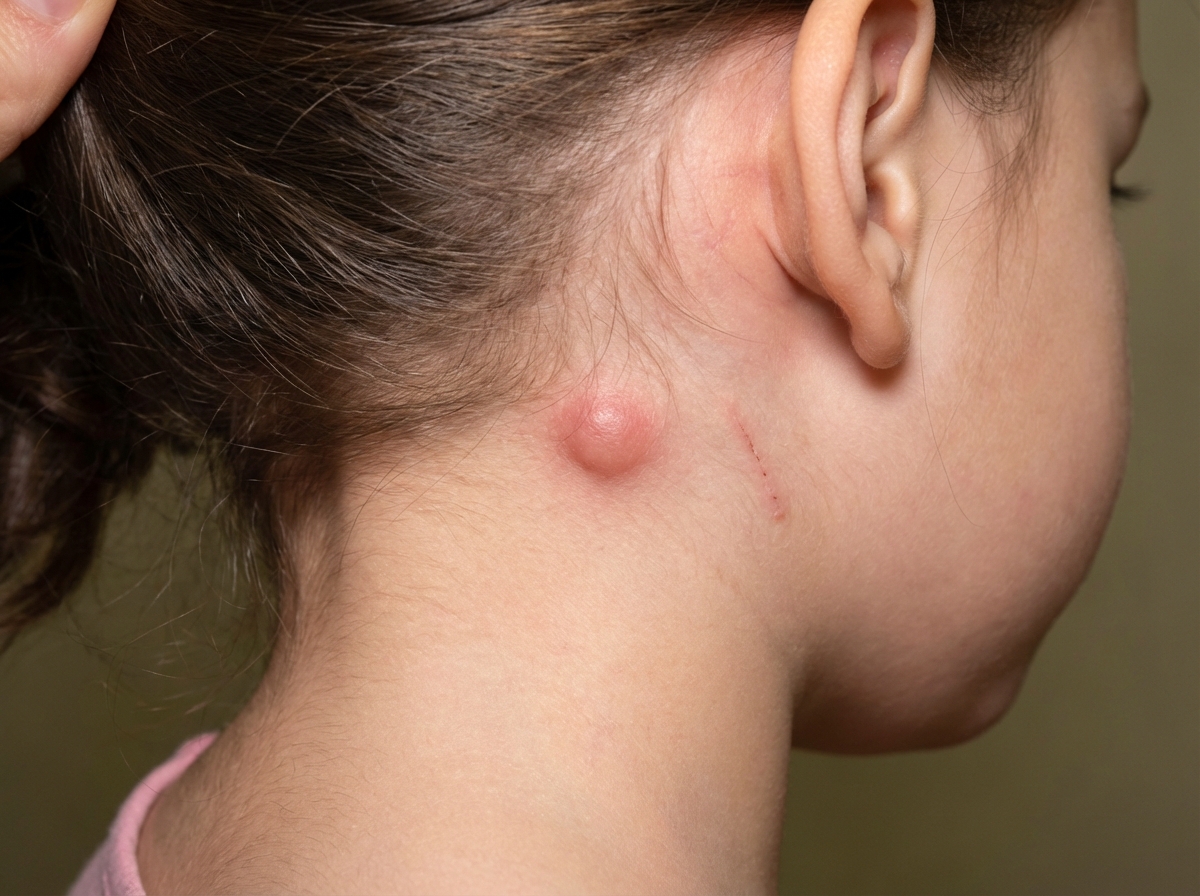
An 8-year-old girl is brought into your clinic with a 5 day history of decreased oral intake, body aches and lymphadenopathy. She has no significant medical history. Upon further questioning you find that the patient frequently plays outside, where she enjoys chasing the neighborhood cats and dogs. She has had no recent sick contacts or travel to foreign countries. The patients vital signs are: temperature 100.4F, HR 80, BP 105/75 and RR 15. Physical exam is significant for a 1-cm erythematous and tender lymph node in the right posterior cervical area (Figure 1). There is a nearly healed scratch in the right occipital region. What is the most likely diagnosis for this patient?
Q166
A scientist is studying the process by which innate immune cells are able to respond to damage and pathogen infiltration. Specifically, she examines patients with an immunodeficiency where they are unable to respond to local infections. She notices that these patients do not produce pustulant fluid and do not have recruitment of immune cells in the first several hours of inflammation. Examining neutrophils within these patients reveals that they are able to slow their movement in a flow chamber by loosely attaching to purified vessel tissues. Subsequently, she shows that the neutrophils attach tightly to these vessel walls and move across the walls to the other side. Finally, when different levels of pathogenic proteins are placed on two sides of a purified vessel wall, the neutrophils from this patient do not exhibit a preference between the two sides. The step of neutrophil recruitment that is most likely defective in this patient involves which of the following mediators?
Q167
A 46-year-old man is brought to the emergency room by police after being found passed out on the sidewalk. He is intermittently alert and smells strongly of alcohol. He is unable to provide a history, but an electronic medical record search reveals that the patient has a history of alcohol abuse and was seen in the emergency room twice in the past year for alcohol intoxication. Further review of the medical record reveals that he works as a day laborer on a farm. His temperature is 98.8°F (37.1°C), blood pressure is 122/78 mmHg, pulse is 102/min, and respirations are 14/min. On examination, he is somnolent but arousable. He has vomitus on his shirt. He is given intravenous fluids and provided with supportive care. He vomits twice more and is discharged 6 hours later. However, 6 days after discharge, he presents to the emergency room again complaining of shortness of breath and fever. His temperature is 102°F (38.9°C), blood pressure is 100/58 mmHg, pulse is 116/min, and respirations are 24/min. The patient is actively coughing up foul-smelling purulent sputum. Which of the following is the most likely cause of this patient’s current symptoms?
Q168
An autopsy of a 75-year-old man reveals obliterating endarteritis of the vasa vasorum of the aorta. Which of the following investigations will most likely be positive in this patient?
Q169
A group of scientists is studying various methods of bacterial reproduction. They find out that bacteria also exchange genetic material via these reproductive processes. They are about to study one such method known as bacterial conjugation. Which of the following occurs through bacterial conjugation?
Q170
Ten days after undergoing left hip replacement, a 73-year-old hospitalized man develops a fever, dyspnea, cough productive of yellow sputum, confusion, nausea, and diarrhea. Several patients in the hospital report similar symptoms. Physical examination shows decreased breath sounds on the left side and inspiratory crackles over the left lung. An x-ray of the chest shows opacities in the lower lobe of the left lung. Treatment with ampicillin does not improve his symptoms. Subsequent evaluation of the patient's urine detects a pathogen-specific antigen, confirming the diagnosis. Which of the following sources of infection is most likely responsible for this local disease outbreak?
Bacteria US Medical PG Practice Questions and MCQs
Question 161: A previously healthy 13-year-old girl is brought to the physician by her parents because of a 2-day history of low-grade fever, headache, nausea, and a sore throat. Examination of the oral cavity shows enlarged, erythematous tonsils with exudates and palatal petechiae. There is cervical lymphadenopathy. Her parents agree to her participating in a study of microbial virulence factors. A culture of the girl's throat is obtained and an organism is cultivated. The physician finds that the isolated organism is able to withstand phagocytosis when placed in fresh blood. The most likely explanation for this finding is the expression of which of the following?
A. M Protein (Correct Answer)
B. Protein A
C. Hyaluronidase
D. IgA protease
E. Streptolysin O
Explanation: ***M Protein***
- **M protein** is a major **virulence factor** of *Streptococcus pyogenes*, the likely causative agent of the observed pharyngitis, allowing it to resist **phagocytosis** by inhibiting complement activation and binding to fibrinogen.
- The clinical presentation of **erythematous tonsils with exudates**, **palatal petechiae**, and **cervical lymphadenopathy** is highly characteristic of streptococcal pharyngitis (strep throat).
*Protein A*
- **Protein A** is a virulence factor associated with *Staphylococcus aureus*, which binds to the **Fc region of IgG** antibodies, thereby preventing opsonization and phagocytosis.
- *S. aureus* typically causes skin infections, abscesses, or food poisoning, which do not align with the given symptoms of pharyngitis and palatal petechiae.
*Hyaluronidase*
- **Hyaluronidase** is an enzyme produced by several bacteria, including *Streptococcus pyogenes* and *Staphylococcus aureus*, which breaks down **hyaluronic acid in connective tissue**, facilitating bacterial spread.
- While it contributes to invasiveness, hyaluronidase itself does not directly protect bacteria from **phagocytosis** in fresh blood in the same manner as M protein.
*IgA protease*
- **IgA protease** is an enzyme produced by bacteria such as *Neisseria gonorrhoeae*, *Neisseria meningitidis*, and *Haemophilus influenzae*, which cleaves **secretory IgA** antibodies.
- This enzyme helps bacteria colonize mucous membranes by inactivating superficial antibodies, but it does not directly prevent **phagocytosis** by immune cells in fresh blood.
*Streptolysin O*
- **Streptolysin O** is an **exotoxin** produced by *Streptococcus pyogenes* that causes **hemolysis** and is toxic to various host cells, including phagocytes.
- While it contributes to tissue damage and can inhibit phagocyte function, it primarily acts by lysing cells rather than preventing the initial engulfment from occurring, as M protein does.
Question 162: A 55-year-old man presents with fever, chills, fatigue, cough, sore throat, and breathlessness for the past 7 days. He describes the cough as productive and says he is fatigued all the time. He says he is a farmer with daily contact with rabbits, horses, sheep, pigeons, and chickens and reports cleaning the barn 3 days before his symptoms started. The patient denies any history of tick bites. Past medical history is irrelevant. His temperature is 39.4°C (103.0°F), pulse is 110/min, and respirations are 26/min. On physical examination, there are decreased breath sounds on the right side. A large tender node is palpable in the right axilla. A chest radiograph reveals multiple homogenous opacities in the lower lobe of the right lung and a right-sided pleural effusions. Gram staining of a sputum sample is negative for any organism. Serology tests are negative. Which of the following is the most likely causative organism for this patient’s condition?
A. Mycoplasma pneumoniae
B. Staphylococcus aureus
C. Bacillus anthracis
D. Francisella tularensis (Correct Answer)
E. Yersinia pestis
Explanation: ***Francisella tularensis***
- This patient's symptoms (fever, chills, fatigue, cough, sore throat, breathlessness, unilateral axillary lymphadenopathy) combined with his occupation as a farmer and recent exposure to various animals (rabbits, sheep, pigeons, chickens) are highly suggestive of **tularemia**.
- **Tularemia**, caused by **_Francisella tularensis_**, can manifest as pneumonic tularemia (given the lung opacities and pleural effusion) and can also present with prominent lymphadenopathy, especially if there's inoculation through skin (e.g., handling infected animals or their products). The negative Gram stain is also consistent, as it is a **fastidious gram-negative coccobacillus** often difficult to culture or visualize.
*Mycoplasma pneumoniae*
- While **_Mycoplasma pneumoniae_** can cause atypical pneumonia with respiratory symptoms, it typically does not present with pronounced **axillary lymphadenopathy** or a history of severe systemic illness and animal exposure as seen here.
- The chest radiograph findings of **multiple homogenous opacities** are less typical for _Mycoplasma_ pneumonia, which often shows more diffuse or interstitial patterns.
*Staphylococcus aureus*
- **_Staphylococcus aureus_** can cause severe pneumonia, often necrotizing, with effusions, but it usually presents with a more acute onset, can be associated with other risk factors (e.g., intravenous drug use, influenza), and would typically be visible on **Gram stain** as gram-positive cocci in clusters.
- While S. aureus can cause lymphadenitis, the overall clinical picture, including the specific exposure history and the **negative Gram stain**, makes it less likely than _Francisella tularensis_.
*Bacillus anthracis*
- **_Bacillus anthracis_** could be considered due to animal exposure, as it causes **anthrax**. However, inhalational anthrax typically presents with rapid progression to severe mediastinal widening and hemorrhagic pleural effusions on chest imaging, often leading to very high mortality.
- The described lung opacities and the axillary lymphadenopathy, while possible with anthrax, do not fit as precisely as **tularemia** given the specific **farmer exposure** and symptoms.
*Yersinia pestis*
- **_Yersinia pestis_** causes **plague**, which can manifest as pneumonic plague or bubonic plague. Pneumonic plague presents with severe, rapidly progressive pneumonia. Bubonic plague is characterized by painful, swollen lymph nodes (**buboes**).
- While the patient has lymphadenopathy and lung involvement, the history of exposure to various farm animals (especially rabbits, which are common carriers of tularemia) combined with the less hyperacute presentation compared to typical plague, makes **_Francisella tularensis_** a more fitting diagnosis.
Question 163: A 4-year-old boy presents with bloody diarrhea. The patient’s mother states that he was fine this morning, but around midday, she received a call from his daycare center stating that the patient had a single bloody bowel movement. His mother states that there have been no recent changes in his diet, although they did attend a barbecue over the weekend. The patient has no recent history of fever, chills, or similar symptoms in the past. No significant past medical history. Initial laboratory studies show an elevated white blood cell (WBC) count, anemia, and a blood urea nitrogen (BUN)/creatinine ratio of 40. Stool examination shows 3+ blood but no fecal leukocytes. Which of the following tests would be diagnostic for this patient’s most likely condition?
A. Polymerase chain reaction (PCR) for DNA sequences in stool
B. Test stool for C. difficile toxins
C. Gram stain for gull-winged, curved rods
D. Stool culture in sorbitol-MacConkey medium (Correct Answer)
E. Sigmoidoscopy
Explanation: ***Stool culture in sorbitol-MacConkey medium***
- This patient's symptoms (bloody diarrhea, recent barbecue) and lab findings (anemia, elevated BUN/creatinine ratio suggesting **hemolytic uremic syndrome** or HUS) are highly suggestive of **E. coli O157:H7 infection**.
- **Sorbitol-MacConkey agar** is a selective medium used to differentiate non-sorbitol-fermenting E. coli O157:H7 from other E. coli strains, which typically ferment sorbitol.
*Polymerase chain reaction (PCR) for DNA sequences in stool*
- While **PCR** can detect bacterial DNA, it is generally used for specific targets like **toxins (e.g., Shiga toxin)** or for organisms difficult to culture.
- A direct PCR for unspecified DNA sequences wouldn't be as specific or definitive as a targeted culture for *E. coli O157:H7* in this clinical context.
*Test stool for C. difficile toxins*
- **Clostridium difficile infection** typically presents with watery diarrhea, although it can cause bloody diarrhea in severe cases and often follows antibiotic use.
- The patient's history of a barbecue and the specific clinical picture (risk for HUS) make *C. difficile* less likely than *E. coli O157:H7*.
*Gram stain for gull-winged, curved rods*
- **Gram stain for "gull-winged, curved rods"** is characteristic of **Campylobacter jejuni**, which can cause bloody diarrhea.
- While *Campylobacter* is a possibility, the strong suspicion for **E. coli O157:H7** due to the HUS risk factors points towards specific culture methods as the initial diagnostic step.
*Sigmoidoscopy*
- **Sigmoidoscopy** is an invasive procedure generally reserved for cases where infectious etiologies haven't been identified or if there's suspicion of inflammatory bowel disease, severe colitis, or ischemic colitis.
- It is not the initial diagnostic test for suspected acute infectious bloody diarrhea with a clear epidemiologic link.
Question 164: A 10-month-old boy is brought to the emergency department by his parents because he has a high fever and severe cough. His fever started 2 days ago and his parents are concerned as he is now listless and fatigued. He had a similar presentation 5 months ago and was diagnosed with pneumonia caused by Staphylococcus aureus. He has been experiencing intermittent diarrhea and skin abscesses since birth. The child had an uneventful birth and the child is otherwise developmentally normal. Analysis of this patient's sputum reveals acute angle branching fungi and a throat swab reveals a white plaque with germ tube forming yeast. Which of the following is most likely to be abnormal in this patient?
A. NADPH oxidase activity (Correct Answer)
B. Lysosomal trafficking
C. LFA-1 integrin binding
D. Thymus development
E. Autoimmune regulator function
Explanation: ***NADPH oxidase activity***
* The recurrent *Staphylococcus aureus* pneumonia, skin abscesses, and severe infections with unusual organisms like *acute angle branching fungi* (suggesting *Aspergillus*) and *germ tube-forming yeast* (*Candida*) are hallmarks of **Chronic Granulomatous Disease (CGD)**.
* CGD is characterized by a defect in **NADPH oxidase**, which impairs the phagocytes' ability to produce reactive oxygen species (respiratory burst) to kill certain catalase-positive bacteria and fungi.
*Lysosomal trafficking*
* Defects in **lysosomal trafficking** are associated with disorders like **Chédiak-Higashi syndrome**, characterized by partial oculocutaneous albinism, recurrent pyogenic infections, and neurological abnormalities.
* While recurrent infections are present, the specific combination of opportunistic fungal infections and *S. aureus* is less typical for Chédiak-Higashi, and the prominent albinism is not mentioned.
*LFA-1 integrin binding*
* Defective **LFA-1 integrin binding** is characteristic of **Leukocyte Adhesion Deficiency (LAD) type 1**, which manifests as recurrent bacterial infections, impaired wound healing, and delayed umbilical cord separation.
* While recurrent bacterial infections are present, the prominent fungal infections and skin abscesses are more directly indicative of a phagocytic oxidative burst defect.
*Thymus development*
* Abnormal **thymus development** is associated with **T-cell immunodeficiencies** such as **DiGeorge syndrome** or **SCID**, leading to recurrent viral, fungal, and opportunistic infections.
* While fungal infections might occur, the recurrent *S. aureus* infections and skin abscesses point more specifically to a **phagocytic defect** rather than primarily a T-cell deficiency. The child is also described as developmentally normal.
*Autoimmune regulator function*
* Dysfunctional **Autoimmune Regulator (AIRE) function** is typically seen in **Autoimmune Polyendocrine Syndrome Type 1 (APS-1)**, characterized by chronic mucocutaneous candidiasis (which aligns with the throat swab finding) and autoimmune endocrinopathies.
* While candidiasis is present, the severe recurrent *Staphylococcus aureus* pneumonia, *Aspergillus* infection, and skin abscesses are not characteristic of APS-1, which primarily affects T-cell education in the thymus and leads to autoimmunity.
Question 165: An 8-year-old girl is brought into your clinic with a 5 day history of decreased oral intake, body aches and lymphadenopathy. She has no significant medical history. Upon further questioning you find that the patient frequently plays outside, where she enjoys chasing the neighborhood cats and dogs. She has had no recent sick contacts or travel to foreign countries. The patients vital signs are: temperature 100.4F, HR 80, BP 105/75 and RR 15. Physical exam is significant for a 1-cm erythematous and tender lymph node in the right posterior cervical area (Figure 1). There is a nearly healed scratch in the right occipital region. What is the most likely diagnosis for this patient?
A. Bartonella henselae infection (Correct Answer)
B. Extrapulmonary tuberculosis
C. Toxoplasma gondii infection
D. Acute lymphoblastic leukemia (ALL)
E. Staphylococcus aureus adenitis
Explanation: ***Bartonella henselae infection***
- The patient's history of playing with cats, a **healed scratch** in the occipital region, and tender **unilateral cervical lymphadenopathy** in the drainage area are highly characteristic of **cat scratch disease (CSD)**, caused by *Bartonella henselae*.
- *Bartonella henselae* is transmitted through **cat scratches or bites**, leading to localized lymphadenopathy that typically resolves spontaneously within weeks to months.
*Extrapulmonary tuberculosis*
- While extrapulmonary tuberculosis can cause **lymphadenopathy**, it usually presents with more generalized symptoms like **weight loss, night sweats, and persistent cough**, which are not described here.
- Furthermore, there is no history of **sick contacts** or **travel** to suggest TB exposure.
*Staphylococcal aureus adenitis*
- *Staphylococcus aureus* can cause **bacterial lymphadenitis**, which typically presents with **rapidly progressive**, **extremely tender**, and **erythematous lymph nodes**, often accompanied by fever and systemic symptoms.
- While a scratch could be an entry point, the subacute presentation and association with cat exposure make *Bartonella* a more likely cause for **regional lymphadenopathy**.
*Toxoplasma gondii infection*
- **Toxoplasmosis** can cause **lymphadenopathy**, but it is usually **generalized, non-tender**, and less often associated with a specific skin lesion or cat scratch.
- Transmission is typically through **ingestion of contaminated food** or **contact with cat feces**, not directly via a scratch.
*Acute lymphoblastic leukemia (ALL)*
- ALL can present with **lymphadenopathy**, but this is typically **generalized, firm, and non-tender**, often accompanied by other signs of bone marrow involvement such as **pallor, petechiae, and recurrent infections** due to cytopenias.
- The localized, tender lymphadenopathy and clear history of cat exposure make ALL less likely in this context.
Question 166: A scientist is studying the process by which innate immune cells are able to respond to damage and pathogen infiltration. Specifically, she examines patients with an immunodeficiency where they are unable to respond to local infections. She notices that these patients do not produce pustulant fluid and do not have recruitment of immune cells in the first several hours of inflammation. Examining neutrophils within these patients reveals that they are able to slow their movement in a flow chamber by loosely attaching to purified vessel tissues. Subsequently, she shows that the neutrophils attach tightly to these vessel walls and move across the walls to the other side. Finally, when different levels of pathogenic proteins are placed on two sides of a purified vessel wall, the neutrophils from this patient do not exhibit a preference between the two sides. The step of neutrophil recruitment that is most likely defective in this patient involves which of the following mediators?
A. Nitric oxide
B. C5a (Correct Answer)
C. ICAM proteins
D. Selectins
E. Integrins
Explanation: ***C5a***
- The patient's neutrophils can **slow down**, **attach tightly**, and **transmigrate**, but they fail to exhibit **chemotaxis** (preferential movement) towards varying pathogenic protein levels.
- **C5a** is a potent **chemoattractant** for neutrophils, guiding them to the site of infection and inflammation, and its defect would explain the lack of directed migration.
*Nitric oxide*
- **Nitric oxide** plays a role in **vasodilation** and has microbicidal activity, but it is not directly involved in guiding neutrophil migration.
- Its defect would more likely manifest as impaired antimicrobial activity or altered vascular tone, not a failure of chemotaxis.
*ICAM proteins*
- **ICAM proteins** (specifically ICAM-1) on endothelial cells bind to **integrins** on neutrophils, mediating **tight adhesion** and **transmigration**.
- Since the patient's neutrophils successfully perform tight adhesion and transmigration, their ICAM-integrin interaction is likely functional.
*Selectins*
- **Selectins** (E-selectin, P-selectin, L-selectin) are responsible for the initial **rolling** or "slowing down" of neutrophils along the vascular endothelium.
- The patient's neutrophils are described as being able to "slow their movement" and loosely attach, indicating that selectin function is intact.
*Integrins*
- **Integrins** on neutrophils bind to ICAMs on endothelial cells, mediating **tight adhesion** and facilitating **transmigration**.
- The patient's neutrophils are capable of both tight attachment and movement across vessel walls, suggesting their integrin function is normal.
Question 167: A 46-year-old man is brought to the emergency room by police after being found passed out on the sidewalk. He is intermittently alert and smells strongly of alcohol. He is unable to provide a history, but an electronic medical record search reveals that the patient has a history of alcohol abuse and was seen in the emergency room twice in the past year for alcohol intoxication. Further review of the medical record reveals that he works as a day laborer on a farm. His temperature is 98.8°F (37.1°C), blood pressure is 122/78 mmHg, pulse is 102/min, and respirations are 14/min. On examination, he is somnolent but arousable. He has vomitus on his shirt. He is given intravenous fluids and provided with supportive care. He vomits twice more and is discharged 6 hours later. However, 6 days after discharge, he presents to the emergency room again complaining of shortness of breath and fever. His temperature is 102°F (38.9°C), blood pressure is 100/58 mmHg, pulse is 116/min, and respirations are 24/min. The patient is actively coughing up foul-smelling purulent sputum. Which of the following is the most likely cause of this patient’s current symptoms?
A. A: Prevotella melaninogenica (Correct Answer)
B. D: Legionella pneumophila
C. E: Mycoplasma pneumoniae
D. C: Francisella tularensis
E. B: Coxiella burnetii
Explanation: **_Prevotella melaninogenica_**
- This patient's clinical presentation, including a history of **alcohol abuse**, vomiting, and subsequent development of **foul-smelling purulent sputum**, is highly suggestive of **aspiration pneumonia** caused by oral anaerobic bacteria.
- *Prevotella melaninogenica* is a common **anaerobic bacterium** found in the oral flora and is a frequent cause of aspiration pneumonia and lung abscesses, especially in patients with impaired consciousness due to alcohol.
*Coxiella burnetii*
- This is the causative agent of **Q fever**, which is often associated with contact with contaminated animal products or aerosols, particularly from livestock (e.g., cattle, sheep, goats).
- While the patient works on a farm, **foul-smelling purulent sputum** and the history of aspiration are not typical features of Q fever.
*Francisella tularensis*
- This bacterium causes **tularemia**, an infection typically acquired through contact with infected animals, insect bites (ticks), or contaminated water.
- The symptoms can include fever, chills, and pneumonia, but **foul-smelling sputum** is not a characteristic feature, and the mode of transmission doesn't align with the aspiration event.
*Legionella pneumophila*
- This bacterium causes **Legionnaires' disease**, a severe form of pneumonia often linked to contaminated water sources like air conditioning systems or hot tubs.
- While it causes pneumonia with fever and cough, **foul-smelling sputum** is not characteristic, and the patient's history of alcohol-induced aspiration is a stronger clue.
*Mycoplasma pneumoniae*
- This causes **"walking pneumonia,"** which is typically a milder respiratory infection with symptoms like gradual onset of cough, fever, and headache.
- It does not present with **foul-smelling purulent sputum** or a clinical picture consistent with aspiration pneumonia and its associated complications.
Question 168: An autopsy of a 75-year-old man reveals obliterating endarteritis of the vasa vasorum of the aorta. Which of the following investigations will most likely be positive in this patient?
A. Increased serum creatinine
B. Rapid plasma reagin (RPR) (Correct Answer)
C. Increased ketonuria
D. Perinuclear anti-neutrophil cytoplasmic antibody (p-ANCA)
E. Increased double-stranded (ds) DNA titer
Explanation: ***Rapid plasma reagin (RPR)***
- Obliterating endarteritis of the **vasa vasorum** of the aorta is a classic pathologic finding in **tertiary syphilis**.
- **RPR** is a non-treponemal test used to screen for syphilis and is highly likely to be positive in active or previously treated syphilis.
*Increased serum creatinine*
- This would indicate **renal dysfunction**, which is not a direct or primary consequence of tertiary syphilis affecting the vasa vasorum.
- While syphilis can affect the kidneys, it is not the most likely or direct correlate of the described aortic pathology.
*Increased ketonuria*
- **Ketonuria** is a sign of **ketoacidosis**, typically seen in uncontrolled diabetes or prolonged starvation.
- This finding has no direct etiologic or pathophysiologic link to obliterating endarteritis of the aorta.
*Perinuclear anti-neutrophil cytoplasmic antibody (p-ANCA)*
- **p-ANCA** is associated with certain **vasculitides**, such as microscopic polyangiitis and Churg-Strauss syndrome.
- The pathology described is specific to syphilis and not typically associated with ANCA-positive vasculitis.
*Increased double-stranded (ds) DNA titer*
- An elevated **dsDNA titer** is characteristic of **systemic lupus erythematosus (SLE)**.
- SLE is an autoimmune disease with a different constellation of symptoms and vascular pathologies compared to syphilitic aortitis.
Question 169: A group of scientists is studying various methods of bacterial reproduction. They find out that bacteria also exchange genetic material via these reproductive processes. They are about to study one such method known as bacterial conjugation. Which of the following occurs through bacterial conjugation?
A. A single E. coli bacteria with resistance to gentamicin splits into two E. coli bacteria, both of which have resistance to gentamicin.
B. Two Pseudomonas aeruginosa bacteria with identical copies of a plasmid after sharing DNA through sex pili. (Correct Answer)
C. Helicobacter pylori producing a prophage-encoded toxin.
D. A multidrug-resistant Shigella species passing resistance factor R to a Streptococcus species.
E. A strain of MRSA acquiring the gene of capsulation from another encapsulated strain via DNA extraction.
Explanation: ***Two Pseudomonas aeruginosa bacteria with identical copies of a plasmid after sharing DNA through sex pili.***
- Bacterial conjugation involves the transfer of genetic material, typically plasmids, through direct cell-to-cell contact via a **Pilus** (often called a **sex pilus**). This process results in the recipient cell acquiring a copy of the plasmid from the donor cell.
- The formation of identical copies of a plasmid in both donor and recipient *Pseudomonas aeruginosa* cells after conjugation illustrates the typical outcome of this genetic exchange, where the recipient becomes like the donor in terms of the plasmid's genetic content.
*A single E. coli bacteria with resistance to gentamicin splits into two E. coli bacteria, both of which have resistance to gentamicin.*
- This describes **binary fission**, a form of asexual reproduction, where a single bacterium divides into two identical daughter cells. It is not genetic exchange.
- While both daughter cells will inherit the gentamicin resistance, this process does not involve the transfer of genetic material between two different cells.
*Helicobacter pylori producing a prophage-encoded toxin.*
- This scenario describes **lysogenic conversion**, where a bacterium (the *Helicobacter pylori*) incorporates bacteriophage DNA (prophage) into its genome, leading to the expression of new traits, such as toxin production.
- Lysogenic conversion is a form of specialized transduction and does not involve direct cell-to-cell contact as seen in conjugation.
*A multidrug-resistant Shigella species passing resistance factor R to a Streptococcus species.*
- While this describes the transfer of a **resistance plasmid (R factor)**, it specifies transfer between two different genera of bacteria (*Shigella* and *Streptococcus*), which is plausible, but the crucial missing element for conjugation is the method of transfer.
- Without specifying transfer via a **Pilus** or direct contact, it could also imply transduction or transformation, which are different mechanisms of genetic exchange.
*A strain of MRSA acquiring the gene of capsulation from another encapsulated strain via DNA extraction.*
- This describes **bacterial transformation**, where a bacterium takes up naked DNA from its environment.
- The mention of **DNA extraction** explicitly points to the uptake of extracellular DNA, which is characteristic of transformation, not conjugation.
Question 170: Ten days after undergoing left hip replacement, a 73-year-old hospitalized man develops a fever, dyspnea, cough productive of yellow sputum, confusion, nausea, and diarrhea. Several patients in the hospital report similar symptoms. Physical examination shows decreased breath sounds on the left side and inspiratory crackles over the left lung. An x-ray of the chest shows opacities in the lower lobe of the left lung. Treatment with ampicillin does not improve his symptoms. Subsequent evaluation of the patient's urine detects a pathogen-specific antigen, confirming the diagnosis. Which of the following sources of infection is most likely responsible for this local disease outbreak?
A. Insufficient adherence to hand hygiene measures
B. Transmission via infectious respiratory droplets
C. Colonization of the air conditioning system (Correct Answer)
D. Entry through colonized intravenous catheters
E. Contamination of reheated hospital food
Explanation: ***Colonization of the air conditioning system***
- The patient's symptoms, including **fever, dyspnea, cough, confusion, nausea, and diarrhea**, along with **pulmonary infiltrates**, are consistent with **Legionnaires' disease**.
- The detection of a **pathogen-specific antigen in the urine** confirms *Legionella pneumophila* infection, which commonly spreads through **aerosolized water from contaminated AC systems, cooling towers, or nebulizers**. The presence of a **local disease outbreak** in the hospital further points to this environmental source.
*Insufficient adherence to hand hygiene measures*
- While poor hand hygiene can lead to various **nosocomial infections**, it typically spreads pathogens like *Staphylococcus aureus* or *Clostridioides difficile*, which present differently and are not associated with **Legionnaires' disease**.
- **Legionella** is primarily acquired by inhaling **contaminated aerosols**, not through direct or indirect contact via hands.
*Transmission via infectious respiratory droplets*
- Respiratory droplet transmission is characteristic of viruses like **influenza** or bacteria like *Streptococcus pneumoniae*, causing common respiratory infections.
- *Legionella pneumophila* is **not spread person-to-person via respiratory droplets**, distinguishing it from these typical airborne pathogens.
*Entry through colonized intravenous catheters*
- **IV catheter-related infections** usually cause bloodstream infections, **sepsis**, or local site infections, not primarily **pneumonia with systemic symptoms** like nausea and diarrhea, nor an outbreak of **Legionnaires' disease**.
- The pathogen identified via **urine antigen testing** would not be associated with IV catheter colonization.
*Contamination of reheated hospital food*
- Foodborne illnesses typically present with prominent **gastrointestinal symptoms** (e.g., severe vomiting, diarrhea) and may or may not include fever, but **pneumonia and respiratory symptoms** are not characteristic.
- *Legionella* is a **waterborne bacterium** and is not typically transmitted via food.