A 55-year-old man comes to the physician for a follow-up examination. During the past month, he has had mild itching. He has alcoholic cirrhosis, hypertension, and gastroesophageal reflux disease. He used to drink a pint of vodka and multiple beers daily but quit 4 months ago. Current medications include ramipril, esomeprazole, and vitamin B supplements. He appears thin. His temperature is 36.8°C (98.2°F), pulse is 68/min, and blood pressure is 115/72 mm Hg. Examination shows reddening of the palms bilaterally and several telangiectasias over the chest, abdomen, and back. There is symmetrical enlargement of the breast tissue bilaterally. His testes are small and firm on palpation. The remainder of the examination shows no abnormalities. Laboratory studies show:
Hemoglobin 10.1 g/dL
Leukocyte count 4300/mm3
Platelet count 89,000/mm3
Prothrombin time 11 sec (INR = 1)
Serum
Albumin 3 g/dL
Bilirubin
Total 2.0 mg/dL
Direct 0.2 mg/dL
Alkaline phosphatase 43 U/L
AST 55 U/L
ALT 40 U/L
α-Fetoprotein 8 ng/mL (N < 10)
Anti-HAV IgG antibody positive
Anti-HBs antibody negative
Abdominal ultrasonography shows a nodular liver surface with atrophy of the right lobe of the liver. An upper endoscopy shows no abnormalities. Which of the following is the most appropriate next step in management?
Q32
A 54-year-old man comes to the emergency department because of abdominal distension for the past 3 weeks. He also complains of generalized abdominal discomfort associated with nausea and decreased appetite. He was discharged from the hospital 3 months ago after an inguinal hernia repair with no reported complications. He has a history of type 2 diabetes mellitus, congestive heart failure, and untreated hepatitis C. His current medications include aspirin, atorvastatin, metoprolol, lisinopril, and metformin. His father has a history of alcoholic liver disease. He has smoked one pack of cigarettes daily for 30 years but quit 5 years ago. He drinks 3–4 beers daily. He appears cachectic. His vital signs are within normal limits. Examination shows a distended abdomen and shifting dullness. There is no abdominal tenderness or palpable masses. There is a well-healed surgical scar in the right lower quadrant. Examination of the heart and lung shows no abnormalities. He has 1+ bilateral lower extremity nonpitting edema. Diagnostic paracentesis is performed. Laboratory studies show:
Hemoglobin 10 g/dL
Leukocyte count 14,000/mm3
Platelet count 152,000/mm3
Serum
Total protein 5.8 g/dL
Albumin 3.5 g/dL
AST 18 U/L
ALT 19 U/L
Total bilirubin 0.8 mg/dL
HbA1c 8.1%
Peritoneal fluid analysis
Color Cloudy
Cell count 550/mm3 with lymphocytic predominance
Total protein 3.5 g/dL
Albumin 2.6 g/dL
Glucose 60 mg/dL
Triglycerides 360 mg/dL
Peritoneal fluid Gram stain is negative. Culture and cytology results are pending. Which of the following is the most likely cause of this patient's symptoms?
Q33
A 28-year-old man presents with a yellow coloration of his skin. He says he feels well and denies any recent history of nausea, fatigue or fever, or discoloration of his urine or stool. The patient reports episodes with similar symptoms in the past. Family history is significant for similar symptoms in his father. The patient is afebrile and vital signs are within normal limits. On physical examination, he is jaundiced. Scleral icterus is present. Laboratory findings are significant only for an unconjugated hyperbilirubinemia. Liver enzymes are normal, and there is no bilirubin present in the urine. Which of the following is the most appropriate treatment for this patient’s most likely diagnosis?
Q34
A 60-year-old man is brought to your medical office by his daughter, who noticed that he has had a progressive increase in breast size over the past 6 months. The patient does not complain of anything else except easy fatigability and weakness. His daughter adds that he does not have a good appetite as in the past. He has occasional discomfort and nipple sensitivity when he puts on a tight shirt. The medical history is significant for benign prostatic hyperplasia for which he takes tamsulosin. The patient also admits that he used to take anti-hypertensive medications, but stopped because his blood pressure had normalized. On physical examination, the pulse is regular at 78/min, the respirations are regular, the blood pressure is 100/68 mm Hg, and the temperature is 37.0°C (98.6°F). Examination of the chest reveals multiple vascular lesions consisting of central pinpoint red spots with red streaks radiating from a central lesion and bilaterally enlarged breast tissue. You also notice a lack of hair on the chest and axillae. There is no hepatosplenomegaly on abdominal palpation. What is the most likely cause of gynecomastia in this patient?
Q35
A previously healthy 39-year-old man comes to the physician because of a 1-month history of fatigue and red-colored urine. His vital signs are within normal limits. Physical examination shows pallor and jaundice. His platelet count is 90,000/mm3 and creatinine concentration is 1.0 mg/dL. A direct Coombs test is negative. Flow cytometry shows erythrocytes deficient in CD55 and CD59 surface antigens. This patient is at greatest risk for which of the following complications?
Q36
A 35-year-old woman with a history of systemic lupus erythematosus (SLE) presents with worsening fatigue. She says her symptoms onset a few months ago and are significantly worse than experienced due to her SLE. Past medical history is significant for SLE diagnosed 3 years ago, managed with NSAIDs and hydroxychloroquine. A review of systems is significant for abdominal pain after meals, especially after eating fast food. Her vitals include: temperature 37.0°C (98.6°F), blood pressure 100/75 mm Hg, pulse 103/min, respirations 20/min, and oxygen saturation 99% on room air. On physical examination, the patient appears pale and tired. The cardiac exam is normal. The abdominal exam is significant for prominent splenomegaly. Scleral icterus is noted. Skin appears jaundiced. Laboratory tests are pending. A peripheral blood smear is shown in the exhibit. Which of the following is the best course of treatment for this patient’s fatigue?
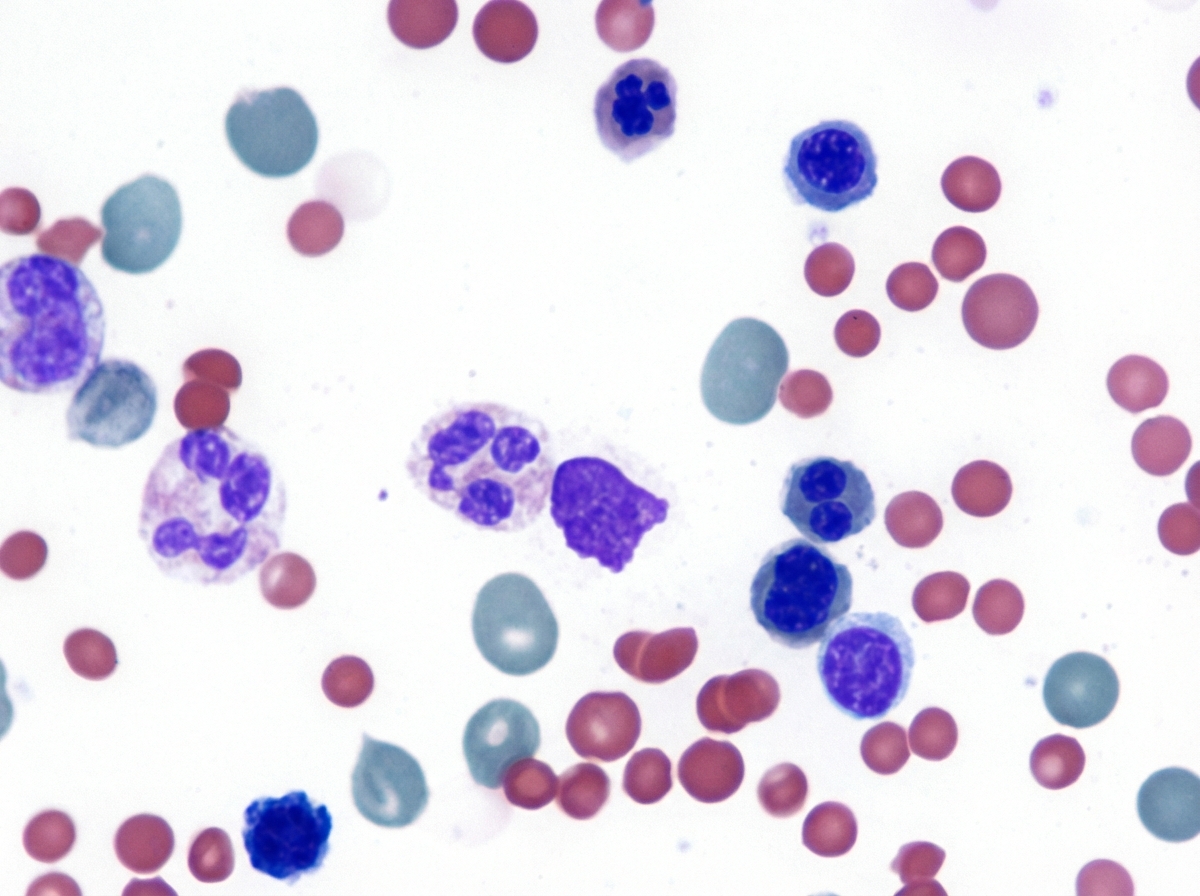
Q37
A 47-year-old Caucasian woman presents with a 2-month history of general fatigue, slight jaundice, and mild itching. She has also noticed that her urine has been darker and stools have been lighter in color recently. She denies any fevers, chills, or alcohol use. She has no significant past medical or surgical history and is not taking any medications. She recalls that her mother saw a doctor for eye and mouth dryness but cannot remember the name of her diagnosis. She denies any illicit drug use, recent change in diet, or recent travel. On physical exam, her abdomen is soft and non-distended. There is right upper quadrant tenderness to deep palpation but a negative Murphy’s sign. Her laboratory findings were significant for increased liver enzymes, direct bilirubin, and alkaline phosphatase with normal levels of iron and ceruloplasmin. Ultrasound revealed no stones in the gallbladder or common bile duct and endoscopic retrograde cholangiopancreatography (ERCP) revealed normal extrahepatic biliary ducts. Which of the following findings is most likely to also be found in this patient?
Q38
A 58-year-old woman presents to her primary care provider complaining fatigue and a vague muscle pain in her limbs. She always seems tired and has difficulty getting through her workday and doing chores around the house. This has been going on for several months and her symptoms seem to be getting worse. She also admits to long bouts of constipation. Past medical history is significant for cirrhosis and kidney stones. She was taking acetaminophen for the pain, but that no longer provides relief, and polyethylene glycol to treat her constipation. Today, her temperature is 37.0°C (98.6°F), blood pressure is 110/80 mm Hg, heart rate is 85/min, and oxygen saturation is 99% on room air. On physical exam, she has a regular rhythm, and her lungs are clear to auscultation bilaterally. Her laboratory results are as follows:
Alanine aminotransferase (ALT) 62 U/L
Aspartate aminotransferase (AST) 50 U/L
Total bilirubin 1.10 mg/dL
Serum albumin 2.0 g/dL
Calcium 10.6 mg/dL
What is the cause of this patient's symptoms?
Q39
A 48-year-old man comes to the physician because of increasing generalized fatigue for 1 month. He has been unable to do normal household duties or go for his evening walks during this period. He has hypertension, hyperlipidemia, and type 2 diabetes mellitus. His father died of liver cancer at the age of 60 years. He does not smoke. He drinks one alcoholic beverage daily. Current medications include atorvastatin, enalapril, metformin, and insulin glargine. He is 170 cm (5 ft 7 in) tall and weighs 100 kg (220 lb); BMI is 34.6 kg/m2. His temperature is 36.6°C (97.9°F), pulse is 116/min, and blood pressure is 140/90 mm Hg. Examination shows hyperpigmented skin over the nape of the neck and extremities. The liver is palpated 4 cm below the right costal margin. Laboratory studies show:
Hemoglobin 10.6 g/dL
Mean corpuscular volume 87 μm3
Leukocyte count 9,700/mm3
Platelet count 182,000/mm3
Serum
Glucose 213 mg/dL
Creatinine 1.4 mg/dL
Albumin 4.1 g/dL
Total bilirubin 1.1 mg/dL
Alkaline phosphatase 66 U/L
AST 100 U/L
ALT 69 U/L
γ-glutamyl transferase 28 U/L (N=5–50)
Hepatitis B surface antigen negative
Hepatitis C antibody negative
Iron studies
Iron 261 μg/dL
Ferritin 558 ng/dL
Transferrin saturation 83%
Anti-nuclear antibody negative
Which of the following is the most appropriate next step to confirm the diagnosis?
Q40
A 56-year-old woman is brought to the emergency department by her family with altered mental status. Her husband says that she complained of fever, vomiting, and abdominal pain 2 days ago. She has a history of long-standing alcoholism and previous episodes of hepatic encephalopathy. Current vital signs include a temperature of 38.3°C (101°F), blood pressure of 85/60 mm Hg, pulse of 95/min, and a respiratory rate 30/min. On physical examination, the patient appears ill and obtunded. She is noted to have jaundice, a palpable firm liver, and massive abdominal distension with shifting dullness. Which of the following is the best initial step in management of this patient's condition?
Liver disease US Medical PG Practice Questions and MCQs
Question 31: A 55-year-old man comes to the physician for a follow-up examination. During the past month, he has had mild itching. He has alcoholic cirrhosis, hypertension, and gastroesophageal reflux disease. He used to drink a pint of vodka and multiple beers daily but quit 4 months ago. Current medications include ramipril, esomeprazole, and vitamin B supplements. He appears thin. His temperature is 36.8°C (98.2°F), pulse is 68/min, and blood pressure is 115/72 mm Hg. Examination shows reddening of the palms bilaterally and several telangiectasias over the chest, abdomen, and back. There is symmetrical enlargement of the breast tissue bilaterally. His testes are small and firm on palpation. The remainder of the examination shows no abnormalities. Laboratory studies show:
Hemoglobin 10.1 g/dL
Leukocyte count 4300/mm3
Platelet count 89,000/mm3
Prothrombin time 11 sec (INR = 1)
Serum
Albumin 3 g/dL
Bilirubin
Total 2.0 mg/dL
Direct 0.2 mg/dL
Alkaline phosphatase 43 U/L
AST 55 U/L
ALT 40 U/L
α-Fetoprotein 8 ng/mL (N < 10)
Anti-HAV IgG antibody positive
Anti-HBs antibody negative
Abdominal ultrasonography shows a nodular liver surface with atrophy of the right lobe of the liver. An upper endoscopy shows no abnormalities. Which of the following is the most appropriate next step in management?
A. Perform liver biopsy now
B. Obtain CT scan of the abdomen now
C. Repeat abdominal ultrasound in 6 months (Correct Answer)
D. Measure serum α-fetoprotein levels in 3 months
E. Administer hepatitis A vaccine now
Explanation: ***Repeat abdominal ultrasound in 6 months***
- This patient has **alcoholic cirrhosis** and is at high risk for developing **hepatocellular carcinoma (HCC)**
- **Current AASLD/ACR guidelines** recommend surveillance with **ultrasound (with or without AFP) every 6 months** for all cirrhotic patients
- The patient just had an ultrasound showing cirrhotic changes but **no focal lesions**, and AFP is normal (8 ng/mL)
- The **most appropriate next step** is to continue routine HCC surveillance with **ultrasound in 6 months**
- Ultrasound is the **primary surveillance modality** due to its non-invasive nature, wide availability, and reasonable sensitivity for detecting early HCC
*Measure serum α-fetoprotein levels in 3 months*
- AFP alone is **not recommended** as a standalone surveillance tool for HCC
- The surveillance interval for cirrhotic patients is **6 months, not 3 months**
- While AFP can be checked alongside ultrasound during surveillance, it has **limited sensitivity** (approximately 60%) and is not sufficient by itself
- Checking AFP in 3 months without imaging does not follow standard surveillance protocols
*Perform liver biopsy now*
- Liver biopsy is indicated when there is a **discrete liver lesion** that needs tissue diagnosis for staging or treatment planning
- The current ultrasound shows only **diffuse cirrhotic changes** with no focal lesion identified
- Biopsy is **not indicated** for routine HCC surveillance in the absence of a suspicious mass
*Administer hepatitis A vaccine now*
- The patient has a **positive anti-HAV IgG antibody**, indicating **prior exposure and immunity** to Hepatitis A
- Vaccination is **not needed** as the patient is already immune
- Hepatitis A vaccine would only be indicated in cirrhotic patients who are **anti-HAV IgG negative**
*Obtain CT scan of the abdomen now*
- CT or MRI is indicated when ultrasound identifies a **suspicious lesion** requiring further characterization
- CT would also be considered if ultrasound quality is inadequate or if there is high clinical suspicion for HCC despite negative ultrasound
- In this case, the ultrasound was adequate and showed **no focal lesions**, so advanced imaging is not currently indicated
- Routine surveillance uses ultrasound, not CT, due to cost-effectiveness and lack of radiation exposure
Question 32: A 54-year-old man comes to the emergency department because of abdominal distension for the past 3 weeks. He also complains of generalized abdominal discomfort associated with nausea and decreased appetite. He was discharged from the hospital 3 months ago after an inguinal hernia repair with no reported complications. He has a history of type 2 diabetes mellitus, congestive heart failure, and untreated hepatitis C. His current medications include aspirin, atorvastatin, metoprolol, lisinopril, and metformin. His father has a history of alcoholic liver disease. He has smoked one pack of cigarettes daily for 30 years but quit 5 years ago. He drinks 3–4 beers daily. He appears cachectic. His vital signs are within normal limits. Examination shows a distended abdomen and shifting dullness. There is no abdominal tenderness or palpable masses. There is a well-healed surgical scar in the right lower quadrant. Examination of the heart and lung shows no abnormalities. He has 1+ bilateral lower extremity nonpitting edema. Diagnostic paracentesis is performed. Laboratory studies show:
Hemoglobin 10 g/dL
Leukocyte count 14,000/mm3
Platelet count 152,000/mm3
Serum
Total protein 5.8 g/dL
Albumin 3.5 g/dL
AST 18 U/L
ALT 19 U/L
Total bilirubin 0.8 mg/dL
HbA1c 8.1%
Peritoneal fluid analysis
Color Cloudy
Cell count 550/mm3 with lymphocytic predominance
Total protein 3.5 g/dL
Albumin 2.6 g/dL
Glucose 60 mg/dL
Triglycerides 360 mg/dL
Peritoneal fluid Gram stain is negative. Culture and cytology results are pending. Which of the following is the most likely cause of this patient's symptoms?
A. Lymphoma (Correct Answer)
B. Acute decompensated heart failure
C. Infection with gram-positive bacteria
D. Recent surgery
E. Nephrotic syndrome
Explanation: ***Lymphoma***
- This patient has **chylous ascites**, evidenced by peritoneal fluid **triglycerides >200 mg/dL (360 mg/dL)**, **lymphocytic predominance**, and **cloudy appearance** from chylomicrons.
- Chylous ascites results from lymphatic obstruction or leakage, most commonly due to **malignancy (especially lymphoma)**, trauma, or cirrhosis with lymphatic dysfunction.
- The **cachexia**, **low SAAG (0.9 g/dL)**, and systemic signs support an underlying **malignancy causing lymphatic obstruction** rather than portal hypertension alone.
- Hepatitis C is a risk factor for lymphoma, and the clinical picture (weight loss, ascites without typical stigmata of advanced cirrhosis, lymphocytic fluid) points toward lymphoma as the underlying cause.
*Acute decompensated heart failure*
- While this patient has a history of CHF, his **vital signs are normal** and **cardiac exam shows no abnormalities**.
- Heart failure causes **transudative ascites with high SAAG (>1.1 g/dL)**, not the low SAAG (0.9 g/dL) and chylous characteristics seen here.
- The markedly **elevated triglycerides and lymphocytic predominance** are not features of cardiac ascites.
*Infection with gram-positive bacteria*
- **Gram stain is negative**, and bacterial peritonitis typically presents with **neutrophilic predominance** (PMN >250/mm³), not lymphocytic.
- The elevated triglycerides and chronic presentation over 3 weeks are inconsistent with acute bacterial peritonitis.
- This represents a chronic lymphatic process rather than acute infection.
*Recent surgery*
- The inguinal hernia repair was **3 months ago with no complications**.
- Post-surgical complications would present much sooner and would not cause chylous ascites with this fluid profile.
- The lymphatic obstruction pattern and systemic features suggest an unrelated systemic process.
*Nephrotic syndrome*
- Nephrotic syndrome requires **severe hypoalbuminemia (<2.5 g/dL)** to cause ascites.
- This patient's serum albumin is **3.5 g/dL**, insufficient to cause significant third-spacing.
- Nephrotic syndrome does not cause **elevated peritoneal triglycerides** or the lymphatic obstruction pattern seen here.
Question 33: A 28-year-old man presents with a yellow coloration of his skin. He says he feels well and denies any recent history of nausea, fatigue or fever, or discoloration of his urine or stool. The patient reports episodes with similar symptoms in the past. Family history is significant for similar symptoms in his father. The patient is afebrile and vital signs are within normal limits. On physical examination, he is jaundiced. Scleral icterus is present. Laboratory findings are significant only for an unconjugated hyperbilirubinemia. Liver enzymes are normal, and there is no bilirubin present in the urine. Which of the following is the most appropriate treatment for this patient’s most likely diagnosis?
A. No therapy indicated (Correct Answer)
B. Plasma exchange transfusion
C. Phenobarbital
D. Phototherapy
E. Inhibitors of heme oxygenase
Explanation: ***No therapy indicated***
- This patient's presentation with **unconjugated hyperbilirubinemia**, normal liver enzymes, normal urine, and absence of constitutional symptoms, along with a family history and recurrent episodes, is highly suggestive of **Gilbert's syndrome**.
- **Gilbert's syndrome** is a benign condition caused by a reduced activity of **UDP-glucuronosyltransferase**, leading to intermittent unconjugated bilirubin elevation, which typically requires **no specific treatment or intervention**.
*Plasma exchange transfusion*
- **Plasma exchange** is an aggressive treatment for severe hyperbilirubinemia, usually seen in conditions like **Crigler-Najjar syndrome** or severe hemolytic diseases, which is not indicated for the benign and asymptomatic nature of Gilbert's syndrome.
- This procedure carries risks and is reserved for situations where bilirubin levels pose a significant threat of **kernicterus**, which is not a concern here given the unconjugated hyperbilirubinemia is mild and intermittent.
*Phenobarbital*
- **Phenobarbital** can induce liver enzymes, including UDP-glucuronosyltransferase, and is sometimes used to lower bilirubin levels in more severe forms of unconjugated hyperbilirubinemia like **Crigler-Najjar syndrome Type II**.
- Its use is **not appropriate for Gilbert's syndrome** due to the benign nature of the condition and the potential side effects of long-term phenobarbital therapy.
*Phototherapy*
- **Phototherapy** is primarily used in **neonates** with hyperbilirubinemia to convert unconjugated bilirubin into water-soluble isomers that can be excreted, preventing neurotoxicity.
- While effective for acute severe unconjugated hyperbilirubinemia in neonates, it is **not a practical or necessary treatment** for an adult with Gilbert's syndrome, which is a chronic and benign condition.
*Inhibitors of heme oxygenase*
- **Heme oxygenase inhibitors** reduce bilirubin production by blocking the initial step of heme catabolism. These agents are still largely experimental or used in very specific, rare conditions.
- They are **not indicated for Gilbert's syndrome**, as the issue is with bilirubin conjugation, not overproduction, and the condition does not warrant such targeted pharmacological intervention.
Question 34: A 60-year-old man is brought to your medical office by his daughter, who noticed that he has had a progressive increase in breast size over the past 6 months. The patient does not complain of anything else except easy fatigability and weakness. His daughter adds that he does not have a good appetite as in the past. He has occasional discomfort and nipple sensitivity when he puts on a tight shirt. The medical history is significant for benign prostatic hyperplasia for which he takes tamsulosin. The patient also admits that he used to take anti-hypertensive medications, but stopped because his blood pressure had normalized. On physical examination, the pulse is regular at 78/min, the respirations are regular, the blood pressure is 100/68 mm Hg, and the temperature is 37.0°C (98.6°F). Examination of the chest reveals multiple vascular lesions consisting of central pinpoint red spots with red streaks radiating from a central lesion and bilaterally enlarged breast tissue. You also notice a lack of hair on the chest and axillae. There is no hepatosplenomegaly on abdominal palpation. What is the most likely cause of gynecomastia in this patient?
A. Physiologic
B. Cirrhosis (Correct Answer)
C. Hyperthyroidism
D. Chronic kidney disease
E. Drug induced
Explanation: ***Cirrhosis***
- The presence of **spider angiomas** (vascular lesions with central pinpoint red spots and radiating streaks), **lack of chest and axillary hair**, **fatigue**, **weakness**, and **anorexia** are all classic signs of **chronic liver disease**, especially **cirrhosis**, which causes **gynecomastia** due to altered hormone metabolism.
- **Liver failure** leads to increased **estrogen** and decreased **testosterone** levels, which promotes breast tissue growth.
*Physiologic*
- **Physiologic gynecomastia** typically occurs during **neonatal period**, **puberty**, or in **aging men (senescent gynecomastia)**, which is usually mild and not associated with other systemic symptoms or signs like spider angiomas.
- While this patient is older, the pronounced symptoms and physical findings point to a pathological cause beyond simple aging.
*Hyperthyroidism*
- **Hyperthyroidism** can cause **gynecomastia**, but would typically present with symptoms such as **weight loss despite increased appetite**, **heat intolerance**, **tachycardia**, and **tremors**, which are not described in this patient.
- The patient's blood pressure is low (100/68 mmHg), which further argues against a hyperthyroid state.
*Chronic kidney disease*
- **Chronic kidney disease (CKD)** can lead to **gynecomastia** due to hormonal imbalances and systemic illness, but it would typically present with symptoms like **edema**, **pruritus**, and **uremic frost** in advanced stages, none of which are mentioned.
- The physical exam did not reveal any signs commonly associated with CKD.
*Drug induced*
- While **tamsulosin** can rarely cause gynecomastia, and the patient admits to taking anti-hypertensive medications, the constellation of other systemic symptoms and signs such as **spider angiomas** and **hair loss** strongly suggests an underlying systemic condition like cirrhosis rather than solely drug-induced gynecomastia.
- **Drug-induced gynecomastia** alone would not explain the other prominent signs of liver dysfunction.
Question 35: A previously healthy 39-year-old man comes to the physician because of a 1-month history of fatigue and red-colored urine. His vital signs are within normal limits. Physical examination shows pallor and jaundice. His platelet count is 90,000/mm3 and creatinine concentration is 1.0 mg/dL. A direct Coombs test is negative. Flow cytometry shows erythrocytes deficient in CD55 and CD59 surface antigens. This patient is at greatest risk for which of the following complications?
A. Hepatocellular carcinoma
B. Venous thrombosis (Correct Answer)
C. Pigmented gallstones
D. Acrocyanosis
E. Chronic lymphocytic leukemia
Explanation: ***Venous thrombosis***
- The patient's symptoms (fatigue, red urine, pallor, jaundice), lab findings (thrombocytopenia), and especially the immunophenotyping (erythrocytes deficient in **CD55 and CD59**) are highly suggestive of **paroxysmal nocturnal hemoglobinuria (PNH)**.
- Patients with PNH are at significantly increased risk of **venous thrombosis**, particularly in unusual sites such as the **hepatic (Budd-Chiari syndrome)**, mesenteric, or cerebral veins, due to increased red blood cell destruction and release of prothrombotic factors.
- **Venous thromboembolism is the leading cause of morbidity and mortality in PNH**, occurring in 30-40% of patients.
*Hepatocellular carcinoma*
- This condition is typically associated with chronic liver diseases such as **viral hepatitis** (B or C), **cirrhosis**, or **hemochromatosis**.
- While chronic hemolysis in PNH can lead to iron overload, **hepatocellular carcinoma** itself is not a direct or common complication of PNH.
*Pigmented gallstones*
- **Pigmented (bilirubin) gallstones** can develop in conditions with chronic hemolysis (like hereditary spherocytosis or sickle cell anemia) due to increased bilirubin production from red blood cell breakdown.
- These stones are typically **radiopaque** due to calcium bilirubinate content.
- However, the question asks for the *greatest risk*, and **venous thrombosis** is the most life-threatening and common severe complication of PNH.
*Acrocyanosis*
- **Acrocyanosis** is a benign condition characterized by persistent, painless, and symmetrical cyanosis of the hands, feet, and face, often exacerbated by cold.
- It is a peripheral vascular phenomenon and is not a recognized complication of **paroxysmal nocturnal hemoglobinuria (PNH)**.
*Chronic lymphocytic leukemia*
- **Chronic lymphocytic leukemia (CLL)** is a malignancy of B lymphocytes and is characterized by lymphocytosis and often lymphadenopathy or splenomegaly.
- While PNH can be associated with bone marrow failure syndromes (e.g., aplastic anemia, myelodysplastic syndrome), **CLL** is not a direct or typical complication of PNH.
Question 36: A 35-year-old woman with a history of systemic lupus erythematosus (SLE) presents with worsening fatigue. She says her symptoms onset a few months ago and are significantly worse than experienced due to her SLE. Past medical history is significant for SLE diagnosed 3 years ago, managed with NSAIDs and hydroxychloroquine. A review of systems is significant for abdominal pain after meals, especially after eating fast food. Her vitals include: temperature 37.0°C (98.6°F), blood pressure 100/75 mm Hg, pulse 103/min, respirations 20/min, and oxygen saturation 99% on room air. On physical examination, the patient appears pale and tired. The cardiac exam is normal. The abdominal exam is significant for prominent splenomegaly. Scleral icterus is noted. Skin appears jaundiced. Laboratory tests are pending. A peripheral blood smear is shown in the exhibit. Which of the following is the best course of treatment for this patient’s fatigue?
A. Cyclophosphamide
B. Prednisone (Correct Answer)
C. Splenectomy
D. Exchange transfusion
E. Rituximab
Explanation: ***Prednisone***
- The patient's presentation with **jaundice**, **splenomegaly**, and **fatigue worsening beyond her baseline SLE** suggests **hemolysis**. The image shows spherocytes and polychromasia, indicative of **autoimmune hemolytic anemia (AIHA)**.
- **Corticosteroids**, like prednisone, are the first-line treatment for AIHA because they effectively suppress the immune system and reduce antibody-mediated destruction of red blood cells.
*Cyclophosphamide*
- Cyclophosphamide is a strong **immunosuppressant** often used in severe autoimmune conditions or refractory cases.
- It would typically be considered as a **second-line agent** if corticosteroids fail to achieve remission in AIHA, not as initial treatment.
*Splenectomy*
- **Splenectomy** is a potential treatment for AIHA, but it is typically reserved for patients who are **refractory to corticosteroid therapy** or other immunosuppressants.
- The spleen is often the primary site of red blood cell destruction in AIHA, but it's an invasive procedure and not the initial approach.
*Exchange transfusion*
- **Exchange transfusion** is primarily used in severe, life-threatening cases of hemolytic anemia, such as severe **alloimmune hemolytic disease of the newborn** or **sickle cell crisis**, to rapidly remove damaged red blood cells and harmful substances.
- It is not a standard first-line treatment for autoimmune hemolytic anemia, especially in a stable adult patient.
*Rituximab*
- **Rituximab**, a monoclonal antibody targeting **CD20-positive B cells**, is an effective treatment for AIHA, particularly in cases resistant to corticosteroids.
- However, it is typically considered a **second-line or third-line agent** after corticosteroids have been tried, or in combination with other immunosuppressants.
Question 37: A 47-year-old Caucasian woman presents with a 2-month history of general fatigue, slight jaundice, and mild itching. She has also noticed that her urine has been darker and stools have been lighter in color recently. She denies any fevers, chills, or alcohol use. She has no significant past medical or surgical history and is not taking any medications. She recalls that her mother saw a doctor for eye and mouth dryness but cannot remember the name of her diagnosis. She denies any illicit drug use, recent change in diet, or recent travel. On physical exam, her abdomen is soft and non-distended. There is right upper quadrant tenderness to deep palpation but a negative Murphy’s sign. Her laboratory findings were significant for increased liver enzymes, direct bilirubin, and alkaline phosphatase with normal levels of iron and ceruloplasmin. Ultrasound revealed no stones in the gallbladder or common bile duct and endoscopic retrograde cholangiopancreatography (ERCP) revealed normal extrahepatic biliary ducts. Which of the following findings is most likely to also be found in this patient?
A. Anti-centromere antibody
B. Anti-mitochondrial antibody (Correct Answer)
C. Anti-gliadin antibody
D. Anti-neutrophilic cytoplasmic antibodies (ANCA)
E. Rheumatoid factor
Explanation: ***Anti-mitochondrial antibody***
- The patient's symptoms (fatigue, jaundice, itching, dark urine, pale stools) and lab findings (**elevated liver enzymes, direct bilirubin, alkaline phosphatase**) are classic for **primary biliary cholangitis (PBC)**.
- **Anti-mitochondrial antibodies (AMAs)** are highly specific for PBC, being present in over 95% of cases. The mother's history of "eye and mouth dryness" suggests **Sjögren's syndrome**, which is commonly associated with PBC.
*Anti-centromere antibody*
- This antibody is primarily associated with **limited cutaneous systemic sclerosis (CREST syndrome)**, which presents with symptoms like calcinosis, Raynaud's phenomenon, esophageal dysfunction, sclerodactyly, and telangiectasias.
- The patient's presentation of cholestasis and associated symptoms is not characteristic of systemic sclerosis.
*Anti-gliadin antibody*
- This antibody is associated with **celiac disease**, an autoimmune disorder characterized by gluten intolerance, leading to gastrointestinal symptoms such as diarrhea, abdominal pain, and malabsorption.
- There is nothing in the patient's presentation to suggest celiac disease, and the liver enzyme pattern points away from it.
*Anti-neutrophilic cytoplasmic antibodies (ANCA)*
- **ANCA** are associated with various autoimmune vasculitides, such as **granulomatosis with polyangiitis (GPA)** and **microscopic polyangiitis (MPA)**.
- While p-ANCA can be seen in primary sclerosing cholangitis (PSC), the patient's clinical picture (female, age) and typical lab pattern is more suggestive of PBC, and ANCA are not a hallmark of PBC.
*Rheumatoid factor*
- **Rheumatoid factor (RF)** is a primary marker for **rheumatoid arthritis**, an autoimmune disease causing chronic joint inflammation.
- While RF can be positive in other autoimmune conditions, it is not a specific diagnostic marker for PBC, and the patient's symptoms are not indicative of rheumatoid arthritis.
Question 38: A 58-year-old woman presents to her primary care provider complaining fatigue and a vague muscle pain in her limbs. She always seems tired and has difficulty getting through her workday and doing chores around the house. This has been going on for several months and her symptoms seem to be getting worse. She also admits to long bouts of constipation. Past medical history is significant for cirrhosis and kidney stones. She was taking acetaminophen for the pain, but that no longer provides relief, and polyethylene glycol to treat her constipation. Today, her temperature is 37.0°C (98.6°F), blood pressure is 110/80 mm Hg, heart rate is 85/min, and oxygen saturation is 99% on room air. On physical exam, she has a regular rhythm, and her lungs are clear to auscultation bilaterally. Her laboratory results are as follows:
Alanine aminotransferase (ALT) 62 U/L
Aspartate aminotransferase (AST) 50 U/L
Total bilirubin 1.10 mg/dL
Serum albumin 2.0 g/dL
Calcium 10.6 mg/dL
What is the cause of this patient's symptoms?
A. Hepatic encephalopathy
B. Urinary tract infection (UTI)
C. Septic shock secondary to pyelonephritis
D. Hyperparathyroidism (Correct Answer)
E. Thyroid storm
Explanation: ***Hyperparathyroidism***
- This patient presents with **fatigue**, **vague muscle pain**, and **constipation**, which are classic symptoms of **hypercalcemia**. Her lab results confirm **elevated serum calcium** (10.6 mg/dL).
- The history of **kidney stones** and **cirrhosis** (leading to low albumin, which can falsely lower calcium, making the elevated total calcium even more significant) further supports a diagnosis of hyperparathyroidism, as parathyroid hormone increases calcium reabsorption in the kidneys and bone.
*Hepatic encephalopathy*
- While the patient has cirrhosis, her primary symptoms of **fatigue** and **vague pain** are not typical for hepatic encephalopathy, which usually involves **neurological signs** like confusion, asterixis, and altered mental status.
- The presented vital signs and normal oxygen saturation do not suggest acute decompensation typical of severe hepatic encephalopathy.
*Urinary tract infection (UTI)*
- Symptoms of a UTI typically include **dysuria**, **frequency**, **urgency**, and **suprapubic pain**, none of which are described.
- Her vital signs are stable, and she has no fever, ruling out an active symptomatic UTI as the primary cause of her current complaints.
*Septic shock secondary to pyelonephritis*
- This diagnosis would present with signs of systemic infection, such as **fever**, **tachycardia**, **hypotension**, and **renal angle tenderness**, none of which are observed in this patient.
- Her normal temperature and stable blood pressure make septic shock highly unlikely.
*Thyroid storm*
- Thyroid storm is a life-threatening condition characterized by **fever**, **tachycardia**, **hypertension**, **altered mental status**, and often gastrointestinal symptoms, which are not seen in this patient.
- Her vital signs are stable, and her symptoms are chronic and vague, inconsistent with an acute thyroid crisis.
Question 39: A 48-year-old man comes to the physician because of increasing generalized fatigue for 1 month. He has been unable to do normal household duties or go for his evening walks during this period. He has hypertension, hyperlipidemia, and type 2 diabetes mellitus. His father died of liver cancer at the age of 60 years. He does not smoke. He drinks one alcoholic beverage daily. Current medications include atorvastatin, enalapril, metformin, and insulin glargine. He is 170 cm (5 ft 7 in) tall and weighs 100 kg (220 lb); BMI is 34.6 kg/m2. His temperature is 36.6°C (97.9°F), pulse is 116/min, and blood pressure is 140/90 mm Hg. Examination shows hyperpigmented skin over the nape of the neck and extremities. The liver is palpated 4 cm below the right costal margin. Laboratory studies show:
Hemoglobin 10.6 g/dL
Mean corpuscular volume 87 μm3
Leukocyte count 9,700/mm3
Platelet count 182,000/mm3
Serum
Glucose 213 mg/dL
Creatinine 1.4 mg/dL
Albumin 4.1 g/dL
Total bilirubin 1.1 mg/dL
Alkaline phosphatase 66 U/L
AST 100 U/L
ALT 69 U/L
γ-glutamyl transferase 28 U/L (N=5–50)
Hepatitis B surface antigen negative
Hepatitis C antibody negative
Iron studies
Iron 261 μg/dL
Ferritin 558 ng/dL
Transferrin saturation 83%
Anti-nuclear antibody negative
Which of the following is the most appropriate next step to confirm the diagnosis?
A. Abdominal ultrasonography
B. CT of the abdomen
C. Bone marrow biopsy
D. Liver biopsy
E. Genetic testing (Correct Answer)
Explanation: ***Genetic testing***
- The patient's **elevated iron (261 μg/dL), ferritin (558 ng/dL), and transferrin saturation (83%)**, along with **hyperpigmented skin**, **hepatomegaly**, and a family history of liver cancer, are highly suggestive of **hereditary hemochromatosis**.
- **Genetic testing for HFE gene mutations (C282Y and H63D)** is the **current first-line confirmatory test** per AASLD guidelines when hereditary hemochromatosis is suspected with elevated iron studies.
- **C282Y homozygosity** accounts for ~85-90% of hereditary hemochromatosis cases in Caucasian populations.
*Abdominal ultrasonography*
- While ultrasound can show **hepatomegaly** and assess for liver masses (important given family history of liver cancer), it is **not specific for hemochromatosis**.
- It cannot differentiate hemochromatosis from other causes of liver enlargement or provide information about the underlying cause of iron overload.
*CT of the abdomen*
- CT can show increased liver density due to **iron deposition** in hemochromatosis, but this finding is **neither sensitive nor specific** enough for diagnosis.
- It involves radiation exposure and is less definitive than **genetic testing** for confirming hereditary hemochromatosis.
*Bone marrow biopsy*
- Bone marrow biopsy evaluates **hematologic disorders** and can assess reticuloendothelial iron stores, but this is **not the site of pathologic iron accumulation** in hemochromatosis.
- In hemochromatosis, iron accumulates in **parenchymal cells** (liver, pancreas, heart, pituitary), not primarily in bone marrow macrophages.
- This invasive procedure is not indicated for diagnosing hemochromatosis.
*Liver biopsy*
- Liver biopsy with **Prussian blue staining** and hepatic iron concentration measurement was historically the gold standard for diagnosis.
- Today, liver biopsy is **reserved for staging** (assessing degree of fibrosis/cirrhosis) or when **non-HFE hemochromatosis** is suspected after negative genetic testing.
- Given strong biochemical evidence and availability of non-invasive genetic testing, biopsy is not the initial confirmatory test.
Question 40: A 56-year-old woman is brought to the emergency department by her family with altered mental status. Her husband says that she complained of fever, vomiting, and abdominal pain 2 days ago. She has a history of long-standing alcoholism and previous episodes of hepatic encephalopathy. Current vital signs include a temperature of 38.3°C (101°F), blood pressure of 85/60 mm Hg, pulse of 95/min, and a respiratory rate 30/min. On physical examination, the patient appears ill and obtunded. She is noted to have jaundice, a palpable firm liver, and massive abdominal distension with shifting dullness. Which of the following is the best initial step in management of this patient's condition?
A. Empiric antibiotics (Correct Answer)
B. Diagnostic paracentesis
C. Large volume paracentesis
D. Intravenous albumin
E. Non-selective beta-blockers
Explanation: ***Empiric antibiotics***
- This patient presents with **altered mental status**, **fever**, **hypotension (85/60 mm Hg)**, **tachypnea**, and **massive ascites** in the setting of **cirrhosis**, indicating **suspected spontaneous bacterial peritonitis (SBP) with septic shock**.
- In a **hemodynamically unstable patient** with suspected SBP, **empiric antibiotics** (typically a third-generation cephalosporin like ceftriaxone or cefotaxime) should be initiated **immediately** without waiting for diagnostic paracentesis results.
- Current **AASLD and EASL guidelines** emphasize that antibiotic therapy should not be delayed in critically ill patients, as early treatment significantly reduces mortality in SBP.
- Diagnostic paracentesis should still be performed urgently but should **not delay antibiotic administration** in this unstable patient.
*Diagnostic paracentesis*
- While **diagnostic paracentesis** is the gold standard for confirming SBP and should be performed promptly, it is not the **best initial step** in a hemodynamically unstable patient.
- In this critically ill patient with septic shock, obtaining ascitic fluid can be done **simultaneously with** or **immediately after** starting antibiotics, but antibiotics take priority.
- If the patient were stable, diagnostic paracentesis before antibiotics would be appropriate to guide therapy.
*Large volume paracentesis*
- **Large volume paracentesis** is indicated for symptomatic relief of tense ascites causing respiratory compromise, not as an initial step in suspected infection.
- In the setting of suspected SBP, only diagnostic paracentesis (50-100 mL) is needed initially, not large volume removal.
*Intravenous albumin*
- **Intravenous albumin** is given as adjunctive therapy in SBP patients with **renal dysfunction** (creatinine >1 mg/dL, BUN >30 mg/dL) or **hypotension** to prevent hepatorenal syndrome.
- While this patient may benefit from albumin, it is not the **initial step**—antibiotics and fluid resuscitation take priority.
- Albumin is typically given at 1.5 g/kg within 6 hours and 1 g/kg on day 3.
*Non-selective beta-blockers*
- **Non-selective beta-blockers** (propranolol, nadolol) are used for **primary and secondary prophylaxis of variceal bleeding** in portal hypertension.
- They are **contraindicated** in patients with **hypotension** (BP 85/60 mm Hg), **sepsis**, or **SBP**, as they can worsen hemodynamic instability.
- Recent studies suggest beta-blockers may be harmful in patients with refractory ascites or SBP.