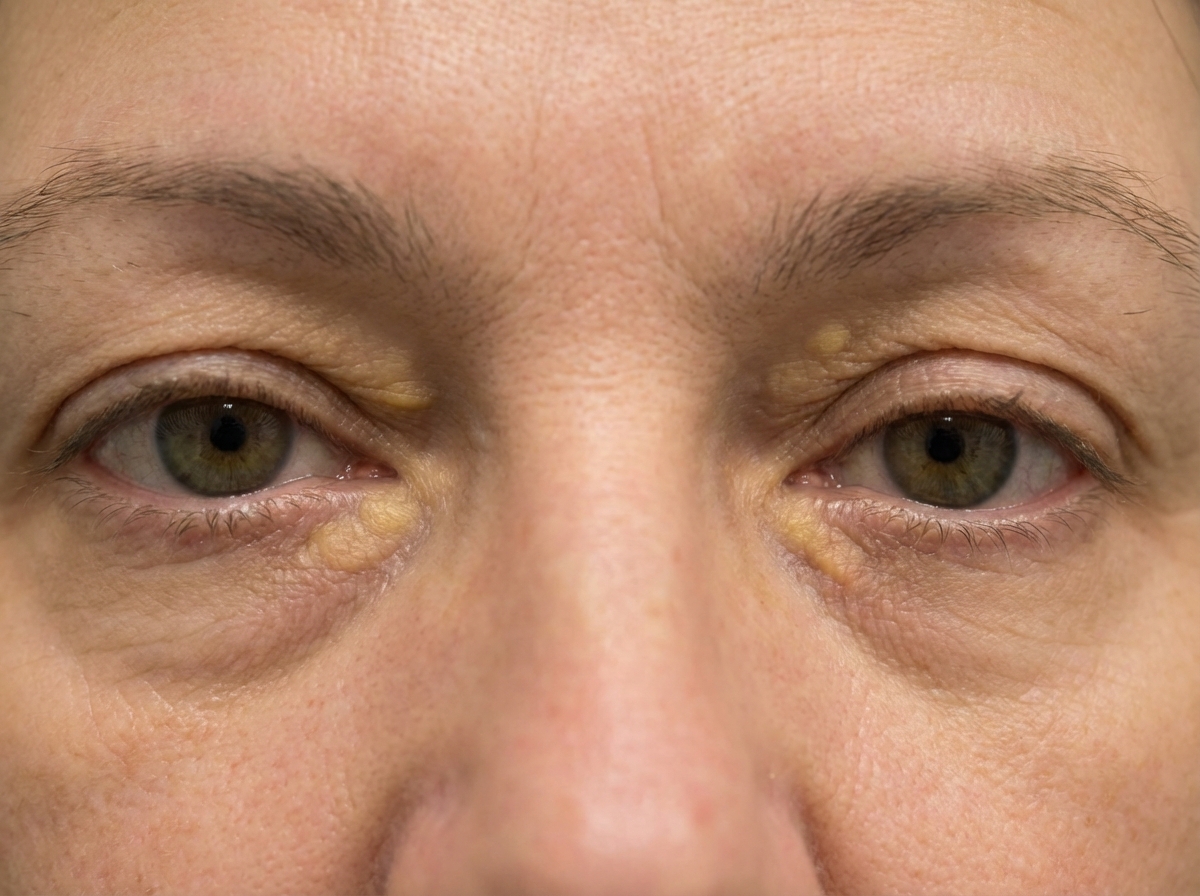
A 32-year-old woman comes to the physician with increasing jaundice and fatigue for the past week. She has no history of a serious illness. She takes no medications and denies use of recreational drugs. She does not drink alcohol. Her vital signs are within normal limits. Her body mass index is 21 kg/m2. On physical examination, she has icteric sclera. Otherwise, her heart and lung sounds are within normal limits.
Hemoglobin 15 g/dL
Leukocyte count 6,000/mm3 with a normal differential
Serum bilirubin
Total 6.5 mg/dL
Direct 0.9 mg/dL
Alkaline phosphatase 70 U/L
Aspartate aminotransferase (AST, GOT) 430 U/L
Alanine aminotransferase (ALT, GPT) 560 U/L
γ-Glutamyltransferase (GGT) 43 U/L (N=5-50 U/L)
Hepatitis A antibody Negative
Hepatitis B surface antigen Negative
Hepatitis C antibody Negative
Rheumatoid factor 80 IU/mL (N=0-20 IU/mL)
Antinuclear antibody (ANA) titer is 1:1280. Polyclonal immunoglobulin gamma is 5 g/dL. Which of the following antibodies is most likely to be positive in this patient?
Q12
A 61-year-old woman presents to the emergency department with bloody vomiting for the last hour. She had been vomiting for several hours. Additionally, she states she felt a sudden onset of chest and epigastric pain when she noted blood in her vomit. In the emergency room, she endorses feeling lightheaded and denies difficulty breathing or coughing, and the pain is not worse with swallowing. On review of systems, she notes that she has been bruising more easily than usual over the last 3 months. The patient has a long history of alcoholism with recent progression of liver disease to cirrhosis. She has known esophageal varices and is on propranolol for prophylaxis. In the emergency room, the patient’s temperature is 98.2°F (36.8°C), blood pressure is 94/60 mmHg, pulse is 103/min, and respirations are 16/min. On exam, she is in moderate distress, and there is frank blood in her emesis basin. Cardiovascular and lung exams are unremarkable, and there is pain on palpation of her epigastrium and chest without crepitus. Initial labs are shown below:
Hemoglobin: 13.1 g/dL
Leukocyte count: 6,200/mm^3
Platelet count: 220,000/mm^3
Creatinine: 0.9 mg/dL
The patient is started on IV isotonic saline, pantoprazole, ceftriaxone, and octreotide. Which of the following is the best next step in management?
Q13
A 38-year-old man presents with pruritus and jaundice. Past medical history is significant for ulcerative colitis diagnosed 2 years ago, well managed medically. He is vaccinated against hepatitis A and B and denies any recent travel abroad. On physical examination, prominent hepatosplenomegaly is noted. Which of the following would confirm the most likely diagnosis in this patient?
Q14
A 44-year-old woman is brought to the emergency department by her husband because of increasing confusion for 3 days. Her husband states that he noticed a yellowish discoloration of her eyes for the past 6 days. She has osteoarthritis. Current medications include acetaminophen and a vitamin supplement. She does not drink alcohol. She uses intravenous cocaine occasionally. She appears ill. Her temperature is 37.2 °C (99.0 °F), pulse is 102/min, respirations are 20/min, and blood pressure is 128/82 mm Hg. She is confused and oriented only to person. Examination shows scleral icterus and jaundice of her skin. Flapping tremors of the hand when the wrist is extended are present. The liver edge is palpated 4 cm below the right costal margin and is tender; there is no splenomegaly.
Hemoglobin 12.4 g/dL
Leukocyte count 13,500/mm3
Platelet count 100,000/mm3
Prothrombin time 68 sec (INR=4.58)
Serum
Na+ 133 mEq/L
Cl- 103 mEq/L
K+ 3.6 mEq/L
Urea nitrogen 37 mg/dL
Glucose 109 mg/dL
Creatinine 1.2 mg/dL
Total bilirubin 19.6 mg/dL
AST 1356 U/L
ALT 1853 U/L
Hepatitis B surface antigen positive
Hepatitis B surface antibody negative
Hepatitis C antibody negative
Anti-hepatitis A virus IgM negative
Acetaminophen level 12 mcg/mL (N < 20 mcg/mL)
The patient is transferred to the intensive care unit and treatment with tenofovir is begun. Which of the following is the most appropriate next step in the management of this patient?
Q15
A 70-year-old man without recent travel history presents with a 2-week history of gradually worsening generalized pruritus. He is unsure if his skin has yellowed, and carries an identification card without a photograph for comparison. On physical examination, the liver morphology is normal. A basic chemistry panel reveals sodium 139 mmol/L, potassium 3.8 mmol/L, chloride 110 mmol/L, carbon dioxide 27, blood urea nitrogen 26 mg/dL, creatinine 0.84 mg/dL, and glucose 108 mg/dL. Which of the following is the least compatible with the patient's provided history?
Q16
A 73-year-old woman visits an urgent care clinic with a complaint of fever for the past 48 hours. She has been having frequent chills and increasing abdominal pain since her fever spiked to 39.4°C (103.0°F) at home. She states that abdominal pain is constant, non-radiating, and rates the pain as a 4/10. She also complains of malaise and fatigue. The past medical history is insignificant. The vital signs include: heart rate 110/min, respiratory rate 15/min, temperature 39.2°C (102.5°F), and blood pressure 120/86 mm Hg. On physical examination, she is icteric and there is severe tenderness on palpation of the right hypochondrium. The ultrasound of the abdomen shows a dilated bile duct and calculus in the bile duct. The blood cultures are pending, and the antibiotic therapy is started. What is the most likely cause of her symptoms?
Q17
A 44-year-old man comes to the physician for a routine health maintenance examination. He had not seen his primary care physician for 7 years. He has no complaints other than feeling easily fatigued. He has no significant medical history. He reports drinking half a pint of liquor a day. His temperature is 98.7°F (37.1°C), pulse is 65/min, respiratory rate is 15/min, and blood pressure is 120/70 mm Hg. Physical examination shows reddish color to both of his palms. His abdomen has no focal tenderness but is difficult to assess due to distention. Laboratory studies show:
Hemoglobin 11.0 g/dL
Hematocrit 33%
Leukocyte count 5,000/mm3
Platelet count 60,000/mm3
Serum
Na+ 135 mEq/L
K+ 4.5 mEq/L
Cl- 100 mEq/L
HCO3- 24 mEq/L
Urea nitrogen 15 mg/dL
Creatinine 1.3 mg/dL
Total bilirubin 3.0 mg/dL
AST 112 U/L
ALT 80 U/L
Alkaline phosphatase 130 U/L
Which of the following is the most likely explanation for this patient's thrombocytopenia?
Q18
A 22-year-old woman comes to the office with complaints of dark urine and low-grade fever for 3 months. She also expresses her concerns about feeling fatigued most of the time. She says that she thought her dark urine was from dehydration and started to drink more water, but it showed minimal improvement. She reports a recent decrease in her appetite, and also states that her bowel movements are pale appearing. She denies smoking and alcohol consumption. The vital signs include: heart rate 99/min, respiratory rate 18/min, temperature 38.5°C (101.3°F) and blood pressure 100/60 mm Hg. On physical examination, telangiectasias on the anterior thorax are noted. The liver is palpable 4 cm below the costal border in the right midclavicular line and is tender on palpation. The spleen is palpable 2 cm below the costal border. Liver function results show:
Aspartate aminotransferase (AST) 50 U/L
Alanine Aminotransferase (ALT) 780 U/L
Total bilirubin 10 mg/dL
Direct bilirubin 6 mg/dL
Alkaline phosphatase (ALP) 150 U/L
Serum albumin 2.5 g/dL
Serum globulins 6.5 g/dL
Prothrombin time 14 s
Agglutinations negative
Serology for hepatitis C and D negative
Anti-smooth muscle antibodies positive
What is the most likely cause?
Q19
A 50-year-old woman comes to the office complaining of fatigue over the last several months. She feels ‘drained out’ most of the time and she drinks coffee and takes other stimulants to make it through the day. She also complains of severe itching all over her body for about 3 months which worsens at night. Her past medical history is significant for celiac disease. Additionally, she uses eye drops for a foreign body sensation in her eyes with little relief. Her mother has some neck problem for which she takes medicine, but she could not provide with any further information. Vitals include temperature 37.0°C (98.6°F), blood pressure 120/85 mm Hg, pulse 87/min, and respiration 18/min. BMI 26 kg/m2. On physical examination, there are skin excoriations and scleral icterus. Her gums are also yellow.
Laboratory values:
Total bilirubin 2.8 mg/dL
Direct bilirubin 2.0 mg/dL
Albumin 4.5 g/dL
AST 35 U/L
ALT 40 U/L
ALP 240 U/L
Ultrasonogram of the right upper quadrant shows no abnormality. What is the next best step to do?
Q20
A 57-year-old man presents to the emergency department for feeling weak for the past week. He states that he has felt much more tired than usual and has had a subjective fever during this time. The patient has a past medical history of IV drug use, hepatitis C, atrial fibrillation, cirrhosis, alcohol dependence, obesity, and depression. His temperature is 102°F (38.9°C), blood pressure is 157/98 mmHg, pulse is 110/min, respirations are 17/min, and oxygen saturation is 98% on room air. On physical exam, you note a fatigued man with diffuse yellowing of his skin. Cardiopulmonary exam is notable for bibasilar crackles on auscultation. Abdominal exam is notable for abdominal distension, dullness to percussion, and a fluid wave. The patient complains of generalized tenderness on palpation of his abdomen. The patient is started on piperacillin-tazobactam and is admitted to the medical floor. On day 4 of his stay in the hospital the patient is afebrile and his pulse is 92/min. His abdominal tenderness is reduced but is still present. Diffuse yellowing of the patient's skin and sclera is still notable. The nurses notice bleeding from the patient's 2 peripheral IV sites that she has to control with pressure. A few new bruises are seen on the patient's arms and legs. Which of the following is the best explanation for this patient's condition?
Liver disease US Medical PG Practice Questions and MCQs
Question 11: A 32-year-old woman comes to the physician with increasing jaundice and fatigue for the past week. She has no history of a serious illness. She takes no medications and denies use of recreational drugs. She does not drink alcohol. Her vital signs are within normal limits. Her body mass index is 21 kg/m2. On physical examination, she has icteric sclera. Otherwise, her heart and lung sounds are within normal limits.
Hemoglobin 15 g/dL
Leukocyte count 6,000/mm3 with a normal differential
Serum bilirubin
Total 6.5 mg/dL
Direct 0.9 mg/dL
Alkaline phosphatase 70 U/L
Aspartate aminotransferase (AST, GOT) 430 U/L
Alanine aminotransferase (ALT, GPT) 560 U/L
γ-Glutamyltransferase (GGT) 43 U/L (N=5-50 U/L)
Hepatitis A antibody Negative
Hepatitis B surface antigen Negative
Hepatitis C antibody Negative
Rheumatoid factor 80 IU/mL (N=0-20 IU/mL)
Antinuclear antibody (ANA) titer is 1:1280. Polyclonal immunoglobulin gamma is 5 g/dL. Which of the following antibodies is most likely to be positive in this patient?
A. Anti-cyclic citrullinated peptide
B. Anti-liver kidney microsomal type 2
C. Anti-mitochondrial
D. Anti-smooth muscle (Correct Answer)
E. Anti-double stranded DNA
Explanation: ***Anti-smooth muscle***
- This patient's presentation with **jaundice**, elevated **transaminases**, high **ANA titer (1:1280)**, and increased **polyclonal immunoglobulin gamma** is highly suggestive of **autoimmune hepatitis (AIH) type 1**.
- **Anti-smooth muscle antibodies (ASMA)** are the hallmark and most frequently associated autoantibody with **AIH type 1**, found in 70-80% of cases.
*Anti-cyclic citrullinated peptide*
- These antibodies are highly specific for **rheumatoid arthritis**, a systemic inflammatory condition primarily affecting joints.
- While the patient has an elevated **rheumatoid factor**, her primary symptoms and liver enzyme abnormalities do not point to rheumatoid arthritis.
*Anti-liver kidney microsomal type 2*
- These antibodies are characteristic of **autoimmune hepatitis type 2**, which typically affects children and young adults and is associated with different HLA haplotypes.
- While AIH type 2 involves liver inflammation, the extremely high ANA titer and significantly elevated polyclonal immunoglobulins are more typical of **AIH type 1**.
*Anti-mitochondrial*
- These antibodies are the serological hallmark of **primary biliary cholangitis (PBC)**, a chronic cholestatic liver disease primarily affecting interlobular bile ducts.
- The patient's liver enzyme profile shows predominantly **hepatocellular injury** (markedly elevated AST/ALT) rather than cholestasis (normal alkaline phosphatase and GGT).
*Anti-double stranded DNA*
- These antibodies are highly specific for **systemic lupus erythematosus (SLE)**, a systemic autoimmune disease affecting multiple organ systems.
- Although SLE can cause liver involvement, the prominent liver enzyme elevations and the specific pattern of serological markers are more indicative of **autoimmune hepatitis**.
Question 12: A 61-year-old woman presents to the emergency department with bloody vomiting for the last hour. She had been vomiting for several hours. Additionally, she states she felt a sudden onset of chest and epigastric pain when she noted blood in her vomit. In the emergency room, she endorses feeling lightheaded and denies difficulty breathing or coughing, and the pain is not worse with swallowing. On review of systems, she notes that she has been bruising more easily than usual over the last 3 months. The patient has a long history of alcoholism with recent progression of liver disease to cirrhosis. She has known esophageal varices and is on propranolol for prophylaxis. In the emergency room, the patient’s temperature is 98.2°F (36.8°C), blood pressure is 94/60 mmHg, pulse is 103/min, and respirations are 16/min. On exam, she is in moderate distress, and there is frank blood in her emesis basin. Cardiovascular and lung exams are unremarkable, and there is pain on palpation of her epigastrium and chest without crepitus. Initial labs are shown below:
Hemoglobin: 13.1 g/dL
Leukocyte count: 6,200/mm^3
Platelet count: 220,000/mm^3
Creatinine: 0.9 mg/dL
The patient is started on IV isotonic saline, pantoprazole, ceftriaxone, and octreotide. Which of the following is the best next step in management?
A. Administer a non-selective ß-blocker
B. Perform transjugular intrahepatic portosystemic shunt (TIPS)
C. Perform endoscopy (Correct Answer)
D. Administer fresh frozen plasma (FFP)
E. Perform fluoroscopic esophagography
Explanation: ***Perform endoscopy***
- Endoscopy is the **most appropriate next step** to directly visualize the bleeding source, confirm the diagnosis, and allow for immediate therapeutic intervention (e.g., **variceal ligation** or sclerotherapy) in a patient with suspected variceal bleeding.
- This patient presents with signs of upper GI bleeding, a history of **cirrhosis**, and **known esophageal varices**, making prompt endoscopic evaluation crucial for diagnosis and treatment.
*Administer a non-selective ß-blocker*
- Non-selective beta-blockers like propranolol are used for **primary and secondary prophylaxis** of variceal bleeding, not for acute management of active variceal hemorrhage.
- The patient is already on propranolol, indicating that despite prophylaxis, bleeding has occurred, rendering additional administration in this acute setting ineffective for immediate cessation of hemorrhage.
*Perform transjugular intrahepatic portosystemic shunt (TIPS)*
- TIPS is a procedure used for **refractory variceal bleeding** that cannot be controlled by endoscopic and pharmacologic methods, or for recurrent bleeding.
- It is not the initial step in managing acute variceal hemorrhage and is typically reserved for cases where primary interventions have failed.
*Administer fresh frozen plasma (FFP)*
- FFP is primarily indicated for patients with **coagulopathy** (e.g., significantly prolonged INR/PT) complicated by active bleeding or prior to invasive procedures.
- The patient's initial lab results do not indicate a severe coagulopathy requiring FFP at this stage (hemoglobin, WBC, and platelets are within reasonable limits for initial assessment; INR/PT are not provided but need to be checked).
*Perform fluoroscopic esophagography*
- Fluoroscopic esophagography (barium swallow) is used to evaluate the **morphology of the esophagus** and can sometimes show varices, but it is **contraindicated in acute upper GI bleeding**.
- It can obscure endoscopic views and does not allow for therapeutic intervention, delaying definitive management.
Question 13: A 38-year-old man presents with pruritus and jaundice. Past medical history is significant for ulcerative colitis diagnosed 2 years ago, well managed medically. He is vaccinated against hepatitis A and B and denies any recent travel abroad. On physical examination, prominent hepatosplenomegaly is noted. Which of the following would confirm the most likely diagnosis in this patient?
A. Percutaneous liver biopsy
B. Magnetic resonance cholangiopancreatography (MRCP) (Correct Answer)
C. Contrast CT of the abdomen
D. Ultrasound of the abdomen
E. Endoscopic retrograde cholangiopancreatography (ERCP)
Explanation: ***Magnetic resonance cholangiopancreatography (MRCP)***
- MRCP is the **non-invasive gold standard** for diagnosing **primary sclerosing cholangitis (PSC)**, which is strongly suggested by the patient's symptoms (pruritus and jaundice) and history of **ulcerative colitis**.
- It effectively visualizes the **bile ducts**, revealing the characteristic multifocal stricturing and dilatations (**"beaded appearance"**) pathognomonic for PSC without the risks of ERCP.
*Percutaneous liver biopsy*
- While a liver biopsy can show **fibrosis** and **bile duct proliferation** consistent with PSC, it is **not the primary diagnostic test** for confirming the typical changes in the bile tree.
- It is often reserved for cases where imaging is inconclusive or to assess the **stage of fibrosis** and rule out other liver diseases.
*Contrast CT of the abdomen*
- A CT scan can detect **hepatosplenomegaly** and **biliary dilation** but is **poor at visualizing the small bile duct changes** characteristic of PSC.
- It is **less sensitive and specific** than MRCP for evaluating the intrahepatic and extrahepatic bile ducts.
*Ultrasound of the abdomen*
- Ultrasound can identify **biliary dilation** and **cholelithiasis**, but it has **limited ability to visualize the intrahepatic bile ducts** comprehensively and assess the strictures specific to PSC.
- It can detect **hepatosplenomegaly** but does not provide definitive evidence for the diagnosis of PSC.
*Endoscopic retrograde cholangiopancreatography (ERCP)*
- ERCP is highly effective for visualizing the biliary tree and can confirm PSC, but it is an **invasive procedure** with risks such as **pancreatitis**, infection, and perforation.
- Due to its invasive nature and the availability of MRCP, ERCP is typically reserved for **therapeutic interventions** (e.g., stent placement for dominant strictures) rather than solely for diagnosis.
Question 14: A 44-year-old woman is brought to the emergency department by her husband because of increasing confusion for 3 days. Her husband states that he noticed a yellowish discoloration of her eyes for the past 6 days. She has osteoarthritis. Current medications include acetaminophen and a vitamin supplement. She does not drink alcohol. She uses intravenous cocaine occasionally. She appears ill. Her temperature is 37.2 °C (99.0 °F), pulse is 102/min, respirations are 20/min, and blood pressure is 128/82 mm Hg. She is confused and oriented only to person. Examination shows scleral icterus and jaundice of her skin. Flapping tremors of the hand when the wrist is extended are present. The liver edge is palpated 4 cm below the right costal margin and is tender; there is no splenomegaly.
Hemoglobin 12.4 g/dL
Leukocyte count 13,500/mm3
Platelet count 100,000/mm3
Prothrombin time 68 sec (INR=4.58)
Serum
Na+ 133 mEq/L
Cl- 103 mEq/L
K+ 3.6 mEq/L
Urea nitrogen 37 mg/dL
Glucose 109 mg/dL
Creatinine 1.2 mg/dL
Total bilirubin 19.6 mg/dL
AST 1356 U/L
ALT 1853 U/L
Hepatitis B surface antigen positive
Hepatitis B surface antibody negative
Hepatitis C antibody negative
Anti-hepatitis A virus IgM negative
Acetaminophen level 12 mcg/mL (N < 20 mcg/mL)
The patient is transferred to the intensive care unit and treatment with tenofovir is begun. Which of the following is the most appropriate next step in the management of this patient?
A. Oral rifaximin therapy
B. Intravenous glucocorticoids therapy
C. Pegylated interferon therapy
D. Liver transplant (Correct Answer)
E. N-acetylcysteine therapy
Explanation: ***Liver transplant***
- This patient presents with **acute liver failure** (ALF) as evidenced by elevated transaminases (AST 1356, ALT 1853), severe coagulopathy (INR 4.58), and **hepatic encephalopathy** (confusion, asterixis).
- The patient is **HBsAg positive** indicating acute or acute-on-chronic hepatitis B as the etiology. She has already been started on appropriate antiviral therapy (tenofovir).
- With **grade 2+ encephalopathy and INR >4**, this patient meets criteria for urgent **liver transplant evaluation** based on King's College Criteria for non-acetaminophen ALF. Early transplant evaluation is critical as mortality is high without transplantation.
- **Immediate referral to a transplant center** is the most appropriate next step, as delay in evaluation significantly worsens outcomes in fulminant hepatic failure.
*N-acetylcysteine therapy*
- While NAC has shown some benefit in early-stage (grade 1-2 encephalopathy) non-acetaminophen ALF based on the 2009 Acute Liver Failure Study Group trial, it is not the definitive treatment.
- The patient's **acetaminophen level is therapeutic (12 mcg/mL)**, not toxic, and the 6-day timeline with HBsAg positivity clearly indicates viral hepatitis as the cause, not acetaminophen toxicity.
- While NAC could be considered as adjunctive therapy, **transplant evaluation takes priority** in a patient with established ALF meeting transplant criteria.
*Oral rifaximin therapy*
- **Rifaximin** is used for hepatic encephalopathy in **chronic liver disease** (cirrhosis) to reduce ammonia-producing gut bacteria.
- In **acute liver failure**, the encephalopathy mechanism differs (cerebral edema, inflammation) and rifaximin is not standard treatment. Lactulose may be used for symptomatic management, but definitive treatment (transplant evaluation) is the priority.
*Pegylated interferon therapy*
- **Pegylated interferon** is used for chronic hepatitis B or C but is **absolutely contraindicated in acute liver failure** as it can worsen hepatic injury and precipitate further decompensation.
- The patient is already on appropriate antiviral therapy (tenofovir) for hepatitis B.
*Intravenous glucocorticoids therapy*
- **Glucocorticoids** are indicated for autoimmune hepatitis but not for viral hepatitis or acute liver failure of viral etiology.
- There is no evidence of autoimmune hepatitis in this case (HBsAg positive, no mention of autoantibodies). Steroids could worsen viral replication and are contraindicated.
Question 15: A 70-year-old man without recent travel history presents with a 2-week history of gradually worsening generalized pruritus. He is unsure if his skin has yellowed, and carries an identification card without a photograph for comparison. On physical examination, the liver morphology is normal. A basic chemistry panel reveals sodium 139 mmol/L, potassium 3.8 mmol/L, chloride 110 mmol/L, carbon dioxide 27, blood urea nitrogen 26 mg/dL, creatinine 0.84 mg/dL, and glucose 108 mg/dL. Which of the following is the least compatible with the patient's provided history?
A. Lichen planus
B. Scabies
C. Polycythemia vera
D. Portal vein thrombosis
E. Postherpetic neuralgia (Correct Answer)
Explanation: ***Postherpetic neuralgia***
- Postherpetic neuralgia is characterized by **neuropathic pain** that persists in the dermatomal distribution after a **herpes zoster** rash has resolved. It does not cause generalized pruritus.
- The primary symptom is **pain**, not itching, and there is no mention of a preceding vesicular rash in the patient's history.
*Lichen planus*
- Lichen planus can cause **severe pruritus**, and its characteristic violaceous, polygonal papules may not be immediately obvious, especially if the distribution is limited or initial lesions are subtle.
- While typically associated with a rash, itching can precede or be much more prominent than the visible skin changes, and it's a chronic condition fitting a 2-week history.
*Scabies*
- Scabies causes intense, **generalized pruritus**, often worse at night, due to parasitic mites burrowing into the skin.
- The lack of visible skin lesions and absence of a contact history, while not definitive, makes it less likely than other pruritic conditions. However, the elderly can present with atypical scabies without classic burrows.
*Polycythemia vera*
- **Aquagenic pruritus** (itching exacerbated by contact with water) is a classic symptom of polycythemia vera, a myeloproliferative disorder. This can present as generalized itching without obvious skin lesions.
- The absence of other common symptoms of polycythemia vera, such as ruddy complexion, splenomegaly, or abnormal CBC (not provided), makes it less likely but still a possible cause of unexplained pruritus in an elderly patient.
*Portal vein thrombosis*
- **Pruritus can be a symptom of cholestasis** due to liver disease or obstruction of biliary flow, and portal vein thrombosis (PVT) can lead to **cirrhosis** and impaired liver function.
- **Normal liver morphology** on physical exam does not rule out underlying microscopic changes or early stages of liver dysfunction that could cause cholestasis, and thus pruritus.
Question 16: A 73-year-old woman visits an urgent care clinic with a complaint of fever for the past 48 hours. She has been having frequent chills and increasing abdominal pain since her fever spiked to 39.4°C (103.0°F) at home. She states that abdominal pain is constant, non-radiating, and rates the pain as a 4/10. She also complains of malaise and fatigue. The past medical history is insignificant. The vital signs include: heart rate 110/min, respiratory rate 15/min, temperature 39.2°C (102.5°F), and blood pressure 120/86 mm Hg. On physical examination, she is icteric and there is severe tenderness on palpation of the right hypochondrium. The ultrasound of the abdomen shows a dilated bile duct and calculus in the bile duct. The blood cultures are pending, and the antibiotic therapy is started. What is the most likely cause of her symptoms?
A. Ascending cholangitis (Correct Answer)
B. Pancreatitis
C. Appendicitis
D. Liver abscess
E. Cholecystitis
Explanation: ***Ascending cholangitis***
- The patient presents with **fever**, **right upper quadrant pain**, and **jaundice (icterus)**, which comprise **Charcot's triad**, highly suggestive of ascending cholangitis.
- The ultrasound finding of a **dilated bile duct with a calculus** further supports a diagnosis of **biliary obstruction** leading to infection.
*Pancreatitis*
- Pancreatitis typically presents with **severe epigastric pain** that often **radiates to the back**, which differs from the described constant, non-radiating right hypochondriac pain.
- While gallstones can cause pancreatitis, the prominent **jaundice** and **dilated bile duct** point more directly to biliary infection.
*Appendicitis*
- Appendicitis usually causes pain that localizes to the **right lower quadrant (RLQ)**, often starting periumbilically and migrating to McBurney's point.
- The patient's symptoms of **icterus**, **right hypochondrial tenderness**, and imaging findings are inconsistent with appendicitis.
*Liver abscess*
- A liver abscess could present with fever and right upper quadrant pain, but **jaundice is less common** unless there is significant bile duct compression.
- The ultrasound revealing a **dilated bile duct with a calculus** directly points to a biliary origin rather than a primary liver parenchymal infection.
*Cholecystitis*
- Acute cholecystitis presents with **fever** and **right upper quadrant pain**, but **jaundice is typically absent** unless there is concomitant obstruction of the common bile duct.
- The patient's prominent icterus and the finding of a **dilated common bile duct** strongly suggest an infection extending beyond the gallbladder.
Question 17: A 44-year-old man comes to the physician for a routine health maintenance examination. He had not seen his primary care physician for 7 years. He has no complaints other than feeling easily fatigued. He has no significant medical history. He reports drinking half a pint of liquor a day. His temperature is 98.7°F (37.1°C), pulse is 65/min, respiratory rate is 15/min, and blood pressure is 120/70 mm Hg. Physical examination shows reddish color to both of his palms. His abdomen has no focal tenderness but is difficult to assess due to distention. Laboratory studies show:
Hemoglobin 11.0 g/dL
Hematocrit 33%
Leukocyte count 5,000/mm3
Platelet count 60,000/mm3
Serum
Na+ 135 mEq/L
K+ 4.5 mEq/L
Cl- 100 mEq/L
HCO3- 24 mEq/L
Urea nitrogen 15 mg/dL
Creatinine 1.3 mg/dL
Total bilirubin 3.0 mg/dL
AST 112 U/L
ALT 80 U/L
Alkaline phosphatase 130 U/L
Which of the following is the most likely explanation for this patient's thrombocytopenia?
A. Uremia
B. Hypersplenism (Correct Answer)
C. Autoimmune antibodies
D. Bone marrow infiltration
E. Decreased protein synthesis
Explanation: ***Hypersplenism***
- This patient presents with **severe alcohol use**, signs of **liver disease** (fatigue, palmar erythema, abdominal distention suggestive of ascites, elevated bilirubin, AST, ALT), and **thrombocytopenia**. **Cirrhosis** from heavy alcohol use can lead to **portal hypertension**, causing **splenomegaly** and subsequent **hypersplenism**, where the spleen sequesters and destroys platelets at an accelerated rate.
- The combination of **liver dysfunction** and **low platelet count** in the context of chronic alcohol abuse strongly points to hypersplenism as the cause for thrombocytopenia.
*Uremia*
- **Uremia** refers to a buildup of waste products in the blood due to **kidney dysfunction**, which can cause platelet dysfunction but typically does not cause a significant decrease in platelet count (thrombocytopenia) itself.
- While the patient's **creatinine is slightly elevated** (1.3 mg/dL), it is not indicative of severe renal failure that would typically lead to uremia-induced bleeding diathesis, and his platelet count is significantly low rather than merely dysfunctional.
*Autoimmune antibodies*
- **Immune thrombocytopenia (ITP)** is caused by **autoantibodies** against platelets, leading to their premature destruction. While it causes severe thrombocytopenia, it is typically a diagnosis of exclusion and less likely given the clear evidence of advanced **liver disease** and **portal hypertension** in this patient.
- There is no specific evidence or clinical context suggesting an autoimmune process is at play rather than a direct complication of chronic liver disease.
*Bone marrow infiltration*
- **Bone marrow infiltration** (e.g., by malignancy or fibrosis) can lead to **myelophthisic anemia** and thrombocytopenia due to the displacement of megakaryocytes.
- This patient's presentation with prominent signs of **liver disease** and **chronic alcohol abuse** does not suggest bone marrow pathology as the primary cause for his thrombocytopenia. No other cytopenias (beyond mild anemia, which can be multifactorial in liver disease) are profoundly out of proportion to suggest a primary marrow disorder.
*Decreased protein synthesis*
- **Decreased protein synthesis** is a hallmark of severe **liver failure**, affecting the production of many proteins, including clotting factors. However, the liver primarily produces factors involved in coagulation, not platelets themselves.
- While liver failure can impair thrombopoietin production, which stimulates platelet production, **hypersplenism** is a more direct and common cause of significant thrombocytopenia in the context of advanced liver disease with portal hypertension.
Question 18: A 22-year-old woman comes to the office with complaints of dark urine and low-grade fever for 3 months. She also expresses her concerns about feeling fatigued most of the time. She says that she thought her dark urine was from dehydration and started to drink more water, but it showed minimal improvement. She reports a recent decrease in her appetite, and also states that her bowel movements are pale appearing. She denies smoking and alcohol consumption. The vital signs include: heart rate 99/min, respiratory rate 18/min, temperature 38.5°C (101.3°F) and blood pressure 100/60 mm Hg. On physical examination, telangiectasias on the anterior thorax are noted. The liver is palpable 4 cm below the costal border in the right midclavicular line and is tender on palpation. The spleen is palpable 2 cm below the costal border. Liver function results show:
Aspartate aminotransferase (AST) 50 U/L
Alanine Aminotransferase (ALT) 780 U/L
Total bilirubin 10 mg/dL
Direct bilirubin 6 mg/dL
Alkaline phosphatase (ALP) 150 U/L
Serum albumin 2.5 g/dL
Serum globulins 6.5 g/dL
Prothrombin time 14 s
Agglutinations negative
Serology for hepatitis C and D negative
Anti-smooth muscle antibodies positive
What is the most likely cause?
A. Autoimmune hepatitis (Correct Answer)
B. Secondary biliary cirrhosis
C. Primary biliary cholangitis
D. Alpha-1 antitrypsin deficiency
E. Primary sclerosing cholangitis
Explanation: ***Autoimmune hepatitis***
- The presence of **positive anti-smooth muscle antibodies**, significantly elevated **ALT** (780 U/L) with relatively lower AST (50 U/L), and signs of chronic liver disease (fatigue, dark urine, pale stools, hepatosplenomegaly, telangiectasias, **low albumin**, **high globulins**) in a young woman are highly suggestive of autoimmune hepatitis.
- The **hepatocellular injury pattern** (marked transaminase elevation, especially ALT), prolonged **prothrombin time**, and **hyperglobulinemia** (6.5 g/dL) further support significant liver damage and immune activation, characteristic of this condition.
- Autoimmune hepatitis typically presents in young to middle-aged women with a fluctuating course of hepatic inflammation.
*Secondary biliary cirrhosis*
- This condition results from **prolonged obstruction of the extrahepatic bile ducts**, which would typically cause a prominent elevation of **alkaline phosphatase** (ALP) and gamma-glutamyl transferase (GGT), and often involves a history of biliary tract disease.
- While there is elevation in bilirubin, the **ALP is only mildly elevated (150 U/L)**, and the **marked transaminase elevation** is not typical for biliary obstruction, which shows a cholestatic pattern.
*Primary biliary cholangitis*
- This condition is characterized by chronic, progressive destruction of **small intrahepatic bile ducts**, marked by significantly elevated **alkaline phosphatase** and **positive anti-mitochondrial antibodies (AMA)**.
- The patient's **ALP is only mildly elevated**, the transaminases show a hepatocellular rather than cholestatic pattern, and there is no mention of AMA positivity, making this diagnosis less likely.
*Alpha-1 antitrypsin deficiency*
- This genetic disorder can cause liver disease, but it typically presents with **lung disease (emphysema)** and/or liver failure in infancy or adulthood, often with a family history.
- The specific liver enzyme pattern and the presence of **anti-smooth muscle antibodies** are not characteristic of alpha-1 antitrypsin deficiency.
*Primary sclerosing cholangitis*
- This chronic cholestatic liver disease is characterized by inflammation and fibrosis of the **intrahepatic and/or extrahepatic bile ducts**, often associated with **inflammatory bowel disease** (especially ulcerative colitis).
- It would typically cause significantly elevated **alkaline phosphatase** and often presents with **cholangiographic abnormalities**. Neither are characteristic features of the presented case.
Question 19: A 50-year-old woman comes to the office complaining of fatigue over the last several months. She feels ‘drained out’ most of the time and she drinks coffee and takes other stimulants to make it through the day. She also complains of severe itching all over her body for about 3 months which worsens at night. Her past medical history is significant for celiac disease. Additionally, she uses eye drops for a foreign body sensation in her eyes with little relief. Her mother has some neck problem for which she takes medicine, but she could not provide with any further information. Vitals include temperature 37.0°C (98.6°F), blood pressure 120/85 mm Hg, pulse 87/min, and respiration 18/min. BMI 26 kg/m2. On physical examination, there are skin excoriations and scleral icterus. Her gums are also yellow.
Laboratory values:
Total bilirubin 2.8 mg/dL
Direct bilirubin 2.0 mg/dL
Albumin 4.5 g/dL
AST 35 U/L
ALT 40 U/L
ALP 240 U/L
Ultrasonogram of the right upper quadrant shows no abnormality. What is the next best step to do?
A. Percutaneous Transhepatic Cholangiography
B. MRCP
C. Anti smooth muscle antibody
D. Anti mitochondrial antibody (AMA) (Correct Answer)
E. ERCP
Explanation: ***Anti mitochondrial antibody (AMA)***
- The patient presents with **pruritus**, fatigue, **scleral icterus**, and **elevated alkaline phosphatase (ALP)** with normal AST/ALT, highly suggestive of **cholestatic liver disease**. The association with **celiac disease** and sicca symptoms (dry eyes) further strengthens the suspicion of **Primary Biliary Cholangitis (PBC)**.
- **AMA** is the serological hallmark for PBC, present in over 90% of cases, making it the most appropriate next step for diagnosis.
*Percutaneous Transhepatic Cholangiography*
- This invasive procedure is typically reserved for cases where other imaging modalities fail to identify biliary obstruction, or for direct intervention, after less invasive tests have been performed.
- It carries risks such as bleeding and infection and is not indicated as a first-line diagnostic test for suspected PBC.
*MRCP*
- **Magnetic Resonance Cholangiopancreatography (MRCP)** is ideal for visualizing the **bile ducts** and pancreatic ducts non-invasively to detect obstruction or strictures.
- While it could evaluate the biliary tree, the patient's symptoms (pruritus, fatigue, icterus) and lab findings (elevated ALP, normal AST/ALT) with a normal ultrasound, along with associated autoimmune conditions, point strongly to an **intrahepatic cholestatic process** like PBC, for which AMA is more specific initially.
*Anti smooth muscle antibody*
- **Anti-smooth muscle antibodies (ASMA)** are primarily associated with **Autoimmune Hepatitis (AIH)**.
- AIH typically presents with a **hepatitic pattern of liver injury** (significantly elevated AST/ALT), rather than the cholestatic pattern (elevated ALP with mild transaminase elevation) seen in this patient.
*ERCP*
- **Endoscopic Retrograde Cholangiopancreatography (ERCP)** is an invasive procedure that can both diagnose and treat biliary and pancreatic duct conditions.
- Similar to PTC, it is generally reserved for situations where biliary obstruction is strongly suspected (which is less likely given the normal ultrasound), or for therapeutic intervention, not as an initial diagnostic step for suspected PBC.
Question 20: A 57-year-old man presents to the emergency department for feeling weak for the past week. He states that he has felt much more tired than usual and has had a subjective fever during this time. The patient has a past medical history of IV drug use, hepatitis C, atrial fibrillation, cirrhosis, alcohol dependence, obesity, and depression. His temperature is 102°F (38.9°C), blood pressure is 157/98 mmHg, pulse is 110/min, respirations are 17/min, and oxygen saturation is 98% on room air. On physical exam, you note a fatigued man with diffuse yellowing of his skin. Cardiopulmonary exam is notable for bibasilar crackles on auscultation. Abdominal exam is notable for abdominal distension, dullness to percussion, and a fluid wave. The patient complains of generalized tenderness on palpation of his abdomen. The patient is started on piperacillin-tazobactam and is admitted to the medical floor. On day 4 of his stay in the hospital the patient is afebrile and his pulse is 92/min. His abdominal tenderness is reduced but is still present. Diffuse yellowing of the patient's skin and sclera is still notable. The nurses notice bleeding from the patient's 2 peripheral IV sites that she has to control with pressure. A few new bruises are seen on the patient's arms and legs. Which of the following is the best explanation for this patient's condition?
A. Decreased metabolism of an anticoagulant
B. Worsening infection
C. Decreased renal excretion of an anticoagulant
D. Diffuse activation of the coagulation cascade (Correct Answer)
E. Bacterial destruction
Explanation: ***Diffuse activation of the coagulation cascade***
- The development of new bleeding and bruising in a patient with **sepsis** and **cirrhosis**, despite being afebrile, suggests disseminated intravascular coagulation (DIC), which involves diffuse activation of the coagulation cascade leading to consumption of clotting factors and platelets.
- While initial infection caused the patient's presentation, the subsequent bleeding indicates a progression to a **consumptive coagulopathy** rather than an ongoing or worsening infection alone.
*Decreased metabolism of an anticoagulant*
- The patient's history includes atrial fibrillation, which might suggest anticoagulant use; however, there is **no mention of active anticoagulant therapy**, and the widespread nature of bleeding points to a systemic coagulopathy.
- While liver disease can impair metabolism, the patient's symptoms are more consistent with a **primary clotting disorder** rather than an exaggerated effect of medication.
*Worsening infection*
- The patient's vital signs, specifically being **afebrile and having a reduced pulse**, indicate improvement in the immediate infectious response.
- While infection can lead to coagulopathy, the direct cause of bleeding is the **consumption of clotting factors** due to systemic activation, not simply a worsening of the infection itself.
*Decreased renal excretion of an anticoagulant*
- Similar to decreased metabolism, this option assumes the patient is on an anticoagulant and that renal impairment is contributing, neither of which is explicitly stated or the most proximal cause of the widespread bleeding.
- The patient's presentation is more indicative of a **consumptive process affecting multiple clotting factors** rather than delayed clearance of a single drug.
*Bacterial destruction*
- While bacteria can damage endothelial cells and trigger coagulation, "bacterial destruction" itself is not a direct explanation for the bleeding.
- The bleeding is a consequence of the **body's response to infection (sepsis)** leading to coagulation cascade activation and subsequent consumption of clotting factors.