A 57-year-old woman with type 2 diabetes mellitus comes to the physician for a follow-up examination. She previously had been compliant with her diet and medication but has had a 5-kg (11-lb) weight gain since the last visit 6 months ago. She reports that she often misses doses of her metformin. Her hemoglobin A1c is 9.8%. Which of the following is the most appropriate course of action?
Q82
A 55-year-old man presents with a bilateral lower leg edema. The patient reports it developed gradually over the past 4 months. The edema is worse in the evening and improves after sleeping at night or napping during the day. There are no associated pain or sensitivity changes. The patient also notes dyspnea on usual exertion such as working at his garden. The patient has a history of a STEMI myocardial infarction 9 months ago treated with thrombolysis with an unremarkable postprocedural course. His current medications include atorvastatin 10 mg, aspirin 81 mg, and metoprolol 50 mg daily. He works as a barber at a barbershop, has a 16-pack-year history of smoking, and consumes alcohol in moderation. The vital signs include: blood pressure 130/80 mm Hg, heart rate 63/min, respiratory rate 14/min, and temperature 36.8℃ (98.2℉). The lungs are clear to auscultation. Cardiac examination shows dubious S3 and a soft grade 1/6 systolic murmur best heard at the apex of the heart. Abdominal examination reveals hepatic margin 1 cm below the costal margin. There is a 2+ bilateral pitting lower leg edema. The skin over the edema is pale with no signs of any lesions. There is no facial or flank edema. The thyroid gland is not enlarged. Which of the following tests is most likely to reveal the cause of the patient’s symptoms?
Q83
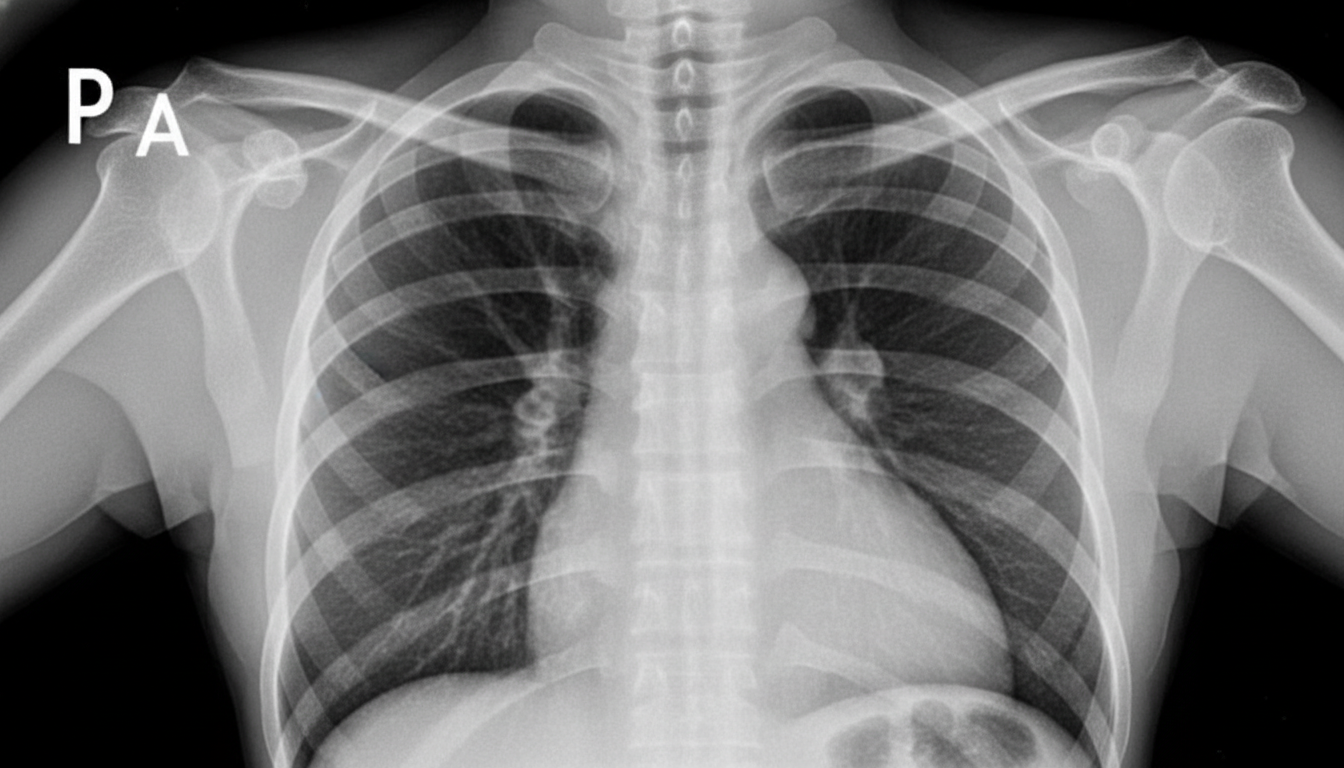
A 75-year-old over-weight gentleman with a long history of uncontrolled hypertension, diabetes, smoking and obesity is presenting to his primary care physician with a chief complaint of increased difficulty climbing stairs and the need to sleep propped up by an increasing number of pillows at night. On physical examination the patient has an extra heart sound just before S1 heard best over the cardiac apex and clear lung fields. The EKG and chest x-ray are attached (Figures A and B respectively). What is the largest contributor to this patient's symptoms?
Q84
A 78-year-old man presents to the clinic complaining of shortness of breath at rest and with exertion. He also complains of difficulty breathing while lying down. He also is concerned because he startles from sleep and feels like he is choking. These symptoms have been bothering him for the last several weeks and they are getting worse. He has been afebrile with no known sick contacts. 6 months ago, he had an acute myocardial infarction from which he recovered and until recently had felt well. He has a history of hyperlipidemia for which he takes atorvastatin. His temperature is 37.0°C (98.6°F), the pulse is 85/min, the respiratory rate is 14/min, and the blood pressure is 110/75 mm Hg. On physical examination, his heart has a regular rate and rhythm. He has bilateral crackles in both lungs. An echocardiogram is performed and shows a left ventricular ejection fraction of 33%. What medication should be started?
Q85
A 38-year-old woman comes to the physician because of an 8-week history of shortness of breath and dull chest pain. She has a history of antiphospholipid syndrome. Physical examination shows jugular venous distention. Right heart catheterization shows a mean pulmonary arterial pressure of 30 mm Hg and a pulmonary capillary wedge pressure of 10 mm Hg. Further evaluation is most likely to show which of the following?
Q86
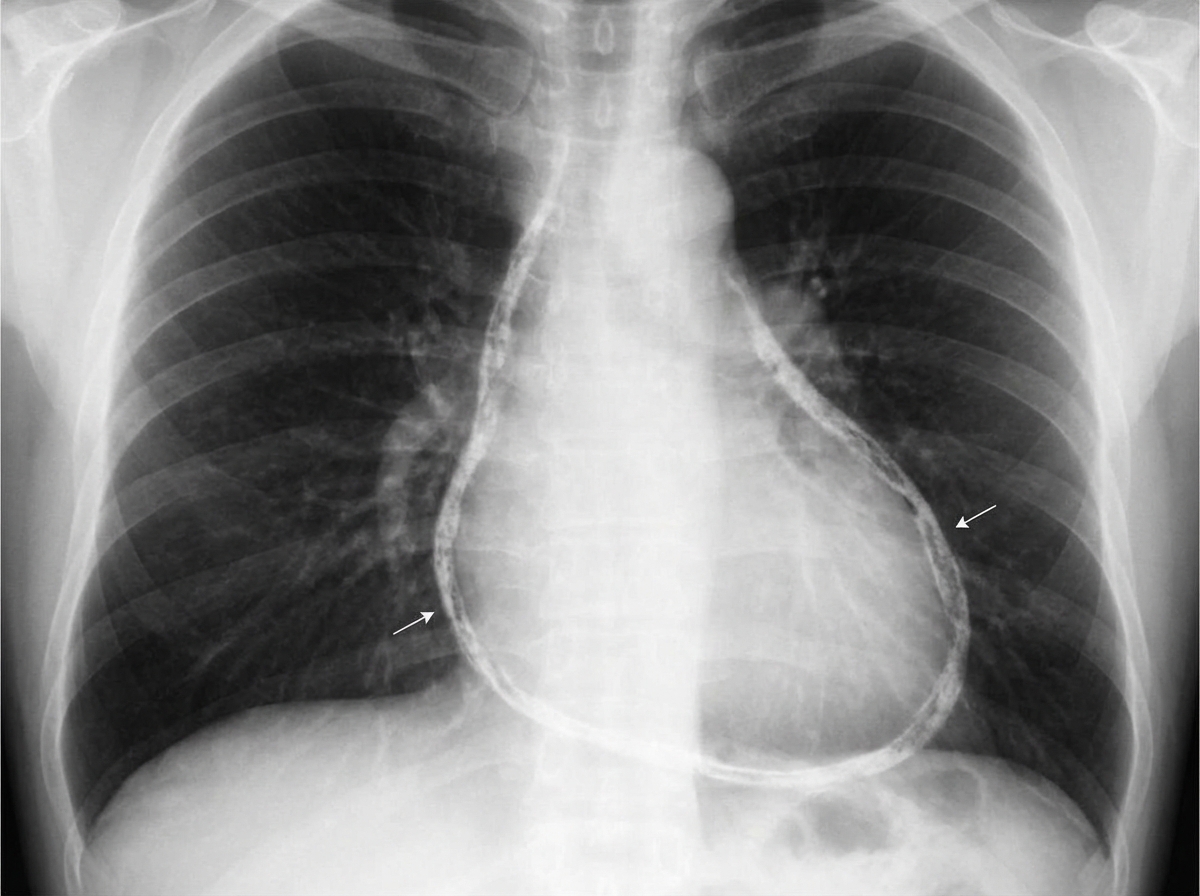
A 64-year-old man who recently immigrated to the United States from Haiti comes to the physician because of a 3-week history of progressively worsening exertional dyspnea and fatigue. For the past few days, he has also had difficulty lying flat due to trouble breathing. Over the past year, he has had intermittent fever, night sweats, and cough but he has not been seen by a physician for evaluation of these symptoms. His temperature is 37.8°C (100°F). An x-ray of the chest is shown. Further evaluation of this patient is most likely to show which of the following findings?
Q87
A 43-year-old man comes to the physician because of increasing shortness of breath for 1 month. He has been using two pillows at night but frequently wakes up feeling as if he is choking. Five months ago, he underwent surgery for creation of an arteriovenous fistula in his left upper arm. He has hypertension and chronic kidney disease due to reflux nephropathy. He receives hemodialysis three times a week. His current medications are enalapril, vitamin D3, erythropoietin, sevelamer, and atorvastatin. His temperature is 37.1°C (98.8°F), respirations are 22/min, pulse is 103/min and bounding, and blood pressure is 106/58 mm Hg. Examination of the lower extremities shows bilateral pitting pedal edema. There is jugular venous distention. A prominent thrill is heard over the brachiocephalic arteriovenous fistula. There are crackles heard at both lung bases. Cardiac examination shows an S3 gallop. The abdomen is soft and nontender. Which of the following is the most likely cause of this patient's symptoms?
Q88
A 75-year-old woman presents to her physician with a cough and shortness of breath. She says that cough gets worse at night and her shortness of breath occurs with moderate exertion or when lying flat. She says these symptoms have been getting worse over the last 6 months. She mentions that she has to use 3 pillows while sleeping in order to relieve her symptoms. She denies any chest pain, chest tightness, or palpitations. Past medical history is significant for hypertension and diabetes mellitus type 2. Her medications are amiloride, glyburide, and metformin. Family history is significant for her father who also suffered diabetes mellitus type 2 before his death at 90 years old. The patient says she drinks alcohol occasionally but denies any smoking history. Her blood pressure is 130/95 mm Hg, temperature is 36.5°C (97.7°F), and heart rate is 100/min. On physical examination, she has a sustained apical impulse, a normal S1 and S2, and a loud S4 without murmurs. There are bilateral crackles present bilaterally. A chest radiograph shows a mildly enlarged cardiac silhouette. A transesophageal echocardiogram is performed and shows a normal left ventricular ejection fraction. Which of the following myocardial changes is most likely present in this patient?
Q89
A 45-year-old woman presents to the physician with a 6-month history of progressive shortness of breath. She now has to stop to rest three or four times whenever she climbs the stairs to her apartment on the third floor. She reports chronic, nonproductive cough and wheezing, for which she uses ipratropium inhalers. She has a 25 pack-year smoking history. On examination, the blood pressure is 130/80 mm Hg, the pulse rate is 95/min, the temperature is 36.6°C (97.8°F), and the respiratory rate is 26/min. Chest auscultation reveals bilateral crepitations. Cardiac auscultation reveals normal S1 and S2 without murmurs or added sounds. Arterial blood gas analysis shows:
pH 7.36 (reference: 7.35–7.45)
HCO3- 32 mEq/L (reference 22–28 mEq/L)
Pco2 48 mm Hg (reference: 33–45 mm Hg)
Po2 63 mm Hg (reference: 75–105 mm Hg)
O2 saturation 91% (reference: 94–99%)
Which of the following would you expect to find in this patient?
Q90
A 61-year-old female with congestive heart failure and type 2 diabetes is brought to the emergency room by her husband because of an altered mental status. He states he normally helps her be compliant with her medications, but he had been away for several days. On physical exam, her temperature is 37.2 C, BP 85/55, and HR 130. Serum glucose is 500 mg/dL. Which of the following is the first step in the management of this patient?
Heart failure US Medical PG Practice Questions and MCQs
Question 81: A 57-year-old woman with type 2 diabetes mellitus comes to the physician for a follow-up examination. She previously had been compliant with her diet and medication but has had a 5-kg (11-lb) weight gain since the last visit 6 months ago. She reports that she often misses doses of her metformin. Her hemoglobin A1c is 9.8%. Which of the following is the most appropriate course of action?
A. Add glyburide to the medication regimen
B. Stop metformin and begin an insulin regimen
C. Schedule more frequent follow-up visits
D. Refer the patient to an endocrinologist
E. Refer the patient to a dietician (Correct Answer)
Explanation: ***Refer the patient to a dietician***
- The patient has **non-compliance with both diet and medication**, along with significant weight gain (5 kg) and severely uncontrolled diabetes (HbA1c 9.8%). A dietician can provide structured education on **nutrition management**, help address barriers to lifestyle adherence, and support weight management.
- Dietician referral is a **concrete, actionable intervention** that directly addresses multiple issues: the stated diet non-compliance, weight gain, and provides diabetes self-management education that can improve overall medication adherence.
- This intervention provides **professional support** beyond what can be achieved in brief physician visits and is appropriate before escalating to more complex medication regimens.
*Schedule more frequent follow-up visits*
- While increased monitoring may seem reasonable, this is a **passive approach** that doesn't provide the patient with concrete tools or resources to address her diet non-compliance and weight gain.
- With an HbA1c of 9.8%, simply watching and waiting with more frequent visits is insufficient; **active intervention** is needed to address the underlying behavioral and lifestyle issues.
- More frequent visits alone don't provide the structured education and support this patient needs.
*Add glyburide to the medication regimen*
- Adding a **sulfonylurea** like glyburide would likely worsen the patient's weight gain, as these drugs stimulate insulin release and commonly cause weight gain of 2-3 kg.
- Before adding medications, addressing the **underlying adherence issues** with current therapy is more appropriate, as medication intensification in a non-adherent patient is unlikely to be effective.
- Glyburide also carries a higher risk of **hypoglycemia** compared to metformin.
*Stop metformin and begin an insulin regimen*
- Starting insulin without first addressing **medication adherence** and lifestyle factors is premature, especially when the patient is already struggling with a simpler oral medication regimen.
- Insulin initiation requires intensive patient education, frequent glucose monitoring, and excellent self-management skills, making it particularly challenging for a patient with documented **adherence difficulties**.
- Before escalating to insulin, interventions targeting diet, lifestyle, and adherence should be attempted.
*Refer the patient to an endocrinologist*
- Endocrinology referral is typically reserved for **complex diabetes cases** with multiple complications, failure of optimal primary care management, or need for advanced therapies.
- The primary issue here is **non-compliance with basic management**, which can and should be addressed in primary care with appropriate support services (dietician, diabetes educator).
- Referral to an endocrinologist doesn't address the fundamental adherence and lifestyle issues this patient faces.
Question 82: A 55-year-old man presents with a bilateral lower leg edema. The patient reports it developed gradually over the past 4 months. The edema is worse in the evening and improves after sleeping at night or napping during the day. There are no associated pain or sensitivity changes. The patient also notes dyspnea on usual exertion such as working at his garden. The patient has a history of a STEMI myocardial infarction 9 months ago treated with thrombolysis with an unremarkable postprocedural course. His current medications include atorvastatin 10 mg, aspirin 81 mg, and metoprolol 50 mg daily. He works as a barber at a barbershop, has a 16-pack-year history of smoking, and consumes alcohol in moderation. The vital signs include: blood pressure 130/80 mm Hg, heart rate 63/min, respiratory rate 14/min, and temperature 36.8℃ (98.2℉). The lungs are clear to auscultation. Cardiac examination shows dubious S3 and a soft grade 1/6 systolic murmur best heard at the apex of the heart. Abdominal examination reveals hepatic margin 1 cm below the costal margin. There is a 2+ bilateral pitting lower leg edema. The skin over the edema is pale with no signs of any lesions. There is no facial or flank edema. The thyroid gland is not enlarged. Which of the following tests is most likely to reveal the cause of the patient’s symptoms?
A. D-dimer measurement
B. Doppler color ultrasound of the lower extremity
C. Echocardiography (Correct Answer)
D. Soft tissue ultrasound of the lower extremities
E. T4 and thyroid-stimulating hormone assessment
Explanation: ***Correct: Echocardiography***
- The patient's history of **STEMI 9 months ago**, **dyspnea on exertion**, **bilateral pitting lower extremity edema** that worsens in the evening, **dubious S3 gallop**, and **hepatomegaly** are classic findings of **heart failure post-myocardial infarction**.
- **Echocardiography** is the **gold standard test** to assess **left ventricular function**, **ejection fraction**, **regional wall motion abnormalities**, and **valve function**, which are crucial for diagnosing and determining the severity of heart failure post-MI.
- This test will directly reveal the cardiac cause of the patient's symptoms and guide management decisions.
*Incorrect: D-dimer measurement*
- This test is primarily used to rule out **deep vein thrombosis (DVT)** or **pulmonary embolism (PE)**, neither of which is strongly suggested by the patient's bilateral, gradual-onset edema and cardiac symptoms.
- A negative D-dimer is useful to exclude DVT/PE, but a positive result is non-specific and would not explain the other cardiac findings like dyspnea on exertion, S3 gallop, and hepatomegaly.
*Incorrect: Doppler color ultrasound of the lower extremity*
- This imaging is used to evaluate for **venous insufficiency** or **deep vein thrombosis**, which typically cause unilateral or acute edema with skin changes.
- While chronic venous insufficiency could cause bilateral edema, the presence of **dyspnea on exertion**, **S3 gallop**, and **hepatomegaly** strongly points to a **cardiac origin** rather than venous disease.
*Incorrect: Soft tissue ultrasound of the lower extremities*
- This test is used to evaluate for **localized soft tissue infection (cellulitis)**, **abscesses**, or other **structural abnormalities** in the subcutaneous tissue.
- The patient's edema is described as **pale with no signs of lesions**, non-tender, and bilateral, making soft tissue pathology unlikely. Additionally, there are no signs of inflammation or infection.
*Incorrect: T4 and thyroid-stimulating hormone assessment*
- While **hypothyroidism** can cause edema (myxedema), it typically presents as **non-pitting edema** and is usually accompanied by other symptoms like fatigue, weight gain, cold intolerance, and bradycardia beyond what beta-blockers would cause.
- The patient's symptoms with **pitting edema**, **post-MI history**, **dyspnea on exertion**, and **S3 gallop** are pathognomonic for cardiac causes, and there are no specific signs pointing to thyroid dysfunction.
Question 83: A 75-year-old over-weight gentleman with a long history of uncontrolled hypertension, diabetes, smoking and obesity is presenting to his primary care physician with a chief complaint of increased difficulty climbing stairs and the need to sleep propped up by an increasing number of pillows at night. On physical examination the patient has an extra heart sound just before S1 heard best over the cardiac apex and clear lung fields. The EKG and chest x-ray are attached (Figures A and B respectively). What is the largest contributor to this patient's symptoms?
A. Uncontrolled Hypertension (Correct Answer)
B. Obesity
C. Sleep Apnea
D. Acute Myocardial Infarction
E. Long-term smoking
Explanation: ***Uncontrolled Hypertension***
- The patient's history of **uncontrolled hypertension**, along with the finding of an **S4 heart sound** (occurring just before S1), are classic indicators of **left ventricular hypertrophy** and **diastolic dysfunction**. Diastolic dysfunction reduces the heart's ability to fill properly, causing symptoms like **dyspnea on exertion** (difficulty climbing stairs) and **orthopnea** (needing to sleep propped up).
- The symptoms of **dyspnea and orthopnea**, in the absence of pulmonary congestion (clear lung fields), strongly point to **diastolic heart failure**, which is predominantly caused by chronic uncontrolled hypertension leading to a stiff, non-compliant ventricle.
*Obesity*
- While obesity can contribute to cardiovascular risk factors and symptoms like dyspnea, it is less likely to be the *largest* contributor to the *specific* constellation of symptoms and physical exam findings here.
- The presence of an **S4 heart sound** is a direct consequence of a stiff ventricle, which is more directly linked to chronic hypertension than obesity alone.
*Sleep Apnea*
- Sleep apnea can lead to **nocturnal hypoxemia** and contribute to cardiovascular disease, including hypertension and heart failure. However, the symptoms of **dyspnea on exertion** and **orthopnea** in the presence of an **S4 heart sound** point more specifically to intrinsic myocardial dysfunction rather than primary sleep-disordered breathing.
- While sleep apnea might be a comorbidity, it does not explain the **S4 sound** or the **diastolic dysfunction** as directly as uncontrolled hypertension.
*Acute Myocardial Infarction*
- An acute myocardial infarction (AMI) typically presents with **acute chest pain**, EKG changes like **ST-segment elevation or depression**, and *elevated cardiac biomarkers*. These acute features are not mentioned, and the patient's symptoms are chronic and progressive.
- While an AMI can lead to heart failure, the chronic nature of the symptoms (difficulty climbing stairs, needing more pillows over time) suggests a more gradual process rather than an acute event.
*Long-term smoking*
- Long-term smoking is a significant risk factor for **atherosclerosis**, coronary artery disease, and chronic obstructive pulmonary disease (COPD). However, the patient's clear lung fields make COPD less likely as the primary cause of dyspnea.
- While smoking contributes to cardiovascular risk, the **S4 heart sound and diastolic dysfunction** are more directly attributable to chronic hypertension causing ventricular stiffness.
Question 84: A 78-year-old man presents to the clinic complaining of shortness of breath at rest and with exertion. He also complains of difficulty breathing while lying down. He also is concerned because he startles from sleep and feels like he is choking. These symptoms have been bothering him for the last several weeks and they are getting worse. He has been afebrile with no known sick contacts. 6 months ago, he had an acute myocardial infarction from which he recovered and until recently had felt well. He has a history of hyperlipidemia for which he takes atorvastatin. His temperature is 37.0°C (98.6°F), the pulse is 85/min, the respiratory rate is 14/min, and the blood pressure is 110/75 mm Hg. On physical examination, his heart has a regular rate and rhythm. He has bilateral crackles in both lungs. An echocardiogram is performed and shows a left ventricular ejection fraction of 33%. What medication should be started?
A. Captopril (Correct Answer)
B. Levofloxacin
C. Verapamil
D. Niacin
E. Nitroglycerin
Explanation: ***Captopril***
- The patient presents with classic symptoms of **heart failure** (shortness of breath at rest and with exertion, orthopnea, paroxysmal nocturnal dyspnea), a history of **myocardial infarction**, and a **reduced left ventricular ejection fraction (LVEF) of 33%**.
- **ACE inhibitors** like captopril are first-line agents for heart failure with reduced ejection fraction (HFrEF) as they **improve survival**, reduce hospitalizations, and alleviate symptoms by decreasing **afterload** and **preload**, and preventing cardiac remodeling.
*Levofloxacin*
- This is an **antibiotic** used to treat bacterial infections.
- While crackles can be present in pneumonia, the patient is **afebrile**, has no sick contacts, and the clinical picture, including orthopnea and paroxysmal nocturnal dyspnea, points strongly to **heart failure**, not infection.
*Verapamil*
- **Verapamil** is a **non-dihydropyridine calcium channel blocker** predominantly used for rate control in arrhythmias or to treat hypertension and angina.
- It has a negative **inotropic effect** and can **worsen heart failure** in patients with reduced ejection fraction, making it contraindicated in this case.
*Niacin*
- **Niacin** is used to lower **LDL cholesterol** and raise **HDL cholesterol**, often for dyslipidemia.
- While the patient has a history of hyperlipidemia, his acute symptoms and low ejection fraction indicate a need for **heart failure treatment**, not additional lipid management.
*Nitroglycerin*
- **Nitroglycerin** is a **vasodilator** primarily used for **angina** or in acute heart failure to reduce preload and afterload.
- While it might provide temporary symptomatic relief in acute decompensated heart failure, it's not a long-term foundational therapy like ACE inhibitors for **chronic HFrEF** to improve survival and prevent progression.
Question 85: A 38-year-old woman comes to the physician because of an 8-week history of shortness of breath and dull chest pain. She has a history of antiphospholipid syndrome. Physical examination shows jugular venous distention. Right heart catheterization shows a mean pulmonary arterial pressure of 30 mm Hg and a pulmonary capillary wedge pressure of 10 mm Hg. Further evaluation is most likely to show which of the following?
A. Constriction of the renal afferent arteriole
B. Hemosiderin-laden macrophages (Correct Answer)
C. Mitral valve leaflet thickening
D. Dilation of the coronary sinus
E. Decreased left ventricular contractility
Explanation: ***Hemosiderin-laden macrophages***
- The patient's history of **antiphospholipid syndrome** and symptoms of **shortness of breath**, **chest pain**, and **jugular venous distention** suggest **pulmonary hypertension**.
- **Right heart catheterization** results (**mean pulmonary arterial pressure 30 mm Hg**, **pulmonary capillary wedge pressure 10 mm Hg**) confirm **pulmonary arterial hypertension (PAH)**, which, in the context of antiphospholipid syndrome, strongly indicates **chronic thromboembolic pulmonary hypertension (CTEPH)**. **Hemosiderin-laden macrophages** ("heart failure cells") are characteristic findings in the lungs of patients with chronic pulmonary congestion or recurrent pulmonary hemorrhage, which can occur in CTEPH due to the impact of chronic emboli on the pulmonary vasculature, leading to microhemorrhages and subsequent iron deposition.
*Constriction of the renal afferent arteriole*
- This is characteristic of conditions like **hypertensive nephrosclerosis** or involvement in systemic vasculitides, but it is not directly related to the primary pulmonary pathology described.
- While patients with antiphospholipid syndrome can develop renal complications (e.g., microangiopathy), it is not the most likely finding explained by the pulmonary symptoms and hemodynamic measurements.
*Mitral valve leaflet thickening*
- **Mitral valve leaflet thickening** and stenosis would lead to an **elevated pulmonary capillary wedge pressure (PCWP)**, indicating **post-capillary pulmonary hypertension**.
- The patient's PCWP is 10 mm Hg, which is within the normal range, ruling out significant left-sided heart disease as the primary cause of her pulmonary hypertension.
*Dilation of the coronary sinus*
- **Dilation of the coronary sinus** typically occurs due to conditions causing **elevated right atrial pressure** or **shunting from the left side of the heart**, such as an unroofed coronary sinus or persistent left superior vena cava.
- While right heart pressures are elevated, this finding is not a direct or specific consequence of the suspected CTEPH.
*Decreased left ventricular contractility*
- **Decreased left ventricular contractility** would lead to **elevated left ventricular end-diastolic pressure** and, consequently, an **elevated pulmonary capillary wedge pressure**.
- The normal PCWP of 10 mm Hg rules out significant left ventricular systolic dysfunction as the cause of the patient's pulmonary hypertension.
Question 86: A 64-year-old man who recently immigrated to the United States from Haiti comes to the physician because of a 3-week history of progressively worsening exertional dyspnea and fatigue. For the past few days, he has also had difficulty lying flat due to trouble breathing. Over the past year, he has had intermittent fever, night sweats, and cough but he has not been seen by a physician for evaluation of these symptoms. His temperature is 37.8°C (100°F). An x-ray of the chest is shown. Further evaluation of this patient is most likely to show which of the following findings?
A. Head bobbing in synchrony with heart beat
B. Jugular venous distention on inspiration (Correct Answer)
C. Prominent "a" wave on jugular venous pressure tracing
D. Elimination of S2 heart sound splitting with inspiration
E. Crescendo-decrescendo systolic ejection murmur
Explanation: ***Jugular venous distention on inspiration***
- The patient's symptoms (dyspnea, fatigue, orthopnea, fever, night sweats, cough), Haitian origin, and chest X-ray findings (likely indicating **pericardial effusion** or **constrictive pericarditis**) are highly suggestive of **tuberculosis** involving the pericardium.
- **Kussmaul's sign** (paradoxical rise in JVP with inspiration) is a classic finding in **constrictive pericarditis** and **restrictive cardiomyopathy**, indicating impaired right ventricular filling.
*Head bobbing in synchrony with heart beat*
- This symptom, also known as **de Musset's sign**, is associated with severe **aortic regurgitation**.
- There are no other clinical signs to suggest aortic regurgitation, and the patient's symptoms point towards a restrictive or constrictive cardiac pathology.
*Prominent "a" wave on jugular venous pressure tracing*
- A prominent "a" wave (atrial contraction against a closed tricuspid valve) is typically seen in **tricuspid stenosis**, **pulmonary hypertension**, or certain types of **right ventricular hypertrophy**, none of which are suggested here.
- The findings in this patient are more consistent with impaired ventricular filling due to pericardial disease affecting both atria and ventricles.
*Elimination of S2 heart sound splitting with inspiration*
- **Physiologic splitting of S2** widens with inspiration due to delayed pulmonary valve closure.
- The **elimination of S2 splitting** or a paradoxically split S2 is associated with conditions like **aortic stenosis** or **left bundle branch block**, which are not indicated by the patient's presentation.
*Crescendo-decrescendo systolic ejection murmur*
- This type of murmur is characteristic of **aortic stenosis** or **pulmonic stenosis**.
- The patient's symptoms are more consistent with a pericardial process affecting cardiac filling rather than outflow obstruction.
Question 87: A 43-year-old man comes to the physician because of increasing shortness of breath for 1 month. He has been using two pillows at night but frequently wakes up feeling as if he is choking. Five months ago, he underwent surgery for creation of an arteriovenous fistula in his left upper arm. He has hypertension and chronic kidney disease due to reflux nephropathy. He receives hemodialysis three times a week. His current medications are enalapril, vitamin D3, erythropoietin, sevelamer, and atorvastatin. His temperature is 37.1°C (98.8°F), respirations are 22/min, pulse is 103/min and bounding, and blood pressure is 106/58 mm Hg. Examination of the lower extremities shows bilateral pitting pedal edema. There is jugular venous distention. A prominent thrill is heard over the brachiocephalic arteriovenous fistula. There are crackles heard at both lung bases. Cardiac examination shows an S3 gallop. The abdomen is soft and nontender. Which of the following is the most likely cause of this patient's symptoms?
A. AV fistula aneurysm
B. Pulmonary embolism
C. Constrictive pericarditis
D. Dialysis disequilibrium syndrome
E. High-output heart failure (Correct Answer)
Explanation: ***High-output heart failure***
- The patient's symptoms of **dyspnea, orthopnea, pitting edema, jugular venous distention, crackles**, and **S3 gallop** strongly indicate **heart failure**. The **bounding pulse** and **wide pulse pressure** (systolic 106, diastolic 58) in the presence of an **arteriovenous fistula** suggest a **high-output state**.
- An **arteriovenous fistula** used for hemodialysis can significantly increase **cardiac preload** and reduce **afterload**, leading to a persistent increase in **cardiac output**. Over time, this chronic increase in demand can overwhelm the heart, resulting in **high-output heart failure**.
*AV fistula aneurysm*
- An **AV fistula aneurysm** is a localized dilatation of the fistula and would typically present as a painful or compressible mass.
- While it's a complication of AV fistulas, it does not directly explain the systemic signs of **heart failure** observed in this patient.
*Pulmonary embolism*
- **Pulmonary embolism** typically presents with sudden onset **dyspnea, pleuritic chest pain**, and sometimes **tachycardia** and **hypoxia**.
- This patient's symptoms are of gradual onset, accompanied by clear signs of **fluid overload** and **cardiac dysfunction** like an S3 gallop, which are not typical for a PE.
*Constrictive pericarditis*
- **Constrictive pericarditis** causes symptoms of **right-sided heart failure** due to impaired diastolic filling, often with a **pericardial knock** and **Kussmaul's sign**.
- While it can manifest with pedal edema and JVD, the **S3 gallop** and especially the **bounding pulse** and **wide pulse pressure** are inconsistent with constrictive pericarditis, which would typically cause a low-output state.
*Dialysis disequilibrium syndrome*
- **Dialysis disequilibrium syndrome** occurs shortly after hemodialysis, usually during or immediately after the first few sessions. It is characterized by neurological symptoms such as **headache, nausea, vomiting, confusion**, and **seizures**.
- The patient's symptoms have been evolving over a month and describe a state of **fluid overload** and **cardiac dysfunction**, not acute neurological symptoms related to dialysis.
Question 88: A 75-year-old woman presents to her physician with a cough and shortness of breath. She says that cough gets worse at night and her shortness of breath occurs with moderate exertion or when lying flat. She says these symptoms have been getting worse over the last 6 months. She mentions that she has to use 3 pillows while sleeping in order to relieve her symptoms. She denies any chest pain, chest tightness, or palpitations. Past medical history is significant for hypertension and diabetes mellitus type 2. Her medications are amiloride, glyburide, and metformin. Family history is significant for her father who also suffered diabetes mellitus type 2 before his death at 90 years old. The patient says she drinks alcohol occasionally but denies any smoking history. Her blood pressure is 130/95 mm Hg, temperature is 36.5°C (97.7°F), and heart rate is 100/min. On physical examination, she has a sustained apical impulse, a normal S1 and S2, and a loud S4 without murmurs. There are bilateral crackles present bilaterally. A chest radiograph shows a mildly enlarged cardiac silhouette. A transesophageal echocardiogram is performed and shows a normal left ventricular ejection fraction. Which of the following myocardial changes is most likely present in this patient?
A. Macrophages with hemosiderin
B. Asymmetric hypertrophy of the interventricular septum
C. Ventricular hypertrophy with sarcomeres duplicated in series
D. Ventricular hypertrophy with sarcomeres duplicated in parallel (Correct Answer)
E. Granuloma consisting of lymphocytes, plasma cells and macrophages surrounding necrotic tissue
Explanation: ***Ventricular hypertrophy with sarcomeres duplicated in parallel***
- This patient presents with symptoms and signs consistent with **diastolic heart failure** due to **hypertension**, including exertional dyspnea, orthopnea, paroxysmal nocturnal dyspnea, S4 gallop, and preserved ejection fraction on echocardiogram.
- **Chronic hypertension** causes increased **afterload**, leading to **concentric left ventricular hypertrophy** where new sarcomeres are added in **parallel**, thickening the ventricular wall, and contributing to impaired relaxation and diastolic dysfunction.
*Macrophages with hemosiderin*
- **Hemosiderin-laden macrophages ("heart failure cells")** are typically found in the **lungs** in cases of chronic **pulmonary congestion** due to **left-sided heart failure**.
- While pulmonary congestion is present, this option describes a finding in the **lungs**, not the specific myocardial change causing the heart failure.
*Asymmetric hypertrophy of the interventricular septum*
- This is a hallmark feature of **hypertrophic cardiomyopathy (HCM)**, an inherited genetic disorder, often causing **dynamic left ventricular outflow tract obstruction**.
- There are no other features suggestive of HCM in this patient; her symptoms are more consistent with **hypertensive heart disease**.
*Ventricular hypertrophy with sarcomeres duplicated in series*
- Duplication of sarcomeres **in series** leads to **eccentric hypertrophy**, which is typically seen in conditions of **volume overload**, such as **dilated cardiomyopathy** or **aortic regurgitation**.
- This patient's presentation with **preserved ejection fraction** and chronic hypertension points towards **pressure overload** and concentric hypertrophy, not eccentric hypertrophy.
*Granuloma consisting of lymphocytes, plasma cells and macrophages surrounding necrotic*
- This description is characteristic of a **granuloma** seen in conditions like **tuberculosis** or **cardiac sarcoidosis**, the latter of which can cause restrictive cardiomyopathy.
- While sarcoidosis can cause heart failure, the patient's long-standing **hypertension** is a much more common and direct cause of her reported symptoms and findings.
Question 89: A 45-year-old woman presents to the physician with a 6-month history of progressive shortness of breath. She now has to stop to rest three or four times whenever she climbs the stairs to her apartment on the third floor. She reports chronic, nonproductive cough and wheezing, for which she uses ipratropium inhalers. She has a 25 pack-year smoking history. On examination, the blood pressure is 130/80 mm Hg, the pulse rate is 95/min, the temperature is 36.6°C (97.8°F), and the respiratory rate is 26/min. Chest auscultation reveals bilateral crepitations. Cardiac auscultation reveals normal S1 and S2 without murmurs or added sounds. Arterial blood gas analysis shows:
pH 7.36 (reference: 7.35–7.45)
HCO3- 32 mEq/L (reference 22–28 mEq/L)
Pco2 48 mm Hg (reference: 33–45 mm Hg)
Po2 63 mm Hg (reference: 75–105 mm Hg)
O2 saturation 91% (reference: 94–99%)
Which of the following would you expect to find in this patient?
A. Shift of the flow volume loop to the right
B. Decreased lung compliance
C. Decreased diffusing capacity of the lungs for carbon monoxide (DLCO) (Correct Answer)
D. Decreased lung residual volume
E. Increased FEV1/FVC ratio
Explanation: ***Decreased diffusing capacity of the lungs for carbon monoxide (DLCO)***
- This patient's presentation with **progressive dyspnea**, **chronic cough**, **wheezing**, **25 pack-year smoking history**, and **chronic respiratory acidosis with metabolic compensation** (elevated PCO2 48, elevated HCO3- 32) is highly suggestive of **COPD with emphysema component**.
- The **ABG pattern shows chronic CO2 retention** with renal compensation (elevated bicarbonate), which is characteristic of **chronic obstructive lung disease**, not restrictive disease.
- In **emphysema**, there is **destruction of alveolar walls** and loss of elastic recoil, leading to **impaired gas exchange** and **decreased DLCO** due to reduced surface area for gas diffusion.
- Decreased DLCO is a hallmark finding in emphysema and helps differentiate it from chronic bronchitis (where DLCO may be normal).
*Incorrect: Shift of the flow volume loop to the right*
- While this patient likely has **obstructive lung disease (COPD)**, a shift of the flow-volume loop to the **right** indicates **increased lung volumes and hyperinflation**, not the loop shape itself.
- In COPD, the flow-volume loop shows **decreased flow rates** (scooped appearance) rather than a simple rightward shift, making this description imprecise.
*Incorrect: Decreased lung compliance*
- **Decreased lung compliance** is characteristic of **restrictive lung diseases** (e.g., pulmonary fibrosis, ARDS) where lungs become stiff.
- In **emphysema/COPD**, lung compliance is typically **increased** (lungs become more compliant/floppy) due to loss of elastic tissue, not decreased.
- This patient's ABG pattern of chronic hypercapnia indicates obstructive disease, not restrictive disease.
*Incorrect: Decreased lung residual volume*
- This is the **opposite** of what would be expected in COPD/emphysema.
- In **obstructive lung disease**, residual volume is **increased** due to **air trapping** and inability to fully exhale.
- **Decreased residual volume** would be seen in **restrictive lung diseases**, which does not fit this patient's chronic hypercapnic respiratory acidosis.
*Incorrect: Increased FEV1/FVC ratio*
- This is the **opposite** of what would be expected in COPD.
- In **obstructive lung disease**, the FEV1/FVC ratio is **decreased** (typically <0.70) because airflow limitation reduces FEV1 more than FVC.
- An **increased FEV1/FVC ratio** is seen in **restrictive lung diseases**, where both volumes decrease but FVC decreases proportionally more than FEV1.
Question 90: A 61-year-old female with congestive heart failure and type 2 diabetes is brought to the emergency room by her husband because of an altered mental status. He states he normally helps her be compliant with her medications, but he had been away for several days. On physical exam, her temperature is 37.2 C, BP 85/55, and HR 130. Serum glucose is 500 mg/dL. Which of the following is the first step in the management of this patient?
A. IV ½ NS
B. IV insulin
C. Subcutaneous insulin injection
D. IV NS (Correct Answer)
E. IV D5W
Explanation: ***IV NS***
- The patient presents with **hypotension (85/55 mmHg)** and **tachycardia (130 bpm)**, indicating significant **volume depletion** despite a history of congestive heart failure.
- **Isotonic intravenous fluids (e.g., normal saline)** are crucial in the initial management of **diabetic ketoacidosis (DKA)** or **hyperosmolar hyperglycemic state (HHS)** to restore intravascular volume and improve tissue perfusion.
*IV ½ NS*
- **Hypotonic solutions** such as IV ½ NS are typically used later in DKA/HHS management, once the patient's **hemodynamic stability** has been achieved and serum sodium levels are stable or elevated.
- Administering hypotonic fluids to an already **hypotensive and volume-depleted patient** could worsen hypotension and potentially lead to cerebral edema if not carefully monitored.
*IV insulin*
- While insulin is essential for correcting hyperglycemia, it is administered **after or concurrently with fluid resuscitation** to avoid worsening hypovolemia as it drives glucose and potassium into cells, potentially causing **hypokalemia** and further **hemoconcentration**.
- **Fluid resuscitation** should always precede or be initiated simultaneously with insulin therapy, especially in cases of hemodynamic instability.
*Subcutaneous insulin injection*
- **Subcutaneous insulin** is not appropriate for initial management in this critically ill patient due to its **slower onset of action** and potentially **erratic absorption** in hypotensive and poorly perfused states.
- **Intravenous insulin** is preferred in DKA/HHS for its rapid, titratable effect.
*IV D5W*
- **Dextrose 5% in water (D5W)** is a hypotonic solution primarily used when **blood glucose levels fall below 250 mg/dL** during DKA/HHS treatment to prevent hypoglycemia.
- Administering D5W in a patient with a **serum glucose of 500 mg/dL** would further elevate blood sugar and worsen the hyperosmolar state.