An adult female presents with pallor and fatigue. Blood investigations show low hemoglobin ( Hb ), low serum iron, low ferritin, low transferrin saturation, and increased total iron-binding capacity (TIBC). What is the likely diagnosis?
Q12
Which of the following is typically observed in the investigation results for a patient with iron deficiency anemia (IDA)?
Q13
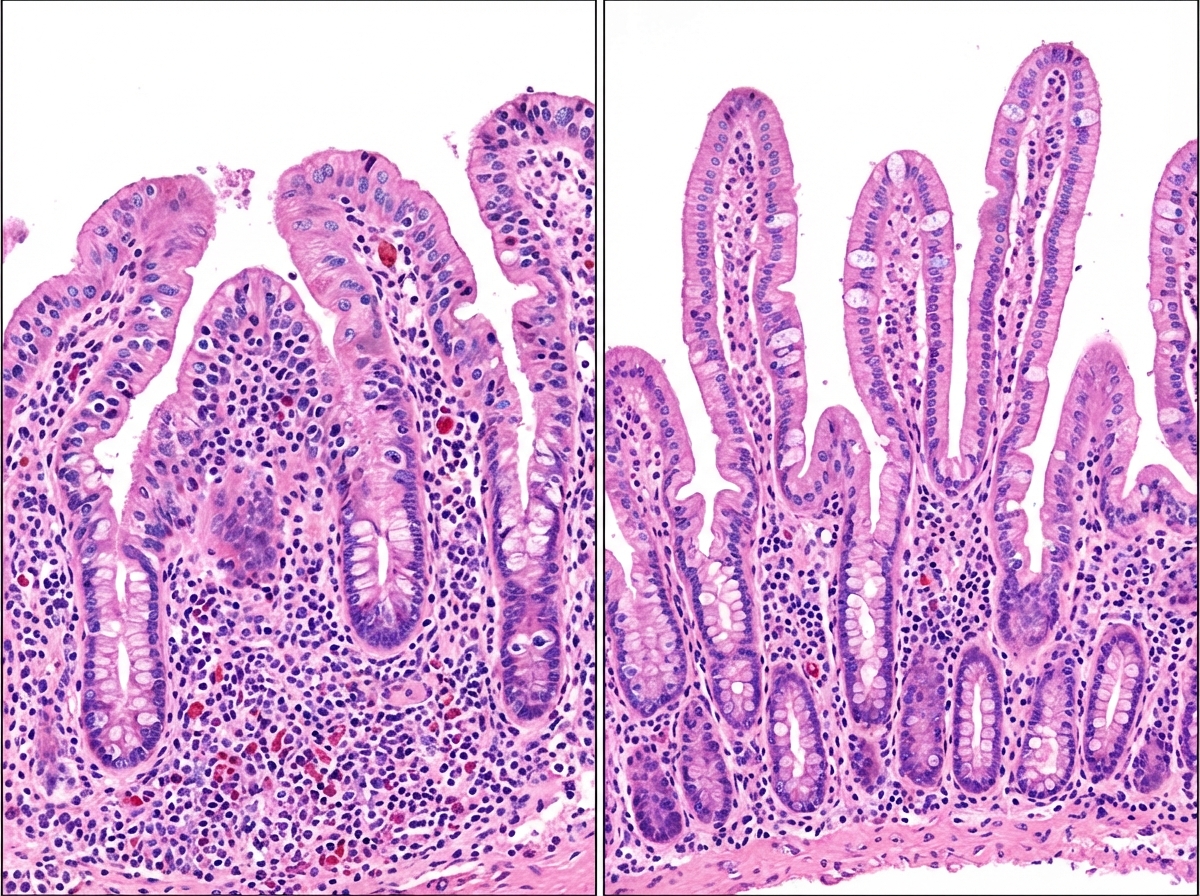
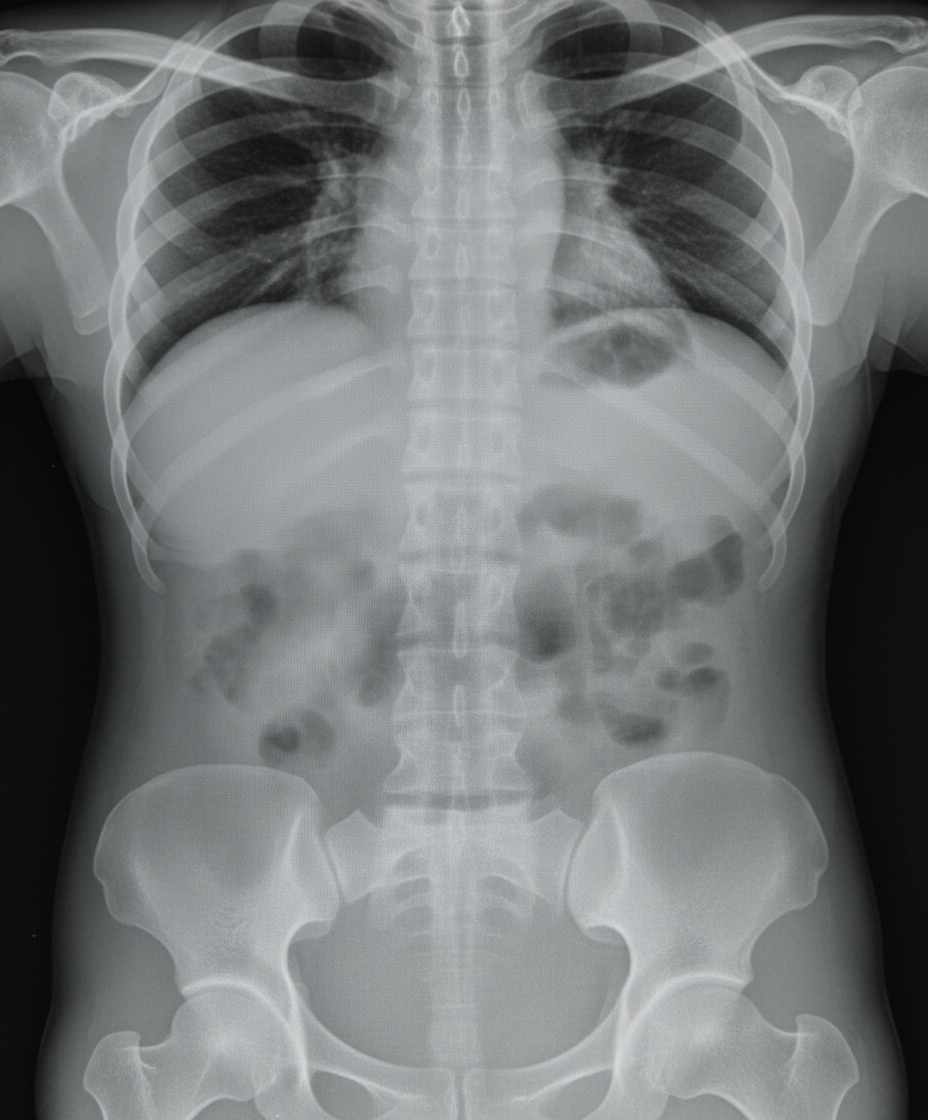
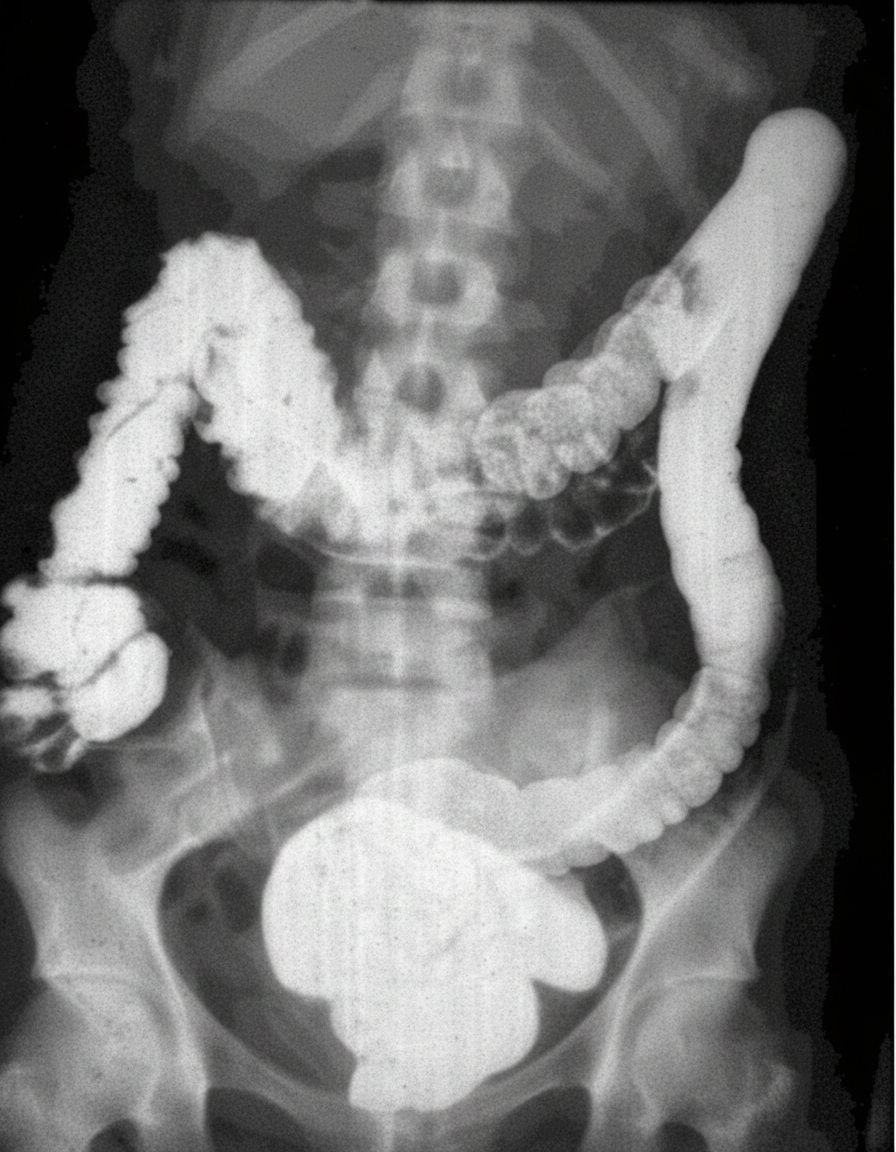
Which of the following antibodies is associated with Celiac disease?
Q14
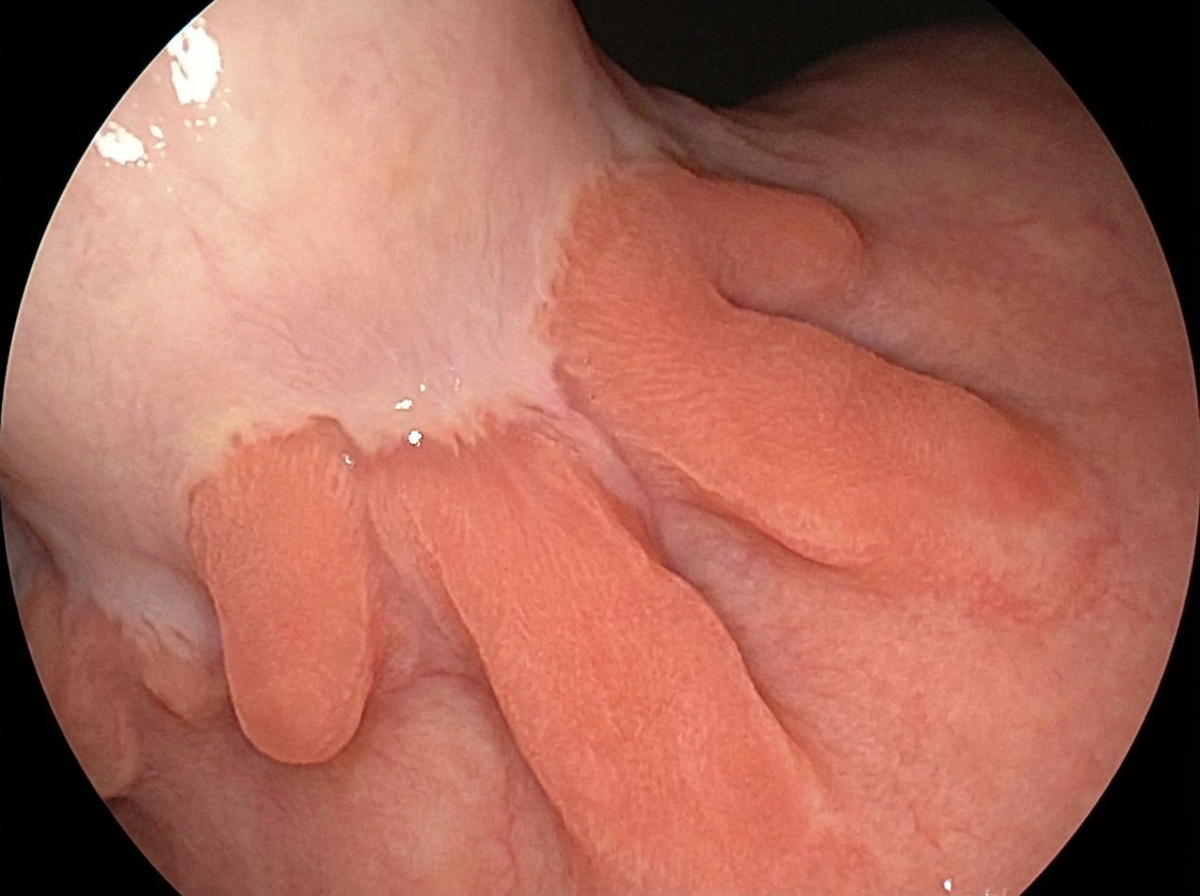
An endoscopic image shows the following finding. What is the most likely diagnosis?
Q15
A female engineer works for 12-14 hours a day and reports consuming only fast food, with no vegetables or fruits in her diet. Her hemoglobin (Hb) count is $9 \mathrm{~g} / \mathrm{dL}$, and her mean corpuscular volume (MCV) is 120 fL . Peripheral smear (PS) shows the presence of macrocytes. What is the most likely diagnosis?
Q16
A 71-year-old man presents to the emergency department because of blood in his stool. The patient states that he is not experiencing any pain during defecation and is without pain currently. The patient recently returned from a camping trip where he consumed meats cooked over a fire pit and drank water from local streams. The patient has a past medical history of obesity, diabetes, constipation, irritable bowel syndrome, ulcerative colitis that is in remission, and a 70 pack-year smoking history. The patient has a family history of breast cancer in his mother and prostate cancer in his father. His temperature is 98.9°F (37.2°C), blood pressure is 160/87 mmHg, pulse is 80/min, respirations are 14/min, and oxygen saturation is 98% on room air. Physical exam is notable for an obese man in no current distress. Abdominal exam reveals a non-tender and non-distended abdomen with normal bowel sounds. An abdominal radiograph and barium swallow are within normal limits. Assuming appropriate diagnostic workup identifies the most likely cause of his symptoms, which of the following would be the most appropriate treatment?
Q17
A 43-year-old man comes to the physician because of a 2-week history of nonbloody diarrhea, abdominal discomfort, and bloating. When the symptoms began, several of his coworkers had similar symptoms but only for about 3 days. Abdominal examination shows diffuse tenderness with no guarding or rebound. Stool sampling reveals a decreased stool pH. Which of the following is the most likely underlying cause of this patient's prolonged symptoms?
Q18
A 45-year-old man presents to the emergency department with upper abdominal pain. He reports vomiting blood 2 times at home. He has smoked 30–40 cigarettes daily for 15 years. He is otherwise well, takes no medications, and abstains from the use of alcohol. While in the emergency department, he vomits bright red blood into a bedside basin and becomes light-headed. Blood pressure is 86/40 mm Hg, pulse 120/min, and respiratory rate 24/min. His skin is cool to touch, pale, and mottled. Which of the following is a feature of this patient’s condition?
Q19
A 68-year-old man comes to the physician for a routine health maintenance examination. Over the past six months, he has had an increase in the frequency of his bowel movements and occasional bloody stools. He has hypertension, coronary artery disease, and chronic obstructive pulmonary disease. He has smoked one pack of cigarettes daily for 40 years. His current medications include aspirin, lisinopril, and salmeterol. His temperature is 37°C (98.6°F), pulse is 75/min, and blood pressure is 128/75 mm Hg. The lungs are clear to auscultation. Cardiac examination shows no murmurs, rubs, or gallops. The abdomen is soft with no organomegaly. Digital rectal examination shows a large internal hemorrhoid. Test of the stool for occult blood is positive. Which of the following is the most appropriate next step in the management of this patient?
Q20
A 42-year-old woman presents for a follow-up visit. She was diagnosed with iron deficiency anemia 3 months ago, for which she was prescribed ferrous sulfate twice daily. She says the medication has not helped, and she still is suffering from fatigue and shortness of breath when she exerts herself. Past medical history is remarkable for chronic dyspepsia. The patient denies smoking, drinking alcohol, or use of illicit drugs. She immigrated from Egypt 4 years ago. No significant family history. Physical examination is unremarkable. Laboratory findings are significant for the following:
3 month ago Current
Hemoglobin 10.1 g/dL 10.3 g/dL
Erythrocyte count 3.2 million/mm3 3.3 million/mm3
Mean corpuscular volume (MCV) 72 μm3 74 μm3
Mean corpuscular hemoglobin (MCH) 20.1 pg/cell 20.3 pg/cell
Red cell distribution width (RDW) 17.2% 17.1%
Serum ferritin 10.1 ng/mL 10.3 ng/mL
Total iron binding capacity (TIBC) 475 µg/dL 470 µg/dL
Transferrin saturation 11% 12%
Which of the following is the next best step in the management of this patient’s most likely condition?
Gastroenterology US Medical PG Practice Questions and MCQs
Question 11: An adult female presents with pallor and fatigue. Blood investigations show low hemoglobin ( Hb ), low serum iron, low ferritin, low transferrin saturation, and increased total iron-binding capacity (TIBC). What is the likely diagnosis?
A. Iron Deficiency Anemia (IDA) (Correct Answer)
B. Anemia of Chronic Disease
C. Hemolytic Anemia
D. Thalassemia
E. Sideroblastic Anemia
Explanation: ***Iron Deficiency Anemia (IDA)***
- The unique constellation of **low hemoglobin**, **low serum iron**, **low ferritin**, **low transferrin saturation**, and **increased total iron-binding capacity (TIBC)** is the hallmark of Iron Deficiency Anemia.
- **Ferritin** is a direct measure of iron stores, and its low level confirms depletion, while **increased TIBC** signifies the body's attempt to absorb more iron due to deficiency.
*Anemia of Chronic Disease*
- While also presenting with **low hemoglobin** and often **low serum iron**, Anemia of Chronic Disease is characterized by **normal or increased ferritin** (as ferritin is an acute phase reactant) and **decreased TIBC**.
- There is a functional iron deficiency, but iron stores are typically adequate, and inflammation plays a central role.
*Hemolytic Anemia*
- Hemolytic anemia is characterized by the premature destruction of red blood cells, leading to **low hemoglobin** but typically **normal or elevated serum iron** and ferritin due to iron release from lysed red cells.
- Key indicators, such as **elevated bilirubin**, **lactate dehydrogenase (LDH)**, and **reticulocytosis**, are absent in the given scenario.
*Thalassemia*
- Thalassemia is a genetic disorder causing defective hemoglobin synthesis, resulting in **microcytic hypochromic anemia** with **low hemoglobin**.
- However, thalassemia typically presents with **normal to high serum iron** and ferritin levels, as iron absorption may be increased, and there's no primary iron deficiency.
*Sideroblastic Anemia*
- Sideroblastic anemia is characterized by defective heme synthesis with iron accumulation in mitochondria, forming characteristic ring sideroblasts on bone marrow examination.
- Laboratory findings typically show **normal to increased serum iron**, **increased ferritin**, and **increased transferrin saturation**, distinguishing it from iron deficiency anemia.
Question 12: Which of the following is typically observed in the investigation results for a patient with iron deficiency anemia (IDA)?
A. Increased serum ferritin
B. Decreased transferrin saturation (Correct Answer)
C. Increased serum iron
D. Normal total iron-binding capacity (TIBC)
E. Increased mean corpuscular volume (MCV)
Explanation: ***Decreased transferrin saturation***
- In **iron deficiency anemia**, there is insufficient iron to bind to **transferrin**, leading to a reduction in the percentage of transferrin that is iron-bound.
- This reflects the body's struggle to supply iron for erythropoiesis due to depleted iron stores.
*Increased serum ferritin*
- **Serum ferritin** is a key indicator of the body's iron stores; in **iron deficiency anemia**, these stores are depleted, leading to a *decreased* rather than increased serum ferritin level.
- An increased serum ferritin is typically seen in conditions of **iron overload** or **inflammation**.
*Increased serum iron*
- **Serum iron** measures the iron circulating in the blood, and in **iron deficiency anemia**, iron levels are *low* due to inadequate intake or excessive loss.
- An increased serum iron level would contradict the diagnosis of iron deficiency.
*Normal total iron-binding capacity (TIBC)*
- **Total iron-binding capacity (TIBC)** typically *increases* in iron deficiency anemia as the liver produces more transferrin in an attempt to capture any available iron.
- A normal TIBC would not reflect the compensatory mechanisms seen in iron deficiency.
*Increased mean corpuscular volume (MCV)*
- **Iron deficiency anemia** is a **microcytic anemia**, characterized by *decreased* MCV due to inadequate hemoglobin synthesis within red blood cells.
- An increased MCV is seen in **macrocytic anemias** such as vitamin B12 or folate deficiency, not in iron deficiency.
Question 13: Which of the following antibodies is associated with Celiac disease?
A. Anti-TTG (Tissue Transglutaminase) (Correct Answer)
B. ANCA (Anti-Neutrophil Cytoplasmic Antibodies)
C. ASCA (Anti-Saccharomyces cerevisiae Antibodies)
D. Anti-gliadin
E. Anti-EMA (Endomysial Antibodies)
Explanation: ***Anti-TTG (Tissue Transglutaminase)***
- **Anti-TTG antibodies** (especially **IgA**) are the primary serological markers for celiac disease, demonstrating high sensitivity and specificity.
- These antibodies target **tissue transglutaminase**, an enzyme involved in gluten deamidation, which triggers the autoimmune response in genetically predisposed individuals.
- **Anti-TTG IgA** is the **preferred initial screening test** due to its superior diagnostic accuracy and cost-effectiveness.
*ANCA (Anti-Neutrophil Cytoplasmic Antibodies)*
- **ANCA** are associated with **vasculitis**, such as **Granulomatosis with Polyangiitis (Wegener's)** and **Microscopic Polyangiitis**.
- They are not a diagnostic marker for celiac disease, which is an autoimmune enteropathy.
*ASCA (Anti-Saccharomyces cerevisiae Antibodies)*
- **ASCA** are commonly found in patients with **Crohn's disease**, particularly in those with ileal involvement.
- While both celiac disease and Crohn's are gastrointestinal conditions, ASCA is not a marker for celiac.
*Anti-gliadin*
- **Anti-gliadin antibodies (AGA)** were historically used in celiac disease diagnosis but have **lower sensitivity and specificity** compared to anti-TTG and anti-endomysial antibodies.
- Modern guidelines recommend using **anti-TTG IgA** as the primary screening tool due to its superior diagnostic accuracy.
*Anti-EMA (Endomysial Antibodies)*
- **Anti-EMA IgA** is highly specific for celiac disease (>95% specificity) and is often used as a **confirmatory test**.
- However, **anti-TTG is preferred for initial screening** because anti-EMA testing is more expensive, operator-dependent (uses immunofluorescence), and less widely available.
- Anti-EMA targets the same antigen as anti-TTG (tissue transglutaminase).
Question 14: An endoscopic image shows the following finding. What is the most likely diagnosis?
A. Barrett's esophagus (Correct Answer)
B. Esophageal varices
C. Gastric erosion
D. Chronic GERD
E. Esophageal candidiasis
Explanation: ***Barrett's esophagus***
- The endoscopic image shows a **change in the mucosal lining** from the pale, smooth squamous epithelium (typical of the esophagus) to a red, velvety columnar epithelium, which is characteristic of **intestinal metaplasia** occurring in Barrett's esophagus.
- This metaplastic change occurs as a complication of chronic gastroesophageal reflux disease (GERD) and is a **precursor to esophageal adenocarcinoma**.
*Esophageal varices*
- Esophageal varices appear as **dilated, tortuous veins** beneath the esophageal mucosa, often seen in patients with **portal hypertension**.
- The image does not show these typical tortuous, bluish veins.
*Gastric erosion*
- Gastric erosions are **superficial breaks in the gastric mucosa**, typically appearing as reddish spots or streaks, often with overlying exudate.
- The image depicts a change in mucosal type rather than superficial damage to the gastric lining.
*Chronic GERD*
- While chronic GERD is the underlying cause for Barrett's esophagus, the image shows the **consequence of GERD** (metaplasia), not the direct endoscopic signs of active GERD, such as **esophagitis** (inflammation, redness, erosions) in the squamous epithelium.
- The distinct change in mucosal appearance to columnar epithelia is specific to Barrett's esophagus.
*Esophageal candidiasis*
- Esophageal candidiasis presents with **white plaques or pseudomembranes** overlying the esophageal mucosa, typically seen in immunocompromised patients.
- The image shows a change in mucosal type (metaplasia) rather than infectious white plaques characteristic of candidiasis.
Question 15: A female engineer works for 12-14 hours a day and reports consuming only fast food, with no vegetables or fruits in her diet. Her hemoglobin (Hb) count is $9 \mathrm{~g} / \mathrm{dL}$, and her mean corpuscular volume (MCV) is 120 fL . Peripheral smear (PS) shows the presence of macrocytes. What is the most likely diagnosis?
A. Folic acid deficiency (Correct Answer)
B. Combined Vitamin B12 and Folic acid deficiency
C. Iron deficiency anemia
D. Vitamin B12 deficiency
E. Anemia of chronic disease
Explanation: ***Folic acid deficiency***
- A **highly restrictive diet** lacking vegetables and fruits, combined with **macrocytic anemia** (Hb 9 g/dL, MCV 120 fL), strongly suggests folic acid deficiency.
- Folic acid is essential for **DNA synthesis**, and its deficiency leads to impaired erythrocyte maturation, resulting in **large, immature red blood cells (macrocytes)**.
- **Folate stores deplete within 3-4 months** of inadequate intake, making dietary deficiency clinically significant.
- The patient's diet explicitly lacks **folate-rich foods** (green vegetables, fruits, legumes).
*Vitamin B12 deficiency*
- Also causes **macrocytic anemia** with identical hematological findings.
- However, **Vitamin B12 is found in animal products** (meat, dairy, eggs), which are commonly present in fast food.
- **B12 stores last 3-5 years**, so dietary deficiency takes much longer to develop unless there is **malabsorption** (pernicious anemia, gastrectomy).
- No evidence of malabsorption or strict veganism in this case.
*Combined Vitamin B12 and Folic acid deficiency*
- While theoretically possible, the dietary history points more specifically to **folate deficiency**.
- Combined deficiencies are more common in **severe malnutrition** or **malabsorption syndromes**.
- Fast food typically contains adequate B12 from animal products.
*Iron deficiency anemia*
- Presents as **microcytic hypochromic anemia** with **low MCV** (<80 fL).
- This patient has **macrocytic anemia** (MCV 120 fL), which directly contradicts iron deficiency.
- Caused by **chronic blood loss** or inadequate iron intake, leading to small, pale RBCs.
*Anemia of chronic disease*
- Usually presents as **normocytic** or **mildly microcytic** anemia, not macrocytic.
- While chronic stress and poor nutrition could contribute, the **high MCV (120 fL)** and **macrocytes** are inconsistent with this diagnosis.
- Anemia of chronic disease typically has **normal to low MCV** and **normal RBC morphology** without macrocytosis.
Question 16: A 71-year-old man presents to the emergency department because of blood in his stool. The patient states that he is not experiencing any pain during defecation and is without pain currently. The patient recently returned from a camping trip where he consumed meats cooked over a fire pit and drank water from local streams. The patient has a past medical history of obesity, diabetes, constipation, irritable bowel syndrome, ulcerative colitis that is in remission, and a 70 pack-year smoking history. The patient has a family history of breast cancer in his mother and prostate cancer in his father. His temperature is 98.9°F (37.2°C), blood pressure is 160/87 mmHg, pulse is 80/min, respirations are 14/min, and oxygen saturation is 98% on room air. Physical exam is notable for an obese man in no current distress. Abdominal exam reveals a non-tender and non-distended abdomen with normal bowel sounds. An abdominal radiograph and barium swallow are within normal limits. Assuming appropriate diagnostic workup identifies the most likely cause of his symptoms, which of the following would be the most appropriate treatment?
A. Surgical removal of malignant tissue
B. Ciprofloxacin
C. Mesalamine enema
D. Surgical resection of a portion of the colon
E. Cautery of an arteriovenous malformation (Correct Answer)
Explanation: ***Cautery of an arteriovenous malformation***
- This patient's presentation with **painless rectal bleeding**, particularly in an elderly individual, is highly suggestive of **angiodysplasia** (arteriovenous malformation). This is often managed with endoscopic cautery.
- The other medical history items (obesity, diabetes, constipation, smoking) are risk factors for various conditions, but the absence of pain with blood in the stool points away from more acute or inflammatory processes.
*Surgical removal of malignant tissue*
- While **colorectal cancer** is a concern in this age group and with a smoking history and family history of cancer, the primary symptom of **painless bleeding** can be seen in cancer; however, angiodysplasia is a more common cause of painless recurrent bleeding in older adults.
- Without a definite diagnosis of malignancy (e.g., from colonoscopy with biopsy), immediate surgical removal is not indicated.
*Ciprofloxacin*
- **Infectious colitis**, which could be suggested by the camping trip and consumption of stream water, usually presents with symptoms like **diarrhea, fever, and abdominal pain**, which are absent here.
- The patient's blood pressure is elevated but not consistent with septic shock, and his other vitals are stable.
*Mesalamine enema*
- The patient has a history of **ulcerative colitis**, but it is explicitly stated to be in **remission** and there are no signs of a flare-up (e.g., diarrhea, tenesmus, abdominal pain, fever).
- A mesalamine enema would be appropriate for active ulcerative colitis, particularly proctitis, but not for painless bleeding from other causes.
*Surgical resection of a portion of the colon*
- While this is a treatment option for some severe cases of **diverticular bleeding** or extensive angiodysplasia that cannot be controlled endoscopically, it is an aggressive first-line treatment.
- Diverticular bleeding is often painless, but angiodysplasia is a more likely cause of recurrent painless bleeding in this demographic. Definitive diagnosis and less invasive interventions, like colonoscopy with cautery, are typically pursued first.
Question 17: A 43-year-old man comes to the physician because of a 2-week history of nonbloody diarrhea, abdominal discomfort, and bloating. When the symptoms began, several of his coworkers had similar symptoms but only for about 3 days. Abdominal examination shows diffuse tenderness with no guarding or rebound. Stool sampling reveals a decreased stool pH. Which of the following is the most likely underlying cause of this patient's prolonged symptoms?
A. Heat-labile toxin
B. Bacterial superinfection
C. Lactase deficiency (Correct Answer)
D. Anti-endomysial antibodies
E. Intestinal type 1 helper T cells
Explanation: ***Lactase deficiency***
- The patient's prolonged nonbloody diarrhea, abdominal discomfort, bloating, and **decreased stool pH** (due to fermentation of undigested lactose by colonic bacteria) are classic signs of **lactose intolerance**.
- The initial acute gastroenteritis among coworkers likely caused a **secondary lactase deficiency** due to damage to the intestinal brush border.
*Heat-labile toxin*
- This toxin, often associated with **enterotoxigenic E. coli (ETEC)**, typically causes **acute, watery diarrhea** that usually resolves within a few days, similar to the coworkers' initial symptoms.
- It does not explain the patient's prolonged symptoms specifically linked to carbohydrate malabsorption like **decreased stool pH**.
*Bacterial superinfection*
- While possible in some diarrheal illnesses, a bacterial superinfection would more likely present with worsening symptoms, potentially fever, and may not specifically cause a **decreased stool pH** in the absence of carbohydrate malabsorption.
- The described symptoms are more characteristic of a malabsorption issue rather than a new bacterial infection.
*Anti-endomysial antibodies*
- These antibodies are characteristic of **celiac disease**, which involves an immune reaction to gluten.
- While celiac disease can cause malabsorption and chronic diarrhea, the presentation here, especially the acute onset linked to a presumed gastroenteritis causing prolonged symptoms with a **low stool pH**, points more specifically to lactase deficiency.
*Intestinal type 1 helper T cells*
- An increase in **intestinal type 1 helper T cells** is often seen in inflammatory bowel diseases (IBD) like Crohn's disease, which typically presents with chronic diarrhea, abdominal pain, and often bloody stools.
- This is less likely to be the primary cause of symptoms in the context of an acute onset followed by prolonged symptoms and a **decreased stool pH** suggestive of carbohydrate malabsorption.
Question 18: A 45-year-old man presents to the emergency department with upper abdominal pain. He reports vomiting blood 2 times at home. He has smoked 30–40 cigarettes daily for 15 years. He is otherwise well, takes no medications, and abstains from the use of alcohol. While in the emergency department, he vomits bright red blood into a bedside basin and becomes light-headed. Blood pressure is 86/40 mm Hg, pulse 120/min, and respiratory rate 24/min. His skin is cool to touch, pale, and mottled. Which of the following is a feature of this patient’s condition?
A. ↓ peripheral vascular resistance
B. ↑ pulmonary capillary wedge pressure
C. Initial ↓ of hemoglobin and hematocrit concentration
D. ↑ peripheral vascular resistance (Correct Answer)
E. Inspiratory ↑ of jugular venous pressure
Explanation: ***↑ peripheral vascular resistance***
- The patient is experiencing **hypovolemic shock** due to significant blood loss, characterized by **hypotension**, **tachycardia**, and **signs of poor perfusion**.
- To compensate for the reduced blood volume and maintain vital organ perfusion, the body releases **catecholamines**, leading to **vasoconstriction** and thus an **increase in peripheral vascular resistance**.
*↓ peripheral vascular resistance*
- A decrease in peripheral vascular resistance is typically seen in **distributive shock** (e.g., septic shock, anaphylactic shock) where widespread vasodilation occurs.
- This patient's symptoms of **cool, pale, mottled skin** and **tachycardia with hypotension** are classic signs of compensated hypovolemic shock, not distributive shock.
*↑ pulmonary capillary wedge pressure*
- An elevated **pulmonary capillary wedge pressure** indicates increased pressure in the left atrium, usually due to **left ventricular failure** or **fluid overload**.
- In hypovolemic shock, there is a decrease in blood volume, which would lead to a **decreased pulmonary capillary wedge pressure**.
*Initial ↓ of hemoglobin and hematocrit concentration*
- Acutely after significant blood loss, the **hemoglobin and hematocrit** concentrations may appear normal because both plasma and red blood cells are lost proportionally.
- A decrease becomes evident as **fluid shifts** from the interstitial space into the intravascular space, or after **intravenous fluid resuscitation** causes hemodilution.
*Inspiratory ↑ of jugular venous pressure*
- An inspiratory increase in jugular venous pressure, known as **Kussmaul's sign**, is associated with conditions causing impaired right ventricular filling, such as **constrictive pericarditis** or **restrictive cardiomyopathy**.
- In hypovolemic shock, the **jugular venous pressure would be low** due to decreased blood volume.
Question 19: A 68-year-old man comes to the physician for a routine health maintenance examination. Over the past six months, he has had an increase in the frequency of his bowel movements and occasional bloody stools. He has hypertension, coronary artery disease, and chronic obstructive pulmonary disease. He has smoked one pack of cigarettes daily for 40 years. His current medications include aspirin, lisinopril, and salmeterol. His temperature is 37°C (98.6°F), pulse is 75/min, and blood pressure is 128/75 mm Hg. The lungs are clear to auscultation. Cardiac examination shows no murmurs, rubs, or gallops. The abdomen is soft with no organomegaly. Digital rectal examination shows a large internal hemorrhoid. Test of the stool for occult blood is positive. Which of the following is the most appropriate next step in the management of this patient?
A. Capsule endoscopy
B. Rubber band ligation
C. Hemorrhoidectomy
D. Barium enema
E. Colonoscopy (Correct Answer)
Explanation: ***Colonoscopy***
- This patient presents with **changes in bowel habits** (increased frequency) and **rectal bleeding** (bloody stools, positive fecal occult blood test), which are classic alarm symptoms for **colorectal cancer**.
- A **colonoscopy** is the most appropriate next step because it allows for direct visualization of the entire colon, biopsy of suspicious lesions, and removal of polyps, which is crucial for diagnosing or ruling out colorectal cancer and other colon pathologies.
*Capsule endoscopy*
- **Capsule endoscopy** is primarily used to evaluate the **small bowel** for obscure GI bleeding, Crohn's disease, or small bowel tumors.
- It is **not effective** for evaluating the colon as it cannot be controlled to visualize the colonic lining thoroughly and cannot perform biopsies.
*Rubber band ligation*
- **Rubber band ligation** is a procedure used to treat **hemorrhoids**, particularly problematic internal hemorrhoids.
- While the patient has an internal hemorrhoid, his new onset of bowel changes and bloody stools warrants a more comprehensive evaluation to rule out other serious conditions like **colorectal cancer** before attributing symptoms solely to hemorrhoids, especially given his age and risk factors.
*Hemorrhoidectomy*
- **Hemorrhoidectomy** is a surgical procedure for treating severe or refractory hemorrhoids.
- Similar to rubber band ligation, performing a hemorrhoidectomy without a prior **colonoscopy** would be inappropriate given the patient's alarm symptoms, as it might delay the diagnosis of a more serious underlying condition.
*Barium enema*
- A **barium enema** is a radiological study that can identify large polyps or masses in the colon, but it has **lower sensitivity** than colonoscopy, especially for smaller lesions.
- It **does not allow for biopsy** of suspicious areas or removal of polyps, which limits its diagnostic and therapeutic utility compared to colonoscopy for these symptoms.
Question 20: A 42-year-old woman presents for a follow-up visit. She was diagnosed with iron deficiency anemia 3 months ago, for which she was prescribed ferrous sulfate twice daily. She says the medication has not helped, and she still is suffering from fatigue and shortness of breath when she exerts herself. Past medical history is remarkable for chronic dyspepsia. The patient denies smoking, drinking alcohol, or use of illicit drugs. She immigrated from Egypt 4 years ago. No significant family history. Physical examination is unremarkable. Laboratory findings are significant for the following:
3 month ago Current
Hemoglobin 10.1 g/dL 10.3 g/dL
Erythrocyte count 3.2 million/mm3 3.3 million/mm3
Mean corpuscular volume (MCV) 72 μm3 74 μm3
Mean corpuscular hemoglobin (MCH) 20.1 pg/cell 20.3 pg/cell
Red cell distribution width (RDW) 17.2% 17.1%
Serum ferritin 10.1 ng/mL 10.3 ng/mL
Total iron binding capacity (TIBC) 475 µg/dL 470 µg/dL
Transferrin saturation 11% 12%
Which of the following is the next best step in the management of this patient’s most likely condition?
A. Helicobacter pylori fecal antigen
B. Bone marrow biopsy
C. Hemoglobin electrophoresis
D. Gastrointestinal endoscopy (Correct Answer)
E. Fecal occult blood tests
Explanation: ***Gastrointestinal endoscopy***
- In adults with **iron deficiency anemia refractory to oral supplementation**, the next best step is **upper GI endoscopy (EGD)** to investigate for sources of chronic blood loss and rule out malignancy.
- This patient has persistent microcytic anemia despite 3 months of iron therapy, with classic laboratory findings of iron deficiency (low ferritin, high TIBC, low transferrin saturation).
- **Key indications for endoscopy**: chronic dyspepsia + refractory iron deficiency anemia in an adult patient.
- Endoscopy allows **direct visualization** of the upper GI tract, identification of bleeding sources (ulcers, gastritis, malignancy), and **biopsy for H. pylori** testing and histopathology.
- While H. pylori infection is a reasonable consideration given her chronic dyspepsia and origin from an endemic region, endoscopy provides more comprehensive evaluation and addresses the critical need to **exclude gastric or esophageal malignancy**.
*Helicobacter pylori fecal antigen*
- Non-invasive H. pylori testing is reasonable for patients with dyspepsia under age 60 in low-risk populations (test-and-treat strategy).
- However, in the setting of **refractory iron deficiency anemia**, this approach is insufficient as it would miss other important causes of GI blood loss including **malignancy, erosive gastritis, celiac disease**, and vascular lesions.
- H. pylori testing can be performed during endoscopy via biopsy or rapid urease test, making separate fecal antigen testing unnecessary.
*Bone marrow biopsy*
- This is an **invasive procedure** reserved for investigating unexplained cytopenias, suspected bone marrow failure, or hematologic malignancies.
- The laboratory findings clearly indicate **iron deficiency** (low ferritin, high TIBC), not a primary bone marrow disorder, making biopsy unnecessary at this stage.
*Fecal occult blood tests*
- While screening for GI bleeding is important in iron deficiency anemia, **fecal occult blood testing has poor sensitivity** for upper GI lesions and intermittent bleeding.
- Given the lack of response to iron therapy, a more definitive diagnostic approach with **direct visualization** is warranted rather than indirect testing.
- Negative fecal occult blood does not exclude significant GI pathology.
*Hemoglobin electrophoresis*
- This test identifies **hemoglobinopathies** such as thalassemia trait, which can cause microcytic anemia.
- However, the patient's **low serum ferritin (10.3 ng/mL)** and **high TIBC (470 µg/dL)** are pathognomonic for iron deficiency, not thalassemia.
- In thalassemia trait, ferritin and TIBC would typically be normal, and the MCV would be disproportionately low relative to the degree of anemia.
- While hemoglobin electrophoresis could be considered if iron studies were normal, it is not indicated here.