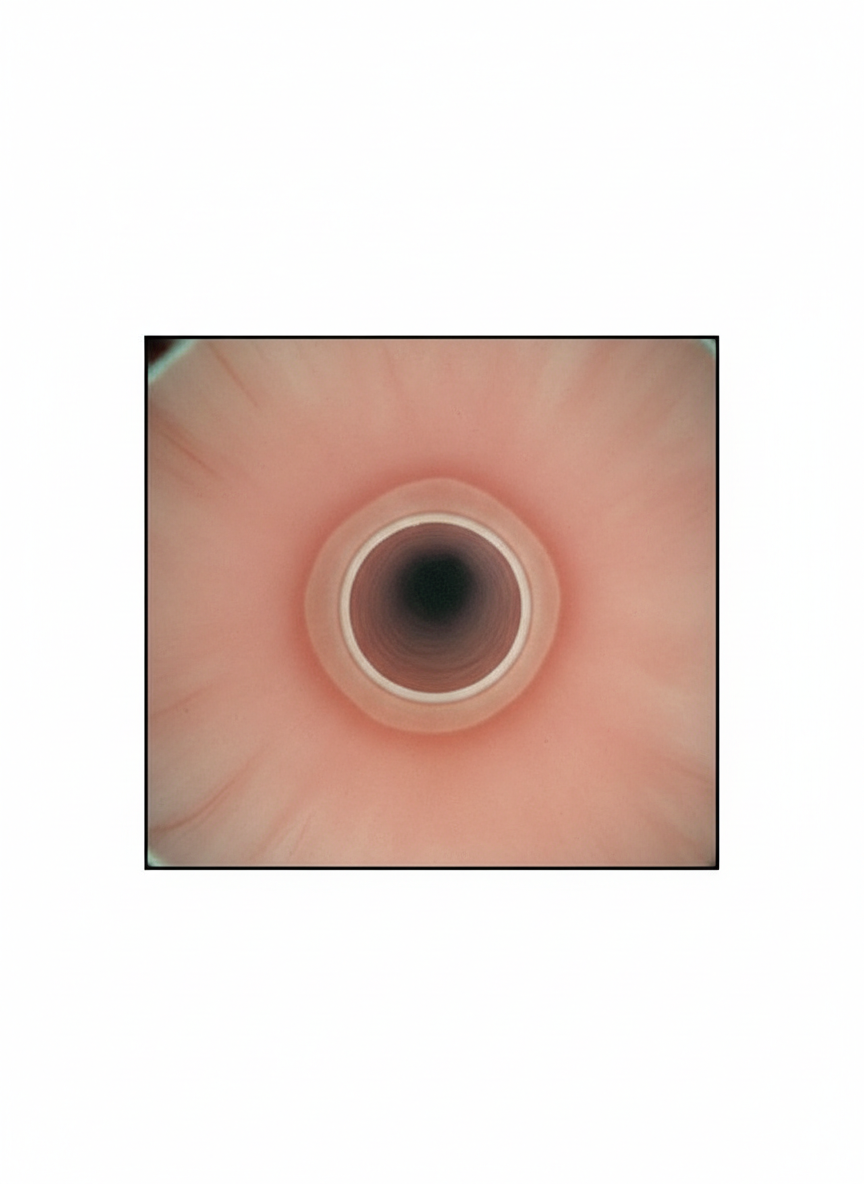
A 57-year-old woman presents to her primary care physician with a chief complaint of epigastric pain that has worsened over the past three weeks. She describes it as sudden “gnawing” sensations that last for up to half a minute before subsiding. She finds some relief after a glass of water, but does not associate relief or exacerbation around mealtimes. The patient denies any radiation of the pain, fever, weight loss, fatigue, or change in stool color and quality. She does not take any medications, and says her diet includes lots of spicy and smoked foods. The physician refers her for an upper endoscopy, which reveals evidence of duodenal ulcers and mild gastroesophageal reflux. The pathology report reveals focal intestinal metaplasia and gastric dysplasia in the stomach, but no Helicobacter pylori infection. How should the physician advise this patient?
Q172
A 60-year-old man comes to the emergency department because of recurrent episodes of fatigue, palpitations, nausea, and diaphoresis over the past 6 months. The episodes have become more frequent in the last 2 weeks and he has missed work several times because of them. His symptoms usually improve after he drinks some juice and rests. He has had a 2-kg (4.5-lb) weight gain in the past 6 months. He has a history of bipolar disorder, hypertension, and asthma. His sister has type 2 diabetes mellitus and his mother has a history of medullary thyroid carcinoma. His medications include lithium, hydrochlorothiazide, aspirin, and a budesonide inhaler. His temperature is 36.3°C (97.3°F), pulse is 92/min and regular, respirations are 20/min, and blood pressure is 118/65 mm Hg. Abdominal examination shows no abnormalities. Serum studies show:
Na+ 145 mEq/L
K+ 3.9 mEq/L
Cl- 103 mEq/L
Calcium 9.2 mg/dL
Glucose 88 mg/dL
Which of the following is the most appropriate next step in diagnosis?
Q173
A 34-year-old man presents with dysphagia. The patient says that he has pain on swallowing which gradually onset 2 weeks ago and has not improved. He denies any change in diet but does say that he recently returned from a prolonged work trip to the Caribbean. No significant past medical history or current medications. On physical examination, the patient looks pale. His tongue is swollen and has a beefy, red appearance. Angular stomatitis is present. Laboratory findings are significant for macrocytic, megaloblastic anemia, decreased serum folate, increased serum homocysteine, and normal methylmalonic acid levels. Which of the following conditions most likely caused this patient’s symptoms?
Q174
A 45-year-old woman presents to the clinic complaining of weakness that has progressively worsened over the past 2 weeks. She states that she has a hard time lifting both her arms but that they function normally. She notes no history of trauma or other deficits. On examination, that patient has 2/5 muscle strength on shoulder shrug and arm abduction bilaterally, but all other neurological exam findings are normal. You notice some skin changes and ask the patient about them. She states that she has had a rash around her eyes as well as on her lower face, going down to her neck and chest. She notes that the rashes started around the same time as the weakness began. Labs are drawn and a complete blood count and basic metabolic panel are normal. Which of the following is the most likely diagnosis?
Q175
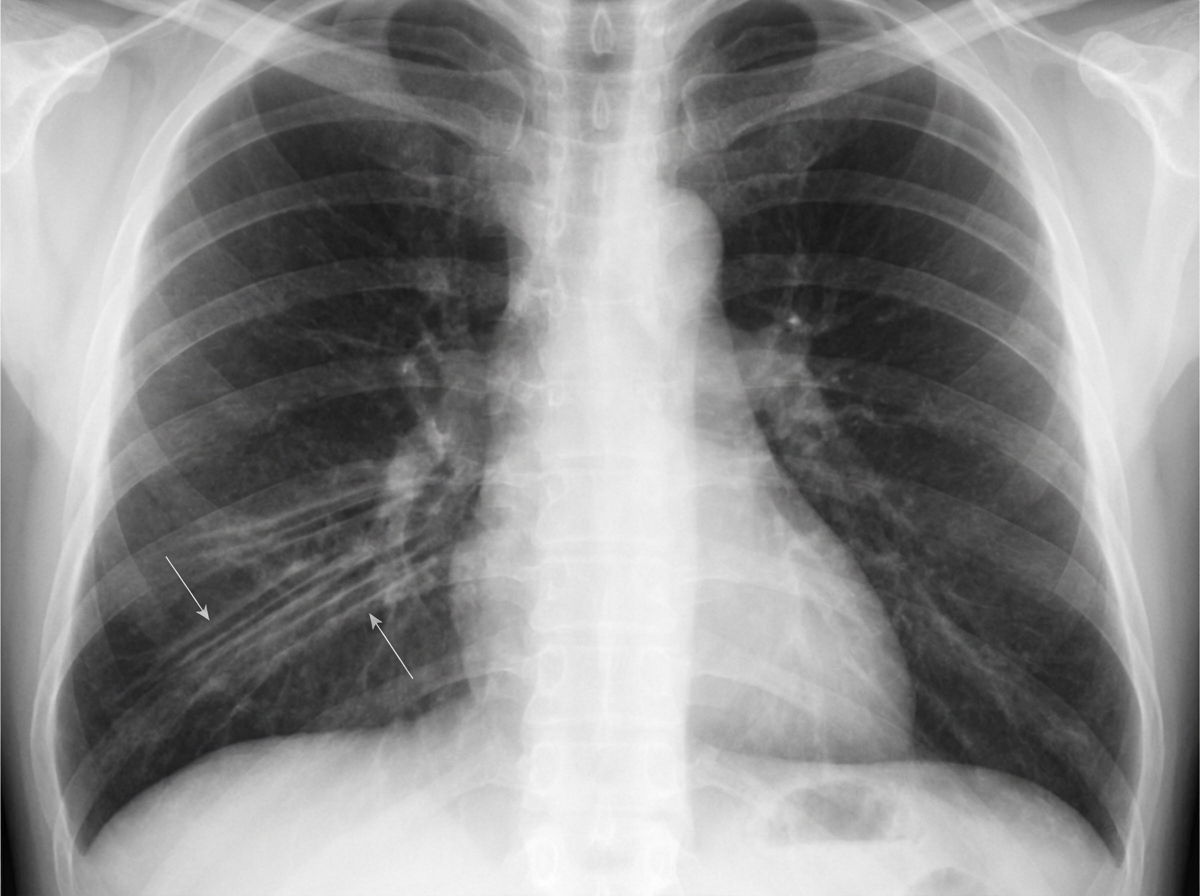
A previously healthy 55-year-old man comes to the physician because of a 5-month history of progressively worsening substernal chest pain after meals. The pain occurs almost daily, is worst after eating spicy food or drinking coffee, and often wakes him up from sleep at night. He has not had any weight loss. He has smoked 1 pack of cigarettes daily for 35 years and he drinks 1 to 2 glasses of wine daily with dinner. Physical examination is unremarkable. Esophagogastroduodenoscopy shows erythema of the distal esophagus with two small mucosal erosions. Biopsy specimens obtained from the esophagus show no evidence of metaplasia. Without treatment, this patient is at greatest risk for which of the following complications?
Q176
A 78-year-old woman presents with difficulty swallowing and retrosternal chest pain for the past couple of weeks. She says the pain radiates to the epigastric region and increases whenever she eats or drinks anything. She says the pain is not aggravated by exertion, and she denies any shortness of breath, nausea or vomiting, cough, sore throat, weight loss, or melena. She also denies any similar symptoms in the past. Past medical history is significant for hypertension, osteoporosis, stress incontinence, and a cataract in the left eye for which she underwent surgery 2 years ago. She is currently taking rosuvastatin, enalapril, risedronate, and oxybutynin. The patient denies any smoking history but says she consumes alcohol occasionally. The vital signs include pulse 74 /min, respiratory rate 14/min, and blood pressure 140/86 mm Hg. Abdominal examination reveals moderate tenderness to palpation over the epigastric region. The remainder of the physical examination is unremarkable. An electrocardiogram (ECG) is performed and shows mild left axis deviation. Which of the following is the next best step in the management of this patient?
Q177
A 45-year-old woman comes to the physician because of a 5-kg (11-lb) weight loss and difficulty swallowing. She is able to swallow liquids without difficulty but feels like solid foods get stuck in her throat. Physical examination shows taut skin and limited range of motion of the fingers. There are telangiectasias over the cheeks. An esophageal motility study shows absence of peristalsis in the lower two-thirds of the esophagus and decreased lower esophageal sphincter pressure. Further evaluation of this patient is most likely to show which of the following?
Q178
A 24-year-old Asian woman comes to the office complaining of fatigue. She states that for weeks she has noticed a decrease in her energy. She is a spin instructor, and she has been unable to teach. She said that when she was bringing groceries up the stairs yesterday she experienced some breathlessness and had to rest after ascending 1 flight. She denies chest pain, palpitations, or dyspnea at rest. She has occasional constipation. She recently became vegan 3 months ago following a yoga retreat abroad. The patient has no significant medical history and takes no medications. She was adopted, and her family history is non-contributory. She has never been pregnant. Her last menstrual period was 3 days ago, and her periods are regular. She is sexually active with her boyfriend of 2 years and uses condoms consistently. She drinks a glass of red wine each evening with dinner. She denies tobacco use or other recreational drug use. Her temperature is 99°F (37.2°C), blood pressure is 104/74 mmHg and pulse is 95/min. Oxygen saturation is 98% while breathing ambient air. On physical examination, bilateral conjunctiva are pale. Her capillary refill is 3 seconds. A complete blood count is drawn, as shown below:
Hemoglobin: 10 g/dL
Hematocrit: 32%
Leukocyte count: 10,000/mm^3 with normal differential
Platelet count: 200,000/mm^3
A peripheral smear shows hypochromic red blood cells and poikilocytosis. A hemoglobin electrophoresis reveals a minor reduction in hemoglobin A2. Which of the following is most likely to be seen on the patient’s iron studies?
Q179
A 58-year-old man presents to the emergency department with a 1-day history of difficulty swallowing. He also mentions that he has been frequently experiencing moderate to severe burning pain localized to the epigastric region for the last 3 weeks. The patient denies any history of vomiting, hematemesis, or black-colored stools. His past medical history is significant for gastroesophageal reflux disease diagnosed 10 years ago, for which he has not been compliant with medications. He has seen multiple physicians for similar complaints of retrosternal burning with regurgitation over the last 10 years but has not taken the medications suggested by the physicians regularly. He has never had a colonoscopy or endoscopy. He does not have any other known medical conditions, but he frequently takes over-the-counter analgesics for the relief of muscular pain. On physical examination, his vital signs are stable. Physical examination is normal except for the presence of mild pallor. Examination of the chest and abdomen does not reveal any abnormality. Which of the following investigations is indicated as the next step in the diagnostic evaluation of this patient?
Q180
A 55-year-old Caucasian man is referred to a gastroenterologist for difficulty in swallowing. He has been cutting his food into much smaller pieces when he eats for a little over a year. Recently, he has been having difficulty with liquid foods like soup as well. His past medical history is irrelevant, but he has noticed a 4 kg (8.8 lb) weight loss over the past 2 months. He is a smoker and has a BMI of 26 kg/m2. He regularly uses omeprazole for recurrent heartburn and ibuprofen for a frequent backache. On examination, the patient is afebrile and has no signs of pharyngeal inflammation, cervical lymphadenopathy, or palpable thyroid gland. A barium swallow imaging with an upper GI endoscopy is ordered. Which of the following is a risk factor for the condition that this patient has most likely developed?
Gastroenterology US Medical PG Practice Questions and MCQs
Question 171: A 57-year-old woman presents to her primary care physician with a chief complaint of epigastric pain that has worsened over the past three weeks. She describes it as sudden “gnawing” sensations that last for up to half a minute before subsiding. She finds some relief after a glass of water, but does not associate relief or exacerbation around mealtimes. The patient denies any radiation of the pain, fever, weight loss, fatigue, or change in stool color and quality. She does not take any medications, and says her diet includes lots of spicy and smoked foods. The physician refers her for an upper endoscopy, which reveals evidence of duodenal ulcers and mild gastroesophageal reflux. The pathology report reveals focal intestinal metaplasia and gastric dysplasia in the stomach, but no Helicobacter pylori infection. How should the physician advise this patient?
A. Intestinal metaplasia and gastric dysplasia are best managed with acid suppression and repeat endoscopy.
B. Intestinal metaplasia requires no specific treatment, while gastric dysplasia requires immediate surgery.
C. Intestinal metaplasia and gastric dysplasia are irreversible and untreatable.
D. Intestinal metaplasia may regress with treatment of underlying cause; gastric dysplasia requires monitoring and possible intervention. (Correct Answer)
E. Both intestinal metaplasia and gastric dysplasia require endoscopic surveillance.
Explanation: ***Correct: Intestinal metaplasia may regress with treatment of underlying cause; gastric dysplasia requires monitoring and possible intervention.***
- **Intestinal metaplasia (IM)**, especially without *H. pylori*, may resolve or improve if the underlying cause like **GERD** or chronic irritation (spicy/smoked foods) is treated.
- **Gastric dysplasia** is a **precancerous lesion** that warrants close surveillance and possible endoscopic removal or other interventions depending on its grade and extent to prevent progression to gastric cancer.
- This is the most comprehensive and medically accurate approach to managing both findings.
*Incorrect: Intestinal metaplasia and gastric dysplasia are best managed with acid suppression and repeat endoscopy.*
- While **acid suppression (PPI therapy)** is beneficial for **duodenal ulcers** and **GERD**, it is not the primary or sole management for **intestinal metaplasia** and **gastric dysplasia**.
- **Repeat endoscopy** is part of surveillance, but this option doesn't address treatment of underlying causes or the need for active intervention for dysplasia.
*Incorrect: Intestinal metaplasia requires no specific treatment, while gastric dysplasia requires immediate surgery.*
- **Intestinal metaplasia** does benefit from identifying and managing underlying causes (GERD, dietary factors) to prevent progression.
- **Gastric dysplasia** does not always require **immediate surgery**; management depends on the grade (low-grade vs. high-grade) and can include endoscopic resection before considering surgery.
*Incorrect: Intestinal metaplasia and gastric dysplasia are irreversible and untreatable.*
- This statement is factually incorrect; **intestinal metaplasia** can regress with treatment of underlying causes.
- **Gastric dysplasia** is treatable, with interventions ranging from surveillance to **endoscopic resection** or surgery to prevent progression to cancer.
*Incorrect: Both intestinal metaplasia and gastric dysplasia require endoscopic surveillance.*
- Although **endoscopic surveillance** is crucial for both conditions, especially for **gastric dysplasia**, this option doesn't encompass the complete management strategy.
- It fails to mention treatment of underlying causes (GERD, dietary modification) for intestinal metaplasia and active intervention (endoscopic resection) for dysplasia.
- Surveillance alone is insufficient; comprehensive management is required.
Question 172: A 60-year-old man comes to the emergency department because of recurrent episodes of fatigue, palpitations, nausea, and diaphoresis over the past 6 months. The episodes have become more frequent in the last 2 weeks and he has missed work several times because of them. His symptoms usually improve after he drinks some juice and rests. He has had a 2-kg (4.5-lb) weight gain in the past 6 months. He has a history of bipolar disorder, hypertension, and asthma. His sister has type 2 diabetes mellitus and his mother has a history of medullary thyroid carcinoma. His medications include lithium, hydrochlorothiazide, aspirin, and a budesonide inhaler. His temperature is 36.3°C (97.3°F), pulse is 92/min and regular, respirations are 20/min, and blood pressure is 118/65 mm Hg. Abdominal examination shows no abnormalities. Serum studies show:
Na+ 145 mEq/L
K+ 3.9 mEq/L
Cl- 103 mEq/L
Calcium 9.2 mg/dL
Glucose 88 mg/dL
Which of the following is the most appropriate next step in diagnosis?
A. Corticotropin stimulation test
B. Water deprivation test
C. Oral glucose tolerance test
D. 24-hour urine catecholamine test
E. 72-hour fasting test (Correct Answer)
Explanation: **72-hour fasting test**
- The patient's symptoms (fatigue, palpitations, nausea, diaphoresis) that improve with eating (drinking juice) are highly suggestive of **hypoglycemia**, fitting **Whipple's triad**.
- A 72-hour fasting test is the gold standard for diagnosing **insulinoma**, a neuroendocrine tumor that causes endogenous hyperinsulinism and recurrent hypoglycemia.
*Corticotropin stimulation test*
- This test is used to diagnose **adrenal insufficiency** by evaluating the adrenal glands' response to ACTH.
- The patient's symptoms are inconsistent with adrenal insufficiency, and his blood pressure is stable, arguing against a hypotensive crisis.
*Water deprivation test*
- This test is used to diagnose **diabetes insipidus** by assessing the kidney's ability to concentrate urine.
- The patient's symptoms do not align with polyuria and polydipsia characteristic of diabetes insipidus.
*Oral glucose tolerance test*
- This test is primarily used to diagnose **diabetes mellitus** or impaired glucose tolerance.
- While helpful for assessing glucose metabolism, it is not the initial test for recurrent symptomatic hypoglycemia that improves with sugar intake.
*24-hour urine catecholamine test*
- This test is used to diagnose **pheochromocytoma**, a tumor that causes excessive catecholamine release.
- While palpitations and diaphoresis can occur, the improvement with glucose and lack of sustained hypertension make pheochromocytoma less likely.
Question 173: A 34-year-old man presents with dysphagia. The patient says that he has pain on swallowing which gradually onset 2 weeks ago and has not improved. He denies any change in diet but does say that he recently returned from a prolonged work trip to the Caribbean. No significant past medical history or current medications. On physical examination, the patient looks pale. His tongue is swollen and has a beefy, red appearance. Angular stomatitis is present. Laboratory findings are significant for macrocytic, megaloblastic anemia, decreased serum folate, increased serum homocysteine, and normal methylmalonic acid levels. Which of the following conditions most likely caused this patient’s symptoms?
A. Diphyllobothrium latum infection
B. Autoimmune destruction of parietal cells
C. Tropical sprue (Correct Answer)
D. Poor diet
E. Celiac disease
Explanation: ***Tropical sprue***
- The combination of **dysphagia**, **glossitis** (beefy, red, swollen tongue, angular stomatitis), **macrocytic megaloblastic anemia**, **decreased serum folate**, and a history of travel to the **Caribbean** strongly suggests tropical sprue.
- **Normal methylmalonic acid** levels rule out B12 deficiency, leaving folate deficiency as the primary cause of macrocytic anemia, consistent with tropical sprue's malabsorption.
*Diphyllobothrium latum infection*
- This infection causes **vitamin B12 deficiency** due to the parasite absorbing B12, leading to **macrocytic megaloblastic anemia**.
- However, B12 deficiency would present with **elevated methylmalonic acid** (MMA) levels, which are normal in this patient.
*Autoimmune destruction of parietal cells*
- This condition (pernicious anemia) leads to a **lack of intrinsic factor**, causing **vitamin B12 malabsorption** and subsequent B12 deficiency.
- Like *Diphyllobothrium latum* infection, it would also present with **elevated methylmalonic acid** levels.
*Poor diet*
- While a severely poor diet can lead to nutritional deficiencies, the patient denies any change in diet, and the specific constellation of symptoms (especially a history of travel to the Caribbean and **normal MMA**) points more directly to a malabsorption syndrome like tropical sprue.
- While a poor diet could cause folate deficiency, it wouldn't explain the rapid onset of severe symptoms or the specific malabsorptive context without further history.
*Celiac disease*
- Celiac disease typically causes **malabsorption** leading to iron deficiency anemia (microcytic) or, less commonly, folate deficiency (macrocytic).
- However, celiac disease is an immune reaction to **gluten** and is not specifically associated with travel to the Caribbean or the classic oral findings described.
Question 174: A 45-year-old woman presents to the clinic complaining of weakness that has progressively worsened over the past 2 weeks. She states that she has a hard time lifting both her arms but that they function normally. She notes no history of trauma or other deficits. On examination, that patient has 2/5 muscle strength on shoulder shrug and arm abduction bilaterally, but all other neurological exam findings are normal. You notice some skin changes and ask the patient about them. She states that she has had a rash around her eyes as well as on her lower face, going down to her neck and chest. She notes that the rashes started around the same time as the weakness began. Labs are drawn and a complete blood count and basic metabolic panel are normal. Which of the following is the most likely diagnosis?
A. Dermatomyositis (Correct Answer)
B. Polymyalgia rheumatica
C. Lambert-Eaton myasthenic syndrome (LEMS)
D. Fibromyalgia
E. Myasthenia gravis
Explanation: ***Dermatomyositis***
- The presentation of **proximal muscle weakness** (difficulty lifting arms, weak shoulder shrug and arm abduction) combined with **characteristic skin rashes** (heliotrope rash around eyes, shawl sign on neck/chest) is highly indicative of dermatomyositis.
- Dermatomyositis is a **systemic autoimmune disease** characterized by inflammation of the muscles and skin, often associated with elevated muscle enzymes, although not mentioned as abnormal here, the clinical picture is classic.
*Polymyalgia rheumatica*
- Polymyalgia rheumatica also causes **proximal muscle pain and stiffness**, particularly in the shoulders and hips, but usually without significant weakness.
- It is not associated with the specific **skin manifestations** described, and typically occurs in older individuals (over 50).
*Lambert-Eaton myasthenic syndrome (LEMS)*
- LEMS causes **proximal muscle weakness** that typically **improves with exercise** and is often associated with **autonomic dysfunction** (e.g., dry mouth, erectile dysfunction) and **small cell lung cancer**.
- The specific skin rashes observed and the progressive worsening of weakness are inconsistent with LEMS.
*Fibromyalgia*
- Fibromyalgia is characterized by **widespread musculoskeletal pain**, fatigue, and tender points, but typically **does not involve objective muscle weakness** or the specific skin rashes seen in this patient.
- The muscle strength findings (2/5) rule out fibromyalgia as the primary diagnosis.
*Myasthenia gravis*
- Myasthenia gravis causes **fluctuating muscle weakness** that worsens with activity and improves with rest, often affecting **ocular and bulbar muscles** first.
- While it can cause proximal limb weakness, it is not associated with the specific **skin rashes** described.
Question 175: A previously healthy 55-year-old man comes to the physician because of a 5-month history of progressively worsening substernal chest pain after meals. The pain occurs almost daily, is worst after eating spicy food or drinking coffee, and often wakes him up from sleep at night. He has not had any weight loss. He has smoked 1 pack of cigarettes daily for 35 years and he drinks 1 to 2 glasses of wine daily with dinner. Physical examination is unremarkable. Esophagogastroduodenoscopy shows erythema of the distal esophagus with two small mucosal erosions. Biopsy specimens obtained from the esophagus show no evidence of metaplasia. Without treatment, this patient is at greatest risk for which of the following complications?
A. Esophageal squamous cell carcinoma
B. Esophageal adenocarcinoma
C. Esophageal stricture (Correct Answer)
D. Sliding hiatal hernia
E. Pyloric stenosis
Explanation: ***Esophageal stricture***
- Chronic inflammation from **gastroesophageal reflux disease (GERD)** can lead to **fibrosis and scar tissue formation** in the esophagus, resulting in the narrowing of the esophageal lumen.
- While not immediately life-threatening, **esophageal strictures** can cause **dysphagia** and require endoscopic dilation.
*Esophageal squamous cell carcinoma*
- This type of cancer is more commonly associated with **tobacco and alcohol use**, but generally does not directly result from GERD.
- There is no mention of **dysphagia to solids** or other typical symptoms of esophageal cancer.
*Esophageal adenocarcinoma*
- This complication is typically preceded by **Barrett's esophagus**, which involves **intestinal metaplasia** of the esophageal lining.
- The biopsy results explicitly state **no evidence of metaplasia**, making this an unlikely immediate risk.
*Sliding hiatal hernia*
- A **sliding hiatal hernia** is a common anatomical predisposition for GERD, and it may contribute to the patient's symptoms but is not a complication *of* GERD itself.
- It involves the **protrusion of the stomach into the chest cavity** through the diaphragm.
*Pyloric stenosis*
- **Pyloric stenosis** affects the **pylorus**, the opening between the stomach and the small intestine, and is not a direct complication of esophageal reflux disease.
- It usually presents with **projectile vomiting** and typically occurs in infants or, less commonly, in adults due to other causes like chronic ulcers or tumors.
Question 176: A 78-year-old woman presents with difficulty swallowing and retrosternal chest pain for the past couple of weeks. She says the pain radiates to the epigastric region and increases whenever she eats or drinks anything. She says the pain is not aggravated by exertion, and she denies any shortness of breath, nausea or vomiting, cough, sore throat, weight loss, or melena. She also denies any similar symptoms in the past. Past medical history is significant for hypertension, osteoporosis, stress incontinence, and a cataract in the left eye for which she underwent surgery 2 years ago. She is currently taking rosuvastatin, enalapril, risedronate, and oxybutynin. The patient denies any smoking history but says she consumes alcohol occasionally. The vital signs include pulse 74 /min, respiratory rate 14/min, and blood pressure 140/86 mm Hg. Abdominal examination reveals moderate tenderness to palpation over the epigastric region. The remainder of the physical examination is unremarkable. An electrocardiogram (ECG) is performed and shows mild left axis deviation. Which of the following is the next best step in the management of this patient?
A. Refer her for an upper GI endoscopy
B. Start triple therapy with esomeprazole, metronidazole, and clarithromycin
C. Start her on ranitidine
D. Start esomeprazole and increase enalapril dose.
E. Start esomeprazole, temporarily stop risedronate (Correct Answer)
Explanation: ***Start esomeprazole, temporarily stop risedronate***
- The patient exhibits symptoms of **esophageal irritation**, including **dysphagia** and retrosternal chest pain aggravated by eating, which is a known side effect of **bisphosphonates** like risedronate.
- Starting a **proton pump inhibitor (PPI)** like esomeprazole and temporarily discontinuing the risedronate addresses both the potential cause and the symptoms effectively.
*Refer her for an upper GI endoscopy*
- While an endoscopy may eventually be indicated if symptoms persist, it is not the immediate next best step given the clear potential link to risedronate, a medication known to cause **esophageal erosions**.
- **Empiric therapy** with PPIs and stopping the offending agent is usually the first approach in suspected medication-induced esophagitis.
*Start triple therapy with esomeprazole, metronidazole, and clarithromycin*
- **Triple therapy** is used for **H. pylori eradication** in cases of peptic ulcer disease, which is not strongly suggested here.
- The patient's symptoms are more consistent with **esophageal rather than gastric irritation**, and there's no indication of infection warranting antibiotics.
*Start her on ranitidine*
- **Ranitidine** is an **H2 receptor blocker**, which is less potent than a PPI like esomeprazole in suppressing acid production.
- Given the severity and nature of the symptoms, a **PPI is preferred for initial management** of suspected esophagitis.
*Start esomeprazole and increase enalapril dose.*
- While esomeprazole might be appropriate, increasing the **enalapril dose** is irrelevant to her current symptoms and could lead to **hypotension** or other side effects without addressing the esophageal issue.
- The patient's blood pressure is already well-controlled, and there is no indication for an increase in her antihypertensive medication.
Question 177: A 45-year-old woman comes to the physician because of a 5-kg (11-lb) weight loss and difficulty swallowing. She is able to swallow liquids without difficulty but feels like solid foods get stuck in her throat. Physical examination shows taut skin and limited range of motion of the fingers. There are telangiectasias over the cheeks. An esophageal motility study shows absence of peristalsis in the lower two-thirds of the esophagus and decreased lower esophageal sphincter pressure. Further evaluation of this patient is most likely to show which of the following?
A. Microcytic, pale red blood cells
B. Budding yeasts on the oral mucosa
C. Arteriolar wall thickening in the kidney (Correct Answer)
D. Amyloid deposits in the liver
E. Parasite nests in the myocardium
Explanation: **Arteriolar wall thickening in the kidney**
* The patient's presentation is classic for **Systemic Sclerosis (Scleroderma)**: progressive dysphagia for solids, **taut skin** (cutaneous sclerosis), sclerodactyly (limited finger motion), **telangiectasias**, and esophageal dysmotility with absent peristalsis and decreased LES pressure.
* **Renal involvement** is a major systemic complication of scleroderma. **Scleroderma renal crisis** occurs in 10-15% of patients and involves proliferative vasculopathy with **arteriolar wall thickening** (particularly affecting afferent renal arterioles), leading to acute kidney injury and malignant hypertension.
* This histologic finding of **arterial intimal proliferation and medial thickening** is the hallmark of scleroderma renal crisis and would be seen on kidney biopsy.
*Microcytic, pale red blood cells*
* This finding suggests **iron deficiency anemia** from chronic GI bleeding or malabsorption.
* While patients with scleroderma can develop **esophageal dysmotility** leading to reflux and Barrett's esophagus, and intestinal involvement causing malabsorption, iron deficiency anemia is not the most direct or specific systemic complication expected with this presentation.
*Budding yeasts on the oral mucosa*
* This indicates **oral candidiasis (thrush)**, seen in immunosuppressed patients or those with esophageal dysmotility.
* While scleroderma patients with severe esophageal dysmotility can develop candida esophagitis, oral candidiasis is not a primary systemic manifestation of the disease itself and would be secondary to esophageal stasis.
*Amyloid deposits in the liver*
* **Amyloidosis** involves extracellular deposition of insoluble fibrillar proteins in various organs.
* The clinical presentation here (taut skin, telangiectasias, specific esophageal findings with decreased LES pressure) is characteristic of scleroderma, not amyloidosis. Amyloidosis typically presents with nephrotic syndrome, hepatomegaly, macroglossia, and cardiac involvement—different from this patient's features.
*Parasite nests in the myocardium*
* This describes **Chagas disease** (caused by *Trypanosoma cruzi*), which causes **megaesophagus** and cardiomyopathy.
* While Chagas can cause esophageal dysmotility, it presents with **dilated esophagus** (megaesophagus) rather than the scleroderma pattern, and lacks the characteristic **skin changes** (taut skin, telangiectasias) and **decreased LES pressure** seen in this patient.
Question 178: A 24-year-old Asian woman comes to the office complaining of fatigue. She states that for weeks she has noticed a decrease in her energy. She is a spin instructor, and she has been unable to teach. She said that when she was bringing groceries up the stairs yesterday she experienced some breathlessness and had to rest after ascending 1 flight. She denies chest pain, palpitations, or dyspnea at rest. She has occasional constipation. She recently became vegan 3 months ago following a yoga retreat abroad. The patient has no significant medical history and takes no medications. She was adopted, and her family history is non-contributory. She has never been pregnant. Her last menstrual period was 3 days ago, and her periods are regular. She is sexually active with her boyfriend of 2 years and uses condoms consistently. She drinks a glass of red wine each evening with dinner. She denies tobacco use or other recreational drug use. Her temperature is 99°F (37.2°C), blood pressure is 104/74 mmHg and pulse is 95/min. Oxygen saturation is 98% while breathing ambient air. On physical examination, bilateral conjunctiva are pale. Her capillary refill is 3 seconds. A complete blood count is drawn, as shown below:
Hemoglobin: 10 g/dL
Hematocrit: 32%
Leukocyte count: 10,000/mm^3 with normal differential
Platelet count: 200,000/mm^3
A peripheral smear shows hypochromic red blood cells and poikilocytosis. A hemoglobin electrophoresis reveals a minor reduction in hemoglobin A2. Which of the following is most likely to be seen on the patient’s iron studies?
A. Decreased serum iron and increased TIBC (Correct Answer)
B. Normal serum iron and normal TIBC
C. Increased serum iron and decreased TIBC
D. Increased serum ferritin and increased iron saturation
E. Decreased serum iron and decreased TIBC
Explanation: ***Decreased serum iron and increased TIBC***
- The patient's symptoms (fatigue, breathlessness, pale conjunctiva, prolonged capillary refill) and lab results (hemoglobin 10 g/dL, hematocrit 32%, hypochromic red blood cells, poikilocytosis) are highly indicative of **iron deficiency anemia (IDA)**.
- The **decreased hemoglobin A2** on electrophoresis further supports IDA, as HbA2 levels are typically reduced in iron deficiency (whereas they are elevated in beta-thalassemia trait).
- In IDA, the body lacks iron, leading to **decreased serum iron** and a compensatory **increased total iron-binding capacity (TIBC)** as the body tries to maximize iron absorption and transport.
*Normal serum iron and normal TIBC*
- This profile is typically seen in individuals without iron metabolic disturbances, which contradicts the patient's clear signs and symptoms of **anemia** and likely iron deficiency.
- Normal iron studies would not explain the **hypochromic microcytic red blood cells** found on the peripheral smear.
*Increased serum iron and decreased TIBC*
- This pattern is characteristic of **iron overload conditions** such as hemochromatosis or sideroblastic anemia, which are inconsistent with the patient's presentation of fatigue and anemia.
- Decreased TIBC indicates the body has sufficient or excess iron and does not need to increase iron binding protein production.
*Decreased serum iron and decreased TIBC*
- This finding is most commonly associated with **anemia of chronic disease (ACD)**, where inflammatory mediators lead to iron sequestration, resulting in both low serum iron and reduced TIBC.
- While the patient has some signs of anemia, her recent switch to a **vegan diet** and the absence of a chronic inflammatory condition make IDA more likely than ACD.
*Increased serum ferritin and increased iron saturation*
- **Increased serum ferritin** would indicate iron overload or inflammation, while **increased iron saturation** suggests there is plenty of iron available for binding.
- These findings are contrary to the classic picture of **iron deficiency anemia**, where ferritin (the storage form of iron) would be low, and iron saturation would be reduced due to insufficient iron.
Question 179: A 58-year-old man presents to the emergency department with a 1-day history of difficulty swallowing. He also mentions that he has been frequently experiencing moderate to severe burning pain localized to the epigastric region for the last 3 weeks. The patient denies any history of vomiting, hematemesis, or black-colored stools. His past medical history is significant for gastroesophageal reflux disease diagnosed 10 years ago, for which he has not been compliant with medications. He has seen multiple physicians for similar complaints of retrosternal burning with regurgitation over the last 10 years but has not taken the medications suggested by the physicians regularly. He has never had a colonoscopy or endoscopy. He does not have any other known medical conditions, but he frequently takes over-the-counter analgesics for the relief of muscular pain. On physical examination, his vital signs are stable. Physical examination is normal except for the presence of mild pallor. Examination of the chest and abdomen does not reveal any abnormality. Which of the following investigations is indicated as the next step in the diagnostic evaluation of this patient?
A. Ambulatory 24-hour pH monitoring
B. Esophageal manometry
C. Upper gastrointestinal endoscopy (Correct Answer)
D. Intraluminal impedance monitoring
E. Barium radiography of esophagus, stomach, and duodenum
Explanation: ***Upper gastrointestinal endoscopy***
- This patient presents with **dysphagia** and a long history of **untreated GERD**, raising concern for complications like **esophageal stricture** or **Barrett's esophagus**, which necessitate direct visualization.
- Endoscopy allows for **biopsy** of suspicious lesions (e.g., dysplasia, adenocarcinoma) and therapeutic interventions like **dilation of strictures**.
*Ambulatory 24-hour pH monitoring*
- This test is primarily used to **confirm GERD** in patients with atypical symptoms or to evaluate response to treatment, but it does not assess for structural complications.
- It would not identify conditions like **esophageal stricture** or **Barrett's esophagus**, which are a concern given the patient's dysphagia and long history of untreated GERD.
*Esophageal manometry*
- Esophageal manometry assesses **esophageal motility** and is useful in diagnosing motility disorders like **achalasia** but does not visualize the mucosa or detect structural abnormalities.
- While dysphagia can be a symptom of motility disorders, the patient's long history of GERD makes structural complications a more urgent concern.
*Intraluminal impedance monitoring*
- This test is often combined with pH monitoring to detect **non-acid reflux** or to evaluate patients with persistent symptoms despite acid-suppressive therapy.
- It does not provide information about the **mucosal integrity** or detect **structural abnormalities** that are highly suspected in this patient.
*Barium radiography of esophagus, stomach, and duodenum*
- While barium studies can identify **structural abnormalities** such as strictures or large ulcers, they are less sensitive than endoscopy for detecting subtle mucosal changes like **Barrett's esophagus** or early cancer.
- Barium studies also do not allow for **biopsy** of suspicious lesions, which is crucial for definitive diagnosis in this high-risk patient.
Question 180: A 55-year-old Caucasian man is referred to a gastroenterologist for difficulty in swallowing. He has been cutting his food into much smaller pieces when he eats for a little over a year. Recently, he has been having difficulty with liquid foods like soup as well. His past medical history is irrelevant, but he has noticed a 4 kg (8.8 lb) weight loss over the past 2 months. He is a smoker and has a BMI of 26 kg/m2. He regularly uses omeprazole for recurrent heartburn and ibuprofen for a frequent backache. On examination, the patient is afebrile and has no signs of pharyngeal inflammation, cervical lymphadenopathy, or palpable thyroid gland. A barium swallow imaging with an upper GI endoscopy is ordered. Which of the following is a risk factor for the condition that this patient has most likely developed?
A. Dysplasia
B. Diet
C. Acid reflux (Correct Answer)
D. Smoking
E. Trypanosoma infection
Explanation: ***Acid reflux***
- The patient's history of **recurrent heartburn** and regular omeprazole use strongly indicates chronic **gastroesophageal reflux disease (GERD)**, which is the most important risk factor for esophageal adenocarcinoma in Caucasian patients.
- Chronic GERD leads to **Barrett's esophagus** (intestinal metaplasia of the distal esophagus), which is a precursor lesion with risk of progression to dysplasia and eventually adenocarcinoma.
- The progressive dysphagia (solids then liquids), weight loss, and chronic GERD history in a Caucasian male strongly suggest **esophageal adenocarcinoma**, for which acid reflux is the primary modifiable risk factor.
*Dysplasia*
- While dysplasia (particularly high-grade dysplasia) is a strong predictor of malignant transformation and represents an advanced stage in the metaplasia-dysplasia-carcinoma sequence, it is not an **underlying risk factor** but rather a histopathologic finding that develops as a consequence of chronic mucosal injury.
- Dysplasia requires endoscopic surveillance or intervention, but the question asks for a risk factor for developing the condition, not a marker of disease progression.
*Diet*
- Certain dietary patterns (low in fruits/vegetables, high in processed foods) are general risk factors for esophageal cancer, but are less specific and less strongly associated compared to chronic acid reflux.
- In this patient with documented chronic GERD and typical presentation of esophageal adenocarcinoma, **acid reflux is the more specific and clinically relevant risk factor**.
*Smoking*
- **Smoking** is indeed a well-established risk factor for both squamous cell carcinoma and adenocarcinoma of the esophagus, and this patient's smoking history contributes to his cancer risk.
- However, in the context of this question asking for "**a** risk factor" (singular), **chronic acid reflux** is the most specific and directly relevant risk factor given his documented GERD history, Caucasian ethnicity, and clinical presentation consistent with adenocarcinoma.
- Both smoking and GERD are risk factors, but GERD → Barrett's → adenocarcinoma is the most characteristic pathway for this presentation.
*Trypanosoma infection*
- **Trypanosoma cruzi** infection (Chagas disease) causes destruction of the myenteric plexus, leading to **achalasia** (failure of lower esophageal sphincter relaxation).
- Chronic achalasia is a risk factor for **squamous cell carcinoma** of the esophagus, not adenocarcinoma.
- This patient's presentation (dysphagia to solids before liquids, chronic heartburn) is more consistent with an obstructive lesion (cancer) rather than a motility disorder (achalasia causes dysphagia to both solids and liquids simultaneously).