
Rapid assessment techniques — MCQs

A group of neurologists develop a new blood test for Alzheimer's. They are optimistic about the test, as they have found that for any given patient, the test repeatedly produces very similar results. However, they find that the new test results are not necessarily consistent with the gold standard of diagnosis. How would this new test most accurately be described?
A 24-year-old man presents to the emergency department after a motor vehicle collision. He was in the front seat and unrestrained driver in a head on collision. His temperature is 99.2°F (37.3°C), blood pressure is 90/65 mmHg, pulse is 152/min, respirations are 16/min, and oxygen saturation is 100% on room air. Physical exam is notable for a young man who opens his eyes spontaneously and is looking around. He answers questions with inappropriate responses but discernible words. He withdraws from pain but does not have purposeful movement. Which of the following is this patient's Glasgow coma scale?
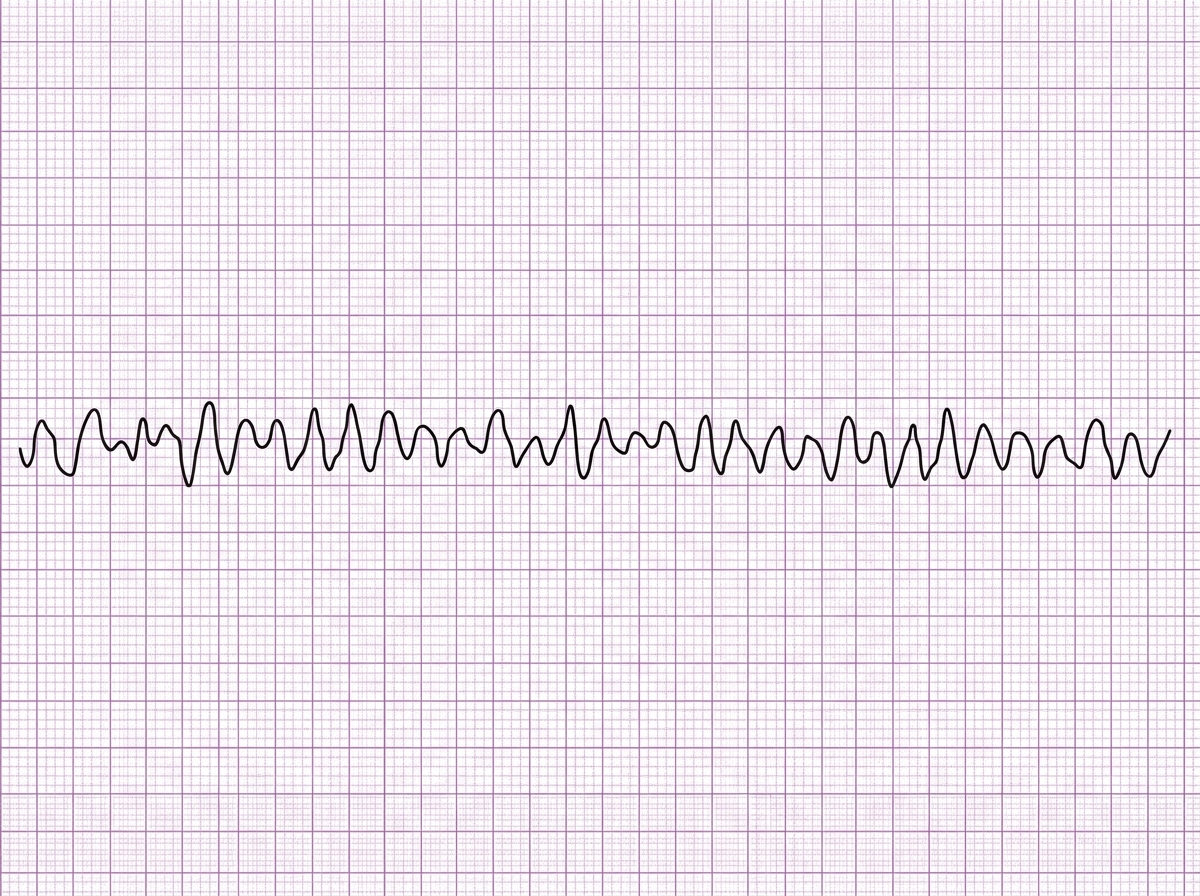
A 66-year-old man presents to the emergency department with a 3-hour history of crushing chest pain radiating to the left shoulder and neck. Patient states that the pain began suddenly when he was taking a walk around the block and has not improved with rest. He also mentions difficulty breathing and prefers to sit leaning forward. He denies ever having similar symptoms before. Past medical history is significant for hypertension, diagnosed 10 years ago, and hyperlipidemia diagnosed 8 years ago. Current medications are atorvastatin. Patient is also prescribed hydrochlorothiazide as an antihypertensive but is not compliant because he says it makes him urinate too often. Vitals show a blood pressure of 152/90 mm Hg, pulse of 106/min, respirations of 22/min and oxygen saturation of 97% on room air. On physical exam, patient is profusely diaphoretic and hunched over in distress. Cardiac exam is unremarkable and lungs are clear to auscultation. During your examination, the patient suddenly becomes unresponsive and a pulse cannot be palpated. A stat ECG shows the following (see image). Which of the following is the next best step in management?
A 79-year-old woman who lives alone is brought to the emergency department by her neighbor because of worsening confusion over the last 2 days. Due to her level of confusion, she is unable to answer questions appropriately. She has had type 2 diabetes mellitus for 29 years for which she takes metformin. Vital signs include: blood pressure 111/72 mm Hg, temperature 38.5°C (101.3°F), and pulse 100/min. Her fingerstick blood glucose is 210 mg/dL. On physical examination, she is not oriented to time or place and mistakes the nursing assistant for her cousin. Laboratory results are shown: Hemoglobin 13 g/dL Leukocyte count 16,000/mm3 Segmented neutrophils 70% Eosinophils 1% Basophils 0.3% Lymphocytes 25% Monocytes 4% Which of the following is the most likely diagnosis?
A patient presents to the emergency room in an obtunded state. The patient is a known nurse within the hospital system and has no history of any medical problems. A finger stick blood glucose is drawn showing a blood glucose of 25 mg/dL. The patient's daughter immediately arrives at the hospital stating that her mother has been depressed recently and that she found empty syringes in the bathroom at the mother's home. Which of the following is the test that will likely reveal the diagnosis?
Want unlimited practice?
Get full access to all questions, explanations, and performance tracking.
Scan to download app